
Sigiriya
Sigiriya, or Lion Rock, has been on my travel radar for over three decades.
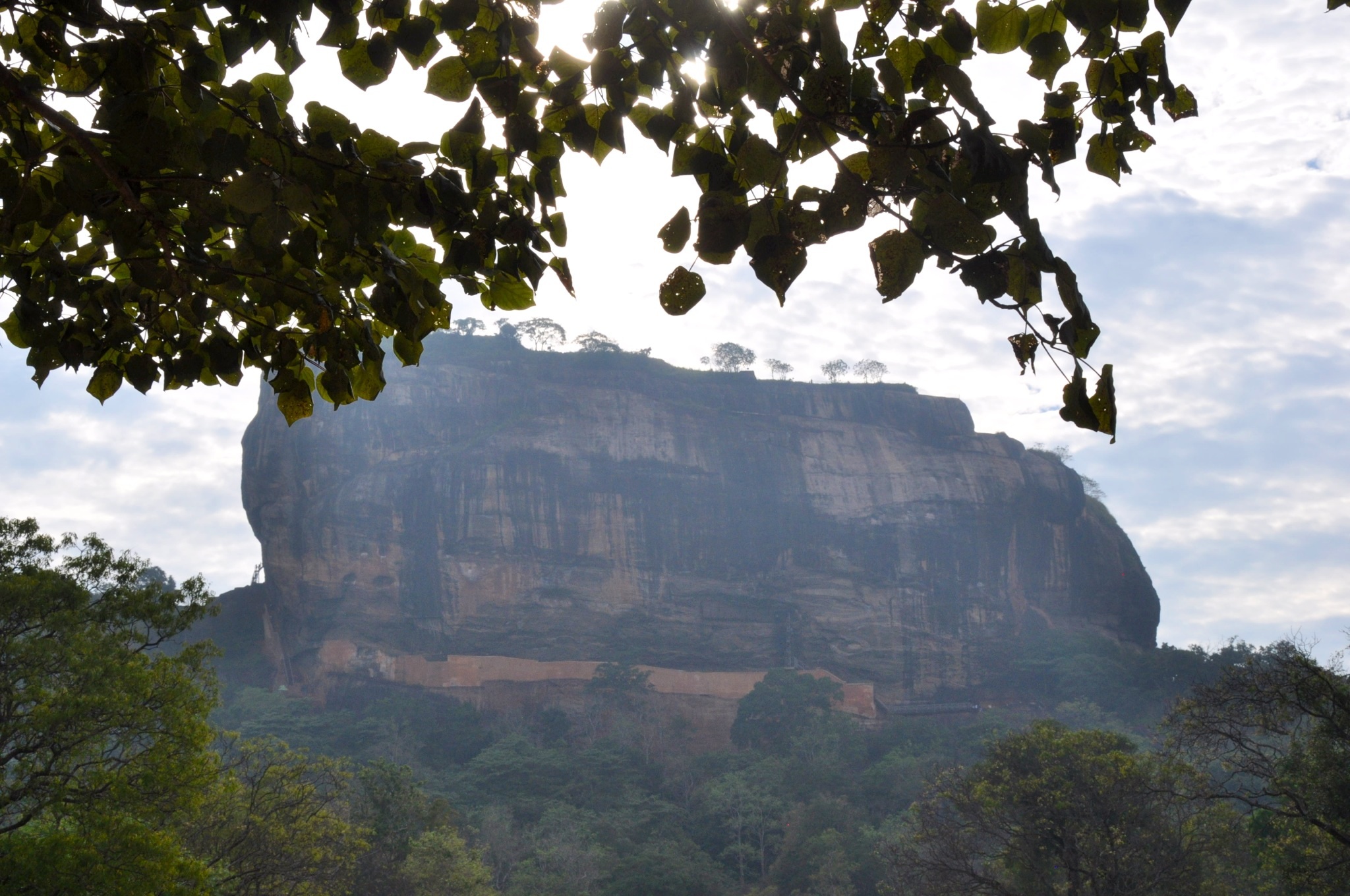
Sigiriya from below
In those days, there were no travel magazines littering my desk, nor could I surf the web to take me to exotic destinations over a cuppa. (How did I manage?) What I did have, however, was a passion for Duran Duran and in 1982, the band released the video for Save A Prayer. Watch it here:
It was shot on location in various parts of Sri Lanka, among them Sigiriya, which that same year was designated a UNESCO World Heritage site. As the camera panned, I remember watching and wondering how they got up there as the rock face looked impossibly steep.
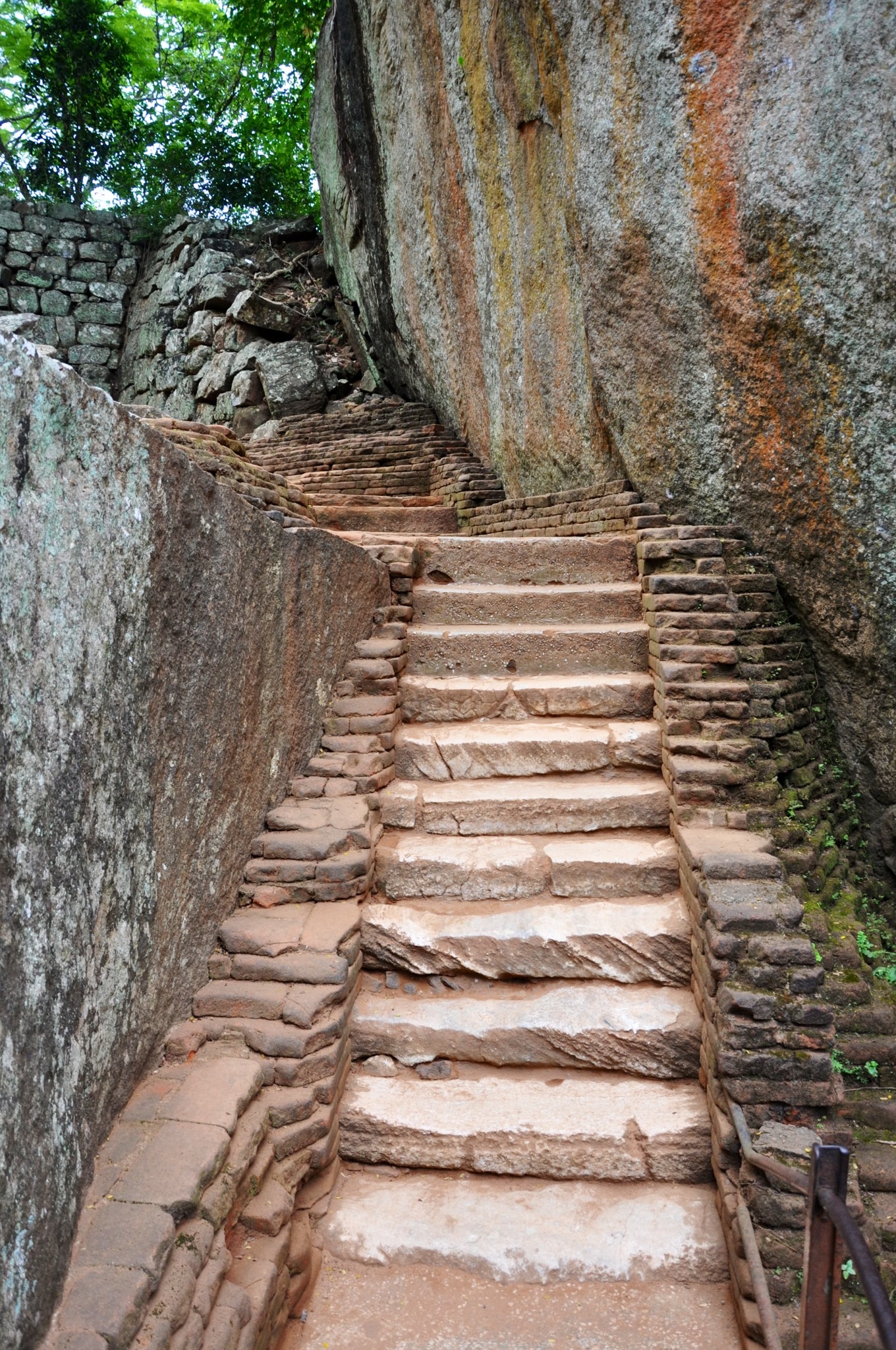
The start of a long climb

Sweeping the sand off helped a little with grip on the smooth stone but wouldn’t want to do this climb in the rain
It is. And unfortunately for me, so too were the steps leading to the top. Slippery stone gives way to spiral metal staircases, the gateway to some impressive frescoes of bare-chested maidens. To my horror, I then had to descend a spiral staircase before climbing again. That’s fifty steps up and the same back just to reach the same height!
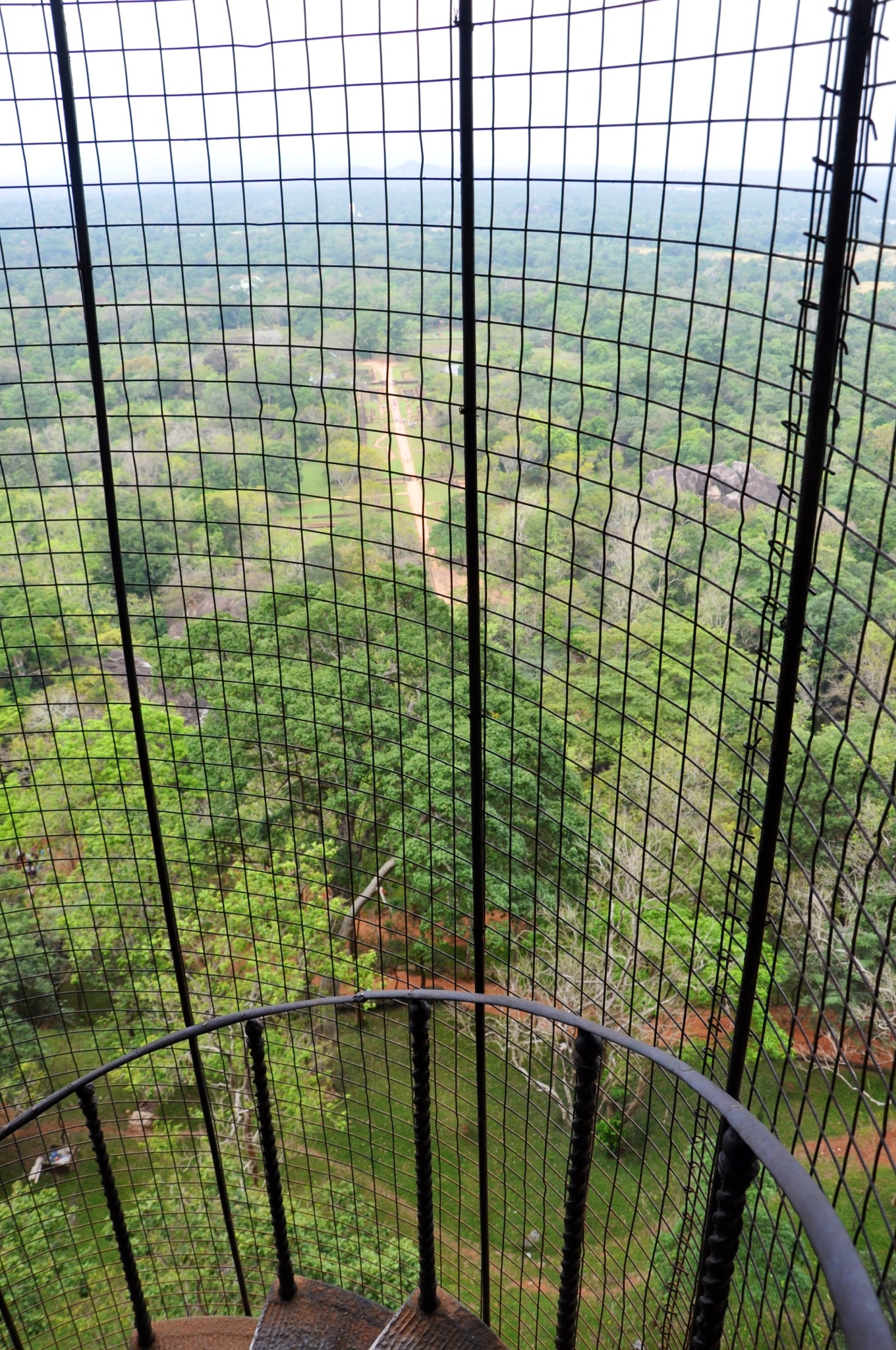
The scariest part – hard to know where to look
Spurred on by teenage dreams, and determined not to be put off by internet-induced nightmares, I made the climb this morning. With several terraces on which to recover my breath, my knees didn’t ache anywhere near as much as I feared.
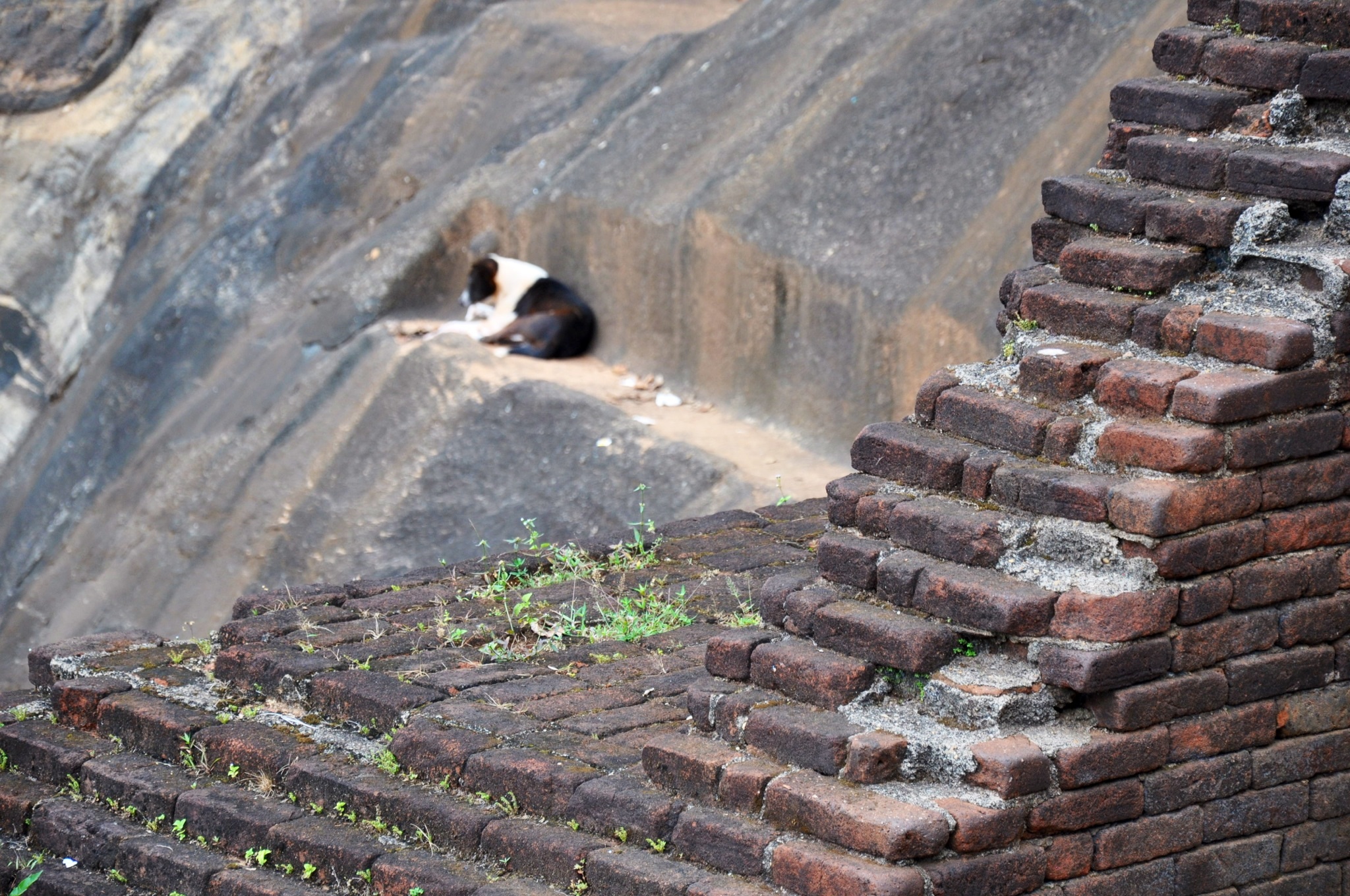
That’s just rubbing my face in it, Mr Dog
But despite an early start, I was sweating profusely as the temperatures flung themselves ever higher and the humidity permeated like a warlike invader. By the time I got to the top I was in no state for a selfie, though I promise you the photos you’ll see here are all mine.

One of the paws at marking the start of the final metal staircase
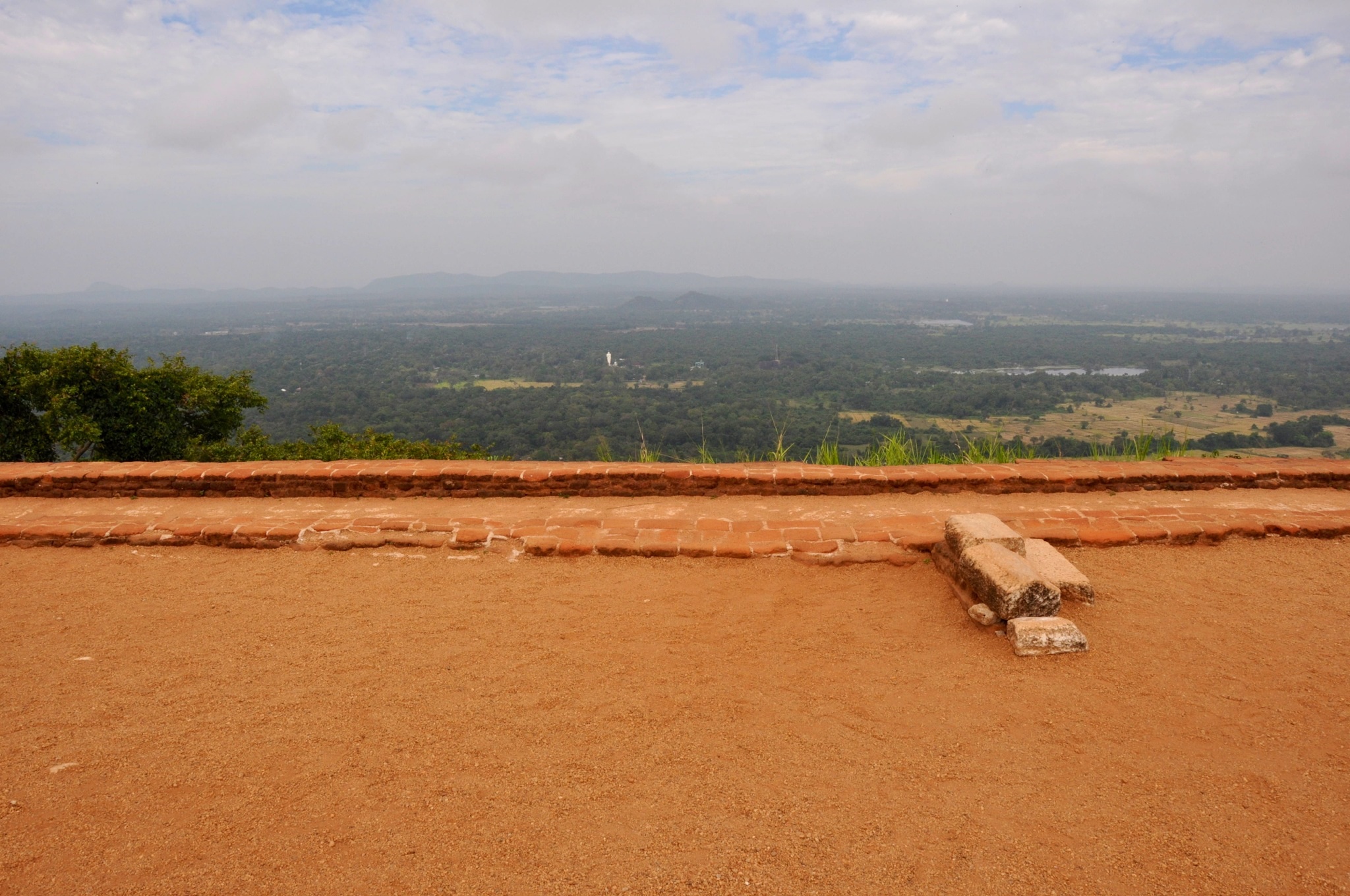
Duran Duran stood right here (well, two of them anyway!)
This lofty archaeological site is thought to be the ruins of the kingdom of Kassapa dating from the 5th Century. Those topless women could well have been his concubines. At the summit, his palace is all but gone, a few tumbledown walls and a pond full of water are the only surviving remnants of a once grand structure.

The water tank at the top
But it’s the view that takes your breath away, not the strenuous climb. See for yourself.

View from the top
I overheard someone near the bottom saying the descent was harder, and this sign at the top didn’t help my confidence. Actually it was fine, and a whole lot less hard work than the ascent.
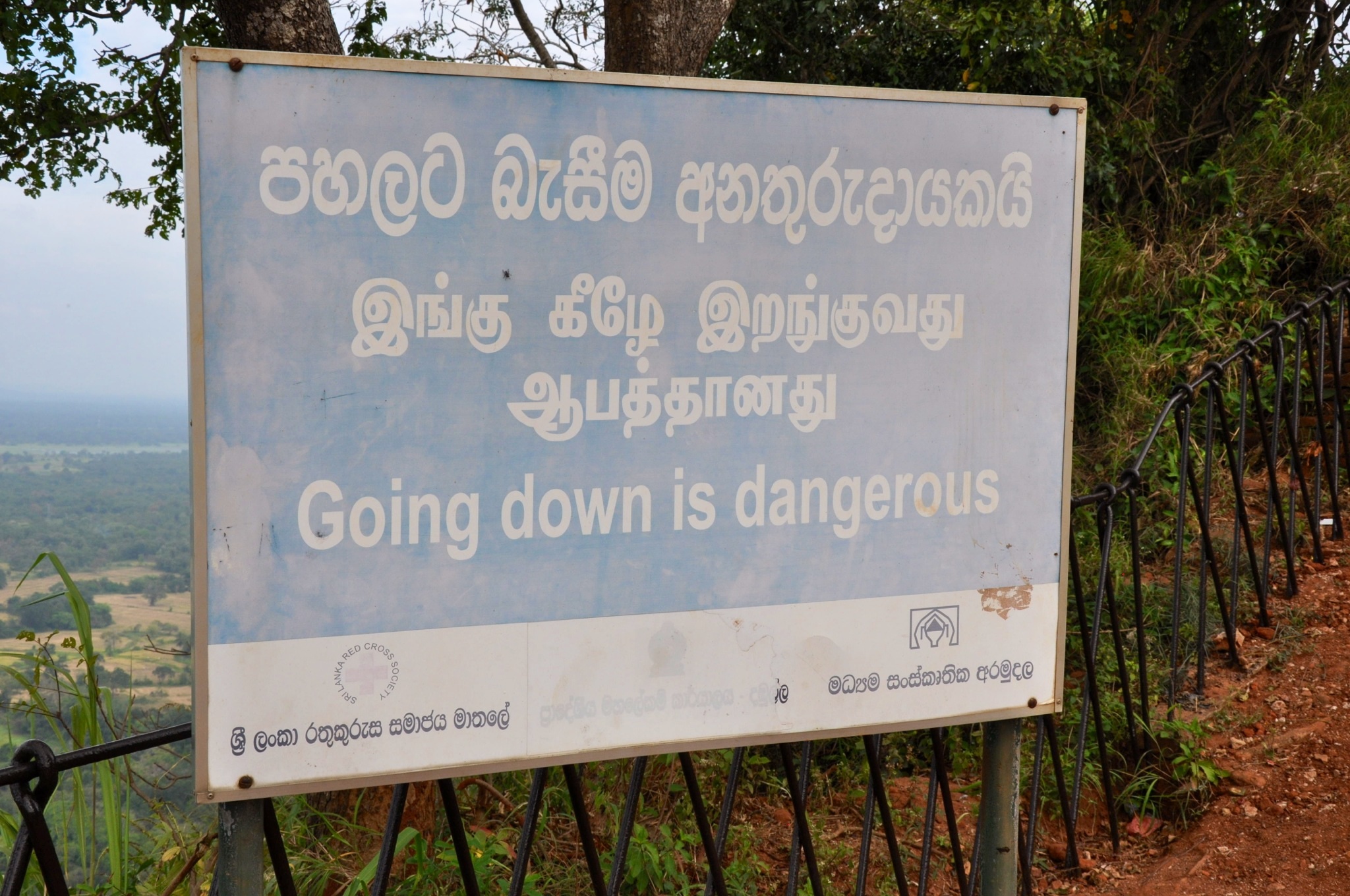
Sign at the top

Fortunately no hornet issues either
Looking at the crowds building, it was definitely a good idea to climb early. The site opened at 7am, not 8.30am as stated in my Lonely Planet.
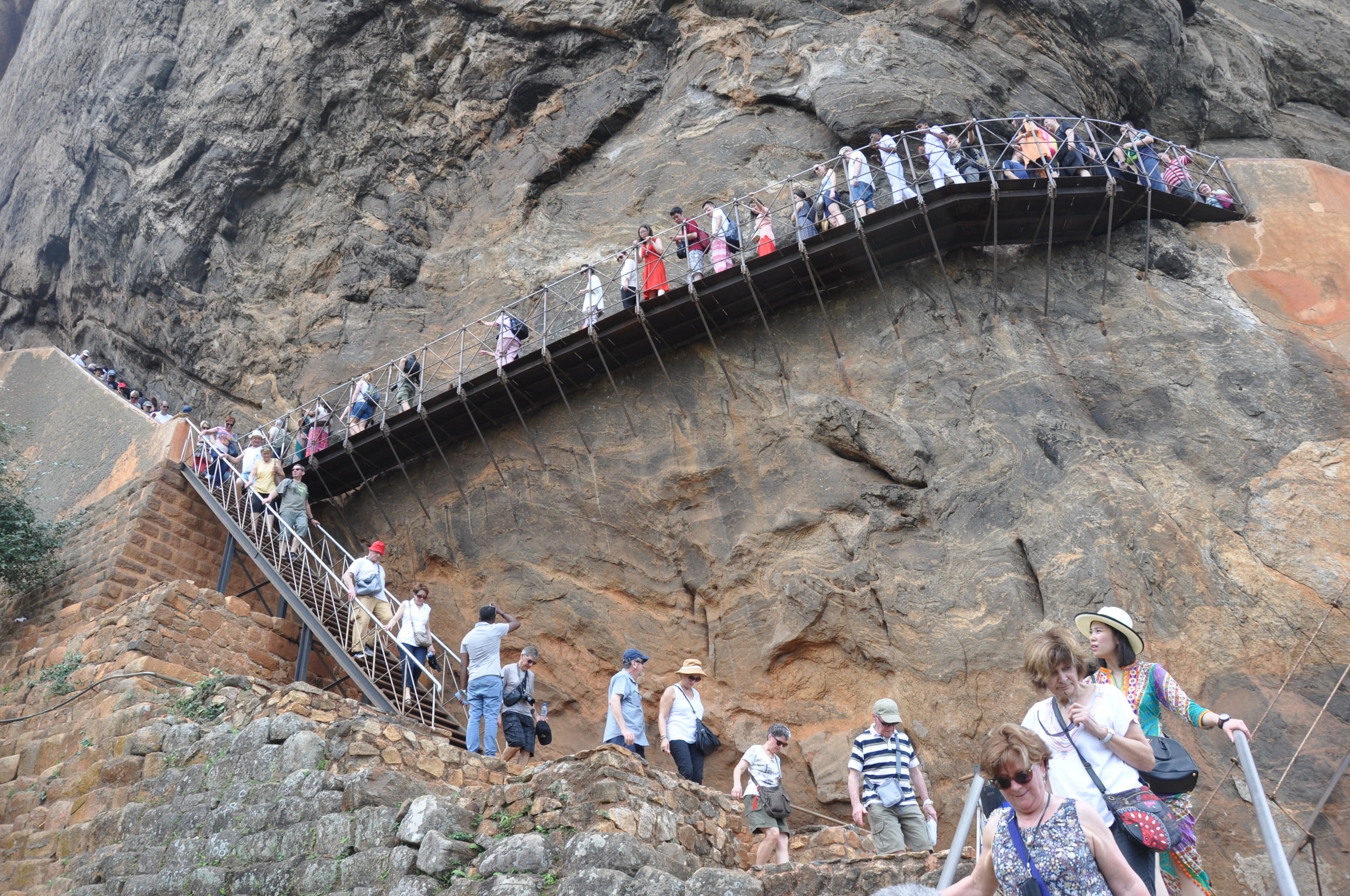
The queue for the top as I made my way back down

Monkeys make their home at the foot, near Cobra Rock
Travel outside your comfort zone
American intellectual Clifton Fadiman is quoted as saying:
When you travel, remember that a foreign country is not designed to make you comfortable. It is designed to make its own people comfortable.
They’re wise words. On the road, it’s all too easy to become indignant when things aren’t going your way. Two decades ago, I got somewhat cross when barred entry to what I hazily remember as a fort in Old Delhi (though it could well have been a mosque). I wanted to climb a tower to take in a view, arguing that my gender shouldn’t influence where I could and couldn’t go. Did I have the right to do that, if it wasn’t my country? Probably not, though such misogynistic attitudes have put me off returning.
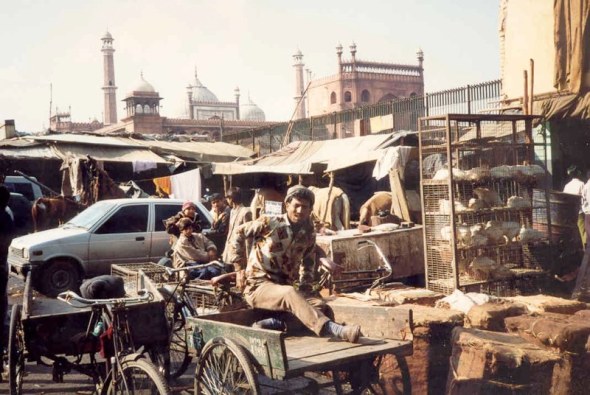
Old Delhi
Despite such a poor experience travelling around India as a solo traveller, I’ve tried to challenge myself as I’ve ventured further afield. Weaning myself off package tours was as much a case of economic necessity as anything else, but choosing countries and regions off the beaten track where tourists are as rare as a white moose has kept me on my toes. Buying a train ticket in Ukraine via sign language? Check. Getting to grips with riots and a transport strike in Haiti? Check. Overnighting in the world’s most dangerous city without being shot? Check. That’s San Pedro Sula in Honduras if you’re wondering and yes, the barbed wire barricade at the end of the street was a little off putting when it came to sleeping soundly in my bed.

Port au Prince bus station
I’m soon off to Sri Lanka. Everyone I know who’s been says it’s wonderful and the pictures of the hill country through which I hope to journey by train look idyllic. But someone reviewing a train trip on a web forum was complaining that a Sri Lankan man ignored her reservation and threw her bag off the seat, forcing her to stand for the entire journey. If that story is true, Clifton Fadiman’s words take on a whole new truth. And there’s just that nagging voice in my head that reminds me that we just wouldn’t stand for that kind of treatment in Britain. Wish me luck!
Packing tips from someone who learnt the hard way
1995. The end of a six week holiday in Peru, my first big trip. I’d been completely clueless when it came to packing, wondering how I’d fit six weeks’ worth of clothes into my suitcase (did I even have six weeks’ worth of clothes?) and trying to check in at the airport with the entire stock of Arequipa’s souvenir vendors. It took a lot of begging but I somehow managed to avoid excess baggage charges despite the fact that I couldn’t even lift my suitcase onto the weighing scales. I was then the kind of traveller I laugh at now. How easy it is to forget.

Cusco 1995
1997. I’d downsized my suitcase, though not by much, and figured a lightweight trolley would help me drag it around Morocco. The dust, potholes and uneven surfaces took their toll and once again I was heaving half my worldly goods on and off trains in the August heat. It was uncomfortable, ineffective and something had to change. A backpack was out as I could never trust my dodgy back to cope, and a little hard-sided wheelie became my saviour and trusty travelling companion for over a decade, only to be replaced when its lightweight sibling hit the market. I’ve never looked back.

Marrakesh 1997
Fitting my stuff into a tiny wheelie has taken practice, but I reckon now I’ve got it down to a fine art. Here’s my top tips.
Take as few clothes as you can get away with
It’s never very far to a laundry. Look for one that operates by weight rather than by individual item and avoid hotel laundries like the plague. Alternatively, pack a couple of washing capsules in a small plastic tub and do it yourself in a self-service laundrette. You’ll meet local people and who knows where that might lead?
Pack things that work together
Take clothes that don’t need ironing and roll them as you pack them to avoid any creases. Make sure everything goes together and never take something just in case you might need it – you won’t. Don’t forget a swimsuit and flip flops. Forget about a hair drier or straighteners. You’re on holiday, who cares?
Wear the heavy stuff
Hiking boots are bulky and heavy. They’ll take up way too much space in your suitcase so if you need them, travel in them. Ditto a thick fleece or coat; if you don’t need it in your plane/train/automobile you can fold it up and use it as a pillow. Ignore anyone who says you can do that with a sarong. They’re just not thick enough to be any good.
Decant toiletries to travel sized containers
In terms of shampoo and the like, you’re really only taking emergency rations. Reasonable hotels and guest houses will provide toiletries anyway. If they don’t, you’re never far from a supermarket to go and buy some.
Take wipes instead of bottles
When it comes to insect repellent, take plenty. It’s not always possible to buy it and there’s nothing that spoils a good holiday faster than a leg full of itchy bites. Sprays are messy. Take individually-wrapped wipes instead and as your travels progress, you are making space for shopping. Don’t forget some wet wipes too to clean your hands afterwards, but again, choose the flat plastic packs not the rigid tubs.
Consider posting things home
A word of caution needed here, obviously. Don’t post anything you’d be devastated to lose and be prepared for things to take months to get home. I’ve successfully sent books from Cuba, a bulky throw from Turkey and even dirty laundry! No matter what the vendors say, though, breakable stuff will rarely be packed well enough to make the journey back unscathed.
Have you got a tip you’d like to share? I’d love to hear from you!
Are these the world’s best railway journeys?
This week, in preparation for my upcoming trip to Sri Lanka, I’ve been booking train tickets to explore the country’s beautiful hill country. The Man in Seat 61 has, of course, been an invaluable tool as ever, and I’ve been very impressed with the service provided by Visit Sri Lanka Tours, a recommendation gleaned from Seat 61. It’s got me thinking about previous rail journeys I’ve taken. These are my favourites, but are they yours?
Peru: Cusco to Machu Picchu
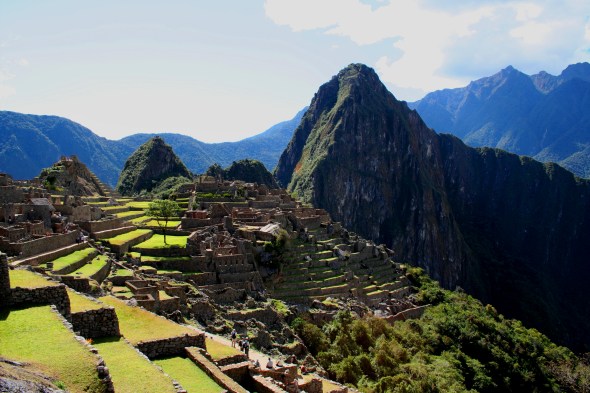
Machu Picchu, Peru’s mighty Inca citadel
Before tourist numbers reached epic proportions, to reach Machu Picchu by train you used to have to crawl out of bed in the dark to catch the early morning local train from central Cusco’s gloomy station, travel for five hours as the wooden bench seating slowly petrified your buttocks and emerge blinking into the middle of the market at Aguas Calientes to find your diesel-belching ride to the famous mountaintop Inca ruins. Periodically, the train halted in the dark to facilitate trade. Hands used to appear through the tiny windows to offer roasted corn and alpaca wool hats. It was one of those iconic travel journeys that is better relived from the comfort of your armchair several months later. Taking the journey again years later, this time in a glass-roofed backpacker train (boy, hadn’t backpacker expectations grown?!) I was delighted to see that snow-capped peaks lined the route and that the PeruRail authorities had built a fancy new station. The increase in comfort was worth the hike in the fare and best of all, the switchbacks to enable the train to haul the train out of Cusco’s bowl-shaped valley were still the most fascinating stretch of the journey. Then, in 2010, flooding and landslides caused severe damage to the track and when repairs were completed, the train began from Poroy, just outside the city, rather than from Cusco’s Wanchaq station. Despite the changes, it remains one of the best railway journeys in the world.
Switzerland: the Bernina Express
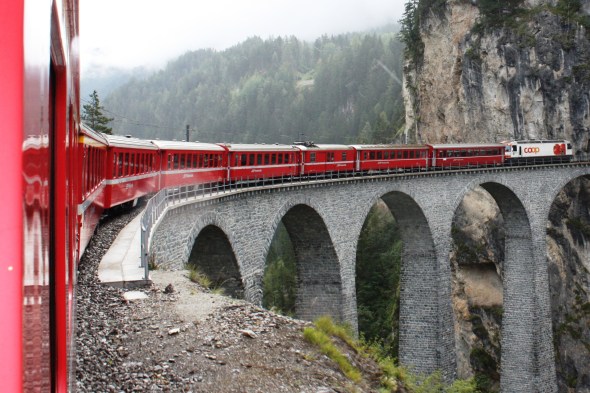
The Landwasser viaduct from the Bernina Express
It’s hard to pick a favourite amongst so many standout lines, but if forced to choose, then the Bernina Express gets my vote. Run by the Rhaetian Railway, the Bernina Express covers two lines which together comprise a UNESCO World Heritage site – Albula and Bernina. During its 122km run from Chur to the Italian town of Tirano, the train passes through 55 tunnels and over 196 bridges and viaducts including the spectacular Landwasser Viaduct pictured here. To fully appreciate this engineering marvel, take a local train (the panoramic picture windows don’t open), head to the back and lean out of a right hand side window. The train loops and glides over the Bernina Pass, with the Morteratsch and Palü glaciers and alpine Lago Bianco darker Lej Nair lakes providing the glamour in terms of scenery. With no cogwheels aiding its descent, this impressive adhesion railway has one final wow up its sleeve: the 360° spiral that encompasses the nine arches of the century-old Brusio Viaduct.
Kenya: the Lunatic Express

Mombasa’s beach, the prize for those surviving the Lunatic Express
I first read about this railway in Bill Bryson’s African Diary. His descriptions of being flung around as if being tumbled in a washing machine were as compelling as you’d expect from the undisputed king of humourous travel writing and I decided there and then I’d make the same journey. This narrow gauge railway runs from Nairobi to the coast at Mombasa, cutting through Tsavo National Park on its way. It gained its unusual nickname as several workers involved in its construction ended up as dinner for the hungry lions, dragged from their tents as they slept exhausted from the day’s hard labour. I didn’t see any lions, just a beautiful sunset over the savannah plains, though I was plagued by hungry mosquitoes and arrived in Mombasa covered in bites.
The best of the rest!
Russia: Trans-Mongolian
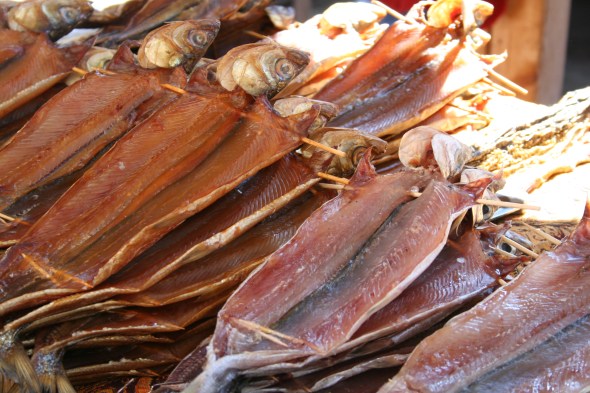
Omul on sale at Listvyanka, on the shores of Lake Baikal
The longest rail trip I’ve done, with a trip that took me from Moscow to the Mongolian capital Ulan Bator by train. I saw a lot of trees, but I also learned first hand what a warm and welcoming bunch of people the Russians are: a special mention here for Aleksander the army officer who fed me smoked omul and showed me his family photos.
New Zealand: Tranz-Alpine
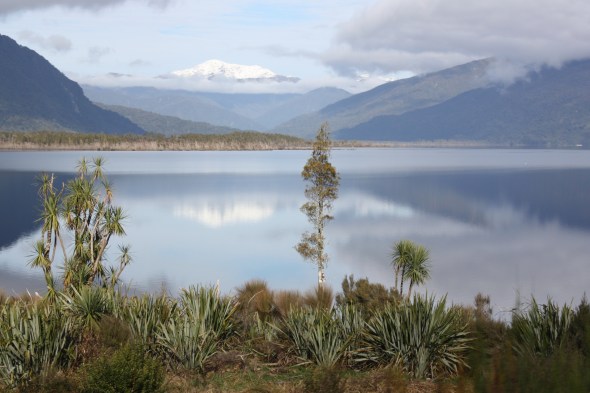
Serene Lake Brunner
Not the Alps in Europe, but instead, New Zealand’s South Island. Crossing from Christchurch to Greymouth, this scenic ride crossed Arthur’s Pass and chugged alongside pretty Lake Brunner. Wrap up warm if you’re going to ride the open air viewing car in winter as I did – it’s freezing!
Update: I’ve just booked a ride on the Northern Explorer to see more of North Island out of a Kiwi Rail train window. Watch out in 2018 to see how I got on.
Why you should ride Amtrak at least once
There’s still a certain romance about train travel and especially overnight rail journeys. Tonight, after his successful programmes in the UK and Europe featuring Bradshaw’s guide, Michael Portillo begins a new series and this time he’s heading Stateside. I’ve ridden a few Amtrak trains, mostly on short hops such as New York to Philadelphia, but last summer did a few longer legs, making the journey from New York to New Orleans with stops in Syracuse, Chicago and Champaign-Urbana. Here’s what I learnt.
Don’t rush
The biggest cause of complaint from my fellow passengers was the slow speed of the train. Freight takes priority so it’s common to crawl along or sit for ages in a siding until a long line of containers rumbles past. Go with it. Don’t book any tight connections, pack a book or something to pass the time and make sure you have plenty of snacks and drinks in case the station café is closed. Break your journey and savour your surroundings.

Chicago is a good choice for a stopover
It’s worth stopping off en route
I had some work to do on my book Hammond, Me which took me to Hammond NY (nearest station Syracuse), Hammond IL (nearest station Champaign-Urbana) and Hammond LA (which actually had its own station!) Of these, I really enjoyed Hammond LA which had a sleepy charm and a café selling the best iced lemonade I’ve found in a long time. Many people think that you can’t see America without a car, but that’s not true of everywhere. Do your homework (and check where the station is located) and you’ll find you can do a rail trip without needing to drive.
It’s worth paying for a bed
In terms of cost per hour, the price of overnight travel using Amtrak is more expensive than comparable journeys in Europe, especially if you book sleeper accommodation. Needing to take two overnight trains, I decided to break my journey in Chicago, opting for a seat on the first leg and the quaintly named Roomette on the second leg down to Louisiana. The overnight part with a seat from Syracuse to Chicago cost about £51 while the overnight Roomette from Champaign-Urbana to Hammond Louisiana cost £156.

The cosy Roomette: great for one, cramped for two
That’s steep. Are you sure it’s worth the upgrade?
For the extra money, I had a Roomette for single occupancy, whereas the reclining seat was in a full carriage. Travelling with a lockable wheelie, I wasn’t worried about the security aspects; in such a busy carriage, it would have been hard for a thief to operate. But many people, despite the late hour, were glued to smart phones or tablets and my allocated seat was next to a young man playing video games. Even with the sound off, the flicker and movement of the screen wasn’t conducive to a good night’s rest. I managed to move, but didn’t really arrive rested. In contrast, I had a solid seven hours’ sleep on the comfortable bed in my snug Roomette (think cupboard with a door) and enjoyed an included breakfast. Service was attentive and all in all it was a pleasant experience. But yes, it was expensive for what you got. For less than a third of that price, I travelled from Munich to Berlin in a luxury private compartment, en-suite toilet and shower and breakfast delivered to my room.

Make friends with the train staff
Any tips?
Befriend the onboard staff as they can help make your journey extra comfortable, supplying extra pillows, making your room up first and ensuring you get the meal sitting of your choice. Also, book early, as prices do go up considerably and sleeper compartments sell out. Make sure you’ve worked out how to get to the rail station as they aren’t always central as they are in Europe. Transport connections can be limited and you’ll either have to take a taxi or walk. But above all, do it. This is one American adventure that should be on everyone’s bucket list.
The Devil reads Pravda?
Putin’s “Don’t mess with me” attitude and his questionable actions and policies have given Russia back its bad name. But don’t let that put you off visiting: Russia’s an absorbing and diverse country which deserves your attention. The reality of a holiday in Russia is is as far removed from the country’s political reputation as it gets: http://travelexperts.justgorussia.co.uk/2015/10/13/whats-it-really-like-to-holiday-in-russia-nowadays/

Steve Sack, Star Tribune
When I took a rail holiday following the Trans-Mongolian route, I had no idea what to expect, but my most enduring memory from that fortnight is of the warmth of the Russian people. From the army officer who shared his food and photos of his wife to the little old lady who made sure I got the right bus back to Irkutsk from Lake Baikal, I experienced a welcome that, if I’m honest, I didn’t expect. You can read more about it here: http://travelexperts.justgorussia.co.uk/2015/11/03/russia-by-rail/

Family time by Lake Baikal
Really, the only gruffness came from the guards at Lenin’s Mausoleum who shooed me on when I paused just a little too long to look at that waxy body. The provodnitsas on my trains ran a tight ship, for sure, but they needed to make sure everything ran smoothly – who wants to witness an altercation from a sleeping compartment when you didn’t plan to get off the train for three days?
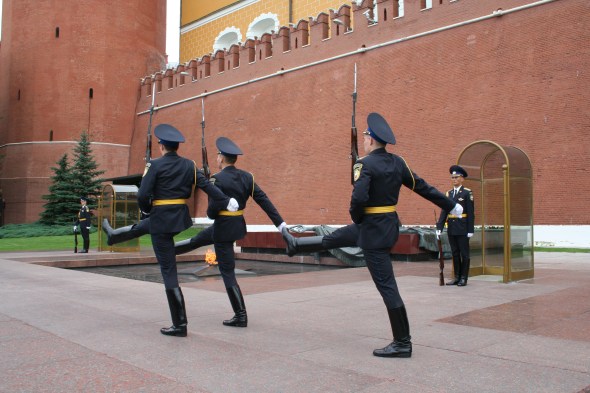
High kicks of which a dancer would be proud
For me, Russia was a country of immense beauty; from Suzdal’s magical churches to the tumbledown wooden shacks of rural Siberia, the country presented photo opportunity after photo opportunity.

Suzdal is packed full of historic churches
Moscow was fascinating, and aside from rather wet walk through flooded streets on arrival, a city I enjoyed immensely. The language and alphabet are different, but didn’t prove an insurmountable problem, and there are plenty of companies out there to assist with booking train tickets and securing visas.
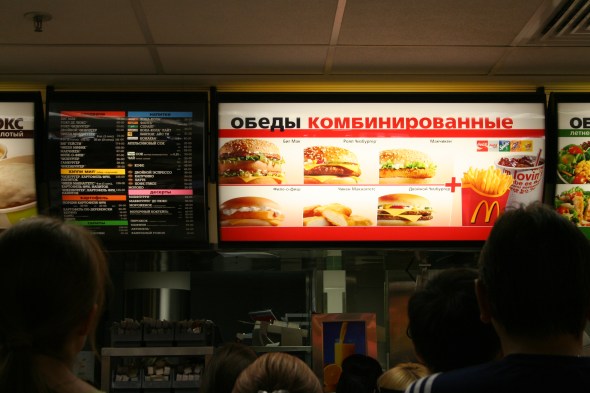
If all else fails, look for somewhere with a picture menu

Or an English menu!
My advice is to go. You’re hardly likely to bump into Putin in a country that size. Why not read some more of my blogs for Just Go Russia and see what you’d be missing. Here are just a few:
A diverse country http://travelexperts.justgorussia.co.uk/2015/10/12/dobry-den-welcome/
Northern Lights http://travelexperts.justgorussia.co.uk/2015/12/10/see-the-northern-lights-in-russia-this-year/
Historic treasures http://travelexperts.justgorussia.co.uk/2015/10/30/the-kremlins-hidden-treasures/
Enjoy your trip!
If it’s geysers you’re after…
If it’s geysers you’re after, then here’s where you need to be heading.
Iceland
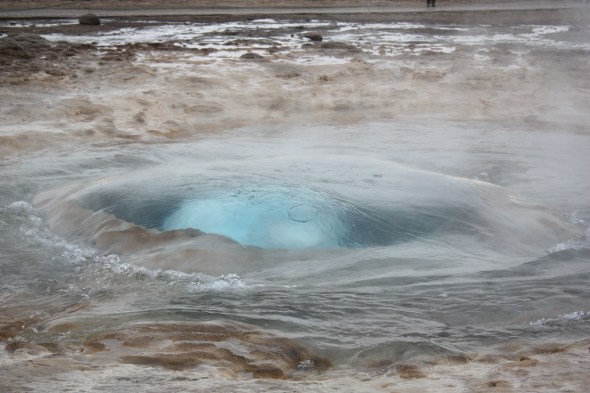
Strokkur on the verge of blowing
The original, in name at least, can be found a short distance from the country’s capital Reykjavik. The original geyser, Geysir, has decided it’s had enough, but Strokkur puts on a show every few minutes delighting those who visit. It’s easily accessible as part of the Golden Circle tour, or if you prefer to go it alone, then download my Unanchor Kindle guide from the UK Amazon site here: http://www.amazon.co.uk/Iceland-Unanchor-Travel-Guide-self-drive-ebook/dp/B017SDBNE8/ref=sr_1_8?s=books&ie=UTF8&qid=1452095658&sr=1-8.
It’s also available on the US site here: http://www.amazon.com/gp/product/B017SDBNE8/ref=s9_simh_gw_p351_d0_i1?pf_rd_m=ATVPDKIKX0DER&pf_rd_s=desktop-1&pf_rd_r=152KPS2974X3G9P0D5RQ&pf_rd_t=36701&pf_rd_p=2079475242&pf_rd_i=desktop
New Zealand

Pohutu, Rotorua
For a small country, New Zealand packs in a lot of geothermal sights, from other-worldly Craters of the Moon to photogenic Orakei Korako. But for sheer wow factor, then join the crowds watching Pohutu, located in the Te Whakarewarewa Thermal Valley on the outskirts of Rotorua to see the jet of boiling water shoot high into the sky.
Chile

Atmospheric El Tatio
El Tatio geyser field might not have the dramatic gushers of Iceland or New Zealand, but it has atmosphere in spades. It’s essential to crawl out of bed in the middle of the night (don’t overdo it on the pisco the night before like I did) but watching the sunrise illuminate the steaming geysers is well worth the effort.
USA
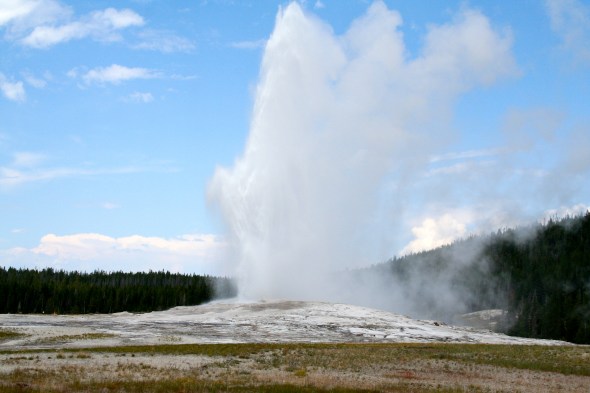
Old Faithful
I couldn’t blog about geysers and leave out Old Faithful. It’s been drawing the crowds at Yellowstone National Park for as long as the park’s been in existence and has had its name since 1870. It erupts on average 50 metres into the air about every 90 minutes or so; check the ranger’s board on arrival to see when the next show is expected.
And finally, one on the wish list…
Russia

Kamchatka by Einar Fredriksen via Flickr CC BY-SA 2.0
Kamchatka’s Valley of Geysers has the second largest concentration of geysers in the world after Yellowstone, packing over ninety of them into a 6km long valley. It’s difficult to reach, and therefore expensive, but it’s a trip that’s on my ever-growing bucket list. You too?
Don’t believe the hype – the truth behind the travel industry’s predictions
Every travel magazine and major publisher is full of persuasive suggestions at this time of year about places you must not miss if you are to keep up with the in crowd. But which recommendations should you ignore? Here’s my pick of places and attractions that don’t live up to the buzz that surrounds them.
New York’s Freedom Tower
New York’s my favourite city, but even the best of us has a few flaws. Don’t bother with the New Year’s Eve ball drop in Times Square; you won’t see much unless you watch it on TV and the weather’s often so cold everyone rushes indoors straight after midnight. Its latest high rise has been open a while now, but is still being touted as a must visit attraction for 2016. The elevator ride to the top, speeding through centuries of the city’s development in under a minute, is impressive, but the reflections and fingerprints on the glass windows of the observation deck aren’t. Ascend the Top of the Rock instead for the best views of the city, putting the Empire State Building in pride of place in what’s arguably the world’s most iconic skyline. Read my comparison of the two towers and how they stack up to the Empire State here:
https://juliamhammond.wordpress.com/2015/06/17/the-best-view-in-town-2/
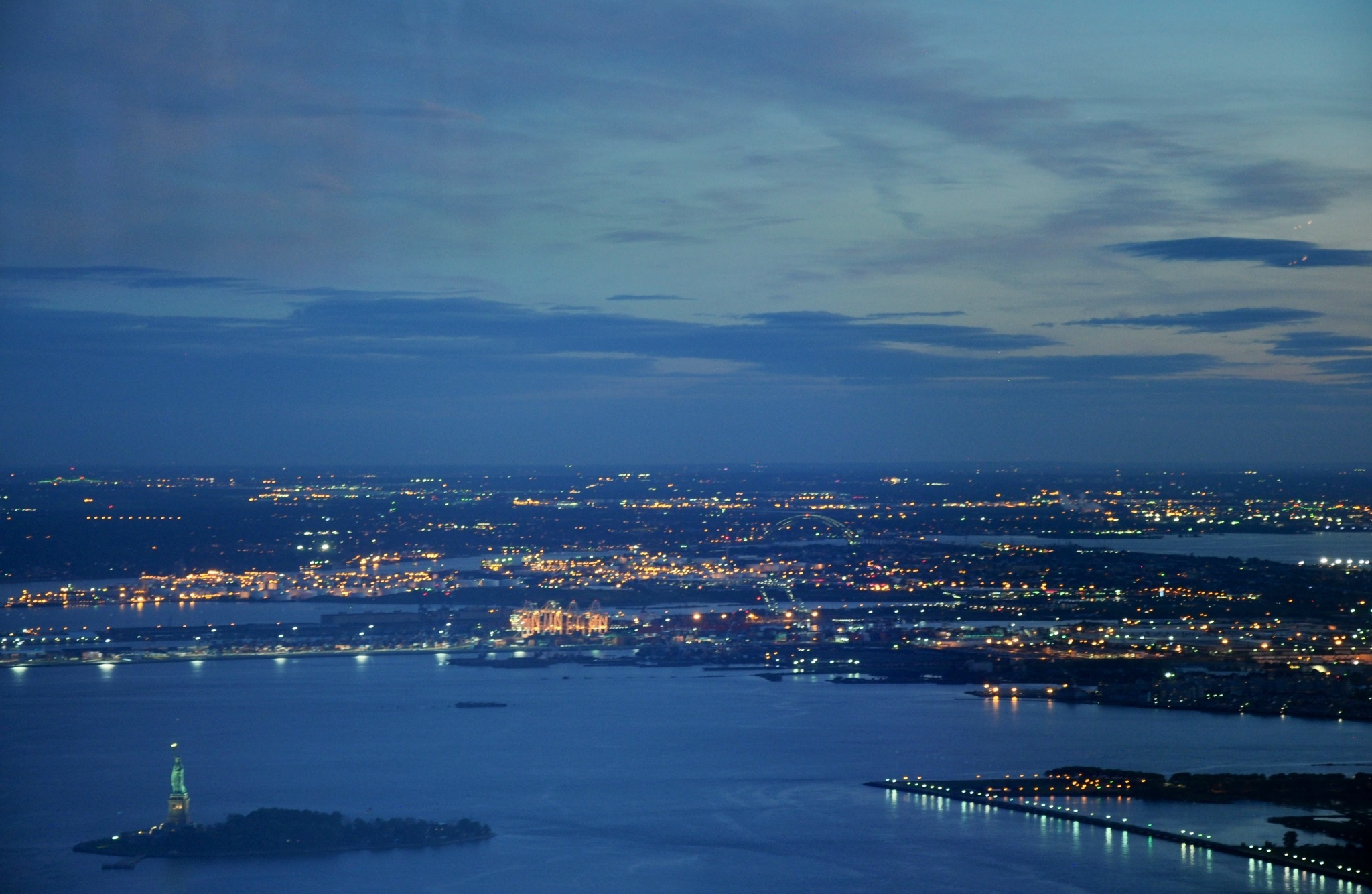
View from the Freedom Tower
Haiti
I don’t have anything against Haiti, per se, more the marketing surrounding this impoverished Caribbean nation. 2015’s lists were full of how this was the next up and coming destination, but when I visited in February, I quickly learned that infrastructure lags way behind potential. We’re not just talking about punctuality here: there were tyres being set alight in the capital’s streets in protest about rising fuel prices, a luxury bus set alight and a terrible tragedy caused by a live cable at carnival. Give it a few years more for the country to recover from the 2010 earthquake and preceding flood damage, but don’t put it out of your mind entirely – this is one to watch.
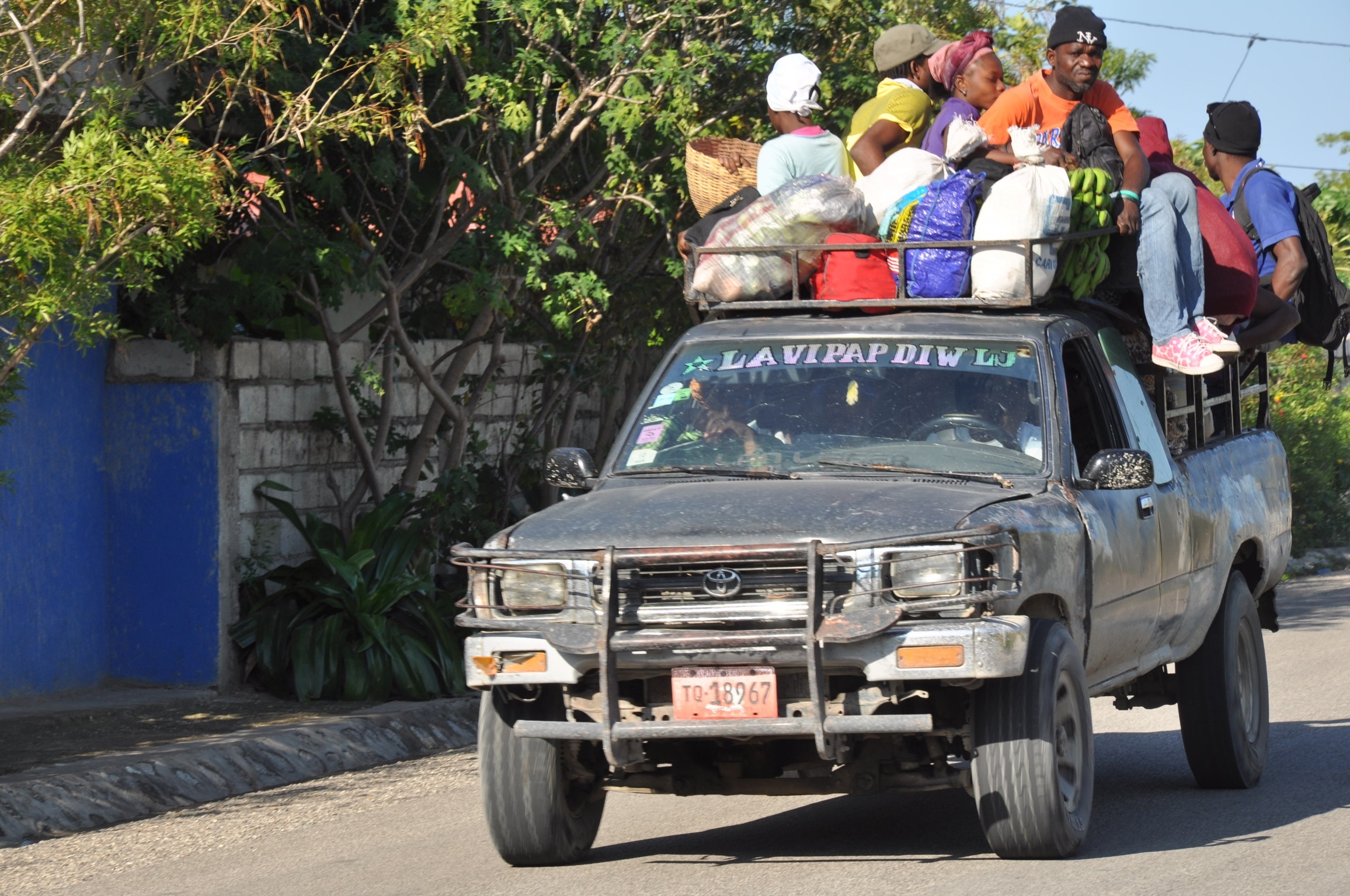
Overloaded tap taps are the only public transport to Port Salut
Cuba
Now this one’s a tricky one. I visited this fascinating country in 2003, a year in which the travel experts suggested you “go before it changes”. For perhaps every year since, that same advice has been trotted out, with thousands of tourists dutifully doing as asked. Go, by all means, but go because you want to, not because you are worried this charming country won’t wait for you.
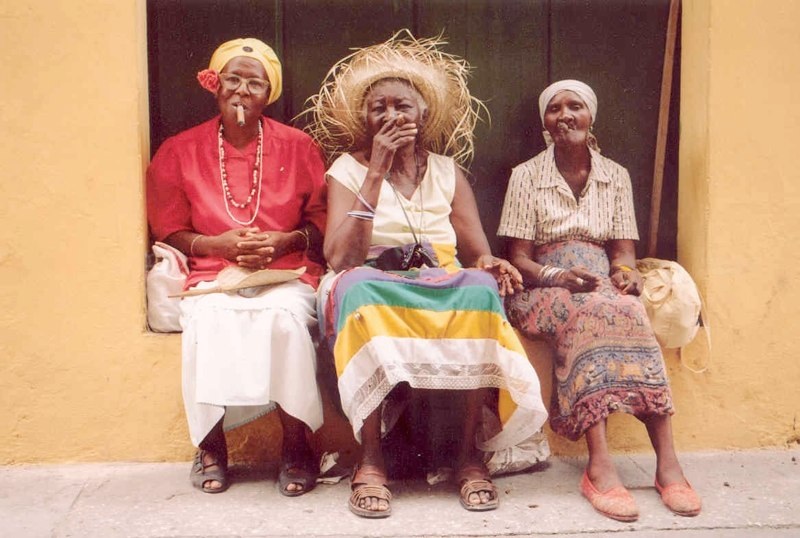
Memories from a trip to Cuba in 2003
Northern Lights in Iceland
Iceland is one of my most favourite destinations on the planet; I loved it so much when I first visited I went back to get married there. A multitude of incredible sights awaits, from the iceberg-strewn Jokulsarlon beach to the gushing geysers and impossibly scenic waterfalls of the Golden Circle. But the one thing you can guarantee with Iceland is that you can’t guarantee the weather and there’s nothing like a cloudy sky to ruin your chances of spotting the Aurora Borealis. If you want to see the Northern Lights, try Norway instead.
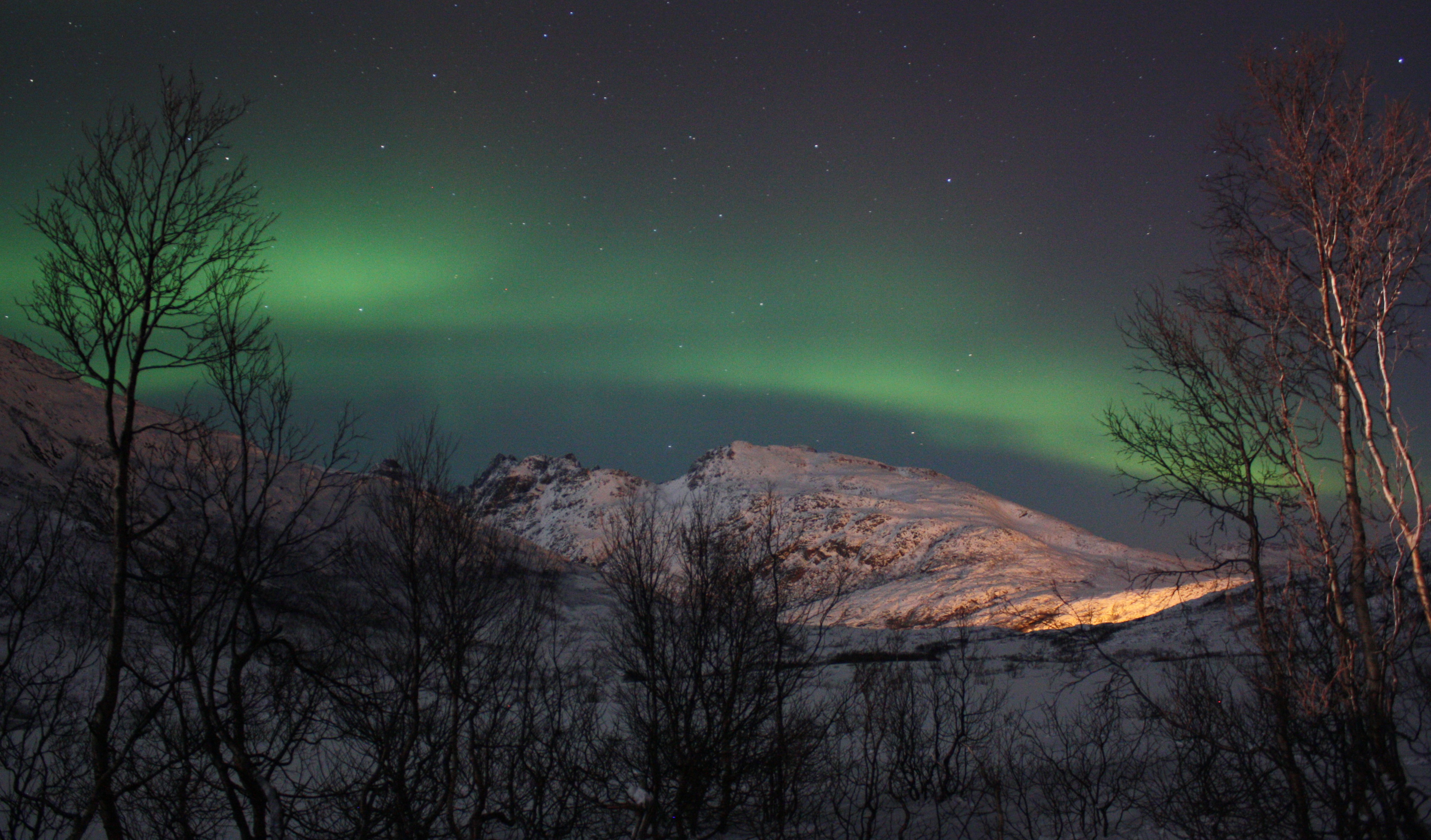
Northern Lights over the hills surrounding Tromso
The new cable car to Kuelap, Peru
2016 looks like a good year for Peru, especially seeing as British Airways are introducing direct flights after what seems an interminable wait. Machu Picchu is getting more and more crowded, so in an effort to entice people away, the northern fortress of Kuelap is being pushed as an alternative. A cable car is set to open later in 2016, but some reports are incorrectly suggesting it will shave four hours off the hike to get there. It won’t. The current hike from the main visitor centre car park is an easy one; what the cable car cuts short is the drive there along some so-so roads. Be aware that Kuelap’s no match for Machu Picchu, but the area has many as yet unspoilt attractions for intrepid visitors. Don’t believe the hype and wait. Go now, before the cable car opens and the hordes arrive.
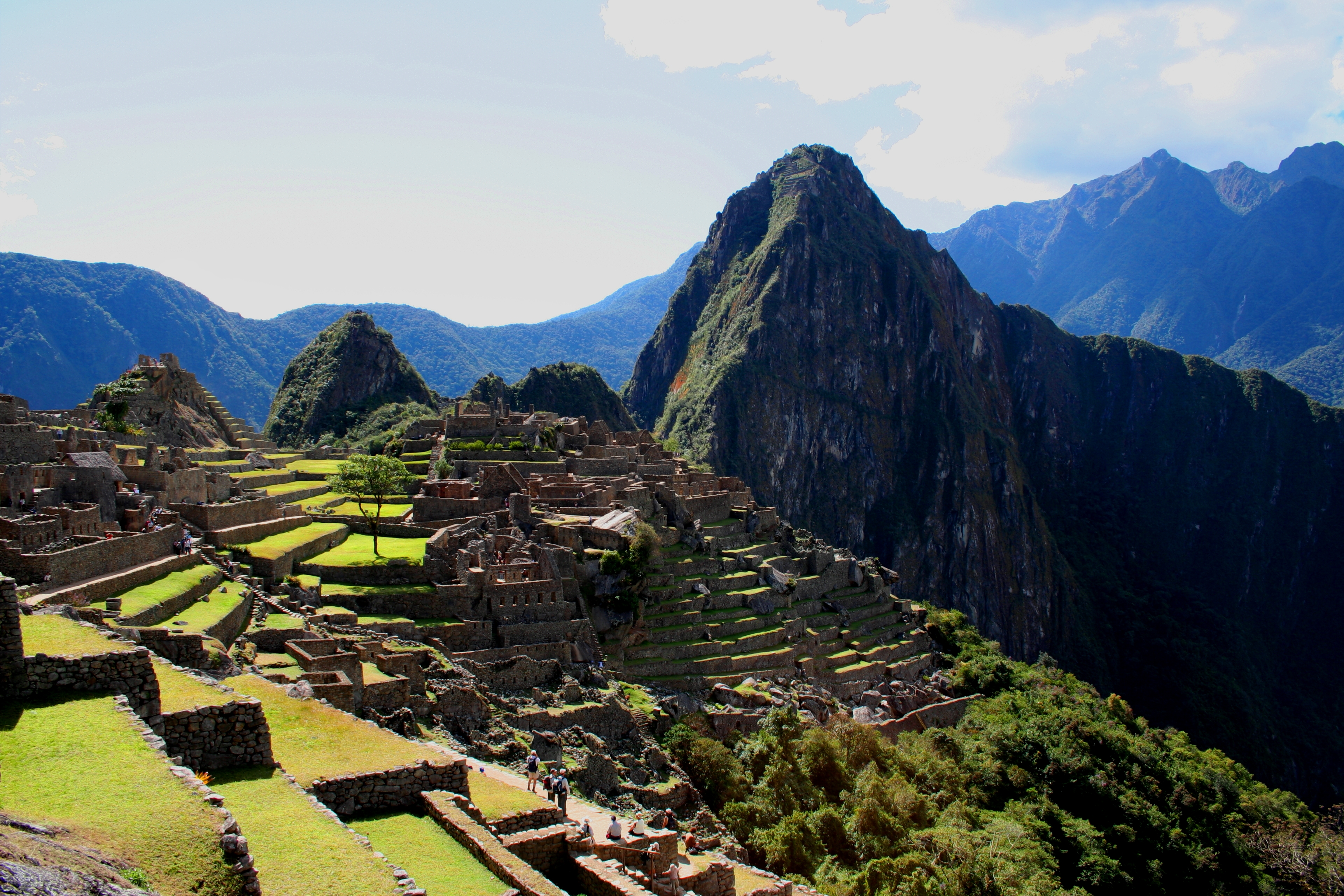
Machu Picchu
Six of the best from 2015: cities
The end of 2015 is fast approaching, so it’s time to look back at the best of this year’s travels.
Glasgow

The Armadillo as seen from Bell’s Bridge
Blessed with clear blue skies and a touch of snow underfoot, a trip to Glasgow in January was my first stay in Scotland’s largest city. Architecturally splendid, the highlight was a trip to the Merchant Quarter for a chance to taste haggis, neeps and tatties in the wood panelled setting of the Cafe Gandolfi. A timely reminder, should I need it, that I don’t have to travel abroad for a memorable travel experience.
Jacmel

Carnaval, Jacmel-style
The old coffee town of Jacmel on Haiti’s southern coast has a languid charm for most of the year. For a few frenetic days in February, all that changes as Carnaval comes to town and the city pulses to the soundtrack of a throbbing bass. Clad in sequins, feathers and masks, everyone’s invited. The people of Jacmel prove to the capital Port au Prince that they might be a sleepy backwater, but they know how to throw a party.
Bremen
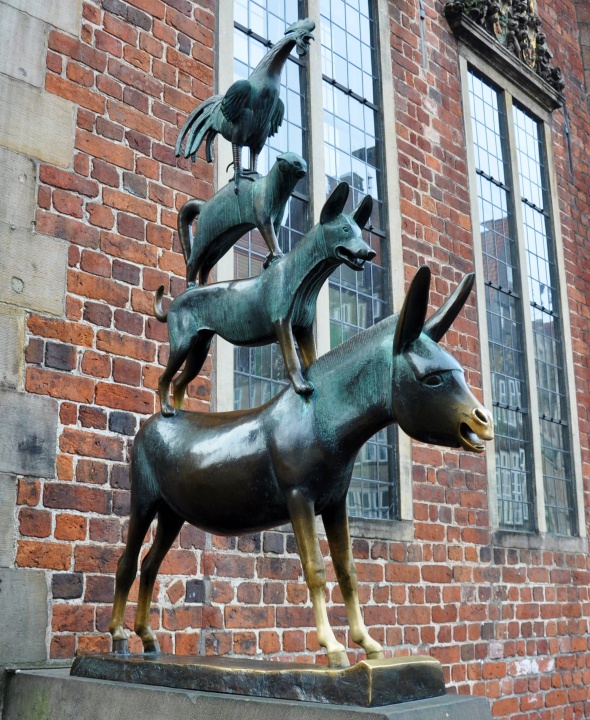
The four budding musicians
This northern German city is anything but grim, yet walking Bremen’s streets, Grimm was never far from my mind thanks to the brothers’ famous fairytale. The four sad old creatures who set off to seek a better life in retirement ironically never made it to the city that adopted them as its mascot. Nevertheless it’s a beautiful city to wander around looking for the sculptures that commemorate this heartwarming story. Definitely one I’d like to revisit.
Salzburg
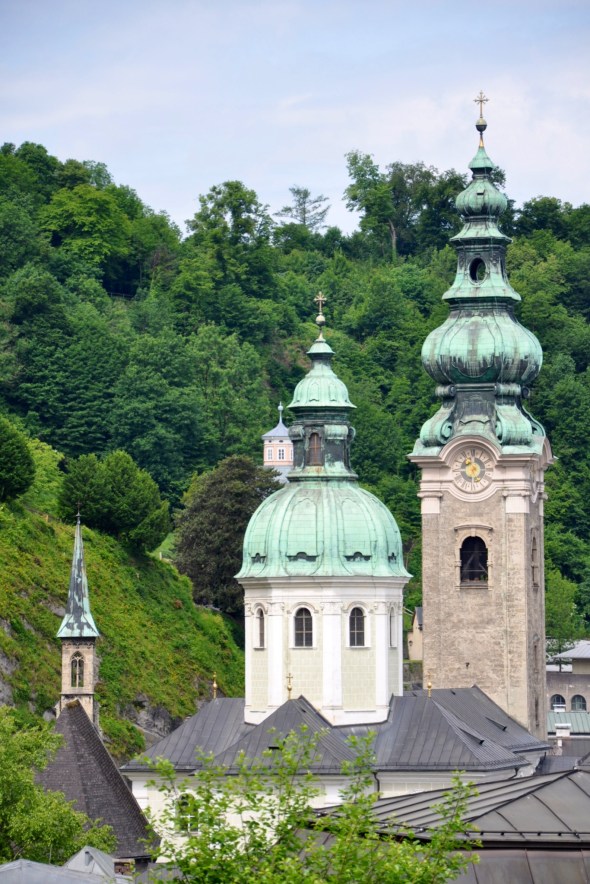
Rooftop views of Salzburg’s many churches made the climb worthwhile
Going back to Salzburg was like visiting an old friend. Decades had passed since my previous visit, but passing through the beautiful Old Town, I wondered on numerous occasions why I’d left it so long to go back. Fräulein Maria’s cycling tour gave me the opportunity to cover a lot of ground and belt out some Sound of Music classics along the way. Sing it with me: High on a hill was a lonely goatherd; Lay ee odl lay ee odl lay hee hoo…
Bologna
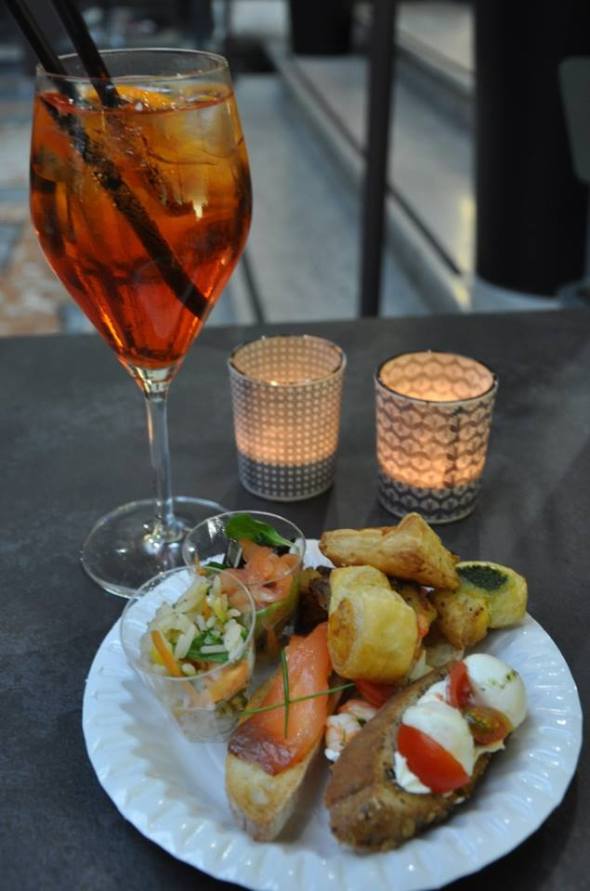
Aperol Spritz? Don’t mind if I do.
Many of the Italian cities I visited for a work trip in 2015 were old favourites, but the city of Bologna was a new one on me. I’d heard it was renowned for its towers and its food, so chose to climb its tallest to ease the guilt of that calorie overload. The exertion of climbing the 498 steps to the top of Torre Asinelli meant I could indulge in the evening buffet which accompanied my Aperol Spritz without a second thought.
New Orleans

Lafayette cemetery
June gave me a second chance to visit New Orleans, albeit in temperatures considerably more sultry than for my first visit a few autumns ago. Despite thunder, lightning and heavy rain, I enjoyed a self-guided walking tour of the Garden District, met up with guide Sandy again for a cemetery tour and, of course, enjoyed plenty of ice cream cocktails to keep me cool. Love, love, love this city!
So what city impressed you in 2015? Please share, I’d love to hear.
How to get the best out of a Heathrow layover (Part 2)
In my first blog on Heathrow layovers, I dealt with how you should go about getting into Central London.
Depending on how much time you have, there’s lots to do between flights – it’s London, after all – and you won’t be encumbered by heavy bags. If you have something in mind but aren’t sure if it’s feasible, and it’s not featured here, drop me a line via Facebook (Julia Hammond Travel Writing) and I’ll give you some ideas. Note: the time available is measured from when you emerge landside after landing to when you need to be back at the airport for your next flight. Allow at least 60 minutes to get through security and to your gate; you don’t want to miss that onward flight!
Time available 4 hours: NOTTING HILL
You’ll need to keep a close eye on your time with this amount of time. With this short a layover, you need to restrict yourself to the west of the capital.

Portobello Road Market
My suggestion is a quick visit to Notting Hill, a vibrant neighbourhood where Julia Roberts once filmed, Jimi Hendrix died and The Clash called home. Take the District or Circle lines two stops from Paddington to Notting Hill Gate and walk via Portobello Road, where you’ll find the famous market (stalls can be found in the area most days but it’s best to visit on Friday or Saturday) and there are some great eateries including the Hummingbird Bakery. If you have time, the excellent Museum of Brands on Lancaster Road is worth a stop.
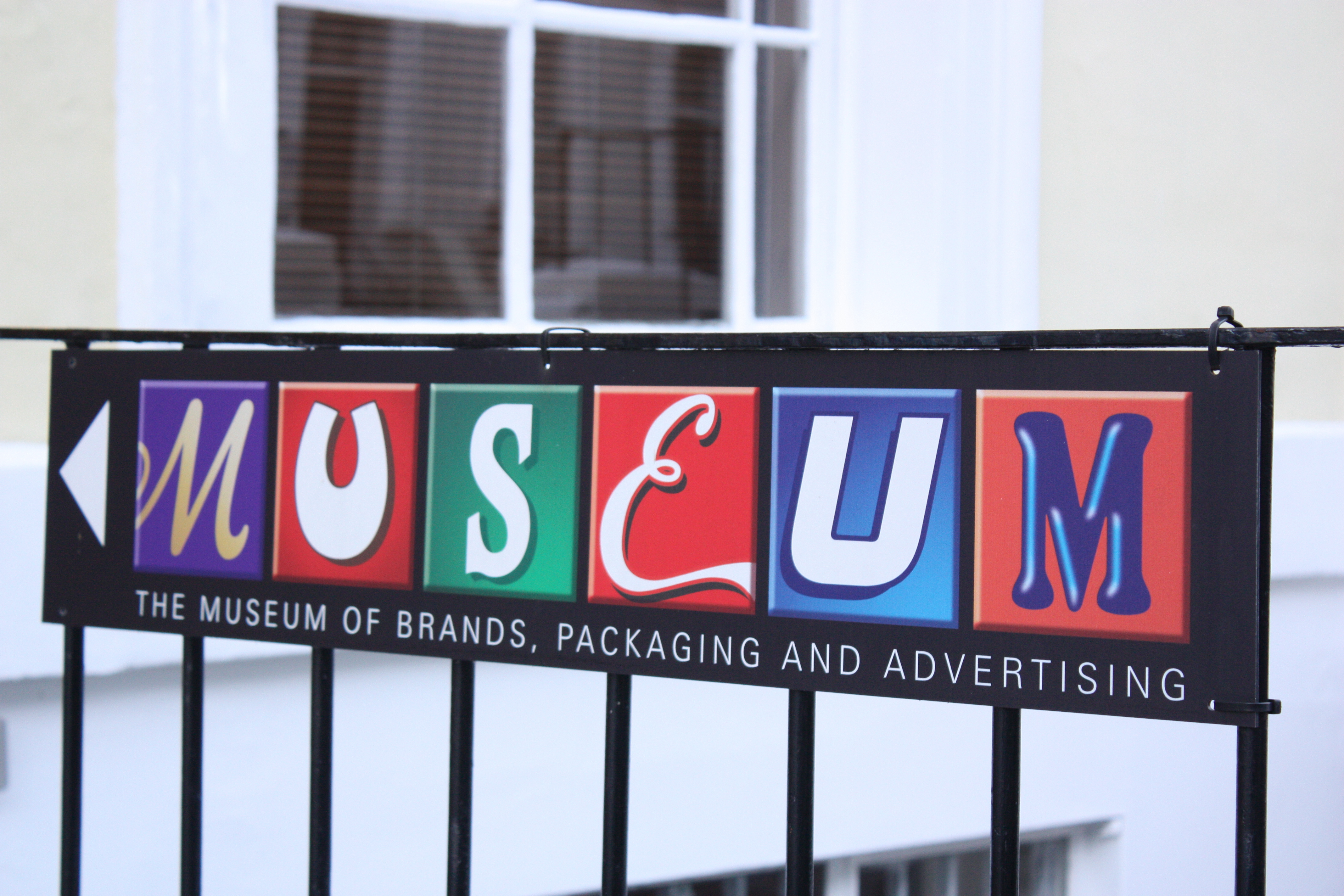
The Museum of Brands, Packaging and Advertising
When you’re done, there’s no need to walk back to Notting Hill Gate. Head back to Paddington from Ladbroke Grove tube station via the Circle or Hammersmith & City lines.
Time available 5 hours: MARYLEBONE
Marylebone, a neighbourhood squeezed between the West End’s shopping streets and beautiful Regent’s Park, is fast becoming the fashionable place to be seen in London. With an extra hour for your layover, you should have time to pay a visit to Sherlock Holmes at 221B Baker Street. Located between 237 and 241 Baker Street, it’s just a three minute walk from Baker Street Tube, linked to Paddington via the Bakerloo Line.

The Sherlock Holmes Museum
You’ll most likely see a policeman in a cape on the door, but be warned there’s often a queue to get in. It’s open from 9.30am to 6pm. Walk north from the museum and it’s only a few minutes to London’s beautiful Regent’s Park. With its elegant Georgian mansions framing the park and a mixture of manicured lawns and open space, this is one of the capital’s most beloved green lungs.

Regent’s Park
Cross over York Bridge, keeping an eye out for the herons sometimes seen here, and skirt the southern part of the park. When you’re ready to leave, use Regent’s Park station, one stop along from Baker Street on the Bakerloo Line. From there, it’s four stops back to Paddington or, if you have time, one stop down to Oxford Circus, still London’s main shopping artery and home to Selfridges & Co. department store, west of the tube station just past Bond Street. Alternatively, Marylebone High Street and its neighbouring streets have plenty to offer in terms of quirky boutiques and historic landmarks.
Time available 6 hours or more: HAMPSTEAD
With longer between flights, the whole of London is at your fingertips, so why not try somewhere that’s a bit off the beaten tourist track? Hampstead requires a change of Tube trains but is well worth the effort; take the Hammersmith & City or Circle Line as far as Kings Cross or the Bakerloo Line to Embankment, and then change to the Edgware Road branch of the Northern Line to travel to Hampstead station. Total journey time is about 35 minutes, so don’t be put off.

Hampstead “village”, packed with grand mansions and town houses
Hampstead feels more like a village in parts, but with phenomenal views from its vantage points across London, you can tick off the capital’s landmarks all at once. Try the view from Holly Mount, just down the road from the excellent Holly Bush pub or continue up to the Heath.
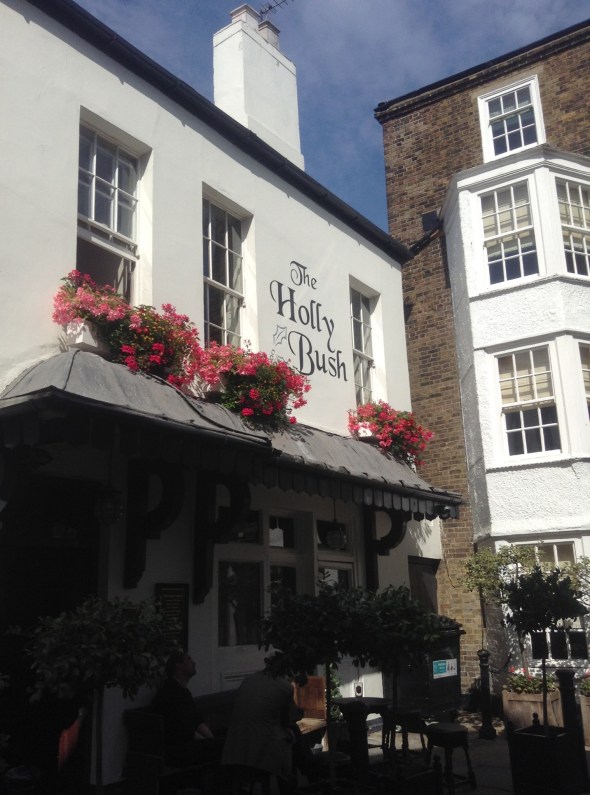
The charming Holly Bush pub
Hampstead Heath is well worth the trek up the hill. Walking across this huge open space will make you forget you’re in one of the world’s largest cities and help you realise why it’s also one of the world’s most liveable cities. On your way, take a detour along Hampstead Grove and you’ll pass a small observatory run by the Hampstead Scientific Society. Inside is a 6″ Cooke refracting telescope dating from the turn of the 20th Century.
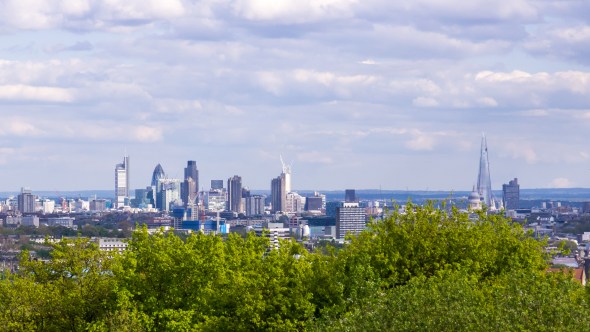
View of London from Parliament Hill, Hampstead Heath by Ed Webster via Flickr CC BY 2.0
On your way back to the High Street, stop to take a look at the house once inhabited by Ernő Goldfinger of Trellick Tower fame, who lived at Number 2 Willow Road. Local resident Ian Fleming, creator of James Bond, hated the modernist structure and allegedly took his revenge by naming one of his Bond villains after the man responsible for the eyesore.
Of course, if you don’t fancy Notting Hill, or Marylebone, or Hampstead, then there’s always St Paul’s Cathedral, Buckingham Palace or Big Ben. One short layover just isn’t going to be enough, of course, but these ideas surely beat staying in an airport lounge drinking coffee and browsing duty free shops.
And if you are tempted to come back, then why not try my Unanchor guide to London’s Villages, which consists of three day-long walking tours, one in each of the three locations featured above. Packed with ideas and information, it’s available on Amazon as well as direct from Unanchor.com and can be downloaded as a PDF or straight to your Kindle. Here are the links:
How to get the best out of a Heathrow layover (Part 1)
Flying via Heathrow? There’s no need to stay at the airport. Instead, take a trip into London and have a taste of what the British capital has to offer.
Part One: Getting to Central London

Notting Hill is comfortably doable on a layover
Take the train. Don’t be tempted with taxi or bus transfers; London’s traffic is too unreliable for you to risk wasting valuable layover time stuck in traffic. Instead, you have several options.
Most expensive, but fast, is the Heathrow Express. It takes 15 minutes to get from LHR to London Paddington station, from where you’re well connected by Tube to the centre and its attractions. Machines (and conductors) accept cash as well as credit and debit cards, but you’ll save a lot if you don’t use it.

Heathrow Express ticket machines

Heathrow Express Second Class

Heathrow Express First Class
However, there’s now a better way, which is almost as fast (quickest journey time to Paddington is 24 minutes) but significantly cheaper. The Elizabeth Line crosses London. Along the way it handily links Heathrow with key central London stations such as Paddington, Bond Street, Tottenham Court Road and Liverpool Street.
Cheaper still is the Tube, but it stops more frequently so your journey will take longer. The Piccadilly line connects Heathrow to popular tourist destinations such as Piccadilly Circus, Covent Garden, Hyde Park and Leicester Square. Journey times can feel tediously slow as the numerous stations aren’t far apart, but on average you’re looking at around 45 to 50 minutes to get into Central London. Fares vary according to the time of day and whether you have an Oyster card/tap in and out with a credit or debit card.
Useful links
Heathrow Express: https://www.heathrowexpress.com/
London Underground including information about the Elizabeth Line: https://tfl.gov.uk/
Tube and rail map: https://tfl.gov.uk/maps/track
Fares: https://tfl.gov.uk/campaign/new-fares
Heathrow transport information: http://www.heathrow.com/transport-and-directions#
For some well-known and more unusual suggestions for what to do once you’ve reached Central London, read my next blog: https://juliamhammond.wordpress.com/2015/12/09/how-to-get-the-best-out-of-a-heathrow-layover-part-2/
To stopover, or not to stopover?
One decision to be made when working out a long haul itinerary is whether or not to plan a stopover when booking flights. Here are a few issues to consider which might help you decide.
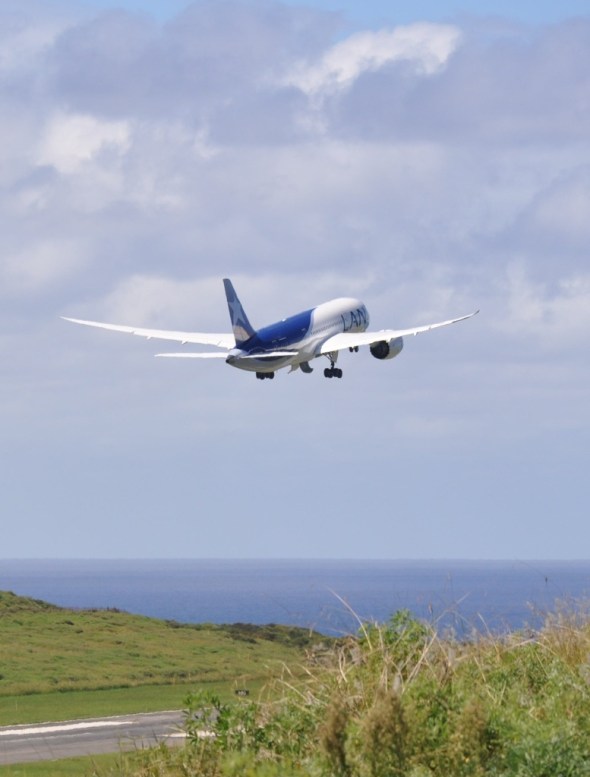
Boeing Dreamliner takes off
What’s it going to do to the flight cost?
Before making a decision to stopover, check out flight combinations and prices. A stopover including a few nights’ accommodation sometimes makes very little difference to the total flight cost compared to a direct flight. A stopover is classed as a stay of more than 24 hours whereas a layover might be just an hour or two. Layovers can also give you the chance to do a bit of sightseeing during your journey. See if you can extend your layover by taking a later flight to your final destination with that same airline. If the city is relatively close to the airport and if transportation is good, you can see a little of the layover city without it increasing the budget at all. Your luggage will usually be checked through to your final destination leaving you with just hand luggage. This has worked for me several times, most recently in Chicago and in Istanbul.
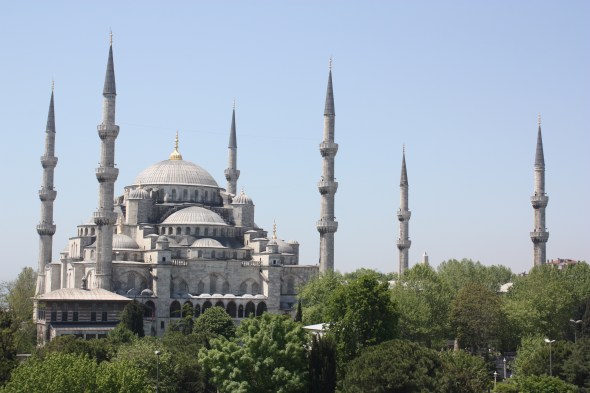
Istanbul
How much of the world do you want to see?
On both occasions I’ve been to the Antipodes, the best flight deals hubbed through places I’d already visited, Kuala Lumpur and Singapore. Eschewing the stopover didn’t leave me feeling like I’d missed out , but I may have felt differently if I’d never been to the stopover city before. A trip to Tanzania with Qatar Airways gave me the opportunity for a two-day stopover in the Qatari capital Doha, somewhere I’d not have chosen to visit in itself, but a pleasant stopover nevertheless. Next year, I’m stopping off in Sri Lanka en route to the Seychelles, a little out of the way but a great opportunity to see more places without vastly inflating my budget.
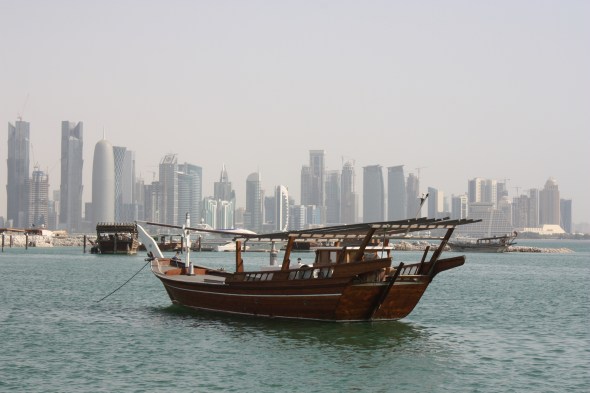
Doha
How will you cope with double jet lag?
If you are travelling east over any distance then you’re going to be hit by jet lag. There are things you can do to help alleviate symptoms, including trying to eat and sleep according to the new time zone before you arrive and keeping hydrated during the journey with plenty of water, but the fact remains, jet lag is a very real possibility. On my trips to Australia and New Zealand, I’ve opted for a quick change of flights rather than a few days’ stopover. Why? So I suffer the dreaded jet lag once rather than twice. Admittedly by 4pm on my first day in Sydney I was punch-drunk with fatigue but after a good sleep I was raring to go the next day. In Auckland a few years later, prepared for the same thing, I enjoyed a pleasant day exploring Ponsonby before hitting the hay at 7pm for a decent night’s rest. Again, the following morning, I was fully refreshed and ready to tackle the city instead of facing another long flight. Choose a layover airport with plenty of facilities, such as Singapore’s Changi or Kuala Lumpur International, both of which have airside hotels. You can book a bed or take a shower while you wait for the second flight, and get that horrible journey out of the way in one hit.
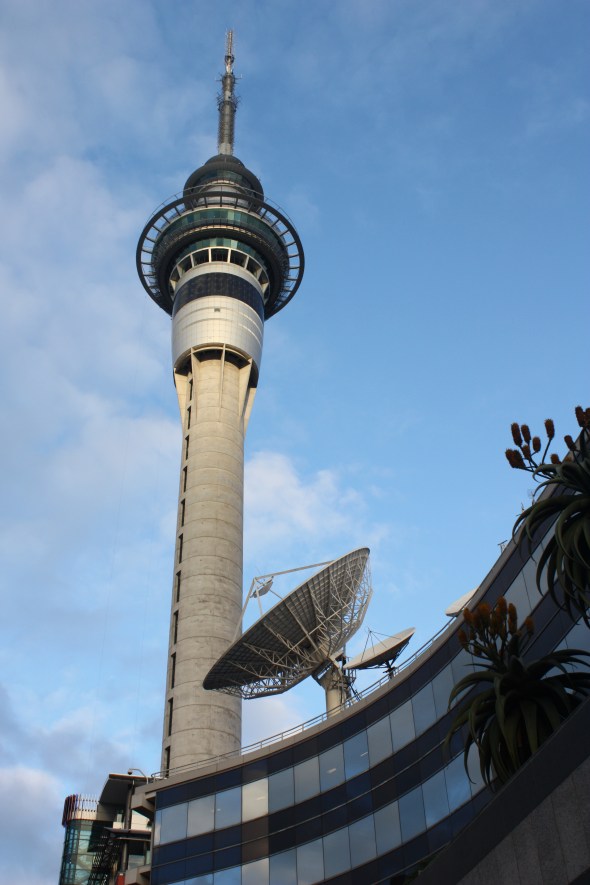
Auckland’s Sky Tower
How much time do you have for your holiday?
If you’re heading long haul for a long stay holiday such as a gap year, then a few weeks exploring somewhere on the way doesn’t make a big dent in the time you’re going to get at your destination. But if that holiday is restricted to the two or three weeks you’re going to be able to get off work, then you need to think about where you really want to spend it. Ask yourself whether your stopover days will prevent you seeing something amazing at your main destination, or give you the chance to see something equally amazing en route that you’d otherwise have missed.

Sydney’s iconic Opera House
Are you likely to get the opportunity to go back?
For some, a long haul trip will be the adventure of a lifetime, and likely to happen only once. If that’s the case, then stopping on the way to your main destination might be the only chance you’ll have to explore that part of the world and as such, you might be foolish to pass up the chance. If it’s somewhere that frequently shows up on flight deals websites or is a popular package holiday destination and thus relatively cheap, you might be tempted to ditch the place as a stopover for now and go there later on for a longer holiday.
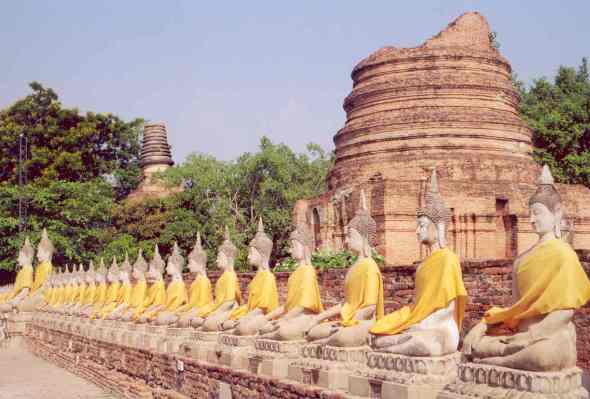
Ayuttahaya, Thailand
Are you unsure about whether you’d like the place or not?
Taking the opportunity to make a stopover in a city is a good way to find out if you like the place enough to book a longer holiday or not. Sometimes, this might be clear beforehand; it’s possible to stop in Reykjavik, the Icelandic capital, on the way to certain North American destinations, but in my opinion, this incredible country warrants more than a couple of days. But if you’re unsure, then staying just a night or two in a place gives you a taster, enough to help you decide whether to tick it off the list or to go back for a more leisurely visit.

The Sun Voyager statue, Reykjavik
My favourite travel spots
The trouble with not travelling when you’re obsessed with travel? You still eat, sleep, breathe it. My inbox and news feeds constantly offer suggestions on where I should go next. As my travel magazine subscriptions plop through the letterbox, there’s more. I’m really, really, struggling to resist Norwegian’s amazing fare deals to Puerto Rico. So what’s a girl to do? Reminisce, of course! Here are ten of my favourite places and the reasons why I chose them.
Favourite city: New York
This one’s a no-brainer. I love that iconic skyline, the variety within its neighbourhoods and the sheer energy of the place. Every time I go there’s something new to discover, from the hidden gems of the Bronx to ethnic eateries in Harlem and beyond. I could never get enough of the place.
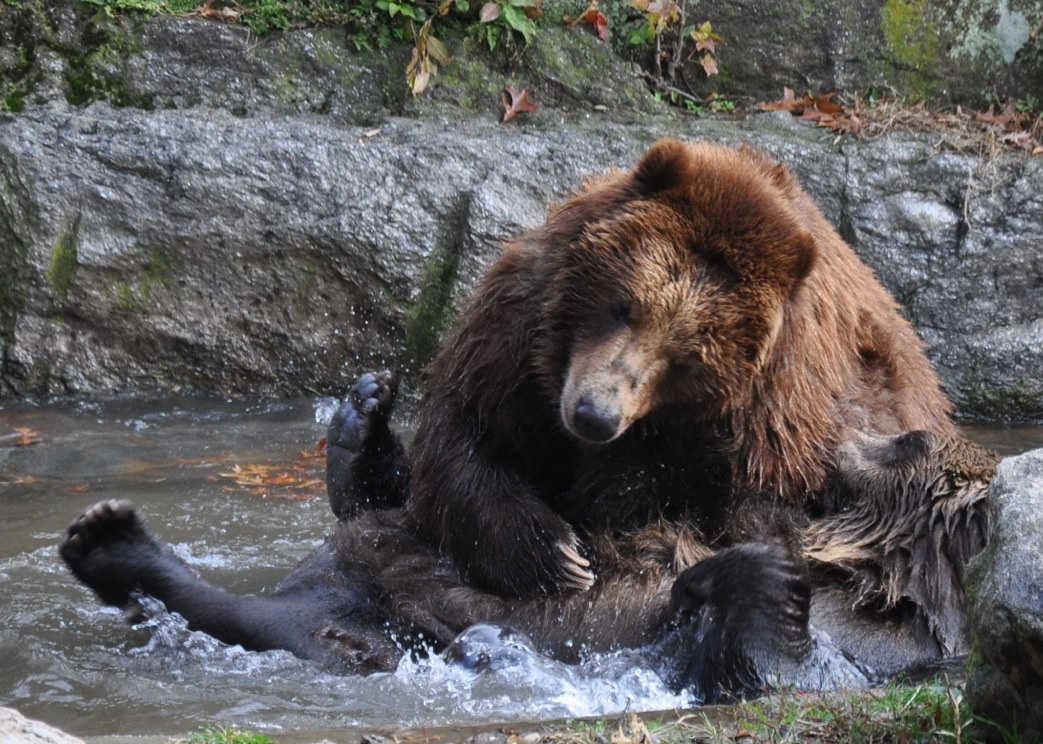
Bears playing in the Bronx Zoo
Favourite beach: Port Salut
I travelled to Haiti with certain expectations, but despite its location in the middle of the Caribbean, that didn’t include great beaches. I was wrong. Port Salut beach had it all: glorious turquoise seas, white sand beaches and fabulous sunsets framed with palm trees. Best of all, most people don’t know about it yet.

The perfect place for doing nothing
Favourite wildlife experience: lions in Zambia
It’s not every day that when asked what you did that day you can say, “I took a lion for a walk”, but that’s exactly what I did in Zambia a couple of years ago. It was a surreal experience. I found myself forgetting that it was a lion and reverting to dog-walking mode, but fortunately lived to tell the tale.

Walking with lions, Zambia
Favourite natural phenomenon: watching the Northern Lights
Nature knows how to wow us and for me, the stand out show is to be found up beyond the Arctic Circle in a dark night sky. On a December trip to Tromso, Norway, we encountered cold like you’d never believe, but frozen feet were instantly forgotten when the sky dazzled us with shades of purple and green.
Northern Lights over the hills surrounding Tromso
Favourite adrenaline rush activity: watching a volcano erupt
I do like volcanoes. I’ve been up close to the ash and smoke of a number of them in Ecuador, Nicaragua and Japan. But by far and away the best was ascending Mt Yasur on the Vanuatu island of Tanna. It was by far the most frightening experience I’ve ever had, but also the most awesome too – and for once that word’s the right one.

Mount Yasur erupts at dusk
Favourite festival: Day of the Dead
It features in the latest Bond film, Spectre, and Mexico’s Day of the Dead is one of those festivals that becomes an immersive experience. I chose to participate in Oaxaca’s celebrations, and from helping to assemble an altar to visiting the atmospheric cemeteries, Dia de Muertos was an emotional and engaging event, as well as lots of fun.
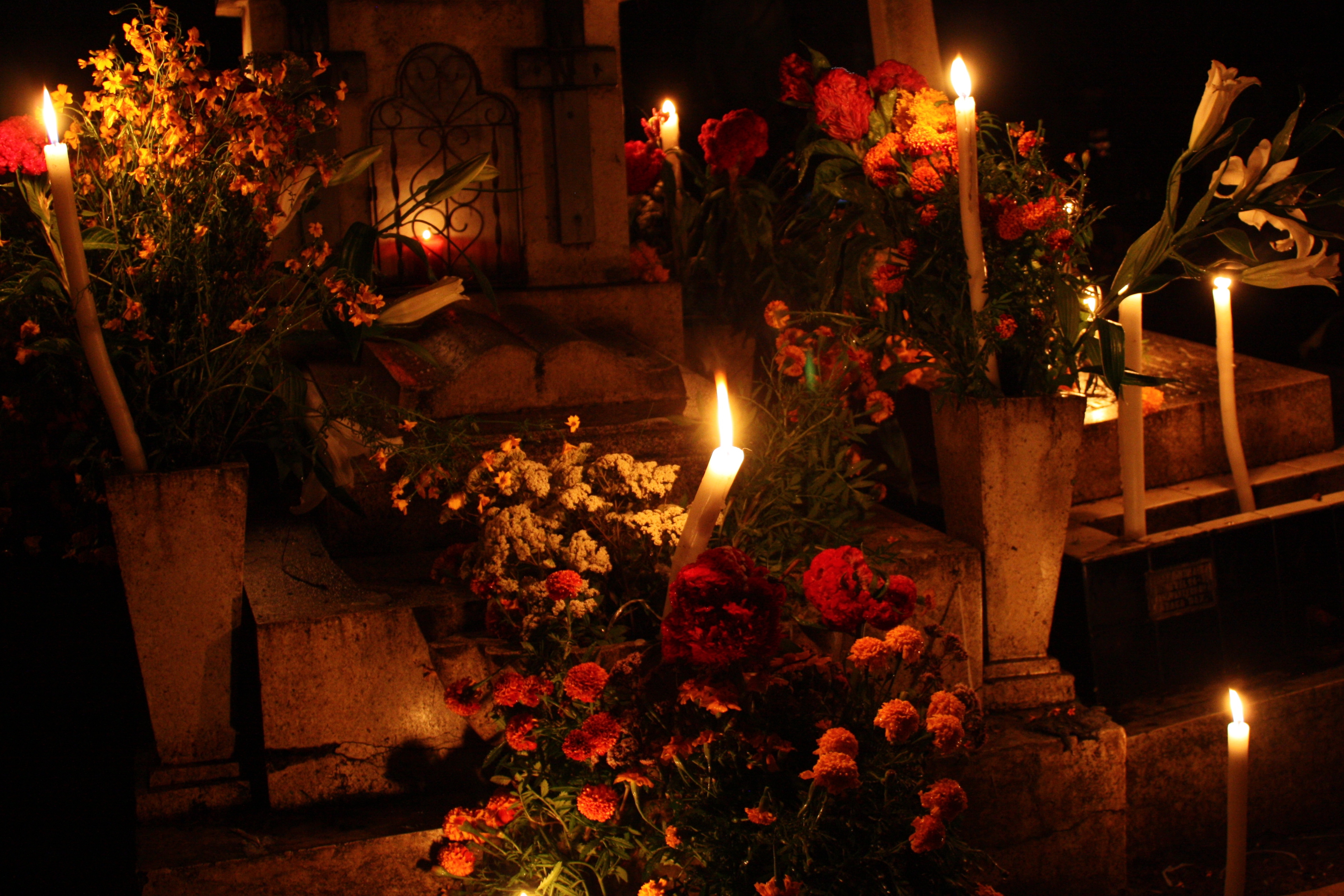
The old cemetery at Xoxocotlan
Favourite place to wake up: Patagonia Camp
Last year we splurged on a lakefront ger in the Torres del Paine’s Patagonia Camp to celebrate our wedding anniversary. The weather forecasts depressed us with predictions of grey skies, but when it came to it, we were rewarded with stars visible through the roof’s circular window and pink skies at dawn.

Sunrise over Lago Toro
Favourite people: Peruvians
Neighbouring Chile has scenery to die for, but it doesn’t have that killer-combination. You see, for me, it’s all about the people and Peruvians don’t just offer you a polite welcome, they embrace you in an enveloping hug. They’re more than a little potty, which just adds to the fun.
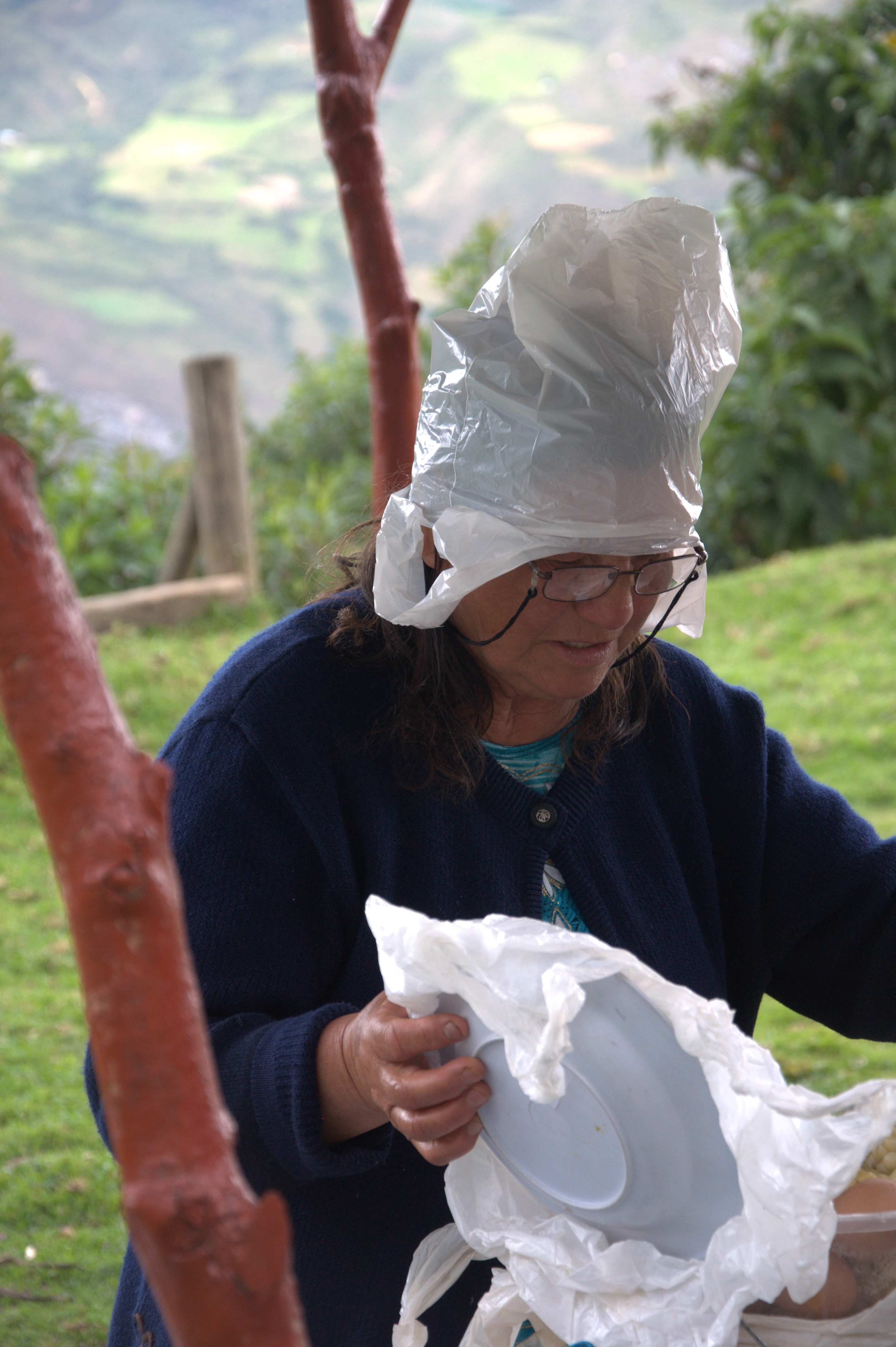
The bag hat lady at Kuelap
Favourite for culture: Japan
I’ve only been to this fascinating country once, but would love to go again. It’s a place where weird is normal: a place where you can buy square melons, get hot chicken and chips from a station vending machine and have to take a shower before you can get in the bath.

Gion matsuri
Favourite place to go walking: Austrian Tyrol
I first visited Austria at 9 months old, making several other trips as a child. Since then, as an adult I’ve found myself in the Tyrol several times. There’s just something about the place that I love: a combination of the fresh air, craggy mountain backdrops, geranium-adorned wooden chalets and excellent walking paths. Last time, I took the dog, and aside from getting him into the gondola, he loved it too.
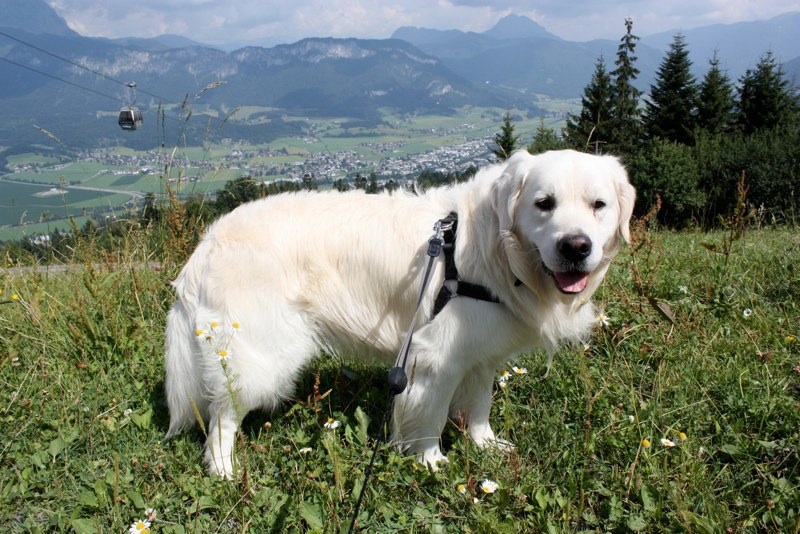
My walking companion, Einstein
Looking back on my trip to Haiti
A few days ago I delivered a talk on Haiti to Leigh Travel Club and so my thoughts return this week to the impoverished Caribbean nation that made such an impression on me when I visited in February. The trip was one of extreme highs and lows, the latter making me question whether I’d done the right thing in travelling independently rather than with a tour group. From the sweeping views from the top of Citadelle Laferriere to a rather too interactive vodou blessing ceremony, this was always going to be one holiday that I wasn’t going to forget in a hurry.
The perfect place for doing nothing
Is Haiti ready for tourism?
Much has been written in the travel press of Haiti as an emerging tourism destination for 2015. This charismatic Caribbean nation has featured in as many recent top tens as the latest fashionable boy band and is garnering as much attention. Five years on from the devastating earthquake that claimed as many lives as the 2004 Asian tsunami but in an area a fraction of the size, Haiti is beginning to rebuild. But progress is slow, hampered by political turmoil and the sheer scale of the work to be done.
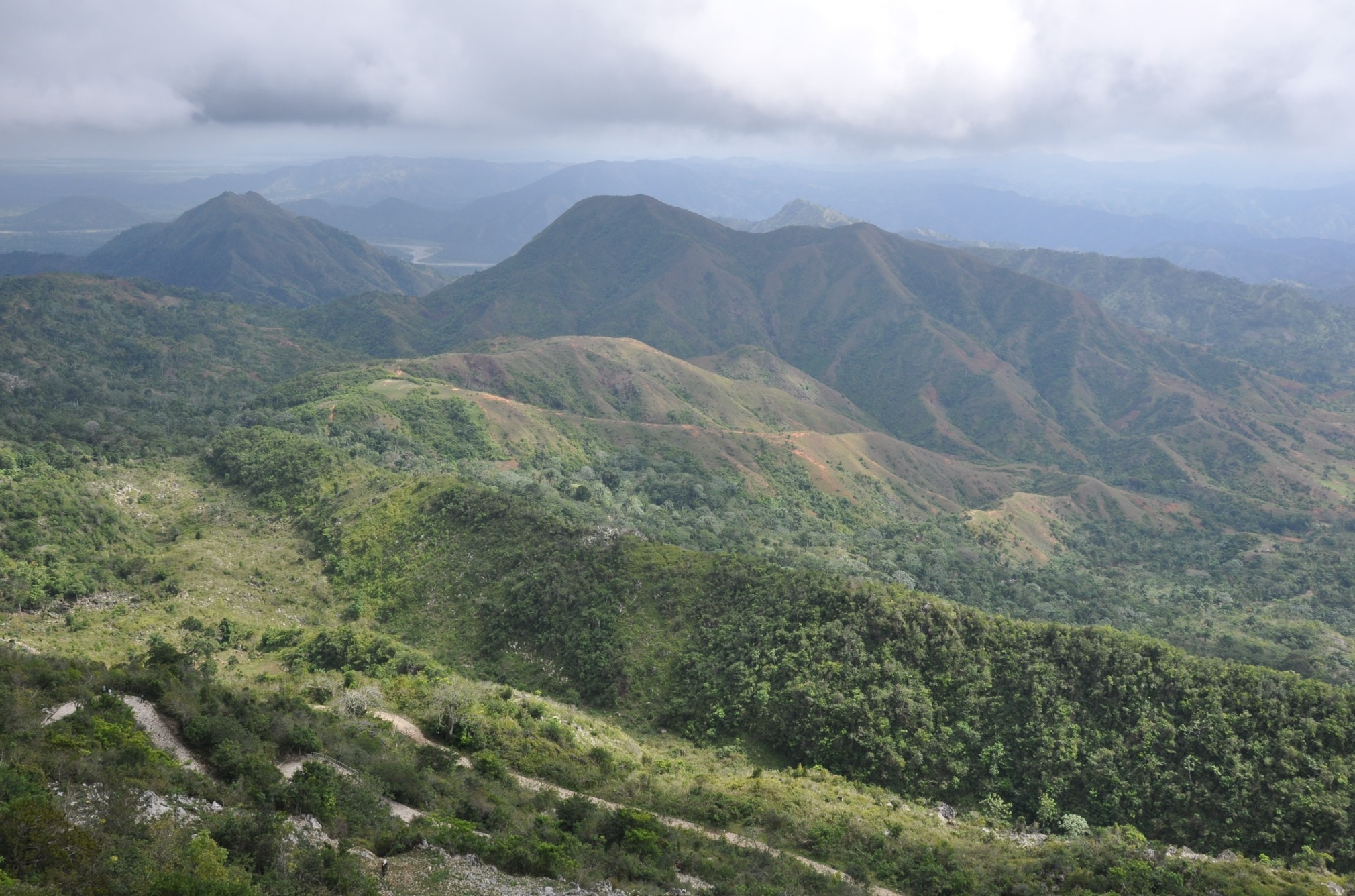
Views over the surrounding countryside from Citadelle Laferriere
Around half a million tourists visit Haiti each year. The destination for the vast majority is Labadee Beach. Privately owned by Royal Caribbean, this pristine beach is reserved for cruise ship passengers only, who in turn are not permitted to leave the resort. Plans are afoot to facilitate day trips to the nearby attractions of Sans Souci Palace and the imposing hilltop Citadelle Laferriere, but for now they remain marooned in their paradisiacal enclave. But by far the greatest number of visitors come from the US and Canada, United Nations personnel, volunteers and NGO workers with an almost evangelical zeal. Transiting through Miami, I wasn’t surprised therefore to be asked by the curious immigration official whether I was a surgeon, though he thought I had taken leave of my senses when I told him that I was heading there on holiday. Alone.
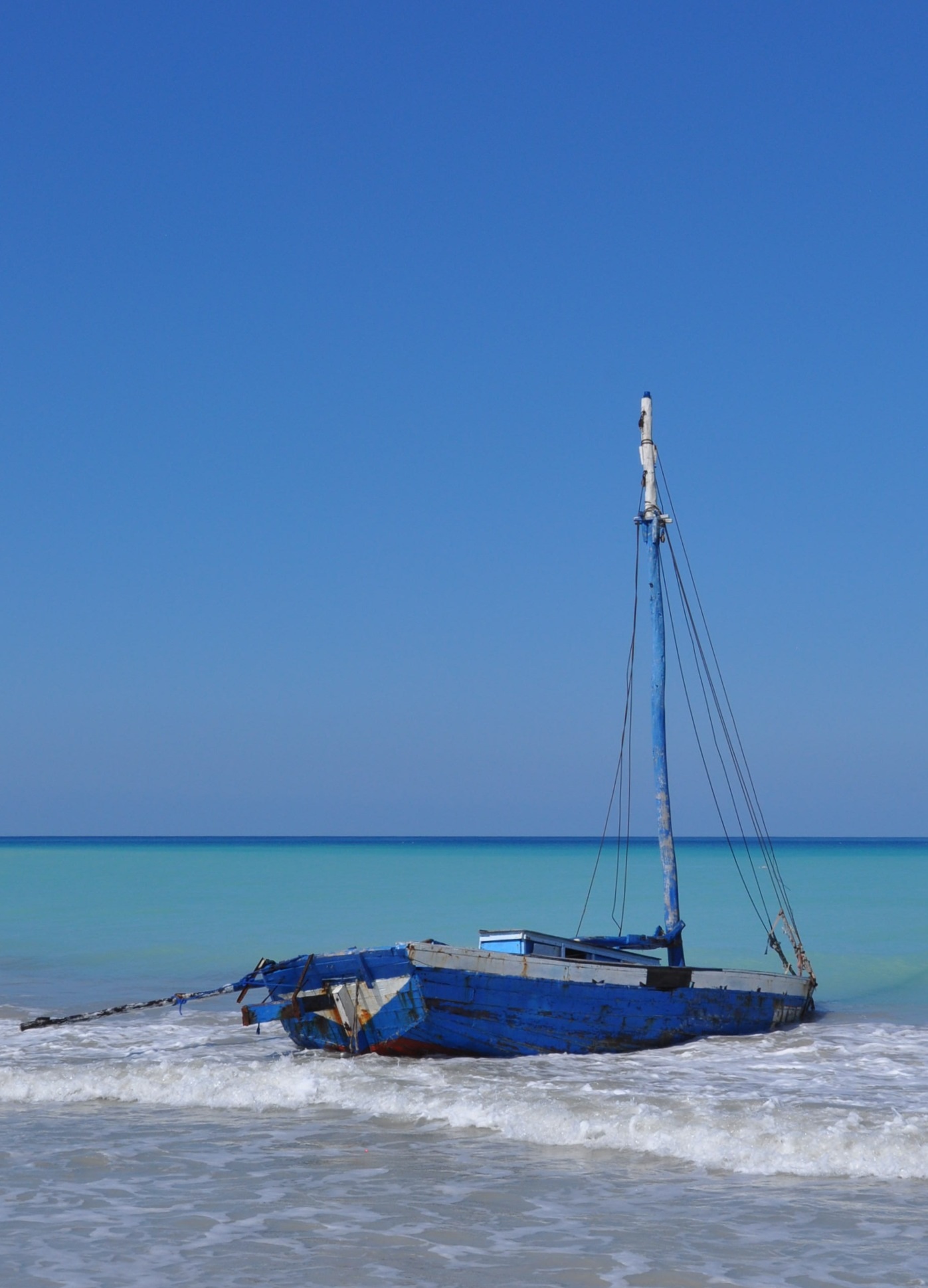
Fishing boat on Pointe Sable, Port Salut – cruise ship not necessary
Nevertheless, inspired by the glowing recommendations, a steadily growing number of independent travellers are exploring Haiti. Many of these are French or Canadian – it helps to understand the language – with a smattering of Americans, Brits and other Europeans. Except perhaps the terrace of the Hotel Oloffson in downtown Port au Prince, nowhere was the concentration of “blans” or foreigners more noticeable than in Jacmel. Once a coffee port and still crammed full of ageing yet utterly charming balconied warehouses, art is now the commodity that supports this laid back town, with galleries and vendors on every street corner.

Carnival queen, Jacmel
Visiting Haiti is the tourism equivalent of a backbreaking wooden coaster ride. It will push you close to the edge as you reflect on what possessed you to hail a tap tap that threatens to squeeze every last drop of goodwill from your sweaty pores. But just as you swear that you cannot take any more, that same tap tap will deposit you at an idyllic palm-fringed beach, deserted save for the crabs that scuttle out of the blazing midday sun into the tiny holes they bore in the white sand.
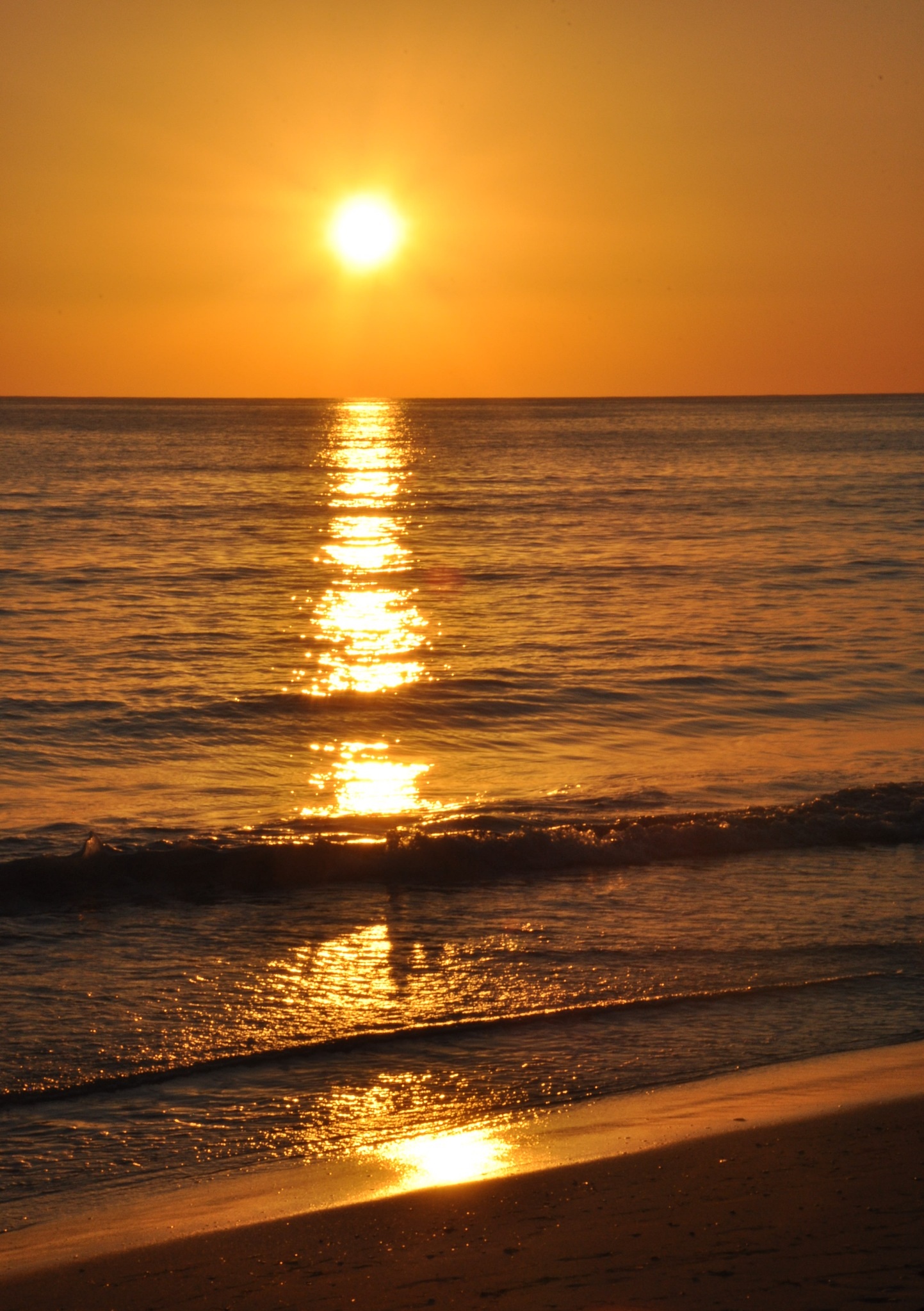
Sunset at Pointe Sable
But it’s the people that create a lasting impression and ensure that Haiti sticks in your mind long after you return home. I encountered much kindness during my trip from people that had little to give but their time. Missing my stop on the tap tap from Les Cayes to Port Salut, according to my fellow passengers by at least five kilometres, a young lad on a motorbike pulled up alongside me as I stood on the roadside and pondered what to do next. He offered to take me and my suitcase down to my hotel, refusing my offers of payment with the kind of smile reserved for the exceptionally dim. I obviously looked that pathetic. That it turned out to be only a couple of minutes down a pretty beachfront promenade fringed by palm trees wasn’t the point. And he wasn’t the only one that went out of his way, literally, to help.
Overloaded tap taps are the only public transport to Port Salut
The flip side to this was the undercurrent of danger that was difficult to ignore. During my trip, tempers flared as bus drivers went on strike over government-imposed petrol price hikes, leaving Port au Prince on lockdown and incoming passengers corralled at the airport for want of somewhere safer to take them. I spent two days stranded in Jacmel, thankful that I was fortunate to be far from trouble and in such a characterful spot to boot. A few days later, the capital’s carnival, held a week after the vibrant and fun Carnaval in Jacmel, ended in tragedy when a stray overhead cable fell onto the road, causing panic in the crowd and killing at least sixteen. And shortly after I returned home, an air-conditioned coach travelling from Les Cayes to Port au Prince was attacked and set alight, supposedly a casualty of simmering tensions between Haiti and its more prosperous neighbour, the Dominican Republic.

Vodou ceremony, Jacmel
Is Haiti ready for tourism? That kind of depends on your definition. If you need a smoothly functioning infrastructure along with your rum punch, then this isn’t yet the place for you. Wait a while, but you’ll find the crowds will catch up with this place eventually. The hawkers will lose their sense of humour, buses will run on time, hotels will offer luxury over rustic charm and tours will be packaged and sanitised.
But the magic will be long gone.
The bus drivers of New Zealand
So often, it’s the people that make a place memorable more than the sights themselves. To really engage with a place, there needs to be a connection, and it’s the human interactions that facilitate that. I’ve been thinking about which places have the warmest and most welcoming locals, and I have to say New Zealand comes high up the list. I spent a week in South Island using the reliable bus system to see the main sights, but didn’t realise just how much I’d enjoy the journeys between those places. Here’s a piece I wrote for myWanderlust not long after I returned.
Inside the man there was a scruffy boy itching to get out.
The commentary as we edged down South Island’s west coast may have been aimed at adults, but tales of Australians landing planes upside down in the swamp came right out of Boys Own. With his untamed mop of greasy ginger hair, Dave was one of those people where you could still vividly imagine what he’d have looked like as a lad, scraped knees and all. Heading south from Greymouth into country country, everyone got a cheery wave, but then Dave knew most people. When it came to the drop off, he flicked the rolled up newspaper expertly through the window hatch as he once had from his push bike, slowing only slightly before checking his wing mirror to smugly inform us it had landed accurately.
“Yup, that’ll do ya. That paper’s printed at midday. If I didn’t run it through, they wouldn’t get it until tomorrow. No point in old news, is there?”
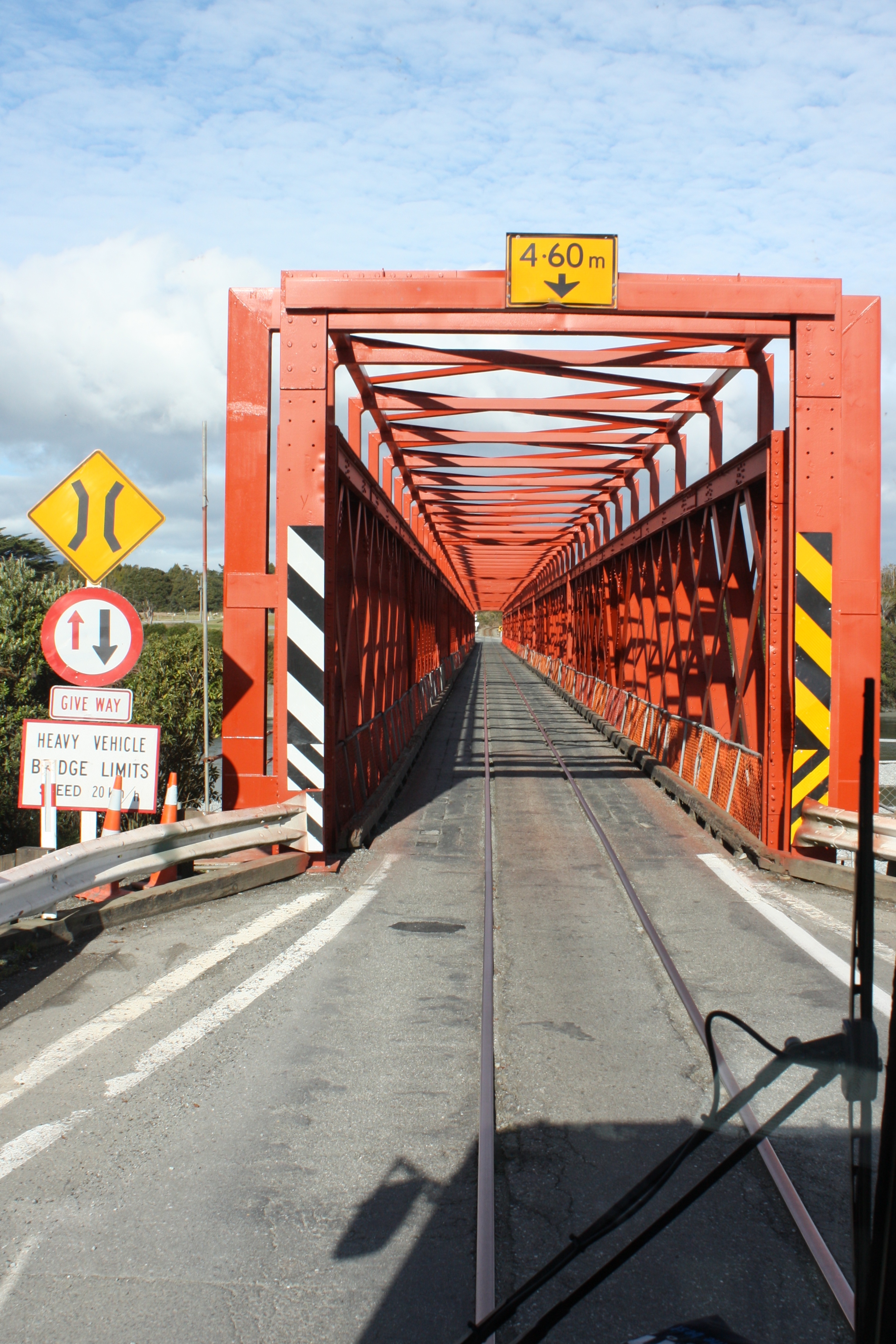
Bridge between Greymouth and Hokitika as navigated by Dave the bus driver
Dave told us he had the best job in the country but salt and pepper haired George disagreed. Picking up the baton from Franz Josef, he made sure everyone had visited the glaciers, threatening to leave us behind if we couldn’t tell him enough about what he insisted we should have seen.
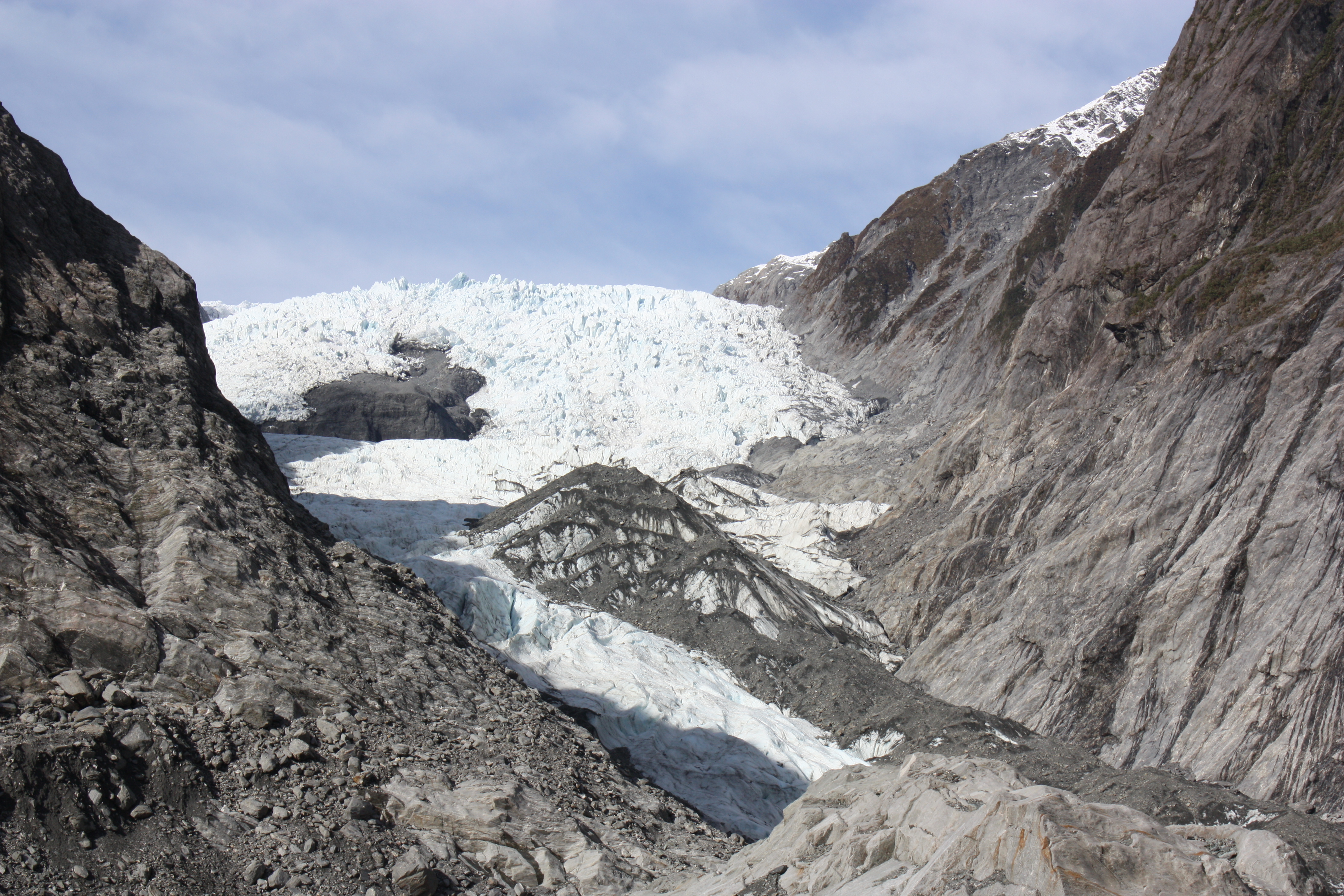
Yes, I passed the test! Proof I visited Franz Josef glacier.
He wound us expertly round impossibly tight turns to deposit us at viewpoints framed with the ubiquitous but elegant tree fern, fronds shimmying like a Twenties flapper. Jovial when on the move, he was quick to chastise anyone who dared hold up the coach. At breakfast, out of serendipitous necessity swapping a motorway service station for a salmon farm deep in the forest, he joined me at my table. The conversation flitted back and forth as George downed his second cup of tea. Gruff George, it turned out, was a gentle man underneath; having lost his wife to cancer, he confided that meeting people on his bus had helped him through the tough times.
Wheezy Pete, with a capacious belly nurtured over many years supping good beer, shook our hands as we returned from a roadside hike to a waterfall. George introduced his replacement and pointed to the bus parked on the opposite side of the road.

Awesome NZ just about sums it up!
“You lot are hard work,” he chuckled, “there are only four on that other bus, I’m off back to Franz for a quiet life.”
And so the thirteen of us headed for Queenstown, encroaching steadily on snow-capped mountains as we edged alongside Lake Wanaka. Pete pointed out the world’s oldest bungee jump, offering a free ride to anyone who took up the challenge.
A few days passed before I met Dione. Dione was different, the first driver under forty, with a baseball cap and an exceptionally good knowledge of sheep. When not talking farming, he spoke incessantly of the weather.
“We have two hundred days of rain down here, bringing seven metres of water every year. For you folks that measure in millimetres, that’s a lot of rain!”
But he had the most spectacular drive, through the mountains down to Milford Sound. Skirt folds of Rimu trees parted to reveal the tiniest slivers of silvery petticoat cascading into puddles that blurred onto the water below. Our day was sunny, the deep azure of the sky framing the sheer cliffs of the fjord and diamonds pricking the water.
“Jeez, you guys are lucky. Even the keas are behaving today – yesterday those bloody parrots flew into the bus and shat all over the dash.”

Kea inspecting the bus for Dione
Wiry Tom knew he had the rough end of the deal, for it was he who would remove us from the crisp air of the mountains and carry us across the Canterbury Plain in all its sheep-strewn monotony. He tried his best with Mount Cook, but our wonder at the beauty of New Zealand’s highest peak was tainted by the knowledge of what was to come. I passed the time trying to figure out which Hollywood movie actor he reminded me of; a cop, no, the President? It was a twelve hour ride and I reached Christchurch none the wiser.

The road to Mount Cook
Yes, Dione was indeed different. He was the only one who wasn’t a scheduled bus driver, our driver-guide on a coach tour to one of the country’s best known attractions. In New Zealand, buses aren’t just there to take their passengers from point to point. To be a bus driver on South Island you needed a sense of humour and a good head for facts. I’d say a good aim and experience as a paper boy got you a long way too.
Latest blogs for Go4Travel
Regular readers will know that I blog regularly for Go4Travel, usually about New Zealand. Every now and then, I persuade the editors to let me blog about other amazing destinations and they couldn’t resist when I pitched Chile. My overview guides to Easter Island, San Pedro de Atacama and Torres del Paine National Park are essential reading if you’re thinking of heading there yourself. Take a look here:
http://www.go4travelblog.com/author/juliahammond/
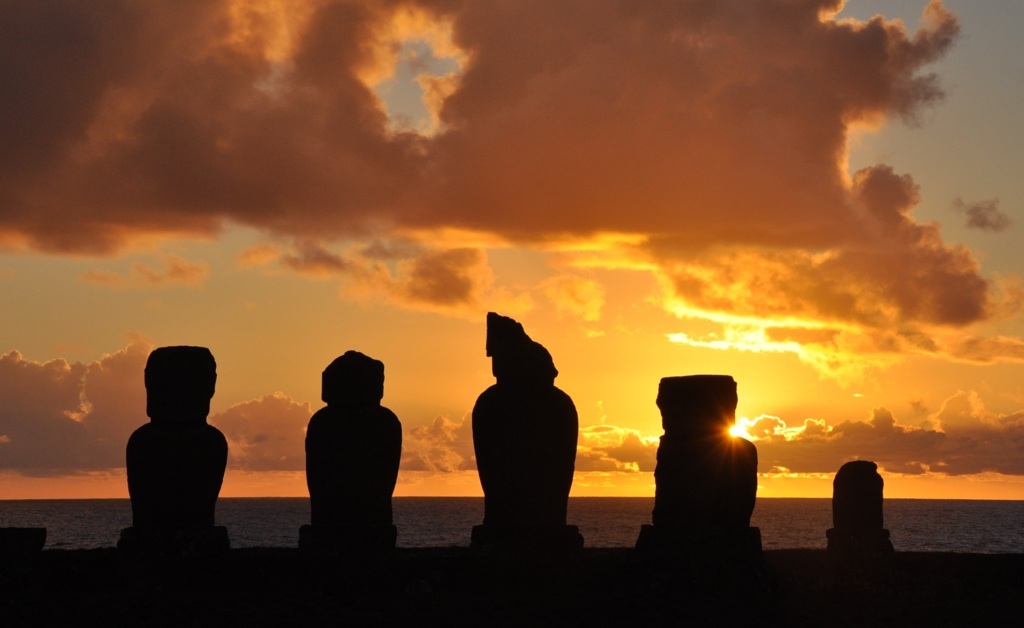
Sunset at Ahu Vai Uri, Tahai, Easter Island
Easter Island in pictures
Easter Island, the second most isolated island on the planet, yet famous the world over for the moai which stand sentinel, their backs to its shores. Spending Easter here has been a blessing, the island’s beauty a revelation and the warmth of its people ensuring the memories go beyond mere statues.

Sunrise at Tongariki, site of the greatest number of moai

Long shadows in the morning’s first hour of daylight, beginning in April at a civilised 8am

Sunrise in full colour

Heading north to the coast, but watch out for horses, wild or herded

The moai quarry, Rano Raraku
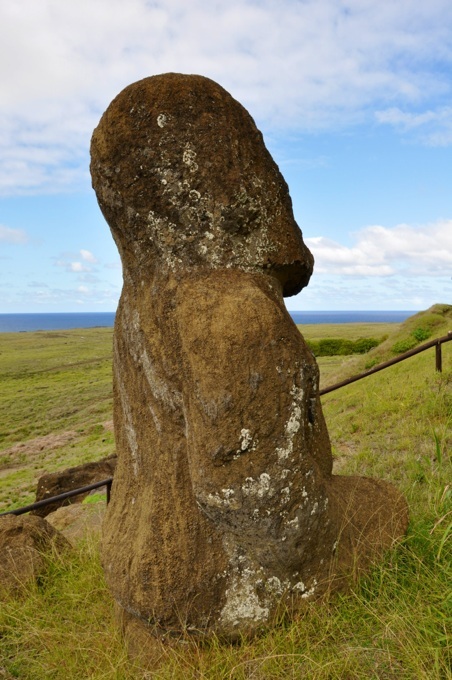
The kneeling moai at Rano Raraku

Moai quarried right out of the stone cliffs
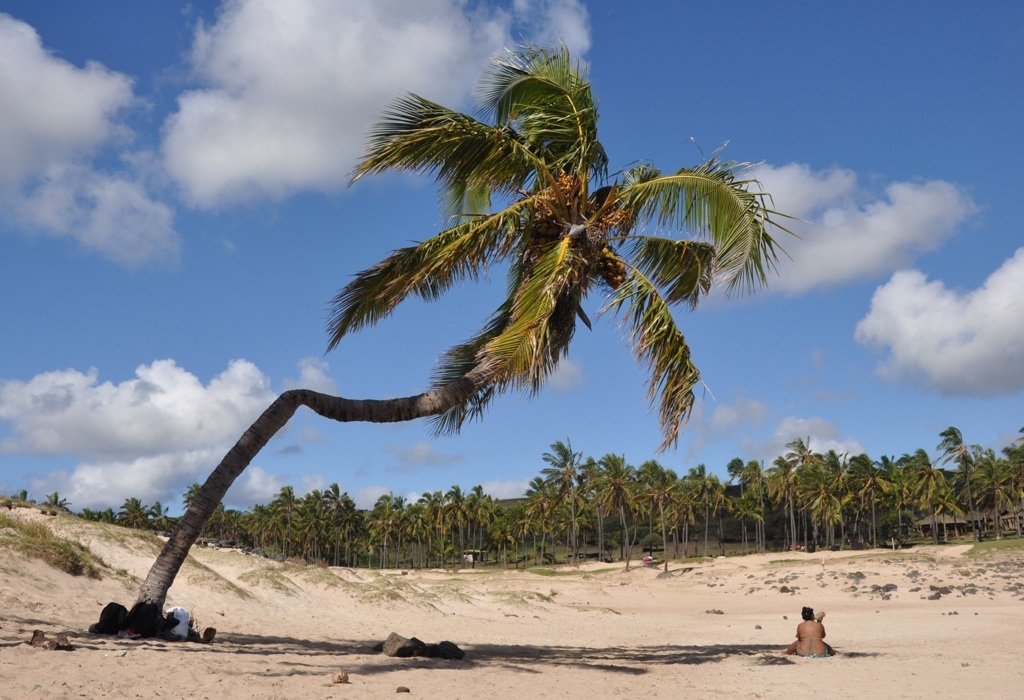
The beach at Anakena, one of only two sandy shores on an island characterised by rocky cliffs

Ahu Nau Nau: Sand piled up right
behind the ahu (platform) on which stand seven moai

Close up shot of one of the moai at Anakena
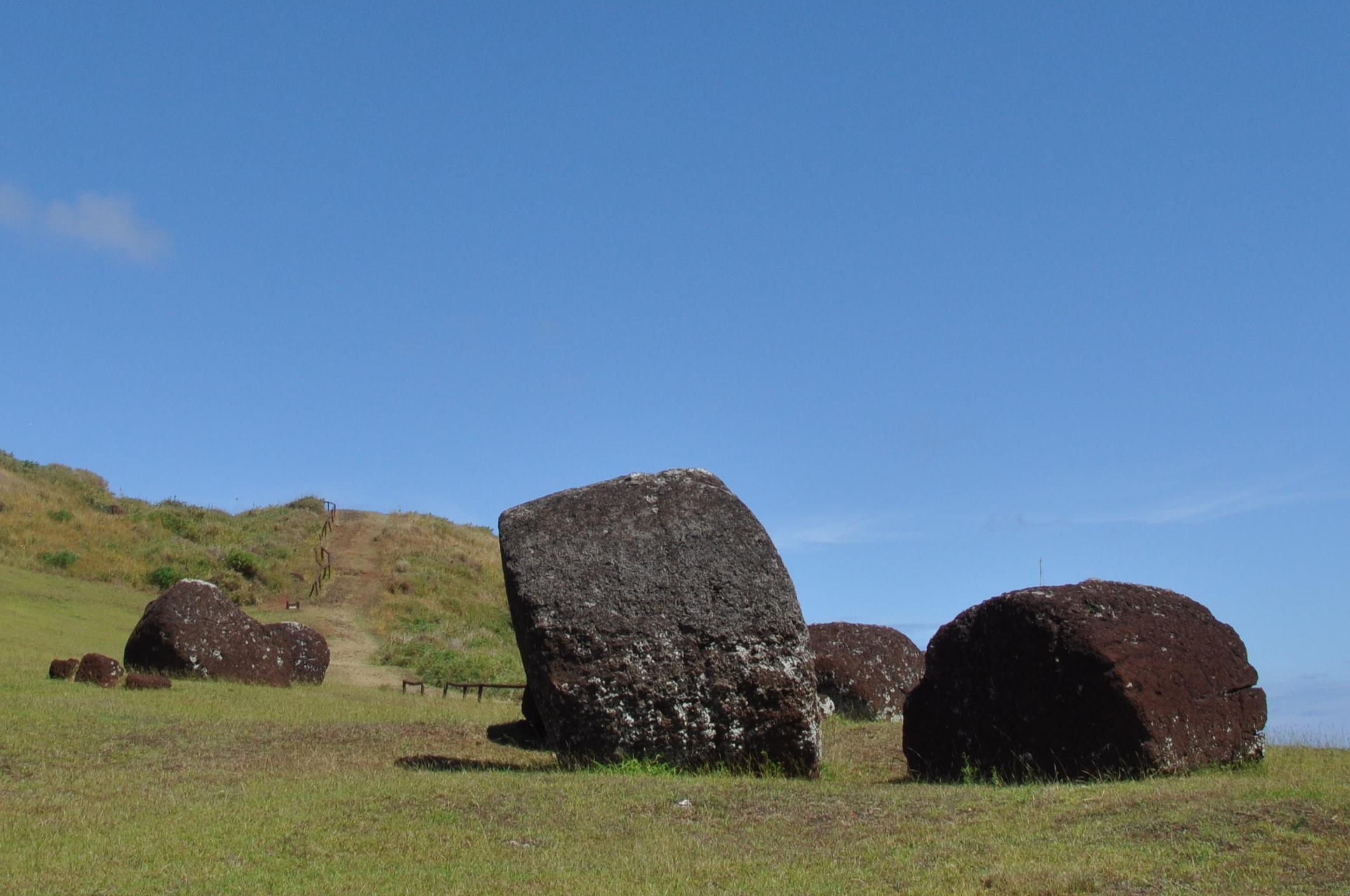
Puna Pau top knot quarry

The seven moai at Ahu Akivi, unusual in that they face the sea

Visitors are requested to respect the island’s heritage and keep off the ahu, but the horses don’t always get the message
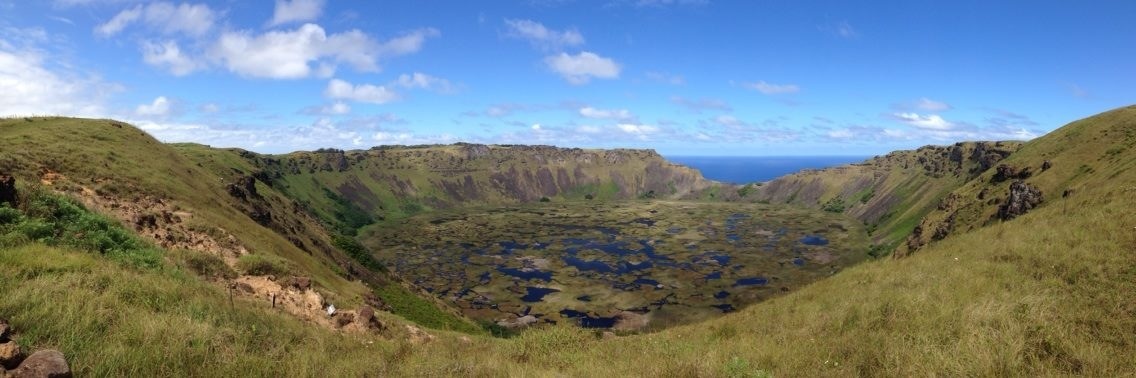
Rano Kau crater, near the main settlement of Hanga Roa
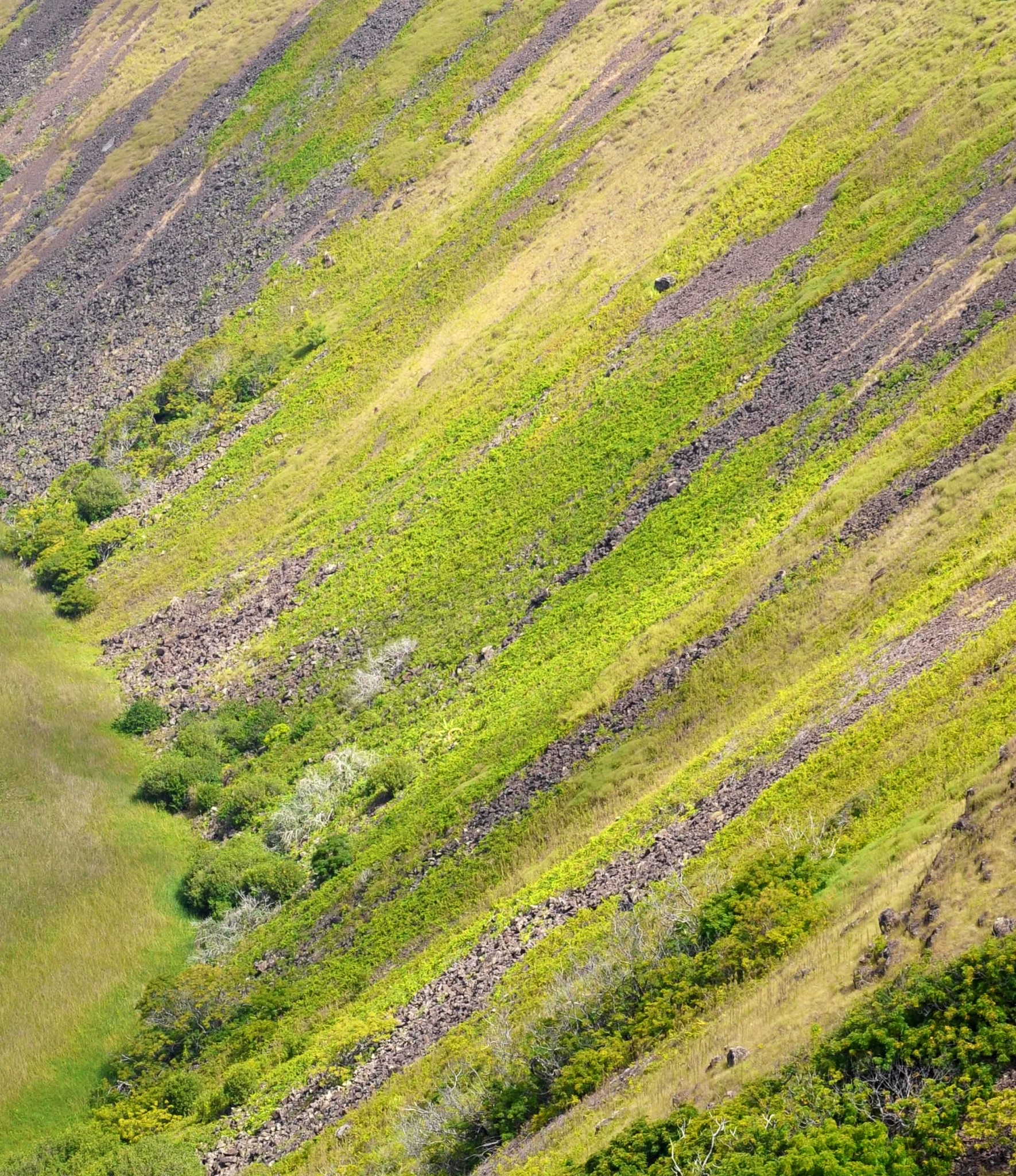
Vivid colours of the vegetation on the crater rim
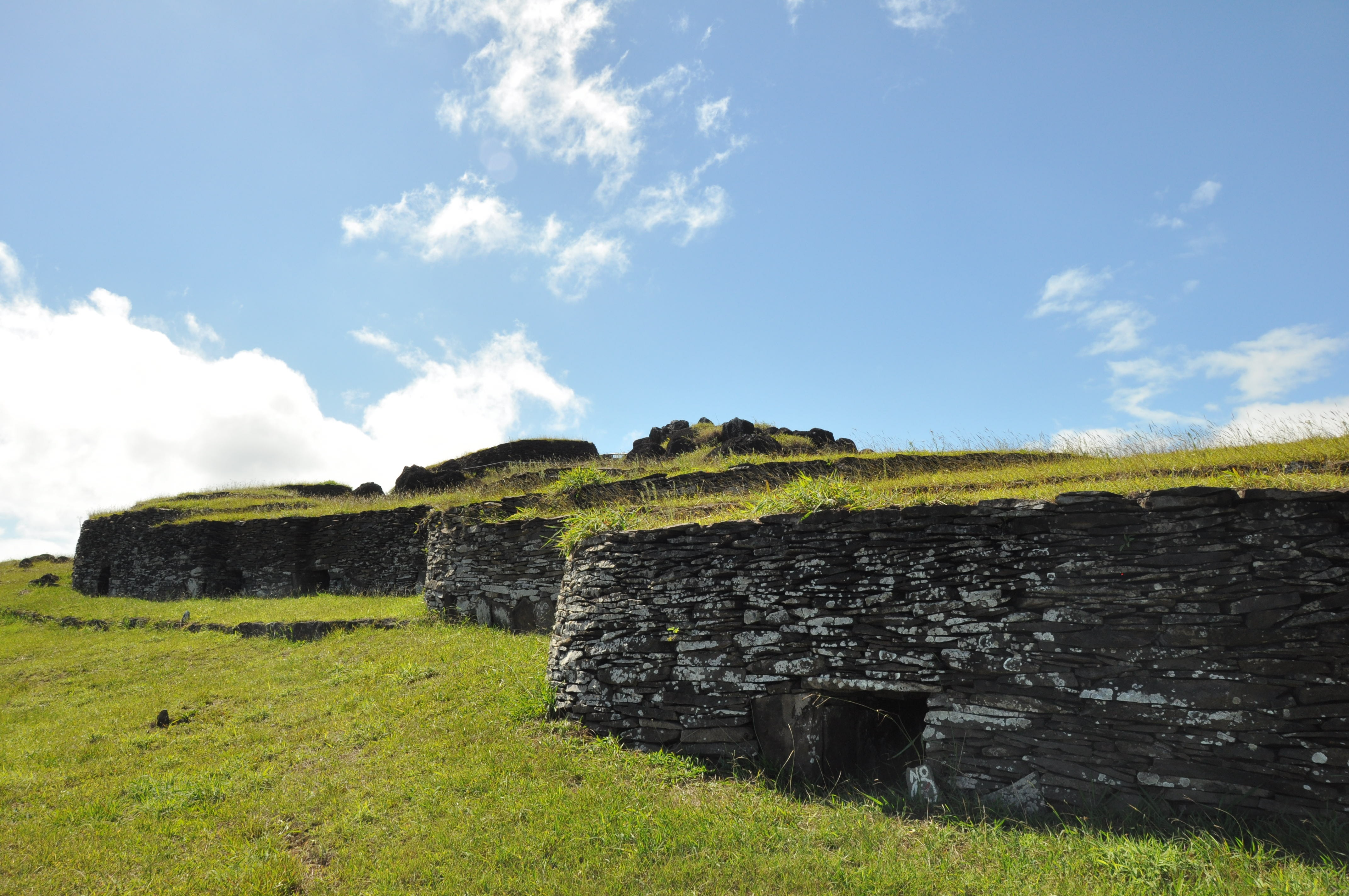
The unusual buildings at Orongo

Hanga Roa’s quirky cemetery
Sunset at Ahu Vai Uri, Tahai

Rapa Nui flag – at present the Chilean government aren’t collecting (aren’t able to collect?) the National Park fee; the Rapanui people have roadblocks and are recording visitor details

Boeing Dreamliner takes off to begin its five hour journey back to Santiago on the mainland
Looking back on my trip to Tanna, Vanuatu
The news that Cyclone Pam had ripped through the island nation of Vanuatu in the South Pacific broke last week and, some days later, relief and rescue teams reached the outlying island of Tanna where I spend a week in 2013. While loss of life hasn’t been as great as first feared, given that this was a Category 5 storm the islands have been hit hard. Knowing that Tanna Lodge, where I stayed, had its own generator, I sent an email, not knowing whether they’d receive it. Internet and phone connections are down across the outlying islands. Via a satellite phone, I heard on Sunday morning that the staff and buildings had miraculously survived unscathed, though the lush gardens have been devastated.

Tanna Lodge
Tropical vegetation grows back quickly, and I would urge you to consider visiting to give the islanders the much needed income to help them get back on their feet. In the meantime, I wanted to share a story I wrote shortly after returning from Tanna. The island has many kastom villages, where residents live a traditional lifestyle and some even worship our very own Prince Philip…
The Road to Yakel
Ozzy Osbourne would have loved this, but I was not Ozzy.
Heading for Yakel and expecting Tanna’s regular mode of transport, the dusty but trusty pick-up, I was caught unawares by the invitation to jump on the back of a canary yellow quad bike. Ned, my driver and guide, instructed me to hold on tight. Mild panic set in. I’d happily travelled in all manner of rustic transport from tuk tuks to donkey carts but I’d always steered clear of quads out of a not so irrational fear that they’d be certain to topple over. What was I doing? I didn’t even have a helmet.

The quad bike reaches Yakel
Ned set off at speed up the steep mountain track with the confidence of youth, a wide grin across his face and palm trees reflecting in his sunglasses. Behind him, my mouth clamped tightly into a nervous grimace. Try as I might my mind kept wandering to a story I’d read about Ozzy and his love of quad bikes despite almost dying after crashing one in the grounds of his home. Was he crazy? I wasn’t sure. He didn’t have to contend with a rutted dirt track liberally dusted with volcanic ash and loose gravel. Keep calm, I muttered, reminding myself there was a hospital on the other side of the island.
The ruts deepened into terrifyingly deep chasms and muddy crevasses. Ned, ever cheerful, pointed out the school to our right, funded by Australia. With all their mineral wealth couldn’t they have added to the budget and filled the holes in the road, I wondered? I gripped the handles more tightly than before. One false move and we’d overturn. Tense, I silently willed Ned onwards, wordlessly reminding him to keep left, no right, mind the tree roots, watch that squealing piglet! Up and up we climbed, pausing momentarily here and there to change into a lower gear when the gradient steepened even more.
Higher into the rainforest, the view below became more dramatic where Mt Yasur’s ancient lava flows had once oozed out to sea, but all I could think about was survival. Every approaching village inspired hope. Would this be Yakel? As Ned sped up, the quad bike emitting a throaty roar, we passed clusters of straw and thatch shacks. All looked promising. None, alas, were Yakel. As we bumped and thumped up the interminable track, I implored whatever local God might be listening to make Yakel the next settlement or at the very least, let me get off and walk.

Yakel kids playing in the tree
My plea fell on deaf ears. Instead of our destination, the Gods presented us with a bridge made from crudely tied logs, gaps surely big enough to lodge a wheel and pitch us into the river below. I peered over. Weathered lava bombs ejected from the volcano sat where water should have been. We picked our way over a second and then a third bridge of the same quality. Concrete? Why had no one thought of concrete? I could feel the logs give slightly as young Ned inched across. Even he’d paused before tackling this hurdle, I noted. Would it be better or worse if I shut my eyes?
My thighs burned from the Herculean task of keeping my body wedged up against the back of the slippery seat. Knuckles rose milky white against my sunbrowned hands which had petrified round the handles I had been told to grip. Ned would have to prise me off this thing if we ever reached Yakel. It became a battle of mind over body, but it didn’t help that my mind was still flitting between various scenes of doom which all ended back at Lenakel hospital. Just as I was thinking I couldn’t take much more of this torture, the track widened into a nakamal, a large clearing under the shade of several banyan trees. A smiling man clad only in a namba emerged from the rainforest. The namba, or penis sheath, identified Yakel as a kastom village, where people lived by the simple ways of their ancestors and, in this particular case, had a special fondness for Prince Philip.
Welcome to Yakel, he said, uttering words that were as magical as the forest itself. The emotion I felt was relief rather than euphoria. I still had to go back; downhill was going to be even more terrifying than uphill. But as the other villagers slowly filtered in and began to dance to the sound of their own rhythmic chanting, it was all worth it.

Yakel villagers dance for their visitor
After 104 countries, can I still have a bucket list?
When you’ve travelled to over a hundred countries, people stop asking where you’d like to go and start commenting that you’ve been everywhere. I’ve been lucky enough to visit the majority of places that feature on most people’s bucket lists: watching elephants play on safari in Africa, exploring world-class ruins like Machu Picchu and Petra, photographing the Grand Canyon and watched a New York sunset from the top of the Empire State Building. I’ve added quite a few more of my own: walking with lions, getting drenched under Iguaçu, Victoria and Niagara Falls and standing on the crater rim of Mount Yasur as it erupted in front of me. I’ve ridden a camel, flown in a seaplane and baked French macarons, I’ve seen the Northern Lights, lazed on Caribbean beaches and nearly crashed a Segway. So what is left of my bucket list? Here’s my current top five:
Salar de Uyuni, Bolivia
The world’s largest salt flat, the Salar de Uyuni is a photographers’ playground. The flat surface of this dried up prehistoric lake blends seamlessly with the horizon, opening up countless opportunities for crazy perspective photos. Some of my favourites appear here: http://mashable.com/2013/10/22/salar-de-uyuni-instagram/ in times of flood, if the air is still, it seems to me like it could be the most beautiful place in the world.

Salar de Uyuni by Kuroiniisan reproduced under the Creative Commons Licence CC BY_SA 3.0
Svalbard, Norway
Svalbard, or Spitsbergen, is a remote island in the Arctic, far north of Norway’s mainland and home to polar bears. Since reading Paddington as a kid, I’ve been mad about bears, and seeing a polar bear cub playing with its mother on the ice would be a dream come true. Watching Gordon Buchanan’s excellent Polar Bear Family and Me series on the Beeb, http://www.bbc.co.uk/programmes/b01pyql5, only confirmed what I already knew; this would be an unforgettable experience.
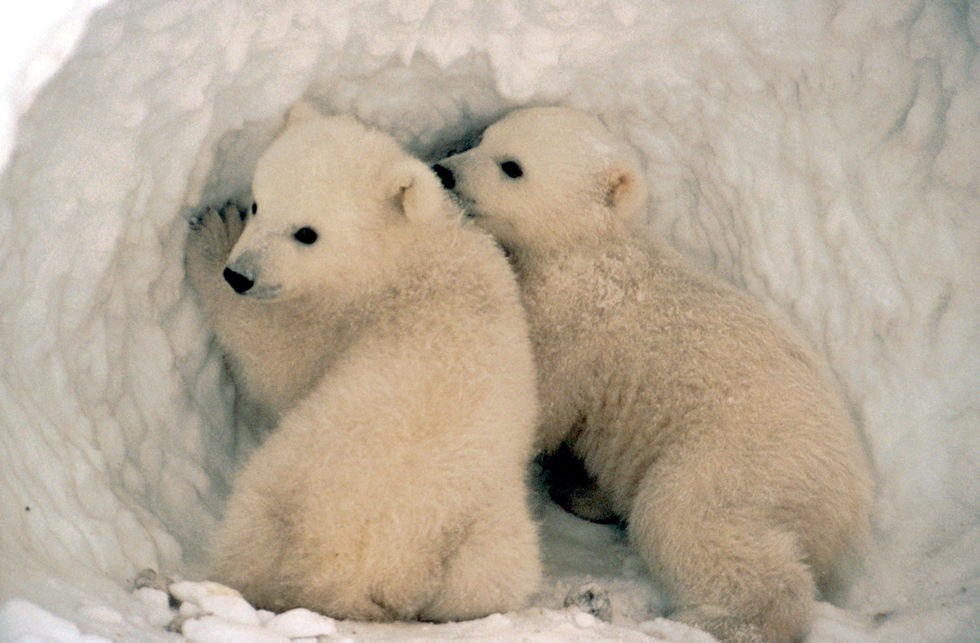
Polar bear cubs by US Fish and Wildlife Service (in the public domain)
Danakil Depression, Ethiopia
The hottest place on earth, and at this time, possibly one of the most dangerous, the Danakil Depression is one of the most tectonically active places on the planet: http://www.bradtguides.com/destinations/africa/ethiopia/danakil-depression.html. It will be a tough trek, but once the security situation has improved, I want to climb one of Africa’s most active volcanoes, Erta Ale, and see the lava lake that has been a permanent fixture there for over a century.

Lava lake at Erta Ale by Rolf Cosar reproduced under the Creative Commons Licence CC BY 3.0
Dogon people, Mali
Visiting the masked dancers of the Dogon people who live in the central plateau of Mali has been on my wish list for several years. At present, the risk of kidnapping amidst political instability in the region has put paid to any definite plans, but I keep checking back on the FCO’s website just in case https://www.gov.uk/foreign-travel-advice/mali. The lure of heading up the Niger River to the fabled city of Timbuktu and to Djenne with its mud mosques makes a trip to this West African nation a must, one day.
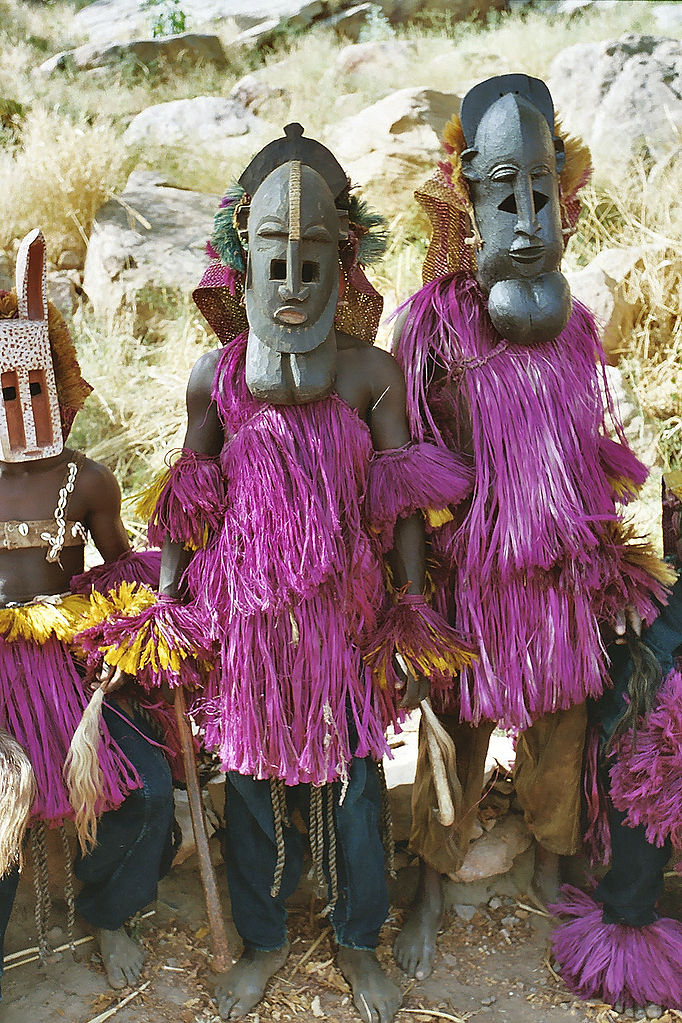
Dogon masked dancers by Devriese reproduced under the terms of the Creative Commons Licence CC BY 3.0
Jericoacoara, Brazil
I first caught sight of this beautiful beach when it was visiited by one of my favourite travel presenters, the affable Ian Wright, on an edition of Globe Trekker (read the programme synopsis at http://www.pilotguides.com/tv-shows/globe-trekker/series-01/north-east-brazil/). It’s a pig to reach, involving a long bus journey from Fortaleza, but this fishing village is a draw for its dunes and laid-back vibe. Distances in Brazil are huge, so I’d have to fly of course, but I’d like to combine it with the cobbled streets of Salvador at carnival time.
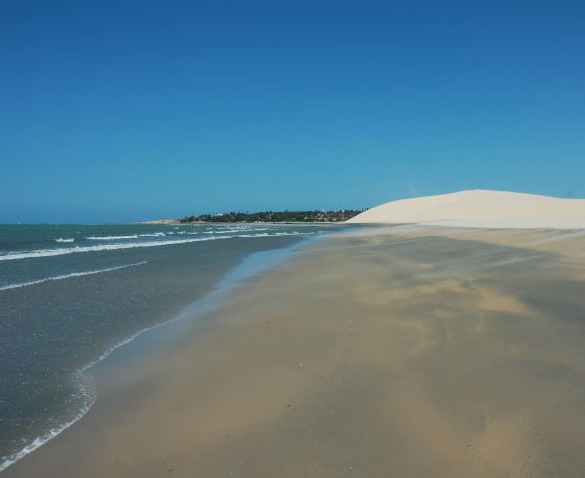
Room for one more at Jericoacoara beach by Nolispanmo reproduced under the terms of the Creative Commons Licence CC BY_SA 3.0 DE
So tell me, what’s on your bucket list?
The best beach in Haiti
Nothing much happened in a hurry in Port Salut.
The village sprawled beside the soft white sands of Pointe Sable, on Haiti’s southern coast about a half hour from the noisy bustle of Les Cayes. It was no small relief to arrive. My coccyx was numb after a ride in the most cramped and overloaded tap tap I’d had the misfortune to flag down. Not for the first time this trip, I wondered whether my days of travelling like this, eschewing comfort for a more authentic experience, were numbered.
Overloaded tap taps are the only public transport to Port Salut
The half-hour ride had stretched to five times that, delayed by the need to fill the vehicle to three times a sensible capacity, then tie and retie a large assortment of sacks and packages to the roof. Finally, the driver turned over the engine but instead of leaving, we waited while he carried out urgent mechanical work with much tutting coming from under the rusty bonnet. All the while we sweated under a relentless sun, listening to the football on someone’s portable radio. There wasn’t a murmur of complaint; such delays were clearly the norm. These tap taps had once been shiny new pick up trucks, but were now zombified skeletons, shadows of their former selves. Bereft of various body panels they were held together with frayed bits of rope that disintegrated and wafted fibres into my eyes, . Eventually we had left the goats and stray dogs to scavenge in the filthy depot, only to stop a few kilometres down the road at the edge of a rice paddy while the driver acquired sufficient water to cool the already overheated engine and finish the journey.
Missing the unmarked turn off from the main road, I’d been dropped at the far end of the beach road. I told the conductor I needed to find my lodgings.
“Is it far?” I asked in schoolgirl French, unsure if I’d been understood.
A shrug.
“Combien de kilometres?” I tried again. The conductor glanced at his other passengers.
“Cinq, je pense,” came the collective reply.
Inwardly cursing that I’d relied on my own inadequate observation rather than asking the conductor a little earlier, I resigned myself to a long (albeit scenic) trudge laden with luggage. A young man pulled alongside me on a motorbike and offered me a ride. Asking how much, he’d shaken his head and told me he was offering out of kindness. Gratefully, I accepted. Such a willingness to help was common amongst Haitians, I’d found, one of the delights of visiting a place where tourism was at an embryonic stage.
In the end, it was less than a kilometre. Bathed in the soft peach of late afternoon, the Auberge du Rayon Vert – the Inn of the Green Ray – looked as if it had been transported straight from rural France. Dumping my bags, I watched the sun settle languidly into the horizon and headed to the terrace to eat. The menu, chalked carelessly on a board, gave no inkling that the food served was to be the most delicious I’d have anywhere in the country. I feasted on creamy goat’s cheese enclosed by an exquisitely pink fillet of beef. The sky turned to blood orange before I sank into a deep slumber under crisp sheets.

L’Auberge du Rayon Vert
The following morning, I awoke to the sound of the Caribbean lapping at the shore and set off to explore Port Salut. Popular with Haitians from Port au Prince as a weekend retreat, I wasn’t surprised to see half-built houses strung out along the main road which I presumed to be holiday homes in the making. Hot pink bougainvillea made a welcome change from the ubiquitous grey concrete of the building plots and beach shacks.
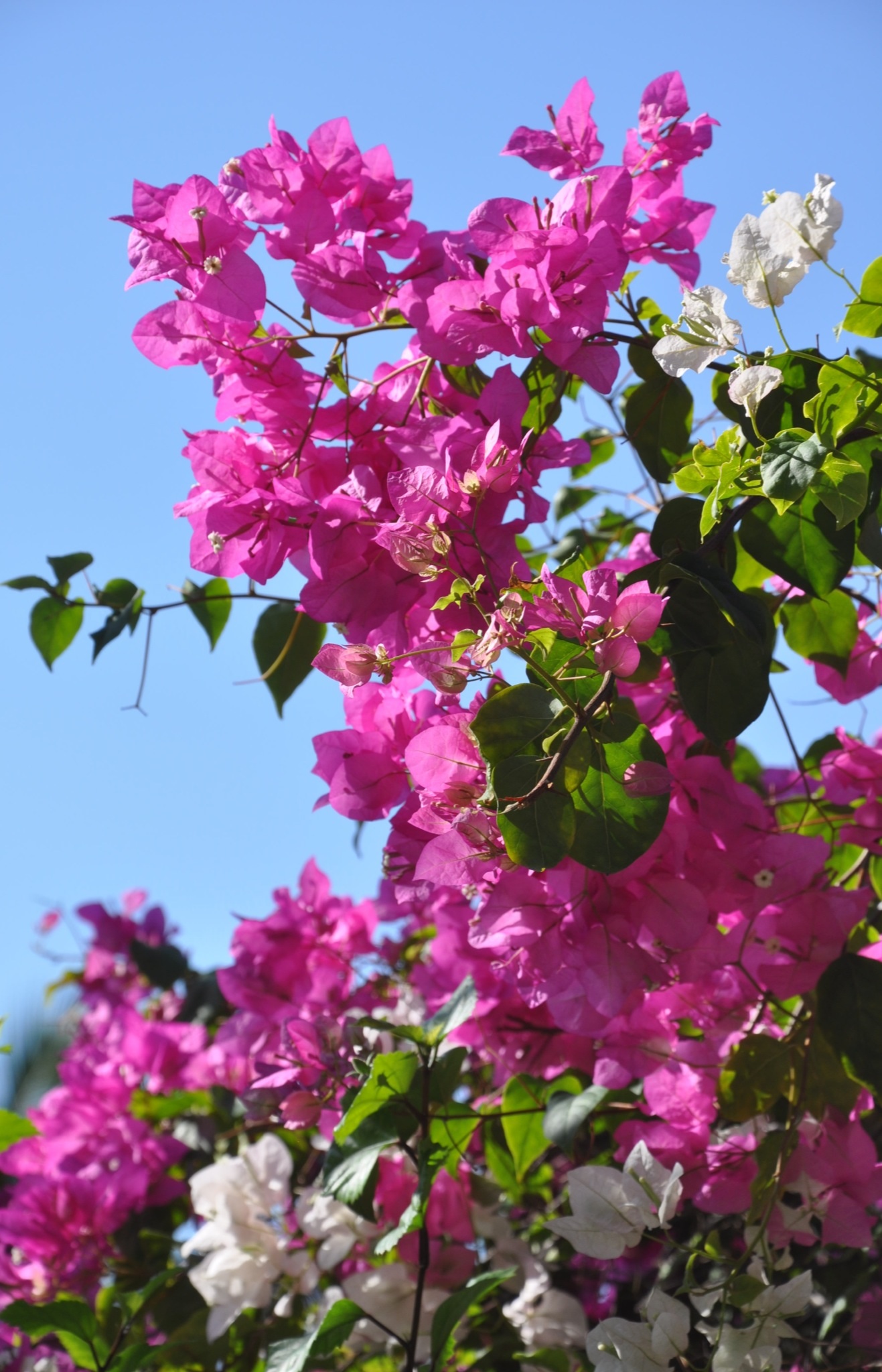
Bougainvillea
Changing some dollars at the hardware store, I doubled back to the beach. Crudely fashioned dugouts on the sand didn’t look seaworthy. The flaking turquoise paint was photogenically shabby but didn’t appear to my untrained eye to be watertight. Piles of netting heaped in their bows indicated otherwise. A group of fishermen dragged a gnarled wooden boat out of the sea, their scant catch inadequate recompense for their labour.
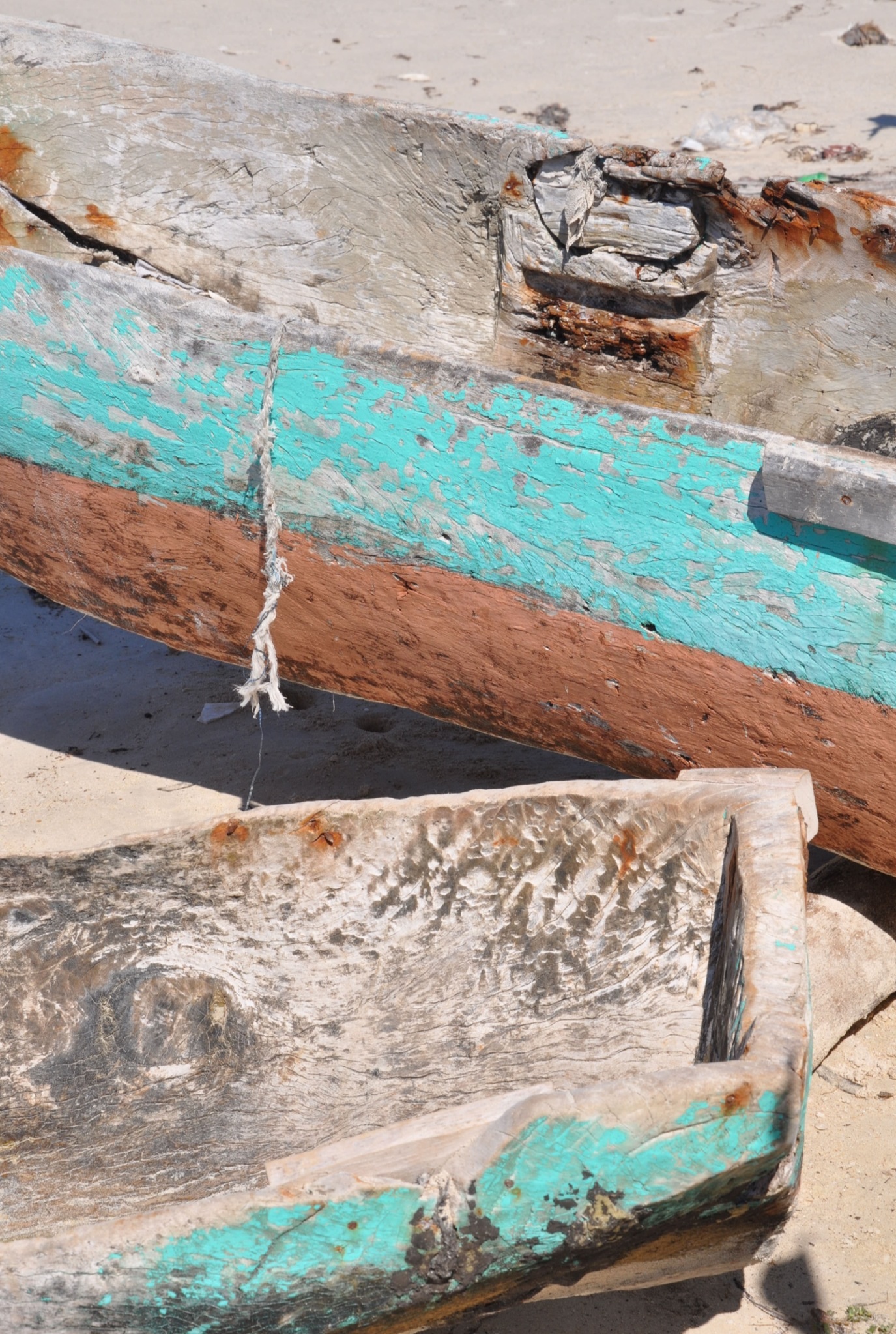
Old wooden boats in the beach
A little further on, a cluster of beach bars catered to a largely local population. At this hour their plastic chairs and tables were deserted save for a group of men idly chatting into mobile phones. They looked up briefly to say hello. An old man slept soundly on a concrete bench, his forehead deeply lined and his feet calloused. Children giggled and pointed, “Blan, blan!” I smiled back. One of the bars was painted with a colourful mural of tourists waterskiing, which struck me as just about as far removed from reality in this backwater as you could get. Opposite, a six-point guide to cholera prevention on a painted billboard seemed a whole lot more relevant.
Fishing boat on Pointe Sable
Opposite the auberge, another catch was being landed. A group of villagers were hauling in their net, dragging its colourful floats into a horseshoe to corral the fish into an ever diminishing trap. But for all their toil, the results were meagre, a few fish the size of sprats tossed into a wicker basket guarded by a small child.
By far the best thing to do, or more accurately, not do, as it involved very little effort at all, was to relax on one of the hotel’s beach chairs and watch the world go by. This wasn’t an arduous task; there wasn’t much world to go by. The palms that edged the beach swayed almost imperceptibly in the breeze, fidgeting the shade. From my vantage point, I watched as delicate ghost crabs scuttled about their business before retreating from the heat into burrows drilled deep into the damp sand. A trio of avocets tapped away at the water’s edge while a lone pelican cruised overhead.
The perfect place to do nothing
The sun was now high in the sky. A single wisp of cloud hung like a vapid crescent moon. Traffic was limited to a few motos and the odd 4×4 – the auberge was a popular weekend hangout for the UN police and NGO personnel working in the area. Out towards the horizon, a small boat with tattered sails bobbed on a sea pricked with diamonds. The voice of an occasional hawker interrupted the sound of the waves’ ebb and flow, offering straw hats and fresh coconuts. They approached gently as they offered their wares; there was no need to be pushy. A young girl wandered up, carrying a large straw bag.
“Would you like mamba, ma’am?”
For a minute, I was alarmed, fearful she might produce a snake. It turned out mamba was a kind of peanut butter. The large jar being proffered would have been a tempting purchase had it not been made of heavy glass clearly unsuited to moto rides. Eventually, I dozed off under the shade of a tree, its dense bunches of fat leaves creating a natural sun umbrella. After all, nothing much happened in a hurry in Port Salut, so how else was I going to kill time before dinner?
Sunset at Pointe Sable
A beginner’s guide to Dalmatia
Dalmatia is the region of the Adriatic extending from the Croatian town of Zadar in the north down to Kotor, Montenegro in the south. Rising sea levels once drowned the lower parts of glacial valleys leaving a string of islands reminiscent of the spots and splodges on the backs of the dogs which share the region’s name. Long a favourite of the Italians, this beautiful stretch of coastline has become increasingly popular with UK visitors over the past few years, with those in the know finding a Mediterranean holiday at a fraction of the price of more established destinations. The most scenic part of the region links the historic cities of Split and Dubrovnik, so this blog will focus on making a journey between the two.
Getting there
The region is much better connected than it was a decade ago, emphasising the area’s tourist resurgence. British Airways has direct summer season flights to both Split and Dubrovnik, flying to the latter a couple of times a week in winter. The budget airline easyJet flies to Split and Dubrovnik offering flights to the region from Luton, Gatwick, Stansted, Manchester, Newcastle and Bristol. Ryanair serves Zadar. Other airlines operating flights to Split and/or Dubrovnik include Wizz Air, Thomsonfly, Norwegian, Monarch and Jet2. As with BA, there are considerably more flights in summer. To get to the area with Croatia Airlines you’ll need to hub through Zagreb and change planes. For an up to date list of flight schedules, try http://www.visit-croatia.co.uk/index.php/getting-to-croatia/flights-to-croatia-from-the-uk-ireland/.
Getting around
If you’re beginning your trip in the Croatian capital, a train service links Zagreb to Split but even the fast train takes almost six hours – strictly a journey for aficionados. A convenient bus network links the mainland towns. The Visit Croatia website is invaluable and lists the bus companies here http://www.visit-croatia.co.uk/index.php/travelling-around-croatia/bus-travel-in-croatia/. Autotrans offer the facility to make online bookings. A fleet of ferries facilitates island hopping. Taxis are cheap in the region but where the old towns are characterised by labyrinthine alleyways, it’s best to explore on foot.
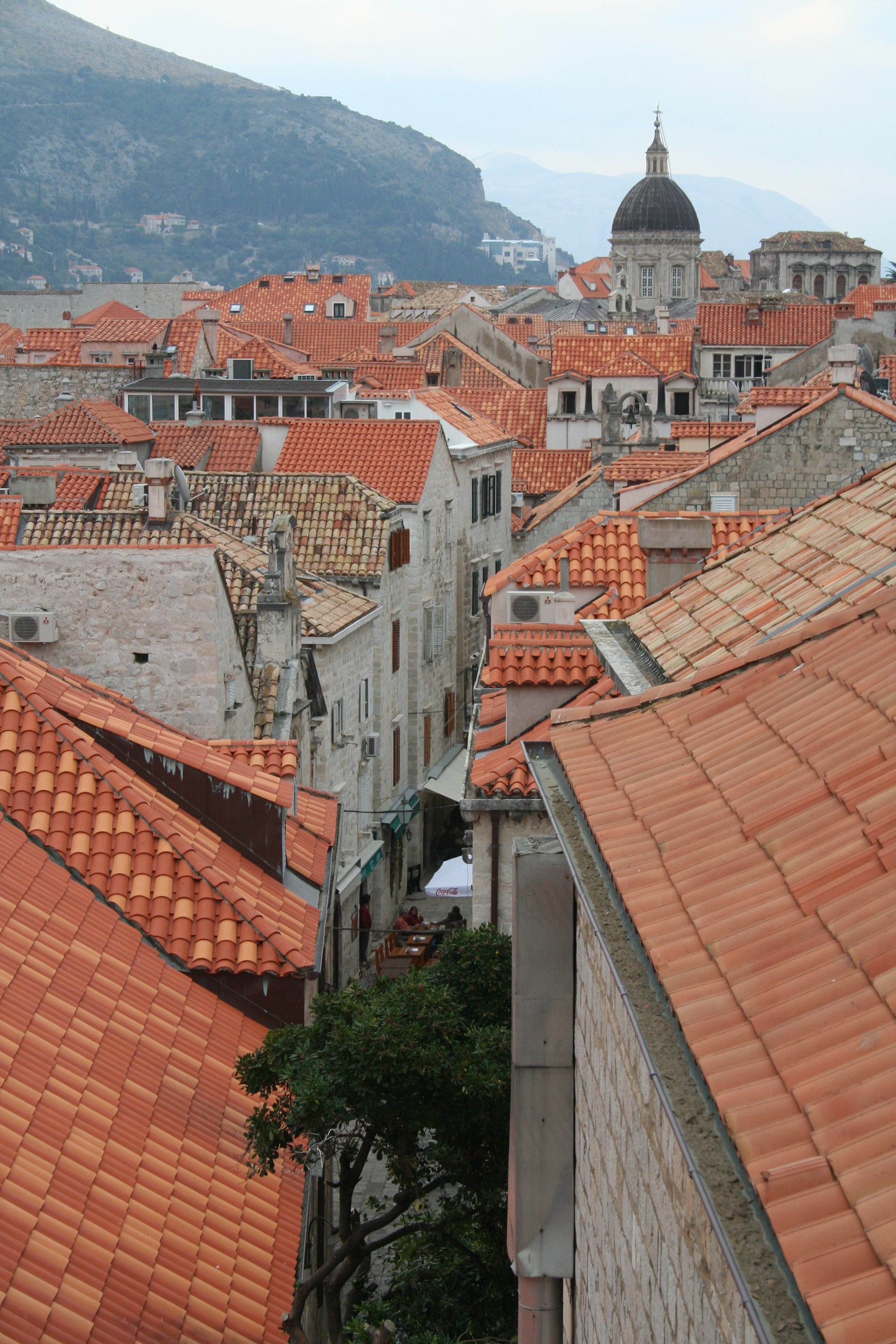
Narrow streets lend themselves to exploring on foot
What to see
Split
Split is the Adriatic’s main ferry port, its quayside thronging with workers as well as tourists. The city’s residents are always on the go and business is conducted frenetically and noisily. The mild and sunny climate makes for an outdoor cafe culture in all but the depths of winter.
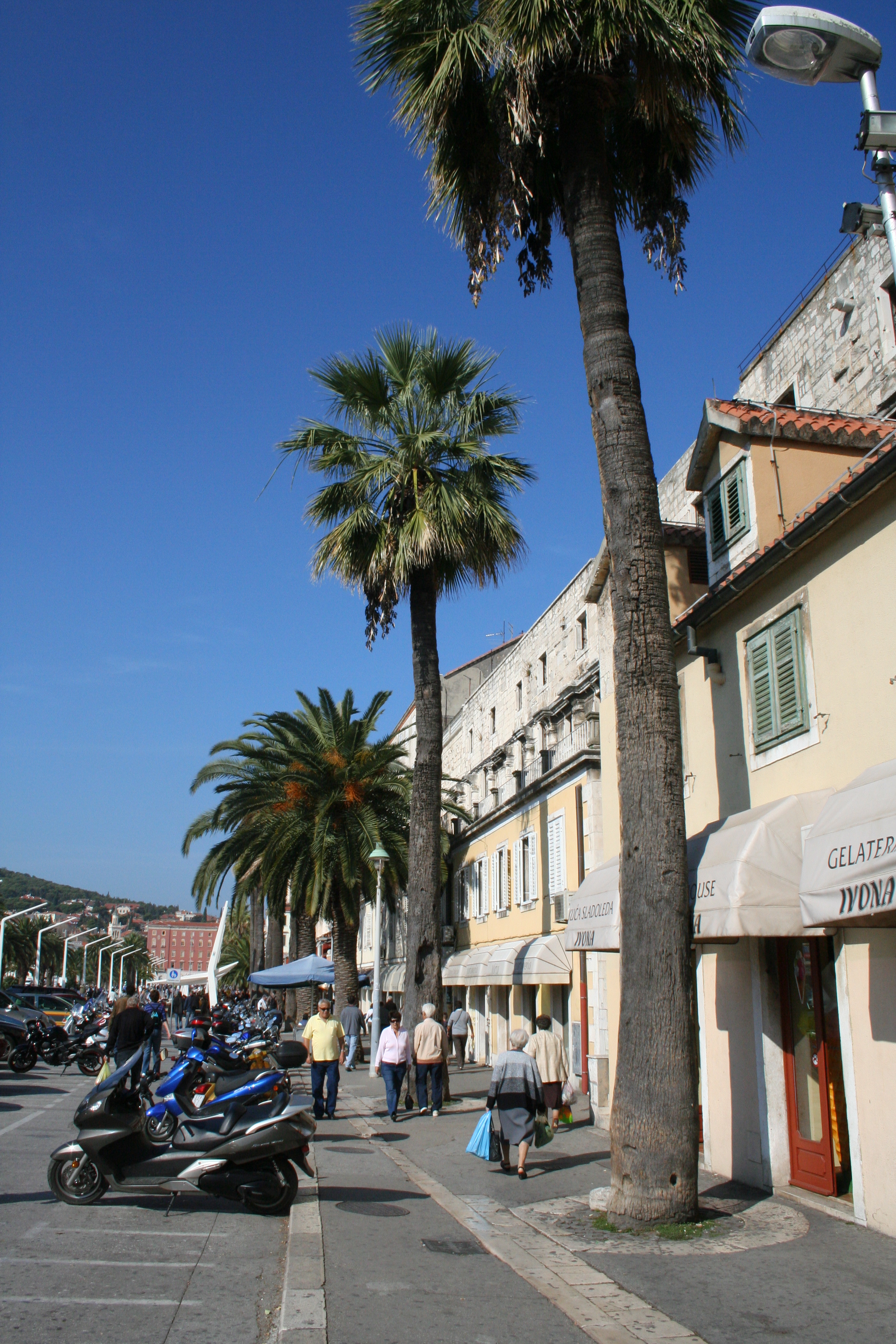
Split has a vibrant cafe culture
Undisputedly, the jewel of Split’s crown is Diocletian’s Palace. Roman emperor Diocletian came here to retire, commissioning an elaborate fortified palace which is now a UNESCO world heritage site. Some time after Diocletian’s death, the palace fell into a state of disrepair, but was seized upon by refugees fleeing from the town of Salona, five kilometres inland and a Roman stronghold thought to be the birthplace of the emperor himself. These new residents added their own fortifications to the palace, building on the original two-metre thick walls, towers and keeps of the original design. Split grew steadily, forging trading links with the interior and was eventually absorbed into the Hungaro-Croatian empire in the eleventh century.
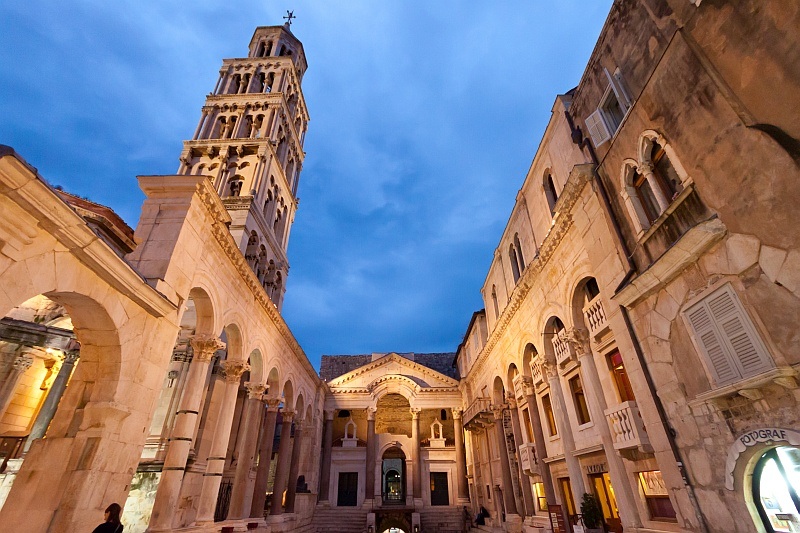
Diocletian’s Palace, by Ballota, courtesy of Wikicommons CC BY-SA 4.0
Now, Diocletian’s Palace blends almost seamlessly with the mediaeval buildings that crowd its western flank. The narrow alleyways beg to be explored at a snail’s pace before heading back to the waterfront Riva to while away the afternoon over a glass or two of wine.
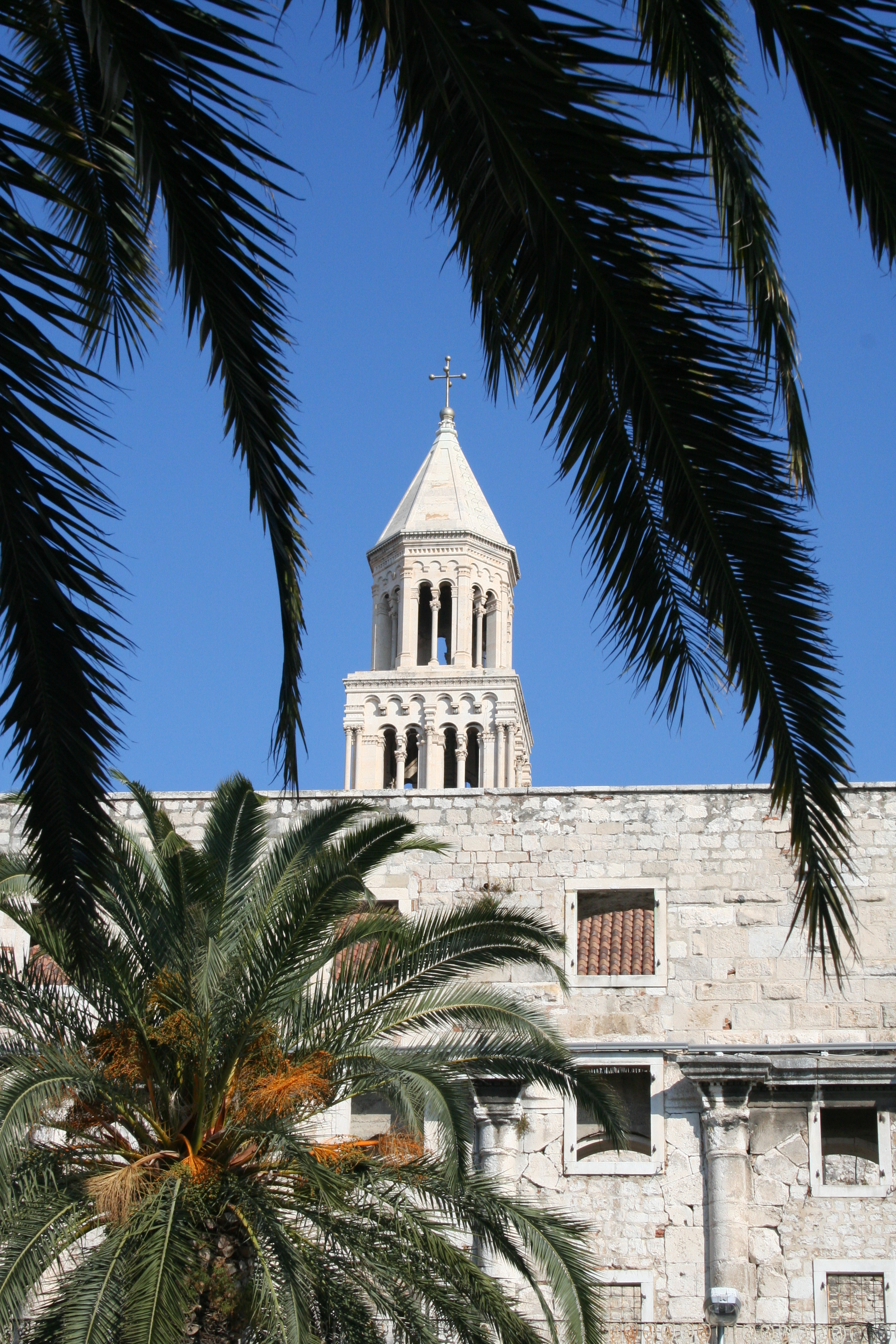
Split
Mostar
It’s worth making a detour inland to the town of Mostar in neighbouring Bosnia-Herzegovina. A three and a half hour bus ride from the coast (see timetables here http://www.buscroatia.com/split-mostar/), pockmarked buildings still bear the scars of the bullets that so recently ripped out its heart. The conflict in 1993 saw the destruction of the town’s iconic Stari Most bridge, a sixteenth century structure spanning the Nevetna River. In peace time, the town’s young daredevils once dived from its ledge outdoing each other in bravado and skill. The bridge was blown up by the Croats. Some say it was destroyed for strategic reasons, but others believe that it was a deliberate act of vandalism intended to enrage.
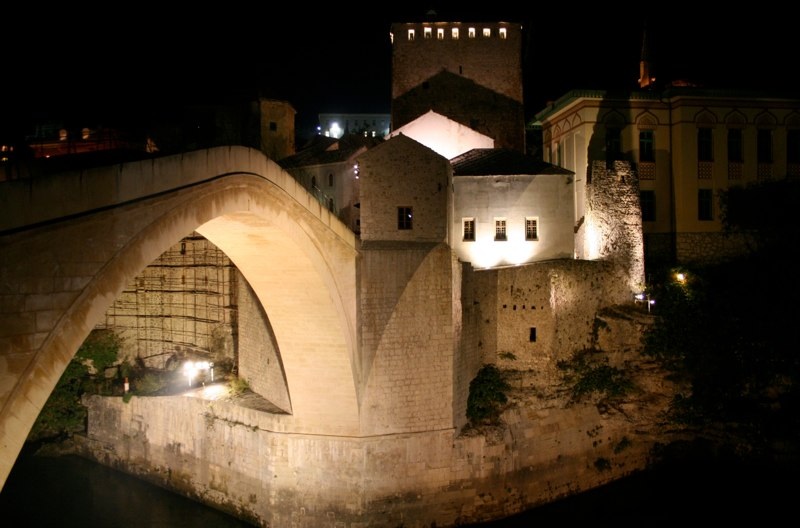
Mostar, Stari Most
Today, the bridge has been rebuilt, a simple engraved stone acting as a reminder to the futility of war. The streets it connects are lined with souvenir shops, selling tin hats and bullets alongside postcards and nick nacks. This old town district was originally settled by Ottomans and the area has a distinctly Turkish feel. Many of Mostar’s mansions were severely damaged by the shelling, but it’s worth checking out the Muslibegovic House which was miraculously untouched. Owner Tadz, will show you round and offer you a room in this museum-guest house hybrid. Book through online agencies such as booking.com or visit the website http://www.muslibegovichouse.com/.
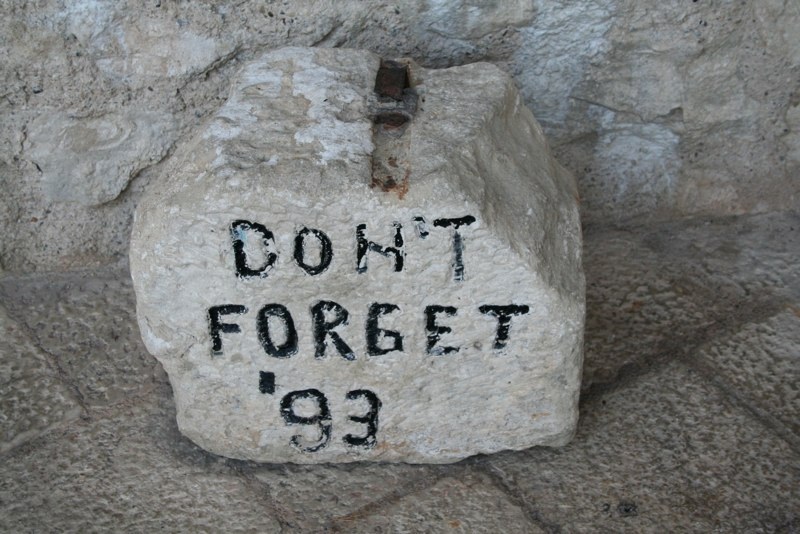
A poignant reminder of a recent conflict
The islands
The mountains that hem the coastal strip from the interior force the focus out to sea and it’s hard to spend any length of time looking out at the sparkling Adriatic without resisting the urge to hop on a boat. There’s an island for everyone. Šolta, close to Split, is a sleepy place characterised by quiet lanes and yachts bobbing serenely in tiny inlets. Base yourself near the harbour in Maslinica. Neighbouring Brač is perfect for beach lovers; try those at Zlatni Rat, Bol and Supetar. Better known Hvar has a fashionable old town packed with bars and clubs, palaces and chapels, a kind of offshore mini-Dubrovnik without the cruise ships. Known for its olive groves, Korčula offers a similar variety to Hvar but on a smaller scale. Further off the beaten track, if you want to escape the crowds, try the island of Vis, popular with urban escapees from the Croatian capital, Zagreb.
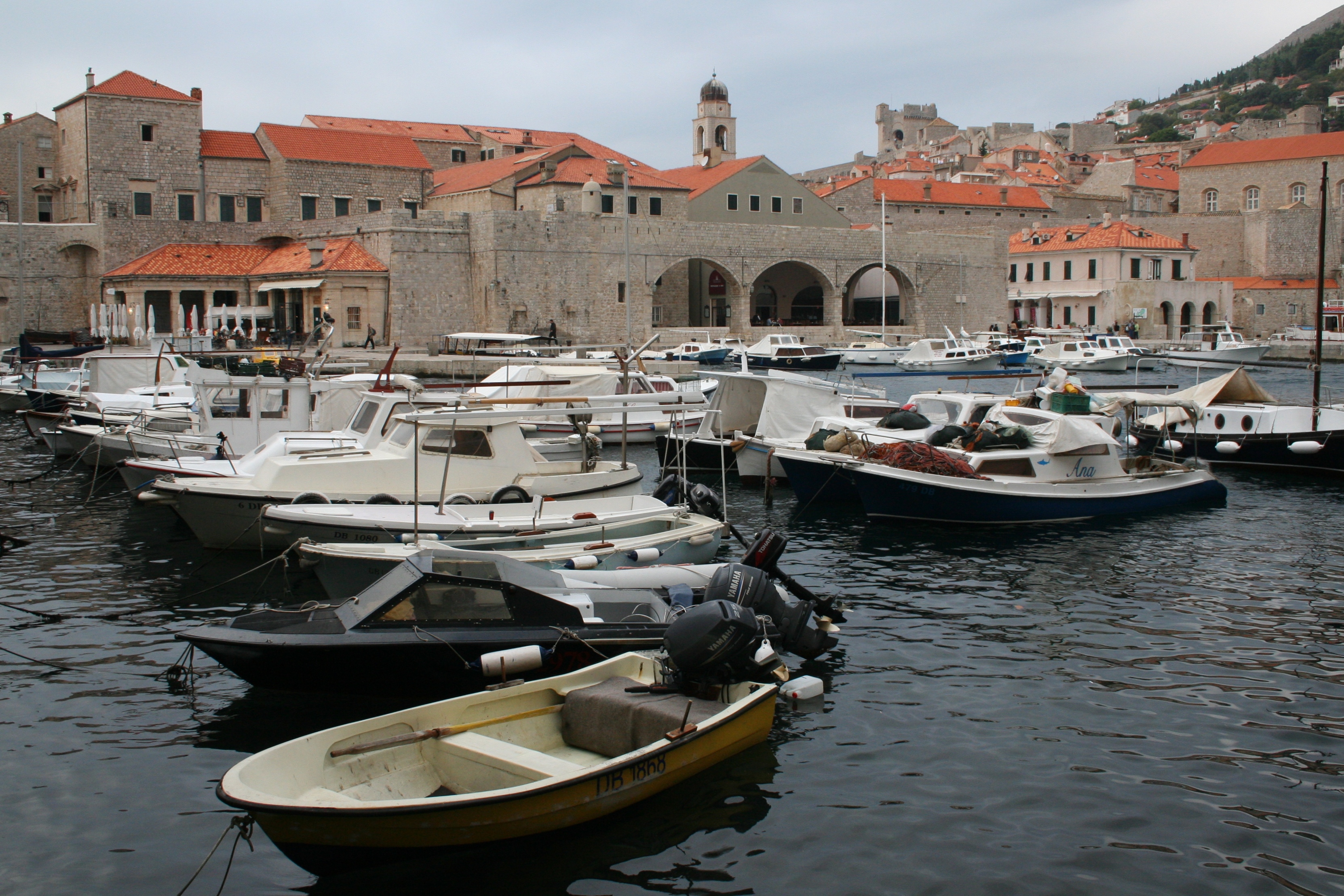
Boats, Dubrovnik harbour
If you’re based in Dubrovnik, the islands of Koločep, Lopud and Šipanhen are all within easy reach. Sold to the city of Dubrovnik in 1333 by the kings of Bosnia, Mljet is do-able as a day trip, but those staying for longer are rewarded with beautiful countryside and much sought after peace and quiet. The west of the island has been designated a national park, the highlights of which are two saltwater lakes framed by pristine woodland. You could even spot a mongoose, imported from India in an attempt to rid Mljet of its persistent snake problems.
Dubrovnik
Get Dubrovnik wrong, and you battle hordes of cruise ship passengers clogging the narrow streets of the Old Town, tacky souvenirs and unappetising food. That’s not to say don’t visit, just do your homework first. Best in spring or summer (avoid January when many business owners take the month off) the crowds ease when the day trippers leave in late afternoon. Restaurants offering al fresco dining tout for custom, but get off the main drag to avoid inflated prices.
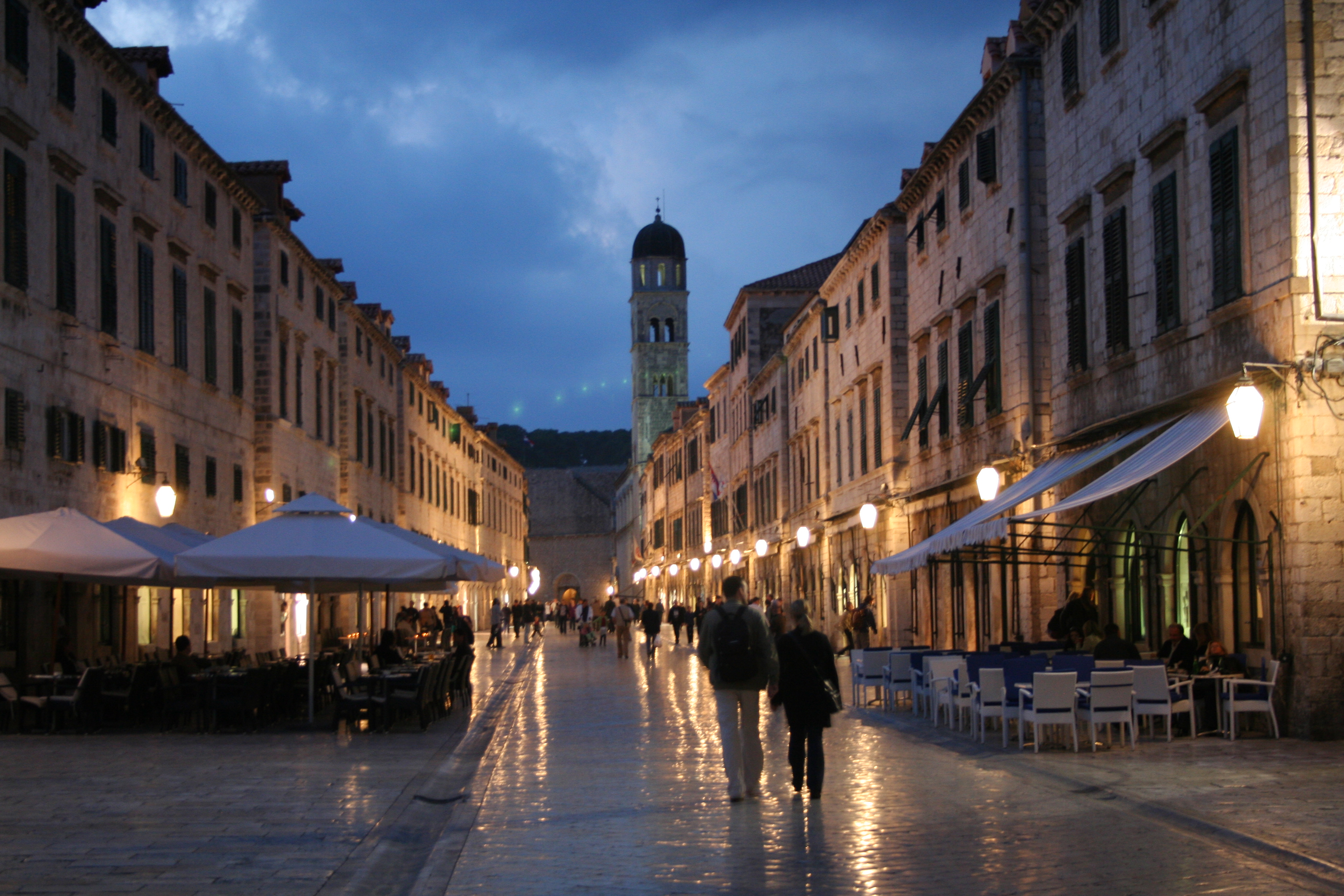
Dubrovnik
The city has a long history. Originally settled in the seventh century, it became an important trading post, a neutral port between the Ottomans and the West. The money generated by sales of wool, hides, wheat and even slaves underpinned the city’s cultural development. The Sponza Palace, Rector’s Palace and the fountains designed by Onofrio della Cava are evidence of this building boom.
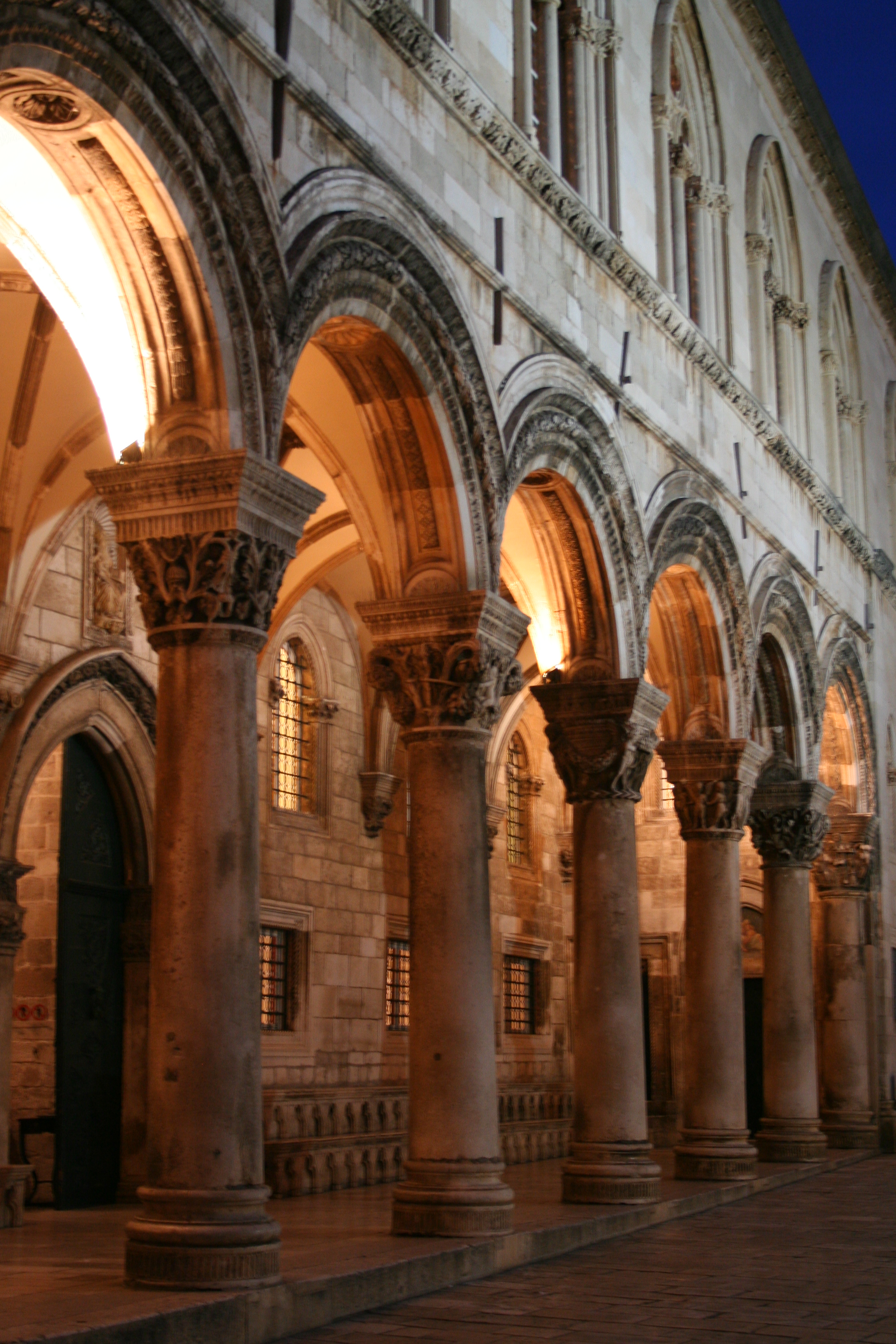
Rector’s Palace, Dubrovnik
Climb the walls of the fortified Old Town for stunning views across terracotta rooftops to the Adriatic, hidden courtyards revealing themselves to those high enough to peer over their walls. The sea pounds away but is no match for the thick stone that Michelozzo Michelozzi and Juraj Dalmatinac designed to protect the city from the waves. After 1995, war damage was repaired speedily and you’d be forgiven for thinking the city was spared; only newer tiles and patched walls give it away.
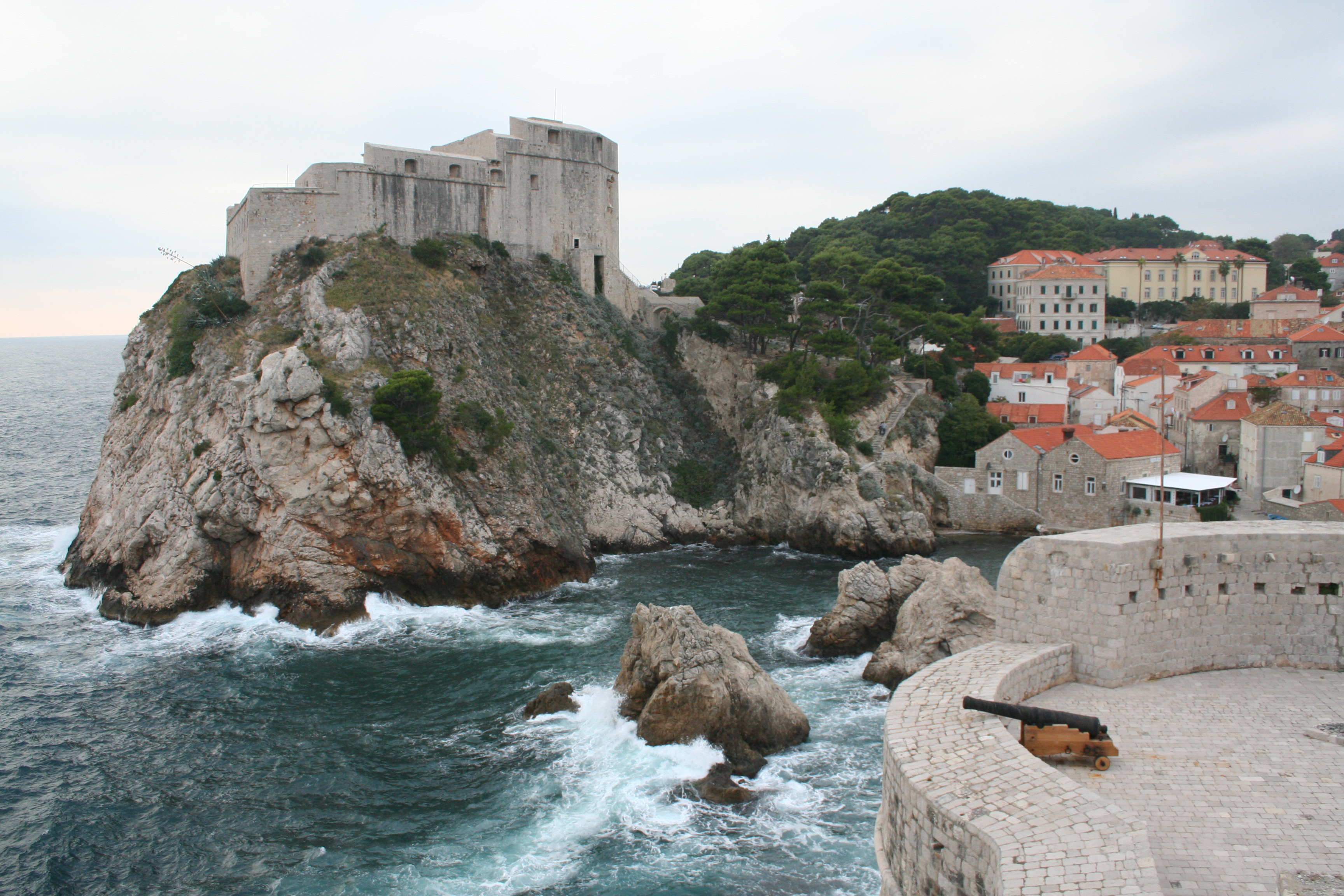
A fortified city, Dubrovnik’s thick walls were designed to protect from waves as well as invaders
The compact Old Town is a delight to wander aimlessly, but accommodation is expensive. It’s worth considering renting an apartment or staying just outside the city walls to achieve better value for money. Some people stay in the resorts of Cavtat or Župa Dubrovačka and visit Dubrovnik just for the day, but it’s worth basing yourself in the city for at least part of your stay.
Moving on
The pretty town of Kotor to the south of Dubrovnik across the border in Montenegro lies at the head of a fjord. Like Dubrovnik, it has a sprawling Old Town and a thriving cafe culture.
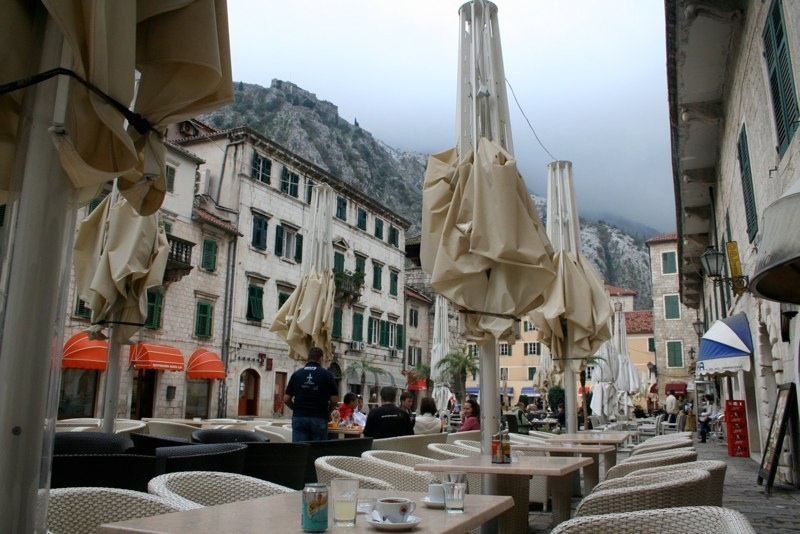
Kotor
It’s worth taking a boat trip out on the fjord if the weather is fine; there are some pretty churches at the water’s edge. Also, make the effort to climb to the castle at the top of the hill – the views are spectacular on a clear day.

Kotor’s fjord side setting – better luck with the weather than I had!
As a beginner’s guide, this blog post isn’t intended to be complete, but there are lots more resources on the web to help you plan a trip. Try the Croatia traveller site here: http://www.croatiatraveller.com/Dalmatia.htm
For Northern Dalmatia, fly into Zadar and then head out from there. Rough Guides have a comprehensive description on their website here: http://www.roughguides.com/destinations/europe/croatia/northern-dalmatia/
For specific attractions, the Lonely Planet is a good bet. Find the relevant Croatia section here: http://www.lonelyplanet.com/croatia
Finally, for accommodation, I find http://www.booking.com reliable and the reviews generally accurate.
Jacmel carnival, Haiti
Each February, the southern Haitian town of Jacmel celebrates carnival in style. Here’s some photos from yesterday’s event.

Plenty of characters on the street before the main event; this one’s Tonton Bicha

The best place to watch the parade is from the specially constructed wooden balconies on the main street

Colourful dancer getting into the groove
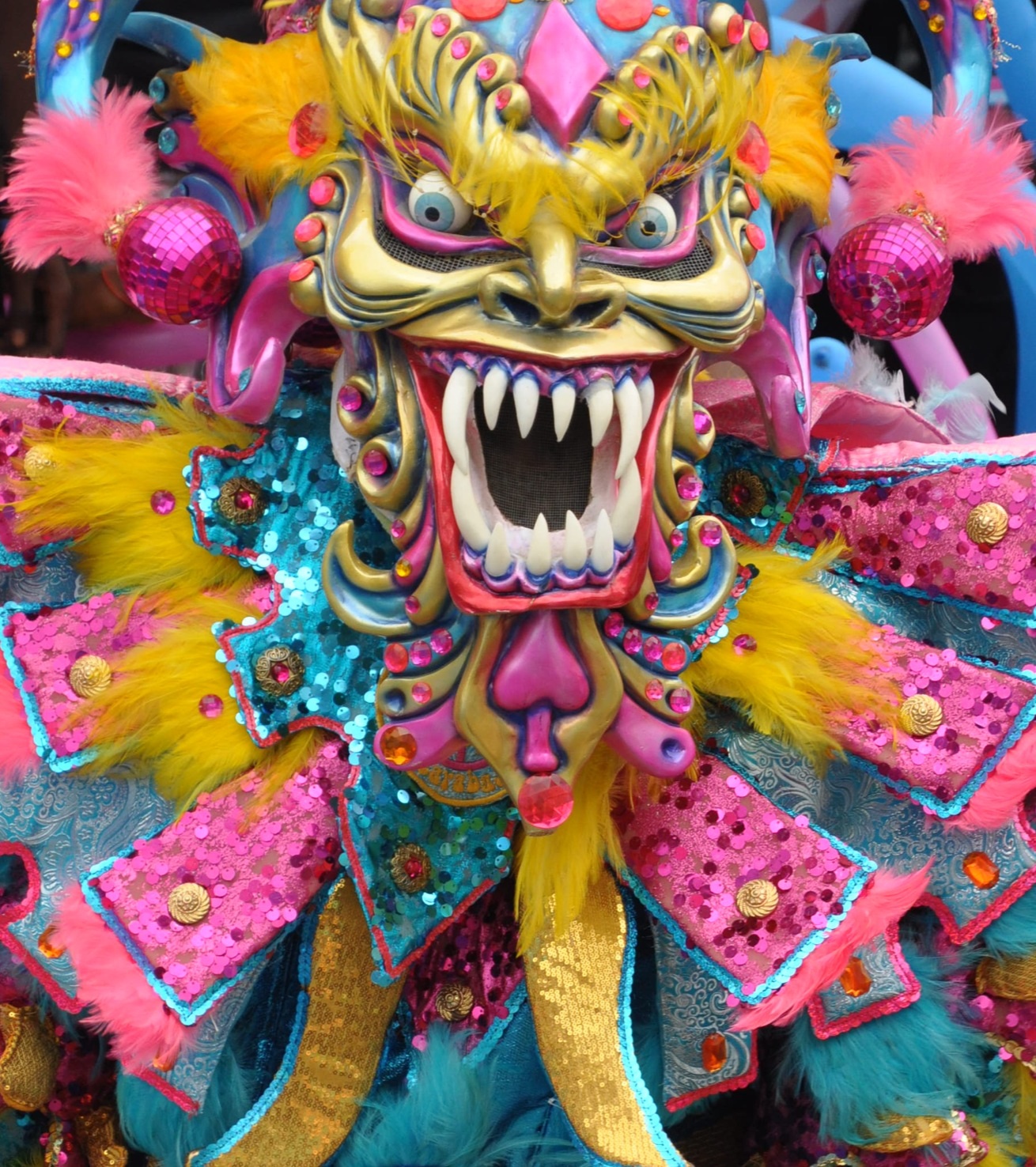
The costumes are amazing

Impressive how much energy they have in the Caribbean heat
Carnival queen

What every well-dressed donkey is wearing this season…

Political comment also has its place

Loving how they’ve tippexed out their grammar mistake

Most of them cleared the jump – except one!

Papier mâché figures are what Jacmel’s known for

Half king, half Santa, this figure is called “Papa Jwif”

The “Yawe” – a cowhide that’s beaten (with some vigour!) in a recreation of a Taino hunting scene

The clacking sound of the wooden wings of the “Mathurin” bat-devils is distinctive

The scariest characters are the “Lanset Kod” – covered in charcoal dust and cane syrup they run amok through the crowds smearing as many people as possible with their gunk
A beginner’s guide to Barcelona
With a two thousand year history and a vibrant culture, it’s no wonder the Mediterranean city of Barcelona is the UK’s undisputed favourite when it comes to Spanish city break destinations. As well as having its own ample stretches of sand, the city is perfectly situated to combine some sightseeing with a beach holiday to the Costa Brava or Costa Dorada. But what should you see on a first visit? Follow my beginner’s guide to this captivating Catalan gem.
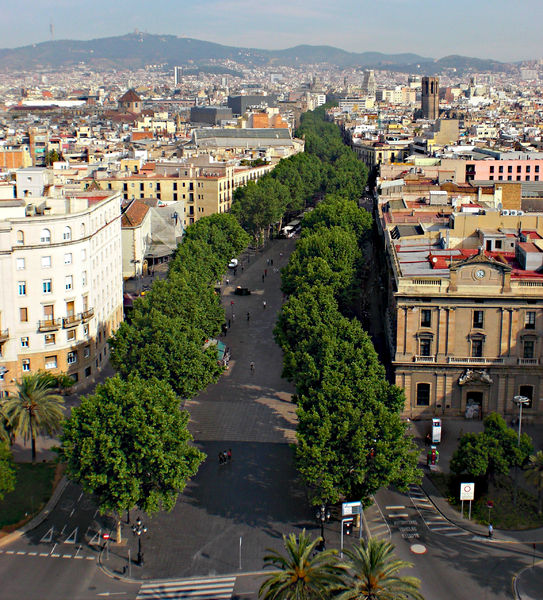
La Rambla by Oh-Barcelona.com reproduced under the terms of the Creative Commons licence CC by 2.0
Getting there
A number of airlines fly from the UK to Barcelona, from regional airports as well as London. To give you an idea of the choice available, there are almost 200 direct flights a week from London, on airlines such as British Airways, Iberia, easyJet, Monarch and Vueling. It’s not difficult to pick up a return ticket for as little as £50 (flying with easyJet from Southend at the end of February, price correct at time of writing) but book well in advance for a summer trip as demand is obviously higher.
Getting from the airport
Most flights arrive at Barcelona’s El Prat airport (some Ryanair services fly into Girona) and there is a train service direct into the city. Take the RENFE R2 Cercanias service (the local stopping train, sometimes referred to as Rodalies in Catalan) as far as Passeig de Gracia. Tickets cost 4,10 euros and there’s no need to buy a ticket in advance. Alternatively there’s an airport bus costing 5,90 euros which takes on average about a half hour to reach the city centre. You can buy tickets online in advance here http://www.aerobusbcn.com/en/buy-tickets or just pay cash to the driver. Expect to pay up to 40 euros for a taxi from the airport to the city centre.
Getting around
The Barcelona metro is extensive and easy to use, though as with any busy city, take care of your belongings and ensure bags are zipped or fastened securely.

LlefiàL10 by Javierito92, licensed under CC BY 3.0 via Wikimedia Commons
A single ride on the metro (or bus) costs 2,15 euros but if you are planning on taking five or more journeys then you could buy a T10 card costing 9,95 euros which covers you for ten journeys over a year (i.e. there’s no need to use all ten on the same day). If you make a journey and change lines without exiting the metro, then that counts as one ride, so long as your total journey time is under 75 minutes. Multi-day travel cards are available, giving you two days’ unlimited travel for 14 euros for instance. 3, 4 and 5 day cards are also offered. Check current prices here:
http://www.tmb.cat/en/barcelona-travel-card
Alternatively, you might consider the Barcelona card. This is a tourist pass offering free transport (including the airport train but not the express airport bus), free or discounted admission to some tourist attractions and discounts in some restaurants and shops. It costs 45 euros for a three-day pass. Examples of free attractions (correct at the time of writing but check on arrival) include the Botanical Gardens and Museum of Modernism. Do your homework; work out what you might like to see and total up the cost – as with all these cards, you need to use it a lot to make it worth your while. A full list of discounts is found here:
For a first-time visitor who perhaps is less confident about using public transport, I’d recommend a hop on, hop off sightseeing bus. Barcelona is a city of over 4 million people and therefore its sights are scattered over a wide area. Although there is a lot to see in a fairly small downtown area, if you wish to see some of the more far-flung attractions it’s easier to catch the sightseeing bus. It’s more expensive than public transport, with a one day ticket costing 24,30 euros if purchased online and a two day ticket about 10 euros more. Their informative website can be found here: https://www.barcelonabusturistic.cat/en/home and provides details of routes, prices and current schedules.
Where to stay
I stayed at the Hotel Duquesa de Cardona, a luxury boutique hotel on the waterfront close to the Columbus statue at the end of La Rambla and a short walk from the aquarium. Its beautifully appointed rooms can cost as little as £75 a night for a double in low season, but the convenient location and excellent service mean that it does sell out in peak periods. The W chain are represented in Barcelona at Plaça de la Rosa dels Vents by Barceloneta beach. The hotel’s 473 rooms feature funky décor and both its pool terrace and 26th floor Eclipse bar afford stunning views of the Mediterranean Sea. On a tighter budget, try the Chic and Basic Ramblas, under £50 per night but only a stone’s throw from La Rambla, or for around £20 more, the Hotel Sant Agustí, a converted convent near to the Plaça Reial. The building dates from 1720 and has been a hotel since 1840, making it one of the city’s oldest.
What to see
Antoni Gaudi’s work

Sagrada Familia nave roof detail by SBA73, licensed under CC BY-SA 2.0 via Wikimedia Commons
If there’s one name that is synonymous with Barcelona, it’s that of Antoni Gaudi, the architect responsible for the as yet unfinished Sagrada Familia church. This elaborately constructed church was begun in 1882, consecrated by Pope Benedict XVI in 2010 but is unlikely to be complete until at least 2026. George Orwell was not a fan, branding it one of the world’s most hideous buildings, but millions of impressed visitors beg to differ. It’s definitely worth a look.
Gaudi’s architecture can be found elsewhere in the city. Slightly north of Barcelona’s city centre in the Gràcia district, it’s worth making a special effort to pay a visit to Parc Güell. Another of Antoni Gaudi’s bonkers creations, as you’d expect its planting is interspersed by wacky benches, columns and platforms featuring the architect’s trademark mosaic tiling. The extraordinary Parc Güell now charges admission, but is a must-see.
Casa Milà, better known as La Pedrera, is another building bearing the hallmarks of the architect’s unique style. Its odd chimneys are classic Gaudi. I also loved Casa Batlló which Gaudi redesigned in 1904. Once a family home and now a UNESCO world heritage sight, it’s unique, quirky and delightful, both inside and out. The entrance fee is a bit steep but looking at the exterior is free.

Casa Batlló
La Rambla
This single street is possibly the most famous in the city. For this reason, it has to figure in your itinerary but be warned, it’s also a popular stomping ground for pickpockets and scammers. This pedestrian thoroughfare is crammed with souvenir vendors, street performers, human statues and, at night, prostitutes. It features a mosaic created by the artist Joan Miró, located near the Liceu metro station. If you look closely, you’ll be able to spot his signature on one of the tiles. A museum dedicated to his work can be found at Montjuïc. The street also has a selection of restaurants but you’d do better heading off the street and away from the crowds.
Montjuïc
This hill overlooking the city literally translates as “the hill of the Jews”. Getting up there is half the fun. Head up by funicular and then take the Port Vell aerial tramway back down to the waterfront at Barceloneta. At the top, there’s a whole load of things to do. As well as the Fundació Miró, Montjuïc
is also home to the Museu d’Arqueologia, the Museu Etnològic and the Museu Nacional d’Art de Catalunya-MNAC, housed in the impressive Palau Nacional. In addition you’ll find the Magic Fountain and the artisan village at Poble Espanyol, both built for the 1929 International Exhibition.

Parc Montjuïc by Canaan, reproduced under the Creative Commons licence CC BY-SA 3.0
Barri Gòtic
Barcelona’s Gothic Quarter is its old town, linking La Rambla to the Mediterranean seafront. Many of the buildings of this area date from mediaeval times, though there was extensive modernisation and renovation in the 19th and early 20th century. One of the area’s most popular attractions is the Picasso Museum. Suggested by the artist himself back in 1960, Barcelona is a fitting choice for the museum; although Picasso was born in Malaga, he spent his teenage years in the city before moving to Paris in his twenties. The five buildings that house a collection of 3500 of his earlier works are as much an attraction as the art itself – Palau Aguilar, Palau del Baró de Castellet and Palau Meca date back to the 14th century.
The Barri Gòtic is a fabulous area in which to wander, with alleyways linking attractive squares, my favourite being the Plaça Reial. This palm-filled square provides respite from the heat of the summer sun; in my opinion there’s no better place in the whole of the city to sip a coffee and people-watch. As with other touristy areas, keep a close eye on your belongings.

Barcelona – Plaça Reial by Josep Renalias, licensed under CC BY-SA 3.0 via Wikimedia Commons
Camp Nou
For football fans, there’s only one unmissable attraction in the city – Barcelona’s Camp Nou stadium, home to Futbol Club Barcelona, or Barça to its adoring fans. It is possible to take tours of the stadium. Visit the FCB Museum, walk down the players’ tunnel and out onto the pitch, stand in the dressing room and see behind the scenes in areas such as the press room.

Camp Nou colours by DJ Lucifer, licensed under CC BY 2.0 via Wikimedia Commons
Something for the evening
Cava is to Spain as champagne is to France, and the most atmospheric place in town to drink the stuff is at El Xampanyet. This small bar has a take me as you find me vibe, with a mixed clientele of locals and visitors. The tiled walls and tasty tapas have barely changed since the place opened back in 1929. Its location on Carrer de Montcada in El Born district, is within an easy stroll of the cathedral and Parc de la Ciutadella, and perfect for a few glasses before dinner in the Old Town.
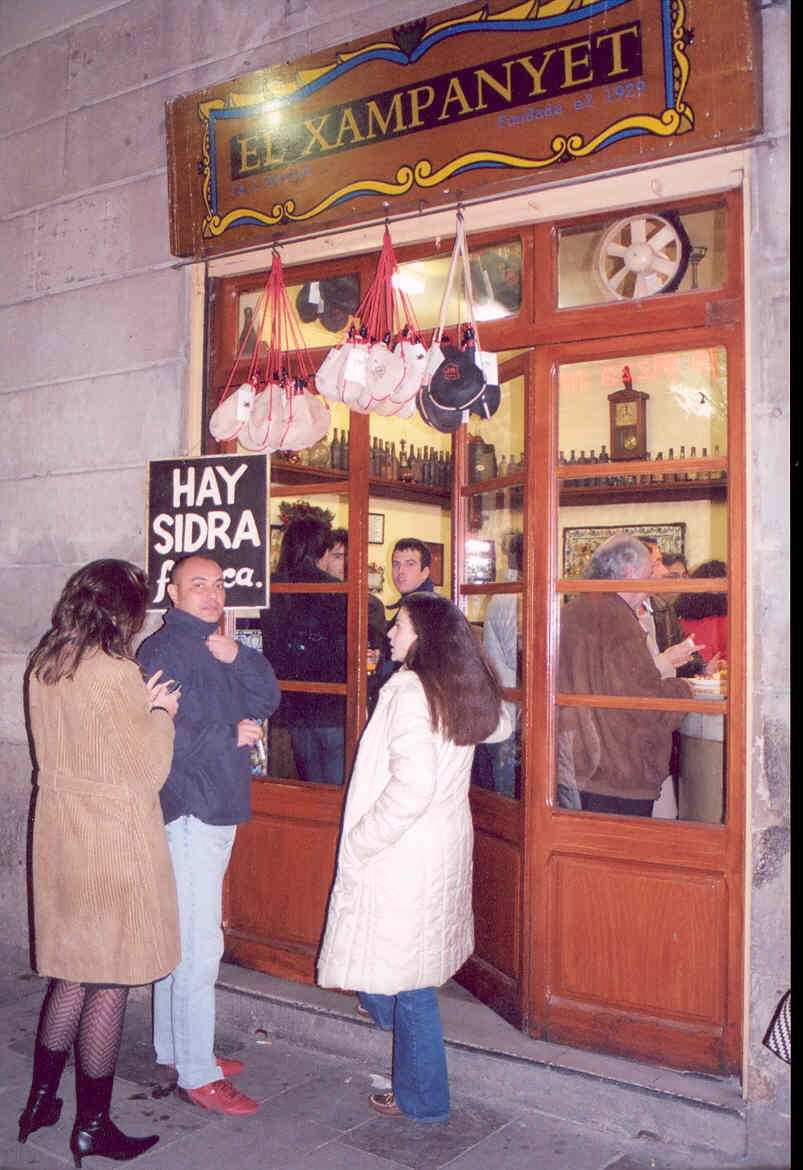
El Xampanyet
Just back from – a day trip to Amsterdam
Is an Amsterdam day trip viable? In the second of an occasional series, I test whether it’s really worth making the effort for just a single day’s visit to this popular Dutch city. Would I regret not paying for a hotel room as I dashed from attraction to attraction?
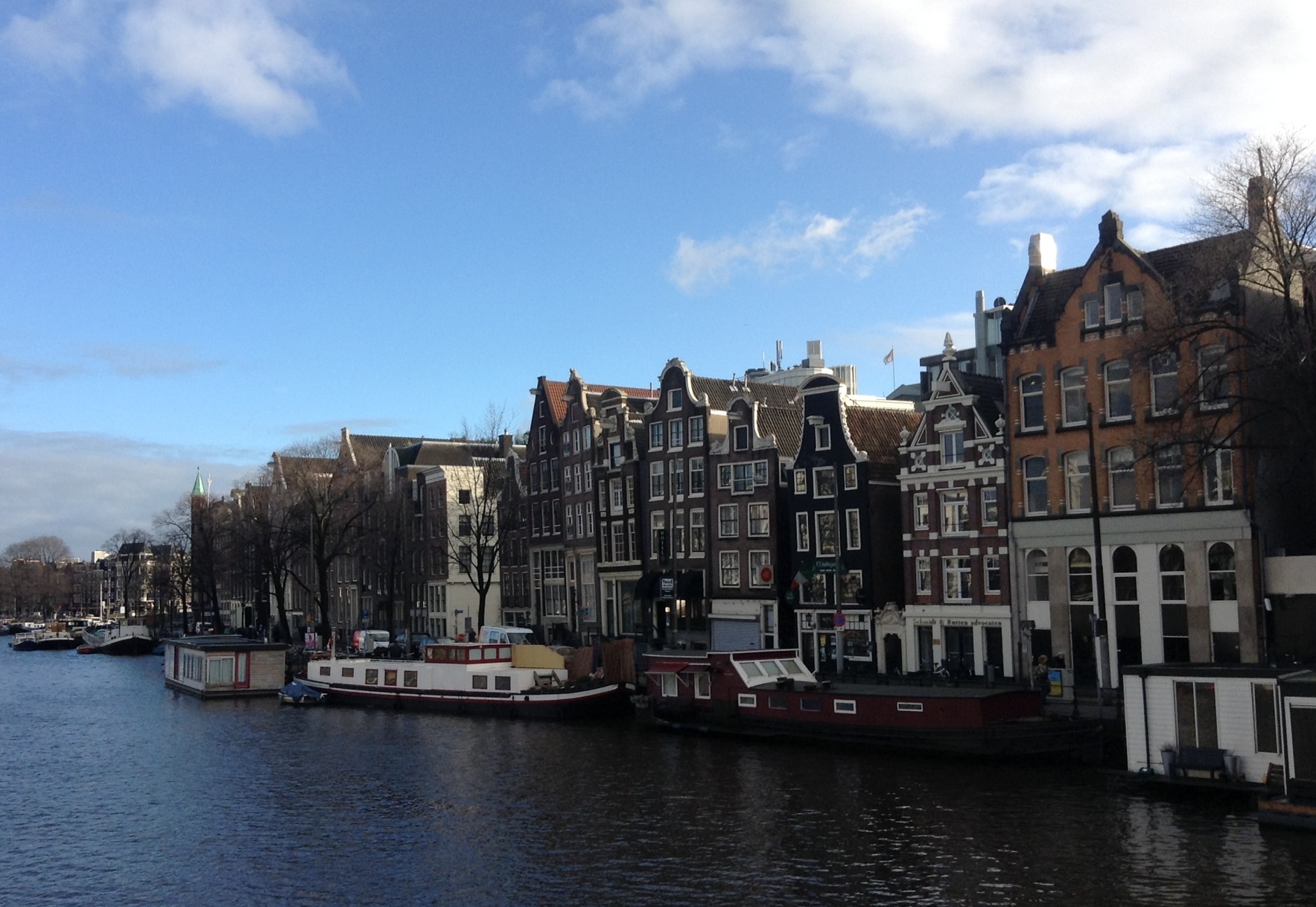
Amsterdam’s canals
Logistics
I chose to fly from London’s Southend airport, around an hour from Central London but only a short drive from my Essex home. Southend, though expanding, is still a small airport, making it possible to transit the airport in just a few minutes – none of the long queues for security or marathon hikes to the gate that characterise Britain’s larger airports. easyJet fly out to Amsterdam at 7.30am and back at 6pm, making a short day out a cheap possibility. It’s wise to note that easyJet fly into a satellite terminal at Schipol, making for a tidy walk to the gate for your return flight. But they have a good track record for punctuality and my outbound flight was on time. On the return leg, we landed early and thanks to the time difference, I was back in my kitchen feeding the dogs their dinner almost before I should have left Schipol. (Don’t worry about them, we have doggie day care for such occasions.)
Getting into the city
Having made it across the airport without getting distracted by the many shops and even a branch of the Rijksmuseum (Schipol has got to be the best airport in Europe, don’t you think?) I exited through self-service passport control leaving the tulip bulb purchases for my return. Keep straight on as you exit customs for the train station, the quickest way into central Amsterdam. Directly in front of you are bright yellow ticket machines which take cash and cards. A single ticket into the city costs 5,10 euros with a 0,50 euro surcharge for using a credit card; UK issued cards work fine. It’s worth noting, though, that they take coins and not notes if you wish to pay cash. Make a left and head for the train; it’s a quick fifteen minute ride into the city. Trains leave frequently for Amsterdam Centraal Station immediately to the north of the main city. I waited one minute for a train and was walking Amsterdam’s streets by 10am.

Centraal Station
Getting around
The city centre of Amsterdam is compact and unless it’s raining, it’s a pleasant experience to wander the back streets and canal side paths on foot. You’ll need eyes in the back of your head, though, to avoid being run over by a bicycle. The city has dedicated cycle lanes but it’s all too easy to forget where the pavement ends if you’re trying to take a photo. If you hire a bike yourself, it’s customary to ring your bell rather than mutter profanities at wayward pedestrians obsessed with getting the perfect selfie.
For longer distances, the easiest method of getting around the city is by tram. Single rides cost 2,90 euros and the ticket is valid for an hour. Tap the ticket on the reader as you are given it to activate it. If you are likely to make more than three journeys, it’s worth your while buying a day pass, costing 7,50 euros. Tap in and out each time you ride.

Cheese!
What did I do?
I’ve been to Amsterdam before, so decided to give the big museums and the Anne Frank House a miss this time. If you are making a first visit then you should really consider staying a few days to give you time to do the sights justice. Queues for the Anne Frank house are frequently long (even on a Monday in January!) so if you do want to go, and you should, plan to make this first on your day’s agenda when you visit.
I made for the Begijnhof instead. It’s an easy walk from Centraal Station – cross over the canal and head down Damrak, the main drag. Damrak is tourist central, but you can arrange everything from canal boats to bicycle hire here and buy souvenirs tackier than you’ve ever imagined. From Dam Square, continue down Kalverstraat (almost as bad as Damrak) until you get to Spui.
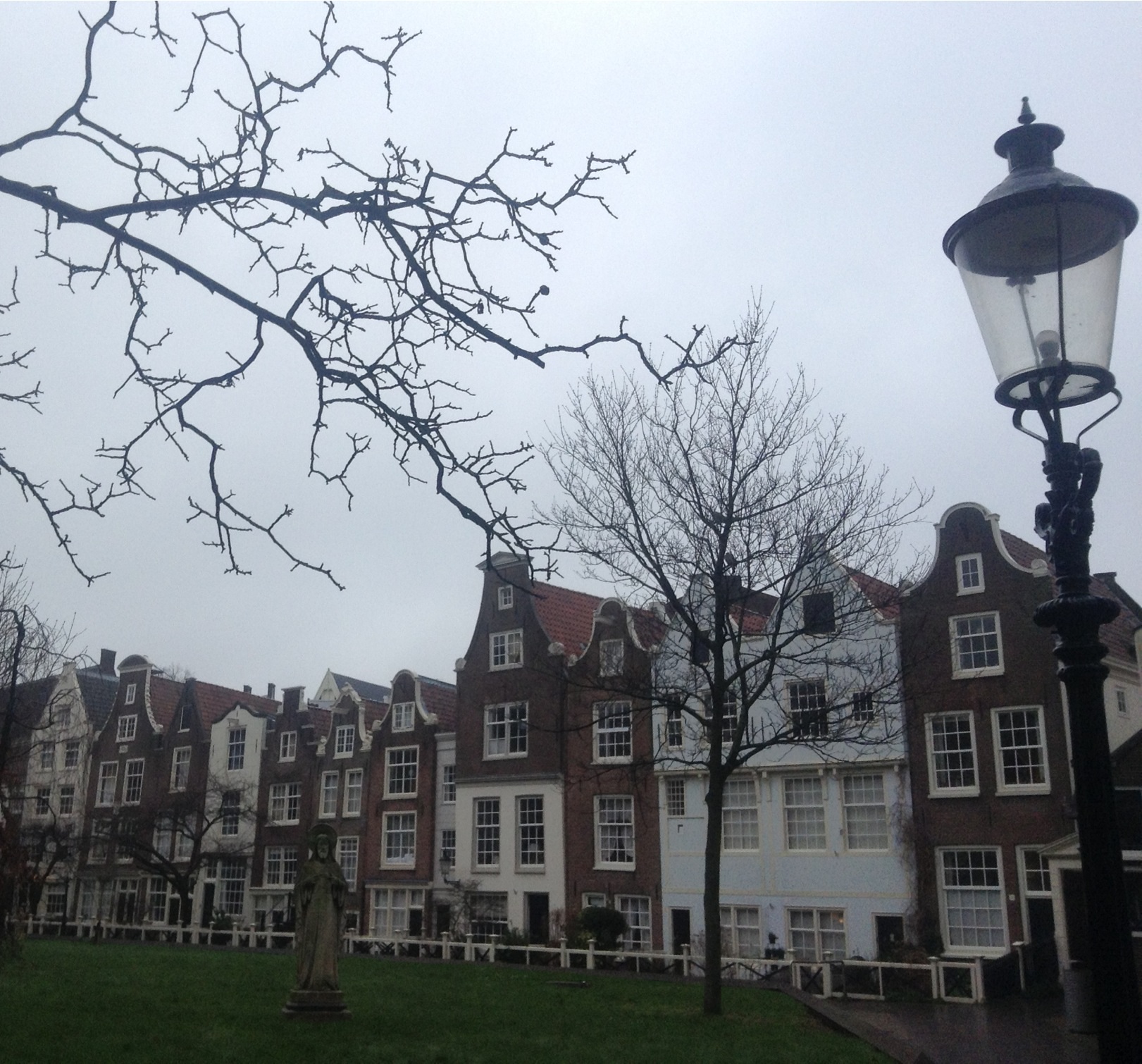
The Begijnhof
Accessed through a wooden door, a passageway with impressive vaulted ceilings leads through to an enclosed square, the Begijnhof. Women have lived on this site since 1150, primarily to care for the sick. By the fourteenth century, the place had become a nunnery, the women referred to as “beguines”. Taking pride of place in this inner courtyard is the church. The Begijnhof is also the site of one of only two surviving timber buildings in the city, this one dating from 1528. Visitors can access half the square, so long as they keep off the well-manicured lawns; the rest is for residents only. Entrance is free, though donations to the church are welcomed.
The Begijnhof is around the corner from the Bloemenmarkt, on the Singel, which claims to be the only floating flower market in the world. Don’t worry if you haven’t timed your visit for spring, even in winter the stalls are a riot of colour, selling cut flowers and bulbs. The packaged bulbs are aimed squarely at the tourist market – locals make a beeline for the loose bulbs as they’re considerably cheaper.

Tulips from Amsterdam
Next, I set about exploring the area known as “De Negen Straatjes” – the nine streets. This is an area bisected by canals from the Singel to the Prinsengracht and gentrification has resulted in a wealth of designer boutiques, gift shops and art galleries that lend themselves to ambling. This is not a district to walk with a purpose, more an area in which to potter and dither before recharging your batteries in a cafe. Forget Starbucks – though there are plenty – a canal side coffee shop is the way to go. I recommend the Koffee Huis “De Hoek”, a far cry from the smoky cannabis cafes for which Amsterdam is better known. Try their cheese and ham pancake washed down with proper freshly- squeezed orange juice and bag a window seat for brunch with a view.
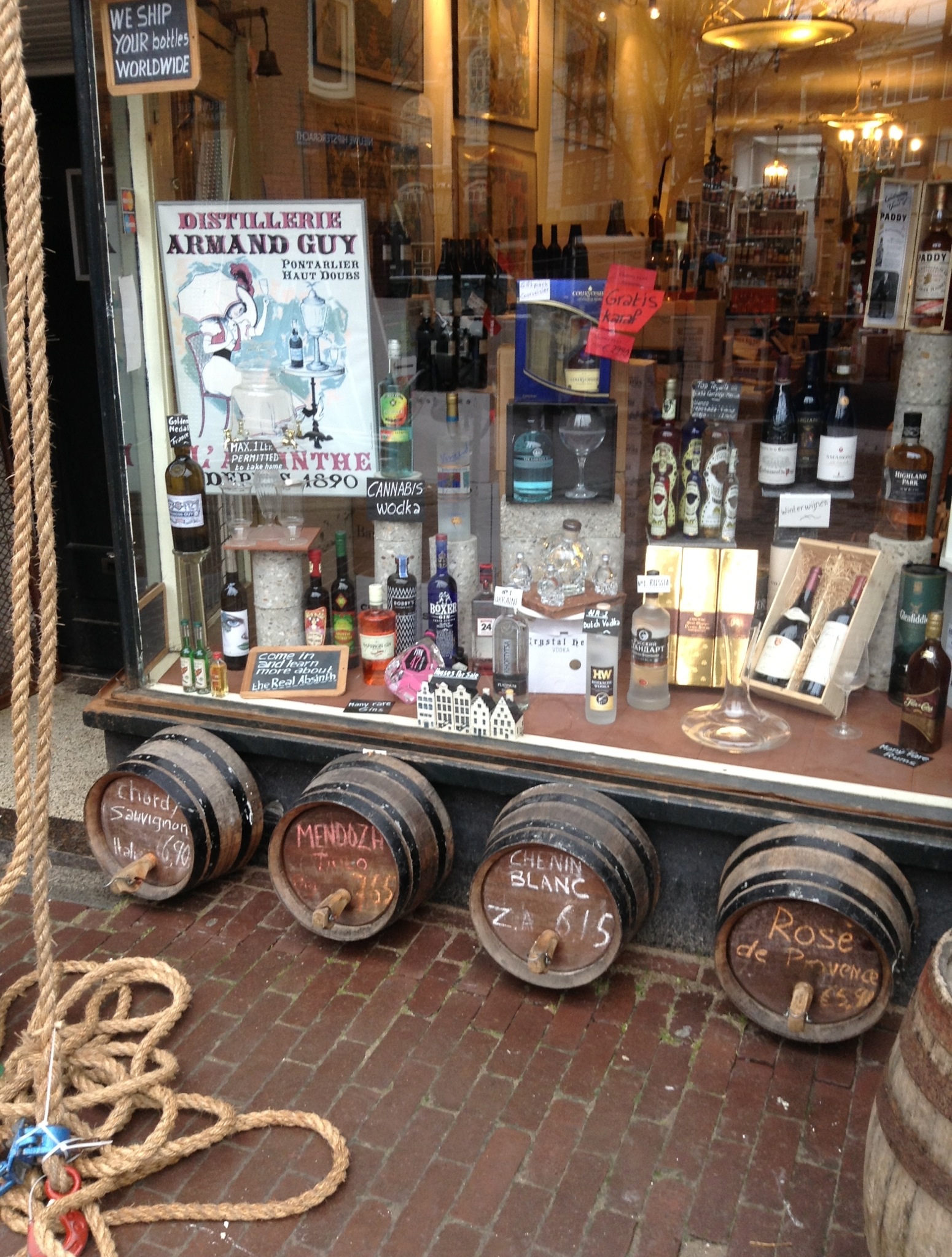
Off licence, Nine Streets
Continuing along Prinsengracht, and just past Westermarkt I passed the long queue for the Anne Frank House. Further along on the opposite side of the canal is an interesting little museum devoted to tulips. Behind the extensive gift shop and down a steep flight of steps, a series of small interconnecting rooms tell the history of this iconic Dutch flower, which you’ll soon learn, isn’t Dutch at all. In fact, it is native to Asia (who knew?) and it was the Ottomans who introduced the flower to the Netherlands in the sixteenth century. They soon became fashionable, with growers competing to see who could produce the most sought after bloom. Speculators moved in on the industry and soon bulbs with the right “pedigree” were changing hands for crazy sums of money, with some selling for twenty times the annual salary of the average Amsterdam resident at the time. Out of control, the market crashed in 1637 and it was to take a further 200 years to steadily rebuild it. Fortunately, the prices of tulips are far more reasonable today, as is the 5 euro entrance fee.
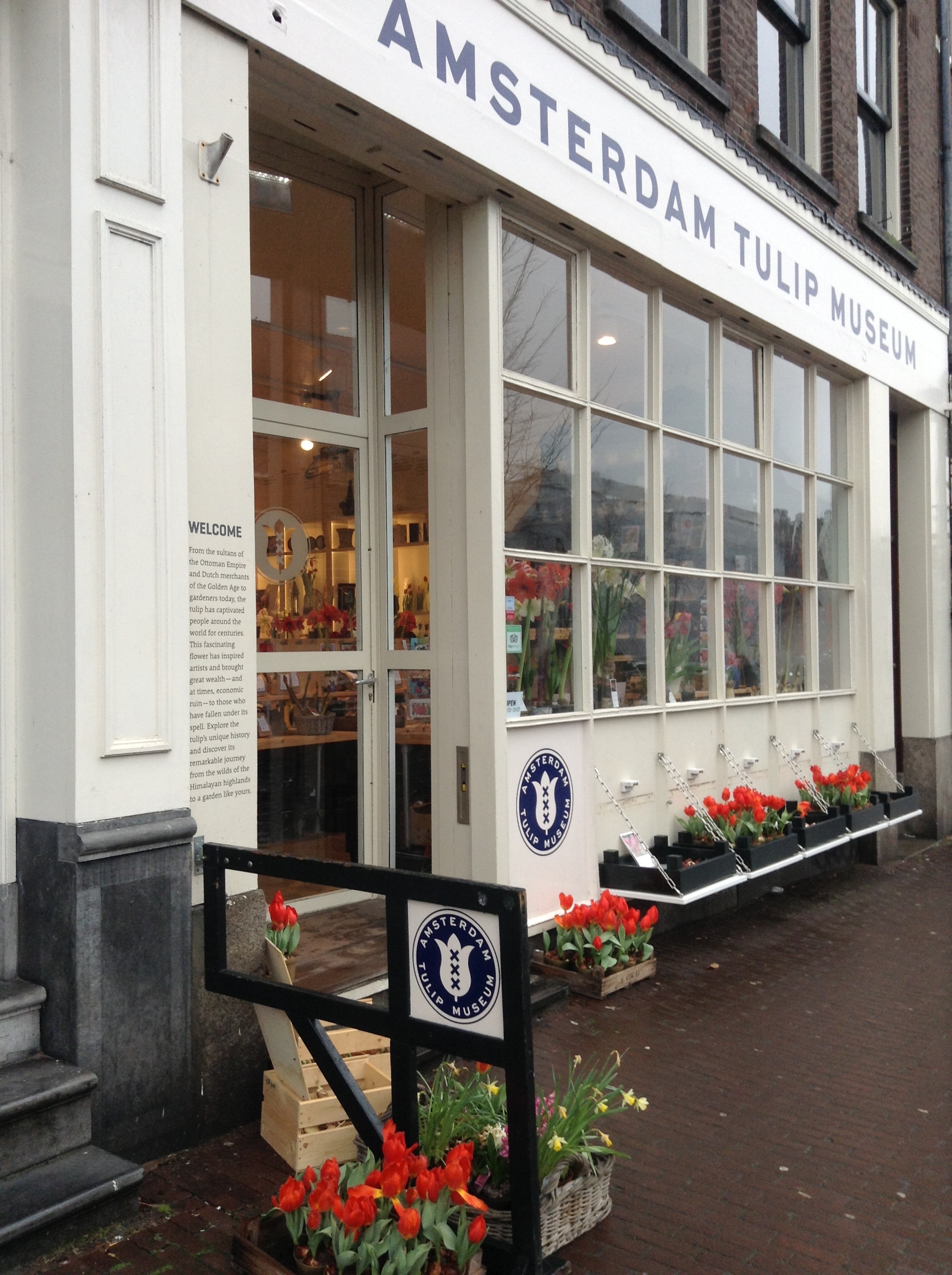
The Tulip Museum
Back at the Westerkerk, I jumped on a number 14 tram heading east to my second museum of the day – the Dutch Resistance Museum. This absorbing museum recounts the experiences of the Netherlands from 14 May 1940 to 5 May 1945, the period when the country was occupied by Nazi Germany. As well as resistance, the museum explains how people chose different paths in coping with the invasion – some collaborated, some fought back. The exhibition covers all forms of resistance: going on strike, forging documents, helping people to go into hiding, publishing underground newspapers, maintaining escape routes, and even armed resistance and espionage. Entrance costs 10 euros which I thought was good value for money. Take the free audio set that’s offered as it unlocks a series of explanations in English; the exhibits are all signed in dual language but some of the text is on the small size. A short film puts the museum in context, in kid-friendly language, and there’s a special children’s section to the museum as well. Families, this is your part of town – Artis zoo’s just across the street.

Dutch Resistance Museum
All that history had made me thirsty (and my back ache) so sinking into a chair in the Cafe Koosje on the corner of Kerklaan and Plantage Middenlaan came as a welcome relief. The hot chocolate topped, of course, with a generous dollop of cream and the friendly wait staff made this a good place to take a break.
It was time to head back to the centre for some shopping and my mind was on food. Taking the number 14 tram back to Waterlooplein, I walked to Staalstraat where I’d read about a foodie’s paradise at number 20. Het Hanze Huis is crammed full of European foods, from syrups to flavoured tea, chocolate to tasty biscuits. Mouth already watering, I decided to continue by number 24 tram (tram-hopping like a local!) to the market on Albert Cuypstraat. A mix of market tat, food trucks and cheese stalls, this place is definitely worth a visit. I stocked up on Stroopwafels, a family favourite, from a charming man who posed happily for a photo. Bag full, I had to pass on the Gouda cheese, but figured I could at least get that in Sainsbury’s.
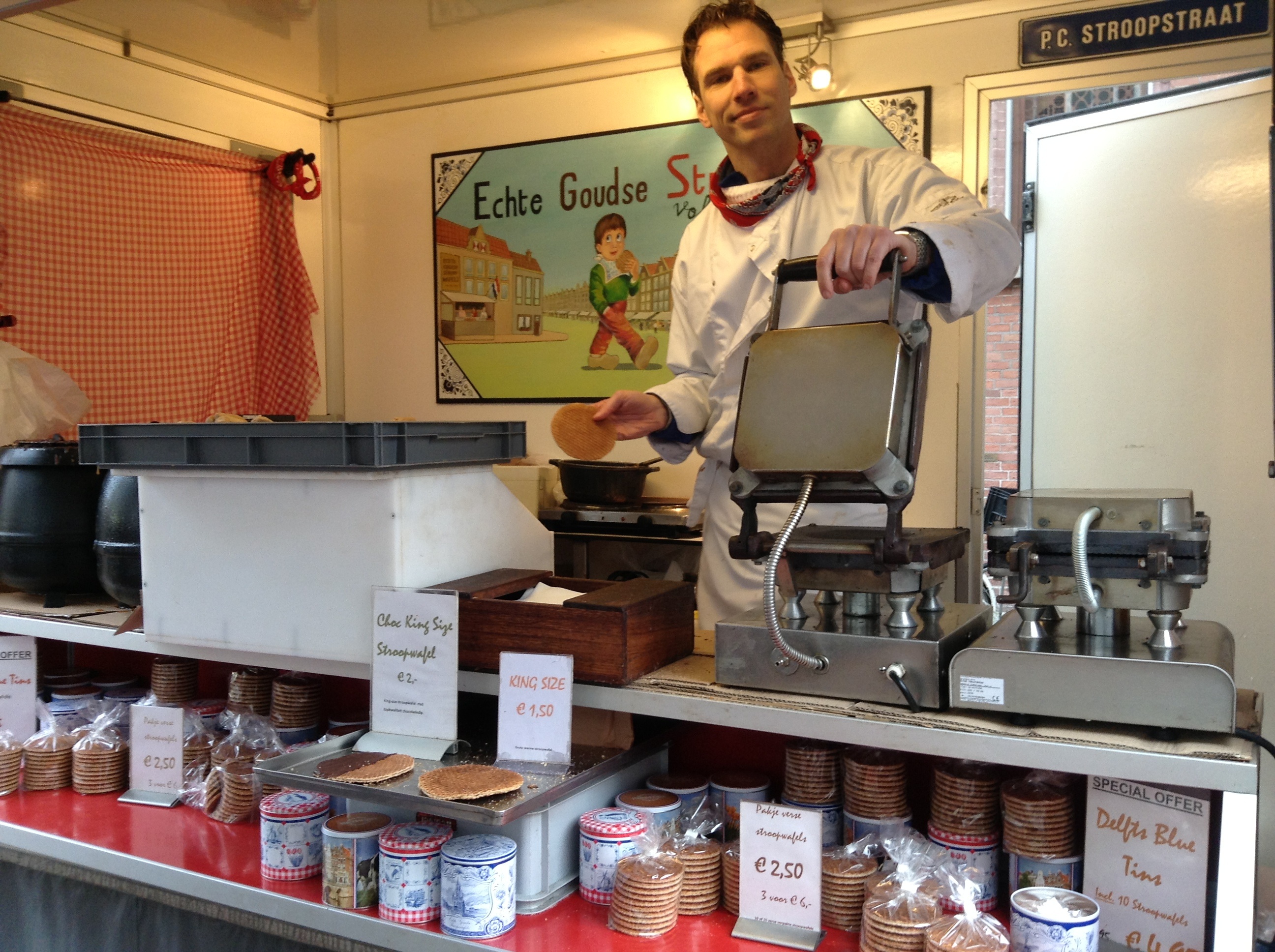
The Stroopwafel man
Heading back to the centre on the number 4 tram, my final stop was to a pub with no bar. I’d come across De Pilsener Club, located on Begijnensteeg, via several bloggers on the net. The pub’s nickname is De Engelse Reet, which apparently translates as “The English Ass”. Perfect, I thought. After all today’s walking I need a seat for my own ass. According to what I read, the pub has been in business since the end of the nineteenth century. It’s been in the current owner’s family for four generations (I read that they all share the same first name, so that’s four men called Tuen Van Veen) and they don’t like change. Stepping over the threshold is like travelling back in time, with sanded floorboards and tables pockmarked through years of use. Given the early hour (for a pub, anyway) I expected to have to drink alone, but two tables were occupied when I walked in and by the time I left, it was full. It seems it’s a very popular meeting place in the late afternoon for Amsterdam’s over 60s.
De Engelse Reet
The lowdown
As with Lisbon, I pre-planned my itinerary in order to minimise the chances of wasting time arriving somewhere that’s not yet opened up for the day or unnecessarily backtracking across town. Both times I’ve been fully prepared to ditch things as the day goes on, but was once again surprised by how much I ended up doing. I’ll admit, Amsterdam has never been one of my favourite cities, but I wanted to prove to myself that I could find a city I love within a tourist city I really don’t. A bit of extra research this time uncovered parts of Amsterdam that were a whole lot more rewarding than the Red Light District, tacky souvenir shops and mainstream museums I might otherwise have felt obliged to visit.
I also made good use of the Travel Telegraph’s app, and grew increasingly fond of its “favourites” capability and very functional zoomable map – particularly helpful as my paper map began to disintegrate in the drizzle. Because of the shorter flight time and the exceptionally quick train connection, having a later outbound flight and earlier inbound flight wasn’t an issue, though I could quite happily have holed up in De Engelse Reet and made a night of it. Next time that’s where you’ll find me, though perhaps I’ll get Tuen Van Veen to serve me up a couple of hard boiled eggs to soak up the Heineken.

 Julia's Travels