
On the trail of the Witchfinder General
Summer’s here and the skies are blue over my corner of Essex. Our river estuaries are at their most attractive at this time of year with plenty of birdlife making the most of the shallow water. Some of the best walks in the county follow the river banks and many are easy to reach by rail. So when Greater Anglia asked if I would like to help promote this summer’s #railadventure campaign, I jumped at the chance. Many of my favourite North Essex coastal towns and resorts are easily reached by rail, among them delightful Walton-on-the-Naze and Dovercourt’s historic lighthouses and Blue Flag beach. Regular readers of this blog might remember the super Greater Anglia days out I had in Harwich and Wivenhoe last summer – if you’ve never been, I’d definitely recommend them.


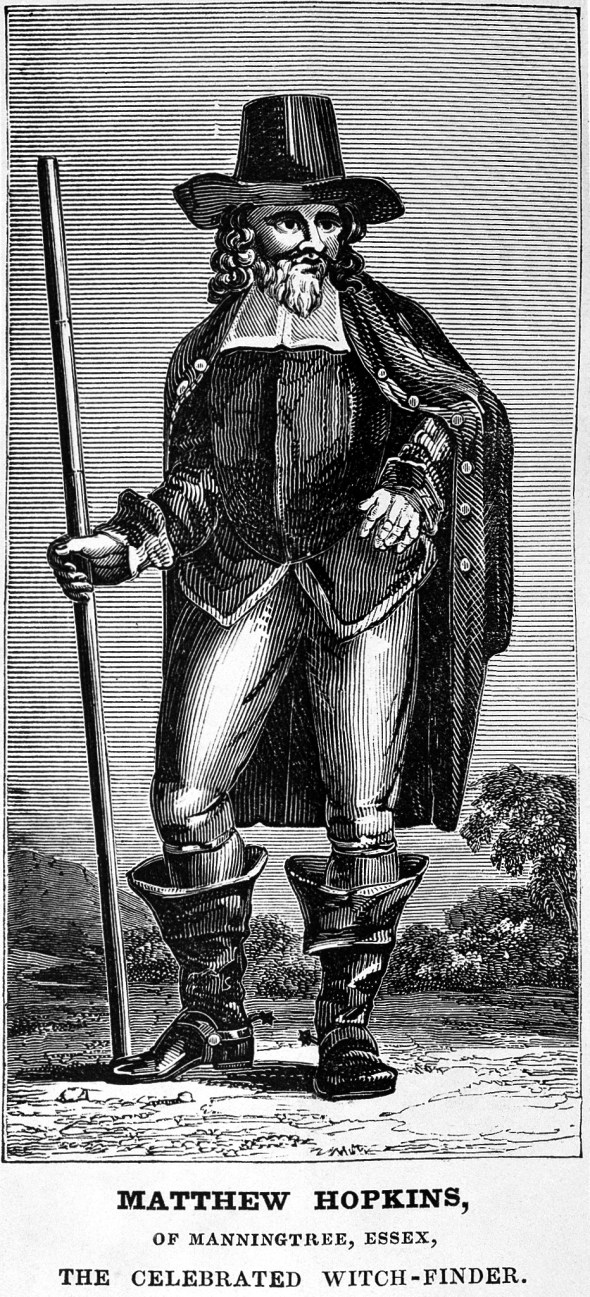
This excursion was inspired by a novel I found on a book exchange shelf in a guest house in Cape Verde. My charger wouldn’t function, the Kindle was out of juice and I’d resigned myself to a long flight back with no reading material. It was the only book on the shelf which was in English and when I turned it over to read the blurb, I found it was set in Essex. That book was “The Witch Finder’s Sister”, the debut novel by Beth Underwood which told the unsavoury tale of Matthew Hopkins, who held the position of Witchfinder General in 17th century Essex. Though born in Suffolk, Hopkins was closely associated with Manningtree and Mistley. Nowadays, they’re not only both reachable by train but a half hour walk apart.
The journey from Kelvedon required two changes of train but nevertheless ran like clockwork, taking just over half an hour in total. There’s even more opportunity to enjoy the countryside views on the way back – time it right as I did and there’s a direct train from Manningtree to Kelvedon taking just 20 minutes. It’s faster than driving, as well as being much less stressful. We’re wedded to the convenience of our cars, but on the train it’s nice to be able to get up and walk around – or sit back and relax on the comfortable seats. There was even sufficient time on the Colchester to Manningtree train to grab a coffee from the onboard buffet. For a less hurried walk when connecting to the Mistley train via the underpass my tip would be to find a seat nearer to the front of the train.

Alighting from the train, my first impressions of Mistley were favourable. The port, once centred on the transportation of grain and malt for the brewing industry, is still operational but many of the old buildings that line the quayside have been renovated and repurposed. The malt extract works on the opposite side of the road are still in business and the smell of malt permeated the air as I strolled down towards the village centre.
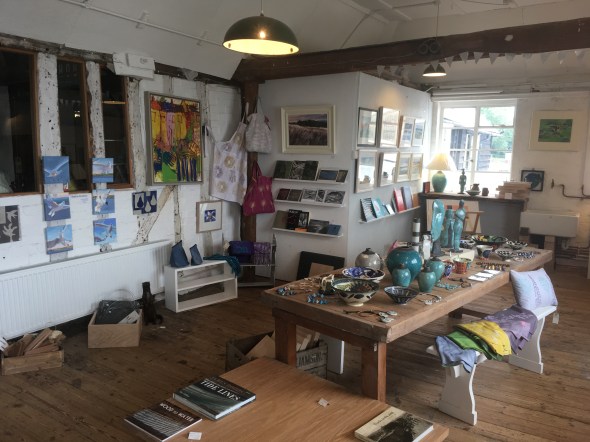
I couldn’t resist popping into Cooper’s Gallery to browse the colourful ceramics, paintings and textiles. Next time I shall walk in the opposite direction so that the gallery is my final stop; as it’s just across the road from the station I won’t have to walk far fully laden. This time, however, willpower was required as I wished to walk to Manningtree unencumbered by shopping bags. Liz, the gallery owner, was a mine of useful information about Mistley and the history of the quayside, lending me a calendar of old photographs to browse as I ate lunch at the T House cafe next door.
It was low tide and Liz explained how the partially submerged barge I could see from her window came to be stuck in the mud. Apparently, the sails of the Bijou caught alight during a bombing raid in 1940. So that the fire wouldn’t spread, she was cut free from her moorings and allowed to drift away from the quay. Burnt out, she’s been there ever since, the tide covering and uncovering this century-old vessel and gradually eroding what’s left.
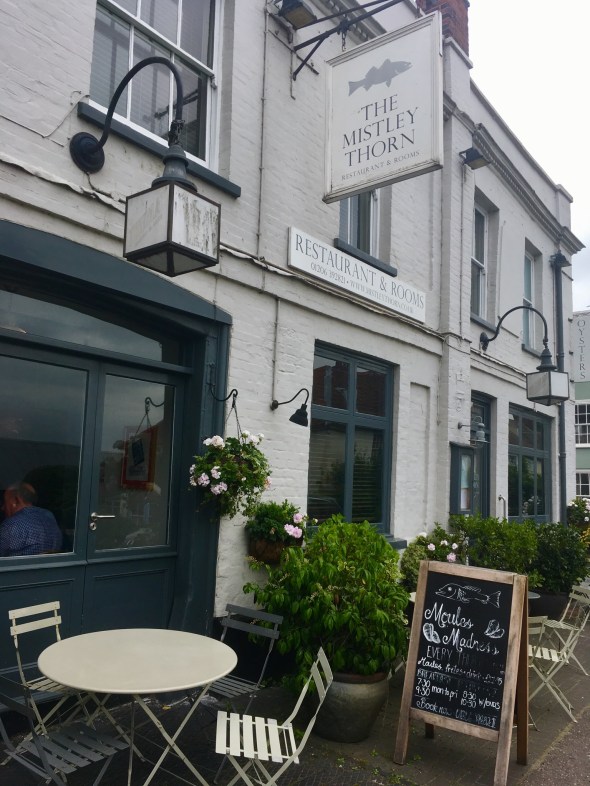
Across the street was The Mistley Thorn. The present day building was built as a coaching inn about 1723 and is now a restaurant with rooms to stay in. A pub stood on the site in the mid 17th century which was reputedly owned by Matthew Hopkins. He was supposed to have “examined” his first witch at the Thorn in 1644. An information board on the side of the Thorn tells a little of the story that Beth Underwood so cleverly adapted for her novel.
In an age of mistrust and religious upheaval, Hopkins decided there was more money to be made as a witch finder than as a lawyer, switching professions and assuming the role of Witchfinder General by 1645. Witch hunting set in motion a chilling sequence of denunciation, interrogation and finally execution. The trials were a joke. So-called witches were said to bear the Devil’s mark, a part of their body that didn’t feel pain. This could be a mole or a birthmark, which Hopkins prodded with a spike or cut with a blunt knife to see if it bled.
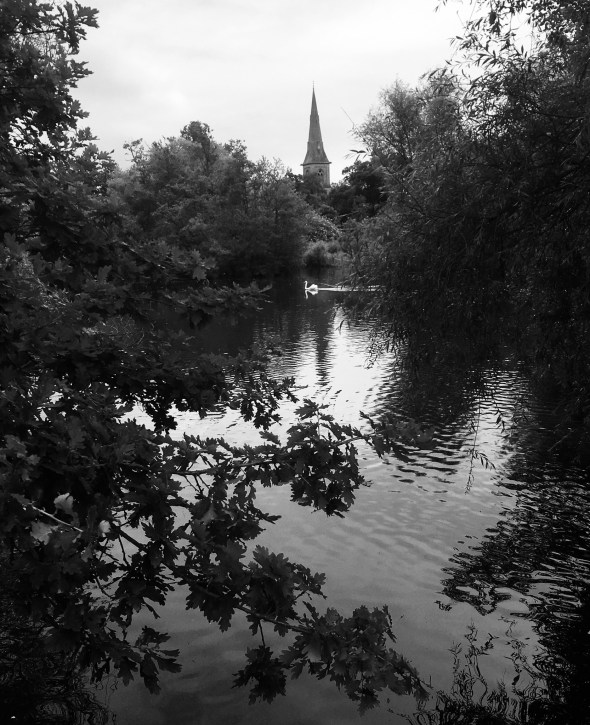
Another method was to tie the alleged witch to a chair and throw her into a pond. God’s pure water would reject a witch, it was thought, and she would float, but if “proved” to be a witch, she would be hung. Hopkins used to carry out such practices at Mistley’s Hopping Bridge, a short walk from the Thorn. It’s said that his ghost haunts the site and is most likely to be seen when there’s a full moon.
The exact number of women who were targeted by Hopkins is not known, but it is thought that the prolific Hopkins was responsible for several hundred deaths. In less than two years the number of witches he convicted represented about 60% of the total number punished in England from the early 15th to the late 18th century. In 1646, a parson from Huntingdon by the name of John Gaule published a pamphlet exposing Hopkins methods for the nonsense they were. The Witchfinder General wrote back in an attempt to defend himself, but popular support for his actions had begun to wane. Hopkins retired to Manningtree, a rich man. He died in 1647 of tuberculosis and was buried in the churchyard at Mistley Heath; both the graveyard and his body are long gone.
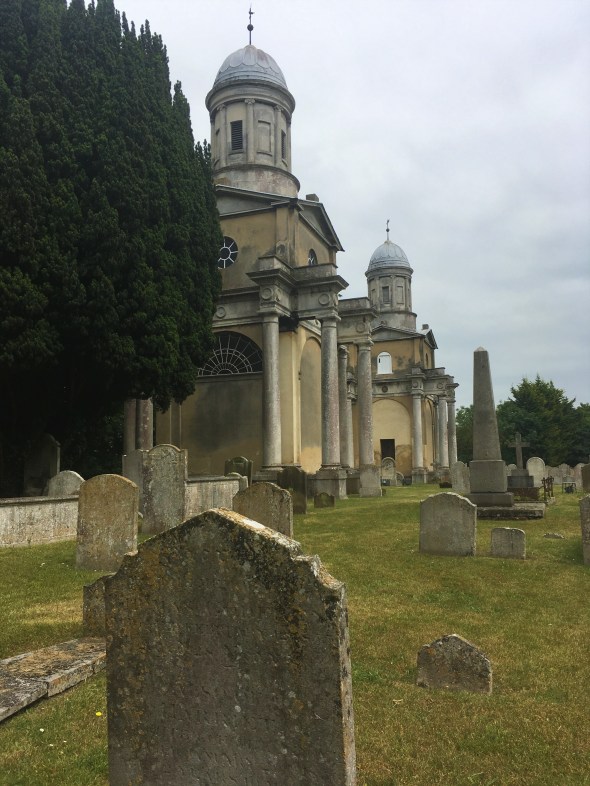
I headed to Manningtree, passing Mistley Towers, erected as part of a failed scheme in the late 18th century to reinvent Mistley as a saltwater spa town. The twin towers that remain are all that’s left of a grand Georgian church, designed by Robert Adams and eventually demolished in 1870. I walked over the Hopping Bridge – in broad daylight I saw no ghosts. A lone swan glided across the still waters of the pond.
Across the road, following the south bank of the River Stour along what’s known as The Walls, I encountered more of these graceful birds. Mistley has been traditionally associated with a large population of mute swans, which have made their home here since the 18th century. Back then, as barley and other grain was unloaded at the quayside, some would be blown by the wind into the waters of the Stour and its tributary channels. Not surprisingly, the swans hung around to feed off this grain and have done so ever since. These days, those that remain are part of a domesticated herd.
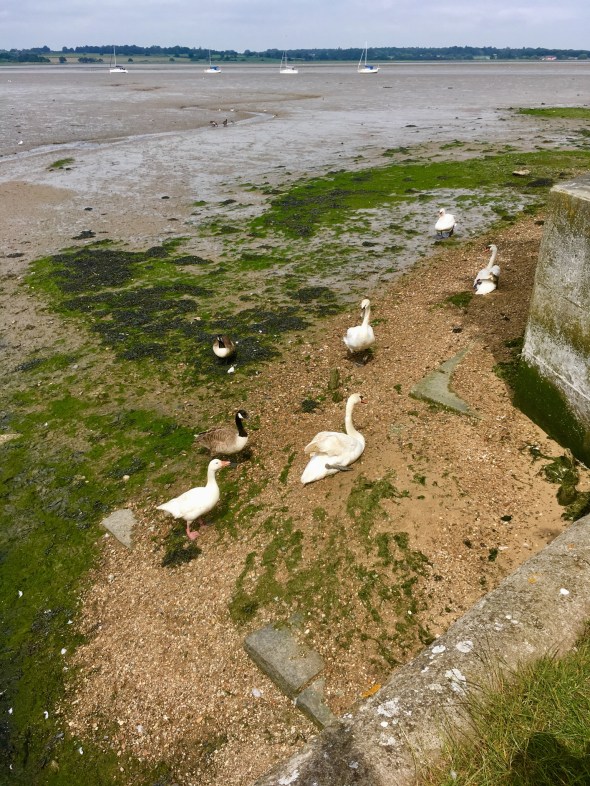
The sun was out, fittingly for what’s termed the Essex Sunshine Coast, and I couldn’t resist an ice cream as I walked towards Manningtree. In Tudor times a centre for the cloth trade, later a port, Manningtree claims to be England’s smallest town (by area, not population). The town also gets a mention in the Shakespeare play Henry IV Part One, as Falstaff is likened to a “roasted Manningtree ox”. The Witch Finder’s evil reach extended to Manningtree too, for it was here that some of his victims were hanged, and the town sign bears his picture.
With bunting out and kids playing on the town beach, it was hard to imagine such troubled times. As I made my way to the train station, I thought what a pleasant afternoon I’d had on my latest #railadventure.
The lowdown
I received free train travel from Greater Anglia in exchange for writing this review of my #railadventure, but there are some great deals to be had for paying customers, particularly if you travel off peak. For instance, if you book in advance, tickets from Norwich to London are available at just £10, Cambridge to London at £7 and Southend to London at just £5 (all fares quoted are one way). Accompanied children travel for just £2 return and you don’t even have to pre-book for their ticket as this fare is valid on all off peak trains within the Greater Anglia network. On top of this, they are offering 2FOR1 on top London attractions, helping your summer holiday budget stretch further.
Discover destinations and ticket prices at www.greateranglia.co.uk and plan your journey at www.nationalrail.co.uk.
Did you feel inspired to plan your own rail adventure after reading this blog? Why not complete Greater Anglia’s survey using this link:
A beginner’s guide to the Faroe Islands
One of the most remote and most overlooked corners of Europe, the self-governing Faroe Islands might be part of the kingdom of Denmark but they believe in doing things their way. A long weekend is just sufficient to see why those who find themselves there can’t get enough of the place. In part, it reminds the traveller of Iceland, Norway, Scotland and even the Yorkshire Dales, but in truth it’s all of them and none of them.

Getting there
Flights are operated by two airlines: Atlantic Airways and SAS. There’s a twice-weekly direct flight from Edinburgh to Vagar Airport. Flight time is around an hour. However, if you have onward connections, particularly on the inbound leg, it’s wise to allow a longer than usual layover because flights are often affected by bad weather. All other flights from the UK are indirect, with the greatest number of connections via Copenhagen as you’d expect.

Getting around
If you have plenty of time, or are happy to be constrained by public transport routes, it is possible to get around without your own vehicle. An airport bus connects Vagar Airport with the capital Tórshavn. In town, the centre is compact and walking between the main sights is easily doable. In addition, there’s a free bus that links Tórshavn to historic Kirkjubøur. Ferries are as reliable as they can be given the wild weather, but cheap, particularly if you walk on. For instance, foot passengers travelling from Gamlarætt to Skopun on Sandoy Island pay just DKK 40 return (less than £5) while a car costs under £20. Multi-day travel cards might work out cost effective if you are travelling around a lot; they cost DKK 500 for four days and are valid on all buses and most ferries.
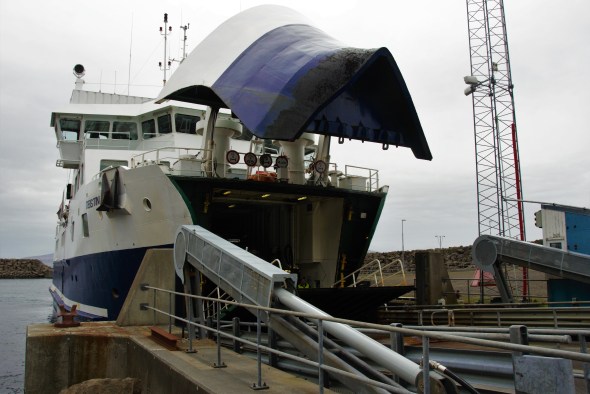
For timetables, visit the Strandfaraskip website:
http://www.ssl.fo/en/timetable/ferry/7-tvoeroyri-torshavn/
Car rental is best if you wish to get off the beaten track. We rented from 62°N which is affiliated to Hertz, Europcar and Sixt, but there are several other agencies. Typically, prices start at around DKK 600 (£70) per day for a small car. In my experience, roads were good quality and drivers courteous, but the buffetting wind can be disconcerting if you’re not used to it. The Visit Faroe Islands website has plenty of sound advice about driving conditions and rules of the road as well as this useful graphic:

Helicopter rides are also possible if the weather is playing ball, which sadly it wasn’t during my trip. A community initiative means that transport is subsidised, meaning you can be airborne for a tenner. A chopper transfer from Vagar to Tórshavn bookable through Atlantic Airways costs DKK 215 (about £25). Fares between other islands cost from DKK 85 to DKK 360. More here: https://www.atlantic.fo/en/book-and-plan/helicopter/fares/
What to see
Tórshavn
The Faroese capital is a delightful, quirky little place with much to recommend it. Begin between the twin harbours at Tinganes, seat of the Faroese government. The russet-painted government buildings with their verdant turf roofs are impossibly photogenic and unusually accessible.
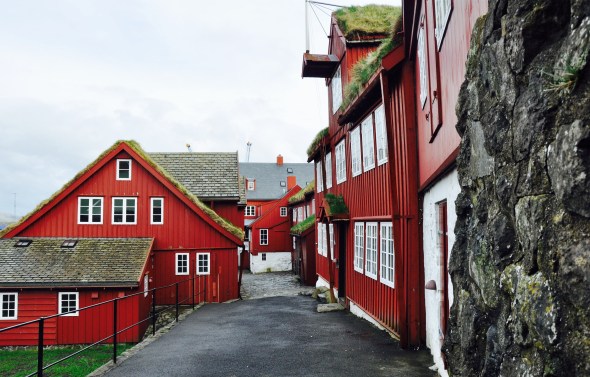
The fish market on the quayside is also worth a look, and you may be able to blag a sample or two. There are plenty of cafes and a burgeoning bar scene; I can vouch for the hot chocolate in Kafe Husid and a beer in Mikkeller. There are also a clutch of good eateries in town including the excellent Barbara Fish Restaurant, where the broth for its bouillebaisse is poured from a vintage china teapot and the deconstructed lemon meringue pie is to die for.


KOKS
KOKS, the first Michelin-starred restaurant in the Faroe Islands, deserves its own entry. An evening here doesn’t come cheap – the tasting menu is an eye-watering DKK 1400 (about £165) with the wine pairings another DKK 1100 (approximately £130) on top. It might just be the most memorable and adventurous meal you ever eat, however, and is not to be missed. Your evening begins in a lakeside hjallur, or drying house, with some tasty nibbles of fermented lamb and dried kingfish. Next, you jump on a Land Rover for the short hop up the hill to the restaurant itself (this is not a restaurant for posh heels). From the opener of scallops served in a shell encrusted with live and very wriggly barnacles to the final mouthwatering dulse (red seaweed) and blueberry dessert, it was incredible.


Kirkjubøur
The historic village of Kirkjubøur is home to the ruins of St Magnus Cathedral, the largest mediaeval building in the Faroes. Next door, is the simple but beautiful whitewashed church of St Olav which dates from the early 12th century. It’s still in use today and 17th generation farmer and churchwarden Jóannes Patursson rings the bell to announce a service. Opposite, lies the oldest inhabited wooden house in Europe, the 11th century Roykstovan farmhouse built from stone and logs weatherproofed with black tar. It began its days in Norway, before being dismantled and shipped to its present location. Today it remains the Paturssons’ family home and is fascinating to visit. On the walls hang traditional whaling equipment, now obselete; Jóannes will explain and defend the long tradition of hunting pilot whales if asked. Whatever your personal views, it’s interesting to hear a Faroese take on the practice.


Saksun
To reach the tiny village of Saksun, you’ll need your own transport (or be up for a lengthy hike) but the reward is a super hike alongside a tidal lagoon to the sea. The folk museum within the Dúvugarðar sheep farm is managed by the farmer himself who apparently isn’t too keen on tourists visiting, so don’t plan on gaining access. The setting’s the star here, though, and you won’t be disappointed by the walk along a sheltered, sandy beach hemmed in by steep cliffs. At low tide, and in good weather, it’s surely got to be one of the prettiest spots in the country. I visited in the pouring rain and on a rising tide. Despite the low cloud and the slightly wet feet it was still worth the effort.


Vestmanna
Weather killed my boat trip to the Vestmanna bird cliffs but I’m told the sight of the towering rockfaces crammed with puffins, guillemots and razorbills is an impressive one. If rain stops play as it did for me, the SagaMuseum, housed inside the tourist information centre, is an interesting detour, if a bloodthirsty one. Prepare for some pretty explicit waxworks; the creators didn’t hold back when telling the stories from the sagas of the Faroes’ Viking past. Decapitation, torture and drowning are all depicted in the gruesome exhibits. An audio guide is a must to learn about the fascinating tales behind the exhibits.


And beyond…
Even if you’re only in the Faroes for a long weekend, Sandoy and Streymoy are only a half an hour apart by ferry so it’s a tempting excursion from Tórshavn.

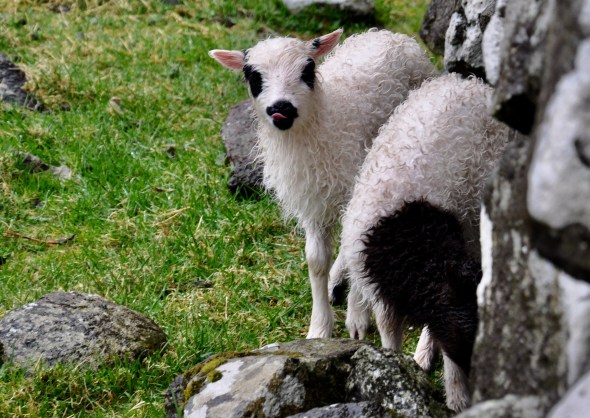
Vast empty beaches lined with sea stacks and grazed by sheep who munch on the plentiful seaweed are a big draw, even in the shoulder season. Quaint harbours full of colourful fishing boats, yarn-bombed rocks and even the odd art gallery all offer pleasant diversions. With more time you can journey further afield to the other islands. Highlights include Hans Pauli Olsen’s sculpture of the seal woman on Kalsoy, picturesque Gjógv – the most northerly village on the island of Eysturoy – and a solitary hike to the lighthouse at the end of the the islet of Mykineshólmur on Mykines, an island where puffins greatly outnumber people.


Planning
I bought the Bradt guide to the Faroe Islands a month or so before I travelled and as ever, it’s an informative and eminently readable guide. If you are planning an independent visit to the Faroe Islands it will be invaluable to your preparations.
Thanks
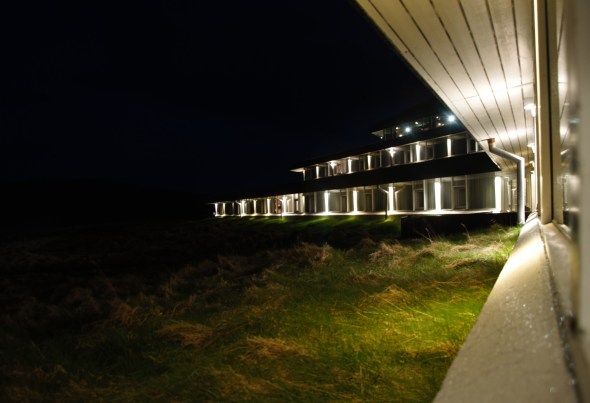
I travelled to the Faroe Islands on a press trip as a guest of Atlantic Airways who were efficient, friendly and best of all laid back about seat swaps so we could all grab a window seat. Visit Faroe Islands and Visit Sandoy arranged a diverse and memorable itinerary, so much so that I’m already planning a return visit at some point in the not so distant future. Their accommodation choices, the Hotel Føroyar overlooking Tórshavn and the Hotel Sandavik on Sandoy, were comfortable, contemporary and classically Scandinavian.
Though I paid for my connecting flight, I’m grateful to Holiday Extras for taking care of my airport parking at London Stansted, particularly as they chose the very convenient Short Stay Premium option.
Why do countries change their name?
This week, I read in the news that the King of Swaziland has decreed that the country’s name will henceforth be known as eSwatini. He’s been referring to it as such for many years but this pronouncement, carefully timed to conicide with the kingdom’s 50th anniversary of independence makes it official.


The name means “land of the Swazis” and you’re probably thinking that it’s not so far removed from “Swaziland”. The king would beg to differ. Allegedly he’s fed up with people confusing his tiny landlocked country with another, larger landlocked country: Switzerland. And the country didn’t change its name on independence, so better late than never, you might say. Regardless, as eSwatini is an absolute monarchy, the name will stay, though it has angered some in the country who say the king should have better things to focus on – like their beleagured economy for instance.

It brought to mind the announcement from the Czech Republic a couple of years ago that they’d prefer we shortened the country’s name to Czechia. The Czech Republic form would stay, but to make advertising easier, Czechia should be used if people wanted a catchier moniker. But too many people think it sounds like troubled Chechnya and the name isn’t sticking. Hungary tried something similar a few years earlier, in 2012, officially becoming Hungary after being the Hungarian Republic. I’d been calling it by the wrong name all those years.
Cape Verde officially altered the English version of its name to the Republic of Cabo Verde in 2013, though if you book a holiday to the islands, most UK agents still refer to it as Cape Verde. Changing your name is one thing. Getting others to follow suit is another thing entirely.

Often, the act of changing a country’s name comes with independence as part of a wider declaration that the country is now in charge of its own affairs. Until 1825, Bolivia was Upper Peru, Dahomey became Benin in 1975 and Upper Volta changed its name to Burkina Faso in 1984. Sri Lanka had been Ceylon until 1972 while Siam became Thailand in 1939 – and save for a short period in the 1940s it’s been Thailand ever since. I could go on.

Splits and mergers are another common reason for name changes. The island of Zanzibar merged with mainland Tanganika to form Tanzania on independence in 1961. Malaya and Singapore combined with Sabah and Sarawak to become Malaysia in 1963. However, thanks to a memorable ad campaign, it will always be Malaysia Truly Asia to me. In the splits camp, Czechoslovakia divided into the Czech Republic and Slovakia in 1993. Yugoslavia collapsed in the 1990s, spawning Croatia, Serbia, Bosnia & Herzegovina, Slovenia, FYR Macedonia and Montenegro.
Sometimes the changes can happen so often that people can’t keep pace. Take the Democratic Republic of Congo, for instance. It was the Congo Free State in 1884, then Belgian Congo in 1908; the Republic of the Congo in 1960 before adding Democratic in 1964. Then in 1971, it became Zaire under Mobutu before reverting to the Democratic Republic of the Congo once more in 1997. And just to make matters more confusing still, the country next door now calls itself Republic of the Congo.
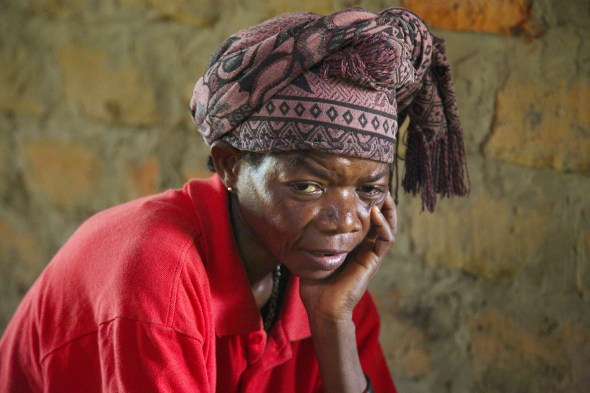
Now the Kazakh president Nursultan Nazarbayev has thrown his hat into the ring as well. He suggests that the suffix -stan doesn’t have the best connotations when it comes to attracting investment, thanks to some politically troubled neighbours. He proposes perhaps Kazak Yeli or “country of the Kazakhs”. The country’s ethnic diversity doesn’t make this an easy switch. Only time will tell how that one pans out.
How to see the Bahamas’ famous swimming pigs
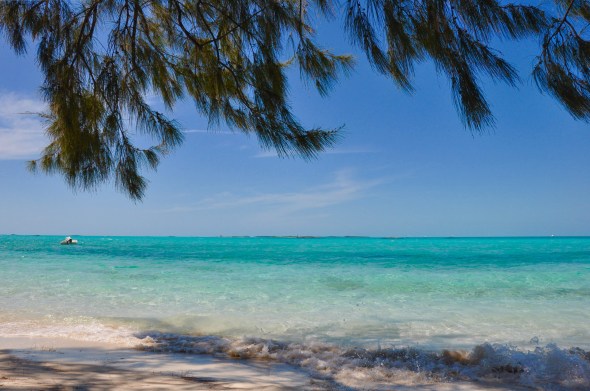
The Bahamas consists of around 700 islands, cays and islets strung out like jewels on a necklace in some of the shallowest, most turquoise waters of the Atlantic Ocean. Most of these islands are uninhabited. Those further from Nassau, the country’s capital, are known as the Family Islands or Out Islands. The Exumas draw visitors for snorkelling and watersports as well as film makers – James Bond’s Thunderball was filmed near Staniel Cay and Pirates of the Caribbean on Sandy Cay. Johnny Depp liked the place so much he even bought his own private island nearby. He’s not alone. The Bahamas has a higher number of privately owned islands than anywhere else on the planet.

But when it comes to celebrity residents, even Hollywood stars are eclipsed by the Exumas’ famous porcine residents. No one knows for sure how pigs got to Big Major Cay, but these days they are the Exumas’ biggest draw. Around twenty or so pigs live on the beach, charming the pants off the steady stream of tourists who come here to swim with them. The proximity of Big Major Cay to Nassau makes it possible to visit for the day, even if you’re stopping off as part of a cruise.


It’s a popular trip but doesn’t come cheap. Many operators offer excursions. A flyer from Exuma Escapes in our hotel room offered a day out by boat for a special price of $359 per person, which included a 150 nautical mile round trip by speedboat, plus stops to see not only the pigs but also iguanas and to snorkel with nurse sharks. We ruled this out as it was billed as a bumpy ride and not suitable for those with bad backs. To take a smiliar package by air would have cost $550 per person which pushed it well out of our price range. Though you’d have an hour with the pigs and another with the sharks, the return flight would be at 3pm and so with check-in advised over an hour before, that would cut into the day considerably.


Fortunately, I read about a company that would unpackage the trip. We contacted Staniel Cay Vacations whose website http://www.stanielcayvacations.com/tours/ lists a number of options including a pigs only boat trip for $50 per person (minimum 2 people). Booking flights separately with Flamingo Air at http://flamingoairbah.com/ cost us $240 per person. We flew out of Nassau on the 0800 flight, arriving before 0900 and departed at 1700, with check-in required by 1530. We needed to fund our own transport to the airport and lunch at Staniel Cay, but still didn’t pay what we’d have needed to shell out for a tour.

Our boatman, Mr George, was waiting for us at the airport and pointed out Thunderball Cave as we passed. We didn’t see the iguanas like the tour groups do, of course, but while we were enjoying an al fresco lunch at the Staniel Cay Yacht Club a frenzy of nurse sharks clustered around the boat dock. We ended up with plenty of relaxation time at Staniel Cay – spent lazing under a shady tree on the beach and watching the boats come and go from the marina.

Best of all, we were ahead of the tour groups at Big Major Cay and had the pigs to ourselves for a while before another couple of boats arrived. This in itself made the day. Mr George had brought food along so we were able to feed the pigs while in the water.
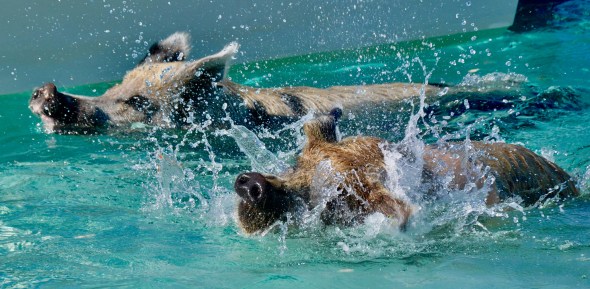
Of course, we took a small risk unpackaging the tour but were fortunate that the flights were pretty much on schedule. Monique was responsive and helpful, answering emails promptly and making sure we were all set. Feeding the pigs was fun and watching them swim was a memorable experience. Mr George kept a close eye on us and made sure we gave pregnant mama pig, who had a tendency to bite people’s bums, a wide berth. And the piglets were cute too, the youngest just a couple of weeks old.


Would I recommend the trip? Definitely. It didn’t come cheap, but was an unforgettable experience and worth evey cent.
Heading to Nassau? Don’t miss this excellent food tour!
Ask anyone who’s visited the Bahamas what is the food that epitomises the islands and chances are, they’re going to say conch. Pronounced ‘conk’ this ubiquitous marine mollusc is served in all manner of ways, the most popular being deep fried fritters with just the right amount of spice to give them a kick. There’s also delicious cracked conch, which can best be described as the Bahamian version of fish and chips. Every restaurant has it on the menu, so finding it is easy. Knowing which serves the best is a whole lot harder, however.


I believe there’s no better way to get to know the heart and soul of a country than through its stomach. Though the enduring image of the Bahamas is of glistening turquoise waters surrounding necklaces of cays, there’s a lot to be said for getting out of the water and into Nassau’s historic downtown district. But the capital’s streets are packed with eateries and it’s hard to know where to start. I figure it’s always best to enlist the help of a local when it comes to food. I’d been tipped off by Cecilia fom Hong Kong Foodie Tasting Tours that in Nassau, I should get in touch with Tru Bahamian Food Tours.
Alanna Rogers set up the company in 2012, describing herself as a passionate foodie whose own travels inspired her to showcase the cuisine of her own country. The Bites of Nassau food tour is popular with cruise ship passengers looking for a memorable experience when their ship’s in dock, as well as with those who are staying on the island. It even attracts locals, which in my opinion is another measure of how good it is. Something like 5000 people take the tour each year, and the company is going from strength to strength.
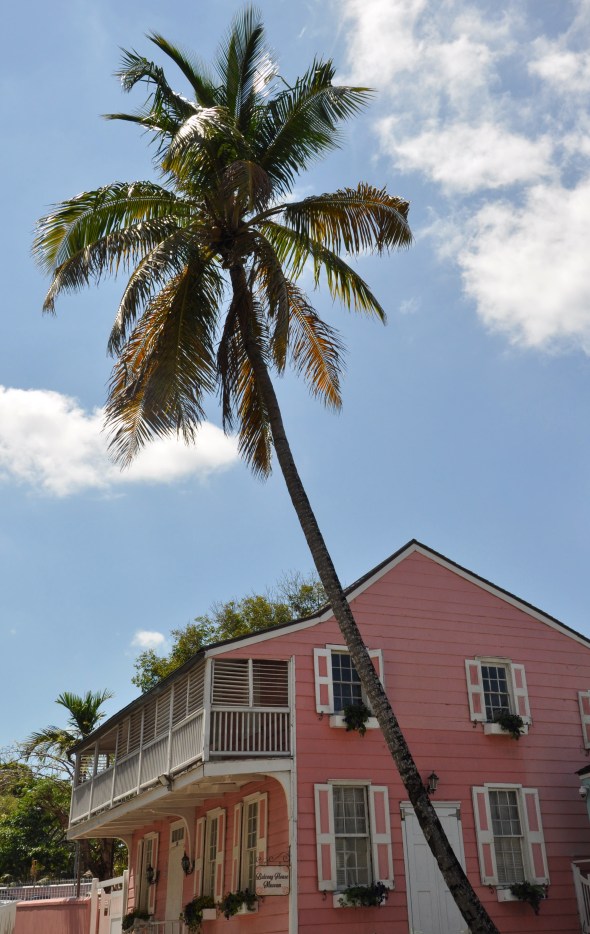
My husband and I took the tour this March as part of a week-long holiday in the Bahamas. From our base at Cable Beach it was an easy ride into Nassau. Guide and operations manager Murray was easy to find on the steps of the cathedral, built in 1841 as the first official place of worship in the country. Our small group strolled around the corner to Market Street for a look at the pastel pink Balcony House. The oldest wooden structure in the city, it hosted Ian Fleming when he came to the Bahamas when Thunderball was filmed in 1965.
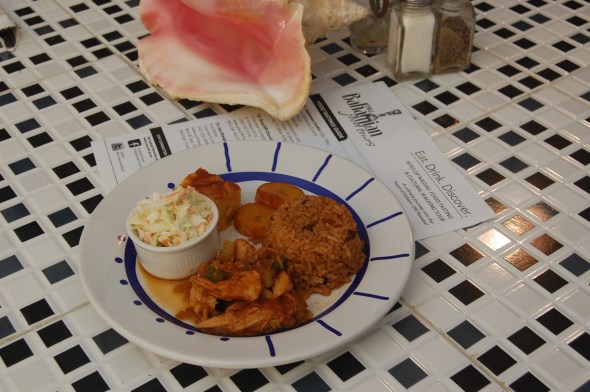
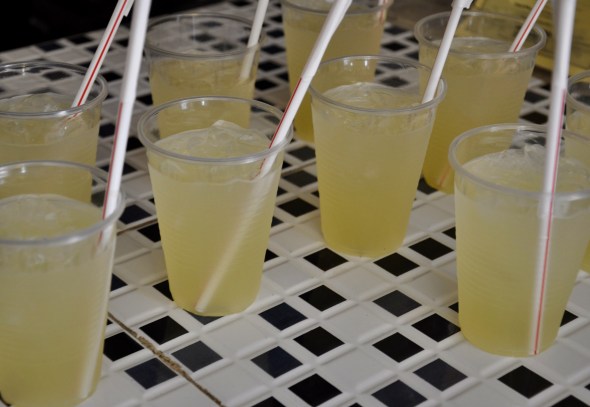
Across the street was Bahamian Cookin’. Murray warned us that this would be the largest of our tasting plates, and it was here we had our introduction to the Bahamian staples: conch fritters, fall off the bone chicken, baked mac and cheese and of course peas and rice. I hate peas. But peas here are beans, fortunately, and this was so tasty I confess to stealing some of my husband’s while his attention was distracted. On the way out, we had a refreshing glass of switcha, a kind of Bahamian limeade. Apparently, spellings of switcha vary considerably so if you’re reading this and spelling it differently, I’d love to know how you write it.
Next up we got to meet one of Nassau’s most colourful characters. In the Towne Hotel, we were served a potent Planter’s Punch while enjoying the company of Max, who’s the hotel’s resident blue macaw. The artwork in the hotel was fabulously diverse and a big talking point as we sipped our rum cocktails. The chatter continued as we reached Graycliff.

Now a hotel, it was built in 1700 by privateer John Howard Graysmith. An inn from 1844, it was also once the private home of wealthy Canadian Izaak Killam and later Lord Dudley. The latter played host to the likes of Edward and Mrs Simpson, Churchill and Lord Mountbatten. It’s also seen Al Capone, the Beatles, Jay-Z and Beyoncé.
We learned that some of the bottles of wine in its cellar would cost the average tourist a year’s wages. Passing on that, instead we got to try some of the chocolates in the on-site factory. The first, labelled “white chocolate twice as hot as goat pepper” was a truly Marmite experience – some of us (me included!) spat it out half-eaten while others would have been delighted to eat the whole tray. That’s half the fun of taking a food tour, of course, to experiment with flavours you wouldn’t otherwise have tried.
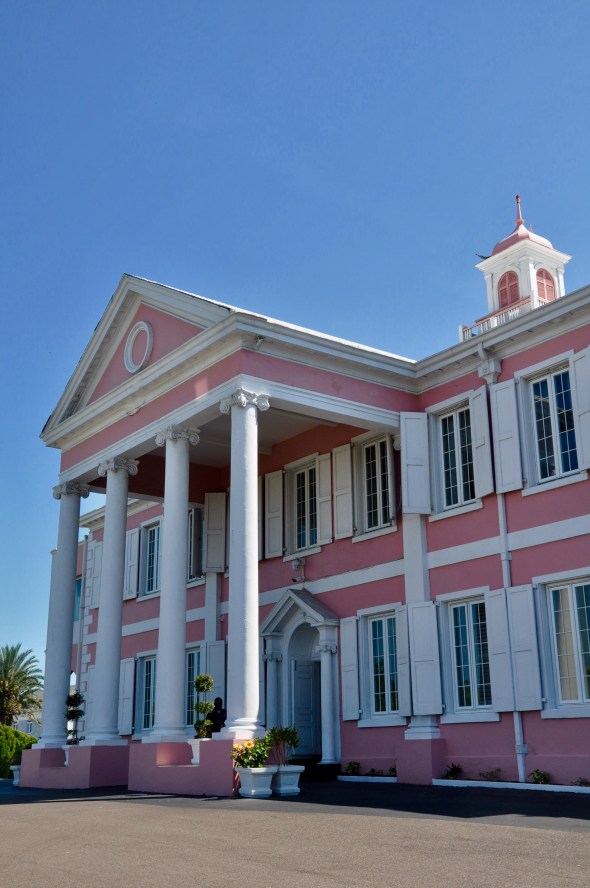
Nearby is Government House. Our Queen is Head of State in the Bahamas but of course her representative the Governor General takes care of things for her and these are his digs. The building actually stands on the highest point of downtown Nassau affording a fabulous view of the cruise ships in dock. We walked down a flight of steps – not those steps – to visit Biggity in Bay Street. Amanda’s creative take on pigeon pea hummus, rosemary and thyme infused olive oil, and garlic Johnny cake crostini was a big hit with everyone, as was the bush tea we washed it down with.

Murray explained that Bahamians consider bush medicine important. A nod to the country’s African heritage, native spices, leaves, flowers and tree bark are artfully combined to cure all manner of ills. Apparently it’s also quite common to consume a medicinal tot of rum to avoid having to visit the doctor. I’ve bookmarked this interesting blog from the Tru Bahamian Food Tours website just in case I feel under the weather:
https://www.trubahamianfoodtours.com/tru-bahamian-must-eats/bush-teas/.
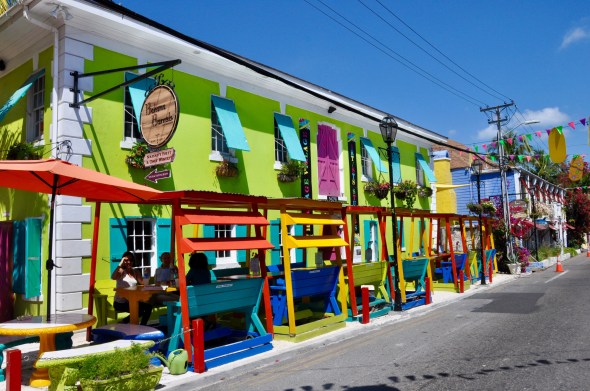
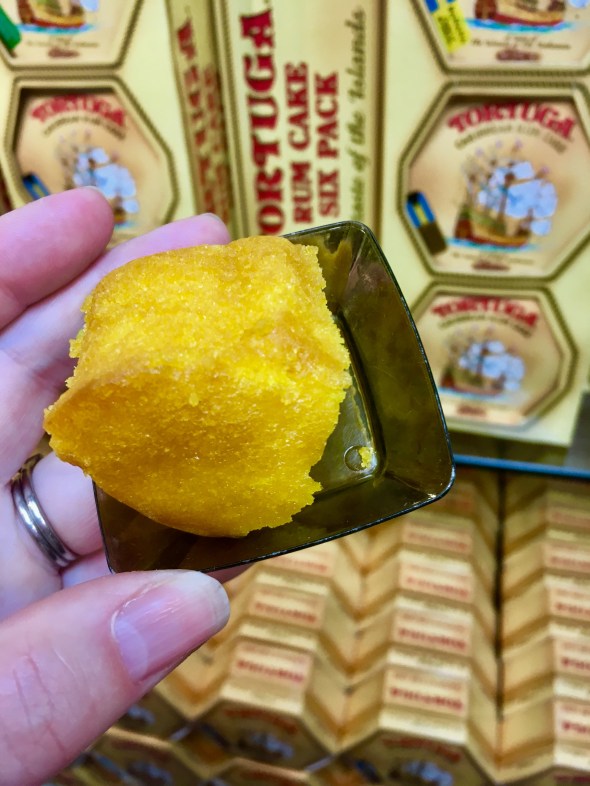
Our penultimate stop was at Athena Cafe. Many of the Greek community in Nassau can trace ancestors who came to participate in the trade of sea sponges back in the 19th century. They stayed on, blending typical Greek dishes with local ingredients – we had a tasty chowder. Rounding off the tour was a sweet treat from the Tortuga Rum Cake Company. The group enjoyed rum cake with walnuts but as I’m not a fan, my rum cake came nut-free with pineapple instead. It was delicious.
Tru Bahamian Food Tours promote Bahamian cuisine as “the islands’ most unexplored cultural treasure”. After a few hours in Murray’s company, I think they’ve got that just about right. What sets this tour apart from other food tours is the emphasis it places on history, culture and the pivotal role of immigrants to the Bahamas. When asked what they enjoyed best about the tour, most people commended the contextual information that Murray had provided.
However, compared to other food tours I’ve taken there were fewer opportunities to chat to fellow participants about the food, which has in the past been an enjoyable way of processing what I’ve learnt. Also, towards the end, the tour felt a little rushed; several of the other tours I’ve done have been around five hours long. By lengthening the tour from its current three hours, both these points could be addressed. I guess when something’s good, you don’t want it to end.
But those are minor criticisms of what’s an excellent tour. If you’re planning to visit Nassau any time soon, and if you want to understand what makes the country tick, this is a must for your itinerary. But take my advice: arrange the tour at the start of your trip. Once you’ve tasted what’s on offer, you’re going to want to go back for more.
The lowdown
You can find out more about Tru Bahamian Food Tours on their website and social media feeds – the links are at the foot of this post. The excellent Bites of Nassau tour is a great way to experience the islands’ capital Nassau. It runs several times a day from Monday to Saturday and lasts about 3 hours; you can book online. The company has also just launched a Sunday cocktail tour, which should prove to be just as popular as the original Bites tour. If you’re feeling really inspired, they can also arrange cooking classes giving you the skills to recreate the dishes you’ve enjoyed once you get home.
The Bites of Nassau costs $69 per person. My husband and I enjoyed the tour free of charge in exchange for promoting the tour via this blog. The photos which illustrate my blog are a mixture of mine and those supplied by Tru Bahamian Food Tours, but the opinions are entirely my own.

Facebook/trubahamianfoodtours
Twitter: @trubahamianfood
Instagram: @trubahamianfoodtours
In Key West: a museum with a heart
When it comes to literary museums, there’s somewhere you need to visit while you’re in Key West. If you know something about the place, you’re probably thinking of Ernest Hemingway’s house. It’s a popular stop: the queue to get in and see this historic home and its present day six-toed feline residents snaked around the block when I popped in for a visit.
 Nevertheless, you’d be wrong. Though I wanted to like it, I found it hard to make an emotional connection with the Hemingway place. The museum to which I refer has no cats – at least none I saw while I was there. Instead, the newly reopened and expanded Tennessee Williams exhibit had heart and soul in spades compared to its more famous neighbour.
The museum is the result of years of collecting and a true labour of love. I was fortunate that Dennis Beaver was available to give me a curator’s tour. The passion he had for his subject and the stories he had to tell added an extra dimension to the already fascinating collection of exhibits. Somehow he brought to life so vividly a playwright who’d hitherto been a stranger to me that I felt I’d known him personally.


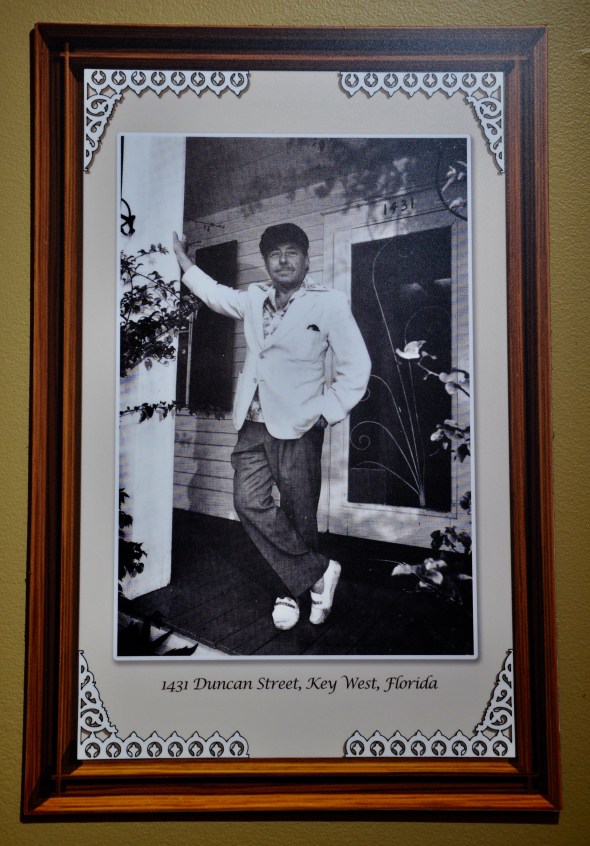
Describing Tennessee Williams, Dennis painted a picture of a man who loved to entertain the rich and famous. Yet home was a relatively modest place on Duncan Street, a short walk from the museum and now a private home. A tall white fence protects its current occupants from peeping eyes, but there’s a beautifully crafted model in the museum should you wish to see what would have been inside.


Photos of Williams with the Hollywood glitterati of the time revealed that he moved in glamorous circles. But behind the public facade was a complicated and insecure individual. A childhood bout of diphtheria had left him a lasting legacy of hypochondria. If a visitor complained of a cold, Dennis said, Williams would believe he’d caught it.

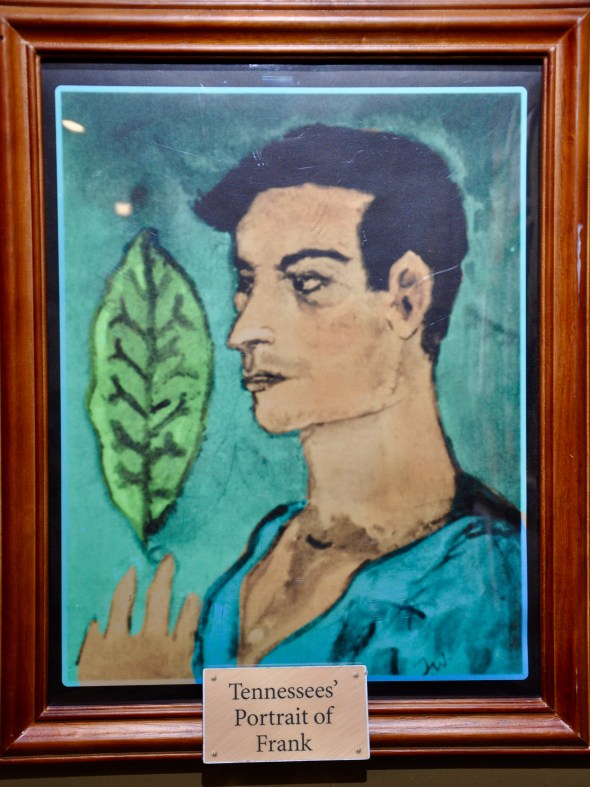
It would take a special someone to manage that anxiety and that person was Frank Merlo. He dealt with the minutiae of Williams’ life, acting as the buffer between the playwright and an outside world that made constant demands on him. At first, Williams would refer to Frank as his assistant, or something equally businesslike. In fact he was his partner and the rock of his personal life. Frank though would die young, succumbing to lung cancer aged just 41. Williams fell apart, mourning the loss of his right hand man. He was famously quoted as saying that after Frank’s death he entered his “stoned age” dependent on prescription drugs and alcohol to fill the void.
The Williams we know was a prolific playwright. Seventeen of his plays were turned into successful movies, among them Cat on a Hot Tin Roof and A Streetcar named Desire. The Rose Tattoo was another, set in Tennessee’s adopted Key West locale. But he didn’t enjoy the process of creating a screenplay, often opting to turn his work over to someone else. In many ways he saw the Technicolor world of the movies as a distraction. When he did get involved, he preferred to make a film in black and white so as not to detract from the story.


When the end came, it was dramatic and tragic as much of his life had been. Newspapers reported Williams had choked on the top of a medicine bottle, while his brother claimed he’d been murdered. Years later his death would officially be recorded as an accidental overdose of sleeping pills. His brother ignored Williams’ wish to be buried at sea, instead interring him at Calvary Cemetery in St Louis, the city in which he’d grown up and the city he professed to hate.


Whether you know much or little about Tennessee Williams and his work, this little museum is a must if you’re visiting the place he called home. No matter that this isn’t his house – you’ll get a greater insight into his world from fragments of a life lived than you might from a collection of period furniture. Find it at 513 Truman Street, a stone’s throw from the buzz of Duval.
While the opinions recorded here are my own, I’m grateful to the museum for waiving the $7 entrance fee – though I’d have happily paid it.
Fogo: trouble in paradise
Is an increase in tourism a good thing? Fogo follows hot on the heels of the likes of Barcelona and Venice to question whether an increase in tourism is to be encouraged. It is one of the islands that makes up the archipelago nation of Cape Verde, a country that receives around 20% of its GDP from tourism. Approximately 22% of employment in Cape Verde is in the tourism sector. Fogo’s stats are considerably lower and when I visited back in November, I found that trouble was brewing in paradise.

Currently, it’s estimated that Fogo receives about 8000 visitors a year. While Sal and Boavista welcome international visitors with open arms and embrace resorts which wouldn’t look out of place in the Canary Islands, Fogo has so far resisted mass tourism. That’s not to say it’s unattractive. The cobbled streets of its main town São Filipe have caught the eye of UNESCO while a volcanic caldera criss-crossed by hiking trails and littered with fledgling grape vines dominates what’s left of this tiny scrap of land. Fogo is the kind of place you go when you want to escape the hustle and bustle of your life back home, the kind of place where hours pass before you smile to yourself and acknowledge you’ve done absolutely nothing.
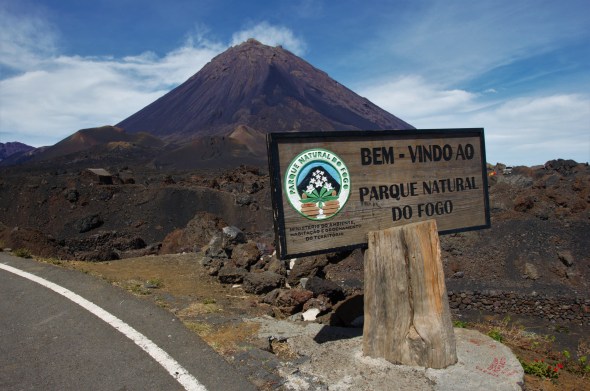
But plans are afoot to increase the visitor count to 200000 people per year. The timescale is unclear, but is unlikely to be gradual if those pushing for change have their way. Those 200000 visitors would of course require lodging and meals, as well as services like electricity, water, internet connectivity and rubbish disposal. These services are already stretched on Fogo and it is unclear who will provide for such expansion nor who will foot the bill. I was told that the mayor of Fogo had gone to Italy on a fact-finding mission to explore the possibility of opening a similar waste disposal facility yet the project would operate on a scale the municipality could ill afford.
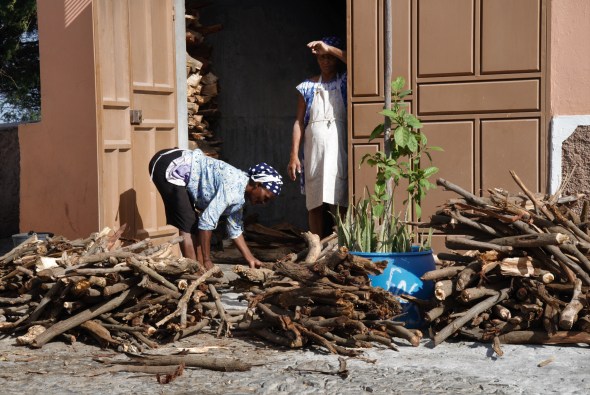
Even building new hotels brings its own challenges. Most hotels on Fogo are small, offering just a handful of rooms. Sand in quantity is vital if construction of new properties is to begin and it’s a commodity in short supply on the island. The few black sand beaches that exist have already been plundered and seasonal rains that might have washed new sand down off the volcano’s slopes failed to materialise. I was told that any new building work taking place currently has to import sand by sea from the Sahara via countries like Mauritania. This comes at a significant cost. One builder I spoke to quoted a price of €28 a tonne just for shipping; once the cost of the sand itself was factored in, that figure rose to €70 a tonne.

Even if development was financially viable, such development would drastically alter the character of this island. Sleepy Fogo’s signature attraction is its languid lifestyle. Its cobbled streets so far have escaped the ugly blanket of tarmac that blights such roads in other parts of the country. Wood and plaster age gently in the sun, while islanders perch on stone steps as they chat about the day’s business. But colonial-era sobrado mansions stand empty awaiting repair, hoping to attract an investor before irreversible dereliction sets in.
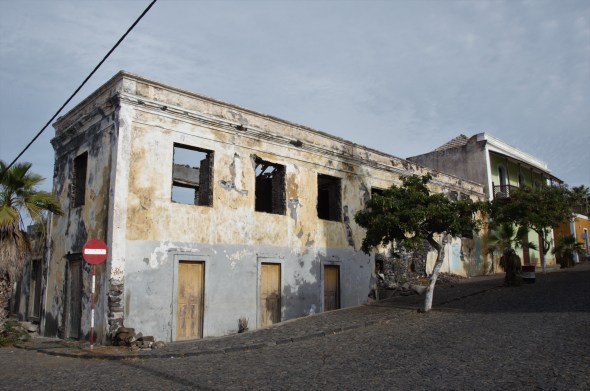
To run efficient mass tourist hotels on Fogo would be to change the way things are done. The introduction of tens of thousands more impatient incomers rushing to tick off the sights before their plane departs couldn’t fail to upset the balance of a place which beats to is own, proudly African, rhythm. Of course, economically, development makes sense. The financial gain to the island via increased spending and job creation would benefit many, but would the cost to society and the environment be worth it?
Trinidad: sugar and slaves
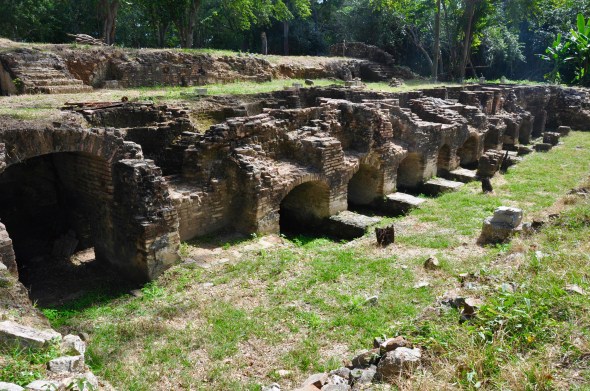
Trinidad’s fortunes were made in sugar and slaves. A few kilometres from the city, the Valle de los Ingenios is littered with the ruins of long abandoned sugar mills. While Cuba still harvests fields of sugar cane, production has long since moved away from this region.

Standing in the grounds of the San Isidro de los Destiladeros mill, little imagination is required to picture how the scene would have been a century or two ago. The main house is still intact, a little weatherbeaten perhaps but not yet derelict. Its cedar windows and doors have been bleached by decades of sun. These days they’d pass for shabby chic and be considered worthy of a magazine spread. Back then, they were functional, the heavy shutters designed to keep the house cool despite its tropical setting.


Across the clearing my guide pointed out a bell tower, used as a lookout and built to call time for those toiling in the fields or factory buildings. Beyond the tower is what remains of the factory’s foundations and beyond that, the slave quarters, hidden away in the forest and once shielded from view by the factory itself. The prevailing wind had also been taken into account when siting the main house, so that sensitive noses wouldn’t have to contend with the sickly sweet smell of molasses.
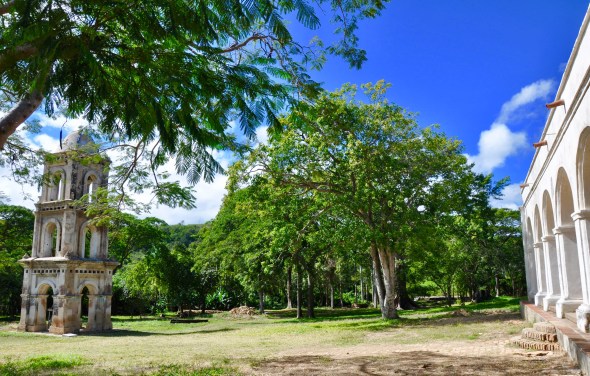
The first mill on this site opened in 1776. Initially its assets were limited to just three horses, ten slaves and a single small sugar press. The Spaniard who owned it sold up to one Pedro Malamoros Borrell, who grew the farm and gave it the name we use today. He owned many slaves and life was tough for them. From November to April, they’d work ten days on and one off, working long hours in the hot sun and humid conditions cutting the cane.

Others grafted in the factory pushing the sugar presses known as trapiches which squeezed juice from the raw cane. It was dangerous work and not uncommon for workers to lose an arm if it caught in the press. Though much of the mill lies in ruins, you can still see where the sugar would have been boiled to create molasses. My guide explained how heat passed along the row of nine pans, gradually getting cooler the further the distance it travelled from the centre. The cane juice was cleaned and transferred from pan to pan as well, constantly stirred until crystals formed to turn it into muscovado sugar.
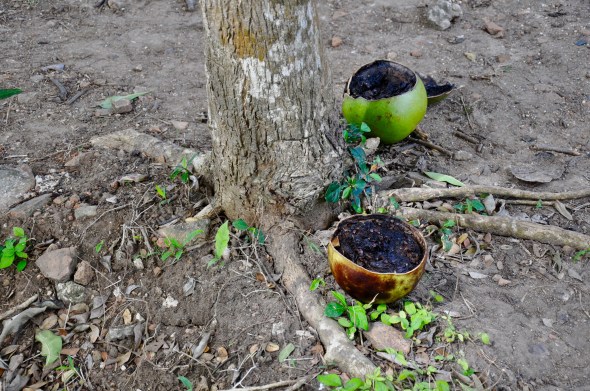
On the ground I spotted what looked like a rotten coconut. In fact it was the fruit of a güira tree. Used to make bowls from which the drink canchánchara could be served, they were also used to present offerings to the gods. My guide told me of an altogether more down to earth use: the insides are considered an effective flea treatment for dogs, and probably better for them than the chemical treatment I use back home, albeit gross to apply.
Between May and October the slaves would have been rented out for other work. Slaves were entitled to keep a quarter of their pay, the rest lining their owner’s pockets. Savings could buy freedom. Slaves were more likely to purchase freedom for their children than themselves, or to use the money to pay for their own small house just outside the communal barracks.

Though their lives were strictly controlled and conversion to Catholicism encouraged, the practice of African religions such as Santeria continued. A ceiba tree is considered sacred to followers of Santeria, representing Changó, the God of Thunder as its soft bark renders it lightning-proof. One stands to this day near where the barracks once were, a face visible in its trunk.


Borrell sold up in the mid 19th century to Carlos Malibrán and made a killing. But within a few short years, a crisis would hit the sugar industry. Malibrán would offload the property just four years later. Across the valley, crop rotation had been overlooked by mill owners greedy for profit and the soil had lost its fertility year in year. Yields fell and as competition from Europe’s sugar beet farmers felled prices, the rug was pulled from under Cuban sugar’s feet. The new owner of San Isidro de los Destiladeros mill lost pretty much everything and ended up mortgaged to the hilt. What had been fields of sugar cane were turned over to pasture.

As the Cuban war for independence gathered momentum in 1868, slaves saw their opportunity to gain their freedom by joining the army. The flight of labour was another nail in the industry’s coffin. By 1898, the owners of the San Isidro de los Destiladeros mill had closed up and moved to Sancti Spiritus and the factory was demolished. Ownership passed to the Fonseca family in 1905 and they lived here until 2012. Burdened by the cost of restoration, they donated the house and ruins to the state.
Getting there
I arranged a morning visit to Valle de los Ingenios with Paradiso – a place on a shared tour cost 22 CUCs. You’ll find their tour agency at General Lino Pérez 30 about a minute’s walk from the Etecsa office in Trinidad. Alternatively haggle with a driver of a classic car, making sure you negotiate for the taxi to wait.
On the trail of the mob in Havana
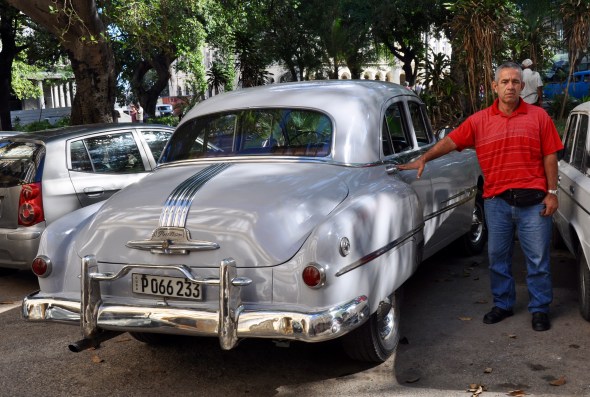
The classic American automobiles that cruise the Malecón ooze the glamour of bygone days, but 1950s Havana had a seedy alter ego. Mob-run casinos drew a decadent crowd. Vices of all kinds took centre stage. Traces of this era of such excess can still be seen today – if you know where to look. Curious, I contacted Havana Super Tour and asked guide and founder Michael Rodriguez to let me in on a few of Havana’s dark secrets. Waiting to take us back in time was an immaculate silver grey Pontiac driven by owner Ricardo. Michael joked that Cuban men value their cars more highly than anything else in their lives – even their women. I’m not convinced that’s true of only Cuba.

We began where the charmingly decrepit mansions of Habana Vieja give way to the boulevards of Centro. Gambling is banned in today’s Cuba, but the old casinos have been repurposed as conference rooms and elegant salons in many of the capital’s most renowned and once notorious hotels. One of them is the historic Hotel Sevilla. I’d stayed there during my first visit to Cuba fifteen years ago and around the corner from the exquisite Moorish-style lobby where I’d once checked in is a rogue’s gallery of past guests – good and bad. This time my focus was on the latter. Michael steered me towards a photograph of Al Capone, perhaps Chicago’s most notorious gangster, who used to book out the entire sixth floor when he was in town. Privacy comes at a price when you need to make sure no one eavesdrops.
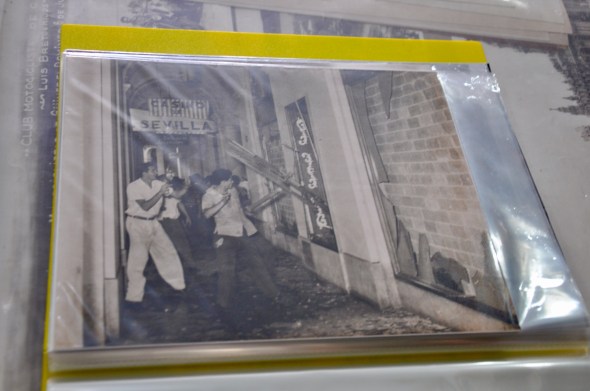
Michael led me across the street to a tiny store selling antiquarian books and other memorabilia from times past. Leafing through a folder of old black and white photos, he showed me how some of the Cuban capital’s hotels would have looked in Batista’s day and in the years immediately following the overthrow of his government. The city was the place to see and be seen. Hollywood’s biggest names came in their droves with Frank Sinatra leading the pack. Scandal was never far away. Michael reckoned that despite rumours that Sinatra’s singing career had initially been financed by the mob, he was clean – in Havana anyway. Some of his associates, however, were not.

The biggest player of all on the Havana mob scene was an East European Jew who’d come to the USA to reinvent himself. Smart as they came, Meyer Lansky grew up in New York with Lucky Luciano. Lansky was the brains to Luciano’s brawn and together, they made a formidable pair. You messed with them at your peril. Having operated out of the Nacional for years, Lansky had his hands in a number of other businesses, including the successful Montmartre Club which was eventually torched by a revolutionary supporter in the early 1960s.

Over a Mafia mojito at the Nacional. Michael told me that it was common for a Hollywood name to provide a respectable front for the money laundering, shady deals and violent altercations that were going on behind the scenes. Actor George Raft got his big break in the 1932 gangster movie Scarface. When New York mobster Santa Trafficante Jnr. opened the Capri, he needed someone to be its respectable public face. But though it was commonly held that Raft owned a sizeable stake in the hotel, Nicholas Di Costanzo, Charlie “The Blade” Tourine and Santino “Sonny the Butcher” Masselli operated it. It doesn’t take a genius to work out that many of the regular clientele were anything but legit themselves.
Lansky himself opened the Riviera Hotel in 1956 as a front for his deals. It was one of many businesses through which he could launder his ill-gotten gains. Though he claimed Cuba ruined him when Castro rolled into Havana, under Batista’s regime he’d lived like a king. Despite decades of ruling the organised crime roost, the only crime the authorities ever managed to pin on him was a charge of illegal gambling.


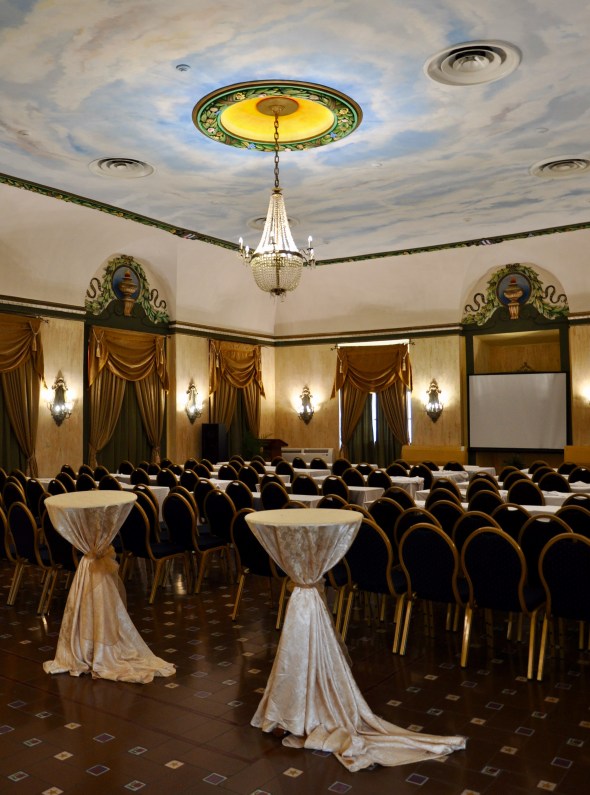
The Riviera, our last stop, could have been a set from the hit US TV show Mad Men, had US-imposed sanctions not restricted where the studio’s dollars be spent. Mid-century modern might be back in vogue, but you’ll be hard pressed to find somewhere where the fixtures and fittings are as original as the furnishings. Walking through the doors of the Riviera Hotel was like stepping back in time, its 21st century patrons sticking out like a sore thumb in their modern apparel. Its casino was now a meeting room, the showy chandeliers the only clue to its dazzling past.
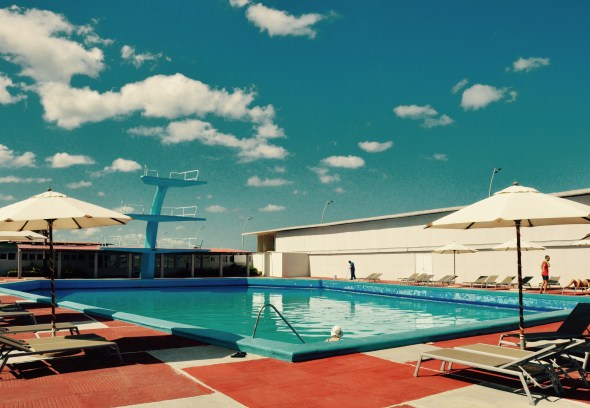
Out back the pool had a turquoise diving board that just needed a girl with an hourglass figure and a red halter neck bathing suit to complete the picture postcard shot. Instead, an elderly lady with a white swimming cap and cellulite for thighs glided at a leisurely pace through the sunlit water. Michael suggested I took a closer look at the shape of the pool which had been constructed, aptly macabre, to take the form of an open coffin.
This is a chapter of Cuba’s history that is overshadowed by Che Guevara and Castro’s revolution, but it’s no less compelling. After Batista was kicked out, Havana under Fidel’s leadership cleaned up its act. But there’s still plenty of tangible evidence to make this a fascinating tour and if you want to see a side to Havana many travellers miss, then this is most certainly it. It’s one thing reading the story, but nothing compares to standing in the same spot of some of the 20th century’s shadiest characters.
About HST
Havana Super Tour is a rarity in Havana, a privately run enterprise which specialises in subjects as diverse as Art Deco, architecture, African religion, art or Hemingway. Alternatively, work with Michael and the HST team to design a bespoke tour to suit your own interests. Your classic car leaves from Casa 1932 at Campanario 63, a couple of blocks from the Malecón in Centro. The highly recommended Mob tour costs 35 CUCs per person, minimum two people, with transportation in a vintage automobile of course. Contact HST by email at elandarincarvajal@gmail.com or visit their website at:
The views expressed in this piece are my own, though I’m grateful to HST for offering me a private tour for the price of a group outing.
Making sense of Cuba’s currency
Cuba’s idiosyncratic monetary system can be daunting for first time visitors but it’s much simpler in practice than it might first seem.
Cuban currency is a closed currency, which means it cannot be purchased outside the country and neither can they be exchanged for other currencies outside Cuba. The government runs a dual system: CUPs (pesos nacionales) for residents and CUCs (pesos convertibles) for visitors. CUC notes have “pesos convertibles” written on them. In practice, most of the time you’ll just use CUCs and prices will be referred to as pesos. In some shops, you may see dual prices displayed, but if in doubt, just ask. Be careful though not to get fobbed off with pesos instead of CUCs as they’re worth a lot less. One of the best ways to avoid being scammed is never to change money on the street. Instead use a Cadeca (exchange bureau) or bank, though you will have to queue on the street to get in. Rates in hotels tend to be lower.


Which currency should you take?
Euros and pounds are easy to change once you arrive. If you’re arriving independently into Havana’s Jose Marti airport, there are two choices. Inside the arrivals hall (but after you’ve cleared immigration and customs) you’ll find a couple of ATMs next to the information kiosk. To find an exchange bureau exit the arrivals hall and turn immediately left once you get outside. Dispense with the taxi touts with a polite “No, gracias”. You can change your currency at the official desk here and will be given a receipt.
What about US dollars?
The dollar isn’t king here like it is elsewhere in Latin America. The uncomfortable relationship between Uncle Sam and Cuba adds a 10% additional commission fee to any exchange transactions, making it very poor value. You also won’t be able to use any credit card issued by an American bank, though MasterCard and Visa issued outside the US are OK. If you’re unsure whether this affects you, check with your issuer before you leave home.

Can you rely on credit cards?
In short, no. It’s wise to keep a store of cash on you just in case you struggle to find an ATM. Few places accept credit cards – this is a cash based economy. If you haven’t prepaid your accommodation, you might find that you can’t pay by card, so double check well before you’re due to check out to avoid any problems. However, if you’ve made an internet booking, you’ll have been able to pay by credit card in advance. Independent travellers should carry proof of this paid reservation as the internet can be unreliable in Cuba – your accommodation provider may not have access to emails or booking systems when you arrive.
Have you seen my blog about using the internet in Cuba?
https://juliamhammond.wordpress.com/2018/02/08/cuba-internet-101
Cuba: Internet 101
When I made my first visit to Cuba fifteen years ago, outside Havana I was pretty much incommunicado. My phone didn’t get a signal and internet was non-existent. Travelling as a solo female, it felt pretty isolating. Fortunately, in the intervening period, things have changed. Telephone service is via Cubacel and there is one internet service provider in Cuba – Etecsa.
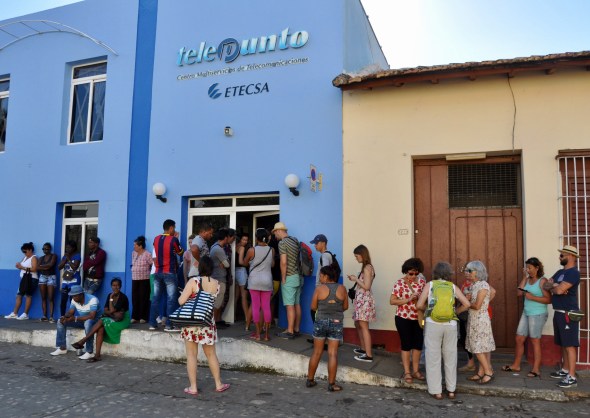
Etecsa’s often as creaky as an octogenarian’s arthritic knees but that’s all you’ve got. While some hotels will offer WiFi, you’ll still need to log into Etecsa as well to get connected. To do so, first you’ll need a scratch card or “tarjeta” which is issued by Etecsa outlets. You’ll usually find there’s a crowd at the door, with a bouncer strictly controlling who gets to enter and join the smaller queue inside. Be polite and keep your cool unless you want to be sent to the back of the line.

Cards cost 1 CUC, about 70p at current exchange rates. They have a number on the back and a scratch off panel which will reveal a password. Though you can sit in the Etecsa internet lounge, in practice that’s dearer and you should expect to join most people on the street. If you spot a crowd of people sitting on the pavement in a huddle, chances are you’ve just found the Etecsa WiFi hotspot.
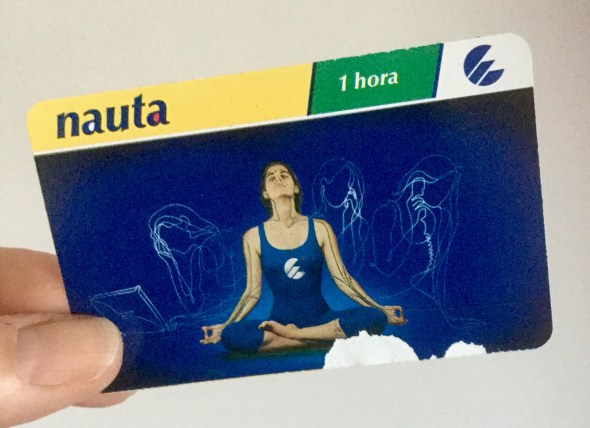
Enable your WiFi and select Etecsa. You may have to be patient to get it to connect if it’s busy. When you succeed, a screen will pop up automatically. Enter the card number and the passcode that you’ve scratched to reveal. If you’ve connected, a new screen will show the amount of time you have remaining for that card. They last one hour and you can log in and out to use it on several occasions.

Social media junkies will be relieved to know that Facebook, Twitter and the like are all permitted in Cuba, unlike the situation in some other one-party states. So long as you have a strong enough internet connection you’ll be able to bombard your friends with images and tales regaling your Cuban exploits. In practice my ability to do so varied considerably. Sometimes I had an excellent upload speed, other times I could barely get it to connect. But honestly, that’s probably a good thing – time we thought more carefully about wasting precious holiday time staring at a screen.
Have you seen my blog about Cuba’s dual currency?
https://juliamhammond.wordpress.com/2018/02/08/making-sense-of-cubas-currency/
How the cost of attractions compares
I shared a video from BBC Wiltshire this week on my Facebook page. It reported that the cost of visiting Stonehenge is set to increase this April. Individual adult admission will rise from £16.50 to £19.50 while the cost of a family ticket will go up from £42.90 to over £50. Is it worth it, I asked, and the answer was almost universally no. So how does the cost of visiting Stonehenge compare with other world famous attractions?
The Pyramids
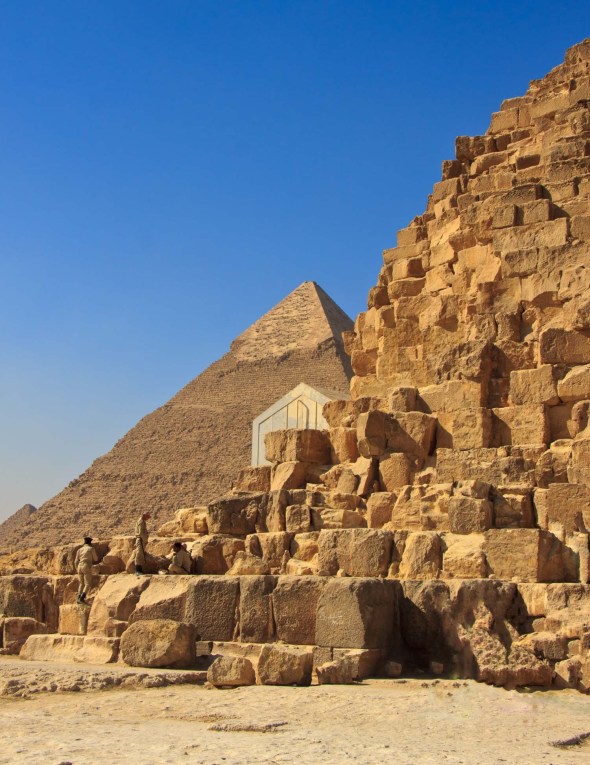
General entrance to the Pyramids complex costs just 120 Egyptian pounds (under £5) but that doesn’t permit you to go inside the pyramids themselves. To get into the Great Pyramid it will cost a further 300 Egyptian pounds – if you’re lucky enough to get one of the 150 permits available each morning or afternoon. Entrance to the smaller pyramids is rotated so only one is open per day; it costs 60 Egyptian pounds on top of the general admission to go in.
Machu Picchu
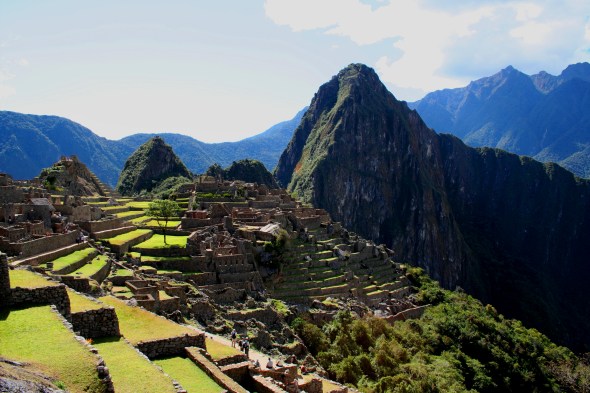
Entrance to Machu Picchu is being more tightly regulated by the Peruvian authorities in an attempt to manage visitor numbers. Tickets are timed and cost a foreigner 152 soles, about £33.80. Peruvians can enter for 64 soles (£14.20), as can nationals of the Comunidad Andina – Bolivia, Ecuador and Colombia. You’ll need to pay extra if you’re aiming to climb Huayna Picchu. Even with the limits now imposed, it’s still a must-see while you’re in Peru.
Petra

Tickets cost 50 Jordanian dinars for a one day ticket, though subsequent days are significantly cheaper. Two days will cost you 55JD and three will set you back 60JD. To qualify, you have to be able to prove you are staying overnight in Jordan, or the price becomes 90 JD. £1 will get you around 1 JD, so a visit to Petra makes Stonehenge look cheap. It’s better value, however, as there’s so much more to see, from the iconic Treasury to lesser known sites.
Angkor Wat

Before you fork out for Cambodia’s premier attraction, you’ll need to decide how many days you’ll need to explore the vast Angkor archaeological complex. Passes are sold in one day ($37/$26.40), three day ($62/£44.30) and seven day ($72/£51.50) blocks that have to be used on consecutive days. You’ll also have to have your photo taken but this is free. Three days is about right to see the main sights.
Empire State Building
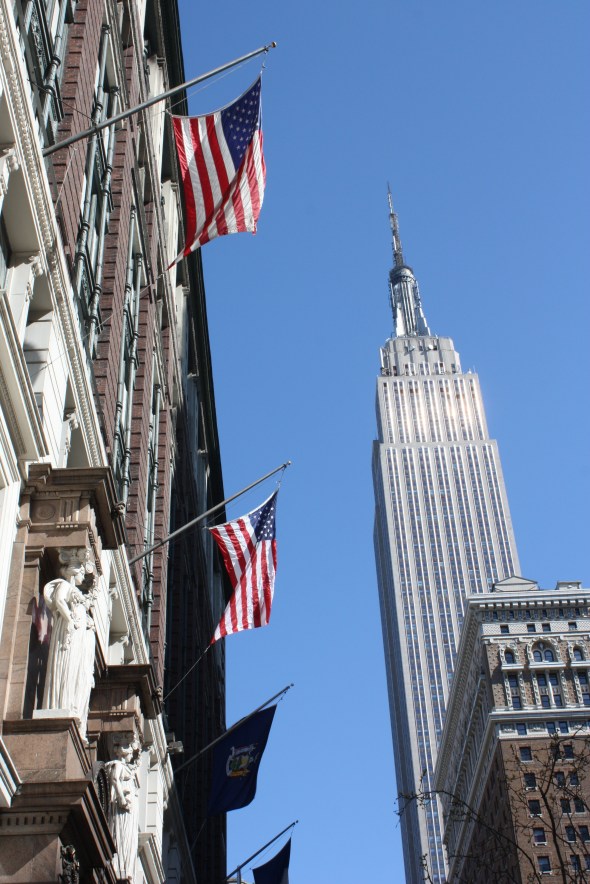
The Empire State Building
Most visitors to the Empire State Building are content with an ascent to the 86th floor viewing platform. Adult tickets for this currently cost $37 (£26.40). To combine the 86th floor with the top deck on the 102nd floor, the price rises to $57. Seeing the sunrise will set you back $100 though you’ll need to snag one of only 100 tickets. A combo ticket for day and night (reentry after 9pm) is $53, so time your visit for sunset to avoid this surcharge.
Taj Mahal

Getting into India’s most famous visitor attraction, the Taj Mahal, will set back foreign visitors 1000 rupees, the equivalent to about £11.20. Costs are approximately halved for citizens of SAARC countries (Bangladesh, Nepal, Bhutan, Sri Lanka, Pakistan, Maldives and Afghanistan) and BIMSTEC Countries (Bangladesh, Nepal, Bhutan, Sri Lanka, Thailand and Myanmar), while domestic visitors pay 40 rupees (about 45 pence).
Eiffel Tower

The cost of reaching the top floor of the Eiffel Tower varies according to your energy levels. Take the elevator and it will set you back 25 euros (about £22). You can save 6 euros off this cost if you are prepared to climb the stairs instead. Satisfying yourself with a partial ascent is another way to keep your costs down – 16 euros and 10 euros for lift or steps respectively gets you to the second floor.
Have you visited any of these attractions? Were they worth the price of the entrance fee?
A beginner’s guide to Marrakesh
Its nicknames include the Red City and Daughter of the Desert, but the origin of the name Marrakesh is thought to come from the pairing of two Berber words, mur and akush, which mean Land of God. You’ll see it written as Marrakech, also, as this is the French spelling. This beguiling city is an easy weekend destination from the UK and captivates the visitor with its exotic easygoing charm. Here’s what you need to know if Morocco’s famously intriguing destination is calling.
Getting there
Many UK travellers head to Marrakesh on a direct flight with easyJet or Ryanair. Fares can easily be found for as little as £50. Don’t be concerned about travelling in the British winter as temperatures in the city are relatively mild – perfect sightseeing weather – though the nearby Atlas Mountains will have snow. During my October 2022 visit temperatures hit around 36°C. Scheduled operators include British Airways and the Moroccan flag carrier Royal Air Maroc. Flight time from London is about three and a half hours.
Arriving overland can be an adventure in itself – in a good way. The first time I visited (back in 1997) I caught a ferry from Algeciras in Spain and took the train to Marrakesh. I had a stop in Fès on the way down and in Rabat to break the journey in the opposite direction. I caught a train from Tangier Ville station and 9 or so hours later arrived in Marrakesh with a change in Sidi Kacem. Alternatively, there was a sleeper train overnight which takes about 10 hours. Things have moved on: the high speed Al Boraq train has slashed journey times between Tangier and Casablanca and there are plans to extend the network. If you opt to travel via Casablanca, you can reach Marrakech from Tangier in not much more than five hours.

Getting around
From the airport, most people jump in a taxi or arranging to be met by your hotel. If you opt for the former, check the rates on the board outside arrivals as a general guide and then agree a price with the driver through the front window. Only get in when you are happy with how much he’s charging. If you haven’t much luggage, bus #19 travels between the airport and the Djemaa el Fna and loops back through the Ville Nouvelle (including a stop at the train station). It costs 50 dirhams and if you return within two weeks, the journey back to the airport is free.
For the purpose of sightseeing, the city can be split into two: the old city or Medina and the Ville Nouvelle, also called Guéliz or the French Quarter. Pretty much the only way to get around the Medina’s souks is on foot, where you’ll need to watch out for men racing donkeys laden with hides, straw and other goods through the narrow passageways. Within the rest of the old town, mostly it’s compact enough to walk. To get to the Ville Nouvelle, the easiest way is to flag down a taxi, but there are buses which depart from the Djemaa el Fna and the Koutoubia minaret – easy to spot. Another useful bus route to know is the #12 which you can use to get to the Jardin Majorelle (Ben Tbib stop). Tickets cost 4 dirhams. Check out Alsa’s website for more information.
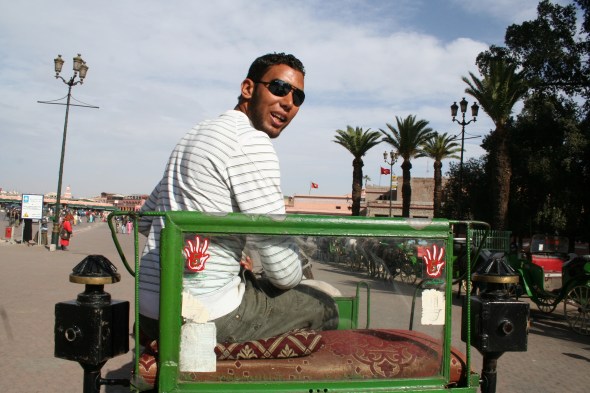
Calèche rides (horse-drawn carriages) are a common sight in the city but you’ll need to bargain with the drivers to take a tour. Check that the horse looks fit and healthy and then begin negotiations. Make sure you’re clear on whether that price is for everyone or per person as it’s common for there to be some “confusion” when it comes to the time to pay. It’s a lovely way to see the city, particularly the ramparts and Ville Nouvelle.

Where to stay
The first time I visited Marrakesh, I stayed at the railway station hotel, now an Ibis. It was convenient, but lacked soul. The second time, I decided I wanted to stay in one of the courtyard mansions known as riads and opted for one deep in the souk. It had character in spades, but trying to find it without a ball of string in the labyrinthine alleyways was a nightmare. More than once I had to call the hotel for them to talk me in which was funny at first and then enormously embarrassing. I had more success during 2022’s visit, where I used Google maps and then paid a local 20 dirhams to guide me for the last labyrinthine stretch to the riad’s door. Riad Le J was good value for money at around £70 per night for a double room with the most fabulous painted wooden ceiling.
Perhaps this is the ideal compromise: I found a characterful riad which was a twenty minute stroll from the Djemaa el Fna yet on an easy to find road near the El Badi Palace and Saadian tombs. Riad Dar Karma was delightful, cosy, chic and quiet – a cocoon from the hustle and bustle of central Marrakesh. It also has its own hamman. When I got sick (do not eat salad in Marrakesh no matter how well travelled you are), they brought me chicken soup. I’d have stayed there during my 2022 trip had they had availability.


What to see
The souks
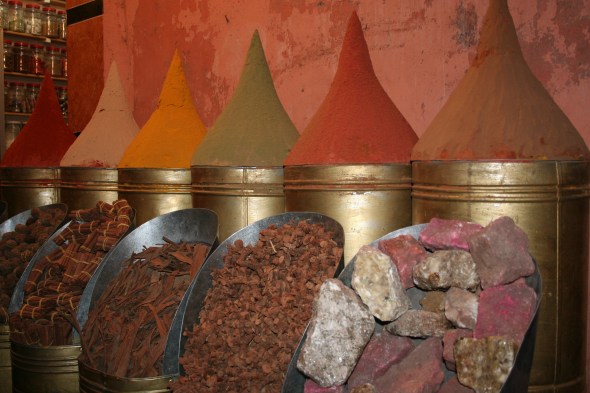
Plunge in and explore the souks right away. Getting lost in the smells, sounds and sights of narrow winding alleys lined with tiny shops piled high with anything from spices to scarves is the quintessential Marrakesh experience. Don’t try to follow a map. You’ll get lost regardless, so embrace this lack of control and immerse yourself. When you’re ready to leave, if you’ve lost your bearings, as is likely, just ask someone to point you in the right direction – or the nearest bab (gate). Try not to miss the dyers’ souk with vibrant skeins of wool hanging from the walls and of course the tanneries on Rue de Bab Debbagh, which you’ll smell long before you see.
Haggling is a must if you wish to purchase anything. It’s best to make a return visit to the souk when you’re ready to buy; shopping later in the trip, you’ll have a better idea of what things should cost and know what your target should be. The general principles are that if you make an offer, it’s the honourable thing to pay up if it is accepted, and a final price of 30-40% is usually good going. Remember, the vendor will need those extra few dirhams more than you so don’t haggle too fiercely. Read my tips on how to haggle successfully:
https://juliamhammond.wordpress.com/2015/08/09/five-steps-to-becoming-an-expert-haggler/

Djemaa el Fna
Though its name loosely translates as the Assembly of the Dead, there is nowhere in Marrakesh that comes alive like its main square, the Djemaa el Fna. It’s busy by day but really comes into its own at night when it transforms into a night market with row upon row of delicious street food. You’ll see water sellers posing for photos, snake charmers, acrobats from the Sahara – even street dentists who’ll pull out a molar there and then for a fee. If it’s your first time out of Europe it’s a veritable assault on the senses but one that you won’t forget. Note though that if you reach for your camera, they’ll expect payment.


Koutoubia Mosque
The minaret of the Koutoubia Mosque looms large behind the Djemaa el Fna and is worthy of closer inspection. So the story goes, when it was constructed, the alignment was wrong and it was knocked down so the builders could start again. What you see dates from the 12th century and got its name from the booksellers who once congregated around its base.

El Badi Palace
This ruined palace is a good one to explore and lies within walking distance of the Djemaa el Fna. Its name means Palace of the Incomparable and there’s certainly nothing like it in the city. It was built in the 16th century by Sultan Ahmed al-Mansur Dhahbi to celebrate a victory over the Portuguese. It’s possible to walk within its walls and courtyard. You’ll frequently see storks nesting there.

Jardin Majorelle
Yves St Laurent gifted this garden to the city of Marrakesh after lovingly restoring it to its original beauty. It was designed and created by the French painter Jacques Majorelle; begun in 1924, it was a labour of love and a lifetime’s passion. The vibrant blues and bold yellows of its walls and pots set off the mature planting to form a breathtaking space that will delight, whether you’re a keen gardener or not. Be prepared though: it’s a busy place with around 700000 visitors a year so you’re unlikely to have it to yourself.

Out of town
Captivating though Marrakesh assuredly is, it’s well worth heading out of town if you can. On the edge of the city you’ll find the Palmeraie, a good place to ride a camel while shaded by around 150000 palm trees. The Menara Gardens are located close to the airport. They were laid out in the 12th century and from them you have a tantalising glimpse of the mountains beyond. A bit further away from Marrakesh and you can visit waterfalls and visit Berber villages and markets. The surf at Essaouira is a two-hour bus ride away and a visit to the Atlas Mountains is another favourite. Your hotel or riad can fix you up with an organised tour or a driver/guide.
I took an excursion to Ouarzazate, stopping off along the way at Ait Ben Haddou, a UNESCO-listed, ruined fortified village which has been the setting for many a film, including The Mummy and Gladiator. At the Atlas Film Studios, just outside Ouarzazate, you can have a lot of fun re-enacting scenes from those movies and more amidst the sets and props which remain.


A final word of advice
Scamming of unsuspecting tourists is a sport in Morocco and although the level of hassle is considerably less than in other cities, it’s wise to be on your guard. A few key pointers:
Never use a taxi or ride in a calèche without agreeing the price first, the same holds for any services you use e.g. henna tattoos, photos of water sellers and so on
Carry small change to avoid prices being rounded up
Make sure you ask to see your guide’s licence as it is illegal to work without one
Nothing is ever free, even if your new friend says it is
And a scam I’ve never experienced, but is reputedly common: you visit a restuarant and are given a menu with temptingly cheap prices. When the bill comes, the prices are higher; if queried, a new menu is presented with the more expensive prices clearly shown. It’s an easy one to prevent: take a photo on your phone of the original menu prices and call their bluff if necessary.
Updated October 2022
A year of travels: looking back on 2017
2018 is almost here and it’s time to look back at the trips made in 2017. I’ve been fortunate once again to have the opportunity to make lasting memories in some of the world’s most captivating destinations. Here’s a round up of my favourite trips from the past year as well as a teaser for what’s to come in 2018.
Puerto Rico
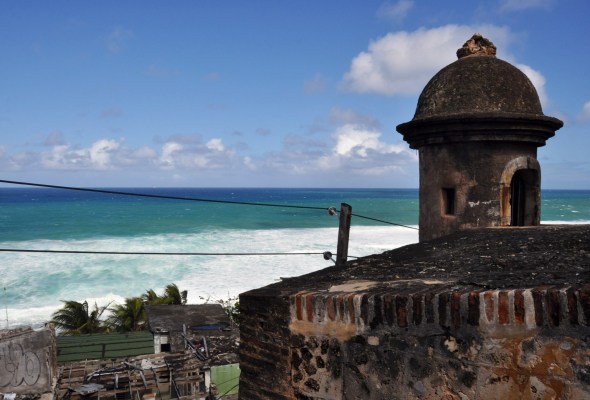
The first trip of the year took me to Puerto Rico, which by autumn would be left reeling from the devastation wrought by Hurricane Maria in September. The beauty of this Caribbean island and how diverse it was blew me away. From the historic cobbled streets of Old San Juan to the dramatic views from its mountains via rainforests, windswept beaches and an enormous telescope, this island fast became one of my favourite in the Caribbean. I love a sandy beach as much as the next person, but it gets boring after a while and it’s good to know there’s a suckling pig roasting for when you’re ready for a feed.
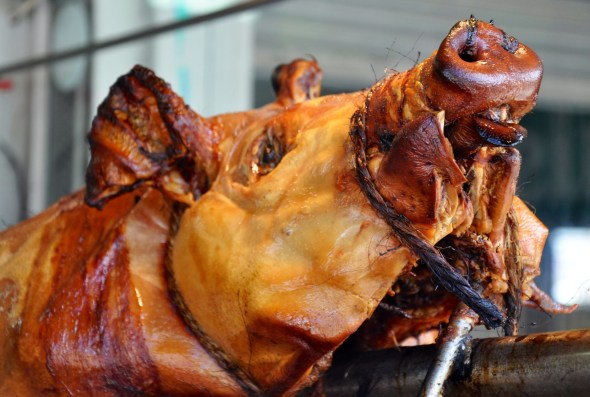
Puerto Rico is slowly getting back on its feet again. There are several posts on this blog which showcase the island’s attractions, but for an insight into recent months, this New York magazine article recounts just how tough it has been:
http://nymag.com/daily/intelligencer/2017/12/hurricane-maria-man-made-disaster.html
Scotland
In February I flew up to Glasgow to visit friends. They recommended a drive over to Falkirk to see the Kelpies. It’s well worth the effort if you’re planning a trip to Scotland in 2018. The sculptures are as magnificent up close as they are imposing from a distance. Despite the inclement weather, I found the story behind the project fascinating and I was lucky to get a guide who was so enthusiastic about his topic.
https://juliamhammond.wordpress.com/2017/02/24/the-kelpies/

Uruguay and Argentina
In March I returned to Uruguay and Argentina after a ten year gap spent largely salivating over thoughts of the $4 fillet steak I’d eaten in El Calafate – I’m sure we have all had those holiday meals that we remember forever. But sometimes these memories are not to be repeated. I had the most amazing crab dinner in St Lucia years ago but the restaurant has closed down. And what about Argentina? In the intervening years, costs had risen, particularly in Buenos Aires. Salta obliged with a decent steak, but at a price. Fortunately, there, in the form of the haunting face of the Lightning Girl was something to compensate – though it was a chilling insight into the past.
https://juliamhammond.wordpress.com/2017/03/20/saltas-lightning-girl

I enjoyed seeing more of my favourite continent. A challenging but rewarding stay on a working ranch in Uruguay tested my riding ability to the limit, with excursions to the Fiesta de la Patria Gaucha providing a welcome injection of fun. If you’re nervous about trying out a working ranch rather than the more typical dude ranch, don’t be, but read this first:
Bolivia
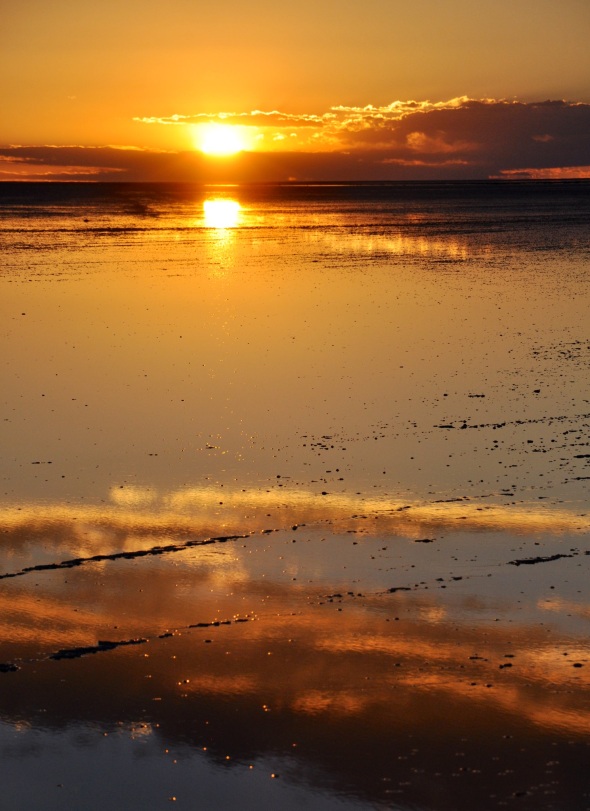
After visiting so many countries, it might come as a surprise to learn I still have a bucket list and for many years, a trip to the salt flats at Uyuni has been top of the list. Crossing overland from Argentina, I timed my visit for the end of rainy season as I’d heard the sight of a flooded salt lake wouldn’t disappoint. It was phenomenal, and spending the night in a salt hotel was an unusual if slightly uncomfortable experience. See how Uyuni stacked up when compared to the salt flats of northern Argentina here:
https://juliamhammond.wordpress.com/2017/04/03/salt-flat-tours-argentina-vs-bolivia/
Ibiza
When a friend asked could I try out some of his company’s Sunwise UVA clothing, I jumped at the chance and picked Ibiza as my destination. I product tested a floaty, very feminine kaftan which protected me well from the sun but also was versatile enough for me not to look out of place on the beach and at a city cafe. I’m more of a T-shirt and trousers kind of girl but it wasn’t too frou-frou to be wearable. Ibiza was surprising too – much more to it than beach clubs and foam parties.


If you burn easily or are keen to protect your skin from sun damage, then I’d recommend you check out Sunwise UVA’s website. The link’s in my blog post.
https://juliamhammond.wordpress.com/2017/05/10/product-test-sunwise-uva-clothing/
PS I’m not on commission.
Texas
Next up was a return visit to the USA, but one with a difference, as I explored Texas with Traveleyes, a specialist company which focuses on trips for the visually impaired. Putting my travel plans into the hands of a company definitely took me out of my comfort zone. Nevertheless, I made some great friends on the trip and especially enjoyed San Antonio. After a dull art museum (what was it Elton John was supposed to have said? I don’t like going to museums because I can’t buy it…) I skipped off with my VI, a charmer nicknamed Smithie (to my Essex). We wound up at Paris Hatters, one of the city’s oldest stores, and bought him a cowboy hat. Elton John would have approved.

As a sighted guide, the experience was a reminder of just how much we take for granted but also made me realise how much my visually impaired companions could access – from horse riding to a lesson in the Texas Two-Step in preparation for Austin’s honky tonks, nothing was off limits. It was a thought-provoking holiday and I can see why some of the sighted guides go time and time again. Find out more about Traveleyes here:
The Caucasus

Another bucket list trip became a reality as I spent a few glorious summer weeks in the Caucasus. My focus was on Georgia and Armenia with a couple of side trips to disputed territories to add a frisson of excitement. (There’s nothing like a morning spent in police custody to make a trip feel that little bit different! Sorry for the worrying text Mum, won’t do it again.) This part of the world is a delight. My personal highlights were the scenic Svaneti region of Georgia with its charming towers and ever so slightly wild people, and a very emotional visit to the genocide memorial in Yerevan which literally moved me to tears.
Venice

I’ve made many day trips to European cities by air over the last few years, proving you can still satisfy your city break fix even if you’ve run out of holiday. This autumn I picked Venice and spent the day leisurely exploring its canals and back streets enjoying some of the city’s off the beaten track sights. I found a gondola in a book store, a heavenly bar hidden in plain sight near the Rialto Bridge and dresses that started life in a women’s prison. Off season, this is an engaging destination and far better without the crowds of summer.
https://juliamhammond.wordpress.com/2017/10/13/just-back-from-a-day-trip-to-venice/
Cape Verde
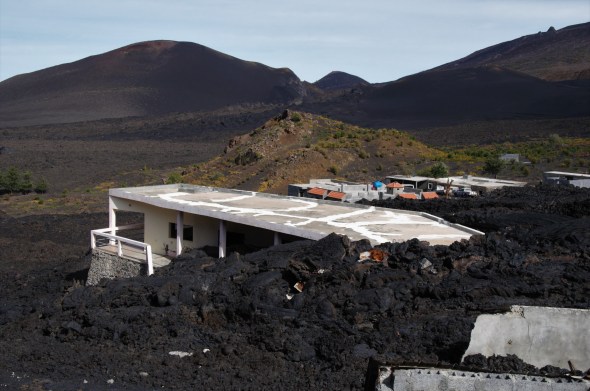
November’s a horrible month. Dark evenings signal the start of the long winter season and Christmas lights have yet to migrate from shop to front window. Grumpy Julia was in need of some sun and jetted off to Cape Verde. While Sal could have had more soul, Fogo Island with its brooding volcano didn’t disappoint. My guesthouse set me up with a guide to hike inside the caldera walls, a place known as Chã das Caldeiras. We walked between villages, the path running alongside the raw edges of the 2014-15 lava flow that engulfed the homes of over 1000 people though luckily claimed no lives.
As the guesthouse owner said, “it’s still Africa, but not as you know it”.
https://juliamhammond.wordpress.com/2017/12/19/a-beginners-guide-to-cape-verde/
Salzburg

I couldn’t let the year end without a trip to a Christmas market after enjoying those at Copenhagen and Regensburg so much last year. This year, I chose one of Austria’s most charming cities and flew to Salzburg to get my fix. Snow covered the ground, but that didn’t deter the crowds or the authorities (take note Lincoln!) A Krampus run and a train ride to see Silent Night being performed in the village where it was composed rounded off the trip. If you plan to follow suit in 2018, I’d recommend you take a look at the guide I wrote:

That rounds off my travels in 2017, a bumper year for making memories. I’ve only just started thinking about where I’ll go in 2018, but it all kicks off in Cuba this January, booked after I learned of a £140 error fare deal from Secret Flying. If you haven’t yet signed up for their updates, I’d recommend you get over to their website. I’m also booked to go to New Zealand in May, having taken advantage of Air New Zealand’s fantastic Black Friday deal. I’m currently toying with the idea of crossing the dateline and spending some time in the Cook Islands while I’m out there. Watch this space.
Wherever you’re planning for 2018, I’d love to hear about it. Happy travels!
A beginner’s guide to Cape Verde
As the northern hemisphere winter starts to bite, our thoughts turn to warmer climes. But travelling to the Caribbean can be expensive unless you can snag an error fare and the Med’s still a little too chilly. If you’re looking for winter sun on a post-Christmas budget, why not consider Cape Verde? Known locally as Cabo Verde, it’s a ten island archipelago, nine of them inhabited. With a long history and dramatic volcanic landscapes to complement its many glorious beaches, there’s an island to suit everyone.

The salt pans which gave Sal its name
Getting there
Most Brits jet off to Sal, a largely barren island blessed with a bumper crop of beaches and enough resorts to leave you spoilt for choice. The two main operators that win on price are Thomas Cook Airlines and Tui, both of which offer direct flights from the UK. Depending on which extras you consider essential, you can pick up a flight for between £200 and £400. I recently blogged about my experience with Thomas Cook Airlines. Find my review here:
https://juliamhammond.wordpress.com/2017/11/25/review-of-thomas-cook-airlines/

Thomas Cook plane at Sal airport
No scheduled carriers offering direct flights serve the UK, but you can fly with TAP via the Portuguese capital. If you’ve never been to Lisbon, it’s possible to add a stopover to your holiday. Find out what you can do in and around Lisbon here:
https://juliamhammond.wordpress.com/2014/10/20/just-back-from-a-day-trip-to-lisbon/
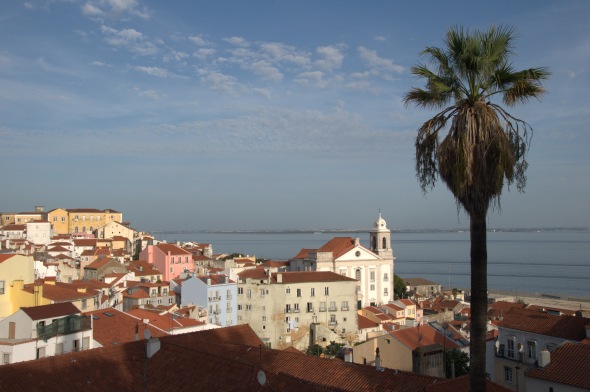
Lisbon’s Alfama district seen from the Mirador at Portas do Sol
Getting around
There’s recently been an increase in domestic flights between many of the islands, with Binter extending their reach from their Canary Islands base and Icelandair taking over the national airline TACV which could see it become more reliable. These changes have opened up island hopping for those constrained by relatively short holidays, providing a real alternative to the inter-island ferries that are available. I had a week on Cape Verde, splitting my time between the islands of Sal, Santiago and Fogo. Ideally you want to spend at least a few days on each. If I’d have been there for a second week, I’d have flown to São Vicente, home to the island’s cultural hub Mindelo and hopped over to Santo Antão for some hiking.

Binter, one of the inter-island airlines
What to see
Sal
Sal’s a package tourist hub, but with a little effort, you can venture beyond the horizons of the all-inclusives. I based myself in Santa Maria, the main resort. As time was limited – I’d really only added a night here to make sure I didn’t miss my flight – I booked an island tour through my bed and breakfast, the centrally located but basic Pensão Les Alizés. Costing just 25 euros for the day’s excursion plus a couple of entrance fees, it was a good way of covering some of the main sights on Sal without resorting to expensive taxis. You’ll notice the currency stated is euros; on Sal, most places will take euros alongside the local Cape Verdean escudos. It’s also worth visiting Project Bioversity’s turtle project, located on the beach behind the Riu Palace Hotel. Read about it here:
https://juliamhammond.wordpress.com/2017/12/04/an-interesting-turtle-project-on-sal-cape-verde/
Fisherman on Sal Island

Murdeira, looking over towards Monte Leão
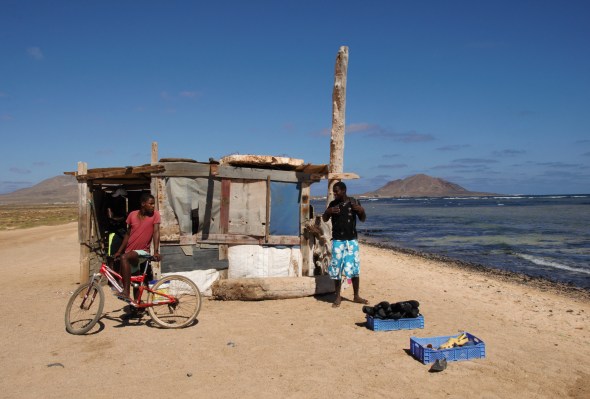
Shoe rental, Shark Bay

Salt pans at Pedra de Lume
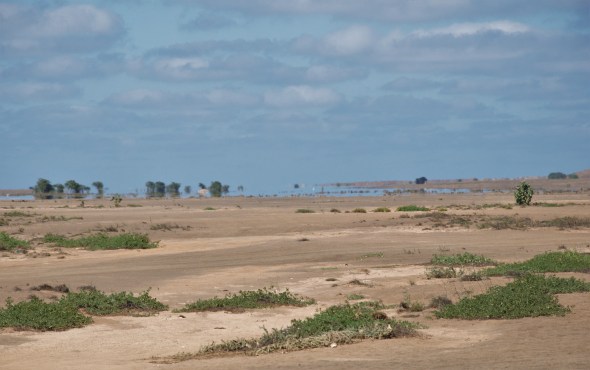
Mirage, not water

The Blue Eye
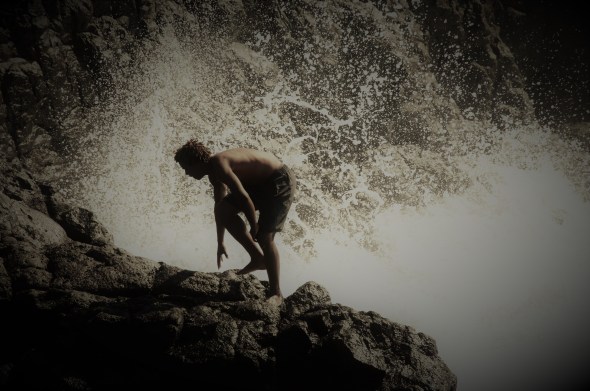
Buracona lava pools
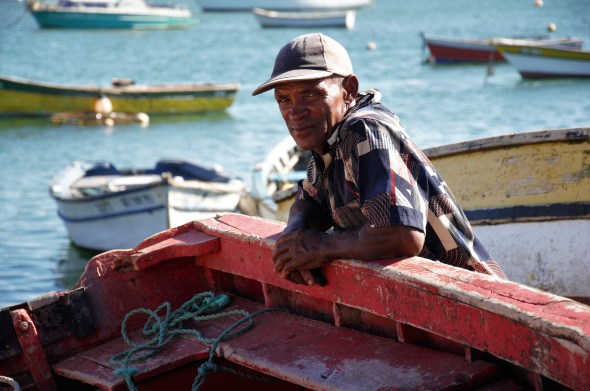
Local fisherman, Palmeira
Fogo
Fogo’s about as far removed from Sal as you can get. This tiny island is dominated by an active volcano which looms menacingly against the skyline as you approach. The island’s main town is São Filipe, whose colourful colonial sobrado mansions straggle down the rocky coastline towards the shore. The pace of life is slow, and tourists are relatively few in number. I’d recommend a stay at the Colonial Guest House, a restored 19th century sobrado house with a pool and restaurant within walking distance of the Bila Baxo’s historic attractions. It’s possible to climb the volcano, whose last eruption ended in February 2015, though I settled for an easier guided walk inside the walls of the caldera, along the Chã das Caldeiras. Book well ahead through your guest house to secure an English-speaking guide, as they are few and far between.
Bila Baxo
Sobrado mansion awaiting renovations
Bringing in the firewood, São Filipe
Parque Natural do Fogo
Homes and businesses buried in the 2014-15 lave flows, Portela

Road to nowhere, Chã das Caldeiras
Santiago
Home to the nation’s capital Praia, Santiago is an interesting destination for visitors. I based myself in Praia and, like most of its residents, headed out to nearby Cidade Velha on a warm November Sunday. Once known as Ribeira Grande, it was the country’s capital and focus for 15th century settlers. There’s a pillory post, left as a reminder to the island’s slave trading history, and a short stroll away you’ll encounter the oldest colonial church in the Tropics, Nossa Senhora do Rosário church. It’s also worth venturing into the island’s mountainous interior as the scenery is spectacular. The local minibuses, known as alaguers, are cheap. Try to get a front seat spot for the best views.

Rua de Banana, Cidade Velha

Nossa Senhora do Rosário church
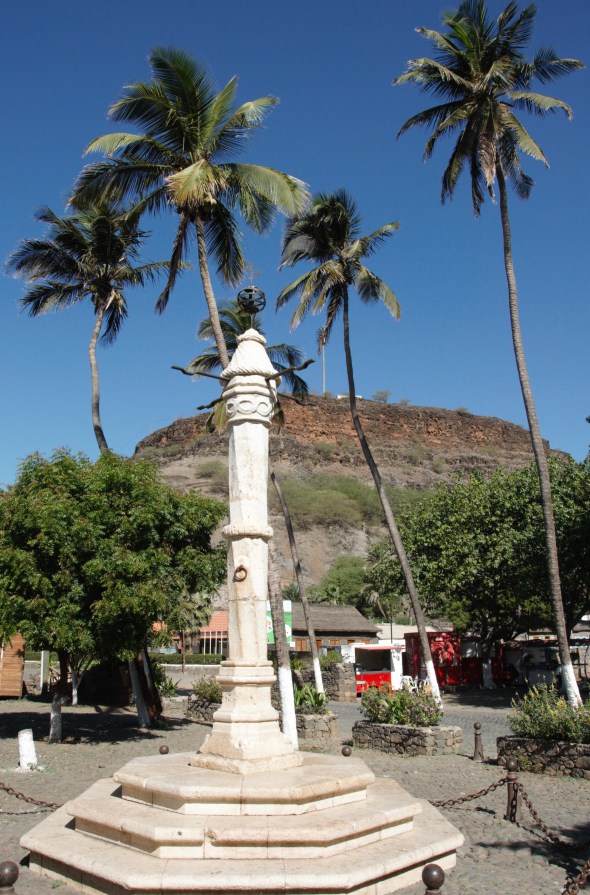
Pillory post, Cidade Velha

Football on the beach

Sunrise over Praia
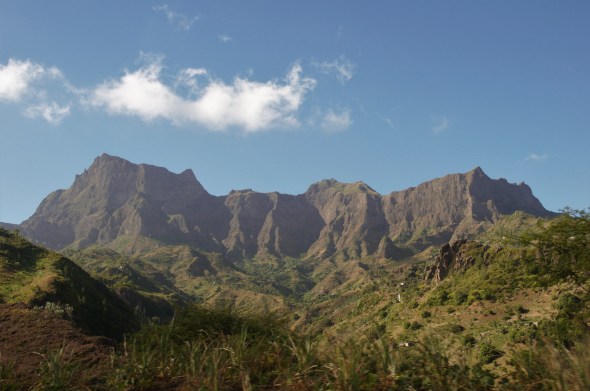
The road to Assomada
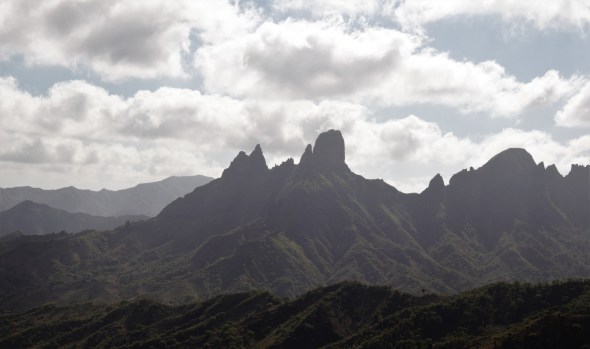
Dramatic peaks of Santiago’s mountainous interior
Tips for travellers
The diverse landscapes and captivating history make Cape Verde a rewarding destination. The variety of activities on offer make island-hopping a very attractive proposition, and with online booking, simple to arrange without the need for a package. That said, it is Africa, and travellers need to be prepared for things to occasionally run less smoothly than they’d like.
Transport can be a bit hit and miss, but the friendly Cape Verdeans will help if you find yourself stranded. Alaguers, or minibuses, run on set routes but if you flag down an empty one you’ll be asked if you want it “colectivo” or not – it’s cheaper to share but you’ll spend time waiting for passengers if they’re not full.
Weatherwise, it’s significantly warmer than the more northerly Canary Islands. During my mid-November trip, temperatures were pushing 30ºC. However, be prepared for the wind to pick up – if you’re looking for a fly and flop holiday, make sure your accommodation has a decent pool as you’ll often find the sea’s off limits due to dangerously strong tides.
Tips for getting the best out of Salzburg’s Christmas markets
If you’re looking for an alternative to Germany’s excellent Christmas markets, then why not head over the border to Austria? Salzburg is one of Europe’s most elegant cities, and during the run up to Christmas, it’s bedecked with festive lights and crammed full of stalls. I spent the weekend exploring its Christmas markets and experienced Advent Austrian-style. Here are my tips for getting the best out of a pre-Christmas trip.

Make the most of public transport with a day pass
An extensive network of buses and trolley buses makes getting around easy. Day passes are available, as is the more expensive Salzburg Card which includes free admission to visitor attractions as well as free transport. It does cost 24 euros for the day, however, so you need to be sure you’re going to get your money’s worth for the extra 20 euros you’ll be spending per person. If you’re going to be spending a lot of time at the markets it’s unlikely the Salzburg Card will represent good value for money.

But if you buy regular, transport-only day passes from a machine they cost just 4 euros a day, compared to 5,70 euros if you purchase them from the driver of the bus. If you’re arriving in Salzburg by train or plane, you’ll find these machines in the main bus station or at the airport. They are valid for a complete 24 hour period rather than by calendar days, so you’ll most likely be able to use them the following morning too – good to know if you’re going to be starting your day somewhere there’s no machine. Print off or download maps before you go to make sense of the network; there’s also an app featuring timetables and mobile ticketing.

Download from:
https://salzburg-verkehr.at/service/downloads/
There’s an English option available, but if not these are the maps you’ll find most useful:
City: Liniennetzplan Stadt Salzburg Region: SVV Zonenplan

Wrap up warm
You might not get a dumping of snow as I did, but if you’re visiting Salzburg in December, it is likely to be very cold. Temperatures during my visit hovered just below freezing, but if like me you’re tempted out onto the Wolfgangsee, the wind that blows across the lake is a chill one. Pack accordingly, and layer up with hat, scarf, gloves and thermal underlayers. If all else fails, drink gluhwein!
Plan your market trips
As you might expect, there’s more than just one market in the city, as well as some delightful markets in the surrounding towns and villages. I took a trip out to St Gilgen and Strobl on the shores of the Wolfgangsee. Strobl’s market featured livestock in the form of sheep, goats and reindeer and boat trips were possible too between the lakeshore villages. St Gilgen’s market was bigger and had a lot of character. A day pass on the #150 bus meant I could hop on and hop off all day for a fare of 17,60 euros.


In the city itself, the largest market is the Christkindlmarkt in Domplatz. As the name suggests, it’s right by the cathedral in the Old Town. It has its origins in a market that started in the 15th century, though in its present incarnation it’s been going since 1974. Just around the corner you’ll find an ice rink. The Christkindlmarkt had a huge concentration of stalls but as a result was packed; if you’re not so keen on crowds, I’d recommend visiting this one during the day.

There is also a smaller market at Mirabellplatz, which is handy if you need to kill time or grab a hot drink before your bus leaves as it’s right by the stops. This year the market up at the Hohensalzburg fortress is closed due to renovation work, but well worth checking out next year.


My favourite of all the city markets was that at Hellbrunn, a short ride away by #25 bus and included in the 4 euros day pass. Nestled in the courtyard of this attractive palace, there are plenty of artisan stalls so a lot of choice if you plan to do some gift-shopping. The inclusion of hundreds of trees festooned with red baubles and the use of the palace shutters to turn the palace into a huge Advent calendar makes this one extra special.

There is a 3 euros entrance charge at the weekend (it’s free on weekdays) but this is redeemable for a mug of Gluhwein which would have cost 3,50 euros. If you have kids with you, it’s good to know that this is the place where they have the trick fountains and although they used to be a summer-only attraction, for the last couple of years these have been opened during Advent too.

To check opening times and other details, this is the link you’ll need:
Don’t just visit the markets
Space them out and punctuate your visits with other activities. There are carol concerts and muscial recitals at many of the markets; you’ll find schedules online, though not all sites are in English. For something completely different, I caught a train out to Oberndorf bei Salzburg to visit the Silent Night chapel, a memorial chapel in the village where schoolmaster Franz Gruber and pastor Josef Mohr composed and performed the popular carol for the first time. In the company of a band of actors and local dignitaries, I participated in a themed walk that crossed the Salzach River into Laufen, Germany. there, at the Salzachhalle, watched a play which recounted the tale of the history of those twin villages as well as the story of how Silent Night came to be. I won’t pretend I understood a lot with my schoolgirl German, but the music was heavenly.


Attending a Krampus run is also good fun and it’s worth checking out where the nearest is during your visit. If you haven’t already seen the blog I wrote about Gnigl’s Krampus festivities, check out the post here where you’ll also find some useful links if you plan to go yourself:
https://juliamhammond.wordpress.com/2017/12/05/the-scary-side-of-christmas/


Done Salzburg?
If you’ve already been to Salzburg’s Christmas markets and they’ve given you a taste for more, why not try these alternatives? Last year I blogged about Copenhagen and Regensburg, both of which can be visited in a day from London:
https://juliamhammond.wordpress.com/2016/11/25/just-back-from-a-day-trip-to-regensburg/
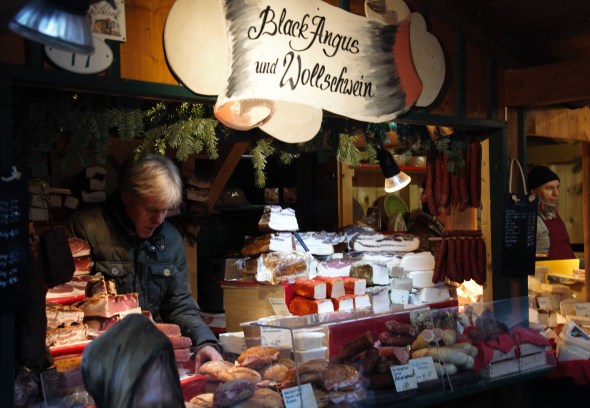
Wherever you are this Advent, have a safe and happy time!
Book review: Europe by Rail
I was thrilled when an opportunity arose to review the latest edition of Europe by Rail in exchange for a complimentary copy. This guide, now in its fifteenth incarnation, is to print what the Man in Seat 61’s website is to the internet – the definitive guide. But with so much information freely available on the internet, should you buy this book at all?
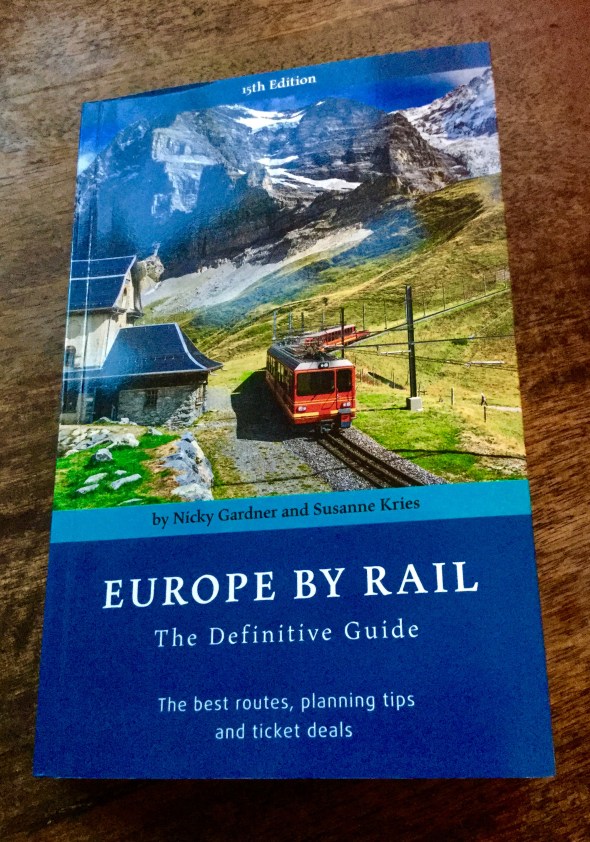
A task of epic proportions
Covering all the railways of all the European countries in a book light enough to carry onto a train is a huge undertaking. As a consequence this book acts as an overview. While it’s definitive, it doesn’t claim to be comprehensive. The guide is designed to be used together with the European Rail Timetable – or in these times of data roaming, in conjunction with the websites of national rail providers in the countries it covers. The authors, Nicky Gardner and Susanne Kries, have updated the guide once more, expanding coverage of the Baltics and the Balkans, as well as providing current information about rail travel across the continent. Schedules change frequently, and I was sad to learn that the excellent CityNightLine service which I enjoyed in 2015 ceased operations between Munich and Berlin last year.

CityNightLine
An inspiring guide
The authors wanted to take the guide in a different direction and as such, set out to inspire as well as inform. So although there are factual sections in the guide, its greatest strength is in the persuasiveness of the descriptions that comprise the bulk of its pages. Underpinning this erudite prose is a fundamental belief that train journeys are fun and, most crucial of all, to be savoured. While acknowledging the important role Europe’s high speed trains have to play, Gardner and Kries put the case for slow travel, yet never come across as preachy. If you need to zip across the continent in a hurry, then so be it, but for those with more time, there are routes to be savoured on local stopping trains, with tempting sidetracks built in as well.

Crossing the Landwasser Viaduct in Switzerland
Punctuating the narrative are frank insights into the realities of each trip: “It’s an easy run south to Barcelona. The railway enters the Catalan city through its unexciting northern suburbs and terminates in the subterranean gloom at the Estació de Sants.” Nuggets of advice are also in abundance, such as this on Italy’s fabulous Cinque Terre: “A long sequence of tunnels means that you’ll see little of the area from the train, but take time to stop and explore. Vernazza is a good base; it’s the prettiest of the villages.” Gardner and Kries have put the hours in and travelled these routes, which makes them authoritative as well as engaging.
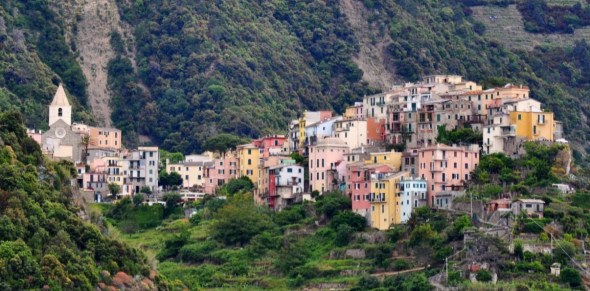
The Cinque Terre
What could be improved?
Numbers rather than names refer to each of the fifty routes covered by the guide once you get past each one’s title. Though this system takes a bit of getting used to, many of them cross international borders so it’s hard to see how they could be referred to in any other way. It doesn’t help, however, that some of the subtitles within each section, specifically those of the major cities en route, are in the same sized font, making it confusing as to whether you’ve reached the end of a route or not. It takes a bit of time to get your head around, but once you’ve got into a rhythm, you won’t be bothered by it.

Spain’s high speed AVE
Each route features a map. The presentation is simple, with a table attached that shows the journey time, frequency and cross-reference for the European Rail Timetable. While I could see that the authors were aiming for clarity, I thought it was a shame that these maps couldn’t have been illustrated to showcase some of the key attractions along the way. This would have added to the temptation to jump on a train and follow in their footsteps. I’m guessing publishing constraints required the photographs to be grouped in their own section, as is the way with most guidebooks, but it’s again a pity that these couldn’t have been integrated with the text. Instead, I wanted to skim over them, impatient to get to the routes themselves.

Sintra station’s exquisite ticket office
There’s a lot of page turning, back and forth, which breaks into reveries and brings the reader back to reality. I appreciate that logic dictates a section entitled “Before you leave” should be placed at the beginning of a guide, but perhaps the parts detailing rail passes, ticket classes and the like would have been just as at home in an appendix. These are minor criticisms, more a measure of how keen I was to get stuck in than any fault with the guide.
The verdict: would I buy this guide?
For anyone planning to embark on a rail holiday in Europe, this guide is an invaluable companion. Even if you’ve travelled extensively by rail across the continent, things change regularly and it’s an easy way to bring yourself up to date. Don’t wait until you leave to buy it. The suggestions for stopovers and detours will help with your planning and you’ll have information at your fingertips about rail passes, supplements, connections and the like. If you’re like me, it won’t help you make a decision, as there are so many tempting routes from which to choose, but it will give you hours of pleasure as you take a virtual journey on some of Europe’s most scenic tracks. Now if you’ll excuse me, I’m just going to go back to that chapter on Arctic Norway…
The scary side of Christmas
The bus is packed and tempers are fraying as those who can’t fit are left to wait on the snowy pavement. On board, spirits are high. Childish excitement is contagious. At Gnigl station in Salzburg, Austria, the bus spews its pasengers onto the street and the pace quickens as I follow the crowd up the street. A fire engine blocks the road and the scream of labouring engines marks the point where the trolley buses unhook and divert to continue their journey under their own power. Behind metal barriers, the crowd is already four or five thick. I squeeze past and make my way along the street until I find a space next to three youngsters of primary age. I take a few test shots with the camera and the little boy next to me tells me sternly to use the flash.

Soon, the parade gets underway. The Krampuslauf has a long history in Austria, its origins in pagan rituals dating from the Middle Ages. While St Nicolaus rewards good children with sweets, those who have been naughty have to face the consequences of their actions. Chains and claws set the Krampus apart from the evil Schiachperchten, who are also masked creatures with shaggy pelts and curved horns. Traditionally, the perchten weren’t seen during Advent, instead being associated with the period between the Winter solstice and Epiphany. These days the once defined lines between the two have become blurred, though no one seems to mind.


The costumes are elaborate, with no visible trace of the human inside. Hand carved wooden masks are painted in garish colours. From head to toe a suit of shaggy sheep wool, plus tail of course, tops shoes hidden behind hooves. The jarring sound of the bells on their backs marks their arrival. The children next to me fall silent, their fearful eyes widening. They’re young enough still to believe. A six foot beast runs at the barrier and clambers up, rearing over the children’s heads to great effect. Their shrieks pierce the night and they shrink back, momentarily afraid. Even as an adult, it’s a frightening moment, and I can’t help myself as I jump back too.
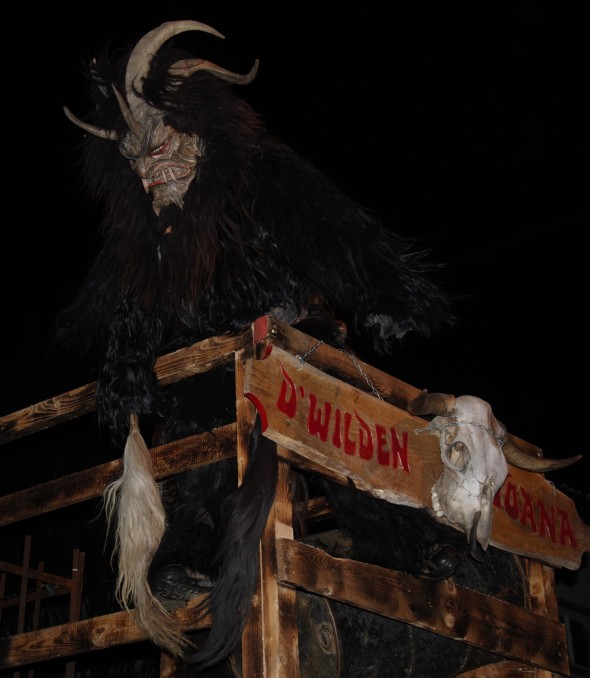
One child finds the courage to roar back at the Krampus and the monster ruffles his hair in a good-natured response. Everyone plays along, and the atmosphere is one of family fun. But there are more terrifying figures behind him. As they dart up the street, they twist this way and that. The cow bells on their backs clank heavily and they swish whips fashioned, I’m told, from a horse’s tail. I’ve heard that it’s common for them to thrash spectators’ legs and it makes me a little nervous.


From time to time, there’s an injection of humour. One group stops to perform a dance routine, though they’re as far removed from a boy band as you can get. Another pair face off as if in a boxing ring, before dropping to the floor and doing press ups. The children next to me giggle, at least until they jump to their feet. But St Nicolaus isn’t far behind and their pleading cries gain the desired result: sweets. They stuff their faces, eyes bright, their fear of Krampus forgotten.


The frigid air bites my cheeks and I wrap my scarf tighter around my face. The parade’s only about half done, but there’s a gluhwein stand within sight and it’s time to warm up.
Where to see the Krampus in or around Salzburg

5th December, is St Nicolaus Eve, the night of the Krampus run in Salzburg’s Altstadt. There are also many other parades that take place throughout the Salzburg region, from its suburbs to tiny mountain villages, as well as throughout Austria and the neighbouring German state of Bavaria. The following two links will help you plan which Krampus or Perchten parades coincide with your visit:
https://www.krampuszeit.at/veranstaltungen/salzburg/
https://www.salzburg.info/en/salzburg/advent/krampus-percht

If you plan to head to Gnigl next year, it’s an easy ride on the #4 trolley bus from Mirabellplatz in the centre of the city. Alight at Gnigl S-bahn station and follow the crowd a couple of blocks up to Turnerstrasse or Schillinghofstrasse to claim your spot.
An interesting turtle project on Sal, Cape Verde
While in Sal last month I was fortunate to be able to meet with a couple of volunteers working for Project Biodiversity. Established two years ago, it’s a non-profit organisation which works tirelessly to protect the turtle population on Sal, one of the Cape Verdean islands most afflicted with the negative impacts of mass tourism.
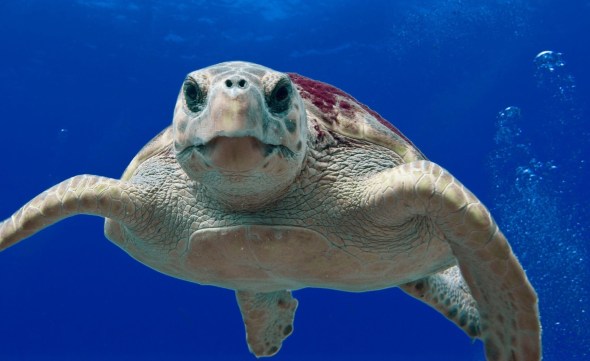
Sal has a significant number of loggerhead turtles yet the species is globally endangered. The rapid development of tourist infrastructure and large scale hotels on Sal is threatening this species alongside historic threats like poaching and pollution. A team of local rangers, field biologists and volunteers donate their time and expertise to ensuring that these creatures have the best chance of survival. They also run an education programme in local schools to ensure that children get the message about how important turtle conservation is, not just to Sal but also to the global community.
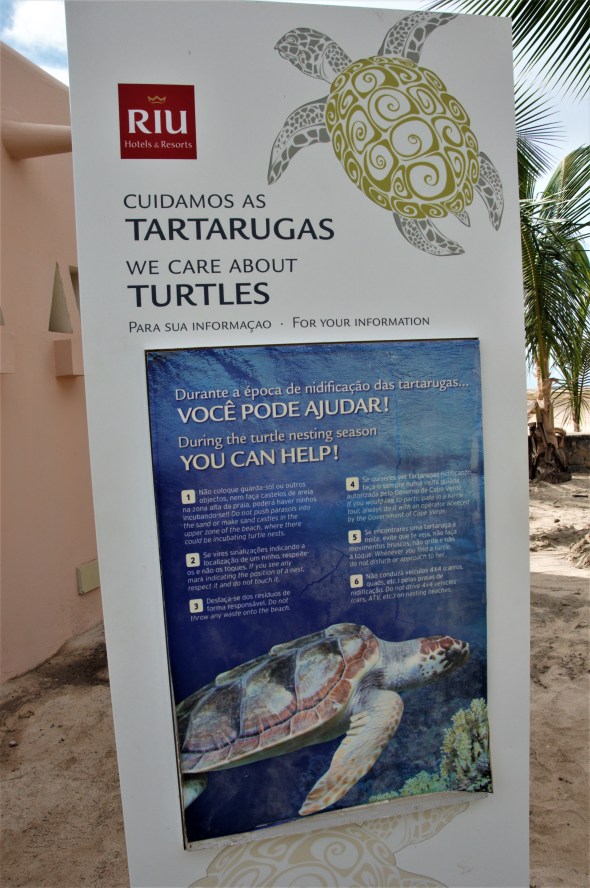
I visited the project, located at the top of the beach near the Rui Palace hotel, to find out more about the organisation’s work. During the nesting season, roughly from June to November, volunteers patrol some of the beaches on Sal Island. They’re looking for hatchlings and if these tiny creatures aren’t heading in the right direction – that’s straight for the sea – then they rescue them and take them back to their base for some TLC prior to release.
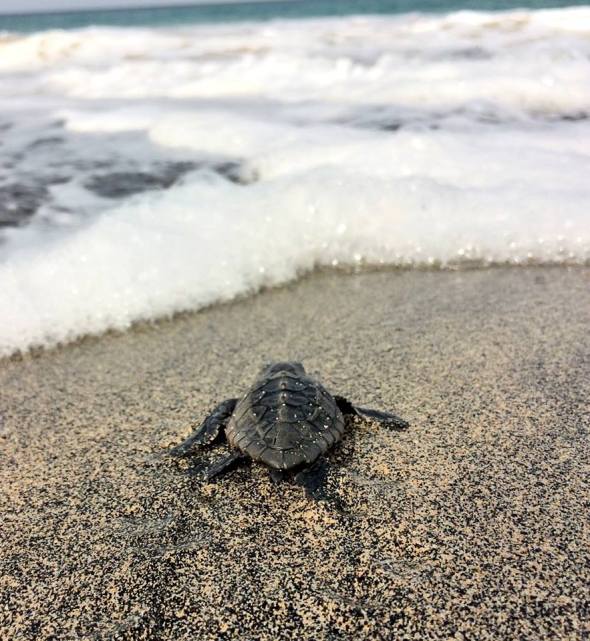
Something like 7500 nests have been monitored this year, and at the time of my visit, 984 nests had been rescued and brought to the main hatchery, with several hundred more rescued to other locations. Female turtles typically lay between fifty and a hundred eggs at a time, up to seven times a season. Incubation is between 50 to 60 days. But then, explained volunteers Cristina and Marisol, comes the heartbreaking statistic: they don’t all hatch and on average only one in a thousand hatchlings makes it to adulthood. It’s a tough life being a baby turtle!


The work that Project Biodiversity is carrying out aims to help conserve this species. Each of the hatchlings is counted, the time of birth recorded and also that of their release. The number of eggs per nest is recorded too in an attempt to monitor the health of the species. But despite the non-profit’s efforts, they estimate that many turtles were still killed this year. Volunteers go out with locals knowledgeable about the island’s beaches and also with military assistance, not because of any particular perceived threat but because their presence helps to ramp up the deterrent factor.

Yet even with the best efforts of Project Biodiversity to educate, there’s also an issue with misplaced kindness. One Riu Palace tourist I spoke to explained that he’d seen hatchlings being taken from their holding pen while the Project Biodiversity centre was unmanned and released directly into the sea. But this interferes with their ability to imprint to their natal beach. The hatchlings need to make their own way down to the sea across the sand – that way they’ll be able to find their way back to nest as adults. In addition, hands that are contaminated with sunscreen or other oily substances like handcream can also interfere with the imprinting process. Sal has one other threat to hatchlings taken right to the shore. The waves are huge!
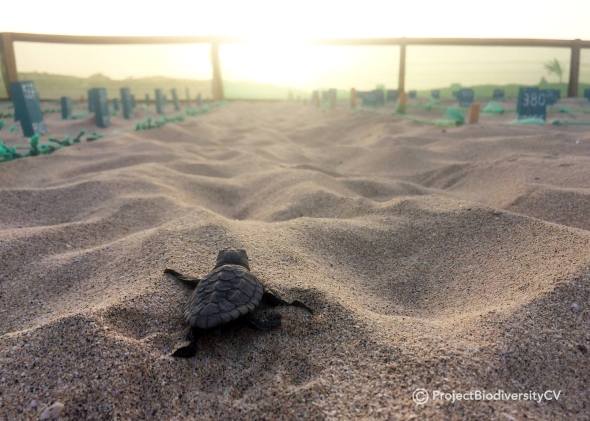
To find out more about the project, visit their website:
https://www.projectbiodiversity.org/sal-turtle-conservation
During nesting season, it’s possible to visit the project in the afternoons around 5pm. Note that if you aren’t staying at the Riu Palace, you won’t be allowed in the hotel grounds; take the path around the side of the hotel instead. You’ll be able to witness the newest hatchlings make their way to the sea and learn first-hand about Project Biodiversity’s work. If you wish, there’s also the chance to adopt a nest or make a donation to the project, but there’s no hard sell.
With thanks to Project Biodiversity for their time and also for permission to use of the images in this post.
Get to know Royal London
If you’re a lover of all things Royal, then you’ll be looking forward to next May’s Royal wedding which is set to take place at Windsor. London, a stone’s throw away, is of course a Royal favourite, but where should you visit to follow in the footsteps of the Royal family? From the obvious locations like Buckingham Palace to places with a less well-known connection to the UK’s best loved family, these excursions will tick all the boxes.
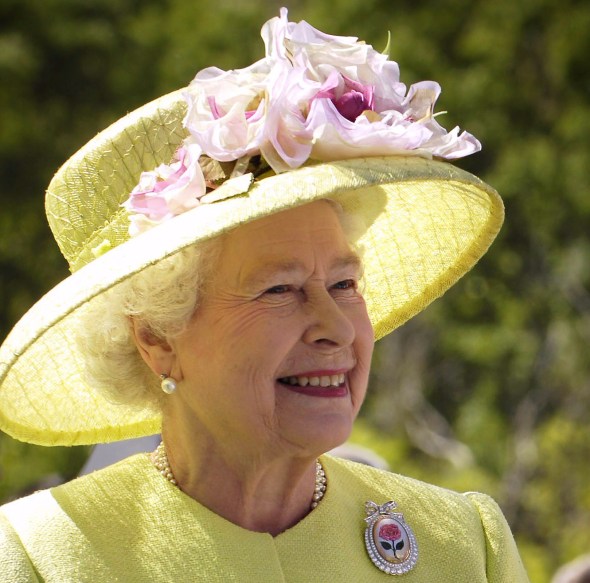
Fortnum and Mason
Along Piccadilly, you’ll see the distinctive eau de nil façade of the Queen’s grocer, Fortnum and Mason. The Queen, despite her advancing years, is a frequent entertainer, hosting heads of state and other dignitaries for lavish banquets. Her annual food bill was recently estimated at around £1.4 million. Fortnum and Mason receive a chunk of that money but there are plenty of affordable goods to be had for regular customers too. Don’t miss the food hall and pick up a picnic fit for Royalty. Time your visit to watch the clock outside chime the hour; Mr Fortnum bows to Mr Mason.
Buckingham Palace
Near to Piccadilly is Green Park, the smallest of the capital’s eight Royal Parks at just 40 acres. Its tree-lined paths and grassy meadows make for a beautiful picnic spot. Aim to reach Buckingham Palace by late morning to coincide with the Changing of the Guard ceremony; you can check the exact time at www.changing-guard.com. For the best view, try to get as close to the Palace gates as possible. If you’re visiting in August and September, then it is possible to take a guided tour inside the palace itself and that’s well worth the entry fee.

Queen’s Gallery
At Buckingham Palace, tours of the Queen’s Gallery operate year-round. Located in what was originally one of John Nash’s conservatories, the structure was destroyed during World War Two. It was rebuilt at the suggestion of the Queen and the Duke of Edinburgh to house the Royal Collection in 1962. Exhibits change, but it’s likely you’ll see works of art by an eclectic range of artists including names such as Rembrandt, Hockney, Rubens and da Vinci.
The Royal Mews
The Royal Mews is where you’ll find the Queen’s carriages and it’s found around the corner from the Queen’s Gallery on Buckingham Palace Road. Guided tours operate between April and October and are included in the price of your admission. Wardens dressed in a smart navy and red livery will show you the highlights of the collection of vehicles, including the Diamond Jubilee State Coach which is the newest addition to the fleet. Equally dazzling is the Gold State Coach which dates from the time of George III. It weighs nearly four tonnes and requires eight horses to pull it. It’s the coach that has been used to take each monarch to their coronation since the early 19th century. Animal lovers will also be pleased to learn that you’ll get to meet the horses during the tour.
The Goring Hotel
This exclusive hotel is tucked away a short walk from the Palace in Beeston Place. It describes itself as “London’s last remaining family-owned luxury hotel – a grand hotel with impeccable manners.” It’s the hotel in which Kate Middleton’s family stayed on the eve of her wedding to Prince William and this five-star establishment is sure to impress. If you have the budget, you can stay here too; room rates begin at a little over £300 per night.
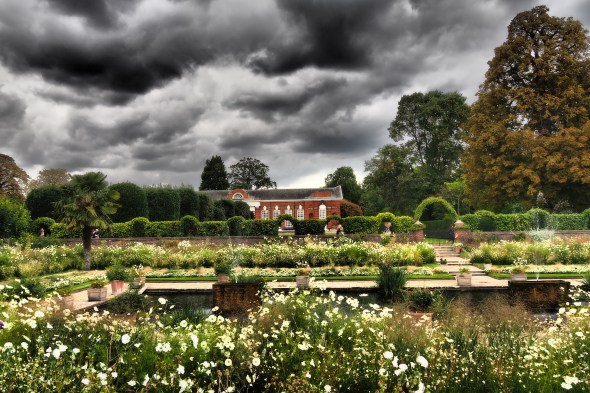
Kensington Palace
Access to Kensington Palace, former home of Diana, Princess of Wales, its gardens and exhibitions is by ticket only. Inside, you’ll be able to visit the King and Queen’s state apartments, little changed since 1690 when they were built for the then monarchs William and Mary. Temporary exhibits also feature; the “Diana: her fashion story” collection scheduled to open early in 2017 is sure to be immensely popular.
Diana Memorial Garden
Following the edge of Hyde Park, another of London’s Royal Parks, you’ll come to the Diana Memorial Garden. Its highlights include a playground, a nod to Diana’s great love of children, featuring as its centrepiece a huge pirate ship. Also, it’s here you’ll find a memorial fountain built from 545 pieces of Cornish granite. Water flows in cascades and swirls until it reaches a calm pool at the bottom, symbolising Diana’s sometimes turbulent life.
The Brown Cow, Fulham and the Cross Keys, Chelsea
My final suggestion is to down a drink at one of Prince Harry’s favourite pubs. The Brown Cow is owned by one of his friends, Mark Dyer, a former officer in the Welsh Guards. Harry was a regular when in town, before his engagement at least. It’s the place he chose to toast the birth of his nephew Prince George. You’ll find it on the Fulham Road. The Cross Keys in trendy Chelsea is another Mark Dyer establishment. Originally Chelsea’s oldest pub, Harry celebrated his 31st birthday here. You’ll find the pub just before you get to the River Thames near Chelsea Embankment. Cheers!
A visit to Bury St Edmunds Christmas Fayre
Regular readers of this blog will perhaps remember how I enjoyed a trip to the Christmas markets in Regensburg, Germany last year. If you’re looking for a German Christmas market destination, then I’d recommend this small city near to Nuremberg as the markets are compact yet very atmospheric, with one located in the grounds of the delightful Thurn und Taxis Palace. I snagged flights with Ryanair for less than a fiver, making it viable both in terms of time and cost for a day out.
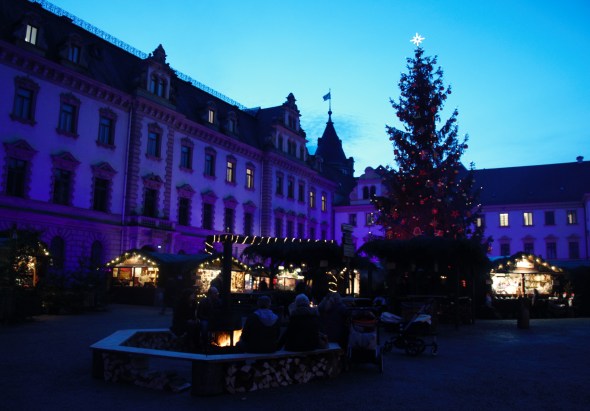
Copenhagen’s Christmas markets were also well worth the trip, with the Danish capital adding some Scandi style to the proceedings. This year, I’ll soon be spending the weekend in charming Salzburg, Austria to see how they compare. In the meantime, you can read more about Regensburg and Copenhagen’s markets here:
https://juliamhammond.wordpress.com/2016/11/25/just-back-from-a-day-trip-to-regensburg/
But what about the markets closer to home? Can the UK compete? A news feature on BBC Look East about increased security at Bury St Edmunds Christmas Fayre was not only reassuring but perhaps more importantly, brought the event onto my radar. It took about an hour and a half to drive through some of North Essex and Suffolk’s most scenic countryside to reach the town. At midday on the Friday of the Fayre, the Park & Ride was full, as were the town’s long stay car parks. I began to wonder whether I should have taken the train, though it would have involved two changes and an extra hour on the return journey. Finally, we were given permission to tuck the car into the exhibitors’ car park. Was it worth the trip?

The Fayre
With around 300 stalls spread across several locations in the town, there was plenty to hold our attention. In total, we spent around 5 hours at the Fayre, beginning in the pedestrian streets spanning Cornhill and Buttermarket. Moyse’s Hall Museum, which focuses on local and social history, is worth making the time for.
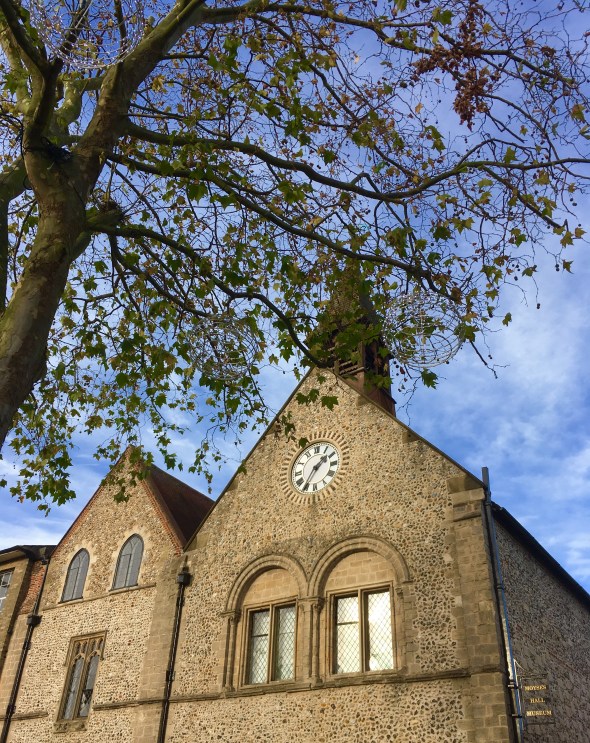
Outside the museum, we found several enticing food stalls, the best of which specialised in salami and sausage. Purchase one in the bag. Not far away, Just Our Stall, which has a permanent base in the town on St John’s Street, had a wide selection of sheepskins and farmed reindeer hides. Prices were very competitive and quality was high.
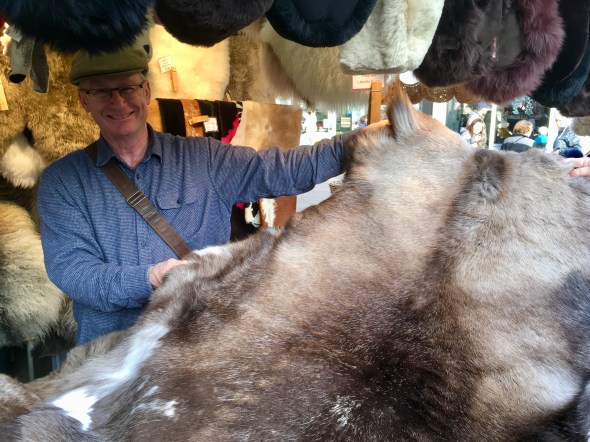
From there, a stroll down Abbeygate Street led us via shops and cafes towards the Abbey itself. Fairground rides and Santa’s Grotto would keep the kids happy. Inside, we were disappointed at first to find that there weren’t as many seasonally-themed traders as we’d imagined, though once we got to the reindeer pen, things got a lot more Christmassy. One of the two reindeer wasn’t too keen on remaining in the pen, attempting to climb out when someone produced a carrot. He was a real character.
Through the Abbey gate, the concentration of stalls selling Christmas gifts and decorations was higher, making this our favourite part of the Fayre. Stand out traders, for their sense of humour as well as their product range, included HaGA Lifestyle which enthusiastically embraced the Danish concept of hygge. Locals will be aware that their regular base in Eastgate Street has an excellent cafe, a deli and also offers dog grooming.


The Once I Was stall also brought to mind the recycling theme I’d seen in action in Copenhagen. Each of the products had previously been something else before being repurposed for use in the home. Tealight holders, chopping boards and Christmas decorations had been fashioned from drawer fronts, fence posts and sheets of plywood. Also worthy of a mention is The Crafty Foxes. Based in Queens Road, they offer craft workshops. Here at the Fayre, they had a range of gift bags for sale which made excellent stocking fillers, as well as some rather unique Christmas tree decorations.


Food stalls were in abundance and there were some tempting and very festive offerings from which to choose. In contrast to the European markets, however, there was a lack of seating nearby, which meant either standing around or walking around with food and drink. Hopefully, that’s something which St Edmundsbury Council might consider for next year.


As the sun set, the festive atmosphere ramped up a notch. There hadn’t been time to duck inside the Athenaeum for the indoor stalls or catch one of the cookery demonstrations in the Cathedral Courtyard. Walking back to the car, we reflected on what an enjoyable afternoon it had been and well worth a return visit.

Review of Thomas Cook Airlines
I’m no stranger to low cost flying, but it’s been a long time since I’ve flown with an airline which made its name catering for package tourists. So what’s it like to fly Thomas Cook Airlines?
Timing
I chose to fly to Cape Verde, and at the time of booking, I was flexible about which of its nine inhabited islands I would fly to. The only direct flights from London were with Tui (formerly Thomson) and Thomas Cook Airlines. I could have flown with scheduled airlines but it would have meant an indirect flight, such as with TAP via Lisbon. The flight times were convenient too, with an 8.05am outbound option and a 2.45pm inbound flight. Flying on a Wednesday worked for me, though to get a daily flight option I’d have needed to fly indirect. From LGW Thomas Cook Airlines fly in winter; in summer the only flights offered depart from Manchester. But with November temperatures in the late twenties, the islands are a good choice for a winter break, if a little windy.
Additional costs
Though the base fare was reasonable – and even more so now November is almost over – the airline’s pricing model worked on getting its passengers to pay for add-ons. Some of these prices were pretty steep. £10 for each sector secured you a hot meal, a suitcase was £25 each way and allocated seating cost from £13 per leg. I opted just to take a suitcase, given that the carry-on dimensions (55cm x 40cm x 20cm) and, especially, weight limits (6kg) weren’t sufficiently generous for a week-long holiday. This would be higher on the all-inclusive Economy Plus tariff but the price difference was significant, making it poor value for money. I didn’t choose the seat allocation and was randomly allocated a middle seat in each direction. A polite request with the check-in staff got this changed to an aisle seat both ways, but of course this can’t be guaranteed.
On-board service and comfort
The Sal flight operated on an Airbus 321. Legroom was 28″, 2″ less than on a Ryanair short haul flight. On this six-hour mid-haul flight, that’s cramped, and I was glad of the aisle seat to be able to get up and stretch my legs frequently without disturbing other passengers. Service on board was excellent, the cabin crew without exception polite and professional. Ground staff also conducted themselves well. Many travellers were on package holidays and thus met by a member of the Thomas Cook team, but as I had booked a flight-only option I had no interaction in this respect.
Other information
There’s an entry visa requirement for UK travellers headed to Cape Verde and this currently can be purchased for €25 on arrival. So long as Advanced Passenger Information (API) is completed via the Thomas Cook website 7 days or more in advance, this is paid for by the airline even if you are on a flight-only booking. There’s no need to queue at the visa desk on arrival, saving you time when you get there.
The verdict
Would I travel with Thomas Cook Airlines again? I was impressed by their punctuality and professionalism. However, the lack of flexibility in their schedule and the steep cost of extras means this wouldn’t be an airline I’d consider travelling with again, unless like this route, all the scheduled options were indirect flights.
Vitamin Sea
It’s not long now until my trip to Cape Verde and as an autumn chill lingers on the Essex marshes long after sun up, I’m looking forward to some warmth and sea air. To keep me going, I’ve been thinking about five of my favourite beaches and where I’ve most enjoyed getting my Vitamin Sea fix.
Anse Source d’Argent, Seychelles
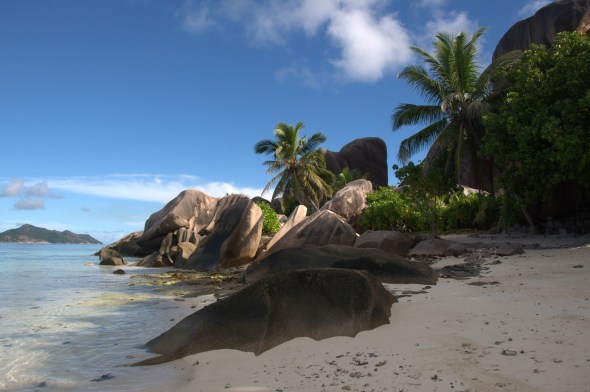
Anse Source d’Argent
I had high expectations for this glossy magazine favourite but didn’t leave disappointed. It’s one of the most beautiful beaches I’ve ever seen and a pre-dawn walk from my guesthouse meant that I had it to myself at sun up. There’s something about the size of the granite blocks that makes it feel almost prehistoric.
Pointe Sable, Haiti
Sunset at Pointe Sable
Solitude is hard to find in the Caribbean, but Haiti’s still off the beaten track and this beach at Port Salut was the prettiest I found during my travels there. It’s popular with aid workers at weekends, so time your visit for midweek to have it to yourself.
Little Hunter’s Beach, USA

Little Hunter’s Beach
I really enjoyed a few days in the coastal town of Bar Harbor, Maine, the jumping off point for Acadia National Park. Parking up on the loop road, I found serenity and beauty in this tiny cobbled beach. Most people drive right by as the beach isn’t signed.
Jökulsárlón Beach, Iceland

Jökulsárlón beach
Nicknamed the diamond beach, this spot near the outflow of the retreating Oraefajokull glacier is pockmarked with glistening icebergs that have calved and been washed out to sea. Out of season, when the crowds are thin, it’s one of the country’s most incredible sights.
Elmina Beach, Ghana
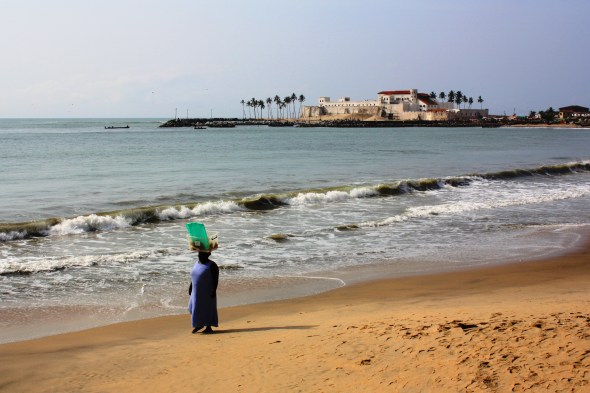
The beach at Elmina, Ghana
No matter which way you walk from the castle at Elmina, you quickly reach unspoilt, almost deserted beaches. Save for a few hawkers the fine sands and superb views are yours alone. São Jorge da Mina castle has stood on the spot for over 500 years, built by the Portuguese to use as a trade hub and later part of the Gold Coast slave trade.
I’m looking forward to finding some world class beaches in Cape Verde. If you’ve been, I’d love to hear your recommendations.
How much do we really know about the countries we visit?
Several news items this week have left me considering just how much we really know about the countries we visit. Freedom is something which we all too often take for granted here in the UK and wrongly assume the same rights and privileges exist when we travel abroad.
I remember returning from a brief trip to Syria in 2010 and extolling the country’s virtues. I’d walked down the streets of Old Damascus at two in the morning, I said, and felt safer than I did at home. Yet a few short months later, the conflict kicked off that has since destroyed this once peaceful nation and truths about how such security was achieved made for unpalatable reading. It was a wake-up call for me as a traveller. I’d always felt like I was well prepared. Now I realise that I didn’t know the half of it. And still don’t.
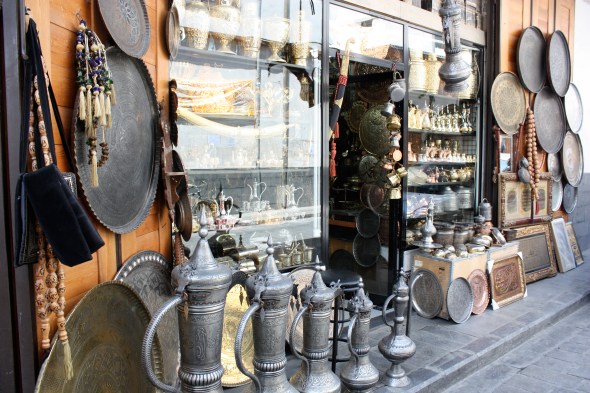
How much do we know about the politics of the countries we holiday in? Today, a Scot has received an official pardon after being handed down a three month prison sentence in glitzy Dubai for public indecency. The man’s crime was to have touched a man’s hip in a bar; his defence argued it was to avoid spilling his drink over the stranger. Sheikh Mohammed bin Rashid al-Maktoum has exonerated him, yet he still returns home £30,000 out of pocket and without a job as a result of this travesty of justice. He isn’t the first Brit to fall foul of Dubai’s strict laws. According to the organisation Detained in Dubai, a married couple were falsely accused of having sex out of wedlock and only escaped jail when they were able to produce their marriage certificate. Sadly, there are many more stories like the two I’ve mentioned.
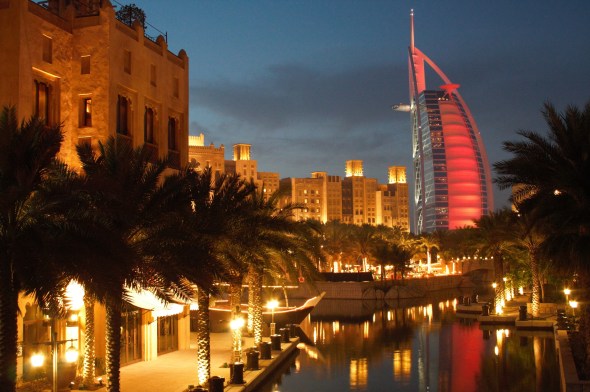
A news item from the US reinforced that even in the Land of the Free all is not what it seems. I’m not even talking Trump here – though the decisions made by his administration are often hard to comprehend from this side of the Pond. No, in June of this year, New York banned child marriage under the age of 17. Though technically the legal age of marriage in most states is 18 (in Nebraska it’s 19 and Mississippi 21), loopholes permit marriage before this – and in 25 states there is no minimum age at all. We’re talking kids as young as 11, children whose life chances are altered irrevocably by the very people that should be most concerned with their welfare. So while it’s good news for New York’s minors, others in the US aren’t so well protected.

Closer to home, Spain’s young democracy is being tested by recent events in Catalonia. Franco’s 20th century repression of Basque and Catalan culture plays some role in shaping current political opinion. Whatever your views on whether the referendum should have been held and whether the ensuing result holds any weight, it has been hard to watch government-backed violence at the polling stations. It’s shocking to think that a member of the EU cares so little about freedom of speech. Such a heavy-handed approach has done little for Spain’s reputation. Only time will tell how they move forward and whether they can fix what seems, from the outside at least, to be an impossible situation.

So how much do we really know about a country before we visit? It would seem, not enough.

 Julia's Travels