
Photos from Ushguli
During my recent trip to Georgia, I spent a day in the hotch-potch straggle of villages collectively known as Ushguli.

One of the best preserved Svan towers
They’re reached by an apology of a road from Mestia, the main focal point of tourism in Svaneti. I shared a taxi with a couple of Germans to bounce and slide over gravel, in and out of potholes and scarily close to sections of road which had just fallen away. The road’s in the process of being rebuilt, so don’t let that put you off.

The view is worth the effort
Ushguli translates as “fearless heart” which matches the reputation of the Svans historically being a fearsome people suspicious of incomers. Five villages form the settlement of Ushguli: Murkmeli which you pass as you go in, Chazhashi where your driver will park, and then higher up Chvibiani, Zhibiani and Lamjurishi, the highest of which claims to be the highest permanently settled village in Europe. It’s a slightly dubious claim, though, not least because geographers and other experts can’t even decide whether Georgia is European or Asian. (I’ll save that one for a later blog post.)


So what is it about Ushguli that makes it worth the arduous journey? Mostly, it’s the setting. Reached at the dead end of this rural road, all that stretches ahead of you are the few clusters of homes and Svan towers that constitute the villages and then meadows framed by the mountain peaks of the Great Caucasus. UNESCO have had Chazhashi on their list since 1996. Part of the attraction is just to find a quiet corner and sit. There’s also an ethnographic museum in one of the towers which is far more interesting than it sounds. Honestly. I’m no great fan of museums but it was good.

12th century cross in the ethnographic museum
In Mestia, the person to find is the lady that sells the marshrutka tickets from her agency next to the bakery in the centre of town. She manages more of the drivers and you’ll wait for less time. A return ticket in a shared taxi costs 20 lari. Be prepared to negotiate how long a wait you’ll have in Ushguli with your driver. Tip: if you wish to spend more than a couple of hours, it’s worth popping into the restaurant he’s likely to have holed up in to make sure he’s not been knocking back too many beers.
Some of my favourite shots from the day:
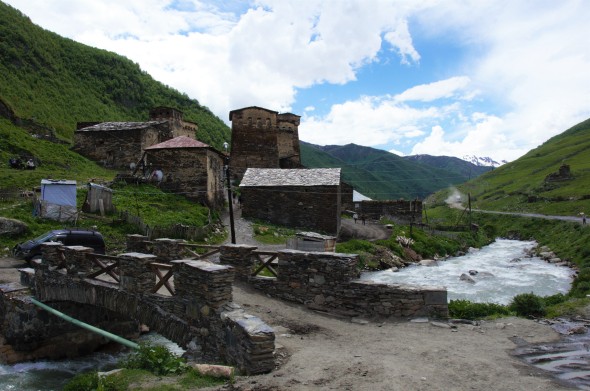
Chazhashi’s riverside setting

View from inside the ethnographic museum over Chazhashi

Sheepdog guarding the ethnographic museum
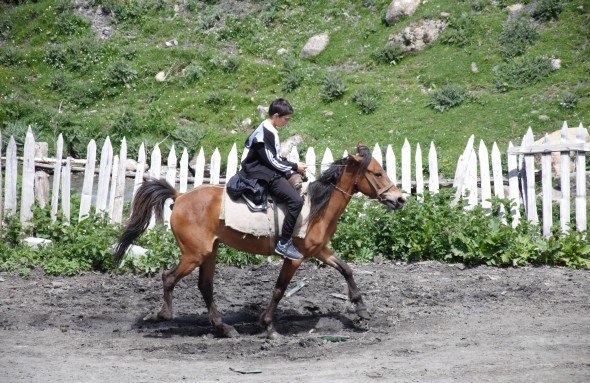
Young tearaway on a lively horse

Grandma takes a rest

Scratching post

Cow under the public toilet

Piglets feeding

Tower and current occupant!

Cow wandering through the village

Looking down over Ushguli

Monastery dwarfed by mountain

Transport home? “You can go faster but I can go everywhere.”
If you’re planning a trip to Georgia – and you should – make sure you don’t miss Svaneti. You can stay in Ushguli and you can even do a three day hike there from Mestia in the short summer season. Or you can do as I did and base yourself in Mestia and visit Ushguli for the day.
Why you should visit the Armenia Genocide Museum and Memorial
On Tsitsernakaberd Hill, overlooking the city of Yerevan, you’ll find a pilgrimage site dedicated to the 1.5 million victims of the Armenian Genocide. Their harrowing story cannot fail to move you, as it did me.

I sit, alone. The music haunts every inch of stone and every speck of dust. The sound of violins, melancholic yet soothing, permeates the soul. I feel it. It seeps into my heart and as I focus on the flickering flame, I raise a hand to my cheek, wiping a persistent tear. A few sorry bunches of carnations have wilted where they were placed. Tall slabs of basalt crush the sunlight. The sky is obstinately blue but in here, inside the stone circle, it’s a place of shadows and ghosts. I’m shocked at the strength of my feelings. Until yesterday, I hadn’t been aware an Armenian genocide had taken place. And I’m ashamed of that.
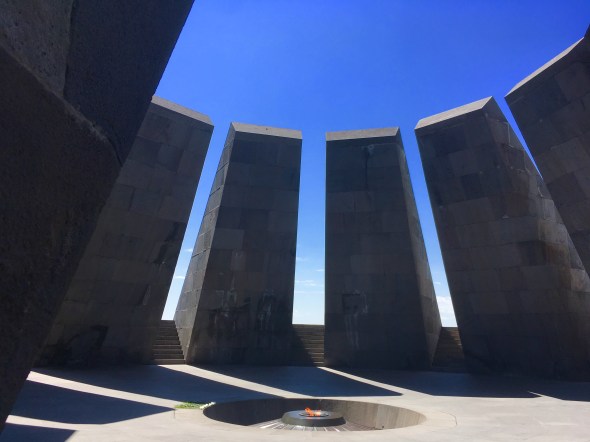
A cleaner arrives with her broom and sweeps, rhythmically, until my attention is forced out of its sad reverie. She busies herself collecting dead blooms and rearranging those that will stay. A young man follows her with a camera, framing and reframing his shots. He clicks repeatedly but then he too is still. A family of five arrive, speaking Armenian, and pose in endless configurations for snapshots beside the flame. The emotion I felt is lost and I glance at my watch. The museum is open. I head inside.
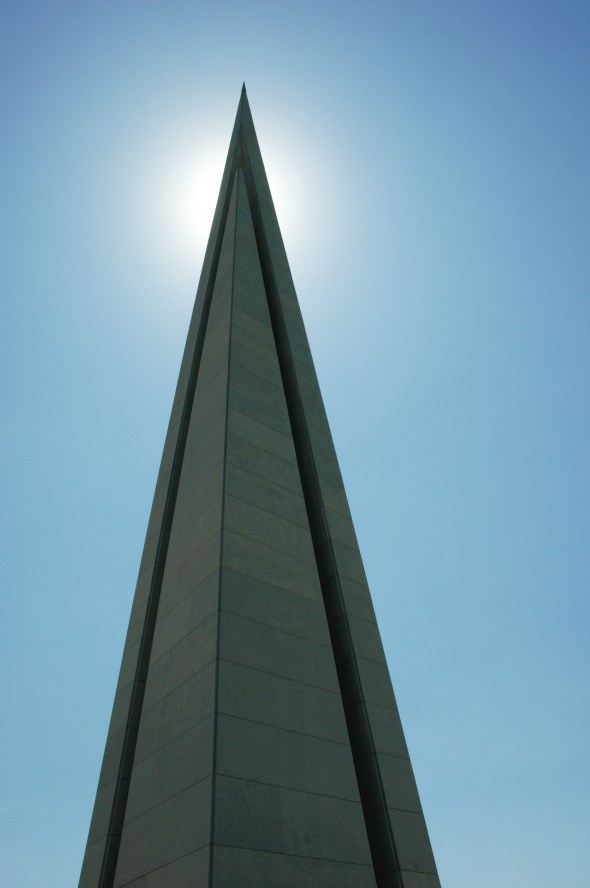
I read, missing nothing, trying to make sense of what happened. In the late 19th century, Armenia was a divided country. The Persians had ceded territories to the Russians, who occupied what was then known as Eastern Armenia. Strategically important Western Armenia had fallen to the Ottomans in 1555 and over four centuries later, they retained control. War between the Russian and Ottoman Empires had torn Armenia apart. Armenians living under Turkish rule looked to the Russians for protection but though the 1878 Treaty of Berlin set out basic rights for Armenians they were not honoured. Amidst growing calls for independence, Sultan Abdul Hamid, the leader of the Ottoman Empire, tightened his grip on the dissenters. Words were banned: Armenia, rights, freedom.
To ban the word freedom is an alien concept. From my privileged life in a stable democracy, how could I understand?
Compelled, I read on. In 1895, 300,000 protesters were massacred in Constantinople in an attempt by Hamid to shut down the Armenian Question for good. It didn’t work. Nine years later, there was another uprising. The stability of the Ottoman Empire was under threat. In 1908, a political party called the Young Turks seized power. Their policy of the “salvation of the Turkish homeland” could only be achieved, they held, by the liquidation of the Christian population. Under their watch, anti-Armenian atrocities continued unpunished. A further 30,000 were killed in a market in Adana in 1909. Their treatment was horrific. Many were set alight or stabbed repeatedly. The backs of children’s legs were gored with cotton hooks leaving gaping holes. A series of photographs documented the horror.

I’m struck by the eyes. They stare, vacantly, yet implore those watching to act. But it’s too late. I’m a century too late.
World War One was to provide cover for the vilest act of all. A secret treaty was signed, allying the Ottomans with the Germans. Needing the support of its largely Islamic population to survive, the Turks proclaimed Jihad in an attempt to demonstrate their religious credentials. In October 1914, 60,000 Armenians were called up to fight, joining others already conscripted. They fought, bravely, at Sarikamish on the Caucasian Front under Enver Pasha, but were no match for the wintry conditions. The Ottomans suffered huge losses and 70,000 lost their lives. A scapegoat was required. The Armenians were that scapegoat. Soldiers who had fought alongside Pasha were killed on his orders. Afterwards, the Young Turks turned their attention to civilians, murdering politicians, clergy, intellectuals and other eminent Armenians. Mass arrests followed, in Western Armenia and Constantinople.
The Armenian family I saw at the memorial see that I’m making notes. It’s diaspora season and they’re from LA, bringing their children to the home of their ancestors for the first time. They ask if I’m a writer and if I’m going to write about this. I promise them I will, emotion choking my words. The mother hugs me, an unspoken thank you.
Unarmed Armenians in Ottoman territory were rounded up to be sent to the deserts of Mesopotamia and Syria, their property looted as they left. Men were separated and stabbed. Women, children and the elderly were spared, but instead driven south. On the way, their police and army escorts stood by and did nothing as bands of Kurds and Turks kidnapped and murdered the helpless. Those who did complete the journey ended up in concentration camps. In Rakka, Bab, Deir Ez-Zor, Ras Ul-Ain and Meskene, 600,000 endured horrendous atrocities. They were subjected to medical experiments, pregnant women were used for target practice, bare feet were shod as if they were horses’ hooves, children were burned alive or dragged behind horses until they died from their injuries. Rape was common. An estimated 600,000 lost their lives.

It’s hard to reconcile what I’m reading with the gentle and welcoming Turks I’ve met on my travels. I’m shocked to find I’m upset, not because I think it’s not worth getting upset about, but because at Auschwitz and Bergen-Belsen and Dachau, I haven’t been. Sobered, desperately sad, but not upset like this. The tragedy that befell the Armenians feels worse, somehow, because I wasn’t aware it had happened. I feel that in some way that means I’ve betrayed them.
On May 24 1915 France, Britain and Russia issued a joint statement condemning and declaring the Turkish government responsible for a “crime against humanity and civilisation”. After the war, the Young Turks were brought to trial. The key perpetrators – Mehmed Talat, Ismail Enver and Ahmed Djemal – were brought to justice and punished for what they’d done. Yet today, the mass extermination of Armenians isn’t acknowledged by all countries. Britain views what happened as a war crime and doesn’t recognise it as genocide.

I climb, slowly, from the bowels of the museum back up into the sunshine of the plaza, legs and heart heavy. Another tear escapes from my eye but this time, I let it fall.
Practical matters
To visit the Armenian Genocide Museum and Memorial it’s easiest to take a taxi. From Republic Square I paid 700 drams, just over £1. The museum is free to enter. Leaving, the unofficial taxis in the car park were asking for 2000 drams for the same ride. I walked down the hill and across the footbridge to the Dalma Garden Mall, from where I caught the #27 marshrutka back to Mashtots Avenue for a 100 dram fare. The bus stops right outside the Blue Mosque, also worth a visit.
How to visit Abkhazia from Georgia
Why visit Abkhazia?
Country counters are always on the lookout for opportunities to add to their total, hence a visit to Abkhazia is on many a bucket list. It’s no longer an active conflict zone, though banditry at the border is reportedly still an issue, particularly after dark. Gal, the scruffy border town near the Enguri crossing, still bears the scars of war in the form of burnt out and abandoned homes, but though it does have something of a reputation, I didn’t feel unsafe as I travelled through. Sukhumi, the capital, is also only part way through reconstruction. The hulking Government Palace is the most noticeable landmark to await renovation, overgrown with weeds inside and riddled with concrete cancer. I visited a couple of hours after a summer thunderstorm and the sound of percolating rain water only added to the atmosphere.


But the Botanical Gardens were pleasant and down by the waterfront of this Black Sea resort, you’ll find pavement cafes and ice cream sellers with plenty of family-friendly attractions to keep the kids happy. Many of those who visit Sukhumi are Russians, coming across the border from nearby Sochi. Arriving from Georgia, I was the only visible tourist. Most of those crossing are local. Some are returning to Abkhazia with purchases from Zugdidi – I saw one rotund lady struggling in the heat pushing a trolley loaded with a refrigerator. Others cross daily for work.


Securing a visa
At least a week or so before your planned visit, you’ll need to apply for a visa. No payment will be necessary at this stage. It’s a simple form and can be downloaded from this website:
http://mfaapsny.org/en/council/visa.php
The only thing to be careful about is specifying exactly which dates you intend to travel as these will be fixed. You don’t get an open-ended month long visa for example. Email off the form together with a scan of your passport. In about a week, you should receive a letter of invitation. You may need to check your spam folder; the email that popped up into my inbox was headed simply “clearance” with the sender’s name in Russian and I almost deleted it. You’ll need to print off a copy of this letter and carry it with you. Some bloggers suggest you might require two copies but I needed only one.
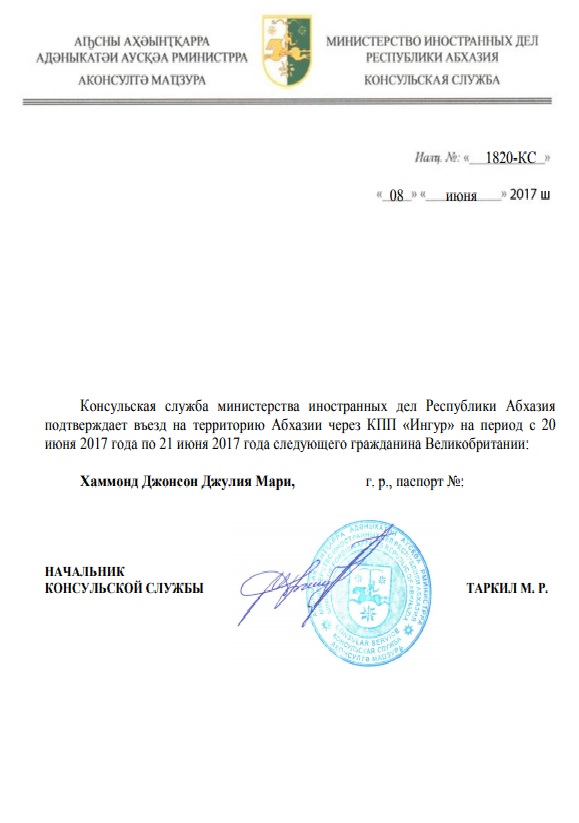
The letter will have your date of birth next to your name plus your passport number
Getting to the border
The easiest route to the Enguri border is by taxi from Zugdidi which should cost you 10 GEL (Georgian Lari, about £3.30 at current exchange rates). It’s also possible to travel by marshrutka. I speak no Georgian or Russian and taxi drivers didn’t see to understand border or even Abkhazia. Drop into the tourist information office on Rustaveli Street and pick up a regional map; you can then point to the border if necessary.
Money
Before you set off, stop at one of the exchange places on Kostava Street to get some rubles. They don’t all stock rubles and again you might have trouble being understood; I ended up taking a photograph of a sign marked “Rub” and showing that. $100 was plenty to cover mid-range accommodation, food and transport for a couple of days. I didn’t see anyone obviously changing rubles at the border and you’ll need small notes (50s and 100s) to pay the marshrutka drivers once you arrive.
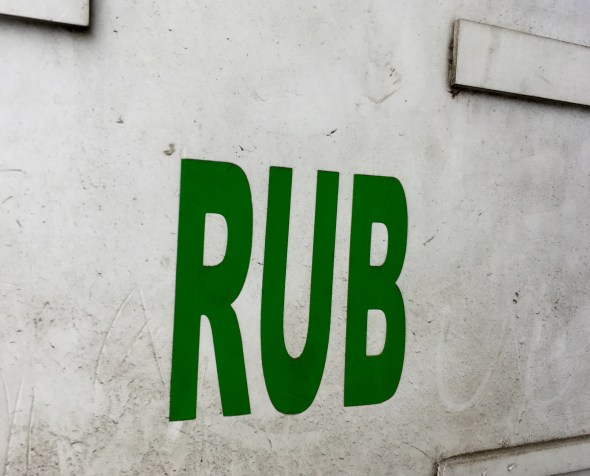
Sometimes you need to use your initiative!
At the border
I made the mistake of arriving early, figuring that as I had read online about lengthy waits at both ends of the bridge, I should give myself plenty of time. There was a flaw with this plan and that was that the Georgian police official who could authorise my transit didn’t arrive until 10am. From 8.20am when I arrived, I was given a frosty but polite welcome by the police manning the exit booth. I was held for around an hour and a half. Technically. In practice, what this meant was that they waved me in to sit and wait in their office where they were watching Ultraviolet, a really bad Milla Jojovich vampire movie. Fortunately, they also had unsecured WiFi so the time passed quickly. When the boss arrived, I was processed without a single question and pointing to the door, pronounced good to go.

Your ride across the bridge – should you need it
The walk across the bridge took around 15 minutes, as I had luggage, it was hot and I made frequent photo stops. Mostly no one seemed to mind that I was taking pictures. There are horse and carts which can be hired, but no one seemed to be that bothered about picking up a fare so shanks’ pony it was.


At the other side, a cheery official in army fatigues studied my passport and on learning I spoke no Russian, ushered me to sit down on what looked like it had once been a 1970s British bus seat. Lots of smiles, lots of “Hello, American? ensued” Ten minutes later, another soldier arrived, this time he knew some English. I was asked where I was from, my job, how long I planned to stay in Abkhazia and what I wanted to visit. I made sure I was very positive, smiled a lot and concentrated on the places rather than the politics. Satisfied with my answers, I was passed to the customs hut who processed me with a minimum of fuss.

Welcome to Abkhazia
It was then time to find a marshrutka heading for Sukhumi. I’d read that you could get a direct minibus but the only labelled marshrutka was for Gal. The name is easily recognisable in the Cyrillic: a back to front 7 followed by an A and a 3. The minibus was nearly full and left almost immediately, charging me 50 rubles theoretically but in practice, as I had no change, 100 rubles in practice. It took just half an hour or so, maybe less, to reach Gal and then circle around dropping people off, picking up flour and then, eventually, handing me over to a minibus driver bound for Sukhumi. The ride to the capital took under two hours, by which time the heavens had opened and I stepped out into torrential rain. That ride cost me 200 rubles. I was let out in the centre, saving me the fare from the train station where the marshrutkas terminate.
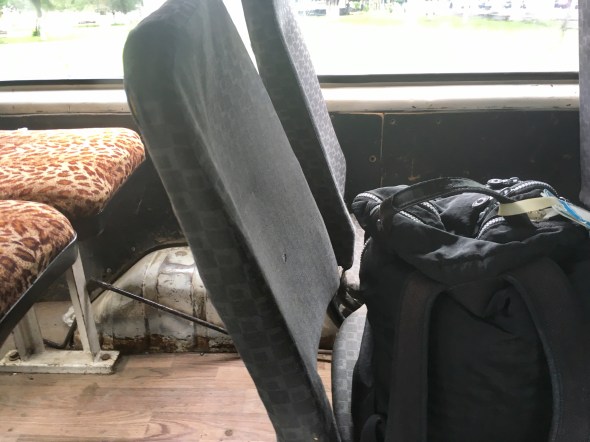
Inside the marshrutka
After the rain eased, and not before I was soaked to the skin waiting for my hotel owner to deign to come to the gate or answer the phone, I headed down to get my visa. For this, I needed to visit 33 Sakharov Street, an easy to find building set in a small but well maintained garden.
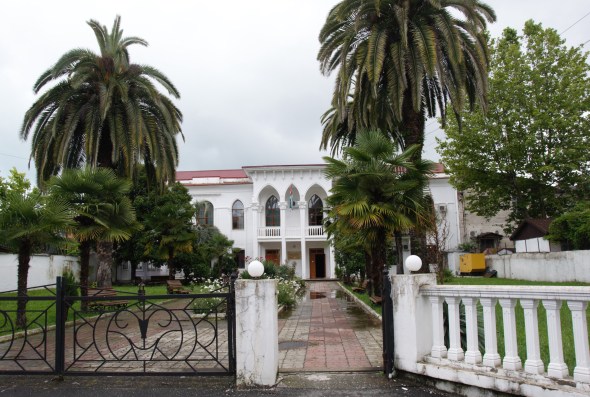
This is the building to look out for
Inside, there was a gloomy corridor with a sign for consular services which led to a poky office. I was seen right away. Not only could I process the letter here, but I could also pay. The official asked if I wished to pay with a credit card and the chip and pin machine accepted my British Visa card with no problems. My overnight visa cost 350 rubles, though I’m not sure if a longer stay would necessitate a higher price.
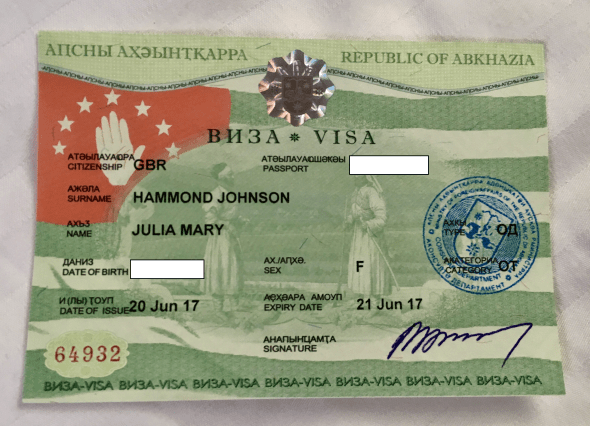
What your visa will look like
Having thoroughly explored, I caught a taxi to the train station (150 rubles) in time to get me there for 11am, about the time my Lonely Planet said the border-bound marshrutka would leave. In fact, it was scheduled for 12.30pm. A shared taxi took a group of about six of us to the border. The fares were the same, 250 rubles in total. Crossing the border was much quicker than before. A few questions from the Abkhazian authorities about where I’d been and much smiling as I said I’d very much enjoyed Sukhumi and I was on my way. Aside from being asked to turn back and use the pedestrian path rather than the road the other side of the wire fence, it went without a hitch and after a cursory inspection from the Georgian police, I was back in. Another 10 GEL taxi ride took me to the centre of Zugdidi from where I was to catch my overnight train to Tbilisi.
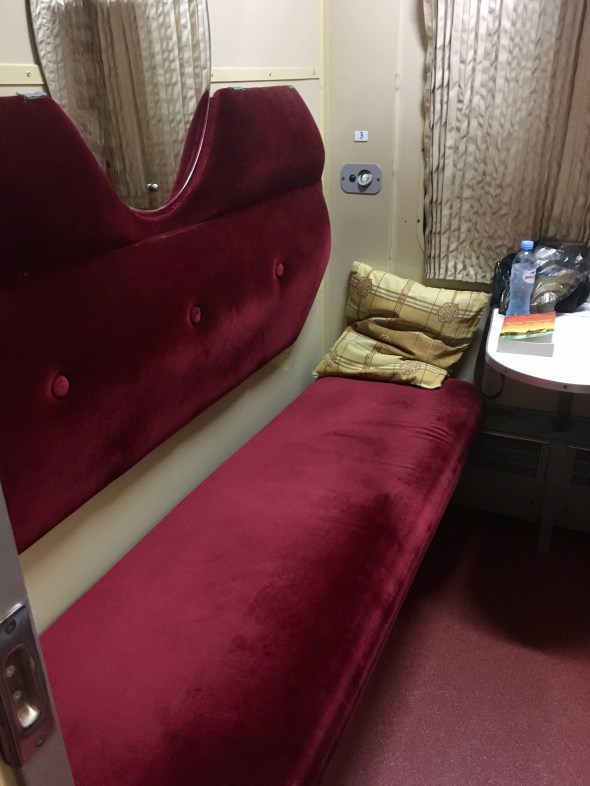
First class sleeper to Tbilisi: 8 hours for a bargain 30 GEL!
If you’re thinking of visiting Abkhazia yourself and have any questions, please feel free to leave a comment.
Monastery-hopping in Armenia
Armenia claims to be the oldest Christian nation on the planet so it’s hardly surprising that you’ll encounter plenty of monasteries. Most feature a “gavit” or entrance hall, where the floor is often spread with graves. A few steps will lead into the church proper. As a woman, covering your head isn’t required as it would be in Georgia. You will see the faithful reverse out of the church so as not to turn their back on God; even those who aren’t regular churchgoers sometimes do this out of respect. Here’s a brief guide to eight of its most commonly visited.
Haghpat

Located in the Debed Canyon, this is for many visitors their first monastery in Armenia as it lies on the way to Yerevan from the Georgian capital Tbilisi. This imposing mediaeval complex was built in the 9th century, a sprawling delight of building added on to building, the grey stone set off perfectly by the terracotta of the roof tiles. Inside, one of the rooms has a series of holes in the floor, once used for storing wine.
Why should you visit?
As it’s quite a distance from Tbilisi to Yerevan, this is a great way of breaking the journey.
Sanahin
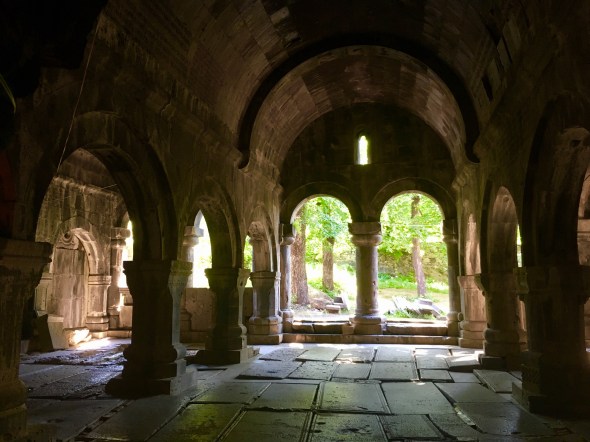
Twinned with Haghpat, this one means “older than that one” though it’s not as attractive from the outside. The cavernous interior is fascinating, with plenty of tombstones on the floor. Step on them as it’s commonly held that if you do, you’re freeing the dead of their sins – and fortunately not taking them upon yourself as a burden in the meantime. And you’ll learn how to recognise whether a monastery is a functioning church or not – if it has a curtain that can be pulled across the altar, it still hosts regular services.
Why should you visit?
While you’re in the Debed Canyon, you may as well visit both the monasteries.
Geghard

A party of schoolchildren were visiting at the same time, so for me, this monastery lacked the serenity that some of the others offered. It was a good opportunity to watch the priest deliver a blessing and to hear the acoustics as the children sang inside the chapel. Look out for the hole in the floor which allows you to peep down into the church from above. There’s also a spring inside which is believed to be holy.
Why should you visit?
If you’re in Yerevan and your time is limited, this is an easy excursion from the city and together with nearby Garni temple, doable in just a few hours.
Sevanavank
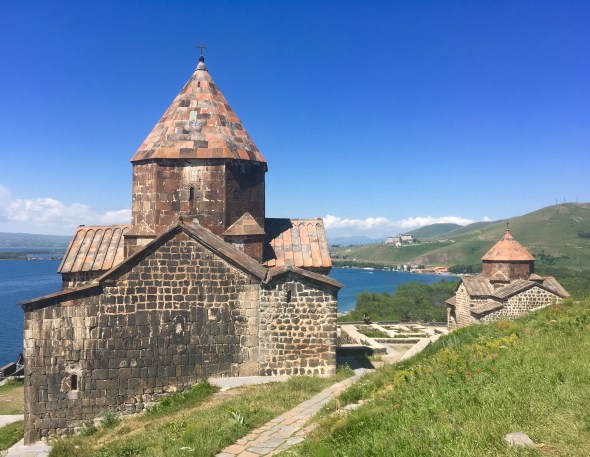
To reach Sevanavank, located above the shoreline of Lake Sevan, you’ll need to climb a lot of steps: 243 to be precise. The reward, though, is a panoramic view of Armenia’s largest lake and its environs. Again it’s a double church site plus plenty of khatchkhars to admire in its cemetery. Those are the standing stones which you’ll see at all religious sites. The largest concentration can be found further along the lakeshore at Noratus cemetery. But it’s that vast expanse of blue that will draw your attention away time and time again.
Why should you visit?
It’s all about that spectacular view – and the satisfaction of making it up the steps without collapsing.
Hayravank
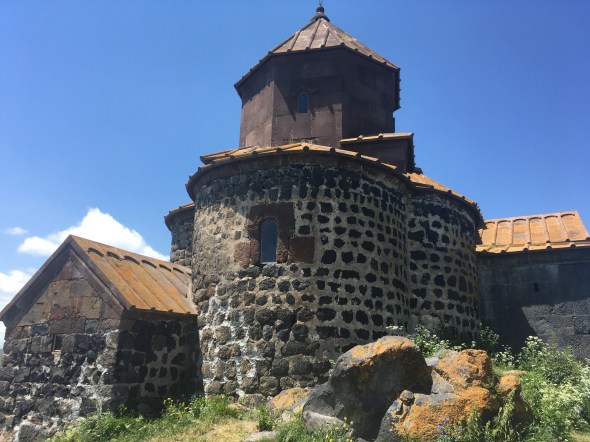
This monastery, built out of tufa, also lies on Lake Sevan, but this time occupies a less lofty position. Its alternative name is Aghavnavank, meaning “church of the human pigeons”. The connection refers to a legend associated with Tamerlane, whereby the local population were turned into pigeons to keep them safe from the invaders – a deal had been struck that anyone who could fit into the church would be spared and of course birds are smaller than people.
Why should you visit?
If they’ve gone to the trouble of coming up with such a fantastic legend, you’ve really got to see how big the church is from the inside.
Khor Virap

This one’s all about the setting, and what a setting. The road curves on approach offering the picture postcard image of the monastery perched to the right of a backdrop of Mount Ararat, the mountain where Noah’s ark came to rest. From the rear of the monastery, you can climb a small hill – look for the cross on top of it – and you’ll have a similar view, but this time the monastery will be on the left. Inside, you’ll see a steady stream of people descending a narrow stairwell at the doorway to the church – it’s a well, and it’s a dark and shaky climb down.
Why should you visit?
The setting is special, but pick a clear day so you get the panorama of Ararat at the same time; you’ll have a better chance of good visibility in the morning.
Noravank
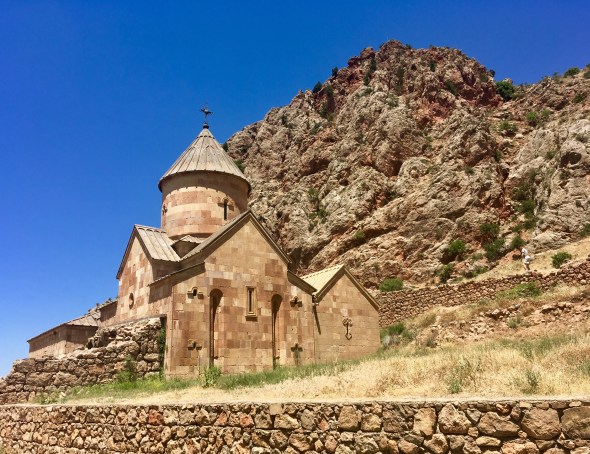
Tucked away up a narrow canyon, Noravank is another site that feels special as a result of its location. There are some wonderful carvings, including one of Jesus with Peter and Paul. What you’ll remember, though, is the scarily steep and narrow stone block steps that lead up to the second storey of the church. Take it from me, it’s much worse coming down. But from the restored cupola to the view across to the other chapel from up high, it’s worth dealing with the fear. After all, you can always come down on your bum!
Why should you visit?
The vertiginous steps up to the second level of the church might be scary, by the view from the top is splendid.
Tatev
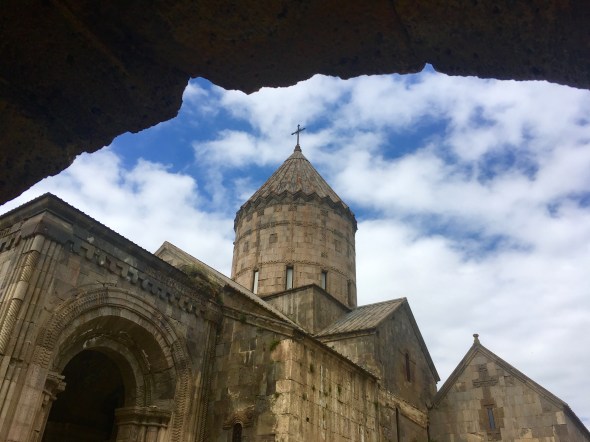
This one is reached by the world’s longest ropeway (that’s cable car to those of us who speak the Queen’s English). If you don’t believe them, there’s a sign which claims Guinness has officially recognised it as such for their Book of Records. The column allegedly predicts earthquakes and approaching enemy armies.
Why should you visit?
With such an awesome approach, this one’s a must-see.
The verdict
Of course, that’s not all. But even spreading these across a week, I was beginning to feel monasteried-out by the end of it. My advice would be not to feel like you ought to see every major monastery in the country, just pick a few and enjoy the view. If I had to pick a favourite, I’d probably say Sevanavank, as its lofty position represented not only an impressive feat of engineering but also felt remote despite the visiting tourists. Norovank, with those crazy steps and beautiful carvings, came a close second, though perhaps it was a little too perfectly restored to claim the top spot.
How tough is the hike to Chalaadi Glacier?
The older I get and the more my knees creak, the more I need to research possible hikes before setting on to ensure I don’t end up with aching muscles or worse, being stretchered out. But no one, least of all me, wants to find out that they’ve missed out on superb scenery on a hike that would have been perfectly within their capabilities. So when I found out about a glacier accessible from Mestia on foot, I set about reading up. The trouble is, many of those who post are young and fit. Their definition of an easy hike isn’t necessarily what I’d call easy. So here are the facts about hiking to the Chalaadi Glacier.

You don’t have to walk all the way
Technically, the Svans consider this hike a 25km round trip. The official tourist board literature states the duration of the hike as being eight hours. That’s beginning and ending in Mestia and walking up the road past the airport until it runs out. Well, 25km would take me more than eight hours including collapses, even if much of it is fairly flat.

Keen not to have to quit before the good bit, I hired a lovely driver called Nodani. I found him in the main square in his adapted Subaru – look for the Subaru sunshield and a disabled badge in his rear windscreen. He agreed to drive me to the suspension bridge that crosses the River Mestiachala. It costs a flat rate of 80 lari (about £26). It’s also possible to rent horses, but they looked pretty frisky and once you pay for the guide too, it’s not a cheap option.
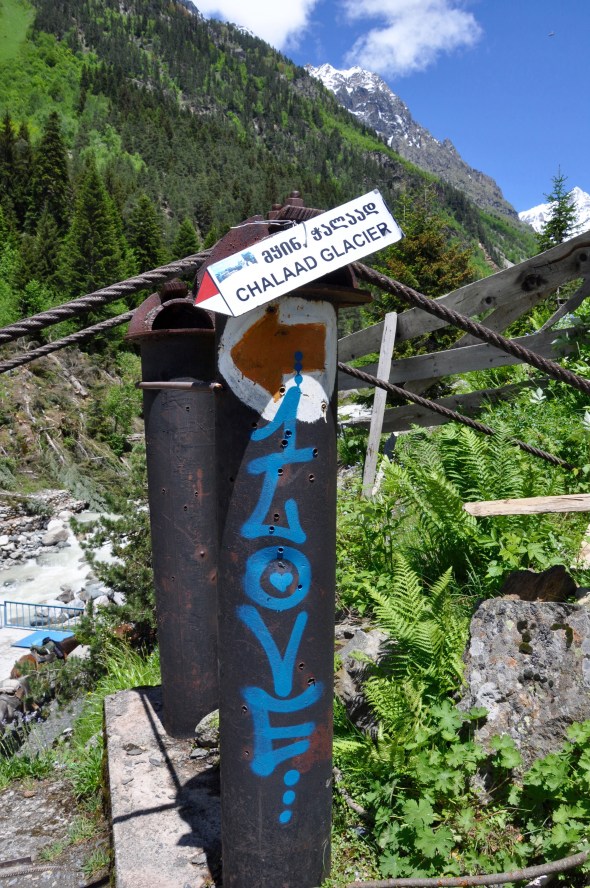
Allow time to enjoy the hike
Most people book a two hour gap between rides; I made it three so as not to have to rush. I was keen to take the hike at a steady pace and allow enough time to appreciate my surroundings. I thought I’d make an afternoon of it but in actual fact got back thirty minutes ahead of schedule. No biggie: there’s a cafe at the bridge where I waited for Nodani to come and collect me.
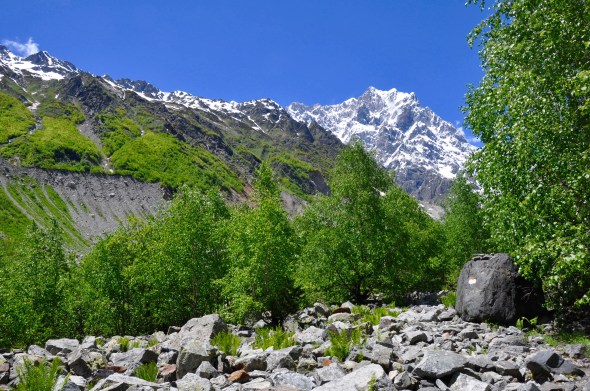
You won’t get lost
A concern if you’re hiking solo, as I was, is getting lost. Most trails are marked but the frequency of such signs can be less than you need. Not so here, where they’ve helpfully painted red and white rectangles on assorted rocks and tree trunks. There was even an arrow cut into the tree trunks in some places. It was very clear which direction you needed to take, so you won’t get lost.
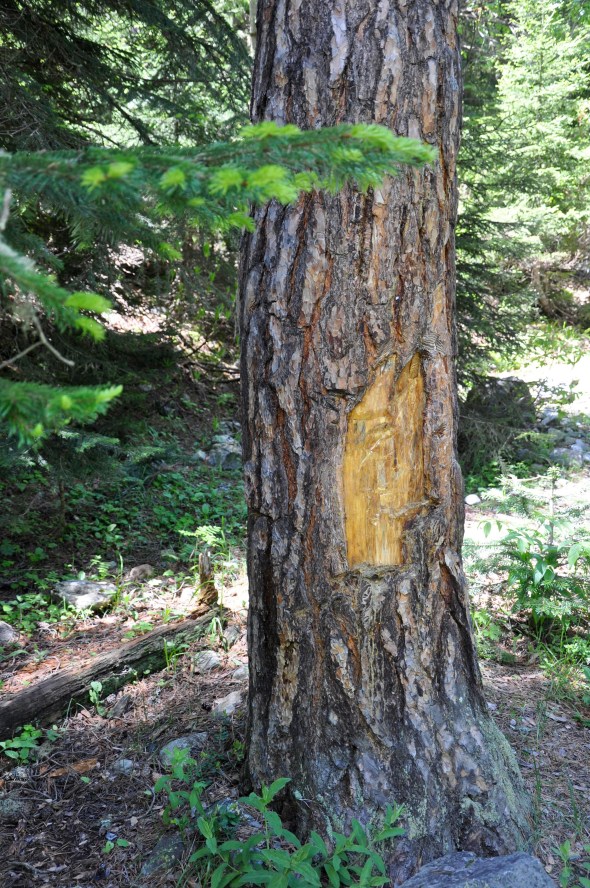
The uphill bits were a bit of a slog
Remember, I’m no athlete. If you are reasonably fit, then this will be a piece of cake. But the altitude at the river is around 1600 metres above sea level, rising to about 1920 up near the glacier. If like me you live at sea level, the thinner air won’t help either. But it’s shady amid the trees and where the route passes through the forest, you’ll see plenty of pretty flowers and lichen covered rocks.

The path wasn’t difficult to navigate as the stones formed a natural staircase. I took frequent rests and carried plenty of water. Further up, heavy rains a few days before my hike meant the water was running high and parts of the path had turned into a shallow stream. Luckily it wasn’t deep enough to leave me with wet feet.
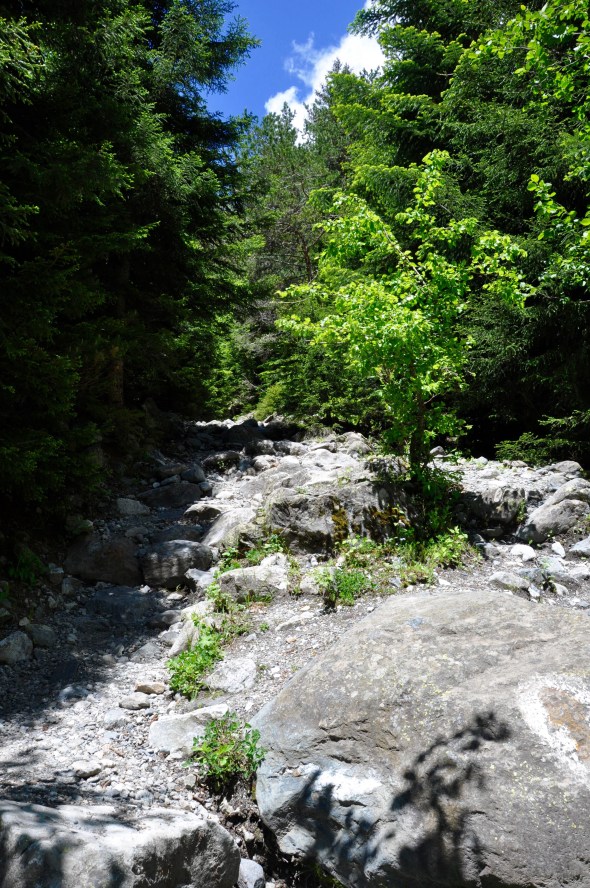
You have to cross a boulder field
About halfway to the glacier, you reach an area where rockfalls have created a big obstacle. Boulders of various sizes lie piled up. Some are steady, others move disconcertingly beneath your feet. I fell foul of such a hazard when I hiked one of Sweden’s High Coast trails last year and ended up with a nasty cut and bruised elbow. There are also deep gaps between some of the stones, meaning a misstep would leave me with a twisted ankle or worse. This was the scariest part of the hike, more so on the way back down as higher up the slope I could hear rocks falling. Fortunately I managed to cross without incident and didn’t end up a casualty of a rock avalanche. You’ll need decent boots though.

You can cut out the very top part of the hike and still see the glacier
Once you’ve successfully negotiated the boulders, the path is an easy one and leads to a flower strewn meadow by the river. Here, you get a fabulous view of the glacier itself and in its mountain setting, it really is a spectacular view. Turn around, and you’ll see mountains behind you too. Unless you’re really dead set on touching the glacier, you’ll be scrambling over terminal moraine to get any higher. Personally, given the timing of my visit in early summer when the ice is melting and there’s a real possibility of being hit by falling ice or rocks, I didn’t continue. If you carry on, as many do, it’s advisable to use walking poles.
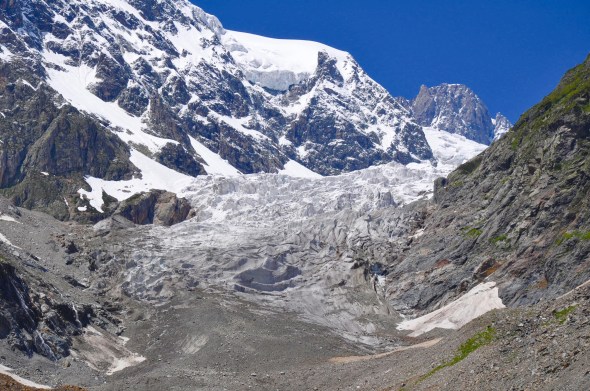
Is it worth it?
That’s a resounding yes! If the weather’s playing nicely as it was during my visit, it’s hard to imagine a better way of spending an afternoon. But to maximise your time spent at the scenic parts of the trail, I’d definitely advise hiring a driver for that dull airport road.
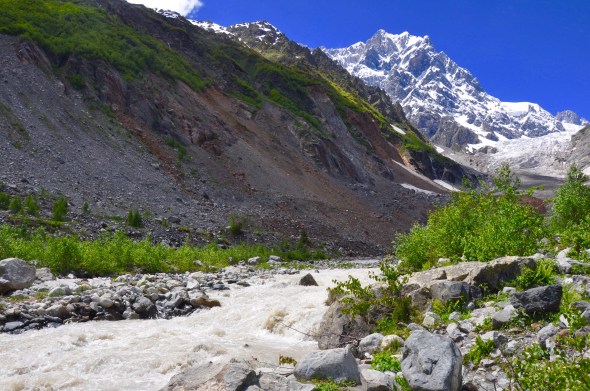
Travelling the Georgian Military Highway
It’s been a long journey involving an overnight train and a four hour ride in a marshrutka, but I’ve finally reached Svaneti. My base is in Mestia and I’m writing this holed up on the hotel balcony overlooking three of the famous towers that dot the village. The birds are chirruping and the neighbour’s dog is letting me know if anyone walks up the rutted and very steep road that joins us to the main drag. The sun is valiantly making an attempt to break through today’s persistent low cloud, but tomorrow’s forecast promises sunshine and blue skies.
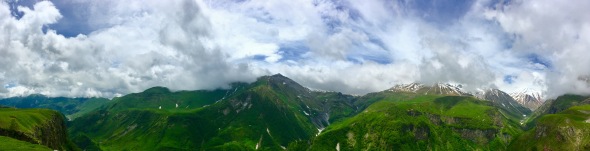
I spent yesterday travelling along the Georgian Military Highway, the route linking Tbilisi to the Russian border. The epithet “military” conjures up all manner of images, but you won’t see tanks or soldiers, just great scenery. I travelled with Envoy Tours in the capable hands of their guide Beqa. He was great fun, doing everything he could to ensure my Singaporean travelling companion and I had a fun day. From tour guide to chef to toastmaster, there was nothing he couldn’t turn his hand to.
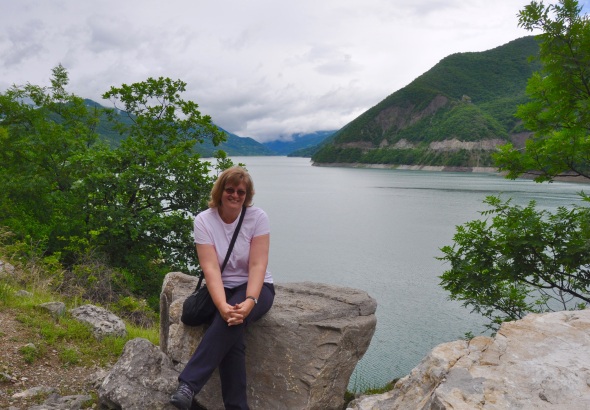
Our first stop was on the edge of the Zhinvali reservoir built in the 1980s to supply water to Tbilisi. It’s a picturesque addition to the landscape, though one that necessitated drowning several villages. The water level was high enough to conceal them yesterday, but when the water level is low, sometimes the tops of churches can be revealed.
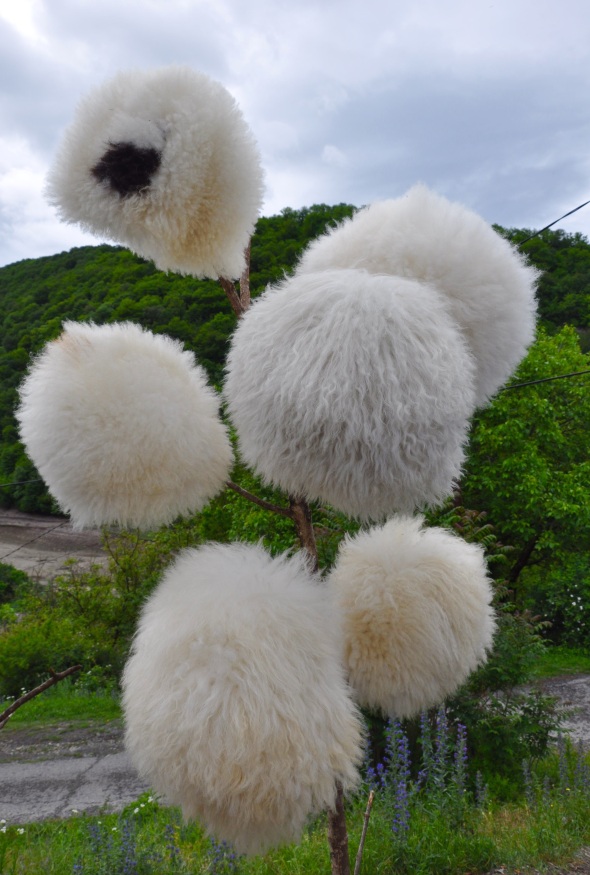
We skirted the edge of the reservoir to reach the fortress complex of Ananuri, where they were selling these fabulous sheepskin hats. Once, there was just a tower here on a hillside; now there’s a cluster of buildings with defensive towers and a 17th century church featuring ornate carvings.
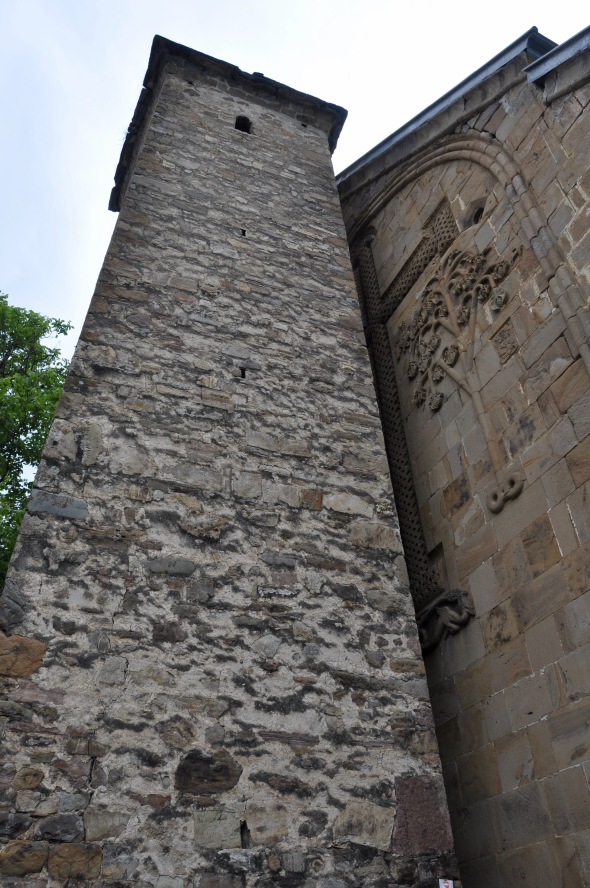
It was the first time I’d been asked to wear a skirt over my trousers as well as the headscarf I’d been expecting. Not the most elegant of looks, of course, but when you’re in someone else’s country you play by their rules. Inside the church walls bear a few faded but interesting frescoes. When Georgia was under Russian rule the frescoes were whitewashed and are slowly being restored.
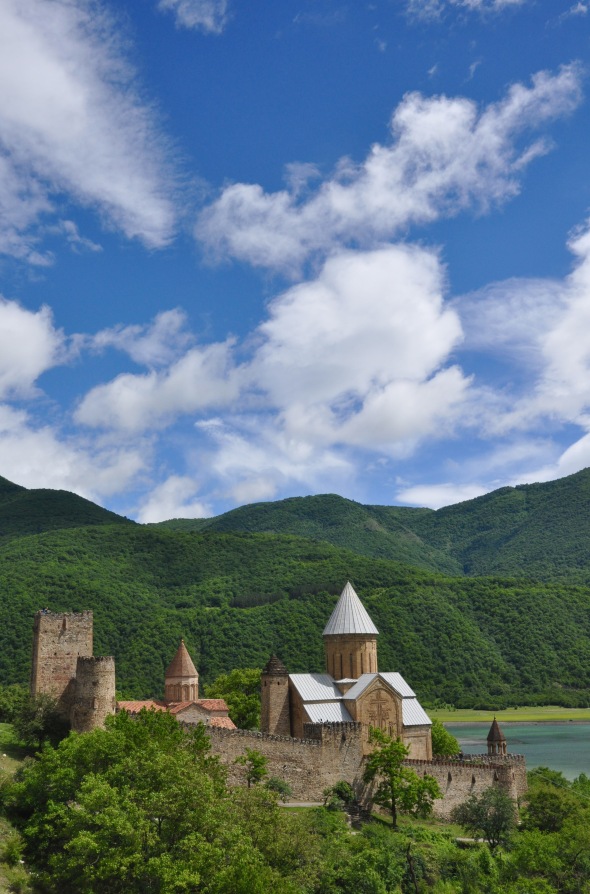
While the tallest tower was off limits, it was possible to climb the smaller one. I’ve no head for heights, so the narrow, worn steps missing a handrail had my heart missing a beat. With plenty of encouragement, my two younger companions got me to the top. Inside, each level was surprisingly spacious, with a fireplace and plenty of room to live. These towers would have been hiding places when the area was under attack. The castle’s dungeon was quite claustrophobic in comparison.
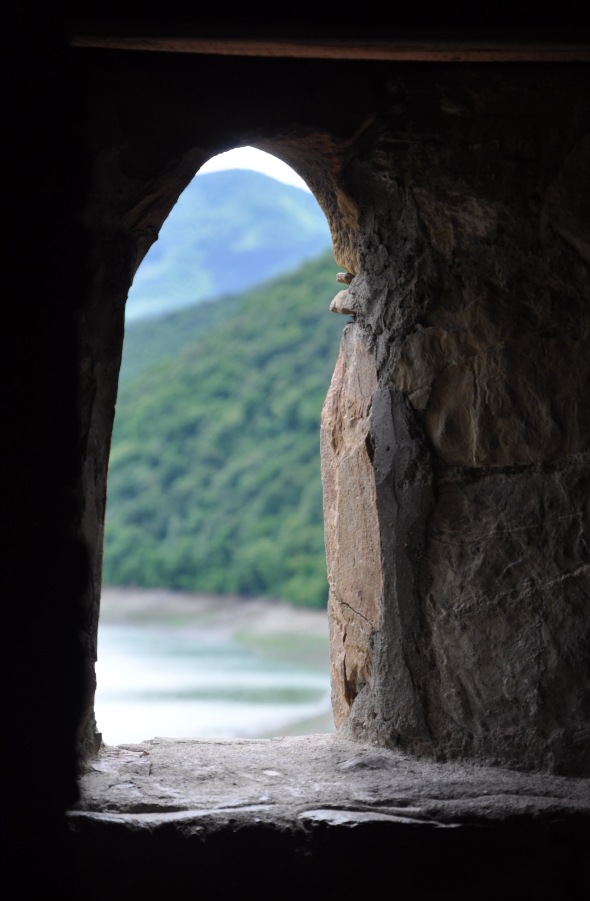
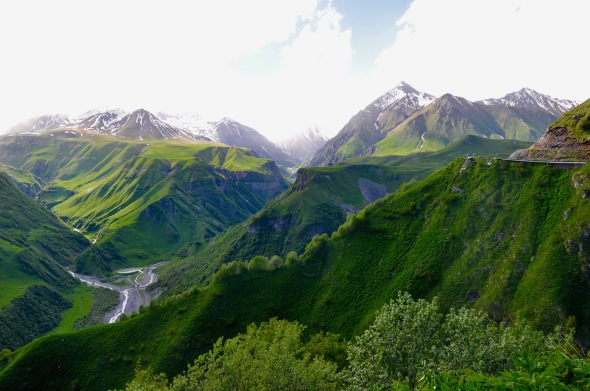
Heading north from Ananuri, the road took us past the ski resort of Gudauri and over the 2379m Jvari Pass. Next stop was the Georgia-Russia Friendship Balcony.
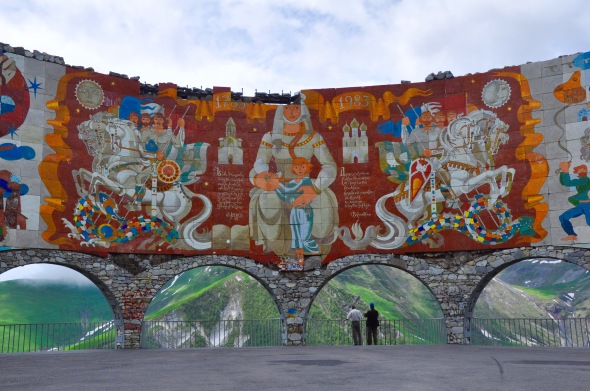
Our guide, no fan of Russia, was quick to point out that it was built in 1983 when Russia was still in charge and Georgian independence was eight years off. Despite its name, the monument was very tastefully done and its multiple balconies were perfect for capturing a shot of the dramatic mountain scenery which formed its backdrop.
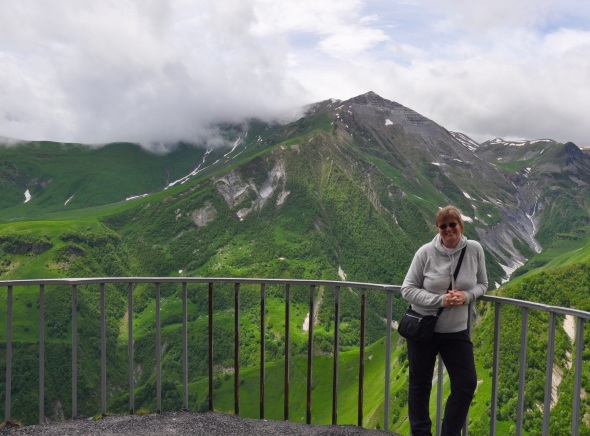
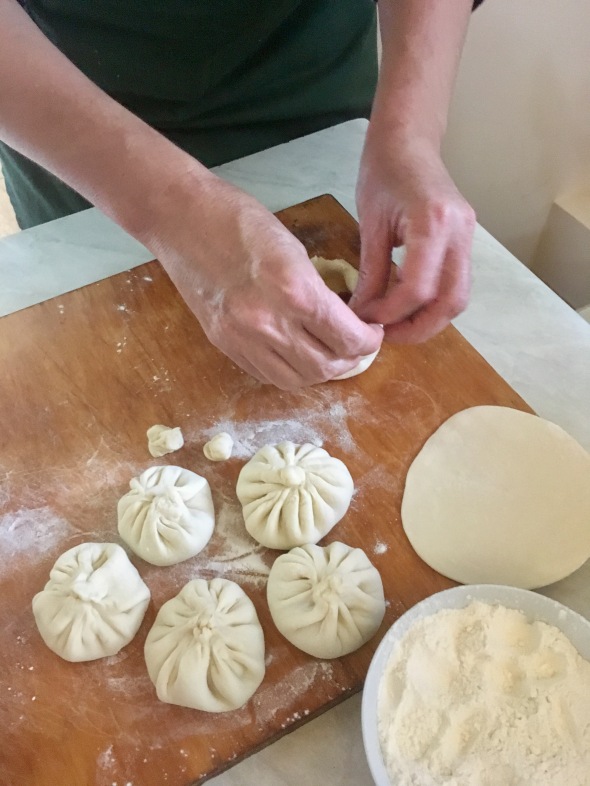
Our last port of call was right near the Russian border near the town of Kazbegi in a little place called Gergeti. Lunch had been arranged: my first experience of a Georgian stupa or feast. First, though, we had to make the local dumplings known as khinkali. Pastry had already been made and rolled; a spicy lamb filling had been preformed. All we had to do was assemble it, which involved lots of pinching of pastry and some rather dodgy looking shapes. Our hostess demonstrated a far higher level of skill, putting together a double decker khinkali quicker than we could pick up our cameras. They were delicious, though I resorted to using a fork instead of eating them the traditional way – bite off the top, drink the juice and then munch on what’s left. Beqa proved to be a good toastmaster too, ordering us to raise our glasses at regular intervals through the meal to God, peace, ancestors and women.
A hike had been planned. The Tsminda Sameba church, also referred to as Holy Trinity, is perched high on the mountain pastures above Kazbegi. Apparently there was once a cable car (those Russians again!) but the locals were none too impressed at having a sacred place defiled so they tore it down. A bumpy road led up to the church, but, said Beqa, it didn’t take much longer to walk up. Yeah right, if you were a goat maybe. The others walked, but told me later – as I’d suspected – that the path was pretty much straight up to the church and not an easy hike.
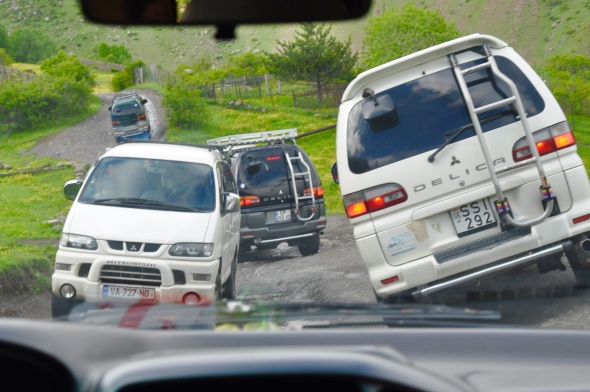
I took the minibus option, to my later relief, though that in itself was a hair-raising experience. Deep ruts characterised the gravel track for much of its length. In a couple of places the road had fallen away altogether. At the top, heavy rain made the pastures soft. I held my breath as we screamed across the grass, deep in some other vehicle’s tracks. How we didn’t get bogged down I don’t know. That fate was to befall someone else later, much to everyone else’s amusement.
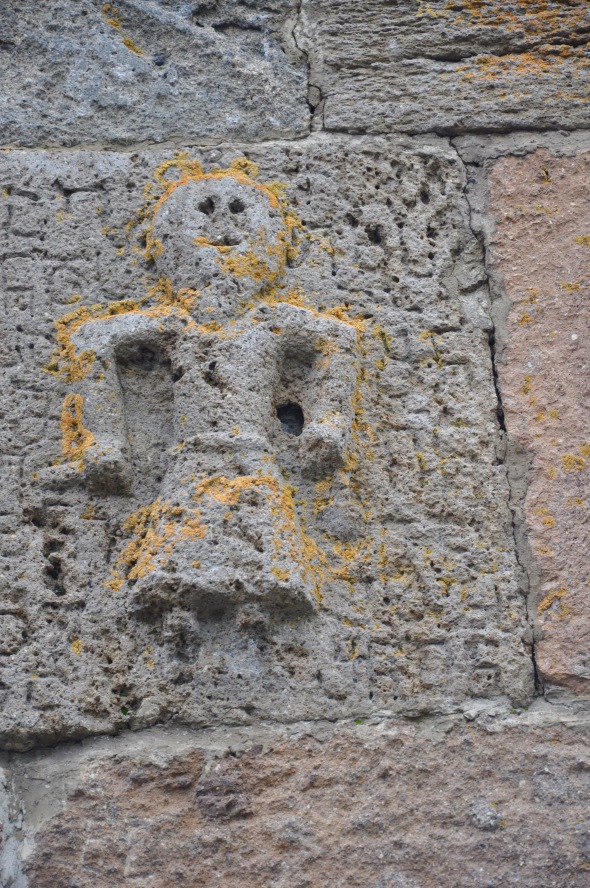
The church was as impressive as its setting, though cloud obscured the 5047m Mount Kazbek which can be seen on a clear day. Inside simple candles stood in sand illuminated the icons and other works of art that adorn this simple church. Despite the constant tramping of tourists’ feet (including mine, of course) it had a spiritual feeling, perhaps not surprising as it is a working church to this day. The forecast rain that had held off all day materialised while we were at the church and so we all headed down by minibus. Come down on foot when it’s slippery like that and you may as well be on a toboggan.
For more information on Envoy Tours and to book this Embracing Georgia tour, please visit their website:
Just back from: a day in Ibiza
This, perhaps, wasn’t going to be one of my usual days out. A few days before I was due to fly – out of Stansted at 7am on a Tuesday – an email arrived from Ryanair announcing certain restrictions on the flight.

Amongst other words of caution, it said:
• Customers will not be allowed to carry alcohol on board and all cabin baggage will be searched at the boarding gates.
• Boarding gates will be carefully monitored and customers showing any signs of anti-social behavior or attempting to conceal alcohol will be denied travel without refund or compensation.
For a moment I wondered what I had let myself in for. In the event, though we did have a stag party on board, they were very well behaved and remarkably quiet. The plane was too, empty seats an indication that some of our passengers had fallen victim to one of Stansted’s worst mornings for queues at security I’d ever seen. I’d made the flight in good time and jetted off on time to the hippy isle with a row of three seats to myself.

Arriving slightly ahead of schedule, I picked up a hire car and set off on an itinerary I’d found on the Ibiza Spotlight website. As my main focus of the day was to be a trial of a Sunwise kaftan, I’d originally planned to hole up at one of Ibiza’s stylish beach clubs and chill out all day. In the event, my geographer’s curiosity got in the way and I just couldn’t resist the chance to go exploring, especially up in the north of the island where the agricultural landscape was more verdant and prettier than the south. That said, I needed to be in the sun, so there were going to be plenty of stops.

The first was supposed to be in Santa Eulària des Riu, Ibiza’s third largest resort. Incidentally, road signs are in Catalan, though my map was in Spanish, with this particular resort being Santa Eulalia – mostly the names were similar enough for this not to be confusing. I’d read about an excellent ice cream parlour called Mirreti’s. Reaching the town, I decided it just wasn’t my kind of place: too busy and lacking charm. I drove straight through, headed for Sant Carles de Peralta.

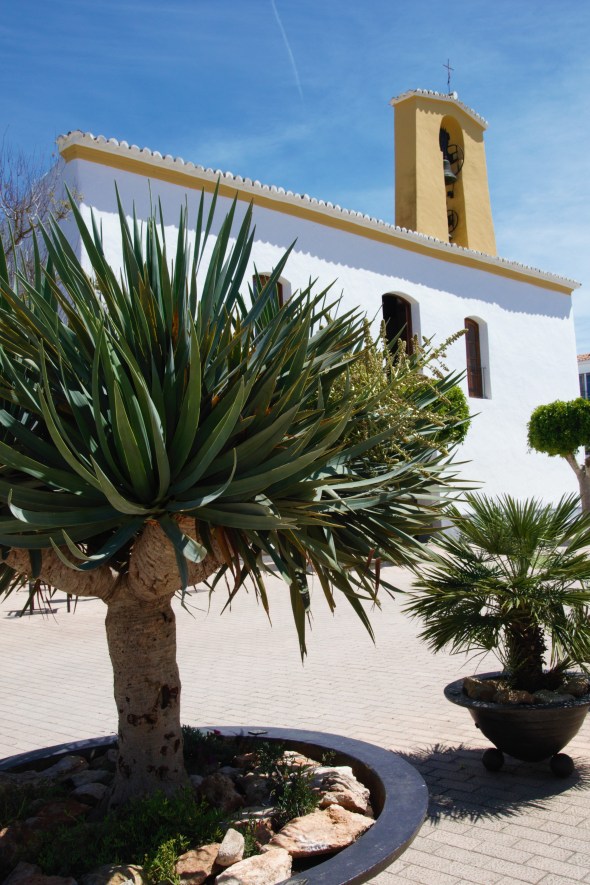
This small village, dominated by a delightful whitewashed church, was the perfect spot for a stroll in the sunshine. There wasn’t much to see, but I’d been tipped off about a cafe called Bar Anita across the road. I spent a pleasant half an hour sipping a cold drink in the warm sunshine, watching the world go by.

Onwards and northwards, as the hire car wound its way around the back lanes following the Cala de Sant Vicenç coast road for a few kilometres before ducking inland across the Serra de la Mala Costa. Turning north at Sant Joan de Labritja, I snaked across country on a tiny lane which led to the resort of Portinatx on the island’s rugged north coast. Smaller than Santa Eulària des Riu but nevertheless a resort, it was more my scene and I had a wander to explore.

Back in the car, I drove back to Sant Joan, this time via the main road and on to my next stop, another village dominated by a magnificent church, Sant Miquel de Balansat. Sited on top of the hill, this whitewashed church is impossible to miss. It’s the second oldest on the island, after the cathedral and like the one in Sant Carles, had three crosses on the front wall, something you’ll see on all the churches on the island, the symbol of Golgotha. The painted chapel walls are very special. This bronze sculpture outside also caught my eye.

But by now, I was getting hungry and so drove the few kilometres to Santa Gertrudis de Fruitera. This was my favourite of all the villages I stopped at, and I feasted on jamon serrano and queso manchego in the sunshine, choosing a spot opposite the church.

Somehow the village managed to hang onto its character despite its popularity with day trippers. I had time to browse in a few boutiques before they closed for a siesta and I hit the road again.
This part of Ibiza is greener than the scrubby south and I drove across the countryside towards Santa Agnès de Corona, known as Santa Ines in Spanish. I passed olive groves, almond trees and orange trees laden with fruit. Ruined windmills completed the agricultural scene.

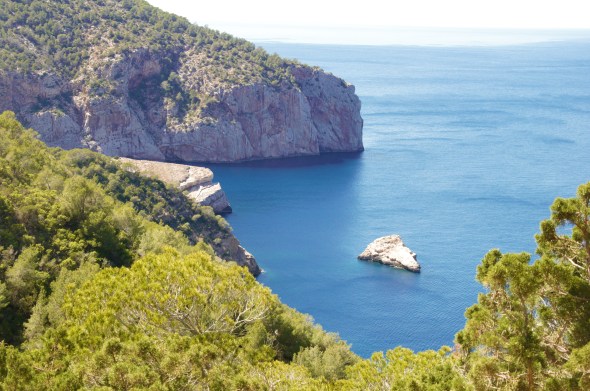
The road layout here forms a circle, so it as it was such a fine day, I decided to backtrack a bit and go for a short hike. My target was the hidden fishermen’s cove of Es Portitxol, said to be one of the prettiest spots on the island.
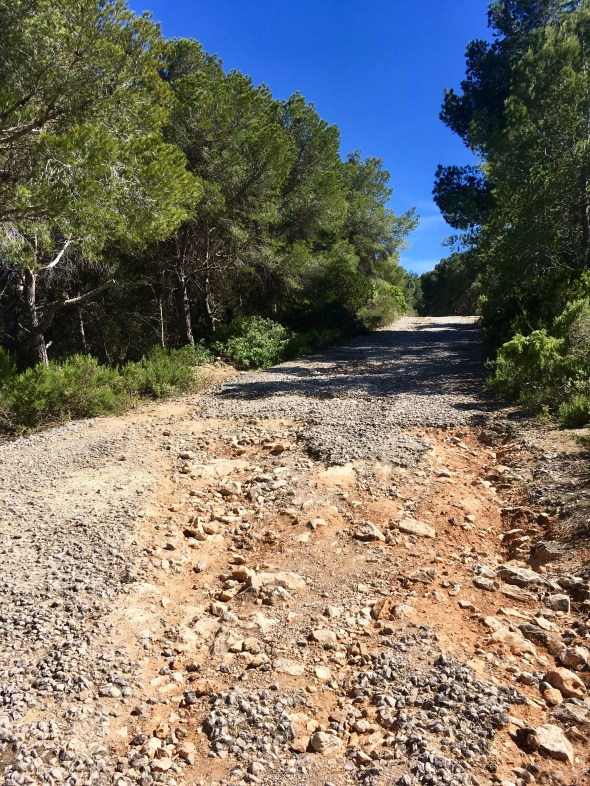
The road was in pretty poor shape, so I parked up and picked my way down the lane on foot. When I saw poor shape, it looked like a digger had gone rogue and there were great rifts gouged out of the stones. I wished at that point I’d had on walking boots rather than sandals, as it was hard going. The path did level out for a while and led through a shady forest; alongside were sweeping views over the ocean and towards the cove. Improperly clad, I decided to bail before I ripped my sandal straps, but had I continued, I’d have been rewarded with one of Ibiza’s hidden gems. Ah, next time.
It was time to head into Eivissa, the island’s capital. I’d seen the cathedral and fortifications of its Dalt Vila or old town as I’d passed earlier, and now it was time to explore on foot. Luck was on my side when it came to finding a parking space; yellow spaces reserved for workers become free for anyone who finds them empty after 4pm.

For anyone whose experience of Ibiza is solely the lively mass tourism resorts and club scene, Dalt Vila is the very antithesis: elegant, ancient and impressive. The thick wall and fortifications once protected Eivissa from marauding pirates; now they provide lofty vantage points from which you can admire the Mediterranean and watch the fishing boats bring their catch in, trailing clouds of seagulls in their wake. This defensive settlement dates from the 7th century BC when the Phoenicians founded the city, though the walls themselves are even older.

Today, Dalt Vila is threaded with alleyways and tunnels which, unsigned, invite you to partake of a lucky dip; when you step through the doorway, you might have no idea where you’ll emerge. I popped up in the Plaça d’Espanya for a time. One of the tunnels here was a Civil War refuge; Ibiza was Republican for a time before Franco stepped up his campaign and occupied the island, forcing the Republicans to flee.

In the Plaça d’Espanya traders were setting up a mediaeval fayre which should, according to the road signs, have opened three hours earlier but looked like it was still a while off. From there, I climbed a little further to the cathedral, its fussy architectural details contrasting with the simplicity of the whitewashed churches I’d seen in the villages.

Overlooking the marina, it was a good place to perch on a wall and soak up both the sun and the view. Refreshed, I wandered the streets of the old town for a while before ducking randomly into a tunnel and emerging some considerable way beneath them. I took it as a sign and headed back to the airport.
The details
Outbound: Ryanair STN to IBZ departing 0700 with a scheduled arrival time of 1040 (we were about 20 minutes early)
Inbound: Ryanair IBZ to STN departing 2140 and arriving at 2320 (also early)
Flights available from £19.99 each way.
Car hire with Alamo purchased through the Ryanair website was a little over £30 for the day; airport buses into Eivissa cost 3,50 euros each way.
Have you seen my other blogs on days out by plane? They’re perfect if you are desperate to travel but can’t get the time off you need for a longer trip. You’ll be surprised at how much you can do in a single day. For how to visit Amsterdam, Belfast, Bremen, Budapest, Lisbon, Regensburg and Copenhagen for the day from London, please follow this link:
http://juliahammond.co.uk/Travel/BLOG.html
The value of trip planning
I’m looking forward to two big trips at the moment, and they couldn’t be more different. The first, in a few weeks’ time, is a ten day holiday to Texas. I’ll be travelling with a specialist operator for the visually impaired, Traveleyes:
https://juliamhammond.wordpress.com/2017/02/17/off-to-texas-with-traveleyes/
It’s outside my comfort zone. Not the place of course – I’ve been to more States than many Americans – but the style of travel. I rarely book a package tour, avoid group travel and try not to allow anyone complete control over my itinerary. Yes, I’m a control freak and yes, I’m happy about that.

The other, in June, is an independent trip to the Caucasus. I’ll begin my adventure in Georgia, spending ten days exploring some of what promises to be the region’s most stunning landscapes, before venturing into Armenia and the breakaway republic of Nagorno-Karabakh for a further week. This is firmly within my comfort zone. This is how I like to travel: tailor made by me for me, with me firmly in the driving seat.

The former is a departure from my usual travelling style. Pretty much everything has been planned for me save for updating my ESTA and getting to the airport. There’s some free time, of course, but the way the group rotates to ensure all travellers get a change of company means I won’t know who I’ll be paired with on those days and in any case, free time is to be “negotiated” so both parties are happy. I don’t have a problem with the theory – it should make for a much better trip once we get going – but in practice I feel very disconnected from this trip. The main reason has to be that I haven’t been able to do my usual research. I have some ideas – someone, surely, will want to join me for what’s described as a “gospel-ish brunch” in Austin – but until I get there and meet my fellow travellers, that’s all they are: ideas. Technically I don’t even know what flight I’m getting though I’ve figured that out by a process of elimination and United Airlines, if you bump me there’ll be trouble.
In contrast, the Caucasus planning is really engaging. I’m wearing in new hiking boots and the Lonely Planet guide to Georgia, Armenia and Azerbaijan has become my nightly read. I’ve been swapping emails with tour providers to see whether organised day excursions would be a better option than going it alone by marshrutka. I’ve compared monasteries and researched foodie experiences, checked weather forecasts and studied hotel rooms. I’m figuring out whether a side trip to Abkhazia is possible even though I’m still half convinced that was the country the Tom Hanks character was supposed to have come from in The Terminal. I really must look that up. A rough plan is finalised for Armenia and once the Tbilisi-Mestia flights are released in a couple of weeks, the Georgia part will fall into place too. I’m happy. Browsing maps, photos and blogs online is giving me a sense of place and the more I find out, the more excited I’m getting.
It’s just that the more I’m getting excited about Georgia and Armenia, the more I’m realising I’m missing the experience of getting excited about Texas. Once I’m there, I’m sure it won’t be a problem, but without this build up, without the anticipation, I can’t seem to be able to savour the place. It feels like I’ll be tucking into dinner without sniffing the aroma wafting from the kitchen. And that’s a shame.
Essex Belongs to Us
Earlier in the year I was lucky enough to be selected for the Essex Belongs to Us project. A book has just been released featuring a selection of Essex-based authors writing about their county. Whether you’re local and want to reminisce, or live further afield and know little about one of the UK’s most misunderstood areas, the book will prove to be a good read. Here’s a brief taster of what I had to say about Salcott – but to read the rest, you’ll need to buy the book. Details of how to do so follow at the end of this blog post.
Fish out of water
I swear out of the corner of my eye I thought I saw a unicorn.
I’d dozed off in front of the telly and awoken to the sound of agitated voices. A few months ago, I’d have slept right through the commotion, part and parcel of living on a main road in a big town. But my husband valued silence over convenience and home was now Salcott-cum-Virley, a small village on the Essex marshes. Ensconced at the deadest part of a dead end road, tucked away behind five huge oak trees, it was about as quiet as Essex got.
Instead of the scream of motorbikes and the rumble of lorries, I now awoke to birdsong – and an infernal wind that sometimes blew so hard it drowned it out. With the gales of spring, fence panels popped like champagne corks. After retrieving the dog from the neighbours’ garden for the third time in as many weeks, we hired a man to build us some wind proof fencing.
But we were in the habit of leaving the gates open, and things had a habit of wandering in, causing great excitement. At first, we would run to the window each time, interrupting whatever we were doing to marvel at pheasants strolling across the front lawn or ducks making their raucous way across the sky out the back. All this wildlife was a novelty. We’d once had a squirrel visit our small back garden in Rayleigh but the dog had soon seen him off. Whether we liked it or not, we were going to have to share our garden with the local residents: the pair of wood pigeons that roosted in the dead apricot tree in front of the kitchen window and the quarrel of sparrows that nested in the blackberry bush that had long since conquered our garage wall. You didn’t live in the country, you shared it. Boundaries were arbitrary, there for the purposes of officialdom only.
And so it was that when the neighbour’s small white pony escaped, I awoke to find it at the patio door and in my somnolent state, confused it with a unicorn. It was soon joined by another and, then, several men trying to round them up, startling me out of my slumber. It wasn’t long before they were all heading back out of the gate. They seemed almost practised and I had a strong suspicion this had happened before.
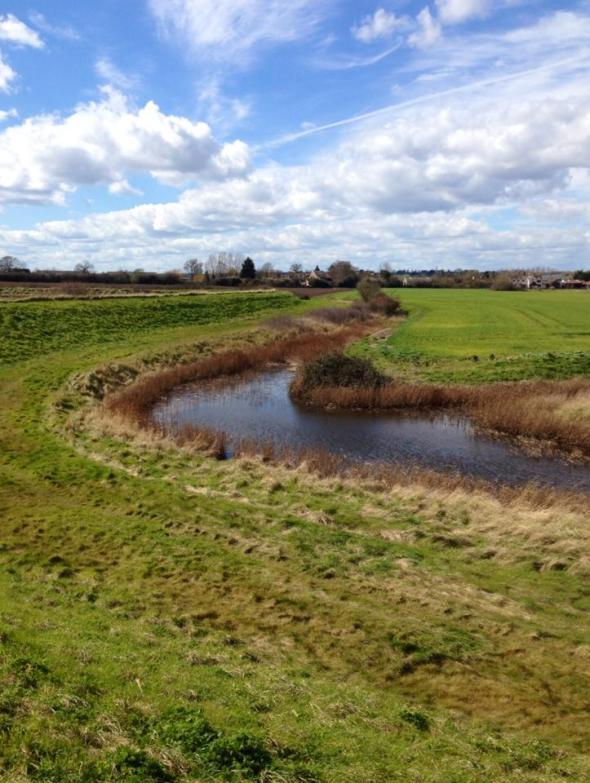
The rest you’ll find in the book. You can order a paperback here:
It costs £8.99 plus a pound for postage and packaging. Alternatively, the e-Book is much cheaper. You can download it to your Kindle via Amazon for just £1 here:
And if you do, I’d love to hear what you thought of the book. Was Essex what you expected it to be?
The Kelpies

Steve was proof they’re built of sterner stuff up in Scotland. While I was cocooned in a thick winter jumper and padded coat, he went bare armed as he rounded up his tour group outside the visitor centre. I couldn’t help but comment. His eyes crinkled at the edges as he told me that the building had underfloor heating and his body was as efficient as a storage heater. He assured me he’d be warm throughout the tour. I was convinced, however, that I’d see a goose bump or hint of a shiver at some point. After all, you don’t come to Falkirk in February for T-shirt weather.

And it most certainly wasn’t T-shirt weather. Dark concertina folds of cloud crowded the sky and a brisk wind ruffled my hair. I wasn’t too upset. If anything they added drama to an already impressive sight. The two horse heads that formed The Kelpies stood over 30 metres tall. Coming from Glasgow, the first glimpse from the car was as in your face as it got: a massive horse’s mouth emerging from a clump of trees by the side of the motorway. I’d known little about The Kelpies before I’d visited and was taken aback as to how large they were. Excited, I pulled into the Helix car park and was delighted to find it was free. No National Trust price hikes here; this is a community run project and consideration is given to such matters. On a bleak February Saturday, it felt like my willingness to risk the weather had been rewarded and that put a smile on my face.

I had a few minutes to kill before the tour began so I kicked around the site with coffee in hand. What was immediately apparent was that this was as much a community resource as a tourist attraction. Dogs happily chased balls and the kids had brought their scooters. For those wishing to wander along the adjacent Forth & Clyde canal or around The Kelpies, no charge was made. I decided to invest in the £7 required for the tour, keen to find out more about this unique sculpture.
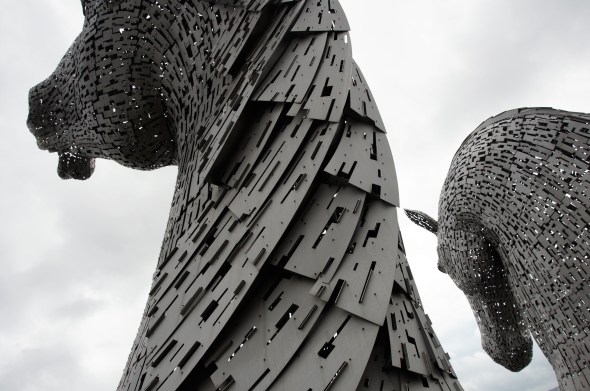
There was plenty to learn. Steve was an enthusiastic guide and worked the small crowd well. “In the three or so years since we’ve been open,” he said, “ten people have fallen into the water. Nine of them were adults!” He grinned and the kids in the group took the bait, ribbing their parents. The shallow moat around the base of The Kelpies wasn’t likely to drown anyone, but given the number of people walking backwards with their eyes glued to their camera screens, it was easy to see how the tally had been achieved.

I’d last visited Falkirk back in the mid 1990s. It hadn’t left a lasting impression. Steve acknowledged that I wasn’t alone in holding such a view. “I’ve lived here for twelve years, Before, when I was asked where I came from I’d say Falkirk.” He muttered into his beard and the name was lost on the wind. “Now, because of The Kelpies, I’m proud to say I’m from Falkirk.” Falkirk Council shared his passion, it would seem. Securing Lottery funding to the tune of around £23m, they and several other interested parties match-funded. The timing of the project wasn’t great, coinciding with the recession, but despite opposition the planned project went ahead. Visitor numbers are looking healthy – an estimated 2 million people have come here since the construction finished in late 2013 and around 200,000 have taken the tour. What was good to hear was that many of those that came were repeat visitors from the local area. Profits from the attraction were ploughed back into local amenities such as local library funding.
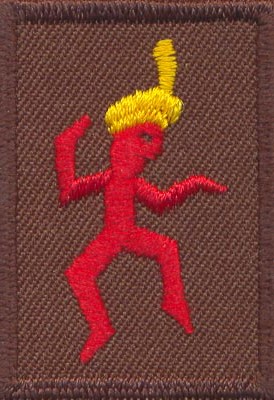
The story behind The Kelpies project was fascinating, blending mythology with industrial heritage. The Scottish Kelpie that I’d worn on my Brownie uniform was a little red pixie-like character. “We’re the little Scottish Kelpies, smart and quick and ready helpers,” went the rhyme we chanted. But this sweet image, it would seem, was a con. Of all the Brownie creatures, the Kelpies were the nastiest – malevolent, shape-changing aquatic creatures that commonly took the form of a horse. They’d entice people in their equine form before dragging them underwater to an untimely death. If the media had got hold of that story in time, someone at Brownie HQ would have been fired for sure.

Artist Andy Scott was responsible for the Kelpies at Falkirk and he’d focused on the power and endurance of the beasts rather than their malevolence. The canal-side location was an appropriate setting; horses would have been a common sight, pulling the barges upon which Scotland’s industry relied. In a clever twist, the idea of using the Kelpie reinforced how much the landscape had been transformed too. When choosing a suitable horse to model, Scott took the local Clydesdale breed as his inspiration, with the two muses being Baron (head up) and Duke (head down). The original sketch had been of the entire animal, the water line sketched in and then cropped to ensure the sculpture’s proportions were accurate.

The resultant sculpture is magnificent. The second largest equine structure in the world, they’re beaten in scale only by the monument to Genghis Khan in Mongolia. That stands 40 metres tall, but then Genghis is on top and he’s the star attraction. I’ve seen it, and it’s impressive, but, well, a bit too shiny. The Kelpies would probably be even more of a distraction for drivers on M9 if they had such a sheen, but the matte finish looks more tasteful. Sorry Mongolia, 1-0 to Scotland.

There’s something about the workmanship of The Kelpies that draws your attention and keeps it transfixed. Inside, out of the wind, it’s easier to concentrate on the structure itself. Each of the horse heads used 464 manufactured plates in its construction. Every one is different. They were transported on 150 lorries from Sheffield and took ninety days to be fitted together, in what must have been like an ultimate marathon game of Tetris. At night, they’re lit by LEDs, an energy efficient method costing the equivalent of a pot of tea every night. Now that’s an achievement in itself, don’t you think?

My one disappointment was that it wasn’t possible to climb the structure, though looking at the access ladder for the maintenance crew, you’d need a good head for heights to do so. No matter; the tour’s a must, even at ground level. For more information and to pre-book a slot to see The Kelpies with a guide, please visit the website here:
A beginner’s guide to the Trans-Siberian
I love a good train trip and the ultimate in rail journeys has surely got to be the Trans-Siberian in some form or another. If you’re thinking of crossing Russia by train, I’d suggest doing some background reading beforehand to get your head around what seems like a complex trip but in reality is more straightforward than it looks.
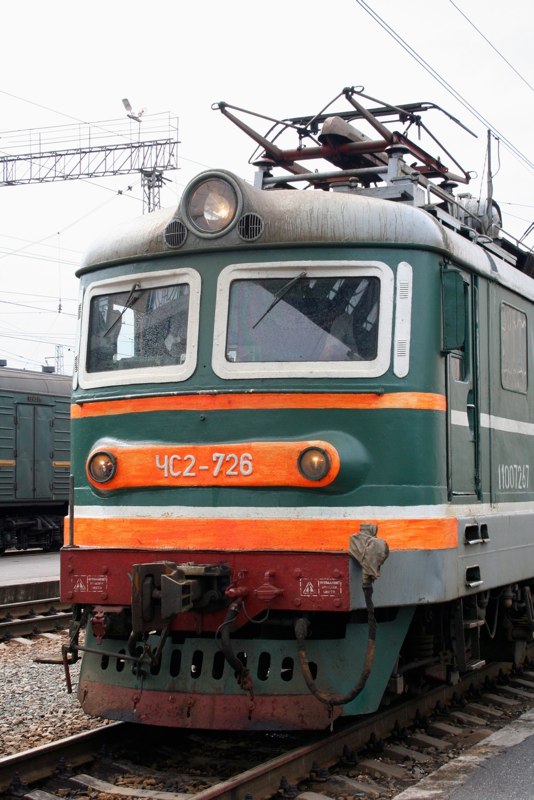
What is the Trans-Siberian?
Some people wrongly believe that the Trans-Siberian is one single luxury train. It’s not. It’s one of several long distance routes that stretch across Russia. Generalising a little, there are three main routes: the Trans-Siberian, the Trans-Manchurian and the Trans-Mongolian. Following each of these routes, it is possible to travel on a single train, but most people stop off along the way to explore some of Russia’s great sights – and see something of Mongolia and China as well, perhaps.

Trans-Siberian route (Courtesy of Ertmann and Profil CC BY-SA 2.5 via Wikimedia)
How long will I need?
To follow the classic route from Moscow in the west to Vladivostok in the east without stops will take 6 days. If you plan to do this, you’ll need to book the Rossiya train (number 1 or 2 depending on the direction you take). Extending your journey , you could begin (or end) in St Petersburg rather than Moscow, which are connected by an overnight train taking about 8-9 hours, or the high speed Sapsan train which covers the distance in about 4 hours. Personally, I’d allow at least a couple of days to scratch the surface of Moscow or St Petersburg, though it’s easy to spend more time in either. To cover the whole route with a few meaningful stops, it’s best to allow a couple of weeks, more if you can. And of course, you can do the whole trip overland with connecting trains via Paris and a route that takes you through Berlin, Warsaw and Minsk.
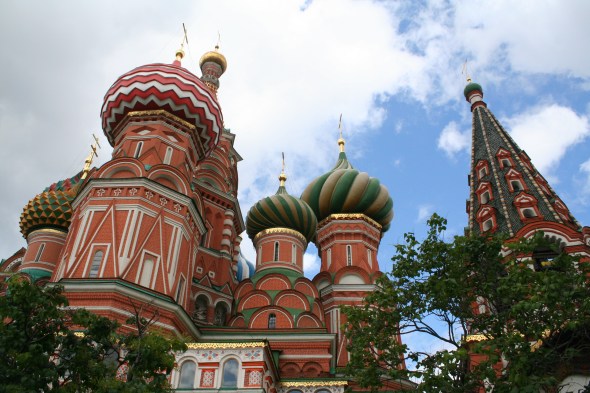
What was my itinerary?
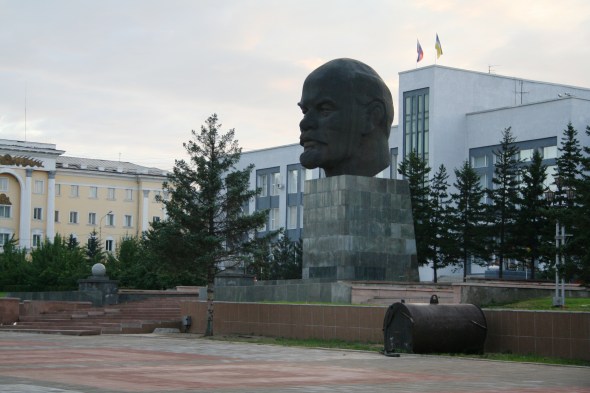
Mine is, of course, by no means the definitive tour. On these three routes, it’s easy to tailor your journey according to your own personal preferences. I flew from London City airport to Moscow as at the time I booked, this worked out cheapest. When I planned my trip, I’d already been to Beijing, so I opted for the Trans-Mongolian from Moscow to Ulan Bator in Mongolia, leaving the Trans-Siberian on the map above at Ulan-Ude and heading south to the border. Read more about Russia here:
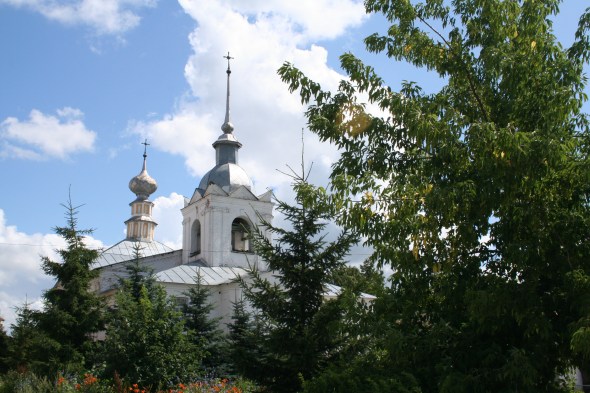
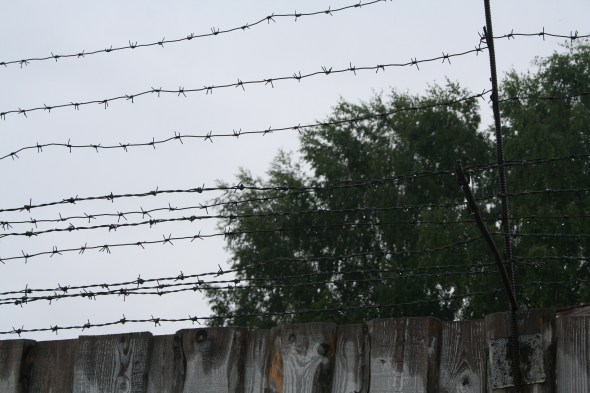
I stopped at Vladimir (for Suzdal and the Golden Ring) and then Perm (to visit one of Stalin’s notorious gulags). I skipped the popular stop at Yekaterinburg for reasons of time, though I’d like to visit next time, making the journey from Perm to Irkutsk in one go (a little under three days and over 3000 miles) as I wanted to experience a multi-night trip. I think that was enough: though you can book itineraries which involve staying on board the train for longer, I was definitely ready to sleep in a proper bed after two nights on the train and it was an amazing feeling to luxuriate in a bath and soak away all that train grime and staleness. There’s only so much wet wipes and dry shampoo can achieve!
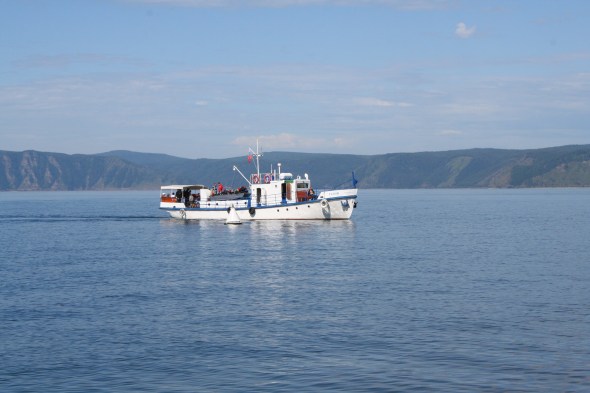
I had a couple of days at Irkutsk so I could visit Listvyanka at Lake Baikal. On a second trip, I’d build in more time here as it was beautiful – and frozen in winter, it must be a special place indeed. Reboarding a train, I crossed over the border to Mongolia. Having seen a little of the Mongolian capital I set off into the surrounding countryside for an unforgettable stay in a ger with the steppe nomads. Culture shock is an understatement! Read about it here:
I then retraced my steps to Ulan-Ude from where I caught a flight back to Moscow with budget airline S7 – a six and a half hour domestic flight which gives you some idea of the country’s vast size. This worked out considerably cheaper than finding a single leg fare to Moscow and home from UB. In all, the train tickets cost me about £500, with flights adding about £350 to the total. In all a couple of weeks’ holiday cost me around £1500 including basic hotels, meals and sightseeing.
Is it easy to do as an independent traveller?
Yes and no. I’m a big fan of independent travel, not only for the cost savings, but also for the flexibility it gives me to tailor the itinerary to suit my exact requirements. But I’m also not a Russian speaker and I felt I needed support with the booking process to ensure I ended up with the right tickets for the right trains. As you can see from the ticket below, it’s not at all easy to understand not only a different language but a different alphabet as well.
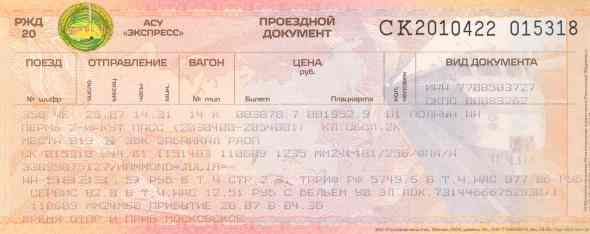
Due to the complexities of the railway ticketing system plus visa considerations, I decided to use a single specialist travel agent for those two aspects of my trip. As is my usual style, I booked my own flights, accommodation and most of my sightseeing myself; the exception was a private tour to Perm-36 Gulag which I also outsourced. I used a UK-based company called Trans-Siberian Experience (https://www.trans-siberian.co.uk) who were very efficient and helpful. The day trip was a 260km round trip from Perm, customised to my personal requirements and cost £170, the most extravagant part of my trip but more than worth the outlay.
The company I used at the time was Real Russia.
http://realrussia.co.uk/Trains/Trans-Siberian
Their website has a dedicated Trans-Siberian section which enables you to check train times, suss out possible routes, check prices and order visas. It’s clear and in my experience the support offered by the team was excellent. All my tickets were sent in good time with English translations, the visa process was uncomplicated and every aspect of the trip that they’d arranged went according to plan – which was more than could be said for some of my own bits:
https://juliamhammond.wordpress.com/2016/11/06/lost/
Since switching careers, I’ve done a lot of work for Just Go Russia, another London-based agency specialising in Russia, and they are always extremely efficient. If you’re looking for a tour, they do offer a wide range of options. You can find them here:
http://www.justgorussia.co.uk/en/transsiberian.html
Even if you don’t end up booking a tour, it’s a good way of getting an overview of the route and whittling down the options about where to stop off. Another source of information is The Man in Seat 61, my starting point for every train trip I’m planning outside the UK. There’s a good overview here:
http://www.seat61.com/Trans-Siberian.htm
What’s it like on the train?
Each of the trains I took was a little different. I “warmed up” on the short leg from Moscow to Vladimir and this was a regular seated train. That took away some of the nerves about checking I was on the right train, right seat and so on, without the worry of a missed long distance connection. From Vladimir heading east, some of the long distance trains leave in the middle of the night, so I opted for one departing early evening which arrived after lunch the following day. The overnight trains varied considerably in terms of speed and quality, something that is reflected in the price.
Another thing to factor in if travelling in Russia’s hot summer is that the air-conditioning is turned off when you stop at the border and the windows of such carriages don’t open; more basic trains have windows that can be pulled down to let in a breeze. (In winter, in case you’re wondering, the trains are heated, so prepare to swelter on the train and freeze on the platform.)
Some compartments featured luxury velour seating, others were more basic, such as the one I travelled on from Perm to Irkutsk. In my opinion, that didn’t really matter as I followed the lead of my compartment companions (all Russians) and stretched out on a made bed all the way rather than converting it back to a seat. When I did the Irkutsk-UB leg, the train was more luxurious, those sharing the compartment were all tourists like me and we all sat up during the daytime. To be honest, I liked the local approach best.
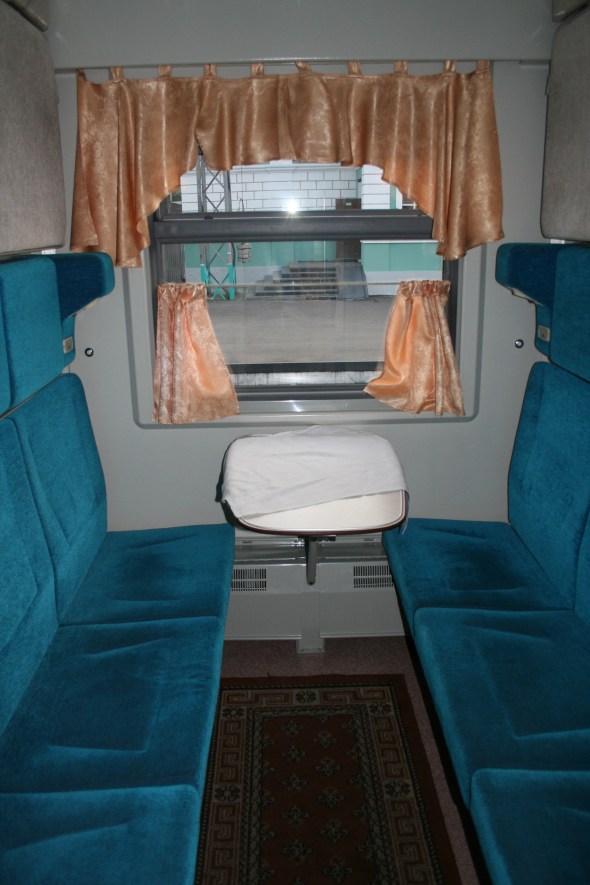
In all cases, I opted for second-class tickets which provided comfortable accommodation though no en-suite facilities. The logic to this was that as a solo female traveller I didn’t want to be alone in a compartment with a single man and the first-class compartments came as two-berth not four-berth kupe. I shared with three men from Perm to Irkutsk but as everyone sleeps in their clothes nothing untoward happened and actually I was well looked after by one of them in particular, a Russian army officer heading on to Chita.
Border crossings can be daunting, but knowing my visas and documentation were in order was helpful. Formalities vary and the immigration officials will make it clear whether you are to remain on board or not. It is normal for them to take your passports away; that can feel stressful but having a photocopy of your papers is a comfort. Note that the Chinese trains run on a different gauge so the carriages have to be lifted onto new bogeys.
What should I pack?
As you are likely to sleep in your clothes then picking something comfortable like jogging bottoms and a loose T-shirt is a good idea, though clearly you won’t win any fashion awards. Who cares? I found it helpful to pack changes of clothes (socks, underwear and T-shirts) in a day pack so I could store my suitcase under the bed and forget about it.
In terms of footwear, most of the locals seemed to favour blue flip-flops with white socks. Slip on shoes of some form are convenient to help keep your bedding free of dust picked up from the floor. The provodnitsa, or carriage attendant, will come round with the vacuum cleaner each day and will chastise anyone who’s made a mess, so keep the compartment clean.
It’s a good idea to book a lower bunk as you are then sleeping on top of your bags, affording grreater security than the open stow holes up top. It’s possible to lock the door from the inside, but not from the outside, so when you visit the bathroom it’s reassuring to know that your belongings are out of sight. Having a small handbag to carry passport, money and other valuables – like train tickets! – was also helpful. When I’m travelling by overnight train I always take a lockable, hard shell wheelie; it’s narrow enough to wheel down train corridors and light enough to lift from the platform, but also more robust than a slashable canvas bag. A determined thief will steal or break into anything, so it’s about making yourself a more difficult target than the next passenger.
When I travelled, the bathroom facilities were pretty basic so I would definitely recommend taking lots of wet wipes and also a can of dry shampoo. It’s amazing how clean you can get yourself in a small cubicle with just a small sink. These days, most Russian overnight trains have a special services car with a pay-to-use shower which would have been great. You do need your own towel, but I use a special travel towel which folds up small and dries fast. I won mine in a competition but you can get something similar here:
http://www.nomadtravel.co.uk/c/261/Travel-Towels-and-Wash-Bags
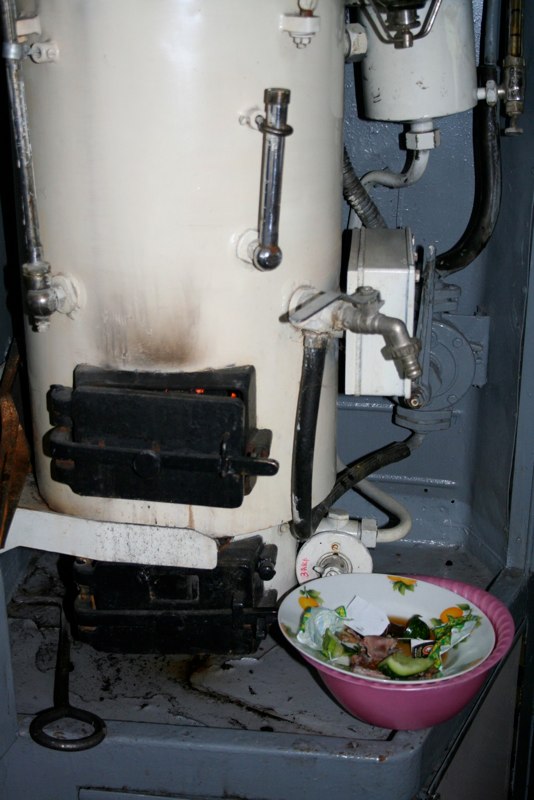
In terms of sustenance, the provodnitsa also keeps a samovar boiling from which you can get hot water to make tea, noodles or soup, so I packed some of these too. Some were more accommodating than others; if you get a grumpy one, she’ll lock her door or disappear for hours at a time. I was lucky to have a smiling provodnitsa on my longest leg, which made a difference. The Russians travelled with plenty of food which they generously shared, most memorably omul, a kipper-like smoked fish common in Siberia.
There’s a restaurant car as well and at station stops, despite the queues there was often enough time to nip off to buy food from the platform vendors, so carry enough small change for these kind of purchases. Finally, it’s a long way. Although batteries can be charged (though sometimes in the corridor on older trains) I’d pack an old fashioned paperback to read or carry a pack of cards to entertain yourself. Take family photos – in my experience it’s true that Russians love to share theirs. It’s also true that a bottle of vodka can break the ice though some compartments sounded more raucous late at night than others – the luck of the draw! I also had a copy of the Trans-Siberian Handbook (as opposed to the Lonely Planet which I would usually take) because the level of detail about what you’ll see out of the train window was much better.

Anything else I should know?
One of the things I was most worried about before I set off was missing a train or missing a stop. In the event, neither of these were an issue. At the station, huge signboards helped identify where the train might pull in and showing the ticket and smiling a lot got me escorted to many a carriage door. Pretty much without exception, I found the Russian railway staff very helpful. The trains used to run on Moscow time which could be a little confusing at first, but there are timetables up in the corridors and even on the longer legs I usually knew roughly where I was. Since summer 2018, they’ve switched to local time and are showing both times to help ease the changeover.
A phrase book helped me decipher the Cyrillic alphabet; my technique was to focus on just the first two or three letters rather than trying to remember the whole name. Thus Suzdal became CY3 etc. The train provodnitsas were very good at giving their passengers plenty of warning when their stop was imminent and so I managed to get across Russia without incident.
I never felt unsafe during my trip but I would say that you need to be a bit savvy when it comes to your valuables. Keep your passport and money with you, don’t flash around expensive cameras or laptops but equally, don’t get too paranoid.
Would I do it again?
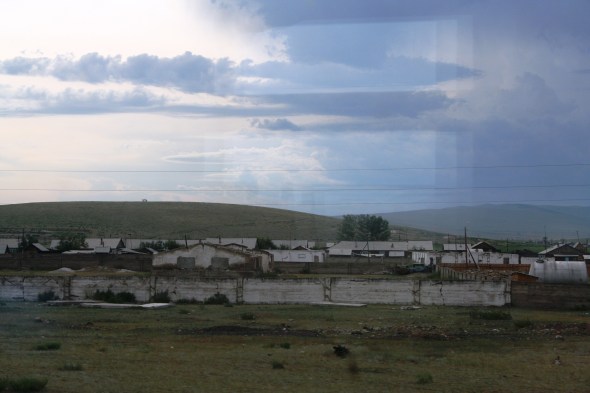
Yes! The scenery at times was monotonous but that was missing the point. The adventure was in the interactions with people on the train; the sightseeing came after I alighted at the station. Next time I think I’ll begin in St Petersburg, detour to Kazan and make that visit to Yekaterinburg before heading east to Vladivostok. Now where did I put that Trans-Siberian handbook?
Just back from – a day trip to Regensburg
I’ve washed the smell of wood smoke out of my hair and a couple of Ibuprofen have sorted out the backache, for now at least. My latest day trip was the longest yet, but proof yet again that you don’t need to overnight to enjoy a rewarding experience over in continental Europe. This time, I had my sights set on Germany’s famous Christmas markets.
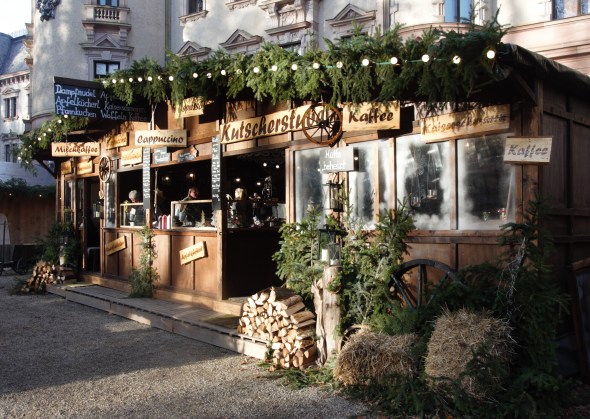
This month’s destination, hot on the heels of Budapest, Bremen, Belfast, Lisbon and Amsterdam which have previously featured on this blog, took me to Nuremberg. A flash sale on Ryanair’s website netted me return flights to the Bavarian city for the princely sum of £4.08 all in. The offer was one with limited availability, not only in terms of seats but also in validity, solely for flights on Tuesdays or Wednesdays in November. Such offers come up quite often and it’s worth subscribing to Ryanair’s email alerts if you’re within easy reach of Stansted. I also saved money on my airport parking by purchasing it through the Holiday Extras website which saved me over a fiver. My 7.35am flight from Stansted was on time and we touched down shortly after 10.15am.


I made use of the Bayern ticket which I’d learnt about on a trip to Munich. The ticket’s valid for a day from 9am to 3am the next day which gives plenty of time for sightseeing. It offers unlimited travel throughout Bavaria on all trains except ICE, IC and EC (so basically excludes high speed trains) as well as city transport in many of the larger cities. The cost? A flat fare of 23 euros if bought from a ticket machine, 25 euros if bought from a kiosk. Unfortunately there’s no train service from Nuremberg airport which means no DB ticket machines (a U-bahn service operates instead with a fare of 3 euros for a ticket with 90 minutes’ validity) so I had to buy the Bayern ticket at the Airport Information desk for the higher price. As it covers the U-bahn that was still the cheapest way of doing it.


It wasn’t long before I was in Regensburg and my first stop was the Neupfarrplatz Christkindlmarkt. Most German Christmas markets get underway on 25th November this year, but Regensburg’s begin a couple of days earlier. The market was well underway at midday, a mix of traditional market stalls and refreshment huts. Next I checked out the Lucrezia Craft Market, though that was still being set up. There were some stalls that had limited wares on display, the likes of sheepskin clothing, wood carvings and handmade silver jewellery. To reach the third of Regensburg’s markets I needed to cross the old stone bridge at the Spitalgarten. Again, setting up was in progress but the walk was a pretty one and there were sheep waiting in the wings to coo over.


I crossed back over the Danube for a lunch stop at the Regensburg Sausage Kitchen, one of the oldest restaurants in Germany. Prices were reasonable and they did takeaway, though even at the end of November, it was warm enough in the sunshine to eat at one of its picnic tables.

The main focus of my visit was the Christmas market at the Thurn und Taxis Palace. Regensburg’s Old Town has hundreds of listed buildings but this palace and its grounds are the jewel in the crown. The Christmas market is more than just a market, with live music and even visiting alpacas and camels. The latter obviously play a role in the Christmas story but I think the alpacas were just there as a crowd-pleaser; certainly every time I held up the camera, they turned their heads and posed!

But let’s get down to business: this is no ordinary market. Princess Gloria from Thurn und Taxis apparently is pretty hands-on with the organisation of the market and I did see a couple of elegant, well-dressed women who might have been her. The market, less well known outside Germany than the likes of Munich’s markets for instance, attracts a mainly local crowd, though it’s definitely worth making the journey for.

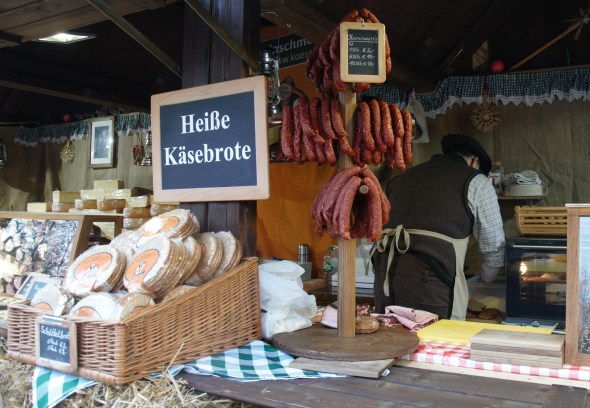
The market attracts artisans not just from Germany, but from surrounding countries such as Austria as well. The man selling delicious hot cheese bread had made the journey from the Voralberg and the journey had done his cheese no harm at all. It was cheap, filling and almost worth the market’s 6,50 entrance fee in itself.
As darkness fell, the market took on a magical atmosphere. Open fires and strings of fairylights added to the romance of the market and there were plenty of stalls to browse. It’s at dusk when you really start to appreciate the attention to detail. Stallholders decorate their huts with freshly cut branches from pines, spruces and firs: the smells as well as the aesthetics are something to savour.
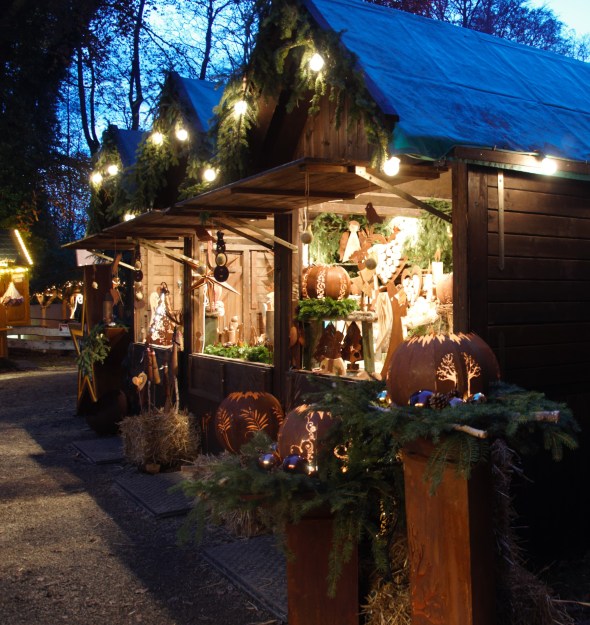
The good thing about not having to pay for accommodation is that there was plenty of cash in the budget that could be used for souvenir shopping instead: I was spoilt for choice amongst a wide selection of products including sheepskin rugs, rustic Christmas ornaments, clothing and handcrafted metal ware.


The palace itself, larger than Buckingham Palace, looked spectacular as the lights came on. At six, a pair of trumpeters heralded the official start to the festivities, followed by a choir and costumed soloists. The balcony overlooking the main courtyard provided the perfect staging.
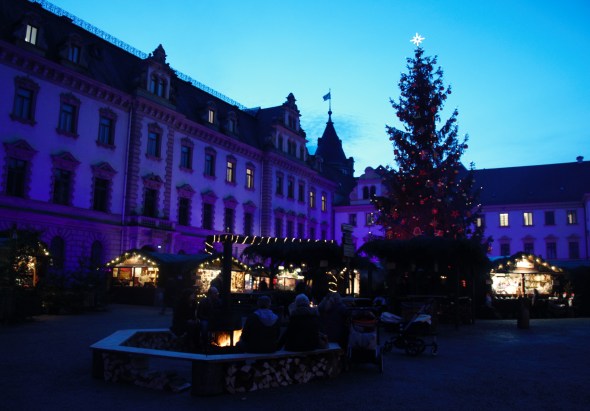
Eventually, it was time to wander back to the station for a train to take me back to Nuremberg. The seven hours I’d spent in this delightful city was plenty to enjoy it without rushing. My flight departed more or less on time at 10.35pm; I’d landed and cleared immigration well before midnight UK time.
I’m already planning my next day out to a European Christmas market – but this time, I’m off to Copenhagen and I’ll be blogging about it next month.
Will you be trying Eurostar’s cheap deal?
Interesting article in the news today that Eurostar will be offering some very cheap deals on its fares to Paris, Brussels and Lille. The fares will be available for trains from the end of November to mid-January and you can book from next week. Simon Calder was explaining the offer during a breakfast television segment this morning, and the Independent article he wrote on the story can be read here:

On the face of it, £19 each way sounds like a bargain and I’m certainly one who’d usually espouse the benefits of train travel over flying. However, I’m not sure I like the terms and conditions – if it wasn’t enough that you don’t find out which time train you’re on until almost the last minute (you could end up trying to get to St Pancras very early!), if the train they allocate for you gets full at the last minute you’re going to be bumped to a jump seat.
I had a look at easyJet’s website to see what kind of prices they’re offering from Luton, Gatwick and Southend – there are some good deals to be had especially in January, with Southend coming out as the cheapest at the time of writing. It looks like flying won’t cost much more than the Eurostar, and of course you get to choose exactly what time you depart and return. In terms of travel time, it would take me as long to get to LTN, LGW and SEN as it would to central London, so for me that factor doesn’t influence my decision.
Personally, I’m no great fan of Paris or Brussels, and as I’m off to Nuremberg soon with Ryanair for the princely sum of £4 return including tax, I shan’t be booking. What about you? Would this special offer tempt you?
An island for every month of the year
For many of us, an island holiday is the ultimate in escapism. There’s something about it which engenders a kind of “pull up the drawbridge” mindset perfect for recharging the batteries. What follows puts together those islands that for one reason or another have made a lasting impression on me, with a suggestion for a good time to visit weather-wise.
Gorée – January
Senegal’s Île de Gorée is at once a melancholy and vibrant place. The focus for the country’s remembrance of those lost to the slave trade even though few were ever shipped from its shores, it’s also colourful and charismatic, a favourite of artists and craftsmen. It’s an easy day trip from the Senegalese capital Dakar. In January the weather is sunny and mild, making this the perfect winter escape.

Roatan – February
Honduras might have a hellish reputation in terms of safety and security – its largest city San Pedro Sula is considered to be the murder capital of the world – but the languid island of Roatan off its northern coast is about as far from trouble as you can get. It has all the characteristics you’d expect from a Caribbean island: a laid back welcome, turquoise warm waters and fresh fish dinners. In February, it’s busy enough to feel buzzing, yet you’ll have no problem finding space on the beach to soak up those tropical rays.

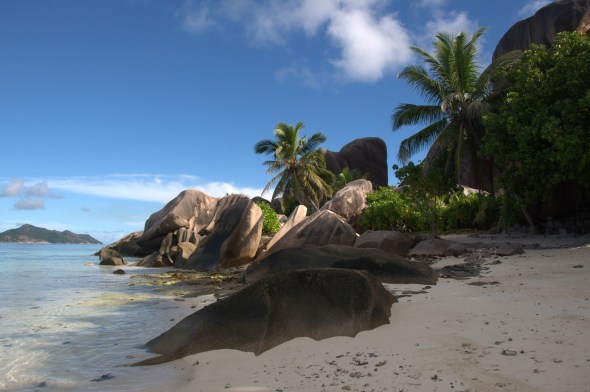
La Digue – March
The Seychelles has a reputation for luxury – and all the costs that come with achieving it. The good news is that La Digue manages to offer accommodation for all budgets. Better still, it’s one of the prettiest islands on the planet and compact enough that you can explore it by bike in a few days. In March, the weather’s on the turn, but unless you’re really unlucky, visiting La Digue in the shoulder season means you’ll dodge the worst of the crowds as well as the rain.
St Lucia – April
One of the lushest islands in the Caribbean, St Lucia is also one of the prettiest. But that verdant setting has only been achieved with rainfall totals higher than many in the region. April is statistically the driest month, so time your visit to the island’s cocoa plantations, hot springs, iconic peaks and of course fabulous beaches to hit the best of the weather.
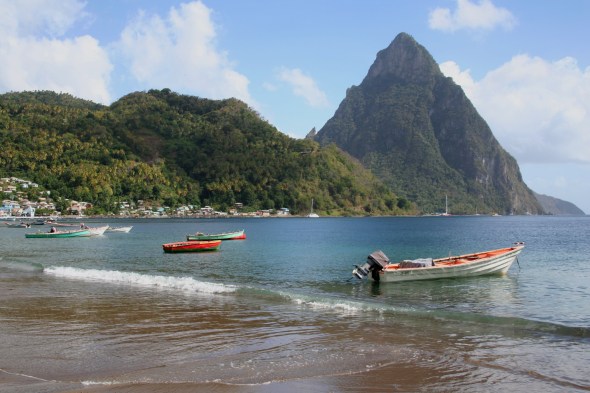
Gozo – May
Malta’s firmly on the beaten track when it comes to Mediterranean escapes, but visit Gozo before the main tourist season kicks into gear and you’ll be impressed. This rural and characterful island combines fascinating historic attractions with impressive coastal scenery.

Lanzarote – June
If you’ve ruled out Lanzarote on account of its nickname, Lanzagrotty, then you need to have a rethink: this place is seriously cool. Avoid the crowds of tourists tied to school holidays and get in ahead of the crowds to explore Cesar Manrique’s fabulous architectural legacy and some of the hottest volcanic scenery on the planet.

Zanzibar – July
There are few islands with names that conjure up as exotic an image as that of Zanzibar. The reality is as satisfying: the narrow alleyways of the capital Stone Town are lined with mansions made from coral stones held together with lime mortar, built by merchants who traded spices, silks and slaves. To the north of the island, you’ll find plenty of excellent beaches where you can enjoy the dry, hot July weather.
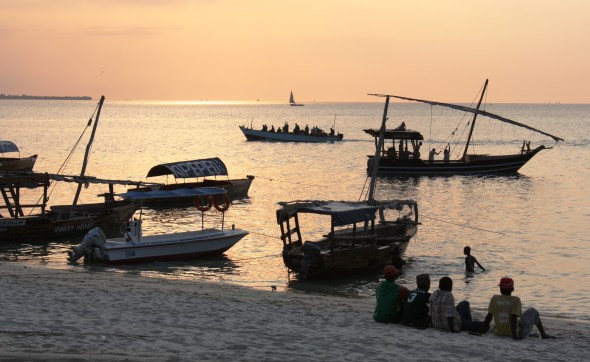
Tanna – August
Faraway in the South Pacific lies the archipelago of Vanuatu. Its most fascinating island is without a doubt Tanna. Dominated by one of the most accessible active volcanoes on the planet, visitor interest is piqued by the John Frum cargo cult, and in particular the offshoot Prince Philip movement that think our Queen’s husband is a god. Toast him with kava, the local firewater which numbs your mouth and sedates your brain.
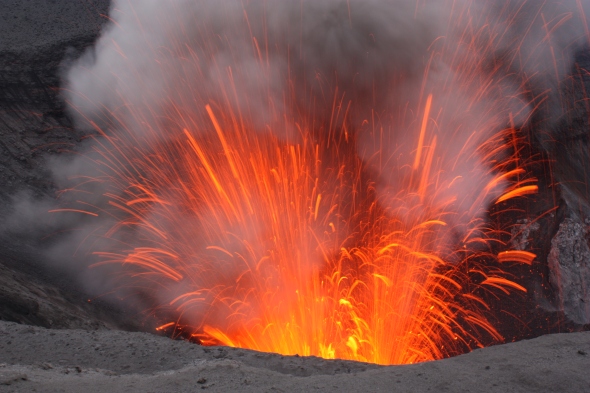
Bali – September
Well on the beaten tourist track, Bali offers a winning combination of culture and relaxation in one neat and tiny package. Its resorts make the best of the sandy beaches and September sees the crowds thin ahead of the October to March wet season. Watch the sunset over the ocean at Uluwatu temple or head inland to the green rice terraces that encircle the pretty town of Ubud.
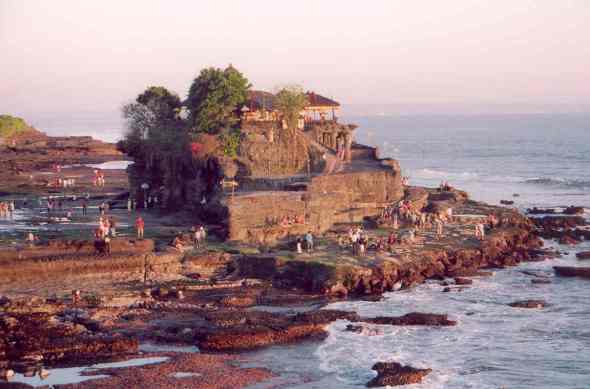
Kyushu – October
The most southerly of Japan’s big four, Kyushu packs a punch. It’s a good choice for those wishing to get up close to the country’s tectonic action, with mud pools, hells and hot sand baths at Beppu and the active volcano Sakurajima an easy ferry ride from the city of Kagoshima. By October, the humidity that plagues the summer months is long gone, but temperatures are still high enough to make sightseeing a pleasure.

Easter – November
Despite its isolation, remote Rapa Nui is recognisable the world over for its moai, the oversized stone heads that gaze out over the Pacific from all parts of this mountainous island. The five hour flight from the Chilean capital just to get there is arduous, but when you do, you’ll agree it’s well worth the effort. Its history is fascinating, but it’s the location that blows your mind.
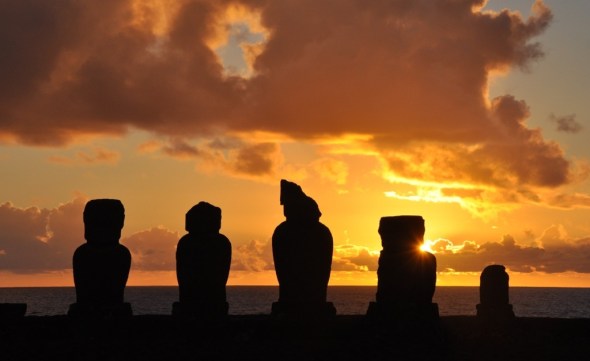
Cuba – December
Go there before it changes, they said. So I did. But that was well over a decade ago and the tour companies are still saying it. Nevertheless, I haven’t yet met a visitor who was disappointed. Cuba’s one of those places that gets under your skin, from the old ladies in Havana who’ll puff on their cigars for a dollar to the horses that you’ll still see trotting down the cobbles of backstreet Trinidad. Forget generic Caribbean, this place is unique and special because of it.
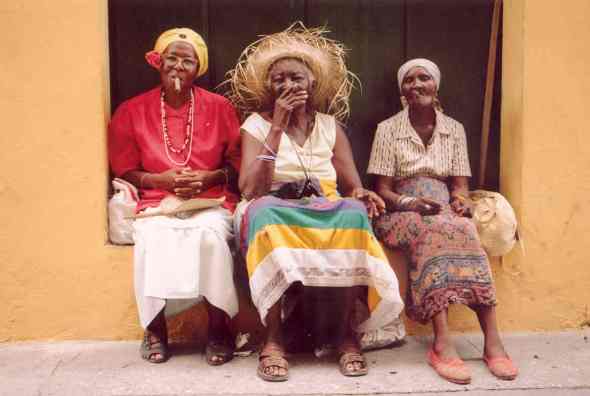
So there you have it, my favourites. What are yours?
Checking in to come home, Russian style

I stood, motionless, in the middle of the crowded space. People came and went around me. Some queued, others waited patiently next to piles of luggage, still more hugged relatives in emotional goodbyes. For all the world, it looked like a regular airport, going about regular airport business. I reckon I’ve been to thousands of airports in my time, striding confidently across halls, dealing with airport officials, polite on the outside even if seething on the inside at petty officiousness and stupid rules. I’m no fan of airports, you understand, but they are a necessary evil to get me to somewhere exotic and exciting.
But this one had me stumped. For the first time, I couldn’t find check-in.
How do you lose check-in? How is it possible not to see row upon row of impersonal white desks and grubby baggage belts, with their maze of retractable queue barriers that make you pace this way and that like a caged lion? How do you lose the planeloads of people that must have got to the airport before you as your flight is going out late afternoon?
Like a detective, I scoured the room for clues. The space was devoid of signage, even in Russian. I couldn’t see anyone holding a boarding card and most people still had large suitcases. Was I in arrivals, I wondered? I headed back outside. The sign read “Departures”.
Back inside, I started to ask fellow passengers but drew only blank looks. Pointing at my suitcase and shrugging my shoulders in a kind of a “what do I do with this?” mime wasn’t working. Pointing at the airport page in my phrase book and again at my suitcase wasn’t working. I glanced at my watch. At this rate I’d miss my plane.
Half an hour before, I’d been so relaxed. Russia, so daunting at first, had lost its ability to intimidate. My vocabulary was still limited to a dozen words (and only then if “Big Mac Meal” counts) but I’d learnt to match the Cyrillic alphabet to their Latin translation which was enough to make a quiz game out of most days’ activities. The people I’d met on the numerous trains and buses that had transported me 3500 miles across the Russian steppe to Ulan-Ude had, without exception, been helpful and charming. For three days, Aleksandr, the Russian Army officer headed for Chita, had fed me omul for breakfast on the slow train to Irkutsk, asking nothing in return save for a compliment about his red-haired wife in the photo album he carried in his kit bag. That same smoked fish hung in the market in Listvyanka, a tumbledown village on the shores of Lake Baikal. An elderly woman, head covered with a colourful babushka, pointed out the sights from the bus and used my phrase book to explain she was off to buy crystals.
I thought about her, in the airport terminal, and cursed my phrase book. What editor would include the word for crystal but not check-in? It was hot in the hall, and I wiped my brow with the back of my hand. I was starting to panic. The voice inside my head told me to calm down. I still had twenty minutes before check-in closed. There was a queue forming at the far side of the room and I joined the end of it. My question about whether this was the check-in queue leapfrogged up the queue like a Chinese whisper. Back came the answer – no.
No? No?!!!
I turned away from the queue and the mutterings of its occupants. I was running out of ideas. Now I started to mentally re-plan my journey home. If I couldn’t fly back to Moscow, I’d have to take the train, a four or five day trip. I’d miss my Moscow connection and have to pay for a new flight. More than that, I’d have to suffer the humiliation of telling friends and family the reason I’d missed my flight and suffer months of good natured ridicule.
Indignant, I thought to myself that no airport was going to beat me. I scanned the hall again. Along one side, there was a blank white wall. It looked like a recently-erected partition, free of scuffs and scratches, though I couldn’t be sure. I wheeled my case over for a closer look. On inspection, there appeared to be a concealed doorway. I knocked and waited. A businessman in a hurry pushed his way past me and through the door. I looked through, of course, to find out what was behind it.
There before me stood row upon row of impersonal white desks and grubby baggage belts. I made check-in with five minutes to spare.
Just back from – a day trip to Belfast
Strictly speaking, I’m not “just back” from this one, but having recently visited Budapest for the day, I realised that some of my earlier days out by plane haven’t yet made it to the blog, so watch out for Berlin hot on the heels of this one.

Although I’ve been to the Republic of Ireland a couple of times, I’d never been to Northern Ireland and given how many countries I have travelled in, that seemed to be an omission I really needed to put right. With two dogs to consider and a husband not up for multiple day dog sitting, we met in the middle at a day out and I booked my flights. At the time, my closest airport was London Southend and I scored a cheap outbound flight with easyJet at 0715 arriving 0830, returning on the 2055 which landed at 2215. This route isn’t offered anymore, but you can still take advantage of multiple flights from London Gatwick, for instance, if you’re hoping to do this trip yourself.
With 12 hours to make use of, I decided to rent a car and tour the province. A sub-compact doesn’t break the bank and it gave me the opportunity to see some of Northern Ireland’s most well-known sights. First stop was Dunluce Castle. I’m no Game of Thrones fan but it is one of the filming locations. The picture gives you an idea of the drama of its setting and despite being a warm day in late May, the place was deserted.

Next up, a short drive along the coast, was the famous Giant’s Causeway. One of the major beefs with this is the exorbitant cost of entry. Adult admission costs a whopping £9 and I do think the National Trust are pushing their luck. However, as basalt scenery goes, it is impressive, though perhaps less so if you’ve seen some of Iceland’s towering columns. In any case, pre-booking tickets can save you £1.50pp and there are also deals to be had if you do Park and Ride or just take the regular bus. Anyway, I had a very pleasant few hours there strolling around the beach, clambering up nature’s natural staircases and even watching a lone piper play.
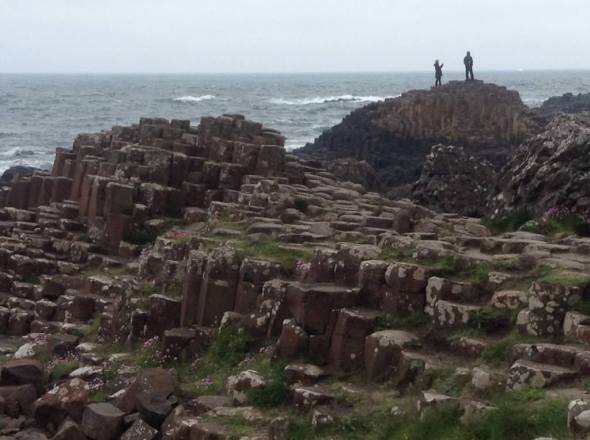
The other National Trust must-see in this part of the world is Carrick-a-Rede, about nine miles along the coast. It’s a bit cheaper than the Giant’s Causeway at £5.90 but for that you get the chance to traverse a rope bridge over the water – a scary but unmissable experience.
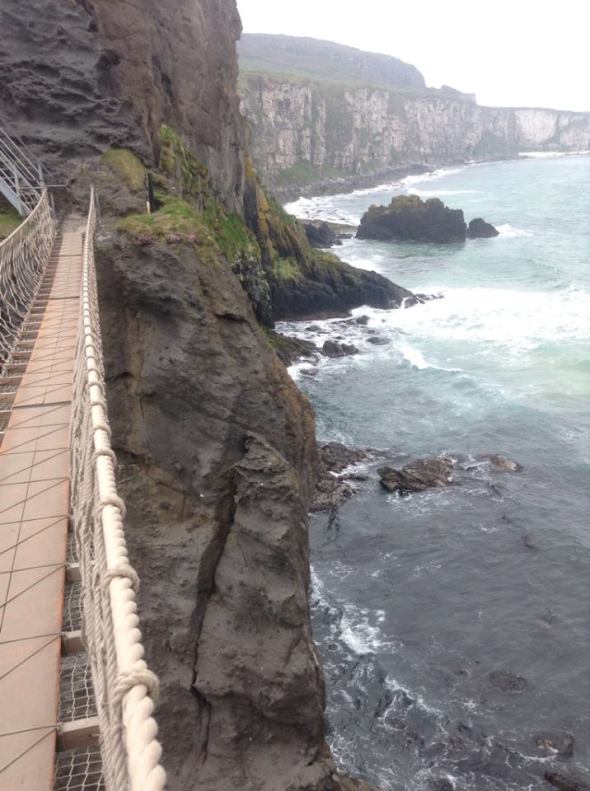
On the day I visited, the wind was negligible, but when the wind picks up… I figured there was a reason you bought your ticket before you caught sight of the bridge – just imagine the revenue they’d miss out on! I’m not too keen on heights if I don’t feel my feet are firmly on the ground, so this would have been a terrifying place if there had been more than just a slight breeze. The scenery, as with the first two locations, was fabulous, leaving me to wonder why I’d left it so long to visit this beautiful part of the United Kingdom.
All this coastal exploring was making me hungry and so I drove down to Ballintoy Harbour (another G of T location) for a late lunch at Roark’s Kitchen. The stone cottage which it occupies looks like it’s been there for many centuries and the place offered the chance for me to try out some of the local specialities. In the end, though, I was tempted with the Ulster Fry, like a full English but with potato bread.
Back on the road, I enjoyed the pretty scenery in the sunshine, the blue sky giving me a chance to see the coastline at its best. Cushendun was very quaint – that’s the village in the first picture of this blog. Glenarm was also charming, straddling the water. It has a stately home in the shape of Glenarm Castle which I didn’t visit, but I might have been tempted with its tearooms had I not overdosed on good hearty food at lunch.
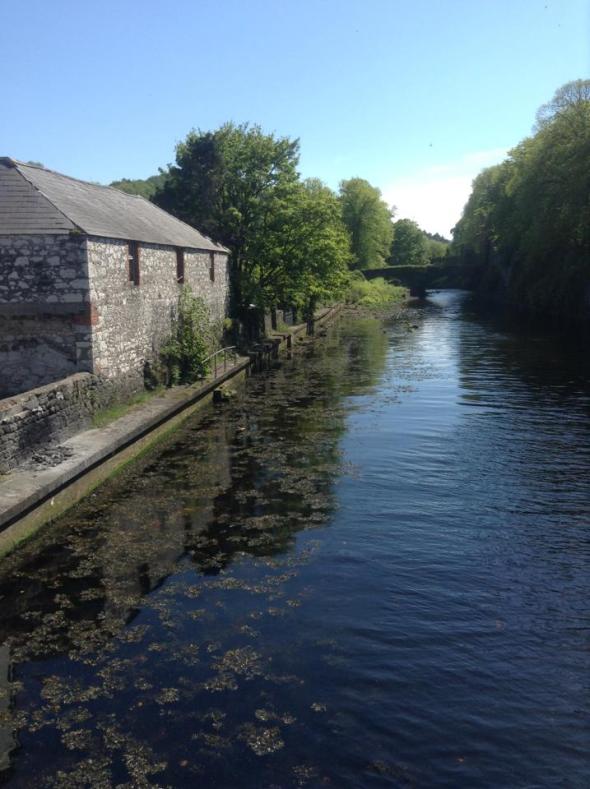
Instead, I decided to head back to the city. Now, by then it was late afternoon, so I didn’t have a huge amount of time. I decided to visit the docks area, seeing the massive yellow Harland and Wolff cranes before parking up at Titanic Belfast. Even the building itself was a stunner, but the exhibits really brought to life that ill-fated voyage. That was my last stop of the day and a very interesting one; the museum was well worth a visit.
That was May 2013 and I promised myself a return visit to this enchanting province and of course, to explore more of Belfast. I haven’t yet, but I do intend to one day.
Just back from – a day in Budapest
If you’re a regular reader of this blog then you’ll know it’s perfectly possible to have a day out in Europe, so long as you don’t live too far away from the airport and the flight schedules permit an early out, late back pairing. Following on from my days out in Amsterdam, Belfast, Bremen and Lisbon, the latest trip saw me heading to the Hungarian capital Budapest. The links to those previous day trips can be found at the end of this post. As with the others, I’ve been to Budapest before, but well over a decade ago, so I was keen to revisit what had been an enjoyable destination.
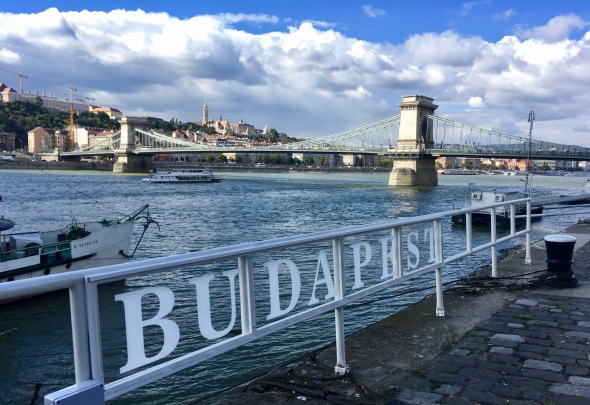
Budapest straddles the Danube
Arriving at midday local time after a civilised 8.30am flight, it was good to hear the famous Ryanair on time hurrah and even better to find that Hungary’s border police valued speed over anything else. An easy bus and metro ride got me into the centre of Budapest, giving me about six and a half hours in the city after the commute to and from the airport had been factored in. Once again, having waited for a flash sale, I paid less for my flight than I would have done for a train ticket into London, with my time equating to less than £5 per hour of sightseeing. I thought that was good value. The one day travel card, good for bus, tram and metro, was also excellent value at 1650 forints, about £5.
Cafe Gerbeaud has been found at its present location in Vörösmarty tér since 1870
First stop was an old haunt: Cafe Gerbeaud. Located in Pest, this famous coffee house has been a fixture for well over a century and still knows how to put on the style. A cappuccino and some delicious biscuits topped up the massive breakfast of huevos rancheros I’d wolfed down at Stansted. The sun was pleasantly warm for October and so I decided to take a stroll along the banks of the Danube and over the city’s famous Chain Bridge.
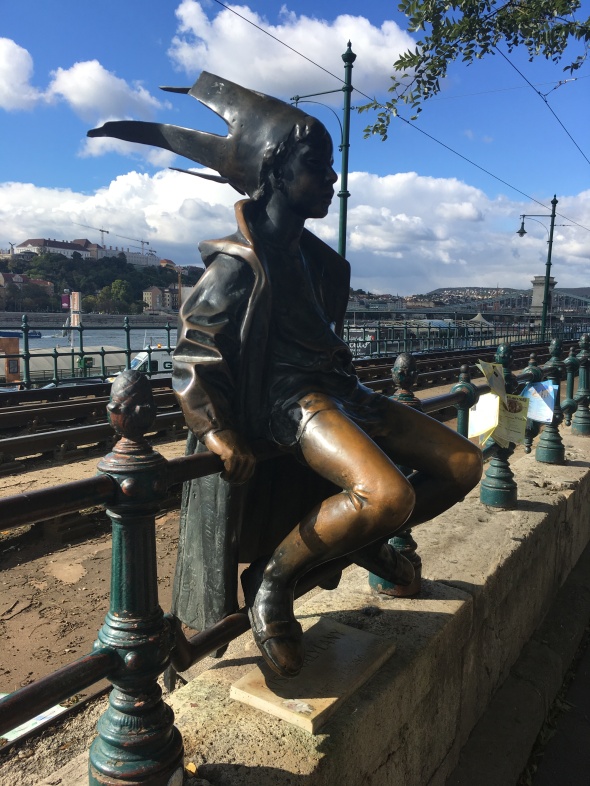
On the waterfront
With skies blue and visibility good, it was too tempting to take the funicular up Buda’s Castle Hill. The ticket wasn’t included in the travel card, more’s the pity, but it was 1200 forints for a single ride – hardly break the bank rates. The views from the top were as fine as any in Europe, with landmarks like Pest’s parliament building easy to spot.
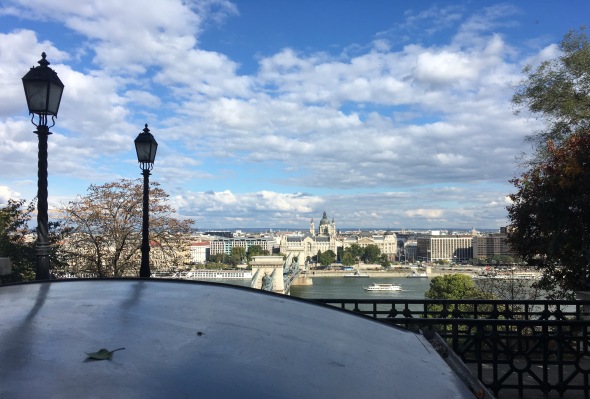
View across to Pest as I ascended the funicular
The castle occupies a prominent position, as you might expect. There are wine tastings to sample and museums to explore, but one of the great pleasures is just to sit in the sunshine and admire that view over Pest. As luck would have it, the changing of the guard ceremony was about to start in front of the Presidential Palace just as I reached the top. A forest of cameras, phones, selfie sticks and mobile phones recorded the occasion, but there was plenty of room for everyone to get their shot.
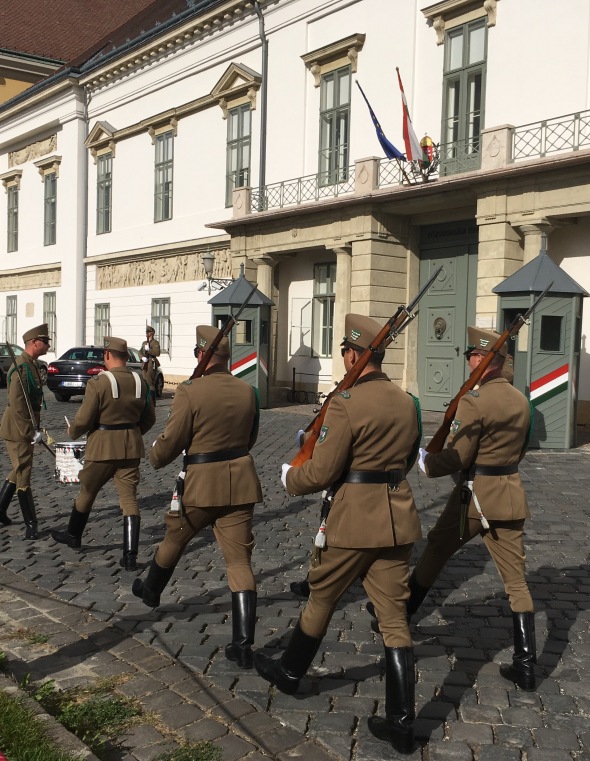
Changing of the guard, a tradition reinstated in 2003
The weather was just too good to resist and so I continued my stroll through Buda’s castle district to picture postcard Fishermen’s Bastion. It’s not a place to hurry, unless an out of control Segway rider is heading your way. There are loads of museums and plenty of cobbled streets, and as access to traffic is limited it’s easy to wander around.
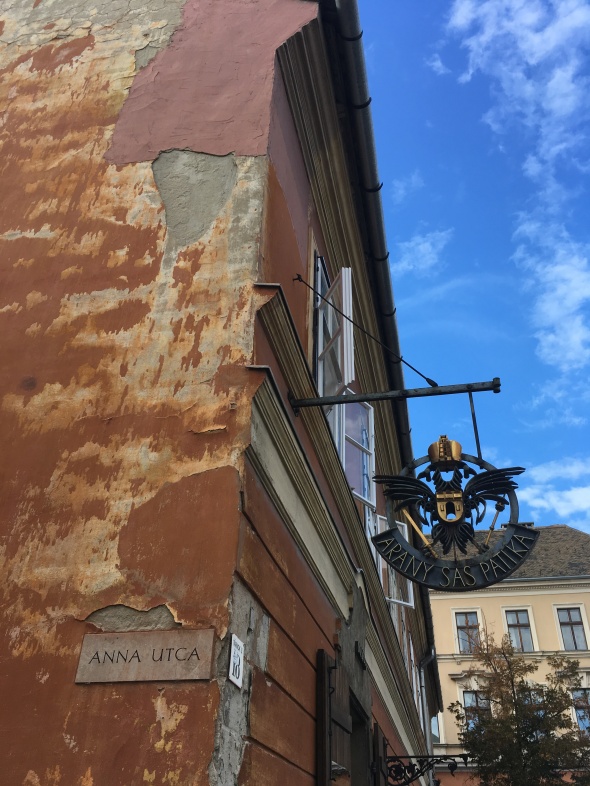
Castle District
The white domes of Fishermen’s Bastion have a touch of the Sacre Coeur about them. The place was constructed between 1901 and 1903, designed to complement the Church of Our Lady which dominates the square adjacent to it. There’s no need to pay to enter for the view, or to have a coffee in the expensive cafe in the ramparts, though, as you can enjoy the same splendid vistas for nothing if you walk a little further along.


Back on the bus, I headed down to the river to search out an old Turkish Bath I’d read about. Instead, I found what looked like an abandoned sanatorium but what was actually a working thermal baths. It turned out to be the Lukács baths, whose website provided a bit of background missing from other web posts about Budapest’s baths:
“The Lukács Thermal Bath has a rich historical background: monastery baths were built in this area as early as the 12th century, the first spa hotel was built in the 1880s, a drinking cure hall was added in 1937, and a daytime hospital was established in 1979. At the end of the 20th century, the thermal bath was thoroughly renovated and all facilities were modernised.”
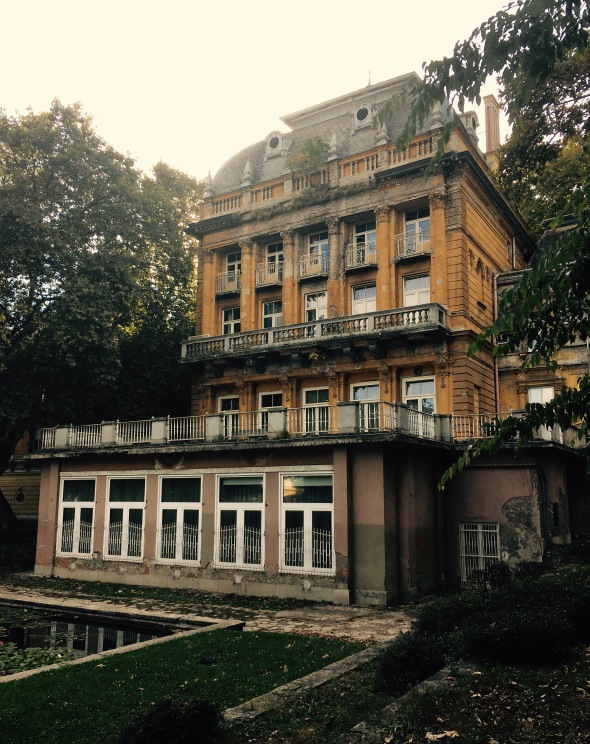
A surprise find
Budapest has loads of them dotted about the city, including the swanky baths at the Gellert Hotel and the famous Széchenyi Baths in City Park. These were less well known, perhaps off the tourist track because it looked like no one had maintained them for an age. Undeniably atmospheric, I decided against a dip in case the building fell on me and in any case, it was late afternoon and getting a little chilly. Instead, I decided to go back to Pest instead for a stroll through City Park. The lake had been drained for cleaning, alas, so I cut my losses and caught a bus to the market.
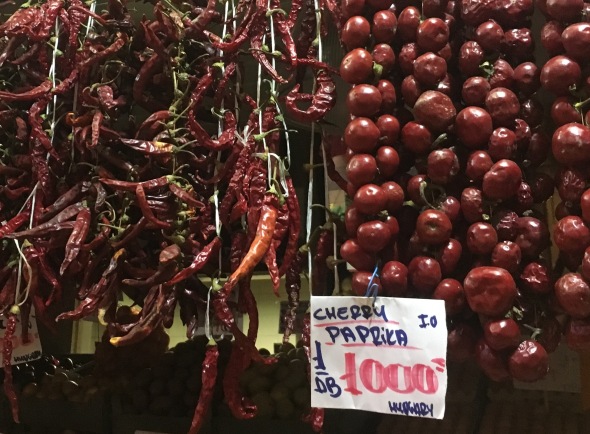
Paprika in the market
I could wander around a market all day, and Budapest’s, housed in a glorious building down by the river, is no exception. Ropes of paprika hung like Christmas decorations from greengrocery stalls and rows of salamis adorned the butchers. I’d been tipped off about a cheese pastry, a kind of crispy rolled croissant filled with cream cheese and dipped in finely grated cheese. It was deliciously more-ish.
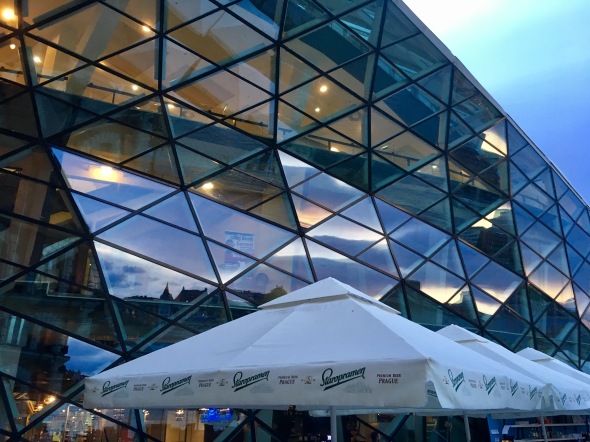
The Whale at dusk
Temptation would have to be resisted though, for almost next door was one of Budapest’s newer architectural efforts. Known as Bálna or the whale, this modern structure connects several old warehouses with a confection of glass and steel. It opened, I read, in November 2013 after protracted disputes between the city and the developer, but not all of the units inside had been filled – a mix of shops, bars and restaurants – leading to some commentators renaming it the white elephant.
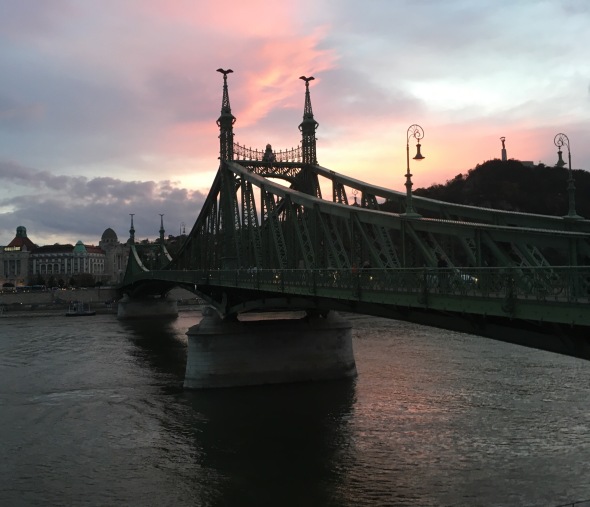
Sunset over the Danube
It was getting late. The sun had cast a pink hue over the Gellert and left the faintest of reflections in the Danube. There was just time for a light supper before heading back to the airport for my 9.35pm flight back home.
Previous day trips…
Bremen
https://juliamhammond.wordpress.com/2016/06/07/just-back-from-a-day-trip-to-bremen/
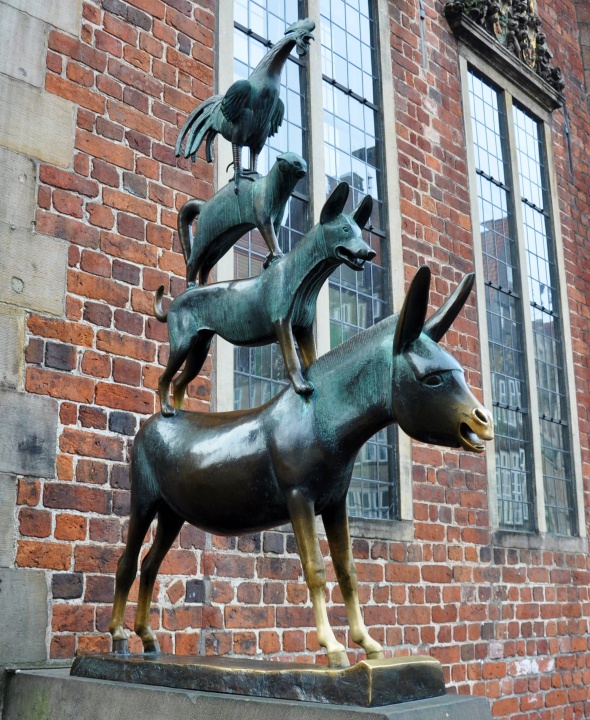
The four budding musicians
Lisbon
https://juliamhammond.wordpress.com/2014/10/20/just-back-from-a-day-trip-to-lisbon/
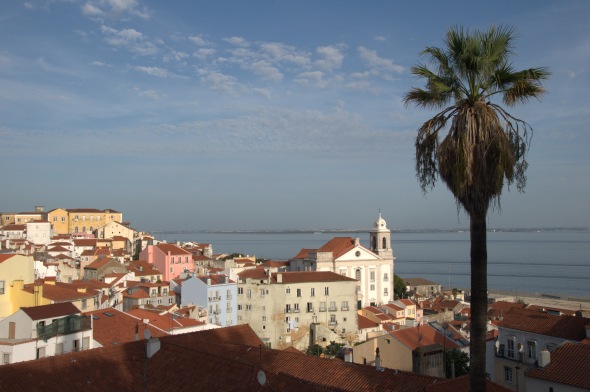
The Alfama district seen from the Mirador at Portas do Sol
Amsterdam
https://juliamhammond.wordpress.com/2015/01/26/just-back-from-a-day-trip-to-amsterdam/
The Stroopwafel man
More from Extremadura: the Roman ruins of Mérida
Spain probably isn’t the first country that springs to mind if you’re planning to explore the legacy of the Romans, but their empire encircled the Mediterranean (and beyond). In Spain, in addition to better known sights like Segovia’s aqueduct and Cordoba’s old bridge, Mérida is one of the best places to see some of the structures left from that age.
The modern city of Mérida has developed around and on top of the Roman colony of Augusta Emerita. It was built around 25BC and was the capital of Lusitana, located the furthest west of the Roman provinces. I began my exploration at the amphitheatre.

Passageway leading to the main arena
Though not as well preserved as others I’d visited – Tunisia’s El Djem, Nîmes in France and of course Rome’s Colosseum spring to mind – it had a certain charm. Being a weekday in the height of summer, visitors were thin on the ground, giving me a place free of tour groups to savour at a leisurely pace.
The amphitheatre viewed from the top of the stands
The amphitheatre itself was built about 8BC, designed to stage gladiatorial fights and other such spectacles. It would have had a capacity of around 15000 people, making it considerably smaller than the Colosseum which could seat almost four times that number. Adjacent to the amphitheatre is the theatre. More impressive, in my opinion, it’s a few years older than its neighbour, though back then, it wouldn’t have been nearly as popular. Give the Romans a choice between a bloodthirsty fight and a stage play and the fight would win every time.
The headless statues behind the stage
Six thousand people would have been able to watch the proceedings. These days, the theatre is still in use; the Festival de Mérida takes full advantage of the atmospheric setting for a summer of plays. My schedule didn’t coincide, so I had to content myself with sitting on the front row in front of an empty stage gazing up at statues of deified emperors.
Perhaps the most impressive structure in the city is that of the Temple of Diana.
The Temple of Diana
Its Corinthian columns make it an impressive sight. Behind, lies the Palace of the Duke of Corbis, into which the temple was absorbed in the 16th Century. The temple lies on one of Mérida’s main streets and there’s a cafe next to it, which makes it a surreal sight. Nearby, is the Forum, again surrounded by the town’s modern buildings.

Mérida’s Forum
Strolling downhill, it’s not long before you reach the Guadiana river and there, you find the old bridge. Built in two sections, it links the river’s banks via an island. Sixty of its original sixty two spans still exist, and wisely the bridge was pedestrianised over two decades ago.

The Roman bridge at Mérida
Following the river bank from the bridge, after exploring the 9th Century Moorish Alcazaba that abuts its western bank, I headed to the Casa del Mitreo. There, Mérida’s most beautiful mosaics can be found. Best known is the mosaico cosmológico, laid in the 3rd Century and partially intact today.

Parts of the mosaic can be seen to this day
The city also has a Hippodrome, but I made a conscious decision not to go. I could blame the weather – who wants to do such a walk when the temperature is still 40°C at six in the evening – but actually it was to avoid comparisons with the excellent experience I had at Jerash in Jordan. Its Hippodrome is used for the wonderfully entertaining RACE project.
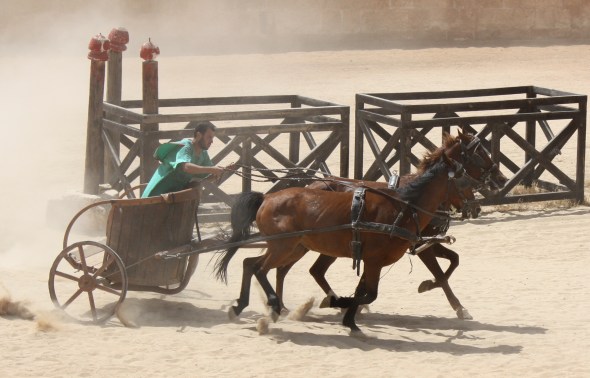
You can read about it here:
https://juliamhammond.wordpress.com/2016/07/25/gladiators-we-salute-you/
How to fly business class for the price of economy
At the end of May I flew business class on BA to New York. As an ex-teacher and now a travel writer who specialises in budget independent travel, you could be forgiven for wondering how on earth that budget managed to stretch beyond economy. Well, the answer is, it didn’t. My ticket from Europe to New York’s JFK airport cost me the princely sum of £342. This is the story of how I did it.

Error fares explained
I travelled on what’s known as an error fare – and it’s just that, a mistake fare. Sometimes, perhaps as a result of exchange rate glitches or human error (who cares so long as it’s a mistake in your favour) the computer offers up a fare at way below market rate. They don’t last long, sometimes staying available hours or even minutes. So how do you find one among all the many destination combos and available dates?
Subscribe to alerts
I subscribe to many email newsletters but those that are the most useful in this respect come from Secret Flying http://www.secretflying.com, from CheapFlightsLab http://www.cheapflightslab.com and from FlyNous http://www.flynous.com. Each have the facility to subscribe on social media – in fact I first became aware of Secret Flying via a post that popped up as a retweet on Twitter. Follow them on whatever platform you’re most likely to spot them. Make sure you have notifications switched on. In this instance I saw the deal first on a Secret Flying Facebook post.
Sift out unwanted deals
I tend to stick to the well respected airlines and travel booking sites that I’ve used before. So if a deal has to be booked through a consolidator’s website and I’ve not heard of them, I don’t use them. Equally, I don’t want to be bombarded with offers that originate outside Europe, so I select European deals only.
Be flexible
The business class fare I found actually originated in Oslo, Norway. The return flight was in four legs: OSL-LHR-JFK-LHR-OSL. The way air tickets work, if I’d been a no-show for the first leg from Oslo to London, the rest of the ticket would have been cancelled. I couldn’t have just travelled straight from Heathrow. However, so long as I didn’t have checked baggage (and remember business class offers a more generous cabin baggage allowance) then I would be permitted to exit in London on the return leg and just “miss” the onward flight to Oslo.
A few words of warning
As I’m UK-based, the cost of getting to Oslo had to be factored into the equation. I’d never been to Oslo and decided to travel on the morning flight from LGW to OSL the day before my New York flight and make a mini-break of it. My one-way flight cost £45 and I added a budget hotel room on for about £30. If you’re keeping a tally, that’s £417 to fly to New York business class – pretty much the same as a reasonable economy fare. Norway’s not cheap, but I could have chosen a hostel should I have wished. I could also have chosen an error fare via somewhere that offers cheaper accommodation, Spain for instance, or waited for one originating in London.
In the event, that Oslo flight was delayed by a staggering eight hours, scuppering my plans to explore the Norwegian capital but fortunately not impacting on my New York flight. But – and I cannot stress this enough – be generous with your connection time: had my inbound flight arrived too late, I’d have forfeited my NYC error fare as the two segments weren’t purchased as part of a single through ticket.
Sometimes, these error fares are honoured and sometimes they are not
The airline is under no obligation to honour an error fare. Basically, once you find and book an error fare, sit tight for a week or so. Use a credit card to pay for the error fare and don’t invest any money just yet in hotels, connecting flights or airport transportation. That way, should the error fare be cancelled, you won’t be out of pocket.
Once you have a confirmed ticket (check on the airline’s own website against your booking reference) then things should be OK. Make sure you have decent insurance cover just in case and it’s also wise to book your accommodation on a free cancellation basis. Sites like booking.com do this as a matter of routine; you can usually cancel right up to the day before without incurring a financial penalty but check carefully before you commit.
They work for economy too
At the time of writing Malaysian Airlines has an economy class error fare deal to Manila in the Philippines for £265 with availability showing from October 2016 to April 2017. These flights originate and end in London, so no need to mess about with connecting flights like I did for New York. Business class error fares come up less frequently but they do come up. The trick is to keep an open mind. Rather than look for a particular route, see which error fares come up and then book the one that excites you. I’ve never been to the Philippines…
Sit tight until the right deal comes up – and then grab it before it’s gone! Happy travels.
A beginner’s guide to Extremadura
Extremadura isn’t on most people’s radar when it comes to holidaying in Spain, overshadowed by its popular neighbour Andalusia. That doesn’t mean it’s got nothing to offer, however, and this region has proved to be one of the most diverse and interesting parts of Spain that I’ve visited.

Bakery selection in Trujillo
Getting there from the UK
There aren’t any direct flights from the UK to Extremaduran towns so realistically, the choice is between Seville to the south of the region and Madrid to the north east. Ryanair fly to Seville from London’s Stansted airport, BA, Ryanair and easyJet from Gatwick. If you’re wondering why Iberia’s missing from the list, it codeshares with BA on their LGW flight. From regional airports, you’ll have to connect as there are no direct routes.
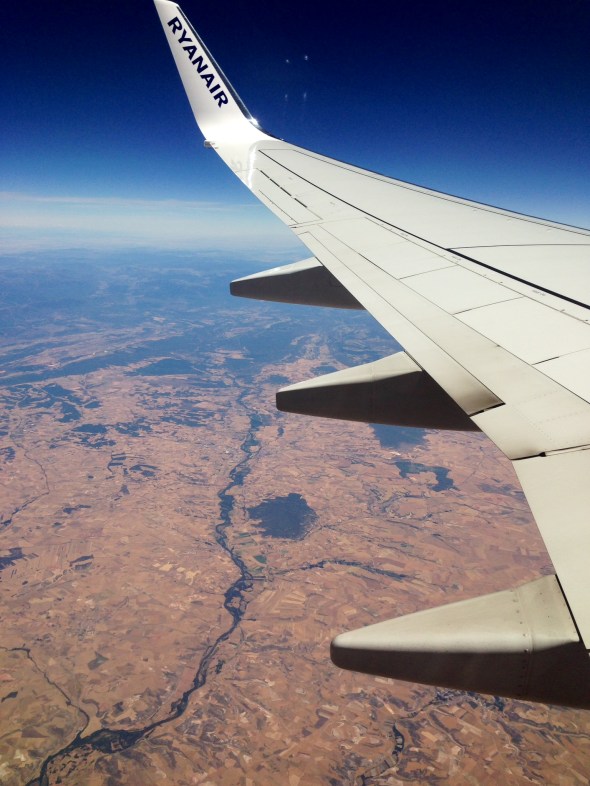
Ryanair en route to Seville
Those same airlines will also carry you to Madrid, plus Norwegian, a low-cost carrier operating out of Gatwick, as well as Iberia Express and Air Europa also from Gatwick.
Getting to and from the airport
I flew into Seville and out of Madrid on this trip but there’s no reason why you can’t do a round trip route or reverse the itinerary. To get into Seville from the airport I caught the airport bus, buying a ticket while I queued up for a few euros. It stops at the train station Santa Justa, skirts the old town and ends up at the main bus station, making it a convenient option wherever you’re staying.

One of the most atmospheric bars in Barrio Santa Cruz, Seville
In Madrid, my train’s final destination was Chamartin station to the north of the city centre but I bailed at Atocha. Getting to the airport was straightforward; the cercanias or stopping trains are quickest but go to Terminal 4. I’d opted to fly Ryanair which left from Terminal 1 and so I connected to the airport using metro line 8.
Getting around
Whether or not you’ll need to rent a car depends on whether you wish to explore the region’s attractive countryside and villages or stick to the main towns. There are a few train connections, such as between Badajoz to the west and the Spanish capital, but for me, on many of the routes I wanted to use, buses operated to a more convenient schedule. Operators include LEDA, ALSA and Avanza.

Every town has a main square; this is Zafra’s
I caught the bus from Seville to Zafra; you can buy a ticket to Mérida for around 10 euros. Although it’s possible to alight at Zafra, as far as I could work out, I couldn’t buy a ticket to Zafra online (you can in person) so I needed a separate ticket from Zafra to Mérida. Book online at http://www.alsa.es. It was just a few euros – well worth it for the chance to see this charming little town.

Pizarro’s mansion in Trujillo
From Mérida to Cáceres, an hour or so further north, I used LEDA; find them at http://www.leda.es where they also offer online booking. A single ticket costs just under 6 euros. From Cáceres, I made a sideways hop to atmospheric Trujillo for under 4 euros each way, leaving my bag in a locker at the bus station back at Cáceres. Tickets from the brand new and barely open bus station in Trujillo only go on sale fifteen minutes before the bus departs with Avanza but the buses weren’t full.
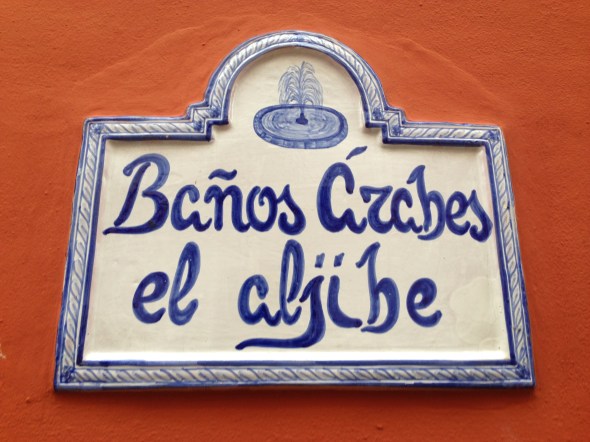
The hammam at Cáceres
To explore Monfragüe National Park and the La Vera valley in a day, there was no alternative to hiring a car. I used Europcar as its office was an easy walk from my Plaza Mayor base and also a straightforward and mercifully short drive to the ring road, easing the pain of town traffic. I did get a tiny bit lost getting the car back but I was only a few blocks out.

Birds take flight over the Ciudad Monumental
To get from Cáceres to the capital Madrid, I figured a train might be more reliable (it wasn’t – we were 40 minutes late getting in) and the train ticket on one of RENFE’s Media Distancia trains was also considerably more expensive than the buses I’d taken – around 32 euros.
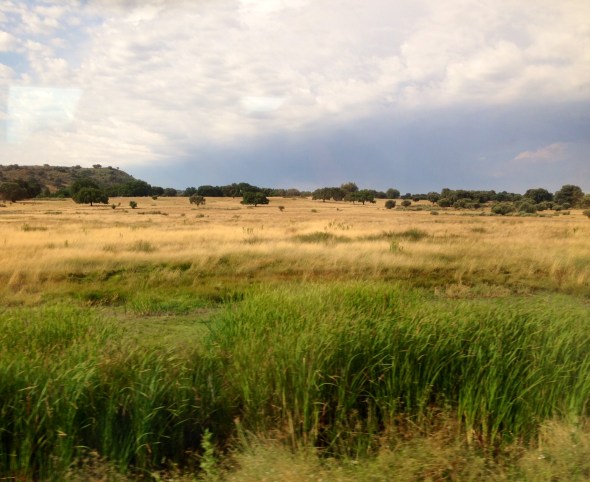
The Extremaduran countryside as seen from the train
Where to go
Where to start? There are so many incredible destinations that it’s hard to whittle them down. In order, here are the places I visited during my Extremaduran holiday.
Zafra
This small town felt more like an Andalusian town than an Extremaduran one, though as it was the first stop on my itinerary, I hadn’t at that point worked out what an Extremaduran town might feel like. It has a pretty double square with lots of pavement cafes and tapas bars. I was there just for the day but I am told the food scene is good there – something for next time. The town also has a castle, now converted into a parador, and plenty whitewashed alleyways adorned with window boxes stuffed full of geraniums.
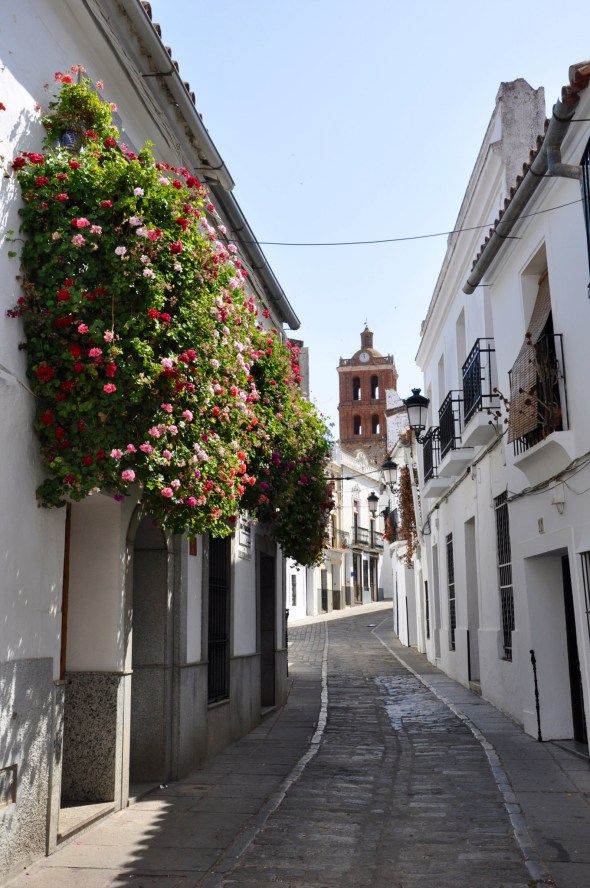
Street leading to the main squares
Mérida
This town is supposed to have the best preserved Roman remains in Spain. The sheer number of ruins was impressive, but some sights had more of the wow factor than others. There’s a partially reconstructed amphitheatre next to a fantastic open air theatre. Then there’s the breathtaking Temple of Diana which is literally plonked halfway along the main street with shops and cafes either side; OK technically it was there first but it does look so out of place it’s a bizarre sight. A restored Roman bridge, old fort with atmospheric cistern, Moorish remains and Forum are also easily accessible within the town centre.
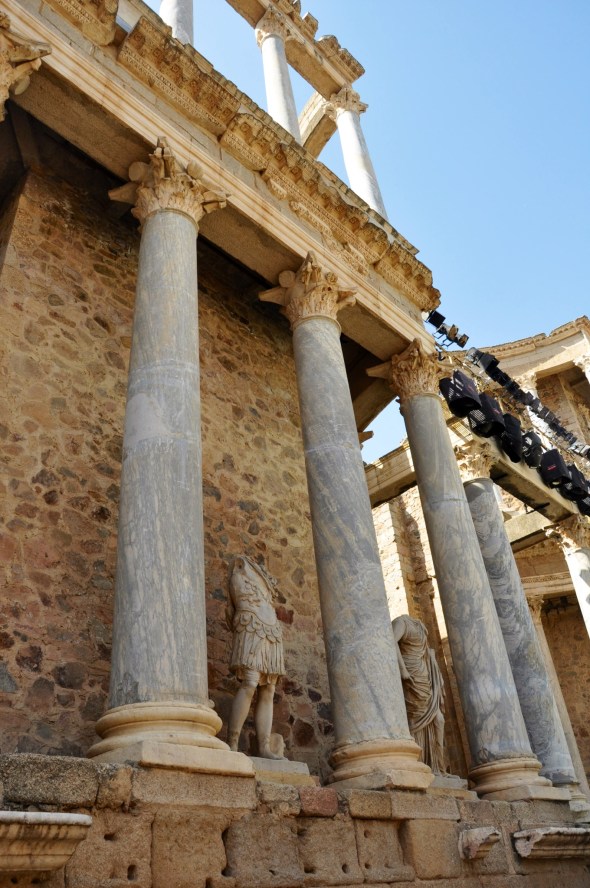
Merida’s Roman theatre
Trujillo
This charming town was my favourite, home to conquistador Pizarro whose statue dominates the main square. Actually, that statue was supposed to be of Cortes, but the Mexicans didn’t want it so it was re-purposed as a Pizarro statue instead. The historic centre of Trujillo is packed full of mansions, including Pizarro’s, as well as myriad churches, towers to climb, a museum about the conquest of Peru and a hilltop castle.

View over Trujillo’s rooftops
Cáceres
The main attraction of this large town is its Ciudad Monumental, a walled old town which is also a UNESCO World Heritage Site. Just wandering amongst its alleyways late in the day was a delight; the addition of a very talented flamenco singer playing Spanish guitar was the icing on the cake. Outside the Ciudad Monumental, the Plaza Mayor was the centre of the action when it came to food and drink, though nearby San Juan had better food. The town also has a hammam with the usual hot, warm and cold baths – massage optional.
Flamenco singer in Cáceres’ Ciudad Monumental
Monfragüe National Park
This, I read, was Spain’s 14th national park but it was the one place I visited that made me gasp. At the Salta del Gitano lookout in the centre of the park, the River Tajo meanders between a couple of rocky outcrops. I visited in the morning and the water was a vivid green – a spectacle in itself but even for someone who can’t see the point of birdwatching, the sight of a black vulture close up was pretty impressive. The winding drive through the park was very pleasant and, if you don’t visit in the height of summer when the temperatures soar, the area is great for hiking.
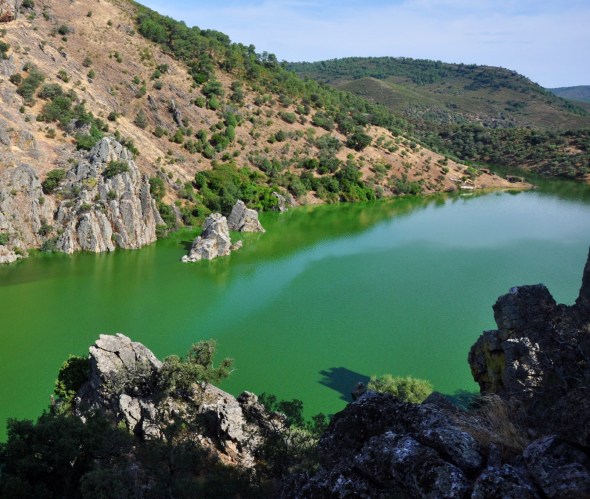
Salta del Gitano
La Vera
This valley connects a series of pretty little villages, many of them worth a stop. Pasarón de la Vera was my first stop, its setting the main draw. From there, a short drive took me to Jaraíz de la Vera, known for its peppers, and then to Cuacos de Yuste, where the monastery housed the Spanish King Carlos V towards the end of his life. I drove on as far as Jarandilla de la Vera where there was an impressive Roman bridge and several natural swimming pools (a big thing in these parts) before backtracking to Garganta de Olla, a quaint little village with a plethora of half-timbered houses overhanging its narrow streets. Taking the mountain route via Piornal provided the adrenaline rush to end the day – though fortunately by that I mean returning to Cáceres and not going over the cliff edge.
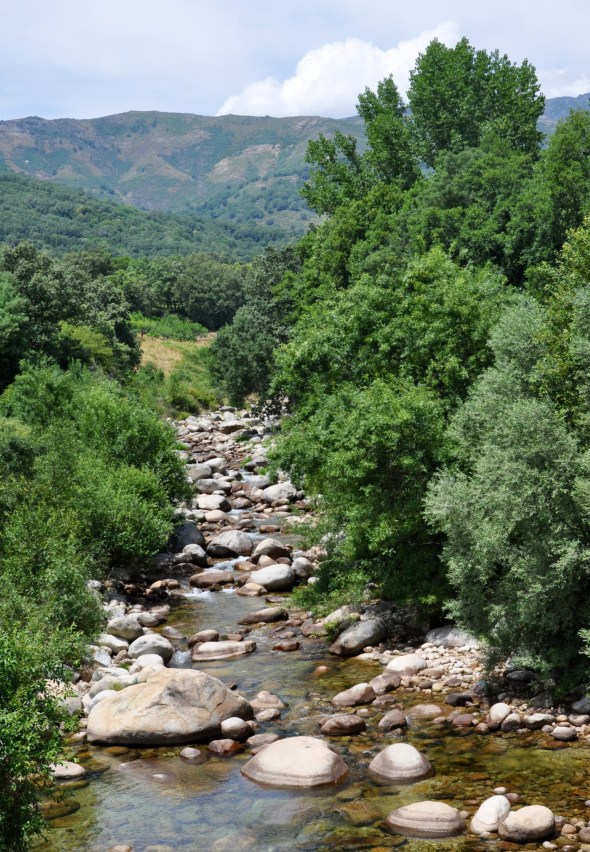
Natural pool on the edge of Jarandilla de la Vera
The ones that got away…
This was my first trip to this region and there were quite a few places I didn’t have time to visit – this time! I’ll be back, one day, to visit Alcántara and its bridge as well as to Montánchez, Monesterio and to Casar de Cáceres for the food.
Watch out for more blogs covering Extremadura in the near future for more on these fantastic places.
Best of British: coastal picks
With last week’s shock Brexit decision, the pound has slid against the dollar and the euro, making the UK a cheaper destination for foreign visitors. Whether you’re flying in from abroad on the back of an advantageous exchange rate or a Brit now planning a staycation, here are a few of my favourite English coastal destinations to whet your appetite. You don’t even need sunshine for a great holiday – which is just as well given the summer we’re having so far.
Dorset


Dorset’s Jurassic Coast is one of my favourite spots. As a former Geography teacher, this stunning coastline packed with headlands, bays, arches and stacks never fails to disappoint. The walk across the cliff top from Lulworth Cove’s almost perfectly circular bay to the drama of Durdle Door has surely got to be among the best in the country as far as I’m concerned.
North Norfolk
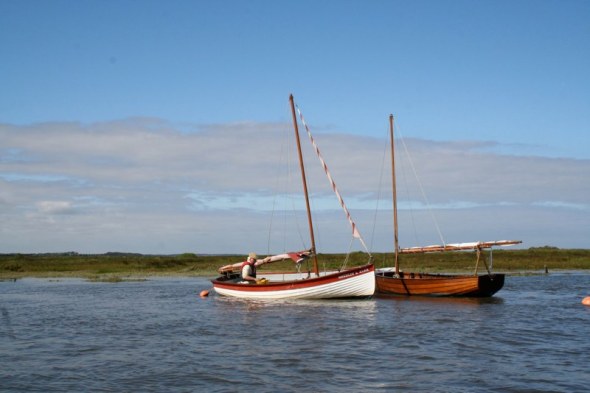
From the old windmill at Cley-next-the-Sea to the vast expanse of sand that forms Holkham beach, this small stretch of coastline punches well above its weight when it comes to visitor attractions per square kilometre. So close to London and yet a world away, whether you choose to take a seal boat trip from Blakeney, take a hike across the marshes (some of these seaside towns are no longer sea-side) or hole up in one of the many excellent local pubs you’ll love it enough to be sure to return.
Cornwall


No discussion of England’s best coastal destinations could be complete without reference to the west country and pretty though Devon is, Cornwall just has more character in my book. It’s hard to pick a favourite – this is a part of the country where you’re truly spoilt for choice. Polperro, pictured, has a lot of charm and perilously narrow access for those who blindly follow their Sat-Navs into town. If in doubt, take the locals seriously when they advise that some routes are not caravan friendly – and by caravan, they mean anything wider than a bicycle.
North Yorkshire

As an Essex girl, you’ll have to forgive me for a list biased towards the south, but doing my degree at the University of Leeds has left a lasting fondness for God’s Own County. Many a happy field trip was spent perched on a cliff sketching this dinosaur-like rock formation at Flamborough Head known as High Stacks, but to save you from some water-damaged and decidedly tatty field sketches, here’s a photo instead.
© Copyright Dr Patty McAlpin and licensed for reuse under this Creative Commons Licence
And one I keep promising myself I’ll get to one day… Crosby Beach near Liverpool

Antony Gormley has excelled himself with this installation, titled “Another Place” which, after being exhibited in various European locations has found a permanent home at Crosby Beach just north of Liverpool. A hundred cast iron figures stand in the mudflats at low tide, staring at the horizon until the incoming tide buries them in water and sand. People say it’s a haunting sight, and it’s one I’m looking forward to seeing for myself when I’m next in the area.
Photograph by Chris Howells CC-BY-SA-3.0 via Wikimedia Commons
What are your favourite parts of the English coastline?
I could easily continue this blog: the best fish and chips in the world at Aldeburgh, Suffolk; the imposing castles of Northumberland; Brighton’s iconic Victorian piers and more. The beauty of Wales, Scotland and Northern Ireland will be the subject for another time, but for now, where would you say is a stand-out for you? And where have you always wanted to visit? I’d love it if you would share your English coastline tips by commenting on this blog.
Just back from – a day trip to Bremen
Regular readers may recall previous posts about days out I’ve done by air:
- to Amsterdam https://juliamhammond.wordpress.com/2015/01/26/just-back-from-a-day-trip-to-amsterdam/
- to Lisbon https://juliamhammond.wordpress.com/2014/10/20/just-back-from-a-day-trip-to-lisbon/
This time, Ryanair are in the hot seat and it’s off to London Stansted for my flight to the north German city of Bremen.
Flight times, for once, are very convenient. The outbound flight departs at 7.55am and is scheduled to arrive in Bremen at 10.20am. It’s a short flight with a one hour time difference. The only downside is that you hit Stansted at peak rush hour. Don’t be tempted to rock up too late; the queues for security are long and just as tedious as anywhere. Of course, with Ryanair your boarding passes are already printed and as it’s a day trip, there’s no luggage to worry about. If you are tempted to shop before you take off, Stansted offers a buy and collect service and you can pick up your shopping on your way back in. Coming back, the flight’s at 9.20pm, but the ten minute tram ride from the city centre and the diminutive size of Bremen Airport mean that you can get away with leaving as late as 8pm. Touchdown at Stansted is scheduled for 9.45pm though we were a little late.
Arrival
After a take off delay of fifteen minutes or so due to earlier fog at Stansted, I passed swiftly through passport control at Bremen’s tiny airport. Ryanair use a separate terminal. It is as pared down as Ryanair users would expect, but the advantage of being apart are of course that there is no one else to share the passport queue with. In less than ten minutes from the wheels hitting the tarmac, I was through the airport and off to find transport into the city.
Getting to the city
Bremen Airport is obscenely close to the city centre and by far the easiest method of getting there is by tram. Exit the Ryanair terminal and turn right. Walk past the main terminal and ahead of you is the tram stop. You’ll need Tram 6 marked Universität which departs every ten minutes. The fare costs 2,70 euros. You can either buy your ticket at the machine at the stop or hop on board and buy one from the tram’s machine. Small notes and euro coins are accepted – don’t go trying to use a 50 euro note as it won’t let you. It’s only a few minutes to the Domsheide tram stop. Alight there and you’re a minute from the cathedral, town hall and main square. The tram then goes on to the main train station.
Getting around
A network of buses and trams can take you all over the city. The Bremen tourist board have produced a series of very useful PDF guides which include a very clear street plan as well as a map of tram and bus routes. I downloaded these onto my Kindle app before setting out, but you can of course pick up paper copies from the tourist information desk when you get to Bremen if you prefer a hard copy, or they’ll send them to you through the post on request. Here’s the link: https://www.bremen-tourism.de/information-material
Much of the city centre is walkable as it is a compact place, but if laziness or inclement weather strike then it’s handy to know which tram to jump on and the guides also detail opening hours and which buses or trams to use. As with the airport tram ride, fares are 2,70 euros for a single but you can also buy a day pass for 8,90 euros which also gives you discounts off some of those city’s must-see attractions.
How to spend the day
First stop for me was the obligatory pose with donkey, dog, cat and rooster. The famous bronze sculpture resides beside the town hall. You’ll see donkey’s front feet are well worn – it’s considered good luck to give them a rub. The four creatures are Bremen’s mascots if you remember the Brothers Grimm’s fairytale.
Next, I walked through the main square. The Rathaus (town hall) was under wraps which was a pity as it is a splendid building minus its scaffolding. It’s UNESCO listed and it is possible to take tours of the inside. The cafes in the main square are tempting and I can recommend coffee and cake of course. Duck behind the Schütting (Guildhall), which sadly isn’t open to the public, and you’ll come across Böttcherstraße which is the marvellous Art Deco creation of a famous local coffee manufacturer. If you can, time your visit to coincide with the chiming of the hour at the House of the Glockenspiel (look up and you’ll see it).
A short stroll from Böttcherstraße took me to the Schnoor quarter. This is one of the oldest neighbourhoods in Bremen and was once where the sailors hung out. The name Schnoor comes from the low German “Snoor” meaning string, which could have been a reference to the way the old houses line up or perhaps to the making of ropes or nets for the ships that passed through here. The area’s very touristy but worth a visit nevertheless.
Still in Schnoor, I had a schnitzel lunch in Beck’s; if you get there early enough you can bag the table with the window out onto quaint Wuste Statte. Flipping the main meal to lunchtime makes sense; most restaurants offer reasonably priced lunch menus and the local cafe culture lends itself to an early evening coffee or an aperitif with a cake or snack before you leave.
Wandering the streets of the Schnoor to walk off lunch was a delight. There, you’ll find many artists and artisans, but for me the delight was the intricate detailing and artwork that formed part of many of the buildings. It’s very important not to rush and also to look up, or you’ll miss them.
From the Schnoor quarter, it would have been logical to move on to Viertel, but as the sun was shining I decided to take a boat trip up the Weser instead. A 75-minute round trip cost 10,50 euros and was rather pleasant, passing the Docklands area of Uberseestadt. Boats depart from Schlachte. Look out for the Beck’s brewery and also some famous names on some of the factories and warehouses: Kellogg’s and Primark among them. With little wind and a clear sky, there were some lovely reflections on the water.
Back on dry land, I walked up to the park that lines the northern edge of the city centre. There’s an old windmill on a hill overlooking the park which was the perfect stop for a cherry juice: a cooling breeze to take the edge off a humid day. Because of the weather, I opted to catch a number 10 tram to Viertel. It’s one of Bremen’s more Bohemian neighbourhoods: think Notting Hill but not quite as affluent. There’s some fantastic street art to be seen, a few shops selling vintage clothes and furniture as well as plenty of decent cafes. I was glad of one of the latter when a thunderstorm brewed suddenly and equally glad when it was short lived.
Strolling back through the Schnoor, the thunderstorm had an unexpected silver lining. Crowds of tourists typically frequent the narrow streets but even though the sun had reappeared, people were slow to venture out again, so I almost had the district to myself. A meander to the main square for a coffee and it was time to head back to the airport after what had been a very pleasant day. The hot weather had prompted me to take it easy, but there is a lot more to see in this Hanseatic city. I could have taken a tour of Beck’s brewery, seen how Mercedes-Benz make cars or ponder whether modern works of art have as much value as their earlier counterparts. Another time, I think. This place is worth another visit.
For more on Bremen, check out my previous blog on the city here https://juliamhammond.wordpress.com/2015/10/03/beautiful-bremen/.
Röda Stugan, a true home away from home
Let’s be honest, when we book self catering accommodation, most of us are dreaming of a home away from home. We want to ditch the pressures associated with actually being at home – intruding work emails, DIY that won’t do itself, lawns that need mowing, carpets to vacuum, washing that seems to breed in the laundry bin. But when we go away, many of us still want our home comforts and more space to breathe than can be afforded by a hotel.
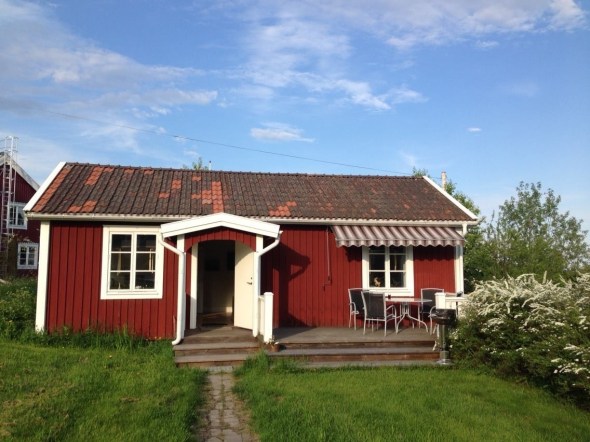
I’ve been up in Sweden’s High Coast region for a few days and my base has been a traditional claret red cottage just off the E4 motorway. It didn’t take any insider knowledge to find – I just used booking.com as is my habit. On paper, it was eminently suitable: Scandi style decor, off road parking for the hire car, WiFi and a bit of space to chill out and put my feet up after a day’s exploration.
In reality, it’s been way more than that. Owners Karin and Hans, who reside in the farmhouse next door, have been the perfect hosts. And then some. A friendly chat on the sun trap of a verandah with a local map and Hans had pretty much planned my itinerary which, I have to admit, was pitifully vague to begin with. His suggestions have been superb. In particular, I’d have never taken the boat to Ulvohamn without his recommendation and of course, there’s just something so much more tempting about a tip straight from the horse’s mouth than from a tourist board leaflet.
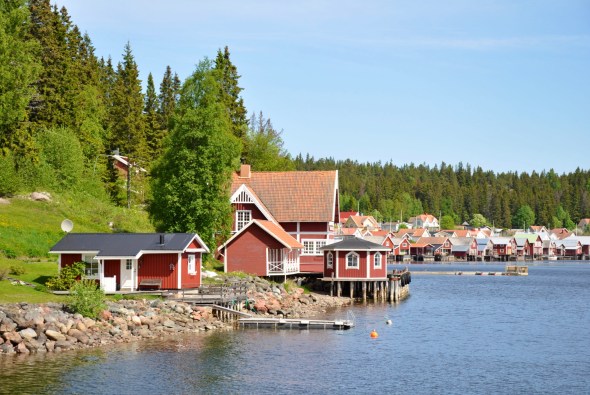
Despite this officially being self-catering, the warm welcome extended to a dinner invite. Over a bottle of wine and delicious homemade quiche, I learnt more about the Swedish psyche and way of life than I could have if I’d had a hotel room for a month. Karin really knows how to cook! I’ve since met the family, checked out the ride-on mower, drank more wine and shared half my family secrets.

It’s true what they say – a place is only really special if the people make it so. And this cottage has felt like home because I’ve had the best neighbours I could have wished for. Thank you – and I promise that’s not just the wine talking.
If you’re tempted to visit the High Coast, you should check out the cottage too.
Röda Stugan, Berg 131, 870 33 Docksta
Take the first exit off the E4 north of Docksta. Ignore the sign straight ahead saying Berg and instead make an immediate right turn up a gravel track where you see the cut out of a country yokel. Go up the hill and past a couple of yellow houses. Look for the house numbers or the little red cottage which you should easily spot to your left.
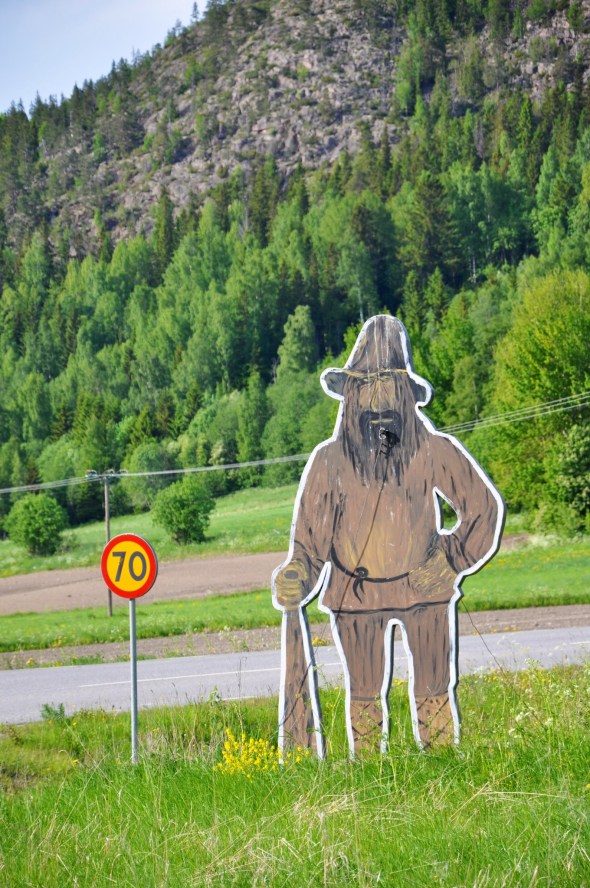
Sweden’s High Coast – the prettiest place you’ve never heard of
It’s the third of June and today’s the day the little cafe on Ulvon Island has reopened for business. The plant pots still await their summer flowers but the sun is out and has enough strength to make an al fresco lunch a pleasure. The owner, like the plants, is taking a while to adjust to the change in season. She’s been to the supermarket, she says, but asks me to wait awhile so she can fetch the groceries in from the car and work out what’s going to be on the menu. I’m happy to hang out. The boat doesn’t leave until after lunch and it’s moored just a short stroll along the gravel path that doubles as a quay.

The High Coast’s not exactly a hive of activity, but even by those languid standards, Ulvon’s a sleepy place. There’s almost no traffic, so the only noise to be heard is the gentle flapping of the flagpoles, of which there are many, and the occasional rustling of leaves. The climate in these parts, and a relatively fertile soil, makes the grass lush and the trees thrive. Rows of conifers stand sentinel on the rocky hills that form a backdrop to the harbour, but down by the water’s edge I spotted maples and robinias dotted amongst people’s gardens.
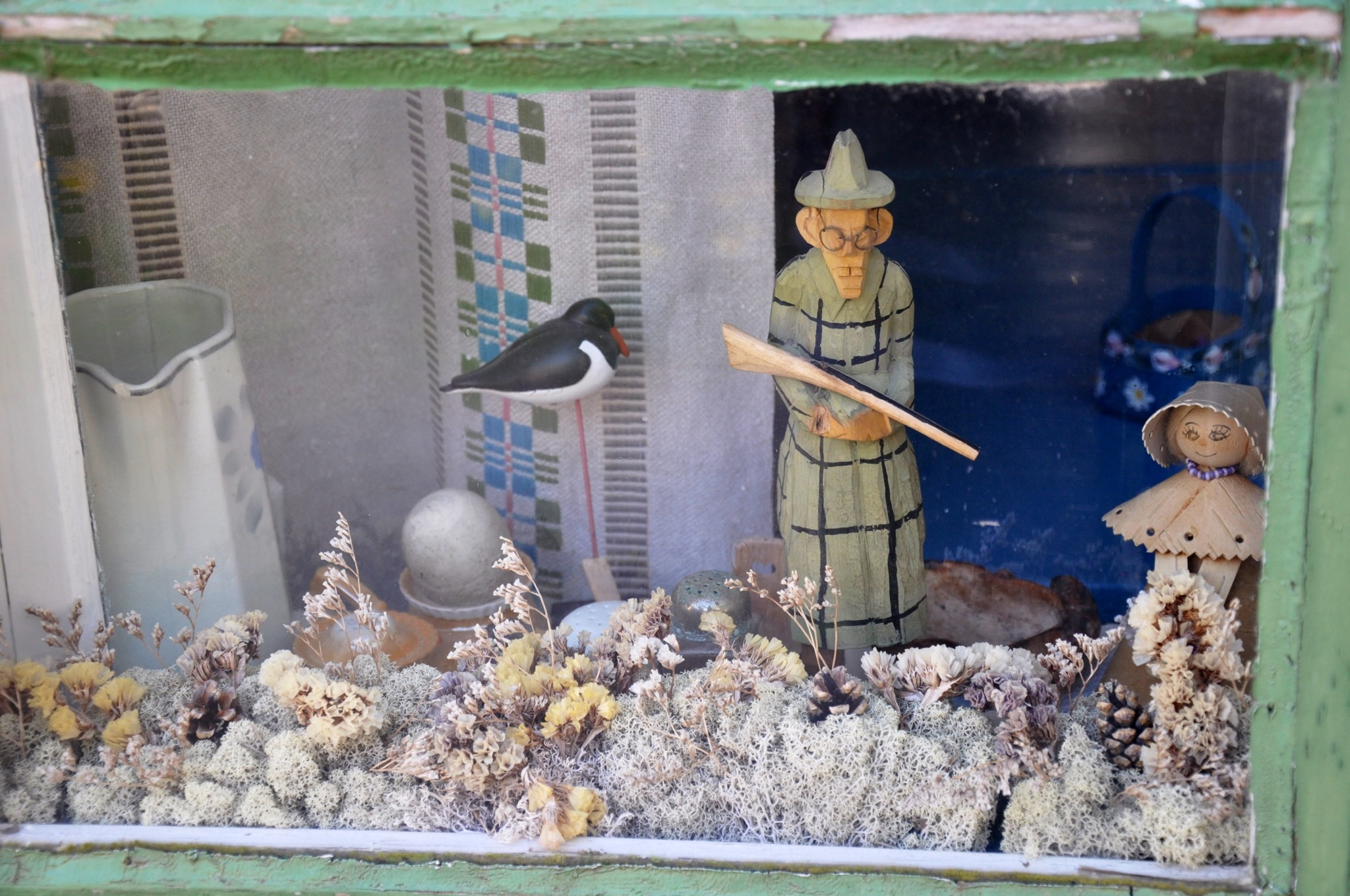
The familiar claret red is prevalent but not ubiquitous here, joined by soft ochres, creams and even a cottage painted sky blue. The houses hug the gentle curve of the bay, lined up in three rows, two by the water and the third set back behind long lawns lined with racks for drying fishing nets. Everything faces out to sea, both physically and metaphorically.

The sea is the reason this area won UNESCO recognition, one of Sweden’s fifteen World Heritage Sites. Once, the High Coast was pinned down under the weight of thick ice sheets. When it melted, the land, free of its burden, sprang upwards. Now, what was once coastline is now an impressive 286 metres above current sea level. At the top of the Skuleberget chair lift, iron rings placed around rocks demonstrate where the waves once lapped, far above today’s glinting sea.
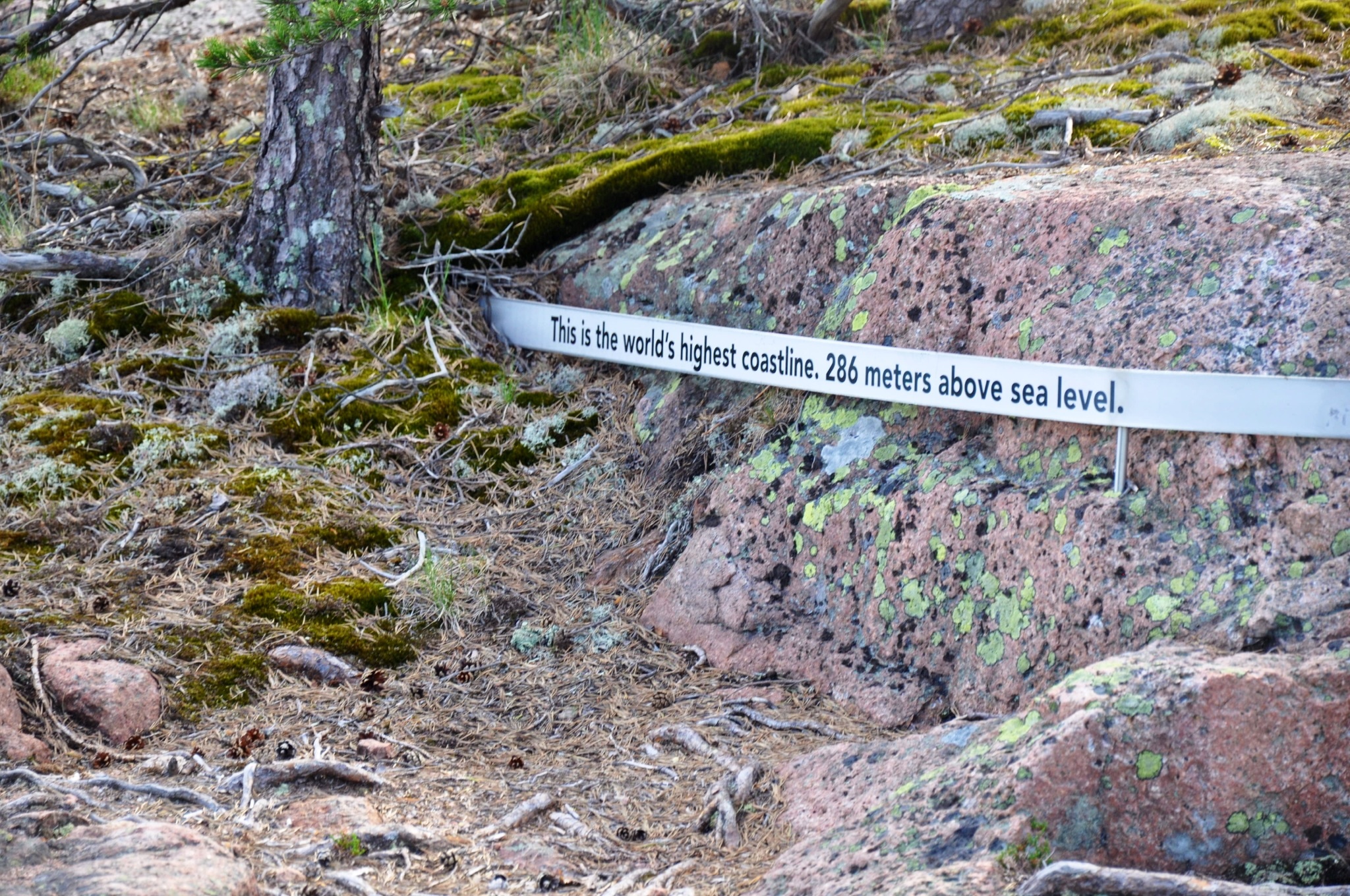
Unsurprisingly, the region’s beauty has been well documented, but the season doesn’t get underway until midsummer. I’m a few weeks early and it shows. The car parks are almost empty, trails bereft of footprints. Ferry schedules are pared down to the bare minimum. There isn’t much of a cafe culture up here, but supermarkets stock ready made rolls and prepared salads, their staff offering plastic cutlery and serviettes without me having to reveal a complete lack of Swedish beyond “Hej” and “Tack”.
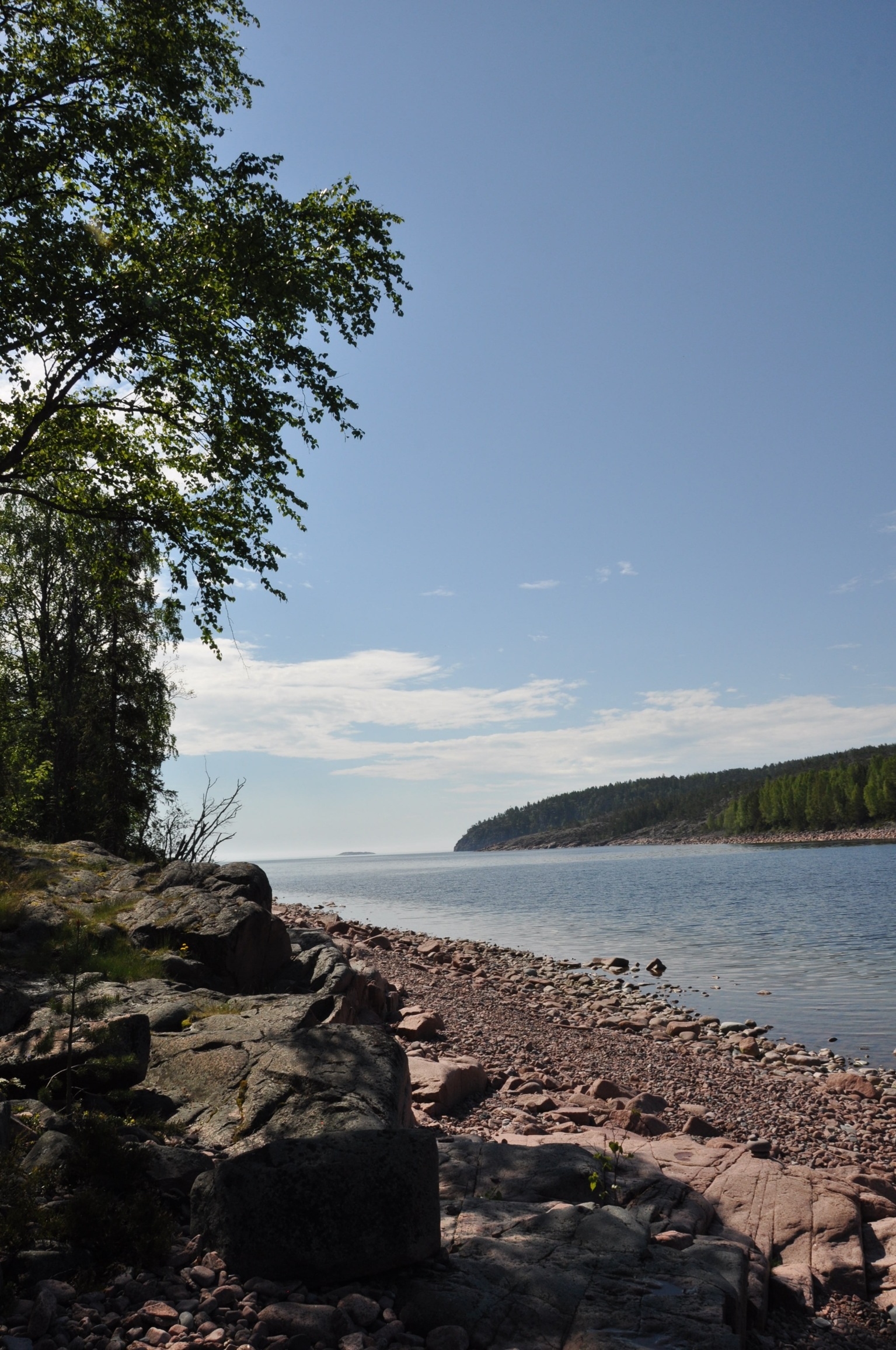
I’m spoilt for choice when it comes to picnic locations. The reflections of Mjallom’s waterside dwellings and the trees that form a picture perfect backdrop are still, not a murmur of a breeze to shimmy the water’s smooth surface. Under a blue sky at Norrfallsviken beach, I clamber over the pink granite cobbles and boulders with not a soul in sight. A lone tree on the headland marks the end of the promontory and something to aim for.
Back in the car, I follow the white flower signs of the scenic drive as far as Bonhamn. There, in a perfect U-shape around the sheltered harbour, every house is the same red shade. The few villagers that can be seen are tending to their gardens, the buzz of lawnmowers the only sound to punctuate the silence.

It’s Rotsidan that tempts me to linger, and I picnic on the flat rocks that line the sea as far as the eye can see. A lone reader is engrossed in her book, propped against a cleft in the rock but there’s plenty of room for us both to feel a sense of solitude. A stroll through the forest to walk off lunch and I’m ready to hit the road again. I’d have thought nothing could top it, but now my Ulvon host’s come up trumps with homemade waffles piled high with prawns, creme fraiche and finely chopped onion, liberally sprinkled with fresh dill. It’s so delicious I might never leave.

 Julia's Travels