I’m not Asia’s greatest fan. Though you’ll find some of the world’s most fascinating natural and cultural sights, I find it irritating that they’re buried amidst jumbles of telephone wires and that reaching them often involves darting out in front of more motorbikes than it should ever be possible to encounter on one road. Nevertheless, I enjoy reading about the place, when I can filter out the bits that I don’t like to be left with a vibrant and enticing locale. There are exceptions, however, and one is most definitely Sri Lanka. I visited last year and cannot wait to return.
The Tea Planter’s Wife by Dinah Jeffries
It’s perhaps no surprise, therefore, to learn that one of my choices is a work of fiction. The story is enthralling but most of all, it captures the essence of the country in which it’s set. Here’s one of my favourite descriptions from the book:
“She took a deep breath of what she’d expected would be salty air, and marvelled at the scent of something stronger than salt.
“What is that?” she said as she turned to look at the man, who, she rightly sensed, had not shifted from the spot.
He paused and sniffed deeply. “Cinnamon and probably sandalwood.”
“There’s something sweet.”
“Jasmine flowers. There are many flowers in Ceylon.”
“How lovely,” she said. But even then, she knew it was more than that. Beneath the seductive scent there was an undercurrent of something sour.
“Bad drains too, I’m afraid.”
She nodded. Perhaps that was it.”
For some reason, though this scene takes place in Colombo, it feels to me like it should be set in Galle Fort. Quite possibly that’s because I grabbed the first train out of Colombo to head for the hill country and quite possibly because Galle Fort oozes history, spice and sewage from every cobblestoned street.
Hokkaido Highway Blues by Will Ferguson
My next choice focuses on an Asian country I also love: Japan. Travelling through Japan ought to have been a challenge, what with the different alphabet and all, but the Japanese go out of their way to make sure they can understand you, even if the conversation can get a little stilted. Here’s the author on the art of Japanese conversation:
“This was conversation by Non Sequitur and I was thoroughly familiar with it by now. The trick was to answer with equally arbitrary statements, until you sound like a couple of spies conversing in code.
“Yes, I can eat Japanese food. Baltimore is very big.”
“How long will you stay in Japan?”
“Until tomorrow, forever. It is very cold in Baltimore.”
He shook my hand. We smiled warmly at each other, clearly this was an International Moment.”
Fortunately, when I reached Kyushu, the lady in the tourist office at Yanagawa defaulted to technology when she realised our language abilities were sorely lacking. Video conferencing with a disembodied head on her computer, I was able to secure a map and a recommendation for lunch. The head seemed very disappointed that I had no further questions and I felt guilty as I thanked it and headed off.
Three Moons in Vietnam by Maria Coffey
Years ago, I found myself sleeping in Michael Caine’s bed. He wasn’t in it, of course – of course! – but he had stayed in that same room and slept in that same bed while filming The Quiet American. The bed was located in Hoi An, in an old Chinese chophouse that had been converted into a guest house. Despite that it heaves with tourists (more so now, I understand, than when I was there) I found Hoi An to be a wonderfully atmospheric place. Maria Coffey describes the place thus:
“It was no problem to while away some time in Hoi An. We explored the fish market along the river bank, where women vendors smoking fat hand-rolled cigarettes squabbled nastily and noisily with each other.”
I don’t remember any squabbling, but I do remember the noise.
Mirror to Damascus by Colin Thubron
On to the Middle East now, and a book set in a city whose history stretches back seven millennia, giving me hope that when the present conflict ends, the city will rebuild and restore. I visited shortly before the war kicked off and was enchanted by the place and its people. Clad in what felt like a mediaeval cloak, I marvelled at the Umayyad Mosque; free of my robes, I haggled in the tiny shops on Straight Street and never felt unsafe in the streets of its old town, even late into the night. In his book, Thubron tackles some of the city’s history:
“Some cities oust or smother their past. Damascus lives in hers.”
Here’s to when Damascus can live freely again.
The 8.55 to Baghdad by Andrew Eames
My final choice is another reminder that time changes everything. Mention Baghdad now and the Iraqi capital is still, to many, a place that instils fear instead of hope. But less than a century ago in 1928, none other than Agatha Christie made the journey from London to Baghdad by train. Her route took her through Syria, where she frequently stayed at the Baron Hotel in Aleppo. (Rumour has it that this historic hotel, which I visited but didn’t overnight in, has so far survived the war almost unscathed.)
Eames quotes the 1928 edition of the Thomas Cook handbook which “advises customers packing for Syria that “There is nothing better for travelling than a suit of Scottish tweed, supplemented by an ulster or other warm overcoat and a good waterproof.” The author had probably never ventured further than Ramsgate.”
Times change and for some places, that’s a good thing.
I’m looking forward to two big trips at the moment, and they couldn’t be more different. The first, in a few weeks’ time, is a ten day holiday to Texas. I’ll be travelling with a specialist operator for the visually impaired, Traveleyes:
It’s outside my comfort zone. Not the place of course – I’ve been to more States than many Americans – but the style of travel. I rarely book a package tour, avoid group travel and try not to allow anyone complete control over my itinerary. Yes, I’m a control freak and yes, I’m happy about that.
The other, in June, is an independent trip to the Caucasus. I’ll begin my adventure in Georgia, spending ten days exploring some of what promises to be the region’s most stunning landscapes, before venturing into Armenia and the breakaway republic of Nagorno-Karabakh for a further week. This is firmly within my comfort zone. This is how I like to travel: tailor made by me for me, with me firmly in the driving seat.
The former is a departure from my usual travelling style. Pretty much everything has been planned for me save for updating my ESTA and getting to the airport. There’s some free time, of course, but the way the group rotates to ensure all travellers get a change of company means I won’t know who I’ll be paired with on those days and in any case, free time is to be “negotiated” so both parties are happy. I don’t have a problem with the theory – it should make for a much better trip once we get going – but in practice I feel very disconnected from this trip. The main reason has to be that I haven’t been able to do my usual research. I have some ideas – someone, surely, will want to join me for what’s described as a “gospel-ish brunch” in Austin – but until I get there and meet my fellow travellers, that’s all they are: ideas. Technically I don’t even know what flight I’m getting though I’ve figured that out by a process of elimination and United Airlines, if you bump me there’ll be trouble.
In contrast, the Caucasus planning is really engaging. I’m wearing in new hiking boots and the Lonely Planet guide to Georgia, Armenia and Azerbaijan has become my nightly read. I’ve been swapping emails with tour providers to see whether organised day excursions would be a better option than going it alone by marshrutka. I’ve compared monasteries and researched foodie experiences, checked weather forecasts and studied hotel rooms. I’m figuring out whether a side trip to Abkhazia is possible even though I’m still half convinced that was the country the Tom Hanks character was supposed to have come from in The Terminal. I really must look that up. A rough plan is finalised for Armenia and once the Tbilisi-Mestia flights are released in a couple of weeks, the Georgia part will fall into place too. I’m happy. Browsing maps, photos and blogs online is giving me a sense of place and the more I find out, the more excited I’m getting.
It’s just that the more I’m getting excited about Georgia and Armenia, the more I’m realising I’m missing the experience of getting excited about Texas. Once I’m there, I’m sure it won’t be a problem, but without this build up, without the anticipation, I can’t seem to be able to savour the place. It feels like I’ll be tucking into dinner without sniffing the aroma wafting from the kitchen. And that’s a shame.
While travelling in South America recently, I was asked what my most unusual travel experience had been. Put on the spot, I was momentarily thrown. At the time, we were posing for pictures pretending to run away from a plastic T-Rex that our guide had placed on the world’s largest salt flat. I couldn’t help but think that what one person might define as unusual might be entirely normal behaviour to someone else. Our guide certainly thought that there was nothing weird about what he was asking us to do and judging by the number of pictures on the internet, he’s not alone.
I’m at the stage in my travelling life when visiting off the beaten track destinations has become a way of life and as such, the kinds of things I do on my holidays are very different from your average traveller. For me, to fly and flop would be a change from my typical holiday style. Since I’ve been back, I’ve been giving a bit of thought to some of my more unusual adventures. Taking the definition as something I wouldn’t expect to do on a regular basis, here are my favourite five. What are yours?
Receiving a vodou blessing, Haiti
Watching a volcanic eruption from the crater rim, Vanuatu
Taking a lion for a walk, Zambia
Presenting the prizes at the Running with the Llamas festival, USA
Even on the briefest of visits to the Bolivian capital, La Paz, you can’t fail to notice the plethora of hats, specifically the good old-fashioned bowler. But unlike the black attire once worn by London’s city gents, these are brown – and worn by women.
It’s a cultural thing: the cholas who wear them do so to emphasise their heritage and reinforce how proud they are of it. Once, the cholas weren’t welcome downtown. They were refused entry to restaurants, banned from walking in Plaza Murillo in front of the Presidential Palace and harassed if they ventured into the city’s wealthier neighbourhoods.
Cholas, or cholitas to give them the diminutive form, dress in voluminous skirts, multiple layers of petticoats and crocheted shawls. The hat is an easy way of determining the wearer’s marital status: if she wears it straight, she’s married, but if it sits at an angle, she’s available. So that hat plays a critical role in the La Paz social scene.
The practice of wearing a bowler is a comparatively recent phenomenon. Most sources agree that, in the 1920s, a consignment of bowler hats was shipped to Bolivia, intended for railway workers. But someone had made a mistake with the colour or size – versions of the story disagree – and faced with a huge loss, an entrepreneur named Domingo Soligno marketed them to the indigenous Aymara women as being the height of fashion in Europe.
Some sources wrongly name the type of hat as a borsalino. In fact, Borsalino is the name of an Italian hat manufacturer that for many years supplied the cholas. It’s correctly known, therefore, as a sombrero de la chola paceña.
To wear a Borsalino comes at a price and these expensive hats are beyond the means of many. The target of thieves wishing to make an easy buck, the Borsalino brand is now largely a thing of the past in Bolivia. For more than forty years, bowlers have been made locally by the likes of Sombreros Illimani and also imported from Colombia. But even these cheap imitations have a charm about them.
Earlier in the year I was lucky enough to be selected for the Essex Belongs to Us project. A book has just been released featuring a selection of Essex-based authors writing about their county. Whether you’re local and want to reminisce, or live further afield and know little about one of the UK’s most misunderstood areas, the book will prove to be a good read. Here’s a brief taster of what I had to say about Salcott – but to read the rest, you’ll need to buy the book. Details of how to do so follow at the end of this blog post.
Fish out of water
I swear out of the corner of my eye I thought I saw a unicorn.
I’d dozed off in front of the telly and awoken to the sound of agitated voices. A few months ago, I’d have slept right through the commotion, part and parcel of living on a main road in a big town. But my husband valued silence over convenience and home was now Salcott-cum-Virley, a small village on the Essex marshes. Ensconced at the deadest part of a dead end road, tucked away behind five huge oak trees, it was about as quiet as Essex got.
Instead of the scream of motorbikes and the rumble of lorries, I now awoke to birdsong – and an infernal wind that sometimes blew so hard it drowned it out. With the gales of spring, fence panels popped like champagne corks. After retrieving the dog from the neighbours’ garden for the third time in as many weeks, we hired a man to build us some wind proof fencing.
But we were in the habit of leaving the gates open, and things had a habit of wandering in, causing great excitement. At first, we would run to the window each time, interrupting whatever we were doing to marvel at pheasants strolling across the front lawn or ducks making their raucous way across the sky out the back. All this wildlife was a novelty. We’d once had a squirrel visit our small back garden in Rayleigh but the dog had soon seen him off. Whether we liked it or not, we were going to have to share our garden with the local residents: the pair of wood pigeons that roosted in the dead apricot tree in front of the kitchen window and the quarrel of sparrows that nested in the blackberry bush that had long since conquered our garage wall. You didn’t live in the country, you shared it. Boundaries were arbitrary, there for the purposes of officialdom only.
And so it was that when the neighbour’s small white pony escaped, I awoke to find it at the patio door and in my somnolent state, confused it with a unicorn. It was soon joined by another and, then, several men trying to round them up, startling me out of my slumber. It wasn’t long before they were all heading back out of the gate. They seemed almost practised and I had a strong suspicion this had happened before.
The rest you’ll find in the book. You can order a paperback here:
It costs £8.99 plus a pound for postage and packaging. Alternatively, the e-Book is much cheaper. You can download it to your Kindle via Amazon for just £1 here:
And if you do, I’d love to hear what you thought of the book. Was Essex what you expected it to be?
This March I finally made it to Uyuni, 22 years after my first trip to Bolivia. On the way, I travelled from Salta along the Quebrada de Humahuaca, one of Argentina’s most attractive areas. A side trip from Tilcara took me to Salinas Grandes, Argentina’s largest salt flat. The two tours were as different as they come, so which was best? Here is my review.
The salt flats
The Salar de Uyuni is the world’s largest salt flat. It covers an area over 4000 square miles and sits at an altitude of over 3600 metres above sea level. The crust of what were once prehistoric lakes dries to a thick layer of salt, and the brine which lies underneath it is rich in lithium with something like 50-70% of the world’s known reserves. Even on a day trip, it’s not long before you’ve driven far enough out onto the salt flat to be totally surrounded by a sea of white. Losing your bearings is entirely possible though the position on the horizon of distinctive volcanoes such as Tunupa makes things a little easier.
Argentina’s Salinas Grandes
In contrast, Argentina’s biggest offering is paltry by comparison, though still the second largest in the world. Measuring a little over half the area of its Bolivian neighbour at 2300 square miles, it’s still enormous of course. Like the Salar de Uyuni, it’s a high altitude location, coming in a few hundred metres lower. Salt mining is also a feature of the landscape here and as in Bolivia, you’ll see piles of salt, blocks of dust-striped salt for construction and other industrial activity.
Choosing the tour
Salar de Uyuni tours are big business. It’s firmly on the backpacker trail and the scruffy, dusty town of Uyuni is rammed with operators selling one-day and three-day tours to the flats. I opted for a one-day tour. Having been just across the border in Chile and seen some of the most spectacular scenery in the world, I didn’t feel the need to spend hours in a cramped 4X4 to do the same in Bolivia. Three-day tours offer basic accommodation and rudimentary facilities; the days of cold showers and BYO sleeping bags are long behind me. I opted for a mid-range tour with a respectable outfit called Red Planet Expeditions, booking online via Kanoo Tours at a cost of $83. (It is cheaper to book when you arrive but I didn’t want to have to hang around so was prepared to pay the extra few dollars to arrange my tour in advance.) Even this, one of the better companies, had mixed reviews, so I figured if I had a poor experience for a day I’d be happier than if I’d opted for the longer tour.
Wet season reflections, Bolivia
The nearest tourist base to the Salinas Grandes is at Tilcara, the other side of a mountain from the salt flats. I found a highly regarded tour operator called Caravana de Llamas which offer a range of llama trekking tours, opting for a tour that spent a few hours walking out to the salt flats. The tour itself was excellent value at $65 per person, minimum two people. However, this doesn’t include transport. You’ll either need a rental car to cross the mountain pass (it’s a good road) or a car with driver. Caravana de Llamas can arrange this for you for 1500 Argentinian pesos per car (rates correct as at March 2017) which is reasonable for a car load but expensive for a solo traveller.
On the salt flats with Oso, Paco and their handler Santiago
The tour: Bolivia
Choosing to visit in wet season, the Bolivian tours cannot reach Incahuasi Island which is a fair distance across the salt flats (and home to giant cacti). I’d been sent information requesting that I check in to the Red Planet office at 9am for a departure by 10am. On arrival, I was told we’d actually be leaving at 11am. On departure we were a convoy of three vehicles with one guide between us. The car was in good condition; judging from the reviews this isn’t always the case. The driver was pleasant enough, though he spoke no English which may be a problem for some. There were five travellers per car, but this can be six or seven which would have been cramped. Two at least have to sit on the back seat and there, the windows do not open. My fellow travellers were a pleasant bunch, though much younger than me. I wasn’t as keen as the others on having the music turned right up, making it very hard to talk, but everyone else seemed happy. The guide, Carlos, split his time between the three vehicles. I didn’t take to him, finding him obnoxious and arrogant, so I was pleased we didn’t have to have him in the car very much. I had several concerns about his attitude and behaviour (some shared with other members of the group). I contacted Red Planet for their comment but have yet to receive a reply two weeks later. It’s not appropriate to go into details here but I would hesitate to book with this company again if they couldn’t guarantee the guide would be different.
Tunupa Volcano
The tour allocated a great deal of time to the train cemetery – which had the potential to be a fantastic place to visit if you don’t time it to coincide with the 30+ 4X4s which stop there on the way to the salt flats each morning. Having woken to clear skies, the clouds had rolled in by the time we arrived which was frustrating given how close the site was to the town. There was also a lengthy stop in the village of Colchani where we visited a salt factory (just a room where not much was going on except for attempts to flog us bags of salt) and where we were given lunch of lukewarm chicken, stone-cold rice or cold potatoes plus a delicious apple pie. Eventually we reached the salt flat itself and the scenery at that point took over. In wet season the reflections in the water are a crowd-pleaser and it wasn’t a disappointment. What was a pity was the lack of thought given to pre-departure information. As requested I’d come prepared with sun cream, but no one had thought to tell us we’d need flip-flops for the salt flats. It wasn’t just a case of getting our feet wet, more that the crust is sharp and uncomfortable to walk on. I ended up in socks which was better than going barefoot but still unpleasant.
Ouch! Bring flip flops!
Later, we drove to a drier part of the salt flats for the famous perspective photos. These were cheesy, clearly well rehearsed (we did the same poses as every group I’m sure) but a fun souvenir. The guide did take the photos, which was kind of him, so those on their own could participate. Afterwards we had an enforced and quite lengthy stop near a monument. I think it was included to enable us to arrive at the edge of the salt flats in time for sunset, though it felt like time-wasting. Six out of the fifteen travellers in our cars had overnight buses to catch and were very worried they’d miss them. Given we were all filthy dirty and covered in salt, they’d have needed time to clean themselves up before boarding. The rest of us had what turned out to be quite a rushed sunset photo stop. However, we were dropped off at the Colchani salt hotels on the edge of the salt flat. This was a bonus; if we’d have had to return to Uyuni and then take a taxi, this would have added an hour at least as well as the additional cost of transport.
Sunset on the Salar de Uyuni, a beautiful thing to behold
Conclusion: Bolivia
All in all I felt that the wow-factor of the salt flats themselves redeemed the day. The guide was a big negative, but I was told it wasn’t possible to go deep into the salt flat without one. Walking from the salt hotels to the edge of the salt flats wouldn’t have given me the same experience, so although this was one of the worst tours I’ve taken in years, I’m still glad I did it. But even more relieved I didn’t opt for the three-day tour.
The tour: Argentina
I was sent a reconfirmation email the day before my tour to ensure I knew that the driver would be on time; in fact he was early when he arrived at my hotel in Tilcara. The car was almost brand new and spotlessly clean. Another traveller had cancelled so I had a private tour. Jose Luis the driver was friendly, courteous and knowledgeable, as well as being safe over the mountain pass. I was offered several stops at viewpoints to enable me to take some great scenery shots as we climbed above the clouds. Arriving at the tiny village of Pozo Colorado, llama handler and guide Santiago was ready, welcoming and cheerful. Jose Luis joined us for the first part of the trek to ensure I was comfortable leading a llama and then joined us later at the salt flats.
Santiago getting Paco ready
Walking with the llamas was fun. Oso and Paco were well behaved and to my relief didn’t spit. From time to time Santiago told me a bit about the llamas, the scenery and the way of life up there on the Argentine Puna, but he also knew when to let me enjoy the silence and serenity of the place. The trek was easy, over flat terrain, and when we arrived at the edge of the salt flats, there was time for me to wander off and take photos while lunch was prepared. A picnic table had been set up loaded with delicious food: local goats’ cheese, llama meat, ham sandwiches, salad and more. There was plenty to go around. Jose Luis joined us for lunch and the inclusion of a third person made chatting easier as he was bilingual.
Oso carrying the lunch table
After lunch, the llamas had rested and we walked onto the salt flats for some souvenir photos. Afterwards, Jose Luis drove me to some of the industrial workings a short distance away. There wasn’t a lot of activity going on, though as with Bolivia, I did see the piles of salt “bricks” and also heaps of mined salt. By the time we’d driven back over the mountain the tour was a similar length to that taken in Bolivia, arriving in Tilcara late afternoon.
Paco having a siesta on the lakeshore
Conclusion: Argentina
If I’d have visited Bolivia before Argentina, I’d have probably been disappointed with this tour. The scenery just didn’t have that sense of scale that gave it the bucket list wow. However, as an activity, walking with llamas was a lot of fun and I felt that Santiago had gone to a lot of trouble to make me feel comfortable and, despite his basic English, to put the scenery in context. I was left wanting more and would definitely book with Caravana de Llamas again if I returned to the area.
Overall conclusion
Both tours were worth doing but very different. The Argentinian tour was very civilised and the llamas incredibly cute. Regular readers of this blog will know how much I adore these fluffy creatures. The people involved worked hard to ensure I was well-looked after. In contrast, the Bolivian tour encompassed my worst nightmares with a bossy, inflexible guide and yet – the scenery was so incredible that I’d still do it again.
Expectations are key. In Uyuni, there doesn’t seem to be a single operator winning consistently excellent reviews. In this respect, having a horrible guide but a good driver and a vehicle that didn’t break down was the best option – if there’s a weak link, at least your safety isn’t compromised. It’s been a long time since I’ve had to take a backpacker-style tour, so perhaps I’m out of the habit of being herded around – and it’s no surprise to those readers who know me to hear that I don’t like being told what to do.
Perhaps taking a budget option in Bolivia would have been the way to go: there were day trips for under $40, half the price I paid, and given how poor the guiding and the lunch were, maybe it would make the tour seem better value. However, I certainly wouldn’t recommend taking a basic tour for the three-day option as the mileage covered is considerable and the area remote. I heard good reports about the scenery from a private Dutch group, but having seen similar (better?) in the more accessible Chile a couple of years ago, I don’t regret my choice to cut out the mountain lakes and volcanoes.
So – which tour? Tough decision: I’ll call it a draw! Have you taken either tour? What were your impressions?
Footnote: I paid for both tours myself; all opinions expressed are my own.
It’s a question that bothers a lot of people who are considering a trip to South America. Tours are expensive but going it alone can be daunting. The issue of personal safety is something that shouldn’t be taken lightly, but with a bit of common sense, you can have an incident-free trip. I have travelled as a solo female countless times to all but three of the continent’s thirteen nations (Suriname, French Guiana and Guyana you’ll keep!). During those trips I’ve travelled independently and those trips have been pretty much trouble-free.
Overnight buses
Don’t discount overnight or late night buses as a method of transport; they’re comfortable and a good way of saving on accommodation as you move between destinations. But, do think about yourself and your possessions along the way.
* Check your bus operator’s safety record. At night especially, it’s worth paying a few dollars more for a better bus. Not only will the seats be more comfortable but you’re more likely to find yourself on a bus that’s better maintained and where there are two drivers to share the driving. Some companies insist on drink and drug-testing their employees.
* Most operators use a ticket system for your hold luggage; make sure your luggage is locked, loaded and you keep that ticket stub safe as you’re going to need it at the other end. A few coins for a propina (tip) are essential in some places such as Argentina – or you risk your bags being left behind.
* On board, opt if possible for a seat by the window as your bags on your lap or by your feet are less accessible to sticky fingers while you sleep. Keep valuables on your person e.g. a money belt or a securely zipped bag across your chest. Don’t use the overhead shelves. Keep items that you don’t want to lose in an inside pocket rather than an outside pocket – I lost a comb that way on a bus in Ecuador and it cost me a dollar to replace!
* Be safe getting to and from the bus station if you have a late night departure. If you’re in a very small town you’ll probably be safe walking, but in a large city, don’t risk it and book a taxi instead. Ask locally if you’re not sure! At night, doorways are often shadowy and you might not see someone emerge; if it’s safe to do so I often walk in the road where it’s better lit. (It’s also less likely to have holes to fall into.) Check with your hotel or hostel what night time safety is like in the area.
Pickpocketing and express kidnapping
Sadly, South America still has more than its fair share of ladrones (thieves) who’ll be more than happy to relieve you of your belongings should you let them.
* Don’t flash the cash – or expensive jewellery, mobile phones and top of the range cameras. It’s just asking for trouble. If you want to use a camera on a city street, carry it in an unmarked bag, take it out to photograph what you’ve seen and then put it away again. If you need to keep it out, carry it diagonally across your chest and keep a hand on it; this will reduce the risk of opportunist theft. Keep full memory cards separate from your camera.
* Keep your passport safe and carry photocopies in case of loss or theft. Never leave a bag unattended, especially if it contains the documents you need to get home.
* Express kidnapping is unfortunately a problem in some parts of the continent, such as Bolivia. Travellers take a taxi, wrongly assuming it’s legit, only to find themselves at an ATM. Some have been held overnight so that the perpetrators can steal multiple withdrawals. Use a reliable radio taxi (any decent restaurant, bar or hotel will call one for you even if you’re not a patron) and only take with you what you really need. Keep your valuables in a safe if possible.
* Be especially careful in crowds. Think carefully about what you need to take with you if you’re going to a carnival or fiesta and try to avoid crowds that might turn nasty such as demonstrations.
* Learn a few choice swear words in Spanish (or Portuguese for Brazil) and be loud. It is one of the most important things I learnt at university, as this one has worked for me twice. I won’t say what I said, suffice to say that it wasn’t repeatable in polite company. However, the shock of a seemingly respectably dressed woman having a potty mouth was enough on both occasions for the wannabe robber to drop what they had their hands on and flee the would-be crime scene.
Do your research
Some areas of some cities aren’t as safe as they could be. Whether we like it or not, South America has one of the largest differentials between the haves and have nots. It figures, therefore, that there will be some areas that you ought to stay clear of.
* Use the FCO website’s travel advice by country for up to date advice regarding the country you’re planning to visit. It will list any scams that are currently being operated (never allow anyone to help you remove bird poo from your clothing!) and also any areas where safety is a current concern. Forewarned is forearmed: you don’t necessarily have to stay away, but you need to think about whether you are prepared to take a particular risk.
* Keep abreast of travel forums to find out about the reputations of companies you’re planning to use for tours and activities. Reviews aren’t 100% reliable, of course, as some businesses put pressure on clients to write glowing reviews, but they do give you a starting point. I recently met a Canadian traveller in Bolivia who’d just cycled the Death Road. He said he’d looked to see which operators’ reviews didn’t mention accidents and deaths, which seemed a logical starting point to me!
* Choose accommodation in a good area, even if it means upping the budget slightly. Look for roads that are well lit and well used. You’re going to put yourself in a vulnerable position if you choose accommodation down a narrow alley in a rough neighbourhood.
Consider the society you’re in
South America is changing, but many men still expect to protect the women in their family and it can be hard for them to get their head around a lone female traveller who doesn’t need a man for protection.
* Be mindful that many South Americans, especially middle class, will dress smartly to travel. Rocking up scruffy won’t endear you to them, nor will beach wear away from the beach. Don’t draw attention to yourself for the wrong reason.
* Accept concern in the spirit it’s intended and reassure older men or women that you are OK. Explain to them why you’re travelling solo, tell them a bit about your family back home to show that you love them despite leaving them behind and ask how things are changing. I’ve had some very interesting exchanges with people who were concerned at first I was alone but were keen to learn more about my culture. On the surface, European culture might seem very similar to South America but there are subtle but important differences in etiquette.
* Enjoy a drink but don’t overdo it. It’s not usual for females to drink heavily in South America, but you don’t have to abstain completely to fit in. Know your limits and stay safe.
Go to Uruguay
If all else fails, or you lose your nerve, go to Uruguay or Chile. They’re generally considered to be the safest of the South American nations. And beautiful to boot. But don’t drop your guard completely: on my most recent trip, I met an American who’d lost his money and passport, stolen from inside a bus in Calama while he’d nipped off to use the bus station’s facilities.
At the beginning of this year’s South America trip I spent a few days on Panagea Ranch just outside Tacuarembó, Uruguay. Tired from the journey, recovering from a sickie bug I’d picked up at home and generally in need of some R and R, I spent the first day stretched out on the veranda doing very little at all.
And it was great!
Here’s a few thoughts on what I saw without moving a muscle (well, almost!)
Waves of sleep ebb and flow like the tide. Coming to on the lumpy leather couch, I try to shake off the fatigue which has enveloped me since breakfast. The sky is almost free of clouds and it is unseasonably warm for March, but the red and sticky earth is a reminder that rains are frequent at this time of year. The dappled sun casts a soft light on the worn out boots hanging from the racks beside me on the veranda, illuminating patches of dried mud and scuffed leather. A languid breeze ripples the wrinkled leaves of a huge shrub in the bed in front of me. It has just enough energy to nudge at the twisted limbs of an ageing aloe, though even that is more energy than I can summon up.
A pink sow ambles past the veranda, teats swaying gently. She snuffles and grunts as she pauses, systematically scouting the overgrown garden for scraps. The pig loops the farmstead, making her way back to the three chattering piglets she left foraging in the paddock. Soon she’s followed by one of the horses, grazing loose after an early morning hack, who potters around a bit before plumping for a spot outside the shower block. I follow too and rest my arms on a metal gate. From there, I can see a small group of merino sheep up on the ridge, specks of creamy white wool punctuating a sweep of emerald pasture.
To my left, a small stand of ghost gums provides cover for a rhea. It pecks contentedly in the dirt, grey feathers ruffling gently in the wind, until it’s rattled by the sound of a dog barking. Losing its nerve, the rhea skitters off across the damp leaf litter, disturbing its mate in the process. They hurry out to the safety of the grass beyond the gate, in case. The dog can’t reach them there. But later, they reappear in the same paddock where earlier, the dog had been playing with a stick. Rich pickings reward the brave.
The pitter patter of assorted hoofs and paws is accompanied by a soundtrack of bird calls. A rhythmic shooshing like fingers raking an old washboard is laid down as a backing track. Chirrups and juddering caws provide the percussion. A tiny yellow bird the size of a sparrow darts in and out of a nearby tree. Another squeaks with the staccato sound of an old bike brake that needs oiling. The trees hum, their leaves concealing what sounds like a swarm of bees though in reality to my untrained ear could be any kind of insect. Something is making the whining sound of a power tool grating on metal, but it can’t be a person; everyone’s quiet, or out riding already.
I wander back to the battered sofa on the porch and let my heavy eyelids close. The hypnotic sounds work their magic and I doze off again.
There’ll be more about the ranch in another post; find out how I got on as a novice rider herding cattle and rounding them up to go through the tick dip.
I came across Libreria Gisbert quite by accident. Wandering along Calle Comercio from Plaza Murillo, a chalkboard advertising a coffee shop caught my eye. It promised the best coffee in La Paz, though as the Bolivian capital didn’t appear to have embraced coffee culture like other Latin American cities, I didn’t have high expectations. Stepping inside, up some stone steps and through a grand doorway, I saw that a small corner of a bookstore had been sectioned off. The Writer’s Coffee, as the cafe was called, exceeded expectations. A couple of smartly dressed Bolivian businessmen sipped espresso from a couple of armchairs in front of me; they didn’t talk much, killing time. At a table, a cluster of bookish Japanese tourists came and went. The rest of the tables were occupied by a mix of well off locals and visitors. The coffee wasn’t cheap here, though it was rich and smooth.
While I sat nursing a latte, I took in my surroundings. The cafe itself was artfully decorated with vintage typewriters lining alcoves built into the walls. The baristas, Japanese also, wore pork pie hats and aprons, and spoke impeccable English as well as Spanish. My eyes drifted beyond the partition walls of the cafe and I realised that this was no ordinary bookstore. Jose Gisbert learnt his trade at Libreria Arno under the supervision of a couple of Spaniards who ran the business on nearby Calle Murillo. In 1922, fifteen years later, Gisbert decided to set up on his own and the business was a success. Jose Gilbert died in 1985, but other family members stepped up to run the business, among them his daughter Carmen.
Almost a century later, the shop is still flourishing, run the old-fashioned way. Predominantly an educational bookstore supporting the local university, two of the walls were lined floor to ceiling – and what high ceilings – with carefully filed books. A ladder slid up and down via a runner in the floor, the only way to access the highest shelves. From time to time, a dapper gent, wearing a furrowed brow and a claret and grey jacket, pottered up and down, fetching books from lofty, yet not dusty, spots. I found a book on Bolivia that interested me, but there was no ticket on it. In a nod to the 21st century, Gisbert’s had computerised its stock in 2007. But this was no up to date system; a pre-Windows catalogue listed only the most basic of details. I got the impression that my gentleman assistant would have preferred a set of well-worn index cards as he looked up the price.
Buying the book turned out to be an equally convoluted process. From the desk, I was directed to a caja where a younger man was sat behind a glass screen. As if buying a ticket from an art house cinema, I bent down and told the man what I’d selected, passing through two 100 Boliviano bills and receiving a printed receipt in return. Crossing to the far side of the bookstore, where stationery supplies were displayed, my purchase was bagged, the receipt stamped and I was wished a good day. Save for the printed till receipt and plastic rather than paper bag, I could have been purchasing my book on opening day.
Each year, Tacuarembó hosts the Fiesta de la Patria Gaucha. It’s been held for thirty years, the first event being held in 1987. The festival celebrates the great tradition of the gaucho in Uruguay. At first, to an insider, it can seem like a fancy dress parade, but it soon becomes apparent that this is a chance for those living in and around Tacuarembó to eat, drink and be merry – while in charge of a horse, of course. The parade ground hosts a series of races, skills demonstrations and parades, but to begin with, here are some of the characters that make it a feast for the eyes.
One of the most fascinating and also morally challenging of the Inca rites is surely the sacrificing of children. Scattered across the high Andean peaks are a number of sacrificial sites that have only been discovered relatively recently. One such site can be found on Mount Llullaillaco, a 6700m high volcano straddling the Argentina-Chile border. Drugged with coca and fermented maize beer called chicha, three children had been led up to a shrine near the volcano’s summit and entombed, a practice known as capacocha. The freezing temperatures inside their mountain dens had not only killed them, it had perfectly preserved their small bodies. There they’d remained, undisturbed, for five centuries. An archaeological team led by Johan Reinhard found what’s now known as the Children of Llullaillaco less than twenty years ago.
Today, the three mummies are rotated, one on display at a time, in MAAM, a museum on the main plaza in the northern Argentinian city of Salta. Three years ago, I’d visited Juanita, a similar mummy found in Peru and displayed in a darkened room a few blocks from the Plaza de Armas in Arequipa. As a consequence, I figured I knew what to expect when I stepped inside MAAM. During my visit, Lightning Girl was the mummy being displayed, possibly the most haunting museum exhibit I’ve ever seen. No photography is permitted; the image above is of a postcard I purchased in the museum shop.
The first thing that struck me was how well preserved this small child was, much more so than Juanita had been. Found entombed with a slightly older girl, her half-sister, and a boy, she looked straight ahead. Her face stared bleakly, as if tensed against intense cold. A dark stain marked her face, thought to have been caused by a lightning strike after she was sacrificed. But it was her teeth that caught my attention, tiny white milk teeth that emphasised just how young this girl would have been when she met her fate. Text beside her indicated that she had been just five years old when she died. There was no escaping that here in front of me, in this darkened room, was a real person.
During Inca times, it was the custom to choose sacrificial children from peasant families, deemed an honour for the family, though surely a heartbreaking one too. Girls such as these were selected as toddlers to be acclas or Sun Virgins, destined later to be royal wives, priestesses or to be sacrificed. It is thought that the elder girl was such a person, the two younger children her attendants. The children were then fed a rich diet of maize and llama meat to fatten them up, nutritionally far better than their previous diet of vegetables would have been. The higher their standing in society, the better the value of this offering to the gods, essential to protecting future good harvests and political stability. The children would not die, it was believed, they joined their ancestors and watched over mortals like angels.
Despite the drugged state induced by the coca and chicha, which in theory led to a painless end, the boy had been tied. Perhaps he’d struggled and had needed to be restrained. The older girl had her head buried between her knees, but Lightning Girl looked straight ahead. Had she been too young to comprehend what was happening to her?
It’s almost time for me to fly off to South America. My itinerary is pretty much fleshed out now and most of the bookings are made. One thing that’s easy to overlook, though, is specific vaccination requirements. For Bolivia, the regulations concerning yellow fever have just changed.
As you’ll see from the map above, parts of Bolivia are affected, like much of South America, by yellow fever. Travelling to Uyuni and then La Paz, however, I’m not going to be venturing into yellow fever territory, so it’s tempting to think I wouldn’t need the vaccine. But early last month, a Danish traveller was found to have the disease. The National Health Director was quoted as saying: “This person came from another place and was not vaccinated.” There’d been an outbreak of yellow fever across the border in Brazil, but whether the Danish traveller had been there is unclear from the news reports. You can read Reuters’ report here:
What this means in practice is that from yesterday, 2nd March, all travellers entering Bolivia from a country which has a current outbreak of the disease or remains a risk area for it, must hold a valid yellow fever certificate. I’m travelling across the border from Argentina so that means me – even though I won’t have passed through yellow fever areas within Argentina. I’ll still need a certificate. That certificate would need to be issued at least 10 days before I’d be due to enter Bolivia. Potentially, without one, I could be refused entry at the border.
Even some transit passengers are likely to be affected. If you hub through an airport in a neighbouring country on your way to Bolivia, you could still be refused entry into Bolivia if you have cleared immigration and gone landside. That’s even if you never left the airport. Basically, the Bolivians are playing it safe and you can’t blame them for being cautious.
I’ll update this post in a couple of weeks to tell you if the certificate was requested by border officials or not. Fortunately, my jabs are up to date and the yellow fever certificate I needed to get into Panama a few years ago is still valid. But make sure you’re not caught out by this change in immigration requirements by seeking health from a medical professional before you embark on your trip.
Update March
At the land border between La Quiaca and Villazon, I was not asked for a yellow fever certificate.
Visiting Hacienda San Pedro in Jayuya, Puerto Rico, last month I came across this machine in the hacienda’s museum. I presume it was some kind of machine used to grind the coffee, but there was no information on it. What caught my eye was the place name on the machine: Maldon. That’s a fifteen minute drive from my house.
Since getting back, I’ve been finding out a bit about E. H. Bentall and it makes for interesting reading. Not least, the E. H. stands for Edward Hammond, which is my father’s name. Edward’s father (the Heybridge Edward, not mine) was a farmer named William. He designed a plough to use on his land near Goldhanger and got a local smithy to make it up. Word got around and by 1795, he’d gone into business making them. Business boomed but raw materials at the time had to be brought in by barge up the Blackwater. William Bentall upped sticks and moved down the road to Goldhanger where he built a place by the Chelmer and Blackwater Navigation. Bentall diversified, producing amongst other things the first steam powered threshing machine.
Meanwhile, with his wife Mary Hammond, he’d produced a son. Edward Hammond Bentall had the same aptitude for engineering as his father. This particularly makes me smile as my Dad was an engineer throughout his working life. He took over the business in 1836 aged 22 and three years later, registered as E.H. Bentall & Co, it was thriving. In 1841, mindful of competition, he took out a patent on an improved Goldhanger plough protecting it from imitators. Under Edward’s leadership, the company began to export machinery overseas and one of those machines found its way to a coffee hacienda just outside the village of Jayuya.
Back at home, Edward Hammond Bentall had been elected as Member of Parliament for Maldon, a post which he held from 1868 to 1874. In 1873 Edward had an imposing home built, known as The Towers, which was located near Heybridge Cemetery. It was so well built that when the time came to pull it down in the 1950s, dynamite had to be used to blow it up. By the time Edward passed the business on to his son Edmund in 1889, he was a wealthy man. He died in 1898.
Mechanisation of the coffee plantations further increased profits, particularly after World War Two while the company operated under the leadership of Edward’s grandson, Charles. He died in 1955, and just six years later, the company was taken over by Acrow, which eventually went bust in 1984. That was it for Bentall & Co, but their warehouse still proudly overlooks the canal in Heybridge.
Postscript
And if you remember Bentall’s department store (now Kingston Fenwicks), the founders of that store are related to William too.
Steve was proof they’re built of sterner stuff up in Scotland. While I was cocooned in a thick winter jumper and padded coat, he went bare armed as he rounded up his tour group outside the visitor centre. I couldn’t help but comment. His eyes crinkled at the edges as he told me that the building had underfloor heating and his body was as efficient as a storage heater. He assured me he’d be warm throughout the tour. I was convinced, however, that I’d see a goose bump or hint of a shiver at some point. After all, you don’t come to Falkirk in February for T-shirt weather.
And it most certainly wasn’t T-shirt weather. Dark concertina folds of cloud crowded the sky and a brisk wind ruffled my hair. I wasn’t too upset. If anything they added drama to an already impressive sight. The two horse heads that formed The Kelpies stood over 30 metres tall. Coming from Glasgow, the first glimpse from the car was as in your face as it got: a massive horse’s mouth emerging from a clump of trees by the side of the motorway. I’d known little about The Kelpies before I’d visited and was taken aback as to how large they were. Excited, I pulled into the Helix car park and was delighted to find it was free. No National Trust price hikes here; this is a community run project and consideration is given to such matters. On a bleak February Saturday, it felt like my willingness to risk the weather had been rewarded and that put a smile on my face.
I had a few minutes to kill before the tour began so I kicked around the site with coffee in hand. What was immediately apparent was that this was as much a community resource as a tourist attraction. Dogs happily chased balls and the kids had brought their scooters. For those wishing to wander along the adjacent Forth & Clyde canal or around The Kelpies, no charge was made. I decided to invest in the £7 required for the tour, keen to find out more about this unique sculpture.
There was plenty to learn. Steve was an enthusiastic guide and worked the small crowd well. “In the three or so years since we’ve been open,” he said, “ten people have fallen into the water. Nine of them were adults!” He grinned and the kids in the group took the bait, ribbing their parents. The shallow moat around the base of The Kelpies wasn’t likely to drown anyone, but given the number of people walking backwards with their eyes glued to their camera screens, it was easy to see how the tally had been achieved.
I’d last visited Falkirk back in the mid 1990s. It hadn’t left a lasting impression. Steve acknowledged that I wasn’t alone in holding such a view. “I’ve lived here for twelve years, Before, when I was asked where I came from I’d say Falkirk.” He muttered into his beard and the name was lost on the wind. “Now, because of The Kelpies, I’m proud to say I’m from Falkirk.” Falkirk Council shared his passion, it would seem. Securing Lottery funding to the tune of around £23m, they and several other interested parties match-funded. The timing of the project wasn’t great, coinciding with the recession, but despite opposition the planned project went ahead. Visitor numbers are looking healthy – an estimated 2 million people have come here since the construction finished in late 2013 and around 200,000 have taken the tour. What was good to hear was that many of those that came were repeat visitors from the local area. Profits from the attraction were ploughed back into local amenities such as local library funding.
The story behind The Kelpies project was fascinating, blending mythology with industrial heritage. The Scottish Kelpie that I’d worn on my Brownie uniform was a little red pixie-like character. “We’re the little Scottish Kelpies, smart and quick and ready helpers,” went the rhyme we chanted. But this sweet image, it would seem, was a con. Of all the Brownie creatures, the Kelpies were the nastiest – malevolent, shape-changing aquatic creatures that commonly took the form of a horse. They’d entice people in their equine form before dragging them underwater to an untimely death. If the media had got hold of that story in time, someone at Brownie HQ would have been fired for sure.
Artist Andy Scott was responsible for the Kelpies at Falkirk and he’d focused on the power and endurance of the beasts rather than their malevolence. The canal-side location was an appropriate setting; horses would have been a common sight, pulling the barges upon which Scotland’s industry relied. In a clever twist, the idea of using the Kelpie reinforced how much the landscape had been transformed too. When choosing a suitable horse to model, Scott took the local Clydesdale breed as his inspiration, with the two muses being Baron (head up) and Duke (head down). The original sketch had been of the entire animal, the water line sketched in and then cropped to ensure the sculpture’s proportions were accurate.
The resultant sculpture is magnificent. The second largest equine structure in the world, they’re beaten in scale only by the monument to Genghis Khan in Mongolia. That stands 40 metres tall, but then Genghis is on top and he’s the star attraction. I’ve seen it, and it’s impressive, but, well, a bit too shiny. The Kelpies would probably be even more of a distraction for drivers on M9 if they had such a sheen, but the matte finish looks more tasteful. Sorry Mongolia, 1-0 to Scotland.
There’s something about the workmanship of The Kelpies that draws your attention and keeps it transfixed. Inside, out of the wind, it’s easier to concentrate on the structure itself. Each of the horse heads used 464 manufactured plates in its construction. Every one is different. They were transported on 150 lorries from Sheffield and took ninety days to be fitted together, in what must have been like an ultimate marathon game of Tetris. At night, they’re lit by LEDs, an energy efficient method costing the equivalent of a pot of tea every night. Now that’s an achievement in itself, don’t you think?
My one disappointment was that it wasn’t possible to climb the structure, though looking at the access ladder for the maintenance crew, you’d need a good head for heights to do so. No matter; the tour’s a must, even at ground level. For more information and to pre-book a slot to see The Kelpies with a guide, please visit the website here:
In May I’m off to Texas, and I’m already excited. But this isn’t my usual kind of trip. This time I’m travelling with a company called Traveleyes, who pair sighted travellers with the visually impaired for a trip which promises to enrich the experience for both types of tourist.
The brainchild of Amar Latif, an entrepreneur who went blind in his late teens, the company specialises in offering trips which make independent travel a reality for the blind and partially sighted. Sighted travellers are offered a hefty discount on the price of the tours. In return, they accompany a different traveller each day, guiding the person to their own individual requirements.
Included sightseeing programmes promise to make this a trip to remember. I’m looking forward to visiting Austin, San Antonio and the Alamo, where we’ll be taking guided walking tours to unlock the history of these places. I’m especially keen to visit Galveston, devastated by the USA’s deadliest hurricane in 1900 which killed over 6000 people. It’s long since been rebuilt, of course, but it will be interesting to compare notes with the experience of New Orleans after Hurricane Katrina.
There are also some activities on the programme which you might not expect. A ranch stay forms part of the programme and we’ll be riding out on horseback to enjoy the local scenery. As a novice rider, I’m a little daunted about how I’m going to be able to guide another horse if I’m not fully in control of my own, but I’m trusting that both Traveleyes and the ranch have already thought of that.
Traveleyes have sent through their document on the do’s and don’ts of how to act as a sighted guide and I’m going to be studying it carefully. One thing I do know, however, is that I’m going to learn as much as the people I’m paired with. I can’t wait to see Texas from a different perspective to my own. Check back at the start of the summer and find out how I got on.
If you’d like to find out more about Traveleyes, please visit their website:
It’s been a busy time recently, working on lots of different projects. I try to keep an up to date list on my website http://www.juliahammond.co.uk but I thought it might be a good idea to post some links here too.
etrip.tips
I’ve written a number of articles for this excellent website and it’s really good to have an outlet for some narrative driven pieces rather than factual blogs. If you haven’t had a look, then I’d recommend you have a browse. To get you started, here’s a piece on Cusco:
Following a string of rejected pitches, I finally managed to get an idea accepted by the Sunday Times Travel Magazine after snagging the £342 business class error fare to New York last year. I’ve pitched a second idea which may or may not be a follow up piece, but we’ll just have to wait and see. In the meantime, here’s the piece that made the cut in the March 2017 edition:
Go4Travel
The excellent Go4Travel continues to be a satisfied client and I’m delighted that they accept my work on a regular basis. Alongside my regular articles on New Zealand, I write on places I’m currently visiting, so most recently, I’ve had blogs published on Puerto Rico following a most enjoyable trip there last month. A round up of most of the articles can be accessed via this link: http://www.go4travelblog.com/authors/juliahammond/
Coming soon
Towards the end of last year, I submitted a piece to the Essex Belongs To Us initiative and learned in December that my short article on what it’s been like to move to Salcott had been accepted for their anthology. It’s due to be published in March and launched at the Essex Book Festival which sadly I won’t be able to attend as I’ll be off travelling. There should be news here in the near future if you’d like a copy: https://essexbelongstous.org/
One of the unexpected bonuses of a week of showery weather was that we did a lot more sightseeing in Puerto Rico than we’d originally planned. A visit to see Arecibo’s Observatory with a huge radio telescope hidden away amongst the wooded karst scenery of the island’s interior was on the cards after we “discovered” it on the map we’d been given by the hire car company. It was a bit of a trek, reached by a winding road up a mountain and then, phones set to airplane mode, a climb up a seemingly unending flight of steps to get to the Observatory’s visitor centre. Stepping out onto the observation deck out the back, it was worth the effort when this was the result:
If it looks familiar, then you might well be a Bond fan, albeit one with a better memory than me. Much as I love the Bond films, they do seem to be hard to tell apart. The sequence shot here in Puerto Rico comes from the 1995 Pierce Brosnan film Goldeneye. The dish shaped telescope that you see above was flooded and drained for a climatic chase scene which proves just how different a location can be once the movie makers get their hands on things. There’s a good YouTube clip here if you want to see for yourself:
You might also remember that this was where they filmed the Jodie Foster movie Contact. The storyline revolved around her research into SETI, which is an acronym for Search for Extra-Terrestrial Life. In a twist, they actually do SETI at the Observatory. Any sounds from space will be picked up by the radio receivers, which hang down, suspended in liquid helium so they don’t overheat and so that any incoming sound is magnified. I have this idea in my head that when the aliens do answer, they’ll speak in high pitched voices and laugh at how dumb they sound. And they’ll eat Smash instant mashed potato. (Can you even get that now?)
I was excited about such a message until I learned that the one they sent in 1974 still has a good 24000 years and then some to reach its destination somewhere in outer space and then the same time to get back. Not a lot of point in that, then. That didn’t stop them launching SETI@home in 1999 or having a pin board for visitors to leave a Post-It note of the question they wanted to ask. Reminded me of Duran Duran…
“Is there anyone out there?”
There’s a lot of science stuff that was well beyond my comprehension and interest, but also a series of interactive exhibits, probably aimed at children, that were fun to try out. There were bits of meteorite collected from where they’d fallen, many in deserts, some scarily recently. I did enjoy playing a simple computer game to shoot down asteroids and some kind of playground roundabout that if you acted like a figure skater and stuck your leg out, it would change speed. I would tell you what that’s got to do with the space theme except I was so dizzy when I got off I couldn’t read the explanations.
We watched a short film about the Observatory. It hadn’t been updated to reflect that this is no longer the world’s largest radio telescope (now that’s in China, quelle surprise). It was interesting nevertheless. After seeing the film, we took a VIP tour which was just a ride in a bus but it did take you right to the edge of the “dish” and that’s what really gave me a sense of scale. Plus, the guide said that Pierce Brosnan was a complete wuss when he had to do his action scenes which cheered me up no end as I don’t much like his Bond now Daniel Craig has shown us how it should be done.
If you’re in Puerto Rico and you’d like to visit the Observatory, it’s around an hour and a half’s drive from San Juan.
The Big Easy isn’t your usual North American city. Crammed full of French and Spanish creole architecture, hemmed in by Lake Pontchartrain to the north and enclosed by a huge looping meander of the Mississippi to the south, it’s about as unique as they come in this part of the world. It’s laid back, easy going and welcomes visitors like they’re old friends. Here’s what you need to know if you’re planning to visit.
Apartment listings include whether haunted or not
Getting there
From the UK, getting there just got a whole lot easier. Direct flights with British Airways from Heathrow begin at the end of March. They’re going to be a little more expensive than the indirect options but convenience may be worth paying for, particularly if your travel dates match up (the direct service operates several days a week only). Indirect, flights hubbing via Atlanta with Delta are likely to be the cheapest option, but don’t rule out other carriers. The #202 Airport Express bus (sometimes referred to as the E2) is the cheapest method of transport between the arrivals hall and downtown but of course the use airport shuttles and taxis are available.
Amtrak: a great way to arrive in New Orleans
If you want to arrive overland, then consider one of the Amtrak trains that serve New Orleans. The Crescent takes 30 hours to make its way south west from New York stopping at Philadelphia, Washington and Atlanta, while the City of New Orleans is quicker, taking 19 hours to travel south from Chicago via Memphis. Single travellers will find the roomettes a tight squeeze; I had just a small wheelie and we just about fitted, me and my bag. Book early as this isn’t a cheap option unless you can cope with a reclining seat. The good news is that once you arrive, it’s a quick trolley ride into the French Quarter from the railway station.
Getting around
Much of the historic downtown area known as the French Quarter is a delight on foot (so long as it’s not raining heavily). But New Orleans also has a very useful public transport network which is convenient to use and budget-friendly. Planning your accommodation so that you stay near to a tram stop can make your holiday a whole lot easier.
Riverfront tram
There’s plenty of information online including maps:
Trams are fun to ride and simple to find. The shortest, the #2 Riverfront streetcar, links the French Quarter with the Outlet Mall at Riverwalk. The #47 Canal streetcar takes you from the edge of the French Quarter past St Louis Cemetery No. 1 and up as far as Greenwood Cemetery. The #48 follows a similar route and then heads to City Park. The #12 St Charles streetcar is great for the Garden District and Audubon Park. Single tickets are $1.25 but a 1 day Jazzy pass only costs $3 if you’re planning on making a few journeys. Crossing the river is also worth doing. You can take the ferry from Canal Street to Algiers Point for just $2. Check out the schedule here:
Being central to the action is key in New Orleans. It’s the kind of place where you can wander aimlessly, drink in hand, and you don’t want to have to end your evening trying to find a cab. I’ve stayed in a couple of places that are worth recommending. Both are located within staggering distance of the #2 Riverfront streetcar. If you’re on a budget, try Villa Convento. It’s atmospheric and reputedly haunted, a Creole townhouse dating back to about 1933.
My room at the Villa Convento
Some say it’s the House of the Rising Sun, made famous by The Animals in the 1964 song. Renovation work has taken place though some parts of the hotel are a bit shabby – the lift being one of them – but ask for a room with a balcony and you should be fine. It’s website is here:
At the other end of the same streetcar line is the Marriott Downtown at the Convention Center. Ask for a room in the historic half of the hotel which has more style. I like it because you alight at the Julia Street station. Mulate’s restaurant is also nearby though when I went there the food didn’t live up to my admittedly high expectations.
Money-saving tips
Free walking map leads you round the Garden District
If you’re on a tight budget, there are loads of ways to save money while you’re in the Big Easy. For tips on how to save money on everything from food, drink and attractions to where to find free walking tour maps, check out my previous blog post:
There’s a ton of places that are worth seeing and doing in New Orleans, so what follows should get you started if it’s your first visit.
The French Quarter
The French Quarter is packed with historic homes
You can’t visit New Orleans and not go to the French Quarter. Amidst its streets, you’ll find the 18th century almost Disney-esque St Louis Cathedral which commands a prominent position on Jackson Square. Opposite, the Cafe du Monde is the place to eat beignets and drink the chicory-rich coffee; it’s tourist central, but a must none the more for that.
Beignets and cafe au lait
Take a horse and carriage ride from here through the surrounding cobblestone streets of the Quarter. You’ll get your bearings as you clip clop through the Vieux Carrépast mansions with wrought iron balconies intertwined with trailing plants and hidden courtyards glimpsed through open doorways.
Music on Frenchmen Street
Live music is an essential part of the New Orleans experience
Forget Bourbon Street, which has almost become a caricature of itself. In my opinion, you’re much better off heading to Frenchmen Street. You’ll find it in the nearby Faubourg Marigny neighbourhood. There’s at least twenty or so bars and clubs where you’ll find live music. Although the action kicks off in the late afternoon, the later it gets the better the atmosphere. Some places have cover charges, others require the purchase of food or drink. Others require just a tip for the musicians. My advice is to head down there and check out what’s on during your stay. If you do want to get some advance research in, check out this site:
One of the most interesting things to do while in New Orleans is to visit at least one of its Catholic cemeteries. Begin with St Louis Cemetery No. 1. This is the oldest, opened in 1789. It is characterised by above ground tombs, a nod to the city’s swampy and flood-prone location. The most notable “resident” is Marie Laveau, Voodoo priestess, a religion very much alive in New Orleans to this day and a fascinating topic to explore. She rests among aristocrats, politicians, engineers and architects. Actor Nic Cage has a plot here; look for the pyramid. Since 2015, independent visiting has been prohibited after vandals spray painted Marie Laveau’s tomb. You’ll need to take a tour. Options include booking via the nonprofit Save Our Cemeteries or Free Tours on Foot; I’d recommend Gray Line, especially if Sandy’s rostered on.
The mansions of the Garden District
Seen on a fence in the Garden District
The Garden District’s wide avenues and huge mansions with even bigger gardens contrasts with the downtown feel of the French Quarter. Many of these mansions have a story to tell, their original owners making their fortunes off cotton and other mercantile activity, and a walk around the area is a pleasant way to spend the afternoon. In the midst of the mansions, you’ll find another atmospheric cemetery: Lafayette Cemetery No. 1. The cemetery was first planned out in 1832, making it the oldest of New Orleans’ seven cemeteries, and can be visited without having to book a tour.
Lafayette Cemetery No. 1
Mardi Gras World
Last year’s float being recycled at Mardi Gras World
If you can’t get here in February for Mardi Gras, then at the very least you should pay a visit to Mardi Gras World down by the Convention Centre. The building houses an enormous collection (both in scale and number of exhibits) of former floats, props and other carnival-related paraphernalia. Guided tours are possible and will show you around; you’ll get to see some of the costumes and props being made for the next carnival. Many are revamped and recycled. One thing’s for sure: the colours will blow your mind!
Old Algiers
Home near Algiers Point
Across the Mississippi lies the sleepy residential neighbourhood known as Old Algiers. It was first settled by Jean Baptiste le Moyne in 1719, who had a plantation here. It has a dark past, site of a slaughterhouse and also an 18th century holding area for African slaves. The ferry you take to get here has operated since 1827, fiercely protected by the Algiers residents from any attempt by the city authorities to close it down on economic grounds. It’s well worth a wander to explore the 19th century homes here, and of course a coffee stop in the corner cafe at the junction of Alix and Verret Streets.
Steamboat Natchez
Below decks on the Natchez
The steamboat you’ll see churning up the Mississippi isn’t the first to be named the Natchez. It’s actually the ninth and dates only from 1975. It’s also not modelled on its namesake predecessors, pinching its design instead from steamboats Hudson and Virginia. Her engines came from the steamboat Clairton and were made in 1925; her copper bell came from the SS JD Ayres. So she’s a bit of a mongrel, really. Nevertheless, cruises for lunch and dinner are a popular addition to many people’s itineraries. Even if the food doesn’t impress, the music’s good and it’s interesting to head down to the engine room to have a closer look.
Hurricane Katrina tour
A reminder of how vulnerable low-lying New Orleans is
Despite it being over a decade since Hurricane Katrina blew through the Big Easy with devastating consequences, there are still parts of the city that bear its scars. I took a Gray Line tour in 2012 and was shocked to find so many houses still covered with blue tarpaulins and bearing the red crosses of the search teams on their doors and windows. Returning a few years later in 2015, I was less surprised to see boarded up houses as the train made its final approach into the city. Time may heal the hurt and dissipate the shock, but the economic impacts on an individual scale linger long after the city proclaims it’s open for business again. New Orleans will always be vulnerable to the impacts of hurricanes, and exploring what happened in 2005 will help you understand why.
For more on New Orleans, why not read my article on etrip.tips?
Something interesting popped up in my Twitter feed yesterday evening: the Travel Whispers Blogger Challenge. I had read a blog by Josie Wanders on being a newbie in business class which struck a chord as she sounded as excited as I was when I flew with BA last year. You can compare our experiences here:
Josie had also completed the blogger challenge, which had been set up by another travel blogger, Stephanie Cox. Basically, it’s a great way of getting travel ideas; the travel bloggers that have participated know their stuff and there are some tempting recommendations that I’m definitely going to check out. If you’re interested in joining in, then have a look at Stephanie’s original post here:
What follows are my answers to the Travel Whispers Blogger Challenge. What would yours be?
1. If you had to move to a country that you’ve NEVER been to, and live there for ten years, where would you go?
I read this and I almost gave up there and then. I’m up to 107 countries now, and it’s tempting to think that all the good ones have gone! I can’t pick Peru or Mexico or Australia or Austria or Spain, all of which would have been contenders. I’m spinning my globe here and though there’s some exciting destinations that so far are untrodden by my hiking boots – Rwanda, Kyrgyzstan, Georgia – they’d all be pretty tough to live in, especially for ten years. So I’m going to take the easy route and pick a lovely warm Caribbean island to spend my imaginary decade, and my choice would be Barbados. With direct flights from the UK my friends would be able to come and visit, so I’d have someone to go to the beach with.
2. If you had to live in a hotel for the rest of your life, which hotel would you choose and why?
Now this one is tricky for different reasons: I’ve been fortunate to stay at a lot of hotels and, a lot of good ones to boot. Taking “hotel” literally, it rules out fabulous glamping sites such as Patagonia Camp which is possibly my all time favourite place to wake up. There’s something so special about seeing the sun come up over the lake with the granite towers slowly coming into view as the light increases. But I digress. Hotel, they asked for and hotel, they will get. Now obviously, if I’m going to spend the rest of my life somewhere, I’m going to pop out of the hotel from time to time, so my choice would be the Hotel Plaza de Armas in Cusco. I’ve stayed there twice. The hotel is a comfortable mid-range option, nothing fancy, but the view over the main square is one I’ll never tire of and the city after multiple visits, is one I love more every time.
3. If you could only eat the cuisine of one nationality forever more, which would you choose?
Mexican. That’s an easy one. But not just tour usual tacos and burritos, it would be the dishes of Oaxaca, with the rich mole sauces that make the palate tingle, and the steaming mugs of chocolate served Mayan style.
4. Who has given you ‘holiday envy’ this year, and how?
Each time I browse Twitter, check my Facebook feed or dip into myWanderlust, there’s something that excites me. A few people have posted about Georgia, a country that’s been on my wish list for some time, especially the Svaneti region. I’d be loathe to say I envy them, but I’m keen to copy them!
5. If you had to look at the same sunrise or the same sunset every day, where in the world would you never get bored of seeing? Please don’t say sitting outside Cafe Mambo in Ibiza.
I’m writing this watching the sun come up over the Essex marshes from my desk; since moving here a year ago this has become my favourite sunrise. This morning there’s a hard frost on the ground, the brown reeds look almost yellow where the sun’s weak rays are hitting them, and the tide’s yet to rise. The sky has gone from a blood orange to a delicate peach, punctuated by skeletal trees that won’t see buds until at least March. But it’s cold out there, and if I’m searching for warmth, then it would be seeing the sun set on the Honduran island of Roatan. If there’s ever a place where I’d hum “Sitting on the dock of the bay”, then this is the place.
6. If you were taking a ‘staycation’ in your home town, where would it be and what would you recommend others to do?
I don’t live in a town anymore, but the north Essex countryside is well worth a trip. I’d begin with sunrise at the coast, perhaps on Mersea Island where the sun will illuminate the many oyster shells discarded on the beach. Then, head north across the Colne to wander along the riverbank to the Torrington Tide Mill before meandering north along the country lanes to Dedham Vale, where Constable once painted. If it’s warm, I’d recommend a boat trip along the river, past Flatford Mill and down into Dedham itself, where the cream teas are to die for. Later, a meal in one of my county’s centuries-old pubs before a roaring fire would seem a fitting end to the day. Who’s coming?
7. Describe your perfect travel day of the year?
Lots to choose from, but I think perhaps it would be riding the railway through Sri Lanka’s hill country, past the verdant terraces crammed with tea bushes. Alighting at Nuwara Eliya, my destination was the nearby Heritance Tea Factory, a former workplace now sympathetically converted into a luxury hotel. I had great fun picking tea, tasting tea and having a tea facial. I do like a good cuppa, but I am a Brit, so what did you expect?
8. What have you ticked off your bucket list in 2016?
2016 was the year when I finally made it to the beautiful Seychelles, an Indian Ocean paradise that’s been on my wish list for many years. And it was also my first time flying business class, and what better introduction than with British Airways to New York, one of my favourite cities.
9. What is top of your travel bucket list for 2017?
Top of my list is attending the Fiesta de la Patria Gaucha, a cowboy festival in the Uruguayan town of Tacuarembó. I’ll be there in March, marvelling at the horsemanship, before continuing via Salta in Argentina to the salt flats near Uyuni, Bolivia. It’ll be wet season, and if I’m lucky I’ll get to see the famous mirror effect.
10. Share your favourite Instagram photo of 2016?
I don’t have an Instagram account, but this is one of my favourites from Twitter instead.
Since this is a Whispers challenge, thanks to Vintage Blue Suitcase who has passed this on to me. Now in turn I’ll pass this on; the baton is passed to ILive4Travel. Here are the links:
While I’ll leave this post up as some of the issues about travelling long haul on a budget airline are still valid, this route no longer operates. In addition, there have been some concerning reports about the financial health of Norwegian Air in the travel press. Some long haul routes have been cut as the airline makes efforts to return to profitability. This report from the FT gives some background, but for the meantime, it’s a case of buyer beware. If you choose to book, particularly if that’s some time in advance of when you plan to travel, make sure you have adequate travel insurance that covers you for unexpected accommodation bills and new flights, just in case.
___________
It’s one thing to pay a few pounds and hop on a Ryanair flight across the Channel, but what’s it like to travel long haul on one of the budget airlines. I put it to the test using Norwegian to carry me across the Atlantic and here’s what I thought.
Flights: LGW to SJU
Norwegian operates flights twice weekly departing Wednesdays and Saturdays. They offer fares from under £300 return if you book well in advance which compares favourably with scheduled airlines serving other direct flight Caribbean destinations such as Antigua and Barbados.
Check-in
Unlike their European routes, it’s not possible to check-in online with Norwegian for destinations to the USA and that included our destination, the US territory of Puerto Rico. That’s not such a big deal when you’re departing from a small airport, but I was a little apprehensive as to how long the wait would be to check in at London’s busy Gatwick Airport. In the event, it took less than half an hour to get checked in and proceed to security which wasn’t as bad as it could have been.
Baggage
Checked baggage comes at a price; £25 for each sector if pre-booked but significantly more if purchased at the airport. Travelling with my husband, we decided to take one full sized case and the rest as carry-on. My much travelled Samsonite wheelie almost exactly matches the dimensions of Norwegian’s permitted carry-on at 55 x 40 x 20cm (Norwegian allows 55 x 40 x 23cm). It’s a light case, which is a factor as it has to be lifted into the overhead bins and doesn’t go over the 10kg weight limit. But it’s also spacious, and easily big enough for a week’s worth of clothes for the Caribbean, though if you were heading further north at this time of year to one of the big US cities served by Norwegian you’d be struggling for space.
Seat assignment
Normally, my husband and I wouldn’t bother to pay extra for seat assignment on a short haul flight, but we decided to go ahead as this was a nine hour flight. Each way cost us £25, a total of £100 to sit together. I do think that’s steep. We chose from an online seating plan opting for the back row of the plan (row 40) as this has a 2-3-toilet configuration, meaning we expected to have the section to ourselves. You can see it here at Seatguru:
However, although we were still on a 787 Dreamliner, the plane we ended up travelling on had 42 rows ( though 40 on each of the side sections) and they were 3-3-3. This was what we got:
So we ended up with someone next to us which was a bit of a disappointment. Fortunately, few people seemed to be using the rear toilets so it wasn’t too disruptive.
Legroom
On the outward leg, we found the space to be really cramped. Neither of us are exceptionally tall, but we do have long-ish legs. When I checked I was surprised to find that the legroom at 31-32 inches was similar to most long haul airlines. The width also compared to the norm at about 17 inches, though this would have been more comfortable if we’d have had window and aisle as we expected rather than window and middle which is what we got. We could have opted to pay extra for Premium Economy which offered a seat pitch of 46 inches.
Food
Neither of us felt it would be a good use of our funds to pay for the in-flight meals, opting instead to have a meal before we left and take snacks on board and pay for drinks airside. We were happy with this decision; the trays of those fellow passengers opting for meal service looked OK but not over-generous and we didn’t feel we’d missed out. A lot of people had done the same as us. It was an even better decision on the return journey when we had a shorter journey (thanks to a speedy tailwind) and of course, being an overnight flight, we slept for a significant portion of the journey.
Entertainment
The choice of entertainment was perfectly reasonable though I had a good book to read so didn’t end up watching any of the content. There were recent films I hadn’t seen. You should be aware that you either need to purchase headphones or bring your own. Also it’s worth noting that the WiFi that you find on some European flights with Norwegian isn’t available on their Trans-Atlantic routes.
Blankets and pillows
These aren’t given out free of charge as you’d find with a full service airline. You can buy a blanket at a cost of $5 but we found bigger, fleecier and warmer ones in Walmart for $3 a pop. Since we unpacked, they’ve been appropriated by the dogs!
Dreamliner
This was my second time on a Dreamliner after flying from Easter Island to Santiago de Chile on one in 2015. They make a big deal about cabin pressure, mood lighting and windows that have sunglasses mode, and claim this helps to alleviate the issues with jet lag. I’m not sure this had an effect, though as there’s only a 4 hour time difference the effects of jet lag would be minimal anyway.
The verdict
Would I fly Norwegian Trans-Atlantic again? Yes, I’d definitely consider it. I was happy with the experience overall though I’d see if I could upgrade to an extra legroom seat next time. In the interests of marital harmony I’d probably be best not to comment on whether sitting with my husband was worth £100!
Update May 2017
At the time of writing it’s unclear whether Norwegian will be flying the LGW-SJU route this autumn. The airline is considering whether it will fly to Puerto Rico at all, but if it does, the London route will probably be the only one to survive the cull, managing 81% occupancy last season. Watch the press for details.
The Puerto Rican capital has a history which goes back over 500 years. Founded by the Spanish at the end of the first decade of the 16th century, it was originally known simply as Puerto Rico but by 1521 went by its proper name of San Juan Bautista de Puerto Rico (which these days has become just San Juan). Though you could be forgiven for thinking the city’s American, it’s not quite: the Spanish eventually ceded the island to the USA at the end of the Spanish-American War in 1898 and it’s been a self-governing territory ever since. That Spanish flair is still much in evidence in Old San Juan, however.
Within the metropolitan area of San Juan which sprawls for miles, the area of settlement that occupies a narrow peninsula on the island’s north coast, bounded by Fuerte San Cristóbal and Castillo San Felipe del Morro, is known as Old San Juan. The geography of San Juan naturally lent itself to providing a safe harbour. It’s still a busy port today receiving a steady stream of cargo and cruise ships.
In its early days, San Juan’s location at the eastern edge of the Caribbean led to its development as a defensive stronghold, hence the heavy fortifications that you can still see today. They comprise not only those two forts but the thick, almost impenetrable, walls that encircle the city and the imposing Puerta de San Juan located on the south western flank of the city. As the 16th century progressed, Old San Juan came under attack from numerous forces, among them Francis Drake, whose men were adversely affected by a dysentery outbreak and fled, tails between their legs. They wouldn’t be the last.
The narrow European-style streets of Old San Juan are a far cry from the wide boulevards lined with high rises and flanked by shopping malls that characterise other parts of the city. Here, cobbled surfaces bear the distinctive blue setts known as adoquines. They’re not granite, as you might think, but instead made from the slag of iron furnaces and used as ballast on ships arriving from Spain.
One of those Spanish ships brought Juan Ponce de León, whose remains can be found in front of an egg yolk yellow wall of the city’s bijou cathedral. Like many conquistadors seeking a new life in the New World, he was escaping a life of poverty and a region devoid of opportunities for the ambitious. His travels took him first to Florida and then to Puerto Rico, and it is he that is credited with the foundation of the island’s first settlement, Caparra, which predates Old San Juan by a few years though wasn’t to last.
Ponce de León was the island’s first governor but he didn’t remain long in Puerto Rico. Off exploring, he was fatally wounded by a poisoned arrow and died in Cuba. The family home, Casa Blanca, is significant as the oldest continuously occupied house in the city.
One of the great delights of a visit to 21st century Old San Juan is simply to wander. Many of the buildings are painted in bright colours, making this a photographer’s dream. Several tourist trolleys loop the old town, but to truly appreciate the architecture and atmosphere, strolling through its streets and lingering in its many parks and squares is a must.
Each has its own identity, from the tourists that feed the pigeons which flock to Parque Las Palomas, to the many characterful statues and sculptures that you’ll find camouflaged with verdant planting. The shade provides welcome respite from the Caribbean sun, enabling visitors to recharge their batteries before continuing their exploration of this delightful place.
When you do finally run out of steam, there are many cafes and restaurants where you can try the uniquely Puerto Rican dishes. Mofongo, a dish of mashed plantains topped with shrimp or chicken, is a staple and a must-taste. For a snack, the ubiquitous Mallorcas, pastries filled with cheese, guava jam, ham or eggs and dusted with icing sugar, is a tasty way of staving off the hunger pangs. And don’t leave without trying the coffee: rich and smooth, the addition of sugar would be a sin.
Translating as the Scenic Route, Puerto Rico’s Ruta Panorámica consists of 167 miles of twisting mountain roads that bisect the island’s verdant interior. Driving on this Caribbean island was fast though rarely furious. Although many a driver strayed onto our side of the road as they tackled the many blind hairpins, we didn’t hear a horn hooted in anger. Plenty of vehicles had horns which imitated police sirens, however, which was disconcerting at first. This was also the road that attracted the boy racers in their pimped up orange, blue or red Jeeps, sound systems blaring out the bass as they tried to outdo each other’s decibel count.
We began in Guavate, a short drive from the easternmost point of the Ruta Panorámica. On Sundays, half the island’s population winds its way up the steep switchbacks to eat suckling pig in one of the village’s many lechoneras. Whole pigs rotate on spits, drawing in the punters, while chefs armed with machetes hack the glistening animals into bite sized pieces. This isn’t fancy dining: you’re just as likely to get a lump of bone as you are a hunk of melt in the mouth pork, but the crackling is to die for and the atmosphere warm and inviting. Stalls loaded with helium-filled balloons and soft toys ensure that amidst all that Medalla beer, it remained a determinedly family-friendly occasion.
The party at Guavate goes on all afternoon, but we were keen to drive at least part of the Ruta Panorámica, picking it up midway between the towns of Cayey and Aibonito. Climbing steadily, we followed a tour bus, grateful of its slow pace for the extra time it gave us to judge the severity of the bends. Despite our unexpected guide, we still managed to take a wrong turn and missed seeing the Cañón de San Cristóbal, though we might only have caught a glimpse of this deep chasm from the road.
At the Mirador Villalba Orocovis, we grabbed the last space in the parking lot. Sweeping views south across lush vegetated slopes topped by charcoal grey scudding clouds drew a small crowd. The beat of salsa and reggaeton formed a noisy soundtrack to the chaotic scene and judging by the groups of people crowding around car boots, parking lot picnics were even more popular than the stunning views.
Continuing west, we climbed into the Toro Negro Forest. Giant stands of bamboo topped by frothy lime green leaves diffused the afternoon sunshine and formed towering arches over the narrow road. Here and there, we hit a traffic jam caused by cars trying to squeeze into the undersized gravel verges that formed the car parks of local neighbourhood restaurants. Driving the road required a steely nerve: swerving around deep potholes onto the wrong side of the road ahead of tight bends. Our guidebook advised tooting the horn at such points to alert oncoming traffic but this wasn’t a convention observed by anyone, least of all the local drivers who formed the majority of road users.
Everyone was in a hurry, except the stray dogs who pottered in the dirt by the side of the road, wandering into the road at worryingly frequent intervals. Some, heartbreakingly, were road kill. Families sat on cheap deckchairs by the side of the road, some animated, others reflective. Their possessions were modest: homes characterised by peeling paint and scruffy yards cluttered with ageing cars sporting years of dents and scratches. It was testament to the fact that local knowledge didn’t make this crazy road any easier to navigate.
By then, we were in the heart of Puerto Rico’s productive coffee country, and our next stop, a hacienda just short of the town of Jayuya, was proof that the soil and the climate in these hills was well suited to the crop. We queued to sample the rich, almost creamy espresso, fuller bodied and sweeter than we were accustomed to. It was so smooth, we went back for more, this time in the form of frozen coffee. We slurped it through straws, as we sat by the lake on pallet benches slung with rough hessian sacks, watching tiny birds ripple the surface as they dive bombed the water for flies. The ageing machinery above the hacienda’s cafe revealed a surprise: it was made by Bentall’s agricultural works at Heybridge Basin, just a few minutes’ drive from home.
We were keen to get off those dangerous mountain roads by nightfall, cutting north and spiralling up and down through the countryside for what seemed like forever. We were sure we’d missed a turnoff, but instead, we’d woefully underestimated the time it would take us to cover such a small section of the map. Eventually, the Ruta Panorámica spat us out onto the racetrack that would deliver us to San Juan, a world away from the sleepy Puerto Rican countryside that was as more-ish as its coffee.
I love a good train trip and the ultimate in rail journeys has surely got to be the Trans-Siberian in some form or another. If you’re thinking of crossing Russia by train, I’d suggest doing some background reading beforehand to get your head around what seems like a complex trip but in reality is more straightforward than it looks.
What is the Trans-Siberian?
Some people wrongly believe that the Trans-Siberian is one single luxury train. It’s not. It’s one of several long distance routes that stretch across Russia. Generalising a little, there are three main routes: the Trans-Siberian, the Trans-Manchurian and the Trans-Mongolian. Following each of these routes, it is possible to travel on a single train, but most people stop off along the way to explore some of Russia’s great sights – and see something of Mongolia and China as well, perhaps.
Trans-Siberian route (Courtesy of Ertmann and Profil CC BY-SA 2.5 via Wikimedia)
How long will I need?
To follow the classic route from Moscow in the west to Vladivostok in the east without stops will take 6 days. If you plan to do this, you’ll need to book the Rossiya train (number 1 or 2 depending on the direction you take). Extending your journey , you could begin (or end) in St Petersburg rather than Moscow, which are connected by an overnight train taking about 8-9 hours, or the high speed Sapsan train which covers the distance in about 4 hours. Personally, I’d allow at least a couple of days to scratch the surface of Moscow or St Petersburg, though it’s easy to spend more time in either. To cover the whole route with a few meaningful stops, it’s best to allow a couple of weeks, more if you can. And of course, you can do the whole trip overland with connecting trains via Paris and a route that takes you through Berlin, Warsaw and Minsk.
What was my itinerary?
Mine is, of course, by no means the definitive tour. On these three routes, it’s easy to tailor your journey according to your own personal preferences. I flew from London City airport to Moscow as at the time I booked, this worked out cheapest. When I planned my trip, I’d already been to Beijing, so I opted for the Trans-Mongolian from Moscow to Ulan Bator in Mongolia, leaving the Trans-Siberian on the map above at Ulan-Ude and heading south to the border. Read more about Russia here:
I stopped at Vladimir (for Suzdal and the Golden Ring) and then Perm (to visit one of Stalin’s notorious gulags). I skipped the popular stop at Yekaterinburg for reasons of time, though I’d like to visit next time, making the journey from Perm to Irkutsk in one go (a little under three days and over 3000 miles) as I wanted to experience a multi-night trip. I think that was enough: though you can book itineraries which involve staying on board the train for longer, I was definitely ready to sleep in a proper bed after two nights on the train and it was an amazing feeling to luxuriate in a bath and soak away all that train grime and staleness. There’s only so much wet wipes and dry shampoo can achieve!
I had a couple of days at Irkutsk so I could visit Listvyanka at Lake Baikal. On a second trip, I’d build in more time here as it was beautiful – and frozen in winter, it must be a special place indeed. Reboarding a train, I crossed over the border to Mongolia. Having seen a little of the Mongolian capital I set off into the surrounding countryside for an unforgettable stay in a ger with the steppe nomads. Culture shock is an understatement! Read about it here:
I then retraced my steps to Ulan-Ude from where I caught a flight back to Moscow with budget airline S7 – a six and a half hour domestic flight which gives you some idea of the country’s vast size. This worked out considerably cheaper than finding a single leg fare to Moscow and home from UB. In all, the train tickets cost me about £500, with flights adding about £350 to the total. In all a couple of weeks’ holiday cost me around £1500 including basic hotels, meals and sightseeing.
Is it easy to do as an independent traveller?
Yes and no. I’m a big fan of independent travel, not only for the cost savings, but also for the flexibility it gives me to tailor the itinerary to suit my exact requirements. But I’m also not a Russian speaker and I felt I needed support with the booking process to ensure I ended up with the right tickets for the right trains. As you can see from the ticket below, it’s not at all easy to understand not only a different language but a different alphabet as well.
Due to the complexities of the railway ticketing system plus visa considerations, I decided to use a single specialist travel agent for those two aspects of my trip. As is my usual style, I booked my own flights, accommodation and most of my sightseeing myself; the exception was a private tour to Perm-36 Gulag which I also outsourced. I used a UK-based company called Trans-Siberian Experience (https://www.trans-siberian.co.uk) who were very efficient and helpful. The day trip was a 260km round trip from Perm, customised to my personal requirements and cost £170, the most extravagant part of my trip but more than worth the outlay.
Their website has a dedicated Trans-Siberian section which enables you to check train times, suss out possible routes, check prices and order visas. It’s clear and in my experience the support offered by the team was excellent. All my tickets were sent in good time with English translations, the visa process was uncomplicated and every aspect of the trip that they’d arranged went according to plan – which was more than could be said for some of my own bits:
Since switching careers, I’ve done a lot of work for Just Go Russia, another London-based agency specialising in Russia, and they are always extremely efficient. If you’re looking for a tour, they do offer a wide range of options. You can find them here:
Even if you don’t end up booking a tour, it’s a good way of getting an overview of the route and whittling down the options about where to stop off. Another source of information is The Man in Seat 61, my starting point for every train trip I’m planning outside the UK. There’s a good overview here:
Each of the trains I took was a little different. I “warmed up” on the short leg from Moscow to Vladimir and this was a regular seated train. That took away some of the nerves about checking I was on the right train, right seat and so on, without the worry of a missed long distance connection. From Vladimir heading east, some of the long distance trains leave in the middle of the night, so I opted for one departing early evening which arrived after lunch the following day. The overnight trains varied considerably in terms of speed and quality, something that is reflected in the price.
Another thing to factor in if travelling in Russia’s hot summer is that the air-conditioning is turned off when you stop at the border and the windows of such carriages don’t open; more basic trains have windows that can be pulled down to let in a breeze. (In winter, in case you’re wondering, the trains are heated, so prepare to swelter on the train and freeze on the platform.)
Some compartments featured luxury velour seating, others were more basic, such as the one I travelled on from Perm to Irkutsk. In my opinion, that didn’t really matter as I followed the lead of my compartment companions (all Russians) and stretched out on a made bed all the way rather than converting it back to a seat. When I did the Irkutsk-UB leg, the train was more luxurious, those sharing the compartment were all tourists like me and we all sat up during the daytime. To be honest, I liked the local approach best.
In all cases, I opted for second-class tickets which provided comfortable accommodation though no en-suite facilities. The logic to this was that as a solo female traveller I didn’t want to be alone in a compartment with a single man and the first-class compartments came as two-berth not four-berth kupe. I shared with three men from Perm to Irkutsk but as everyone sleeps in their clothes nothing untoward happened and actually I was well looked after by one of them in particular, a Russian army officer heading on to Chita.
Border crossings can be daunting, but knowing my visas and documentation were in order was helpful. Formalities vary and the immigration officials will make it clear whether you are to remain on board or not. It is normal for them to take your passports away; that can feel stressful but having a photocopy of your papers is a comfort. Note that the Chinese trains run on a different gauge so the carriages have to be lifted onto new bogeys.
What should I pack?
As you are likely to sleep in your clothes then picking something comfortable like jogging bottoms and a loose T-shirt is a good idea, though clearly you won’t win any fashion awards. Who cares? I found it helpful to pack changes of clothes (socks, underwear and T-shirts) in a day pack so I could store my suitcase under the bed and forget about it.
In terms of footwear, most of the locals seemed to favour blue flip-flops with white socks. Slip on shoes of some form are convenient to help keep your bedding free of dust picked up from the floor. The provodnitsa, or carriage attendant, will come round with the vacuum cleaner each day and will chastise anyone who’s made a mess, so keep the compartment clean.
It’s a good idea to book a lower bunk as you are then sleeping on top of your bags, affording grreater security than the open stow holes up top. It’s possible to lock the door from the inside, but not from the outside, so when you visit the bathroom it’s reassuring to know that your belongings are out of sight. Having a small handbag to carry passport, money and other valuables – like train tickets! – was also helpful. When I’m travelling by overnight train I always take a lockable, hard shell wheelie; it’s narrow enough to wheel down train corridors and light enough to lift from the platform, but also more robust than a slashable canvas bag. A determined thief will steal or break into anything, so it’s about making yourself a more difficult target than the next passenger.
When I travelled, the bathroom facilities were pretty basic so I would definitely recommend taking lots of wet wipes and also a can of dry shampoo. It’s amazing how clean you can get yourself in a small cubicle with just a small sink. These days, most Russian overnight trains have a special services car with a pay-to-use shower which would have been great. You do need your own towel, but I use a special travel towel which folds up small and dries fast. I won mine in a competition but you can get something similar here:
In terms of sustenance, the provodnitsa also keeps a samovar boiling from which you can get hot water to make tea, noodles or soup, so I packed some of these too. Some were more accommodating than others; if you get a grumpy one, she’ll lock her door or disappear for hours at a time. I was lucky to have a smiling provodnitsa on my longest leg, which made a difference. The Russians travelled with plenty of food which they generously shared, most memorably omul, a kipper-like smoked fish common in Siberia.
There’s a restaurant car as well and at station stops, despite the queues there was often enough time to nip off to buy food from the platform vendors, so carry enough small change for these kind of purchases. Finally, it’s a long way. Although batteries can be charged (though sometimes in the corridor on older trains) I’d pack an old fashioned paperback to read or carry a pack of cards to entertain yourself. Take family photos – in my experience it’s true that Russians love to share theirs. It’s also true that a bottle of vodka can break the ice though some compartments sounded more raucous late at night than others – the luck of the draw! I also had a copy of the Trans-Siberian Handbook (as opposed to the Lonely Planet which I would usually take) because the level of detail about what you’ll see out of the train window was much better.
Anything else I should know?
One of the things I was most worried about before I set off was missing a train or missing a stop. In the event, neither of these were an issue. At the station, huge signboards helped identify where the train might pull in and showing the ticket and smiling a lot got me escorted to many a carriage door. Pretty much without exception, I found the Russian railway staff very helpful. The trains used to run on Moscow time which could be a little confusing at first, but there are timetables up in the corridors and even on the longer legs I usually knew roughly where I was. Since summer 2018, they’ve switched to local time and are showing both times to help ease the changeover.
A phrase book helped me decipher the Cyrillic alphabet; my technique was to focus on just the first two or three letters rather than trying to remember the whole name. Thus Suzdal became CY3 etc. The train provodnitsas were very good at giving their passengers plenty of warning when their stop was imminent and so I managed to get across Russia without incident.
I never felt unsafe during my trip but I would say that you need to be a bit savvy when it comes to your valuables. Keep your passport and money with you, don’t flash around expensive cameras or laptops but equally, don’t get too paranoid.
Would I do it again?
Yes! The scenery at times was monotonous but that was missing the point. The adventure was in the interactions with people on the train; the sightseeing came after I alighted at the station. Next time I think I’ll begin in St Petersburg, detour to Kazan and make that visit to Yekaterinburg before heading east to Vladivostok. Now where did I put that Trans-Siberian handbook?
One of the great joys of travelling alone is the freedom to go where you please, when you please. Unfortunately, I was going nowhere, stranded by a set of circumstances out of my control and, thanks to a woefully inadequate command of the local lingo, completely at a loss as to why.
I’d been in Jacmel for a few days celebrating Kanaval. Carnival festivities took place each February a week before the rest of the country. A flamboyant parade of colourful floats, larger than life papier mâché characters and enthusiastic dancing, it was a raucous, deafening and utterly captivating event. In short, it was anything but a warm-up for the revelry which took place a week later in the Haitian capital, Port au Prince.
I say I’d been in town. More accurately, I’d been staying just out of town. Prices at that time of year were hiked by the few desperate hoteliers that managed somehow to stay in business. Haiti’s tourism industry is precarious at best, battered by a hideous earthquake in 2010 and several devastating hurricanes. Those extra gourdes would likely mean the difference between staying open until the following year and closing their doors for good. Today was the day the visitors left and those who remained counted their takings to determine their fate.
But things were not going to plan that morning. A taxi had dropped me off at the petrol station forecourt that served as a bus station, though there was no petrol at the pumps and nothing in the vicinity that you’d call a bus. Instead, a gaggle of decrepit minibuses were parked in an untidy line as their drivers slouched against the concrete fence drawing on cigarettes and lazily passing the time of day. Inside one minibus there were a handful of patient passengers. Assuming that it would leave when full, I approached the driver to ask if he was headed to Port au Prince. To my surprise he replied in the negative. My schoolgirl French wasn’t up to the ensuing conversation but the gist of it, as far as I could work out, was that there were no buses leaving for the Haitian capital at all.
“Pas de bus?” I asked, exaggerating a French accent for effect while pointing at the minibus.
He shrugged.
“Pas de transport?” I tried, hanging onto the hope that he’d misunderstood.
“Non.”
That, I understood.
A knot began to tighten in my stomach. A veteran of many a solo trip, had I bitten off more than I could chew? With private transport back to the capital well outside my budget, if there was no bus, any chance I had of making my flight home was dwindling fast. What I still couldn’t understand, however, was why, if all transport was suspended, his bus still had passengers inside. I decided that as we were so close to the Dominican border, I’d try speaking Spanish. From what I’d read, there was no love lost between the Haitians and their wealthier neighbours – a few days earlier a cross-border bus had been set alight in a tit for tat incident – but I was running out of options.
Fortunately, the driver spoke a bit of Spanish too. I managed to ascertain that there was a protest just out of town. A blockade had been hastily erected on the road which wound through the hills that cocooned sleepy Jacmel from what otherwise might have been the contagious noise and chaos of the capital. This roadblock of burning tyres and angry protesters had stymied public transport for the foreseeable future. Something to do with the government increasing the price of fuel, he said vaguely, and out of his hands. Until the roadblock was lifted, no one was going anywhere. Those few passengers inside his vehicle were either blindly optimistic of their government’s ability to resolve the situation or had nowhere else to go.
Luckily, I did have somewhere. As of today, hotels were back to offering post-carnival rates, so I schlepped my wheelie back into town. The Hotel Florita was a Jacmel landmark, its elegant balconies and huge wooden doors a giveaway to its former life as a coffee warehouse. Built in 1888, it had been spruced up post-earthquake with a coat of whitewash, its myriad architectural features accentuated in baby blue. I’d read about the place when I’d been planning the trip and fallen in love with the idea of staying there.
The hotel’s own website proudly boasted that the place was “not in catastrophic condition” and that the main house had “not been hijacked by conditioned air”. The management’s description of the New Yorker who converted the place into a hotel was just as entertaining, recounting that the man had first seen it when drunk before “thoughtlessly and fecklessly” purchasing it. The paragraph concluded: “Why he did it remains a mystery and his decision to turn it into a hotel a decade later unfathomable. It is still there limping along.” The Florita had seemed like my kind of place and now it seemed I might get to stay there after all. Happily what had been the old courtyard kitchen now contained a four poster bed that had seen better days. Its most recent occupants had checked out just this morning, leaving my path clear to snagging the cheapest room in the house.
Installed on one of the Florita’s sofas, I logged on to what surely had to be the slowest WiFi connection in the western hemisphere and attempted to trawl Twitter for information. News was sparse but universally bad. The latest fuel hike was one in a long line of unacceptable actions by an unpopular government and people had had enough. I sympathised up to a point but their timing couldn’t have been worse.
While the townsfolk of Jacmel battled their hangovers to begin the big clean up, I spent the morning researching an alternative route home. The blocked road over the mountains to Port au Prince was the only one in that direction. To the west, a torturous mountain track lead to the tiny towns and villages of Haiti’s southern claw – effectively a dead end. Jacmel had an airport, just outside the town, but it was no longer in use. There was a coast road which might have taken me east into the Dominican Republic, but I had no wish to be the next victim of a retaliatory arson attack.
I snapped the lid of the laptop shut and ordered a beer. I might not be free to go where I pleased, but the whole point of travelling was to embrace your surroundings and anything they threw at you. There were worse places to be stranded, I decided. The sun was shining and it was nearly time for lunch. Solving the problem of how I was going to get home could wait.




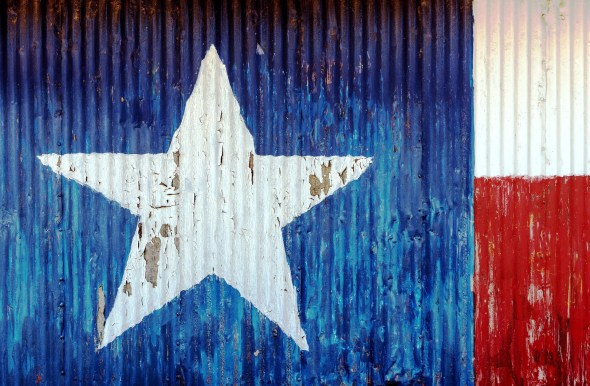


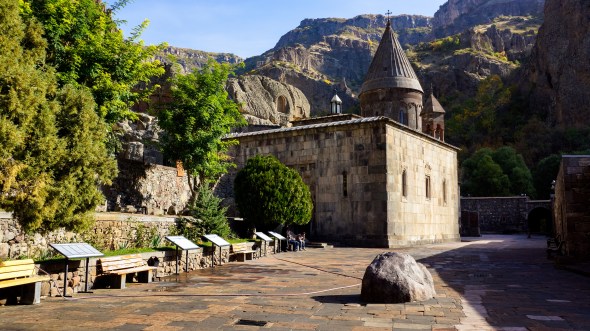

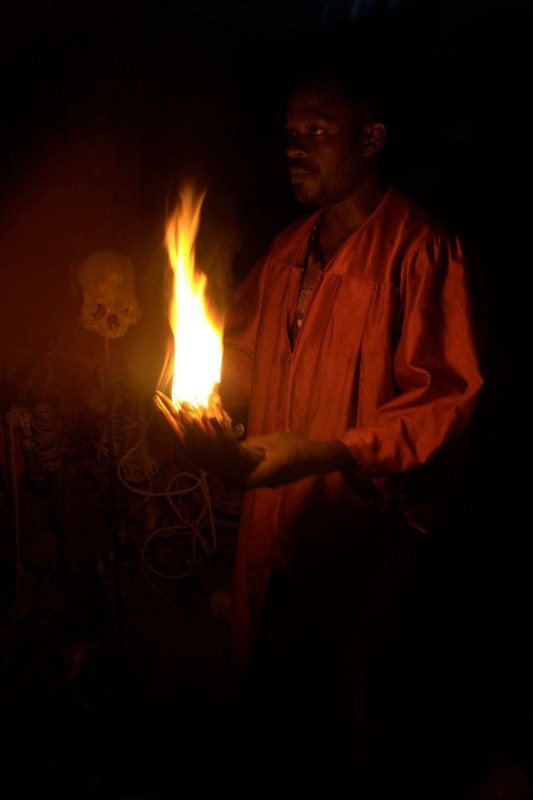

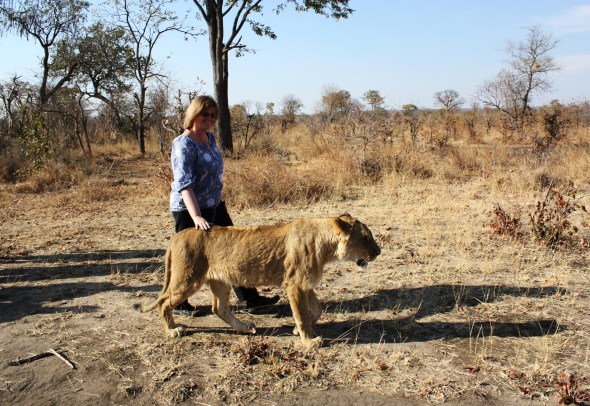
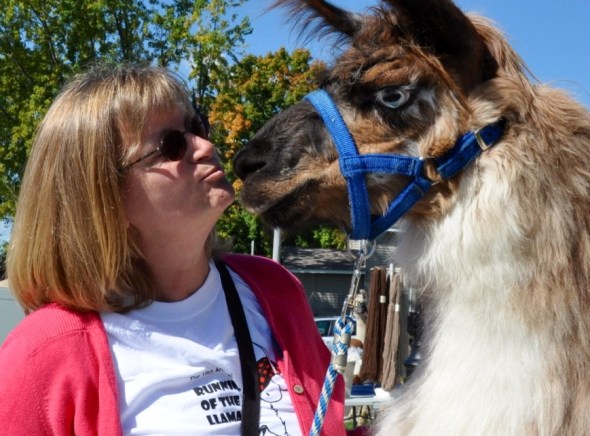


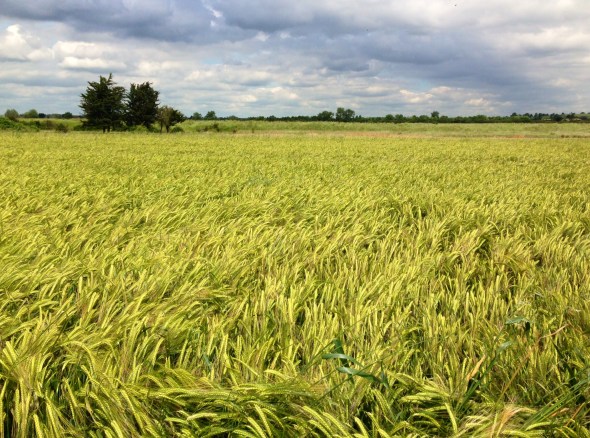
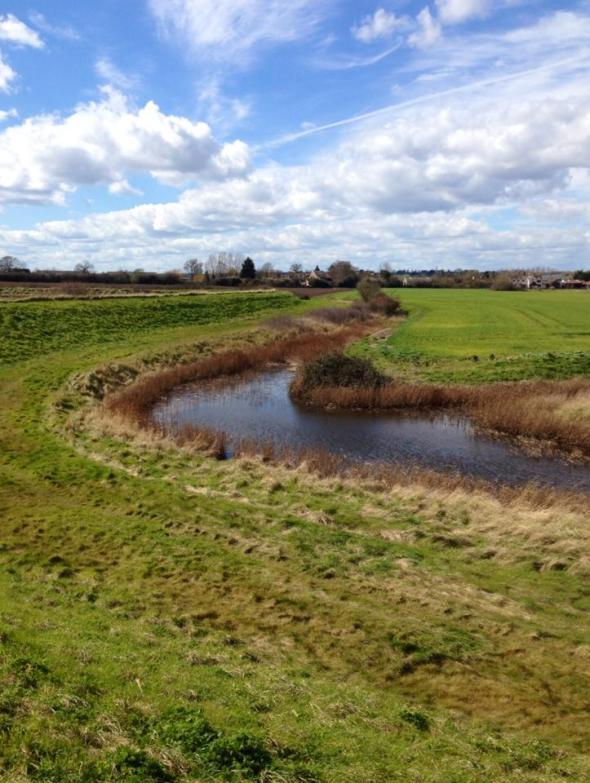
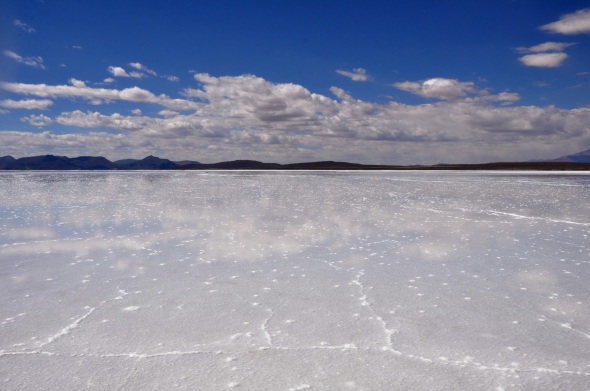
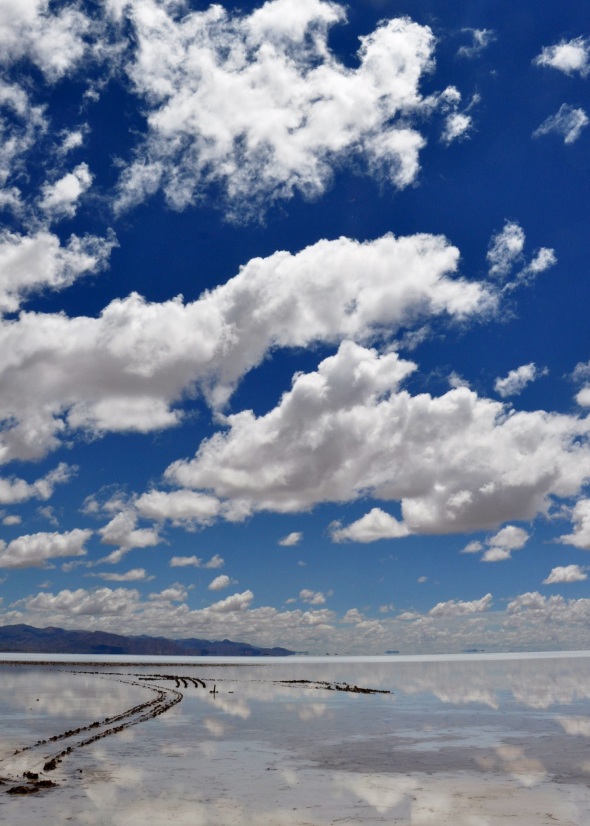
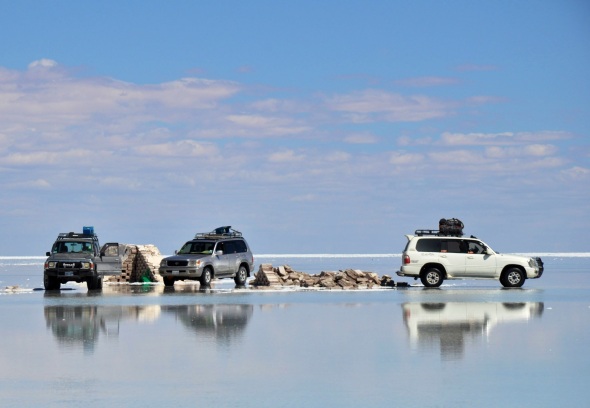
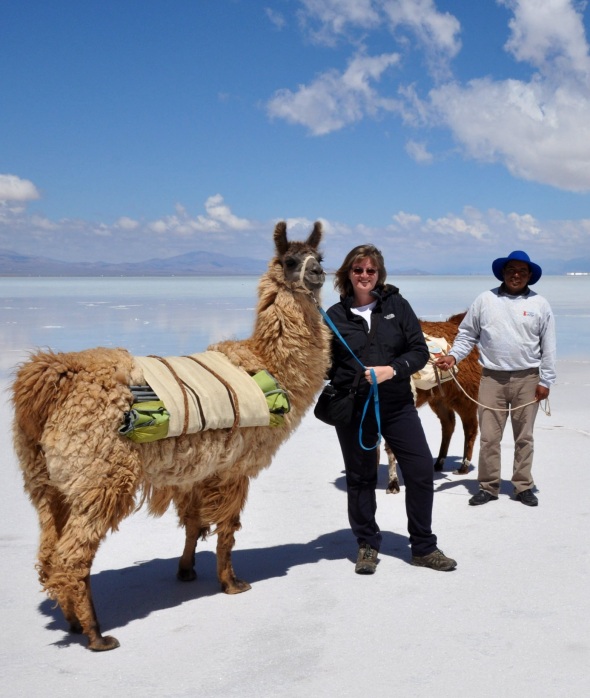
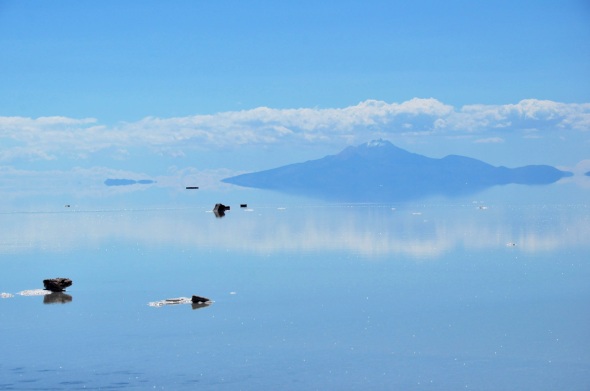
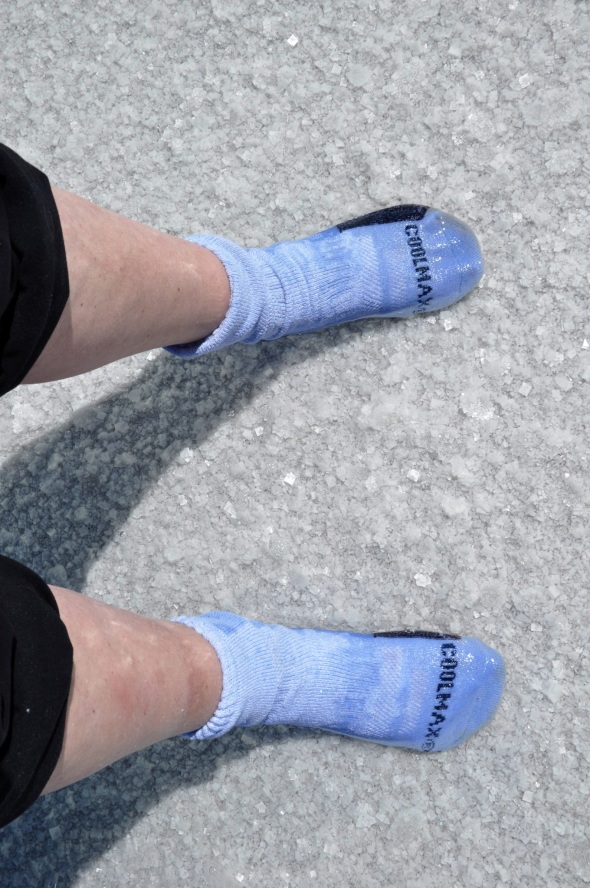
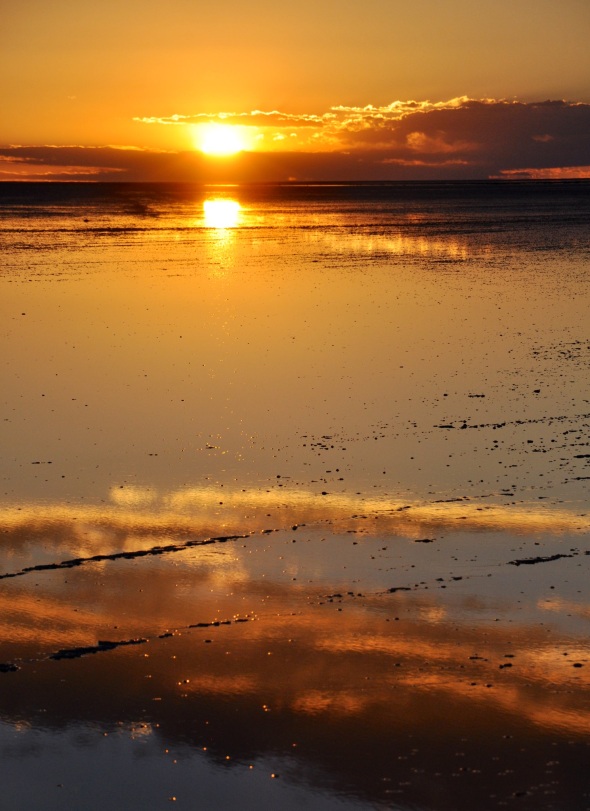
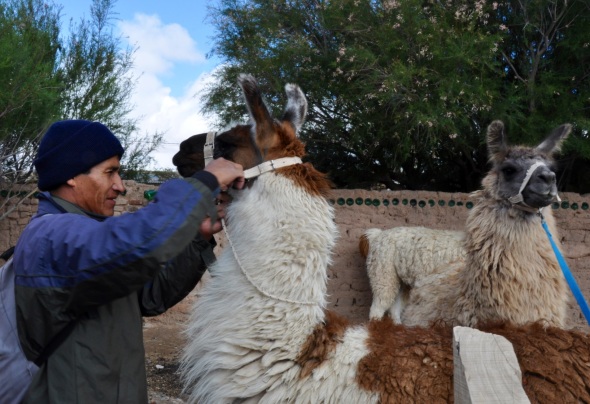
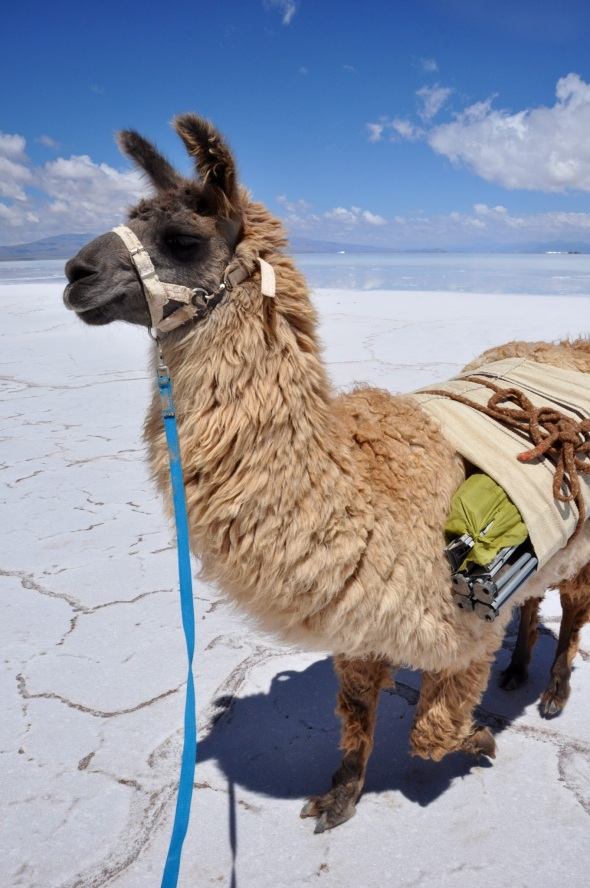
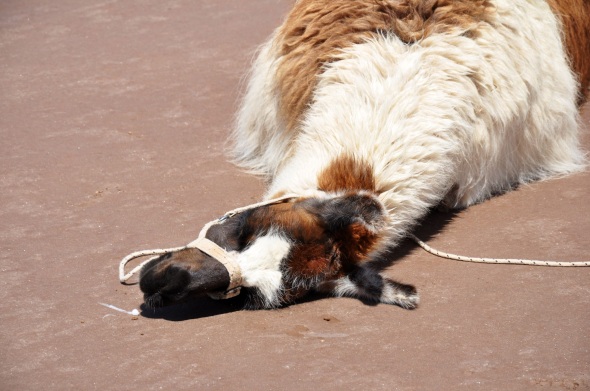
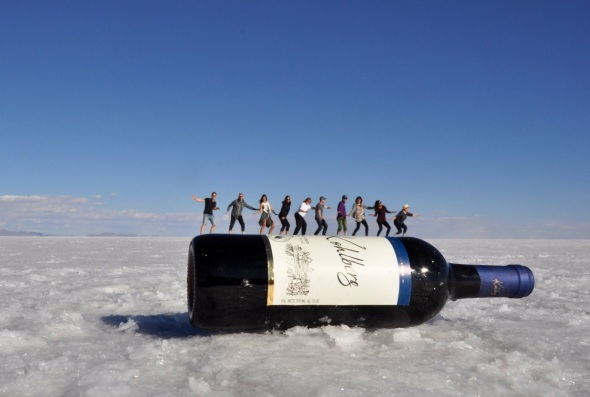
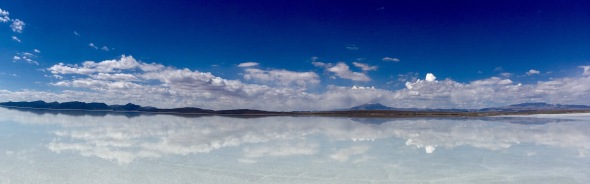
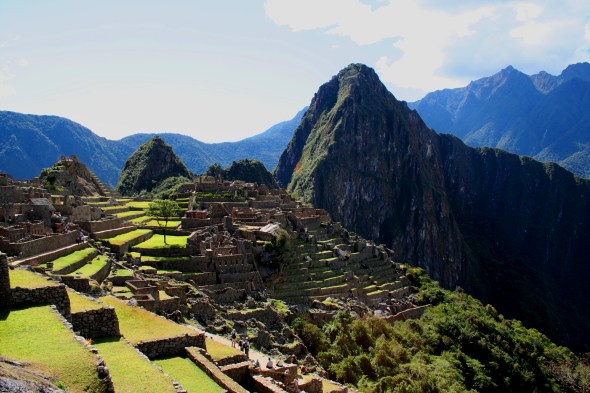


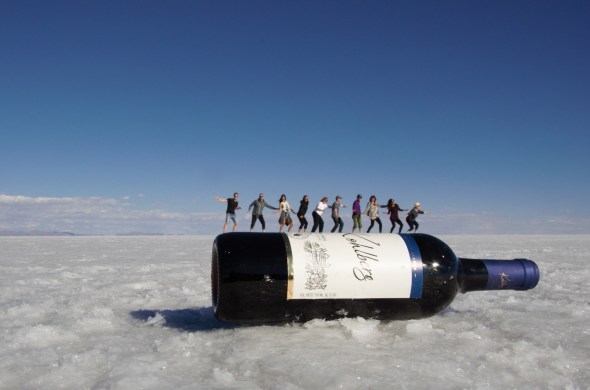
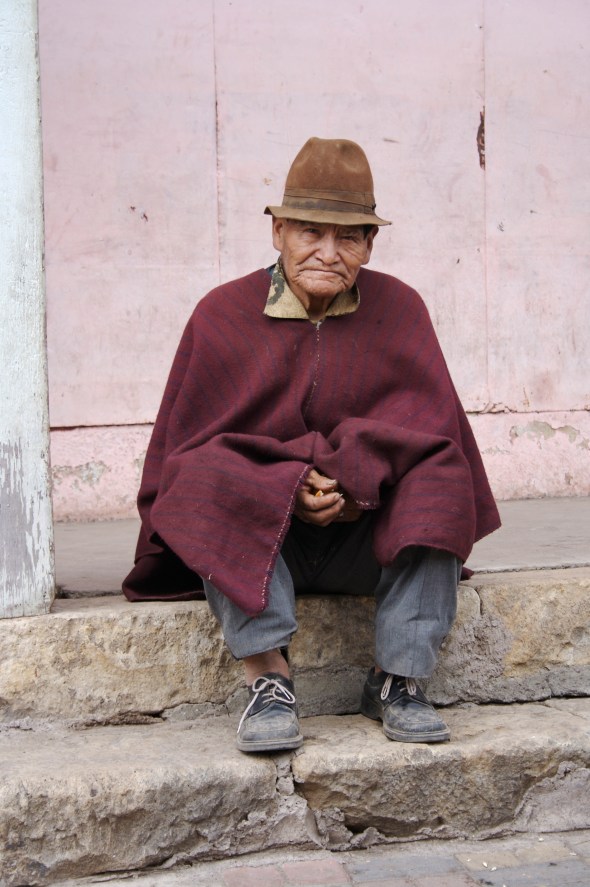
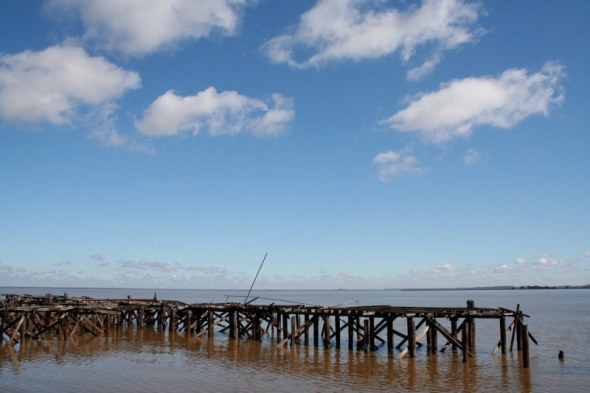
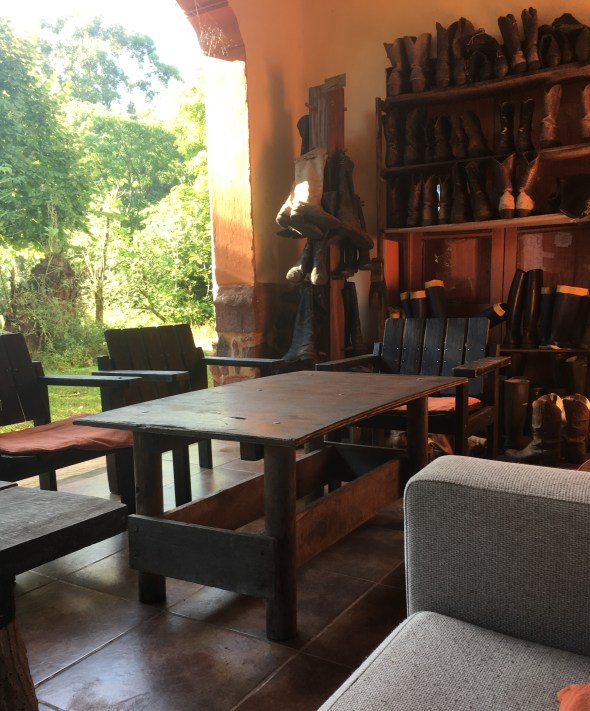
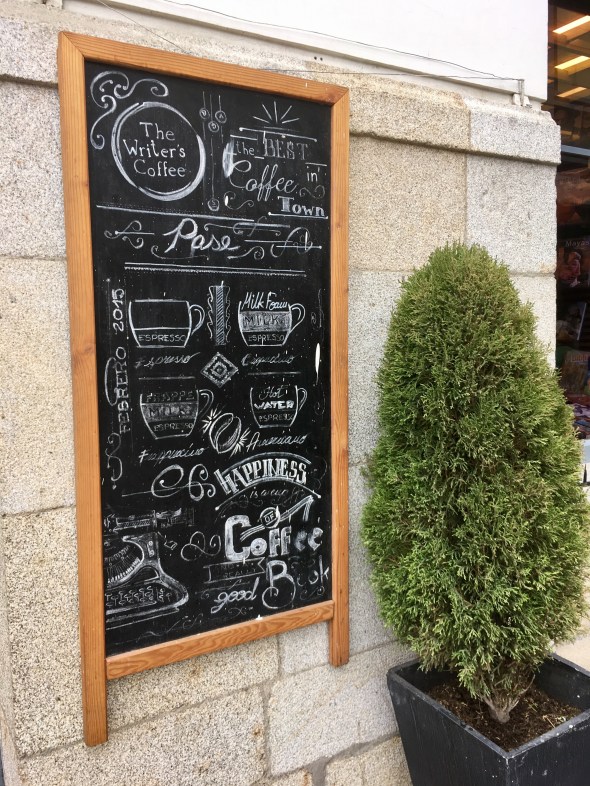

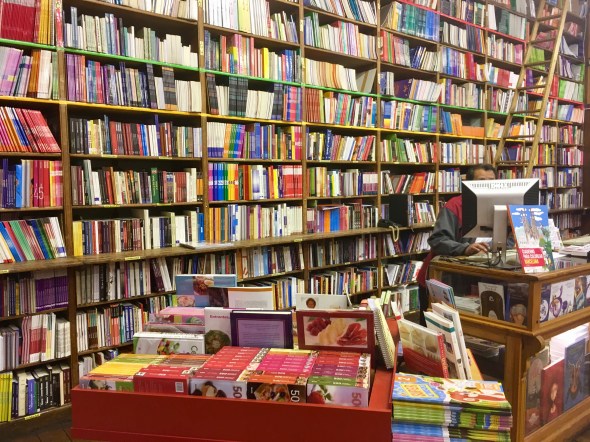

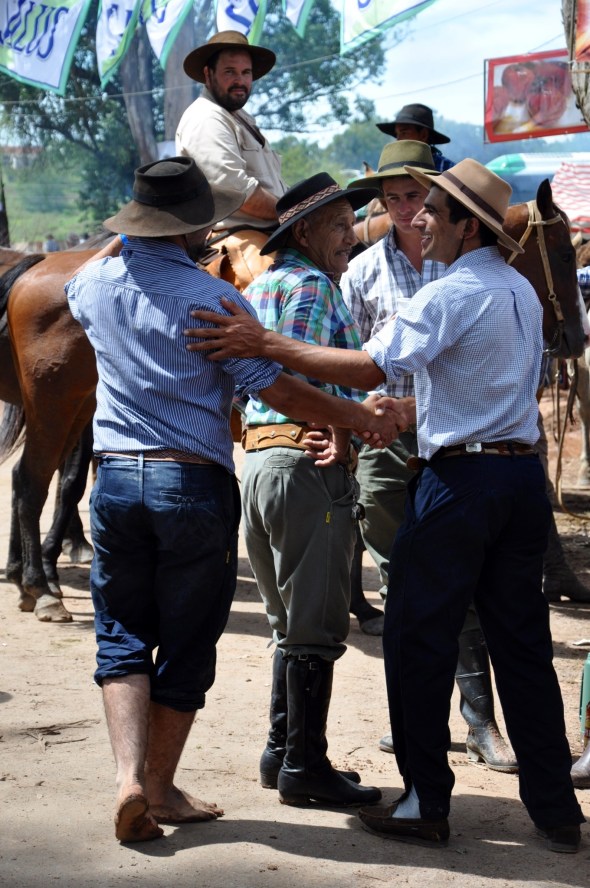


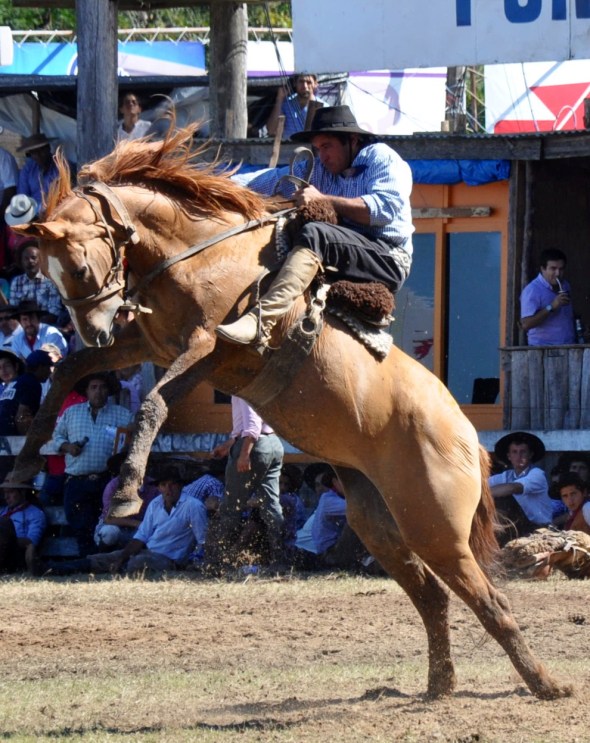


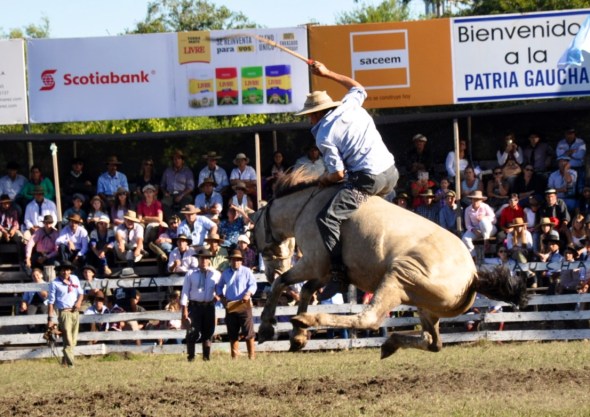

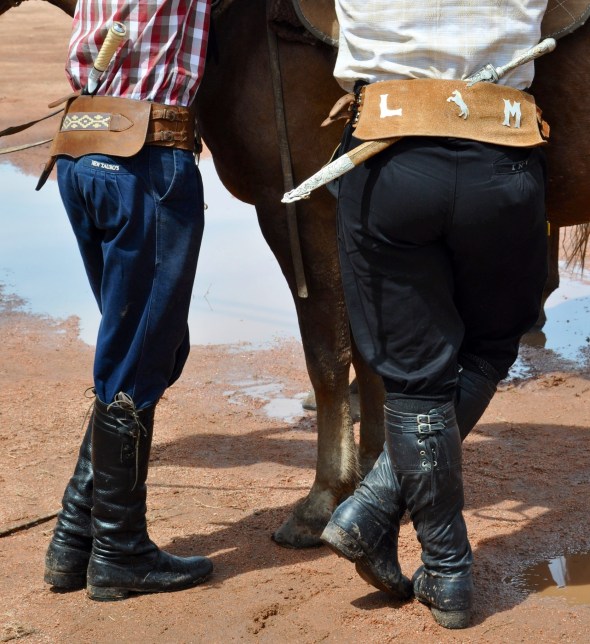


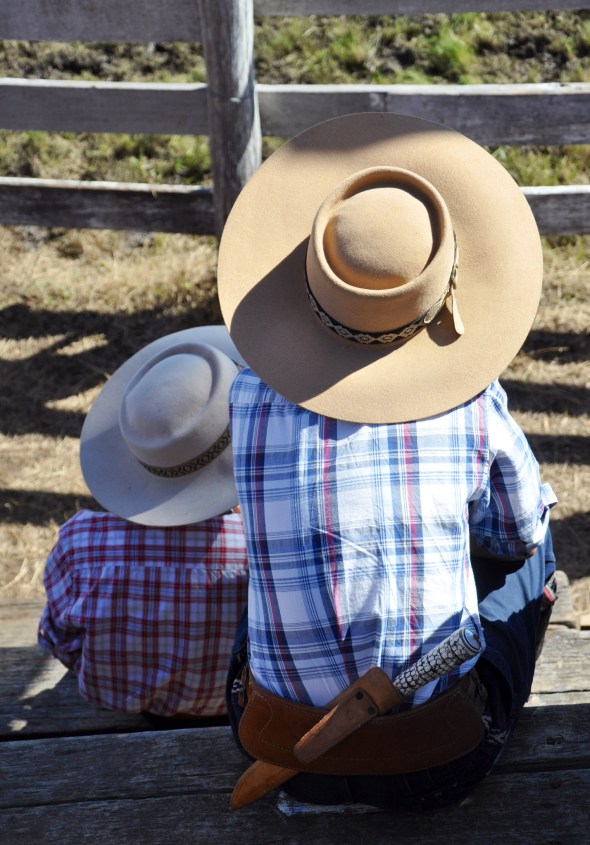
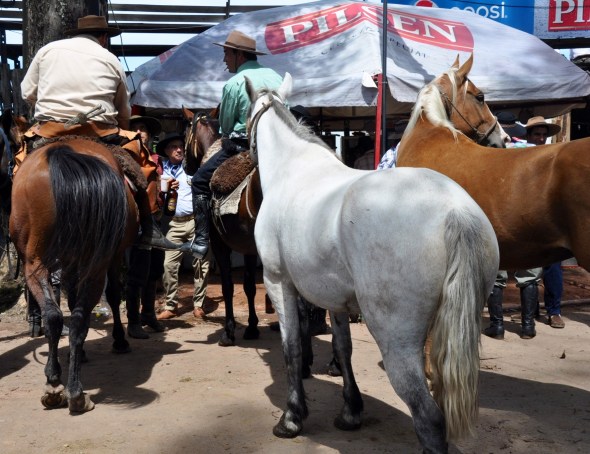
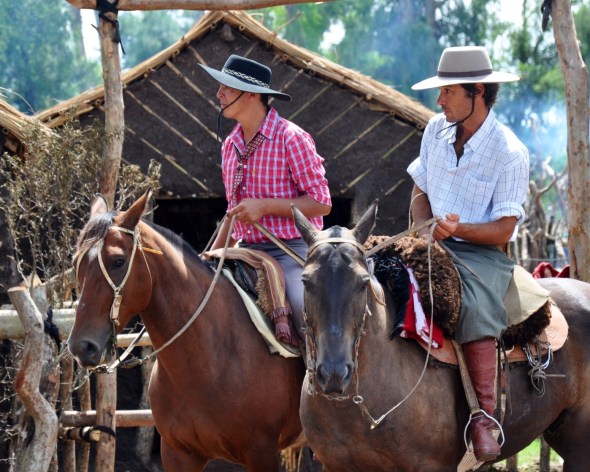


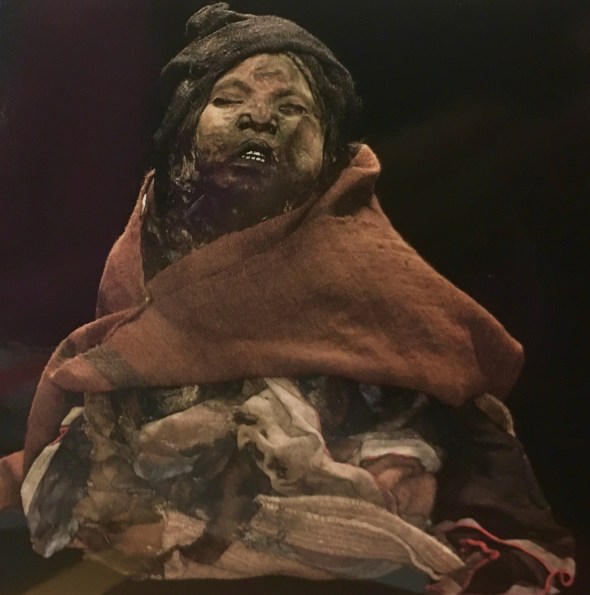
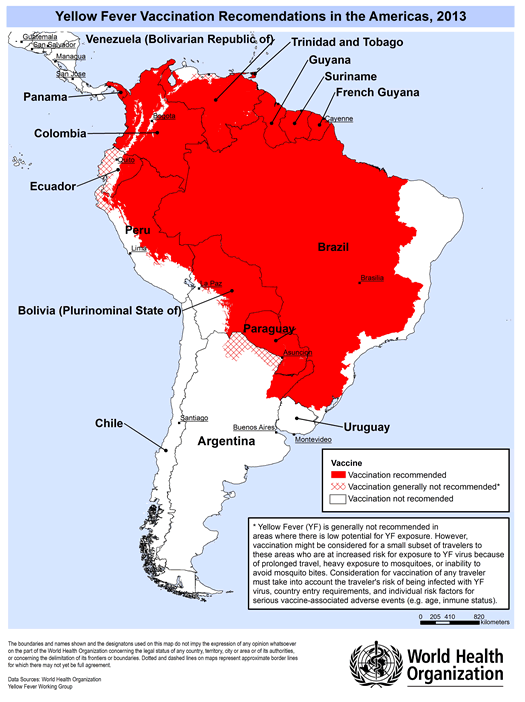

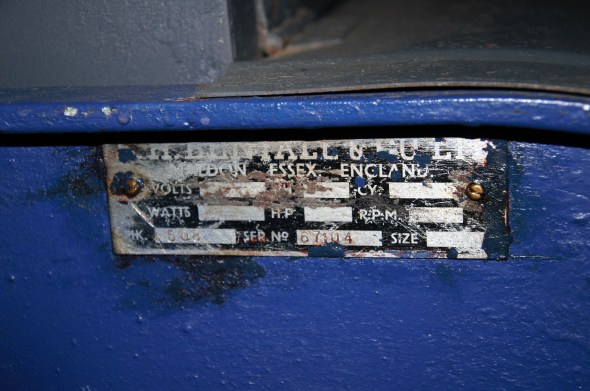

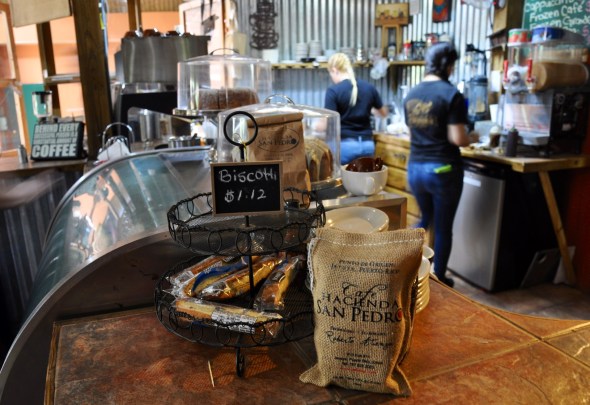
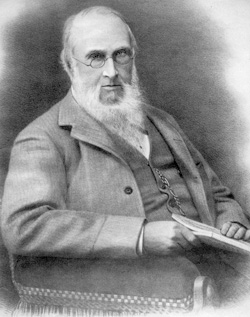


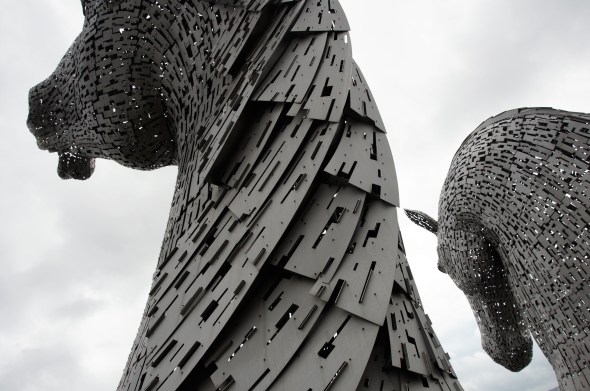

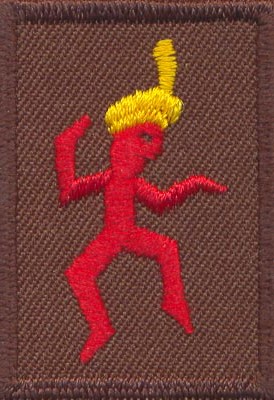


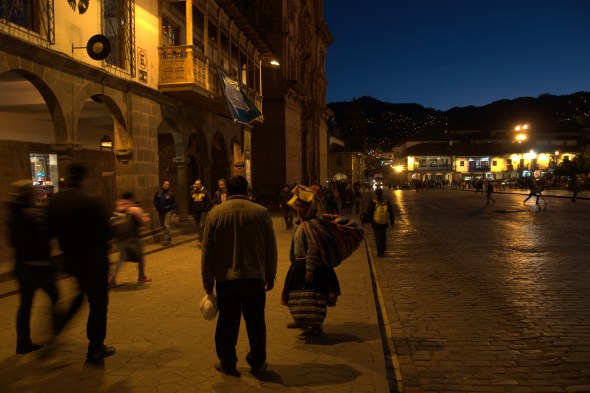


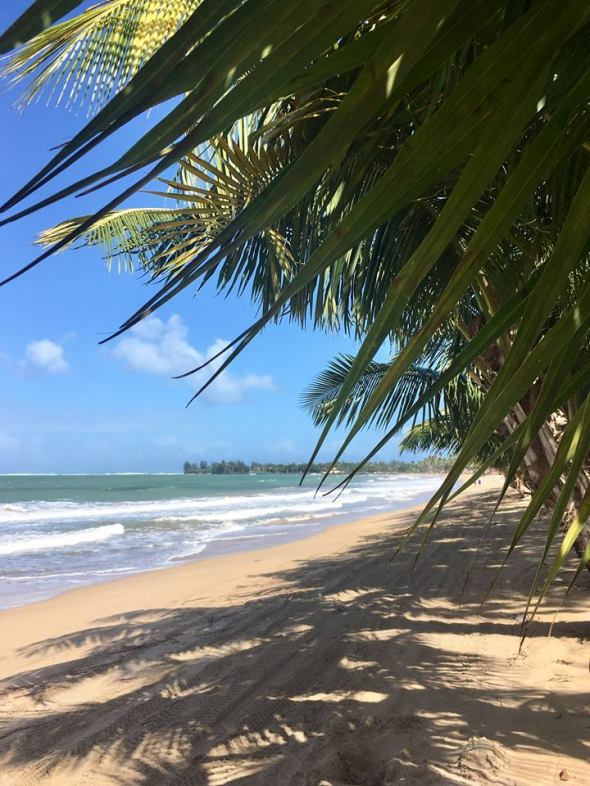


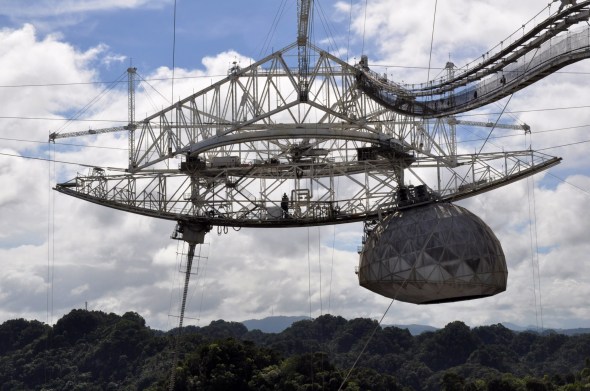

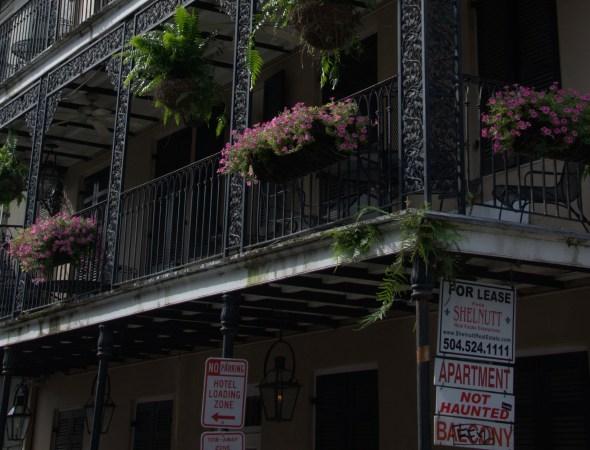


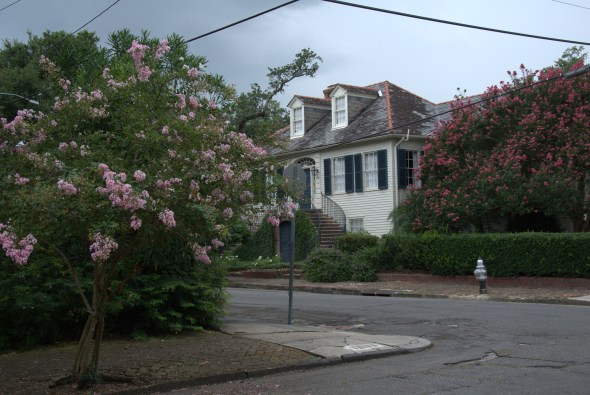

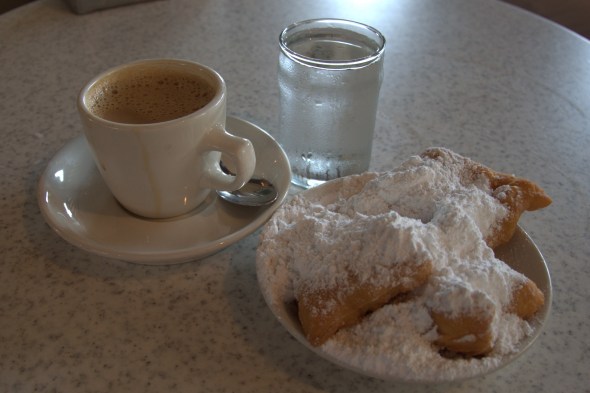
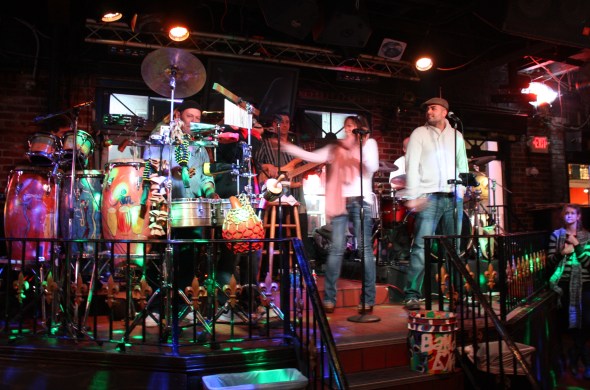


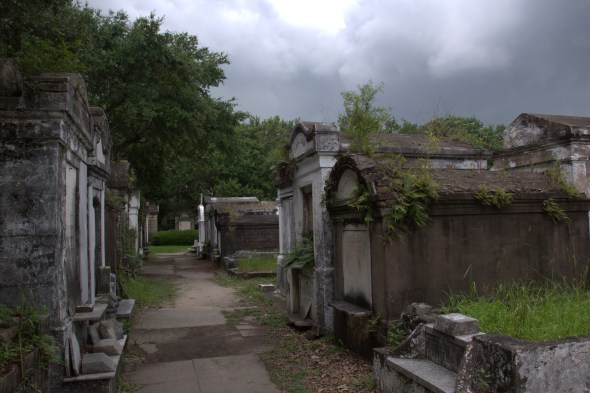
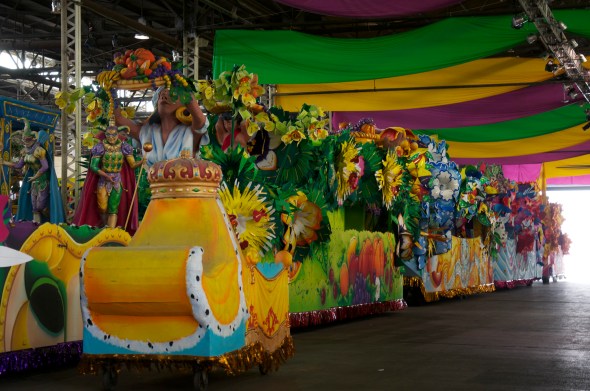
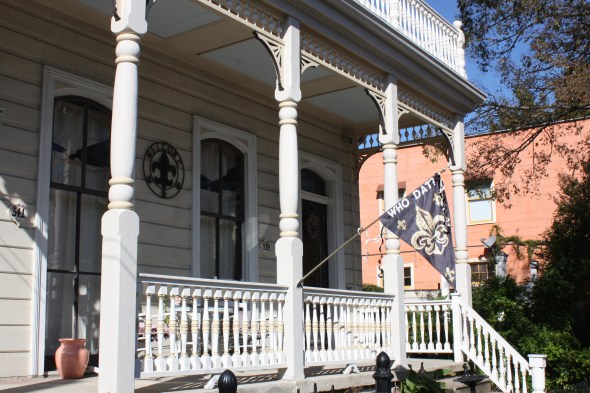
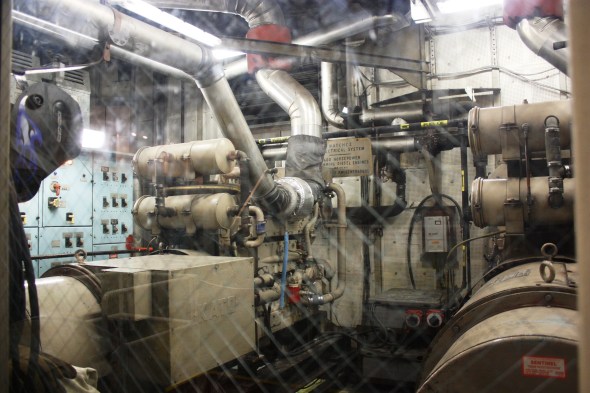
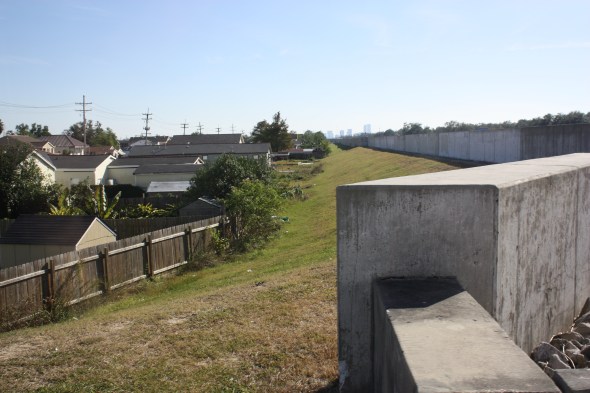

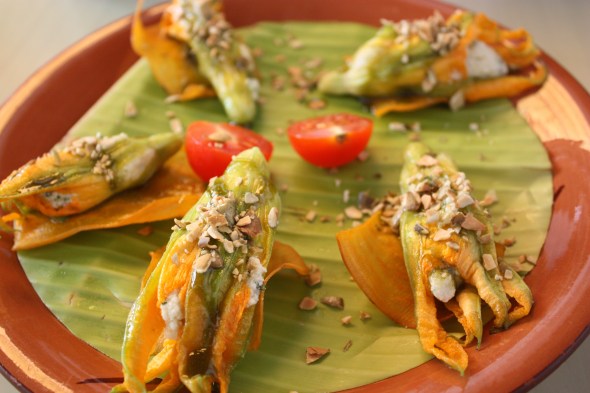
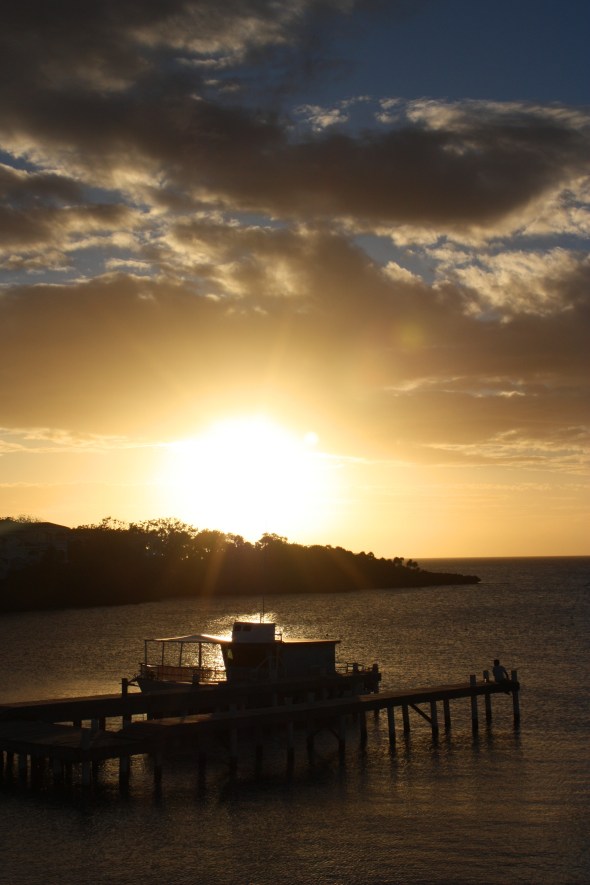
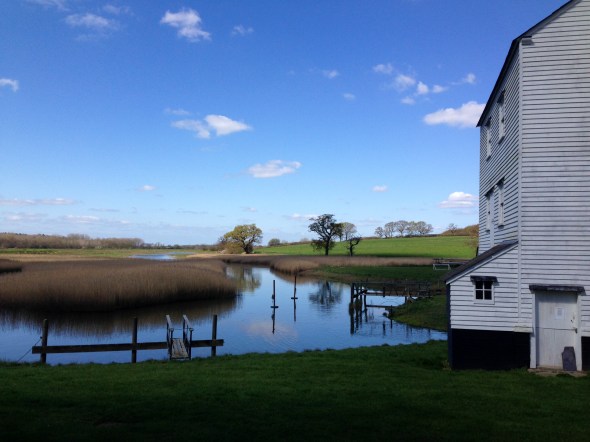
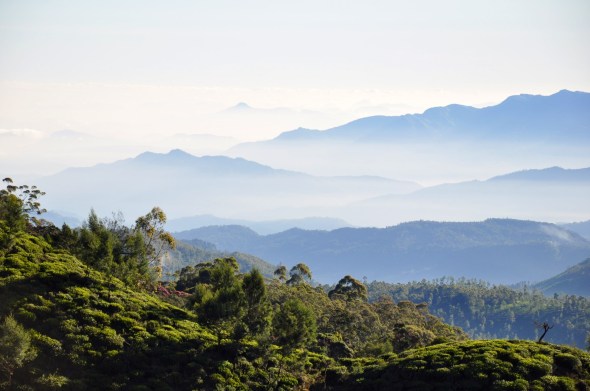
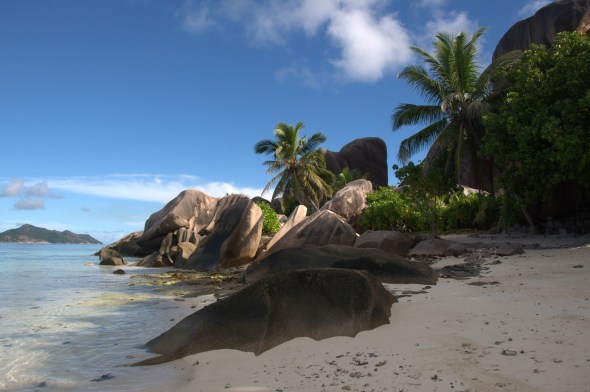


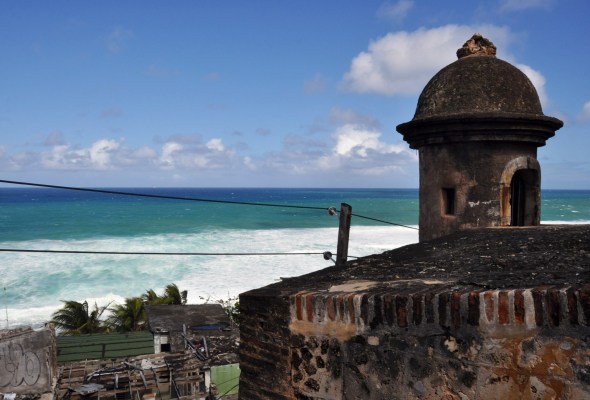


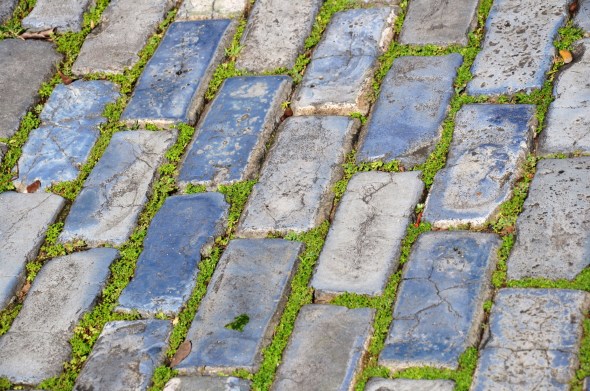
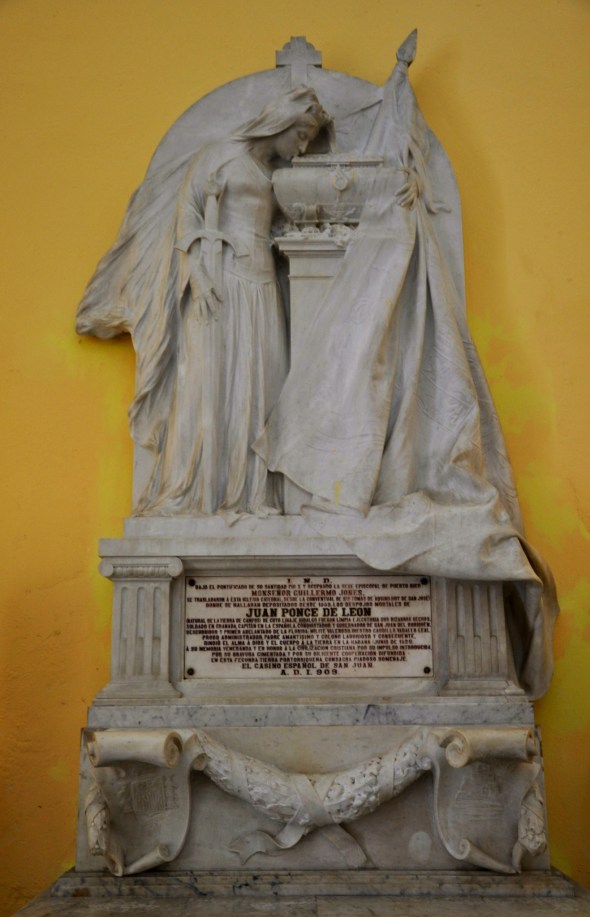
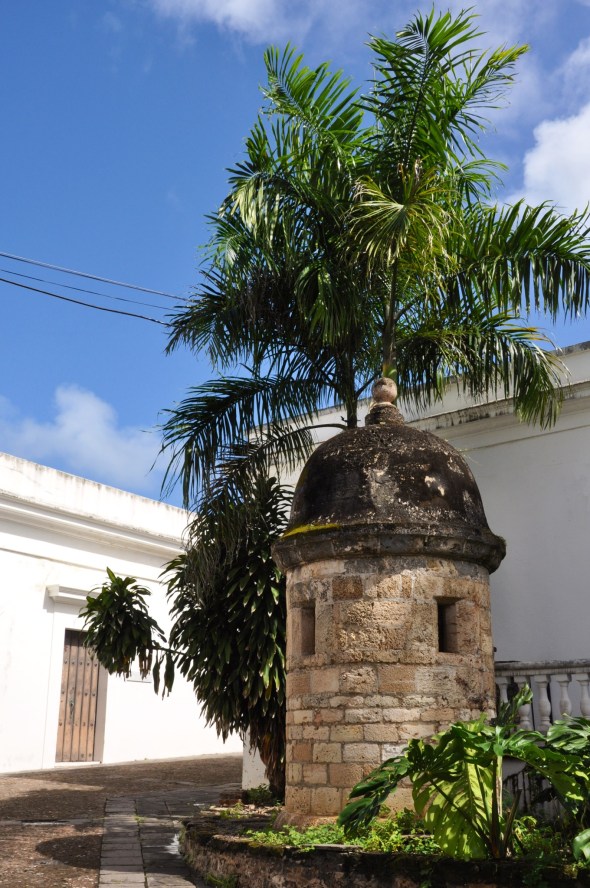


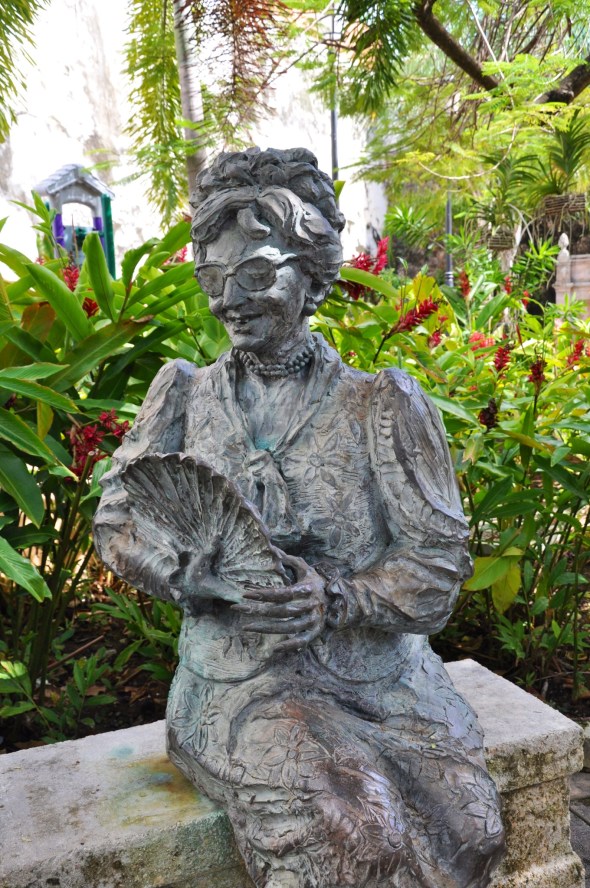
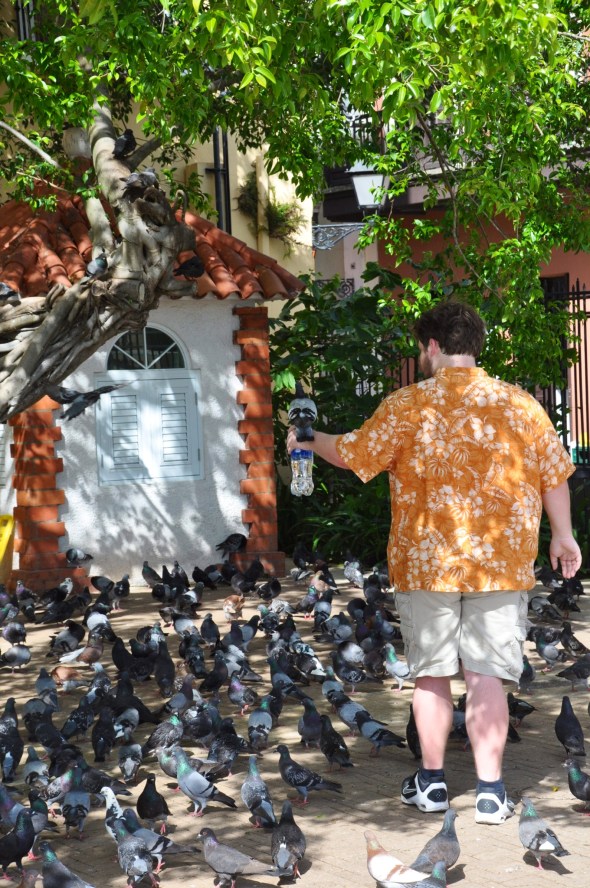
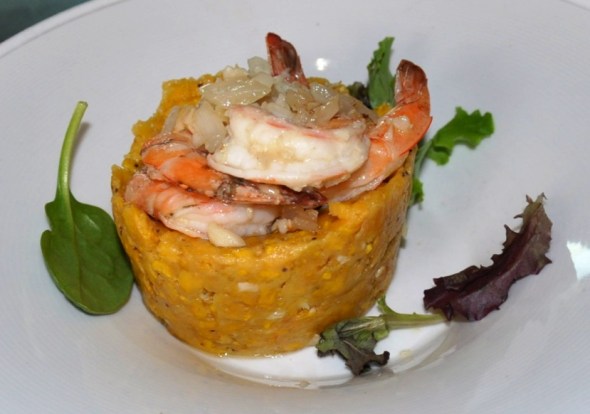
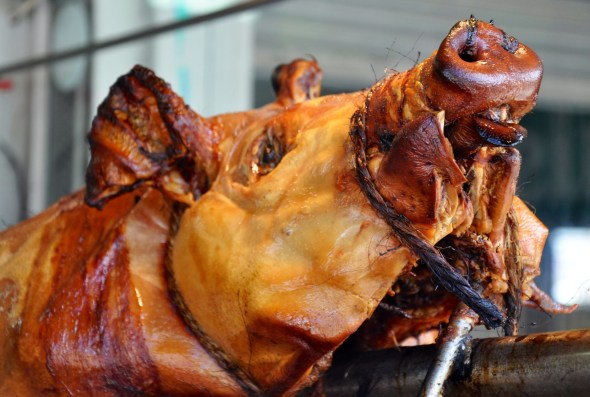


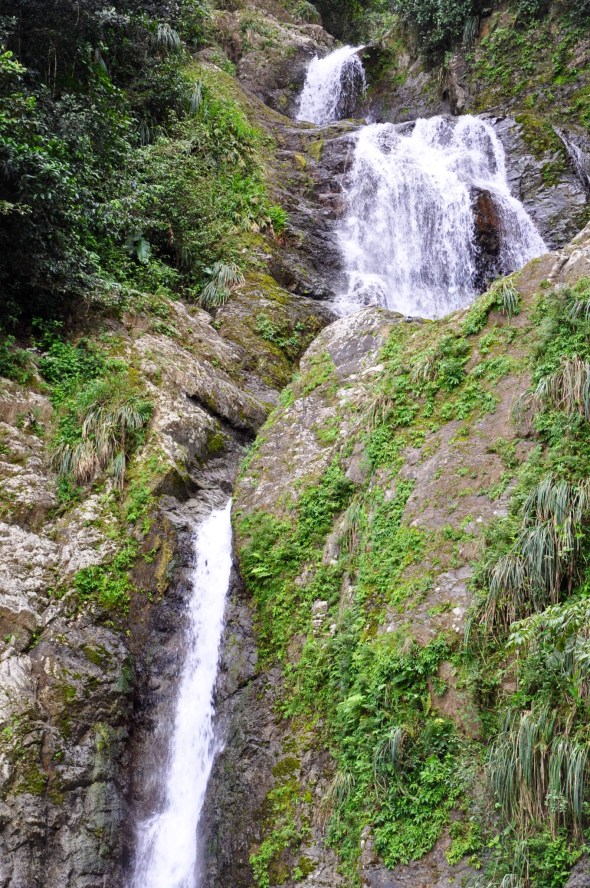
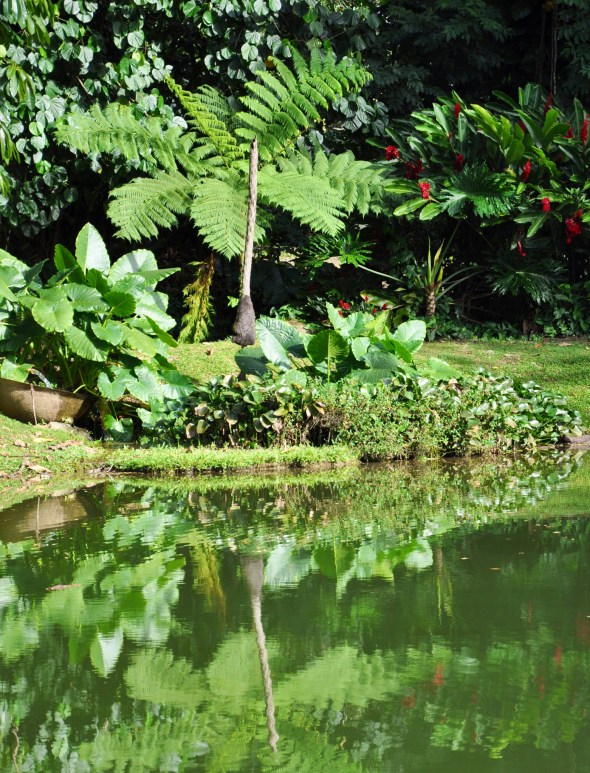
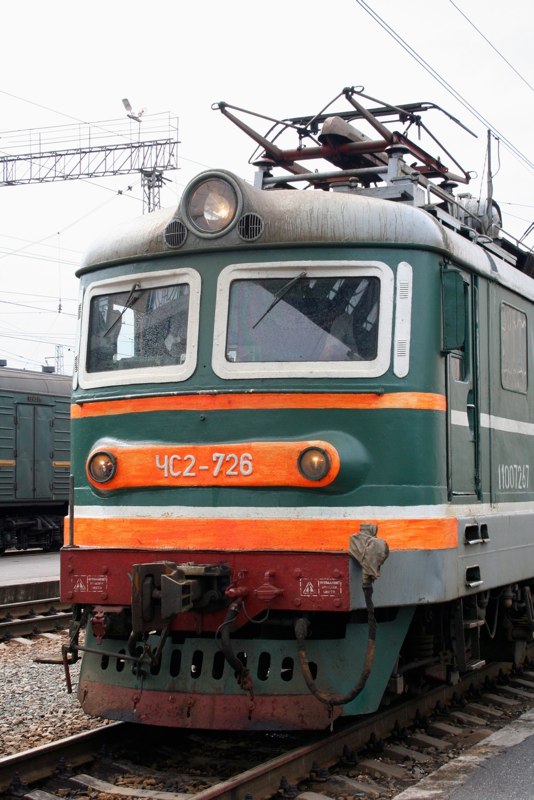

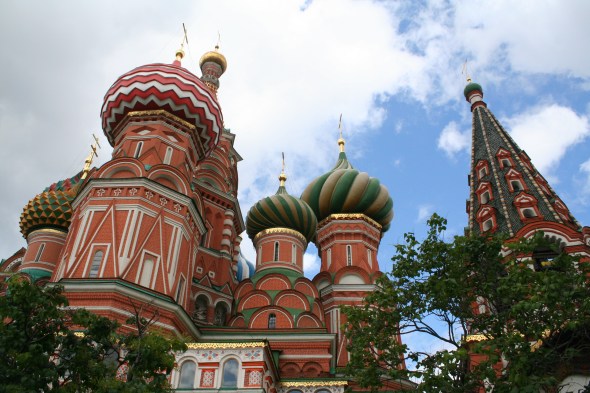
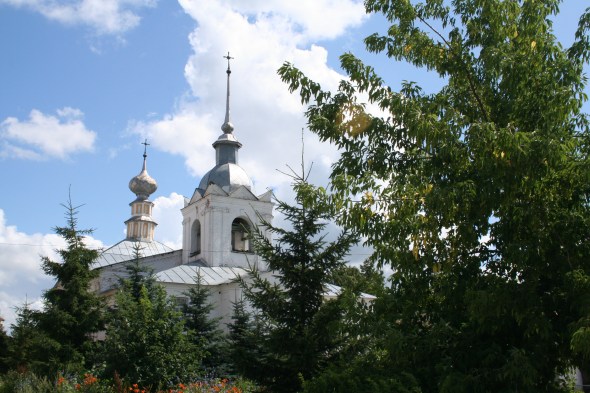
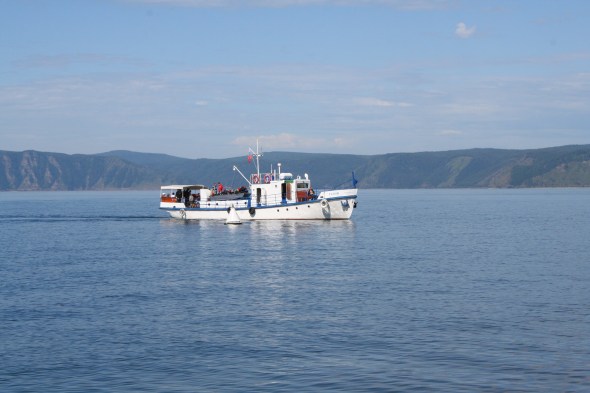
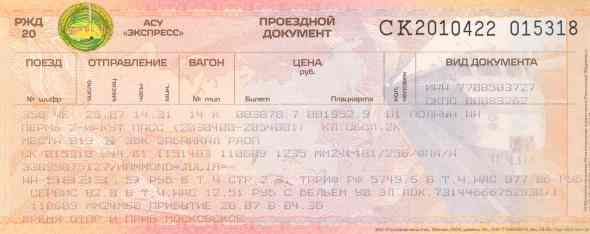
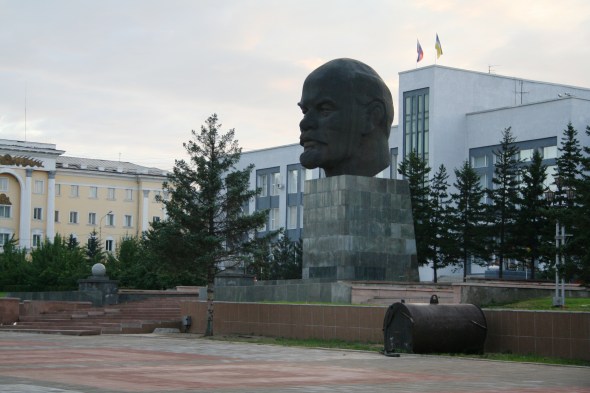
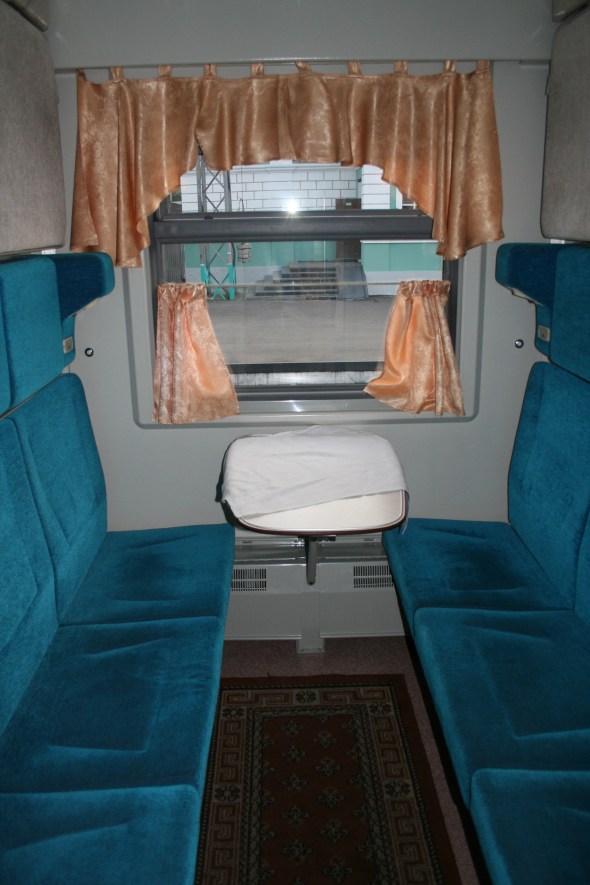
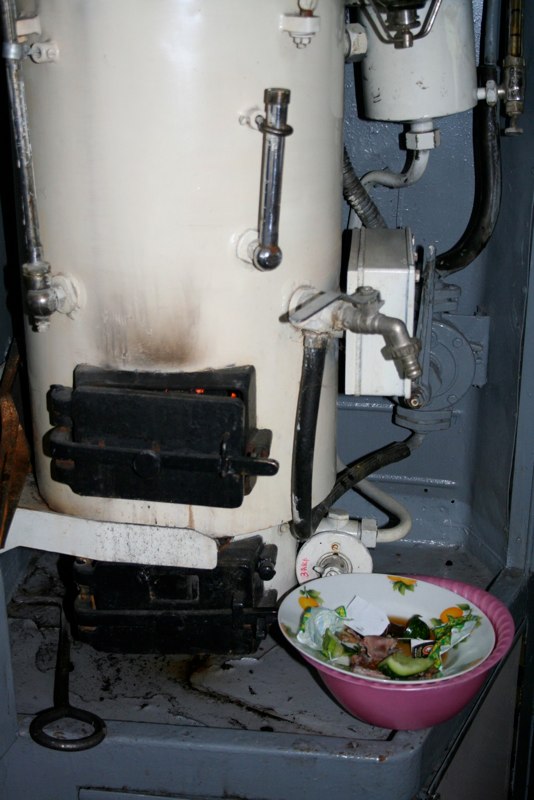


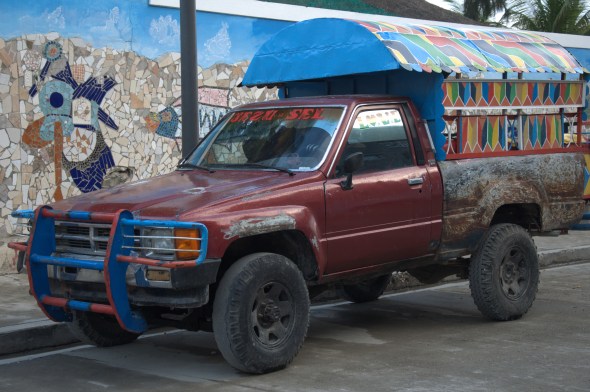

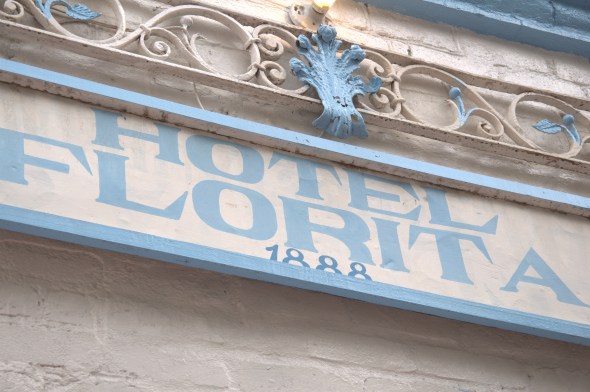


 Julia's Travels