
Just back from: a day in Ibiza
This, perhaps, wasn’t going to be one of my usual days out. A few days before I was due to fly – out of Stansted at 7am on a Tuesday – an email arrived from Ryanair announcing certain restrictions on the flight.

Amongst other words of caution, it said:
• Customers will not be allowed to carry alcohol on board and all cabin baggage will be searched at the boarding gates.
• Boarding gates will be carefully monitored and customers showing any signs of anti-social behavior or attempting to conceal alcohol will be denied travel without refund or compensation.
For a moment I wondered what I had let myself in for. In the event, though we did have a stag party on board, they were very well behaved and remarkably quiet. The plane was too, empty seats an indication that some of our passengers had fallen victim to one of Stansted’s worst mornings for queues at security I’d ever seen. I’d made the flight in good time and jetted off on time to the hippy isle with a row of three seats to myself.

Arriving slightly ahead of schedule, I picked up a hire car and set off on an itinerary I’d found on the Ibiza Spotlight website. As my main focus of the day was to be a trial of a Sunwise kaftan, I’d originally planned to hole up at one of Ibiza’s stylish beach clubs and chill out all day. In the event, my geographer’s curiosity got in the way and I just couldn’t resist the chance to go exploring, especially up in the north of the island where the agricultural landscape was more verdant and prettier than the south. That said, I needed to be in the sun, so there were going to be plenty of stops.

The first was supposed to be in Santa Eulària des Riu, Ibiza’s third largest resort. Incidentally, road signs are in Catalan, though my map was in Spanish, with this particular resort being Santa Eulalia – mostly the names were similar enough for this not to be confusing. I’d read about an excellent ice cream parlour called Mirreti’s. Reaching the town, I decided it just wasn’t my kind of place: too busy and lacking charm. I drove straight through, headed for Sant Carles de Peralta.

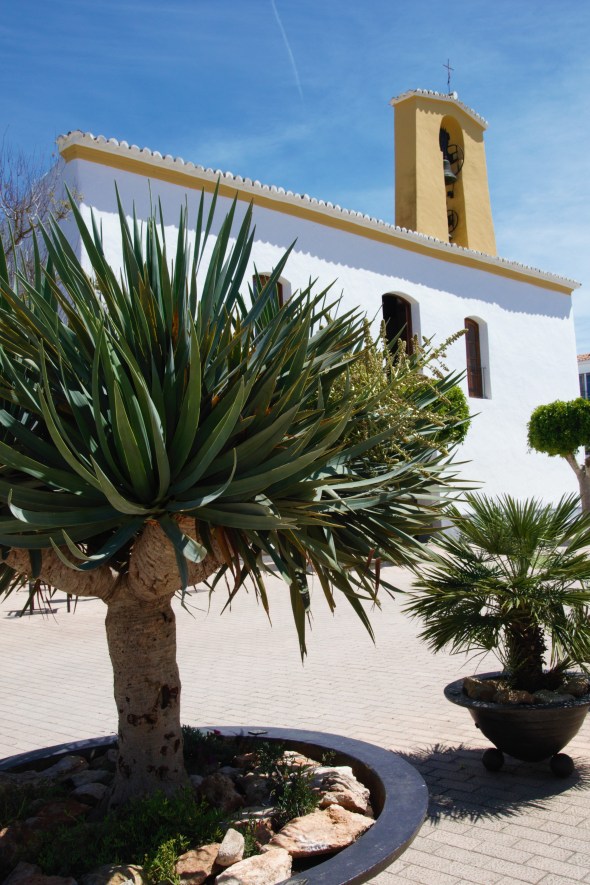
This small village, dominated by a delightful whitewashed church, was the perfect spot for a stroll in the sunshine. There wasn’t much to see, but I’d been tipped off about a cafe called Bar Anita across the road. I spent a pleasant half an hour sipping a cold drink in the warm sunshine, watching the world go by.

Onwards and northwards, as the hire car wound its way around the back lanes following the Cala de Sant Vicenç coast road for a few kilometres before ducking inland across the Serra de la Mala Costa. Turning north at Sant Joan de Labritja, I snaked across country on a tiny lane which led to the resort of Portinatx on the island’s rugged north coast. Smaller than Santa Eulària des Riu but nevertheless a resort, it was more my scene and I had a wander to explore.

Back in the car, I drove back to Sant Joan, this time via the main road and on to my next stop, another village dominated by a magnificent church, Sant Miquel de Balansat. Sited on top of the hill, this whitewashed church is impossible to miss. It’s the second oldest on the island, after the cathedral and like the one in Sant Carles, had three crosses on the front wall, something you’ll see on all the churches on the island, the symbol of Golgotha. The painted chapel walls are very special. This bronze sculpture outside also caught my eye.

But by now, I was getting hungry and so drove the few kilometres to Santa Gertrudis de Fruitera. This was my favourite of all the villages I stopped at, and I feasted on jamon serrano and queso manchego in the sunshine, choosing a spot opposite the church.

Somehow the village managed to hang onto its character despite its popularity with day trippers. I had time to browse in a few boutiques before they closed for a siesta and I hit the road again.
This part of Ibiza is greener than the scrubby south and I drove across the countryside towards Santa Agnès de Corona, known as Santa Ines in Spanish. I passed olive groves, almond trees and orange trees laden with fruit. Ruined windmills completed the agricultural scene.

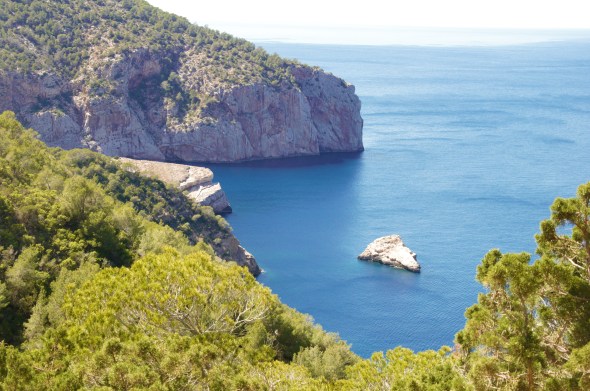
The road layout here forms a circle, so it as it was such a fine day, I decided to backtrack a bit and go for a short hike. My target was the hidden fishermen’s cove of Es Portitxol, said to be one of the prettiest spots on the island.
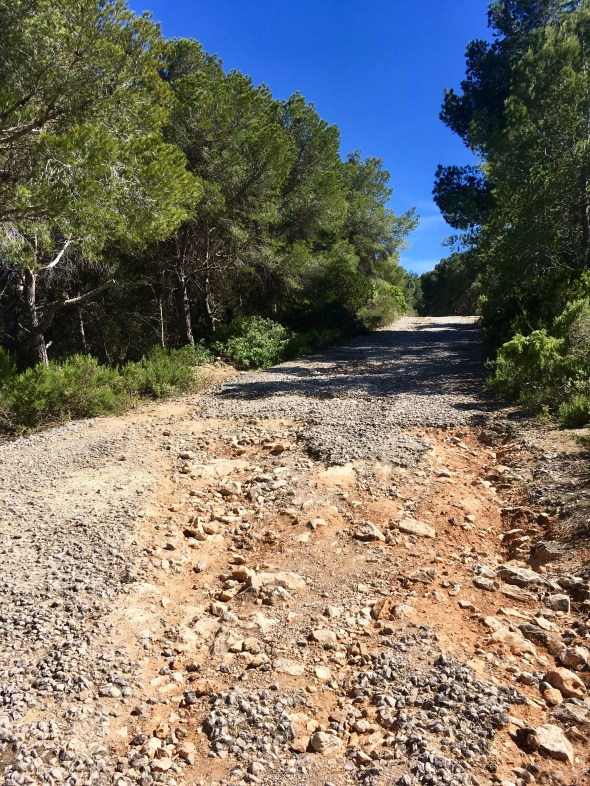
The road was in pretty poor shape, so I parked up and picked my way down the lane on foot. When I saw poor shape, it looked like a digger had gone rogue and there were great rifts gouged out of the stones. I wished at that point I’d had on walking boots rather than sandals, as it was hard going. The path did level out for a while and led through a shady forest; alongside were sweeping views over the ocean and towards the cove. Improperly clad, I decided to bail before I ripped my sandal straps, but had I continued, I’d have been rewarded with one of Ibiza’s hidden gems. Ah, next time.
It was time to head into Eivissa, the island’s capital. I’d seen the cathedral and fortifications of its Dalt Vila or old town as I’d passed earlier, and now it was time to explore on foot. Luck was on my side when it came to finding a parking space; yellow spaces reserved for workers become free for anyone who finds them empty after 4pm.

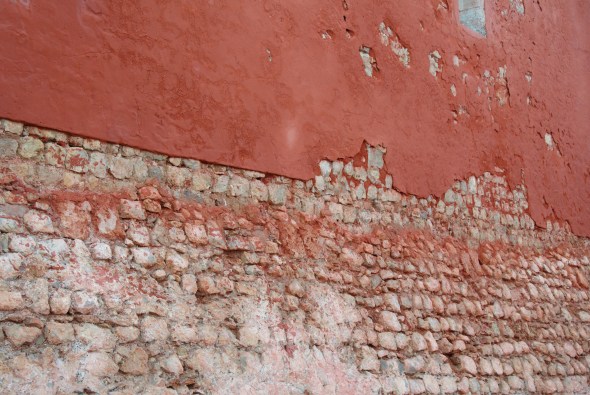
For anyone whose experience of Ibiza is solely the lively mass tourism resorts and club scene, Dalt Vila is the very antithesis: elegant, ancient and impressive. The thick wall and fortifications once protected Eivissa from marauding pirates; now they provide lofty vantage points from which you can admire the Mediterranean and watch the fishing boats bring their catch in, trailing clouds of seagulls in their wake. This defensive settlement dates from the 7th century BC when the Phoenicians founded the city, though the walls themselves are even older.

Today, Dalt Vila is threaded with alleyways and tunnels which, unsigned, invite you to partake of a lucky dip; when you step through the doorway, you might have no idea where you’ll emerge. I popped up in the Plaça d’Espanya for a time. One of the tunnels here was a Civil War refuge; Ibiza was Republican for a time before Franco stepped up his campaign and occupied the island, forcing the Republicans to flee.

In the Plaça d’Espanya traders were setting up a mediaeval fayre which should, according to the road signs, have opened three hours earlier but looked like it was still a while off. From there, I climbed a little further to the cathedral, its fussy architectural details contrasting with the simplicity of the whitewashed churches I’d seen in the villages.

Overlooking the marina, it was a good place to perch on a wall and soak up both the sun and the view. Refreshed, I wandered the streets of the old town for a while before ducking randomly into a tunnel and emerging some considerable way beneath them. I took it as a sign and headed back to the airport.
The details
Outbound: Ryanair STN to IBZ departing 0700 with a scheduled arrival time of 1040 (we were about 20 minutes early)
Inbound: Ryanair IBZ to STN departing 2140 and arriving at 2320 (also early)
Flights available from £19.99 each way.
Car hire with Alamo purchased through the Ryanair website was a little over £30 for the day; airport buses into Eivissa cost 3,50 euros each way.
Have you seen my other blogs on days out by plane? They’re perfect if you are desperate to travel but can’t get the time off you need for a longer trip. You’ll be surprised at how much you can do in a single day. For how to visit Amsterdam, Belfast, Bremen, Budapest, Lisbon, Regensburg and Copenhagen for the day from London, please follow this link:
http://juliahammond.co.uk/Travel/BLOG.html
Product test: Sunwise UVA clothing
It was August 2004. I was in Bali and I’d heard about a celebration known as Kuningan. This ceremony was held to mark the end of Galungan, a holiday similar to our New Year. Devotees dress in white with red sashes and bring offerings for their ancestors who are returning to heaven after spending time on earth for the Galungan festivities. They bring yellow rice, fish and fruit, placed in bowls made from leaves. The rice symbolises their gratitude to God for the blessings he has bestowed and the bowls are adorned with little figures representing angels which bring happiness and prosperity. It promised to be an incredible sight, so I made my way to the temple near Candidasa on Bali’s eastern coast.


Arriving, I wasn’t alone. In front of me was a sea of white, a crowd of people thronging the space between me and the temple entrance. Resigned to a long wait, I found a place in a queue of sorts and waited. It was late morning. The sun was already high in the sky and packing a powerful tropical punch. I wasn’t unduly worried. I’d put on some sun cream and had chosen what I thought to be a sensible outfit – a long sleeved cotton blouse. Time passed slowly and my shoulders began to redden. I applied more cream to the visible parts and thought no more of it. Eventually, I entered the temple and observed the prayers and rituals. It was a fascinating scene.
Later on, returning to the hotel, I realised the thin cotton blouse I’d worn was no match for the midday sun and my skin had not only reddened, it had blistered badly. I spent the rest of the holiday in the shade, cursing how ill-prepared I’d been. I’ve never been as casual about the sun since. Several of my friends have had skin cancer, and that’s not something I wish to emulate. According to statistics compiled for Cancer Research UK, there are over 15,000 new cases of melanoma skin cancer each year. While many are treatable, some, sadly are not. Realistically, with the amount of travelling I do and how fair my skin is, I need to be proactive about the precautions I take. Sun cream alone isn’t enough of a solution. Yet there are many tropical places in the world that I still want to visit. I don’t want to find myself in a position where I’ve got to stay out of the sun completely and miss out on the chance of seeing them.
But here’s the rub. I’ve never found much in the way of UVA resistant clothing that I thought I’d actually like to wear. The thought of putting on one of those clingy long sleeved surfer shirts in soaring temperatures and high humidity just doesn’t appeal. Nor do I find the functionality of the standard traveller clothing appealing; it just doesn’t feel like I’m on holiday if I’m wearing a collared shirt. So up until now, I’ve slapped on the sun cream (ruining many a white blouse in the process with those impossible to remove stains) and hoped for the best.
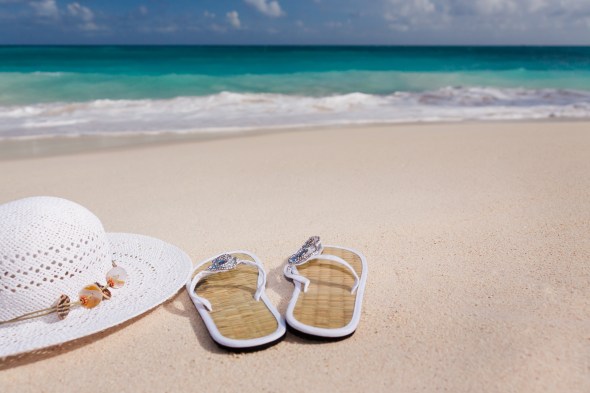
I’m not ready to give up my view of a tropical beach just yet. So when a friend offered to let me trial a UVA resistant kaftan, I jumped at the chance. Finally, something that would prevent a repeat of my Balinese burns. Its first outing was to Ibiza. In May, the temperatures are in the mid-twenties, perfect for a trial in conditions similar to a good British summer. Here’s how I got on.
Style 8/10

I just loved the colours in this. Blue always feels so summery and the mix of the palette works well as a pattern and means that it goes with a wider range of bottom halves. The longer length style, sitting flatteringly mid-thigh, meant this kaftan hid both generous hips and a tummy that likes to eat. I’m not usually a fan of the tie waist, as I do sometimes think such styles make me feel like a trussed turkey, but actually it too was attractive. I found that in a bow it did have a tendency to undo itself, but in a loose knot it looked just as good. The batwing sleeves hung to my elbow, giving it a pretty waterfall silhouette. The round neck, though high, was loose enough to be comfortable. In my selfies, though, it looks a little too high, reminding me of a hairdresser’s gown. In real life, this isn’t the case, as the length of the garment more than balances this out and obviously if you have someone else taking your holiday photos you’ll get a better image.
Comfort 9/10
I trialled this in a number of situations. As I was on the move, it’s yet to sit round a pool (watch out for an update later this month when it comes with me to hotter Texas). When I first looked at the label, I was a little concerned to see that it was made of 100% polyester, usually favouring cotton and linen for high temperatures. It was so lightweight though, that I never felt hot and sticky; it didn’t cling and hung beautifully. The versatility of this style means that it’s as at home in a cafe as it is on the beach, sophisticated enough for the city yet casual enough to wear poolside. I even went for a short hike in it. The floatiness of the fabric meant it didn’t ride up or become too rucked up around the legs. My only criticism is that with half-sleeves the lower parts of your arms are exposed. I’d love to see that the range is widened to include a long sleeve tunic blouse in the same colourway and fabric.


I’m not alone in praising its versatility. Fellow tester Kate had this to say when she packed it for a Med cruise:
“In Rome today and melting. The kaftan is absolutely brilliant. I don’t need cream under it and there’s been no burning at all. I feel posh too! Ingenious.”
Kate’s a skin cancer survivor and adds:
“It gave me so much confidence, took away the worry I have when I see the sun is shining! I could sit on a beach and look like everyone else in a glamorous floaty cover up, yet I knew my skin was being protected.”
Value for money 10/10
This item is new for 2017 and the retail price has yet to be finalised. I’m assured that it should be in the region of £25 to £30. At this price bracket, that’s excellent value for money in my opinion. The kaftan is well made and you’re getting a quality product. With little competition in the UK market, it’s hard to find a comparison, but similar clothing from high-end retailers can go for up to £100, making this a bargain.
Function 10/10
Let’s get real for a minute: the main reason you’re going to be looking at the Sunwise UVA product range is to buy clothing that is going to protect you from the sun. So did it do its job? I spent the day in and out of the sun, and even when my lower arms were reddening at my sunny cafe table over lunch, the parts covered by the kaftan were well protected. I’ve covered the lack of wrist-length sleeves in the style score, so for me this garment’s ability to protect me from sunburn in temperatures of around 25°C was first rate. If that changes when I up the temperatures a bit, I’ll edit this section to reflect its capabilities.
The verdict
Would I buy it? Yes, absolutely, and another one too if further colourways were to become available. It’s not something I’d have considered before, but I’m a convert.
Where to find it:
Sunwise UVA is a recent start up and would value your custom as well as your comments. Their current range can be viewed online at:
They’re also on Facebook: look for Sunwise. UVA clothing
Flight news: Honduras
While parts of Central America have been blessed with direct flights from Europe for some time, others have been a bit more disconnected. Honduras is one of those places. But now, with the launch of a weekly flight from Spain, it’s possible to get there a little quicker. When I visited Honduras a few years ago, getting there involved an overnight layover in Houston, adding both considerable time and expense to the journey. Air Europa’s flight from Madrid at first might appear to be less than ideal, arriving shortly before 5am in what was once the world’s worst hotspot for murders. (San Pedro Sula has now passed the Murder Capital of the World crown to the Venezuelan capital Caracas.) But this late departure means that a connecting ticket from the UK is possible and you no longer have to lose a day of your holiday just to get there.

Honduras might not be the first place that springs to mind if you’re looking to holiday in that region, especially in terms of safety. But it’s easy to get straight out of San Pedro Sula and the early arrival means you’ll have plenty of time to reach somewhere both safer and more beautiful well before nightfall. Copan Ruinas is one such place. I spent a pleasant time there in 2014, riding horses out to the Guatemalan border, drinking the excellent locally-grown coffee and exploring some of the least crowded Mayan ruins in the region. Visitors were outnumbered by scarlet macaws by some considerable margin.

While I’d still be loathe to recommend spending any more of your time in San Pedro Sula than is absolutely necessary, the country’s Caribbean coast is as laid back as they come. It’s well worth risking the journey back to San Pedro Sula’s airport after your Copan Ruinas sojourn to make the short hop to Roatan Island. It’s the perfect place to unwind in the sunshine, sink your toes in the sand and sip a cocktail or two.

When are we going?
What’s your most unusual travel experience?
While travelling in South America recently, I was asked what my most unusual travel experience had been. Put on the spot, I was momentarily thrown. At the time, we were posing for pictures pretending to run away from a plastic T-Rex that our guide had placed on the world’s largest salt flat. I couldn’t help but think that what one person might define as unusual might be entirely normal behaviour to someone else. Our guide certainly thought that there was nothing weird about what he was asking us to do and judging by the number of pictures on the internet, he’s not alone.

I’m at the stage in my travelling life when visiting off the beaten track destinations has become a way of life and as such, the kinds of things I do on my holidays are very different from your average traveller. For me, to fly and flop would be a change from my typical holiday style. Since I’ve been back, I’ve been giving a bit of thought to some of my more unusual adventures. Taking the definition as something I wouldn’t expect to do on a regular basis, here are my favourite five. What are yours?
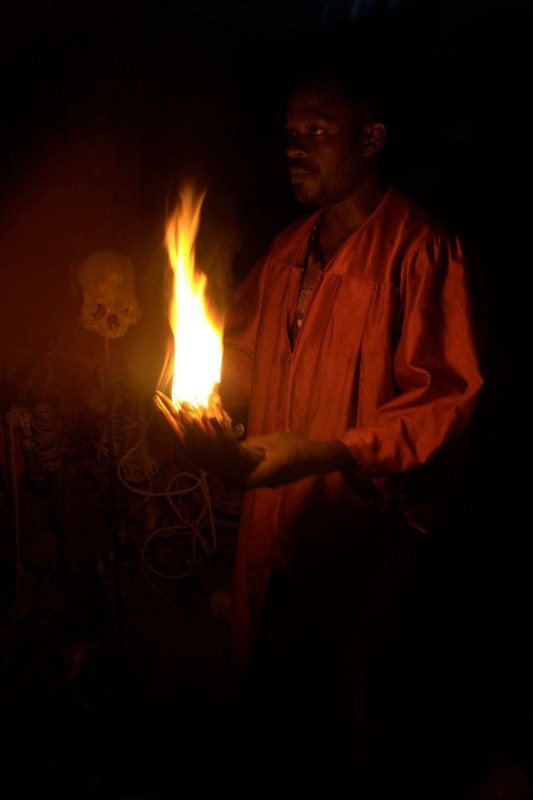
Receiving a vodou blessing, Haiti
Watching a volcanic eruption from the crater rim, Vanuatu

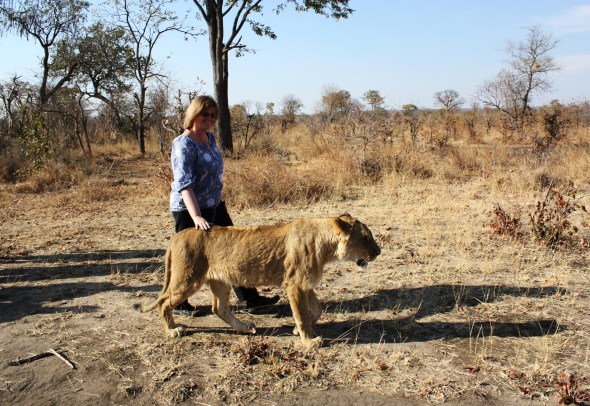
Taking a lion for a walk, Zambia
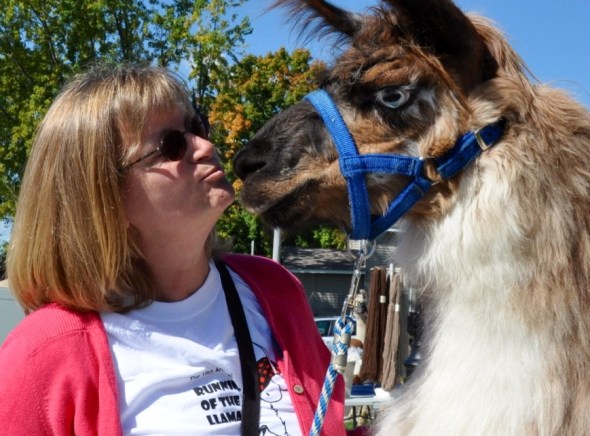
Presenting the prizes at the Running with the Llamas festival, USA
Eating rotted shark, Iceland
Bolivia’s bowler hats
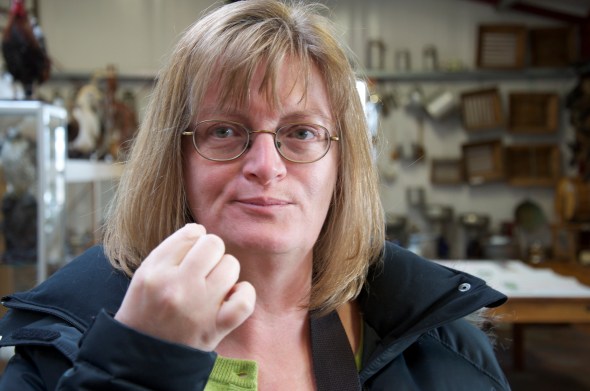
Even on the briefest of visits to the Bolivian capital, La Paz, you can’t fail to notice the plethora of hats, specifically the good old-fashioned bowler. But unlike the black attire once worn by London’s city gents, these are brown – and worn by women.

It’s a cultural thing: the cholas who wear them do so to emphasise their heritage and reinforce how proud they are of it. Once, the cholas weren’t welcome downtown. They were refused entry to restaurants, banned from walking in Plaza Murillo in front of the Presidential Palace and harassed if they ventured into the city’s wealthier neighbourhoods.

Cholas, or cholitas to give them the diminutive form, dress in voluminous skirts, multiple layers of petticoats and crocheted shawls. The hat is an easy way of determining the wearer’s marital status: if she wears it straight, she’s married, but if it sits at an angle, she’s available. So that hat plays a critical role in the La Paz social scene.

The practice of wearing a bowler is a comparatively recent phenomenon. Most sources agree that, in the 1920s, a consignment of bowler hats was shipped to Bolivia, intended for railway workers. But someone had made a mistake with the colour or size – versions of the story disagree – and faced with a huge loss, an entrepreneur named Domingo Soligno marketed them to the indigenous Aymara women as being the height of fashion in Europe.

Some sources wrongly name the type of hat as a borsalino. In fact, Borsalino is the name of an Italian hat manufacturer that for many years supplied the cholas. It’s correctly known, therefore, as a sombrero de la chola paceña.

To wear a Borsalino comes at a price and these expensive hats are beyond the means of many. The target of thieves wishing to make an easy buck, the Borsalino brand is now largely a thing of the past in Bolivia. For more than forty years, bowlers have been made locally by the likes of Sombreros Illimani and also imported from Colombia. But even these cheap imitations have a charm about them.

Essex Belongs to Us
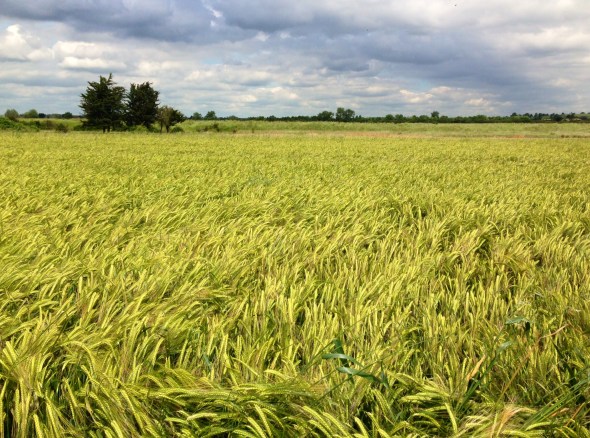
Earlier in the year I was lucky enough to be selected for the Essex Belongs to Us project. A book has just been released featuring a selection of Essex-based authors writing about their county. Whether you’re local and want to reminisce, or live further afield and know little about one of the UK’s most misunderstood areas, the book will prove to be a good read. Here’s a brief taster of what I had to say about Salcott – but to read the rest, you’ll need to buy the book. Details of how to do so follow at the end of this blog post.
Fish out of water
I swear out of the corner of my eye I thought I saw a unicorn.
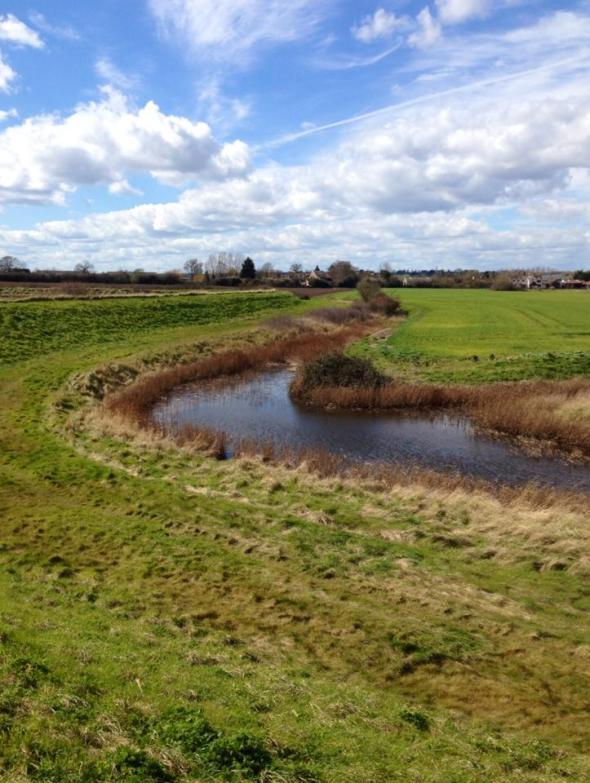
I’d dozed off in front of the telly and awoken to the sound of agitated voices. A few months ago, I’d have slept right through the commotion, part and parcel of living on a main road in a big town. But my husband valued silence over convenience and home was now Salcott-cum-Virley, a small village on the Essex marshes. Ensconced at the deadest part of a dead end road, tucked away behind five huge oak trees, it was about as quiet as Essex got.
Instead of the scream of motorbikes and the rumble of lorries, I now awoke to birdsong – and an infernal wind that sometimes blew so hard it drowned it out. With the gales of spring, fence panels popped like champagne corks. After retrieving the dog from the neighbours’ garden for the third time in as many weeks, we hired a man to build us some wind proof fencing.
But we were in the habit of leaving the gates open, and things had a habit of wandering in, causing great excitement. At first, we would run to the window each time, interrupting whatever we were doing to marvel at pheasants strolling across the front lawn or ducks making their raucous way across the sky out the back. All this wildlife was a novelty. We’d once had a squirrel visit our small back garden in Rayleigh but the dog had soon seen him off. Whether we liked it or not, we were going to have to share our garden with the local residents: the pair of wood pigeons that roosted in the dead apricot tree in front of the kitchen window and the quarrel of sparrows that nested in the blackberry bush that had long since conquered our garage wall. You didn’t live in the country, you shared it. Boundaries were arbitrary, there for the purposes of officialdom only.
And so it was that when the neighbour’s small white pony escaped, I awoke to find it at the patio door and in my somnolent state, confused it with a unicorn. It was soon joined by another and, then, several men trying to round them up, startling me out of my slumber. It wasn’t long before they were all heading back out of the gate. They seemed almost practised and I had a strong suspicion this had happened before.
The rest you’ll find in the book. You can order a paperback here:
It costs £8.99 plus a pound for postage and packaging. Alternatively, the e-Book is much cheaper. You can download it to your Kindle via Amazon for just £1 here:
And if you do, I’d love to hear what you thought of the book. Was Essex what you expected it to be?
Salt flat tours: Argentina vs Bolivia
One of South America’s iconic bucket list activities is to visit the vast Salar de Uyuni. It’s been on my wish list for a while:
https://juliamhammond.wordpress.com/2015/03/18/after-104-countries-can-i-still-have-a-bucket-list/
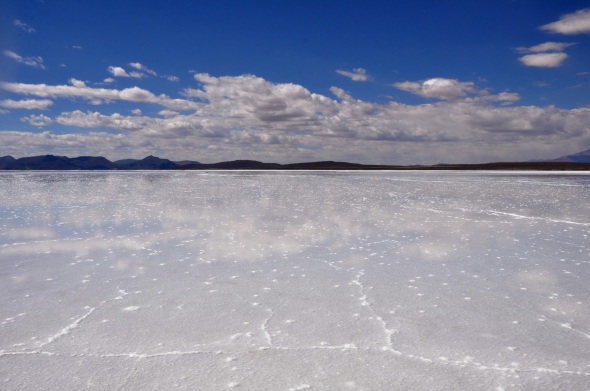
Salar de Uyuni
This March I finally made it to Uyuni, 22 years after my first trip to Bolivia. On the way, I travelled from Salta along the Quebrada de Humahuaca, one of Argentina’s most attractive areas. A side trip from Tilcara took me to Salinas Grandes, Argentina’s largest salt flat. The two tours were as different as they come, so which was best? Here is my review.
The salt flats
The Salar de Uyuni is the world’s largest salt flat. It covers an area over 4000 square miles and sits at an altitude of over 3600 metres above sea level. The crust of what were once prehistoric lakes dries to a thick layer of salt, and the brine which lies underneath it is rich in lithium with something like 50-70% of the world’s known reserves. Even on a day trip, it’s not long before you’ve driven far enough out onto the salt flat to be totally surrounded by a sea of white. Losing your bearings is entirely possible though the position on the horizon of distinctive volcanoes such as Tunupa makes things a little easier.
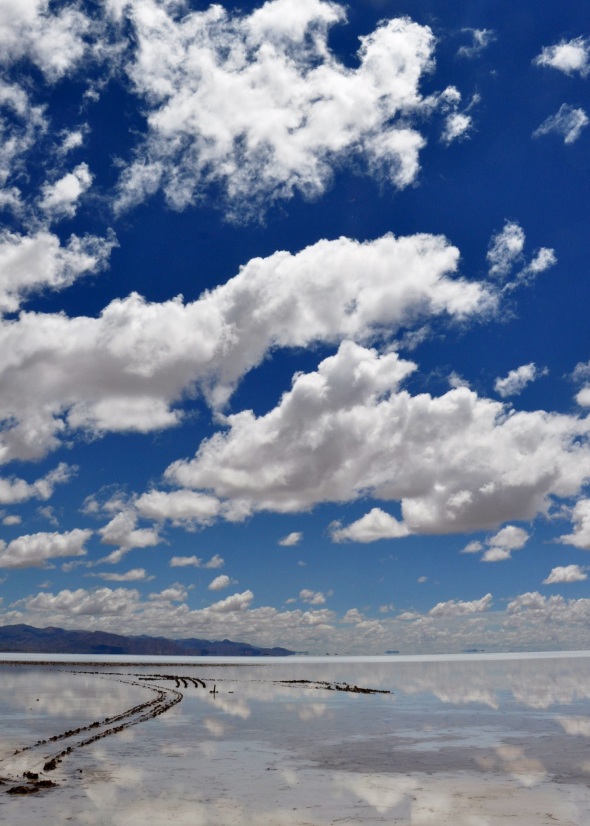
Argentina’s Salinas Grandes
In contrast, Argentina’s biggest offering is paltry by comparison, though still the second largest in the world. Measuring a little over half the area of its Bolivian neighbour at 2300 square miles, it’s still enormous of course. Like the Salar de Uyuni, it’s a high altitude location, coming in a few hundred metres lower. Salt mining is also a feature of the landscape here and as in Bolivia, you’ll see piles of salt, blocks of dust-striped salt for construction and other industrial activity.
Choosing the tour
Salar de Uyuni tours are big business. It’s firmly on the backpacker trail and the scruffy, dusty town of Uyuni is rammed with operators selling one-day and three-day tours to the flats. I opted for a one-day tour. Having been just across the border in Chile and seen some of the most spectacular scenery in the world, I didn’t feel the need to spend hours in a cramped 4X4 to do the same in Bolivia. Three-day tours offer basic accommodation and rudimentary facilities; the days of cold showers and BYO sleeping bags are long behind me. I opted for a mid-range tour with a respectable outfit called Red Planet Expeditions, booking online via Kanoo Tours at a cost of $83. (It is cheaper to book when you arrive but I didn’t want to have to hang around so was prepared to pay the extra few dollars to arrange my tour in advance.) Even this, one of the better companies, had mixed reviews, so I figured if I had a poor experience for a day I’d be happier than if I’d opted for the longer tour.
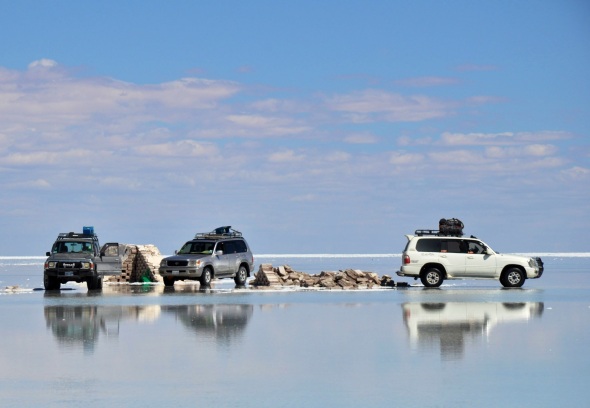
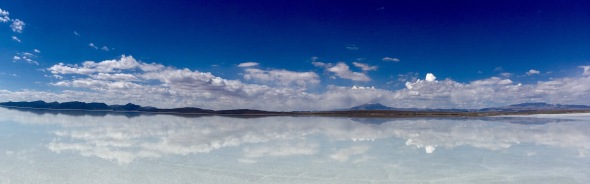
Wet season reflections, Bolivia
The nearest tourist base to the Salinas Grandes is at Tilcara, the other side of a mountain from the salt flats. I found a highly regarded tour operator called Caravana de Llamas which offer a range of llama trekking tours, opting for a tour that spent a few hours walking out to the salt flats. The tour itself was excellent value at $65 per person, minimum two people. However, this doesn’t include transport. You’ll either need a rental car to cross the mountain pass (it’s a good road) or a car with driver. Caravana de Llamas can arrange this for you for 1500 Argentinian pesos per car (rates correct as at March 2017) which is reasonable for a car load but expensive for a solo traveller.
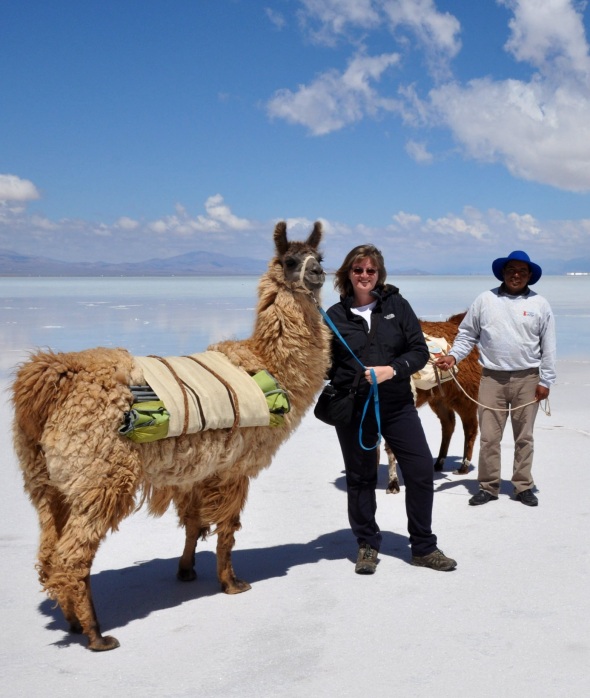
On the salt flats with Oso, Paco and their handler Santiago
The tour: Bolivia
Choosing to visit in wet season, the Bolivian tours cannot reach Incahuasi Island which is a fair distance across the salt flats (and home to giant cacti). I’d been sent information requesting that I check in to the Red Planet office at 9am for a departure by 10am. On arrival, I was told we’d actually be leaving at 11am. On departure we were a convoy of three vehicles with one guide between us. The car was in good condition; judging from the reviews this isn’t always the case. The driver was pleasant enough, though he spoke no English which may be a problem for some. There were five travellers per car, but this can be six or seven which would have been cramped. Two at least have to sit on the back seat and there, the windows do not open. My fellow travellers were a pleasant bunch, though much younger than me. I wasn’t as keen as the others on having the music turned right up, making it very hard to talk, but everyone else seemed happy. The guide, Carlos, split his time between the three vehicles. I didn’t take to him, finding him obnoxious and arrogant, so I was pleased we didn’t have to have him in the car very much. I had several concerns about his attitude and behaviour (some shared with other members of the group). I contacted Red Planet for their comment but have yet to receive a reply two weeks later. It’s not appropriate to go into details here but I would hesitate to book with this company again if they couldn’t guarantee the guide would be different.
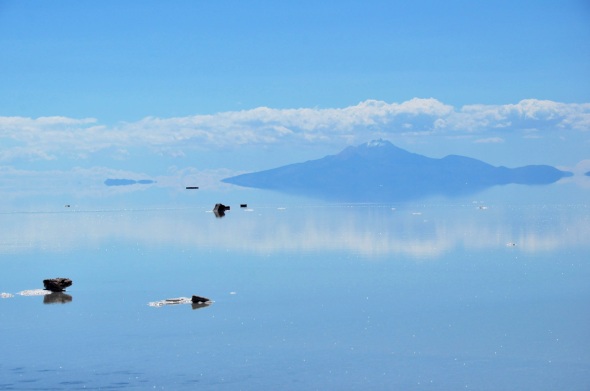
Tunupa Volcano
The tour allocated a great deal of time to the train cemetery – which had the potential to be a fantastic place to visit if you don’t time it to coincide with the 30+ 4X4s which stop there on the way to the salt flats each morning. Having woken to clear skies, the clouds had rolled in by the time we arrived which was frustrating given how close the site was to the town. There was also a lengthy stop in the village of Colchani where we visited a salt factory (just a room where not much was going on except for attempts to flog us bags of salt) and where we were given lunch of lukewarm chicken, stone-cold rice or cold potatoes plus a delicious apple pie. Eventually we reached the salt flat itself and the scenery at that point took over. In wet season the reflections in the water are a crowd-pleaser and it wasn’t a disappointment. What was a pity was the lack of thought given to pre-departure information. As requested I’d come prepared with sun cream, but no one had thought to tell us we’d need flip-flops for the salt flats. It wasn’t just a case of getting our feet wet, more that the crust is sharp and uncomfortable to walk on. I ended up in socks which was better than going barefoot but still unpleasant.
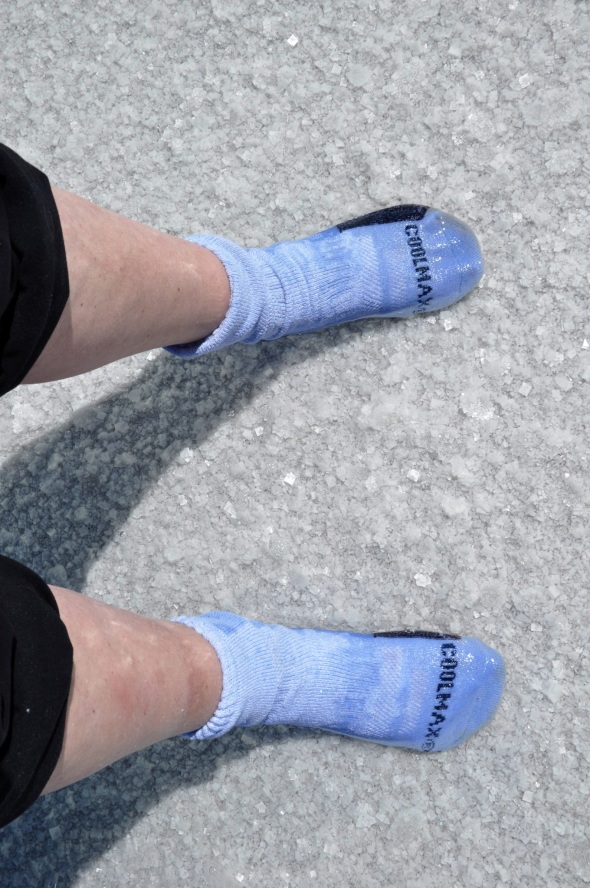
Ouch! Bring flip flops!
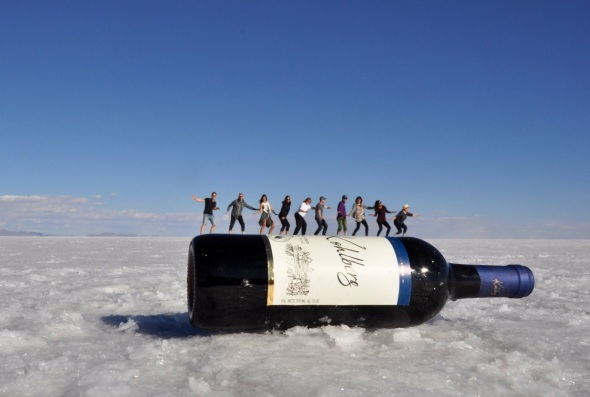
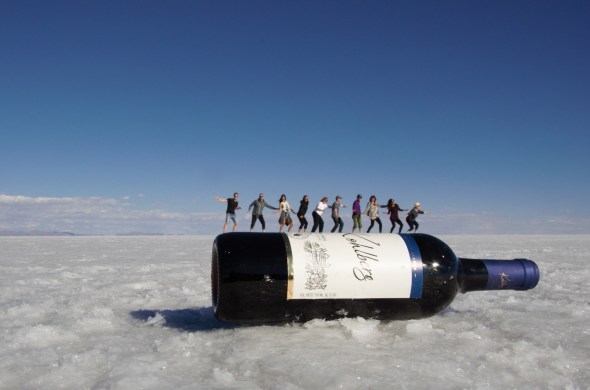
Later, we drove to a drier part of the salt flats for the famous perspective photos. These were cheesy, clearly well rehearsed (we did the same poses as every group I’m sure) but a fun souvenir. The guide did take the photos, which was kind of him, so those on their own could participate. Afterwards we had an enforced and quite lengthy stop near a monument. I think it was included to enable us to arrive at the edge of the salt flats in time for sunset, though it felt like time-wasting. Six out of the fifteen travellers in our cars had overnight buses to catch and were very worried they’d miss them. Given we were all filthy dirty and covered in salt, they’d have needed time to clean themselves up before boarding. The rest of us had what turned out to be quite a rushed sunset photo stop. However, we were dropped off at the Colchani salt hotels on the edge of the salt flat. This was a bonus; if we’d have had to return to Uyuni and then take a taxi, this would have added an hour at least as well as the additional cost of transport.
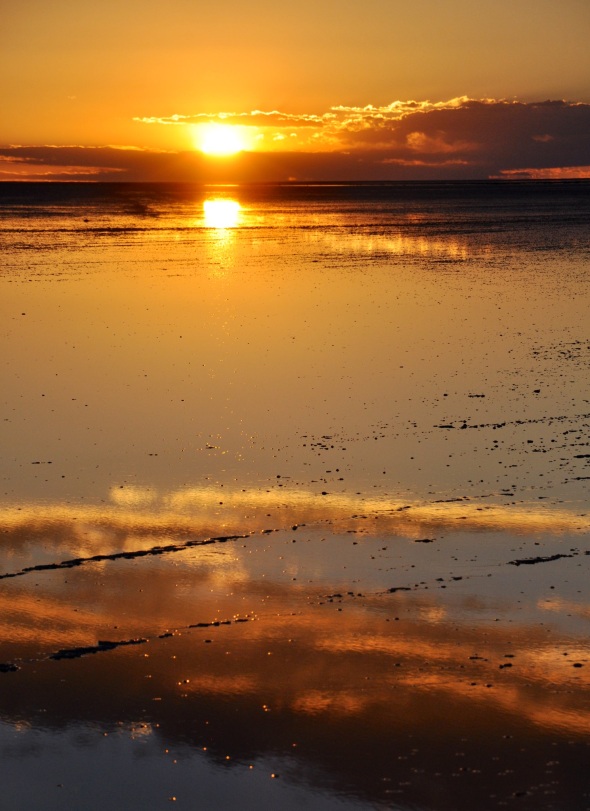
Sunset on the Salar de Uyuni, a beautiful thing to behold
Conclusion: Bolivia
All in all I felt that the wow-factor of the salt flats themselves redeemed the day. The guide was a big negative, but I was told it wasn’t possible to go deep into the salt flat without one. Walking from the salt hotels to the edge of the salt flats wouldn’t have given me the same experience, so although this was one of the worst tours I’ve taken in years, I’m still glad I did it. But even more relieved I didn’t opt for the three-day tour.
The tour: Argentina
I was sent a reconfirmation email the day before my tour to ensure I knew that the driver would be on time; in fact he was early when he arrived at my hotel in Tilcara. The car was almost brand new and spotlessly clean. Another traveller had cancelled so I had a private tour. Jose Luis the driver was friendly, courteous and knowledgeable, as well as being safe over the mountain pass. I was offered several stops at viewpoints to enable me to take some great scenery shots as we climbed above the clouds. Arriving at the tiny village of Pozo Colorado, llama handler and guide Santiago was ready, welcoming and cheerful. Jose Luis joined us for the first part of the trek to ensure I was comfortable leading a llama and then joined us later at the salt flats.
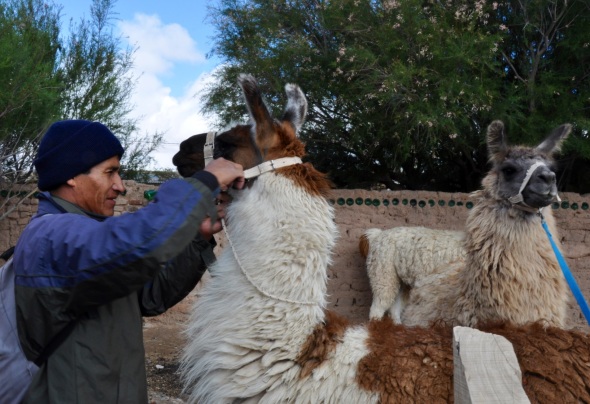
Santiago getting Paco ready
Walking with the llamas was fun. Oso and Paco were well behaved and to my relief didn’t spit. From time to time Santiago told me a bit about the llamas, the scenery and the way of life up there on the Argentine Puna, but he also knew when to let me enjoy the silence and serenity of the place. The trek was easy, over flat terrain, and when we arrived at the edge of the salt flats, there was time for me to wander off and take photos while lunch was prepared. A picnic table had been set up loaded with delicious food: local goats’ cheese, llama meat, ham sandwiches, salad and more. There was plenty to go around. Jose Luis joined us for lunch and the inclusion of a third person made chatting easier as he was bilingual.
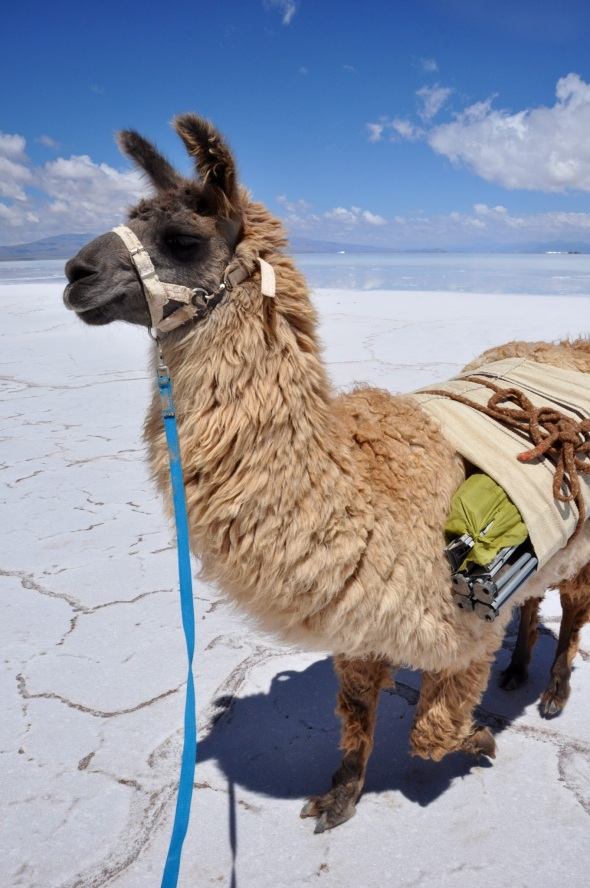
Oso carrying the lunch table
After lunch, the llamas had rested and we walked onto the salt flats for some souvenir photos. Afterwards, Jose Luis drove me to some of the industrial workings a short distance away. There wasn’t a lot of activity going on, though as with Bolivia, I did see the piles of salt “bricks” and also heaps of mined salt. By the time we’d driven back over the mountain the tour was a similar length to that taken in Bolivia, arriving in Tilcara late afternoon.
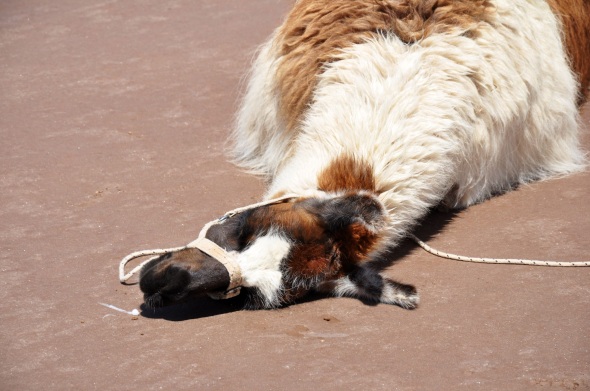
Paco having a siesta on the lakeshore
Conclusion: Argentina
If I’d have visited Bolivia before Argentina, I’d have probably been disappointed with this tour. The scenery just didn’t have that sense of scale that gave it the bucket list wow. However, as an activity, walking with llamas was a lot of fun and I felt that Santiago had gone to a lot of trouble to make me feel comfortable and, despite his basic English, to put the scenery in context. I was left wanting more and would definitely book with Caravana de Llamas again if I returned to the area.
Overall conclusion
Both tours were worth doing but very different. The Argentinian tour was very civilised and the llamas incredibly cute. Regular readers of this blog will know how much I adore these fluffy creatures. The people involved worked hard to ensure I was well-looked after. In contrast, the Bolivian tour encompassed my worst nightmares with a bossy, inflexible guide and yet – the scenery was so incredible that I’d still do it again.
Expectations are key. In Uyuni, there doesn’t seem to be a single operator winning consistently excellent reviews. In this respect, having a horrible guide but a good driver and a vehicle that didn’t break down was the best option – if there’s a weak link, at least your safety isn’t compromised. It’s been a long time since I’ve had to take a backpacker-style tour, so perhaps I’m out of the habit of being herded around – and it’s no surprise to those readers who know me to hear that I don’t like being told what to do.
Perhaps taking a budget option in Bolivia would have been the way to go: there were day trips for under $40, half the price I paid, and given how poor the guiding and the lunch were, maybe it would make the tour seem better value. However, I certainly wouldn’t recommend taking a basic tour for the three-day option as the mileage covered is considerable and the area remote. I heard good reports about the scenery from a private Dutch group, but having seen similar (better?) in the more accessible Chile a couple of years ago, I don’t regret my choice to cut out the mountain lakes and volcanoes.
So – which tour? Tough decision: I’ll call it a draw! Have you taken either tour? What were your impressions?
Footnote: I paid for both tours myself; all opinions expressed are my own.
Is it safe to travel to South America on your own?
It’s a question that bothers a lot of people who are considering a trip to South America. Tours are expensive but going it alone can be daunting. The issue of personal safety is something that shouldn’t be taken lightly, but with a bit of common sense, you can have an incident-free trip. I have travelled as a solo female countless times to all but three of the continent’s thirteen nations (Suriname, French Guiana and Guyana you’ll keep!). During those trips I’ve travelled independently and those trips have been pretty much trouble-free.
Overnight buses
Don’t discount overnight or late night buses as a method of transport; they’re comfortable and a good way of saving on accommodation as you move between destinations. But, do think about yourself and your possessions along the way.
* Check your bus operator’s safety record. At night especially, it’s worth paying a few dollars more for a better bus. Not only will the seats be more comfortable but you’re more likely to find yourself on a bus that’s better maintained and where there are two drivers to share the driving. Some companies insist on drink and drug-testing their employees.
* Most operators use a ticket system for your hold luggage; make sure your luggage is locked, loaded and you keep that ticket stub safe as you’re going to need it at the other end. A few coins for a propina (tip) are essential in some places such as Argentina – or you risk your bags being left behind.
* On board, opt if possible for a seat by the window as your bags on your lap or by your feet are less accessible to sticky fingers while you sleep. Keep valuables on your person e.g. a money belt or a securely zipped bag across your chest. Don’t use the overhead shelves. Keep items that you don’t want to lose in an inside pocket rather than an outside pocket – I lost a comb that way on a bus in Ecuador and it cost me a dollar to replace!
* Be safe getting to and from the bus station if you have a late night departure. If you’re in a very small town you’ll probably be safe walking, but in a large city, don’t risk it and book a taxi instead. Ask locally if you’re not sure! At night, doorways are often shadowy and you might not see someone emerge; if it’s safe to do so I often walk in the road where it’s better lit. (It’s also less likely to have holes to fall into.) Check with your hotel or hostel what night time safety is like in the area.

Pickpocketing and express kidnapping
Sadly, South America still has more than its fair share of ladrones (thieves) who’ll be more than happy to relieve you of your belongings should you let them.
* Don’t flash the cash – or expensive jewellery, mobile phones and top of the range cameras. It’s just asking for trouble. If you want to use a camera on a city street, carry it in an unmarked bag, take it out to photograph what you’ve seen and then put it away again. If you need to keep it out, carry it diagonally across your chest and keep a hand on it; this will reduce the risk of opportunist theft. Keep full memory cards separate from your camera.
* Keep your passport safe and carry photocopies in case of loss or theft. Never leave a bag unattended, especially if it contains the documents you need to get home.
* Express kidnapping is unfortunately a problem in some parts of the continent, such as Bolivia. Travellers take a taxi, wrongly assuming it’s legit, only to find themselves at an ATM. Some have been held overnight so that the perpetrators can steal multiple withdrawals. Use a reliable radio taxi (any decent restaurant, bar or hotel will call one for you even if you’re not a patron) and only take with you what you really need. Keep your valuables in a safe if possible.
* Be especially careful in crowds. Think carefully about what you need to take with you if you’re going to a carnival or fiesta and try to avoid crowds that might turn nasty such as demonstrations.
* Learn a few choice swear words in Spanish (or Portuguese for Brazil) and be loud. It is one of the most important things I learnt at university, as this one has worked for me twice. I won’t say what I said, suffice to say that it wasn’t repeatable in polite company. However, the shock of a seemingly respectably dressed woman having a potty mouth was enough on both occasions for the wannabe robber to drop what they had their hands on and flee the would-be crime scene.

Do your research
Some areas of some cities aren’t as safe as they could be. Whether we like it or not, South America has one of the largest differentials between the haves and have nots. It figures, therefore, that there will be some areas that you ought to stay clear of.
* Use the FCO website’s travel advice by country for up to date advice regarding the country you’re planning to visit. It will list any scams that are currently being operated (never allow anyone to help you remove bird poo from your clothing!) and also any areas where safety is a current concern. Forewarned is forearmed: you don’t necessarily have to stay away, but you need to think about whether you are prepared to take a particular risk.
* Keep abreast of travel forums to find out about the reputations of companies you’re planning to use for tours and activities. Reviews aren’t 100% reliable, of course, as some businesses put pressure on clients to write glowing reviews, but they do give you a starting point. I recently met a Canadian traveller in Bolivia who’d just cycled the Death Road. He said he’d looked to see which operators’ reviews didn’t mention accidents and deaths, which seemed a logical starting point to me!
* Choose accommodation in a good area, even if it means upping the budget slightly. Look for roads that are well lit and well used. You’re going to put yourself in a vulnerable position if you choose accommodation down a narrow alley in a rough neighbourhood.
Consider the society you’re in
South America is changing, but many men still expect to protect the women in their family and it can be hard for them to get their head around a lone female traveller who doesn’t need a man for protection.
* Be mindful that many South Americans, especially middle class, will dress smartly to travel. Rocking up scruffy won’t endear you to them, nor will beach wear away from the beach. Don’t draw attention to yourself for the wrong reason.
* Accept concern in the spirit it’s intended and reassure older men or women that you are OK. Explain to them why you’re travelling solo, tell them a bit about your family back home to show that you love them despite leaving them behind and ask how things are changing. I’ve had some very interesting exchanges with people who were concerned at first I was alone but were keen to learn more about my culture. On the surface, European culture might seem very similar to South America but there are subtle but important differences in etiquette.
* Enjoy a drink but don’t overdo it. It’s not usual for females to drink heavily in South America, but you don’t have to abstain completely to fit in. Know your limits and stay safe.
Go to Uruguay
If all else fails, or you lose your nerve, go to Uruguay or Chile. They’re generally considered to be the safest of the South American nations. And beautiful to boot. But don’t drop your guard completely: on my most recent trip, I met an American who’d lost his money and passport, stolen from inside a bus in Calama while he’d nipped off to use the bus station’s facilities.
First day on the ranch
At the beginning of this year’s South America trip I spent a few days on Panagea Ranch just outside Tacuarembó, Uruguay. Tired from the journey, recovering from a sickie bug I’d picked up at home and generally in need of some R and R, I spent the first day stretched out on the veranda doing very little at all.
And it was great!
Here’s a few thoughts on what I saw without moving a muscle (well, almost!)
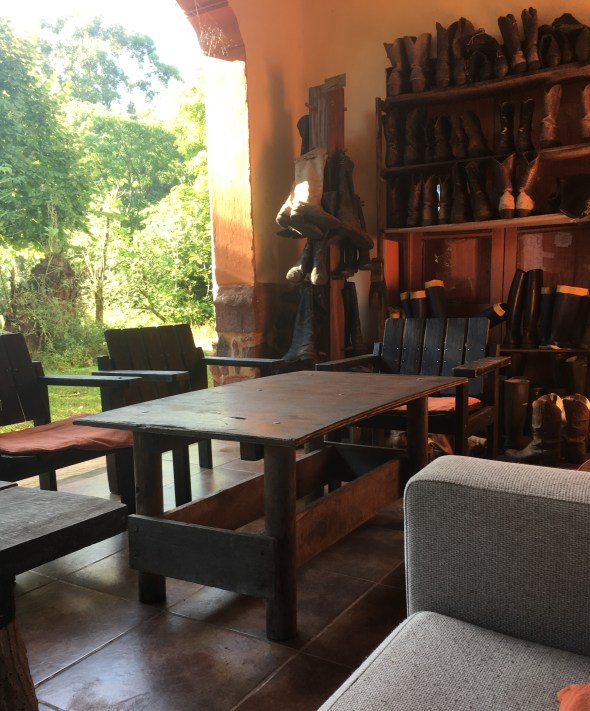
There’ll be more about the ranch in another post; find out how I got on as a novice rider herding cattle and rounding them up to go through the tick dip.
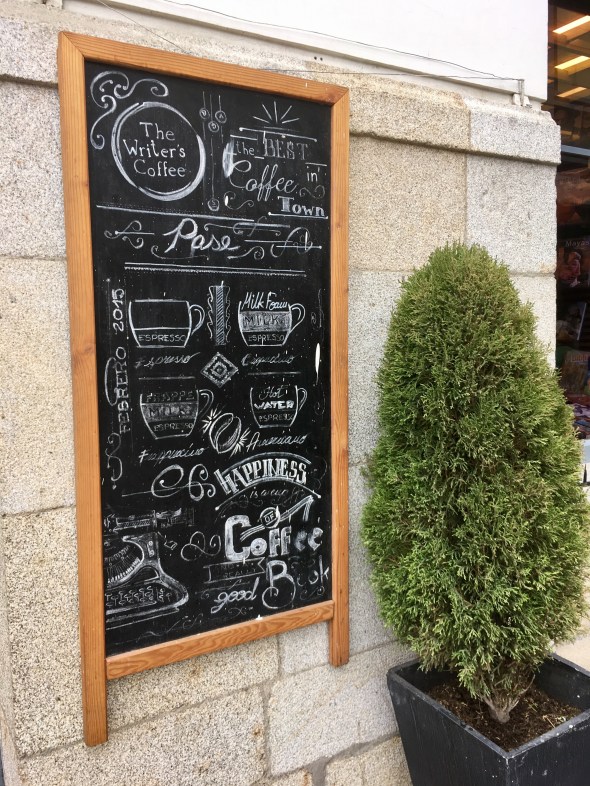
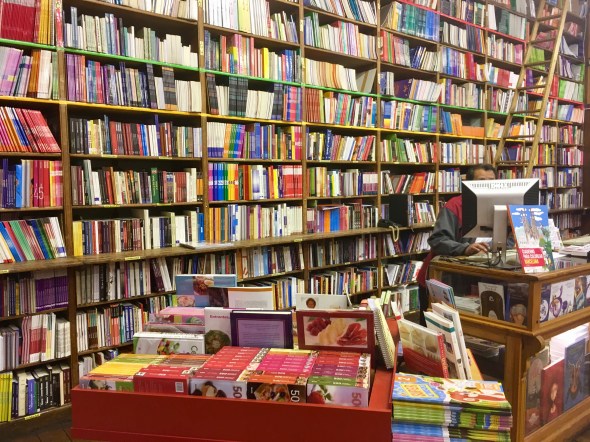
An old fashioned bookstore in La Paz

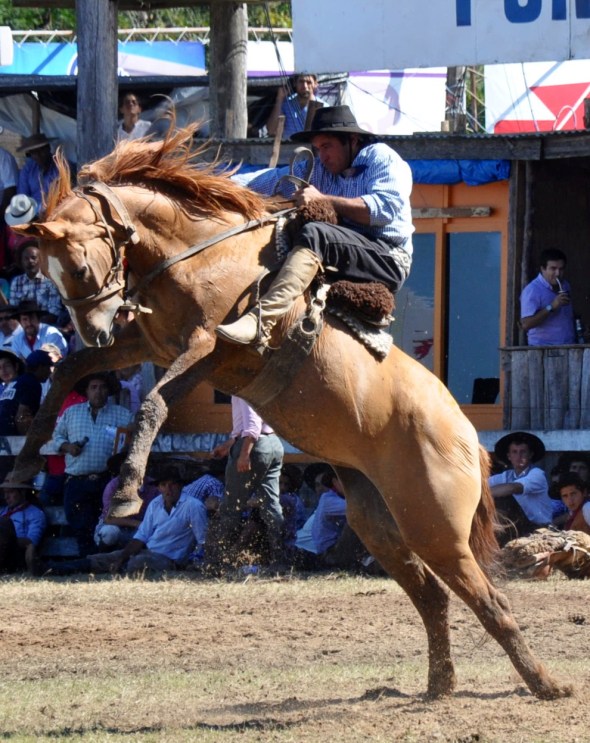
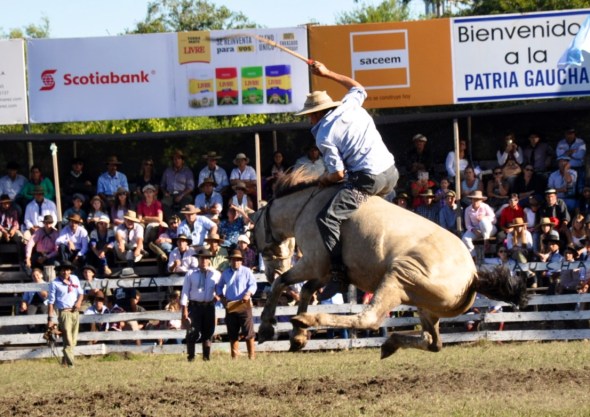
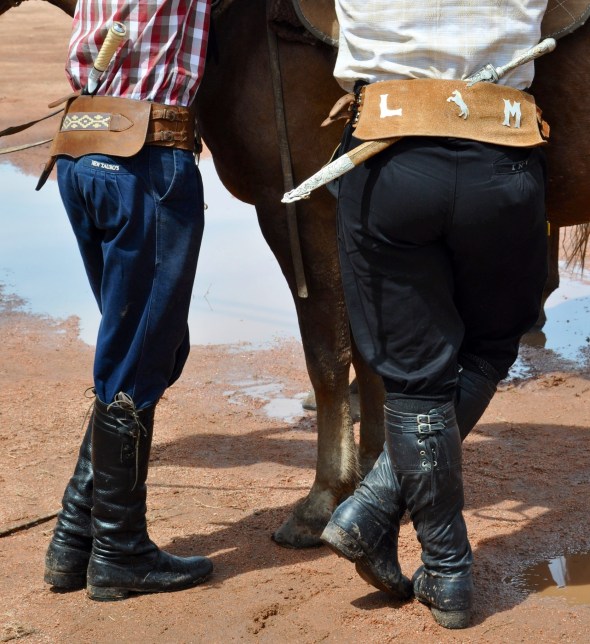
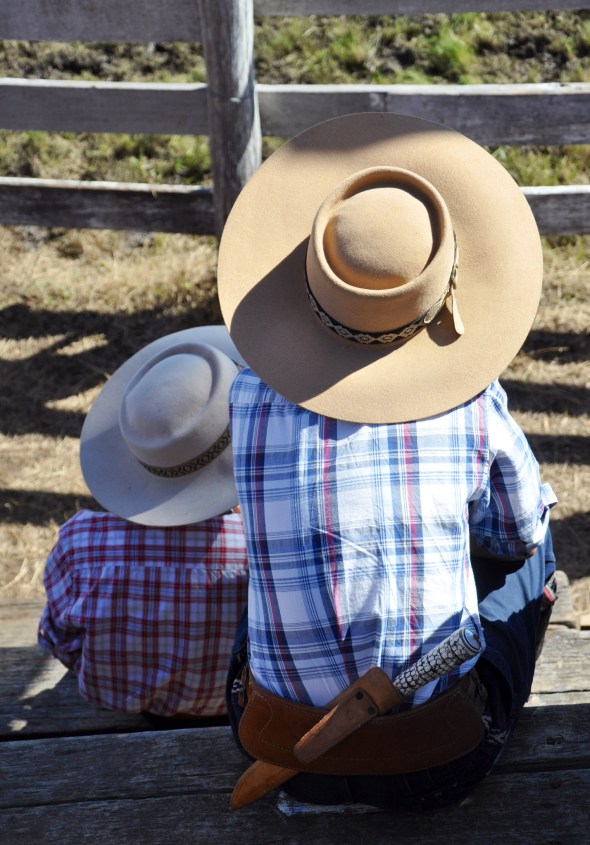
The Fiesta de la Patria Gaucha
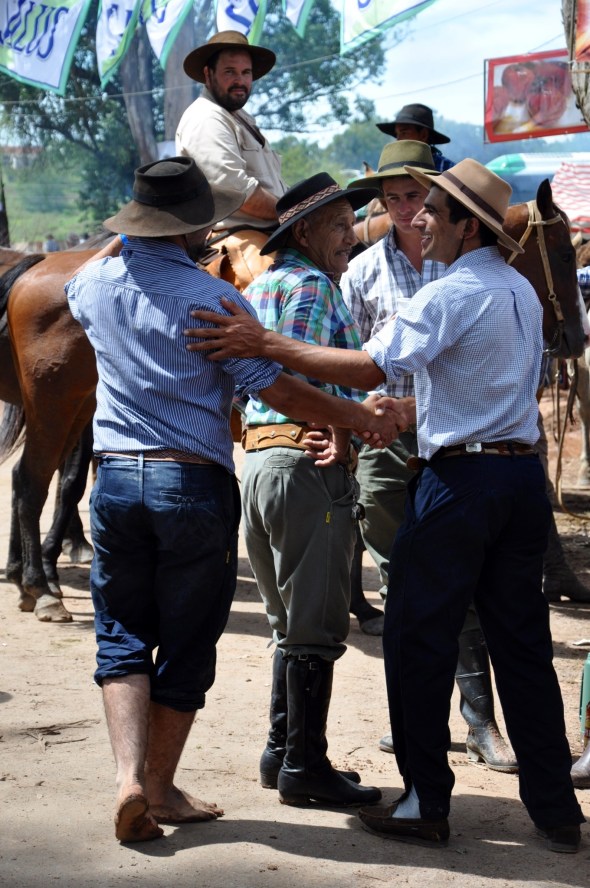
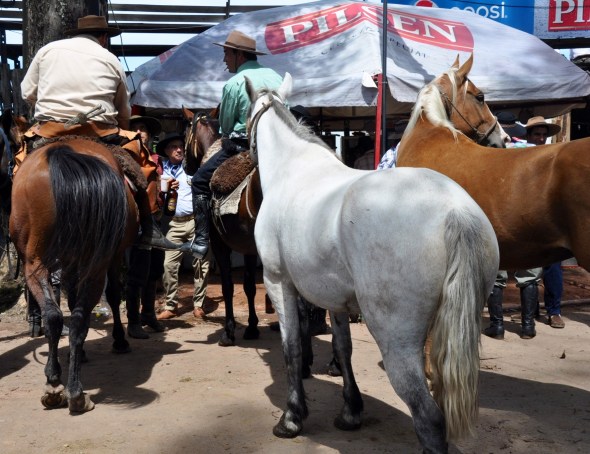
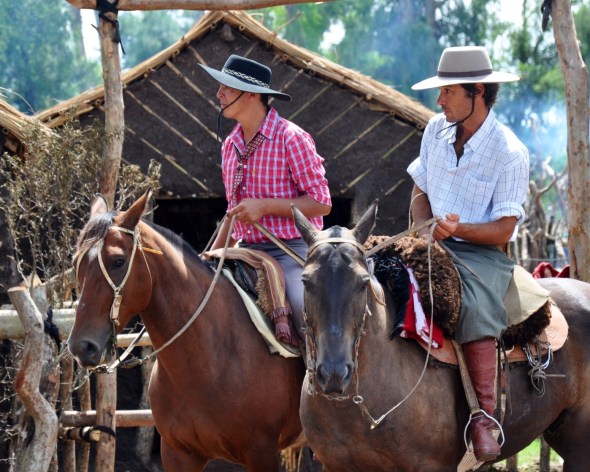
Each year, Tacuarembó hosts the Fiesta de la Patria Gaucha. It’s been held for thirty years, the first event being held in 1987. The festival celebrates the great tradition of the gaucho in Uruguay. At first, to an insider, it can seem like a fancy dress parade, but it soon becomes apparent that this is a chance for those living in and around Tacuarembó to eat, drink and be merry – while in charge of a horse, of course. The parade ground hosts a series of races, skills demonstrations and parades, but to begin with, here are some of the characters that make it a feast for the eyes.










Trip preparations: Bolivia
It’s almost time for me to fly off to South America. My itinerary is pretty much fleshed out now and most of the bookings are made. One thing that’s easy to overlook, though, is specific vaccination requirements. For Bolivia, the regulations concerning yellow fever have just changed.
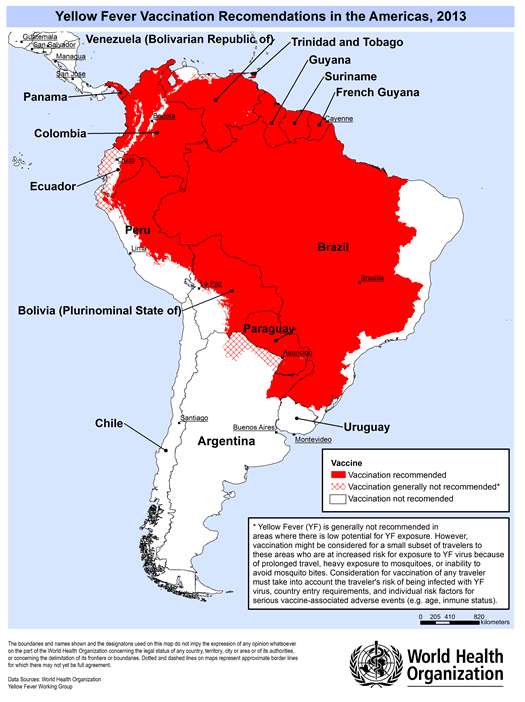
As you’ll see from the map above, parts of Bolivia are affected, like much of South America, by yellow fever. Travelling to Uyuni and then La Paz, however, I’m not going to be venturing into yellow fever territory, so it’s tempting to think I wouldn’t need the vaccine. But early last month, a Danish traveller was found to have the disease. The National Health Director was quoted as saying: “This person came from another place and was not vaccinated.” There’d been an outbreak of yellow fever across the border in Brazil, but whether the Danish traveller had been there is unclear from the news reports. You can read Reuters’ report here:
http://uk.reuters.com/article/us-bolivia-health-yellow-fever-idUKKBN15P2QW

What this means in practice is that from yesterday, 2nd March, all travellers entering Bolivia from a country which has a current outbreak of the disease or remains a risk area for it, must hold a valid yellow fever certificate. I’m travelling across the border from Argentina so that means me – even though I won’t have passed through yellow fever areas within Argentina. I’ll still need a certificate. That certificate would need to be issued at least 10 days before I’d be due to enter Bolivia. Potentially, without one, I could be refused entry at the border.
Even some transit passengers are likely to be affected. If you hub through an airport in a neighbouring country on your way to Bolivia, you could still be refused entry into Bolivia if you have cleared immigration and gone landside. That’s even if you never left the airport. Basically, the Bolivians are playing it safe and you can’t blame them for being cautious.
I’ll update this post in a couple of weeks to tell you if the certificate was requested by border officials or not. Fortunately, my jabs are up to date and the yellow fever certificate I needed to get into Panama a few years ago is still valid. But make sure you’re not caught out by this change in immigration requirements by seeking health from a medical professional before you embark on your trip.
Update March
At the land border between La Quiaca and Villazon, I was not asked for a yellow fever certificate.
From Heybridge to Jayuya
Visiting Hacienda San Pedro in Jayuya, Puerto Rico, last month I came across this machine in the hacienda’s museum. I presume it was some kind of machine used to grind the coffee, but there was no information on it. What caught my eye was the place name on the machine: Maldon. That’s a fifteen minute drive from my house.
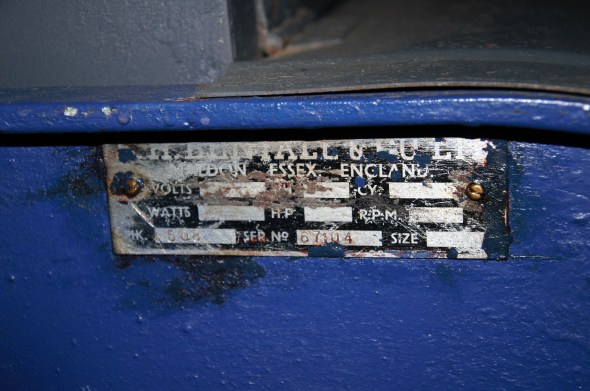
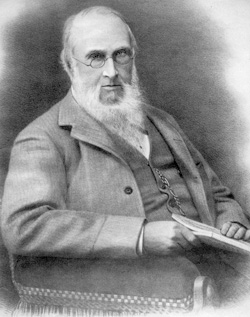
Since getting back, I’ve been finding out a bit about E. H. Bentall and it makes for interesting reading. Not least, the E. H. stands for Edward Hammond, which is my father’s name. Edward’s father (the Heybridge Edward, not mine) was a farmer named William. He designed a plough to use on his land near Goldhanger and got a local smithy to make it up. Word got around and by 1795, he’d gone into business making them. Business boomed but raw materials at the time had to be brought in by barge up the Blackwater. William Bentall upped sticks and moved down the road to Goldhanger where he built a place by the Chelmer and Blackwater Navigation. Bentall diversified, producing amongst other things the first steam powered threshing machine.

Meanwhile, with his wife Mary Hammond, he’d produced a son. Edward Hammond Bentall had the same aptitude for engineering as his father. This particularly makes me smile as my Dad was an engineer throughout his working life. He took over the business in 1836 aged 22 and three years later, registered as E.H. Bentall & Co, it was thriving. In 1841, mindful of competition, he took out a patent on an improved Goldhanger plough protecting it from imitators. Under Edward’s leadership, the company began to export machinery overseas and one of those machines found its way to a coffee hacienda just outside the village of Jayuya.
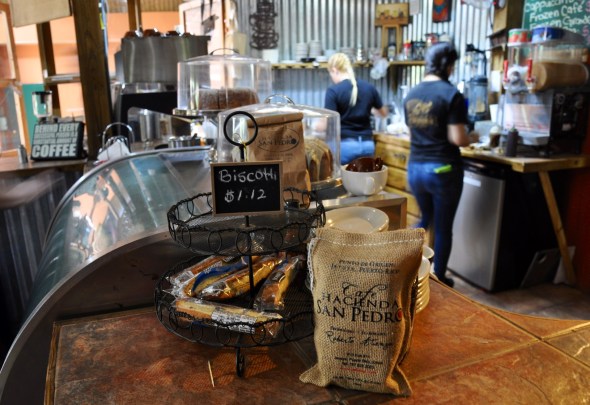
Back at home, Edward Hammond Bentall had been elected as Member of Parliament for Maldon, a post which he held from 1868 to 1874. In 1873 Edward had an imposing home built, known as The Towers, which was located near Heybridge Cemetery. It was so well built that when the time came to pull it down in the 1950s, dynamite had to be used to blow it up. By the time Edward passed the business on to his son Edmund in 1889, he was a wealthy man. He died in 1898.
Mechanisation of the coffee plantations further increased profits, particularly after World War Two while the company operated under the leadership of Edward’s grandson, Charles. He died in 1955, and just six years later, the company was taken over by Acrow, which eventually went bust in 1984. That was it for Bentall & Co, but their warehouse still proudly overlooks the canal in Heybridge.
Postscript
And if you remember Bentall’s department store (now Kingston Fenwicks), the founders of that store are related to William too.
The Kelpies

Steve was proof they’re built of sterner stuff up in Scotland. While I was cocooned in a thick winter jumper and padded coat, he went bare armed as he rounded up his tour group outside the visitor centre. I couldn’t help but comment. His eyes crinkled at the edges as he told me that the building had underfloor heating and his body was as efficient as a storage heater. He assured me he’d be warm throughout the tour. I was convinced, however, that I’d see a goose bump or hint of a shiver at some point. After all, you don’t come to Falkirk in February for T-shirt weather.

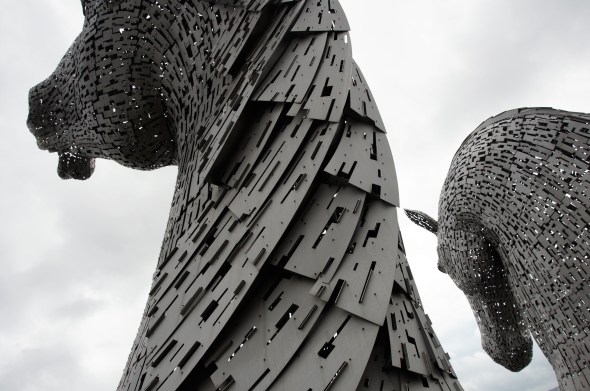
And it most certainly wasn’t T-shirt weather. Dark concertina folds of cloud crowded the sky and a brisk wind ruffled my hair. I wasn’t too upset. If anything they added drama to an already impressive sight. The two horse heads that formed The Kelpies stood over 30 metres tall. Coming from Glasgow, the first glimpse from the car was as in your face as it got: a massive horse’s mouth emerging from a clump of trees by the side of the motorway. I’d known little about The Kelpies before I’d visited and was taken aback as to how large they were. Excited, I pulled into the Helix car park and was delighted to find it was free. No National Trust price hikes here; this is a community run project and consideration is given to such matters. On a bleak February Saturday, it felt like my willingness to risk the weather had been rewarded and that put a smile on my face.

I had a few minutes to kill before the tour began so I kicked around the site with coffee in hand. What was immediately apparent was that this was as much a community resource as a tourist attraction. Dogs happily chased balls and the kids had brought their scooters. For those wishing to wander along the adjacent Forth & Clyde canal or around The Kelpies, no charge was made. I decided to invest in the £7 required for the tour, keen to find out more about this unique sculpture.
There was plenty to learn. Steve was an enthusiastic guide and worked the small crowd well. “In the three or so years since we’ve been open,” he said, “ten people have fallen into the water. Nine of them were adults!” He grinned and the kids in the group took the bait, ribbing their parents. The shallow moat around the base of The Kelpies wasn’t likely to drown anyone, but given the number of people walking backwards with their eyes glued to their camera screens, it was easy to see how the tally had been achieved.

I’d last visited Falkirk back in the mid 1990s. It hadn’t left a lasting impression. Steve acknowledged that I wasn’t alone in holding such a view. “I’ve lived here for twelve years, Before, when I was asked where I came from I’d say Falkirk.” He muttered into his beard and the name was lost on the wind. “Now, because of The Kelpies, I’m proud to say I’m from Falkirk.” Falkirk Council shared his passion, it would seem. Securing Lottery funding to the tune of around £23m, they and several other interested parties match-funded. The timing of the project wasn’t great, coinciding with the recession, but despite opposition the planned project went ahead. Visitor numbers are looking healthy – an estimated 2 million people have come here since the construction finished in late 2013 and around 200,000 have taken the tour. What was good to hear was that many of those that came were repeat visitors from the local area. Profits from the attraction were ploughed back into local amenities such as local library funding.
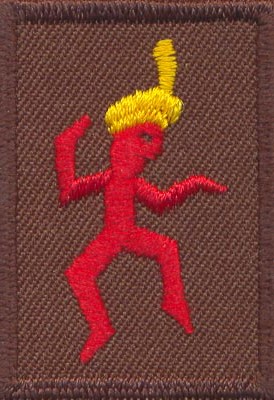
The story behind The Kelpies project was fascinating, blending mythology with industrial heritage. The Scottish Kelpie that I’d worn on my Brownie uniform was a little red pixie-like character. “We’re the little Scottish Kelpies, smart and quick and ready helpers,” went the rhyme we chanted. But this sweet image, it would seem, was a con. Of all the Brownie creatures, the Kelpies were the nastiest – malevolent, shape-changing aquatic creatures that commonly took the form of a horse. They’d entice people in their equine form before dragging them underwater to an untimely death. If the media had got hold of that story in time, someone at Brownie HQ would have been fired for sure.

Artist Andy Scott was responsible for the Kelpies at Falkirk and he’d focused on the power and endurance of the beasts rather than their malevolence. The canal-side location was an appropriate setting; horses would have been a common sight, pulling the barges upon which Scotland’s industry relied. In a clever twist, the idea of using the Kelpie reinforced how much the landscape had been transformed too. When choosing a suitable horse to model, Scott took the local Clydesdale breed as his inspiration, with the two muses being Baron (head up) and Duke (head down). The original sketch had been of the entire animal, the water line sketched in and then cropped to ensure the sculpture’s proportions were accurate.

The resultant sculpture is magnificent. The second largest equine structure in the world, they’re beaten in scale only by the monument to Genghis Khan in Mongolia. That stands 40 metres tall, but then Genghis is on top and he’s the star attraction. I’ve seen it, and it’s impressive, but, well, a bit too shiny. The Kelpies would probably be even more of a distraction for drivers on M9 if they had such a sheen, but the matte finish looks more tasteful. Sorry Mongolia, 1-0 to Scotland.

There’s something about the workmanship of The Kelpies that draws your attention and keeps it transfixed. Inside, out of the wind, it’s easier to concentrate on the structure itself. Each of the horse heads used 464 manufactured plates in its construction. Every one is different. They were transported on 150 lorries from Sheffield and took ninety days to be fitted together, in what must have been like an ultimate marathon game of Tetris. At night, they’re lit by LEDs, an energy efficient method costing the equivalent of a pot of tea every night. Now that’s an achievement in itself, don’t you think?

My one disappointment was that it wasn’t possible to climb the structure, though looking at the access ladder for the maintenance crew, you’d need a good head for heights to do so. No matter; the tour’s a must, even at ground level. For more information and to pre-book a slot to see The Kelpies with a guide, please visit the website here:
More from Puerto Rico: Arecibo’s radio telescope
One of the unexpected bonuses of a week of showery weather was that we did a lot more sightseeing in Puerto Rico than we’d originally planned. A visit to see Arecibo’s Observatory with a huge radio telescope hidden away amongst the wooded karst scenery of the island’s interior was on the cards after we “discovered” it on the map we’d been given by the hire car company. It was a bit of a trek, reached by a winding road up a mountain and then, phones set to airplane mode, a climb up a seemingly unending flight of steps to get to the Observatory’s visitor centre. Stepping out onto the observation deck out the back, it was worth the effort when this was the result:

If it looks familiar, then you might well be a Bond fan, albeit one with a better memory than me. Much as I love the Bond films, they do seem to be hard to tell apart. The sequence shot here in Puerto Rico comes from the 1995 Pierce Brosnan film Goldeneye. The dish shaped telescope that you see above was flooded and drained for a climatic chase scene which proves just how different a location can be once the movie makers get their hands on things. There’s a good YouTube clip here if you want to see for yourself:
You might also remember that this was where they filmed the Jodie Foster movie Contact. The storyline revolved around her research into SETI, which is an acronym for Search for Extra-Terrestrial Life. In a twist, they actually do SETI at the Observatory. Any sounds from space will be picked up by the radio receivers, which hang down, suspended in liquid helium so they don’t overheat and so that any incoming sound is magnified. I have this idea in my head that when the aliens do answer, they’ll speak in high pitched voices and laugh at how dumb they sound. And they’ll eat Smash instant mashed potato. (Can you even get that now?)
I was excited about such a message until I learned that the one they sent in 1974 still has a good 24000 years and then some to reach its destination somewhere in outer space and then the same time to get back. Not a lot of point in that, then. That didn’t stop them launching SETI@home in 1999 or having a pin board for visitors to leave a Post-It note of the question they wanted to ask. Reminded me of Duran Duran…
“Is there anyone out there?”

There’s a lot of science stuff that was well beyond my comprehension and interest, but also a series of interactive exhibits, probably aimed at children, that were fun to try out. There were bits of meteorite collected from where they’d fallen, many in deserts, some scarily recently. I did enjoy playing a simple computer game to shoot down asteroids and some kind of playground roundabout that if you acted like a figure skater and stuck your leg out, it would change speed. I would tell you what that’s got to do with the space theme except I was so dizzy when I got off I couldn’t read the explanations.

We watched a short film about the Observatory. It hadn’t been updated to reflect that this is no longer the world’s largest radio telescope (now that’s in China, quelle surprise). It was interesting nevertheless. After seeing the film, we took a VIP tour which was just a ride in a bus but it did take you right to the edge of the “dish” and that’s what really gave me a sense of scale. Plus, the guide said that Pierce Brosnan was a complete wuss when he had to do his action scenes which cheered me up no end as I don’t much like his Bond now Daniel Craig has shown us how it should be done.

If you’re in Puerto Rico and you’d like to visit the Observatory, it’s around an hour and a half’s drive from San Juan.
A beginner’s guide to New Orleans
The Big Easy isn’t your usual North American city. Crammed full of French and Spanish creole architecture, hemmed in by Lake Pontchartrain to the north and enclosed by a huge looping meander of the Mississippi to the south, it’s about as unique as they come in this part of the world. It’s laid back, easy going and welcomes visitors like they’re old friends. Here’s what you need to know if you’re planning to visit.
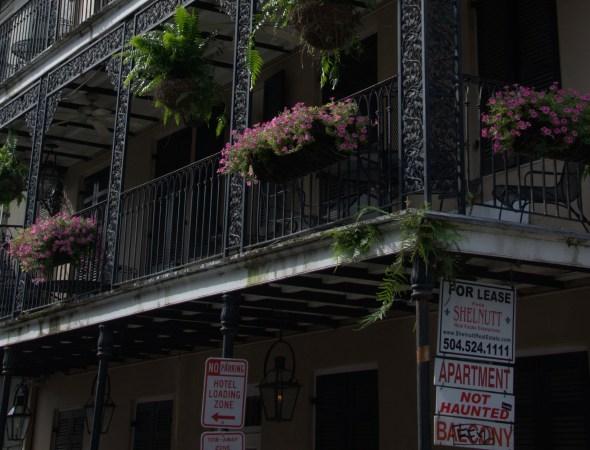
Apartment listings include whether haunted or not
Getting there
From the UK, getting there just got a whole lot easier. Direct flights with British Airways from Heathrow begin at the end of March. They’re going to be a little more expensive than the indirect options but convenience may be worth paying for, particularly if your travel dates match up (the direct service operates several days a week only). Indirect, flights hubbing via Atlanta with Delta are likely to be the cheapest option, but don’t rule out other carriers. The #202 Airport Express bus (sometimes referred to as the E2) is the cheapest method of transport between the arrivals hall and downtown but of course the use airport shuttles and taxis are available.

Amtrak: a great way to arrive in New Orleans
If you want to arrive overland, then consider one of the Amtrak trains that serve New Orleans. The Crescent takes 30 hours to make its way south west from New York stopping at Philadelphia, Washington and Atlanta, while the City of New Orleans is quicker, taking 19 hours to travel south from Chicago via Memphis. Single travellers will find the roomettes a tight squeeze; I had just a small wheelie and we just about fitted, me and my bag. Book early as this isn’t a cheap option unless you can cope with a reclining seat. The good news is that once you arrive, it’s a quick trolley ride into the French Quarter from the railway station.
Getting around
Much of the historic downtown area known as the French Quarter is a delight on foot (so long as it’s not raining heavily). But New Orleans also has a very useful public transport network which is convenient to use and budget-friendly. Planning your accommodation so that you stay near to a tram stop can make your holiday a whole lot easier.

Riverfront tram
There’s plenty of information online including maps:
http://www.norta.com/Getting-Around/Overview
Trams are fun to ride and simple to find. The shortest, the #2 Riverfront streetcar, links the French Quarter with the Outlet Mall at Riverwalk. The #47 Canal streetcar takes you from the edge of the French Quarter past St Louis Cemetery No. 1 and up as far as Greenwood Cemetery. The #48 follows a similar route and then heads to City Park. The #12 St Charles streetcar is great for the Garden District and Audubon Park. Single tickets are $1.25 but a 1 day Jazzy pass only costs $3 if you’re planning on making a few journeys. Crossing the river is also worth doing. You can take the ferry from Canal Street to Algiers Point for just $2. Check out the schedule here:
Where to stay
Being central to the action is key in New Orleans. It’s the kind of place where you can wander aimlessly, drink in hand, and you don’t want to have to end your evening trying to find a cab. I’ve stayed in a couple of places that are worth recommending. Both are located within staggering distance of the #2 Riverfront streetcar. If you’re on a budget, try Villa Convento. It’s atmospheric and reputedly haunted, a Creole townhouse dating back to about 1933.

My room at the Villa Convento
Some say it’s the House of the Rising Sun, made famous by The Animals in the 1964 song. Renovation work has taken place though some parts of the hotel are a bit shabby – the lift being one of them – but ask for a room with a balcony and you should be fine. It’s website is here:
At the other end of the same streetcar line is the Marriott Downtown at the Convention Center. Ask for a room in the historic half of the hotel which has more style. I like it because you alight at the Julia Street station. Mulate’s restaurant is also nearby though when I went there the food didn’t live up to my admittedly high expectations.
Money-saving tips
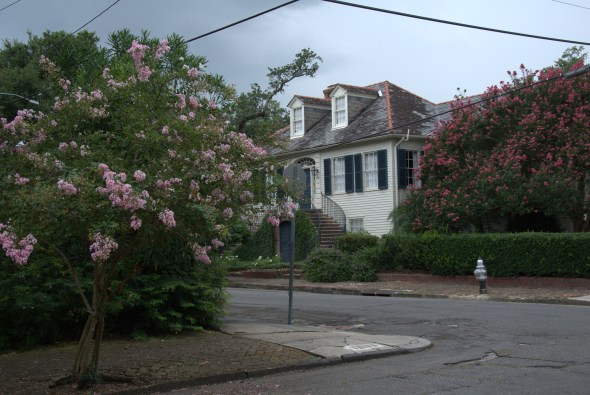
Free walking map leads you round the Garden District
If you’re on a tight budget, there are loads of ways to save money while you’re in the Big Easy. For tips on how to save money on everything from food, drink and attractions to where to find free walking tour maps, check out my previous blog post:
https://juliamhammond.wordpress.com/2015/06/26/how-to-save-money-on-your-nawlins-vacation/
What to see
There’s a ton of places that are worth seeing and doing in New Orleans, so what follows should get you started if it’s your first visit.
The French Quarter

The French Quarter is packed with historic homes
You can’t visit New Orleans and not go to the French Quarter. Amidst its streets, you’ll find the 18th century almost Disney-esque St Louis Cathedral which commands a prominent position on Jackson Square. Opposite, the Cafe du Monde is the place to eat beignets and drink the chicory-rich coffee; it’s tourist central, but a must none the more for that.
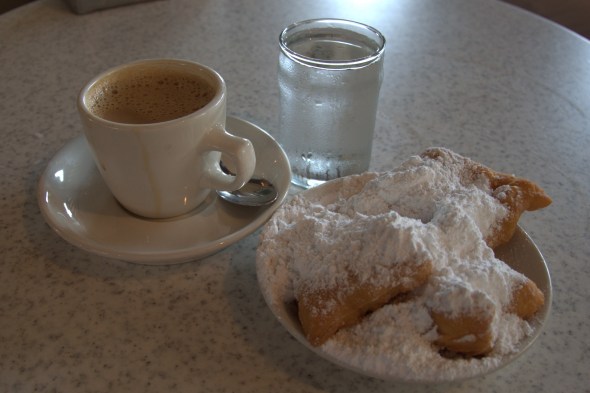
Beignets and cafe au lait
Take a horse and carriage ride from here through the surrounding cobblestone streets of the Quarter. You’ll get your bearings as you clip clop through the Vieux Carré past mansions with wrought iron balconies intertwined with trailing plants and hidden courtyards glimpsed through open doorways.
Music on Frenchmen Street
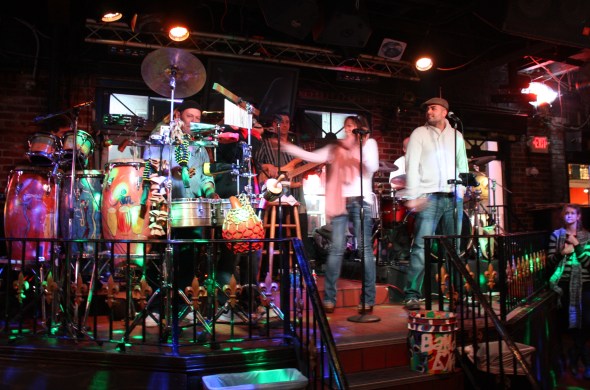
Live music is an essential part of the New Orleans experience
Forget Bourbon Street, which has almost become a caricature of itself. In my opinion, you’re much better off heading to Frenchmen Street. You’ll find it in the nearby Faubourg Marigny neighbourhood. There’s at least twenty or so bars and clubs where you’ll find live music. Although the action kicks off in the late afternoon, the later it gets the better the atmosphere. Some places have cover charges, others require the purchase of food or drink. Others require just a tip for the musicians. My advice is to head down there and check out what’s on during your stay. If you do want to get some advance research in, check out this site:
St Louis Cemetery No. 1

St Louis Cemetery No. 1
One of the most interesting things to do while in New Orleans is to visit at least one of its Catholic cemeteries. Begin with St Louis Cemetery No. 1. This is the oldest, opened in 1789. It is characterised by above ground tombs, a nod to the city’s swampy and flood-prone location. The most notable “resident” is Marie Laveau, Voodoo priestess, a religion very much alive in New Orleans to this day and a fascinating topic to explore. She rests among aristocrats, politicians, engineers and architects. Actor Nic Cage has a plot here; look for the pyramid. Since 2015, independent visiting has been prohibited after vandals spray painted Marie Laveau’s tomb. You’ll need to take a tour. Options include booking via the nonprofit Save Our Cemeteries or Free Tours on Foot; I’d recommend Gray Line, especially if Sandy’s rostered on.
The mansions of the Garden District

Seen on a fence in the Garden District
The Garden District’s wide avenues and huge mansions with even bigger gardens contrasts with the downtown feel of the French Quarter. Many of these mansions have a story to tell, their original owners making their fortunes off cotton and other mercantile activity, and a walk around the area is a pleasant way to spend the afternoon. In the midst of the mansions, you’ll find another atmospheric cemetery: Lafayette Cemetery No. 1. The cemetery was first planned out in 1832, making it the oldest of New Orleans’ seven cemeteries, and can be visited without having to book a tour.
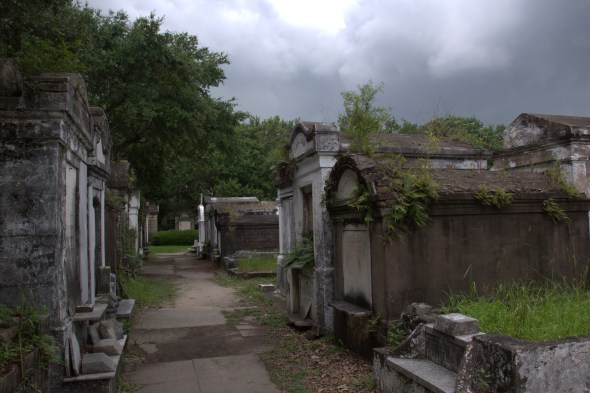
Lafayette Cemetery No. 1
Mardi Gras World
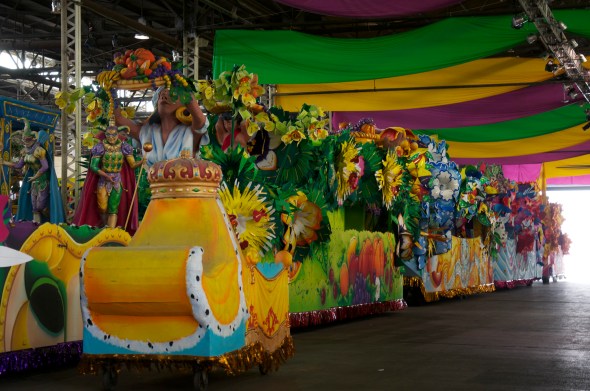
Last year’s float being recycled at Mardi Gras World
If you can’t get here in February for Mardi Gras, then at the very least you should pay a visit to Mardi Gras World down by the Convention Centre. The building houses an enormous collection (both in scale and number of exhibits) of former floats, props and other carnival-related paraphernalia. Guided tours are possible and will show you around; you’ll get to see some of the costumes and props being made for the next carnival. Many are revamped and recycled. One thing’s for sure: the colours will blow your mind!
Old Algiers
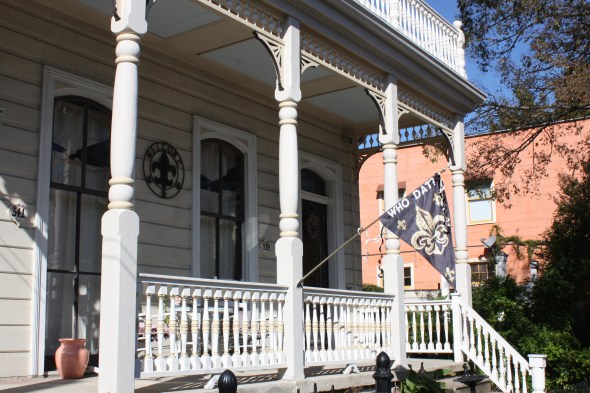
Home near Algiers Point
Across the Mississippi lies the sleepy residential neighbourhood known as Old Algiers. It was first settled by Jean Baptiste le Moyne in 1719, who had a plantation here. It has a dark past, site of a slaughterhouse and also an 18th century holding area for African slaves. The ferry you take to get here has operated since 1827, fiercely protected by the Algiers residents from any attempt by the city authorities to close it down on economic grounds. It’s well worth a wander to explore the 19th century homes here, and of course a coffee stop in the corner cafe at the junction of Alix and Verret Streets.
Steamboat Natchez
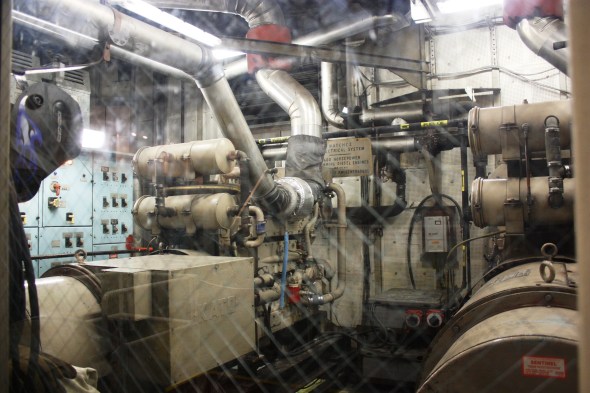
Below decks on the Natchez
The steamboat you’ll see churning up the Mississippi isn’t the first to be named the Natchez. It’s actually the ninth and dates only from 1975. It’s also not modelled on its namesake predecessors, pinching its design instead from steamboats Hudson and Virginia. Her engines came from the steamboat Clairton and were made in 1925; her copper bell came from the SS JD Ayres. So she’s a bit of a mongrel, really. Nevertheless, cruises for lunch and dinner are a popular addition to many people’s itineraries. Even if the food doesn’t impress, the music’s good and it’s interesting to head down to the engine room to have a closer look.
Hurricane Katrina tour
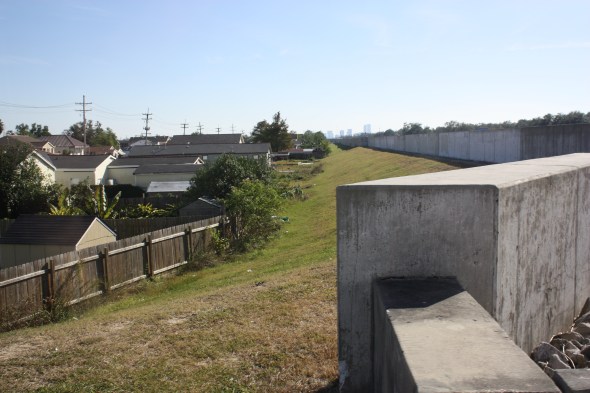
A reminder of how vulnerable low-lying New Orleans is
Despite it being over a decade since Hurricane Katrina blew through the Big Easy with devastating consequences, there are still parts of the city that bear its scars. I took a Gray Line tour in 2012 and was shocked to find so many houses still covered with blue tarpaulins and bearing the red crosses of the search teams on their doors and windows. Returning a few years later in 2015, I was less surprised to see boarded up houses as the train made its final approach into the city. Time may heal the hurt and dissipate the shock, but the economic impacts on an individual scale linger long after the city proclaims it’s open for business again. New Orleans will always be vulnerable to the impacts of hurricanes, and exploring what happened in 2005 will help you understand why.
For more on New Orleans, why not read my article on etrip.tips?
Puerto Rico’s Ruta Panorámica
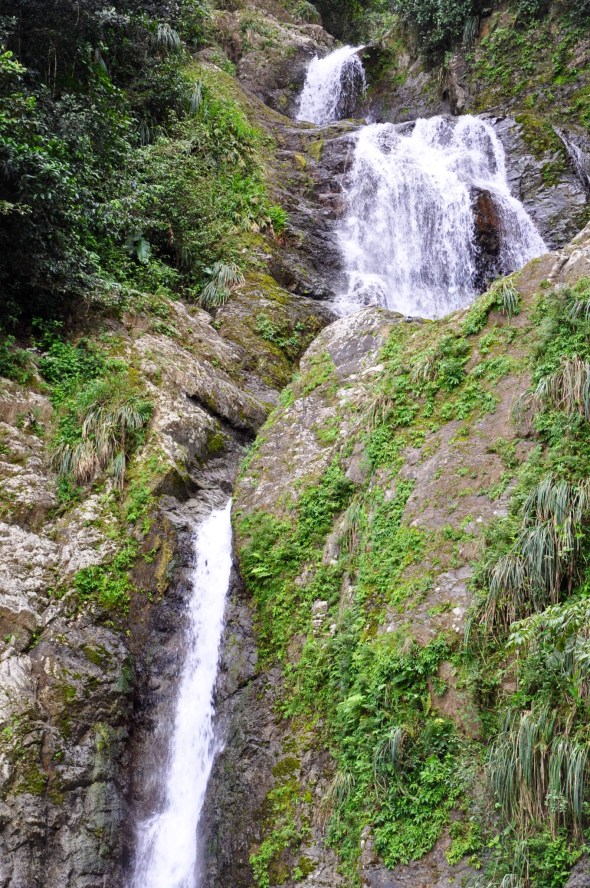
Translating as the Scenic Route, Puerto Rico’s Ruta Panorámica consists of 167 miles of twisting mountain roads that bisect the island’s verdant interior. Driving on this Caribbean island was fast though rarely furious. Although many a driver strayed onto our side of the road as they tackled the many blind hairpins, we didn’t hear a horn hooted in anger. Plenty of vehicles had horns which imitated police sirens, however, which was disconcerting at first. This was also the road that attracted the boy racers in their pimped up orange, blue or red Jeeps, sound systems blaring out the bass as they tried to outdo each other’s decibel count.
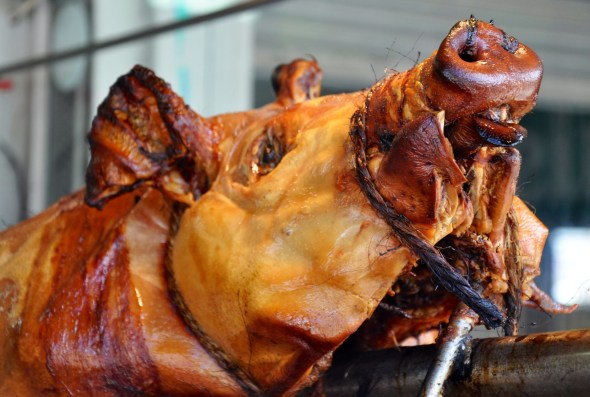
We began in Guavate, a short drive from the easternmost point of the Ruta Panorámica. On Sundays, half the island’s population winds its way up the steep switchbacks to eat suckling pig in one of the village’s many lechoneras. Whole pigs rotate on spits, drawing in the punters, while chefs armed with machetes hack the glistening animals into bite sized pieces. This isn’t fancy dining: you’re just as likely to get a lump of bone as you are a hunk of melt in the mouth pork, but the crackling is to die for and the atmosphere warm and inviting. Stalls loaded with helium-filled balloons and soft toys ensure that amidst all that Medalla beer, it remained a determinedly family-friendly occasion.

The party at Guavate goes on all afternoon, but we were keen to drive at least part of the Ruta Panorámica, picking it up midway between the towns of Cayey and Aibonito. Climbing steadily, we followed a tour bus, grateful of its slow pace for the extra time it gave us to judge the severity of the bends. Despite our unexpected guide, we still managed to take a wrong turn and missed seeing the Cañón de San Cristóbal, though we might only have caught a glimpse of this deep chasm from the road.

At the Mirador Villalba Orocovis, we grabbed the last space in the parking lot. Sweeping views south across lush vegetated slopes topped by charcoal grey scudding clouds drew a small crowd. The beat of salsa and reggaeton formed a noisy soundtrack to the chaotic scene and judging by the groups of people crowding around car boots, parking lot picnics were even more popular than the stunning views.

Continuing west, we climbed into the Toro Negro Forest. Giant stands of bamboo topped by frothy lime green leaves diffused the afternoon sunshine and formed towering arches over the narrow road. Here and there, we hit a traffic jam caused by cars trying to squeeze into the undersized gravel verges that formed the car parks of local neighbourhood restaurants. Driving the road required a steely nerve: swerving around deep potholes onto the wrong side of the road ahead of tight bends. Our guidebook advised tooting the horn at such points to alert oncoming traffic but this wasn’t a convention observed by anyone, least of all the local drivers who formed the majority of road users.
Everyone was in a hurry, except the stray dogs who pottered in the dirt by the side of the road, wandering into the road at worryingly frequent intervals. Some, heartbreakingly, were road kill. Families sat on cheap deckchairs by the side of the road, some animated, others reflective. Their possessions were modest: homes characterised by peeling paint and scruffy yards cluttered with ageing cars sporting years of dents and scratches. It was testament to the fact that local knowledge didn’t make this crazy road any easier to navigate.
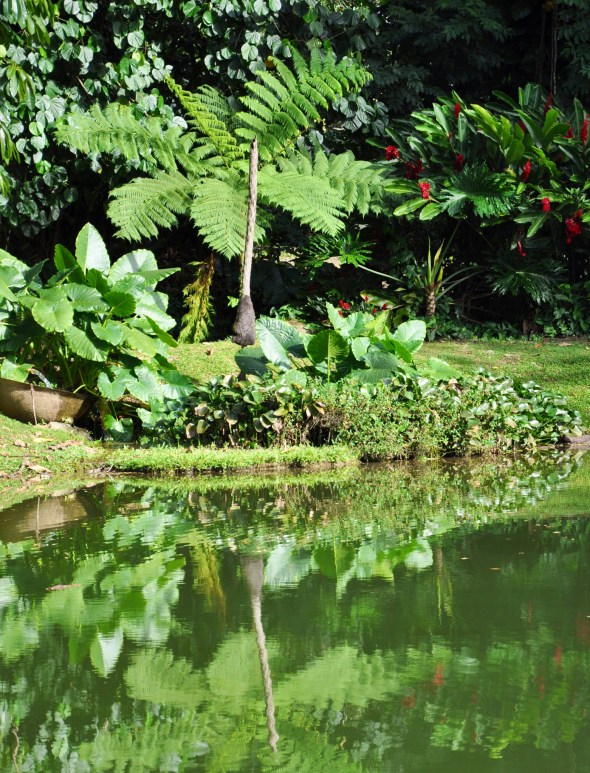
By then, we were in the heart of Puerto Rico’s productive coffee country, and our next stop, a hacienda just short of the town of Jayuya, was proof that the soil and the climate in these hills was well suited to the crop. We queued to sample the rich, almost creamy espresso, fuller bodied and sweeter than we were accustomed to. It was so smooth, we went back for more, this time in the form of frozen coffee. We slurped it through straws, as we sat by the lake on pallet benches slung with rough hessian sacks, watching tiny birds ripple the surface as they dive bombed the water for flies. The ageing machinery above the hacienda’s cafe revealed a surprise: it was made by Bentall’s agricultural works at Heybridge Basin, just a few minutes’ drive from home.
We were keen to get off those dangerous mountain roads by nightfall, cutting north and spiralling up and down through the countryside for what seemed like forever. We were sure we’d missed a turnoff, but instead, we’d woefully underestimated the time it would take us to cover such a small section of the map. Eventually, the Ruta Panorámica spat us out onto the racetrack that would deliver us to San Juan, a world away from the sleepy Puerto Rican countryside that was as more-ish as its coffee.
Stranded in Jacmel
One of the great joys of travelling alone is the freedom to go where you please, when you please. Unfortunately, I was going nowhere, stranded by a set of circumstances out of my control and, thanks to a woefully inadequate command of the local lingo, completely at a loss as to why.

I’d been in Jacmel for a few days celebrating Kanaval. Carnival festivities took place each February a week before the rest of the country. A flamboyant parade of colourful floats, larger than life papier mâché characters and enthusiastic dancing, it was a raucous, deafening and utterly captivating event. In short, it was anything but a warm-up for the revelry which took place a week later in the Haitian capital, Port au Prince.
I say I’d been in town. More accurately, I’d been staying just out of town. Prices at that time of year were hiked by the few desperate hoteliers that managed somehow to stay in business. Haiti’s tourism industry is precarious at best, battered by a hideous earthquake in 2010 and several devastating hurricanes. Those extra gourdes would likely mean the difference between staying open until the following year and closing their doors for good. Today was the day the visitors left and those who remained counted their takings to determine their fate.
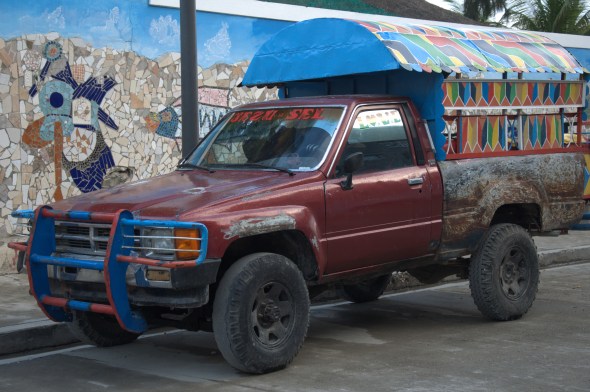
But things were not going to plan that morning. A taxi had dropped me off at the petrol station forecourt that served as a bus station, though there was no petrol at the pumps and nothing in the vicinity that you’d call a bus. Instead, a gaggle of decrepit minibuses were parked in an untidy line as their drivers slouched against the concrete fence drawing on cigarettes and lazily passing the time of day. Inside one minibus there were a handful of patient passengers. Assuming that it would leave when full, I approached the driver to ask if he was headed to Port au Prince. To my surprise he replied in the negative. My schoolgirl French wasn’t up to the ensuing conversation but the gist of it, as far as I could work out, was that there were no buses leaving for the Haitian capital at all.
“Pas de bus?” I asked, exaggerating a French accent for effect while pointing at the minibus.
He shrugged.
“Pas de transport?” I tried, hanging onto the hope that he’d misunderstood.
“Non.”
That, I understood.
A knot began to tighten in my stomach. A veteran of many a solo trip, had I bitten off more than I could chew? With private transport back to the capital well outside my budget, if there was no bus, any chance I had of making my flight home was dwindling fast. What I still couldn’t understand, however, was why, if all transport was suspended, his bus still had passengers inside. I decided that as we were so close to the Dominican border, I’d try speaking Spanish. From what I’d read, there was no love lost between the Haitians and their wealthier neighbours – a few days earlier a cross-border bus had been set alight in a tit for tat incident – but I was running out of options.

Fortunately, the driver spoke a bit of Spanish too. I managed to ascertain that there was a protest just out of town. A blockade had been hastily erected on the road which wound through the hills that cocooned sleepy Jacmel from what otherwise might have been the contagious noise and chaos of the capital. This roadblock of burning tyres and angry protesters had stymied public transport for the foreseeable future. Something to do with the government increasing the price of fuel, he said vaguely, and out of his hands. Until the roadblock was lifted, no one was going anywhere. Those few passengers inside his vehicle were either blindly optimistic of their government’s ability to resolve the situation or had nowhere else to go.
Luckily, I did have somewhere. As of today, hotels were back to offering post-carnival rates, so I schlepped my wheelie back into town. The Hotel Florita was a Jacmel landmark, its elegant balconies and huge wooden doors a giveaway to its former life as a coffee warehouse. Built in 1888, it had been spruced up post-earthquake with a coat of whitewash, its myriad architectural features accentuated in baby blue. I’d read about the place when I’d been planning the trip and fallen in love with the idea of staying there.
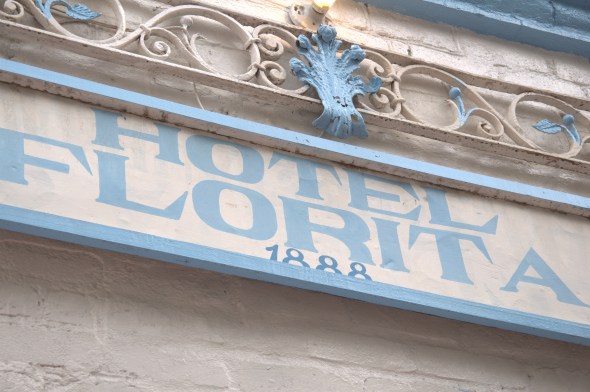
The hotel’s own website proudly boasted that the place was “not in catastrophic condition” and that the main house had “not been hijacked by conditioned air”. The management’s description of the New Yorker who converted the place into a hotel was just as entertaining, recounting that the man had first seen it when drunk before “thoughtlessly and fecklessly” purchasing it. The paragraph concluded: “Why he did it remains a mystery and his decision to turn it into a hotel a decade later unfathomable. It is still there limping along.” The Florita had seemed like my kind of place and now it seemed I might get to stay there after all. Happily what had been the old courtyard kitchen now contained a four poster bed that had seen better days. Its most recent occupants had checked out just this morning, leaving my path clear to snagging the cheapest room in the house.

Installed on one of the Florita’s sofas, I logged on to what surely had to be the slowest WiFi connection in the western hemisphere and attempted to trawl Twitter for information. News was sparse but universally bad. The latest fuel hike was one in a long line of unacceptable actions by an unpopular government and people had had enough. I sympathised up to a point but their timing couldn’t have been worse.
While the townsfolk of Jacmel battled their hangovers to begin the big clean up, I spent the morning researching an alternative route home. The blocked road over the mountains to Port au Prince was the only one in that direction. To the west, a torturous mountain track lead to the tiny towns and villages of Haiti’s southern claw – effectively a dead end. Jacmel had an airport, just outside the town, but it was no longer in use. There was a coast road which might have taken me east into the Dominican Republic, but I had no wish to be the next victim of a retaliatory arson attack.

I snapped the lid of the laptop shut and ordered a beer. I might not be free to go where I pleased, but the whole point of travelling was to embrace your surroundings and anything they threw at you. There were worse places to be stranded, I decided. The sun was shining and it was nearly time for lunch. Solving the problem of how I was going to get home could wait.
Six special places to stay
In my travelling life, I’ve been fortunate to stay in some pretty amazing places. They’re not always budget-friendly as these picks illustrate, but then sometimes it’s worth pushing the boat out and splurging on somewhere that’s likely to stick in the memory long after you return. Here are six of my all-time favourites that are worth blowing the budget for.
Patagonia Camp

A treat for our first wedding anniversary, this small group of Mongolian-style gers clusters on a hillside overlooking Lago del Toro at the entrance to the Torres del Paine National Park. The views from the tents are fabulous, whether of the stars in the night sky through the glass window in the roof or the sunrise casting a pink sheen to the lake first thing in the morning. The oversized double bed and en-suite bathroom made this the most luxurious camp I’d ever stayed at. Mealtimes showcased the best in local produce, with tender Chilean lamb the stand out winner.
Canal House
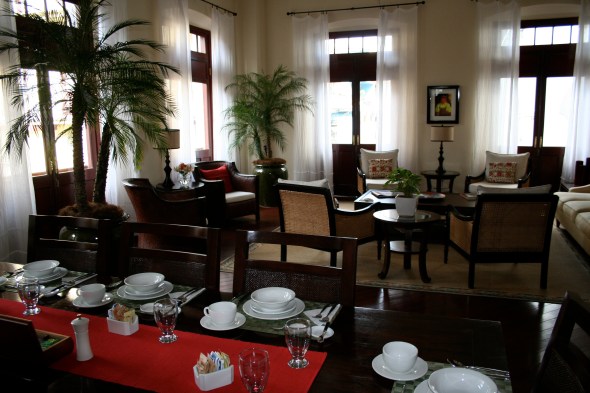
Daniel Craig stayed there before me when filming Quantum of Solace, but I’m more than happy to have copied him. This tiny place, a converted mansion in the Casco Viejo, only had three rooms but each one exuded style, as did the communal areas. These days it’s only available for long stay rentals but its sister property Las Clementinas looks promising.
Riad Dar Karma
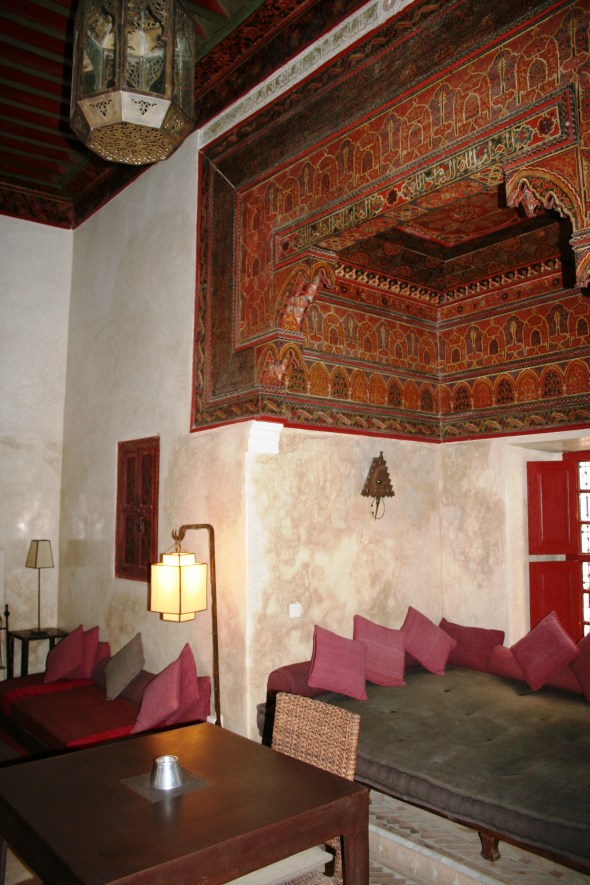
It’s not hard to find a decent riad in Marrakesh, if what you mean by find is stumble upon one on the internet and book a room. Finding that same riad in the labyrinthine alleyways of the medina is altogether more difficult as I know to my cost. That’s why Dar Karma makes this list: not only is it wonderfully restored with all the finishing touches you’d expect – Moorish architectural details, hamman, courtyard pool and roof terrace – it’s also a few minutes’ walk away from the action. A stone’s throw from the Djemaa el Fna in the heart of the Kasbah district, your taxi can pull up right outside so you’ll never get lost.
Heritance Tea Factory
The Heritance Tea Factory in the hills above Nuwara Eliya is so much more than just a hotel. My window looked out over verdant slopes that came and went as the mist rolled in and out. My back ached as, sari-clad, I picked tender tea shoots from those same bushes and threw them over my shoulder into the wicker basket that I carried with a strap across my forehead. With samples ready for inspection, we headed indoors to learn about tea. Accidentally I became the class dunce as I swallowed rather than spat at the tasting session, but it tasted too good to waste.
23 Hepburn

Auckland’s Ponsonby district was the setting for the place which made me feel most at home. Run by the delightful Beth, this three room bed and breakfast was a real treat. Her warm welcome, the loan of her boxer Finn for company on the veranda and a great night’s sleep made for a super start to my New Zealand trip. Beth’s closed the place now to focus on other projects, which is a shame as she made the best Greek yoghurt I’ve ever tasted.
Hiiragiya Bekkan
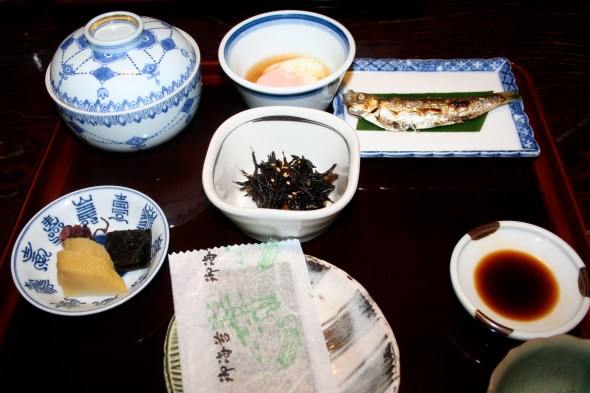
If I had one piece of advice for visitors new to Kyoto’s Hiiragiya Bekkan it would be this: embrace what you don’t know. This traditional ryokan was an experience from start to finish, particularly the many course Kaiseki-style dinner that contained not one single recognisable dish. We were immersed in Japanese culture from the yukatas they gave us to wear to the ritual of bathing in a Japanese hot tub. We slept surprisingly soundly on the futons provided and emerged the following morning fully-prepared to tackle the bustle of Kyoto once more.
If you’ve stayed somewhere memorable (for the right or the wrong reasons!) then I’d love to hear from you.
Just back from – a day trip to Regensburg
I’ve washed the smell of wood smoke out of my hair and a couple of Ibuprofen have sorted out the backache, for now at least. My latest day trip was the longest yet, but proof yet again that you don’t need to overnight to enjoy a rewarding experience over in continental Europe. This time, I had my sights set on Germany’s famous Christmas markets.
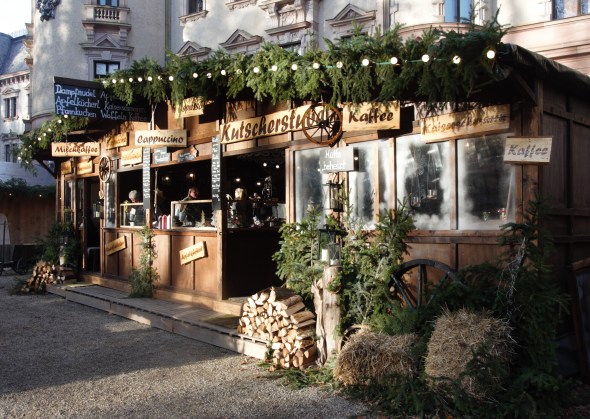
This month’s destination, hot on the heels of Budapest, Bremen, Belfast, Lisbon and Amsterdam which have previously featured on this blog, took me to Nuremberg. A flash sale on Ryanair’s website netted me return flights to the Bavarian city for the princely sum of £4.08 all in. The offer was one with limited availability, not only in terms of seats but also in validity, solely for flights on Tuesdays or Wednesdays in November. Such offers come up quite often and it’s worth subscribing to Ryanair’s email alerts if you’re within easy reach of Stansted. I also saved money on my airport parking by purchasing it through the Holiday Extras website which saved me over a fiver. My 7.35am flight from Stansted was on time and we touched down shortly after 10.15am.


I made use of the Bayern ticket which I’d learnt about on a trip to Munich. The ticket’s valid for a day from 9am to 3am the next day which gives plenty of time for sightseeing. It offers unlimited travel throughout Bavaria on all trains except ICE, IC and EC (so basically excludes high speed trains) as well as city transport in many of the larger cities. The cost? A flat fare of 23 euros if bought from a ticket machine, 25 euros if bought from a kiosk. Unfortunately there’s no train service from Nuremberg airport which means no DB ticket machines (a U-bahn service operates instead with a fare of 3 euros for a ticket with 90 minutes’ validity) so I had to buy the Bayern ticket at the Airport Information desk for the higher price. As it covers the U-bahn that was still the cheapest way of doing it.


It wasn’t long before I was in Regensburg and my first stop was the Neupfarrplatz Christkindlmarkt. Most German Christmas markets get underway on 25th November this year, but Regensburg’s begin a couple of days earlier. The market was well underway at midday, a mix of traditional market stalls and refreshment huts. Next I checked out the Lucrezia Craft Market, though that was still being set up. There were some stalls that had limited wares on display, the likes of sheepskin clothing, wood carvings and handmade silver jewellery. To reach the third of Regensburg’s markets I needed to cross the old stone bridge at the Spitalgarten. Again, setting up was in progress but the walk was a pretty one and there were sheep waiting in the wings to coo over.


I crossed back over the Danube for a lunch stop at the Regensburg Sausage Kitchen, one of the oldest restaurants in Germany. Prices were reasonable and they did takeaway, though even at the end of November, it was warm enough in the sunshine to eat at one of its picnic tables.

The main focus of my visit was the Christmas market at the Thurn und Taxis Palace. Regensburg’s Old Town has hundreds of listed buildings but this palace and its grounds are the jewel in the crown. The Christmas market is more than just a market, with live music and even visiting alpacas and camels. The latter obviously play a role in the Christmas story but I think the alpacas were just there as a crowd-pleaser; certainly every time I held up the camera, they turned their heads and posed!

But let’s get down to business: this is no ordinary market. Princess Gloria from Thurn und Taxis apparently is pretty hands-on with the organisation of the market and I did see a couple of elegant, well-dressed women who might have been her. The market, less well known outside Germany than the likes of Munich’s markets for instance, attracts a mainly local crowd, though it’s definitely worth making the journey for.

The market attracts artisans not just from Germany, but from surrounding countries such as Austria as well. The man selling delicious hot cheese bread had made the journey from the Voralberg and the journey had done his cheese no harm at all. It was cheap, filling and almost worth the market’s 6,50 entrance fee in itself.
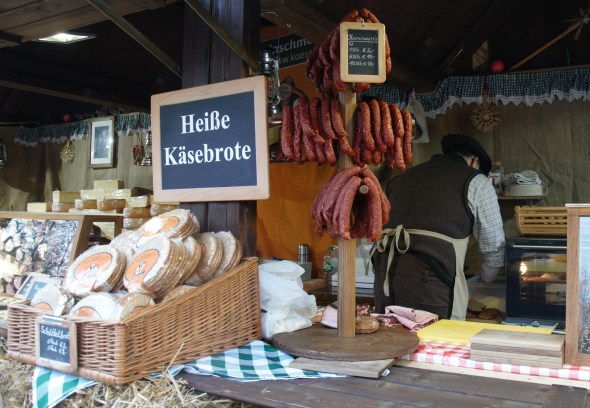
As darkness fell, the market took on a magical atmosphere. Open fires and strings of fairylights added to the romance of the market and there were plenty of stalls to browse. It’s at dusk when you really start to appreciate the attention to detail. Stallholders decorate their huts with freshly cut branches from pines, spruces and firs: the smells as well as the aesthetics are something to savour.
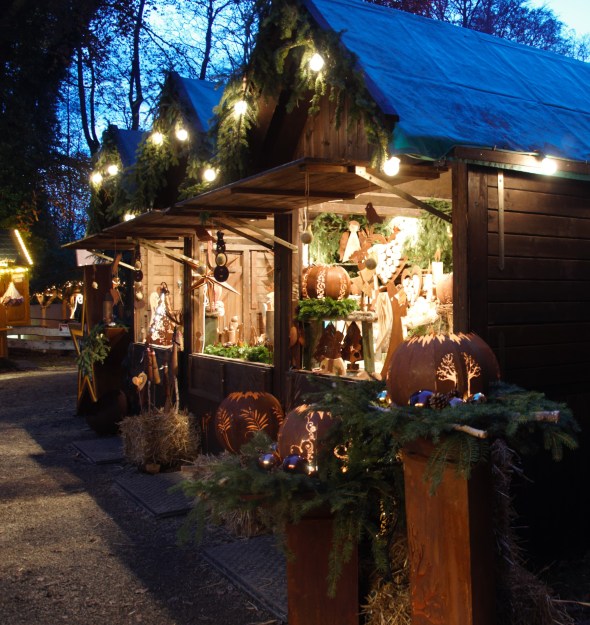
The good thing about not having to pay for accommodation is that there was plenty of cash in the budget that could be used for souvenir shopping instead: I was spoilt for choice amongst a wide selection of products including sheepskin rugs, rustic Christmas ornaments, clothing and handcrafted metal ware.


The palace itself, larger than Buckingham Palace, looked spectacular as the lights came on. At six, a pair of trumpeters heralded the official start to the festivities, followed by a choir and costumed soloists. The balcony overlooking the main courtyard provided the perfect staging.
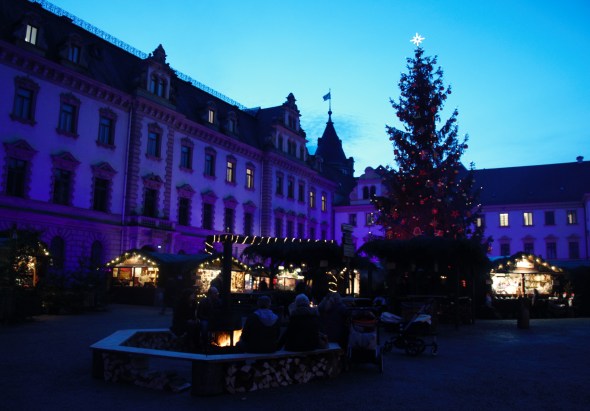
Eventually, it was time to wander back to the station for a train to take me back to Nuremberg. The seven hours I’d spent in this delightful city was plenty to enjoy it without rushing. My flight departed more or less on time at 10.35pm; I’d landed and cleared immigration well before midnight UK time.
I’m already planning my next day out to a European Christmas market – but this time, I’m off to Copenhagen and I’ll be blogging about it next month.
Will you be trying Eurostar’s cheap deal?
Interesting article in the news today that Eurostar will be offering some very cheap deals on its fares to Paris, Brussels and Lille. The fares will be available for trains from the end of November to mid-January and you can book from next week. Simon Calder was explaining the offer during a breakfast television segment this morning, and the Independent article he wrote on the story can be read here:

On the face of it, £19 each way sounds like a bargain and I’m certainly one who’d usually espouse the benefits of train travel over flying. However, I’m not sure I like the terms and conditions – if it wasn’t enough that you don’t find out which time train you’re on until almost the last minute (you could end up trying to get to St Pancras very early!), if the train they allocate for you gets full at the last minute you’re going to be bumped to a jump seat.
I had a look at easyJet’s website to see what kind of prices they’re offering from Luton, Gatwick and Southend – there are some good deals to be had especially in January, with Southend coming out as the cheapest at the time of writing. It looks like flying won’t cost much more than the Eurostar, and of course you get to choose exactly what time you depart and return. In terms of travel time, it would take me as long to get to LTN, LGW and SEN as it would to central London, so for me that factor doesn’t influence my decision.
Personally, I’m no great fan of Paris or Brussels, and as I’m off to Nuremberg soon with Ryanair for the princely sum of £4 return including tax, I shan’t be booking. What about you? Would this special offer tempt you?
New York for second-timers
OK, so you’ve been to the Big Apple, and during that first trip, you diligently ticked off the essential sights: the Statue of Liberty, the Empire State (other towers are available!), the Brooklyn Bridge. You strolled through Central Park, caught the Staten Island ferry, shopped on 5th Avenue, dined in the neon-lit Times Square and were humbled by your emotions at the 9/11 Memorial. So that’s it, right? Wrong. Here are some great New York City experiences to keep you busy when you return for more.
Bronx Botanical Gardens and Zoo
These two attractions are just a short walk from each other, so combining them on the same day makes sense, especially on a Wednesday when you can get into most exhibits free of charge. I visited in November, the perfect time to witness the fall colours at their best and watch the animals play without distracting crowds.
High Line or Lowline?
Both, of course. The High Line park is now well established on everyone’s must-see list for New York, and won’t disappoint. I love it in winter; if the sun’s shining and the wind’s absent, there’s no place better to chill out. But now the elevated railway has a rival, at weekends at least: the Lowline Lab, an experimental space destined to become the city’s first underground park.
Update: the Lowline has now closed.
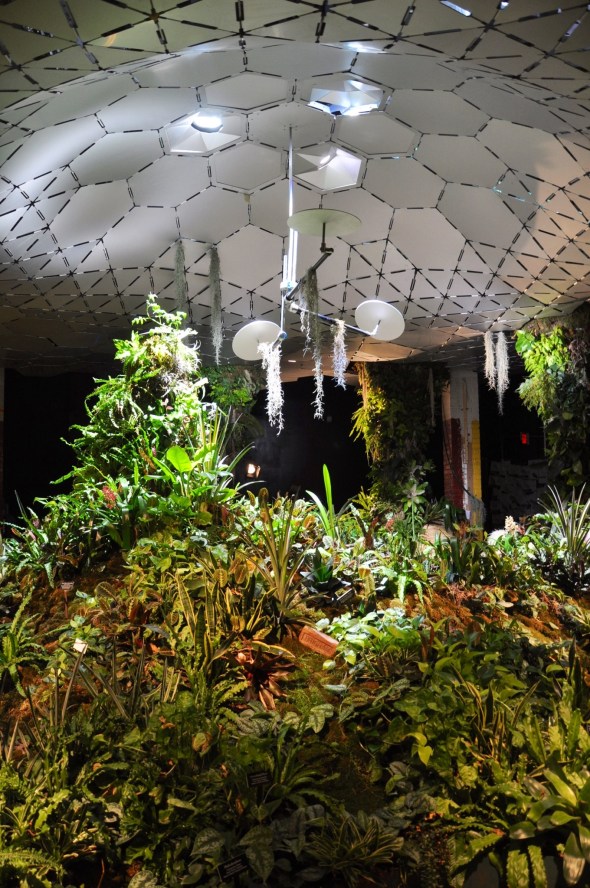
Gospel brunch in Harlem
The other great way to spend a Sunday is to savour the tastes and of course the sounds of brunch in Harlem. You don’t have to be religious – just musical – to appreciate the atmosphere and joy generated in a number of excellent eateries. Sylvia’s and The Cotton Club have been at it for years, but I opted for a relative newcomer, Ginny’s Supper Club, located in the basement of Red Rooster – and wasn’t disappointed.

City of New York Museum
You’ll have paid a visit to the Met and the Guggenheim last time, so how about learning a little of the city’s history to give you some context. Located beyond the Upper East Side facing the north-east corner of Central Park, it’s the perfect place to learn more about the story that whizzed past you as you ascended the elevator to the top of the Freedom Tower.
Skyscraper Museum
This tiny museum is tucked away around the corner from Battery Park, but is well worth the detour. It has a mixture of permanent and rotating exhibits, explaining the development of the skyscraper and its contribution to the city’s iconic skyline. If you’re in the city between now and January, check out the Skyline installation.

Governors Island
Once known as Nut Island, this tiny haven from the noise of Manhattan was renamed Governors Island by the British in 1699 who occupied it until the time of the American Revolution. Later a military base for the US Army and home to the Coastguard, it’s now open during the summer months as a city playground. Once you’ve admired the view of southern Manhattan, rent a bicycle, enjoy a lazy picnic or try out Slide Hill, one of the island’s newest attractions.

Watch a game
Which sport you watch depends of course on the season in which you visit. In summer or autumn, head up to 161st Street where you’ll find the Yankee Stadium. In winter, try the ice hockey at a fast-paced Rangers game or watch the Knicks play basketball at Madison Square Garden. The latter offers an interesting backstage tour as well. For those of us visiting from outside the US, it’s as much an exercise in people-watching as anything else. Attention spans are low compared to the intensity of watching the footie back home, for instance, but grab a beer and a hot dog to soak it up anyway.
Bryant Park Christmas market
Once Thanksgiving has passed, it’s time to focus on Christmas. My favourite Christmas market in the city is at Bryant Park, an easy hop from Times Square in the heart of Midtown, though the last time I was there heavy rainfall had flooded the paths and many of the stallholders had gone home early. Union Square also has a market, a little smaller but also worth a look.
Roosevelt Island tramway
It’s been a while since I rode this, but a ride on the Roosevelt Island tramway is worth it for the views alone. After the Staten Island ferry, it’s probably the biggest public transport bargain in the city, as you can ride it for a price equivalent to a single subway ride using your MTA card. If you think it looks familiar, that’s because t’s been featured in many movies, including Scarface, City Slickers, Now You See Me and Spiderman.

New York Transit Museum
The shops and cafes of Bedford Avenue in Brooklyn’s Williamsburg are well-documented but a few miles down the road, you’ll find the New York Transit Museum, occupying a decommissioned subway station where Boerum Place meets Schermerhorn Street. Underground, you’ll find a collection of vintage subway cars, some of which are over a hundred years old. The best bit: no one minds if you hop on board.

An island for every month of the year
For many of us, an island holiday is the ultimate in escapism. There’s something about it which engenders a kind of “pull up the drawbridge” mindset perfect for recharging the batteries. What follows puts together those islands that for one reason or another have made a lasting impression on me, with a suggestion for a good time to visit weather-wise.
Gorée – January
Senegal’s Île de Gorée is at once a melancholy and vibrant place. The focus for the country’s remembrance of those lost to the slave trade even though few were ever shipped from its shores, it’s also colourful and charismatic, a favourite of artists and craftsmen. It’s an easy day trip from the Senegalese capital Dakar. In January the weather is sunny and mild, making this the perfect winter escape.

Roatan – February
Honduras might have a hellish reputation in terms of safety and security – its largest city San Pedro Sula is considered to be the murder capital of the world – but the languid island of Roatan off its northern coast is about as far from trouble as you can get. It has all the characteristics you’d expect from a Caribbean island: a laid back welcome, turquoise warm waters and fresh fish dinners. In February, it’s busy enough to feel buzzing, yet you’ll have no problem finding space on the beach to soak up those tropical rays.

La Digue – March
The Seychelles has a reputation for luxury – and all the costs that come with achieving it. The good news is that La Digue manages to offer accommodation for all budgets. Better still, it’s one of the prettiest islands on the planet and compact enough that you can explore it by bike in a few days. In March, the weather’s on the turn, but unless you’re really unlucky, visiting La Digue in the shoulder season means you’ll dodge the worst of the crowds as well as the rain.
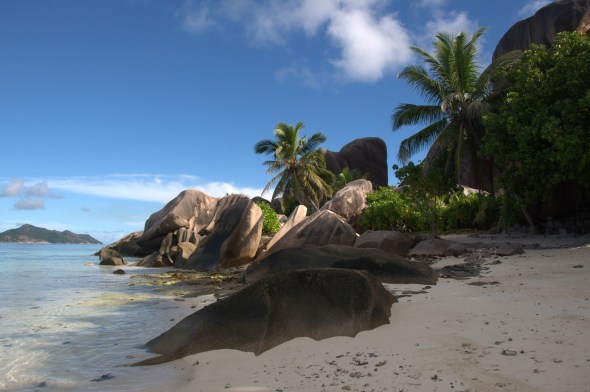
St Lucia – April
One of the lushest islands in the Caribbean, St Lucia is also one of the prettiest. But that verdant setting has only been achieved with rainfall totals higher than many in the region. April is statistically the driest month, so time your visit to the island’s cocoa plantations, hot springs, iconic peaks and of course fabulous beaches to hit the best of the weather.
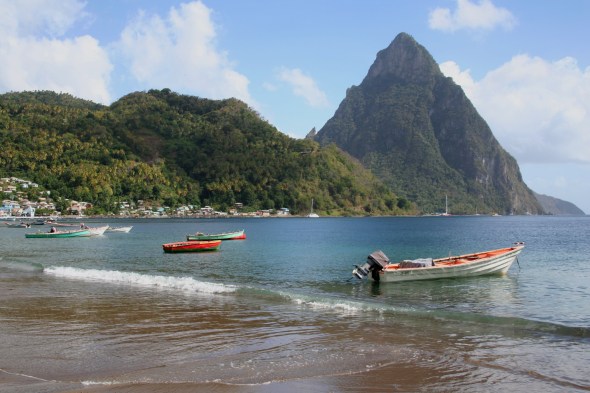
Gozo – May
Malta’s firmly on the beaten track when it comes to Mediterranean escapes, but visit Gozo before the main tourist season kicks into gear and you’ll be impressed. This rural and characterful island combines fascinating historic attractions with impressive coastal scenery.

Lanzarote – June
If you’ve ruled out Lanzarote on account of its nickname, Lanzagrotty, then you need to have a rethink: this place is seriously cool. Avoid the crowds of tourists tied to school holidays and get in ahead of the crowds to explore Cesar Manrique’s fabulous architectural legacy and some of the hottest volcanic scenery on the planet.

Zanzibar – July
There are few islands with names that conjure up as exotic an image as that of Zanzibar. The reality is as satisfying: the narrow alleyways of the capital Stone Town are lined with mansions made from coral stones held together with lime mortar, built by merchants who traded spices, silks and slaves. To the north of the island, you’ll find plenty of excellent beaches where you can enjoy the dry, hot July weather.
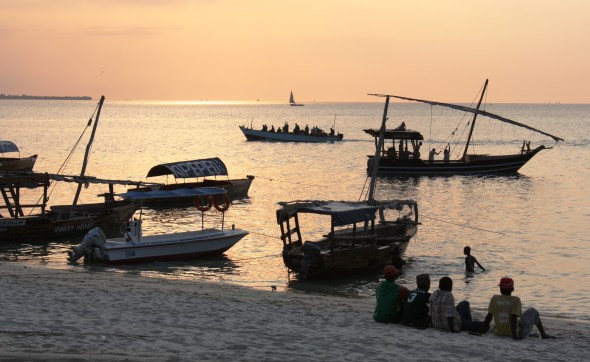
Tanna – August
Faraway in the South Pacific lies the archipelago of Vanuatu. Its most fascinating island is without a doubt Tanna. Dominated by one of the most accessible active volcanoes on the planet, visitor interest is piqued by the John Frum cargo cult, and in particular the offshoot Prince Philip movement that think our Queen’s husband is a god. Toast him with kava, the local firewater which numbs your mouth and sedates your brain.
Bali – September
Well on the beaten tourist track, Bali offers a winning combination of culture and relaxation in one neat and tiny package. Its resorts make the best of the sandy beaches and September sees the crowds thin ahead of the October to March wet season. Watch the sunset over the ocean at Uluwatu temple or head inland to the green rice terraces that encircle the pretty town of Ubud.
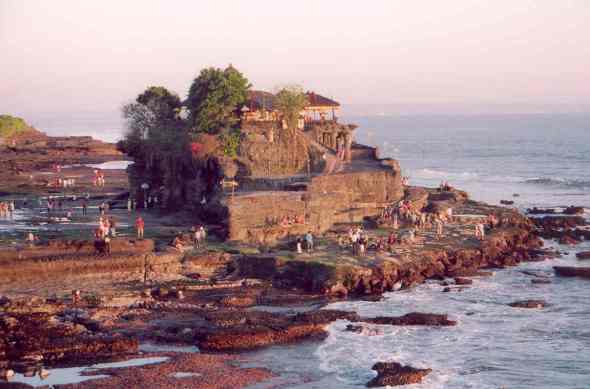
Kyushu – October
The most southerly of Japan’s big four, Kyushu packs a punch. It’s a good choice for those wishing to get up close to the country’s tectonic action, with mud pools, hells and hot sand baths at Beppu and the active volcano Sakurajima an easy ferry ride from the city of Kagoshima. By October, the humidity that plagues the summer months is long gone, but temperatures are still high enough to make sightseeing a pleasure.

Easter – November
Despite its isolation, remote Rapa Nui is recognisable the world over for its moai, the oversized stone heads that gaze out over the Pacific from all parts of this mountainous island. The five hour flight from the Chilean capital just to get there is arduous, but when you do, you’ll agree it’s well worth the effort. Its history is fascinating, but it’s the location that blows your mind.
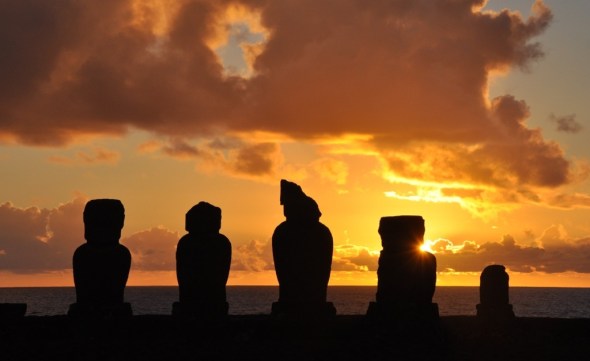
Cuba – December
Go there before it changes, they said. So I did. But that was well over a decade ago and the tour companies are still saying it. Nevertheless, I haven’t yet met a visitor who was disappointed. Cuba’s one of those places that gets under your skin, from the old ladies in Havana who’ll puff on their cigars for a dollar to the horses that you’ll still see trotting down the cobbles of backstreet Trinidad. Forget generic Caribbean, this place is unique and special because of it.
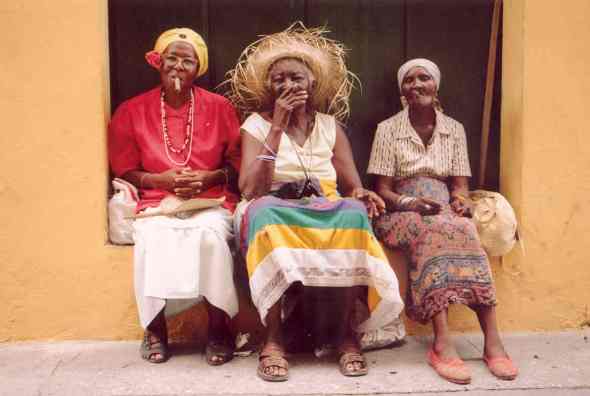
So there you have it, my favourites. What are yours?
Why I’d rather celebrate Day of the Dead than Halloween
Halloween is upon us and with it, the excessive commercialism that has, sadly, come to characterise this holiday. I know some parents make the effort to teach their kids some context, but I suspect many young trick or treaters will have no idea about the origins of the occasion. In fact, trick or treating is thought to have started in Ireland, Wales and Scotland where knocking door to door resulted in the exchange of food for a song. The origins of Halloween go back further: an adaptation of the Celtic pagan festival known as Samhain according to some, while Christians mark it as the evening before All Hallows, an 8th Century attempt to eradicate pagan celebrations. Both however, have something in common: it’s seen as a time when the spirits return and the dead are remembered.

My issue with Halloween, my only issue, is its materialistic bent. Encouraging children to demand treats doesn’t sit well with me. Sure, it’s a bit of fun and what kid doesn’t like dressing up and carving pumpkins? I have no problem with that! However, it seems, as with Christmas, that the true meaning of the occasion has been well and truly buried under all that candy-begging and even harassment of the vulnerable. And if you’re still in any doubt that this is big business, then consider these statistics from a recent Daily Telegraph article:
- £283 million: predicted sales of Halloween-based products in the UK in 2015
- $6.9 billion: total Halloween consumer spending in the US expected for 2015
- $2.1 billion: total amount expected to be spent in the US on candy in 2015
- 3 million: number of pumpkins Tesco expects to sell this Halloween
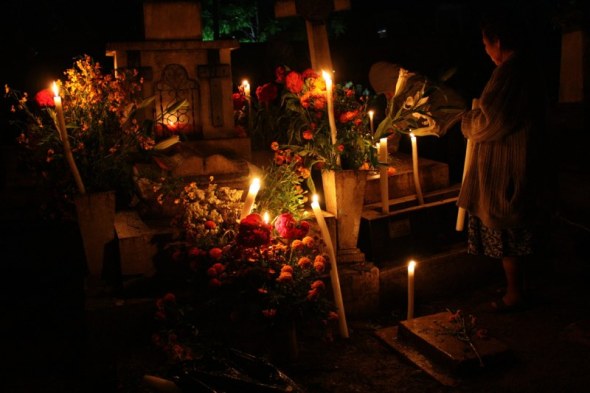
If you’re a Halloween fan and still reading, and I haven’t well and truly pissed you off by this point, then let me tell you what I prefer about Day of the Dead. Known as Día de Muertos, it’s been part of Mexican culture for three thousand years. I first experienced this festival a few years ago with a visit to Oaxaca and was immediately struck by the way that it blended religion, respect, commemoration and celebration. And let’s not forget that last one. Day of the Dead is anything but dull: there are fancy dress parades, carnival floats and of course, much music, drinking and dancing.

At the heart of the festivities is the dressing of the graves of the ancestors and the construction of homemade altars built to honour their spirits and encourage them to return for a visit. Work starts on these ofrendas in the last few days of October, and every street corner is occupied by flower sellers surrounded by buckets of vibrant orange marigolds known locally as cempasuchil.

- On November 1st, the souls of deceased children are the focus, while on November 2nd, it’s the turn of the adult ancestors. Families visit the cemetery and sit at the graveside to raise a glass of Mezcal and eat a special feast. It’s all at once a poignant, private and public occasion, as visitors are welcomed and encouraged to join in.
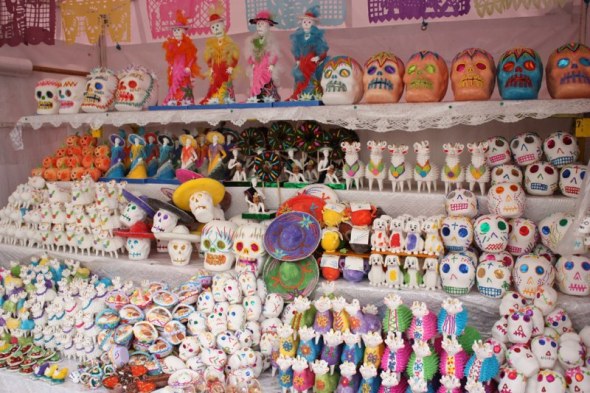
Catrina, the elegantly dressed skeleton and iconic figure of Day of the Dead, is everywhere. Clearly, commerce plays a big part in Día de Muertos too: vendors sell everything from sugar skulls to folk art skeletons, Mezcal to garlands of marigold petals. I don’t have a problem with that. But in Mexico it sits side by side with ceremony and tradition, with both given their proper place.
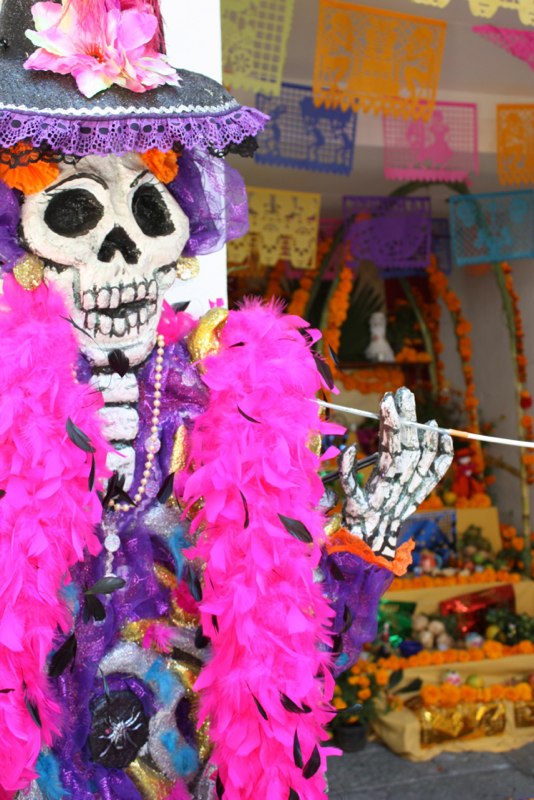
Día de Muertos touched me as a way to remember my grandparents, much loved but long departed. Amid the hectic day to day activities of “life goes on”, over time, I found myself thinking of them less and less. It’s not that I don’t still love them, but I began to worry that as the memories faded I’d one day forget to remember what a significant contribution they made to my life. Their photos are on the altar we made:

When I went to Oaxaca, I took with me their photographs, and, having been privileged to help build an altar at Casa de las Bugambilias, felt a stronger connection to them than I’d had in years. So this year, I’ve built my own altar and on November 2nd, All Souls Day, I’ll raise a glass to toast these very special people and thank them for all they did for me when they were here.
For more photos from the Oaxaca trip, please visit:

 Julia's Travels