juliamhammond

Latest

Just back from – a day trip to Bremen

Regular readers may recall previous posts about days out I’ve done by air:

This time, Ryanair are in the hot seat and it’s off to London Stansted for my flight to the north German city of Bremen.

Flight times, for once, are very convenient.  The outbound flight departs at 7.55am and is scheduled to arrive in Bremen at 10.20am.  It’s a short flight with a one hour time difference.  The only downside is that you hit Stansted at peak rush hour.  Don’t be tempted to rock up too late; the queues for security are long and just as tedious as anywhere.  Of course, with Ryanair your boarding passes are already printed and as it’s a day trip, there’s no luggage to worry about.  If you are tempted to shop before you take off, Stansted offers a buy and collect service and you can pick up your shopping on your way back in.  Coming back, the flight’s at 9.20pm, but the ten minute tram ride from the city centre and the diminutive size of Bremen Airport mean that you can get away with leaving as late as 8pm.  Touchdown at Stansted is scheduled for 9.45pm though we were a little late.

Arrival

After a take off delay of fifteen minutes or so due to earlier fog at Stansted, I passed swiftly through passport control at Bremen’s tiny airport.  Ryanair use a separate terminal.  It is as pared down as Ryanair users would expect, but the advantage of being apart are of course that there is no one else to share the passport queue with.  In less than ten minutes from the wheels hitting the tarmac, I was through the airport and off to find transport into the city.

Getting to the city

Bremen Airport is obscenely close to the city centre and by far the easiest method of getting there is by tram.  Exit the Ryanair terminal and turn right.  Walk past the main terminal and ahead of you is the tram stop.  You’ll need Tram 6 marked Universität which departs every ten minutes.  The fare costs 2,70 euros.  You can either buy your ticket at the machine at the stop or hop on board and buy one from the tram’s machine.  Small notes and euro coins are accepted – don’t go trying to use a 50 euro note as it won’t let you.  It’s only a few minutes to the Domsheide tram stop.  Alight there and you’re a minute from the cathedral, town hall and main square.  The tram then goes on to the main train station.

Getting around

A network of buses and trams can take you all over the city.  The Bremen tourist board have produced a series of very useful PDF guides which include a very clear street plan as well as a map of tram and bus routes.  I downloaded these onto my Kindle app before setting out, but you can of course pick up paper copies from the tourist information desk when you get to Bremen if you prefer a hard copy, or they’ll send them to you through the post on request.  Here’s the link: https://www.bremen-tourism.de/information-material

Much of the city centre is walkable as it is a compact place, but if laziness or inclement weather strike then it’s handy to know which tram to jump on and the guides also detail opening hours and which buses or trams to use.  As with the airport tram ride, fares are 2,70 euros for a single but you can also buy a day pass for 8,90 euros which also gives you discounts off some of those city’s must-see attractions.

How to spend the day

First stop for me was the obligatory pose with donkey, dog, cat and rooster.  The famous bronze sculpture resides beside the town hall.  You’ll see donkey’s front feet are well worn – it’s considered good luck to give them a rub.  The four creatures are Bremen’s mascots if you remember the Brothers Grimm’s fairytale.

Next, I walked through the main square.  The Rathaus (town hall) was under wraps which was a pity as it is a splendid building minus its scaffolding.  It’s UNESCO listed and it is possible to take tours of the inside.  The cafes in the main square are tempting and I can recommend coffee and cake of course.  Duck behind the Schütting (Guildhall), which sadly isn’t open to the public, and you’ll come across Böttcherstraße which is the marvellous Art Deco creation of a famous local coffee manufacturer.  If you can, time your visit to coincide with the chiming of the hour at the House of the Glockenspiel (look up and you’ll see it).

A short stroll from Böttcherstraße took me to the Schnoor quarter.  This is one of the oldest neighbourhoods in Bremen and was once where the sailors hung out.  The name Schnoor comes from the low German “Snoor” meaning string, which could have been a reference to the way the old houses line up or perhaps to the making of ropes or nets for the ships that passed through here.  The area’s very touristy but worth a visit nevertheless.

Still in Schnoor, I had a schnitzel lunch in Beck’s; if you get there early enough you can bag the table with the window out onto quaint Wuste Statte.  Flipping the main meal to lunchtime makes sense; most restaurants offer reasonably priced lunch menus and the local cafe culture lends itself to an early evening coffee or an aperitif with a cake or snack before you leave.

Wandering the streets of the Schnoor to walk off lunch was a delight.  There, you’ll find many artists and artisans, but for me the delight was the intricate detailing and artwork that formed part of many of the buildings.  It’s very important not to rush and also to look up, or you’ll miss them.

From the Schnoor quarter, it would have been logical to move on to Viertel, but as the sun was shining I decided to take a boat trip up the Weser instead.  A 75-minute round trip cost 10,50 euros and was rather pleasant, passing the Docklands area of Uberseestadt.  Boats depart from Schlachte.  Look out for the Beck’s brewery and also some famous names on some of the factories and warehouses: Kellogg’s and Primark among them.  With little wind and a clear sky, there were some lovely reflections on the water.

Back on dry land, I walked up to the park that lines the northern edge of the city centre.  There’s an old windmill on a hill overlooking the park which was the perfect stop for a cherry juice: a cooling breeze to take the edge off a humid day.  Because of the weather, I opted to catch a number 10 tram to Viertel.  It’s one of Bremen’s more Bohemian neighbourhoods: think Notting Hill but not quite as affluent.  There’s some fantastic street art to be seen, a few shops selling vintage clothes and furniture as well as plenty of decent cafes.  I was glad of one of the latter when a thunderstorm brewed suddenly and equally glad when it was short lived.

Strolling back through the Schnoor, the thunderstorm had an unexpected silver lining.  Crowds of tourists typically frequent the narrow streets but even though the sun had reappeared, people were slow to venture out again, so I almost had the district to myself.  A meander to the main square for a coffee and it was time to head back to the airport after what had been a very pleasant day.  The hot weather had prompted me to take it easy, but there is a lot more to see in this Hanseatic city.  I could have taken a tour of Beck’s brewery, seen how Mercedes-Benz make cars or ponder whether modern works of art have as much value as their earlier counterparts.  Another time, I think.  This place is worth another visit.

For more on Bremen, check out my previous blog on the city here https://juliamhammond.wordpress.com/2015/10/03/beautiful-bremen/.
Röda Stugan, a true home away from home

Let’s be honest, when we book self catering accommodation, most of us are dreaming of a home away from home. We want to ditch the pressures associated with actually being at home – intruding work emails, DIY that won’t do itself, lawns that need mowing, carpets to vacuum, washing that seems to breed in the laundry bin. But when we go away, many of us still want our home comforts and more space to breathe than can be afforded by a hotel.

image

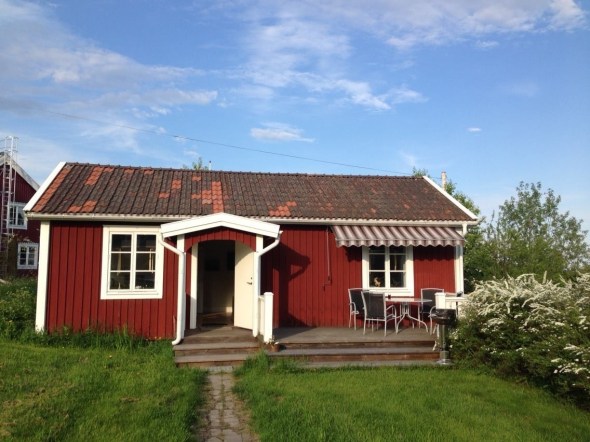
I’ve been up in Sweden’s High Coast region for a few days and my base has been a traditional claret red cottage just off the E4 motorway. It didn’t take any insider knowledge to find – I just used booking.com as is my habit. On paper, it was eminently suitable: Scandi style decor, off road parking for the hire car, WiFi and a bit of space to chill out and put my feet up after a day’s exploration.

photo2

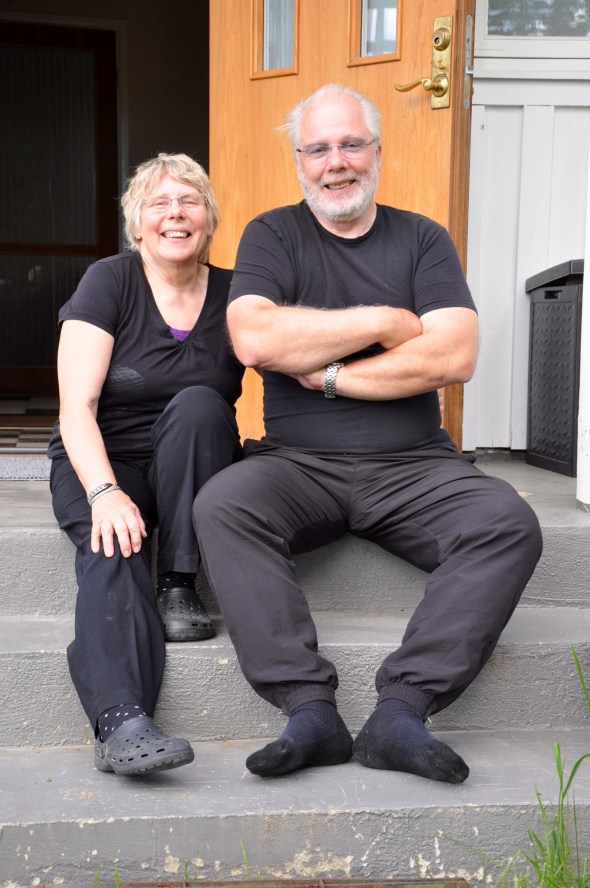
In reality, it’s been way more than that. Owners Karin and Hans, who reside in the farmhouse next door, have been the perfect hosts. And then some. A friendly chat on the sun trap of a verandah with a local map and Hans had pretty much planned my itinerary which, I have to admit, was pitifully vague to begin with. His suggestions have been superb. In particular, I’d have never taken the boat to Ulvohamn without his recommendation and of course, there’s just something so much more tempting about a tip straight from the horse’s mouth than from a tourist board leaflet.

photo3

Despite this officially being self-catering, the warm welcome extended to a dinner invite. Over a bottle of wine and delicious homemade quiche, I learnt more about the Swedish psyche and way of life than I could have if I’d had a hotel room for a month. Karin really knows how to cook! I’ve since met the family, checked out the ride-on mower, drank more wine and shared half my family secrets.

photo4

It’s true what they say – a place is only really special if the people make it so. And this cottage has felt like home because I’ve had the best neighbours I could have wished for. Thank you – and I promise that’s not just the wine talking.

If you’re tempted to visit the High Coast, you should check out the cottage too.

Röda Stugan, Berg 131, 870 33 Docksta

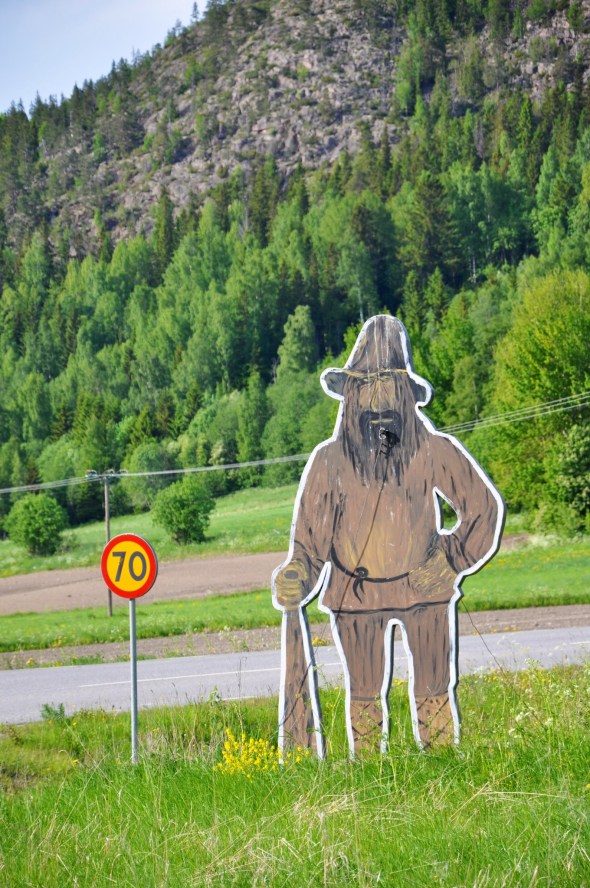
Take the first exit off the E4 north of Docksta.  Ignore the sign straight ahead saying Berg and instead make an immediate right turn up a gravel track where you see the cut out of a country yokel.  Go up the hill and past a couple of yellow houses.  Look for the house numbers or the little red cottage which you should easily  spot to your left.

photo5

http://www.booking.com/hotel/se/roda-stugan.en-gb.html

Sweden’s High Coast – the prettiest place you’ve never heard of

It’s the third of June and today’s the day the little cafe on Ulvon Island has reopened for business. The plant pots still await their summer flowers but the sun is out and has enough strength to make an al fresco lunch a pleasure. The owner, like the plants, is taking a while to adjust to the change in season. She’s been to the supermarket, she says, but asks me to wait awhile so she can fetch the groceries in from the car and work out what’s going to be on the menu. I’m happy to hang out. The boat doesn’t leave until after lunch and it’s moored just a short stroll along the gravel path that doubles as a quay.

image

The High Coast’s not exactly a hive of activity, but even by those languid standards, Ulvon’s a sleepy place. There’s almost no traffic, so the only noise to be heard is the gentle flapping of the flagpoles, of which there are many, and the occasional rustling of leaves. The climate in these parts, and a relatively fertile soil, makes the grass lush and the trees thrive. Rows of conifers stand sentinel on the rocky hills that form a backdrop to the harbour, but down by the water’s edge I spotted maples and robinias dotted amongst people’s gardens.

image

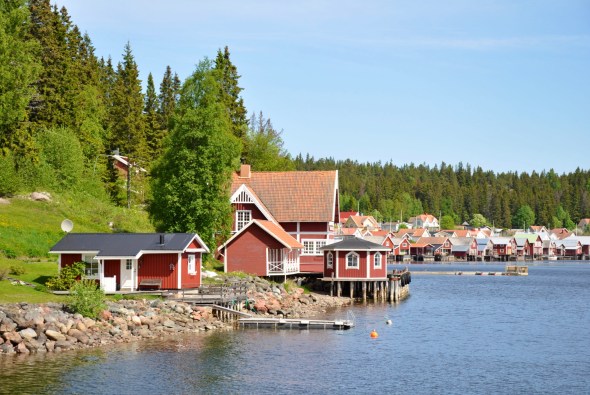
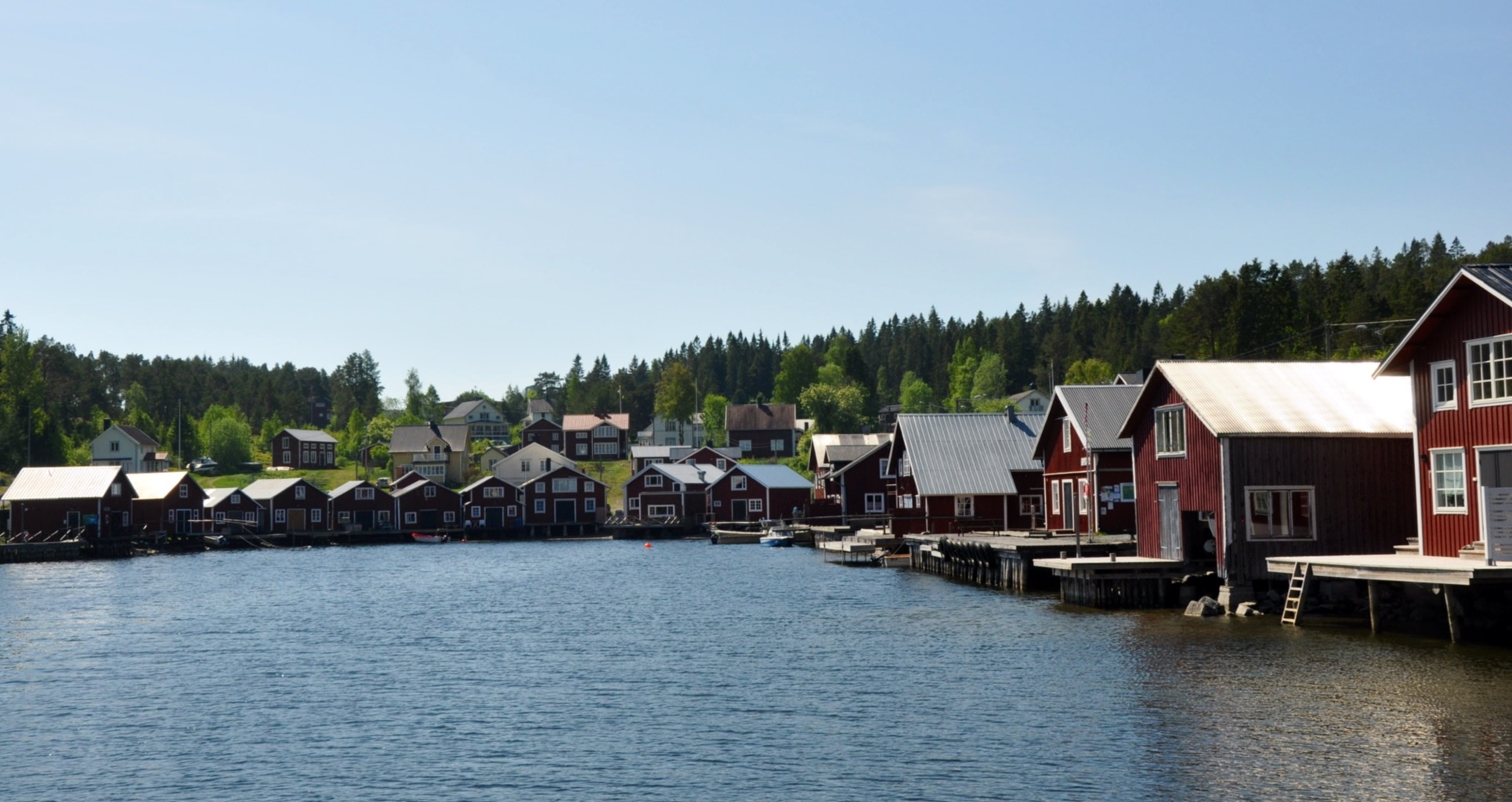
The familiar claret red is prevalent but not ubiquitous here, joined by soft ochres, creams and even a cottage painted sky blue. The houses hug the gentle curve of the bay, lined up in three rows, two by the water and the third set back behind long lawns lined with racks for drying fishing nets. Everything faces out to sea, both physically and metaphorically.

image

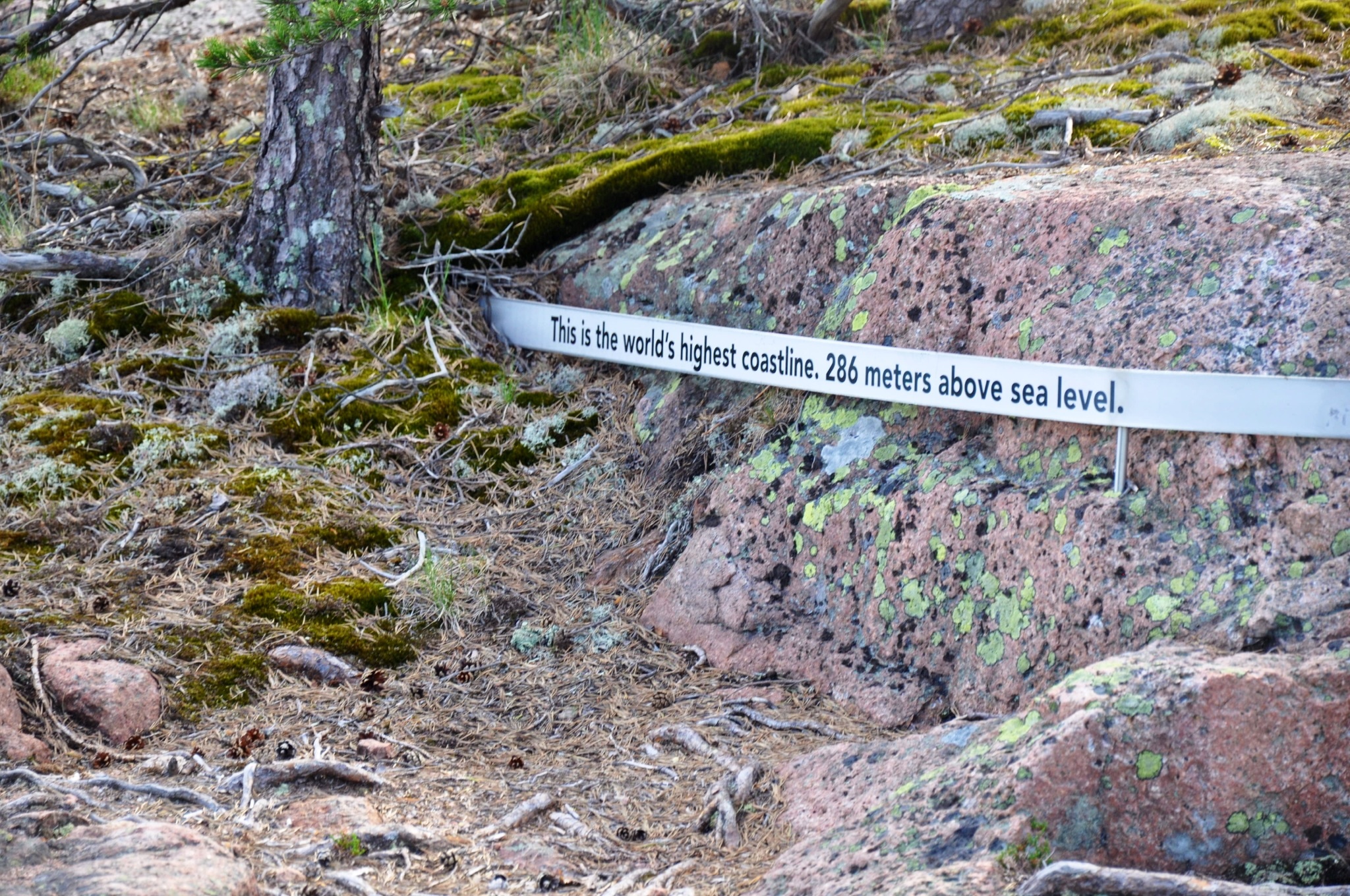
The sea is the reason this area won UNESCO recognition, one of Sweden’s fifteen World Heritage Sites. Once, the High Coast was pinned down under the weight of thick ice sheets. When it melted, the land, free of its burden, sprang upwards. Now, what was once coastline is now an impressive 286 metres above current sea level. At the top of the Skuleberget chair lift, iron rings placed around rocks demonstrate where the waves once lapped, far above today’s glinting sea.

image

Unsurprisingly, the region’s beauty has been well documented, but the season doesn’t get underway until midsummer. I’m a few weeks early and it shows. The car parks are almost empty, trails bereft of footprints. Ferry schedules are pared down to the bare minimum. There isn’t much of a cafe culture up here, but supermarkets stock ready made rolls and prepared salads, their staff offering plastic cutlery and serviettes without me having to reveal a complete lack of Swedish beyond “Hej” and “Tack”.

image

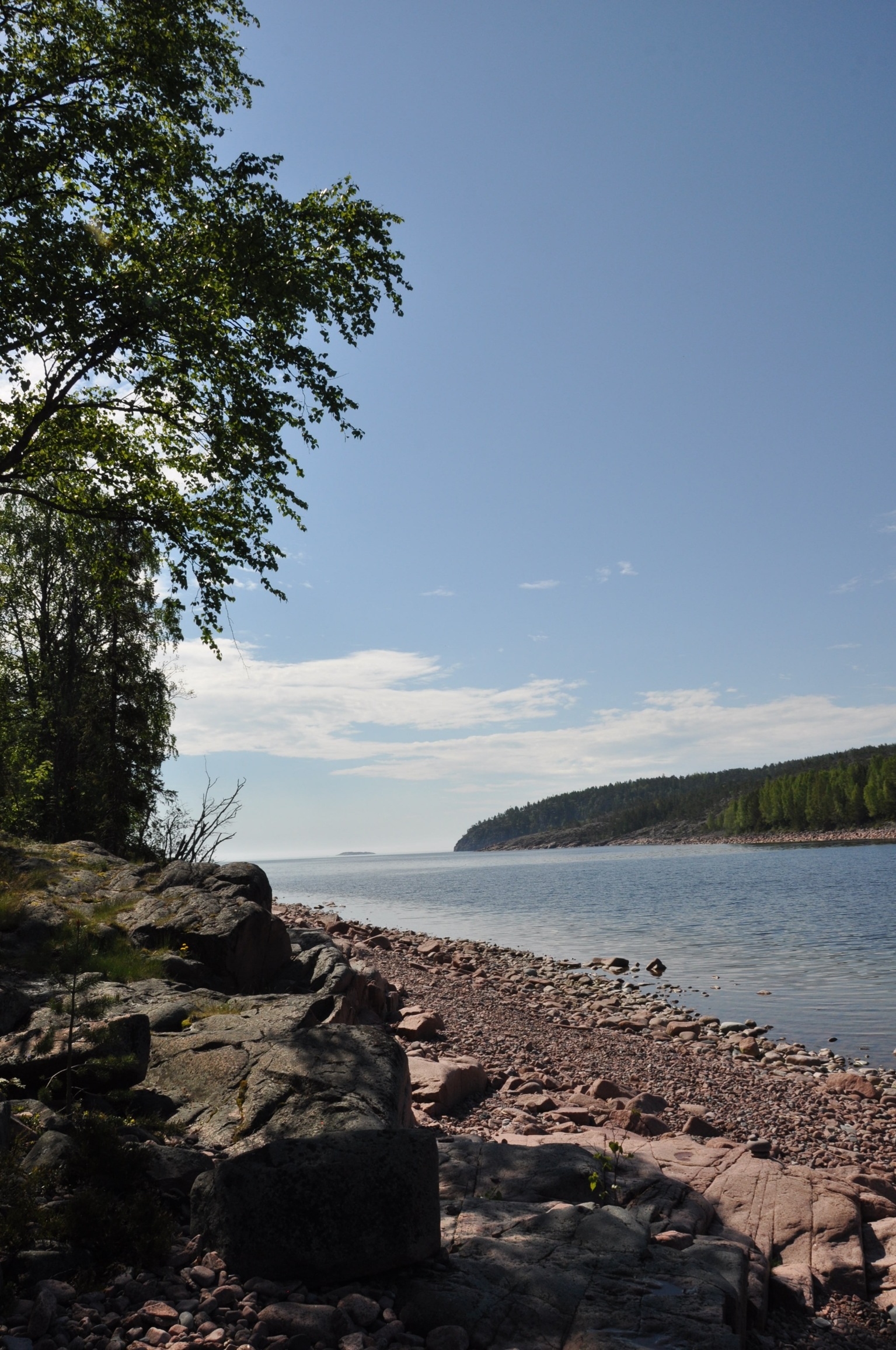
I’m spoilt for choice when it comes to picnic locations. The reflections of Mjallom’s waterside dwellings and the trees that form a picture perfect backdrop are still, not a murmur of a breeze to shimmy the water’s smooth surface. Under a blue sky at Norrfallsviken beach, I clamber over the pink granite cobbles and boulders with not a soul in sight. A lone tree on the headland marks the end of the promontory and something to aim for.

image

Back in the car, I follow the white flower signs of the scenic drive as far as Bonhamn. There, in a perfect U-shape around the sheltered harbour, every house is the same red shade. The few villagers that can be seen are tending to their gardens, the buzz of lawnmowers the only sound to punctuate the silence.

image

It’s Rotsidan that tempts me to linger, and I picnic on the flat rocks that line the sea as far as the eye can see. A lone reader is engrossed in her book, propped against a cleft in the rock but there’s plenty of room for us both to feel a sense of solitude. A stroll through the forest to walk off lunch and I’m ready to hit the road again. I’d have thought nothing could top it, but now my Ulvon host’s come up trumps with homemade waffles piled high with prawns, creme fraiche and finely chopped onion, liberally sprinkled with fresh dill. It’s so delicious I might never leave.

New York’s latest project? The Lowline Lab

Hot on the heels of the High Line, the elevated railway turned park which is now one of New York City’s best loved attractions, there comes a bold newcomer. Following the same tradition of cutting edge conceptual development, imaginative design and community involvement, a new way of injecting green space into the Big Apple’s concrete jungle is underway. It’s officially called Delancey Underground but unsurprisingly, everyone’s nicknamed it the Lowline.

image

A small group of talented individuals led by James Ramsey and Dan Barasch have been working on trialling a technology which would enable natural sunlight to be harvested and transferred underground in order to grow plants for a subterranean garden. The Lowline Lab, as the testing site is called, houses around three thousand plants in the former market building on Essex Street. It occupies a site about 5% of the proposed end result, large enough to give the visitor a sense of what the Lowline might one day be like.

image

This Lower East Side location has not been selected by chance. In fact, this is one of the most built up areas of a city blessed with squares and neighbourhood parks. A growing population and substantial redevelopment in the LES puts paid to any hopes of removing concrete and tarmac from any above-ground real estate so burrowing underground was the logical choice. With a suitable location identified – the long abandoned Williamsburg Bridge trolley terminal – all that had to happen was for technology to catch up.

image

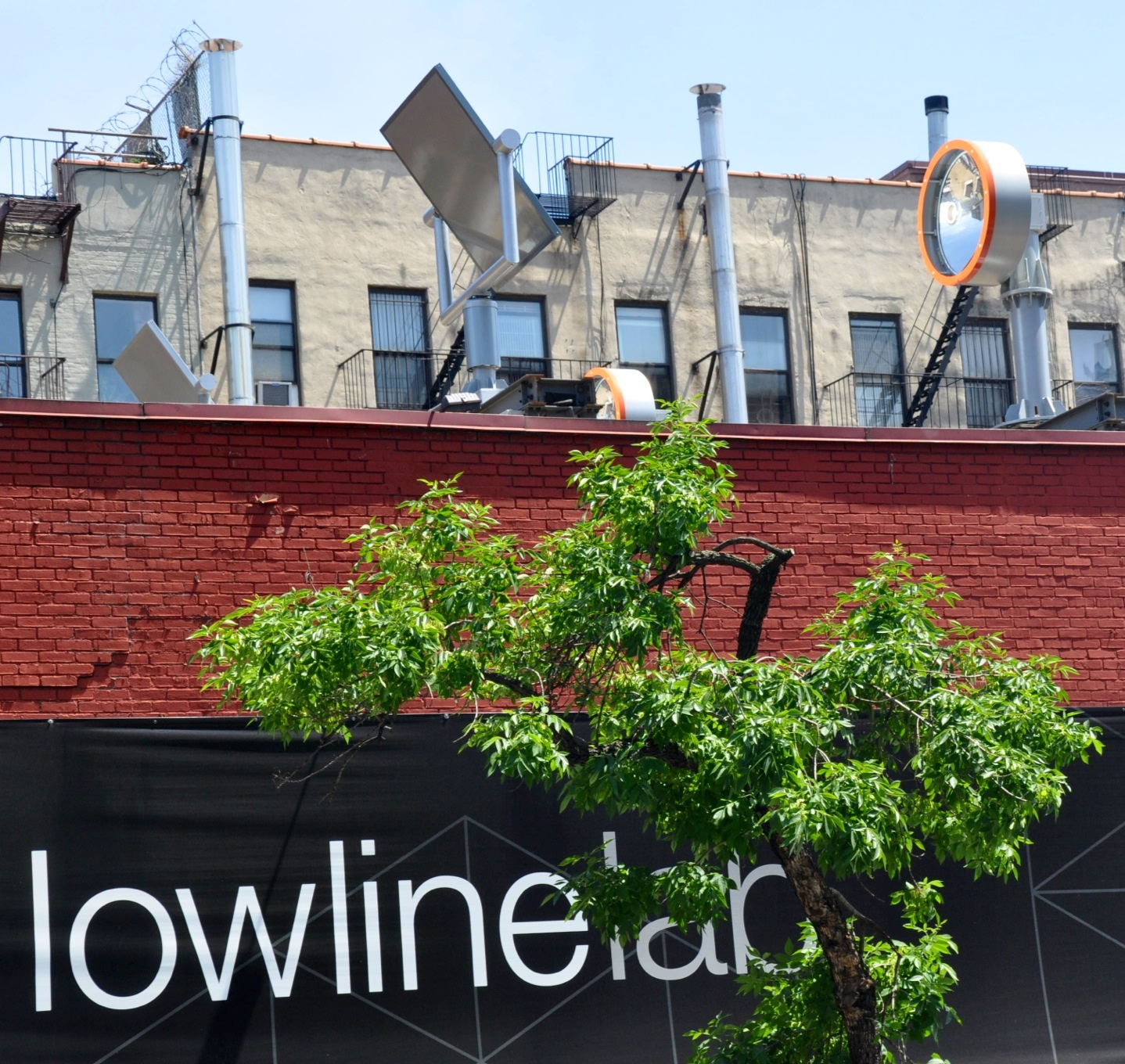
Working in collaboration with a number of specialist firms, the committed Lowline staff and volunteers have developed an impressive system of mirrors and tubes which feed light off the street and into the dark depths of the derelict market. Last October, the project set about testing whether plants could survive the New York winter when shorter daylight hours in theory wouldn’t provide the right environment for them to thrive. In fact, the opposite has been true and it has even proved possible to grow viable plants from seed. Spanish moss hangs from the ceiling, trailing down towards a plywood platform carpeted in shade tolerant ferns, exotic succulents and verdant shrubs. Seedlings labelled with lolly sticks emphasise the newness and experimental nature of the project.

image

With the market earmarked by developers, the Lowline Lab was set to close in March 2016 but a stay of execution was granted as the developers postponed their plans. Now, the Lowline Lab will be open to visitors until at least March 2017. This extension has brought with it new challenges, not least a plethora of pesky insects that have been as thrilled to move into their new neighbourhood digs as the human residents have been to repurpose them. Undeterred, the Lowline team have implemented a series of measures that will ensure that the experience of visiting this innovative underground garden isn’t marred by a thick cloud of midges. Nematodes have been placed in the soil to good effect, though the introduction of carnivorous plants has been less successful, partly because visitors have been tempted to touch their snapping jaws themselves.

image

With feasibility studies complete, politicians and community groups on side, support (though not funds) from owners MTA and a steady stream of interested visitors to the Lab itself, there are just a few fundraising and logistical hurdles to overcome. It seems the project could well come to fruition. At present, the team are confident they’ll have the Lowline up and running by 2020 or thereabouts. In the meantime, I’d strongly recommend that if you’re in New York one weekend before next March you take a trip down to 140 Essex Street and check out the Lab for yourself.

It’s almost time to go to the airport

image

Dennis Potter’s famous quote sums it up perfectly:

“I did not fully understand the dread term “terminal illness” until I saw Heathrow for myself.”

Another trip is looming and with it, the love-hate feelings that come with beginning that trip at an airport. A necessary evil, of course, if you’re intending to go long haul and back without taking a six-month sabbatical or trading in a regular job for work on a cruise ship. This time it’s Gatwick. I’m not thrilled about the place, though I don’t feel the same loathing for it as I do for Heathrow.

The immigration hall at Heathrow is the worldly embodiment of hell. But at least I don’t have to face it for a while. I’m OK with Gatwick. Baggage reclaim there is a whole other matter but I must stay strong and limit myself to carry on.

But to return, I first have to leave.

If only I could time it right so I could sweep through the airport and onto the plane in one elegant motion, like cabin crew or Kim Kardashian or something. The reality, alas, is more like the Tom Hanks film The Terminal, where instead I feel like I’ve moved in. My stress level rockets unless I’m at the airport at least three hours before my flight leaves. I usually end up pacing up and down the concourse wandering aimlessly in and out of various retail outlets browsing at things I have no need for and certainly no intention of buying. At least Gatwick has normal shops. I like the kind of shops that can help me out with the essentials I’ve just realised I’ve forgotten to pack: toothpaste and hair bands and excessively large chocolate bars, not stuff like caviar and silk ties and other crap that only rich tourists will be impressed with.

If I’m not de-stocking Boots, I’m buying expensive coffee to ensure I need the bathroom just as the monitor flashes up my flight’s final call. Is there ever a stage between wait in lounge and final call? Even as I tell myself it can’t possibly be a final call as my flight isn’t scheduled to leave for another hour I feel a deep seated panic and race off to the gate to find no boarding is happening whatsoever. With all the travelling I do, I should know better. I really should.

Perhaps the call goes out early so there’s plenty of time to get lost. Douglas Adams, in The Long Dark Tea-Time of the Soul, wryly observed that airport planners seek:

“wherever possible to expose the plumbing on the grounds that it is functional, and conceal the location of the departure gates, presumably on the grounds that they are not.”

But at least our British airports don’t conceal the check in desks behind a plain white wall, as the Russians did in Ulan Ude when I visited it. Now that really was a challenge. It takes a really special kind of planner to design an airport like that. I can only assume the sign writer charged such exorbitant prices that the budget wouldn’t stretch that far. For once I was glad I’d rocked up three hours early. It took almost all of that time to find out where to drop my bag.