juliamhammond

Latest

What’s your favourite tourist board slogan?

There’s nothing that puts a smile on your face quicker than a tourist board slogan on an airport billboard.  Sometimes, they’re inspired.  Sometimes, though, they’re so bad that the joke’s on them.

One of my all time favourites is from the Far East.  Malaysia Truly Asia is an alliterative joy. Over on the other side of the world, I ❤ NY is as iconic today as it was when it was first thought up back in 1977.

image

The perfect place for doing nothing: fabulously unexpected

Some slogans prove to be truer than could ever have been realised.  Haiti’s Fabulously Unexpected rang true, but not always for the right reason.  Some are just plain awful.  Panama, couldn’t you have come up with something better than It Will Never Leave You ?  Fiji Me has thankfully been replaced by Fiji: Where Happiness Finds You, though the top question asked about the country according to Google still seems to be “Is Fiji a country?”

If a slogan is just too obvious, it fails to deliver.  I reckon Maldives’ The Sunny Side Of Life falls into this category, as does Thailand’s offering, It Begins With The People.  I’m on the fence about Canada’s Keep Exploring and still can’t get my head around Incredible India.  (Or, if we’re mentioning cities, Incredinburgh, for that matter, though that was axed.)  Germany: The Travel Destination is clear but dull, though their Twitter feed places the same logo beside Simply Inspiring which is marginally better.

image

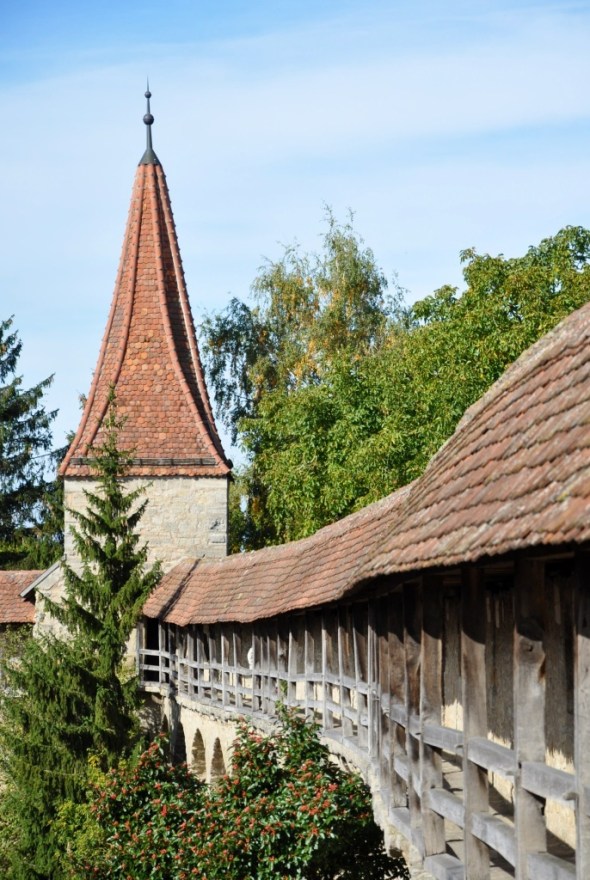
Rothenburg: simply inspiring?

Humour’s always a good idea, when it’s deliberate.  Australia might currently be going with There’s Nothing Like Australia, but they’ll never surpass So Where The Bloody Hell Are You as far as I’m concerned.  Jamaica’s posters adorned my walls as a university student, but its latest slogan Home Of All Right, is pretty good in my book.

There are a few slogan generating websites out there that in general cope badly when tasked with coming up with something snappy based on a country’s name.  I thought I’d see if Visit Sweden could be improved at http://www.sloganizer.net – it came up with Sweden: Yabba Dabba Duh.  It was, however, more successful with Nigeria, generating the delightful Nigeriarific.

What are your favourites?  Can you improve on any of the official offerings mentioned above or have you seen worse?

A beginner’s guide to Extremadura

Extremadura isn’t on most people’s radar when it comes to holidaying in Spain, overshadowed by its popular neighbour Andalusia. That doesn’t mean it’s got nothing to offer, however, and this region has proved to be one of the most diverse and interesting parts of Spain that I’ve visited.

photo7

Bakery selection in Trujillo

Getting there from the UK

There aren’t any direct flights from the UK to Extremaduran towns so realistically, the choice is between Seville to the south of the region and Madrid to the north east. Ryanair fly to Seville from London’s Stansted airport, BA, Ryanair and easyJet from Gatwick. If you’re wondering why Iberia’s missing from the list, it codeshares with BA on their LGW flight. From regional airports, you’ll have to connect as there are no direct routes.
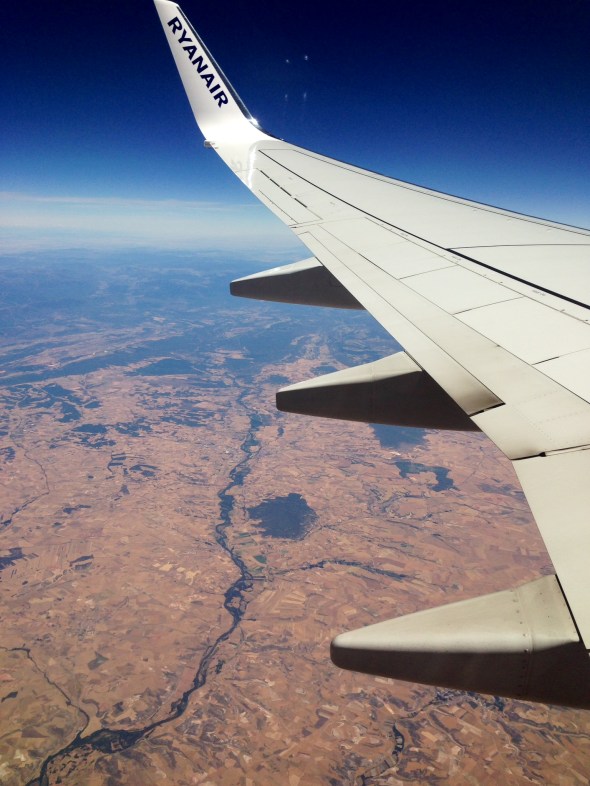
photo15

Ryanair en route to Seville

Those same airlines will also carry you to Madrid, plus Norwegian, a low-cost carrier operating out of Gatwick, as well as Iberia Express and Air Europa also from Gatwick.

Getting to and from the airport

I flew into Seville and out of Madrid on this trip but there’s no reason why you can’t do a round trip route or reverse the itinerary. To get into Seville from the airport I caught the airport bus, buying a ticket while I queued up for a few euros. It stops at the train station Santa Justa, skirts the old town and ends up at the main bus station, making it a convenient option wherever you’re staying.

photo14

One of the most atmospheric bars in Barrio Santa Cruz, Seville

In Madrid, my train’s final destination was Chamartin station to the north of the city centre but I bailed at Atocha. Getting to the airport was straightforward; the cercanias or stopping trains are quickest but go to Terminal 4. I’d opted to fly Ryanair which left from Terminal 1 and so I connected to the airport using metro line 8.

Getting around

Whether or not you’ll need to rent a car depends on whether you wish to explore the region’s attractive countryside and villages or stick to the main towns. There are a few train connections, such as between Badajoz to the west and the Spanish capital, but for me, on many of the routes I wanted to use, buses operated to a more convenient schedule. Operators include LEDA, ALSA and Avanza.

photo12

Every town has a main square; this is Zafra’s

I caught the bus from Seville to Zafra; you can buy a ticket to Mérida for around 10 euros. Although it’s possible to alight at Zafra, as far as I could work out, I couldn’t buy a ticket to Zafra online (you can in person) so I needed a separate ticket from Zafra to Mérida. Book online at http://www.alsa.es. It was just a few euros – well worth it for the chance to see this charming little town.

photo9

Pizarro’s mansion in Trujillo

From Mérida to Cáceres, an hour or so further north, I used LEDA; find them at http://www.leda.es where they also offer online booking. A single ticket costs just under 6 euros. From Cáceres, I made a sideways hop to atmospheric Trujillo for under 4 euros each way, leaving my bag in a locker at the bus station back at Cáceres. Tickets from the brand new and barely open bus station in Trujillo only go on sale fifteen minutes before the bus departs with Avanza but the buses weren’t full.

photo17

The hammam at Cáceres

To explore Monfragüe National Park and the La Vera valley in a day, there was no alternative to hiring a car. I used Europcar as its office was an easy walk from my Plaza Mayor base and also a straightforward and mercifully short drive to the ring road, easing the pain of town traffic. I did get a tiny bit lost getting the car back but I was only a few blocks out.

photo4

Birds take flight over the Ciudad Monumental

To get from Cáceres to the capital Madrid, I figured a train might be more reliable (it wasn’t – we were 40 minutes late getting in) and the train ticket on one of RENFE’s Media Distancia trains was also considerably more expensive than the buses I’d taken – around 32 euros.
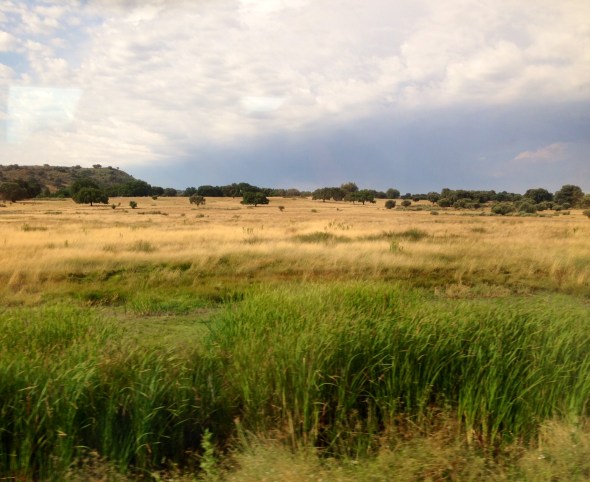
photo16

The Extremaduran countryside as seen from the train

Where to go

Where to start? There are so many incredible destinations that it’s hard to whittle them down. In order, here are the places I visited during my Extremaduran holiday.

Zafra

This small town felt more like an Andalusian town than an Extremaduran one, though as it was the first stop on my itinerary, I hadn’t at that point worked out what an Extremaduran town might feel like. It has a pretty double square with lots of pavement cafes and tapas bars. I was there just for the day but I am told the food scene is good there – something for next time. The town also has a castle, now converted into a parador, and plenty whitewashed alleyways adorned with window boxes stuffed full of geraniums.
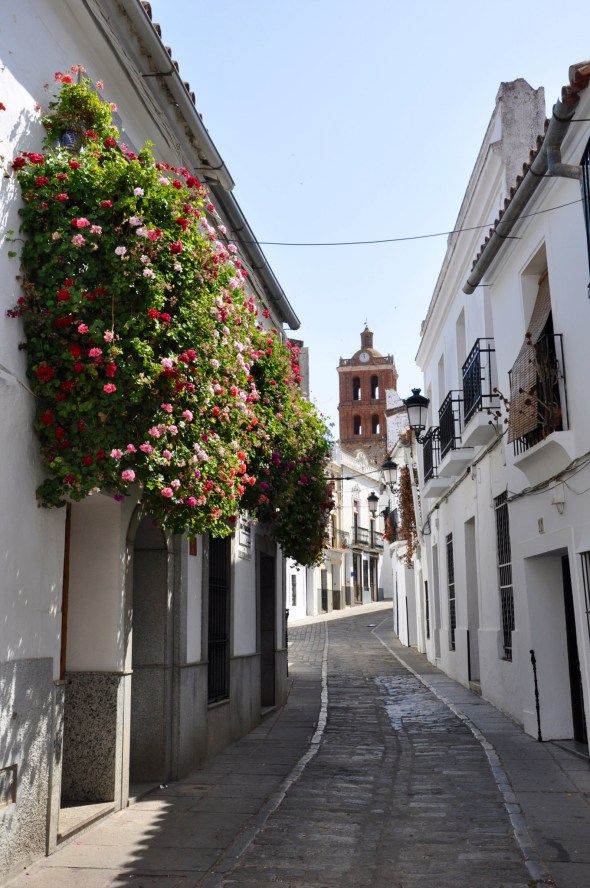
photo11

Street leading to the main squares

Mérida

This town is supposed to have the best preserved Roman remains in Spain. The sheer number of ruins was impressive, but some sights had more of the wow factor than others. There’s a partially reconstructed amphitheatre next to a fantastic open air theatre. Then there’s the breathtaking Temple of Diana which is literally plonked halfway along the main street with shops and cafes either side; OK technically it was there first but it does look so out of place it’s a bizarre sight. A restored Roman bridge, old fort with atmospheric cistern, Moorish remains and Forum are also easily accessible within the town centre.
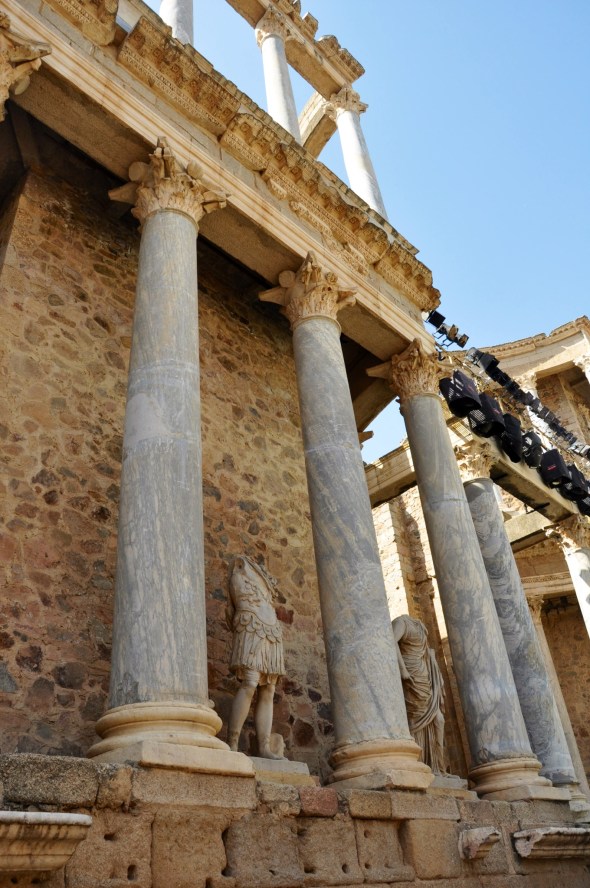
photo10

Merida’s Roman theatre

Trujillo

This charming town was my favourite, home to conquistador Pizarro whose statue dominates the main square. Actually, that statue was supposed to be of Cortes, but the Mexicans didn’t want it so it was re-purposed as a Pizarro statue instead. The historic centre of Trujillo is packed full of mansions, including Pizarro’s, as well as myriad churches, towers to climb, a museum about the conquest of Peru and a hilltop castle.

photo8

View over Trujillo’s rooftops

Cáceres

The main attraction of this large town is its Ciudad Monumental, a walled old town which is also a UNESCO World Heritage Site. Just wandering amongst its alleyways late in the day was a delight; the addition of a very talented flamenco singer playing Spanish guitar was the icing on the cake. Outside the Ciudad Monumental, the Plaza Mayor was the centre of the action when it came to food and drink, though nearby San Juan had better food. The town also has a hammam with the usual hot, warm and cold baths – massage optional.

photo5

Flamenco singer in Cáceres’ Ciudad Monumental

Monfragüe National Park

This, I read, was Spain’s 14th national park but it was the one place I visited that made me gasp. At the Salta del Gitano lookout in the centre of the park, the River Tajo meanders between a couple of rocky outcrops. I visited in the morning and the water was a vivid green – a spectacle in itself but even for someone who can’t see the point of birdwatching, the sight of a black vulture close up was pretty impressive. The winding drive through the park was very pleasant and, if you don’t visit in the height of summer when the temperatures soar, the area is great for hiking.
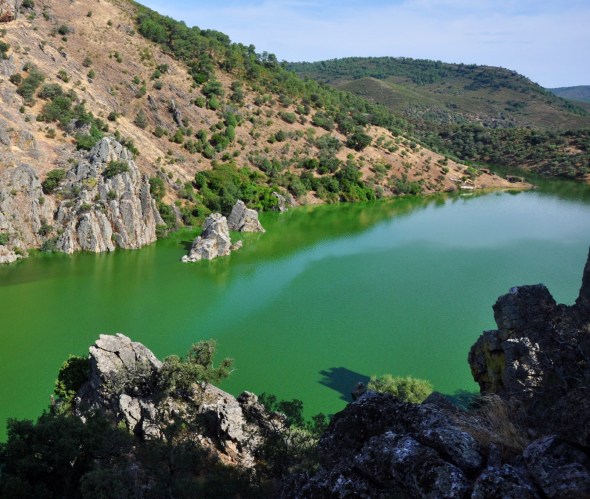
photo3

Salta del Gitano

La Vera

This valley connects a series of pretty little villages, many of them worth a stop. Pasarón de la Vera was my first stop, its setting the main draw. From there, a short drive took me to Jaraíz de la Vera, known for its peppers, and then to Cuacos de Yuste, where the monastery housed the Spanish King Carlos V towards the end of his life. I drove on as far as Jarandilla de la Vera where there was an impressive Roman bridge and several natural swimming pools (a big thing in these parts) before backtracking to Garganta de Olla, a quaint little village with a plethora of half-timbered houses overhanging its narrow streets. Taking the mountain route via Piornal provided the adrenaline rush to end the day – though fortunately by that I mean returning to Cáceres and not going over the cliff edge.
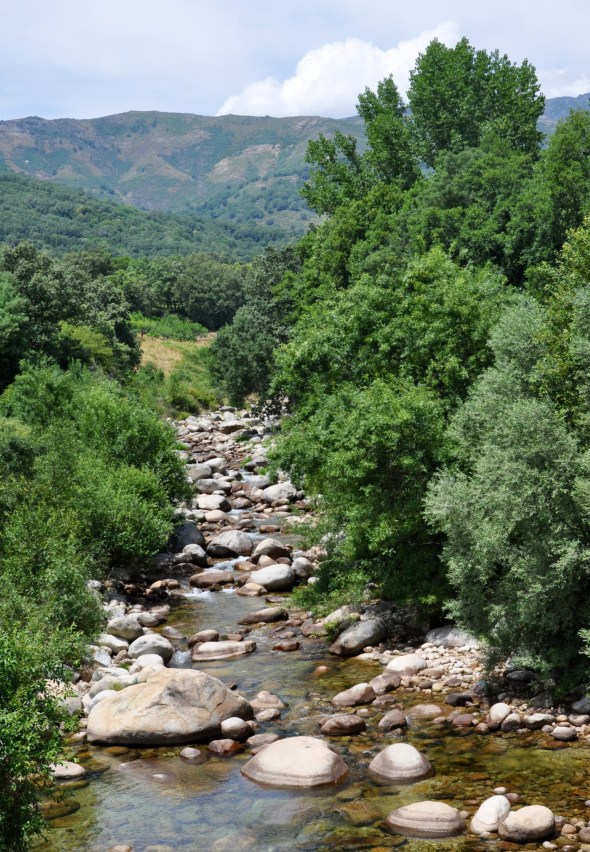
photo1

Natural pool on the edge of Jarandilla de la Vera

The ones that got away…

This was my first trip to this region and there were quite a few places I didn’t have time to visit – this time! I’ll be back, one day, to visit Alcántara and its bridge as well as to Montánchez, Monesterio and to Casar de Cáceres for the food.

Watch out for more blogs covering Extremadura in the near future for more on these fantastic places.

Best of British: coastal picks

With last week’s shock Brexit decision, the pound has slid against the dollar and the euro, making the UK a cheaper destination for foreign visitors. Whether you’re flying in from abroad on the back of an advantageous exchange rate or a Brit now planning a staycation, here are a few of my favourite English coastal destinations to whet your appetite.  You don’t even need sunshine for a great holiday – which is just as well given the summer we’re having so far.

Dorset

Dorset’s Jurassic Coast is one of my favourite spots.  As a former Geography teacher, this stunning coastline packed with headlands, bays, arches and stacks never fails to disappoint.  The walk across the cliff top from Lulworth Cove’s almost perfectly circular bay to the drama of Durdle Door has surely got to be among the best in the country as far as I’m concerned.

North Norfolk

IMG_9954

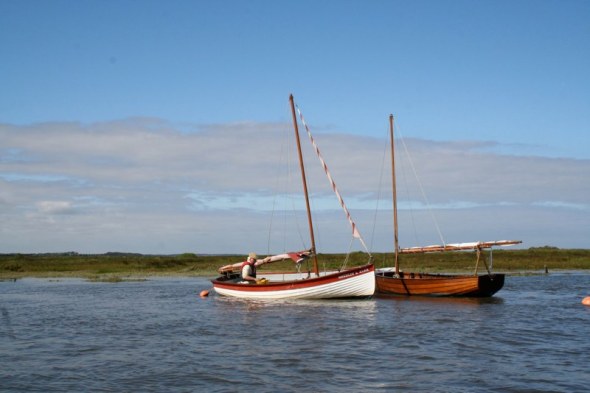
From the old windmill at Cley-next-the-Sea to  the vast expanse of sand that forms Holkham beach, this small stretch of coastline punches well above its weight when it comes to visitor attractions per square kilometre.  So close to London and yet a world away, whether you choose to  take a seal boat trip from Blakeney, take a hike across the marshes (some of these seaside towns are no longer sea-side) or hole up in one of the many excellent local pubs you’ll love it enough to be sure to return.

Cornwall

No discussion of England’s best coastal destinations could be complete without reference to the west country and pretty though Devon is, Cornwall just has more character in my book.  It’s hard to pick a favourite – this is a part of the country where you’re truly spoilt for choice.  Polperro, pictured, has a lot of charm and perilously narrow access for those who blindly follow their Sat-Navs into town.  If in doubt, take the locals seriously when they advise that some routes are not caravan friendly  – and by caravan, they mean anything wider than a bicycle.

North Yorkshire

geograph-1412012-by-Dr-Patty-McAlpin

As an Essex girl, you’ll have to forgive me for a list biased towards the south, but doing my degree at the University of Leeds has left a lasting fondness for God’s Own County.  Many a happy field trip was spent perched on a cliff sketching this dinosaur-like rock formation at Flamborough Head known as High Stacks, but to save you from some water-damaged and decidedly tatty field sketches, here’s a photo instead.

© Copyright Dr Patty McAlpin and licensed for reuse under this Creative Commons Licence

And one I keep promising myself I’ll get to one day… Crosby Beach near Liverpool

Another_Place3_edit2

Antony Gormley has excelled himself with this installation, titled “Another Place” which, after being exhibited in various European locations has found a permanent home at Crosby Beach just north of Liverpool.  A hundred cast iron figures stand in the mudflats at low tide, staring at the horizon until the incoming tide buries them in water and sand.  People say it’s a haunting sight, and it’s one I’m looking forward to seeing for myself when I’m next in the area.

Photograph by Chris Howells CC-BY-SA-3.0 via Wikimedia Commons

What are your favourite parts of the English coastline?

I could easily continue this blog: the best fish and chips in the world at Aldeburgh, Suffolk; the imposing castles of Northumberland; Brighton’s iconic Victorian piers and more. The beauty of Wales, Scotland and Northern Ireland will be the subject for another time, but for now, where would you say is a stand-out for you?  And where have you always wanted to visit?  I’d love it if you would share your English coastline tips by commenting on this blog.

Weather to travel: New York City

For a first time visitor wanting to maximise sightseeing time, good weather is a must, but when’s the best time to visit New York City? I’ve visited in all seasons, so here are some observations and tips based on my experience.

Avoid summer if you can

Summer in the city, with its long sunny days and picnics in the park, sounds like the perfect recipe for a great trip, right? Wrong! New York in summer is humid and hot. Typical temperatures push 30°C which in my opinion is too hot for sightseeing. Add to that average humidity which peaks in August at around 70% and conditions are often unpleasant. It’s sweltering if there’s a storm brewing and when the rain does fall, it’ll be heavy and you can expect localised flooding.

603560_4127952804892_855074455_n

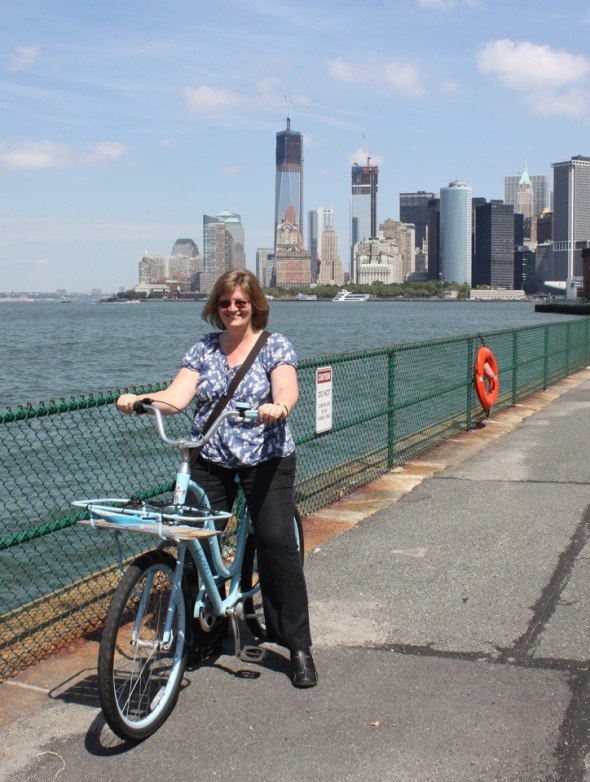
Beating the summer heat on a bicycle round Governor’s Island

It’s beach weather, sure, and there are some fun places to go close to the city like Coney Island, but if you’re planning to visit the Big Apple’s iconic sights like the Empire State and the Statue of Liberty, then you’ll be standing in line until you’re good and sweaty. If you have booked to travel between June and August, then take a ferry to Governor’s Island to catch a breeze, rent a boat from Central Park’s Loeb Boathouse or head out of Manhattan to the Botanical Gardens in the Bronx.

Don’t write off winter

Travelling to New York in winter is not without its risks. If your holiday coincides with a big winter storm, then you can find yourself stranded if the subway system shuts down and the buses can’t get through. That said, there’s a lot of fun to be had snowballing in Central Park and seeing the rooftops dusted with powder. Overnight temperatures can plunge to -10°C or below, but in the daytime, it usually hovers around zero. Wind may well be your biggest problem, but an advantage of a grid pattern street network is that if you turn a corner, you’ll come out of the icy blast and warm up. Make sure you pack accordingly, and don’t skimp on the hats, scarves and windproof down jacket.

IMG_1588

Coney Island closed for the winter

The main advantage of travelling in winter is the lack of crowds – those who venture to the Big Apple in winter are rewarded handsomely. First-timers can pack more into an itinerary and reduce the need for pre-booking popular attractions such as the Freedom Tower. It’ll also be easier to pick up tickets for popular Broadway shows. Restaurant week takes place in late January or early February, with lots of establishments offering special menus and good deals.

IMG_7360

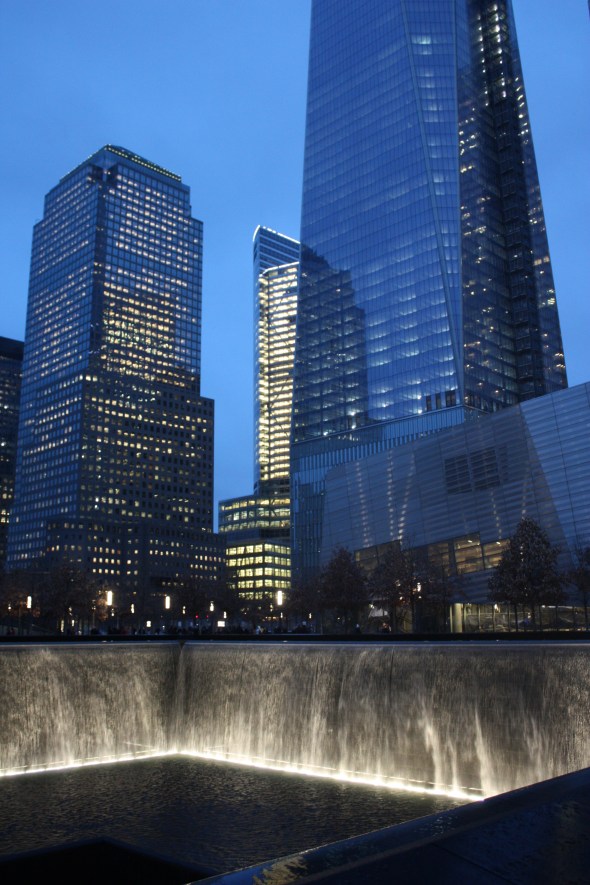
9/11 Memorial in winter

Spring and autumn might just be the best compromise

Temperatures by April are on the rise, and it can be warm and sunny through into October, so travelling in the shoulder seasons is a good option. You’re looking at an average of around 17°C in May which in my book is perfect for sightseeing. Statistically, October is the driest month, though that was also the month in 2012 that Storm Sandy wreaked havoc, so it’s not a dead cert. April is the wettest, but rainfall averages are fairly constant through the year so that’s not a deal breaker. Markets reemerge from their winter hibernation, blossom enhances the High Line and stepping out is a pleasure.

IMG_5344

Some of New York’s attractions are great whatever the weather

Book your hotel well ahead, however, because late spring and early autumn are when you’ll see accommodation prices spike – it makes sense, of course, as you would expect demand to drive up rates. May sees temperatures climb and after Memorial Day weekend, summer has officially started; try earlier in the month if you prefer it less busy. You’re more likely to find a deal in November, and maybe even plan a trip to coincide with Macy’s Thanksgiving Parade, and the leaves will be on the turn in the city’s parks to boot.

image

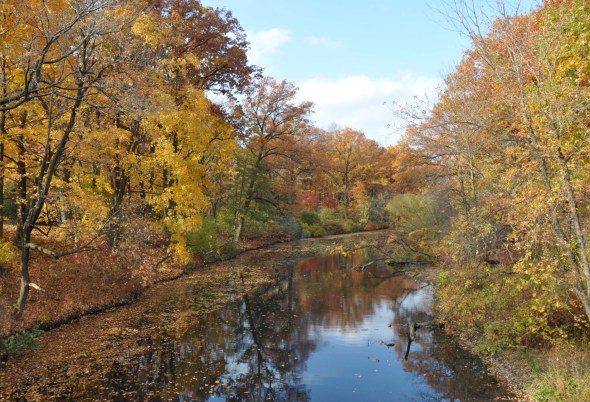
The Bronx River in autumn

What I have learned over the years and through numerous visits, is that there’s really never a bad time to go. My personal preference is for a winter trip, but I’ve never had a bad holiday in New York yet.

Tempted to book? Don’t miss these earlier posts from Julia’s Travels:

https://juliamhammond.wordpress.com/2015/01/06/julias-guide-to-new-york-part-1-lower-manhattan/

https://juliamhammond.wordpress.com/2015/01/06/julias-guide-to-new-york-part-2-manhattan-west/

https://juliamhammond.wordpress.com/2015/01/07/julias-guide-to-new-york-part-3-manhattan-east/

https://juliamhammond.wordpress.com/2015/01/24/tips-for-getting-the-best-out-of-a-trip-to-new-york-city/

Are business class flights really worth the extra?

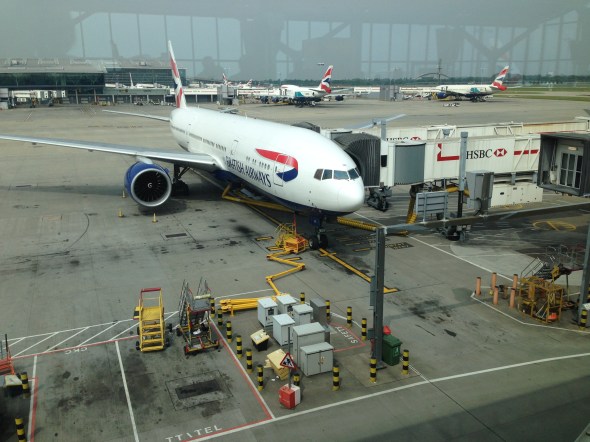
I recently had the opportunity to travel business class across the Atlantic from London to New York.  I’ve always been of the opinion that I’d rather spend my holiday budget on accommodation and activities at my destination rather than on travel to it.  An opportunity to fly business class with British Airways for less than the price of an economy ticket was too good to resist – more about that in a later post – so for the first time I crossed the pond in style.

photo6

So what did I think?

Lounge access

Heathrow’s Terminal 5 has two business class lounges but I was tipped off that South Lounge was the better of the two, so that’s where I headed after a very pleasant fast track security experience.  I was very pleased to find a decent breakfast spread and had several yummy pastries, read the paper, hooked up to the free WiFi and relaxed in the nice padded chairs while I waited to board the aircraft.  All very civilised, though I don’t really mind the bustle of airside especially where there’s somewhere decent to get a coffee.

Boarding

The thing I hate most about boarding these days?  The fact that because everyone is carrying such an enormous amount of carry on luggage, the overhead bins fill up.  Consequently, there’s a mad dash to get in the queue to board so you avoid having to do a long haul flight with a bag squashed between your legs.  Now this is somewhere that business class scores highly: there are fewer people fighting for bin space and you get to queue jump and board when you like.  Of course the amount of stress in the economy cabin could also be reduced if the carry on weight and size limit was reduced to something sensible as opposed to the current policy of “bring the kitchen sink or the equivalent, we’ll cram it in somehow”.

photo 1 (2)

Settling in

I was a little nervous I’d show myself up by not being able to work the controls of the flat bed seat.  I’ve only flown business class once before, a short hop from JFK to Dallas Fort Worth after being snowbound in New York for so many days the American Airlines call centre staff just wanted to get rid of me, and in any case that was a regular seat.  In reality, I had nothing to worry about.  Raising and lowering the privacy screen was the hardest part (and not exactly difficult) but the actual seat controls were a piece of cake.  The addition of pink champagne was a bonus.  I broke my own rule of always flying sober, but only because it felt rude not to take the glass that was proffered, you understand.

photo 5 (1)

Would you like to fly backwards or forwards, Madam?

I’d been advised to try to get a window seat as with the screen up, you were in a little cocoon.  Taking off and landing backwards felt very odd.  That said, the rest of the flight was fine and it was great to be tucked away.  So tucked away, in fact, that when I finally uncurled myself to pop to the toilet (disappointingly cramped), I was amazed to see everyone else lying flat.  If I have to be critical (I feel I ought to be objective), I’d say the footrest was a bit of a stretch.  Oh the hardship!  Her Ladyship had to reach forward a little to put her feet up.

photo 4 (2)

The food

Oh the food!  A delicious sounding menu was presented.  It basically said I could eat them out of house and home – and then they’d bring me more.  Take a look at the feast that I consumed:

And the invitation to just pig out…  I love the line: “Of course the best thing about tasty treats is eating them rather than reading about them…”  Of course.  Of course!  Pass the Cadburys.

photo 5

Actually, in reality I was so stuffed I could barely shuffle to the Club Kitchen, let alone raid it.  Note to self: if you ever the chance again to fly business class long haul, make it to Sydney or Auckland.  Or at the very least to LAX.

Arrival

Having reached JFK at least three dress sizes larger than when I left Heathrow, I came down to earth with a bump to join the long queue into the US.  At least the whole of the economy cabin were behind me.  I don’t mean that in a condescending way.  I’m usually quick off the mark out of the plane and walk relatively fast, meaning most of the economy cabin are behind me when I disembark from an economy seat too.  This time, however, with all that free food and drink sloshing around inside me, I had to walk slowly to make sure I didn’t spill any.

The return

Until I realised I could be reclining flat on the outbound leg, I’d been most looking forward to the return journey.  Sadly, this wasn’t to be as good.  Although I was upstairs, supposedly better, I was in an aisle seat – nowhere near as peaceful as being tucked away by the window.  And being one of BA’s sleeper services due to the late departure, I’d planned on eating in the lounge before take off, but found a rather unappetising buffet presented in the lounge at JFK.  If this sounds like I’m complaining, I’m not, any free food is good as far as I’m concerned, but it wasn’t the gourmet experience I had on the outbound leg.  Nor was the service as attentive or as friendly, but in the crew’s defence, we’d had a three hour delay to take off and no one was happy.

photo 2 (1)

So what’s the verdict?

Based on the outbound leg particularly, I’d say you are made to feel very special in business class.  I enjoyed being addressed by name.  It is also a real treat to eat the meals course by course and not have to juggle plastic pots in a confined space.  I loved the flat bed and found it very comfortable; I don’t usually snatch more than an hour or two’s sleep on a standard economy flight and yet on this I was sleeping so soundly I was dreaming.  Fast tracking through security at Heathrow was very welcome.  I’m not sure why the same service wasn’t available at JFK, though in fairness it may have been because of the delays and the need to process everyone as quickly as possible so they didn’t miss their flights.

All in all it was an experience I’d be delighted to repeat, though not one that justifies spending such a huge amount more.  But keep an eye on this blog.  Soon I’ll tell you how I achieved this journey for less than the price of an economy ticket – perfectly legit and no air miles needed.