
New York’s latest project? The Lowline Lab
Hot on the heels of the High Line, the elevated railway turned park which is now one of New York City’s best loved attractions, there comes a bold newcomer. Following the same tradition of cutting edge conceptual development, imaginative design and community involvement, a new way of injecting green space into the Big Apple’s concrete jungle is underway. It’s officially called Delancey Underground but unsurprisingly, everyone’s nicknamed it the Lowline.

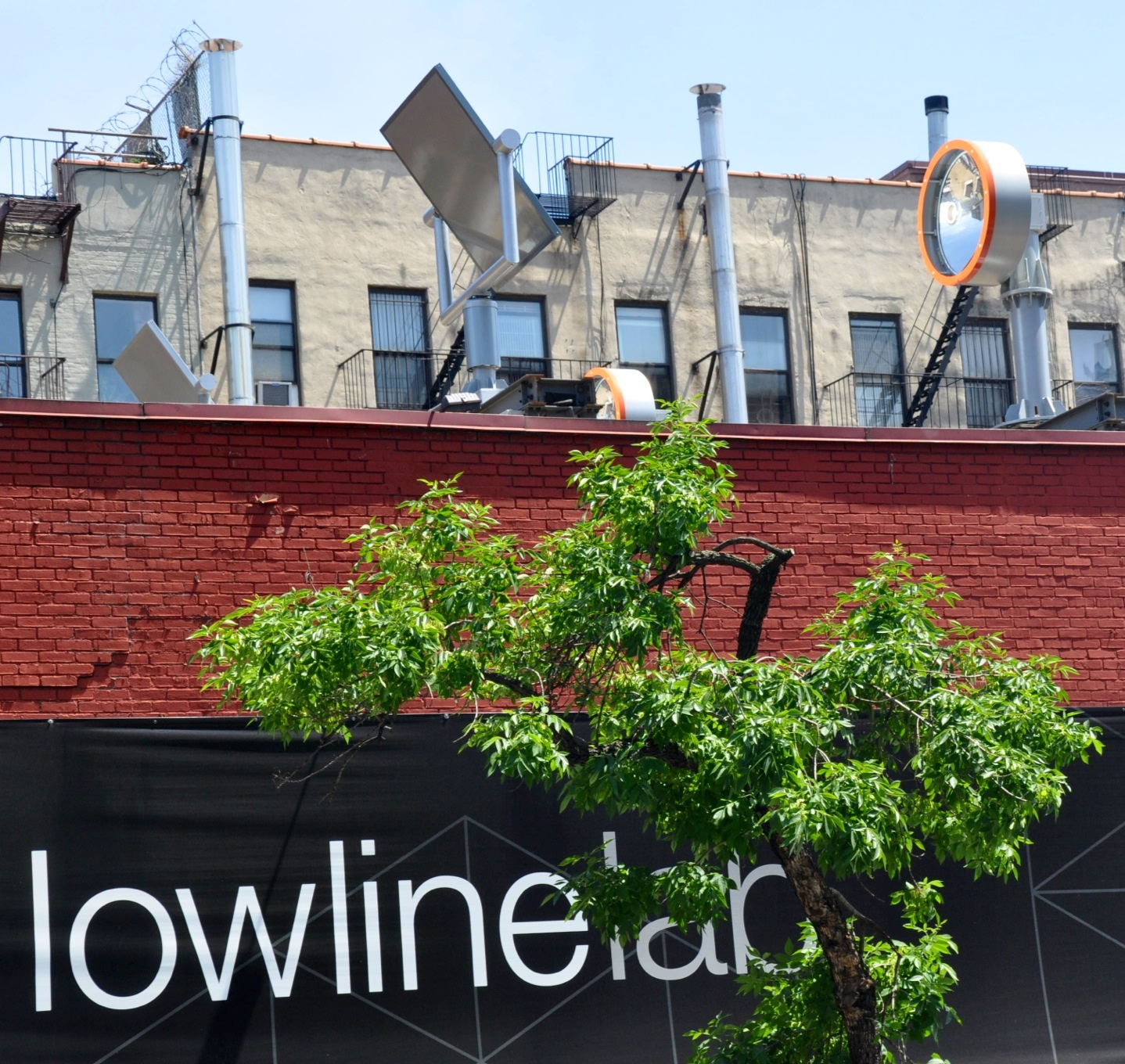
A small group of talented individuals led by James Ramsey and Dan Barasch have been working on trialling a technology which would enable natural sunlight to be harvested and transferred underground in order to grow plants for a subterranean garden. The Lowline Lab, as the testing site is called, houses around three thousand plants in the former market building on Essex Street. It occupies a site about 5% of the proposed end result, large enough to give the visitor a sense of what the Lowline might one day be like.

This Lower East Side location has not been selected by chance. In fact, this is one of the most built up areas of a city blessed with squares and neighbourhood parks. A growing population and substantial redevelopment in the LES puts paid to any hopes of removing concrete and tarmac from any above-ground real estate so burrowing underground was the logical choice. With a suitable location identified – the long abandoned Williamsburg Bridge trolley terminal – all that had to happen was for technology to catch up.

Working in collaboration with a number of specialist firms, the committed Lowline staff and volunteers have developed an impressive system of mirrors and tubes which feed light off the street and into the dark depths of the derelict market. Last October, the project set about testing whether plants could survive the New York winter when shorter daylight hours in theory wouldn’t provide the right environment for them to thrive. In fact, the opposite has been true and it has even proved possible to grow viable plants from seed. Spanish moss hangs from the ceiling, trailing down towards a plywood platform carpeted in shade tolerant ferns, exotic succulents and verdant shrubs. Seedlings labelled with lolly sticks emphasise the newness and experimental nature of the project.

With the market earmarked by developers, the Lowline Lab was set to close in March 2016 but a stay of execution was granted as the developers postponed their plans. Now, the Lowline Lab will be open to visitors until at least March 2017. This extension has brought with it new challenges, not least a plethora of pesky insects that have been as thrilled to move into their new neighbourhood digs as the human residents have been to repurpose them. Undeterred, the Lowline team have implemented a series of measures that will ensure that the experience of visiting this innovative underground garden isn’t marred by a thick cloud of midges. Nematodes have been placed in the soil to good effect, though the introduction of carnivorous plants has been less successful, partly because visitors have been tempted to touch their snapping jaws themselves.
With feasibility studies complete, politicians and community groups on side, support (though not funds) from owners MTA and a steady stream of interested visitors to the Lab itself, there are just a few fundraising and logistical hurdles to overcome. It seems the project could well come to fruition. At present, the team are confident they’ll have the Lowline up and running by 2020 or thereabouts. In the meantime, I’d strongly recommend that if you’re in New York one weekend before next March you take a trip down to 140 Essex Street and check out the Lab for yourself.
Head Stateside this summer
It’s fast approaching Memorial Day in the USA, the day for Americans to remember those who died fighting for their country. It falls on the last Monday in May, which this year is May 30th. For visitors, that weekend more or less marks the beginning of the tourist season for those attractions that open only during the summer months. In New York, for instance, that’s when the new Gansevoort Market is expected to open and the weekend Governor’s Island kicks off its summer season. For many Brits, a holiday in the USA means taking the kids to Florida’s theme parks, or perhaps a shopping trip to the Big Apple. The reality is, of course, that there is so much more.
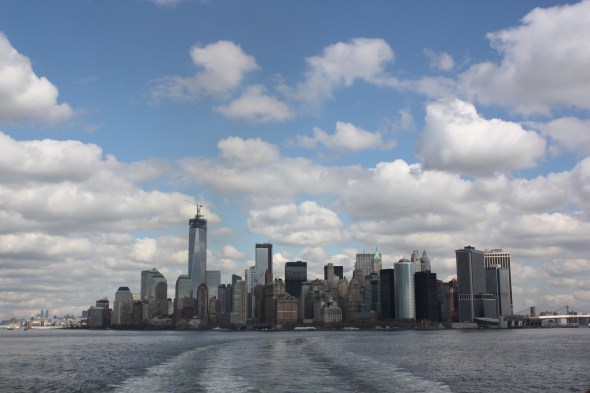
Lower Manhattan as viewed from the Staten Island Ferry
I’m often surprised to read on travel forums that people write the country off because of its draconian immigration procedures, when in fact in my experience it’s rarely worse than anywhere else. Some even claim that the $14 ESTA is a deal breaker – seriously, a £9 charge on a long haul holiday? That’s hardly going to leave you without spending money. I’ve travelled a lot in the States and I can honestly say, Florida aside, (I’m no fan of the Mouse) I’ve never begrudged paying it to see such incredible and varied scenery. So, to mark Memorial Day, here’s my pick of America’s very best tourist spots. It’s been hard to whittle them down and I could easily add more.
This Memorial Day weekend I’m going to be in my favourite US city – New York. Where are you going to be?
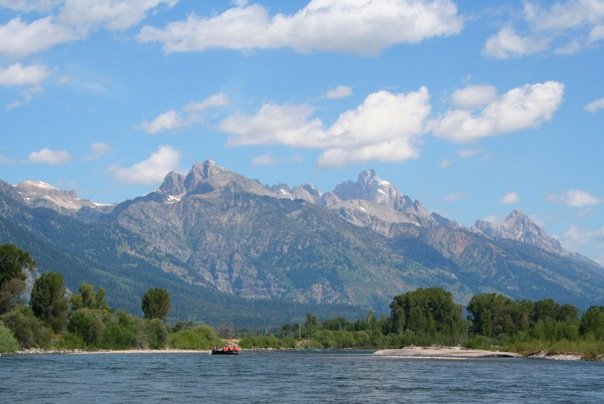
A float trip in the Grand Tetons
Bad skies in the Badlands

New Orleans

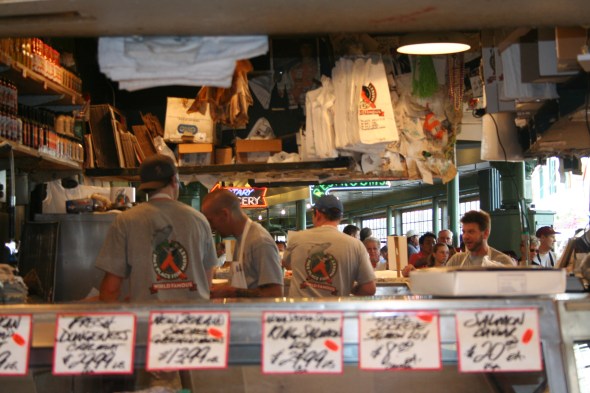
Pike Place Market, Seattle
Savannah’s squares

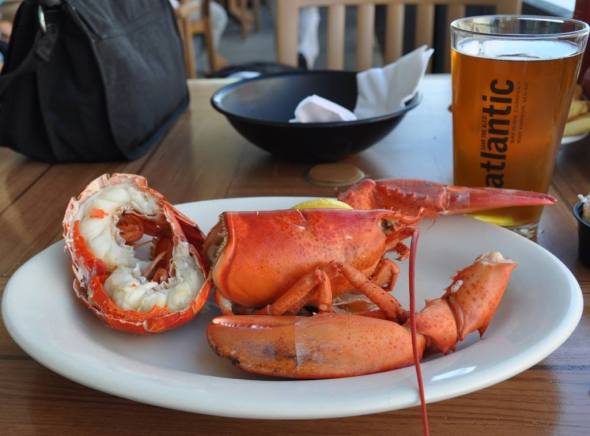
Bar Harbor – lobster and beer
The Rodeo at Cody

Canyons, rock arches and more, Utah

The Mummer’s Parade, Philadelphia

Las Vegas’ Neon Museum

Big skies and glaciers, Montana

The Bronx, New York
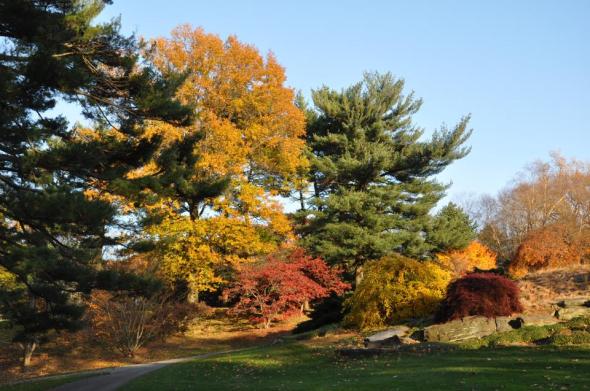
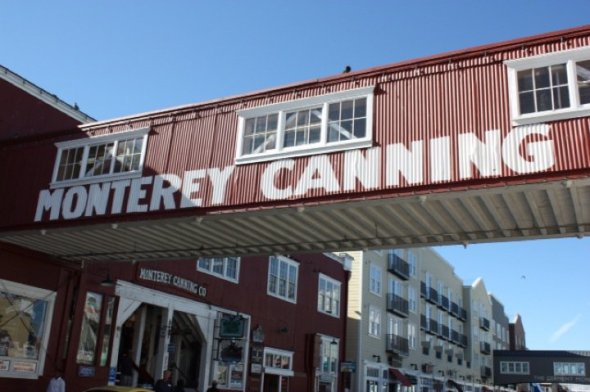
Monterey’s Cannery Row
Elegant Charleston

Running with the llamas, Hammond Wisconsin

So are you tempted? What’s your favourite US destination and why?
Intercourse is only three miles from Paradise
It might not always seem like it, but Paradise is within reach. Film fans might recognise it as the setting for the 1994 Christmas crime caper, “Trapped in Paradise” starring Nicolas Cage. It was filmed in Ontario, Canada and has terrible reviews, so don’t rush to see it if you haven’t already. The real Paradise is a pleasant place, with an old mill and farming country surrounding it favoured by Amish settlers.
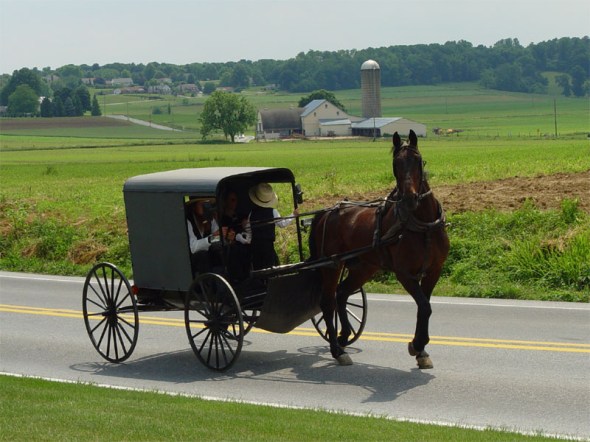
Lancaster County Amish by Utente CC-BY-SA-3.0 via Wikimedia
Paradise isn’t one of those places that’s packed full of sights, but you’ll find a few worthy visitor attractions in and around the place, including a bakery at nearby Dutch Haven which has been making Shoo-Fly Pie since 1946. Similar to a treacle tart, it’s made with molasses and is thought to have got its name because the sweet smell attracted flies which needed to be shooed away.

Shoo-Fly pie by Syounan Taji CC-BY-SA-3.0 via Wikipedia
Nearby Intercourse lies about three miles to the north, in the heart of Amish country. It’s another filming location, this time the setting for the Harrison Ford movie “Witness” and unlike in the case of Paradise, the scenes were actually shot in town. Its name dates from 1814, the time when villagers ditched the moniker “Cross Keys” in favour of Intercourse.

Intercourse keystone marker by Doug Kerr CC BY-SA 2.0 via Wikimedia
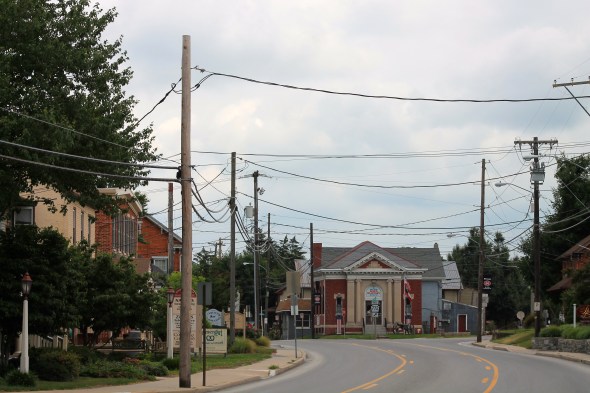
Intercourse, PA by Jon Dawson via Flickr CC BY-ND 2.0
Why you should ride Amtrak at least once
There’s still a certain romance about train travel and especially overnight rail journeys. Tonight, after his successful programmes in the UK and Europe featuring Bradshaw’s guide, Michael Portillo begins a new series and this time he’s heading Stateside. I’ve ridden a few Amtrak trains, mostly on short hops such as New York to Philadelphia, but last summer did a few longer legs, making the journey from New York to New Orleans with stops in Syracuse, Chicago and Champaign-Urbana. Here’s what I learnt.
Don’t rush
The biggest cause of complaint from my fellow passengers was the slow speed of the train. Freight takes priority so it’s common to crawl along or sit for ages in a siding until a long line of containers rumbles past. Go with it. Don’t book any tight connections, pack a book or something to pass the time and make sure you have plenty of snacks and drinks in case the station café is closed. Break your journey and savour your surroundings.

Chicago is a good choice for a stopover
It’s worth stopping off en route
I had some work to do on my book Hammond, Me which took me to Hammond NY (nearest station Syracuse), Hammond IL (nearest station Champaign-Urbana) and Hammond LA (which actually had its own station!) Of these, I really enjoyed Hammond LA which had a sleepy charm and a café selling the best iced lemonade I’ve found in a long time. Many people think that you can’t see America without a car, but that’s not true of everywhere. Do your homework (and check where the station is located) and you’ll find you can do a rail trip without needing to drive.
It’s worth paying for a bed
In terms of cost per hour, the price of overnight travel using Amtrak is more expensive than comparable journeys in Europe, especially if you book sleeper accommodation. Needing to take two overnight trains, I decided to break my journey in Chicago, opting for a seat on the first leg and the quaintly named Roomette on the second leg down to Louisiana. The overnight part with a seat from Syracuse to Chicago cost about £51 while the overnight Roomette from Champaign-Urbana to Hammond Louisiana cost £156.

The cosy Roomette: great for one, cramped for two
That’s steep. Are you sure it’s worth the upgrade?
For the extra money, I had a Roomette for single occupancy, whereas the reclining seat was in a full carriage. Travelling with a lockable wheelie, I wasn’t worried about the security aspects; in such a busy carriage, it would have been hard for a thief to operate. But many people, despite the late hour, were glued to smart phones or tablets and my allocated seat was next to a young man playing video games. Even with the sound off, the flicker and movement of the screen wasn’t conducive to a good night’s rest. I managed to move, but didn’t really arrive rested. In contrast, I had a solid seven hours’ sleep on the comfortable bed in my snug Roomette (think cupboard with a door) and enjoyed an included breakfast. Service was attentive and all in all it was a pleasant experience. But yes, it was expensive for what you got. For less than a third of that price, I travelled from Munich to Berlin in a luxury private compartment, en-suite toilet and shower and breakfast delivered to my room.

Make friends with the train staff
Any tips?
Befriend the onboard staff as they can help make your journey extra comfortable, supplying extra pillows, making your room up first and ensuring you get the meal sitting of your choice. Also, book early, as prices do go up considerably and sleeper compartments sell out. Make sure you’ve worked out how to get to the rail station as they aren’t always central as they are in Europe. Transport connections can be limited and you’ll either have to take a taxi or walk. But above all, do it. This is one American adventure that should be on everyone’s bucket list.
If it’s geysers you’re after…
If it’s geysers you’re after, then here’s where you need to be heading.
Iceland
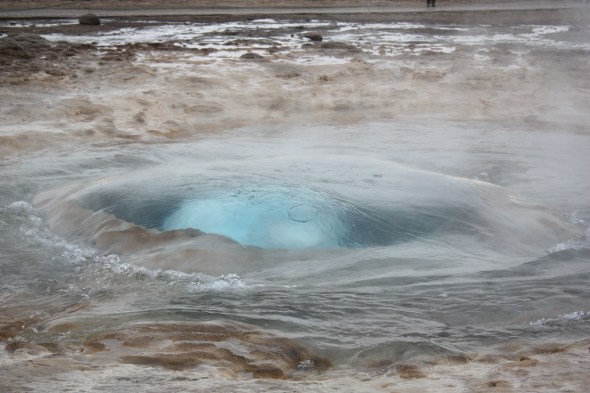
Strokkur on the verge of blowing
The original, in name at least, can be found a short distance from the country’s capital Reykjavik. The original geyser, Geysir, has decided it’s had enough, but Strokkur puts on a show every few minutes delighting those who visit. It’s easily accessible as part of the Golden Circle tour, or if you prefer to go it alone, then download my Unanchor Kindle guide from the UK Amazon site here: http://www.amazon.co.uk/Iceland-Unanchor-Travel-Guide-self-drive-ebook/dp/B017SDBNE8/ref=sr_1_8?s=books&ie=UTF8&qid=1452095658&sr=1-8.
It’s also available on the US site here: http://www.amazon.com/gp/product/B017SDBNE8/ref=s9_simh_gw_p351_d0_i1?pf_rd_m=ATVPDKIKX0DER&pf_rd_s=desktop-1&pf_rd_r=152KPS2974X3G9P0D5RQ&pf_rd_t=36701&pf_rd_p=2079475242&pf_rd_i=desktop
New Zealand

Pohutu, Rotorua
For a small country, New Zealand packs in a lot of geothermal sights, from other-worldly Craters of the Moon to photogenic Orakei Korako. But for sheer wow factor, then join the crowds watching Pohutu, located in the Te Whakarewarewa Thermal Valley on the outskirts of Rotorua to see the jet of boiling water shoot high into the sky.
Chile

Atmospheric El Tatio
El Tatio geyser field might not have the dramatic gushers of Iceland or New Zealand, but it has atmosphere in spades. It’s essential to crawl out of bed in the middle of the night (don’t overdo it on the pisco the night before like I did) but watching the sunrise illuminate the steaming geysers is well worth the effort.
USA
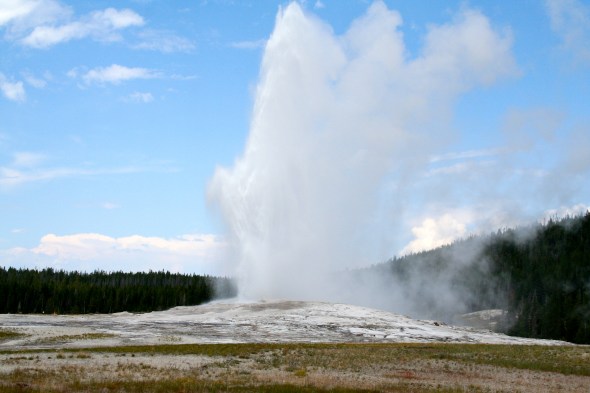
Old Faithful
I couldn’t blog about geysers and leave out Old Faithful. It’s been drawing the crowds at Yellowstone National Park for as long as the park’s been in existence and has had its name since 1870. It erupts on average 50 metres into the air about every 90 minutes or so; check the ranger’s board on arrival to see when the next show is expected.
And finally, one on the wish list…
Russia

Kamchatka by Einar Fredriksen via Flickr CC BY-SA 2.0
Kamchatka’s Valley of Geysers has the second largest concentration of geysers in the world after Yellowstone, packing over ninety of them into a 6km long valley. It’s difficult to reach, and therefore expensive, but it’s a trip that’s on my ever-growing bucket list. You too?
Changes to the US visa waiver program
A headline on the news section of the BBC’s website caught my eye this morning. It read: “Iranian dual citizens fight new US visa rules”. I’ve never been to Iran but reading on, this article could have directly affected me, but for a few months. The article explained that any British citizen that had been to Syria in the last five years would no longer qualify for the visa waiver program; in other words, they couldn’t travel on an ESTA and would now have to apply for a visa.
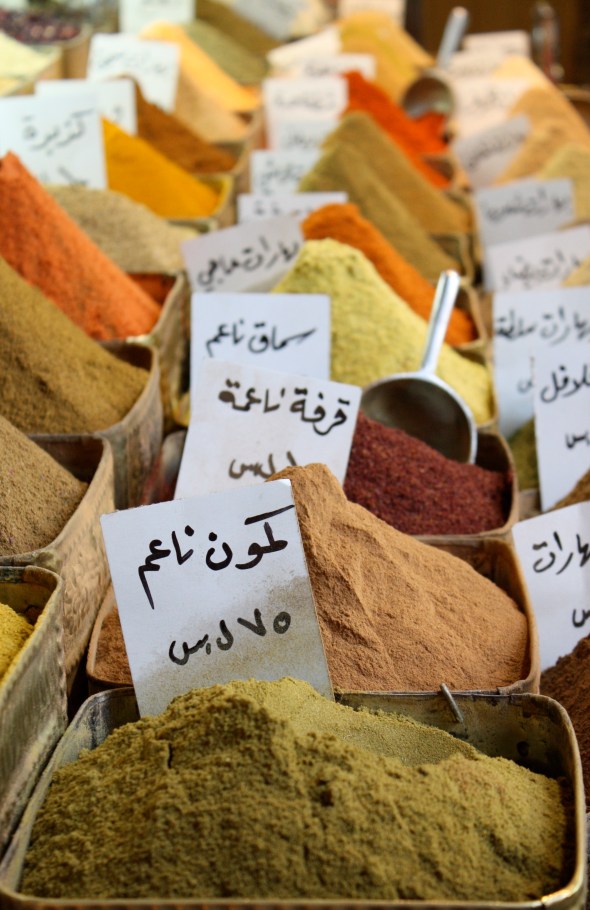
Spices for sale, Damascus 2010
I’ve checked my travel diary, in which I keep a list of the places I’ve been and the dates I visited. One of those is Syria. Now, the country is a no-go zone, but just a few short years ago, it was a different place, largely undiscovered by tourists. I wandered the souks of Aleppo and Damascus, travelling between them across the beautiful countryside on a modern train. I enjoyed a wonderful walk through Hama to a soundtrack of creaking norias. You can find out more about them here:
http://www.juliahammond.co.uk/Travel/Hama_time.html

Noria by the river in Hama 2010
I went to Syria and neighbouring Jordan in Spring 2010 and the new regulations stipulate a cut off date of March 2011. That means I’m still good to go to one of my most favourite cities, New York, next May. I was worried, though I don’t regret visiting Syria back then for a moment. Nor do I condemn the US government for passing such legislation; countries have a right to determine their own security and their own rules.
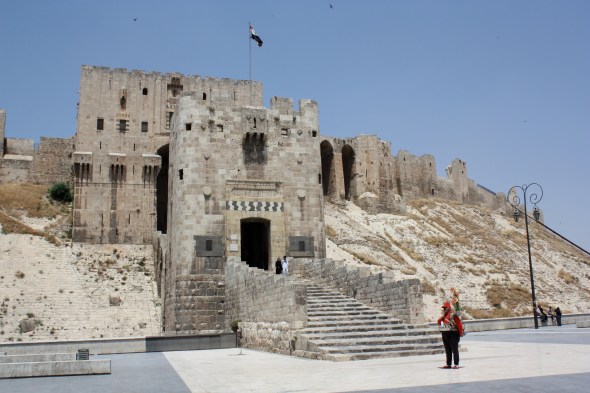
Citadel of Aleppo 2010
It’s not just Brits and it’s not just Syria. The Wall Street Journal wrote: “Coming up with a comprehensive plan has been challenging. Instead, a piece-by-piece approach appears to be emerging. The initial step was legislation to put some restrictions on the visa-waiver program, which allows travelers from the 38 mostly European and Asian nations to enter the U.S. without obtaining a visa. The measure would ban people from those nations who had traveled to places including Iraq or Syria since March 2011 without first getting a visa. The bill, which passed 407-19, is supported by the White House and is expected to be wrapped into a must-pass spending bill and become law by year’s end.”
You can read the exact wording of the bill here:
https://www.congress.gov/bill/114th-congress/house-bill/158/text
A list of visa waiver countries can be found here:
http://travel.state.gov/content/visas/en/visit/visa-waiver-program.html
Currently, the restrictions affect those who have travelled since 1 March 2011 to Iraq, Syria and “any other country or area of concern designated by the Secretary of Homeland Security” (to be determined within 60 days). If, like me, you’re a fan of visiting unusual destinations, it looks like it’s going to be important to double check you still qualify to travel on an ESTA if you wish to visit the USA.
Off to New York? Here’s my free guide.
New York, New York, as Gerard Kenny sang, the city so good they named it twice and, you’ll find, so enthralling you won’t want to visit just once.
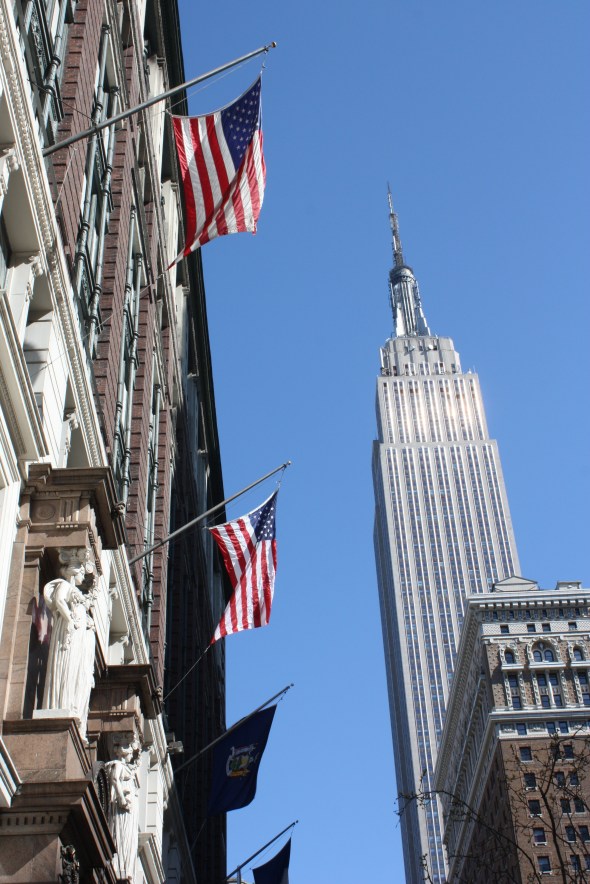
The Empire State Building
But where to start? There’s just so much to see and do that the city can be daunting for the first-time visitor. Don’t worry, help is at hand. I’ve put together several online guides. They’re free and they should help ensure that you won’t miss something major. Here are the links you need to make your New York city break a success.
First, here are my tips for getting the best out of your trip to New York City:
https://juliamhammond.wordpress.com/2015/01/24/tips-for-getting-the-best-out-of-a-trip-to-new-york-city/
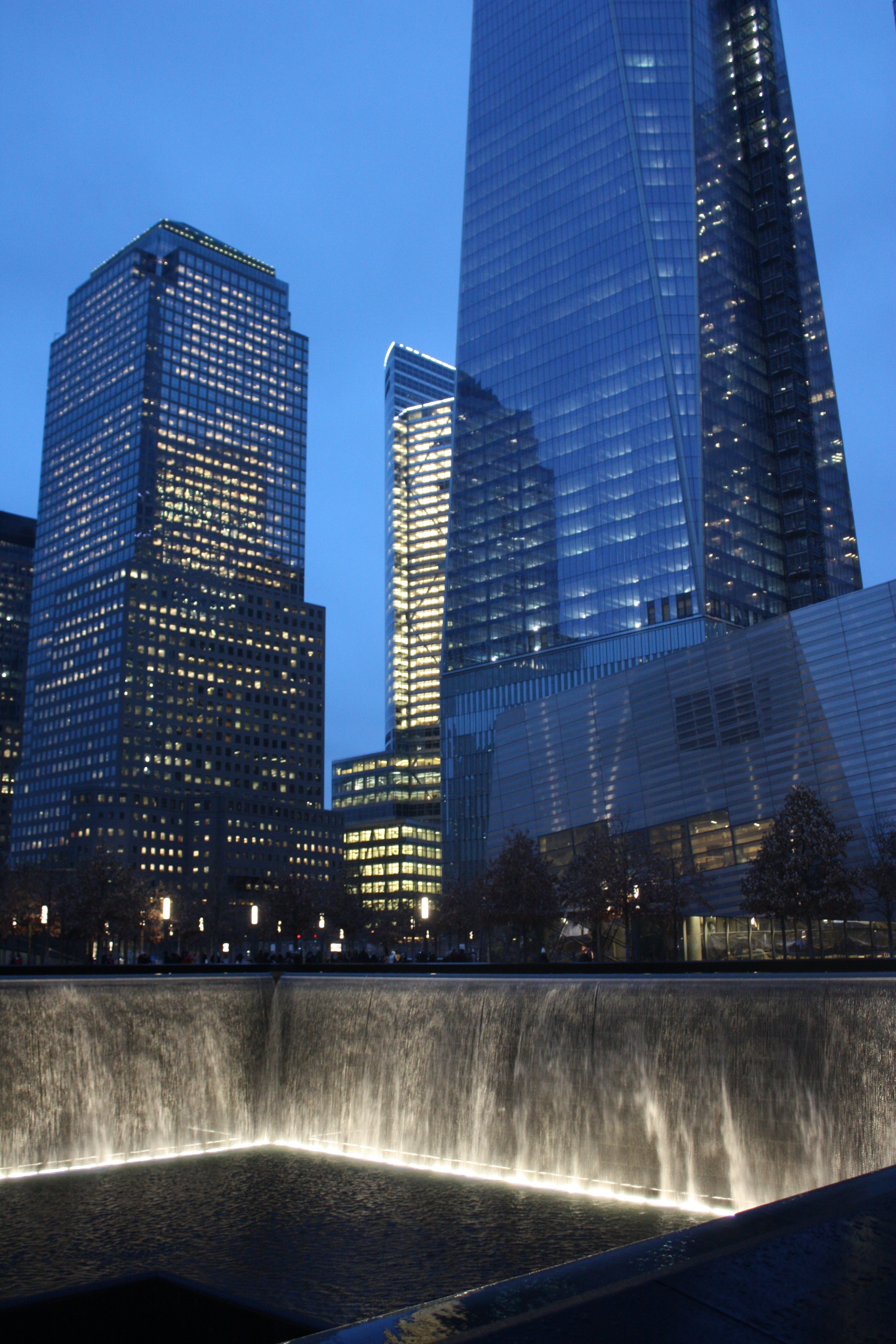
9/11 Memorial at dusk
Next, how do you choose which tower to climb for the view of a lifetime?
https://juliamhammond.wordpress.com/2015/06/17/the-best-view-in-town-2/

Sunset at the Top of the Rock looking south to the Empire State Building
Lower Manhattan
From the Statue of Liberty to the 9/11 Memorial, Lower Manhattan is packed with must-see attractions. Read this for some less well known tourist spots as well as some great money-saving tips.
https://juliamhammond.wordpress.com/2015/01/06/julias-guide-to-new-york-part-1-lower-manhattan/
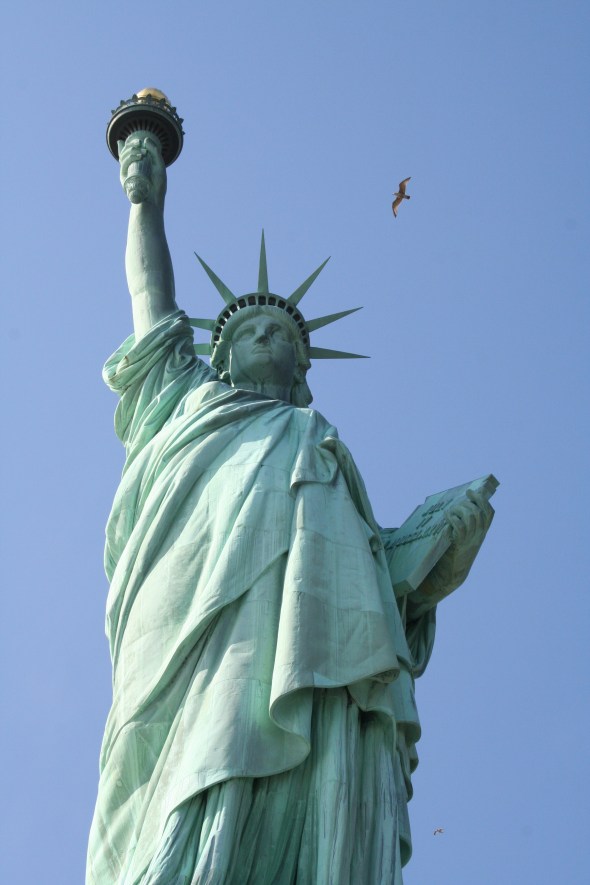
The Statue of Liberty
Manhattan West
With gems like the High Line, the cafes and bakeries of Greenwich Village and fabulous views from both the Top of the Rock and the Empire State Building, it’s hard to beat this side of the city.
https://juliamhammond.wordpress.com/2015/01/06/julias-guide-to-new-york-part-2-manhattan-west/

Central Park
Manhattan East
The Upper East Side with its mansions facing Central Park is the polar opposite of the edgy Lower East Side but both are essentials for your trip. From Chinatown to the Chrysler Building, here’s what to see.
https://juliamhammond.wordpress.com/2015/01/07/julias-guide-to-new-york-part-3-manhattan-east/
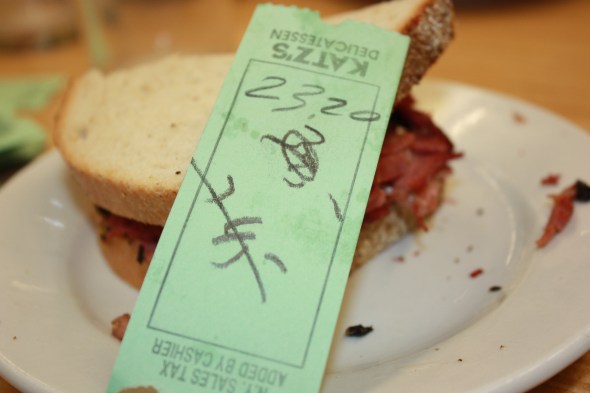
“I’ll have what she’s having!”
And lastly, for something a little different, get out into one of the other boroughs; Brooklyn is most convenient, Queens has some great food, Staten Island is reached by that free ferry with the views of the Statue of Liberty and the financial district’s skyscrapers, but my favourite is the Bronx. Find out why here:
https://juliamhammond.wordpress.com/2015/06/16/on-the-ancestor-trail-in-nyc/
Trialling the Seasons Visa debit card in Orlando, Florida
Recently I was asked whether I’d like to try out the Seasons Visa debit card. Regular readers of my blog will know I carried out a similar trial using the Caxton FX prepaid card in New York last year. With that card, I’d had about a 50% success rate and thus wasn’t completely sure I’d use it again, but the Seasons team were confident in their product. An easy to use app makes checking your balance and reloading the card a simple and quick process. I decided to take them up on their offer. This was the deal: they’d load some money onto the card, and I’d go and spend it in return for writing about my experience. So here I am in Orlando, and here’s how I got on.
Harry P Leu gardens and museum
Transaction: admission for one adult $10
Status: not possible to use the card on the day I visited as the card machine was out of order, but the cashier said that it would normally have been accepted

This downtown treasure is a world away from the hubbub of International Drive and the crowds that throng Orlando’s many theme parks. The extensive grounds to what was once Harry Leu’s home are filled with all kinds of plants and flowers brought back over the course of his travels. Huge bamboos and towering palms contrast with delicate roses and the pretty flowers of the butterfly garden. Without a doubt, this was the highlight of my stay.
Lunch at Shake Shack
Transaction: a SmokeStack burger, cost $7.12
Status: card swiped, payment accepted

Shake Shack started off as a lunch cart selling hot dogs in New York’s Madison Square Park over a decade ago. Since that humble beginning, its fame has spread and this popular chain can now be found across the States and beyond. Their shakes, as you’d expect from the name, are legendary, so make sure you order one to accompany your meal.
Orlando Science Center
Transaction: one adult ticket, cost $27
Status: card swiped, payment accepted

If you’re travelling with kids and feel that they (or you) need a break from white knuckle rides and Mickey Mouse, then this may be the perfect antidote to theme park fatigue. This place makes science fun; I found out just how hard it is to present the weather, experienced a hurricane-strength blast of air in a wind tunnel and tried to keep my balance on an earthquake simulator. With IMAX movies about space exploration, a dino dig and alligators in a ground floor tank, there’s something to entertain all the family. It’s great way to spend a rainy afternoon.
Outlet mall shopping at Gap
Transaction: one long-sleeved white T-shirt, cost $8.52
Status: card swiped, pin number required, payment accepted

Few Brits come to Orlando without making at least one trip to an outlet mall, where there are huge discounts to be had on many of our favourite brands. Gap’s my staple. I’d usually use cash for such a small transaction rather than my credit card, but carrying the Seasons card meant I didn’t need to fiddle around with a purse full of coins. One swipe and I was good to go.
Refreshments at Starbucks
Transaction: a drink and a bun, cost $6.08
Status: card swiped, payment accepted

All that shopping was thirsty work, so a quick stop in my go-to global coffee chain was in order. Again, using a prepay card for a low value transaction was quick and trouble free. When they realised they didn’t have the bun I’d been charged for, it was just as simple to swipe the card again and put the refunded value straight back.
Margaritas at happy hour
Transaction: two drinks, cost $6
Status: card swiped, payment accepted

If the sun’s out and there’s an al fresco bar, then happy hour may just be too hard to resist. And with margaritas at $3 a pop, one each before the film seemed like a good idea.
A movie at Cinemark
Transaction: one adult ticket, cost $9.75
Status: card swiped, payment accepted

With so many cinemas in town, it’s hard not to catch at least one movie. I opted for Black Mass. With Johnny Depp in the starring role, this is the true story of South Boston crim Jimmy Bulger. A strong supporting cast and compelling storyline made this a memorable film.
A trashy read from Walgreens
Transaction: one magazine, cost $5.31
Status: card swiped, payment accepted
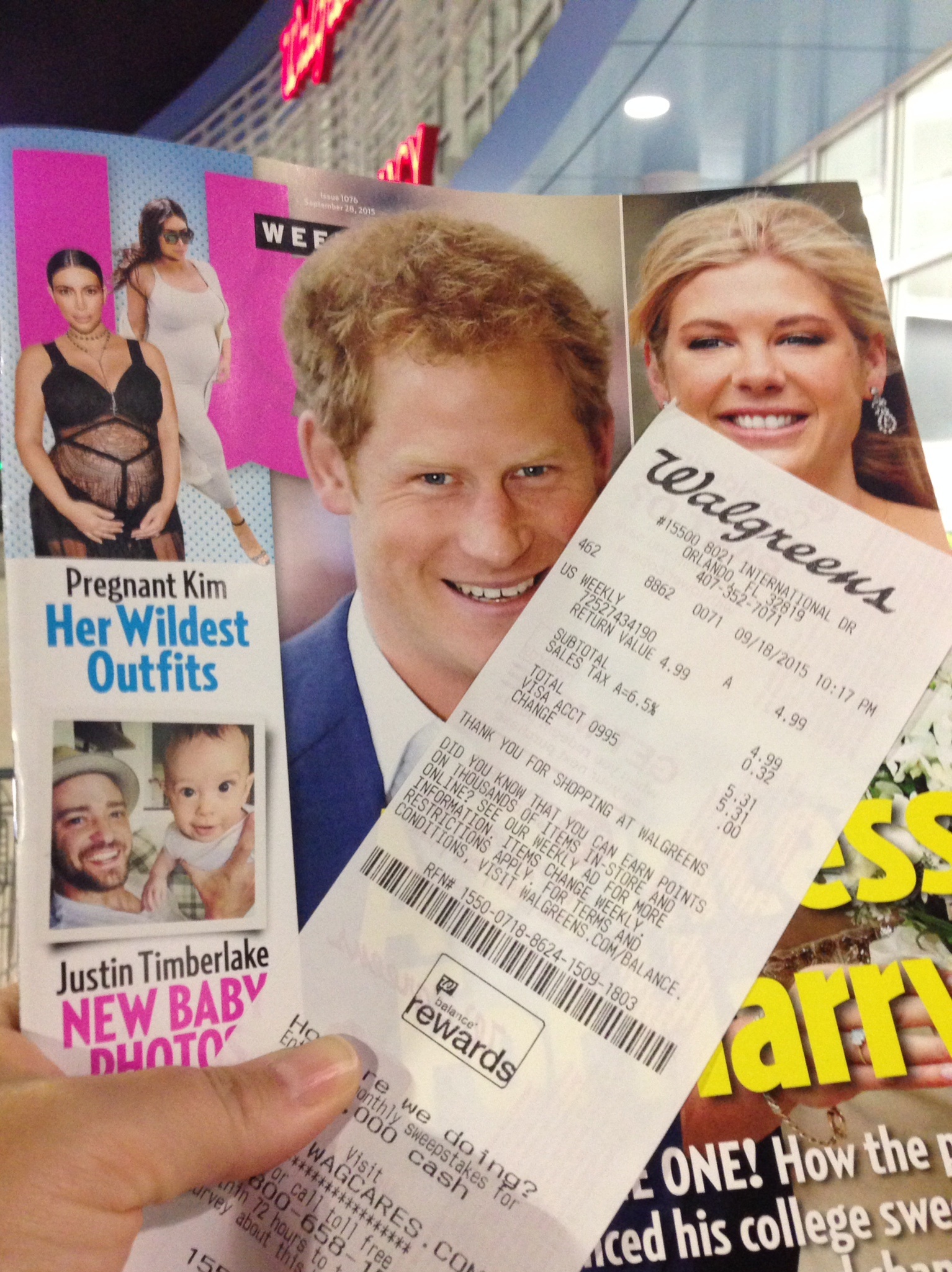
No country does the cult of celebrity like the USA and there are plenty of magazines to fuel people’s obsession. With Prince Harry on the cover, this girl’s copy of US Weekly is coming home with her.
Downtown Disney for a souvenir
Transaction: a Mickey Mouse cookie cutter, cost $6.34
Status: card swiped, payment accepted
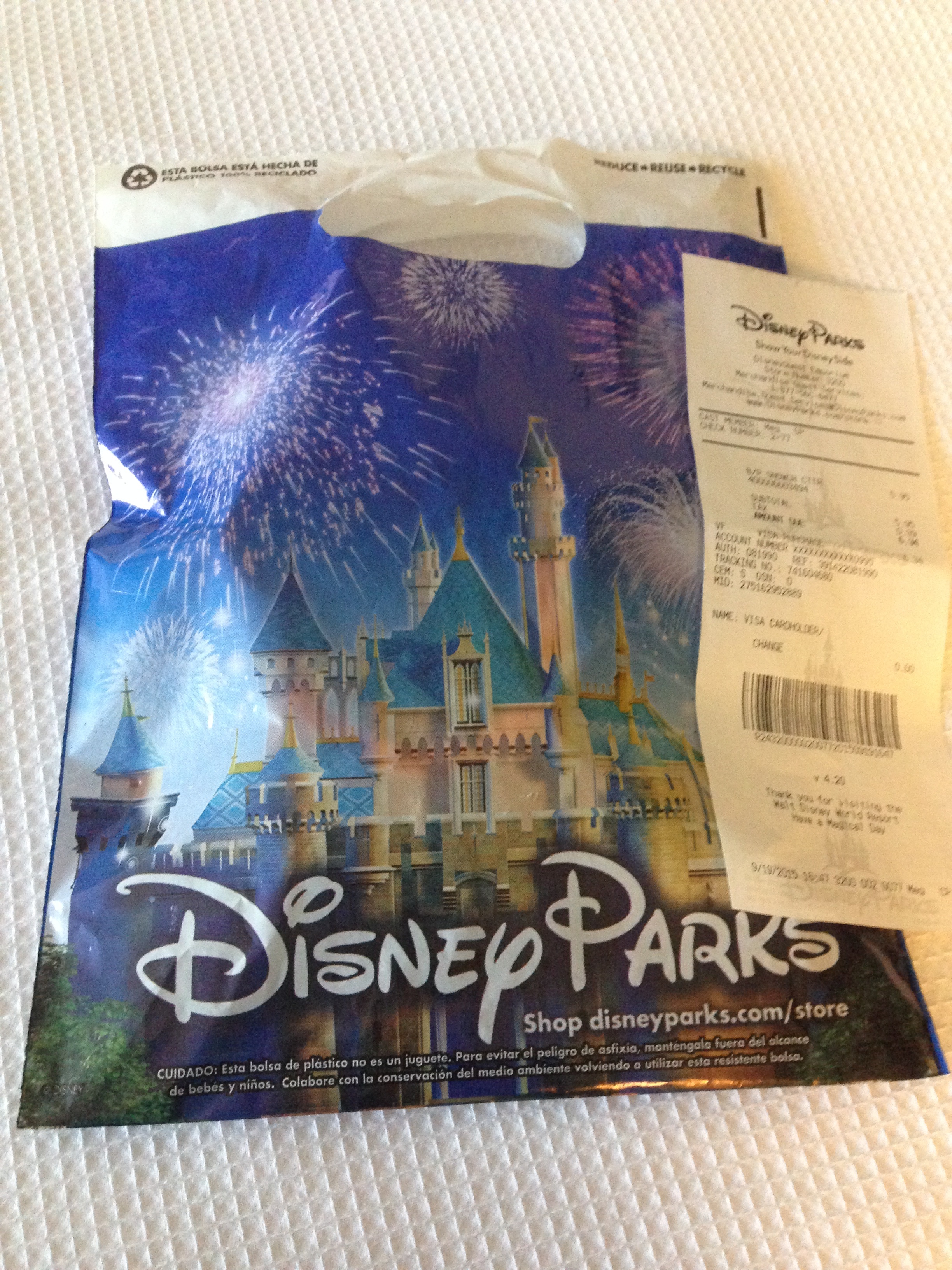
You didn’t think I’d write a blog from Orlando without at least mentioning Disney, did you? No parks this time – been there, done that – but always room in the suitcase for something Mouse. Now I get to make Mickey-themed biscuits when I get home.
The verdict
Aside from the Harry P Leu Gardens where their card machine was down, the Seasons Visa debit card worked every time. I’d be confident travelling with this, loading value onto the card instead of carrying a lot of cash. Best of all, the fact that the balance is stored as pounds means that if I don’t spend it all, I can use it when I get home. This one’s a keeper.
For more information on the Seasons Visa debit card visit http://seasonstravelcard.com/
Running with the llamas
Every September, on the second Saturday of the month, an event takes place in Hammond, Wisconsin that is like no other on the planet. The Running of the Llamas, now in its 19th year, is frivolous and at times farcical, but quite frankly, huge fun.
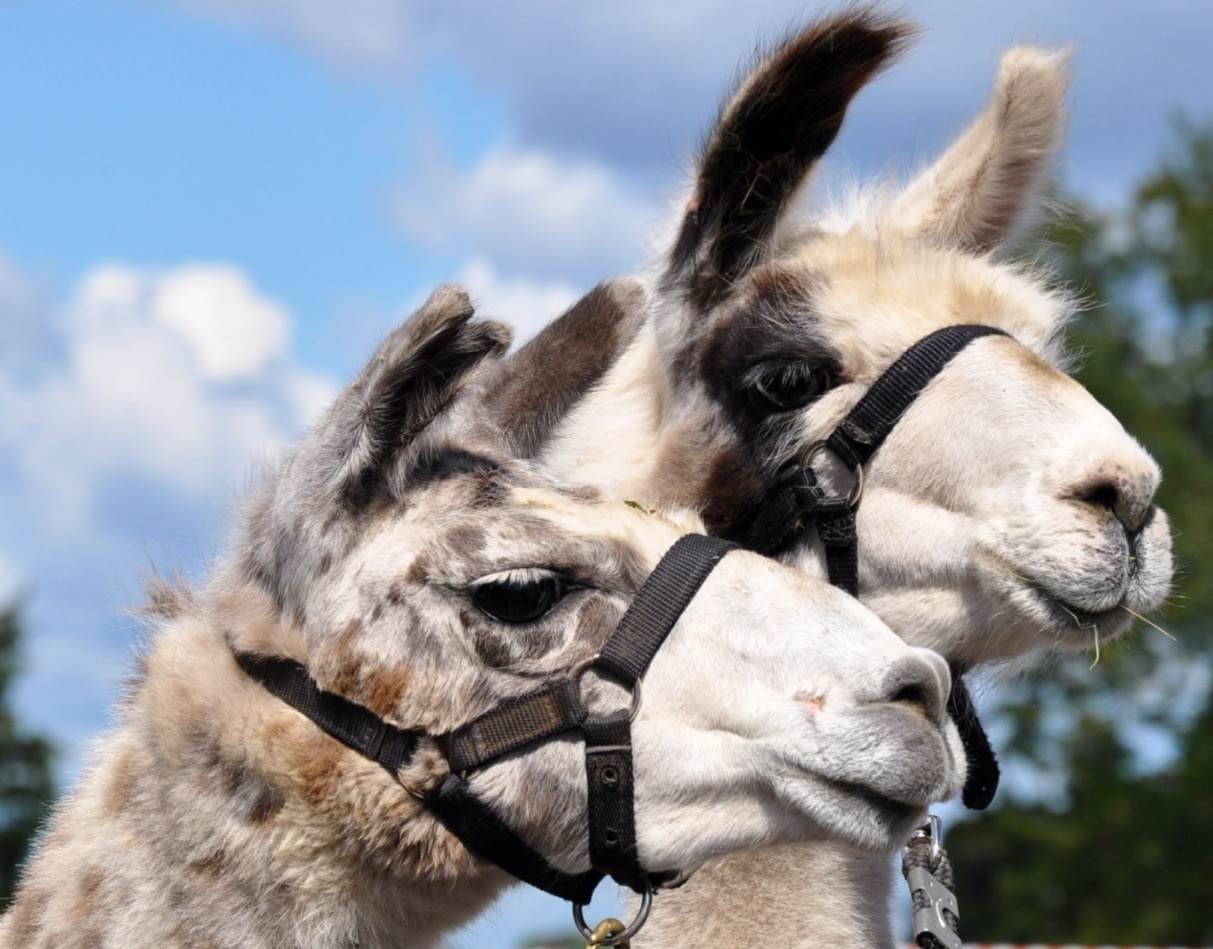
The llamas arrive

Pens keep them safe

The llamas are keen to be fussed
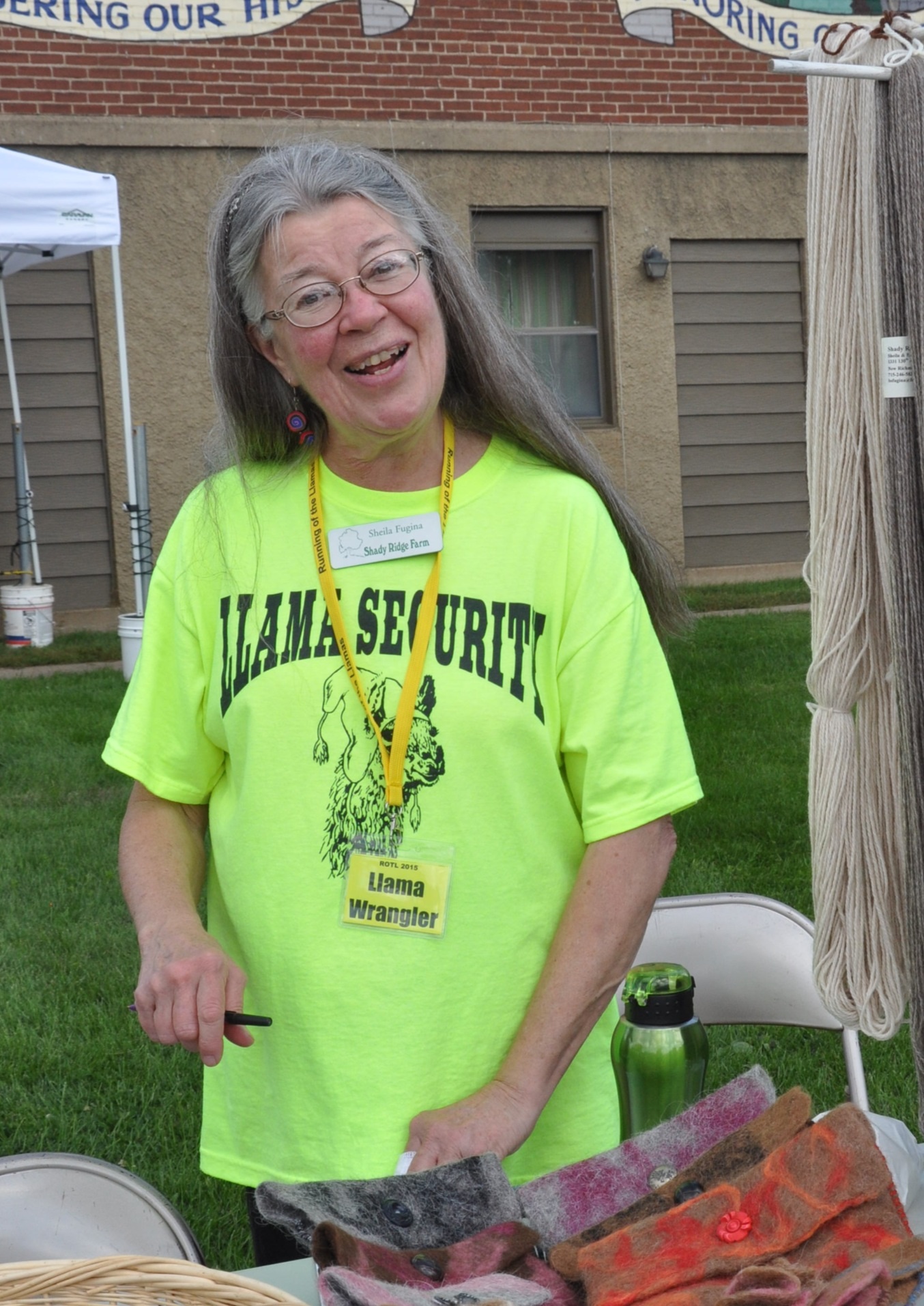
Sheila from Shady Ridge Farm
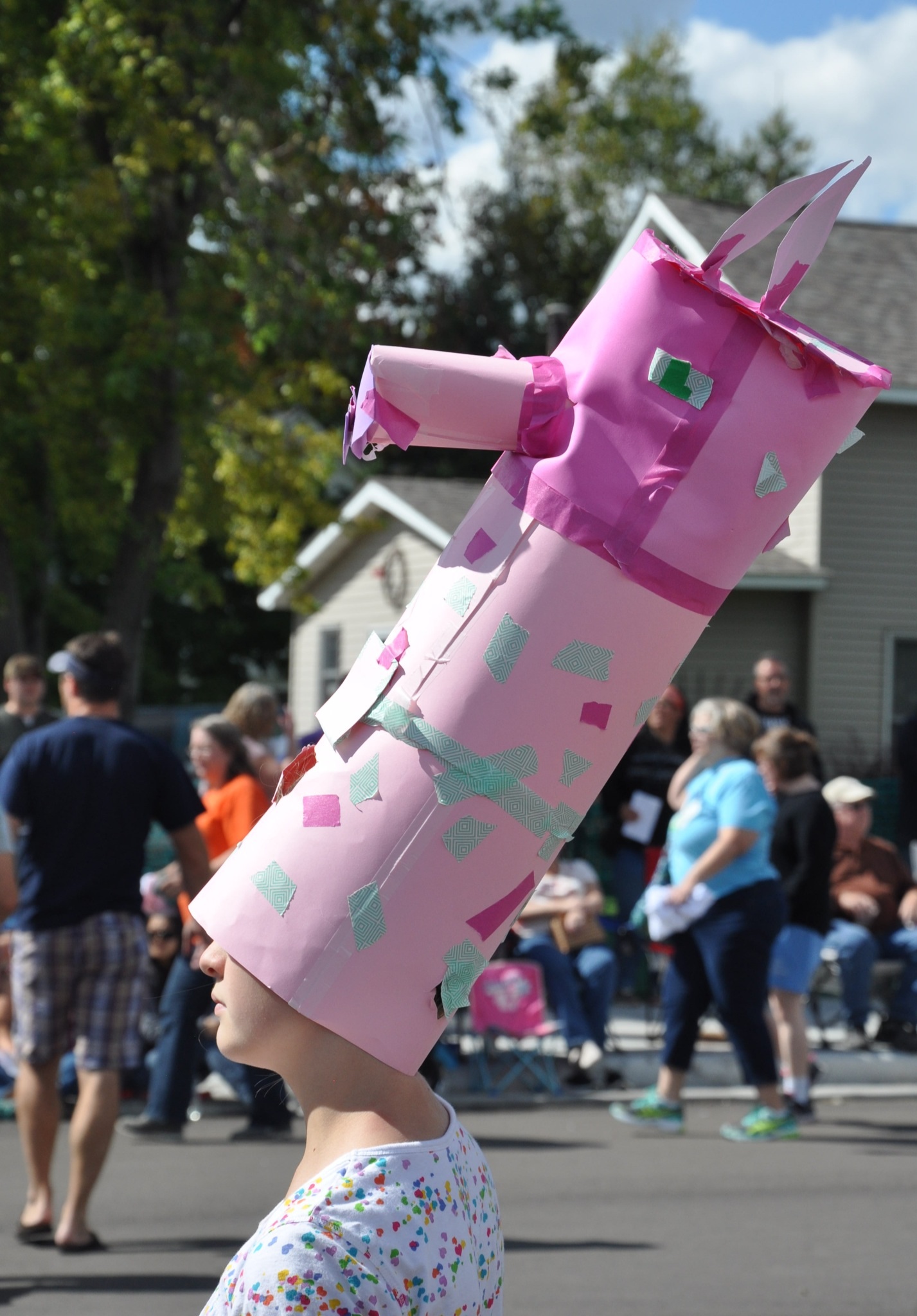
Dressing up is encouraged

The parade before the races

The parade is led by a piper
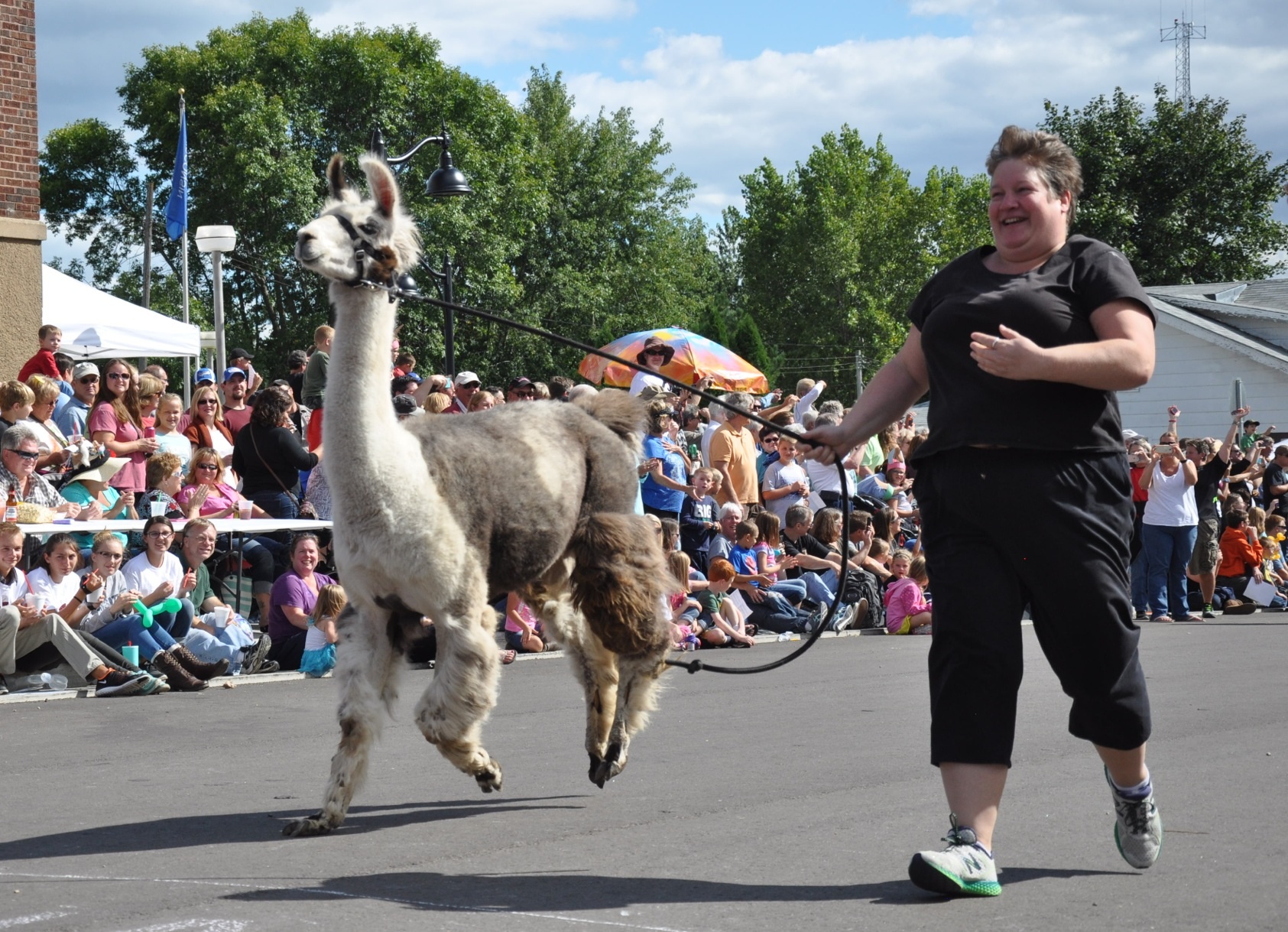
Some llamas run enthusiastically
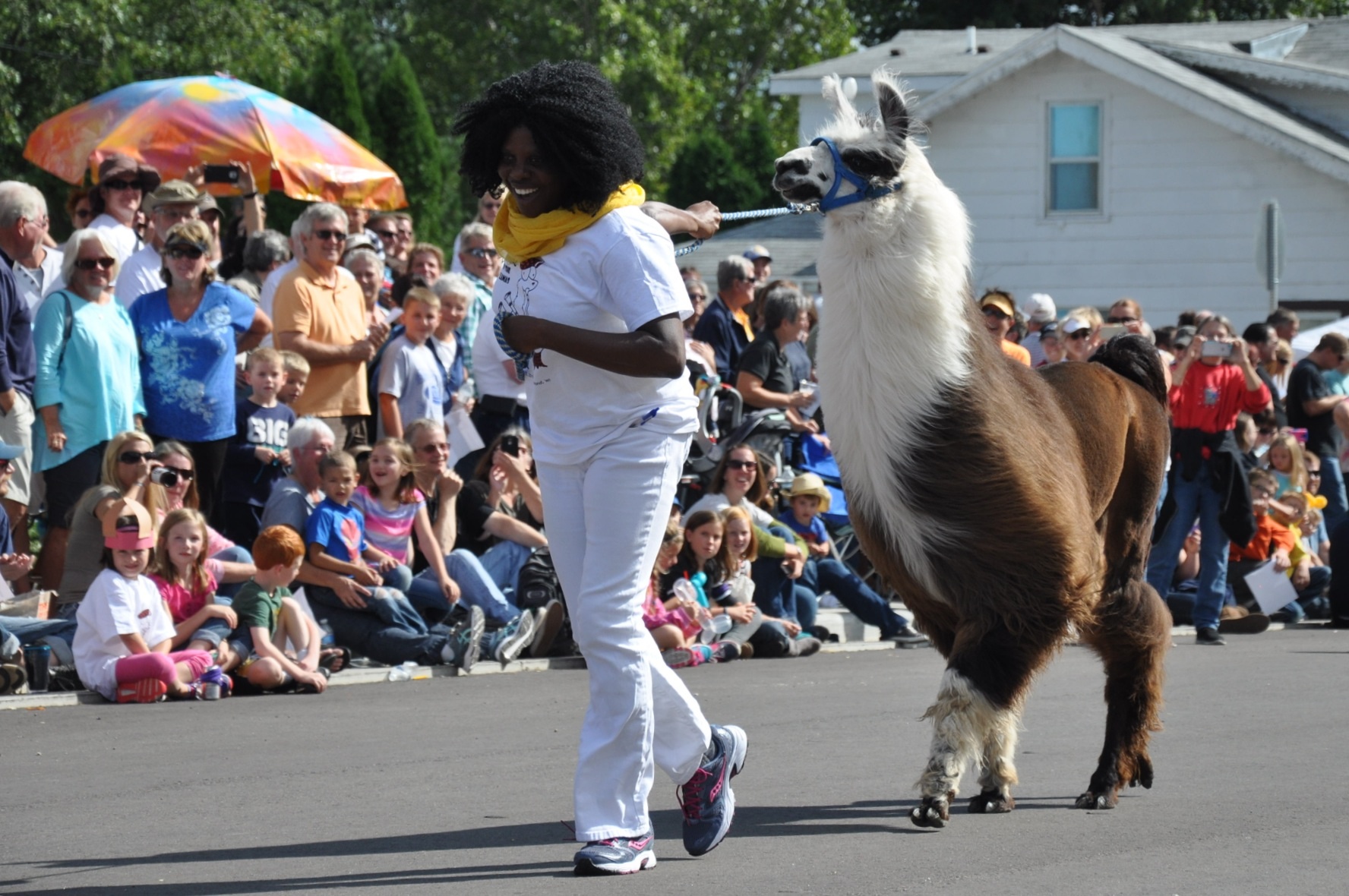
Others less so!

The races are hard fought!

Winning a heat
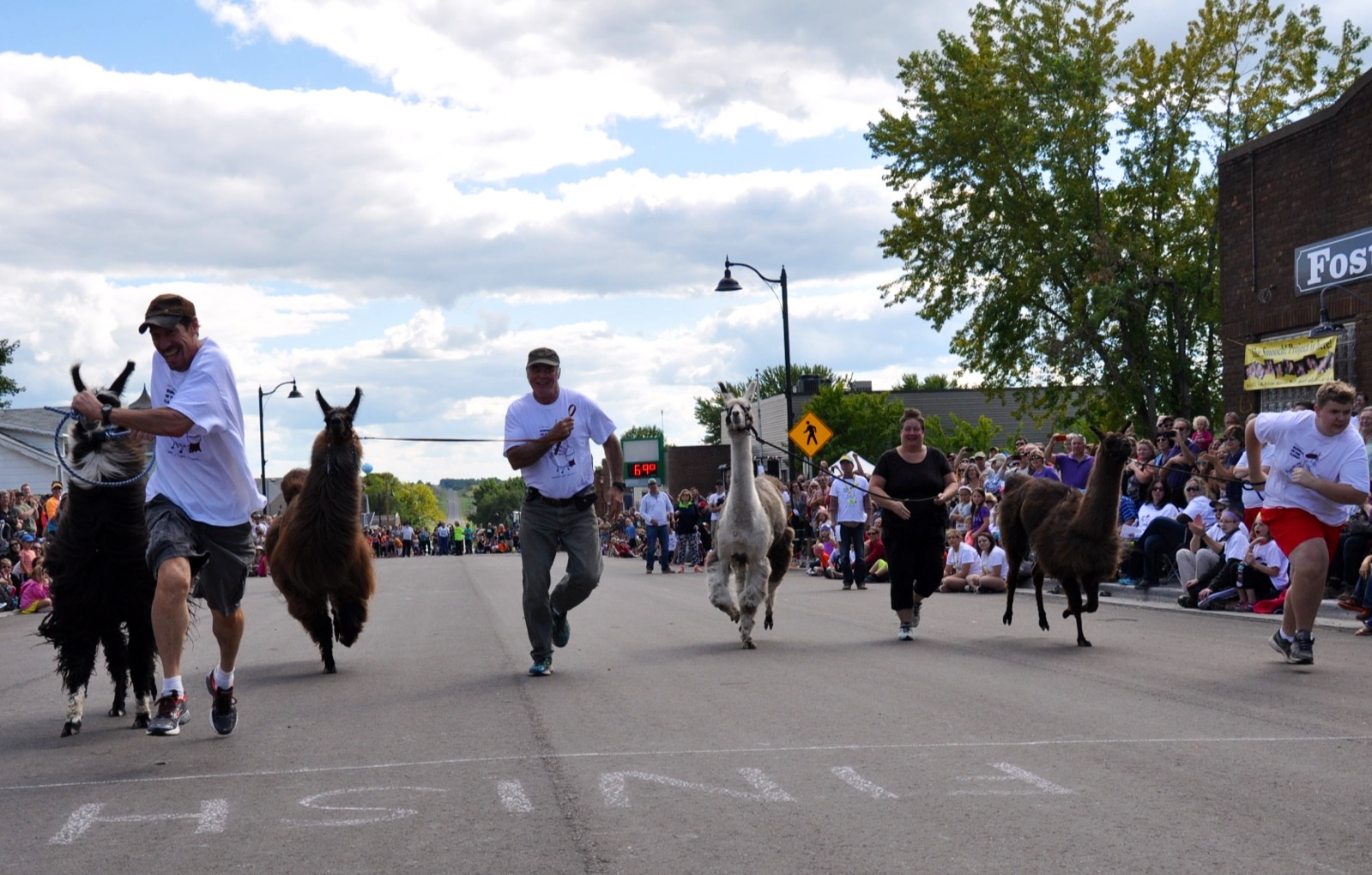
The final

It’s not over until the llama crosses the finish line

Meet the overall winner for 2015

All over, it’s time to go home until next year
A special mention in the Bradt Independent travel writing competition
Today the six finalists for this year’s Bradt Independent travel writing competition were revealed. I wasn’t among them, but this year have received a “Special Mention” which is my best achievement so far after a few goes at entering this prestigious annual contest. See who’s made the cut here and then read my piece, which will feature in my “Hammond, Me” book next year.
http://www.bradtguides.com/articles/cat/news-competitions/post/travel-writing-2015-finalists/

Cornfields surround Hammond, IL
Three little girls in Illinois
As I swung off the road and onto the gravel, I didn’t see those three little girls.
The country town, small enough to be considered no more than a village in Britain, was pretty much deserted. Surrounded by cornfields and bisected by a railroad that carried only freight, the only thing that crossed the faulted concrete of Hammond’s main street was dust. A few stray leaves hugged the kerb. Aside from a post office and a rough-looking bar, there was little evidence of business; that which was there appeared to be hanging on by the skin of its teeth.
Houses, mostly, lined the road. Some were humble and unkempt, paint flaking. Others, grand in comparison, had rocking chairs on wooden verandas and neat picket fences. A semi minus its trailer occupied one front yard, but the neighbours’ rusting cars indicated that not everyone here had a decent job.
I’d parked up to take a photo of the water tower. It had Hammond written on one side and bore a smiley face on the other, its optimism incongruous with the general feel of the place.

The water tower at Hammond, IL
As I crossed the street, I heard a child crying. Immediately after, I heard an older child, exasperated, telling her to shut up. I glanced over to see there was also a third girl. She chose not to take sides, though her body language told me she was irritated by the interruption to her play time.
The little girl, whose age I guessed to be around five, looked to me for comfort, getting none from her big sister. “Lady, I hurt my knee.”
“Oh sweetheart,” I soothed, “what did you do?”
“She was runnin’ and fell over,” said the older, bossy sister, in a tone loaded with self-righteousness that told me it was her sister’s own fault and any sympathy I may have was misplaced.
More tears, increasingly agitated from the fear I would side with Bossy.
“Does it hurt?” I asked, already knowing the answer but keen to distract.
“Yes, it hurts a lot! Can you fix it?”
“Well, I have some Wet Wipes in my car over there, so I could certainly clean it up a bit,” I suggested, not knowing if Wet Wipes translated.
Bossy interjected. “We aren’t allowed to cross the road.” She spoke with a finality that suggested her kid sister didn’t deserve to anyway.
No traffic had passed while we’d been speaking.
“How about I go and get the Wet Wipes and you wait here?” Bossy looked suspicious and I was well aware that those kids probably shouldn’t be talking to strangers, even benevolent ones. To the little girl though, the tiny rivulet of congealing blood running from her knee was reason enough for her to trust me, even if it was going to get her in big trouble with her sister later.
I grabbed the wipes and a sticking plaster and hurried back. As I gently cleaned up the small cut and gently smoothed on the plaster, the sobs subsided and she began to chat.
“My name’s Chloe and these are my big sisters. Where are you from? You talk different.”
I told her, and she sounded impressed. “You’re the first person I’ve ever met from Eng-land,” she said, splitting the word in two.
Curiosity began to get the better of Bossy too. I fielded several questions before asking her whether Hammond was a good place to live.
“Yes.” She hung on the word, drawing it out for emphasis. “We have lots of friends here and we get to play in the street.”
I couldn’t help but think about some of the children I knew back home, complaining about how little there was to do in the large town in which we lived, with parks, cafes, clubs and all manner of distractions. We said our goodbyes and the three girls headed back down the street. I allowed myself a smile as I finally heard the middle child speak. “She was a kind lady”.
Life was simple in Hammond, and happiness came in the form of a plaster.
How to save money on your N’Awlins vacation
New Orleans, pronounced N’Awlins by the locals, was tagged the Big Easy by gossip columnist Betty Guillaud in the 1970s. As that nickname suggests, it’s a laid back city, easy going and, in my opinion, the best place in the States to let your hair down and enjoy yourself. But to do that, you’ll need money, so rather than waste it on the boring aspects of your holiday spending, here’s how to make some cuts that won’t spoil your fun – and will allow you to divert your cash into things that will make your vacation memorable.
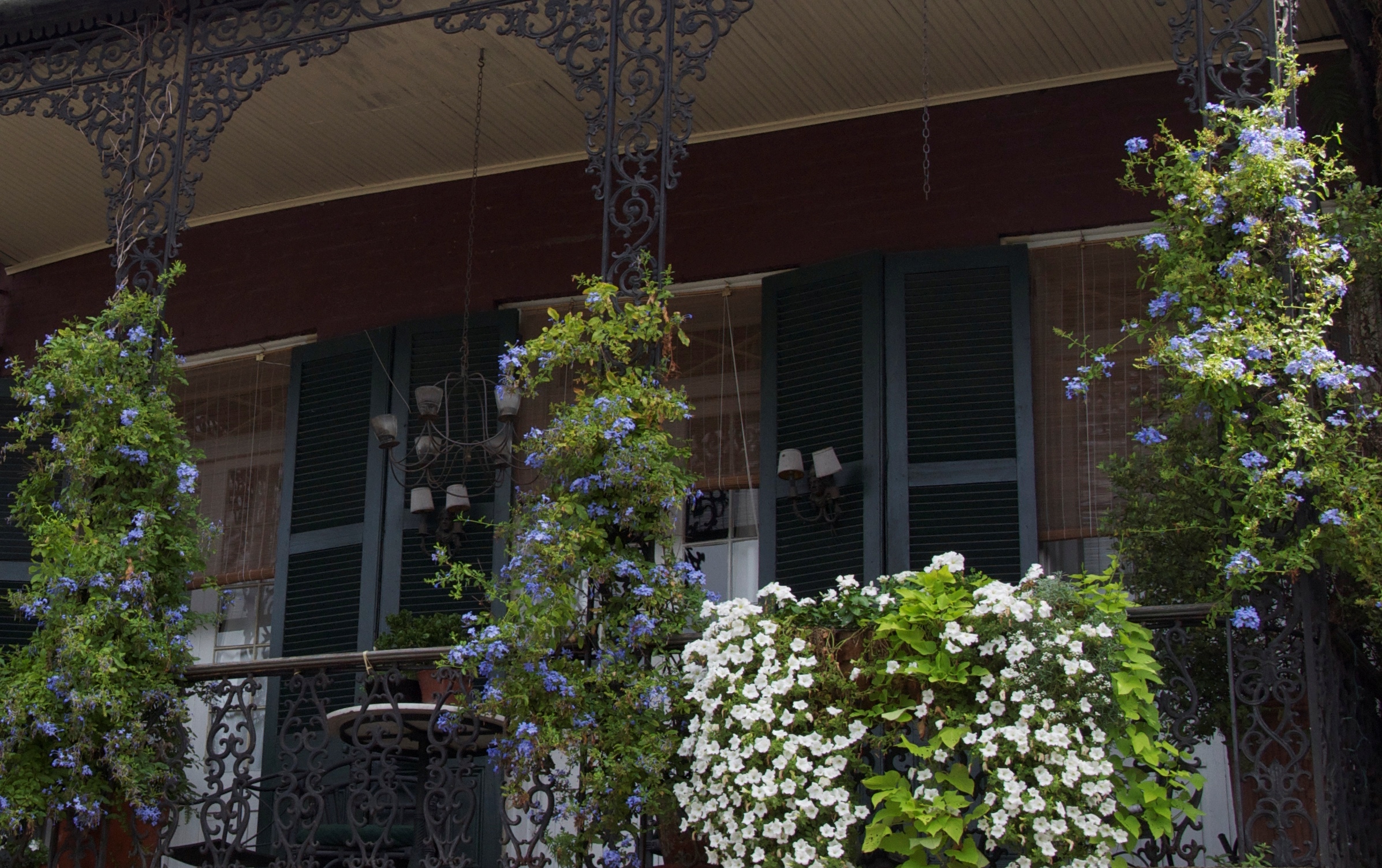
One of the French Quarter’s ornate balconies
Ditch the car
Forget what you’ve heard about needing a car in the USA, in the Big Easy it’ll just make things more difficult. Parking is hard to find, can be expensive and being towed if you get it wrong will really put a downer on your vacation. If you’re arriving by plane, then from the airport to the heart of the city, you have three options. First, a taxi – it’s a fixed rate of $33 for one or two people, with an additional charge for more than two. It’s convenient, and if you time your visit for hot and sultry summer, then it’s the coolest option too. Second, a shuttle – for $20, you can take a shared shuttle; they go round the houses, but it’s a saving if there’s one of you. Third, and cheapest of all, take the E2 bus for $2 (yes, you read that right, a saving of $31 on the cost of a taxi) to get right to the heart of downtown. From the centrally located Amtrak rail station, tram 49 gets you right into Canal Street for a budget-busting $1.25, with transfer to other trams or city buses for an additional $0.25.

Riverfront tram
Getting around
Much of the tourist area of New Orleans – think French Quarter, Faubourg Marigny and Downtown – is easily walkable. To get further afield, buy a $3 day pass for the city’s buses and trams and hop on and off to your heart’s content. Ride the green line to City Park, for the Botanical Gardens and Bayou Saint John, the historic St Charles Avenue tram for the beautiful mansions of the Garden District or the Riverfront tram for the eclectic shopping and ice cream daiquiris of the French Market. Check http://www.norta.com/ for current schedules.
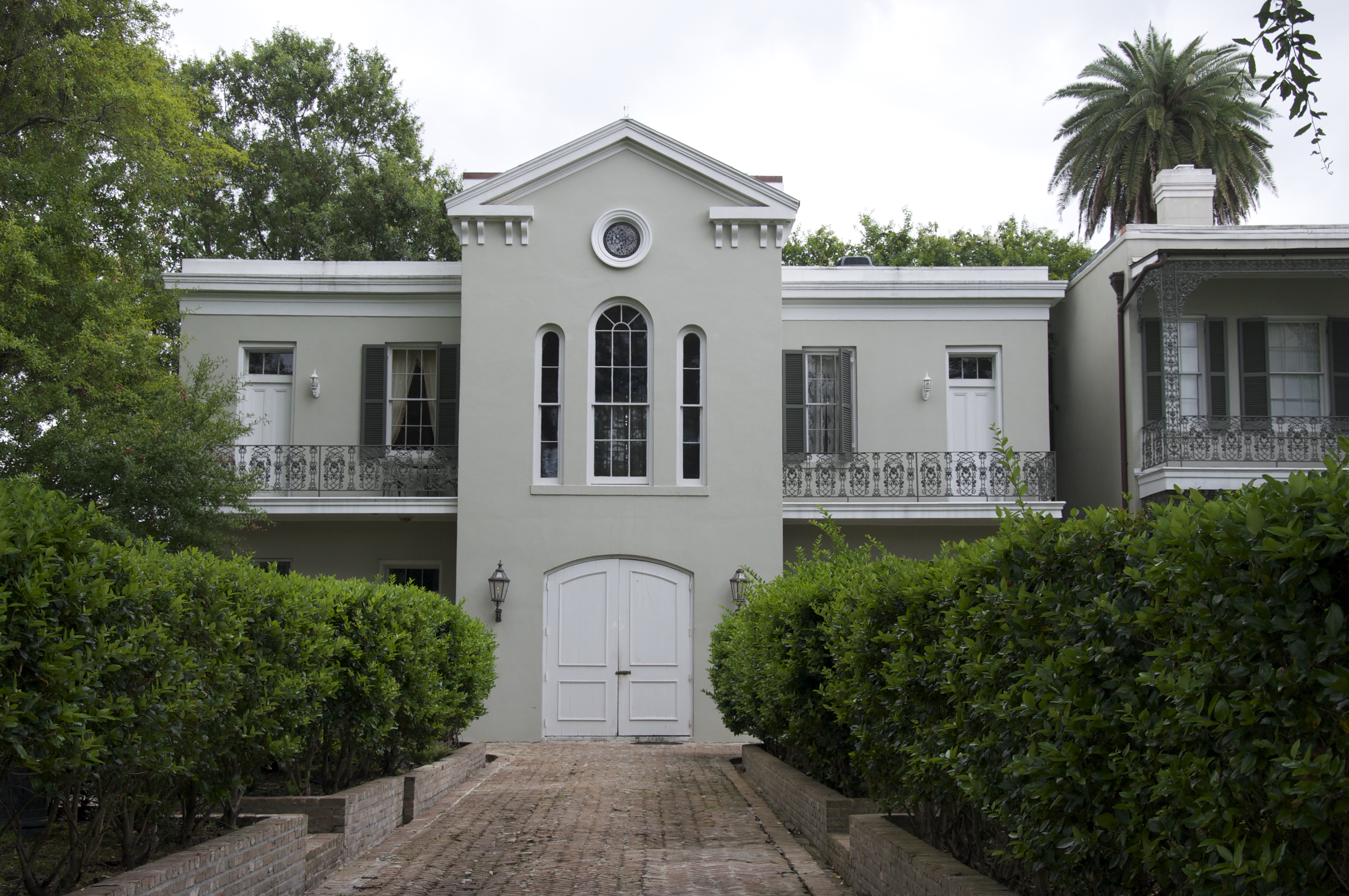
Free self-guided walks around the Garden District are easy to find online
Choose your tours carefully
While much of New Orleans can be visited independently, for some things a tour is compulsory. Since Marie Laveau’s tomb at St Louis Cemetery #1 was spray-painted pink and smashed up with a baseball bat last year, visiting on your own has been impossible. To make sure your tour money does some good, and for a reasonably priced tour, try Save our Cemeteries http://www.saveourcemeteries.org/. The organisation works tirelessly to restore, repair and educate. Other cemeteries can be visited for nothing, including the atmospheric Lafayette cemetery in the Garden District. An excellent self-guided walk can be found at http://www.scsh.com/pdfs/Garden-Dist-tour-2.pdf

Lafayette cemetery
Taking a carriage ride around the French Quarter is a great way to get your bearings, but can be expensive. Rather than taking a private trip, opt for a place on a larger shared carriage, which costs $18 for a half hour tour compared to the $90 for up to four people if you don’t want to share.

Shared carriage around the French Quarter
If you want to get out on the river, the steamboat Natchez makes regular trips on the Mississippi several times a day. Eschew the expensive dinner cruise which costs a whopping $46 even without food ($77 with dinner) and board in the afternoon when cruises are better value at $29.50. You’ll still get all that jazz!
Look for coupons
Most hotel foyers have a stack of leaflets about nearby attractions and many of them include money-off vouchers. The free map given out across the city also has a few – I saved a couple of bucks off the $19.95 entrance fee at the excellent Mardi Gras World by ripping off a corner. The savings will soon add up.

Last year’s float being recycled at Mardi Gras World
See a band for free
Forget Bourbon Street, the action’s moved to Frenchmen Street where you’ll find a whole lot of great music for the price of a drink. While some clubs apply a nominal cover charge, many offer free entertainment. Try The Maison, where you can listen to a band while chowing down on tasty shrimp and grits. If you’re not too bothered about alcohol, ordering a soda gets you free refills.

Free music is easy to find throughout the French Quarter and Faubourg Marigny
Save money on drinks
A trip to N’Awlins wouldn’t really be complete without at least one cocktail but the cost of drinks in bars and restaurants will soon mount up. Take advantage of the city’s laid back attitude to drinking and get one to go from the Gazebo Café at French Market. Takeaway ice cream daiquiris, a speciality, cost $7.75, a saving of between two and four dollars off a typical indoor price. Carrying out a “to-go” cup is completely legal, though make sure it has a lid, and don’t get too intoxicated or you’ll fall foul of the authorities.
Got any tips of your own? I’d love it if you posted in my comments section!
The best view in town
New York’s skyline begs to be admired from the top of one of its skyscraper observation decks, but which should you choose? Read my guide to the three main contenders, the Empire State Building, Top of the Rock and the new kid on the block, One World Trade Center, to find out which is best for you. For all three, unless you ascend in the evening, expect long queues so book in advance online.
The glamorous one: Empire State

The Empire State Building
The Empire State has been impressing visitors to the Big Apple since it opened back in May 1931. From the minute you swing through its revolving doors into the lobby adorned with gilded Art Deco wall panels you can’t fail to be impressed. It’s featured in more Hollywood films than you could imagine and it’s just about the most iconic site New York has to offer.
Best bit: the view down Fifth Avenue from the windswept 86th Floor observation deck looking towards the World Trade Center and the Statue of Liberty
Worst bit: the wind can be biting at this height, and you’re outside, so wrap up well or switch to the opposite side of the observation deck
Cost: $42 per adult (to visit the main 86th floor observatory and museum)
Opening hours: 8am to 2am daily, last elevator up 1.15am
Where to find it: 338-350 Fifth Avenue
The best view in town: Top of the Rock
Sunset at the Top of the Rock looking south to the Empire State Building
What the Empire State Building can’t offer is a view of the Empire State itself, which is where Top of the Rock trumps it. Offering split-level viewing platforms behind glass as well as an inside lounge with padded leather benches, this is also the place to get a close up look at the Chrysler Building.
Best bit: the glass panels have gaps big enough to squeeze a camera lens through but not so big to bring on the vertigo
Worst bit: finding your way out at the bottom can be difficult as the Rockefeller Center is a maze of corridors
Cost: $38 per adult for regular access
Opening hours: 8am to midnight daily, last elevator up 11pm
Where to find it: 50th Street, between Fifth and Sixth Avenues
The new contender: One World Trade Center
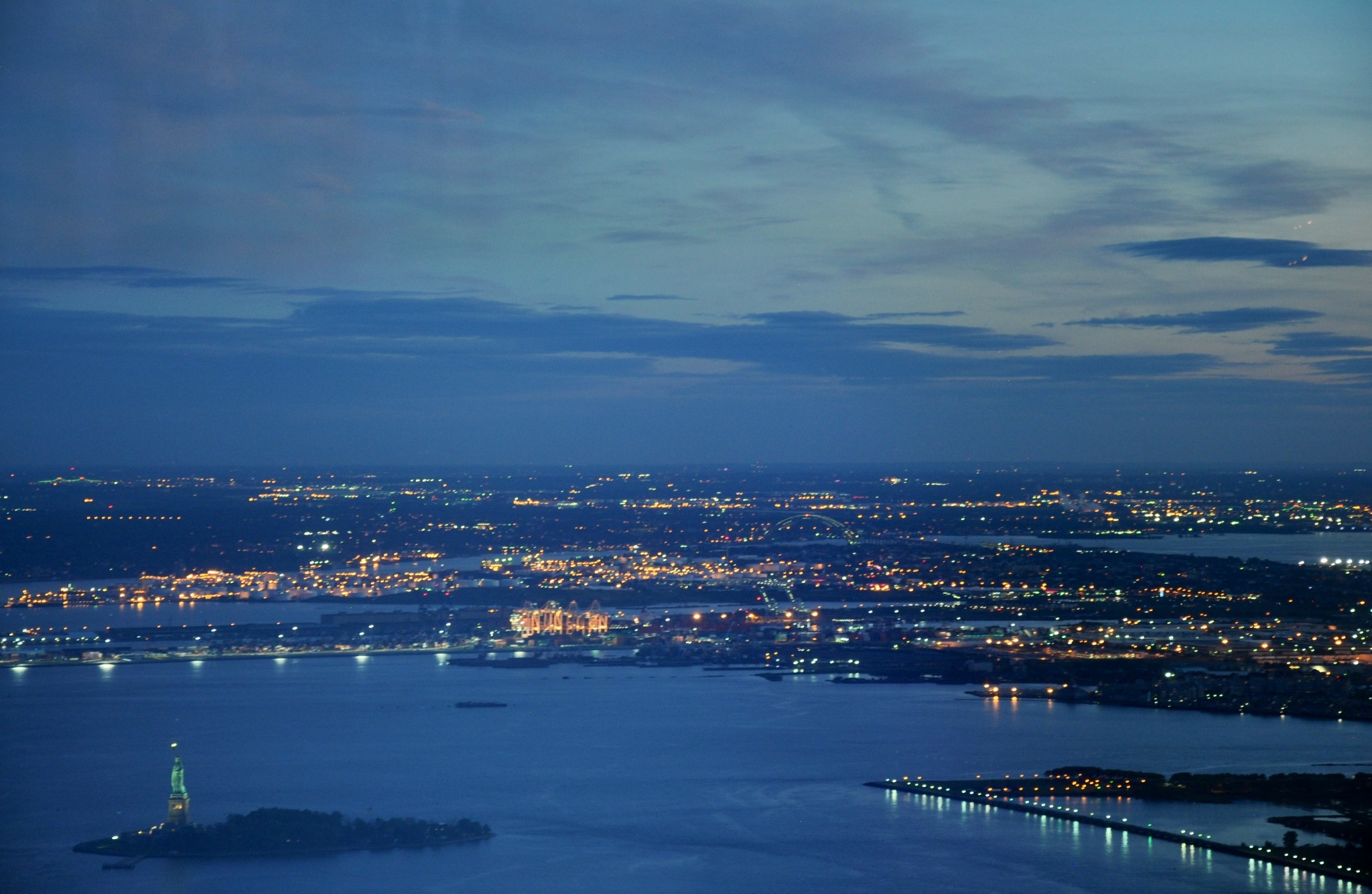
The view south, overlooking the Statue of Liberty
Also known as the Freedom Tower, this, the tallest skyscraper in New York finally opened in May 2015, following the terrible collapse of the Twin Towers on 11 September 2001. It’s a lot more hi-tech than its competition, offering iPad rental for visitors to identify the city’s landmarks and guides that tell New York stories. There’s a surprise waiting as you exit the elevator but I won’t spoil it for you.
Best bit: the elevator ride takes you up 100 floors and whizzes through time as it does so giving you the brief chance to witness New York being built
Worst bit: the observation decks are behind glass, leaving photographers frustrated by reflections and dirty fingerprints
Cost: $40 per adult for general admission
Opening hours: 9am to midnight in summer, 8pm closing from September until Spring, last elevator 45 minutes before closing
Where to find it: West Street, corner of Vesey Street
My verdict
It’s still hard to beat the Empire State if you’re a first-time visitor to the city, but if you have time, plan to ascend the Top of the Rock too. It’s well worth doing one by day and the other at night for two very different experiences. Time at least one of them for sunset. I wasn’t as impressed by the One World Observation Deck because of the issues with getting a decent view of the city, especially once it got dark and the lights were switched on.
In March 2020, Edge opens at the Hudson Yards – watch this space for my review of New York’s fourth observation deck.
On the ancestor trail in NYC
I’ve reached NYC on my Hammond book research trip, following a successful expedition to Hammond, Maine. Unlike in Maine, there’s a chance that the New York Hammond has a connection to the family, as it was bought and named after one Abijah Hammond whose family emigrated from Lavenham, Suffolk. A wealthy NYC merchant, he bought and sold property, mostly in Greenwich Village (then a separate place) and made enough money to build a mansion at Throggs Neck which overlooks the East River on the fringes of what’s now the Bronx.
I caught the 6 (singing J-Lo songs in my head, of course) and then the Bx40 bus to find his house at Silver Beach. It’s now in poor state, with a couple of refurbished rooms being used as offices for the Silver Beach Association. The delightful Carol from SBA welcomed her unexpected visitor with open arms and told me a little about the house, which dates from 1795. As a non-profit co-op, they don’t have the money for repairs, unfortunately, but it was good to know the local residents still refer to Abijah’s place as “the mansion”.
It was a real privilege to be in Abijah’s home, more so as this place is not open to the public. There’ll be more of his story in the book, and it looks like there’s quite a story to tell from this colourful character.

The mansion
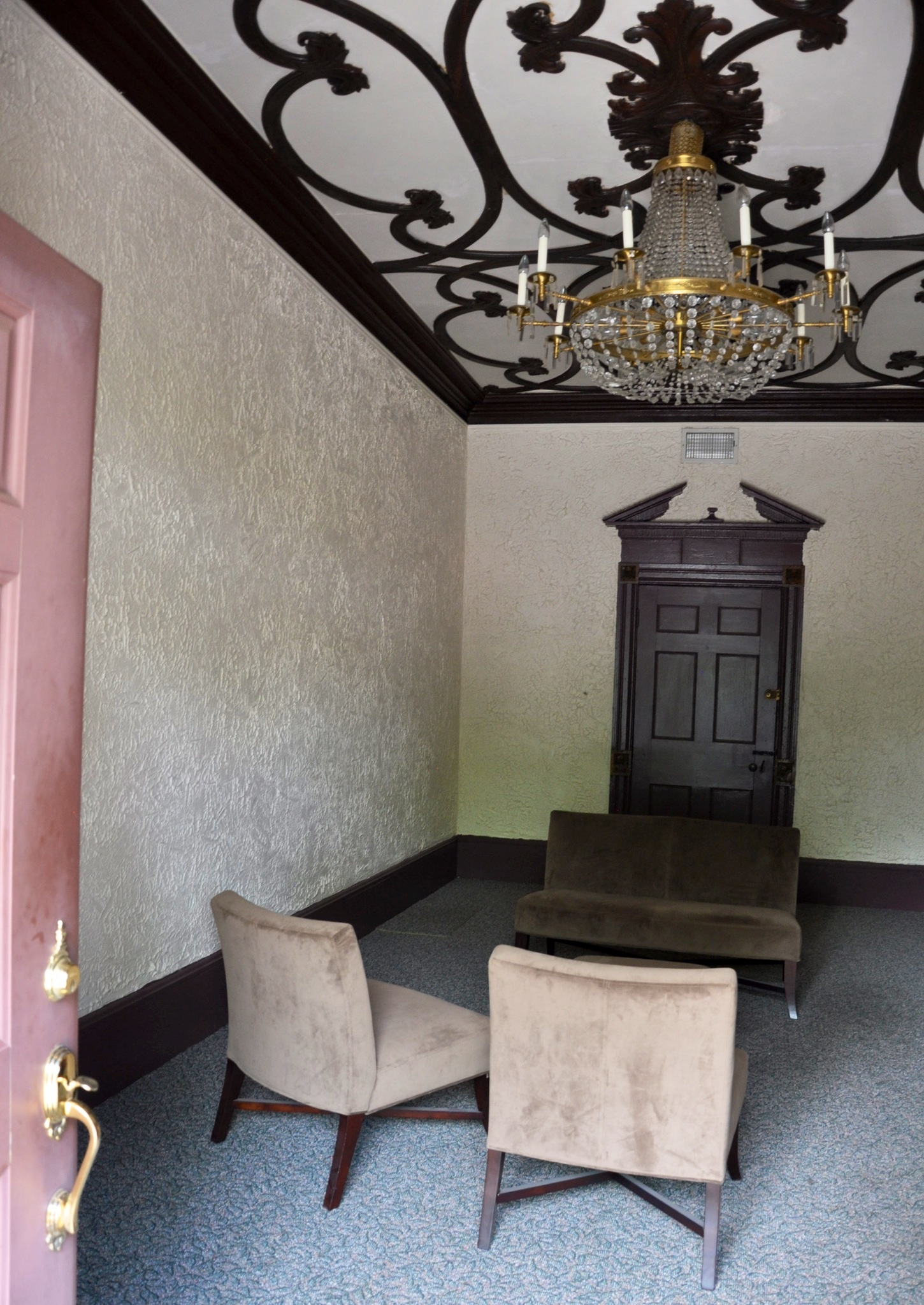
Entrance hallway – check out those marvellous carvings and door mouldings
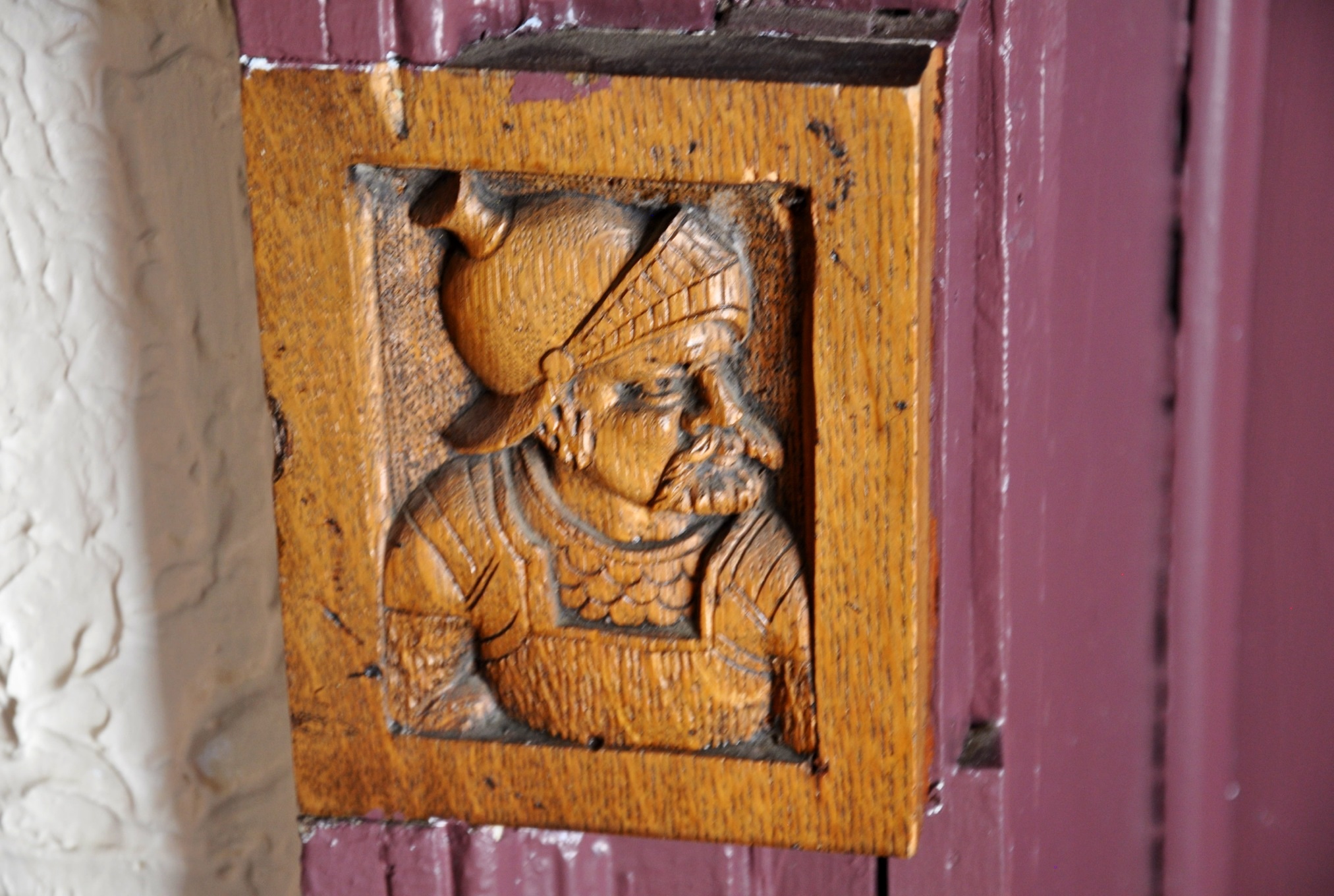
Detail of carving found on all the doors

One of the rooms used by the SBA

Unrestored back room with wooden shutters and typical Georgian styling

The stairwell

The original gate posts
A Down East weekender
It took me a while to figure out why, if I was heading to the north east of the contiguous United States to visit Maine, everyone was referring to my trip as Down East. Surely it should be Up East? Or were the Canadians exerting some kind of hold over their neighbour’s tourist literature? Well, neither, as it turned out. The name originated from the time when ships used to sail from Boston. With the wind at their backs – down wind – they would head along the coast to Maine, hence the term Down East. As Boston was up wind, many Maine residents say they are going “up to Boston” when in fact they would be travelling south.
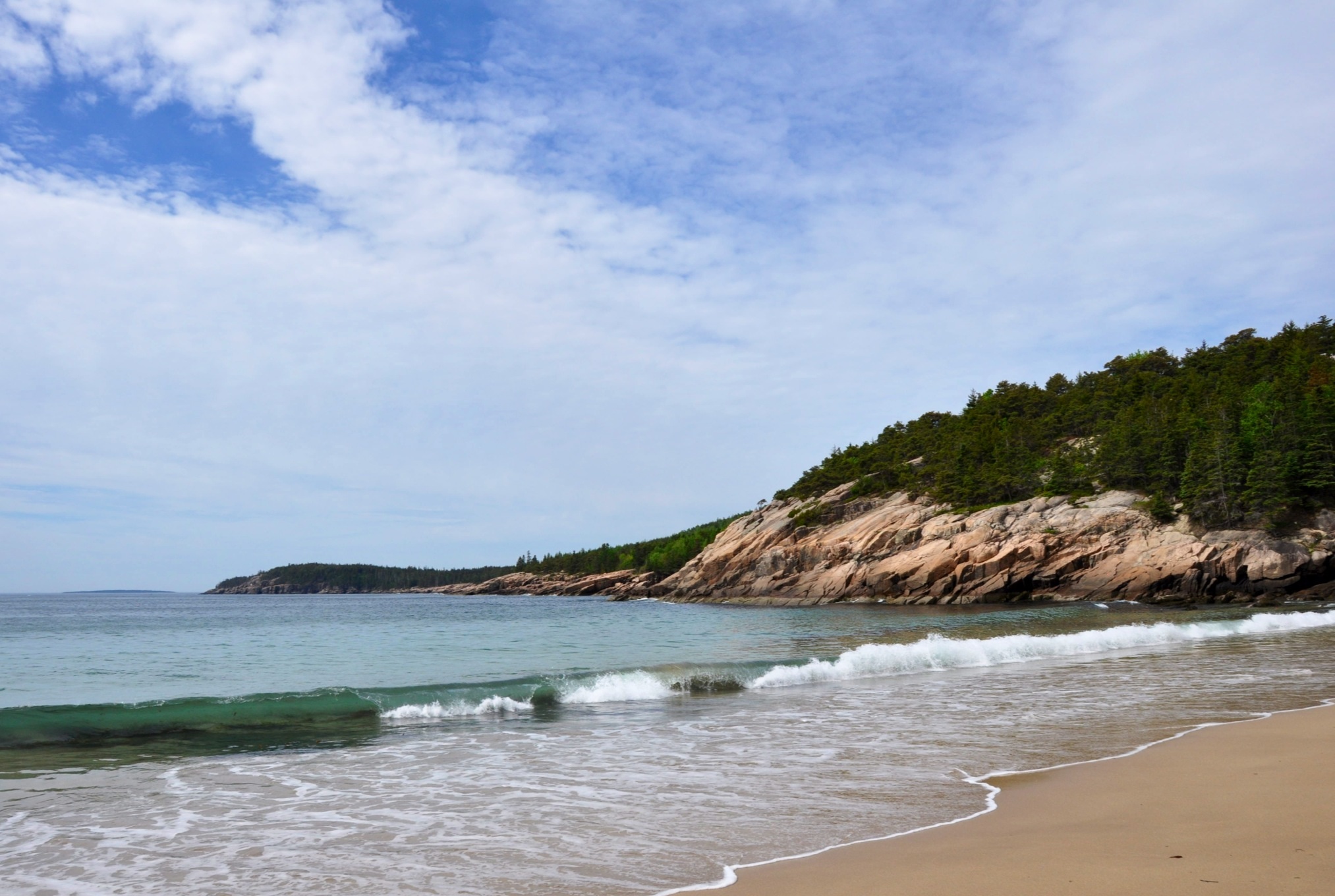
Sand Beach, Acadia National Park
Geography settled, let me tell you why, if you haven’t been here already, you should book a holiday to Maine as soon as you can. Specifically, plan a trip for Mount Desert Island and base yourself in Bar Harbor. This quaint little town, named after the sandbar that links the island to its smaller neighbour Bar Island, is the kind of place that on a sunny day you could easily see yourself staying for good. I’m reliably informed that last winter I’d have thought differently given that they had 130 inches of snow. My southern England brain cannot compute such weather statistics but I’m pretty certain that visiting between June and September is the way to go. I was there in mid-June, when enough tourist facilities were open to make it a pleasant vacation, but to take advantage of sunset tours and Acadia shuttles you should leave it until July.

On board the Miss Samantha with the other Julia
As we basked in temperatures in the mid-twenties under blue skies, Julia, our guide on the Miss Samantha Lobster and Seal tour, told us that this was the best weather they’d had this year after a wet spring. The water was calm enough for the skipper to cut the engine while we took a closer look at the harbour seals on Egg Rock and the sea flat enough for the mums and dads on board not to have to fret when their kids got near the sides when peering into the lobster traps.

Harbour seal at Egg Rock
At a little under two hours, this tour doesn’t head out into the open water like the four-hour whale watching trips do, but there haven’t been many sightings recently. In fact, we got to see an 11 year old dead specimen being towed back to the lab for an autopsy; this particular humpback had become entangled not once but three times in nets and lobster pot lines, so it was likely this may have at least contributed to her death.
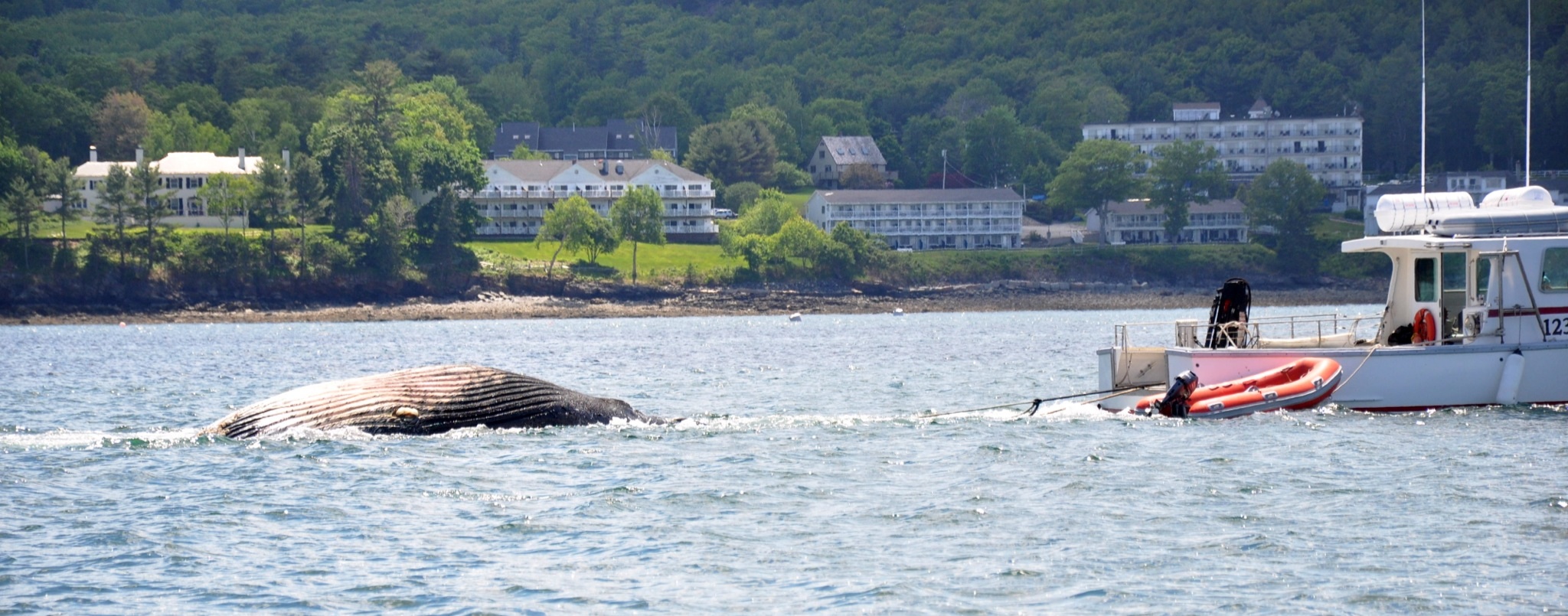
Dead humpback whale being towed in for an autopsy
The humpback had been found washed up on Sand Beach, Acadia National Park’s longest stretch of sand, a week or so earlier. Acadia may not have the wow-factor of parks like Yosemite or Yellowstone, but its granite coastline has been eroded into blocky cliffs and fringed by evergreens, provides picture postcard views to show the folks back home. A short distance further on from Sand Beach was the park’s show stopper: Thunder Hole. There, the sea has eroded a narrow crack into a cave. As the tide enters, air is trapped in the cave and later forced out with a boom. It’s worth hanging around as the sight can vary from a bit of white water to a full on wave explosion.
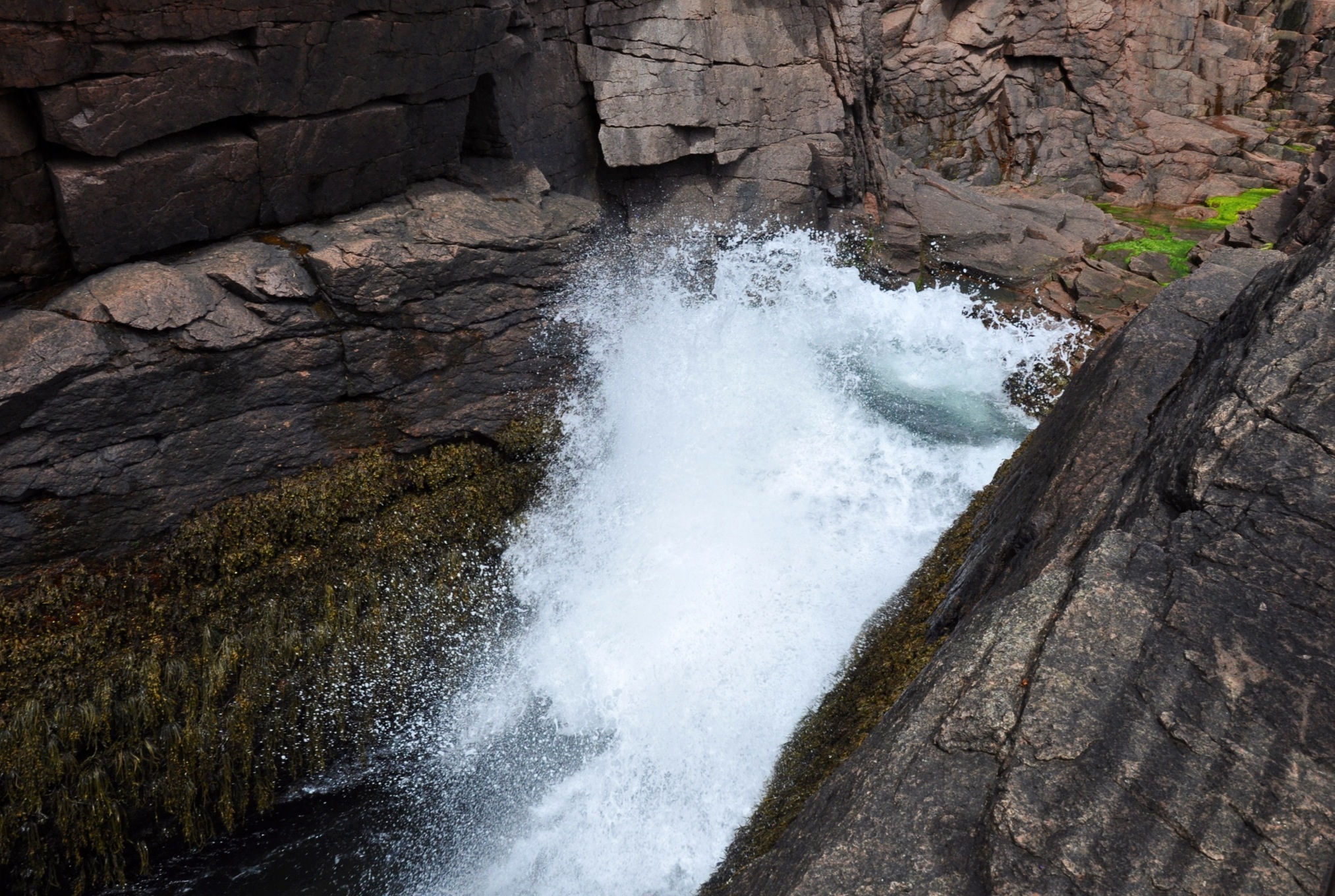
Thunder Hole
A little further on, round Otter Point, hides a tiny cobble beach called Little Hunter’s Beach. It isn’t signed, so most people drive right by it, but if you know to look out for it, you won’t be disappointed. The cobbles are a pretty sight, ranging in colour from white to pink through to ochre and grey. Take a cushion and the bay is the perfect place to linger, though a sharp undertow makes it unsafe to swim.

Little Hunter’s Beach
Continuing on Acadia’s Loop Road, another must-stop is Jordan Pond House. Backing onto Jordan Pond, its cafe on the lawn has a view of North and South Bubble, two rounded peaks that look like a woman’s chest. It’s also the place to try a popover, a kind of cross between a sweet Yorkshire pudding and unfilled choux bun. Served warm, with butter and strawberry jam, they are deliciously more-ish. Of course, you can buy a packet of the mixture to recreate the moment back home.

Popovers at Jordan Pond House
Having rented a hire car with less power than a solar light in an Arctic winter, I pondered the wisdom of driving to the top of Cadillac Mountain. A Model A Ford rally was taking place, and seeing an 85 year old classic safely back down, I decided to give it a go. I needn’t have worried. The road was an easy climb and the views from the top over Frenchman Bay and the Atlantic were splendid. There was something wonderfully American about building a car park at the top of a mountain.

The view from the top of Cadillac Mountain
Back in Bar Harbor, I was happy to browse the gift stores, especially the excellent Bark Harbor pet shop. There was no hiding the fact that I was an out of towner in my Cool as a Moose T-shirt, never more so when I ate my first whole lobster. Diane, my server, was patient as she showed me where to twist and what to crack. The lobster was sweeter and juicier than anything I’d ever tasted before, though admittedly that amounted to lobster tails in chain restaurants. Butter dripping off my fingers, I washed it down with glasses of the local ale and stout on the verandah of the West Street Cafe. Did I really have to leave in the morning?

West Street Cafe
Need to know how to keep your costs down?
I travelled from Boston to Bangor with Concord Coach Lines, whose return ticket including free WiFi onboard cost $73. I stayed at the very central Mount Desert Street Motel in Bar Harbor at $87 per night for a room sleeping up to four. A budget but brand new rental car from Alamo via rentalcars.com worked out at £23 per day including recovery. A one day vehicle pass for Acadia NP cost $25 and the Lobster and Seal Tour was $29. Most places in Bar Harbor do early bird discounts if you eat before 6pm, meaning you can eat a lobster dinner for less than $20.
A bargain in Bar Harbor

Boats in Bar Harbor
From the most recent TripAdvisor reviews, I’d been a little trepidatious. I’d used Booking.com, my usual site when I’m looking for hotels, and found a little place right near the centre of Bar Harbor for an affordable price – when the average price was way out of my budget. It was called the Aurora Inn and Motel and it looked OK, nothing fancy but OK. The reviews were variable, but there were plenty of decent reviews to balance out the duds, so I booked. A few weeks later I had an email from the Quality Inn up the road saying that the hotel was being sold and did I want to transfer my booking? I chose not to, as the Aurora was closer to town, but as my travel dates got nearer, so the reviews got worse. Significantly worse. Pretty much every single one implored the traveller to stay away. I figured I’d see for myself, thinking that having rented a car, I could always stay further out of town to find something within my budget if the reviews were right.

The new sign
I reached the address to find that the motel that matched the pictures now had a new name, Mount Desert Street Motel. There was a little confusion when I pitched up in the office bearing a booking for the old place, but the new owner, Stephen Coston, was quick to reassure me that if there was an billing issue, he’d sort it. It seemed that, because the previous owners had already decided to sell, my booking, though recognised by Booking.com, had never been transferred onto the system, and therefore the new owners didn’t know to expect me. Fortunately, being early in the season, there were plenty of rooms.

Room at the motel
The Aurora Inn and Motel used to consist of three buildings. The rooms at the motel part of the Aurora Inn and Motel now form the Mount Desert Street Motel. Stephen and his mom Nancy run the place with the enthusiastic help of Gadget the dog. What was the Aurora Inn is being remodelled and will form an extension to another place, the Primrose Inn. And the rooms by the cafe, the part of the hotel that generated all the bad reviews, will now come under the Quality Inn, but hopefully with some improvements.

Mount Desert Street Motel
My room, I have to say, was an absolute steal at $87 per night, for a room that would sleep four. (Even better, my original booking was for a rate of $109, yet unprompted Stephen still let me have the discount rate.) For that I got the best night’s sleep of the trip so far, a genuine welcome and everything you’d expect from a US motel, including WiFi, loads of TV channels and a coffee machine and microwave in the room. The rooms have been remodelled with new soft furnishings and fresh paintwork. Most welcome was a decent hairdryer that actually dried hair. It was just a five minute walk into the heart of Bar Harbor. After a long but rewarding day exploring Acadia National Park, I was able to savour a much-wanted Allagash stout – something I couldn’t have done if I’d have stayed on the edge of town and driven in.

Allagash Black, tasty but strong!
The new owners have got some work to do to build their business, but I wish them well.
You can find them at 68 Mount Desert Street, Bar Harbor, Maine, just a few minutes’ drive from Acadia National Park. Reserve via email at reservations@mountdesertstreetmotel.com or by telephone on 207-288-8300.
Tips for getting the best out of a trip to New York City
There’s so much to see in the Big Apple so making sense of it all as a first time visitor can be daunting. Here’s what I’ve learned:
Use the subway
Getting around in New York’s traffic can be hell so why waste your precious time sitting in traffic? Instead take the subway. A one week MetroCard costs $30 plus a $1 fee to buy the card. Tip: save your card and take it with you on your next holiday – the card is reusable. Standard fare per journey is $2.75 so you don’t have to use it much over a week to get your money’s worth. Check out the MTA tourist’s guide here: http://web.mta.info/metrocard/tourism/index.html.

Essex Street subway station
Both JFK and Newark airports, serving UK carriers, are located out of Manhattan – JFK is out in Queens and Newark is over in New Jersey. Both take a similar amount of time to reach. If you are offered a coach or shuttle connection to the airport as part of a package, think carefully as to whether to take it – journey times are often double that of the subway or Long Island Rail Road, especially at rush hour. Note that if you take the subway or LIRR to JFK you’ll need to connect to the AirTrain which requires an extra ticket (a $5 fare). In the city, look to see whether you can take an express train; for longer journeys (e.g. Upper West Side to Battery Park) these can be considerably quicker. But at busy periods, you might have a better chance of getting a seat (or even getting on!) if you take the local. Print off a map from http://web.mta.info/maps/submap.html or download a free app so that you can ensure you don’t go whizzing past your stop.
See NYC’s museums and attractions free of charge
Time your visit right and you could save a ton of money. Many of New York’s premier attractions offer free entry at particular times of the week, so before you consider buying a tourist pass, work out which attractions you want to visit and when you can see them for nothing. For example, up in the Bronx, the Zoo offers free entry on a Wednesday, though some exhibits charge an additional fee, such as the excellent Congo Gorilla Forest.

Bears playing in the Bronx Zoo
The nearby Botanical Gardens offers free entry on the same day, so combining the two makes sense. The city’s top museums are also free some of the time – try the 9/11 Memorial and Museum on Tuesdays after 5pm (reservations recommended) and the Museum of Modern Art between 4 and 8pm every Friday. For a fuller list, check out http://www.nycgo.com/articles/free-nyc-museums and double check things haven’t changed just prior to your visit.
Go local and eat at a food cart
Some of the best food in New York can be found at the city’s food trucks. Famous burger chain Shake Shack started from a cart in Madison Square Park back in 2000.
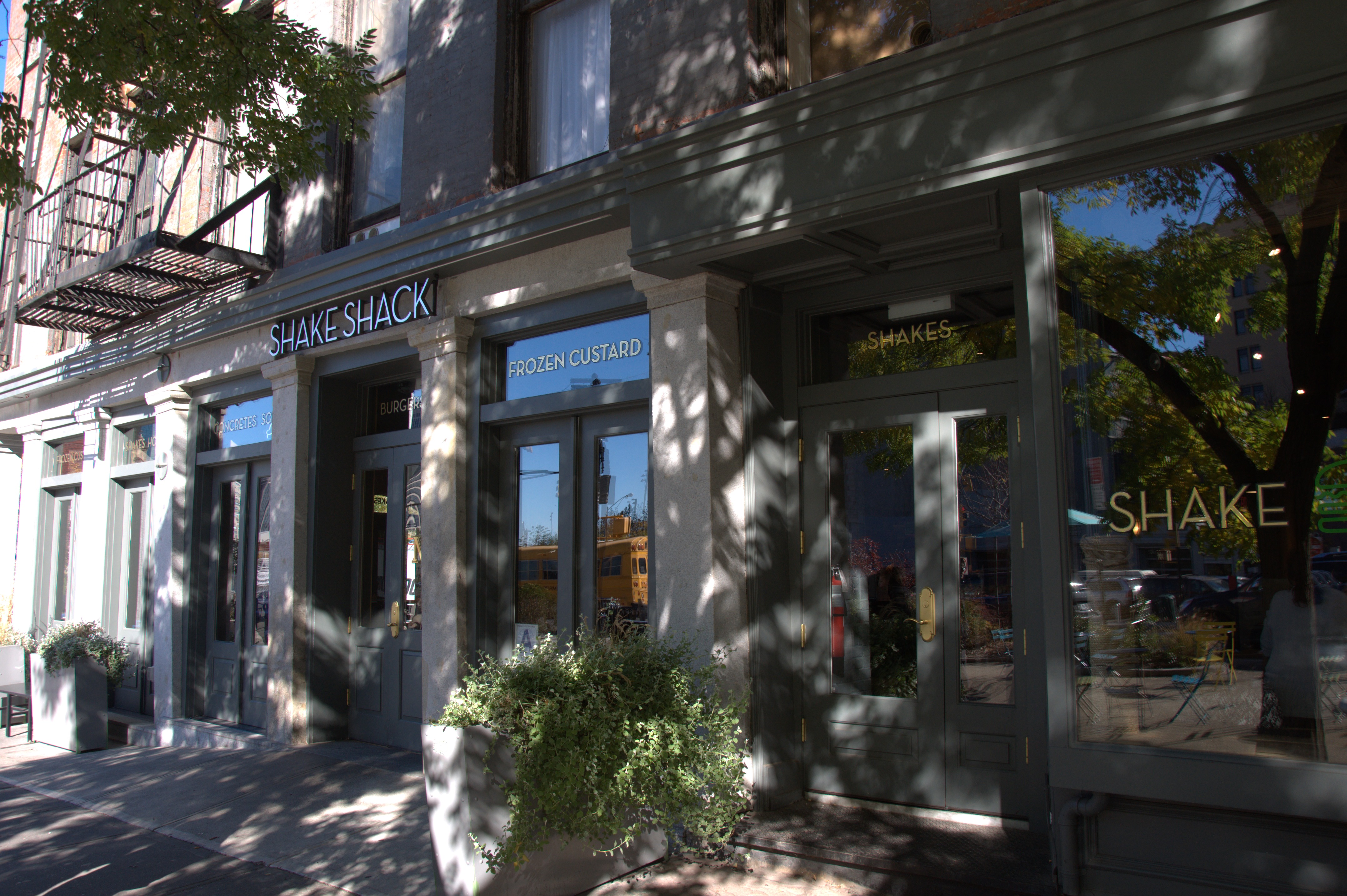
Shake Shack, near the Brooklyn Bridge
No matter what your favourite type of food, there’s a truck to suit. Try Calexico, a Cal-Mex eatery with a range of restaurant locations and carts scattered across lower Manhattan and Brooklyn, including the Flat Iron and SoHo. Schnitzel and Things brings an American twist to German food and again shifts from place to place; follow them at http://www.schnitzelandthings.com/ to find out whether they’ll be near you. If you’d rather try something from the US, then I have a couple of recommendations. Shorty’s on Wheels is the mobile offering from Philly cheesesteak provider Shorty’s – check out its website http://www.shortysnyc.com/truck-schedule.php for the week’s locations as the vehicle moves on a daily basis. Luke’s Lobster have a number of restaurants scattered across the city bringing a taste of New England (think clam chowder, crab and lobster rolls) but they go mobile via the Nauti Mobile. Find them here: http://lukeslobster.com/nauti and check out their scrumptious menu.
Get off Manhattan
There’s so much to do and see that it is tempting to limit yourself to Manhattan, but that would be a pity. On a summer’s weekend, there are few places better than Governor’s Island. Take the ferry from southern Manhattan, rent a bicycle and enjoy fabulous views of the New York skyline from two wheels without having to worry about traffic. Over in Brooklyn, the neighbourhood of Williamsburg contains a clutch of great shops (and eateries) centred on Bedford Avenue including the Goorin Bros. hat shop, the Bedford Cheese Shop and the delightful Red Pearl, a boutique selling clothes, jewellery and gifts: http://shop.redpearlbrooklyn.com/. If you have enough time to venture further afield, take a Metro North train out of Grand Central and visit the quaint town of Rye or, a little further on, Old Greenwich, one of Connecticut’s prettiest little towns and home to the Sweet Pea’s Baking Company: http://sweetpeasct.com/.

Sweet Pea’s Baking Co, Old Greenwich
Julia’s Guide to New York Part 3: Manhattan East
Begin at Canal Street. Head along Canal and into Chinatown. My favourite parts are around Mott and Mulberry but the whole area is interesting just to see how different it is from other nearby areas. I can never suppress a snigger when I pass Mei Dick barbers. Vietnamese businesses are slowly colonising parts of Chinatown and of course it has Starbucks et al, but it remains a very Chinese neighbourhood. It’s also a great place to pick up a bargain I ♥ NY T-shirt or Hoodie. Haggle hard!

Shopping in Chinatown is never dull
Next, take the J or Z subway (brown) to Essex and Delancey. Head across the street to Orchard Street and visit the Lower East Side Tenement museum. By European standards this isn’t old, but it is for Manhattan and the room sets give a clear picture of what life would have been like for garment workers in this district back in the 19th Century. Architecturally it’s very interesting inside too as some of the rooms are in their original condition complete with years of peeling wallpaper. You can book in advance at www.tenement.org and there are various tours you can book onto which give you a themed talk into an aspect of tenement life that appeals. It really does bring history to life and helps you understand the context of the buildings.
Cross the street and head for 205 East Houston Street, in particular Katz’s deli. This old Jewish deli has been there for years; it’s a New York institution. The food is amazing; the setting is humble. I can recommend the pastrami on rye and you should also taste the knish. Wash it down with an egg cream. This was the setting for the famous fake orgasm scene in When Harry Met Sally but as you’ll see from the many pictures that adorn the walls, this is a favourite of many celebrities and politicians as well as the NYPD and FDNY.

“I’ll have what she’s having!”
Two of my favourite squares are a short walk from each other. Take the subway to Union Square which has a thriving farmers’ market every Wednesday, Friday and Saturday. It began in 1976 with a few farmers and the number of stallholders has grown steadily to around 140 today. North of Union Square at 23rd Street is Madison Square Park, alongside which you’ll find the triangular Flat Iron Building which dates from 1902.
North via the subway again at 42nd Street is what’s been termed the greatest railway terminal in the world: Grand Central station. It certainly outshines Liverpool Street at rush hour. This building is spectacular on a sunny day when the light shafts in through the windows, rivalling nature’s crepuscular rays. Walk across 42nd Street and pass the Chrysler Building. You can’t go up, but the building is worth a look nevertheless.
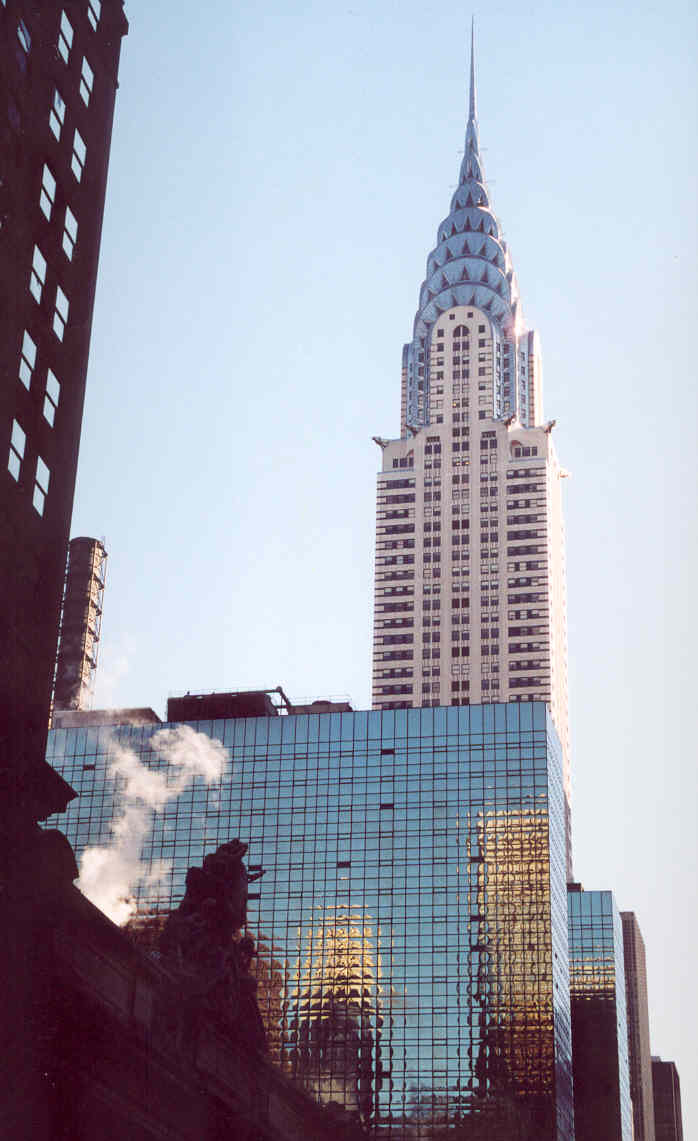
The Chrysler Building
Keep heading towards the river for a look at the United Nations Building (44th Street and 1st Avenue). You can book guided tours which are interesting, with the disarmament exhibits particularly poignant. It is necessary to pre-book tickets at http://visit.un.org/wcm/content/site/visitors/home/plan and as with the Statue of Liberty and the Empire State you do have security screening for which you need to allow time.
At 59th Street and Lexington, you’ll find Bloomingdales. Buy a Little Brown Bag and walk a block up to 60th Street. Serendipity 3 is a cute cafe featuring as its signature drink frozen hot chocolate, located at 225 East 60th Street. From there, head for the Roosevelt Island tramway. There isn’t a lot to see on Roosevelt Island itself but this tiny cable car is worth a ride in itself for the view back to Manhattan. Metro cards are accepted. Website http://rioc.ny.gov/tramtransportation.htm has the schedule.
Museum Mile is an integral part of the Upper East Side and my two favourites are both alongside Central Park. The Guggenheim is an amazing building for its architecture, all white curves of loveliness. Frank Lloyd Wright designed this building; if I’m honest, it fascinates me more than the exhibits inside but this is a must-see on your itinerary. Find out about the current exhibits at http://www.guggenheim.org/new-york. Up at 103rd Street is the Museum of the City of New York. Overlooked by many visitors, it tells the story of New York’s growth over time via a must-see film. Exhibits change, but will stay in your mind. A permanent fixture is the Activist New York display, featuring campaigns that range from anti-slavery to the suffragette movement, artefacts such as the Gay Bob doll and changing attitudes to the preservation of historic buildings. While you’re up here, it’s worth crossing the road into Central Park to see its only formal space, the Conservatory Garden, and Harlem Meer.

Museum of New York City
For dinner, head into Spanish Harlem. A block north of Tito Puente Way, a street named in honour of the outstanding Latino musician though I couldn’t find a plaque, I dined at Amor Cubano. It’s Cuban, obviously, though much around it is Puerto Rican. The food is delicious, the welcome familial and the atmosphere enhanced by live music. Camaradas el Barrio, a couple of blocks away, offers the best Puerto Rican food in the area and again has live music most evenings. But if you want to follow in the footsteps of Frank Sinatra, Dean Martin and Tony Bennett, then there’s only one place to go. Patsy’s Pizzeria has been a favourite since it first opened its First Avenue doors back in 1933.
Julia’s Guide to New York Part 2: Manhattan West
Part 2 of my guide to the Big Apple covers Manhattan’s west side from Washington Square to Central Park.
This route begins in Washington Square, where Harry left Sally after their road trip from Chicago. This landmark square has also featured in the Will Smith film I am Legend and is worth a visit for a picture of the arch. Head north along West 4th Street, through the attractive residential area of Greenwich Village. Turn left into Grove Street and a couple of blocks further on you’ll come to the building that featured as the apartment building in the hit TV show Friends. Backtrack a block and head north along Bleecker Street. There are plenty of boutiques and cafes, but the one that may well have a queue outside is the original branch of the Magnolia Bakery, whose melt-in-the-mouth cupcakes featured in the HBO show Sex and the City.
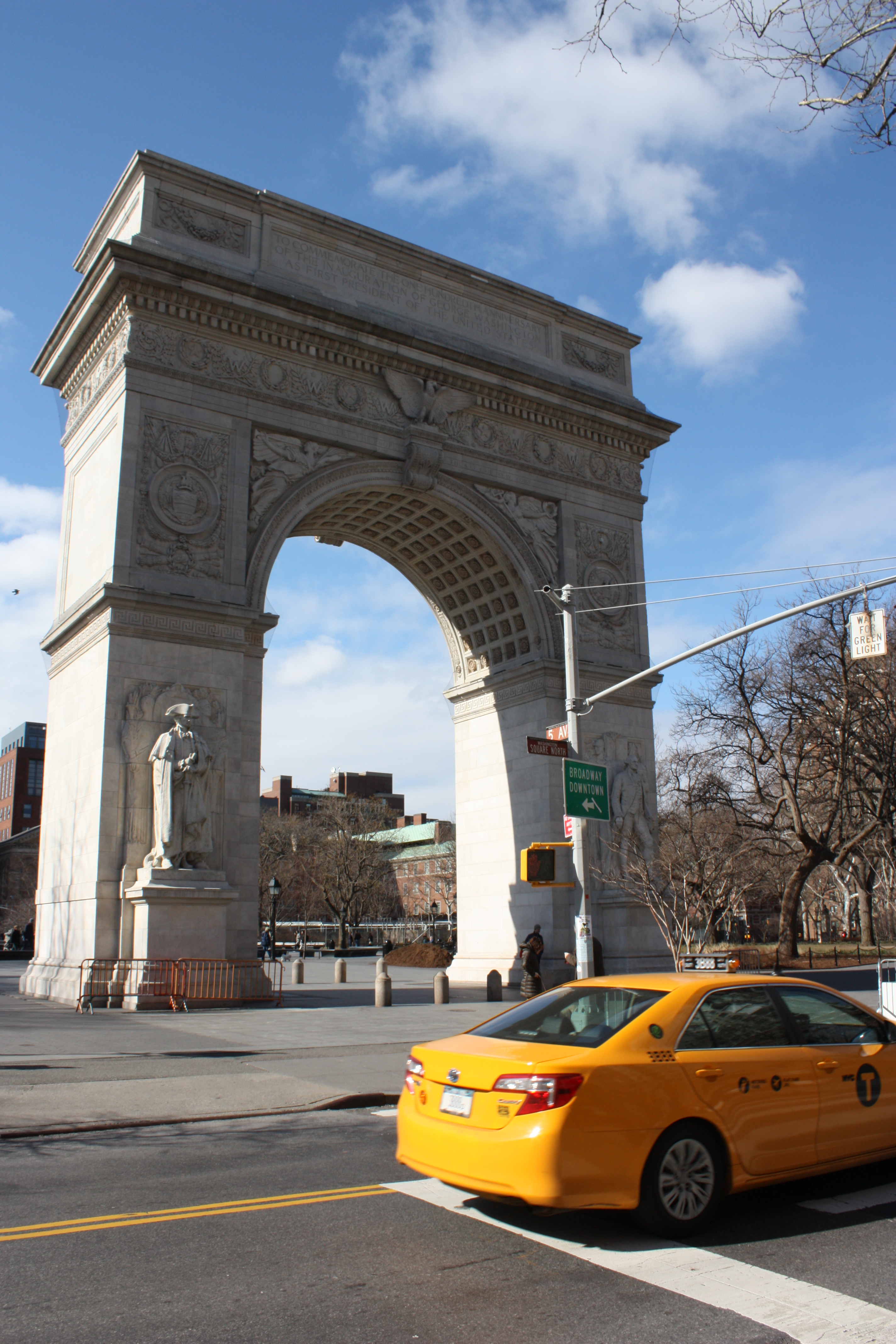
Washington Square arch
One of my favourite things about New York is its capacity for change so today I’d recommend you then have a wander in what was once the heart of New York’s butchery area. Today the Meatpackers’ District is home to cute cafes and designer clothes stores, where warehouses have been turned into cutting edge businesses.
To get to the heart of the Meatpackers District, continue north along Hudson Street and right into Gansevoort Street. In the area bounded by Gansevoort and West 14th Street, you’ll pass enough boutiques and outlets to get a feel for the area. Turn down Washington Street and at the corner with West 13th Street is the Hogs and Heifers bar from the film Coyote Ugly. One block south is the start of the High Line, a fantastic community-driven renovation that showcases the architecture of the area whilst turning an overground railway into a recreational facility for locals and tourists alike. It’s heaving in the summer but in the winter, pick a clear day and you’ll be able to wander in peace and really appreciate your surroundings. Wrap up warm against the wind though – when a cold wind blows across the Hudson, it bites into your face like a swarm of angry mosquitoes. One of the architectural highlights is The Standard Hotel which straddles the High Line. Nip down for a Fat Witch brownie from the Fat Witch Bakery in Chelsea Market at 9th Avenue. Go online to www.fatwitch.com to see what might tempt you.
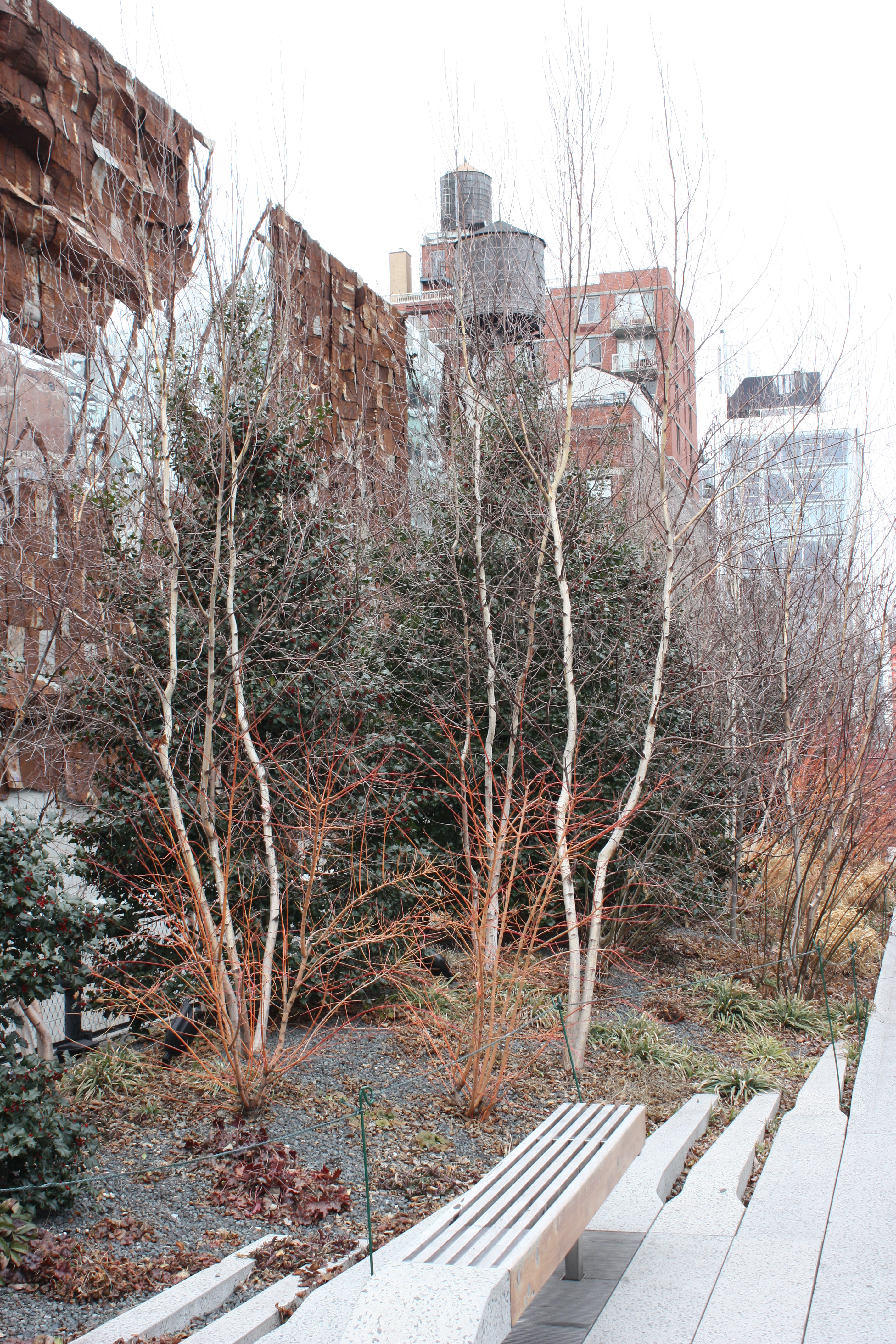
The High Line in winter
Back on the High Line, continue north; the park narrows and widens, offering vistas over art installations and views across to skyline landmarks like the Empire State. There are plenty of cosy nooks and crannies to snuggle up and you’ll have some of these pretty much to yourself in winter.
Follow the High Line right up to 30th Street and then head east past the Post Office (don’t stand too close to the building or you might get an unwelcome souvenir from the pigeons). It’s a fair walk across so you might wish to hail a yellow cab, but the walk will take you to 6th Avenue. Make a left and walk three (shorter) blocks to Herald Square at the back of Macys – the largest department store in the world, allegedly. Plenty of cafes and food outlets are located in this area as this is the heart of Midtown.
Just a block over, on 5th Avenue, is the Empire State Building. You may wish to reserve in advance as it can be pretty busy; go online at www.esbnyc.com. This Art Deco structure is one of the world’s most iconic buildings and definitely worth a visit. Don’t let them upsell you to the Skyride – it’s not worth the time or the money. The views from the 86th floor on a clear day are excellent, but the wind can be strong on at least one side of the viewing platform. Prepare yourself with a photogenic hat or plenty of hairspray.
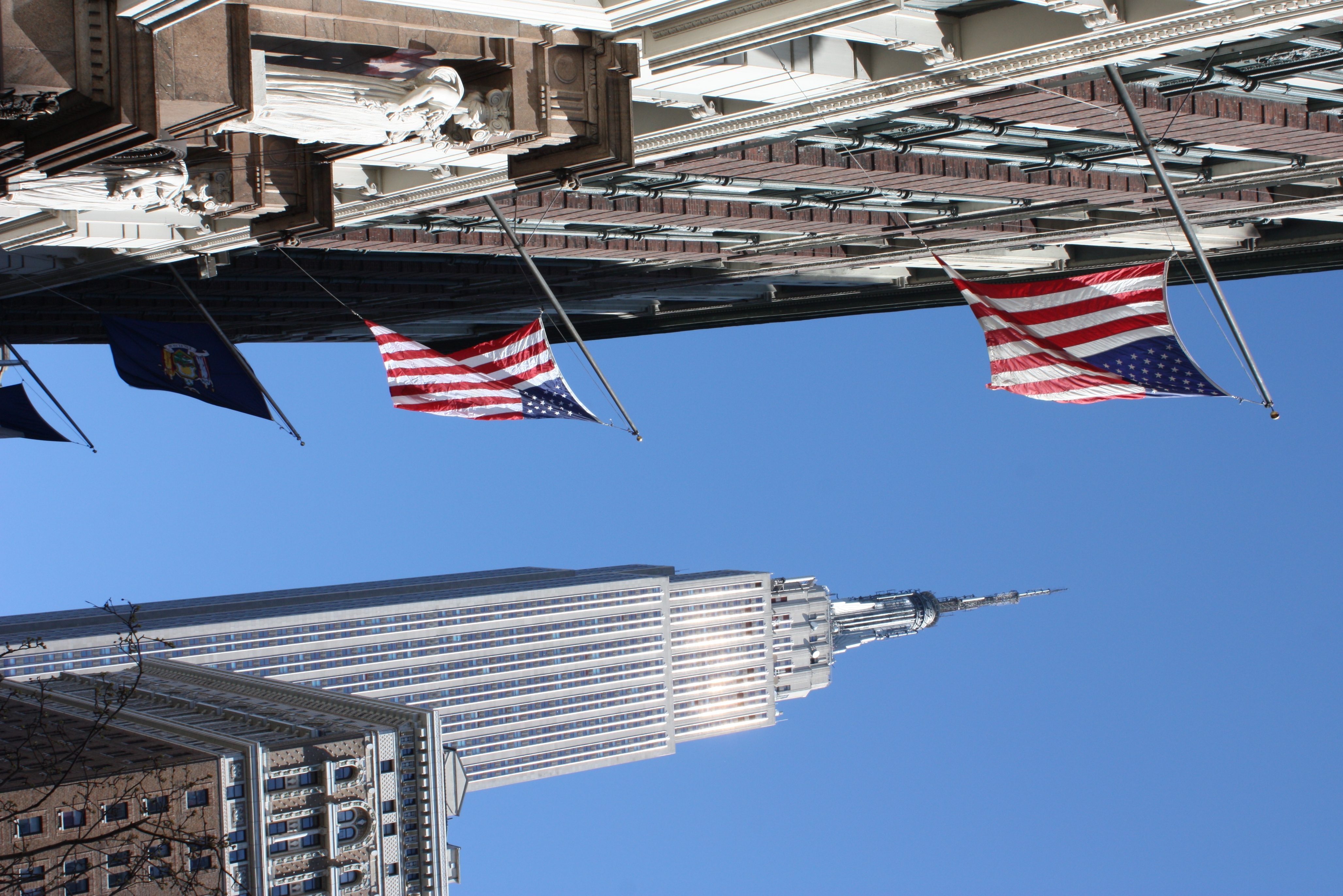
The Empire State Building
North along 5th Avenue takes you to Bryant Park, where there’s a good Christmas market and, when the weather’s warm, al fresco eateries. Cut back west to Times Square and note the location. It’s tourist central, of course, emblazoned with neon and awash with comic book characters just dying to pose for a photo. If you like what you see, come back after dark. From Times Square, head for the subway and take the red line to 72nd Street (it’s an express stop, so the 1, 2 and 3 are all fine). If you’re hungry, try a hot dog from Gray’s Papaya and walk a couple of blocks over to the park.
Central Park is a must and from the west, you’ll follow a trail of pampered pooches heading into the park. If you have your own back home, pick up a canine-friendly gift from the New York Dog Shop on 73rd Street – purple squeaky Empire State toy, anyone? Enter the park at the 72nd Street Traverse and look for the memorial to John Lennon, the legendary musician shot on December 8th 1980 outside the Dakota Building which stands across the street. The Imagine mosaic forms part of a tribute area known as Strawberry Fields, funded by a $1 million donation from John’s widow Yoko Ono. Continue through the park. In summer, you might rent a boat from the Loeb Boathouse; in winter, perhaps try your luck at ice-skating on the Wollman rink.
Central Park
The days of one Central Park attraction might be numbered, however. Despite Mayor de Blasio’s intention to ban them, at the time of writing it is still possible to take a horse and carriage ride through the park; they congregate along 59th Street at the southern edge of the park. They’ve been a part of the Park since the day it opened back in 1858 and Hollywood stars such as Liam Neeson and Danny Glover have made no secret of their opposition to the Mayor’s plans, along with an estimated 67% of New Yorkers. Find out more about the issue at www.savenychorsecarriages.com.
When you’re done, make your way back to see the lights of Times Square. You may wish to eat at Ellen’s Stardust Diner. It’s not to everyone’s taste, but those that love it enjoy the singing wait staff and its 1950s retro diner decor. You’ll find it at Broadway and 51st, or if you can’t see it, listen out for a song. To round off the evening, pay a visit to the observatory platform at the Top of the Rock. This offers unrivalled views of Manhattan for one reason – your view will include the Empire State Building. Depending on the season, this after-dinner slot may coincide with sunset, and it’s certainly an impressive vista after dark, although you may not wish to ascend this and the ESB in the same trip, especially if your time is limited. Pre-book your ticket at http://www.topoftherocknyc.com to avoid having to wait in line.
Sunset at the Top of the Rock NYC
Julia’s Guide to New York Part 1: Lower Manhattan
Here’s my guide for the first-time visitor to Lower Manhattan.
Begin at the southern tip of Manhattan, on the reclaimed land known as Battery Park City. Walk across Battery Park until you see Castle Clinton (the large circular fort) and get tickets for the Statue of Liberty – I’d advise an early start as the queues can be long, even out of season. Take the Circle Line cruise, get off at Liberty Island and have a close-up shot with the Statue. You can go up inside the crown but you need to pre-book tickets which have limited availability. When I last visited, the exhibition inside explained the technology behind creating the structure. Book tickets ahead of time at www.statuecruises.com

The Statue of Liberty
The second stop on the Circle Line cruise is Ellis Island. Temporarily closed after damage sustained by Storm Sandy’s flooding, it has now reopened. This fascinating museum tells the story of immigration to the USA, focused on the migrants that came through Ellis Island. You can imagine how scared some of them would have been as they stood in the hall with its huge arched windows. Some of the pictures are haunting and it’s definitely worth hiring an audio guide to hear the stories. Allow at least a couple of hours to absorb the information – more if you’re a history buff or genealogy fan.
If you’re not bothered about seeing Lady Liberty close up, you can take the Staten Island ferry from right next to the South Ferry subway building. It’s free and runs every 15 to 30 minutes. You get the same amazing view of southern Manhattan and Battery Park from the back of the ferry without having to pay, or queue. The platform at the rear of the ferry is small, so wait by it when you board to be sure of a good spot on the left as you look back to Manhattan and across to the Statue of Liberty.

Lower Manhattan as viewed from the Staten Island Ferry
On your return to Battery Park, walk across the park to the Skyscraper Museum, tucked away opposite the Museum of Jewish Heritage on its western side. Lots of people don’t know about this place but it has some interesting exhibits of skyscrapers within Manhattan and a main exhibit that changes regularly. Check for current exhibit details at www.skyscraper.org
Head over to Bowling Green subway (green line) back towards the South Ferry station – you’ll see a sculpture crafted from 9/11 debris. Walk north up Broadway and you’ll soon come across the Charging Bull sculpture the centre of the street – worth a brief photo and you sometimes get street performers or musicians hanging out here.

Arturo di Modica’s famous Charging Bull sculpture
Carry on up the street until you get to Wall Street and take the obligatory pictures of the New York Stock Exchange and opposite, Federal Hall. You get a cool view standing next to the statue of George Washington and looking out over the street. Now head north towards Fulton Street and turn down the street heading for South Street Seaport. It’s worth noting that there’s a TKTS booth here which often has shorter queues than its better known counterpart in Times Square. The old fish market has closed and relocated to the Bronx. The seaport buildings were hit badly by Storm Sandy in 2012 but renovations have been extensive. Pier 17 has reopened and there are a range of pleasant eateries in and around this area which makes a good spot for a lazy lunch. If you want something quick and on the run, I love Ruben’s Empanadas – a little taste of Latin America right on Fulton Street.
Stroll off lunch with a walk along the East River boardwalk until you are just short of the Brooklyn Bridge – it makes for a good view. You may wish to head up onto the bridge itself – you need to walk at least halfway across to you get a true feel for the bridge’s amazing architectural quality. Alternative views can be had by taking a yellow water taxi across to Brooklyn and view Manhattan’s skyscrapers from the east. Note that water taxi fares in summer are cheaper because in winter you have to buy a day pass.

The Brooklyn Bridge
Backtrack along Fulton Street and head for the tiny church of St Paul’s Chapel at 209 Broadway. You’ll find the 9/11 Chapel of Remembrance here and if you walk around the back, you find the Liberty Bell in the churchyard. Take the road to the right of the church and cut across to the junction of Liberty and West Streets for the entrance to the 9/11 memorial. There’s no need to pre-book tickets anymore now that the museum is open – all the security checks now take place inside the museum, which is worth a visit. You can also ascend New York’s tallest building, the Freedom Tower. Your final stop just a few steps up from the memorial site at 233 Broadway is the Woolworth Building; built in 1913 and once the tallest building in the world.
9/11 Memorial at dusk
My choice of dining in Lower Manhattan is at Fraunces Tavern, located at 54 Pearl Street. Hop on the subway and travel a few stops to go back in time – this is the place where George Washington bade his farewells to his officers back in 1783. Fittingly, there is now a museum of American Revolutionary War history in the building. The bar has an extensive menu of over 130 craft beers and ciders, hosts live music at weekends and the food is good too.
A year ago today…
Sunset as we got engaged, Top of the Rock NYC
A beginner’s guide to the Riviera Maya
Mexico’s Riviera Maya is the name given to the stretch of Quintana Roo coastline that extends from Cancun in the north (or a few kilometres south of it, definitions vary) to the Sian Ka’an Biosphere Reserve to the south. Together with the neighbouring state of Yucatan, it is a deservedly popular package and independent tourism destination. This guide is aimed at the first-time visitor and should help you to make the most of your holiday. Prices are shown in Mexican pesos, which at the time of writing had an exchange rate of about twenty to the pound. The information given was correct at the time of writing, but check locally as things change.

One of the four voladores
How to get there
Most visitors arrive at Cancun’s international airport just to the south of town, well served by direct scheduled flights from the UK, for example, with British Airways and Virgin Atlantic. It is possible to fly to Mexico City and catch a connecting flight but this takes longer. A wide range of packages are available with operators such as Thomson, Thomas Cook and First Choice. From the airport, the best way of getting to your hotel depends on your location. ADO buses serve the centres of Cancun and Playa del Carmen on a half-hourly basis, with fares of 148 pesos per person to Playa and 62 pesos to Cancun. Airport shuttles are available to the main resort areas for around four times as much and private hotel transfers considerably more. If you’re on a package, transfers will usually be included but check your booking documents.

Parrot in Xcaret Eco-park
How to get around
Taxis are cheap but better still are the minibuses called colectivos that ply the main road at regular intervals. To catch one, simply flag it down and tell the conductor your intended destination. Fares are cheap so take loose change and small notes. In Playa, colectivos can be found in town at Calle 2 Norte between 15th and 20th, whereas in Cancun you’ll need to come out of the Zona Hotelera into downtown, where they congregate outside La Comercial Mexicana supermarket on Avenida Tulum. In Tulum, look for them opposite the ADO bus station in the town. Several bus companies serve a large network across Quintana Roo (the state containing the coastal strip) and neighbouring Yucatan (where you’ll find Chichen Itza). The best quality buses, with fewer stops and therefore slightly dearer fares, are run by ADO, whose website http://www.ado.com.mx is easy to navigate. Local routes are also served by the cheaper Oriente and Mayab buses, which tend to be a little less comfortable and stop more frequently.
Where to stay
Cancun is the largest of the Mayan Riviera resorts. Created from scratch four decades ago, it basically consists of two areas: downtown, where the locals live, and the Zona Hotelera, a narrow strip of land flanked by a lagoon on one side and white sand in the other. Its lively nightlife and many bars attract a young crowd, especially from the USA and Canada. However, Cancun’s too noisy and brash for many, who Instead head an hour down the coast to Playa del Carmen. Playa has grown immensely in the last decade, but its pedestrian street, Quinta, with a good selection of shops, bars and restaurants still attracts many people. Try Sur, which serves Argentine steaks in a swanky setting, or Blue Lobster for seafood and glow in the dark blue margaritas. The central beach, though eroded in places, is busy and lined with popular beach clubs playing music while its water is safe for swimming.

Blue margarita
Alternatives to Cancun and Playa
Another hour by bus further south, Tulum is rapidly developing with accommodation strung out along the beach. Once home to a few hippy hangouts, it now also hosts beach clubs and luxury hotels alongside the hammocks. Puerto Morelos, midway between Cancun and Playa, is a small town that contains a few hotels, such as Casa Caribe to which the excellent Little Mexican Cooking School is attached. Akumal, a quarter of an hour south of Playa, serves those who like their resort to be local and relatively unspoilt. The easiest way to get to both Puerto Morelos and Akumal is by flagging down a colectivo on the side of the main road, known as the 307. Connecting Cancun to Tulum and beyond is a string of all-inclusive luxury resorts, gated from the main road and fiercely protective of their private patch of beach. These are well suited to families as the all-inclusive option makes budgeting easier and there are plenty of water-based activities for all ages. Whether you’re a backpacker on a budget or a family seeking a fortnight of water sports and lazy days by the pool, there’s something on the Mayan Riviera that will cater for you. If you don’t mind being away from the beach, the town of Valladolid, two hours inland from Cancun, offers an alternative to independent travellers seeking a less touristy experience. ADO buses run frequently, costing 176 pesos each way from both Cancun and Playa del Carmen.
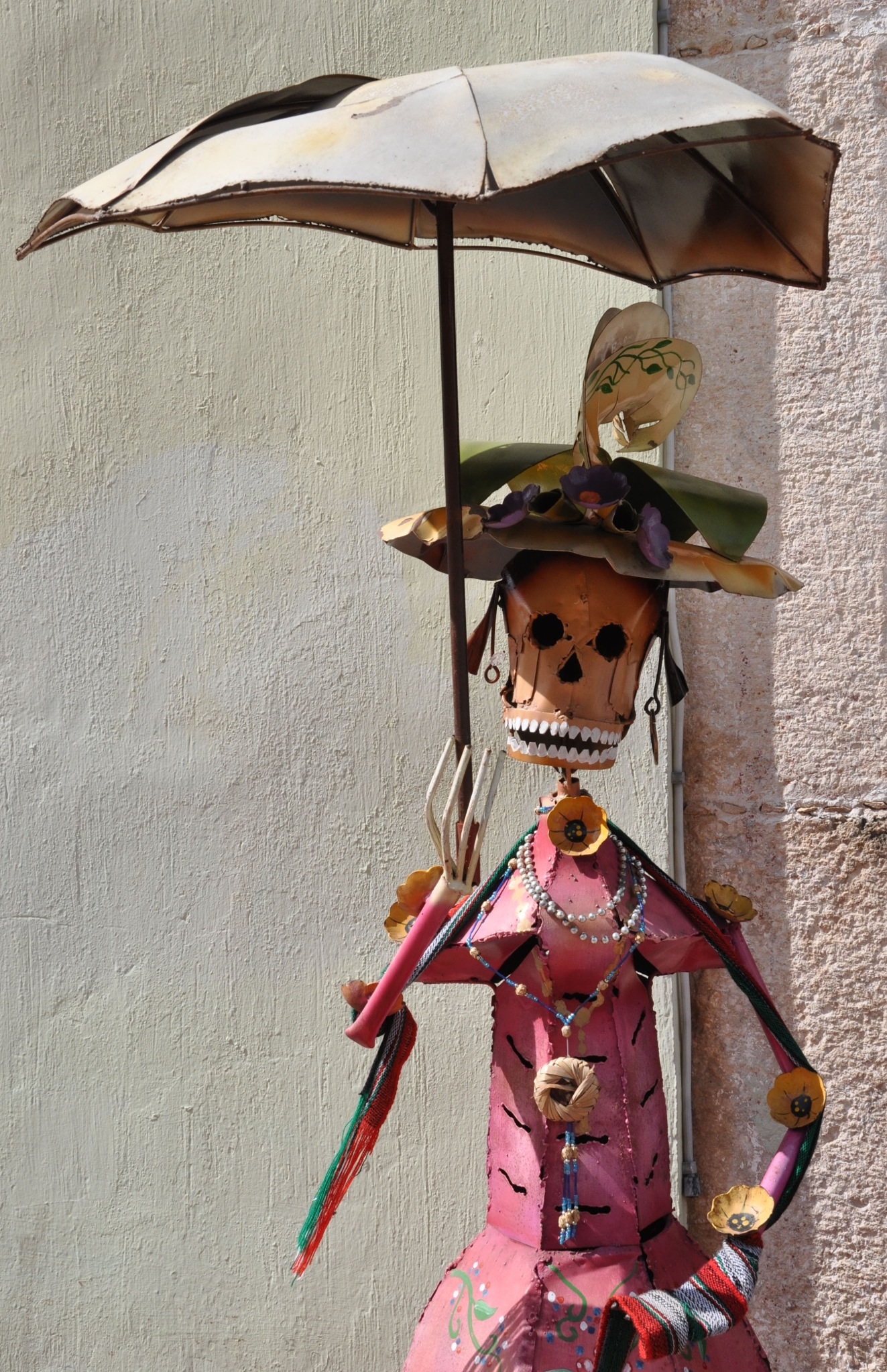
Art gallery in Valladolid selling all things Catrina, the symbol of the Day of the Dead festivities
Set around a charming plaza, there are a handful of hotels and restaurants, the best being El Meson de Marques right on the main square. From Valladolid, it’s easy to get to the ruins of Chichen Itza and Ek Balam as well as to the pretty town of Merida to the north of the peninsula, itself a good base for visiting the ruins of Uxmal and Sayil. The town is busy and it can feel less comfortable in the heat without a cooling sea breeze, but Valladolid’s a useful stopping off point between the coast and Merida if you wish to tour the peninsula.
Theme parks
As you’d expect from a well-established destination, there’s a number of water and eco-parks to tempt holidaymakers out of their resorts. If you go to only one, make it Xcaret. Pronounced “ish-ca-rett”, the site was once a Mayan port. Its archaeological remains can be visited without having to pay the entrance fee to the main park, and cost 43 pesos, but the park itself is a fun way to spend the day. You can swim in a lazy river and visit the park’s wildlife including turtles and dolphins. The park features a reconstructed Mayan ball court as well as a typical hacienda and folk art museum. At night, stay for the spectacle that condenses a thousand years of history into a couple of hours. It features everything from Mayan sport played with balls of fire to dance and folklore set pieces representing Mexico’s diverse regions. This and other performances such as an equestrian show and the exciting display put on by the Voladores de Papantla are included in the ticket price. It’s simple to find booths selling tickets in Cancun and Playa del Carmen or you can book online. Tickets start from US$89 with some activities such as swimming with dolphins carrying a supplement. For more information visit http://www.xcaret.com or pick up a leaflet when you arrive.

The show at Xcaret
Xplor is the go-to park for thrill seekers. Tickets cover four attractions: a ride in an amphibious vehicle, a lazy river swim, underground rafting and the highest zip lines in Latin America. Full instruction is given and a helmet mounted camera ensures that you have a selection of photos as a memento of your day. Tickets cost from US$119 and can be purchased in much the same way as Xcaret. Xplor’s website http://www.xplor.travel has all the information. As well as Xcaret and Xplor, there are a range of other attractions run by the same company, including Xel-Ha and Rio Secreto. Perhaps even more fun is to do what the locals do to make the best of the landscape. Beneath the peninsula, the limestone rock has slowly been weathered away to create a fascinating underground world of sinkholes and caverns into which water has gradually filtered. These lagoons, known as cenotes, form natural swimming pools popular with families at weekends but often quiet in the week. There are many close to the coast, but one of the best is Cenote Xkeken at Dzitnup. Located a little way out of Valladolid, it is a glistening turquoise lake lit through a hole in the roof of a huge cavern dangling with stalactites. Entrance costs 80 pesos.

Cenotes can be found throughout the peninsula
Mayan ruins
The large number of historical sites in Quintana Roo and the Yucatan can leave the visitor ruined out. It’s best to choose a few and enjoy them, rather than attempt to tick them all off in one trip. The jewel in the crown is without a doubt Chichen Itza. A sprawling site surrounded by jungle, it centres around the restored Kukulkan pyramid and an interesting collection of other structures including an observatory and ball court. Every tour operator offers day trips, but the site is easy to visit independently. ADO buses connect Chichen Itza directly to Cancun and Playa del Carmen via good roads. Guides can be hired at the entrance if you wish. A ticket to get in costs 533 pesos for foreign tourists. (Mexicans enjoy a discounted rate, locals even more so).

The Kukulkan pyramid at Chichen Itza
The must-see on the coast is Tulum, not for its scale but for its location. Tulum’s temples sit right on top of the cliff above a small patch of sand and a turquoise sea and unsurprisingly as a result receives the highest number of visitors of any of the peninsula’s archaeological sites. Like Chichen Itza, the volume of tourists necessitates obvious management and many structures are roped off, but the grey of the stone against the blue sky makes this a very atmospheric place despite the crowds. It’s still just possible to find a quiet spot with just a lizard or two for company, especially first thing in the morning. Tickets are priced at 80 pesos.

Tulum’s dramatic setting
Coba, just a few years ago off the beaten track but now increasingly in the tour operators’ sights, is situated an hour or so from Tulum. Once a thriving Mayan city, the ruins are scattered through an area of jungle crisis-crossed with Mayan roads known as sacbe. The pyramid here is less well preserved than that at Chichen Itza and for now at least can be climbed by anyone untroubled by vertigo – with just a single rope to cling on to, this is not a climb for those with a fear of heights. Entrance costs 80 pesos but due to the size of the site, many people opt to rent bicycles or take a ride to the ruins in a cycle rickshaw at extra cost.
Note that at present Coba is closed to visitors.
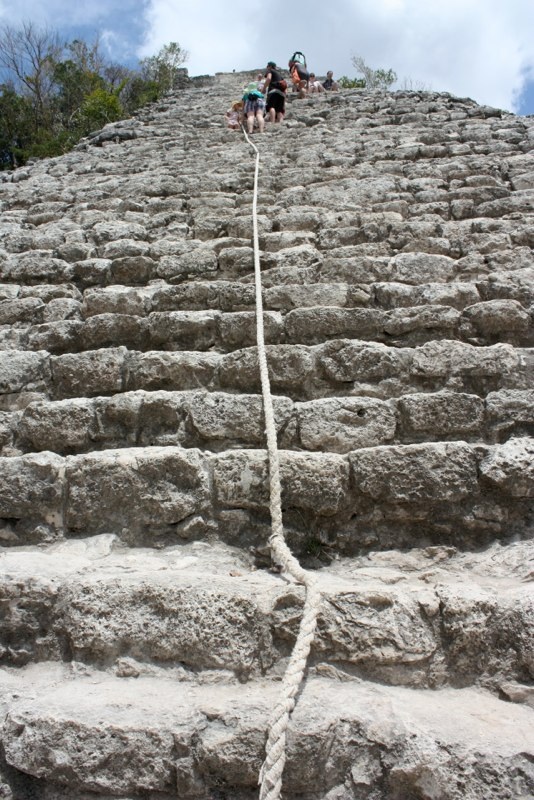
Coba’s pyramid
Less well-known and yet only twenty minutes by colectivo from Valladolid are the extensive ruins at Ek Balam. Relatively recently rediscovered, like Coba the site has a pyramid to climb, the Acropolis, its 106 worn steps rising steeply from the ground to offer extraordinary views of the surrounding jungle from the top. Ek Balam means dark jaguar in Mayan and as a result, the observant will spot jaguar motifs carved into the stone throughout the site. The entrance fee is 456 pesos for foreign tourists. Colectivo taxis from Valladolid cost upwards of 150 pesos each way; either pay for a seat and wait for others to join you or pay for the whole car. As they’re taxis rather than minibuses, you’ll find them on Calle 44 between 37 and 35, tucked inside the courtyard of a building rather than on the road outside.

The little-visited Ek’ Balam
Further afield, the attractive colonial town of Merida makes a convenient base if you wish to visit the Yucatecan sites of Sayil, Labna and Uxmal. It’s also close to Izamal whose ruins boast the largest surviving Mayan structure in the area. Getting to Merida takes around five hours by bus from the coastal resorts of Quintana Roo.
Natural wonders
A coral reef extends from the Riviera Maya down past Belize and on to Honduras. The second longest in the world, after Australia’s Great Barrier Reef, it provides excellent opportunities for both snorkelling and diving. The largest protected reserve in the area is the Sian Ka’an Biosphere Reserve, south of the main tourist strip. Tours showcase its flora and fauna, in particular birds, dolphins and turtles, plus occasionally manatees for those lucky enough to spot them. Akumal’s public beach is a good place for green turtle watching. There’s no need to book a tour, as snorkelling equipment can be rented from the dive shop on the beach, from where it’s a short swim out to the reef. Even in busy spots such as the main beach at Playa del Carmen, you’ll see flamingos diving for fish and bobbing about amidst the breakers.

Playa del Carmen beach
Off the coast
Cozumel, an established cruise ship and diving destination, is easily reached by ferry from the terminal at the southern end of Playa del Carmen. It offers the facilities you’d usually expect from a place where the majority of visitors are only in town for a short while. Island tours are expensive as are taxis. Isla Mujeres and Isla Holbox, reached by ferry from Cancun, are better bolt holes if you want a more laid back island stay.
Little Italy in The Bronx
“You walked from the subway? Did you come with a SWAT team?”
Jack was trying to be funny, I think, playing on the reputation of the South Bronx as dangerous. I was in his shop, DeCicco Brothers, on Arthur Avenue, where in true Italian style I had been embraced and welcomed as part of the family within about fifteen minutes of rocking up. There was no mistaking he was proud of his Italian heritage: the shop was packed with the distinctive blue of the national team’s football kit and piles of T-shirts emblazoned with the slogan “I’m Italian, I can’t keep calm”. Low rise and lined with trees, this characterful street at the heart of Little Italy had more in common with leafy Greenwich Village than a gang-infested no-go zone.

Leafy Arthur Avenue

DeCicco’s best T-shirt
The Bronx has had a hard time shaking off its bad boy reputation. “The Bronx is burning” was a phrase coined in 1977 by the media (rather than sports commentator Howard Cosell to whom the phrased is wrongly credited). It referred to the many fires that burned that summer when ageing housing stock combined with closures of firehouses had horrific consequences. The closure in 1973 of the 3rd Avenue El, New York City’s last elevated railway, and the completion of urban planner Robert Moses’ Cross-Bronx Expressway a year earlier, had fractured a community. The social and economic problems that were to follow resulted in a reputation that’s been difficult to shift.
New York has a long history of Italian immigration. Between the 1870s and the 1920s, around 5 million Italians, the majority from the Mezzogiorno, came to the USA and around a third never made it any further than New York’s five boroughs. Little Italy in Manhattan, now a shadow of its former self, retains a smattering of restaurants that fool only the most gullible of tourists into thinking they are in a genuine Italian-American neighbourhood. In truth, the Italians have long since moved away and the area is gradually being assimilated into Chinatown. According to some reports, the 2010 census doesn’t record a single Italian-born individual living in this part of the city.

Elderly Italians outside Tino’s Delicatessen
Little Italy in the Bronx, in contrast, is thriving, a tiny oasis of cor-fee and mozzarella and prosciutto packed into a few streets of the Belmont district. At Tino’s Delicatessen I sipped a cinnamon-scented cappuccino in the company of four elderly gentlemen, their faces lined and puffy from years of pasta and hard living. Despite the warm November sunshine, they were heavily wrapped up against the elements. Pausing occasionally to apologise for the profanities which escaped their lips, they put the world to rights as they probably did every morning. I’m not sure what they made of me, an outsider.

Tino’s delicatessen
A few doors further down Arthur Avenue, Jack DeCicco’s father Tony wandered in off the street and was keen to share his story. Together with his wife, he had arrived from Napoli in 1969 and had been in Little Italy ever since. He was immensely proud of his neighbourhood and took me to some of his favourite haunts: the Casa Della Mozzarella around the block on 187th Street, described by one Brooklynite as “oral dairy porn” and Vincent’s Meat Market, where row upon row of sausage and salami hang like chandeliers from the ceiling. The area is a foodie’s paradise, where everything from salt cod to handmade ravioli can be bought today just as it has been for decades.

The ceiling of sausage
Casa Della Mozzarella
In a city that likes to reinvent itself and in a borough where so much was destroyed, there’s something comforting about the number of businesses that were founded at turn of the last century rather than the current one. Go and see for yourself – no SWAT team required.
Trialling the Caxton FX currency card in New York City
I’m a creature of habit. Packing for a trip to New York, I fall into the same tried and tested routine. When it comes to spending money, that means a wallet of crisp dollar bills which quickly morphs into a pocket full of nickels, dimes and pennies. Spending this ever-growing mountain of coins involves finding a retail assistant (and a queue of other shoppers waiting behind me to pay) with the patience of a saint while I count out the exact change. Of course, if they didn’t add on the tax at the till, I could sort it out beforehand instead of admitting defeat and breaking another twenty. So, at the end of the trip, I tip my leftover coins into the drawer at home and resolve to do things differently next time.
This time I have. For the last two days I have been trying out a Caxton FX currency card. Loaded up with dollars and bearing the Visa logo, I can use this like I would a regular credit card, but without the end of holiday bill that can take the edge off a good vacation.

Here’s what I did with it.
Day 1: The Bronx
Tino’s delicatessen in Arthur Avenue looked like the perfect spot for a coffee. Four elderly Italians with accents like Robert de Niro sat at one of the pavement cafes while I took the other. Interrupting their conversations every now and again to apologise for their colourful language, they spoke warmly of this close-knit community that had been their home for decades and puffed cigar smoke into each other’s faces.

Feliz Dia de Muertos!

Today is the last day of Dia de Muertos, the Mexican festival that commemorates the ancestors. The festivities stretch across three days, though the preparations begin in earnest in the last week of October. The Day of the Dead officially begins on October 31st. On November 1st, the souls of departed children are remembered and on the 2nd, it’s the turn of adult family members.
Here’s my guide to getting the best out of a Day of the Dead trip.
Choose where to go
Dia de Muertos is celebrated everywhere in Mexico, but some places have a wider range of events in which to participate than others. I’d recommend heading for Oaxaca, a day’s bus ride or a one hour flight out of Mexico City. The city plays host to a packed programme of things to experience and also has a lot of accommodation options.
Plan well ahead
It’s possible to get a room pretty much up to the last minute and of course, wandering down to the parades takes no planning at all. There are a lot of organised packages to experience Day of the Dead but these tend to be very expensive. Book early to stay somewhere intimate that will offer you the opportunity to participate rather than spectate: I chose Las Bugambilias right in the centre of town. They can be found online at http://lasbugambilias.com/ This wonderful boutique hotel books up fast but don’t worry if you are too late to get a room – they’ll let you participate in their Day of the Dead activities if you email them in advance.

Catrina
Decorate the altar
Preparations for Day of the Dead begin a few days ahead of the main festival. Each family decorates an altar in the hope of attracting their ancestors back to earth for a party. Garlands of marigolds are strung, crosses of flowers are painstakingly created and decorative bunting is hung. On the altar, gifts are laid out for the deceased: their favourite fruits, perhaps, and definitely a bottle or toast of Mezcal.

Preparing strings of marigolds
Visit the cemetery
Cemetery visits are an integral part of the Dia de Muertos experience. If that sounds a little morbid, or maudlin, don’t be alarmed. While some locals will be sat next to the graves of their ancestors in quiet reflection, others will be hosting the mother of all parties, with music, eating and drinking all playing a big part. Tourists are welcome, so take your cue and join in if you’re asked. On October 31st, head for Xoxocotlan old cemetery first, where stems of red gladioli and vases of pungent marigolds are lit up by white church candles before heading to the sound stage and buzz of the new cemetery next door where the party will be in full swing.
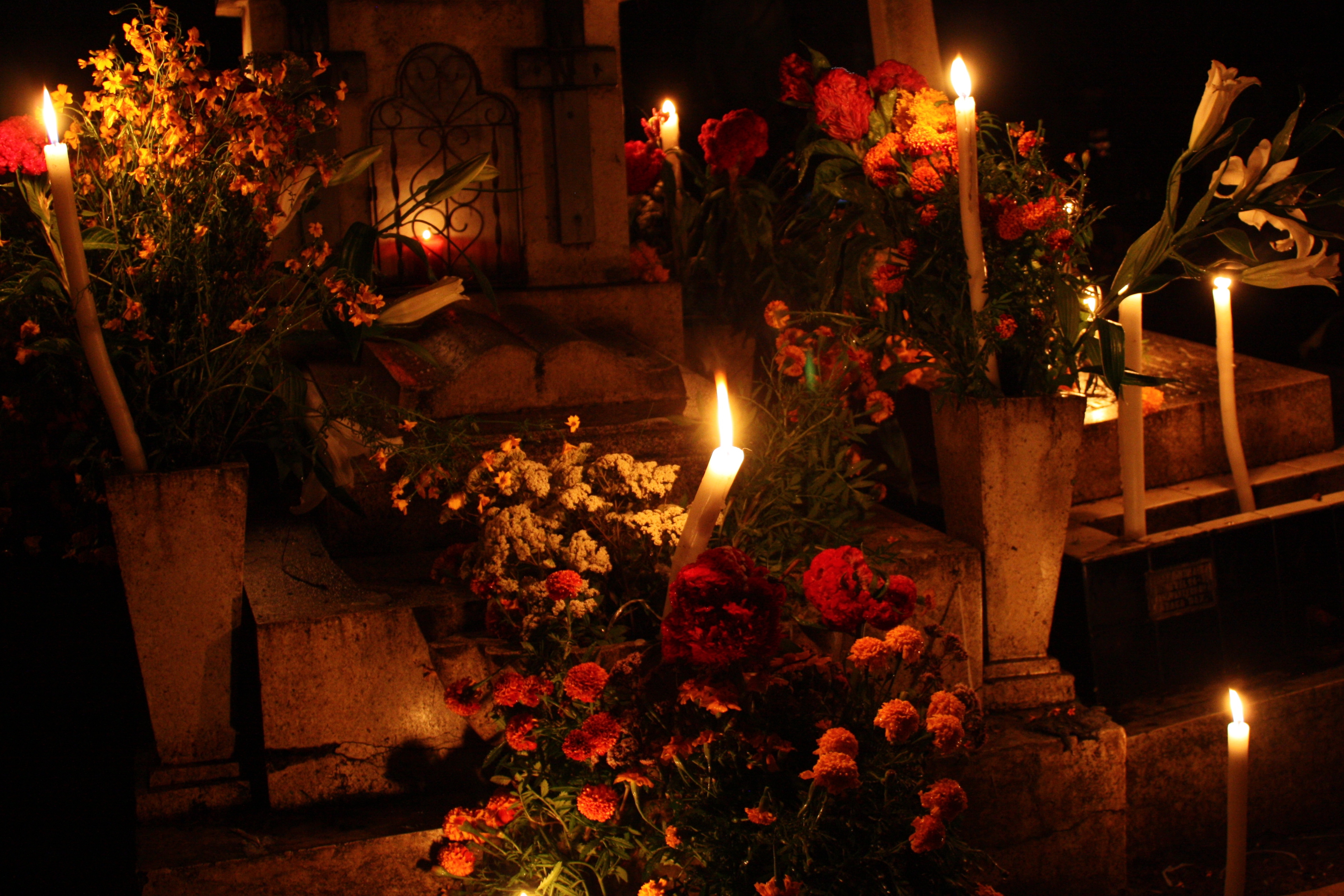
The old cemetery at Xoxocotlan
The after party
Comparsas, or parades, are at times raucous and always entertaining. Participants clad themselves in wildly extravagant costumes and parade through the streets of Oaxaca and neighbouring villages such as San Agustin Etla. Some are dressed as the grim reaper, others panteoneros. These are the living dead – missing eyes or wearing terrible wounds, they are a scary sight as they mingle with the crowd afterwards. The parade becomes a party as everyone drinks and dances into the small hours. It’s worth going on an organised tour if you choose the November 1st San Agustin Etla parade as arranging transport back to Oaxaca can be tricky.

A panteonero

San Agustin Etla parade
Don’t rush off
Allow at least another few days to get to know Oaxaca. As well as the many souvenir shops and markets selling Dia de Muertos themed sweets – think candy skulls and lollipops – the city has a beautiful historic core packed with pretty colonial era buildings and interesting museums. It’s also a foodie’s dream: try exotic dishes like deep fried grasshoppers or delicate courgette flowers or hang out in one of the many cafes watching the world go by.

 Julia's Travels