
Rothenburg ob der Tauber – does Germany get any better than this?
Yesterday I had the good fortune to visit Rothenburg ob der Tauber, a well preserved walled mediaeval town on Germany’s Romantic Road. In summer, so I’m told, the town’s full of tour groups but in October, the crowds thin allowing you a little breathing space. And if you’re lucky, like I was, to be blessed with a beautifully sunny day, then it surely doesn’t get much better than this?

The most photographed spot in town: Plonlein and the Siebertor

Rothenburg’s side streets are just as quaint
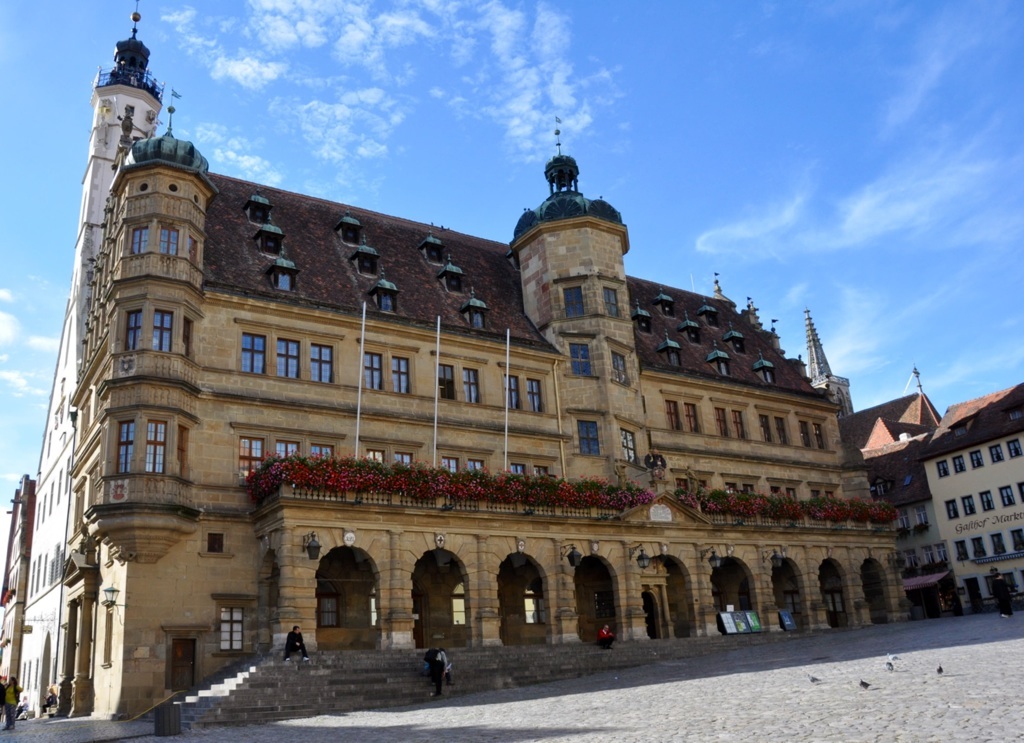
The Town Hall dates from 1250, Gothic style at the rear and Renaissance style at the newer front of the building (as pictured here)

Dancers from a visiting English theatre company perform in front of the tourist office, housed in a former tavern
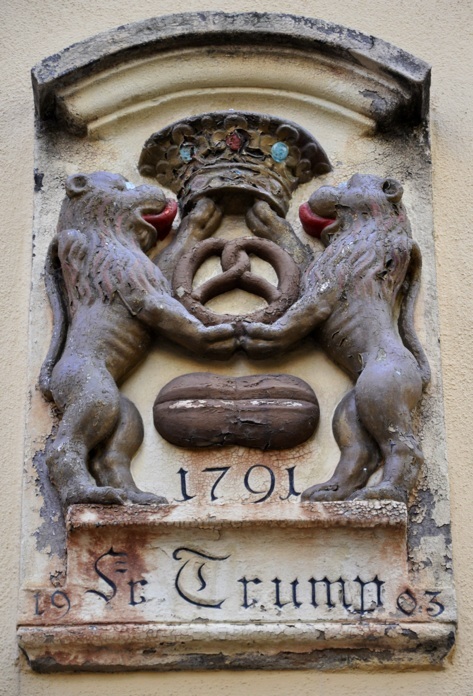
On a bakery wall

There’s nothing delicate about the local delicacy, Schneebälle

Troughs and window boxes crammed with flowers can be found throughout the town
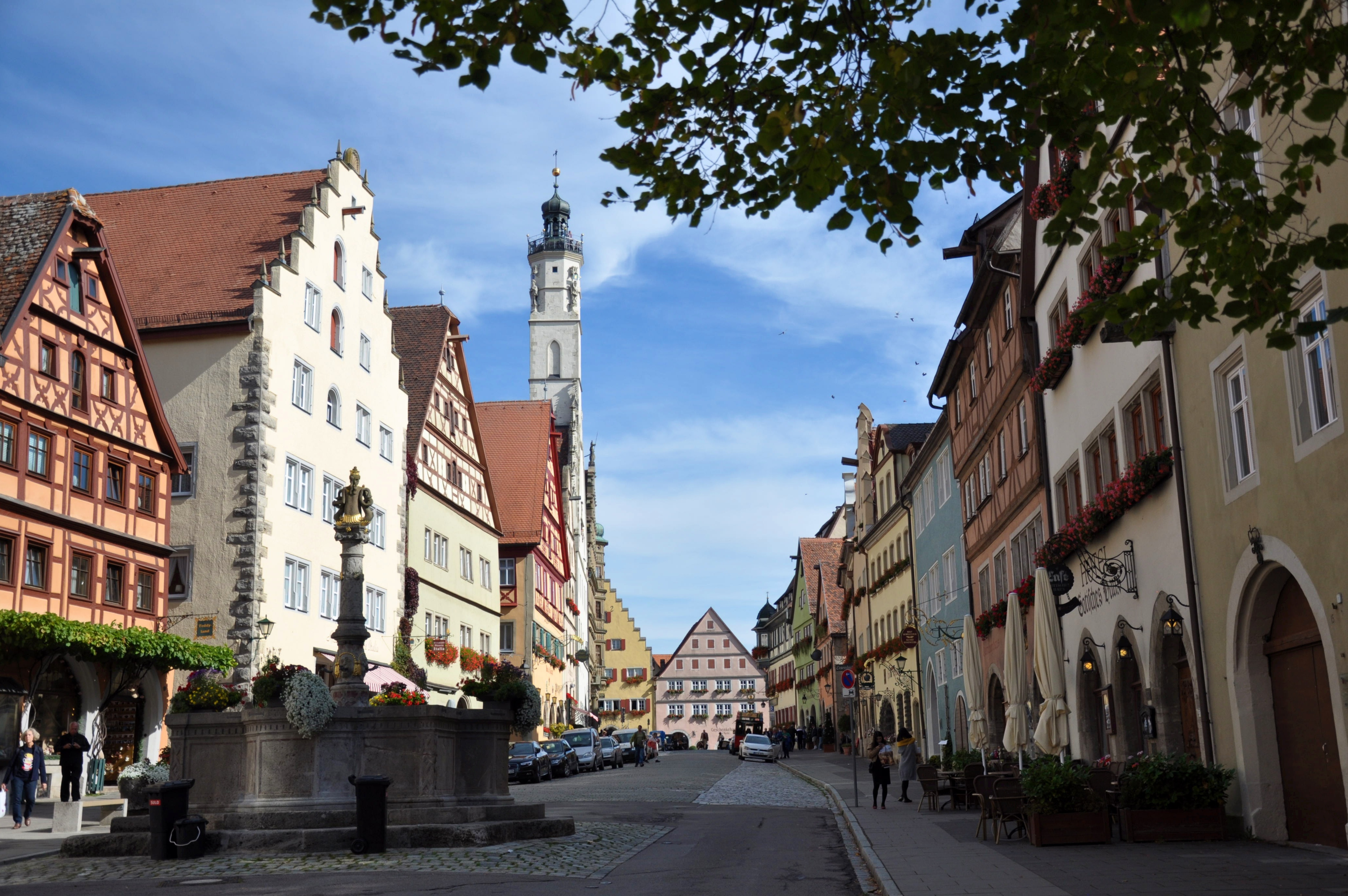
Herrngasse looking back towards the market square
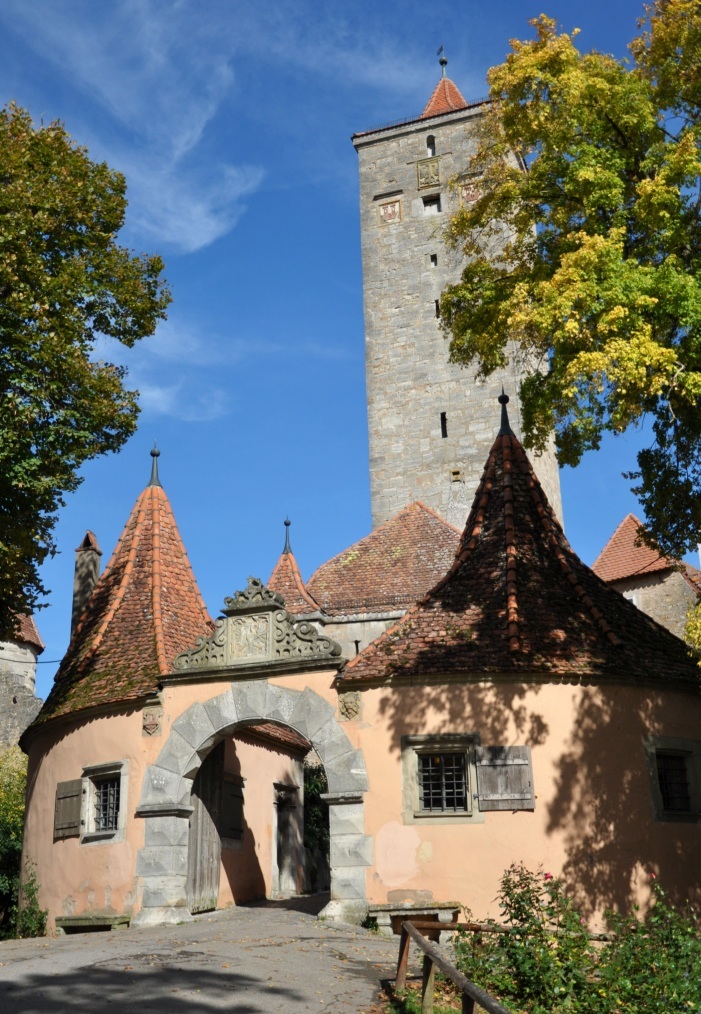
Burgtor featuring spectacular views across the Tauber Valley from the adjacent gardens
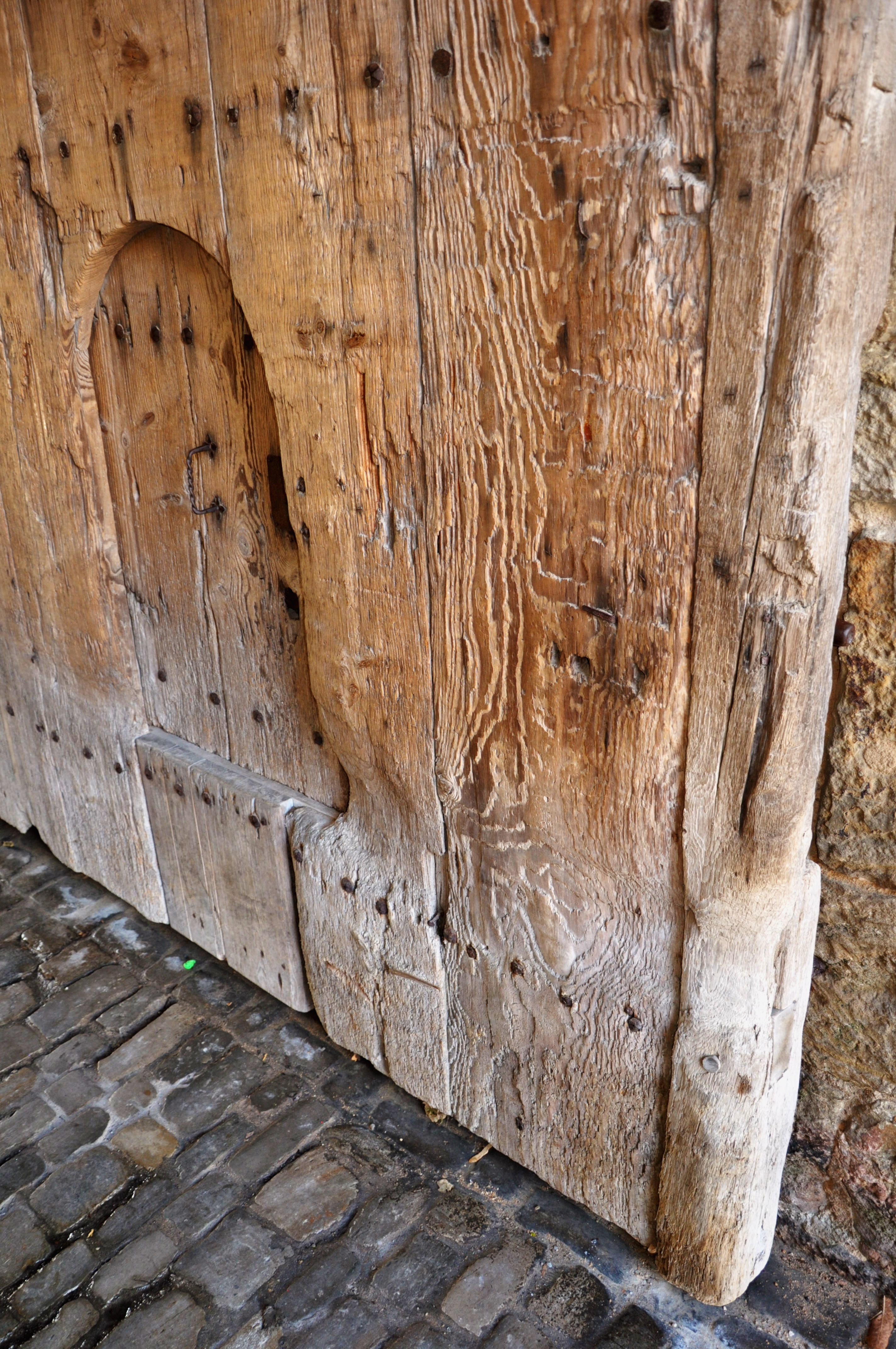
One of the old wooden gates

The bottom of Klingentor

Autumn colours, viewed from the bottom of Klingengasse

Mediaeval walls enclose the Old Town
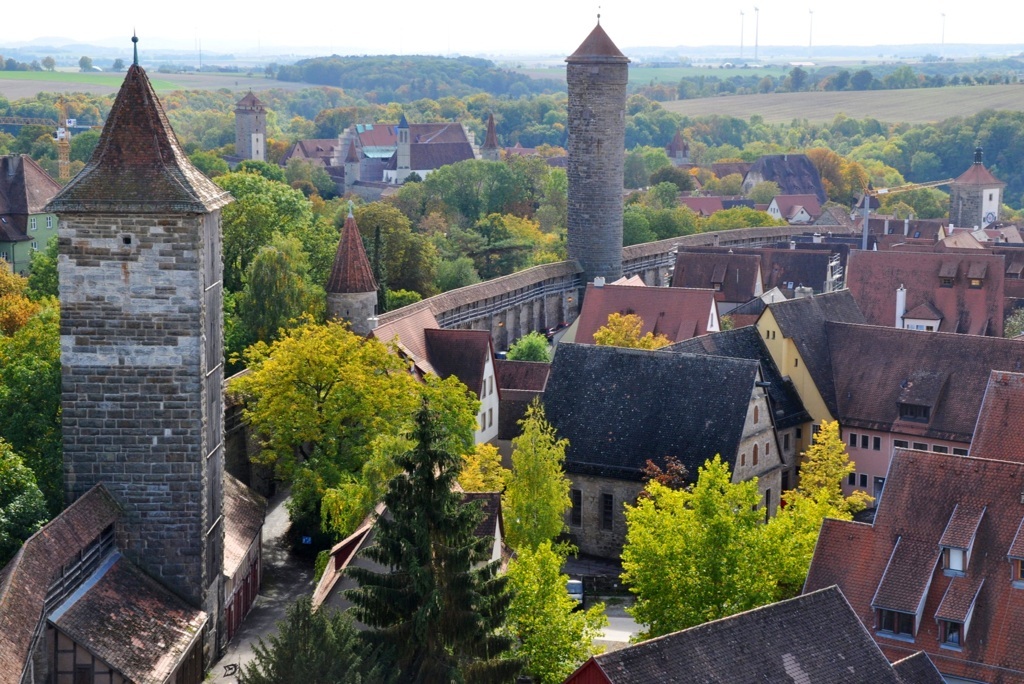
The view from the top of Rödertor

The Gatekeeper’s Lodge as seen from the top of Rödertor
Beautiful Bremen
How did it take me so long to cotton on to Bremen? I’ve known it since I was a kid thanks to the Brothers Grimm’s fairytale about a donkey, dog, cat and rooster who, on the scrapheap of old age, decide to run away and try their luck as musicians in Bremen. The walk makes them tired, and they scare the owners out of a house they come across on the way, liking it so much they never make it to Bremen. That hasn’t stopped the city adopting the four scoundrels as their mascot, and you’ll see references all over the place.
But there’s more to the city than just a fairytale, which you’ll see for yourself by looking at the pictures below.

Pigs used to roam along Sogestraße munching on scraps

Roland and the Rathaus

The four budding musicians
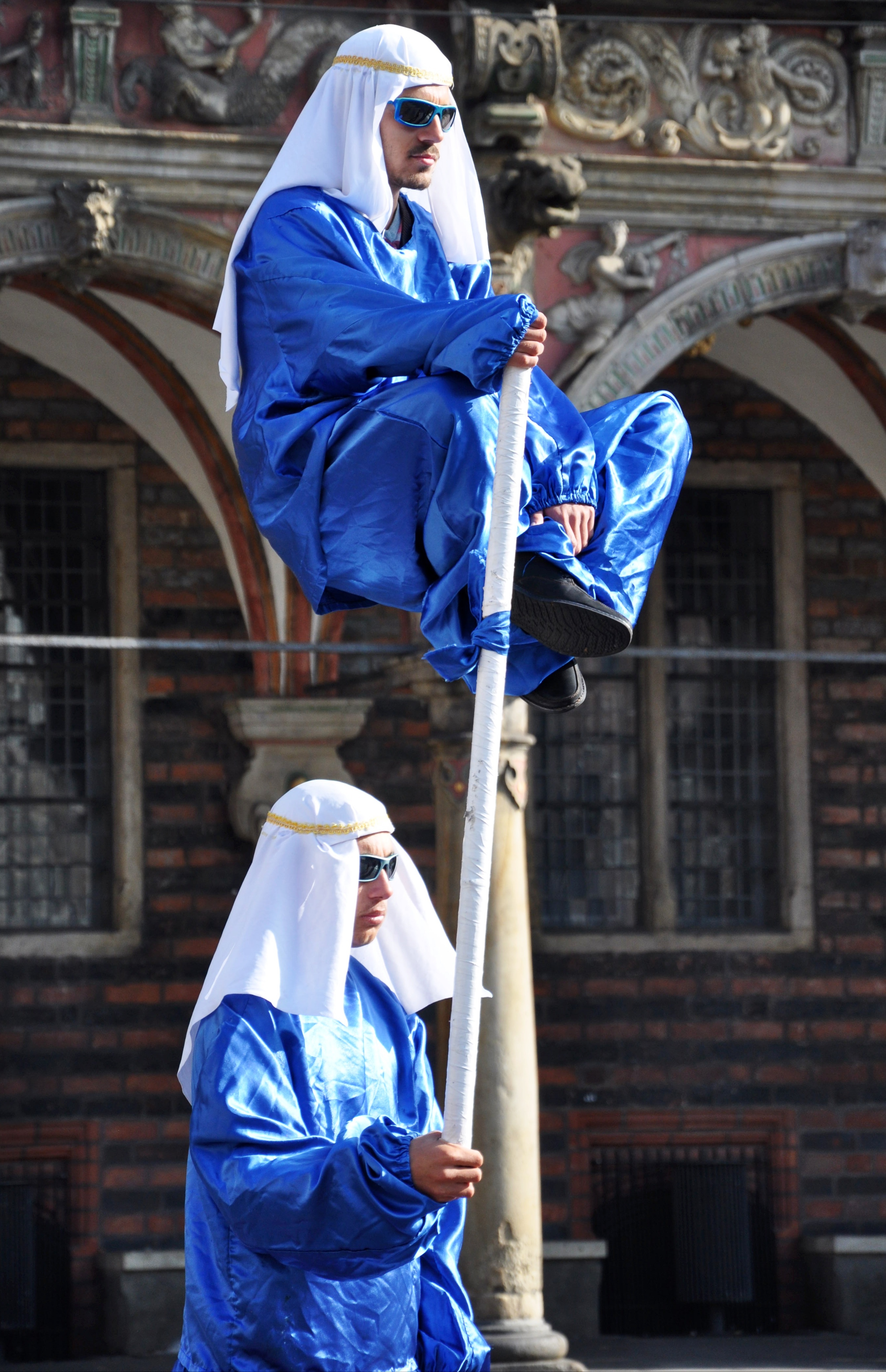
Not the only balancing act by the square

Cafes in the square
The Rathaus occupies pride of place in a square crammed full of historic treasures. Opposite is the Schütting, a beautiful guildhall which sadly isn’t open to the public. It was designed and built back in 1538 and when you see it, you’ll think it wouldn’t look out of place in the Netherlands. Designed by Flemish architect Johann den Buschener, you’d be right. Take a seat in the morning sunshine at one of the pavement cafes and you can admire both, together with the statue of Roland, a knight symbolising freedom, until your coffee goes cold. Bremen even has a specific word for the act of going for a coffee, Kaffeesieren, so it is an essential stop on your itinerary.

Close up of the Schütting, opposite the Rathaus

Böttcherstraße
Around the corner from the square you’ll find a tiny street with a big attitude. Böttcherstraße, famous for its unusual architecture and a shed-load of artwork, is a tourist attraction in itself. At the House of the Glockenspiel, the bells up on the roof go crazy at 12, 3 and 6pm playing tunes that last for a full ten minutes after the hour has been struck. Hidden in a little courtyard, you’ll find another sculpture of those wandering critters, this time adorning a water feature outside a candy store.
The street has ancient beginnings as the site was once occupied by the coopers that give the street its name. But Böttcherstraße in its present form actually dates only from the 1920s when a local coffee merchant by the name of Ludwig Roselius began buying up the houses in what was a pretty rundown street. With the aid of architects Eduard Scotland and Alfred Runge, he transformed the tiny lane into a much-loved arcade of Art Deco and brick shops and museums that is now one of the city’s most attractive destinations.
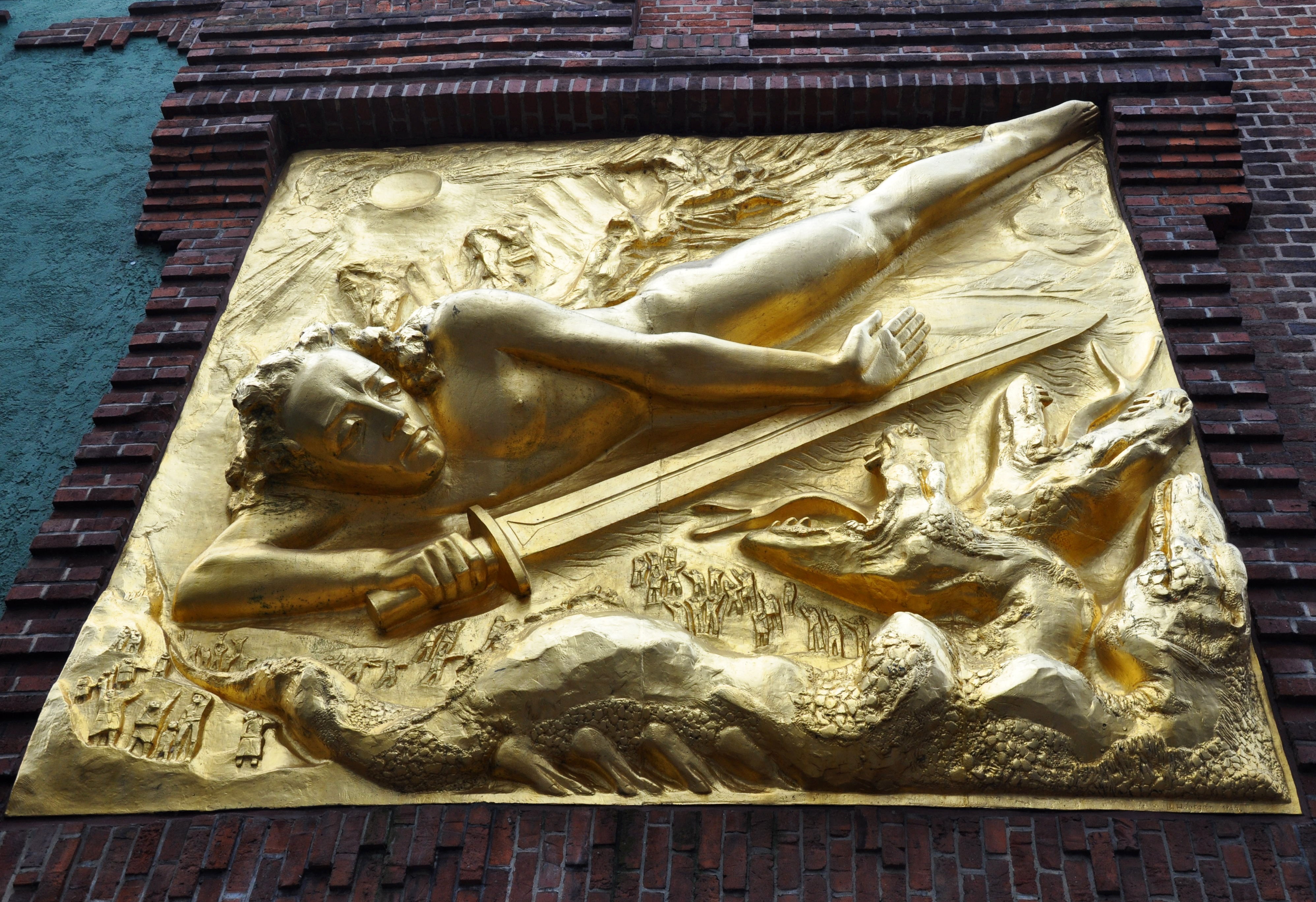
At the entrance to this arty little street
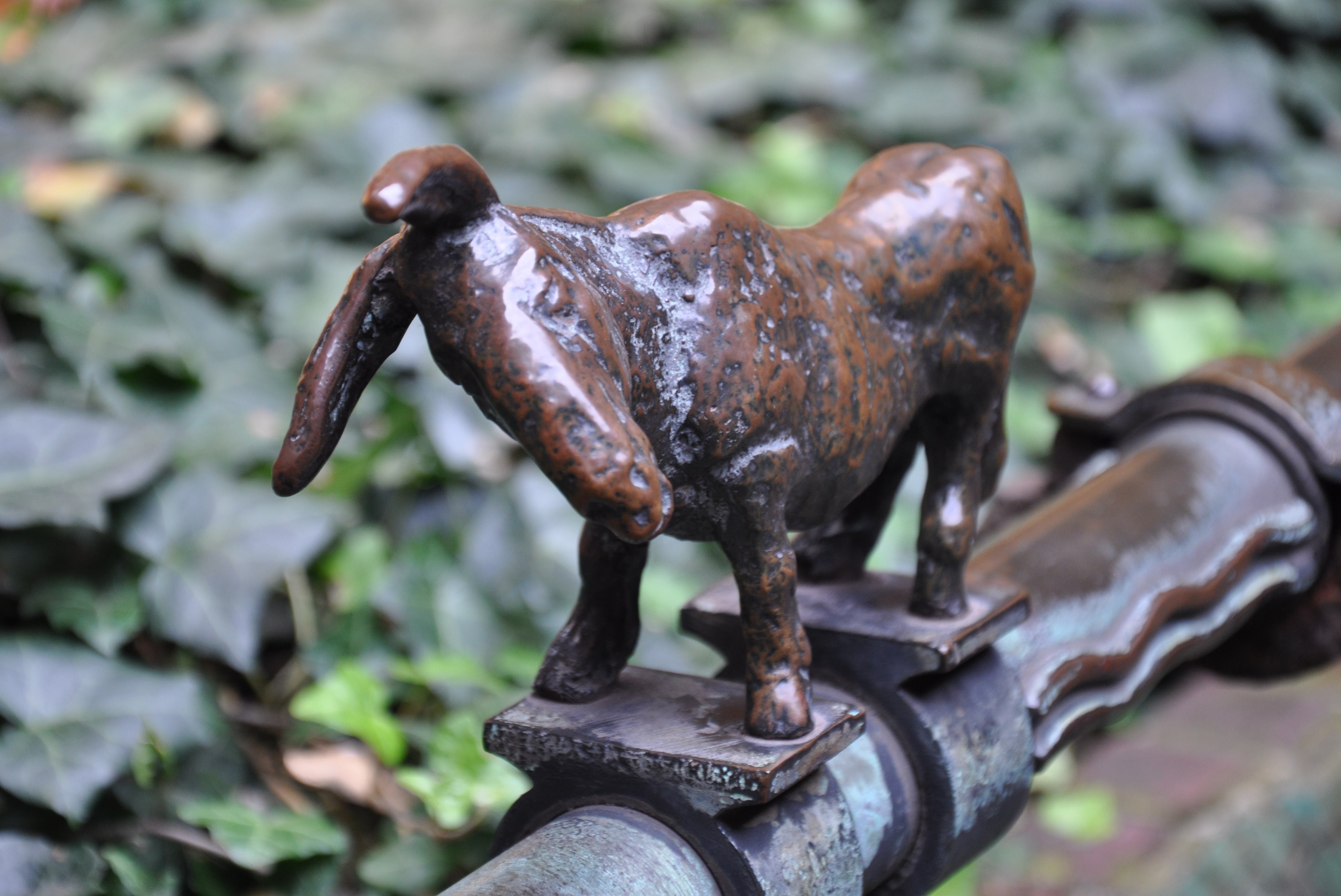
Another donkey

Is it me or does this look like Shrek?
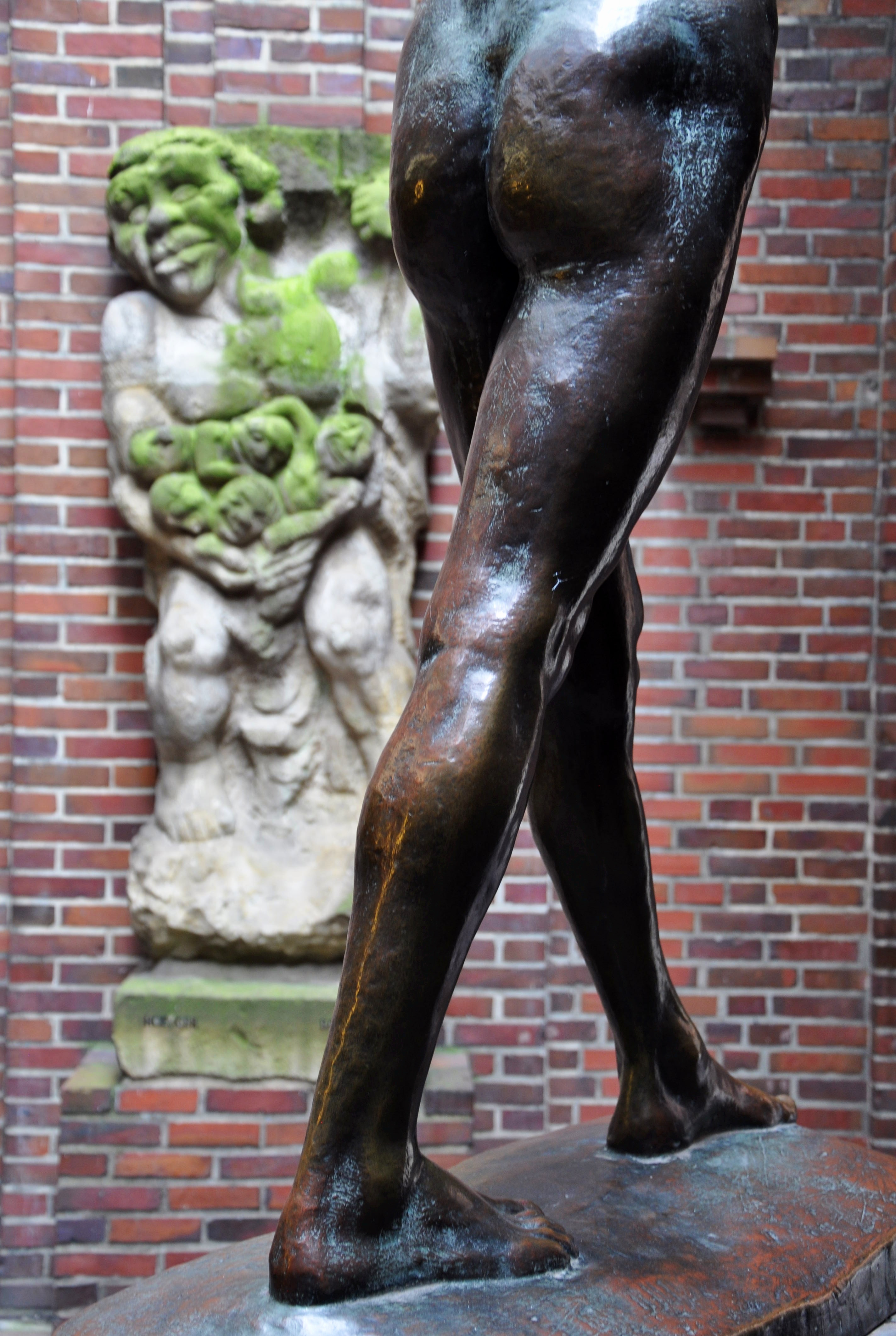
Definitely too skinny to be Shrek
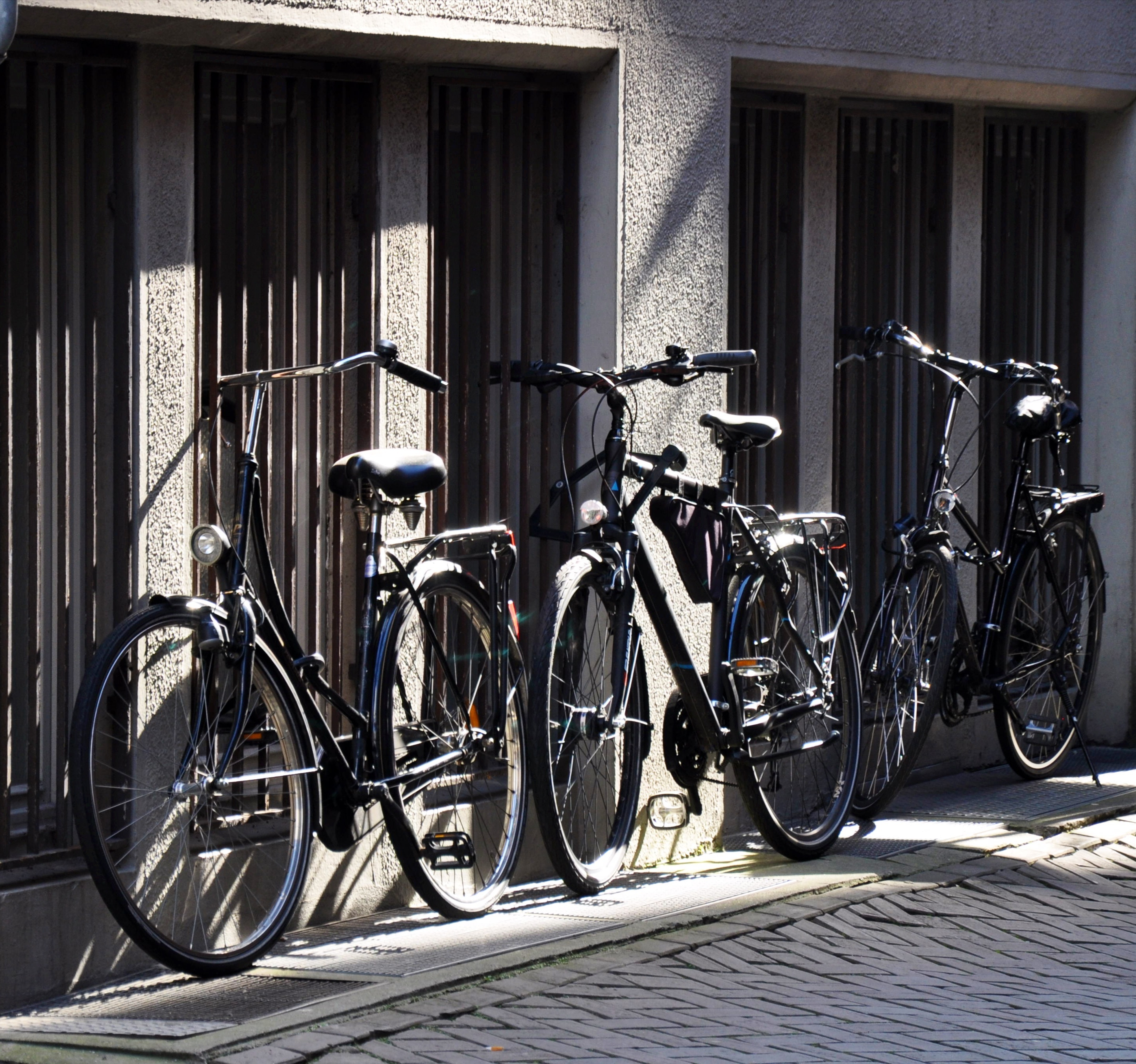
Like many German cities, Bremen’s great for cycling

Windmill in the park

At the Neptune fountain in the market place; don’t you just know how she feels?
Evening in Krakow’s Old Town Square
A few photos from the other night, pottering around Rynek Glowny, Krakow’s beautiful Old Town market square.

Horse and carriages lined up ready for their next fare

The twin towers of St Mary’s church next to the Renaissance-era Cloth Hall
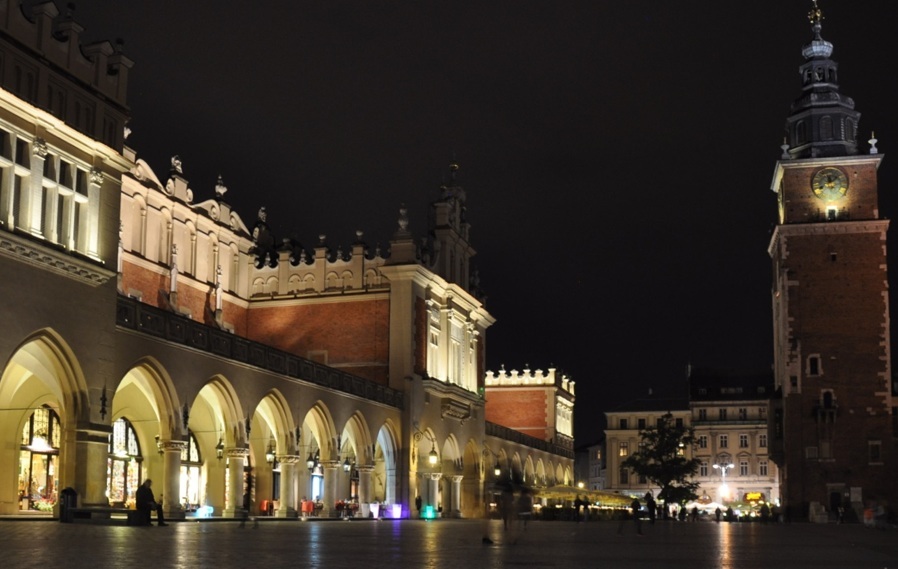
The Cloth Hall, packed full of amber sellers

Interior of the Cloth Hall
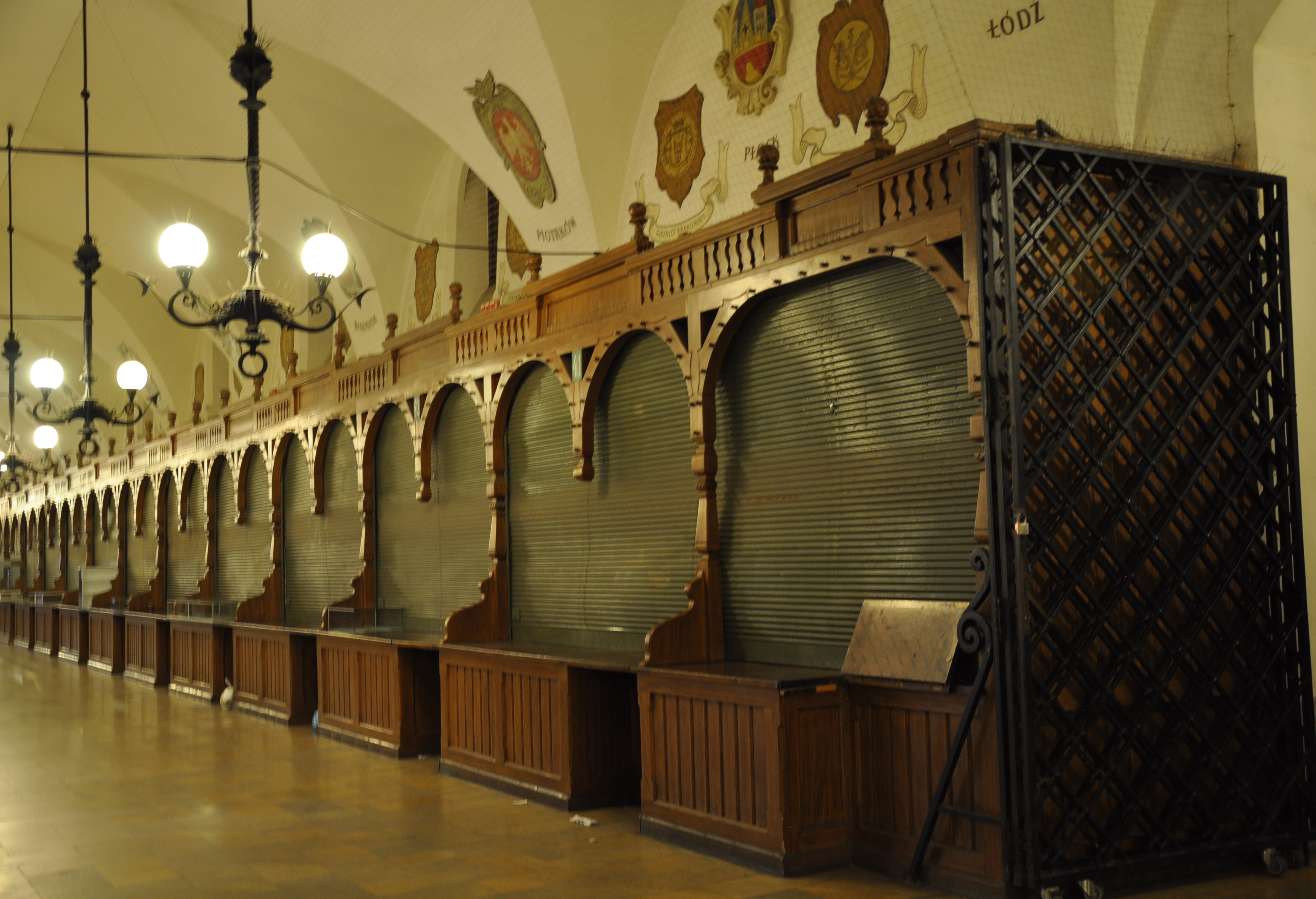
Closed up for the night around 8pm

Exterior colonnaded walkways

Exterior of Cloth Hall

St Adalbert’s Church with its pretty verdigris domes

Ham hocks for sale

Ham hock with fried potatoes and black pudding

Piwo (beer) stall

The only miserable face I saw all evening!
Trialling the Seasons Visa debit card in Orlando, Florida
Recently I was asked whether I’d like to try out the Seasons Visa debit card. Regular readers of my blog will know I carried out a similar trial using the Caxton FX prepaid card in New York last year. With that card, I’d had about a 50% success rate and thus wasn’t completely sure I’d use it again, but the Seasons team were confident in their product. An easy to use app makes checking your balance and reloading the card a simple and quick process. I decided to take them up on their offer. This was the deal: they’d load some money onto the card, and I’d go and spend it in return for writing about my experience. So here I am in Orlando, and here’s how I got on.
Harry P Leu gardens and museum
Transaction: admission for one adult $10
Status: not possible to use the card on the day I visited as the card machine was out of order, but the cashier said that it would normally have been accepted

This downtown treasure is a world away from the hubbub of International Drive and the crowds that throng Orlando’s many theme parks. The extensive grounds to what was once Harry Leu’s home are filled with all kinds of plants and flowers brought back over the course of his travels. Huge bamboos and towering palms contrast with delicate roses and the pretty flowers of the butterfly garden. Without a doubt, this was the highlight of my stay.
Lunch at Shake Shack
Transaction: a SmokeStack burger, cost $7.12
Status: card swiped, payment accepted

Shake Shack started off as a lunch cart selling hot dogs in New York’s Madison Square Park over a decade ago. Since that humble beginning, its fame has spread and this popular chain can now be found across the States and beyond. Their shakes, as you’d expect from the name, are legendary, so make sure you order one to accompany your meal.
Orlando Science Center
Transaction: one adult ticket, cost $27
Status: card swiped, payment accepted

If you’re travelling with kids and feel that they (or you) need a break from white knuckle rides and Mickey Mouse, then this may be the perfect antidote to theme park fatigue. This place makes science fun; I found out just how hard it is to present the weather, experienced a hurricane-strength blast of air in a wind tunnel and tried to keep my balance on an earthquake simulator. With IMAX movies about space exploration, a dino dig and alligators in a ground floor tank, there’s something to entertain all the family. It’s great way to spend a rainy afternoon.
Outlet mall shopping at Gap
Transaction: one long-sleeved white T-shirt, cost $8.52
Status: card swiped, pin number required, payment accepted

Few Brits come to Orlando without making at least one trip to an outlet mall, where there are huge discounts to be had on many of our favourite brands. Gap’s my staple. I’d usually use cash for such a small transaction rather than my credit card, but carrying the Seasons card meant I didn’t need to fiddle around with a purse full of coins. One swipe and I was good to go.
Refreshments at Starbucks
Transaction: a drink and a bun, cost $6.08
Status: card swiped, payment accepted

All that shopping was thirsty work, so a quick stop in my go-to global coffee chain was in order. Again, using a prepay card for a low value transaction was quick and trouble free. When they realised they didn’t have the bun I’d been charged for, it was just as simple to swipe the card again and put the refunded value straight back.
Margaritas at happy hour
Transaction: two drinks, cost $6
Status: card swiped, payment accepted

If the sun’s out and there’s an al fresco bar, then happy hour may just be too hard to resist. And with margaritas at $3 a pop, one each before the film seemed like a good idea.
A movie at Cinemark
Transaction: one adult ticket, cost $9.75
Status: card swiped, payment accepted

With so many cinemas in town, it’s hard not to catch at least one movie. I opted for Black Mass. With Johnny Depp in the starring role, this is the true story of South Boston crim Jimmy Bulger. A strong supporting cast and compelling storyline made this a memorable film.
A trashy read from Walgreens
Transaction: one magazine, cost $5.31
Status: card swiped, payment accepted
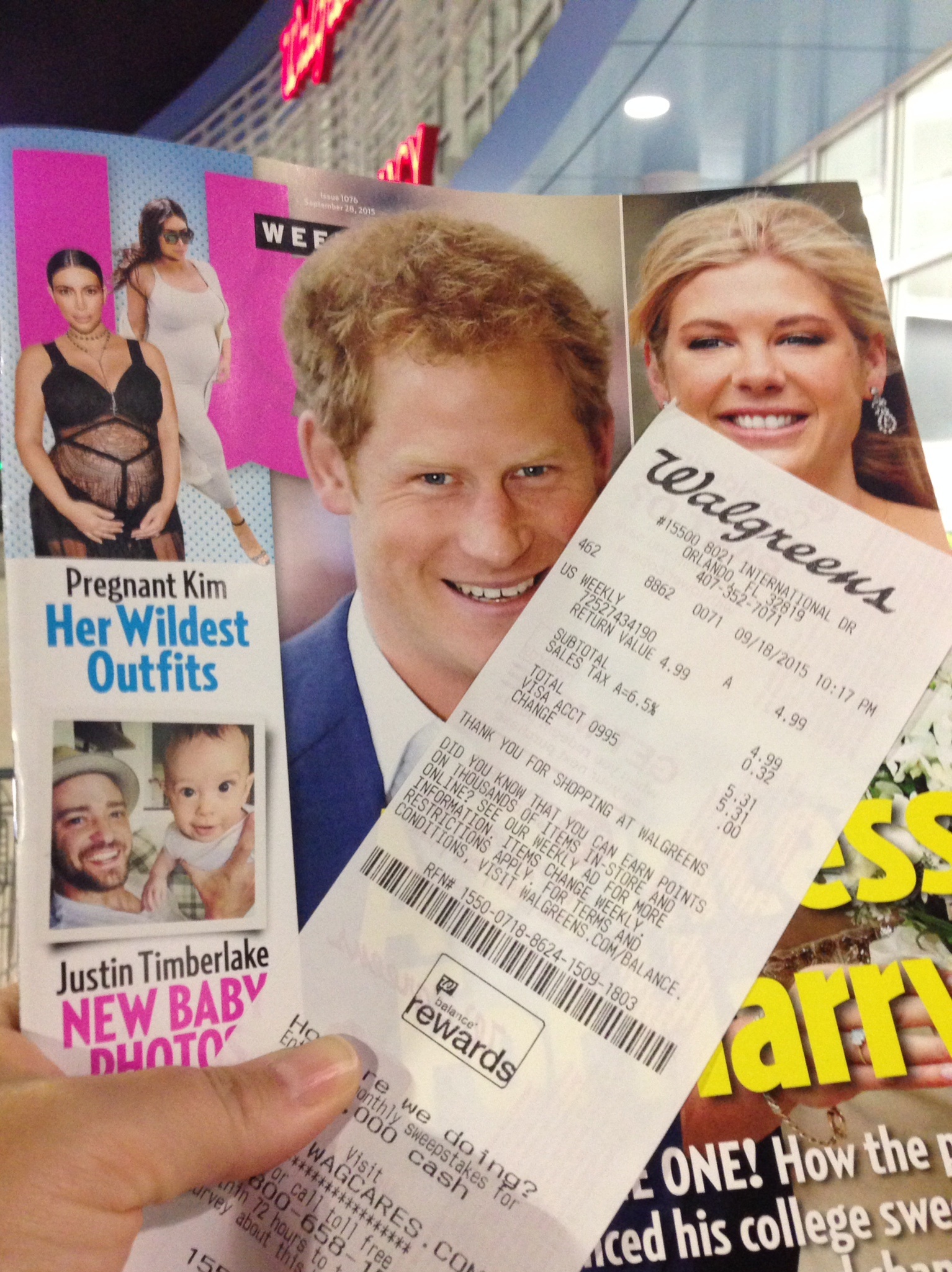
No country does the cult of celebrity like the USA and there are plenty of magazines to fuel people’s obsession. With Prince Harry on the cover, this girl’s copy of US Weekly is coming home with her.
Downtown Disney for a souvenir
Transaction: a Mickey Mouse cookie cutter, cost $6.34
Status: card swiped, payment accepted
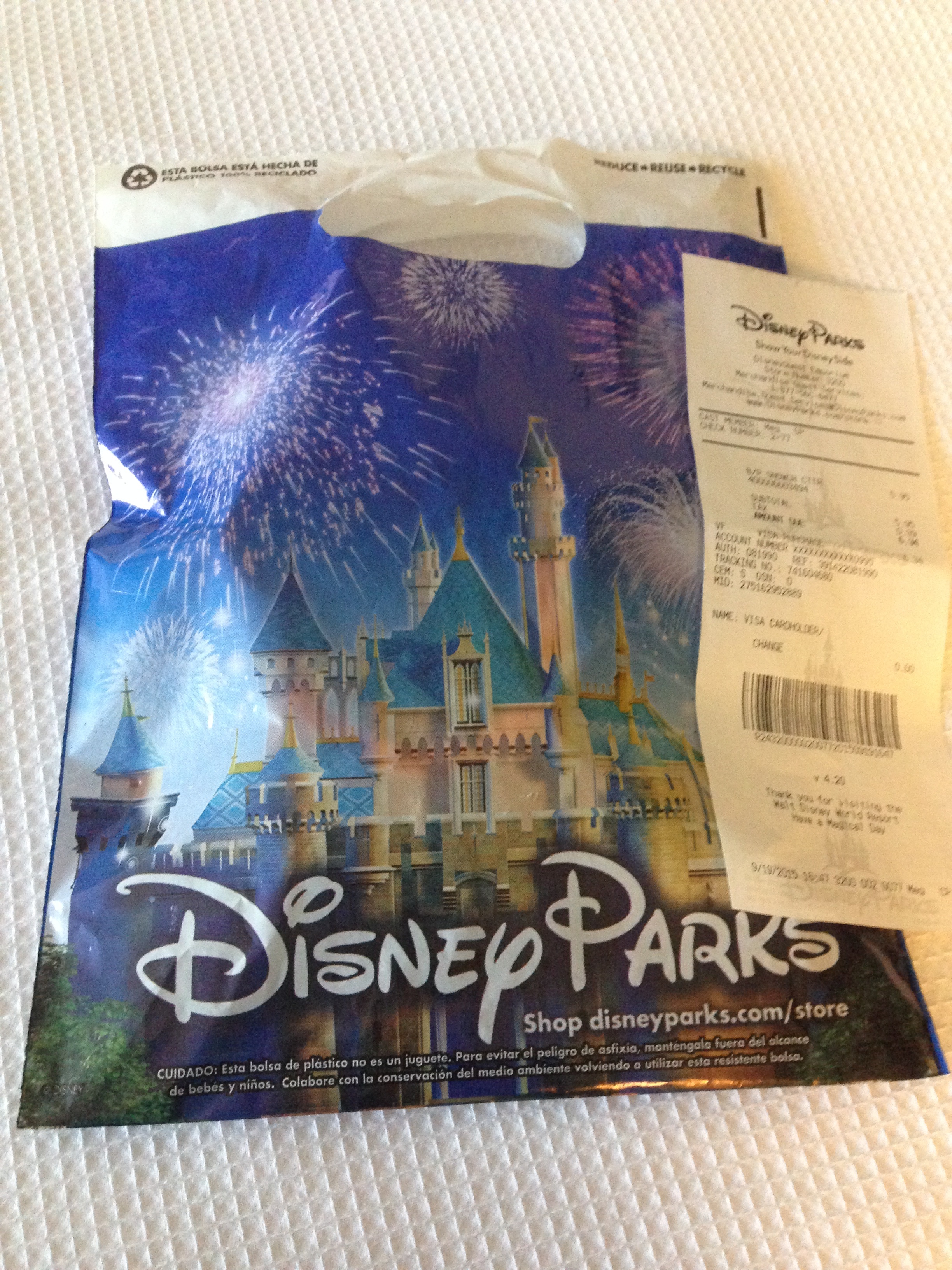
You didn’t think I’d write a blog from Orlando without at least mentioning Disney, did you? No parks this time – been there, done that – but always room in the suitcase for something Mouse. Now I get to make Mickey-themed biscuits when I get home.
The verdict
Aside from the Harry P Leu Gardens where their card machine was down, the Seasons Visa debit card worked every time. I’d be confident travelling with this, loading value onto the card instead of carrying a lot of cash. Best of all, the fact that the balance is stored as pounds means that if I don’t spend it all, I can use it when I get home. This one’s a keeper.
For more information on the Seasons Visa debit card visit http://seasonstravelcard.com/
Running with the llamas
Every September, on the second Saturday of the month, an event takes place in Hammond, Wisconsin that is like no other on the planet. The Running of the Llamas, now in its 19th year, is frivolous and at times farcical, but quite frankly, huge fun.
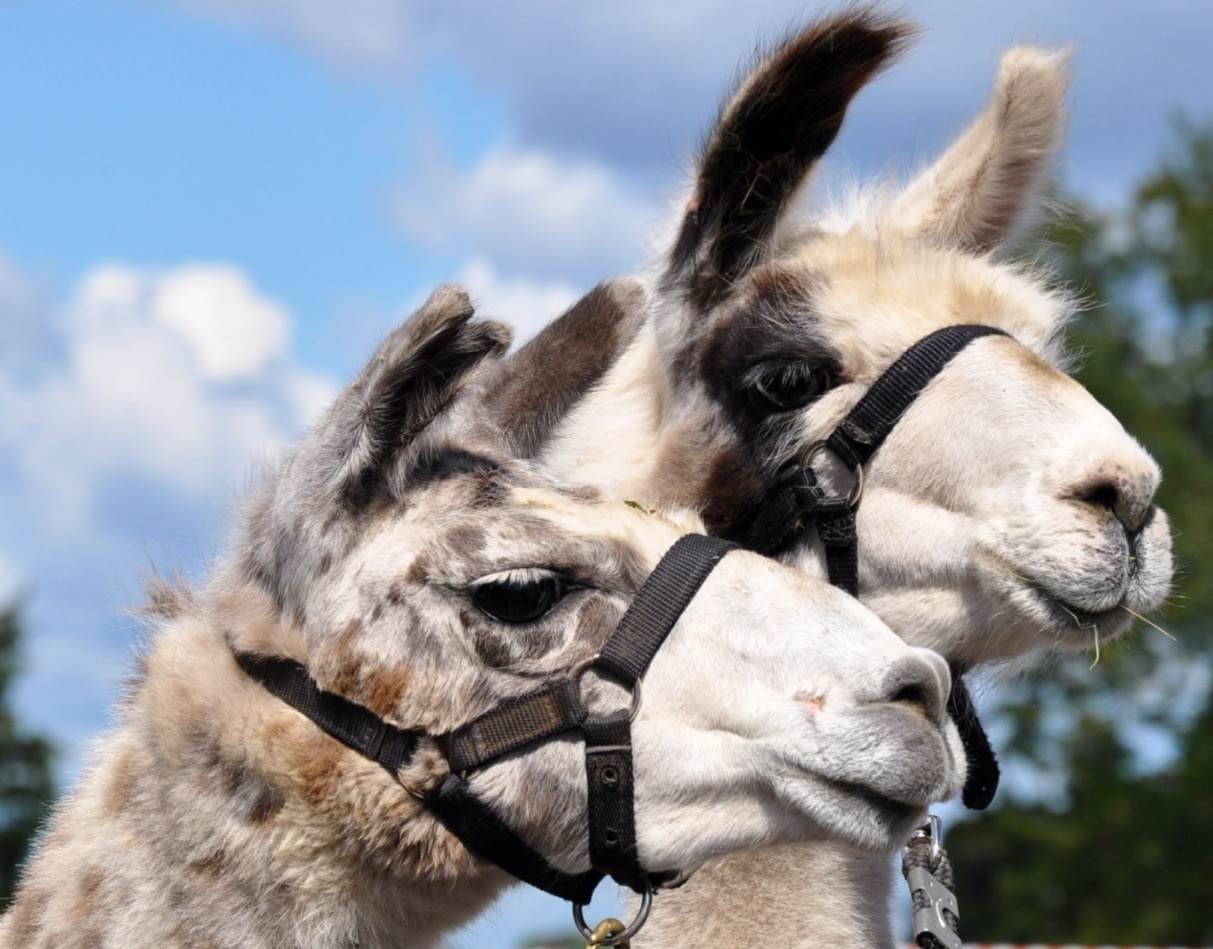
The llamas arrive

Pens keep them safe
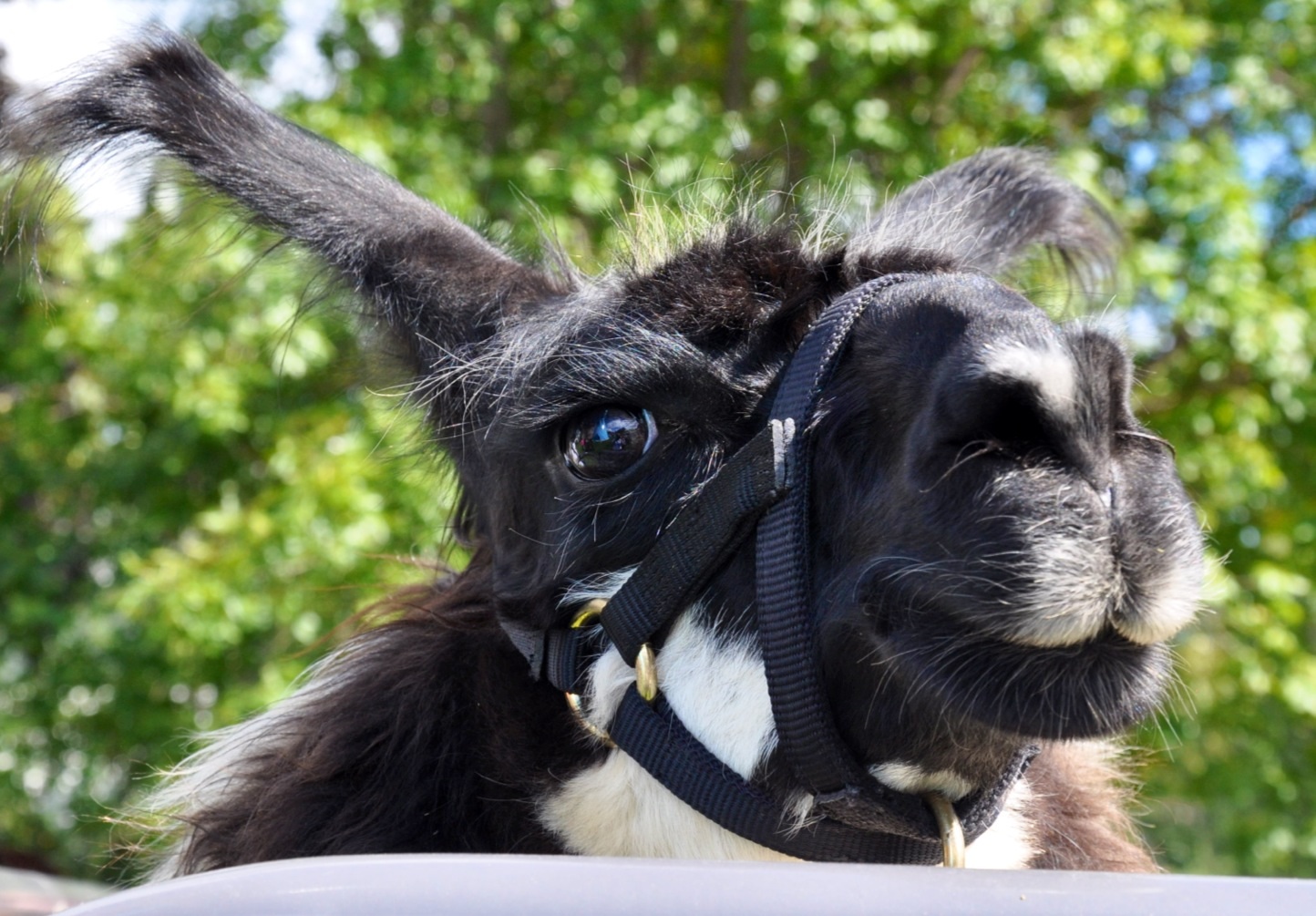
The llamas are keen to be fussed
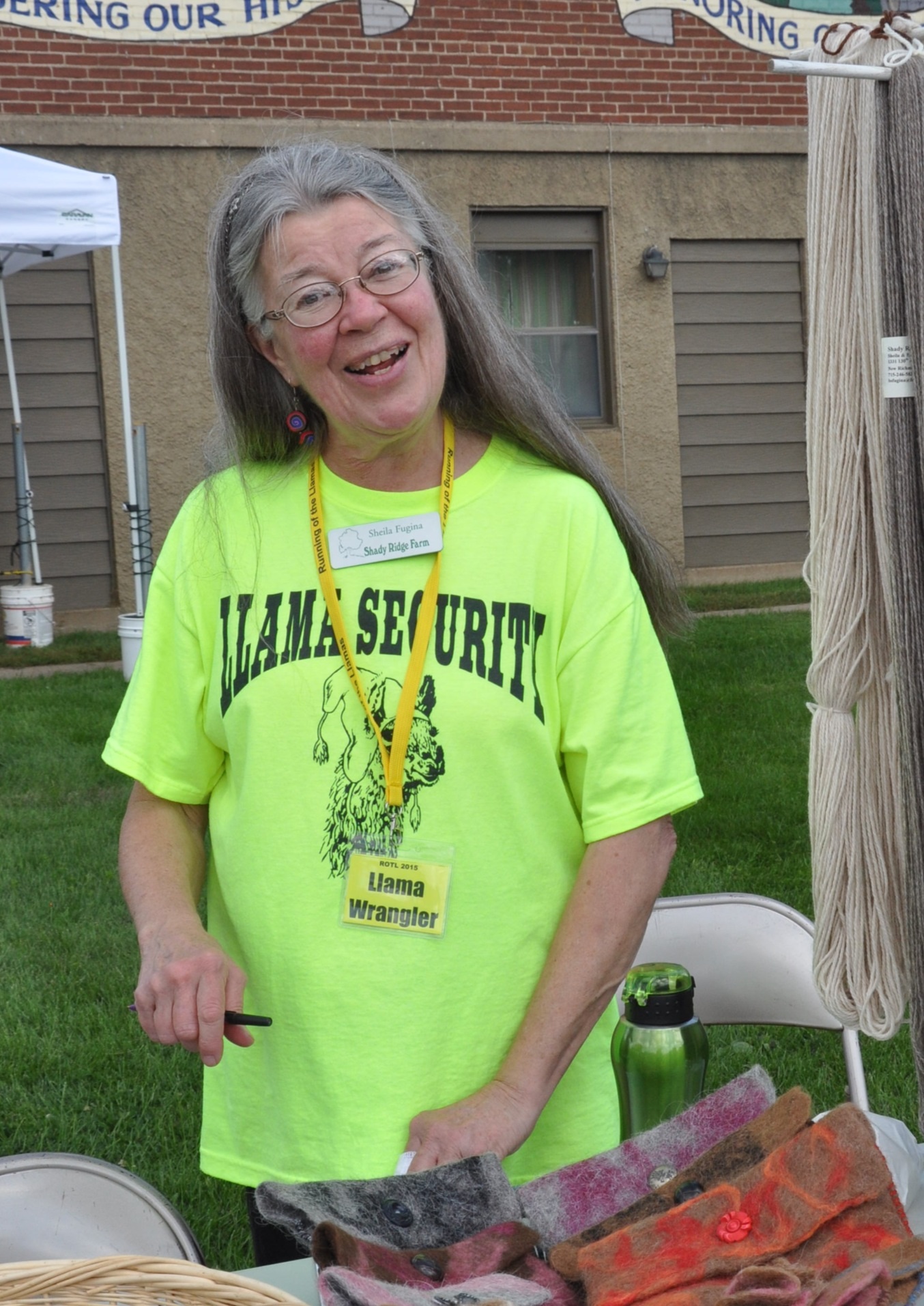
Sheila from Shady Ridge Farm
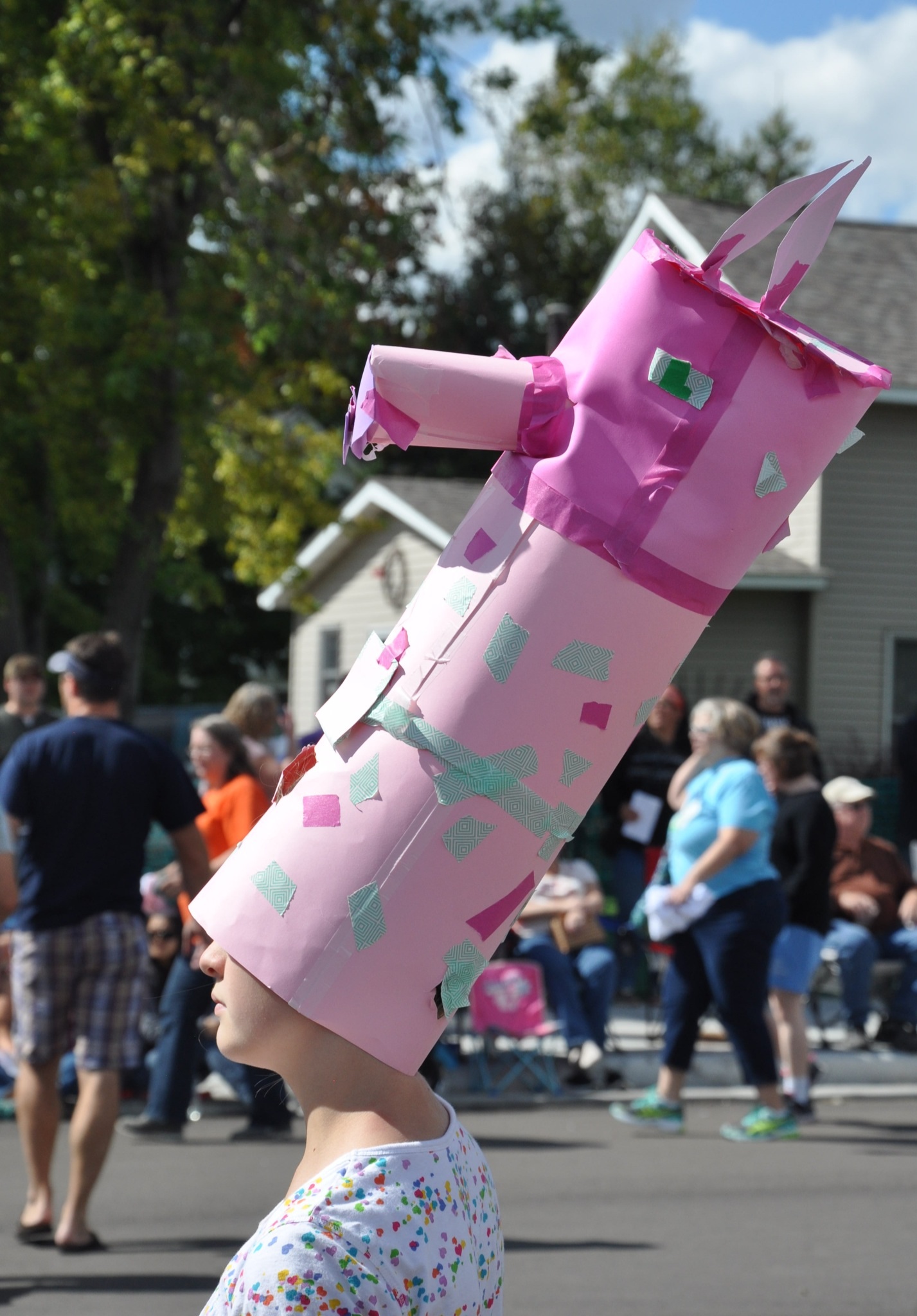
Dressing up is encouraged

The parade before the races
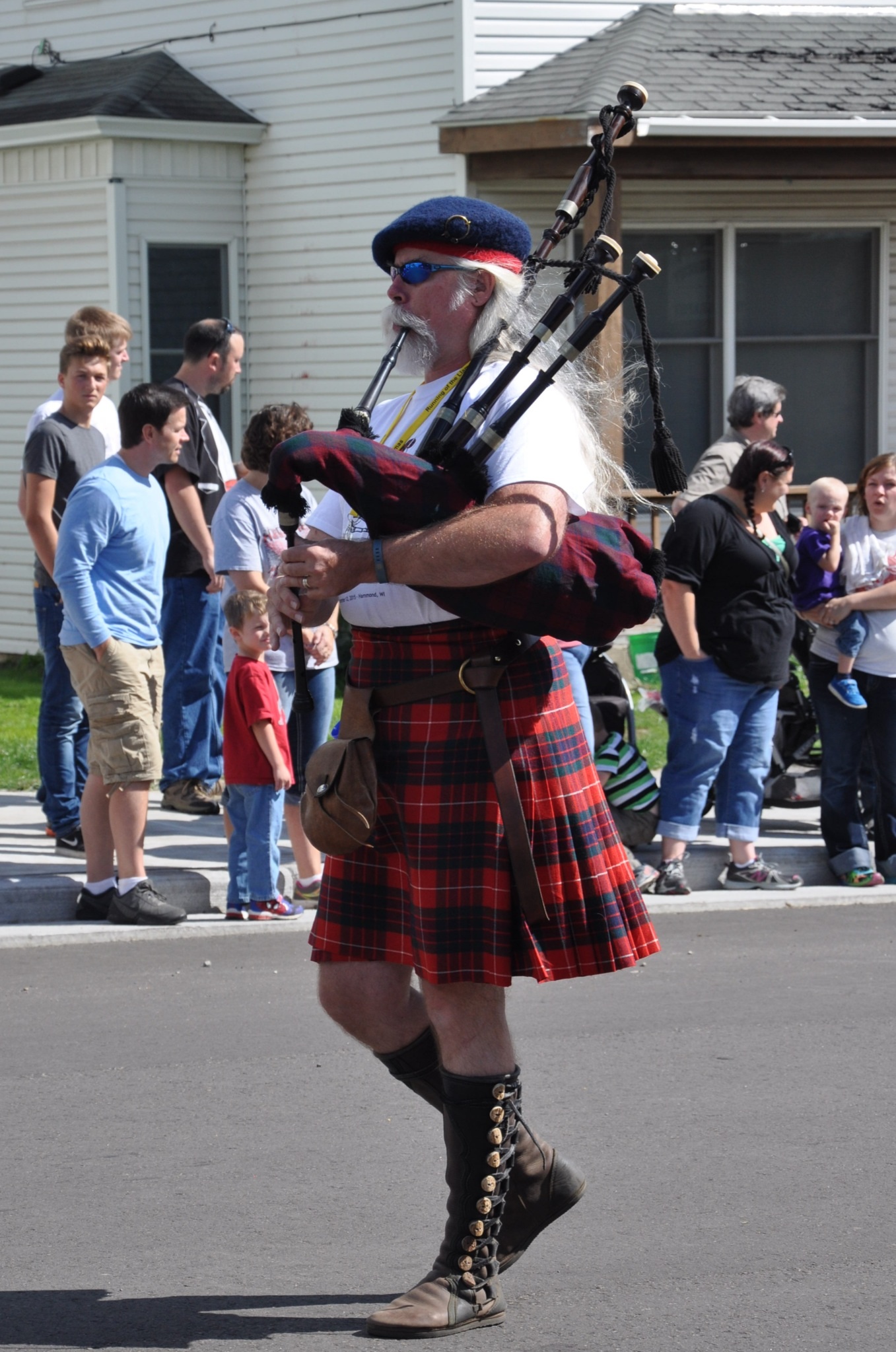
The parade is led by a piper
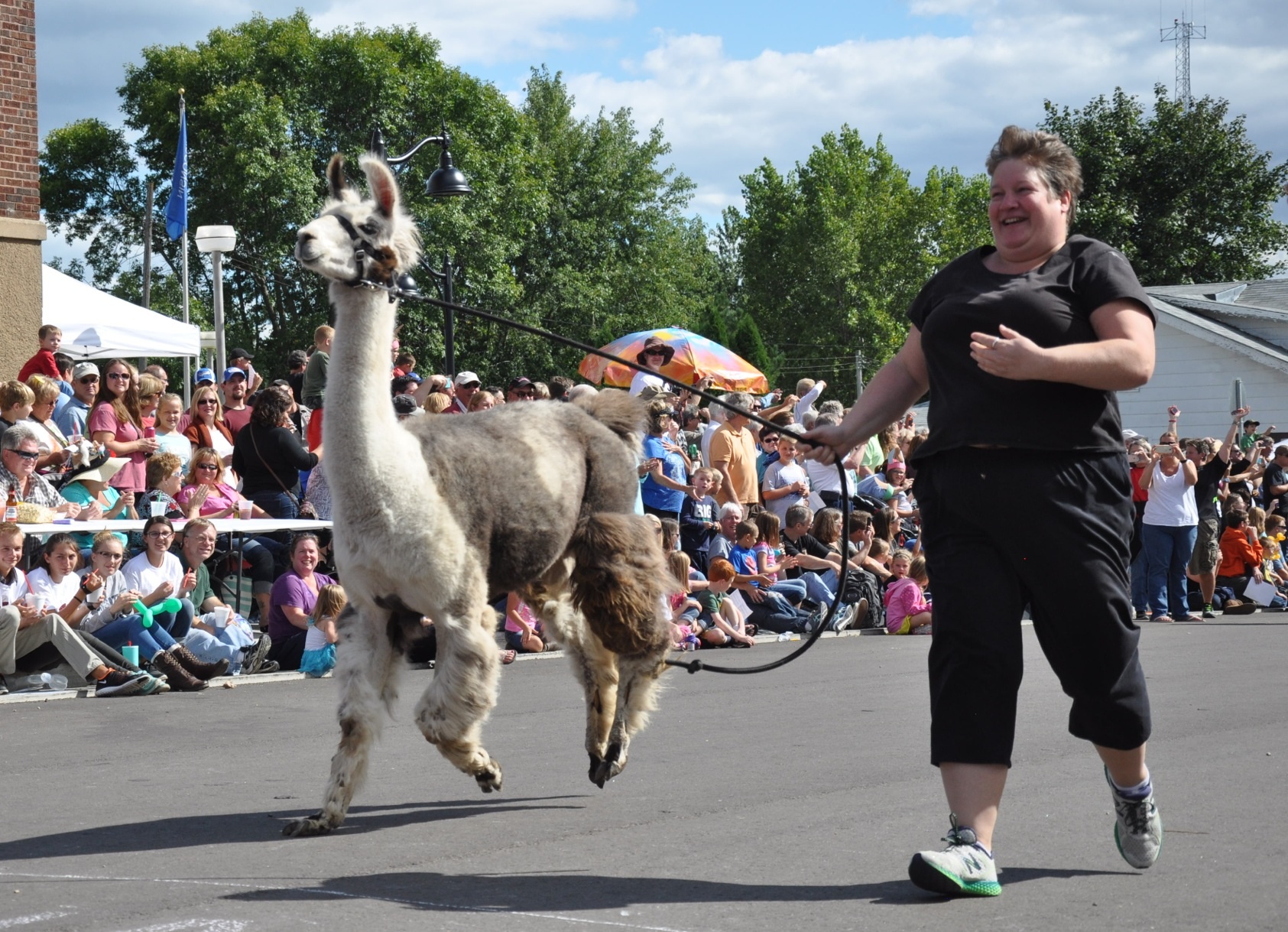
Some llamas run enthusiastically
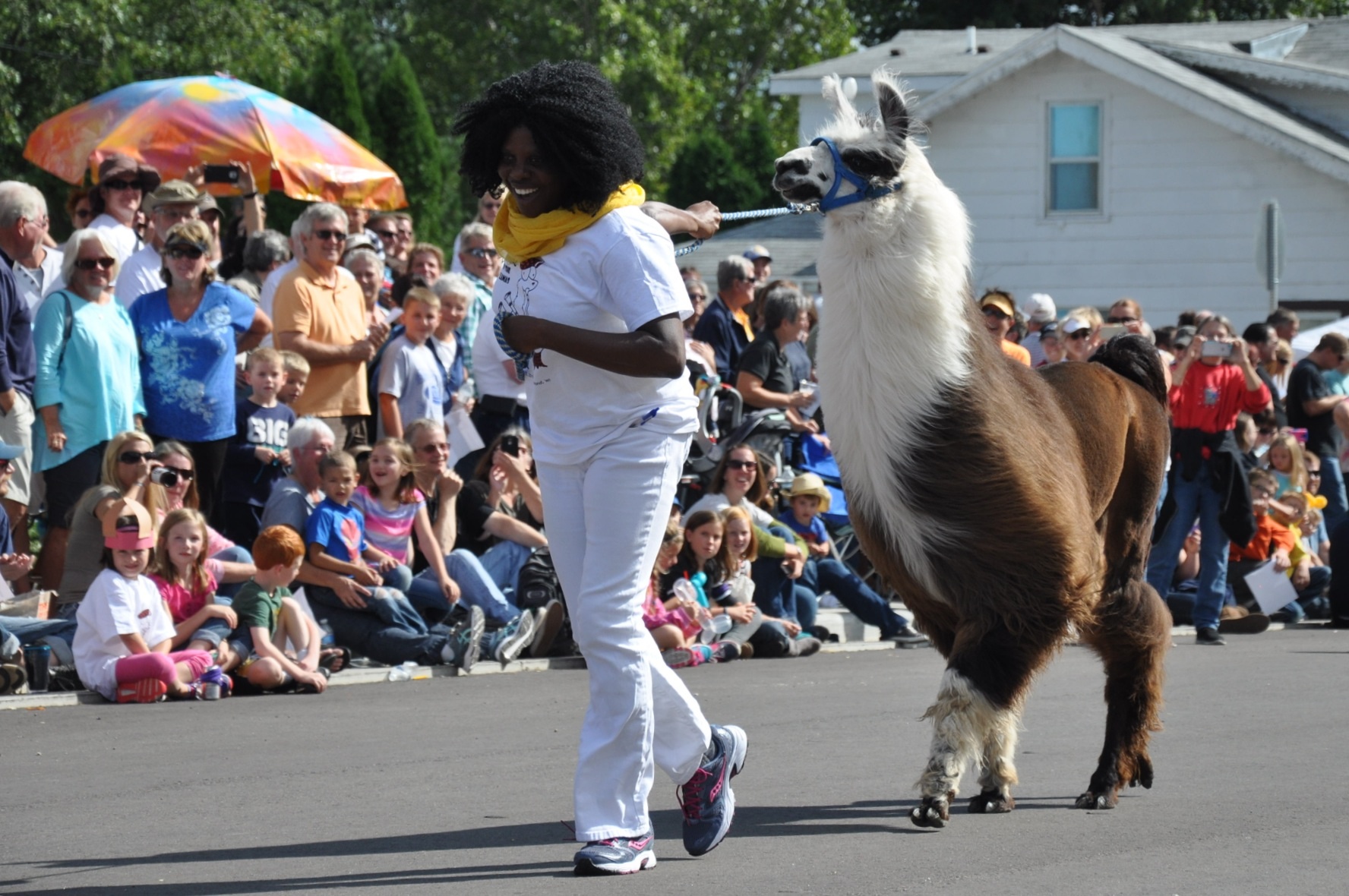
Others less so!

The races are hard fought!

Winning a heat
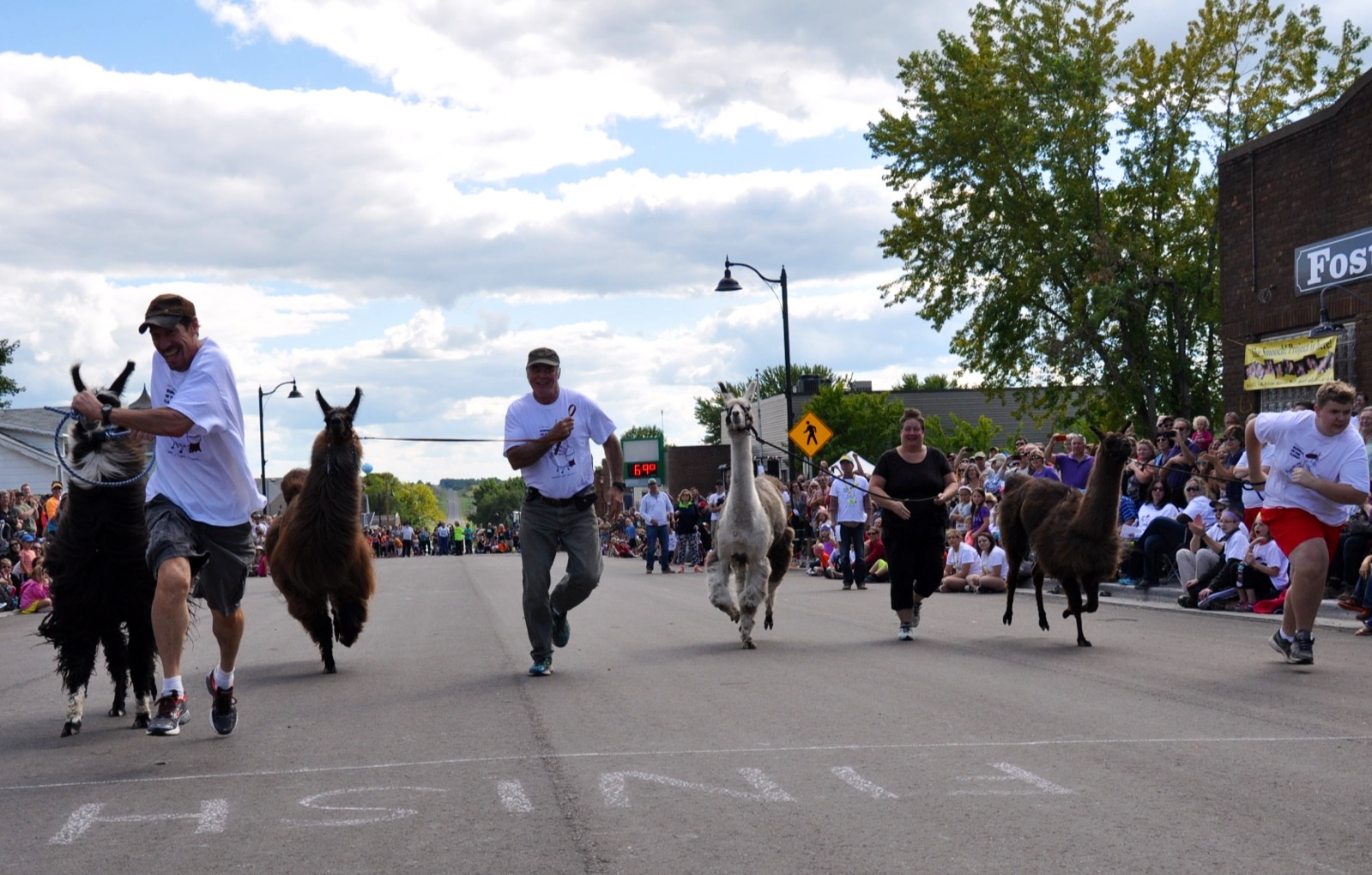
The final
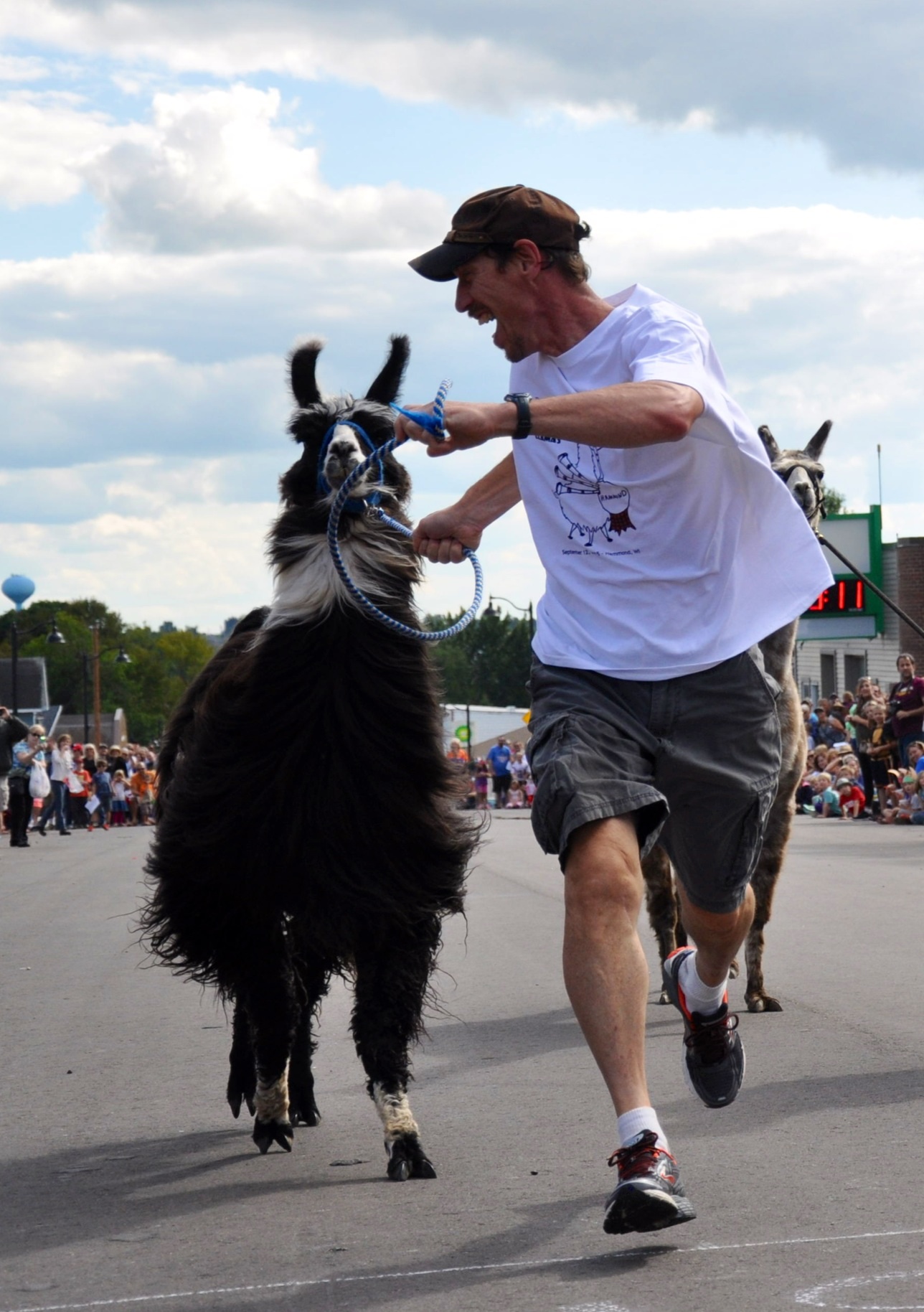
It’s not over until the llama crosses the finish line

Meet the overall winner for 2015

All over, it’s time to go home until next year
It’s not too late to get your hands on a free Kindle travel guide!
Unanchor are having a flash sale today only!
Kindle guides across their range can be downloaded free of charge. The USA is very well covered, as well as other guides such as my Cape Town, Cusco area and London’s villages guides. I’d love it if you downloaded one and left me a review.
You can get your guides from Amazon (both .com and .co.uk sites). Simply type in Unanchor and the name of the city or area you’re interested in and click the download button. If you like what you get, remember my Iceland Unanchor guide is due out later this month.
if you want to go straight to my guides, here’s the link:
Happy travels!
Blog news
No updates as yet on The Itin’s launch date, though you’ll read it here when they’re ready Stateside. In the meantime, can I tempt you wine lovers with this, my latest blog on New Zealand? I have bunches of grapes ripening on my own back garden vines as I write, but they’ve got nothing on this: http://www.go4travelblog.com/explore-wairarapa-new-Zealand/
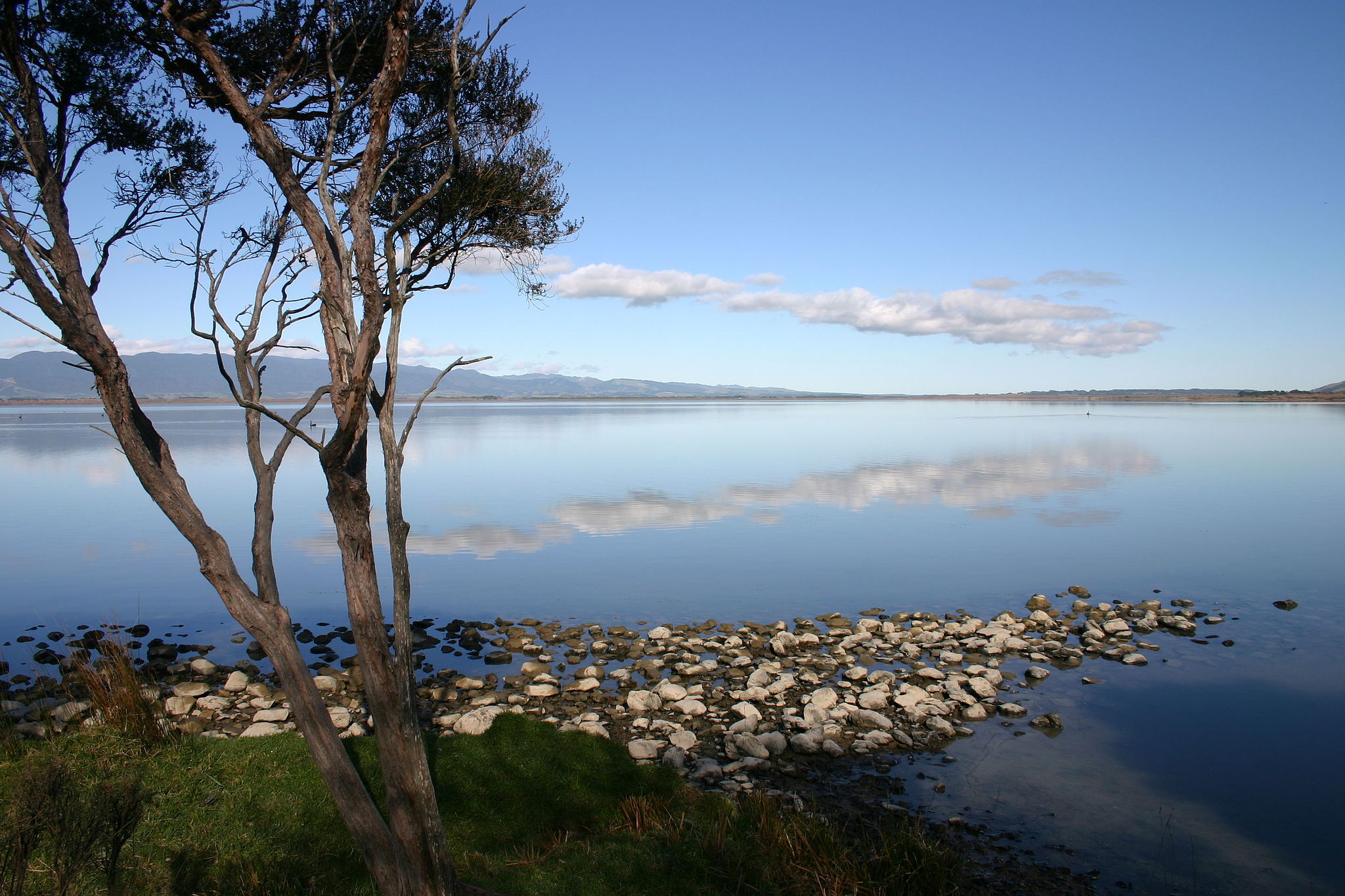
Lake Wairarapa, near to the wineries of Martinborough Photo by K1w1m0nk1e CC BY-SA 4.0 via Wikimedia Commons
A special mention in the Bradt Independent travel writing competition
Today the six finalists for this year’s Bradt Independent travel writing competition were revealed. I wasn’t among them, but this year have received a “Special Mention” which is my best achievement so far after a few goes at entering this prestigious annual contest. See who’s made the cut here and then read my piece, which will feature in my “Hammond, Me” book next year.
http://www.bradtguides.com/articles/cat/news-competitions/post/travel-writing-2015-finalists/

Cornfields surround Hammond, IL
Three little girls in Illinois
As I swung off the road and onto the gravel, I didn’t see those three little girls.
The country town, small enough to be considered no more than a village in Britain, was pretty much deserted. Surrounded by cornfields and bisected by a railroad that carried only freight, the only thing that crossed the faulted concrete of Hammond’s main street was dust. A few stray leaves hugged the kerb. Aside from a post office and a rough-looking bar, there was little evidence of business; that which was there appeared to be hanging on by the skin of its teeth.
Houses, mostly, lined the road. Some were humble and unkempt, paint flaking. Others, grand in comparison, had rocking chairs on wooden verandas and neat picket fences. A semi minus its trailer occupied one front yard, but the neighbours’ rusting cars indicated that not everyone here had a decent job.
I’d parked up to take a photo of the water tower. It had Hammond written on one side and bore a smiley face on the other, its optimism incongruous with the general feel of the place.

The water tower at Hammond, IL
As I crossed the street, I heard a child crying. Immediately after, I heard an older child, exasperated, telling her to shut up. I glanced over to see there was also a third girl. She chose not to take sides, though her body language told me she was irritated by the interruption to her play time.
The little girl, whose age I guessed to be around five, looked to me for comfort, getting none from her big sister. “Lady, I hurt my knee.”
“Oh sweetheart,” I soothed, “what did you do?”
“She was runnin’ and fell over,” said the older, bossy sister, in a tone loaded with self-righteousness that told me it was her sister’s own fault and any sympathy I may have was misplaced.
More tears, increasingly agitated from the fear I would side with Bossy.
“Does it hurt?” I asked, already knowing the answer but keen to distract.
“Yes, it hurts a lot! Can you fix it?”
“Well, I have some Wet Wipes in my car over there, so I could certainly clean it up a bit,” I suggested, not knowing if Wet Wipes translated.
Bossy interjected. “We aren’t allowed to cross the road.” She spoke with a finality that suggested her kid sister didn’t deserve to anyway.
No traffic had passed while we’d been speaking.
“How about I go and get the Wet Wipes and you wait here?” Bossy looked suspicious and I was well aware that those kids probably shouldn’t be talking to strangers, even benevolent ones. To the little girl though, the tiny rivulet of congealing blood running from her knee was reason enough for her to trust me, even if it was going to get her in big trouble with her sister later.
I grabbed the wipes and a sticking plaster and hurried back. As I gently cleaned up the small cut and gently smoothed on the plaster, the sobs subsided and she began to chat.
“My name’s Chloe and these are my big sisters. Where are you from? You talk different.”
I told her, and she sounded impressed. “You’re the first person I’ve ever met from Eng-land,” she said, splitting the word in two.
Curiosity began to get the better of Bossy too. I fielded several questions before asking her whether Hammond was a good place to live.
“Yes.” She hung on the word, drawing it out for emphasis. “We have lots of friends here and we get to play in the street.”
I couldn’t help but think about some of the children I knew back home, complaining about how little there was to do in the large town in which we lived, with parks, cafes, clubs and all manner of distractions. We said our goodbyes and the three girls headed back down the street. I allowed myself a smile as I finally heard the middle child speak. “She was a kind lady”.
Life was simple in Hammond, and happiness came in the form of a plaster.
The best places to ride a horse on holiday
“This is so relaxing we could almost be on holiday.” So said my fellow novice during our riding lesson in Belfairs Woods this morning. She had a point, give or take a bit of extra bounce on the rising trot and a near miss with an excitable puppy. It got me thinking of the places I’d ridden on my travels and what it was that I’d enjoyed so much. Here are a few of my favourite excursions in the saddle.
Copan Ruinas, Honduras
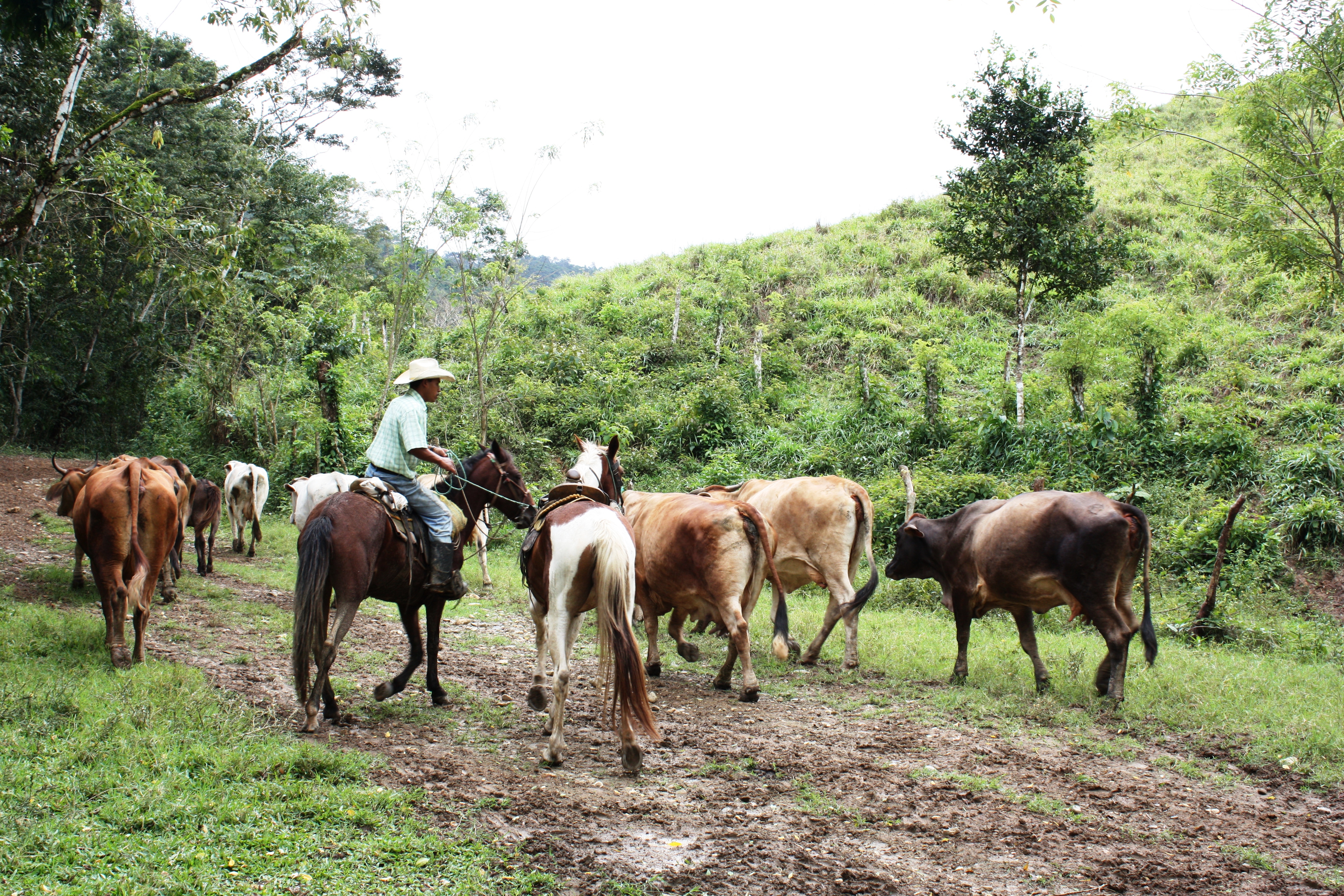
Riding with the cowboys up near the border with Guatemala
Honduras’ reputation packs quite a punch, but the sleepy town of Copan Ruinas is about as far removed from the gang-related problems of San Pedro Sula as you can get, yet it’s only a short bus ride away. I did several rides while I was there, the first of which took me from Finca El Cisne, a coffee, cardamom and cattle and ranch, to the hills up by the Guatemalan border. Led by Carlos, whose folks own the ranch, the scene stealer that day wasn’t one of the horses, but instead the family Basset Hound, Chito, who happily bounded alongside us the whole way.
Moab, Utah
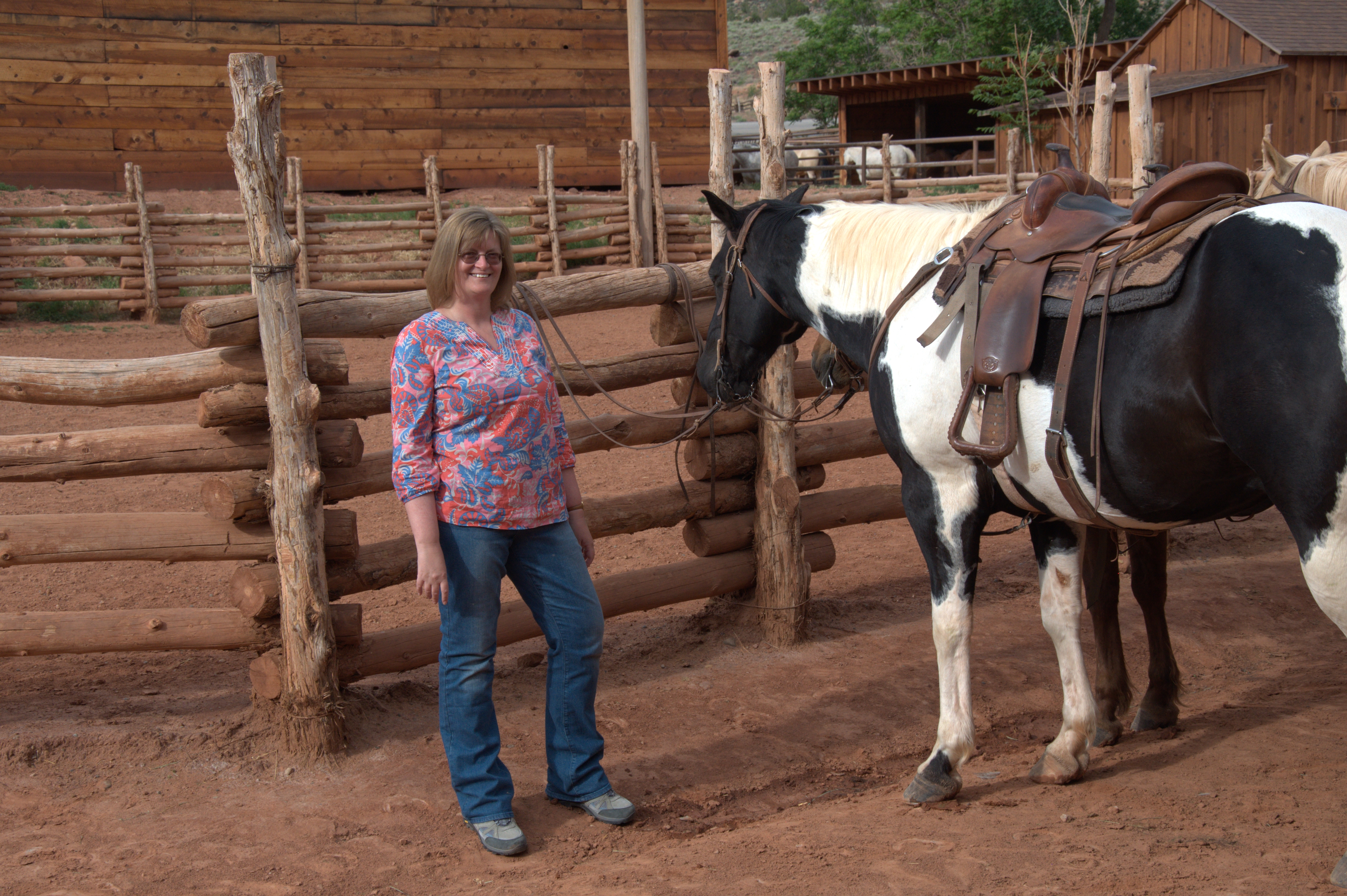
After the ride, back at Red Cliffs Lodge
Utah’s spectacular scenery was always going to be memorable, so following in the footsteps of none other than John Wayne himself, we spent a pleasant morning on horseback in the hills outside Moab. We followed the well-worn trail along Castle Creek and surveyed Castle Rock under blue skies and to a cacophony of farts provided by a horse called Gus.
San Antonio de Areco, Argentina

The skill of the gaucho is legendary
In Argentina a few years ago, I seized upon the chance to spend the day at La Cinacina ranch a few hours from Buenos Aires. From a typical asado to folkloric dancing, every aspect of gaucho life was recreated for us, but the highlight was without a doubt the riding. We novices had a go, with varying degrees of success ranging from inelegant dismounts (most of us) to a stallion who threw his rider (an unfortunate Italian) mid-canter. We dismounted, the experts showed us how it was done as they performed carreras de sortijas where at full gallop, they speared a tiny ring with the shortest of sticks. Now that’s skilful riding if I ever saw it.
Petra, Jordan

Horse and carriage exiting the Siq
Petra is reached through a narrow, dusty fault in the rock known as the Siq, and the entrance ticket includes a transfer on horseback to its entrance. Care needs to be taken when dealing with the horsemen, who can be very persistent in their requests for a tip, and the only equine transport through the Siq is via horse and carriage. I opted to finish my journey on foot, and savour the moment when the Treasury is revealed in all its crafted splendour.
And finally, here’s one I’d rather forget…
Puerto Plata, Dominican Republic

Never take a horse ride in the midday sun
Mad dogs and Englishmen go out in the midday sun, so go the lyrics of the famous Noel Coward song, and how I wish I’d heeded those words two decades ago while trying out riding under a strong Caribbean sun. The horse was placid enough, but the sun was a whole other matter, and I ended up passing out from heatstroke in the bathroom of the restaurant where we’d stopped for lunch. That’ll teach me not to wear a hat!
Five steps to becoming an expert haggler
Haggling can seem daunting at first, but it’s all part of the travel experience. Here’s a few tips to get you on your way.
Browse formal souvenir shops to get an idea of prices
Before starting to negotiate, you really need an idea of what’s a reasonable price. A good place to start is with fixed price shops. They’ll add on a mark up to cover overheads and running costs, of course, but you’ll get to see what kinds of prices are charged for goods of the quality you require.
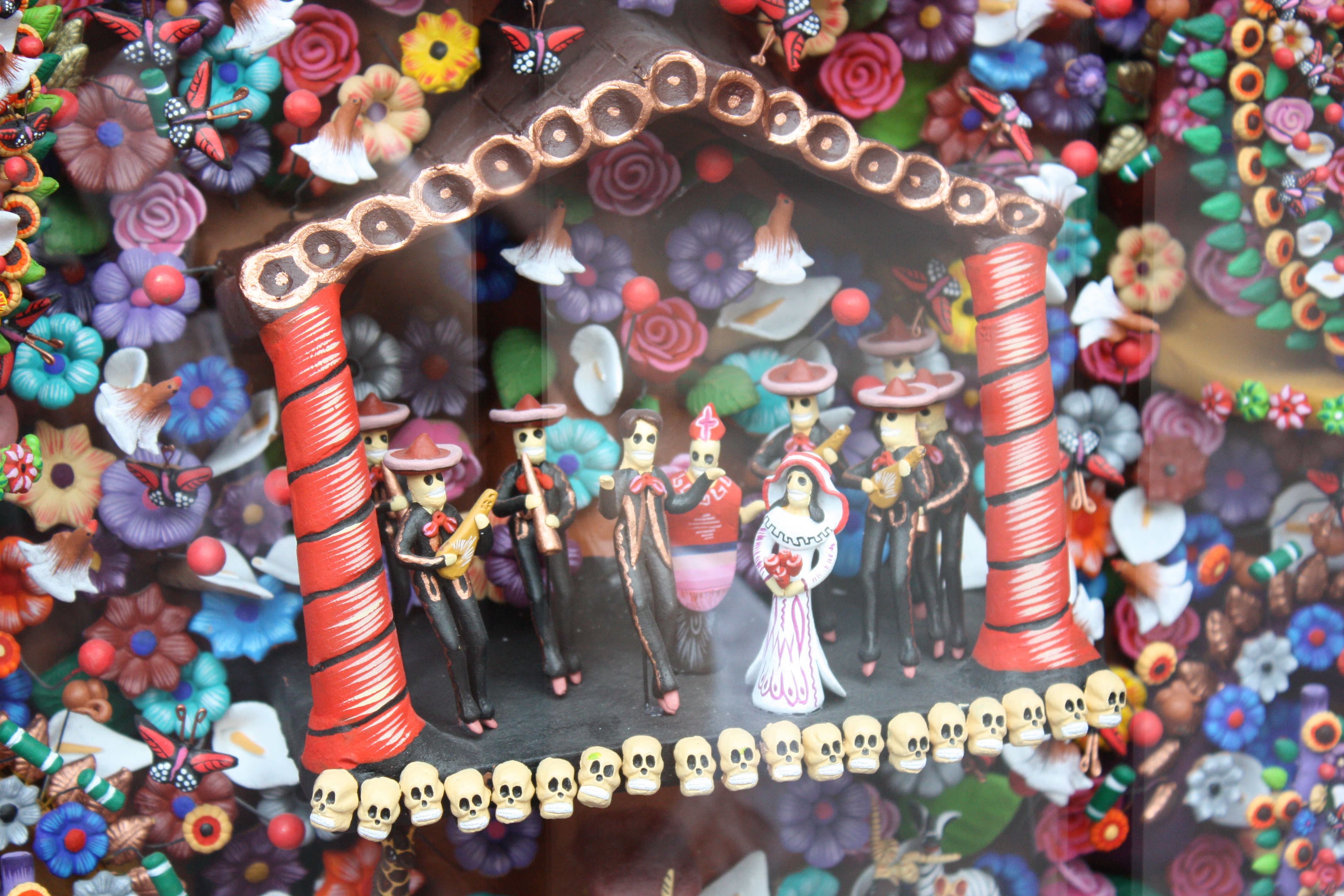
Window display in San Miguel de Allende, Mexico
Be good humoured
Haggling is theatre, and part of the travel experience, but it’s also how the vendor is making a living. Smile a lot, be nice and build a rapport with the sales person. Getting aggressive or angry isn’t going to get you a better deal, and nor is it going to make you feel good about the place you’re in.
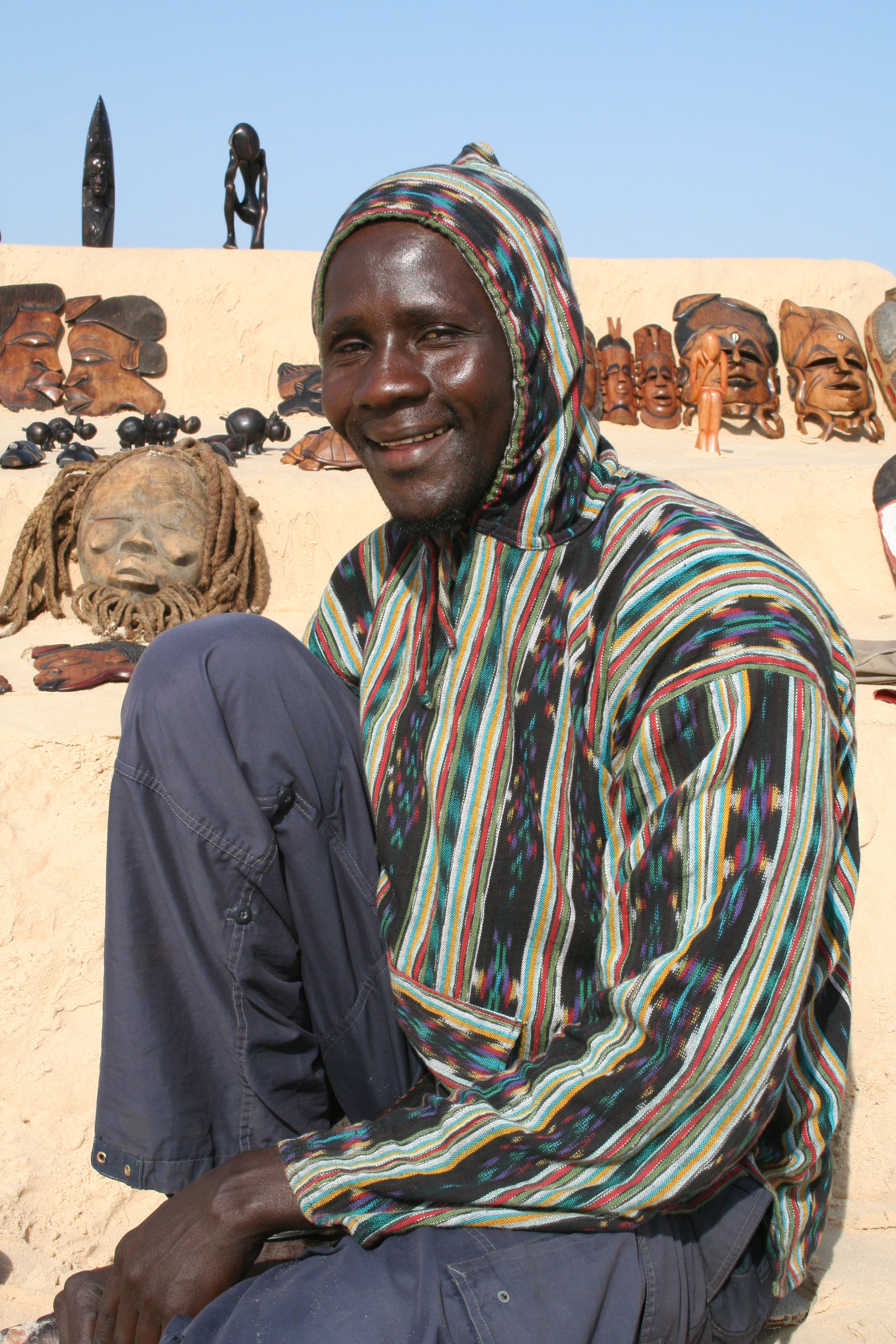
Mamadou in Senegal, who taught me how to play his bean game before I bought it
Remember this is someone’s livelihood
A few dollars or dirhams off the price for won’t make much difference in the grand scheme of things, but in some countries, it could make a huge difference to a family’s income. Before you demand too low a price, think about what’s a fair discount and what might be a price that only a desperate seller would be forced to agree to. In general, the rule of thumb is to settle on a figure about half what was originally stated, but it’s not an exact science.
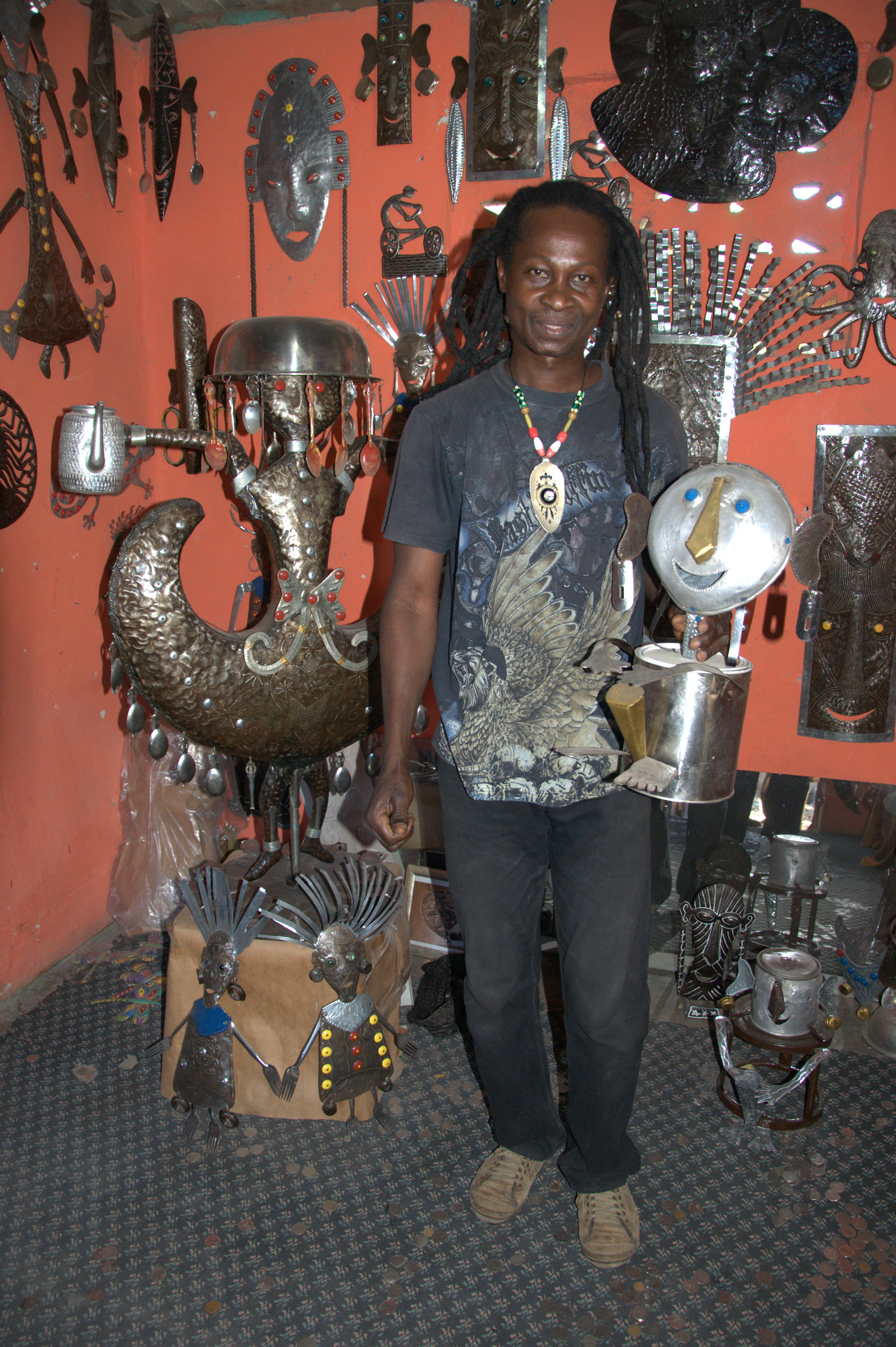
Jacques Eugene in Croix des Bouquets, Haiti, with his amazing metalwork pieces
Don’t make promises you won’t keep
Once you offer a price, etiquette demands that you pay up if it’s agreed to, so don’t make an offer you’ve got no plans to honour. Think about what the item’s worth to you and don’t offer what you don’t intend to pay. If you find yourself in a situation that is getting awkward, look for an outcome where no one loses face. Be positive about the product and apologise for the fact that it’s beyond your budget.
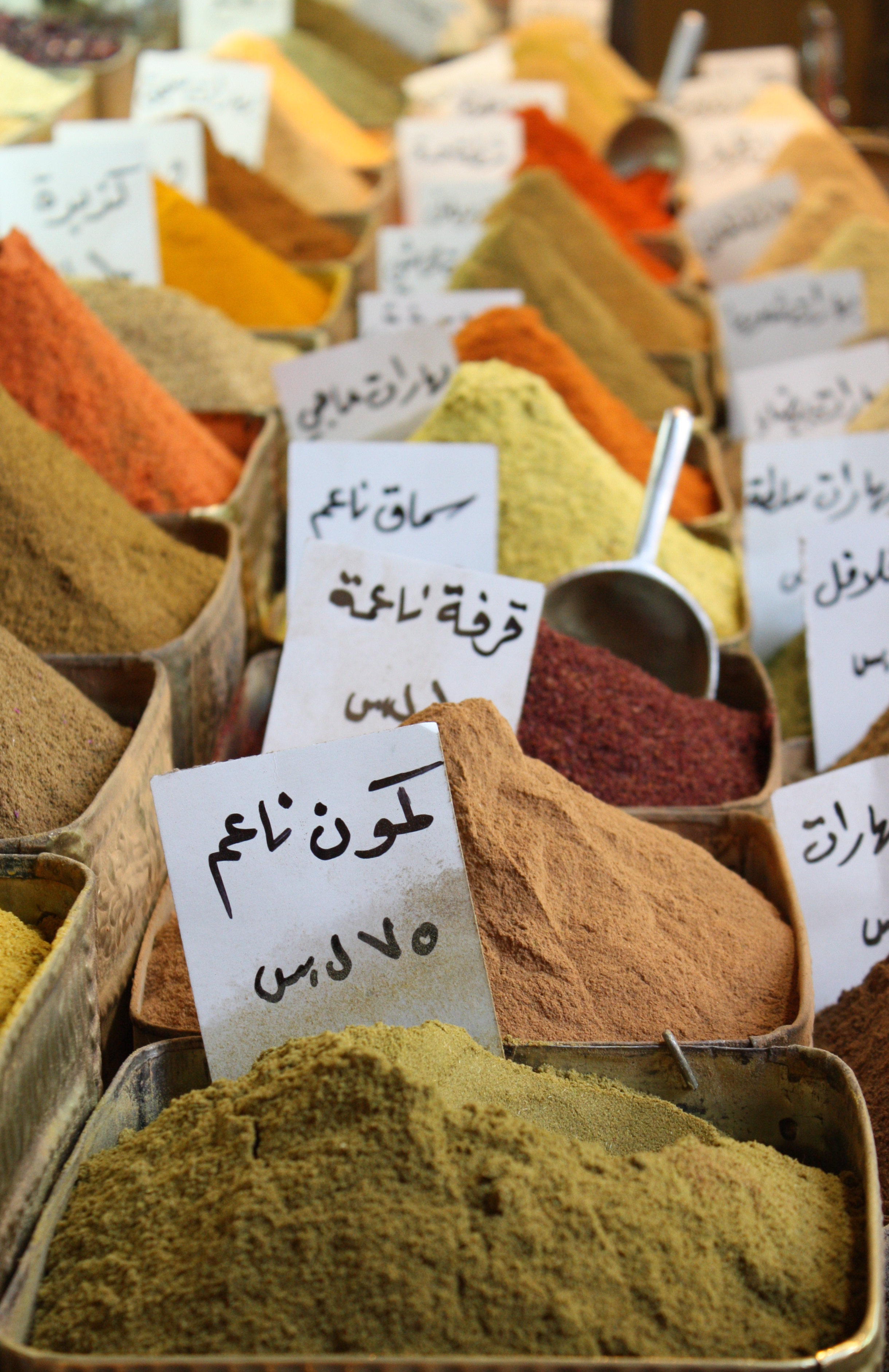
It’s tempting to show an interest in what might be impractical to take home
Getting rid of a persistent hawker
Sometimes, pester power is the local norm, and it can be hard to shake off sellers that just won’t take no for an answer. If a polite “No, thank you” or “I’m just looking today” doesn’t cut it, you might need to be more creative. Suggesting that you’re looking for a particular colour or design that you know the vendor doesn’t have in stock might just work.

How do you choose when it all looks great?
Blog updates
You may be aware that I blog regularly for a number of clients. Each week I post a different topic about New Zealand for Go4Travel and occasionally additional blogs about other destinations, most recently from Chile and Italy. This week’s post took me back to Rotorua, where I was impressed by some dramatic geothermal attractions.
http://www.go4travelblog.com/exploring-rotorua-geothermal-attractions/

Mud pools and steam, Rotorua
I’ve also been writing for Trainline, having worked regularly for Trainline Europe since I left teaching. I recently blogged about station clocks, something that you might argue you’d only notice if they weren’t there! Have a look next time you take a rail trip and see if the clocks are anything special – you might be pleasantly surprised.
http://blog.thetrainline.com/2015/07/14/the-10-most-beautiful-train-station-clocks-in-the-world/
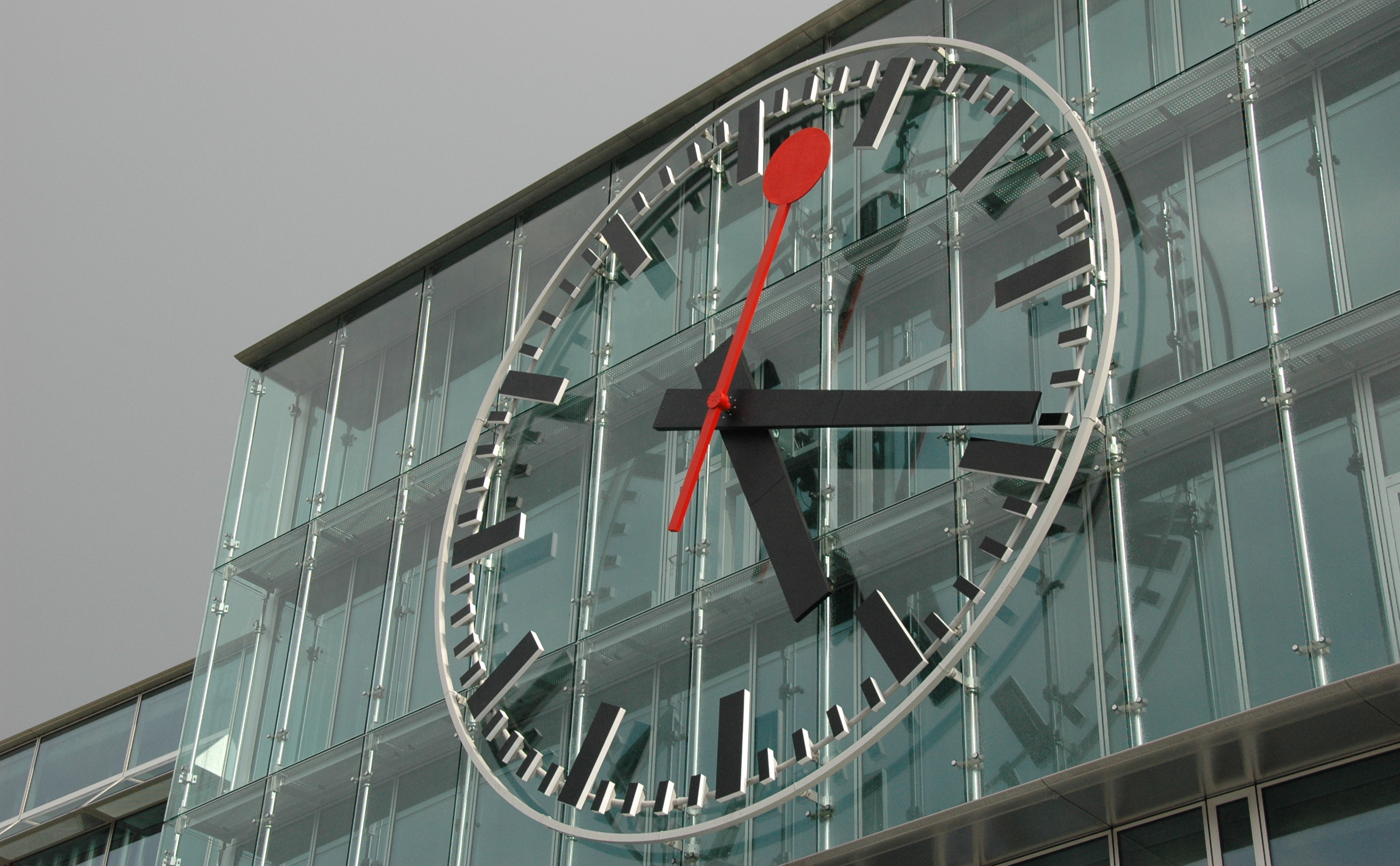
Aarau Station clock close up by Markus Meier CC BY-SA 2.5
Trainline Europe keep me busy, and I’ll be heading off to France on assignment for them in August. I write a mixture of train reviews and articles designed to tempt people to try rail travel. This one is one of my favourites.
http://travel.thetrainline-europe.com/blog/wish-i-knew-before-taking-a-long-distance-train/

Sleeping compartment on the City Night Line service
An open letter to hotel room designers everywhere
Dear Hotel Room Designer,
I’ve spent a lot of nights in a lot of different hotel rooms, and sometimes that leaves me pondering whether you’ve actually tried to stay in the rooms you’ve designed. I have to say, they look great, but there are a few other considerations I’d ask you to, well, reconsider.
Let’s start with plug sockets. I’m travelling, these days, with a phone that needs charging, camera batteries that won’t last the duration of my trip and a Kindle that needs enough juice to let me finish my holiday read poolside. So, I need plug sockets. I don’t mean plug sockets that are behind the bed, under a desk or tucked into a corner so tight that I have to be an expert yogi to reach them. I don’t want to have to decide whether to unplug the TV or the minibar or the bedside light just to free up a socket. And I definitely don’t want to use that socket you tuck down by the side of the bed where odds are that in the morning when I unplug my phone, mine will join the ever-growing number of chargers that I have donated to hotels across the globe.
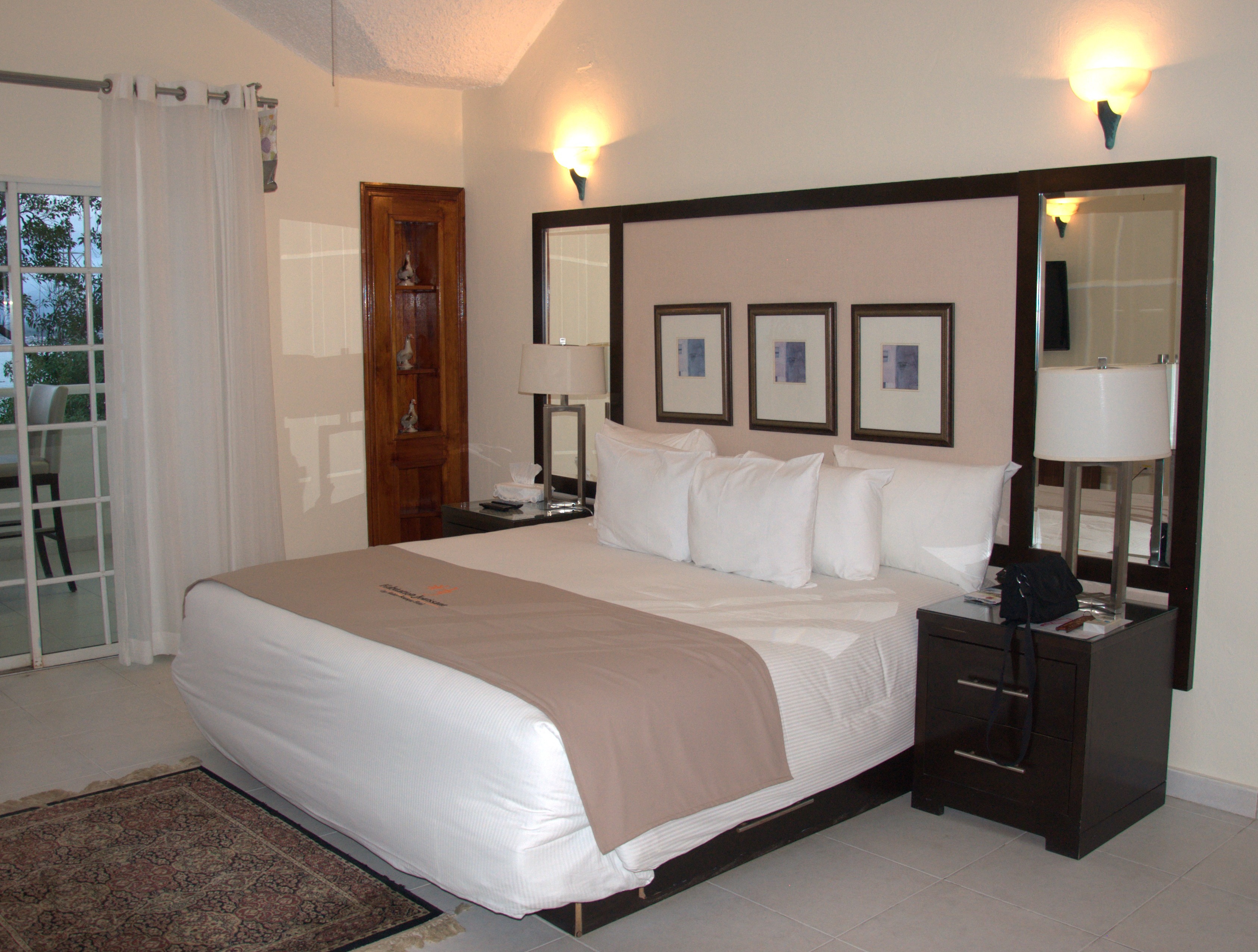
Hunt the plug socket…
Now, about those hair driers: first, thank you for providing one. It’s not cool to sleep with wet hair and even less attractive to wash it in the morning and slowly drip water into my breakfast eggs. But next time you choose a hair drier for me, can you please find me one that has a bit of power behind it. I defy you to dry anything longer than a pixie crop with one of those gutless wall mounted things where you have to hold the button down for so long your finger goes numb. I’ve only got shoulder length hair. It takes me half an hour with one of those things. Over a fortnight’s stay, that’s almost a full day’s sightseeing time stood in front of the mirror wondering whether I really should just pack my own next time and be done with it.

How about this?
While we’re on the subject of luggage, remember that sometimes I’m not staying long enough to unpack. Spare a thought for me when I’m just staying overnight before catching a flight. I’ve lost count of the times I’ve stubbed my toe as I’ve stumbled to the bathroom in the dark because the only place you’ve left me for the suitcase is at the foot of the bed. And don’t even get me started about those folding contraptions you hide in the wardrobe – last time I used one of those, my poorly balanced case tipped up and I ended up with a whole load of dirty washing all over the floor. Oh how I long for the sight of a decent, wide, solid shelf when I throw open the door.

Photo by Lori L. Stalteri CC BY 2.0 via Wikimedia Commons
Is it really so much to ask for? I know I’m getting ever-more demanding with my whines about free Wi-Fi, free parking and bottles of water that are labelled so I know I’m getting those for nothing as well. You’ve sorted out my petulant demands to get my pillows just right. You even leave me a note on the headboard to tell me the sheets have been cleaned for my arrival (that’s a weight off my mind!)
So, if you can just deal with the rest, then I’ll be back as often as you’ll have me.
Yours sincerely,
Your fussiest customer
What makes a good souvenir?
Looking back to when I first seriously started travelling over twenty years ago, I was an avid souvenir collector. All manner of things came back with me until my house was overflowing with what then were irresistible purchases: painted bowls, mass-produced watercolours, huge piles of tat in all shapes and sizes. Over the years I like to think I’ve become a little more discerning and certainly more considered. I don’t bring as much back, but everything has a story and triggers a memory, just as souvenirs should do.
What’s the best souvenir you’ve ever brought back from your travels?
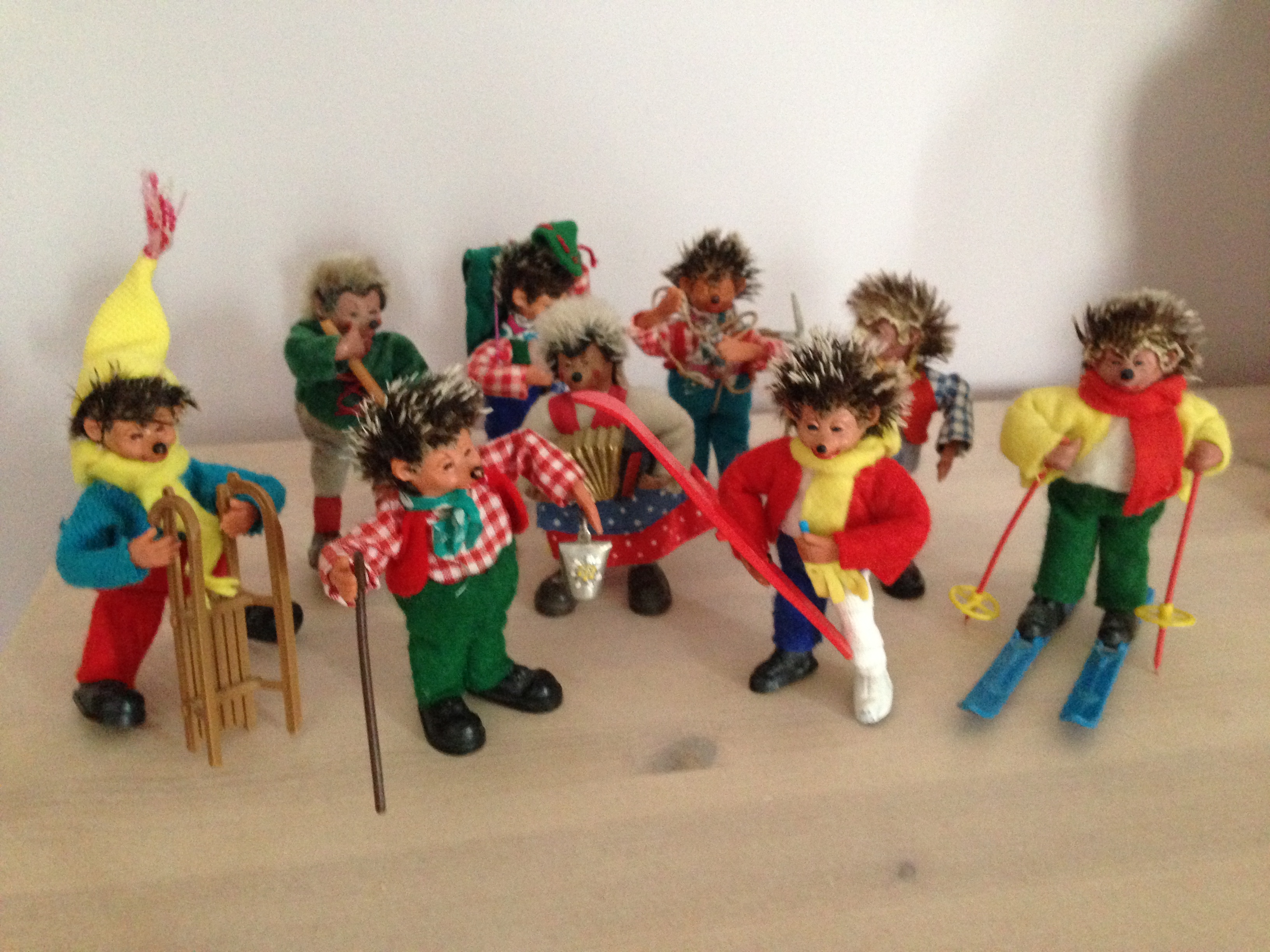
Hedgehogs, Austrian Tyrol, 1970s to 1980s
As a child I had many happy holidays in the Austrian Tyrol and over the course of those holidays collected these little hedgehogs. There is a certain irony to my choice of winter sports themed hedgehogs when all our holidays were summer ones, I suppose. At the time, I used to play with them like dolls, but as an adult I appreciate them as a kitsch reminder of the Tyrolean culture that still draws me back to the region to this day.
Alpaca bed cover, Arequipa, Peru 2001
I bought this from a store tucked down a side street in Arequipa’s colonial centre. Six weeks after the terrible earthquake, people were trying to get back on their feet. It’s beautifully soft, made from the fur of baby alpacas. I flew back with it wrapped in plastic. It was too big to be able to be taken on board as cabin baggage, but the plane had technical problems and so, for several hours, it sat on the tarmac in a rainstorm. It took a while to properly dry out and lose that distinctive damp animal smell, but I’ve loved it ever since.

Ceramic angel, Playa del Carmen, Mexico 1998
This guardian angel was bought in the then sleepy fishing village of Playa del Carmen on my first visit to Mexico. It looks as though its had way too many tacos but I love its chubby charm. These days, the angels are painted in bright colours and have “Playa del Carmen” emblazoned across them. My Mexican angel is a reminder of how places change too.

Coca Cola can elephant, Livingstone, Zambia 2012
I’ve been a huge fan of elephants ever since I can remember. My favourite toy growing up was an elephant named Bendo, once kapok-stuffed (until it was washed and had to be refilled) and I now sponsor elephant orphans at the Sheldrick orphanage in Nairobi, Kenya. I have many elephant souvenirs, but this is my favourite. This quirky creature was picked up from a market in Livingstone on the day I rode a huge bull elephant side-saddle just out of town.

Woven blanket, Chichicastenango, Guatemala 2012
I never tire of Latin America, and part of my love affair with that region has to do with the vibrant colours that characterise the region and its personality. I was in textile heaven at Chichicastenango market and could have quite happily bought the lot. I couldn’t resist the colours of this one. It now covers a bedside chair so this is the first thing I see when I wake up.
Golden retriever bag, Chicago, USA 2015
When I travel, I miss my two fluffy golden retrievers more than I used to pine for a decent cup of tea. I’m therefore a sucker for anything with a retriever theme. I’m the proud owner of a Golden-opoly game (golden retriever Monopoly) and golden retriever photo frames, and a box full of toys for them – think squeaky Empire State Building and you’ve got the idea. My latest purchase, from the Chicago branch of Macy’s, is a take on the iconic Bloomingdale’s Little Brown Bag, and in my opinion, a considerable improvement.

Looking back on my trip to Haiti
A few days ago I delivered a talk on Haiti to Leigh Travel Club and so my thoughts return this week to the impoverished Caribbean nation that made such an impression on me when I visited in February. The trip was one of extreme highs and lows, the latter making me question whether I’d done the right thing in travelling independently rather than with a tour group. From the sweeping views from the top of Citadelle Laferriere to a rather too interactive vodou blessing ceremony, this was always going to be one holiday that I wasn’t going to forget in a hurry.

The perfect place for doing nothing
Is Haiti ready for tourism?
Much has been written in the travel press of Haiti as an emerging tourism destination for 2015. This charismatic Caribbean nation has featured in as many recent top tens as the latest fashionable boy band and is garnering as much attention. Five years on from the devastating earthquake that claimed as many lives as the 2004 Asian tsunami but in an area a fraction of the size, Haiti is beginning to rebuild. But progress is slow, hampered by political turmoil and the sheer scale of the work to be done.
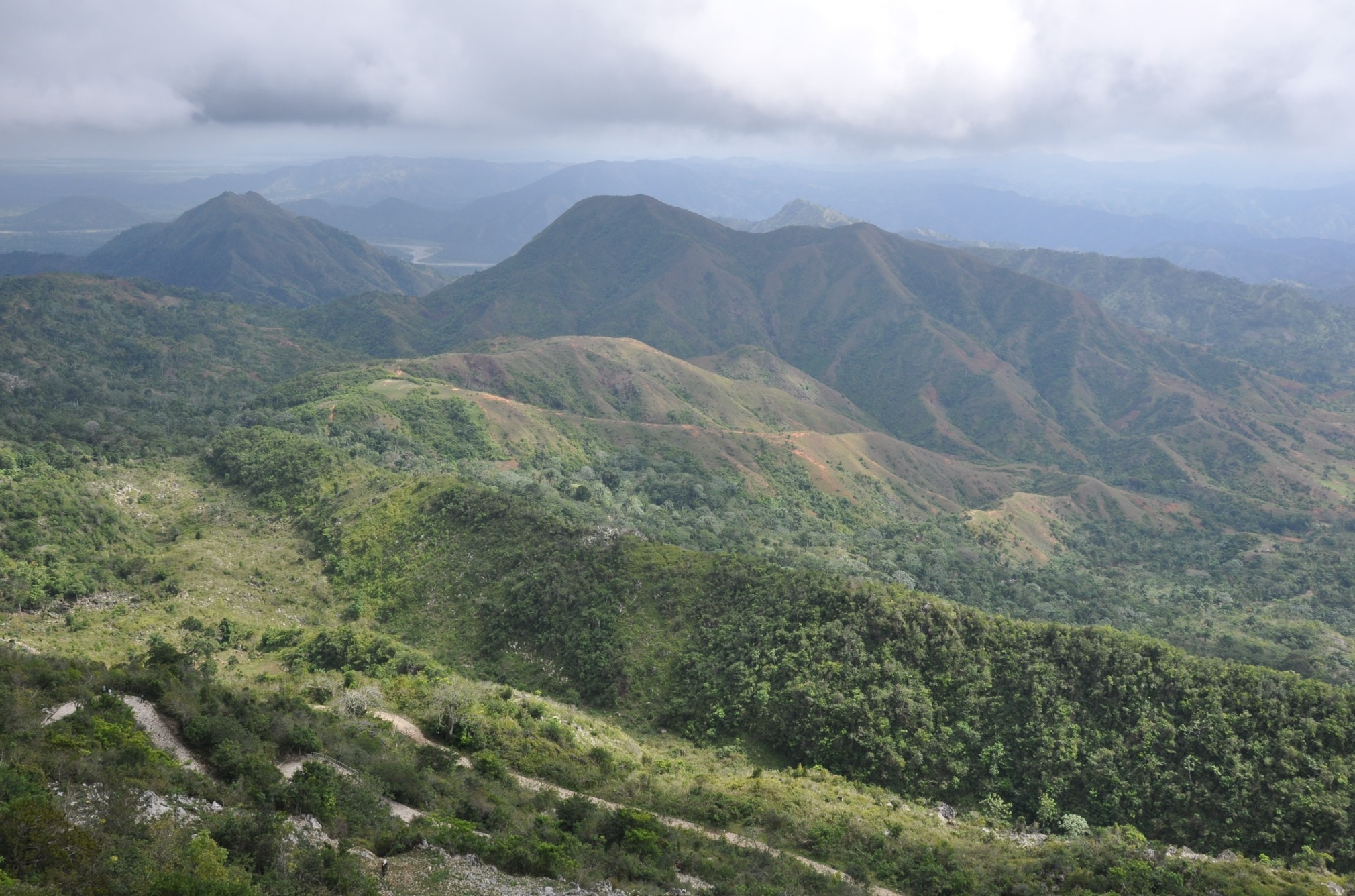
Views over the surrounding countryside from Citadelle Laferriere
Around half a million tourists visit Haiti each year. The destination for the vast majority is Labadee Beach. Privately owned by Royal Caribbean, this pristine beach is reserved for cruise ship passengers only, who in turn are not permitted to leave the resort. Plans are afoot to facilitate day trips to the nearby attractions of Sans Souci Palace and the imposing hilltop Citadelle Laferriere, but for now they remain marooned in their paradisiacal enclave. But by far the greatest number of visitors come from the US and Canada, United Nations personnel, volunteers and NGO workers with an almost evangelical zeal. Transiting through Miami, I wasn’t surprised therefore to be asked by the curious immigration official whether I was a surgeon, though he thought I had taken leave of my senses when I told him that I was heading there on holiday. Alone.
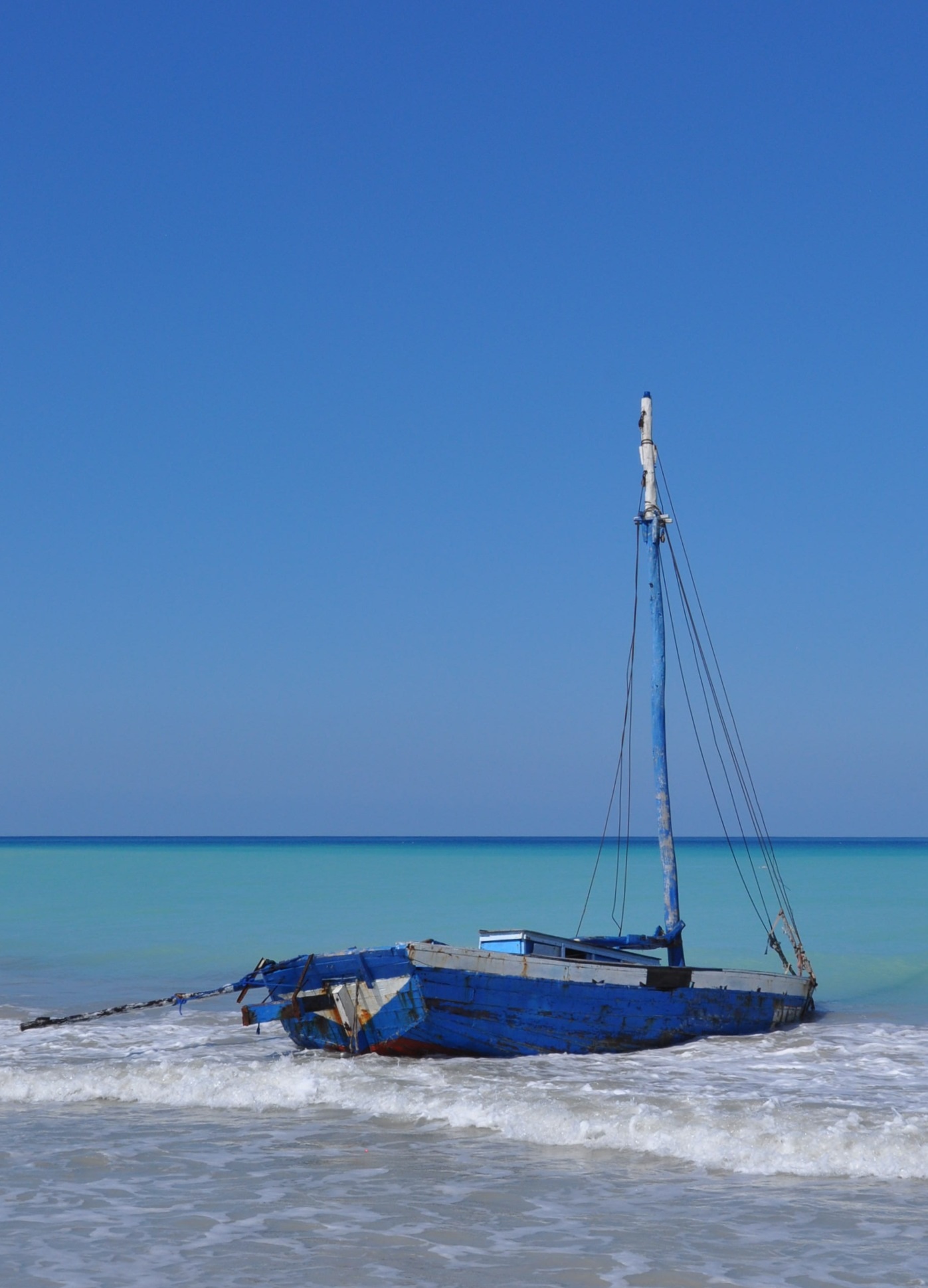
Fishing boat on Pointe Sable, Port Salut – cruise ship not necessary
Nevertheless, inspired by the glowing recommendations, a steadily growing number of independent travellers are exploring Haiti. Many of these are French or Canadian – it helps to understand the language – with a smattering of Americans, Brits and other Europeans. Except perhaps the terrace of the Hotel Oloffson in downtown Port au Prince, nowhere was the concentration of “blans” or foreigners more noticeable than in Jacmel. Once a coffee port and still crammed full of ageing yet utterly charming balconied warehouses, art is now the commodity that supports this laid back town, with galleries and vendors on every street corner.

Carnival queen, Jacmel
Visiting Haiti is the tourism equivalent of a backbreaking wooden coaster ride. It will push you close to the edge as you reflect on what possessed you to hail a tap tap that threatens to squeeze every last drop of goodwill from your sweaty pores. But just as you swear that you cannot take any more, that same tap tap will deposit you at an idyllic palm-fringed beach, deserted save for the crabs that scuttle out of the blazing midday sun into the tiny holes they bore in the white sand.
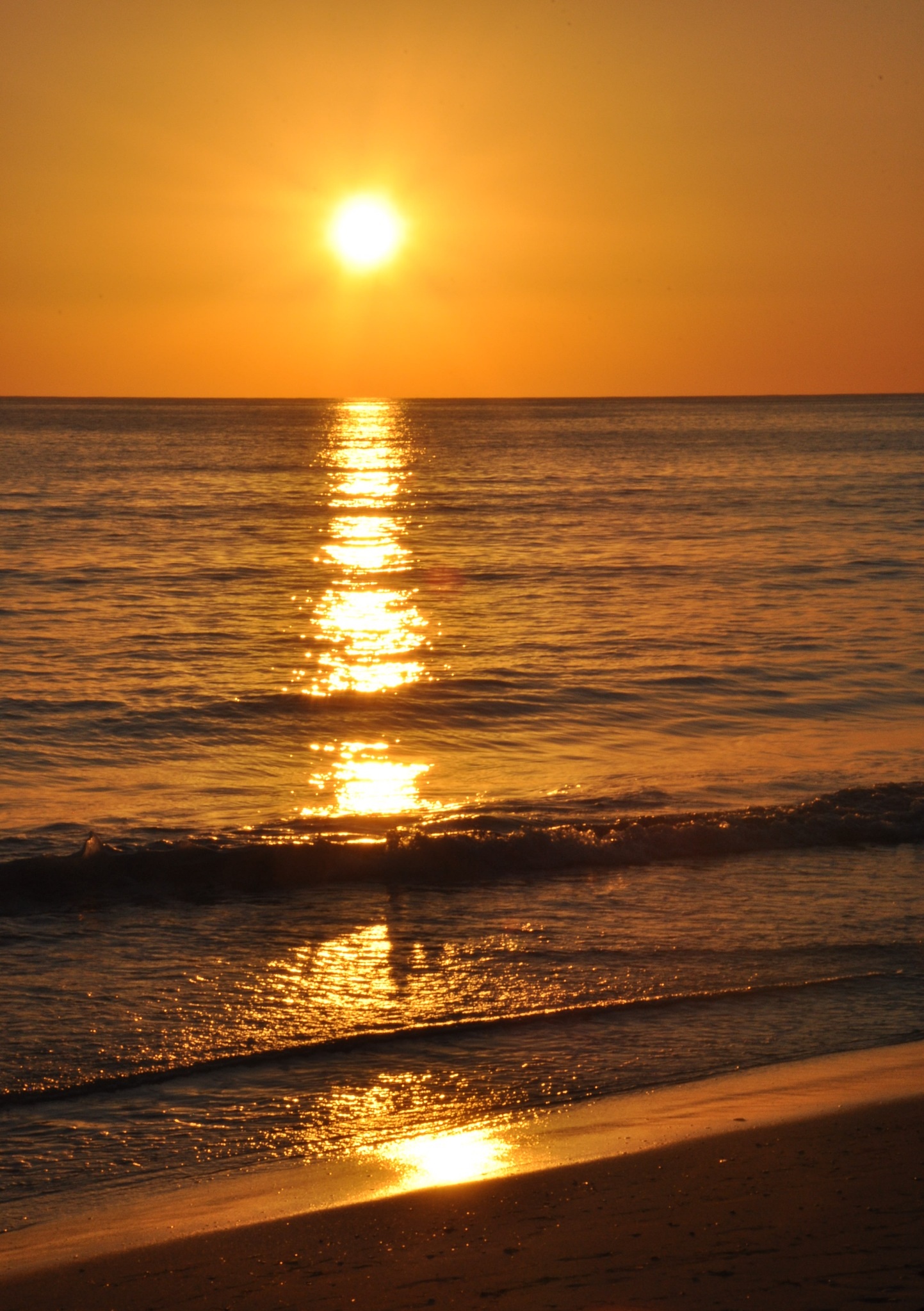
Sunset at Pointe Sable
But it’s the people that create a lasting impression and ensure that Haiti sticks in your mind long after you return home. I encountered much kindness during my trip from people that had little to give but their time. Missing my stop on the tap tap from Les Cayes to Port Salut, according to my fellow passengers by at least five kilometres, a young lad on a motorbike pulled up alongside me as I stood on the roadside and pondered what to do next. He offered to take me and my suitcase down to my hotel, refusing my offers of payment with the kind of smile reserved for the exceptionally dim. I obviously looked that pathetic. That it turned out to be only a couple of minutes down a pretty beachfront promenade fringed by palm trees wasn’t the point. And he wasn’t the only one that went out of his way, literally, to help.
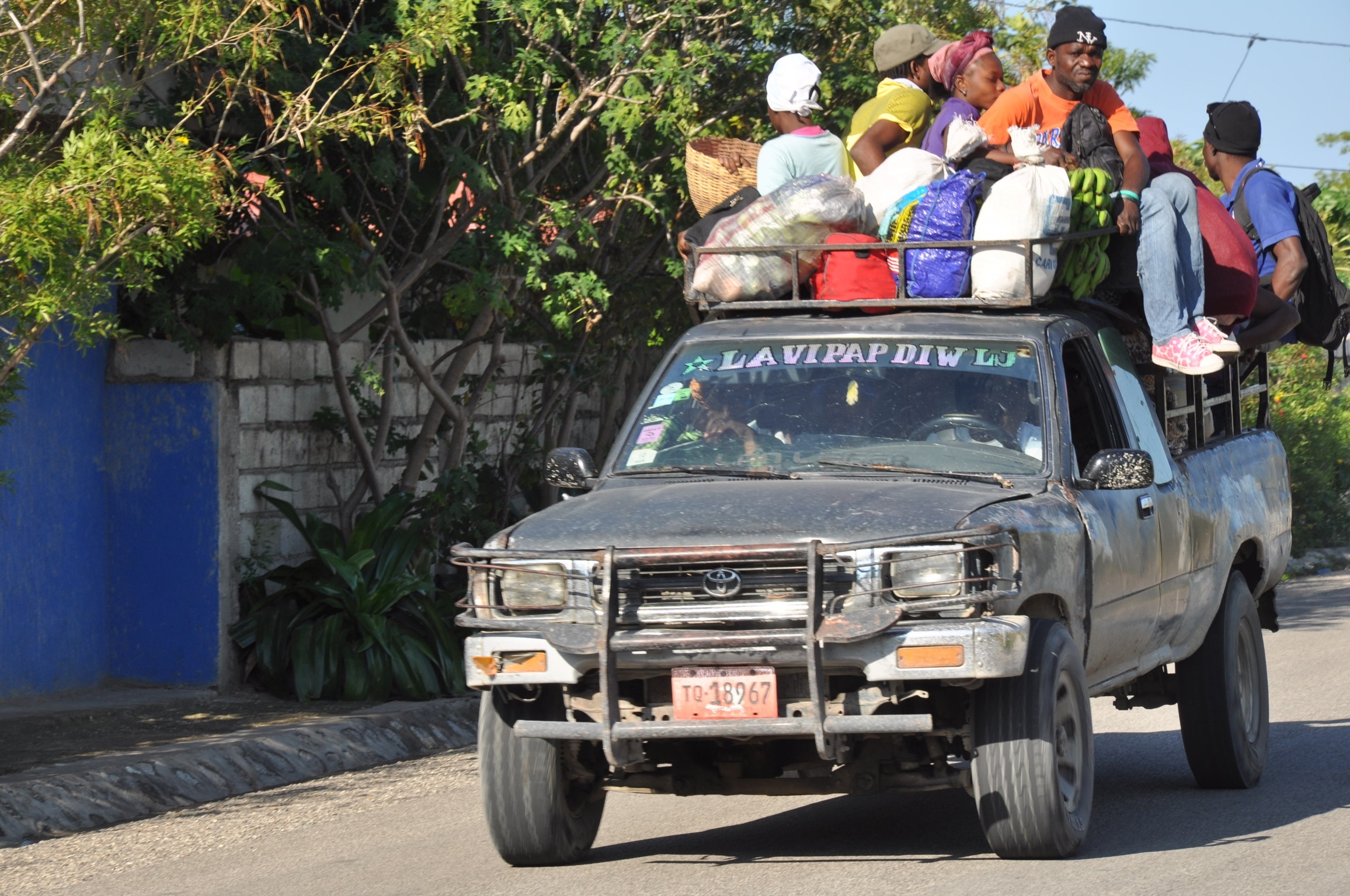
Overloaded tap taps are the only public transport to Port Salut
The flip side to this was the undercurrent of danger that was difficult to ignore. During my trip, tempers flared as bus drivers went on strike over government-imposed petrol price hikes, leaving Port au Prince on lockdown and incoming passengers corralled at the airport for want of somewhere safer to take them. I spent two days stranded in Jacmel, thankful that I was fortunate to be far from trouble and in such a characterful spot to boot. A few days later, the capital’s carnival, held a week after the vibrant and fun Carnaval in Jacmel, ended in tragedy when a stray overhead cable fell onto the road, causing panic in the crowd and killing at least sixteen. And shortly after I returned home, an air-conditioned coach travelling from Les Cayes to Port au Prince was attacked and set alight, supposedly a casualty of simmering tensions between Haiti and its more prosperous neighbour, the Dominican Republic.

Vodou ceremony, Jacmel
Is Haiti ready for tourism? That kind of depends on your definition. If you need a smoothly functioning infrastructure along with your rum punch, then this isn’t yet the place for you. Wait a while, but you’ll find the crowds will catch up with this place eventually. The hawkers will lose their sense of humour, buses will run on time, hotels will offer luxury over rustic charm and tours will be packaged and sanitised.
But the magic will be long gone.
How to save money on your N’Awlins vacation
New Orleans, pronounced N’Awlins by the locals, was tagged the Big Easy by gossip columnist Betty Guillaud in the 1970s. As that nickname suggests, it’s a laid back city, easy going and, in my opinion, the best place in the States to let your hair down and enjoy yourself. But to do that, you’ll need money, so rather than waste it on the boring aspects of your holiday spending, here’s how to make some cuts that won’t spoil your fun – and will allow you to divert your cash into things that will make your vacation memorable.
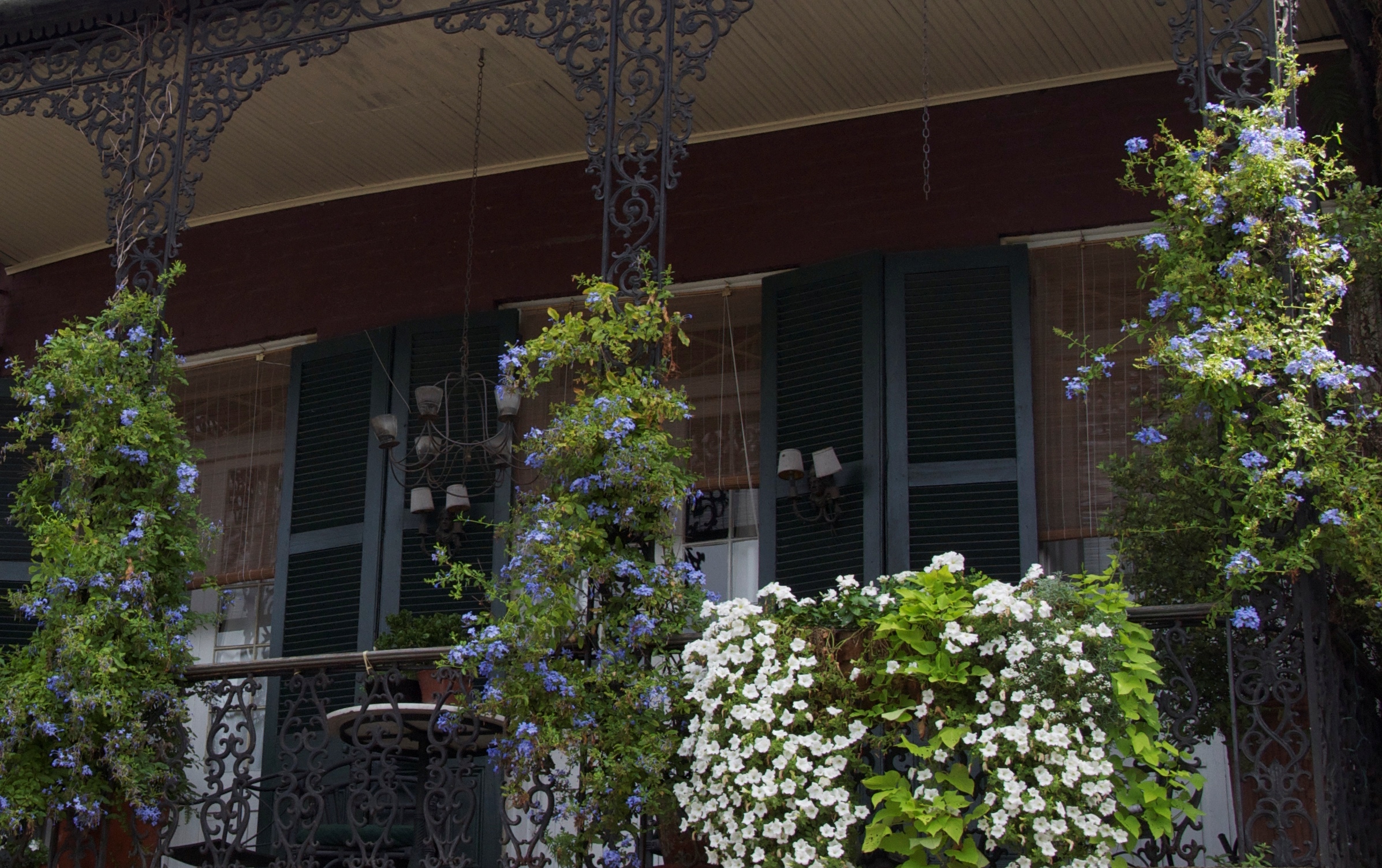
One of the French Quarter’s ornate balconies
Ditch the car
Forget what you’ve heard about needing a car in the USA, in the Big Easy it’ll just make things more difficult. Parking is hard to find, can be expensive and being towed if you get it wrong will really put a downer on your vacation. If you’re arriving by plane, then from the airport to the heart of the city, you have three options. First, a taxi – it’s a fixed rate of $33 for one or two people, with an additional charge for more than two. It’s convenient, and if you time your visit for hot and sultry summer, then it’s the coolest option too. Second, a shuttle – for $20, you can take a shared shuttle; they go round the houses, but it’s a saving if there’s one of you. Third, and cheapest of all, take the E2 bus for $2 (yes, you read that right, a saving of $31 on the cost of a taxi) to get right to the heart of downtown. From the centrally located Amtrak rail station, tram 49 gets you right into Canal Street for a budget-busting $1.25, with transfer to other trams or city buses for an additional $0.25.

Riverfront tram
Getting around
Much of the tourist area of New Orleans – think French Quarter, Faubourg Marigny and Downtown – is easily walkable. To get further afield, buy a $3 day pass for the city’s buses and trams and hop on and off to your heart’s content. Ride the green line to City Park, for the Botanical Gardens and Bayou Saint John, the historic St Charles Avenue tram for the beautiful mansions of the Garden District or the Riverfront tram for the eclectic shopping and ice cream daiquiris of the French Market. Check http://www.norta.com/ for current schedules.
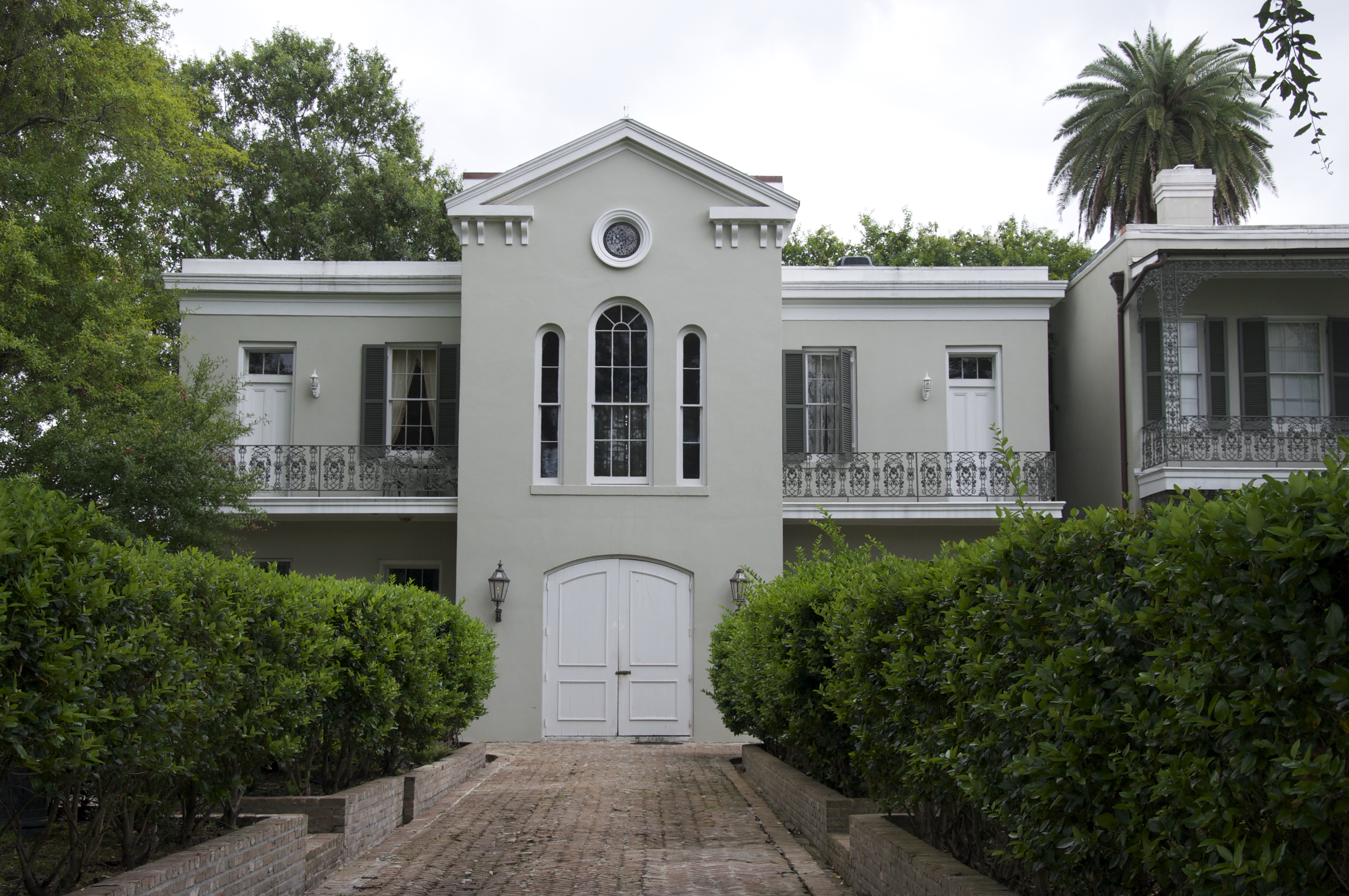
Free self-guided walks around the Garden District are easy to find online
Choose your tours carefully
While much of New Orleans can be visited independently, for some things a tour is compulsory. Since Marie Laveau’s tomb at St Louis Cemetery #1 was spray-painted pink and smashed up with a baseball bat last year, visiting on your own has been impossible. To make sure your tour money does some good, and for a reasonably priced tour, try Save our Cemeteries http://www.saveourcemeteries.org/. The organisation works tirelessly to restore, repair and educate. Other cemeteries can be visited for nothing, including the atmospheric Lafayette cemetery in the Garden District. An excellent self-guided walk can be found at http://www.scsh.com/pdfs/Garden-Dist-tour-2.pdf

Lafayette cemetery
Taking a carriage ride around the French Quarter is a great way to get your bearings, but can be expensive. Rather than taking a private trip, opt for a place on a larger shared carriage, which costs $18 for a half hour tour compared to the $90 for up to four people if you don’t want to share.

Shared carriage around the French Quarter
If you want to get out on the river, the steamboat Natchez makes regular trips on the Mississippi several times a day. Eschew the expensive dinner cruise which costs a whopping $46 even without food ($77 with dinner) and board in the afternoon when cruises are better value at $29.50. You’ll still get all that jazz!
Look for coupons
Most hotel foyers have a stack of leaflets about nearby attractions and many of them include money-off vouchers. The free map given out across the city also has a few – I saved a couple of bucks off the $19.95 entrance fee at the excellent Mardi Gras World by ripping off a corner. The savings will soon add up.

Last year’s float being recycled at Mardi Gras World
See a band for free
Forget Bourbon Street, the action’s moved to Frenchmen Street where you’ll find a whole lot of great music for the price of a drink. While some clubs apply a nominal cover charge, many offer free entertainment. Try The Maison, where you can listen to a band while chowing down on tasty shrimp and grits. If you’re not too bothered about alcohol, ordering a soda gets you free refills.

Free music is easy to find throughout the French Quarter and Faubourg Marigny
Save money on drinks
A trip to N’Awlins wouldn’t really be complete without at least one cocktail but the cost of drinks in bars and restaurants will soon mount up. Take advantage of the city’s laid back attitude to drinking and get one to go from the Gazebo Café at French Market. Takeaway ice cream daiquiris, a speciality, cost $7.75, a saving of between two and four dollars off a typical indoor price. Carrying out a “to-go” cup is completely legal, though make sure it has a lid, and don’t get too intoxicated or you’ll fall foul of the authorities.
Got any tips of your own? I’d love it if you posted in my comments section!
The best view in town
New York’s skyline begs to be admired from the top of one of its skyscraper observation decks, but which should you choose? Read my guide to the three main contenders, the Empire State Building, Top of the Rock and the new kid on the block, One World Trade Center, to find out which is best for you. For all three, unless you ascend in the evening, expect long queues so book in advance online.
The glamorous one: Empire State

The Empire State Building
The Empire State has been impressing visitors to the Big Apple since it opened back in May 1931. From the minute you swing through its revolving doors into the lobby adorned with gilded Art Deco wall panels you can’t fail to be impressed. It’s featured in more Hollywood films than you could imagine and it’s just about the most iconic site New York has to offer.
Best bit: the view down Fifth Avenue from the windswept 86th Floor observation deck looking towards the World Trade Center and the Statue of Liberty
Worst bit: the wind can be biting at this height, and you’re outside, so wrap up well or switch to the opposite side of the observation deck
Cost: $42 per adult (to visit the main 86th floor observatory and museum)
Opening hours: 8am to 2am daily, last elevator up 1.15am
Where to find it: 338-350 Fifth Avenue
The best view in town: Top of the Rock

Sunset at the Top of the Rock looking south to the Empire State Building
What the Empire State Building can’t offer is a view of the Empire State itself, which is where Top of the Rock trumps it. Offering split-level viewing platforms behind glass as well as an inside lounge with padded leather benches, this is also the place to get a close up look at the Chrysler Building.
Best bit: the glass panels have gaps big enough to squeeze a camera lens through but not so big to bring on the vertigo
Worst bit: finding your way out at the bottom can be difficult as the Rockefeller Center is a maze of corridors
Cost: $38 per adult for regular access
Opening hours: 8am to midnight daily, last elevator up 11pm
Where to find it: 50th Street, between Fifth and Sixth Avenues
The new contender: One World Trade Center
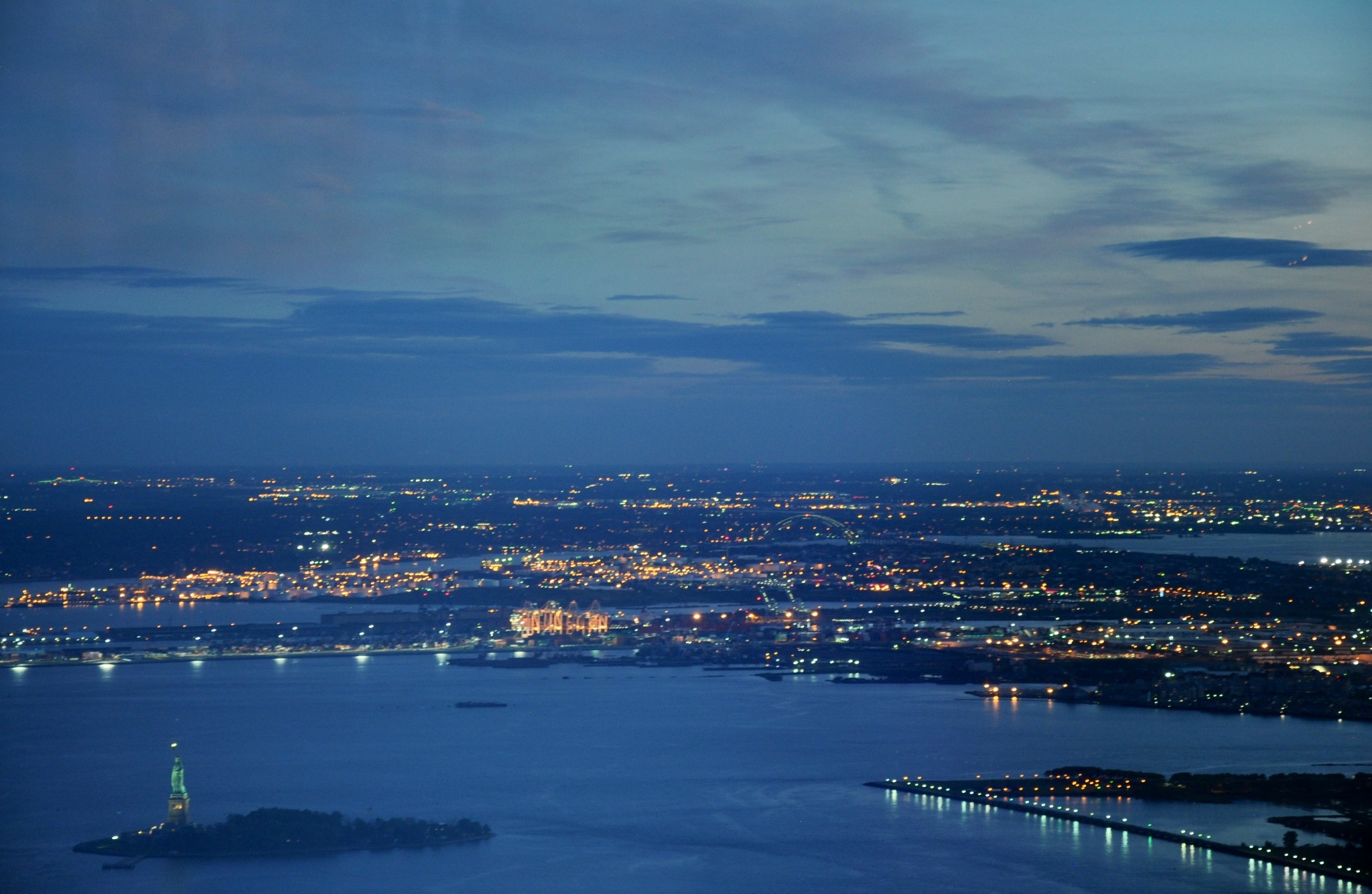
The view south, overlooking the Statue of Liberty
Also known as the Freedom Tower, this, the tallest skyscraper in New York finally opened in May 2015, following the terrible collapse of the Twin Towers on 11 September 2001. It’s a lot more hi-tech than its competition, offering iPad rental for visitors to identify the city’s landmarks and guides that tell New York stories. There’s a surprise waiting as you exit the elevator but I won’t spoil it for you.
Best bit: the elevator ride takes you up 100 floors and whizzes through time as it does so giving you the brief chance to witness New York being built
Worst bit: the observation decks are behind glass, leaving photographers frustrated by reflections and dirty fingerprints
Cost: $40 per adult for general admission
Opening hours: 9am to midnight in summer, 8pm closing from September until Spring, last elevator 45 minutes before closing
Where to find it: West Street, corner of Vesey Street
My verdict
It’s still hard to beat the Empire State if you’re a first-time visitor to the city, but if you have time, plan to ascend the Top of the Rock too. It’s well worth doing one by day and the other at night for two very different experiences. Time at least one of them for sunset. I wasn’t as impressed by the One World Observation Deck because of the issues with getting a decent view of the city, especially once it got dark and the lights were switched on.
In March 2020, Edge opens at the Hudson Yards – watch this space for my review of New York’s fourth observation deck.
On the ancestor trail in NYC
I’ve reached NYC on my Hammond book research trip, following a successful expedition to Hammond, Maine. Unlike in Maine, there’s a chance that the New York Hammond has a connection to the family, as it was bought and named after one Abijah Hammond whose family emigrated from Lavenham, Suffolk. A wealthy NYC merchant, he bought and sold property, mostly in Greenwich Village (then a separate place) and made enough money to build a mansion at Throggs Neck which overlooks the East River on the fringes of what’s now the Bronx.
I caught the 6 (singing J-Lo songs in my head, of course) and then the Bx40 bus to find his house at Silver Beach. It’s now in poor state, with a couple of refurbished rooms being used as offices for the Silver Beach Association. The delightful Carol from SBA welcomed her unexpected visitor with open arms and told me a little about the house, which dates from 1795. As a non-profit co-op, they don’t have the money for repairs, unfortunately, but it was good to know the local residents still refer to Abijah’s place as “the mansion”.
It was a real privilege to be in Abijah’s home, more so as this place is not open to the public. There’ll be more of his story in the book, and it looks like there’s quite a story to tell from this colourful character.

The mansion
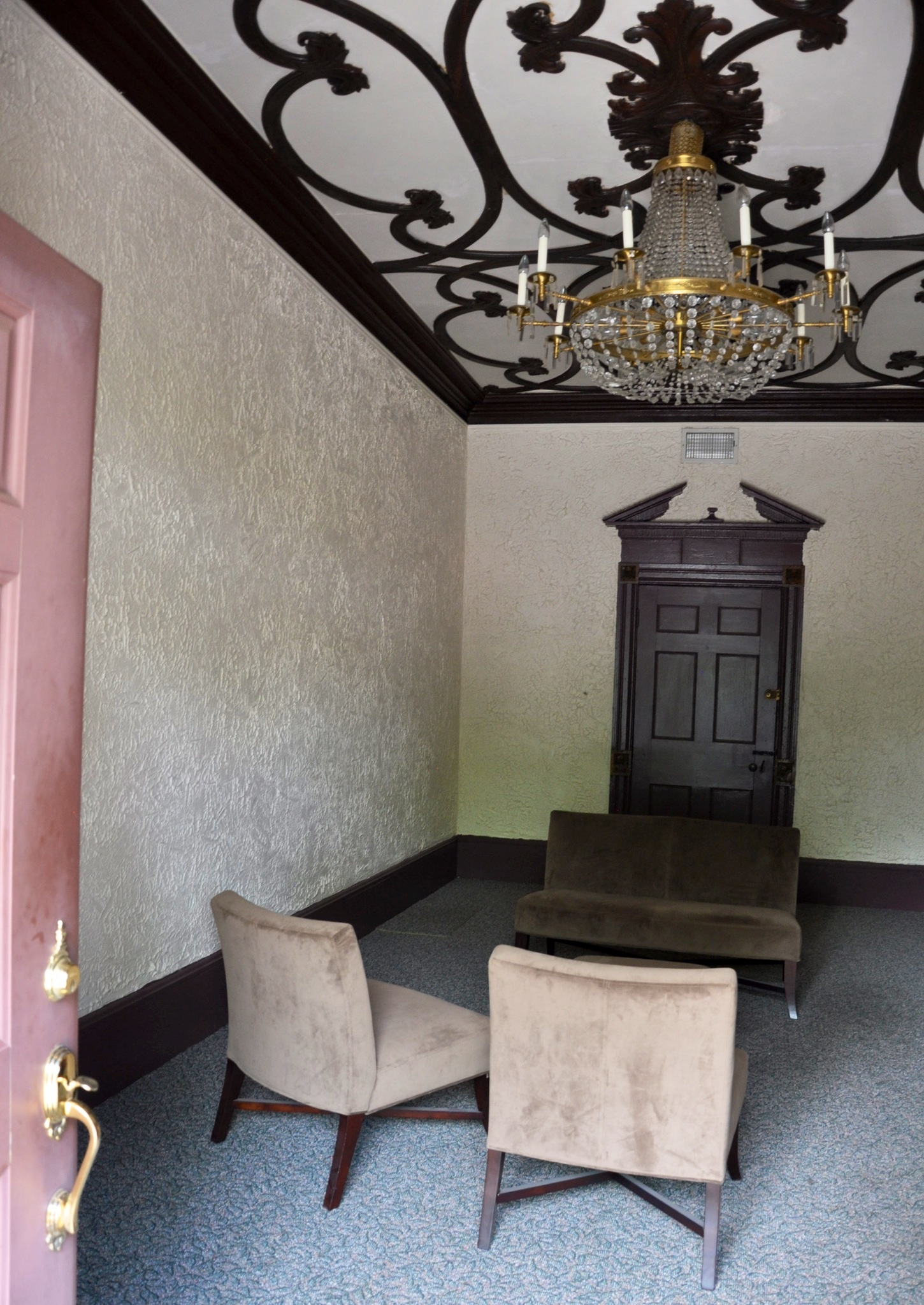
Entrance hallway – check out those marvellous carvings and door mouldings
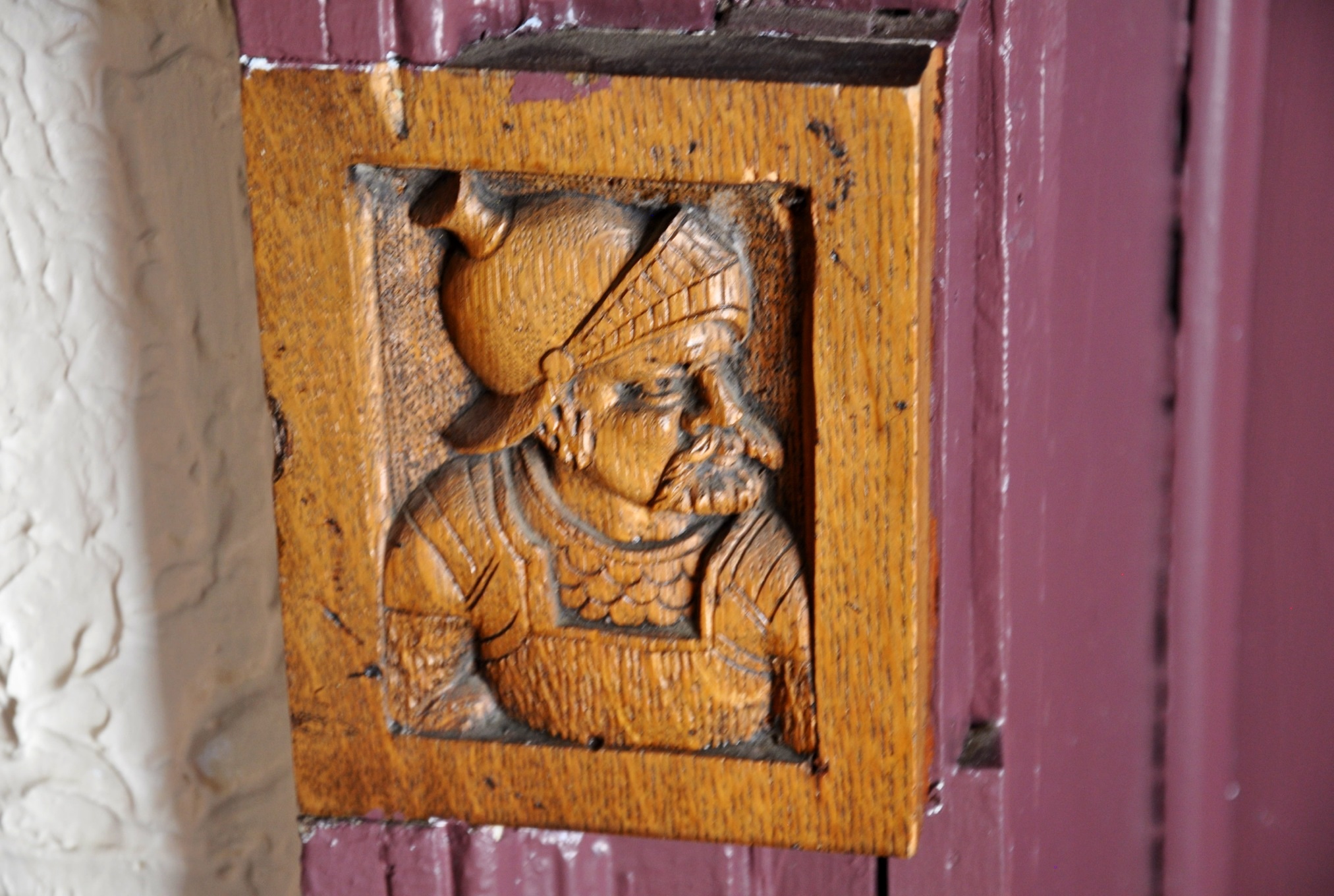
Detail of carving found on all the doors

One of the rooms used by the SBA

Unrestored back room with wooden shutters and typical Georgian styling

The stairwell

The original gate posts
A Down East weekender
It took me a while to figure out why, if I was heading to the north east of the contiguous United States to visit Maine, everyone was referring to my trip as Down East. Surely it should be Up East? Or were the Canadians exerting some kind of hold over their neighbour’s tourist literature? Well, neither, as it turned out. The name originated from the time when ships used to sail from Boston. With the wind at their backs – down wind – they would head along the coast to Maine, hence the term Down East. As Boston was up wind, many Maine residents say they are going “up to Boston” when in fact they would be travelling south.
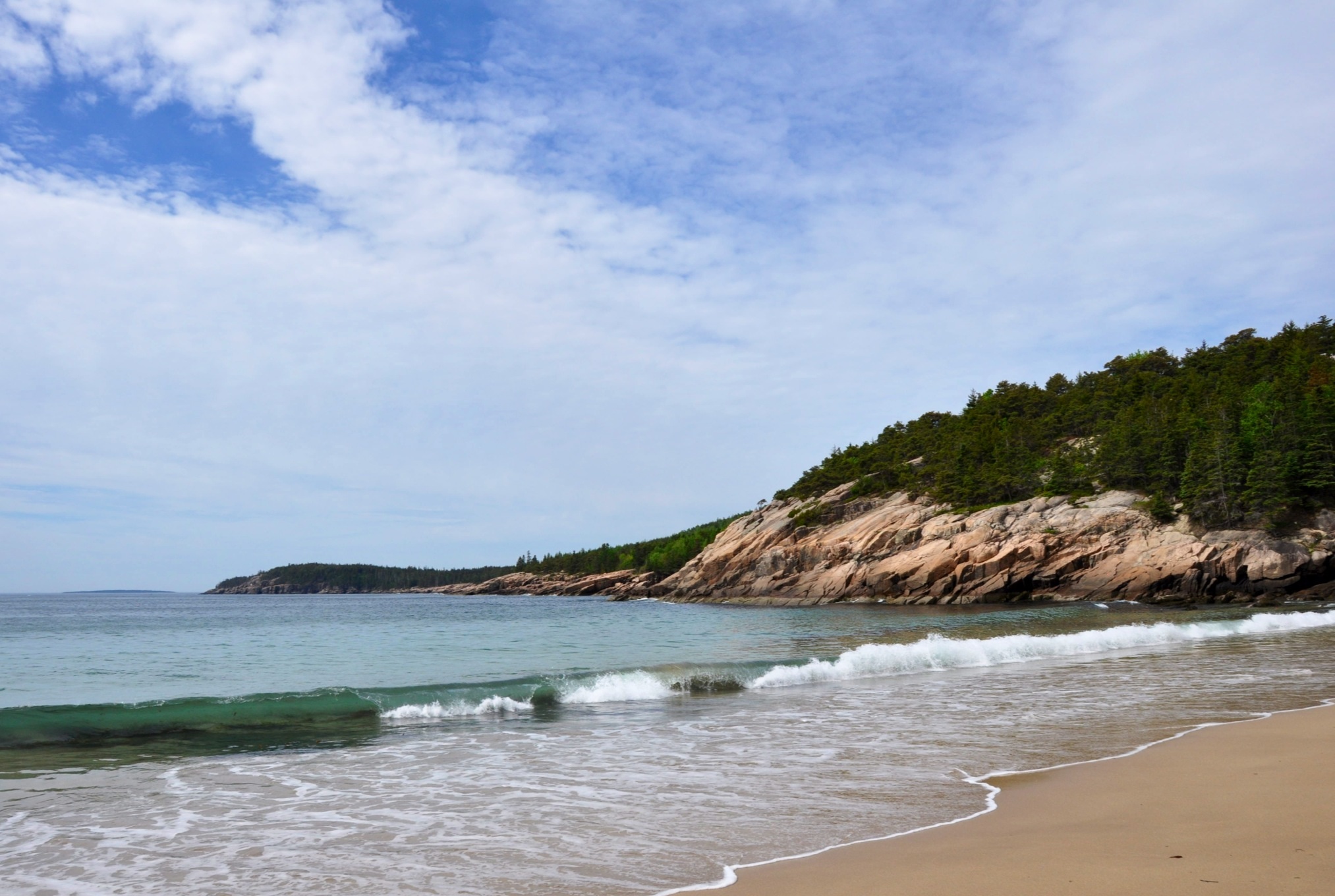
Sand Beach, Acadia National Park
Geography settled, let me tell you why, if you haven’t been here already, you should book a holiday to Maine as soon as you can. Specifically, plan a trip for Mount Desert Island and base yourself in Bar Harbor. This quaint little town, named after the sandbar that links the island to its smaller neighbour Bar Island, is the kind of place that on a sunny day you could easily see yourself staying for good. I’m reliably informed that last winter I’d have thought differently given that they had 130 inches of snow. My southern England brain cannot compute such weather statistics but I’m pretty certain that visiting between June and September is the way to go. I was there in mid-June, when enough tourist facilities were open to make it a pleasant vacation, but to take advantage of sunset tours and Acadia shuttles you should leave it until July.

On board the Miss Samantha with the other Julia
As we basked in temperatures in the mid-twenties under blue skies, Julia, our guide on the Miss Samantha Lobster and Seal tour, told us that this was the best weather they’d had this year after a wet spring. The water was calm enough for the skipper to cut the engine while we took a closer look at the harbour seals on Egg Rock and the sea flat enough for the mums and dads on board not to have to fret when their kids got near the sides when peering into the lobster traps.
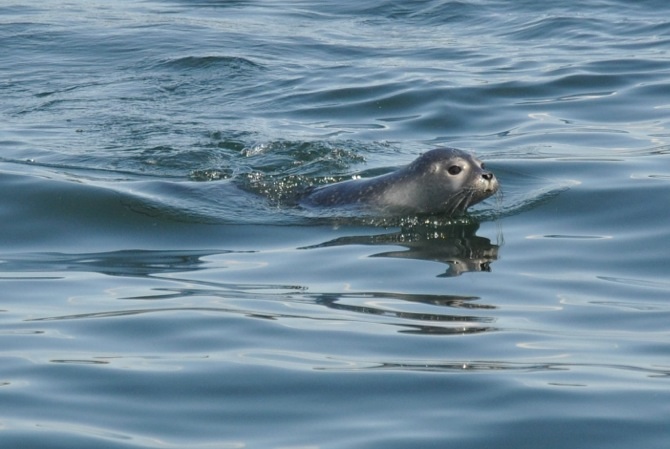
Harbour seal at Egg Rock
At a little under two hours, this tour doesn’t head out into the open water like the four-hour whale watching trips do, but there haven’t been many sightings recently. In fact, we got to see an 11 year old dead specimen being towed back to the lab for an autopsy; this particular humpback had become entangled not once but three times in nets and lobster pot lines, so it was likely this may have at least contributed to her death.
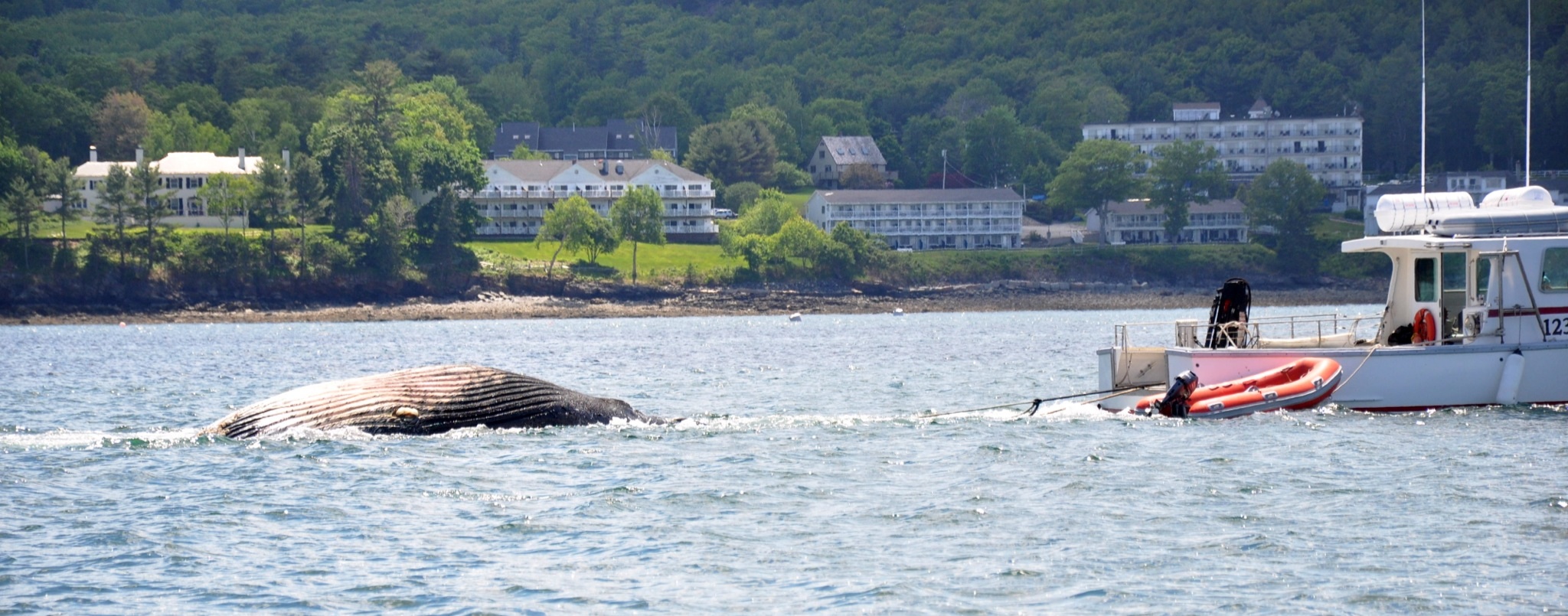
Dead humpback whale being towed in for an autopsy
The humpback had been found washed up on Sand Beach, Acadia National Park’s longest stretch of sand, a week or so earlier. Acadia may not have the wow-factor of parks like Yosemite or Yellowstone, but its granite coastline has been eroded into blocky cliffs and fringed by evergreens, provides picture postcard views to show the folks back home. A short distance further on from Sand Beach was the park’s show stopper: Thunder Hole. There, the sea has eroded a narrow crack into a cave. As the tide enters, air is trapped in the cave and later forced out with a boom. It’s worth hanging around as the sight can vary from a bit of white water to a full on wave explosion.
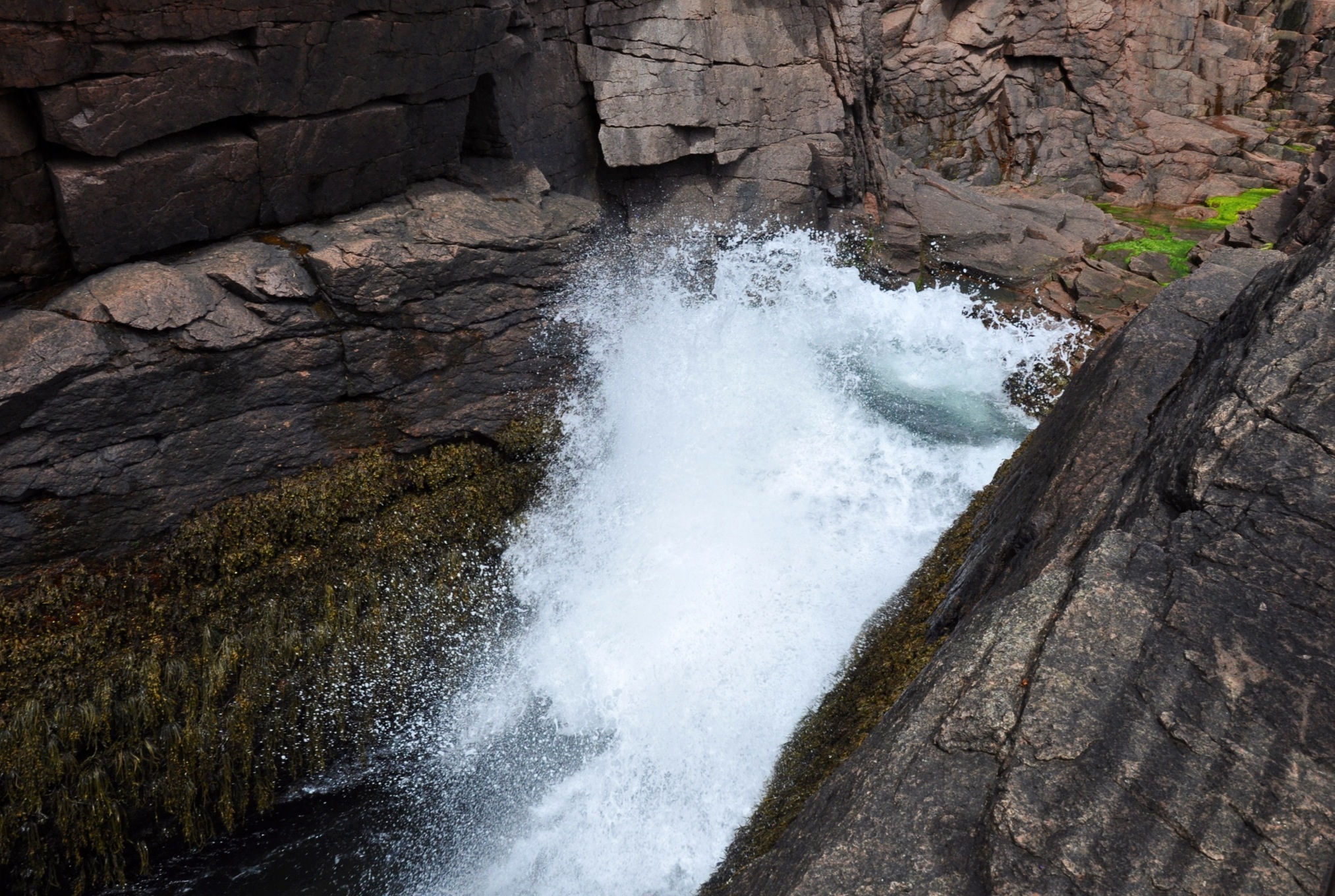
Thunder Hole
A little further on, round Otter Point, hides a tiny cobble beach called Little Hunter’s Beach. It isn’t signed, so most people drive right by it, but if you know to look out for it, you won’t be disappointed. The cobbles are a pretty sight, ranging in colour from white to pink through to ochre and grey. Take a cushion and the bay is the perfect place to linger, though a sharp undertow makes it unsafe to swim.

Little Hunter’s Beach
Continuing on Acadia’s Loop Road, another must-stop is Jordan Pond House. Backing onto Jordan Pond, its cafe on the lawn has a view of North and South Bubble, two rounded peaks that look like a woman’s chest. It’s also the place to try a popover, a kind of cross between a sweet Yorkshire pudding and unfilled choux bun. Served warm, with butter and strawberry jam, they are deliciously more-ish. Of course, you can buy a packet of the mixture to recreate the moment back home.

Popovers at Jordan Pond House
Having rented a hire car with less power than a solar light in an Arctic winter, I pondered the wisdom of driving to the top of Cadillac Mountain. A Model A Ford rally was taking place, and seeing an 85 year old classic safely back down, I decided to give it a go. I needn’t have worried. The road was an easy climb and the views from the top over Frenchman Bay and the Atlantic were splendid. There was something wonderfully American about building a car park at the top of a mountain.

The view from the top of Cadillac Mountain
Back in Bar Harbor, I was happy to browse the gift stores, especially the excellent Bark Harbor pet shop. There was no hiding the fact that I was an out of towner in my Cool as a Moose T-shirt, never more so when I ate my first whole lobster. Diane, my server, was patient as she showed me where to twist and what to crack. The lobster was sweeter and juicier than anything I’d ever tasted before, though admittedly that amounted to lobster tails in chain restaurants. Butter dripping off my fingers, I washed it down with glasses of the local ale and stout on the verandah of the West Street Cafe. Did I really have to leave in the morning?

West Street Cafe
Need to know how to keep your costs down?
I travelled from Boston to Bangor with Concord Coach Lines, whose return ticket including free WiFi onboard cost $73. I stayed at the very central Mount Desert Street Motel in Bar Harbor at $87 per night for a room sleeping up to four. A budget but brand new rental car from Alamo via rentalcars.com worked out at £23 per day including recovery. A one day vehicle pass for Acadia NP cost $25 and the Lobster and Seal Tour was $29. Most places in Bar Harbor do early bird discounts if you eat before 6pm, meaning you can eat a lobster dinner for less than $20.
A bargain in Bar Harbor

Boats in Bar Harbor
From the most recent TripAdvisor reviews, I’d been a little trepidatious. I’d used Booking.com, my usual site when I’m looking for hotels, and found a little place right near the centre of Bar Harbor for an affordable price – when the average price was way out of my budget. It was called the Aurora Inn and Motel and it looked OK, nothing fancy but OK. The reviews were variable, but there were plenty of decent reviews to balance out the duds, so I booked. A few weeks later I had an email from the Quality Inn up the road saying that the hotel was being sold and did I want to transfer my booking? I chose not to, as the Aurora was closer to town, but as my travel dates got nearer, so the reviews got worse. Significantly worse. Pretty much every single one implored the traveller to stay away. I figured I’d see for myself, thinking that having rented a car, I could always stay further out of town to find something within my budget if the reviews were right.

The new sign
I reached the address to find that the motel that matched the pictures now had a new name, Mount Desert Street Motel. There was a little confusion when I pitched up in the office bearing a booking for the old place, but the new owner, Stephen Coston, was quick to reassure me that if there was an billing issue, he’d sort it. It seemed that, because the previous owners had already decided to sell, my booking, though recognised by Booking.com, had never been transferred onto the system, and therefore the new owners didn’t know to expect me. Fortunately, being early in the season, there were plenty of rooms.

Room at the motel
The Aurora Inn and Motel used to consist of three buildings. The rooms at the motel part of the Aurora Inn and Motel now form the Mount Desert Street Motel. Stephen and his mom Nancy run the place with the enthusiastic help of Gadget the dog. What was the Aurora Inn is being remodelled and will form an extension to another place, the Primrose Inn. And the rooms by the cafe, the part of the hotel that generated all the bad reviews, will now come under the Quality Inn, but hopefully with some improvements.

Mount Desert Street Motel
My room, I have to say, was an absolute steal at $87 per night, for a room that would sleep four. (Even better, my original booking was for a rate of $109, yet unprompted Stephen still let me have the discount rate.) For that I got the best night’s sleep of the trip so far, a genuine welcome and everything you’d expect from a US motel, including WiFi, loads of TV channels and a coffee machine and microwave in the room. The rooms have been remodelled with new soft furnishings and fresh paintwork. Most welcome was a decent hairdryer that actually dried hair. It was just a five minute walk into the heart of Bar Harbor. After a long but rewarding day exploring Acadia National Park, I was able to savour a much-wanted Allagash stout – something I couldn’t have done if I’d have stayed on the edge of town and driven in.

Allagash Black, tasty but strong!
The new owners have got some work to do to build their business, but I wish them well.
You can find them at 68 Mount Desert Street, Bar Harbor, Maine, just a few minutes’ drive from Acadia National Park. Reserve via email at reservations@mountdesertstreetmotel.com or by telephone on 207-288-8300.
Salzburg on two wheels
I was a small child when I first went to Salzburg and have very fond memories of this elegant Austrian city, though mostly of getting a soaking from the trick fountains at Schloss Hellbrunn on the outskirts of town.

The trick fountains of Hellbrunn; this one still caught me out!
Since then, most Christmases I’ve had a virtual revisit courtesy of the film The Sound of Music, which was partially filmed on location in the city. On a whistle-stop detour from Italy whilst working for Trainline Europe, I was fortunate enough to have just enough time to fit in Fräulein Maria’s Cycling Tour.

Rupert provides the words in case you’ve forgotten
Founded by Rupert Riedl back in 1999, his passion for both Salzburg and cycling was infectious and I was excited about joining the tour. He also signed off his emails “so long, farewell, auf wiedersehen, goodbye” which meant I couldn’t wait to meet him.
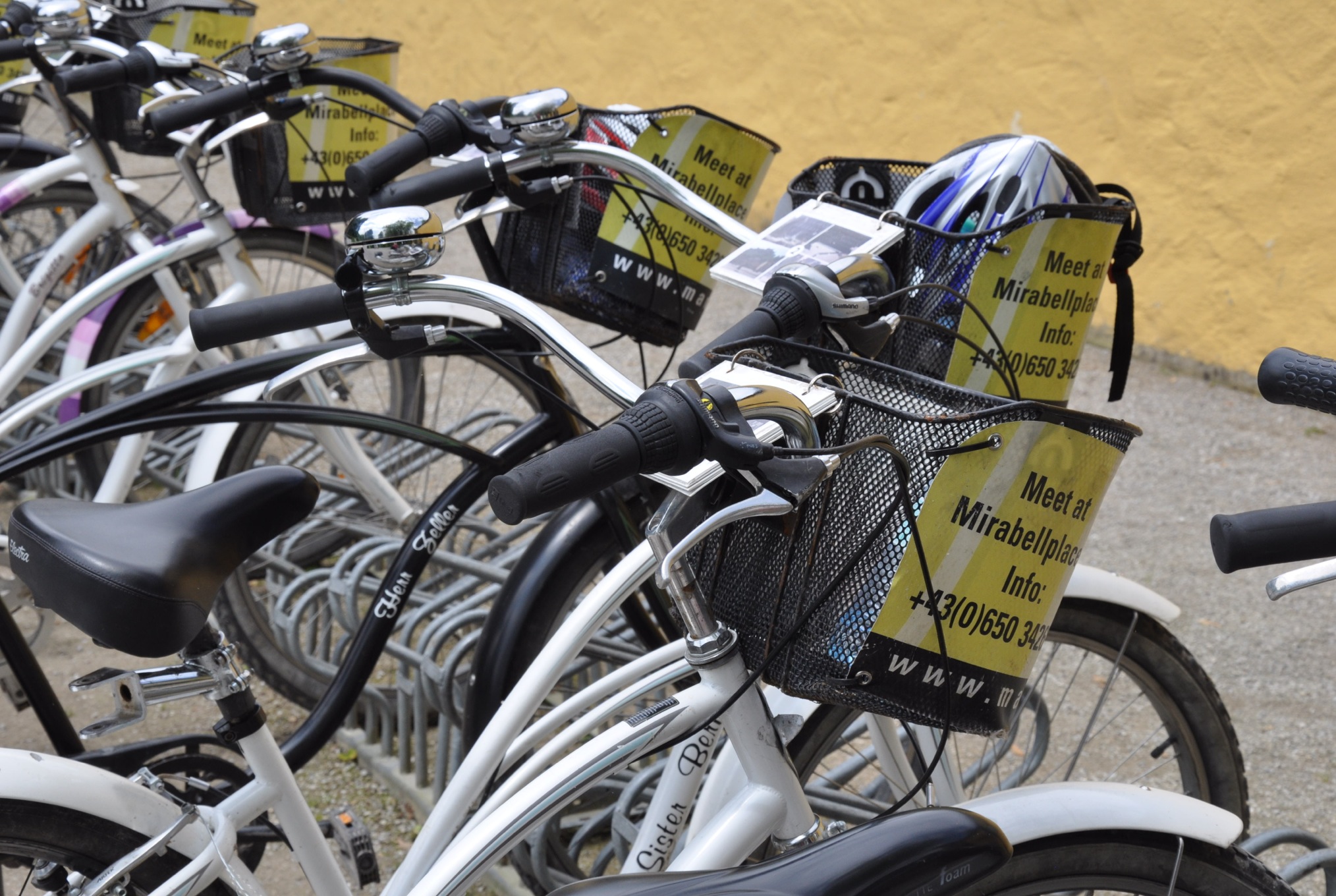
Rupert’s bikes
Rupert was just as charming in real life and so was our guide Elise, a warm and friendly ex-pat Brit whose encouragement and enthusiasm helped to make this tour so thoroughly enjoyable from shaky start to racing finish. The bike, it has to be said, took a little getting used to; wider handlebars and a different style of gears to that which I’m used to had me wobbling around like a beginner and cornering in a panic. It didn’t take long before I’d got the hang of it, and with plenty of stops, it was a manageable and fun tour.
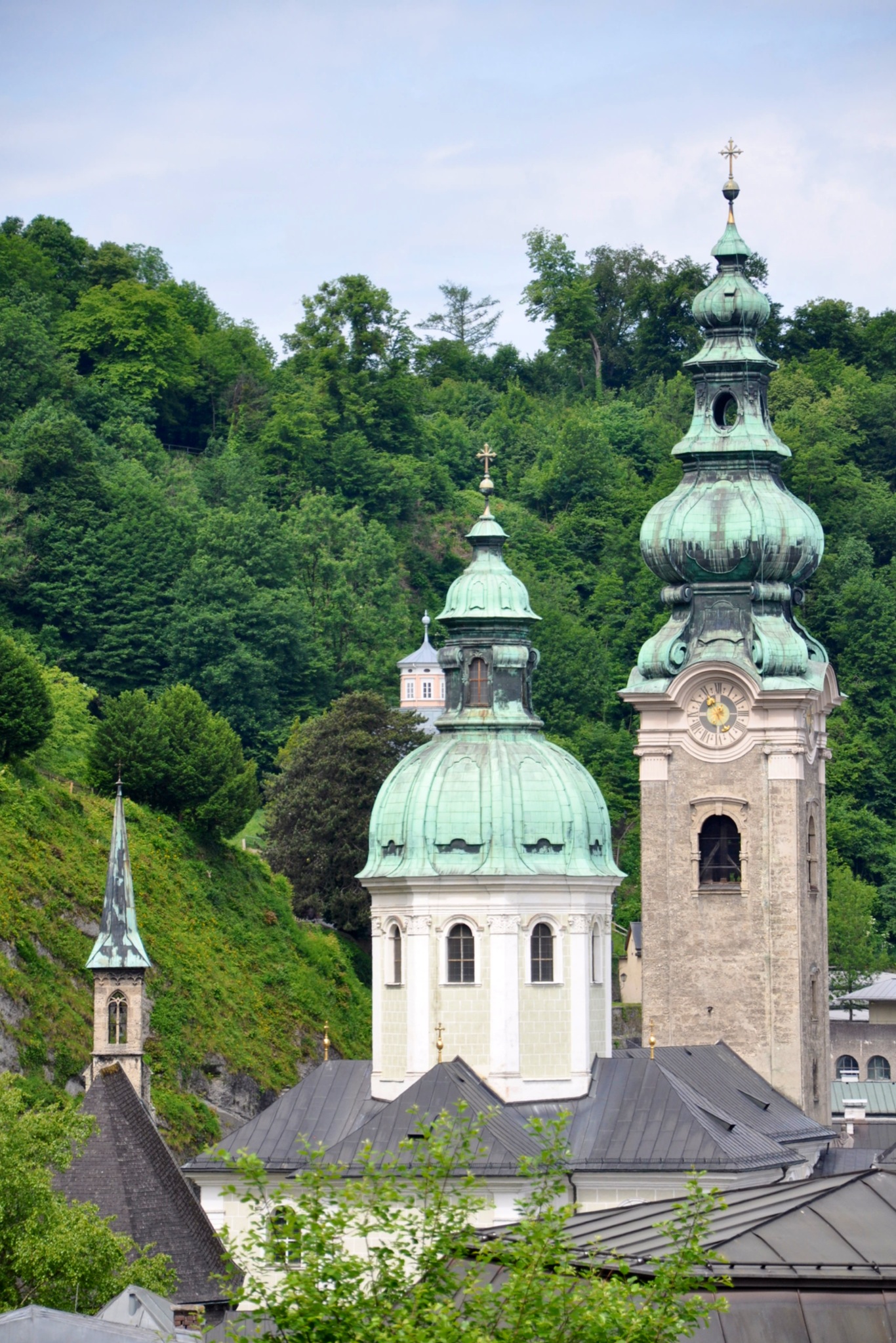
Rooftop views of Salzburg’s many churches made the climb worthwhile
I’m not super-fit (I’m not even fit) and was a little apprehensive about going uphill. Elise was quick to let us all know that she’d be walking part of the way up the steepest hill so we shouldn’t be embarrassed if we needed to do the same. She was also very partial to pastry and so her suggestion we stop by the beautiful cathedral for a bretzel was most welcome also.
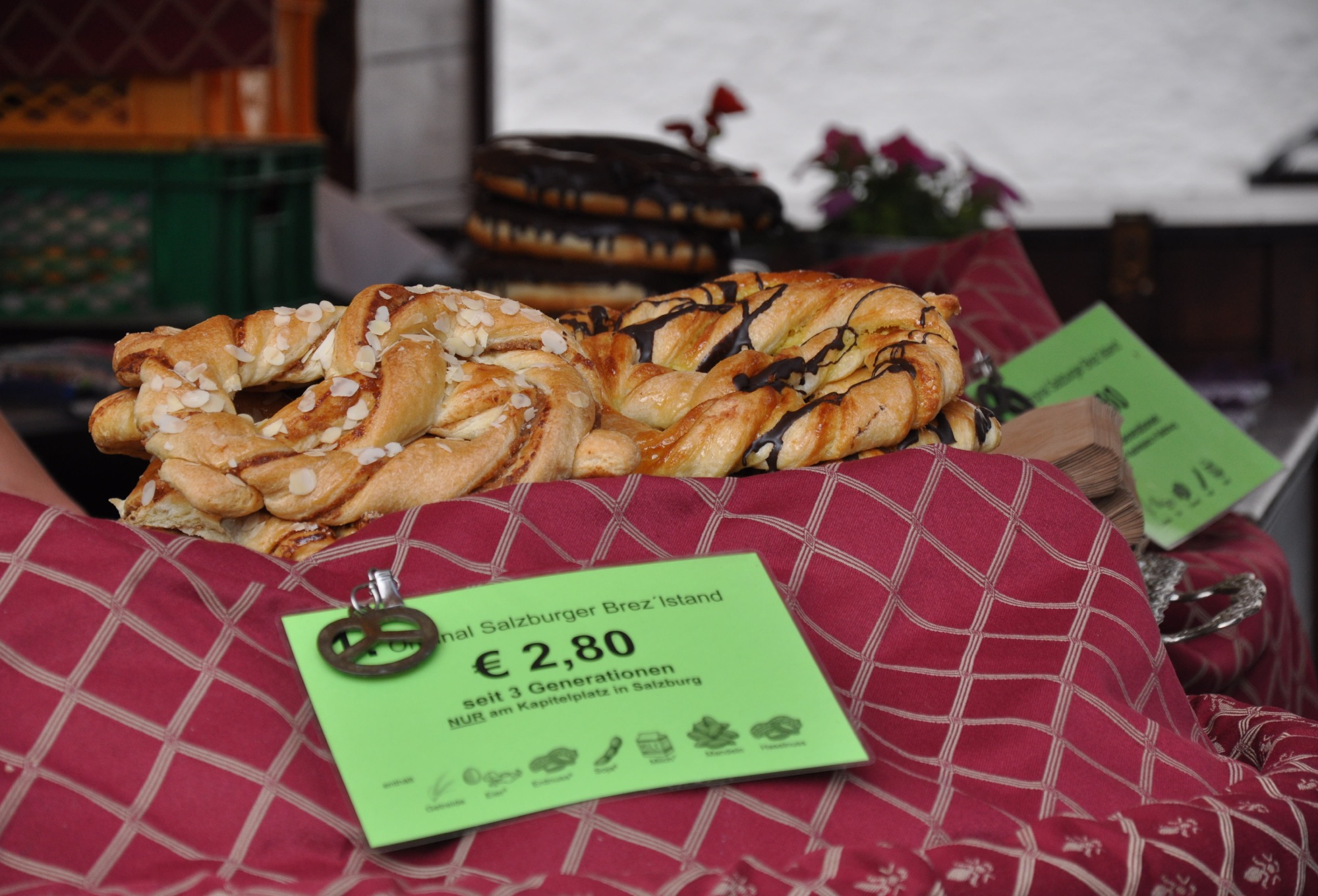
Delicious bretzels, just the thing once you’ve worked up an appetite
The tour began at Mirabellplatz and headed straight into the Altstadt, the old town of the city where vehicles are banned. We parked our bikes in front of several recognisable movie locations including the Pferdeschwemme, where Maria and the children skip by singing “My favourite things” and the Felsenreitschule, now an open air theatre but in the movie where the Von Trapps perform on stage before their daring escape.

Residenzplatz
Residenzplatz with its beautiful fountain, the backdrop for “I have confidence”, was also a backdrop for one of several group photos which Elise took as a memento of our tour. It’s a thoughtful touch, and a bonus souvenir once downloaded from Facebook.
Some stops aren’t actually in the movie; the quaint cemetery at Sankt Peter’s abbey provided the inspiration for a set which was recreated in a Hollywood studio. Climbing up past the funicular to the hilltop fortress, we had some splendid views of Salzburg’s imposing fortress, its many churches and the mountains beyond.

The views are worth the uphill ride
At the Nonnberg, not only did we see a nun at the nunnery where Maria decides she’s not suited to the job, but we also saw the dodgy weld in its gate, the result of the film crew needing to film through a gap too small for the camera. It’s details like these that made me glad I was on a tour – I’d never have noticed it on my own.

The dodgy weld at the nunnery
Freewheeling downhill was a blast, and as we cut across the cycle path out of town, Elise put the soundtrack on and unleashed a whole tour group full of Maria-wannabes, some more in tune than others. We made for the Leopoldskron Palace and lake. It’s where Maria falls into the lake and where the film crew discovered to their horror that the young actress playing Gretel couldn’t swim. Fortunately, none of us fell in but we did play along for a photo.

Leopoldskron Palace and lake
With the music blaring and the breeze in my hair, this was my favourite part of the tour. As we belted out Lonely Goatherd, several passing walkers gave us a cheer and a round of applause, thoroughly deserved of course!

Outside Frohnburg Palace
Stopping at Frohnburg Palace, where Captain Von Trapp tears down the Nazi flag, there was plenty of time for more photos before a flat ride to Schloss Hellbrunn. Our stop there wasn’t for the fountains (though it’s an easy bus ride back) but instead for the gazebo where Liesl sings “I am sixteen going on seventeen”. Elise told us that during filming, the actress playing Liesl slipped off the marble benches and twisted her ankle.

The famous gazebo, now located at Schloss Hellbrunn
The filming schedule, already running late, didn’t permit any more delays, so she performed with a bandaged ankle. It was later retouched, but, this being the 1960s, it’s apparently very noticeable in the film if you know to look. Well now I know, I’d say that’s a pretty good excuse to put the film on one more time…
To book Rupert’s Fräulein Maria’s Cycling Tour, visit his website at http://www.mariasbicycletours.com. The tour costs 30 Euros, which is a bargain given how much ground you’ll cover and what a fantastic introduction it is to the city of Salzburg.
Eating Italy food tour – the highlight of my time in Rome
When I was invited to join a Twilight Trastevere Tour in Rome last week, I had an inkling it was going to be good. I just didn’t know how good.

Trastevere is a charming neighbourhood
Having been to Rome before, I was keen to ditch the fake Roman centurions down by the Colosseum and the crowds of people sitting on the Spanish Steps. The former working-class neighbourhood of Trastevere, in English meaning “across the Tiber”, buzzes at night and has a restaurant almost on every corner. Knowing where to start was the problem, and with limited time, I was keen to join Eating Italy’s tour so they could show me around. The tour takes in around eight to ten stops in an eclectic mix of delis and eateries, rounded off with a lesson in how to identify real gelato from the fakes. It would be the perfect way to spend an evening, I decided.

Da Enzo’s trattoria
Sebastiana, our knowledgeable and very entertaining guide, half Italian and half American, had the cultural knowledge and understanding to bridge both the places we were visiting and the largely American clientele who made up the tour group. She was effervescent, bubbling away (in a good way) like a chilled glass of Prosecco and just as welcome a companion on a sunny evening. Our first stop was to a tiny trattoria called Da Enzo al 29. Getting a table here is difficult, but we beat the crowd for a glass of Prosecco accompanied by a delicious starter of prosciutto, melon and a delicious cheese called burata. Here we were introduced to “aperitivo” – an Italian ritual firmly based around the understanding that one should never consume alcohol without food, something I should bring back to the UK with me, I felt.

The wine cellar at Spirito di Vino
The second stop on the tour took us underground and back in time. The Ristorante Spirito di Vino was once a synagogue, as evidenced by the Hebrew lettering on its stonework. There, in a wine cellar dating from the first century BC, we tried taster portions of three scrummy local favourites: frittata, a kind of spaghetti omelette (far tastier than that sounds), followed by Maiale di Mazio, a slow-roasted pork dish and favourite of Caesar, no less, and finally a whipped cauliflower and cheese dish. Iliana, the chef, clearly knew her stuff and if I hadn’t have been leaving on that evening’s night train, I’d have begged her for a table for dinner.
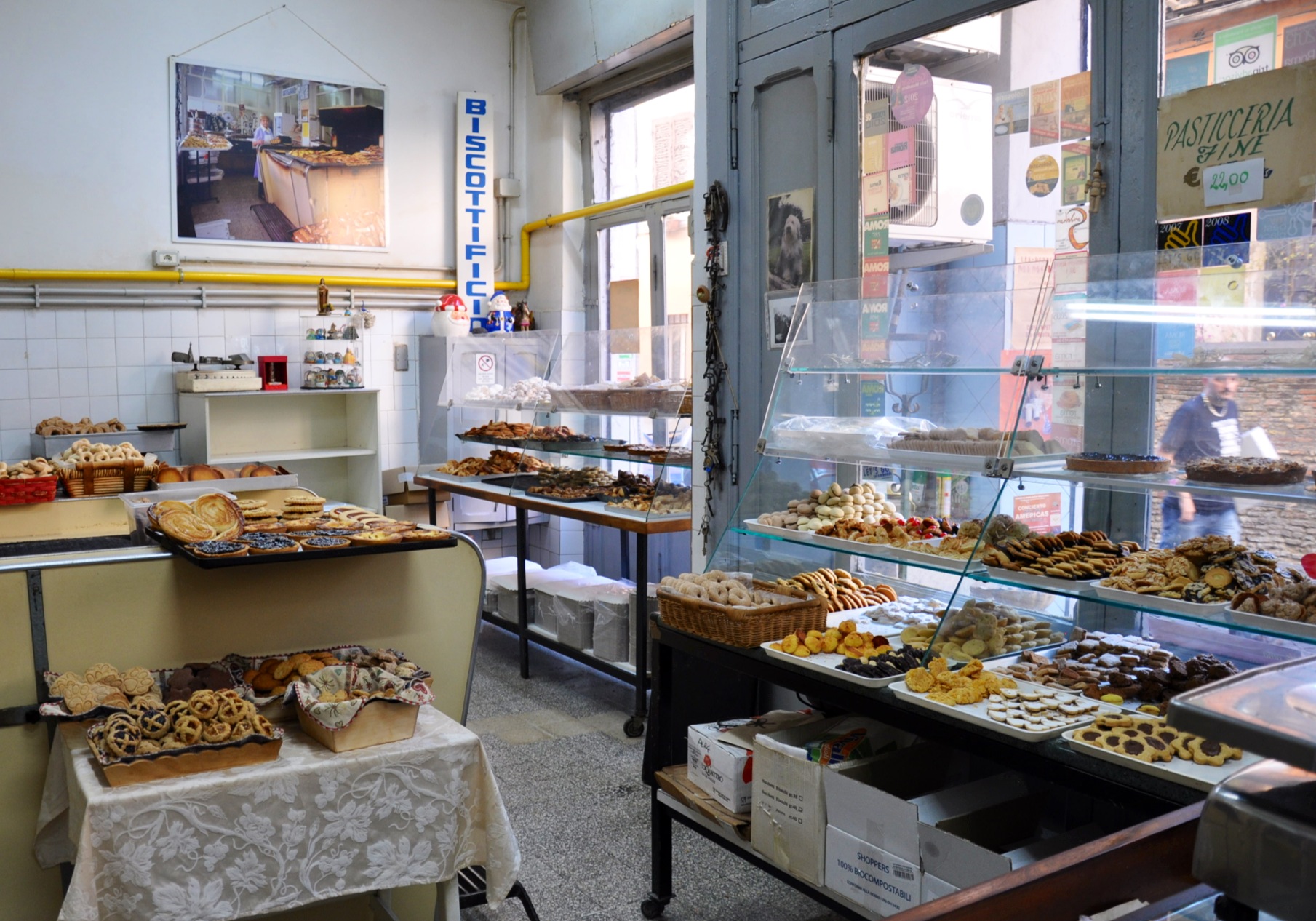
Innocenti’s
Afterwards, we strolled through the backstreets to a family-run biscotti place so local that it didn’t even have to have a sign outside. I’m not a nut fan, so passed on the hazelnut brutti ma buoni (it means “ugly but good”), but judging by the reactions of the rest of the group, I’d say I missed out on something good. The Innocenti family have run this place for years, with recipes little changed in half a century, and sell by weight. If you have a sweet tooth, this would be the place to hang out. Another neighbourhood “celebrity” was Signore Roberto who ran the nearby Antica Caciara, a cheese and meat deli that was our next port of call. Over a century of trading makes this a real gem of a place to sample the deliciously salty Pecorino Romano cheese made in the traditional way by Roberto’s uncle. Sebastiana taught us how to order: un etto being 100g and due etto, 200g. Now what was half a kilo, again?
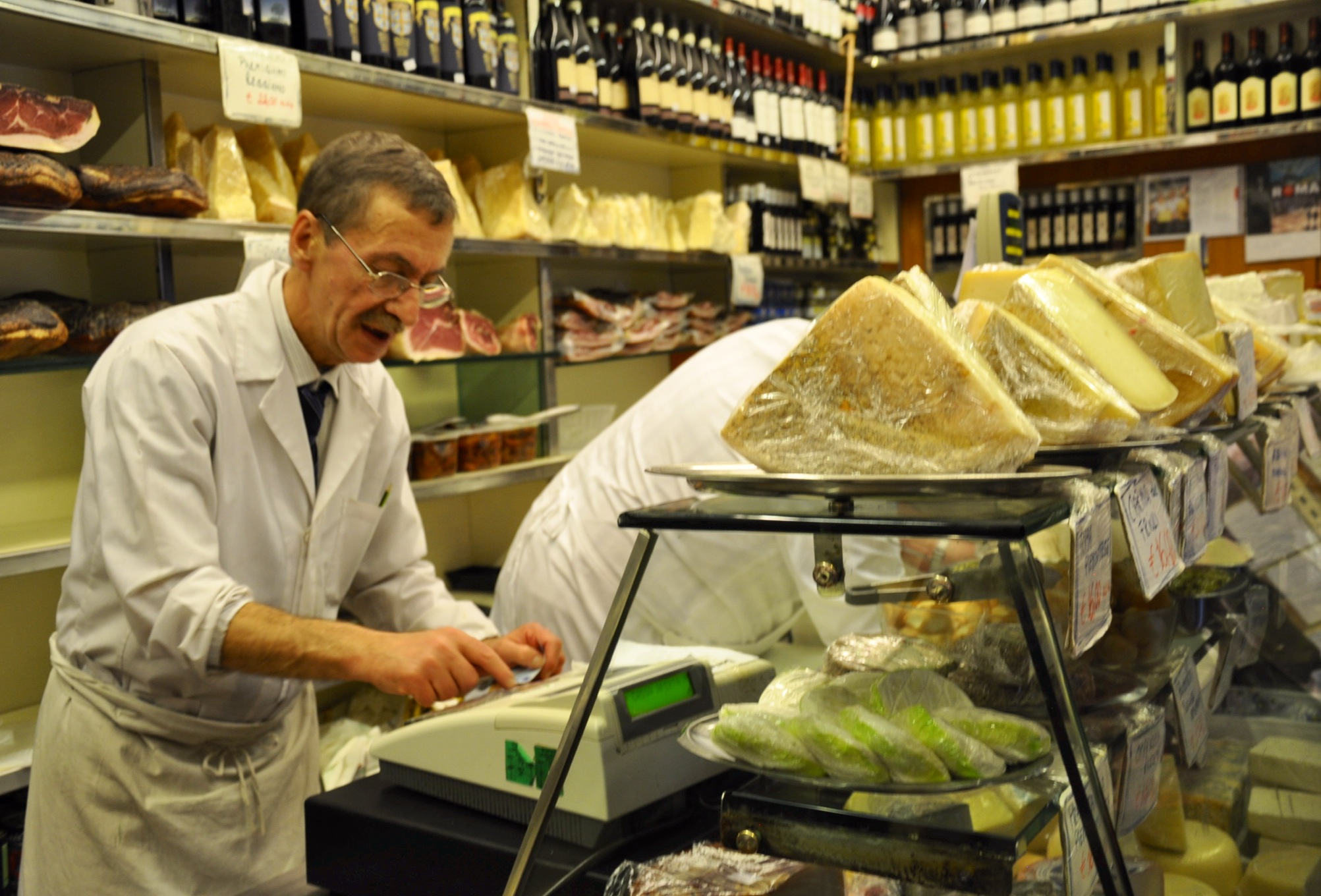
Signore Roberto
From there, we moved on to meat, porchetta to be precise, at La Norcinera, named after Norcia, an Umbrian town where this pork comes from. This wasn’t like the tough, dry supermarket pork that we are forced to endure in the UK, its goodness sucked out by the healthy eating do-gooders. This was juicy, fatty, melt in the mouth pork, hung from hooks on racks on the ceiling to tempt even the most fastidious of dieters to fall off the wagon. Served on pizza bianca, I didn’t stand a chance.
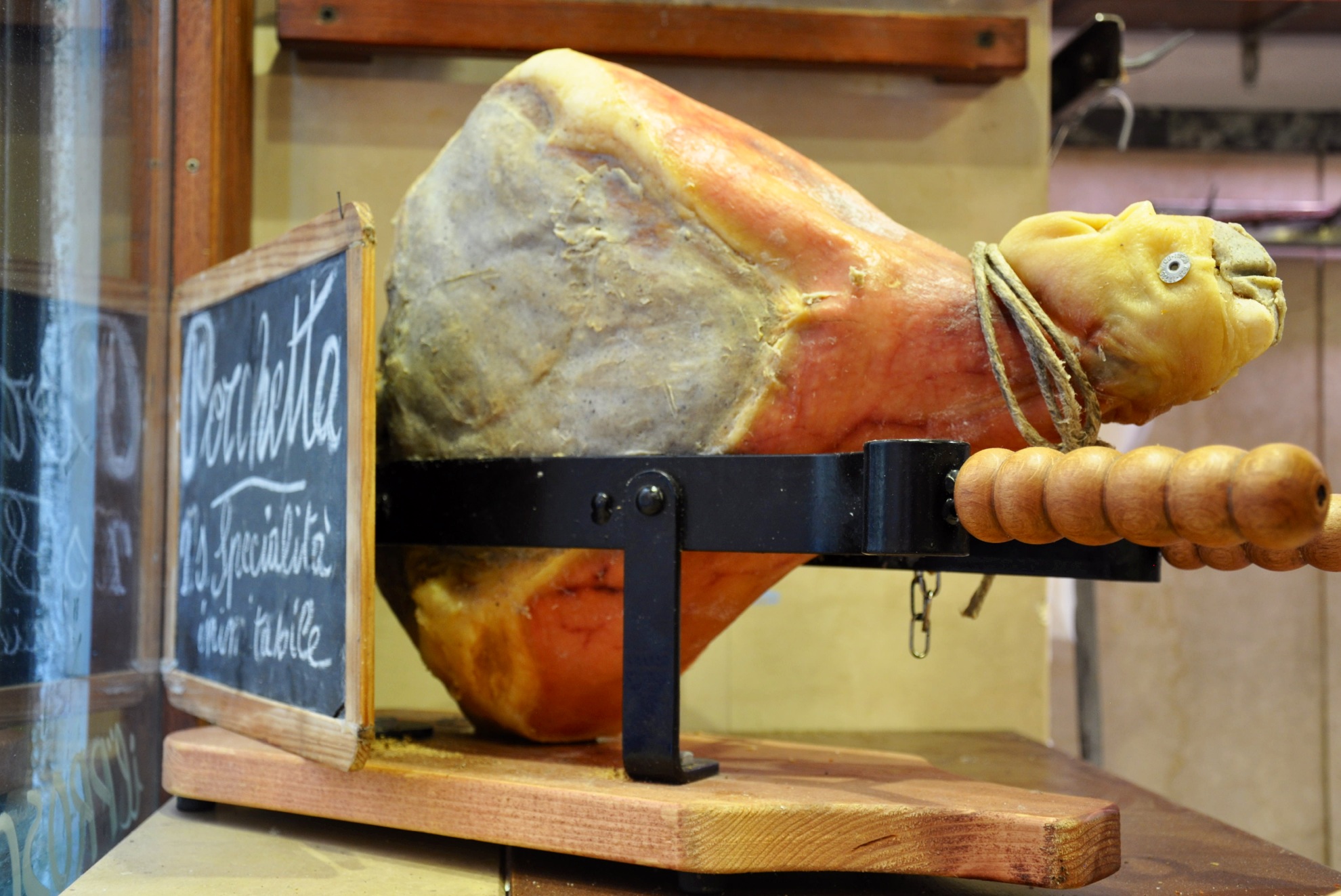
Delectable porchetta
When Sebastiana described suppli’, our next offering, I have to admit, it didn’t sound as good. It was nothing to do with her skills as a host, but more to do with the fact that suppli’ are deep-fried and, despite skipping lunch, I was beginning to feel very full indeed. These fast food treats of rice cooked in tomato sauce and stuffed with cheese are to Roman nights out what a kebab is back home – except that they taste amazing! In spite of myself, I wolfed mine down in record time and could quite happily have gone back for seconds.

Suppli’
The penultimate stop was at Enoteca Ferrara. An enoteca is an Italian wine bar but remember, Italians never drink without food; here we had a private table in the al fresco dining area out back, where we prized delicious ravioli away from Sebastiana (it’s her favourite) and feasted on gnocchi and cacio e pepe, a kind of square-ish spaghetti, literally translating as “cheese and pepper”. Rich but not overpowering, it was a lesson in how pasta should be served, and utterly more-ish.
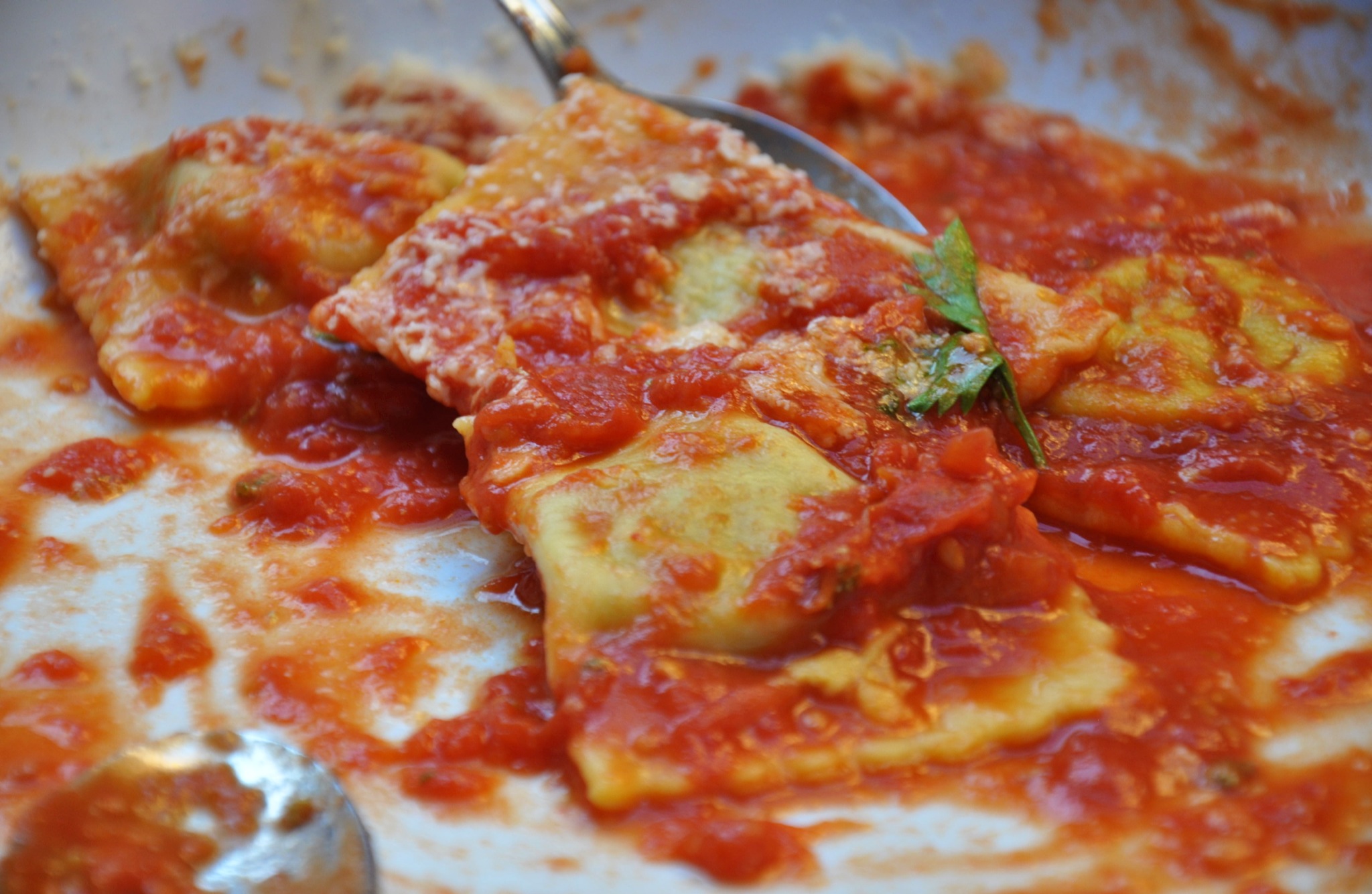
Sebastiana’s favourite ravioli
But there was one place left to visit, and the one for which no one wanted to be too full. Fatamorgana makes real gelato – not the fake stuff – but with an originality of flavours that sets it apart from its competitors. I couldn’t resist the zabaglione flavour, a dessert that Mum used to serve us years ago, while the more adventurous could opt for flavours such as rosebud and black sesame, pear and Gorgonzola cheese and even pink grapefruit with ginger, horseradish and preserved lemon peel.

Fatamorgana’s artisan ice cream parlour
And how to tell the real thing from the imposter? Well, you’ll just have to take the tour yourself to find out…
To find out more and to book a tour online, head to Eating Italy Food Tours in Rome here: http://www.eatingitalyfoodtours.com/
An unexpected trip up Mount Vesuvius
Its top shrouded in cloud, the great hulk of Mount Vesuvius looms over the Bay of Naples, an ever present reminder that the residents of this area could one day face an unimaginable disaster. But the last significant eruption of Vesuvius was way back in 1944, and of course, its most famous eruption in AD79 wiped out Pompeii and Herculaneum before they knew what had happened.
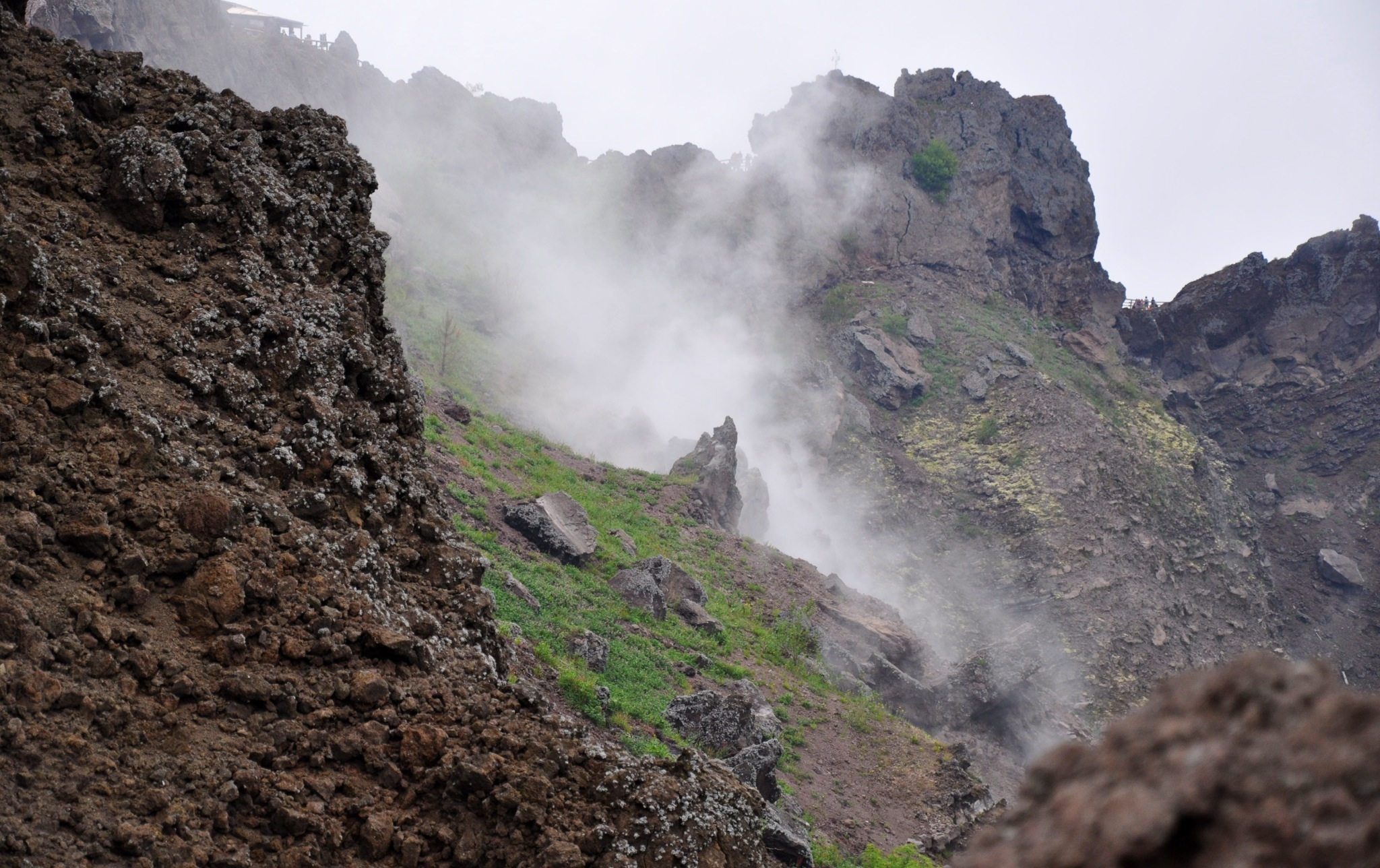
Vesuvius won’t let you forget it’s still active
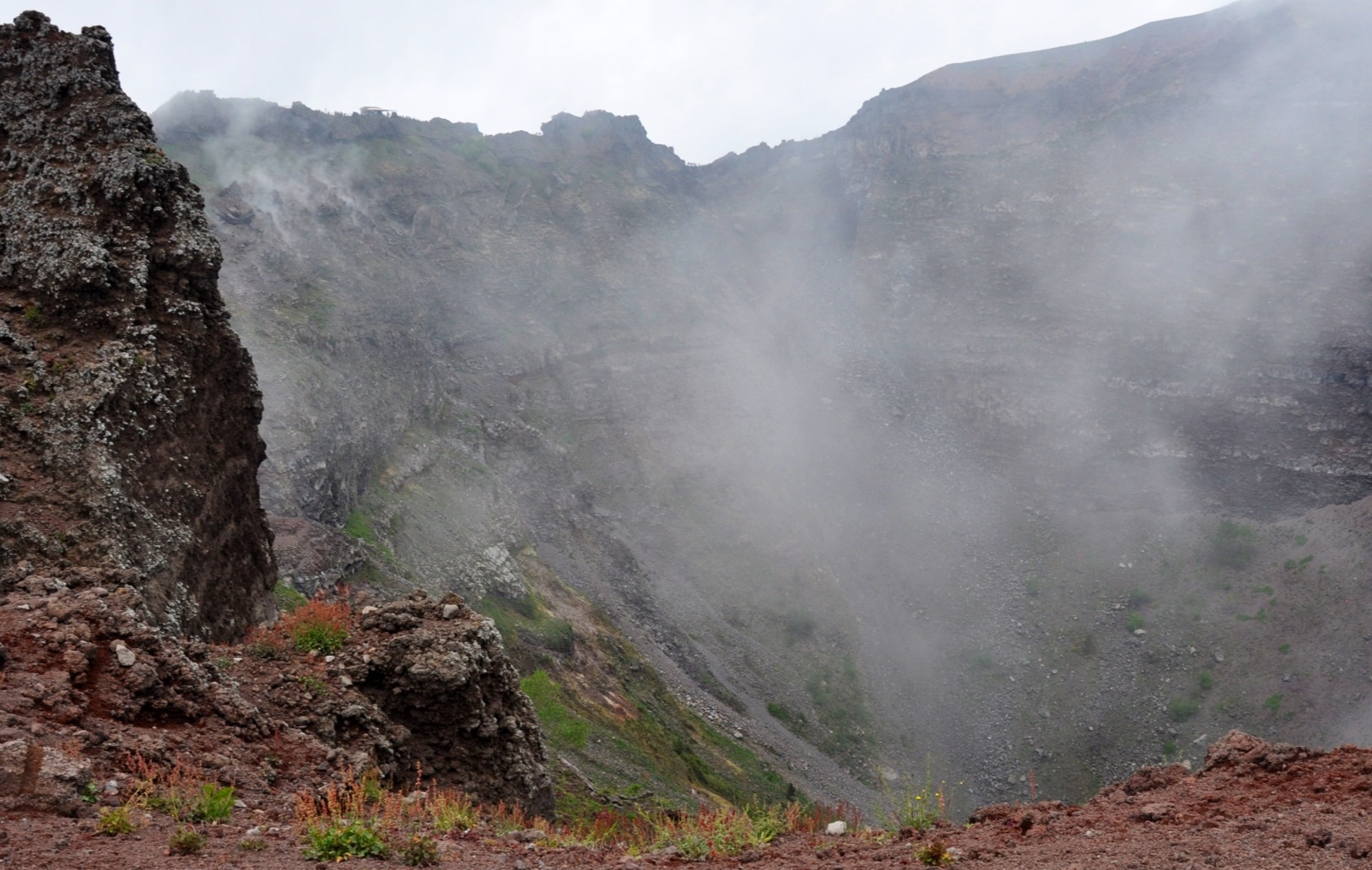
Definitely worth the hike!
I’d come to Ercolano Scavi station on the Circumvesuviana train from Naples’ Garibaldi station, itself buried under Napoli Centrale, to see for myself what Herculaneum looked like. As I exited the station, a sign advertising Vesuvius trips by bus caught my eye. Having spoken to the charming and very helpful Agostino, I was invited to join them as a guest on the next tour and I jumped at the chance to step onto a volcano I’d previously only read about.

Erculano Scavi station on the Circumvesuviana railway line
The company, Vesuvio Express, usually operate tours on a very comfortable coach, but as there was extra demand, the company laid on an eight-seater minibus for some of us. It’s worth asking if you are a large party whether they might be able to do this for you. The 15km trip up to the ticketing area, about a kilometre below the crater, took less than half an hour and our accommodating driver paused for us to get some photos of the Bay of Naples, pointing out the island of Capri and lava flows from 1944.
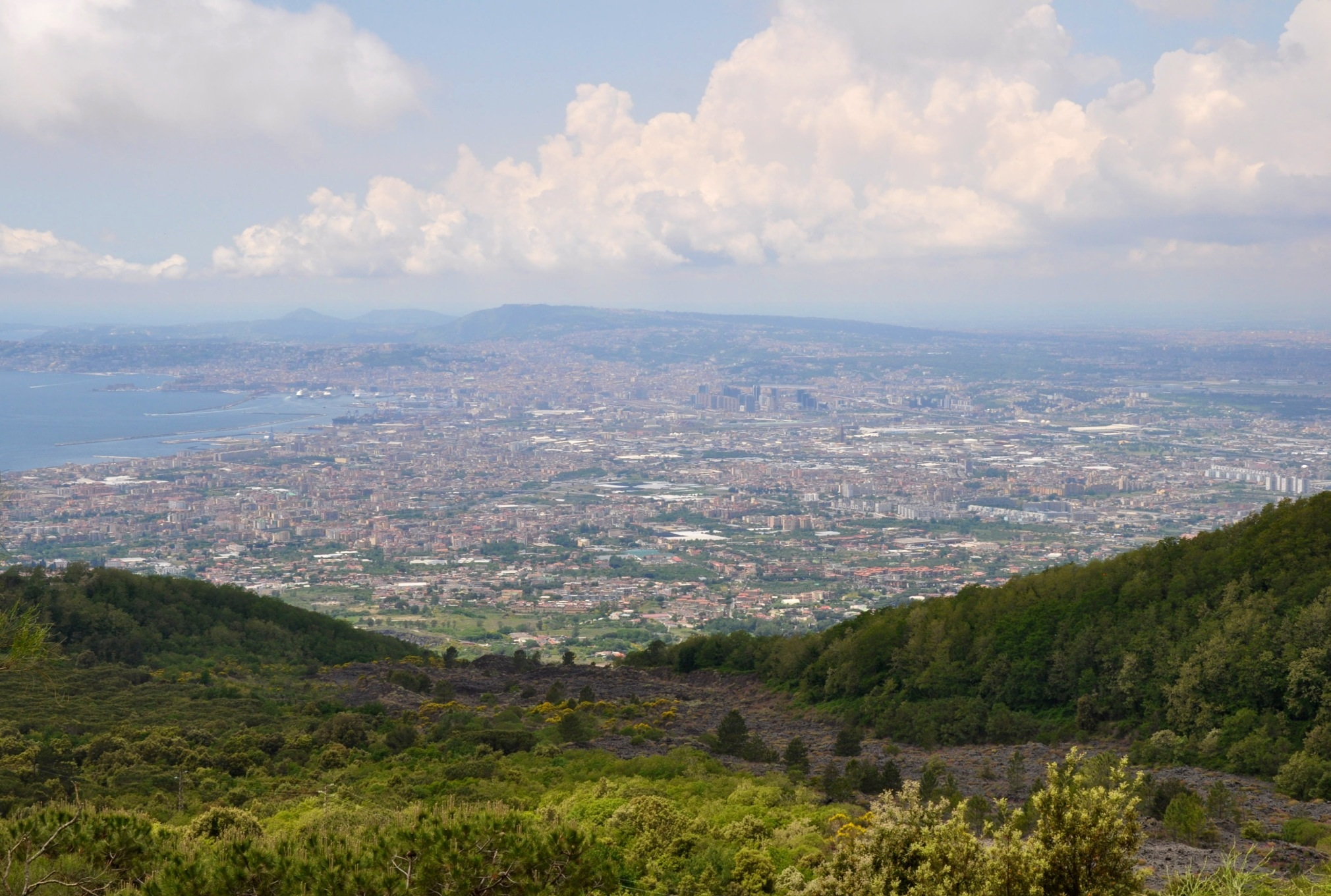
View over the Bay of Naples with 1944 lava flows in the foreground
At the top, it was a moderately tough climb for someone who lives in flat Essex, but manageable. Some people found it easier to hike up with the aid of a wooden stick, bought from someone about to finish their hike for a going rate of a Euro. Don’t be afraid to ask someone to sell one on! Fitter souls would manage the hike in around 15-20 minutes, but it took me just under half an hour to reach the crater rim, having stopped countless times to take photos.
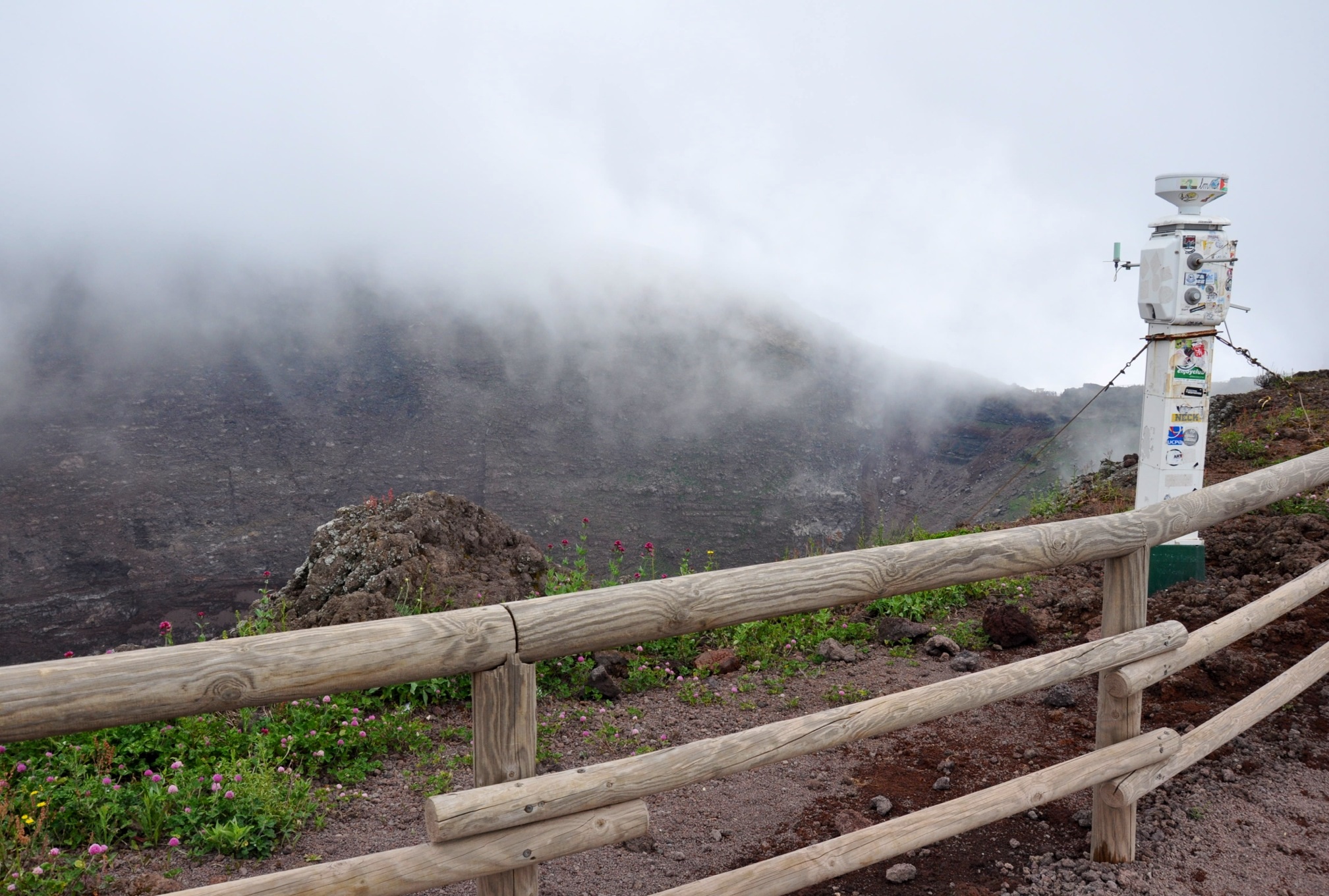
Not surprisingly, this is a volcano that is very closely monitored!
The cloud was low, good hiking weather, though not great for the views back down to the bay, though that made me focus on the closer scenery, such as hardy flowering shrubs and a huge lava bomb by the side of the path.

A typical scene on the slopes of the volcano
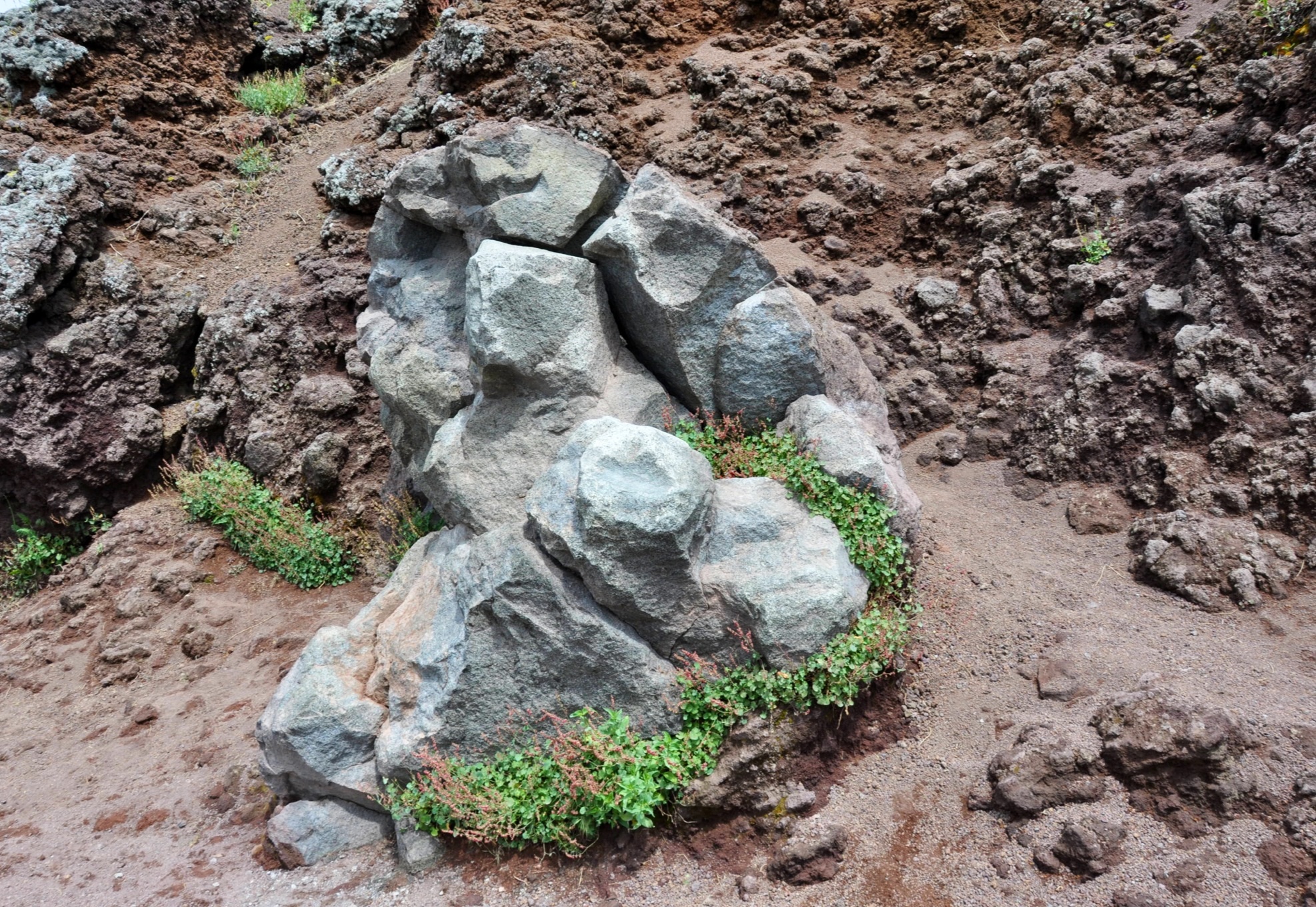
Lava bomb in front of lava from a different eruption, hence the different colours
The volcano is impressive, with a large crater that puffs sulphury smoke. You’ll notice the smell of rotten eggs if you get downwind, but it wasn’t too strong.
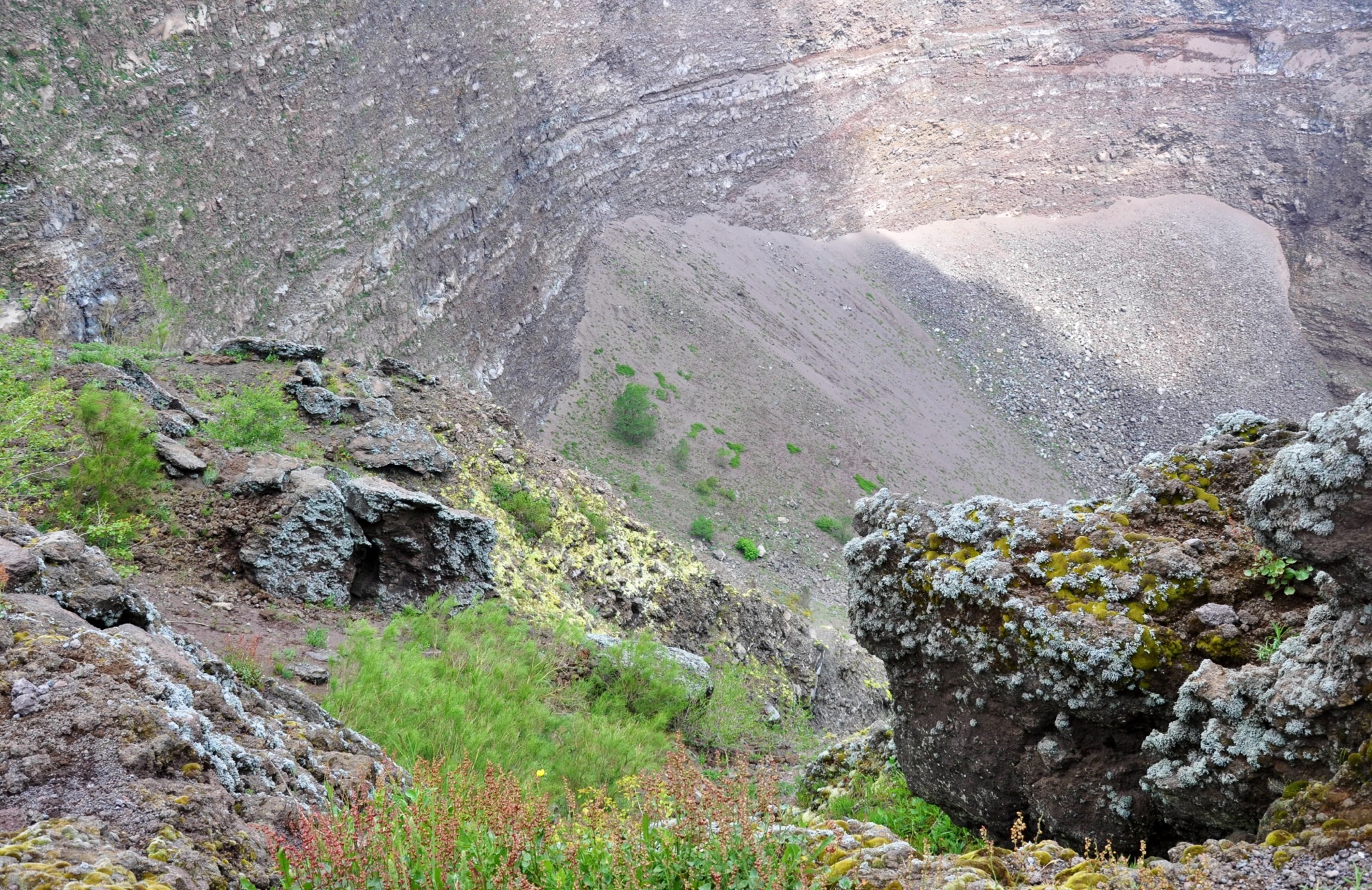
First look at the crater
The gravel path alongside the crater leads to some steps; go up these and follow the trail to a second crater for a wow factor end to your climb. Coming down was faster, though I did skid a few times on the gravel. The trouble with a surprise hike is that you aren’t wearing your hiking boots!
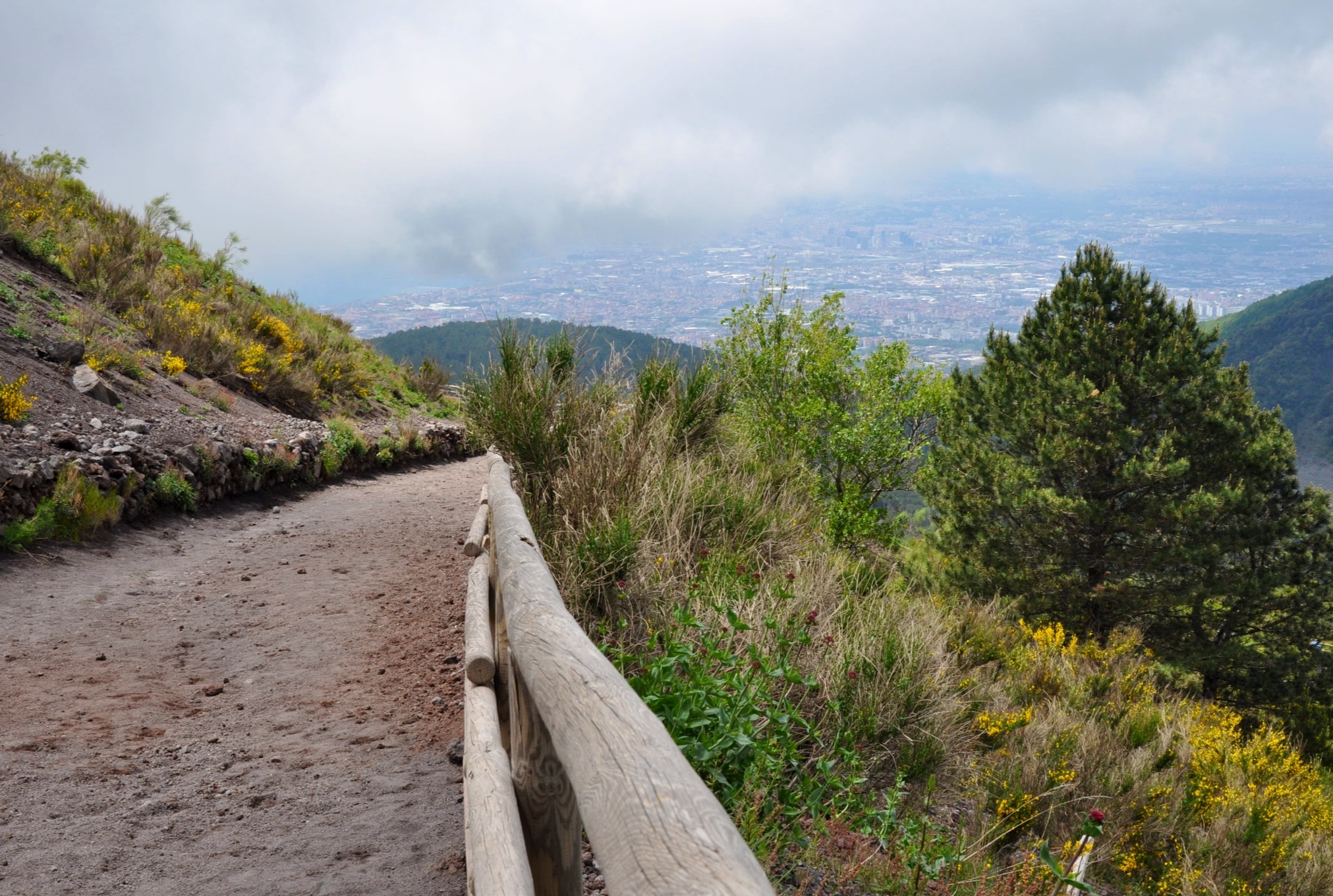
The gravel path back down to the parking lot
Vesuvio Express charges just 20 Euros for this fascinating trip, half for the ride up and half for the ticket onto Vesuvius’ high trail. School groups receive a discount. They allow a generous 90 minutes at the top, which is ample time for even slow walkers to have plenty of time to absorb the views. Pre-booking isn’t essential. Tours begin around 9.30am daily and depart approximately every forty minutes. They’ll even store your bags in their office if you need them to. I definitely recommend this as a trip if you’re in the area.
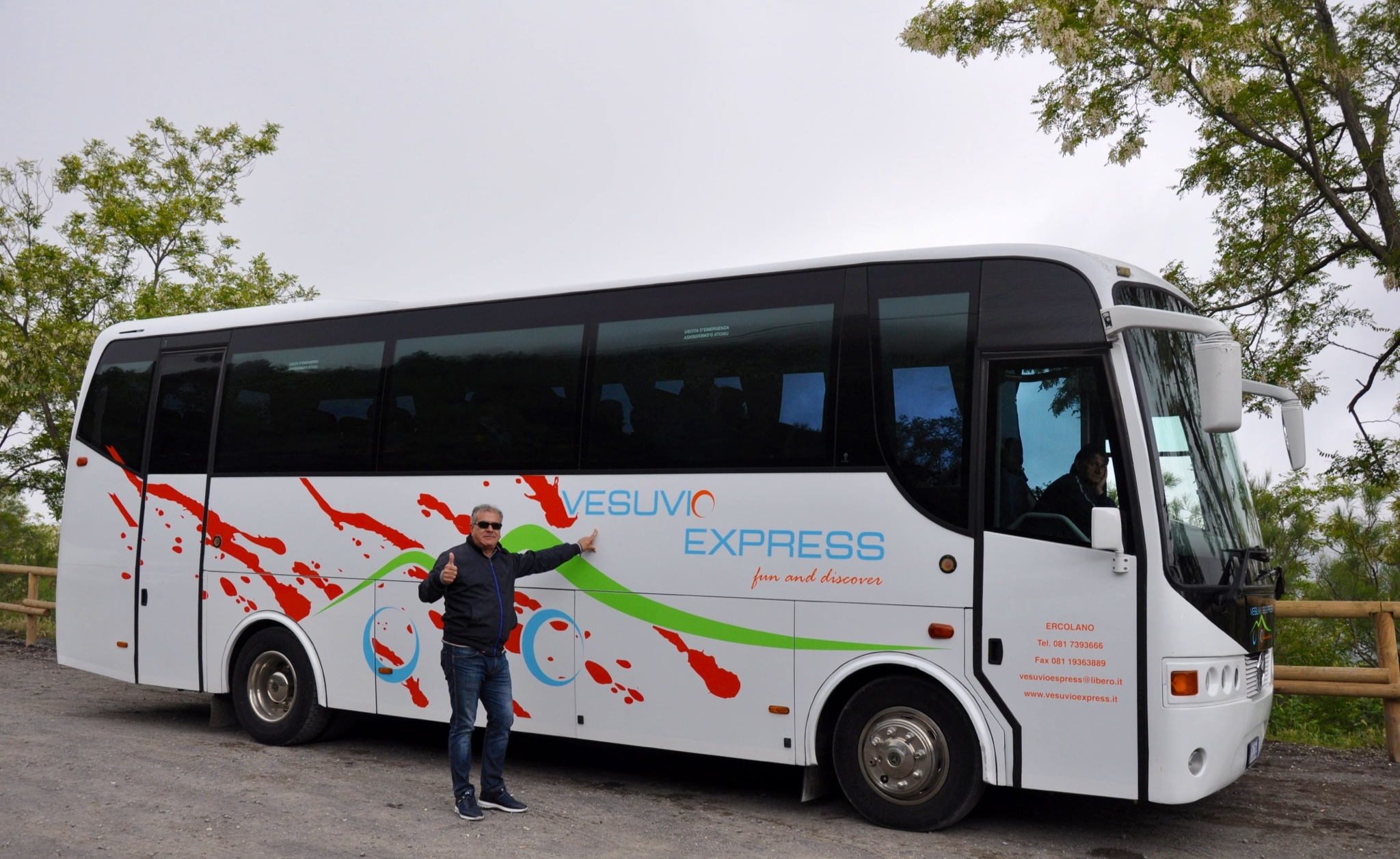
The Vesuvio Express bus
Rome under wraps
If you’re planning a first visit to the Eternal City, you should be aware that a number of Rome’s main tourist sights are currently under renovation. You can still visit, of course, but you’ll need to rely on your guidebook or a postcard vendor to see the view you’ve missed out on. Here’s what it looked like when I visited at the end of May 2015:

At the Spanish Steps it’s business as usual, but its pretty church, Trinità dei Monti, is currently covered up.
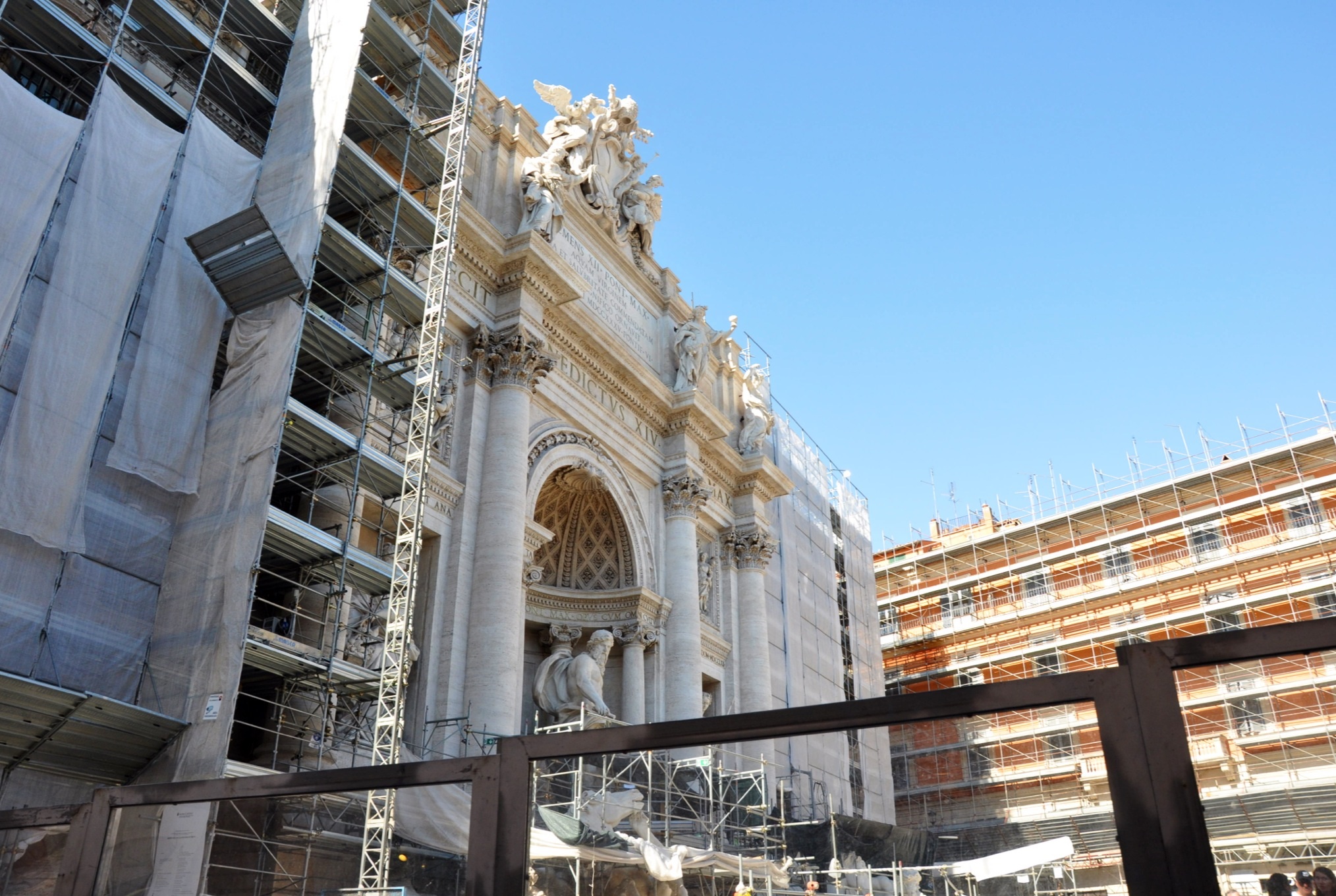
All you’ll get at the moment is a glimpse of the Trevi Fountain as it’s being extensively renovated. Save your coin for another time.

The lower level and much of the rear of the Colosseum is undergoing repair, though it’s still open to visitors.

In preparation for Italy’s Festa della Repubblica on 2nd June, when a parade will pass, temporary grandstands are being constructed along the streets alongside the Roman Forum.
Know of any other tourist attractions currently undergoing repair? Add a comment and let us all know, thanks.
To Florence, for some sunshine!
Beautiful Florence never looks more charming than it does when the sun is shining. Here are some of my favourite shots from this trip. The sun was reluctant to make an appearance at first, but when it did, wow, what a show!

The city’s famous domed marble cathedral and tower
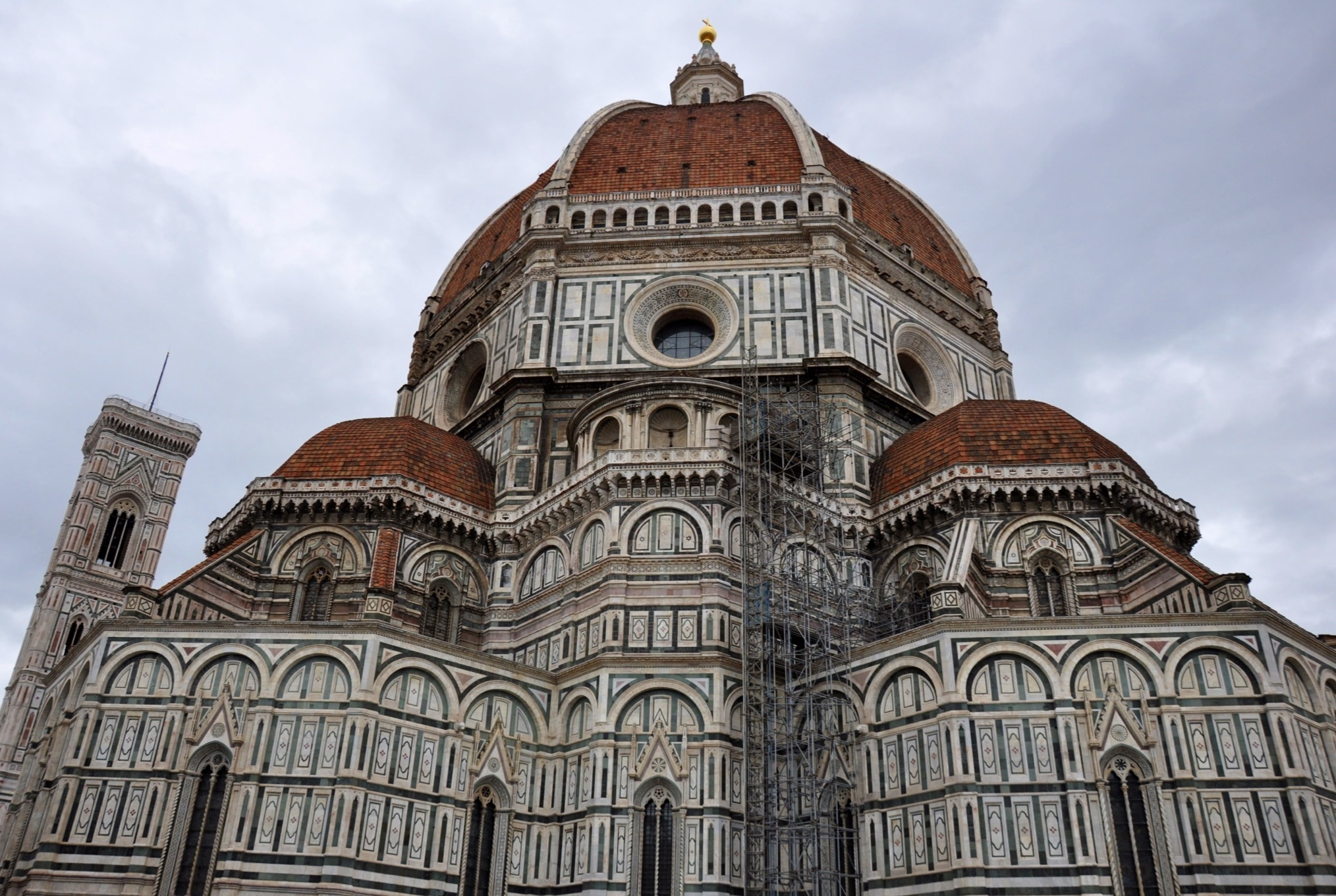
A cathedral that’s world-class
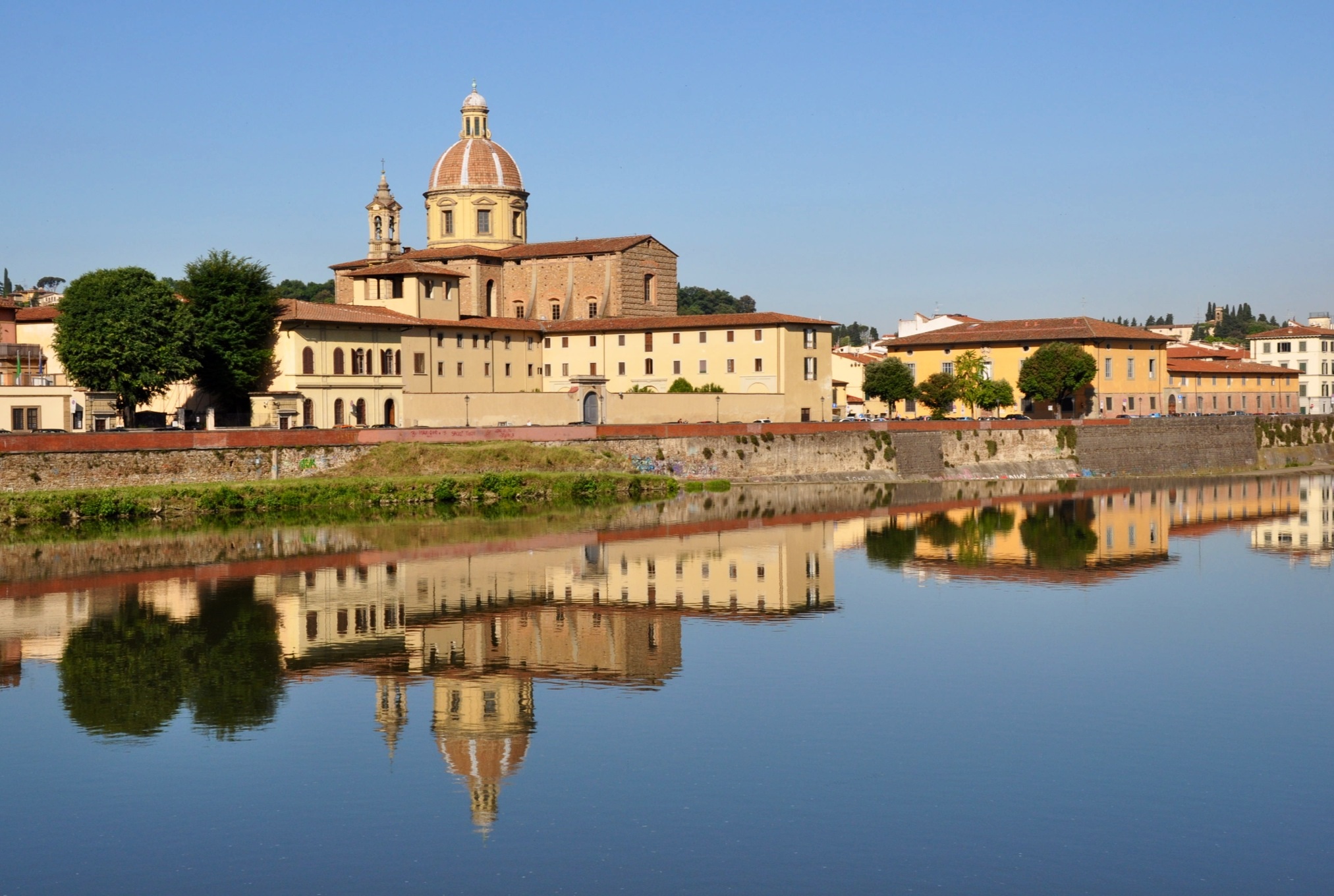
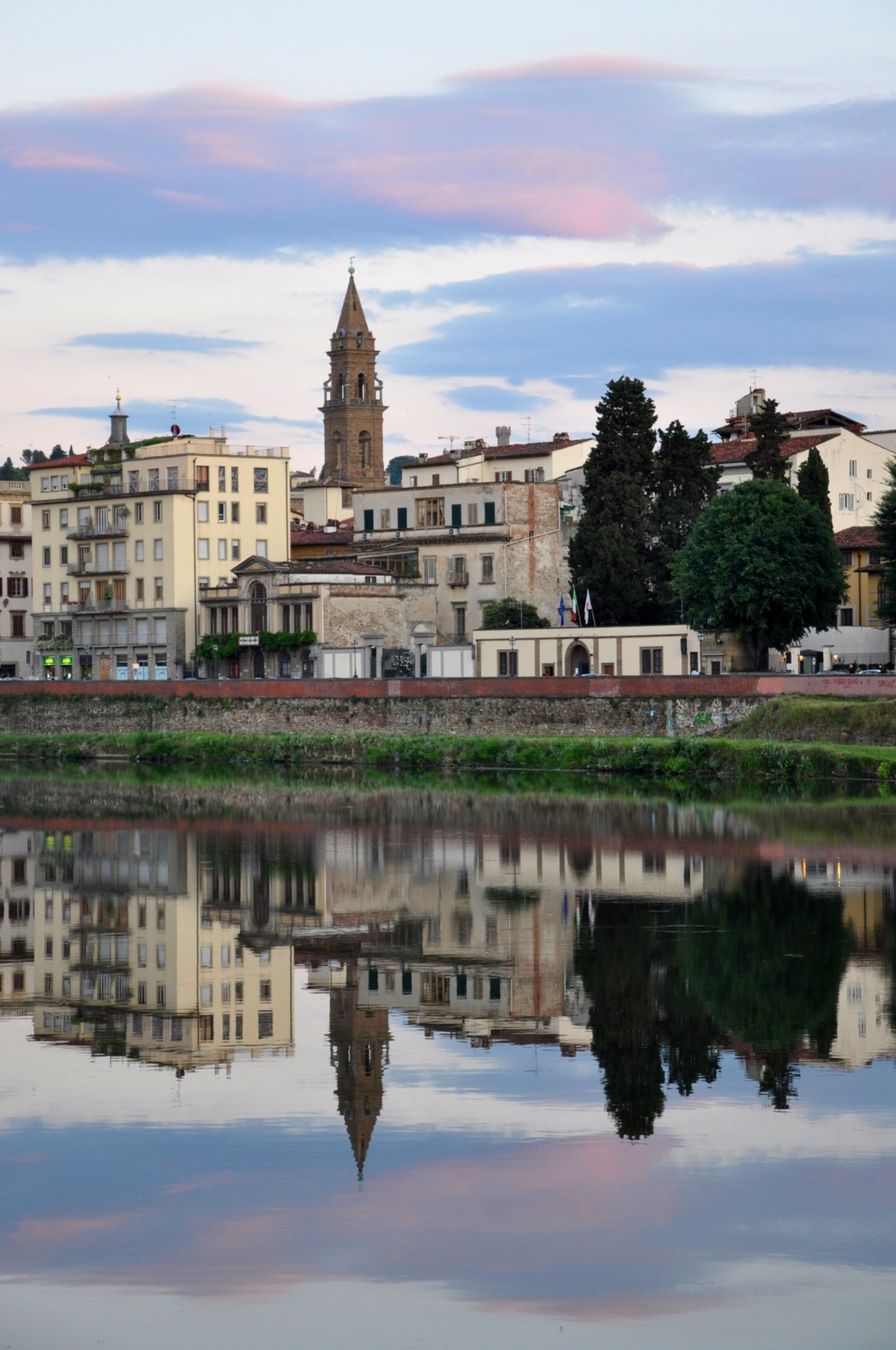
Perfect reflections on the still water, River Arno
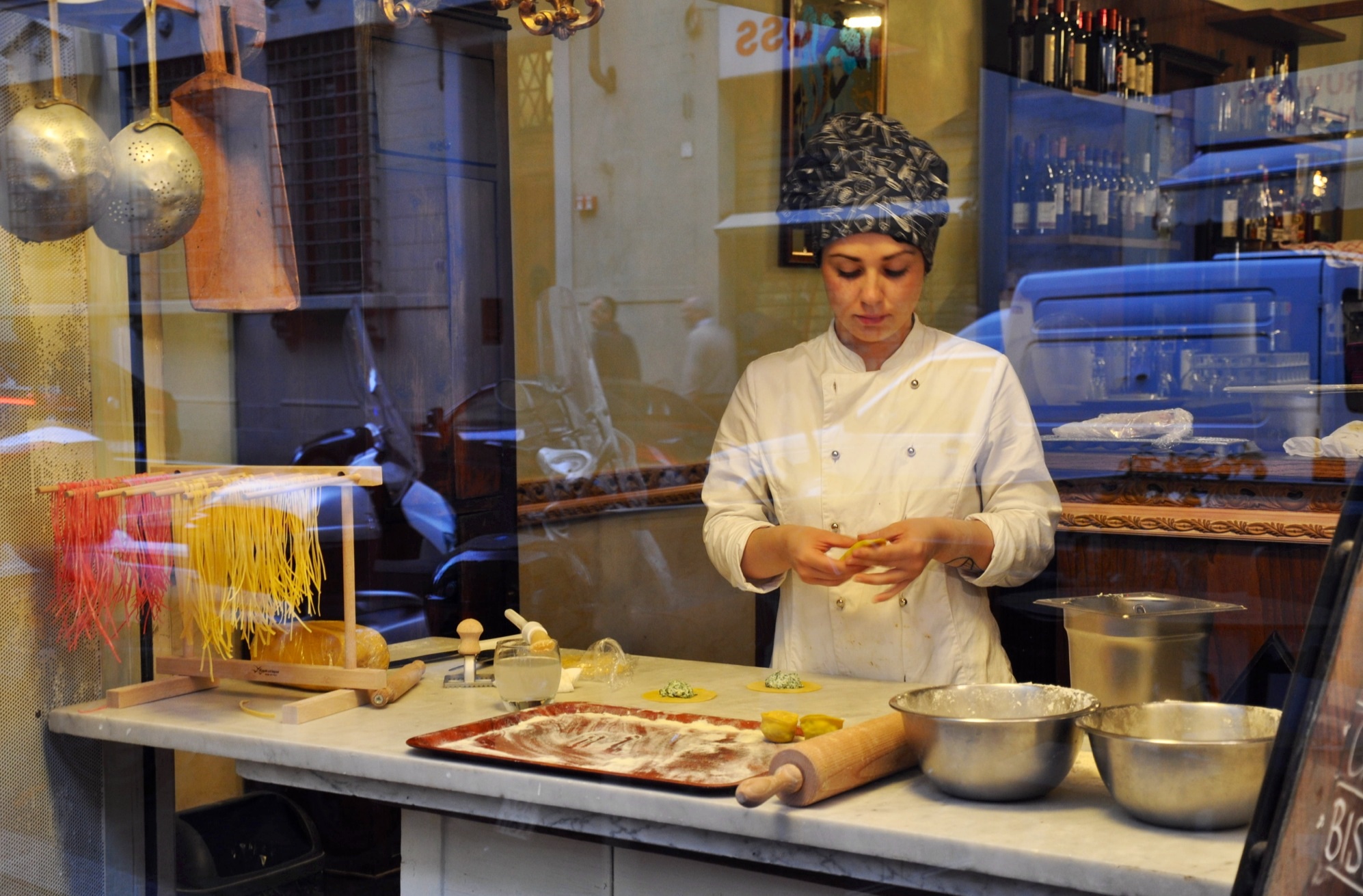
Pasta-making

Dusk falls over the River Arno

Reflections on the water, River Arno, with the famous Ponte Vecchio to the left of the shot
A classic Italian riverfront scene

A plane departs as the sun sets


