juliamhammond

Latest

Review: KindaKafe’s Hidden History tour in Norwich with Greater Anglia

Regular readers of this blog will perhaps remember that earlier this year I visited Norwich with Greater Anglia. I was pleasantly surprised at how fast the journey was from Colchester to Norwich – just over an hour – and blown away by how much there was to see and do in Norfolk’s county town. If you missed it, have a look at what I did here. One of the best parts of that visit was the Museum of Norwich at the Bridewell. The tales of some of the less respectable characters who once lived in the city were compelling. So when Kerri from Greater Anglia suggested I could go back and find out some more of Norwich’s history, I jumped at the chance.

I’m grateful to Greater Anglia for providing me with free train travel and also to KindaKafe for gifting me a complimentary ticket for their Hidden History tour. However, all opinions expressed in this post are my own.
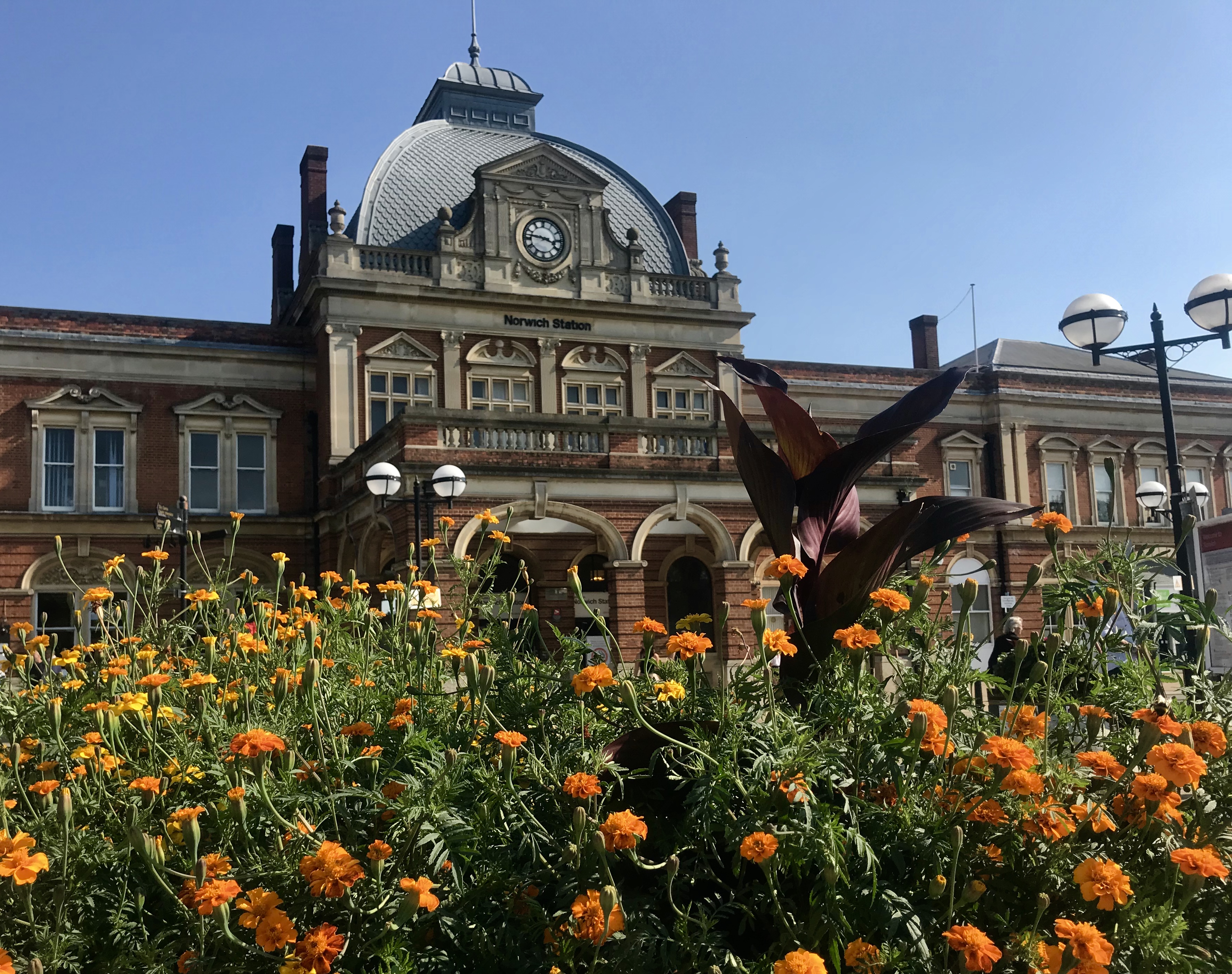
The day I’d chosen to go was a Bank Holiday Sunday, and coincided with Ed Sheeran’s triumphant tour finale in Ipswich. I was prepared to travel early, although extra trains had been laid on so it wasn’t difficult to find a seat. I was a little concerned I might not be able to park easily with the additional passengers but the GA website has a handy feature which provides live data about how many free parking spaces are left. There were over a thousand so I needn’t have worried.

29CC8E74-FE52-4F8D-BC3A-5BC7AE8ED05B

I could sit back and relax in the spacious seat as well as say a silent thank you that on this very hot day, the carriage was air-conditioned. The train arrived a couple of minutes early at Norwich station, from where it was just a ten minute walk to KindaKafe, located opposite the castle in the building that once housed Ponds shoe shop. This cafe supports the important work of the Missing Kind charity, providing a social space but also raising funds through the events it holds. One such event is the Hidden History Tour which I had come to try out. There was just time for a quick coffee before Lisa, our guide, began her introduction.

The tour began at ground level in what had been the Ponds shoe shop. We learnt that Norwich was once second only to Northampton when it came to shoe production and especially important for ladies and children’s shoes. It was warm in the 19th century building, but soon we would descend below ground where it was a more pleasant 17°C. Things would soon get a little strange as we descended a flight of steep stairs to find ourselves in front of the upstairs window of what was once a weaver’s cottage. That window would once have looked out over the castle. Confused? Bear with me, this will make sense soon.
Norwich Castle was built at the time of the Norman conquest. At the time of its construction, an order was issued for all the buildings in the immediate vicinity – 98 of them – to be demolished. Once they were knocked down, an eight metre ditch was dug by hand. The soil that was excavated is what forms the castle mound today.

norwich-castle-1818317

A couple of centuries later, King Edward III formally gave the ditch to the city, while the castle was county property. Lisa told us that this variation in ownership was important, for instance when it came to public hangings. If a murder was committed outside Norwich, the convicted killer would be hanged on Castle Meadow (on county owned land) whereas if the crime had taken place within the city, the place of execution would be Castle Ditch instead – right where we were standing. My mother had already told me that our family was connected to the final public execution:

“Hubbard Lingley was executed outside the Castle on 26th August 1867 for the murder of his Uncle Benjamin Black. Benjamin was the husband of Anna Fickling who was my great great grandfather William Fickling’s sister. They came from Barton Bendish.”

95C79DF3-F8C7-4794-9FD2-785304AFE5AF

This extract from Charles Hindley’s book “Curiosities of Street Literature: Comprising ‘Cocks’ or ‘Catchpennies'” tells Lingley’s story:

Poem

I shared this information with Lisa and the other group members – and it turned out that some of the other tour participants were related to Hubbard Lingley. Lisa told us that the reason that this was the last public execution (after this, hangings would take place inside the castle in private, rather than in front of a public crowd) was that there was some dispute as to whether Hubbard Lingley was guilty. Many in the crowd, she said, protested that he was innocent, and vented their anger at the hangman himself. The Capital Punishment (Amendment) Act was passed the following May and from then on, all executions would be carried out behind closed doors (though reporters and the victim’s family could be present at the invitation of the authorities).

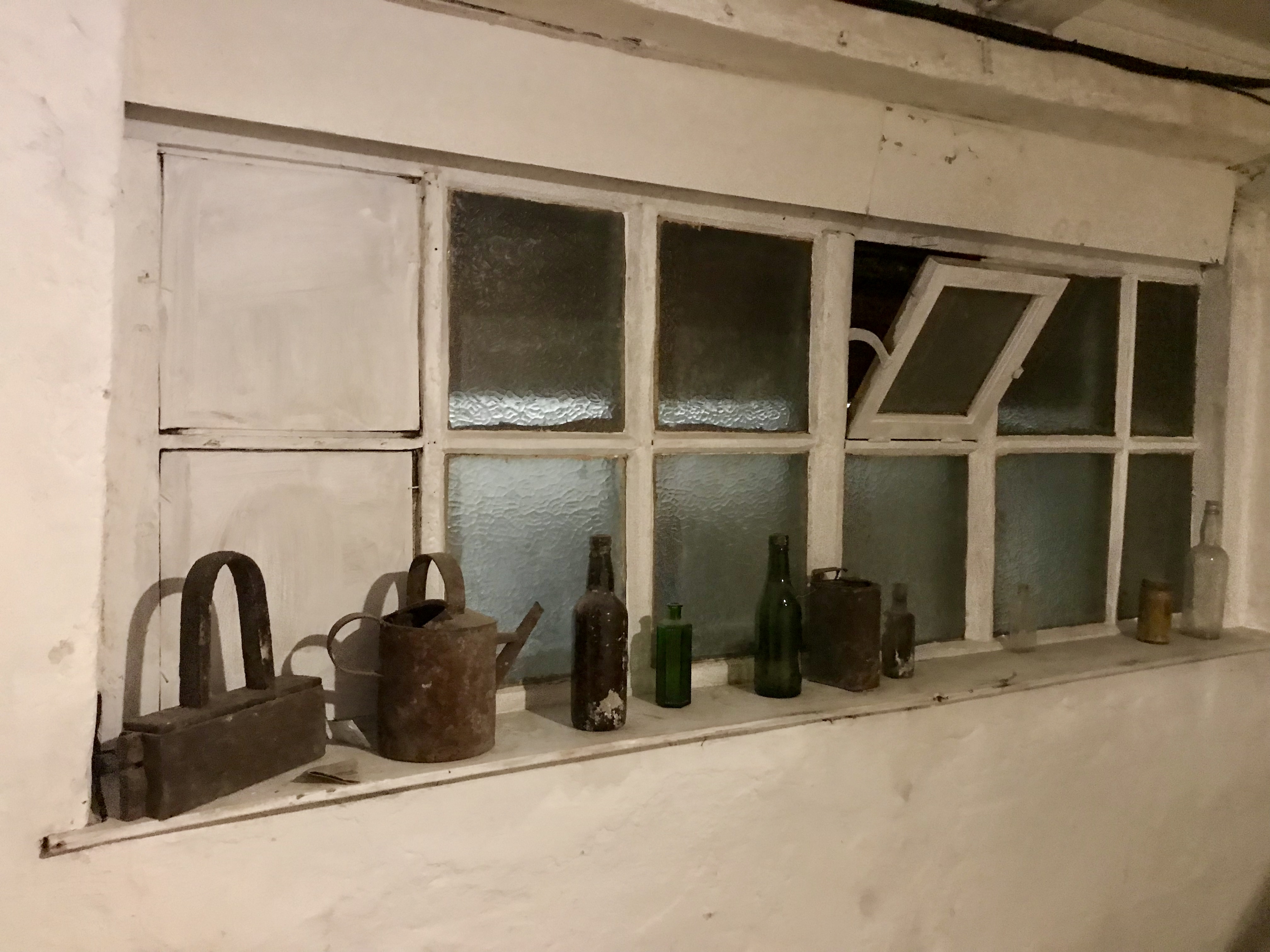
After we descended another flight of steps, we learned that some people believe that there are secret tunnels leading to the castle. We could have been standing in one, but in actual fact, it was a former alleyway that had long since been covered over. Never mind about secret tunnels: it’s even more cool to think you are standing in a long lost street. Ponds built their shoe shop right on top of this ancient street and used the “basement” as a storeroom. Look carefully and there’s an odd mix of brick types, with elongated Tudor bricks and even a smoke-blackened section of wall, perhaps from a street fire. Lisa pointed out would could have been some 18th century graffiti featuring the number (or maybe a date?) 1739.

B0AADAD2-9333-4E8F-A006-645291EF8E6F

Looking around, we could have been in Harry Potter’s Diagon Alley. A “jetty” that would have been constructed across the street linked two buildings. Behind it was a section of wattle and daub ceiling. In front were two rooms: one had the appearance of a dungeon; the other had a flint wall dating from the late 15th century when Henry VII was on the throne. Opposite was a nook in the wall called an undercroft, a bit like a cellar. Norwich has at least fifty of these accessible undercrofts, more than any other city in the UK, and possibly as many as 250. These cool, dry spaces would be ideal for storing your perishable goods – cool in summer and not too cold in winter.

F1503119-F139-4A7B-8E4A-BB8CE88D786F

The group moved into one of these tunnels/covered alleyways. In the corner was an AUD (an anti-urination device). These, we were reliably informed, can be found all over the city. In the mid 1800s, there was a serious shortage of public toilets for the growing population. Mounds  were installed to discourage men from weeing up the buildings – the design was such that if someone tried to go to the toilet, they’d get wet feet.

1CE84E74-18BB-49C5-9874-45F76B4A48FA

Three flights of steps down from where we started, Lisa led us out onto the street. If you walk along London Street, between Costa Coffee and a chicken place you’ll see an unprepossessing white gate. I’ll bet almost everyone who walks by has no idea of what they’d find if they stepped inside.

Have your own rail adventure

If you’d like to have your own rail adventure, then why not take a look at Greater Anglia’s website? You too could have a day out in Norwich, but there are plenty more places on the network to choose from – why not read my previous blogs on Harwich or Wivenhoe for inspiration?

5E8DABFB-FD6E-478C-BC53-25049D22316B

KindaKafe’s Hidden History tour costs £10.50 per person and I really recommend it. Advance booking is essential and for more information have a look at their Facebook page or call 01603 850309. All proceeds support the Missing Kind charity’s work.
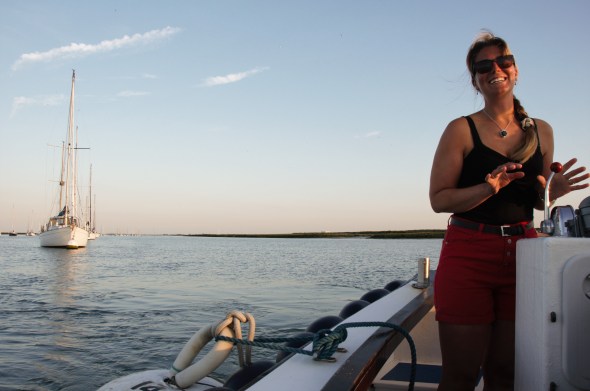
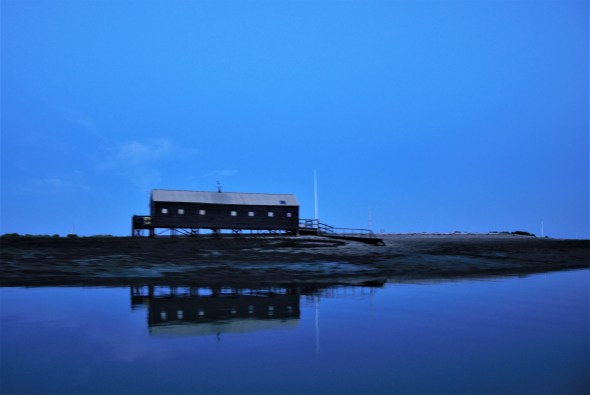
Sunset along Salcott Creek on the Lady Grace

The creek I look out on from my office window winds its way through the stark beauty of the salt marsh to eventually reach the sea. Walking the dog along the path through Old Hall Marshes is one of the joys of living in this part of Essex. But though I’ve seen the water from the marshes, I’d never seen the marshes from the water. So when Stacey Belbin of Lady Grace Boat Trips invited me to join her for a sunset trip along Salcott Creek, I jumped at the chance.

DSC_0393 (2)

Stacey has a passion for what she does

As we chugged steadily into the channel from West Mersea’s crabbing jetty, Stacey told us a bit about how she came to run trips on the Lady Grace. The daughter of a fisherman, she’d grown up on the water. At first, she and her husband bought a boat to take people angling at weekends, but in 2011, Stacey bought the Lady Grace and now works full time on the boat. A passionate ornithologist, her knowledge of the local and migrating birds that make their home in and around Mersea is first rate. But it’s her enthusiasm that’s infectious and even if, like me, you can’t tell a herring gull from a tern, you’ll find yourself getting excited about the birds that you see during the trip.

DSC_0530 (2)

The old oyster shed on Packing Marsh Island

We were blessed for our trip with superb weather. On a late August evening, the air was warm and still. As we passed along Mersea Fleet, we had sight of Cobmarsh Island to the left, which acts as a natural barrier protecting Mersea harbour from the larger waves of the North Sea that would make such boat trips as Stacey’s difficult, if not impossible. To our right, there were a few clouds in the sky as we passed the old oyster shed on Packing Marsh Island and the remains of the wooden posts which would have once supported its jetty. As we turned into Salcott Channel, the setting sun lit up the sky in warm shades of ochre and orange behind Old Hall Marshes. Birds flitted overhead, preparing to roost for the night.

DSC_0409 (2)

Willow sticks mark where oysters have been dropped to fatten up

Packing Marsh Island is a reminder of just how long a history Mersea shares with its oysters. The Romans famously farmed oysters here and many of those who work in the industry today can trace their connection with the sea back many generations. From time to time, you see a willow stick poking up out of the water. These mark where oysters have been dropped; they’re harvested from deeper waters and then relaid in the tidal waters order for them to grow. The rich nutrients in the silt here mean that Mersea oysters develop into a meaty, more flavoursome product than those farmed on the south coast, and in half the time. The water quality benefits too; oysters filter something like 8 litres of water per hour, cleaning the water for everyone.

DSC_0439 (2)

Colours change as the light fades

One of the larger islands in the channel is known as Sunken Island, lying at the mouth of Salcott Channel. On the high spring tides, it is completely submerged. That’s given the island something of a reputation for being a place to stash ill-gotten gains. Smuggling was rife in the old days, and it was common for local churches to be used to hide contraband from the authorities. Loot was hidden in the church itself, usually with the knowledge of the vicar. The labyrinth of channels winding through the salt marsh would be a confusing environment for the revenue men, but locals knew every twist and turn of these waterways, no matter whether the tide was in or out.

I wrote about another tale on my Essexology blog about Salcott:

“One story claims that villagers found an customs boat floating off nearby Sunken Island. The 22-man crew were all dead, their throats slit. The bodies were allegedly buried in the church graveyard and the hull of their boat placed upside down on top of their final resting place.”

DSC_0516 (2)

Boats moored in front of Packing Marsh Island

But the most intriguing story wrapped up with the Salcott Channel is that of a bell. Spirits, usually gin or brandy from across the English Channel, were brought in under cover of darkness to avoid excise duty. A bell was stolen. Some accounts identify this bell as that of St Mary’s Salcott, others speak of four bells taken from St Edmunds church in East Mersea. Geographically, it’s the Salcott location that makes the most sense for a bell later dumped near Sunken Island. So the story goes, the vicar was asked to grant permission for storing contraband in the church (the last place the authorities would look for stolen goods) and agreed, so long as a bell was commissioned for the tower in exchange. Made in London, its tone was distinctive, instantly recognisable to the people who lived in the village.

One night, a group of Flemish traders came to deliver their load and were envious of the bell. They decided to come back under cover of darkness on a night windy enough to drown out any sounds they might make. These robbers made off with the bell by sea – in those days Salcott creek was deeper than it is today and in any case, the creek winds behind the church. The bell was dropped and hearing the sound of what could only be their bell, the local villagers gave chase. They gained on the robbers easily, as the villagers were unburdened by the weight of the bell. In the ensuing fracas, the bell tumbled overboard, or the boat sank with it onboard. Whichever version is true, the bells were lost to the silt near Sunken Island. They’ve never been found, though many have looked. I couldn’t help peering overboard, just in case.

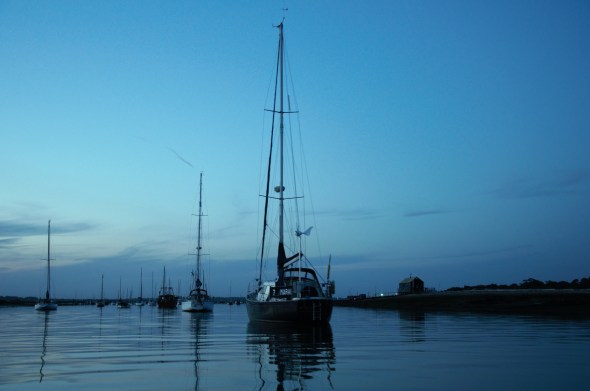
Stacey turned the engine back on and cast off from the last buoy. We slipped back into West Mersea through an avenue of yachts. In the blue hour, everything around us was still. After a stressful few days, it was the perfect place to remind myself that no matter what you’re going through, life goes on and there’s peace to be found whatever challenges you face.

DSC_0445 (2)

The water was perfectly still, making for some delightful reflections

The lowdown

I’m very grateful to Stacey for offering me a complimentary ride. Though it was a gifted trip, all the opinions expressed here are my own. I was blown away by the beauty right on my doorstep. If you’d like to book a trip yourself, this particular excursion costs £15 per person which is excellent value for a 90 minute trip. You’ll need to book in advance and can check availability here. Other excursions are also available, from 20 minute tasters to picnics at Bradwell on Sea across the Blackwater. Private hire is also possible.

One word of advice: aim to be in West Mersea early; the car park is small and on a warm night, there’ll be plenty of people still around. Roadside parking is available a short distance from the crabbing jetty, but allow yourself a few minutes so you don’t have to rush. On a warm summer evening under a blue sky, I can’t think of a better way to spend your money and strongly recommend you enjoy a ride on the Lady Grace for yourself.

Review of Cheeky Panda handy wipes

I was recently gifted a pack of Cheeky Panda handy wipes to trial. This is my review. Though I was given a free sample, the opinions expressed are my own.

For many years, I’ve popped a packet of Boots’ Wet Ones into my travel bag. These anti-bacterial wipes have a lovely citrus smell and have come in handy over the years for all sorts of things. They currently retail at £1.15 for 12 wipes, just under 10p per wipe.

Wet Ones

Recently, however, there’s been a lot in the news about how wet wipes in general aren’t biodegradable. Part of the material used in their manufacture is polyester, a form of plastic. Whether we flush them or bin them, they don’t fall apart like regular tissues might. Instead, they find their way into landfill or to the sea, where they pose a threat to marine life. Some end up in our sewers, combining with grease to form giant fatbergs. This Good Housekeeping article elaborates:

https://www.goodhousekeeping.com/uk/lifestyle/a28096696/bbcs-war-on-plastic-microplastics-wet-wipes/

Would this be the end of wet wipes for me when travelling? I hoped not, but couldn’t justify the impact on the environment if I continued to use Wet Ones. I was keen to find out whether there was an alternative and learned of a company called The Cheeky Panda.

The Cheeky Panda make a range of products that are sustainable and environmentally friendly. If you’re thinking it would be a pain to have to order them for delivery, they’re even sold at Boots. The price at the moment is £1.50 for 12, making them a little bit more expensive per wipe than Wet Ones, but not significantly so.

IMG_3200

So are they worth the extra cash?

I contacted The Cheeky Panda and asked about conducting a trial of their handy wipes on a trip to the Austrian Tirol. It was hot, with temperatures rising above 30°C. Would they cool me down as effectively as my usual brand? I’m pleased to report that’s a yes. I found they also felt smoother on the skin, which was an added bonus. They’re made of bamboo from sustainable sources and contain aloe and an apple extract which I think gives them a hint of a scent even though the packaging says they’re fragrance free.

IMG_3281

Could they cope with dirt too? I did a hike from the top of the Hahnenkamm and found myself scrambling in places, getting my hands dirty in the process. As the hike ended with a piece of Sachertorte on the terrace of the Alpengasthof Melkalm, I was keen to get clean first. The handy wipes did an admirable job and didn’t fall apart when I scrubbed at my hands. They’re a decent size too.

IMG_3289

The packaging they come is what’s called PET1, a recyclable plastic with the proper name polyethylene terephthalate. I’ve opened and closed the packet a few times now and it reseals well, ensuring the wipes haven’t dried out. When I’ve finished my last wipe, I’ve just got to make sure that it ends up in my usual plastic recycling bag.

Would I go out and buy these instead of Wet Ones? Absolutely. And not just to assuage my conscience either, as I really liked how soft they felt.

To find out more about products offered by The Cheeky Panda, please visit:

https://www.thecheekypanda.co.uk/

When to splurge while travelling

Over the years my travel routine has evolved and fits me now like a well worn cardigan. While I’m all for saving money where I can, there are a few things that I never scrimp on – sometimes you just need to splurge when travelling. Here’s where I recommend spending rather than saving.

Insurance

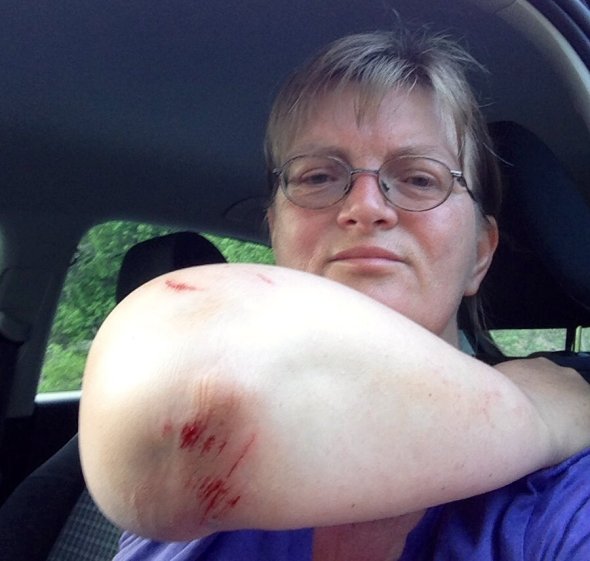
Insurance is vital. Though I’ve been to some pretty adventurous places, I’m actually quite risk averse, and the thought of travelling without insurance makes me very nervous. You can take all the precautions you possibly can, but no one can predict what’s going to happen, as the photo below shows (a tumble on a hike in Sweden a couple of years back though fortunately nothing serious). Generous medical cover is a must no matter what policy you take out. I don’t worry as much about valuables cover, as the high ticket items are covered by our house insurance policy, but it’s worth checking the small print if you plan to do the same. I have an annual policy which costs around £35 for worldwide cover with American Express (you don’t have to have one of their cards to qualify). Remember, you may need to up the budget if you need winter sports cover, or add-ons like scheduled airline failure, for instance. But however tight your budget, don’t be tempted to ditch the policy completely.

Arm

Haggling

Though we all love a bargain, it just doesn’t sit well for me to haggle hard knowing that the person in front of me needs the money so much more than I do. Play the game, but work out what a reasonable price is before driving that figure down to a level where there’s almost no profit in the transaction for the trader. After all, that money might be needed for school books or much needed medical treatment.

Mamadou

Footwear

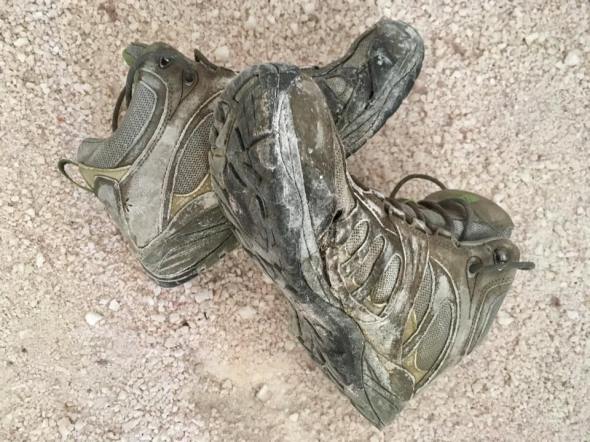
Strictly speaking I guess this isn’t counted as part of the travel budget, but investing in a good pair of shoes or boots before you leave home is so important. There’s surely nothing worse than hobbling along city streets with angry blisters on your heels or trying to focus on the scenery during an amazing hike when all you can think about is the pain around your toes. Pay what it takes to get footwear that is going to be comfortable, supports your feet and isn’t going to fall apart before you come home. Caveat: if I have a pair of boots or shoes that are almost on their last, I don’t bring them home with me. The boots below fell apart on the Bolivian salt flats and ended their days in the salt hotel’s bin.

Boots

First and last night’s accommodation

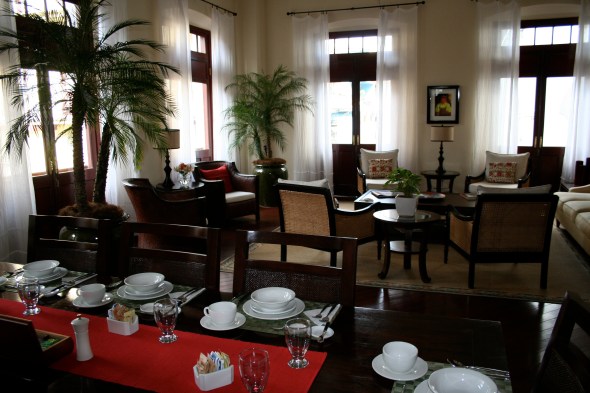
My husband likes to say he has a rule when travelling: “Never stay anywhere that’s not as nice as your own home”. Well if that was the case for me I’d miss out on a whole lot of places through lack of funds. Don’t get me wrong, I’ve stayed in fancy places (and not just when someone else is paying) but for the most part, I’d rather save money on my accommodation to free up that part of the budget for something a lot more fun. But then I’ve never been one for confining myself to a hotel. That said, I do try to book somewhere reasonably nice for at least the first and last night of a longer trip. After a long flight, having somewhere decent to get over any jet lag and rest properly can’t be underestimated. And if you stay somewhere lovely for the last night, that trip’s going to end on a high.

IMG_4458.JPG

Experiences

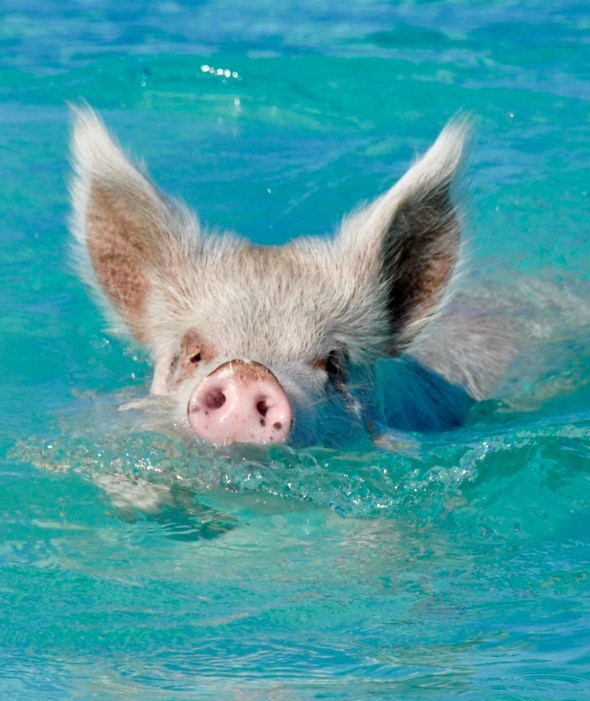
My final suggestion for would-be splurgers is to set aside a healthy chunk of the budget for a once-in-a-lifetime experience. I can’t remember the details of the hotel I stayed in when I went to Margarita Island in Venezuela in 1992 except that it might have been pink? But I remember vividly dismissing an excursion to see the world’s tallest waterfall, Angel Falls, by air. It was ridiculously expensive and the decision was probably a sound one given that it was likely to have been cloudy. But a piece of me has always regretted not going. Since then, I’ve tried if at all possible to sieze such opportunities. Hot air ballooning over the fairy chimneys of Cappadocia, taking a helicopter ride to the top of a New Zealand glacier and sharing a turquoise sea with the cute swimming pigs in the Bahamas are just three of the many experiences I’ve enjoyed. Those memories will last me a lifetime and I don’t regret a penny of the money I spent.

EX2

If you’re now thinking you need to work out where to free up some cash, why not take a look at my last post, When to scrimp while travelling. And don’t forget, I’d love to hear your suggestions for scrimping and saving, as well as when you’ve splashed the cash with good reason.

When to scrimp while travelling

The secret to successful budget travel is about knowing when to scrimp when travelling. Here are six tried and tested ways of cutting costs without ruining your holiday in the process. I’ll be following this with a blog about when it’s better to splurge – together, you’ve pretty much got the guide to how I travel.

Scrimp 1: Choose your destination with care

IMG_9696

The Sun Voyager statue, Reykjavik

Choose a good-value destination – and don’t be sucked in by the promise of a cheap flight if everything else is going to cost you a packet. Some destinations often throw up irresistibly low fares – for example I’ve seen flights ex-London to the Icelandic capital Reykjavik advertised today for under £20pp. But do a quick search online to see how much your accommodation is going to cost and if you have any excursions or must-do experiences in mind, what they’re going to add to the total. That’s not to say you can’t have a holiday in Iceland on a tight budget, but it does mean that you’re going to have to try extra hard to save the pennies and be prepared to skip certain activities on cost grounds. Instead, opt for somewhere much better value (Brits try Turkey, Eastern Europe or North Africa) where you can live like a king on a pauper’s budget.

Scrimp 2: Think carefully about when you want to travel

FullSizeRender

Barbados – beautiful in the November sunshine

Travelling in peak season means peak season prices. I know just how much that can hurt: I used to be a teacher. Travelling to destinations when they’re not quite at their best can cut a lot off the cost of flights and shrink hotel bills. But be careful: extreme weather has a habit of slashing prices but also of ruining holidays. Shoulder season trips (that’s spring and autumn for summer-focused places) often come in at lower prices. That’s how I got such good value for my Barbados trip – switching out peak season December and January for the more affordable late November.

Scrimp 3: Use public transport where you can

taxi-3960176.jpg

Taxis waiting at Dusseldorf Airport (Pixabay)

Airport taxis can be useful but often they’ll significantly eat into your budget. Aim to travel light (or at least with luggage you can wheel and lift) and in many places you can ditch the costly transfers take public transport instead. In cities where there’s a subway, express bus, train or tram connection direct to the centre, this is really straightforward and often quicker than sitting in traffic. Once you’re in the city centre, you can always grab a taxi for the much shorter distance to your hotel if you need to. Public transport is often very cheap and also provides the opportunity to meet local people. Check out day passes (not the expensive attractions passes) if you’re planning a city break and want to cut out the walking.

Scrimp 4: Download walking tour maps

dsc_0647-1

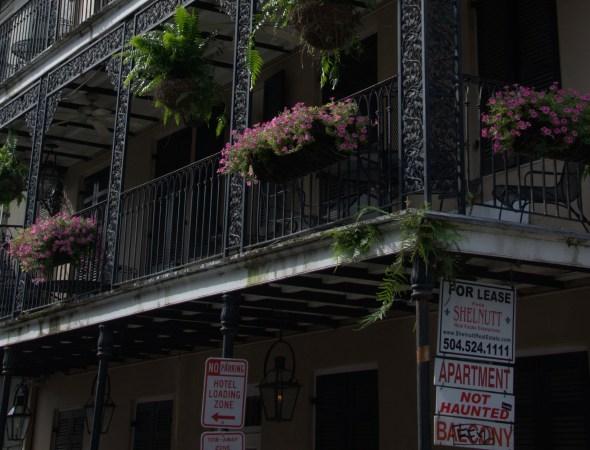
French Quarter architecture

Ditch the transport and walk. It costs nothing and you’ll often see much more than you would from an open top bus or back seat of a taxi. I’ve downloaded walking tour maps and used the suggested route and notes to save on the cost of a guided tour. This one has a good overview of Philadelphia’s historic attractions. GPSmyCity has lots of great maps and themed tours; check out this one on New Orleans architecture for starters. Print off or download before you leave home. Alternatively, borrow a copy of the relevant Lonely Planet from your local library – they often feature self-guided walking routes. I’d also recommend the walking tours offered by Free Tours By Foot; you decide on the tip you wish to give your guide at the end of the tour as I did when I used them in New York’s Lower East Side.

Scrimp 5: Find out what’s free when

image

Bears playing in the Bronx Zoo

Check in advance whether the museums and attractions you plan to visit offer free admission at certain times of the day or week. For instance, Rome’s Sistine Chapel is free to enter on the last Sunday of every month. The Louvre in Paris always offers a free ticket to all under 18s and 18-25 year olds from the EU, Norway, Iceland and Liechtenstein; on the evening of the first Saturday in the month their generosity is open to all. In New York, regular tickets to both the Bronx Zoo and Botanical Garden up the road won’t cost you a cent on Wednesdays. Many of London’s top museums don’t charge visitors at all. Google where you want to go before you book your trip and plan accordingly.

Scrimp 6: Cut out the middleman

image

Valle de la Luna, Chile

Booking direct and cutting out the middleman can save you a lot of money. If you book an organised tour, you can end up paying a premium (sometimes a hefty one!) for the luxury of leaving someone else to make your bookings and plan a route for you. Instead, browse tours on the web and get ideas for where you want to visit. Customise it to your own needs. If there are areas you’re keen to see that are hard to visit independently, book a group (or even a bespoke) tour for that part of the trip. Local operators can help with this and often you can wait until you arrive before booking anything. For example, when I visited San Pedro de Atacama in Chile a few years ago, I spent an hour on my first afternoon discussing and booking up tours to El Tatio and the altiplano, but during the same trip, opted to visit Easter Island without a package, saving a fortune in the process.