Something interesting popped up in my Twitter feed yesterday evening: the Travel Whispers Blogger Challenge. I had read a blog by Josie Wanders on being a newbie in business class which struck a chord as she sounded as excited as I was when I flew with BA last year. You can compare our experiences here:
Josie had also completed the blogger challenge, which had been set up by another travel blogger, Stephanie Cox. Basically, it’s a great way of getting travel ideas; the travel bloggers that have participated know their stuff and there are some tempting recommendations that I’m definitely going to check out. If you’re interested in joining in, then have a look at Stephanie’s original post here:
What follows are my answers to the Travel Whispers Blogger Challenge. What would yours be?
1. If you had to move to a country that you’ve NEVER been to, and live there for ten years, where would you go?
I read this and I almost gave up there and then. I’m up to 107 countries now, and it’s tempting to think that all the good ones have gone! I can’t pick Peru or Mexico or Australia or Austria or Spain, all of which would have been contenders. I’m spinning my globe here and though there’s some exciting destinations that so far are untrodden by my hiking boots – Rwanda, Kyrgyzstan, Georgia – they’d all be pretty tough to live in, especially for ten years. So I’m going to take the easy route and pick a lovely warm Caribbean island to spend my imaginary decade, and my choice would be Barbados. With direct flights from the UK my friends would be able to come and visit, so I’d have someone to go to the beach with.
2. If you had to live in a hotel for the rest of your life, which hotel would you choose and why?
Now this one is tricky for different reasons: I’ve been fortunate to stay at a lot of hotels and, a lot of good ones to boot. Taking “hotel” literally, it rules out fabulous glamping sites such as Patagonia Camp which is possibly my all time favourite place to wake up. There’s something so special about seeing the sun come up over the lake with the granite towers slowly coming into view as the light increases. But I digress. Hotel, they asked for and hotel, they will get. Now obviously, if I’m going to spend the rest of my life somewhere, I’m going to pop out of the hotel from time to time, so my choice would be the Hotel Plaza de Armas in Cusco. I’ve stayed there twice. The hotel is a comfortable mid-range option, nothing fancy, but the view over the main square is one I’ll never tire of and the city after multiple visits, is one I love more every time.
3. If you could only eat the cuisine of one nationality forever more, which would you choose?
Mexican. That’s an easy one. But not just tour usual tacos and burritos, it would be the dishes of Oaxaca, with the rich mole sauces that make the palate tingle, and the steaming mugs of chocolate served Mayan style.
4. Who has given you ‘holiday envy’ this year, and how?
Each time I browse Twitter, check my Facebook feed or dip into myWanderlust, there’s something that excites me. A few people have posted about Georgia, a country that’s been on my wish list for some time, especially the Svaneti region. I’d be loathe to say I envy them, but I’m keen to copy them!
5. If you had to look at the same sunrise or the same sunset every day, where in the world would you never get bored of seeing? Please don’t say sitting outside Cafe Mambo in Ibiza.
I’m writing this watching the sun come up over the Essex marshes from my desk; since moving here a year ago this has become my favourite sunrise. This morning there’s a hard frost on the ground, the brown reeds look almost yellow where the sun’s weak rays are hitting them, and the tide’s yet to rise. The sky has gone from a blood orange to a delicate peach, punctuated by skeletal trees that won’t see buds until at least March. But it’s cold out there, and if I’m searching for warmth, then it would be seeing the sun set on the Honduran island of Roatan. If there’s ever a place where I’d hum “Sitting on the dock of the bay”, then this is the place.
6. If you were taking a ‘staycation’ in your home town, where would it be and what would you recommend others to do?
I don’t live in a town anymore, but the north Essex countryside is well worth a trip. I’d begin with sunrise at the coast, perhaps on Mersea Island where the sun will illuminate the many oyster shells discarded on the beach. Then, head north across the Colne to wander along the riverbank to the Torrington Tide Mill before meandering north along the country lanes to Dedham Vale, where Constable once painted. If it’s warm, I’d recommend a boat trip along the river, past Flatford Mill and down into Dedham itself, where the cream teas are to die for. Later, a meal in one of my county’s centuries-old pubs before a roaring fire would seem a fitting end to the day. Who’s coming?
7. Describe your perfect travel day of the year?
Lots to choose from, but I think perhaps it would be riding the railway through Sri Lanka’s hill country, past the verdant terraces crammed with tea bushes. Alighting at Nuwara Eliya, my destination was the nearby Heritance Tea Factory, a former workplace now sympathetically converted into a luxury hotel. I had great fun picking tea, tasting tea and having a tea facial. I do like a good cuppa, but I am a Brit, so what did you expect?
8. What have you ticked off your bucket list in 2016?
2016 was the year when I finally made it to the beautiful Seychelles, an Indian Ocean paradise that’s been on my wish list for many years. And it was also my first time flying business class, and what better introduction than with British Airways to New York, one of my favourite cities.
9. What is top of your travel bucket list for 2017?
Top of my list is attending the Fiesta de la Patria Gaucha, a cowboy festival in the Uruguayan town of Tacuarembó. I’ll be there in March, marvelling at the horsemanship, before continuing via Salta in Argentina to the salt flats near Uyuni, Bolivia. It’ll be wet season, and if I’m lucky I’ll get to see the famous mirror effect.
10. Share your favourite Instagram photo of 2016?
I don’t have an Instagram account, but this is one of my favourites from Twitter instead.
Since this is a Whispers challenge, thanks to Vintage Blue Suitcase who has passed this on to me. Now in turn I’ll pass this on; the baton is passed to ILive4Travel. Here are the links:
While I’ll leave this post up as some of the issues about travelling long haul on a budget airline are still valid, this route no longer operates. In addition, there have been some concerning reports about the financial health of Norwegian Air in the travel press. Some long haul routes have been cut as the airline makes efforts to return to profitability. This report from the FT gives some background, but for the meantime, it’s a case of buyer beware. If you choose to book, particularly if that’s some time in advance of when you plan to travel, make sure you have adequate travel insurance that covers you for unexpected accommodation bills and new flights, just in case.
___________
It’s one thing to pay a few pounds and hop on a Ryanair flight across the Channel, but what’s it like to travel long haul on one of the budget airlines. I put it to the test using Norwegian to carry me across the Atlantic and here’s what I thought.
Flights: LGW to SJU
Norwegian operates flights twice weekly departing Wednesdays and Saturdays. They offer fares from under £300 return if you book well in advance which compares favourably with scheduled airlines serving other direct flight Caribbean destinations such as Antigua and Barbados.
Check-in
Unlike their European routes, it’s not possible to check-in online with Norwegian for destinations to the USA and that included our destination, the US territory of Puerto Rico. That’s not such a big deal when you’re departing from a small airport, but I was a little apprehensive as to how long the wait would be to check in at London’s busy Gatwick Airport. In the event, it took less than half an hour to get checked in and proceed to security which wasn’t as bad as it could have been.
Baggage
Checked baggage comes at a price; £25 for each sector if pre-booked but significantly more if purchased at the airport. Travelling with my husband, we decided to take one full sized case and the rest as carry-on. My much travelled Samsonite wheelie almost exactly matches the dimensions of Norwegian’s permitted carry-on at 55 x 40 x 20cm (Norwegian allows 55 x 40 x 23cm). It’s a light case, which is a factor as it has to be lifted into the overhead bins and doesn’t go over the 10kg weight limit. But it’s also spacious, and easily big enough for a week’s worth of clothes for the Caribbean, though if you were heading further north at this time of year to one of the big US cities served by Norwegian you’d be struggling for space.
Seat assignment
Normally, my husband and I wouldn’t bother to pay extra for seat assignment on a short haul flight, but we decided to go ahead as this was a nine hour flight. Each way cost us £25, a total of £100 to sit together. I do think that’s steep. We chose from an online seating plan opting for the back row of the plan (row 40) as this has a 2-3-toilet configuration, meaning we expected to have the section to ourselves. You can see it here at Seatguru:
However, although we were still on a 787 Dreamliner, the plane we ended up travelling on had 42 rows ( though 40 on each of the side sections) and they were 3-3-3. This was what we got:
So we ended up with someone next to us which was a bit of a disappointment. Fortunately, few people seemed to be using the rear toilets so it wasn’t too disruptive.
Legroom
On the outward leg, we found the space to be really cramped. Neither of us are exceptionally tall, but we do have long-ish legs. When I checked I was surprised to find that the legroom at 31-32 inches was similar to most long haul airlines. The width also compared to the norm at about 17 inches, though this would have been more comfortable if we’d have had window and aisle as we expected rather than window and middle which is what we got. We could have opted to pay extra for Premium Economy which offered a seat pitch of 46 inches.
Food
Neither of us felt it would be a good use of our funds to pay for the in-flight meals, opting instead to have a meal before we left and take snacks on board and pay for drinks airside. We were happy with this decision; the trays of those fellow passengers opting for meal service looked OK but not over-generous and we didn’t feel we’d missed out. A lot of people had done the same as us. It was an even better decision on the return journey when we had a shorter journey (thanks to a speedy tailwind) and of course, being an overnight flight, we slept for a significant portion of the journey.
Entertainment
The choice of entertainment was perfectly reasonable though I had a good book to read so didn’t end up watching any of the content. There were recent films I hadn’t seen. You should be aware that you either need to purchase headphones or bring your own. Also it’s worth noting that the WiFi that you find on some European flights with Norwegian isn’t available on their Trans-Atlantic routes.
Blankets and pillows
These aren’t given out free of charge as you’d find with a full service airline. You can buy a blanket at a cost of $5 but we found bigger, fleecier and warmer ones in Walmart for $3 a pop. Since we unpacked, they’ve been appropriated by the dogs!
Dreamliner
This was my second time on a Dreamliner after flying from Easter Island to Santiago de Chile on one in 2015. They make a big deal about cabin pressure, mood lighting and windows that have sunglasses mode, and claim this helps to alleviate the issues with jet lag. I’m not sure this had an effect, though as there’s only a 4 hour time difference the effects of jet lag would be minimal anyway.
The verdict
Would I fly Norwegian Trans-Atlantic again? Yes, I’d definitely consider it. I was happy with the experience overall though I’d see if I could upgrade to an extra legroom seat next time. In the interests of marital harmony I’d probably be best not to comment on whether sitting with my husband was worth £100!
Update May 2017
At the time of writing it’s unclear whether Norwegian will be flying the LGW-SJU route this autumn. The airline is considering whether it will fly to Puerto Rico at all, but if it does, the London route will probably be the only one to survive the cull, managing 81% occupancy last season. Watch the press for details.
The Puerto Rican capital has a history which goes back over 500 years. Founded by the Spanish at the end of the first decade of the 16th century, it was originally known simply as Puerto Rico but by 1521 went by its proper name of San Juan Bautista de Puerto Rico (which these days has become just San Juan). Though you could be forgiven for thinking the city’s American, it’s not quite: the Spanish eventually ceded the island to the USA at the end of the Spanish-American War in 1898 and it’s been a self-governing territory ever since. That Spanish flair is still much in evidence in Old San Juan, however.
Within the metropolitan area of San Juan which sprawls for miles, the area of settlement that occupies a narrow peninsula on the island’s north coast, bounded by Fuerte San Cristóbal and Castillo San Felipe del Morro, is known as Old San Juan. The geography of San Juan naturally lent itself to providing a safe harbour. It’s still a busy port today receiving a steady stream of cargo and cruise ships.
In its early days, San Juan’s location at the eastern edge of the Caribbean led to its development as a defensive stronghold, hence the heavy fortifications that you can still see today. They comprise not only those two forts but the thick, almost impenetrable, walls that encircle the city and the imposing Puerta de San Juan located on the south western flank of the city. As the 16th century progressed, Old San Juan came under attack from numerous forces, among them Francis Drake, whose men were adversely affected by a dysentery outbreak and fled, tails between their legs. They wouldn’t be the last.
The narrow European-style streets of Old San Juan are a far cry from the wide boulevards lined with high rises and flanked by shopping malls that characterise other parts of the city. Here, cobbled surfaces bear the distinctive blue setts known as adoquines. They’re not granite, as you might think, but instead made from the slag of iron furnaces and used as ballast on ships arriving from Spain.
One of those Spanish ships brought Juan Ponce de León, whose remains can be found in front of an egg yolk yellow wall of the city’s bijou cathedral. Like many conquistadors seeking a new life in the New World, he was escaping a life of poverty and a region devoid of opportunities for the ambitious. His travels took him first to Florida and then to Puerto Rico, and it is he that is credited with the foundation of the island’s first settlement, Caparra, which predates Old San Juan by a few years though wasn’t to last.
Ponce de León was the island’s first governor but he didn’t remain long in Puerto Rico. Off exploring, he was fatally wounded by a poisoned arrow and died in Cuba. The family home, Casa Blanca, is significant as the oldest continuously occupied house in the city.
One of the great delights of a visit to 21st century Old San Juan is simply to wander. Many of the buildings are painted in bright colours, making this a photographer’s dream. Several tourist trolleys loop the old town, but to truly appreciate the architecture and atmosphere, strolling through its streets and lingering in its many parks and squares is a must.
Each has its own identity, from the tourists that feed the pigeons which flock to Parque Las Palomas, to the many characterful statues and sculptures that you’ll find camouflaged with verdant planting. The shade provides welcome respite from the Caribbean sun, enabling visitors to recharge their batteries before continuing their exploration of this delightful place.
When you do finally run out of steam, there are many cafes and restaurants where you can try the uniquely Puerto Rican dishes. Mofongo, a dish of mashed plantains topped with shrimp or chicken, is a staple and a must-taste. For a snack, the ubiquitous Mallorcas, pastries filled with cheese, guava jam, ham or eggs and dusted with icing sugar, is a tasty way of staving off the hunger pangs. And don’t leave without trying the coffee: rich and smooth, the addition of sugar would be a sin.
Translating as the Scenic Route, Puerto Rico’s Ruta Panorámica consists of 167 miles of twisting mountain roads that bisect the island’s verdant interior. Driving on this Caribbean island was fast though rarely furious. Although many a driver strayed onto our side of the road as they tackled the many blind hairpins, we didn’t hear a horn hooted in anger. Plenty of vehicles had horns which imitated police sirens, however, which was disconcerting at first. This was also the road that attracted the boy racers in their pimped up orange, blue or red Jeeps, sound systems blaring out the bass as they tried to outdo each other’s decibel count.
We began in Guavate, a short drive from the easternmost point of the Ruta Panorámica. On Sundays, half the island’s population winds its way up the steep switchbacks to eat suckling pig in one of the village’s many lechoneras. Whole pigs rotate on spits, drawing in the punters, while chefs armed with machetes hack the glistening animals into bite sized pieces. This isn’t fancy dining: you’re just as likely to get a lump of bone as you are a hunk of melt in the mouth pork, but the crackling is to die for and the atmosphere warm and inviting. Stalls loaded with helium-filled balloons and soft toys ensure that amidst all that Medalla beer, it remained a determinedly family-friendly occasion.
The party at Guavate goes on all afternoon, but we were keen to drive at least part of the Ruta Panorámica, picking it up midway between the towns of Cayey and Aibonito. Climbing steadily, we followed a tour bus, grateful of its slow pace for the extra time it gave us to judge the severity of the bends. Despite our unexpected guide, we still managed to take a wrong turn and missed seeing the Cañón de San Cristóbal, though we might only have caught a glimpse of this deep chasm from the road.
At the Mirador Villalba Orocovis, we grabbed the last space in the parking lot. Sweeping views south across lush vegetated slopes topped by charcoal grey scudding clouds drew a small crowd. The beat of salsa and reggaeton formed a noisy soundtrack to the chaotic scene and judging by the groups of people crowding around car boots, parking lot picnics were even more popular than the stunning views.
Continuing west, we climbed into the Toro Negro Forest. Giant stands of bamboo topped by frothy lime green leaves diffused the afternoon sunshine and formed towering arches over the narrow road. Here and there, we hit a traffic jam caused by cars trying to squeeze into the undersized gravel verges that formed the car parks of local neighbourhood restaurants. Driving the road required a steely nerve: swerving around deep potholes onto the wrong side of the road ahead of tight bends. Our guidebook advised tooting the horn at such points to alert oncoming traffic but this wasn’t a convention observed by anyone, least of all the local drivers who formed the majority of road users.
Everyone was in a hurry, except the stray dogs who pottered in the dirt by the side of the road, wandering into the road at worryingly frequent intervals. Some, heartbreakingly, were road kill. Families sat on cheap deckchairs by the side of the road, some animated, others reflective. Their possessions were modest: homes characterised by peeling paint and scruffy yards cluttered with ageing cars sporting years of dents and scratches. It was testament to the fact that local knowledge didn’t make this crazy road any easier to navigate.
By then, we were in the heart of Puerto Rico’s productive coffee country, and our next stop, a hacienda just short of the town of Jayuya, was proof that the soil and the climate in these hills was well suited to the crop. We queued to sample the rich, almost creamy espresso, fuller bodied and sweeter than we were accustomed to. It was so smooth, we went back for more, this time in the form of frozen coffee. We slurped it through straws, as we sat by the lake on pallet benches slung with rough hessian sacks, watching tiny birds ripple the surface as they dive bombed the water for flies. The ageing machinery above the hacienda’s cafe revealed a surprise: it was made by Bentall’s agricultural works at Heybridge Basin, just a few minutes’ drive from home.
We were keen to get off those dangerous mountain roads by nightfall, cutting north and spiralling up and down through the countryside for what seemed like forever. We were sure we’d missed a turnoff, but instead, we’d woefully underestimated the time it would take us to cover such a small section of the map. Eventually, the Ruta Panorámica spat us out onto the racetrack that would deliver us to San Juan, a world away from the sleepy Puerto Rican countryside that was as more-ish as its coffee.
I love a good train trip and the ultimate in rail journeys has surely got to be the Trans-Siberian in some form or another. If you’re thinking of crossing Russia by train, I’d suggest doing some background reading beforehand to get your head around what seems like a complex trip but in reality is more straightforward than it looks.
What is the Trans-Siberian?
Some people wrongly believe that the Trans-Siberian is one single luxury train. It’s not. It’s one of several long distance routes that stretch across Russia. Generalising a little, there are three main routes: the Trans-Siberian, the Trans-Manchurian and the Trans-Mongolian. Following each of these routes, it is possible to travel on a single train, but most people stop off along the way to explore some of Russia’s great sights – and see something of Mongolia and China as well, perhaps.
Trans-Siberian route (Courtesy of Ertmann and Profil CC BY-SA 2.5 via Wikimedia)
How long will I need?
To follow the classic route from Moscow in the west to Vladivostok in the east without stops will take 6 days. If you plan to do this, you’ll need to book the Rossiya train (number 1 or 2 depending on the direction you take). Extending your journey , you could begin (or end) in St Petersburg rather than Moscow, which are connected by an overnight train taking about 8-9 hours, or the high speed Sapsan train which covers the distance in about 4 hours. Personally, I’d allow at least a couple of days to scratch the surface of Moscow or St Petersburg, though it’s easy to spend more time in either. To cover the whole route with a few meaningful stops, it’s best to allow a couple of weeks, more if you can. And of course, you can do the whole trip overland with connecting trains via Paris and a route that takes you through Berlin, Warsaw and Minsk.
What was my itinerary?
Mine is, of course, by no means the definitive tour. On these three routes, it’s easy to tailor your journey according to your own personal preferences. I flew from London City airport to Moscow as at the time I booked, this worked out cheapest. When I planned my trip, I’d already been to Beijing, so I opted for the Trans-Mongolian from Moscow to Ulan Bator in Mongolia, leaving the Trans-Siberian on the map above at Ulan-Ude and heading south to the border. Read more about Russia here:
I stopped at Vladimir (for Suzdal and the Golden Ring) and then Perm (to visit one of Stalin’s notorious gulags). I skipped the popular stop at Yekaterinburg for reasons of time, though I’d like to visit next time, making the journey from Perm to Irkutsk in one go (a little under three days and over 3000 miles) as I wanted to experience a multi-night trip. I think that was enough: though you can book itineraries which involve staying on board the train for longer, I was definitely ready to sleep in a proper bed after two nights on the train and it was an amazing feeling to luxuriate in a bath and soak away all that train grime and staleness. There’s only so much wet wipes and dry shampoo can achieve!
I had a couple of days at Irkutsk so I could visit Listvyanka at Lake Baikal. On a second trip, I’d build in more time here as it was beautiful – and frozen in winter, it must be a special place indeed. Reboarding a train, I crossed over the border to Mongolia. Having seen a little of the Mongolian capital I set off into the surrounding countryside for an unforgettable stay in a ger with the steppe nomads. Culture shock is an understatement! Read about it here:
I then retraced my steps to Ulan-Ude from where I caught a flight back to Moscow with budget airline S7 – a six and a half hour domestic flight which gives you some idea of the country’s vast size. This worked out considerably cheaper than finding a single leg fare to Moscow and home from UB. In all, the train tickets cost me about £500, with flights adding about £350 to the total. In all a couple of weeks’ holiday cost me around £1500 including basic hotels, meals and sightseeing.
Is it easy to do as an independent traveller?
Yes and no. I’m a big fan of independent travel, not only for the cost savings, but also for the flexibility it gives me to tailor the itinerary to suit my exact requirements. But I’m also not a Russian speaker and I felt I needed support with the booking process to ensure I ended up with the right tickets for the right trains. As you can see from the ticket below, it’s not at all easy to understand not only a different language but a different alphabet as well.
Due to the complexities of the railway ticketing system plus visa considerations, I decided to use a single specialist travel agent for those two aspects of my trip. As is my usual style, I booked my own flights, accommodation and most of my sightseeing myself; the exception was a private tour to Perm-36 Gulag which I also outsourced. I used a UK-based company called Trans-Siberian Experience (https://www.trans-siberian.co.uk) who were very efficient and helpful. The day trip was a 260km round trip from Perm, customised to my personal requirements and cost £170, the most extravagant part of my trip but more than worth the outlay.
Their website has a dedicated Trans-Siberian section which enables you to check train times, suss out possible routes, check prices and order visas. It’s clear and in my experience the support offered by the team was excellent. All my tickets were sent in good time with English translations, the visa process was uncomplicated and every aspect of the trip that they’d arranged went according to plan – which was more than could be said for some of my own bits:
Since switching careers, I’ve done a lot of work for Just Go Russia, another London-based agency specialising in Russia, and they are always extremely efficient. If you’re looking for a tour, they do offer a wide range of options. You can find them here:
Even if you don’t end up booking a tour, it’s a good way of getting an overview of the route and whittling down the options about where to stop off. Another source of information is The Man in Seat 61, my starting point for every train trip I’m planning outside the UK. There’s a good overview here:
Each of the trains I took was a little different. I “warmed up” on the short leg from Moscow to Vladimir and this was a regular seated train. That took away some of the nerves about checking I was on the right train, right seat and so on, without the worry of a missed long distance connection. From Vladimir heading east, some of the long distance trains leave in the middle of the night, so I opted for one departing early evening which arrived after lunch the following day. The overnight trains varied considerably in terms of speed and quality, something that is reflected in the price.
Another thing to factor in if travelling in Russia’s hot summer is that the air-conditioning is turned off when you stop at the border and the windows of such carriages don’t open; more basic trains have windows that can be pulled down to let in a breeze. (In winter, in case you’re wondering, the trains are heated, so prepare to swelter on the train and freeze on the platform.)
Some compartments featured luxury velour seating, others were more basic, such as the one I travelled on from Perm to Irkutsk. In my opinion, that didn’t really matter as I followed the lead of my compartment companions (all Russians) and stretched out on a made bed all the way rather than converting it back to a seat. When I did the Irkutsk-UB leg, the train was more luxurious, those sharing the compartment were all tourists like me and we all sat up during the daytime. To be honest, I liked the local approach best.
In all cases, I opted for second-class tickets which provided comfortable accommodation though no en-suite facilities. The logic to this was that as a solo female traveller I didn’t want to be alone in a compartment with a single man and the first-class compartments came as two-berth not four-berth kupe. I shared with three men from Perm to Irkutsk but as everyone sleeps in their clothes nothing untoward happened and actually I was well looked after by one of them in particular, a Russian army officer heading on to Chita.
Border crossings can be daunting, but knowing my visas and documentation were in order was helpful. Formalities vary and the immigration officials will make it clear whether you are to remain on board or not. It is normal for them to take your passports away; that can feel stressful but having a photocopy of your papers is a comfort. Note that the Chinese trains run on a different gauge so the carriages have to be lifted onto new bogeys.
What should I pack?
As you are likely to sleep in your clothes then picking something comfortable like jogging bottoms and a loose T-shirt is a good idea, though clearly you won’t win any fashion awards. Who cares? I found it helpful to pack changes of clothes (socks, underwear and T-shirts) in a day pack so I could store my suitcase under the bed and forget about it.
In terms of footwear, most of the locals seemed to favour blue flip-flops with white socks. Slip on shoes of some form are convenient to help keep your bedding free of dust picked up from the floor. The provodnitsa, or carriage attendant, will come round with the vacuum cleaner each day and will chastise anyone who’s made a mess, so keep the compartment clean.
It’s a good idea to book a lower bunk as you are then sleeping on top of your bags, affording grreater security than the open stow holes up top. It’s possible to lock the door from the inside, but not from the outside, so when you visit the bathroom it’s reassuring to know that your belongings are out of sight. Having a small handbag to carry passport, money and other valuables – like train tickets! – was also helpful. When I’m travelling by overnight train I always take a lockable, hard shell wheelie; it’s narrow enough to wheel down train corridors and light enough to lift from the platform, but also more robust than a slashable canvas bag. A determined thief will steal or break into anything, so it’s about making yourself a more difficult target than the next passenger.
When I travelled, the bathroom facilities were pretty basic so I would definitely recommend taking lots of wet wipes and also a can of dry shampoo. It’s amazing how clean you can get yourself in a small cubicle with just a small sink. These days, most Russian overnight trains have a special services car with a pay-to-use shower which would have been great. You do need your own towel, but I use a special travel towel which folds up small and dries fast. I won mine in a competition but you can get something similar here:
In terms of sustenance, the provodnitsa also keeps a samovar boiling from which you can get hot water to make tea, noodles or soup, so I packed some of these too. Some were more accommodating than others; if you get a grumpy one, she’ll lock her door or disappear for hours at a time. I was lucky to have a smiling provodnitsa on my longest leg, which made a difference. The Russians travelled with plenty of food which they generously shared, most memorably omul, a kipper-like smoked fish common in Siberia.
There’s a restaurant car as well and at station stops, despite the queues there was often enough time to nip off to buy food from the platform vendors, so carry enough small change for these kind of purchases. Finally, it’s a long way. Although batteries can be charged (though sometimes in the corridor on older trains) I’d pack an old fashioned paperback to read or carry a pack of cards to entertain yourself. Take family photos – in my experience it’s true that Russians love to share theirs. It’s also true that a bottle of vodka can break the ice though some compartments sounded more raucous late at night than others – the luck of the draw! I also had a copy of the Trans-Siberian Handbook (as opposed to the Lonely Planet which I would usually take) because the level of detail about what you’ll see out of the train window was much better.
Anything else I should know?
One of the things I was most worried about before I set off was missing a train or missing a stop. In the event, neither of these were an issue. At the station, huge signboards helped identify where the train might pull in and showing the ticket and smiling a lot got me escorted to many a carriage door. Pretty much without exception, I found the Russian railway staff very helpful. The trains used to run on Moscow time which could be a little confusing at first, but there are timetables up in the corridors and even on the longer legs I usually knew roughly where I was. Since summer 2018, they’ve switched to local time and are showing both times to help ease the changeover.
A phrase book helped me decipher the Cyrillic alphabet; my technique was to focus on just the first two or three letters rather than trying to remember the whole name. Thus Suzdal became CY3 etc. The train provodnitsas were very good at giving their passengers plenty of warning when their stop was imminent and so I managed to get across Russia without incident.
I never felt unsafe during my trip but I would say that you need to be a bit savvy when it comes to your valuables. Keep your passport and money with you, don’t flash around expensive cameras or laptops but equally, don’t get too paranoid.
Would I do it again?
Yes! The scenery at times was monotonous but that was missing the point. The adventure was in the interactions with people on the train; the sightseeing came after I alighted at the station. Next time I think I’ll begin in St Petersburg, detour to Kazan and make that visit to Yekaterinburg before heading east to Vladivostok. Now where did I put that Trans-Siberian handbook?
One of the great joys of travelling alone is the freedom to go where you please, when you please. Unfortunately, I was going nowhere, stranded by a set of circumstances out of my control and, thanks to a woefully inadequate command of the local lingo, completely at a loss as to why.
I’d been in Jacmel for a few days celebrating Kanaval. Carnival festivities took place each February a week before the rest of the country. A flamboyant parade of colourful floats, larger than life papier mâché characters and enthusiastic dancing, it was a raucous, deafening and utterly captivating event. In short, it was anything but a warm-up for the revelry which took place a week later in the Haitian capital, Port au Prince.
I say I’d been in town. More accurately, I’d been staying just out of town. Prices at that time of year were hiked by the few desperate hoteliers that managed somehow to stay in business. Haiti’s tourism industry is precarious at best, battered by a hideous earthquake in 2010 and several devastating hurricanes. Those extra gourdes would likely mean the difference between staying open until the following year and closing their doors for good. Today was the day the visitors left and those who remained counted their takings to determine their fate.
But things were not going to plan that morning. A taxi had dropped me off at the petrol station forecourt that served as a bus station, though there was no petrol at the pumps and nothing in the vicinity that you’d call a bus. Instead, a gaggle of decrepit minibuses were parked in an untidy line as their drivers slouched against the concrete fence drawing on cigarettes and lazily passing the time of day. Inside one minibus there were a handful of patient passengers. Assuming that it would leave when full, I approached the driver to ask if he was headed to Port au Prince. To my surprise he replied in the negative. My schoolgirl French wasn’t up to the ensuing conversation but the gist of it, as far as I could work out, was that there were no buses leaving for the Haitian capital at all.
“Pas de bus?” I asked, exaggerating a French accent for effect while pointing at the minibus.
He shrugged.
“Pas de transport?” I tried, hanging onto the hope that he’d misunderstood.
“Non.”
That, I understood.
A knot began to tighten in my stomach. A veteran of many a solo trip, had I bitten off more than I could chew? With private transport back to the capital well outside my budget, if there was no bus, any chance I had of making my flight home was dwindling fast. What I still couldn’t understand, however, was why, if all transport was suspended, his bus still had passengers inside. I decided that as we were so close to the Dominican border, I’d try speaking Spanish. From what I’d read, there was no love lost between the Haitians and their wealthier neighbours – a few days earlier a cross-border bus had been set alight in a tit for tat incident – but I was running out of options.
Fortunately, the driver spoke a bit of Spanish too. I managed to ascertain that there was a protest just out of town. A blockade had been hastily erected on the road which wound through the hills that cocooned sleepy Jacmel from what otherwise might have been the contagious noise and chaos of the capital. This roadblock of burning tyres and angry protesters had stymied public transport for the foreseeable future. Something to do with the government increasing the price of fuel, he said vaguely, and out of his hands. Until the roadblock was lifted, no one was going anywhere. Those few passengers inside his vehicle were either blindly optimistic of their government’s ability to resolve the situation or had nowhere else to go.
Luckily, I did have somewhere. As of today, hotels were back to offering post-carnival rates, so I schlepped my wheelie back into town. The Hotel Florita was a Jacmel landmark, its elegant balconies and huge wooden doors a giveaway to its former life as a coffee warehouse. Built in 1888, it had been spruced up post-earthquake with a coat of whitewash, its myriad architectural features accentuated in baby blue. I’d read about the place when I’d been planning the trip and fallen in love with the idea of staying there.
The hotel’s own website proudly boasted that the place was “not in catastrophic condition” and that the main house had “not been hijacked by conditioned air”. The management’s description of the New Yorker who converted the place into a hotel was just as entertaining, recounting that the man had first seen it when drunk before “thoughtlessly and fecklessly” purchasing it. The paragraph concluded: “Why he did it remains a mystery and his decision to turn it into a hotel a decade later unfathomable. It is still there limping along.” The Florita had seemed like my kind of place and now it seemed I might get to stay there after all. Happily what had been the old courtyard kitchen now contained a four poster bed that had seen better days. Its most recent occupants had checked out just this morning, leaving my path clear to snagging the cheapest room in the house.
Installed on one of the Florita’s sofas, I logged on to what surely had to be the slowest WiFi connection in the western hemisphere and attempted to trawl Twitter for information. News was sparse but universally bad. The latest fuel hike was one in a long line of unacceptable actions by an unpopular government and people had had enough. I sympathised up to a point but their timing couldn’t have been worse.
While the townsfolk of Jacmel battled their hangovers to begin the big clean up, I spent the morning researching an alternative route home. The blocked road over the mountains to Port au Prince was the only one in that direction. To the west, a torturous mountain track lead to the tiny towns and villages of Haiti’s southern claw – effectively a dead end. Jacmel had an airport, just outside the town, but it was no longer in use. There was a coast road which might have taken me east into the Dominican Republic, but I had no wish to be the next victim of a retaliatory arson attack.
I snapped the lid of the laptop shut and ordered a beer. I might not be free to go where I pleased, but the whole point of travelling was to embrace your surroundings and anything they threw at you. There were worse places to be stranded, I decided. The sun was shining and it was nearly time for lunch. Solving the problem of how I was going to get home could wait.
Despite a house move – and subsequent endless weekends spent decorating and driving to and from every DIY store in a fifty mile radius – I’ve managed to fit in a few trips this year. What follows is a review of my favourite travel moments from 2016 and what I’m looking forward to in 2017.
Sri Lanka
There are a few countries on my “still to visit” list that I really should have ticked off years ago, and Sri Lanka was one of them. I finally managed to get there in March and had a fabulous week riding trains and exploring the southern half of the country. Here are some of my posts from that trip; I’ve you’ve never been, I’m sure you’ll want to add it to your wish list.
Sigiriya – to the tune of Duran Duran’s Save a Prayer…
From Sri Lanka, it was a short hop across the Indian Ocean to the beautiful island archipelago of the Seychelles. This one had been saved as a potential honeymoon destination, but in the end we opted for a US road trip and I visited the Seychelles as a solo traveller. Anse Source d’Argent was every bit as sublime as the glossy travel magazines would have you believe, and being able to do the trip on a budget without sacrificing style and comfort was an added bonus. Definitely one to return to one day.
I’ve almost lost count of the number of trips I’ve made to New York and there’s much to read on this blog that will explain to you why it’s a city that has held my interest for so long. But this year, I travelled in style with British Airways for less than the cost of an economy fare, courtesy of a very attractive error fare. It’s likely my article on how to blag a business class fare on the cheap is going to be in the Sunday Times Travel Magazine before the spring, but in the meantime, I blogged about error fares here:
I took a slight detour on the way back from NYC and visited Stockholm, another place that’s been on my bucket list for a while. The Swedish capital was fun to visit, its ABBA museum exceeding expectations and the outlying islands providing an alternative to city traffic. I then drove up to the High Coast area for a few days in the splendid isolation of some of the country’s best beaches and sheltered harbours. If you’ve never heard of this part of Scandinavia, then I’d urge you to check it out.
I’m a big fan of Spain and was delighted to have the opportunity to explore a region that has been overlooked by Brits – Extremadura. With a mix of stunning natural beauty, characterful towns packed with history and outstanding food, it ticked all the boxes and then some. I only scratched the surface, but my short trip has left me keen to return. My guide is just an overview; it will get you started but to fully explore the region before you go, then I’ll point you in the direction of native Irene Corchado and her excellent site:
September brought with it the opportunity to spend some of hubby’s air miles and a respite from the muddle that is our half-finished house. We chose to fly to LA for the weather, but having been there before, headed south down the coast for a few days in San Diego and then inland to the heat of Palm Springs. Good food, lots of sunshine and a chance to witness the crazy run up to the elections first hand before returning home to even crazier news a month later when the result was announced. The highlight of the trip, for me at least, was a visit to San Juan Capistrano, one of SoCal’s mission towns:
With two dogs to take care of, I need to juggle the trips I make so that they are well looked after. One of the ways I achieve this is to take shorter trips which means my husband can work from home to keep them company. So, the last three trips of the year were day trips: to Budapest, Regensburg and Copenhagen. I’ve done many such trips and it is always a big surprise to realise how much it’s possible to fit in without the day feeling like one big dash from sight to sight. To see what I mean, check out these three and the previous similar trips I’ve made. It’s also a great way to get your travel fix on a budget – flights for that day out to Regensburg (flying to nearby Nuremberg) cost less than a fiver.
And so, that was my travel year; I hope yours was as satisfying. What’s in store for 2017?
To kick off the New Year, I’m off to Puerto Rico for some winter sunshine and a chance to explore the historic sights of San Juan’s Old Town. Then a couple of months later I’m off to South America for Uruguay’s gaucho festival and a chance to finally visit Bolivia’s Salar de Uyuni. After that, who knows? Writing some background material about the ‘Stans for Kalpak Travel has put Central Asia on my radar, a part of the world that suits my preference for off the beaten track destinations. Georgia looks like a strong contender right now, along with neighbouring Armenia and some fascinating breakaway republics, but nothing is set in stone. I’ll be keeping an eye on those error fare notifications just in case…
Following on from my recent post “An island for every month of the year” I thought the planners among you might be thinking ahead to your travels in 2017. You can read the earlier blog post here, by the way:
On the basis of my own travels, here are my picks for city breaks. And don’t forget, if your favourite city doesn’t make the cut, let me know which part of the year you’d recommend for visitors.
January: Cape Town
I was lucky when I visited Cape Town in July a few years ago to be blessed with sunshine on all but one of my five days in the city, but for a return visit I’d leave less to chance and time my visit for the new year. The beaches of Camps Bay – great for brunch – and Bloubergstrand – great for views – would be even better in the higher temperatures of the southern hemisphere summer.
February: Antigua
The colourful former capital of Guatemala is just the tonic to break the dull grey of a British winter. The ochre yellow of Santa Catalina arch perfectly frames the conical shape of Volcan Agua which looms over the city. An afternoon’s stroll through its streets uncovers a plethora of brightly painted homes and commercial premises: chalky colbalt blues, salmon pinks and tangerines competing to out-brighten each other.
March: New York
I love the Big Apple but I’m less of a fan of the sultry weather that plagues the city during the summer months. Instead, I prefer to visit off-season when New York’s tourist attractions are less busy but (with luck) the frigid winters with their heavy dumping of snow and biting winds have eased into the milder days of early spring. And if you are unlucky with the weather, there are plenty of ways you can escape the cold and stay indoors.
April: Kyoto
I’ll admit, I visited Kyoto in July. In the throes of midsummer, it was hot and humid, but nevertheless the city quickly established itself as one of my favourites on our Japanese tour. Walking the Philosopher’s Walk from the temples of Ginkaku-ji and Nanzen-ji was a delight. But April is cherry blossom season in Kyoto, and although this tree-lined canal walk would be rammed, I can’t think of a prettier sight than when those cherry trees are covered in pink blossom.
May: Stockholm
Winter might add a picturesque dusting of snow to the streets of the Swedish capital but I prefer a touch of Scandi sunshine. Late spring is the perfect time to board one of the ferries to the outlying islands of the Stockholm archipelago. The weather is good enough for an al fresco lunch at the Feather Islands and a gentle ramble amongst the spring flowers to walk it off.
June: Cusco
In the southern hemisphere winter, nights in the Peruvian Andes are chilly at best and usually downright cold. But days are characterised by warm sunshine and cloudless ultramarine skies. Add to that the celebrations for Inti Raymi, the festival commemorating the Sun God (Inti) just as the Incas would have done. It seems like the whole city turns out for the parade that makes its way to the Plaza de Armas and the reenactment at Sacsayhuaman is one show I’d happily travel halfway round the world for.
July: Ubud
This attractive city lies at the heart of the Indonesian island of Bali and a visit at this time of year should be characterised by low rainfall totals. Surrounded by verdant rice terraces punctuated by palm trees, the slight increase in altitude makes this a more pleasant place to walk than along the island’s coastline. There is plenty in the way of cultural attractions such as museums, galleries and temples to fill your days should you tire of the physical landscape, not that it’s likely.
August: Sydney
Plagued by heat and flies, summer in Australia’s largest city in my mind is not as pleasant as a bit of winter sun. With August temperatures regularly topping the averages of 16°C and often reaching the low twenties, that’s perfect sightseeing weather. Sling a sweater over your shoulders and go have a look at the Opera House, Harbour Bridge and more – in comfort.
September: Lisbon
The intense heat of the Portuguese summer is starting to lose its potency by early autumn, yet sunny days are still the norm. This fascinating maritime city begs to be explored and this is the time to do so. From the lofty panoramas of the Alfama to the wide open squares of the Baixa, the glittering of the Tagus to the yummy Pastéis of Belem, there are myriad reasons to get yourself over to the most westerly of continental Europe’s capitals.
October: Marrakesh
When the soggy UK autumn rears its ugly head but your budget won’t stretch to a long haul trip, then the warmth of the southern Moroccan city of Marrakesh is just too tempting to resist. It’s getting chilly in the nearby Atlas Mountains but warm enough in the city to ditch the coats and wander the souks and palaces of this enchanting place. If you’re lucky, you should still get to sunbathe on the rooftop terrace of your riad.
November: Oaxaca
The first few days of November are festive times in Oaxaca, coinciding with the city’s Day of the Dead celebrations. From family visits to cemeteries festooned with marigolds and candles to fancy dress parades through the streets, there’s a typically Mexican pop of colour and a party atmosphere. I’d advise arriving several days early to make sure you’re part of the preparations too.
December: Regensburg
For my pick of the December city breaks, it has to be a German one – I’m a big fan of the Christmas markets and my choice is Regensburg. During my recent visit I was wowed by the market in the Thurn und Taxis Palace where the courtyard and surrounding gardens provided the perfect setting for this, my favourite of German traditions. With three other markets scattered throughout the Altstadt there are plenty of stalls to detain you between visits to the historic Sausage Kitchen.
Sometimes there’s a travel listicle that does the rounds that just makes you laugh out loud. I’ve just read a piece by Tour Radar claiming to have been written in conjunction with Lonely Planet which puts Prague, Sri Lanka and Goa on a compilation of eight “best kept secrets”. I’m sorry, but walk into any High Street travel agent and it won’t be hard to find a package to any of those. I’m shocked that this got through the filter, if I’m honest, so here’s my response. You want best kept secrets? I’ll reveal a few of mine.
Karajia, Peru
Everyone goes south from Lima, but head north and leave the crowds behind. The area around Chachapoyas has some superb sights and you’ll often get them to yourself. Read more in my guide to Northern Peru’s Chacha circuit here:
Haiti’s troubled political history and its penchant for getting right in the way of terrible natural disasters means that tourist infrastructure is severely limited. Make the effort, though, and there are many wonderful places to be explored. Aside from Jacmel, I pretty much had everywhere to myself.
Central America is packed with Mayan ruins but you’ll have a hard time finding space for a bit of quiet reflection if you stick to the beaten track. Honduras’ reputation as the murder capital of the world keeps the tourists away, but the savvy traveller will know that away from the large cities, the country is as safe as they come. Saddle up and see for yourself in sleepy Copan Ruinas.
Riding with the cowboys up near the border with Guatemala
Obuasi, Ghana
The only other foreigners at the lodge in Obuasi were a bunch of South Africans who partied hard by night and worked the gold mine by day. Few tourists make it to this part of Ghana but it remains one of my favourite underground experiences.
The draw of this South Pacific island is well documented – an active volcano which bred the Prince Philip cult. Its remoteness, however, means that it sees relatively few tourists and those that venture are likely to have little company as they view some of the most spectacular sights on the planet.
If you’re looking for somewhere off the beaten track in Europe, you’re going to have to search hard. Bremen’s northerly location in Germany means it sees relatively few visitors and yet there’s lots to do and see.
Also in a country that sees its fair share of international tourists is the delightful region of Extremadura. Overlooked in favour of its southerly neighbour Andalusia, yet an easy ride from Madrid, this part of Spain is packed with history and extraordinary scenery. Get there before everyone else. No, scratch that – leave this one to me!
There’s an interesting infographic on the Information is Beautiful site at the moment, focusing on what every country is best at. There are some who’ll be pleased at what they find, others less so, particularly when you compare the updated version to the original created six years ago.
As you can see, the UK has “progressed” from being best at CCTV to being best at billionaires. There’s hope for us yet. Peru will be less pleased at moving from being best at butterflies to being best at cocaine. It seems the well-worn South American cliché is hard to shift, though in four trips to Peru I don’t recall seeing a single butterfly which seems odd if it’s a top destination for lepidopterists.
Llama at Kuelap – but no butterflies
Some will have you nodding: Russia’s dashcams are becoming legendary and Sweden’s pop music has been so for decades. There are surprises too: Pakistan is world-class for gay porn, having previously been singled out for footballs. Neither would spring to mind if I was asked to guess what they might be best at. Togo’s gone from being best at safes to being best at unhappiness, proof that material possessions don’t lead to happiness. If you’re searching for happiness, don’t head to Bhutan, as you might expect given they famously measure Gross National Happiness instead of GNP, but to Latin America: Costa Rica picked up the accolade in 2010 and this year Colombia picks up that baton. Some are consistent: Chile retains its copper crown, as does Argentina but for horse meat.
Chuquicamata, Chile
And don’t be put off if your next holiday destination doesn’t seem to fare so well. Honduras wasn’t on the original graphic but now wins the award for best for murder. San Pedro Sula is statistically the murder capital of the world and when I overnighted there I did so in a guesthouse that had iron grilles over its windows and a blockade at the end of the street. But for the majority of my stay, in sleepy Copan Ruinas and laid back Roatan, nothing could have been further from my mind.
Roatan’s a far cry from some of Honduras’ mainland city problems
So why not have a look at these maps for yourself and see how their “bests” fit with your experience of the place. I’d love to hear what you think.
What next after the German Christmas markets? Germany’s legendary Christmas markets draw the crowds each winter and rightly so. As I found out when I visited the Bavarian city of Regensburg a couple of weeks ago, they’re atmospheric, colourful and every bit as good as people say they are. You can read about the trip here:
So how do you top that? With a visit to Copenhagen: take the German Christmas market model, swap the Glühwein for a glass of gløgg and add a healthy dash of hygge.
Best of all, if you haven’t the time or the cash to go for longer, it’s possible to visit the Danish capital for the day. It was my second trip to the city. The first was back in the days when the cheapest way to reach Copenhagen was to fly to another country. That wasn’t quite as daft as it sounds, as the airport in question was Malmö’s in nearby Sweden, a fast train ride across the Øresund Bridge. This time, I flew direct to CPH, leaving Luton after watching the sunrise on the 8.40am flight. Ryanair uses satellite terminal F which is a long walk from the main terminals. Factor in a five to ten minute walk just to get across the airport and don’t expect a travelator.
From the airport it’s about a fifteen minute train ride into central station, with plenty of English speaking staff at the airport to help out at the ticket machines. I opted for a 24 hour travelcard (not to be confused with the expensive Copenhagen Card) which cost 80 DKK. As it turned out, I walked more than I’d intended, but had I chosen to cover more ground, the card would have been valid for unlimited journeys in the city centre by train, metro and bus. By just after midday, I was in the city.
Now like I said, I’ve been to Copenhagen before, so this blog isn’t going to be reviewing the Amelienborg Palace or the Little Mermaid. This time, I was focused solely on Christmas. Emerging from the station coffee in hand, the Tivoli theme park was right across the street and impossible to miss. I decided to save it until the end of the day and instead walked the short distance to Axeltorv Square. My first Julemarked of the day was a small affair, a cluster of stalls all bearing the names of Hans Christian Andersen’s stories. It was a little underwhelming, just a few stalls selling items like sheepskin rugs, warm hats and Christmas decorations.
A few minutes from Axeltorv Square, a rather large wooden pig caught my eye. Behind it was a wooden Christmas tree which looked to be made out of broken up pallets or something like that. A few huts made out of the same material formed a crescent around them. This was a Julemarked with a difference, focused on recycling, a statement about the excesses of this festive holiday. But it wasn’t preachy: instead it embraced the spirit of Christmas on the cheap.
The huts all offered a way to help out with the expense of present-buying. There was a Swap Shop where you could leave an unwanted gift and in return got to choose something for yourself. A woodworker’s hut provided tools and off cuts for those who wished to be creative and make a gift. The lady running the plant hut gave me a small packet of tomato seeds which I shall plant when I work out when’s the best time. The largest hut of all was a recycling “factory”. Inside, piles of yarn, card and other craft materials were piled alongside glue guns. Several people were making table top Christmas trees, but what made this unusual was that most of them were adults rather than children. What a great idea!
Next up was a stroll along Strøget to the wonderful department store Illums Bolighus. This amazing store is a mecca for any devotee of Scandi-style and its products, though expensive, are the stuff of envy. Every display could have held its own in a fancy homes and interiors magazine. The question was not whether to buy, but what to leave behind. Illums Bolighus, if you’re reading this, open a store in London won’t you? I promise I’d keep you in profit.
A few doors down from paradise at the end of the street, was another Christmas market. The entrance was marked by a wall of Christmas trees ready to go home and the market itself housed more food and drink stalls than any other market. At the sausage stall, a man munched on a hot sausage in a roll. At his feet was a dog. It sat, as motionless as if it was doing the Mannequin Challenge, eyes fixed on his master’s hand. Tiny drops of saliva dripped from the wet fur around his mouth and puddled on the floor. Finally, the man was finished, save for the last half inch of sausage, which of course the dog had as a reward for his patience.
There was still more to come. Straddling a pathway opposite the beautifully decorated Hotel D’Angleterre, the Kongens Nytorv market was probably the busiest of those I visited. Located between Nyhavn and Strøget, a fat queue of tourists wound its way between stalls selling everything from churros to ham hocks, night lights to sheepskin slippers. There were craft stalls and of course, many more gløgg huts. The crowds were frustrating and as it was still daylight, the life size polar bear models looked tacky. I would return that way after dark, when they were illuminated and looked better for it.
Through Kongens Nytorv and out the other side I breathed a sigh of relief to have wriggled free of the crowd. Fortunately, I was only a stone’s throw from Nyhavn and yet another market. I sat on the quayside enjoying a glass of gløgg – not too fussed on the addition of blanched almonds but the raisins were a welcome find at the bottom of the glass. If you’re not sure if you’ll like it, ask for a free taste.
This time I decided to have a bit of food before exploring the market. I found that the further down the quay I walked, the lower the prices were for comparable dishes. A huge plate of roast pork with crackling with red cabbage and potatoes later, I had a browse round the stalls. Hopefully my husband isn’t reading this but I did come home with a very soft and fluffy cushion cover. (I am kind of banned from buying more cushion covers. It’s become a bit of a thing.) Sunset was spectacular, casting a pretty pink glow over the harbour side buildings.
As night fell, there was one more Julemarked that I wanted to see before I left and one that was worthy of the long queue outside. Yes, the queue was round the block. What did I expect on a Saturday night? Tivoli opened in 1843, making it the world’s second oldest theme park (the other is in Denmark too, but much less famous). Tivoli is expensive, with a hefty entrance fee of around £15 just to get in (the rides are extra) but it is such a charming place during the run up to Christmas that it’s worth it.
There was plenty to see, both in terms of the theme park itself – I loved the carousel – but also in terms of independent retailers and the range of food stalls. The temperature had slumped well below freezing though by this point and with so many people packed into the huts and restaurants, there were very few places where I could escape that intense cold. The lights and decorations kept me going for a while – they were superb – but by 8pm I was really feeling it despite being properly kitted out in thick padded jacket, scarf and gloves. It was time to grab a cup of cocoa from the station cafe and return to the airport in plenty of time for my 10pm flight home.
In my travelling life, I’ve been fortunate to stay in some pretty amazing places. They’re not always budget-friendly as these picks illustrate, but then sometimes it’s worth pushing the boat out and splurging on somewhere that’s likely to stick in the memory long after you return. Here are six of my all-time favourites that are worth blowing the budget for.
Patagonia Camp
A treat for our first wedding anniversary, this small group of Mongolian-style gers clusters on a hillside overlooking Lago del Toro at the entrance to the Torres del Paine National Park. The views from the tents are fabulous, whether of the stars in the night sky through the glass window in the roof or the sunrise casting a pink sheen to the lake first thing in the morning. The oversized double bed and en-suite bathroom made this the most luxurious camp I’d ever stayed at. Mealtimes showcased the best in local produce, with tender Chilean lamb the stand out winner.
Canal House
Daniel Craig stayed there before me when filming Quantum of Solace, but I’m more than happy to have copied him. This tiny place, a converted mansion in the Casco Viejo, only had three rooms but each one exuded style, as did the communal areas. These days it’s only available for long stay rentals but its sister property Las Clementinas looks promising.
Riad Dar Karma
It’s not hard to find a decent riad in Marrakesh, if what you mean by find is stumble upon one on the internet and book a room. Finding that same riad in the labyrinthine alleyways of the medina is altogether more difficult as I know to my cost. That’s why Dar Karma makes this list: not only is it wonderfully restored with all the finishing touches you’d expect – Moorish architectural details, hamman, courtyard pool and roof terrace – it’s also a few minutes’ walk away from the action. A stone’s throw from the Djemaa el Fna in the heart of the Kasbah district, your taxi can pull up right outside so you’ll never get lost.
Heritance Tea Factory
The Heritance Tea Factory in the hills above Nuwara Eliya is so much more than just a hotel. My window looked out over verdant slopes that came and went as the mist rolled in and out. My back ached as, sari-clad, I picked tender tea shoots from those same bushes and threw them over my shoulder into the wicker basket that I carried with a strap across my forehead. With samples ready for inspection, we headed indoors to learn about tea. Accidentally I became the class dunce as I swallowed rather than spat at the tasting session, but it tasted too good to waste.
23 Hepburn
Auckland’s Ponsonby district was the setting for the place which made me feel most at home. Run by the delightful Beth, this three room bed and breakfast was a real treat. Her warm welcome, the loan of her boxer Finn for company on the veranda and a great night’s sleep made for a super start to my New Zealand trip. Beth’s closed the place now to focus on other projects, which is a shame as she made the best Greek yoghurt I’ve ever tasted.
Hiiragiya Bekkan
If I had one piece of advice for visitors new to Kyoto’s Hiiragiya Bekkan it would be this: embrace what you don’t know. This traditional ryokan was an experience from start to finish, particularly the many course Kaiseki-style dinner that contained not one single recognisable dish. We were immersed in Japanese culture from the yukatas they gave us to wear to the ritual of bathing in a Japanese hot tub. We slept surprisingly soundly on the futons provided and emerged the following morning fully-prepared to tackle the bustle of Kyoto once more.
If you’ve stayed somewhere memorable (for the right or the wrong reasons!) then I’d love to hear from you.
I’ve washed the smell of wood smoke out of my hair and a couple of Ibuprofen have sorted out the backache, for now at least. My latest day trip was the longest yet, but proof yet again that you don’t need to overnight to enjoy a rewarding experience over in continental Europe. This time, I had my sights set on Germany’s famous Christmas markets.
This month’s destination, hot on the heels of Budapest, Bremen, Belfast, Lisbon and Amsterdam which have previously featured on this blog, took me to Nuremberg. A flash sale on Ryanair’s website netted me return flights to the Bavarian city for the princely sum of £4.08 all in. The offer was one with limited availability, not only in terms of seats but also in validity, solely for flights on Tuesdays or Wednesdays in November. Such offers come up quite often and it’s worth subscribing to Ryanair’s email alerts if you’re within easy reach of Stansted. I also saved money on my airport parking by purchasing it through the Holiday Extras website which saved me over a fiver. My 7.35am flight from Stansted was on time and we touched down shortly after 10.15am.
I made use of the Bayern ticket which I’d learnt about on a trip to Munich. The ticket’s valid for a day from 9am to 3am the next day which gives plenty of time for sightseeing. It offers unlimited travel throughout Bavaria on all trains except ICE, IC and EC (so basically excludes high speed trains) as well as city transport in many of the larger cities. The cost? A flat fare of 23 euros if bought from a ticket machine, 25 euros if bought from a kiosk. Unfortunately there’s no train service from Nuremberg airport which means no DB ticket machines (a U-bahn service operates instead with a fare of 3 euros for a ticket with 90 minutes’ validity) so I had to buy the Bayern ticket at the Airport Information desk for the higher price. As it covers the U-bahn that was still the cheapest way of doing it.
It wasn’t long before I was in Regensburg and my first stop was the Neupfarrplatz Christkindlmarkt. Most German Christmas markets get underway on 25th November this year, but Regensburg’s begin a couple of days earlier. The market was well underway at midday, a mix of traditional market stalls and refreshment huts. Next I checked out the Lucrezia Craft Market, though that was still being set up. There were some stalls that had limited wares on display, the likes of sheepskin clothing, wood carvings and handmade silver jewellery. To reach the third of Regensburg’s markets I needed to cross the old stone bridge at the Spitalgarten. Again, setting up was in progress but the walk was a pretty one and there were sheep waiting in the wings to coo over.
I crossed back over the Danube for a lunch stop at the Regensburg Sausage Kitchen, one of the oldest restaurants in Germany. Prices were reasonable and they did takeaway, though even at the end of November, it was warm enough in the sunshine to eat at one of its picnic tables.
The main focus of my visit was the Christmas market at the Thurn und Taxis Palace. Regensburg’s Old Town has hundreds of listed buildings but this palace and its grounds are the jewel in the crown. The Christmas market is more than just a market, with live music and even visiting alpacas and camels. The latter obviously play a role in the Christmas story but I think the alpacas were just there as a crowd-pleaser; certainly every time I held up the camera, they turned their heads and posed!
But let’s get down to business: this is no ordinary market. Princess Gloria from Thurn und Taxis apparently is pretty hands-on with the organisation of the market and I did see a couple of elegant, well-dressed women who might have been her. The market, less well known outside Germany than the likes of Munich’s markets for instance, attracts a mainly local crowd, though it’s definitely worth making the journey for.
The market attracts artisans not just from Germany, but from surrounding countries such as Austria as well. The man selling delicious hot cheese bread had made the journey from the Voralberg and the journey had done his cheese no harm at all. It was cheap, filling and almost worth the market’s 6,50 entrance fee in itself.
As darkness fell, the market took on a magical atmosphere. Open fires and strings of fairylights added to the romance of the market and there were plenty of stalls to browse. It’s at dusk when you really start to appreciate the attention to detail. Stallholders decorate their huts with freshly cut branches from pines, spruces and firs: the smells as well as the aesthetics are something to savour.
The good thing about not having to pay for accommodation is that there was plenty of cash in the budget that could be used for souvenir shopping instead: I was spoilt for choice amongst a wide selection of products including sheepskin rugs, rustic Christmas ornaments, clothing and handcrafted metal ware.
The palace itself, larger than Buckingham Palace, looked spectacular as the lights came on. At six, a pair of trumpeters heralded the official start to the festivities, followed by a choir and costumed soloists. The balcony overlooking the main courtyard provided the perfect staging.
Eventually, it was time to wander back to the station for a train to take me back to Nuremberg. The seven hours I’d spent in this delightful city was plenty to enjoy it without rushing. My flight departed more or less on time at 10.35pm; I’d landed and cleared immigration well before midnight UK time.
I’m already planning my next day out to a European Christmas market – but this time, I’m off to Copenhagen and I’ll be blogging about it next month.
Interesting article in the news today that Eurostar will be offering some very cheap deals on its fares to Paris, Brussels and Lille. The fares will be available for trains from the end of November to mid-January and you can book from next week. Simon Calder was explaining the offer during a breakfast television segment this morning, and the Independent article he wrote on the story can be read here:
On the face of it, £19 each way sounds like a bargain and I’m certainly one who’d usually espouse the benefits of train travel over flying. However, I’m not sure I like the terms and conditions – if it wasn’t enough that you don’t find out which time train you’re on until almost the last minute (you could end up trying to get to St Pancras very early!), if the train they allocate for you gets full at the last minute you’re going to be bumped to a jump seat.
I had a look at easyJet’s website to see what kind of prices they’re offering from Luton, Gatwick and Southend – there are some good deals to be had especially in January, with Southend coming out as the cheapest at the time of writing. It looks like flying won’t cost much more than the Eurostar, and of course you get to choose exactly what time you depart and return. In terms of travel time, it would take me as long to get to LTN, LGW and SEN as it would to central London, so for me that factor doesn’t influence my decision.
Personally, I’m no great fan of Paris or Brussels, and as I’m off to Nuremberg soon with Ryanair for the princely sum of £4 return including tax, I shan’t be booking. What about you? Would this special offer tempt you?
OK, so you’ve been to the Big Apple, and during that first trip, you diligently ticked off the essential sights: the Statue of Liberty, the Empire State (other towers are available!), the Brooklyn Bridge. You strolled through Central Park, caught the Staten Island ferry, shopped on 5th Avenue, dined in the neon-lit Times Square and were humbled by your emotions at the 9/11 Memorial. So that’s it, right? Wrong. Here are some great New York City experiences to keep you busy when you return for more.
Bronx Botanical Gardens and Zoo
These two attractions are just a short walk from each other, so combining them on the same day makes sense, especially on a Wednesday when you can get into most exhibits free of charge. I visited in November, the perfect time to witness the fall colours at their best and watch the animals play without distracting crowds.
High Line or Lowline?
Both, of course. The High Line park is now well established on everyone’s must-see list for New York, and won’t disappoint. I love it in winter; if the sun’s shining and the wind’s absent, there’s no place better to chill out. But now the elevated railway has a rival, at weekends at least: the Lowline Lab, an experimental space destined to become the city’s first underground park.
Update: the Lowline has now closed.
Gospel brunch in Harlem
The other great way to spend a Sunday is to savour the tastes and of course the sounds of brunch in Harlem. You don’t have to be religious – just musical – to appreciate the atmosphere and joy generated in a number of excellent eateries. Sylvia’s and The Cotton Club have been at it for years, but I opted for a relative newcomer, Ginny’s Supper Club, located in the basement of Red Rooster – and wasn’t disappointed.
City of New York Museum
You’ll have paid a visit to the Met and the Guggenheim last time, so how about learning a little of the city’s history to give you some context. Located beyond the Upper East Side facing the north-east corner of Central Park, it’s the perfect place to learn more about the story that whizzed past you as you ascended the elevator to the top of the Freedom Tower.
Skyscraper Museum
This tiny museum is tucked away around the corner from Battery Park, but is well worth the detour. It has a mixture of permanent and rotating exhibits, explaining the development of the skyscraper and its contribution to the city’s iconic skyline. If you’re in the city between now and January, check out the Skyline installation.
Governors Island
Once known as Nut Island, this tiny haven from the noise of Manhattan was renamed Governors Island by the British in 1699 who occupied it until the time of the American Revolution. Later a military base for the US Army and home to the Coastguard, it’s now open during the summer months as a city playground. Once you’ve admired the view of southern Manhattan, rent a bicycle, enjoy a lazy picnic or try out Slide Hill, one of the island’s newest attractions.
Watch a game
Which sport you watch depends of course on the season in which you visit. In summer or autumn, head up to 161st Street where you’ll find the Yankee Stadium. In winter, try the ice hockey at a fast-paced Rangers game or watch the Knicks play basketball at Madison Square Garden. The latter offers an interesting backstage tour as well. For those of us visiting from outside the US, it’s as much an exercise in people-watching as anything else. Attention spans are low compared to the intensity of watching the footie back home, for instance, but grab a beer and a hot dog to soak it up anyway.
Bryant Park Christmas market
Once Thanksgiving has passed, it’s time to focus on Christmas. My favourite Christmas market in the city is at Bryant Park, an easy hop from Times Square in the heart of Midtown, though the last time I was there heavy rainfall had flooded the paths and many of the stallholders had gone home early. Union Square also has a market, a little smaller but also worth a look.
Roosevelt Island tramway
It’s been a while since I rode this, but a ride on the Roosevelt Island tramway is worth it for the views alone. After the Staten Island ferry, it’s probably the biggest public transport bargain in the city, as you can ride it for a price equivalent to a single subway ride using your MTA card. If you think it looks familiar, that’s because t’s been featured in many movies, including Scarface, City Slickers, Now You See Me and Spiderman.
New York Transit Museum
The shops and cafes of Bedford Avenue in Brooklyn’s Williamsburg are well-documented but a few miles down the road, you’ll find the New York Transit Museum, occupying a decommissioned subway station where Boerum Place meets Schermerhorn Street. Underground, you’ll find a collection of vintage subway cars, some of which are over a hundred years old. The best bit: no one minds if you hop on board.
For many of us, an island holiday is the ultimate in escapism. There’s something about it which engenders a kind of “pull up the drawbridge” mindset perfect for recharging the batteries. What follows puts together those islands that for one reason or another have made a lasting impression on me, with a suggestion for a good time to visit weather-wise.
Gorée – January
Senegal’s Île de Gorée is at once a melancholy and vibrant place. The focus for the country’s remembrance of those lost to the slave trade even though few were ever shipped from its shores, it’s also colourful and charismatic, a favourite of artists and craftsmen. It’s an easy day trip from the Senegalese capital Dakar. In January the weather is sunny and mild, making this the perfect winter escape.
Roatan – February
Honduras might have a hellish reputation in terms of safety and security – its largest city San Pedro Sula is considered to be the murder capital of the world – but the languid island of Roatan off its northern coast is about as far from trouble as you can get. It has all the characteristics you’d expect from a Caribbean island: a laid back welcome, turquoise warm waters and fresh fish dinners. In February, it’s busy enough to feel buzzing, yet you’ll have no problem finding space on the beach to soak up those tropical rays.
La Digue – March
The Seychelles has a reputation for luxury – and all the costs that come with achieving it. The good news is that La Digue manages to offer accommodation for all budgets. Better still, it’s one of the prettiest islands on the planet and compact enough that you can explore it by bike in a few days. In March, the weather’s on the turn, but unless you’re really unlucky, visiting La Digue in the shoulder season means you’ll dodge the worst of the crowds as well as the rain.
St Lucia – April
One of the lushest islands in the Caribbean, St Lucia is also one of the prettiest. But that verdant setting has only been achieved with rainfall totals higher than many in the region. April is statistically the driest month, so time your visit to the island’s cocoa plantations, hot springs, iconic peaks and of course fabulous beaches to hit the best of the weather.
Gozo – May
Malta’s firmly on the beaten track when it comes to Mediterranean escapes, but visit Gozo before the main tourist season kicks into gear and you’ll be impressed. This rural and characterful island combines fascinating historic attractions with impressive coastal scenery.
Lanzarote – June
If you’ve ruled out Lanzarote on account of its nickname, Lanzagrotty, then you need to have a rethink: this place is seriously cool. Avoid the crowds of tourists tied to school holidays and get in ahead of the crowds to explore Cesar Manrique’s fabulous architectural legacy and some of the hottest volcanic scenery on the planet.
Zanzibar – July
There are few islands with names that conjure up as exotic an image as that of Zanzibar. The reality is as satisfying: the narrow alleyways of the capital Stone Town are lined with mansions made from coral stones held together with lime mortar, built by merchants who traded spices, silks and slaves. To the north of the island, you’ll find plenty of excellent beaches where you can enjoy the dry, hot July weather.
Tanna – August
Faraway in the South Pacific lies the archipelago of Vanuatu. Its most fascinating island is without a doubt Tanna. Dominated by one of the most accessible active volcanoes on the planet, visitor interest is piqued by the John Frum cargo cult, and in particular the offshoot Prince Philip movement that think our Queen’s husband is a god. Toast him with kava, the local firewater which numbs your mouth and sedates your brain.
Bali – September
Well on the beaten tourist track, Bali offers a winning combination of culture and relaxation in one neat and tiny package. Its resorts make the best of the sandy beaches and September sees the crowds thin ahead of the October to March wet season. Watch the sunset over the ocean at Uluwatu temple or head inland to the green rice terraces that encircle the pretty town of Ubud.
Kyushu – October
The most southerly of Japan’s big four, Kyushu packs a punch. It’s a good choice for those wishing to get up close to the country’s tectonic action, with mud pools, hells and hot sand baths at Beppu and the active volcano Sakurajima an easy ferry ride from the city of Kagoshima. By October, the humidity that plagues the summer months is long gone, but temperatures are still high enough to make sightseeing a pleasure.
Easter – November
Despite its isolation, remote Rapa Nui is recognisable the world over for its moai, the oversized stone heads that gaze out over the Pacific from all parts of this mountainous island. The five hour flight from the Chilean capital just to get there is arduous, but when you do, you’ll agree it’s well worth the effort. Its history is fascinating, but it’s the location that blows your mind.
Cuba – December
Go there before it changes, they said. So I did. But that was well over a decade ago and the tour companies are still saying it. Nevertheless, I haven’t yet met a visitor who was disappointed. Cuba’s one of those places that gets under your skin, from the old ladies in Havana who’ll puff on their cigars for a dollar to the horses that you’ll still see trotting down the cobbles of backstreet Trinidad. Forget generic Caribbean, this place is unique and special because of it.
So there you have it, my favourites. What are yours?
I stood, motionless, in the middle of the crowded space. People came and went around me. Some queued, others waited patiently next to piles of luggage, still more hugged relatives in emotional goodbyes. For all the world, it looked like a regular airport, going about regular airport business. I reckon I’ve been to thousands of airports in my time, striding confidently across halls, dealing with airport officials, polite on the outside even if seething on the inside at petty officiousness and stupid rules. I’m no fan of airports, you understand, but they are a necessary evil to get me to somewhere exotic and exciting.
But this one had me stumped. For the first time, I couldn’t find check-in.
How do you lose check-in? How is it possible not to see row upon row of impersonal white desks and grubby baggage belts, with their maze of retractable queue barriers that make you pace this way and that like a caged lion? How do you lose the planeloads of people that must have got to the airport before you as your flight is going out late afternoon?
Like a detective, I scoured the room for clues. The space was devoid of signage, even in Russian. I couldn’t see anyone holding a boarding card and most people still had large suitcases. Was I in arrivals, I wondered? I headed back outside. The sign read “Departures”.
Back inside, I started to ask fellow passengers but drew only blank looks. Pointing at my suitcase and shrugging my shoulders in a kind of a “what do I do with this?” mime wasn’t working. Pointing at the airport page in my phrase book and again at my suitcase wasn’t working. I glanced at my watch. At this rate I’d miss my plane.
Half an hour before, I’d been so relaxed. Russia, so daunting at first, had lost its ability to intimidate. My vocabulary was still limited to a dozen words (and only then if “Big Mac Meal” counts) but I’d learnt to match the Cyrillic alphabet to their Latin translation which was enough to make a quiz game out of most days’ activities. The people I’d met on the numerous trains and buses that had transported me 3500 miles across the Russian steppe to Ulan-Ude had, without exception, been helpful and charming. For three days, Aleksandr, the Russian Army officer headed for Chita, had fed me omul for breakfast on the slow train to Irkutsk, asking nothing in return save for a compliment about his red-haired wife in the photo album he carried in his kit bag. That same smoked fish hung in the market in Listvyanka, a tumbledown village on the shores of Lake Baikal. An elderly woman, head covered with a colourful babushka, pointed out the sights from the bus and used my phrase book to explain she was off to buy crystals.
I thought about her, in the airport terminal, and cursed my phrase book. What editor would include the word for crystal but not check-in? It was hot in the hall, and I wiped my brow with the back of my hand. I was starting to panic. The voice inside my head told me to calm down. I still had twenty minutes before check-in closed. There was a queue forming at the far side of the room and I joined the end of it. My question about whether this was the check-in queue leapfrogged up the queue like a Chinese whisper. Back came the answer – no.
No? No?!!!
I turned away from the queue and the mutterings of its occupants. I was running out of ideas. Now I started to mentally re-plan my journey home. If I couldn’t fly back to Moscow, I’d have to take the train, a four or five day trip. I’d miss my Moscow connection and have to pay for a new flight. More than that, I’d have to suffer the humiliation of telling friends and family the reason I’d missed my flight and suffer months of good natured ridicule.
Indignant, I thought to myself that no airport was going to beat me. I scanned the hall again. Along one side, there was a blank white wall. It looked like a recently-erected partition, free of scuffs and scratches, though I couldn’t be sure. I wheeled my case over for a closer look. On inspection, there appeared to be a concealed doorway. I knocked and waited. A businessman in a hurry pushed his way past me and through the door. I looked through, of course, to find out what was behind it.
There before me stood row upon row of impersonal white desks and grubby baggage belts. I made check-in with five minutes to spare.
Halloween is upon us and with it, the excessive commercialism that has, sadly, come to characterise this holiday. I know some parents make the effort to teach their kids some context, but I suspect many young trick or treaters will have no idea about the origins of the occasion. In fact, trick or treating is thought to have started in Ireland, Wales and Scotland where knocking door to door resulted in the exchange of food for a song. The origins of Halloween go back further: an adaptation of the Celtic pagan festival known as Samhain according to some, while Christians mark it as the evening before All Hallows, an 8th Century attempt to eradicate pagan celebrations. Both however, have something in common: it’s seen as a time when the spirits return and the dead are remembered.
My issue with Halloween, my only issue, is its materialistic bent. Encouraging children to demand treats doesn’t sit well with me. Sure, it’s a bit of fun and what kid doesn’t like dressing up and carving pumpkins? I have no problem with that! However, it seems, as with Christmas, that the true meaning of the occasion has been well and truly buried under all that candy-begging and even harassment of the vulnerable. And if you’re still in any doubt that this is big business, then consider these statistics from a recent Daily Telegraph article:
£283 million: predicted sales of Halloween-based products in the UK in 2015
$6.9 billion: total Halloween consumer spending in the US expected for 2015
$2.1 billion: total amount expected to be spent in the US on candy in 2015
3 million: number of pumpkins Tesco expects to sell this Halloween
If you’re a Halloween fan and still reading, and I haven’t well and truly pissed you off by this point, then let me tell you what I prefer about Day of the Dead. Known as Día de Muertos, it’s been part of Mexican culture for three thousand years. I first experienced this festival a few years ago with a visit to Oaxaca and was immediately struck by the way that it blended religion, respect, commemoration and celebration. And let’s not forget that last one. Day of the Dead is anything but dull: there are fancy dress parades, carnival floats and of course, much music, drinking and dancing.
At the heart of the festivities is the dressing of the graves of the ancestors and the construction of homemade altars built to honour their spirits and encourage them to return for a visit. Work starts on these ofrendas in the last few days of October, and every street corner is occupied by flower sellers surrounded by buckets of vibrant orange marigolds known locally as cempasuchil.
On November 1st, the souls of deceased children are the focus, while on November 2nd, it’s the turn of the adult ancestors. Families visit the cemetery and sit at the graveside to raise a glass of Mezcal and eat a special feast. It’s all at once a poignant, private and public occasion, as visitors are welcomed and encouraged to join in.
Catrina, the elegantly dressed skeleton and iconic figure of Day of the Dead, is everywhere. Clearly, commerce plays a big part in Día de Muertos too: vendors sell everything from sugar skulls to folk art skeletons, Mezcal to garlands of marigold petals. I don’t have a problem with that. But in Mexico it sits side by side with ceremony and tradition, with both given their proper place.
Día de Muertos touched me as a way to remember my grandparents, much loved but long departed. Amid the hectic day to day activities of “life goes on”, over time, I found myself thinking of them less and less. It’s not that I don’t still love them, but I began to worry that as the memories faded I’d one day forget to remember what a significant contribution they made to my life. Their photos are on the altar we made:
When I went to Oaxaca, I took with me their photographs, and, having been privileged to help build an altar at Casa de las Bugambilias, felt a stronger connection to them than I’d had in years. So this year, I’ve built my own altar and on November 2nd, All Souls Day, I’ll raise a glass to toast these very special people and thank them for all they did for me when they were here.
For more photos from the Oaxaca trip, please visit:
While novice backpackers cut their teeth on the well-trodden route from South East Asia to Oz, Africa outside the beach resorts and luxury safari camps can be challenging even for the most experienced traveller. Fortunately for the world of travel literature, this is good news. Challenges make for gripping tales. These books are my favourites from this enchanting, maddening and diverse continent. What are yours?
In the footsteps of Mr Kurtz by Michela Wrong
You could be forgiven for thinking that some of the topics chosen by Michela Wrong as suitable book material might be a chore to read but she has a talent for observation as well as insight and thus her work is hard to put down. This vivid account of Mobutu Sese Seko opens with the words:
“At 3 a.m. on Saturday morning, a group of guests who had just staggered back to their rooms after a heavy drinking session in L’Atmosphere, the nightclub hidden in the bowels of Kinshasa’s best hotel, heard something of a fracas taking place outside. Peering from their balconies… they witnessed a scene calculated to sober them up.”
I’ll forgive her following a.m. with morning. That’s one great opening paragraph.
The Congo isn’t somewhere I’ve been, though it is somewhere that fascinates me. This book, tackling the subject of how good leaders turn bad, is one to be devoured, one that will keep you turning the pages long after you should be asleep and one that is essential reading for any traveller to Africa, Congo or otherwise.
Blood River by Tim Butcher
Another Congo account, entirely different but equally enthralling, is Butcher’s tale of his journey along the Congo River. Such were the dangers likely to be encountered en route, you’d be forgiven for thinking at the outset that the author was a complete lunatic. It’s one of those narratives where you find yourself holding your breath so often that you wonder whether such behaviour could be good for you. He writes beautifully:
“The heat began to grow, so I shed my fleece, but not the feeling of torpor.”
He’s economical with words, yet is wonderfully evocative at the same time:
“I stirred in the pre-dawn chill, my legs pedalling for bedclothes.”
It’s such a casual phrase but one with an imagery with which you identify instantly, a delight to read right from the get-go.
The Lost Kingdoms of Africa by Jeffrey Tayler
This guy is great too and through this book, you get to accompany him on a journey westwards across the Sahel from Chad to Senegal. These days, much of the region would be challenging to visit, some on the no-go list through risk of kidnap or terrorism. He sums up Dakar:
“Women dressed in elaborate banana headscarves and tight-waisted floral dresses strolled the sidewalks. The wind set loose clothes flapping, but it carried no dust; it was pure, coming from the Atlantic, intoxicatingly fresh.”
I spent my holiday in Senegal by the ocean, from its capital Dakar to St Louis in the north, but having visited the Sahara, I can imagine how refreshing it must have been to have finally reached the sea after so long travelling through that desiccated region. I can also identify with his impatience to get out there and engage with the city:
“We soon slowed and got stuck in a traffic jam. I was too excited to sit still. With my bag on my shoulder, I jumped out…”
Isn’t that why you should always travel light?
The Last Resort by Douglas Rogers
Douglas Rogers’ poignant memoir about his family’s struggles in Zimbabwe is one of the most heart-rending works on Africa I’ve read. It’s a timely reminder that issues surrounding land ownership and race in African nations are hugely complex. There are no easy solutions but there are always victims. Rogers deals with the subject tactfully and with empathy for both sides:
“Other farming families stayed longer, determined to fight to get their property or livestock back, or simply because this was home. They were Zimbabweans. There was nowhere else to go.”
Swahili for the Broken-hearted by Peter Moore
Sometimes you just want to read something a little less serious, and Peter Moore has a light touch and a sense of humour that hits the spot. Each chapter begins with an African proverb, which is an education in itself, but it’s his witty turn of phrase and wry observations as he travels from Cape Town to Cairo that make the book such a gem. He’s the kind of person you’d love to go travelling with despite deep down knowing you’d be led astray, as with this account from the Zim side of Victoria Falls:
“Perhaps the most astounding thing about the falls is that there are no guard rails along the rim to stop visitors from falling in. Back home they stick up signs screaming ‘Danger!’ even if it’s a 1-metre drop onto a bed of spongy moss. Here you can get as close to a 107-metre drop as you want… As I crept towards the edge to peer at the river 100 metres below I lost my footing and slipped on the wet rocks.”
I rarely read up about a place in a travel book as preparation for a holiday, but I do love to read about travel. South America, as regular readers will know, is my favourite part of the world and so I thought I’d begin here as I share my best loved travel reads. If you’ve any recommendations for must-read books on any of the South American countries, then do share – I’d love to know. And watch out for more on this theme at a later date: my bookshelves are stuffed full of addictive page-turners not only for the rest of the Americas, but destinations spanning the rest of the world’s continents.
Inca Kola by Matthew Parris
If my house was burning down and I only had time to grab one travel book, it would be this one. I’ve read Matthew Parris’ absorbing account countless times and it’s a delight from the first page to the very last. From his introduction to Limeño traffic to accounts of hostile bandits and remote mountain villages, this is a fabulous insight into how Peru used to be. In the opening chapter, Parris writes:
“Go to any scrapyard in Europe and command the wrecks to rise like Lazarus from the slab: you will have launched a fleet of the finest and newest Lima has to offer!”
I’m reminded of my first visit, in 1995, when my friend announced that, in order to find a cheap ride, you had to flag down the least roadworthy taxi that passed. The dilapidated Beetle that would take me back to airport at the end of that trip had as many rusted holes as it did square inches of metal and the doors were held in place by ordinary kitchen string. That we made it at all was a miracle, but it was indeed cheap.
Eight Feet in the Andes by Dervla Murphy
Few mothers would take their nine year old daughter on a long distance Andean trek with only a mule as transport, but then few people would look to Dervla Murphy for parenting advice. What results is a wonderful adventure and a lesson to everyone that you should never make excuses to avoid fulfilling your needs, especially where travel is concerned. I’ve never had children, but I like to think that had I done so, he or she would have accompanied me on my travels.
Often, Dervla’s experiences are far from mine, but I did identify with this:
“She…provided two litres of watery chicha fascinatingly diversified by scraps of floating vegetation. (“Better than insects” commented Rachel, peering into my glass.)”
I only tried chicha once, this home-fermented maize beer not to my taste. Rumours that those who made it spat their own saliva into it didn’t help to convince me otherwise.
Travels in a Thin Country by Sara Wheeler
Peru’s neighbour Chile is the subject of this well-written and engaging work. The author spent six months travelling in the country and writes as confidently as you’d expect. Some of my favourite parts of the book are her interactions with those she meets, including this episode in the Torres del Paine National Park:
“I asked if they could sum up the difference between Chilean Patagonia and Argentinian Patagonia in one sentence. “Absolutely none at all except the Chilean bit has mountains,” said the Argentinian. “Quite,” said Fabien (her Chilean guide) and that was that.”
That brief exchange sums up the difference in temperament between the chatty Argentinians and the more reserved Chileans. And in terms of comparing scenery, I can report that both are spectacular and equally beautiful.
The Old Patagonian Express by Paul Theroux
While I’m not disputing that Paul Theroux is a great travel writer, he’s a grumpy old man much of the time and as a consequence, I often find his work doesn’t quite hit the spot. This is an exception and the combination of trains and the Americas is a happy combination as far as I’m concerned.
However, towards the end of the book, Theroux reverts to type as he writes about La Boca, a colourful working class neighbourhood of Buenos Aires:
“I roamed the city on my own. It now depressed me. It was partly the effect of La Boca, the Italian district near the harbour… some of the squalor was affectation, the rest was real dirt.”
He was writing in the late 1970s. I visited three decades later and the vibrant colours and equally colourful characters who inhabited the place made it one of the areas I remember most fondly. But who am I to disagree?
Bad Times in Buenos Aires by Miranda France
Somehow Miranda France manages to point out Buenos Aires’ flaws with more charm and seems to be affectionately ribbing her adopted home rather than moaning about it. This, I love:
“There was a word I kept hearing: bronca. An Italo-Spanish fusion, like most Argentines themselves, the word implied a fury so dangerously contained as to end in ulcers. People felt bronca when they waited for an hour to be served at a bank, and then the service was bad because the cashiers all had bronca too. Bronca crackled down the crossed telephone lines and stalked the checkout queues in supermarkets with hopeful names like Hawaii and Disco.”
Ah, Buenos Aires, what a screwed up and yet utterly captivating place! See you next year, I can’t wait!
If you’re a regular reader of this blog then you’ll know it’s perfectly possible to have a day out in Europe, so long as you don’t live too far away from the airport and the flight schedules permit an early out, late back pairing. Following on from my days out in Amsterdam, Belfast, Bremen and Lisbon, the latest trip saw me heading to the Hungarian capital Budapest. The links to those previous day trips can be found at the end of this post. As with the others, I’ve been to Budapest before, but well over a decade ago, so I was keen to revisit what had been an enjoyable destination.
Budapest straddles the Danube
Arriving at midday local time after a civilised 8.30am flight, it was good to hear the famous Ryanair on time hurrah and even better to find that Hungary’s border police valued speed over anything else. An easy bus and metro ride got me into the centre of Budapest, giving me about six and a half hours in the city after the commute to and from the airport had been factored in. Once again, having waited for a flash sale, I paid less for my flight than I would have done for a train ticket into London, with my time equating to less than £5 per hour of sightseeing. I thought that was good value. The one day travel card, good for bus, tram and metro, was also excellent value at 1650 forints, about £5.
Cafe Gerbeaud has been found at its present location in Vörösmarty tér since 1870
First stop was an old haunt: Cafe Gerbeaud. Located in Pest, this famous coffee house has been a fixture for well over a century and still knows how to put on the style. A cappuccino and some delicious biscuits topped up the massive breakfast of huevos rancheros I’d wolfed down at Stansted. The sun was pleasantly warm for October and so I decided to take a stroll along the banks of the Danube and over the city’s famous Chain Bridge.
On the waterfront
With skies blue and visibility good, it was too tempting to take the funicular up Buda’s Castle Hill. The ticket wasn’t included in the travel card, more’s the pity, but it was 1200 forints for a single ride – hardly break the bank rates. The views from the top were as fine as any in Europe, with landmarks like Pest’s parliament building easy to spot.
View across to Pest as I ascended the funicular
The castle occupies a prominent position, as you might expect. There are wine tastings to sample and museums to explore, but one of the great pleasures is just to sit in the sunshine and admire that view over Pest. As luck would have it, the changing of the guard ceremony was about to start in front of the Presidential Palace just as I reached the top. A forest of cameras, phones, selfie sticks and mobile phones recorded the occasion, but there was plenty of room for everyone to get their shot.
Changing of the guard, a tradition reinstated in 2003
The weather was just too good to resist and so I continued my stroll through Buda’s castle district to picture postcard Fishermen’s Bastion. It’s not a place to hurry, unless an out of control Segway rider is heading your way. There are loads of museums and plenty of cobbled streets, and as access to traffic is limited it’s easy to wander around.
Castle District
The white domes of Fishermen’s Bastion have a touch of the Sacre Coeur about them. The place was constructed between 1901 and 1903, designed to complement the Church of Our Lady which dominates the square adjacent to it. There’s no need to pay to enter for the view, or to have a coffee in the expensive cafe in the ramparts, though, as you can enjoy the same splendid vistas for nothing if you walk a little further along.
Back on the bus, I headed down to the river to search out an old Turkish Bath I’d read about. Instead, I found what looked like an abandoned sanatorium but what was actually a working thermal baths. It turned out to be the Lukács baths, whose website provided a bit of background missing from other web posts about Budapest’s baths:
“The Lukács Thermal Bath has a rich historical background: monastery baths were built in this area as early as the 12th century, the first spa hotel was built in the 1880s, a drinking cure hall was added in 1937, and a daytime hospital was established in 1979. At the end of the 20th century, the thermal bath was thoroughly renovated and all facilities were modernised.”
A surprise find
Budapest has loads of them dotted about the city, including the swanky baths at the Gellert Hotel and the famous Széchenyi Baths in City Park. These were less well known, perhaps off the tourist track because it looked like no one had maintained them for an age. Undeniably atmospheric, I decided against a dip in case the building fell on me and in any case, it was late afternoon and getting a little chilly. Instead, I decided to go back to Pest instead for a stroll through City Park. The lake had been drained for cleaning, alas, so I cut my losses and caught a bus to the market.
Paprika in the market
I could wander around a market all day, and Budapest’s, housed in a glorious building down by the river, is no exception. Ropes of paprika hung like Christmas decorations from greengrocery stalls and rows of salamis adorned the butchers. I’d been tipped off about a cheese pastry, a kind of crispy rolled croissant filled with cream cheese and dipped in finely grated cheese. It was deliciously more-ish.
The Whale at dusk
Temptation would have to be resisted though, for almost next door was one of Budapest’s newer architectural efforts. Known as Bálna or the whale, this modern structure connects several old warehouses with a confection of glass and steel. It opened, I read, in November 2013 after protracted disputes between the city and the developer, but not all of the units inside had been filled – a mix of shops, bars and restaurants – leading to some commentators renaming it the white elephant.
Sunset over the Danube
It was getting late. The sun had cast a pink hue over the Gellert and left the faintest of reflections in the Danube. There was just time for a light supper before heading back to the airport for my 9.35pm flight back home.
U2 fans take note: if you rock up to Joshua Tree National Park looking for that tree, you’ll be disappointed. The iconic image that featured on the band’s 1987 album cover was actually taken by the side of the SR190, a couple of hundred miles away up near Darwin, CA. There’s no point in going in search of it as the tree is long gone. In fact, the Joshua Tree National Park wasn’t even a designated national park at the time, though it was a national monument. Its status was upgraded in 1994.
A visit to the park is a rewarding experience. It’s basically divided into two distinct zones: the Colorado desert to the south and the higher and slightly wetter Mojave Desert to the north. As with many US national parks, a road cuts through the park. If you’re driving, enter from the south as the scenery will improve as your day goes along rather than the other way round.
The cholla cactus garden (pronounced choy-a in the Latino way as with most place names in these parts) is one of the highlights of the south side of the park. Much of the road leading to the area is lined with fairly featureless scrub, the barren landscape dotted with creosote bushes and the cactus-like ocotillo trees which despite their appearance aren’t cacti at all. Aside from almost running over a snake, we saw almost no wildlife at all which wasn’t a surprise given the landscape and the high temperatures.
Cholla cacti almost have the appearance of cuddly bears – if your imagination is wired that way – but are extremely hazardous. Their prickles are incredibly sharp, and they get their nickname of jumping cactus from their propensity to detach.
Straying from the path could be a disastrous decision. That path is sufficiently wide not to cause a problem, but as with walking the beam in gym class, there’s something about knowing you can’t wobble that makes you wobble. As someone with short sight and thus poor peripheral vision, it was a slightly stressful walk. Back at the hotel later, I found this video on YouTube showing what happens if you’re not so careful – and it’s excruciating viewing:
Back in the car without incident, the road climbed steadily, taking us into the Mojave and ramping up the scenic quality to something worthy of National Park status. Pulling over, we were treated to the sight of Skull Rock, which as its name suggested had been sculpted into something resembling a human skull.
The geological story of much of rocky Joshua Tree is one of volcanic intrusion – molten monzogranite pushing its way up into the overlying Pinto gneiss. As the magma cooled, the granite cracked. Over time, chemical weathering widened those cracks and rounded off the rock into the huge monzogranite boulders that litter the landscape today.
After Skull Rock came Jumbo Rocks, which were pretty much what they said they were. If at first we had been in any doubt as to whether this desert deserved to be a national park then those doubts had now evaporated. Some people run America down, but in terms of sheer scale, its majestic scenery cannot be beaten. I know the word is overused, but it is awesome.
Turning off the main highway, we climbed for a short while to Keys View. Fearing snakes, scorpions and tarantulas, it turned out to be something much more common that caused us the biggest headache in terms of creature discomfort – honeybees. Attracted by moisture, and not caring whether that came from human perspiration, a/c condensate or half-drunk Coke in the car’s cup holder, those pesky insects created quite the nuisance of themselves. Fortunately we were able to get them back out of the car fairly easily and – with much relief – without being stung, leaving us free to appreciate the views across the valley to Palm Springs and even as far as the Salton Sea in the hazy distance.
Descending to the valley, the road took us to the start of the Barker Dam loop trail. It wasn’t far, along a well marked and graded gravel path, though in the intense heat (by British standards anyway) it was far enough. The dam was constructed around 1900 to store water for the cattle which were grazed here as well as for the local mines. It’s rain-fed, but visiting in the autumn meant that the reservoir was bone dry, leaving visitors to ponder the wisdom of trying to rear livestock in such an inhospitable location in the first place.
Not far from Barker Dam lies Hidden Valley, one of the park’s landmark attractions and the only place we saw a tour bus. Once the hideout of cattle rustlers, now it’s aesthetic qualities that draw humans. Steps wind up through the rocks to a clearing crammed with vegetation: cacti, yucca and several species of trees have colonised the area naturally protected from the wildest weather. Overhearing a guide, I learnt that even a seemingly spine-free cactus was actually a hazard. Touch what seemed like a smooth surface and microscopic spines would embed themselves into the skin – almost impossible to remove without the aid of duct tape. Ouch!
My verdict? Visit Joshua Tree for sure, but remember it comes with a health warning!
With so many names and signs in Spanish, let alone the number of voices you’ll hear speaking the language, it’s hard to ignore that this part of the USA was once Spanish. In the heart of Orange County, midway between Los Angeles and San Diego, I visited the little town of San Juan Capistrano, drawn by the mission of the same name. (And a really good Mexican restaurant, but that’s another story…)
Originally founded in 1775, Mission San Juan Capistrano was the seventh of twenty one such missions in what was them known as Alta California. Spain wished to expand its territory and at the same time, convert the native Americans to Catholicism. The missions were designed to be a place of learning and training, though of course, once converted to upright Spanish citizens, the native population would also be paying tax. The Spanish brought their own animals, food and technology, all of which piqued the curiosity of the locals. Once sucked in, however, there was no going back: converts could not leave the mission grounds without permission. By 1806, Mission San Juan Capistrano had a population of more than 1000 people.
At its heart was the delightful Great Stone Church. Today, this church stands as a ruin, destroyed in an earthquake in 1812. The two bells that sit in front of the structure are actually originals, named San Vicente and San Juan, the latter damaged in the quake, though the four that swing from the bell tower are newer.
The mission collapsed too, let down by the Spanish government so failed to send essential supplies, its residents plagued by outbreaks of disease. The final nail in the mission’s coffin came in 1821. Mexico became independent of Spain and with that, Alta California was no longer a Spanish possession. The Mexican government officially ended the mission system in 1834 and the MSJC’s land was parcelled up and sold to twenty prominent local families. In 1845, the mission itself was sold by the then governor to John Forster, who used it as the family ranch. He paid just $710 for it though its value was over $54000. Did I mention he also just so happened to be the governor’s brother in law?
Things changed again in 1848. Mexico lost the Mexican-American War and under the Treaty of Guadalupe Hidalgo, California was ceded to the Americans and became a state in 1850. President Abraham Lincoln was petitioned to return the missions to the Catholic church and like many, Mission San Juan Capistrano was the recipient of much needed attention and funds from well-heeled philanthropists. Today, such work continues, and visitors and benefactors continue to ensure the mission survives, adding their own flourishes to the existing structures. The fountain in the main courtyard, full of water lilies, is one such embellishment. It’s a tranquil place despite the sightseers, its courtyards full of cacti and hibiscus, framed by brick arches and adobe walls.
The Serra Chapel that stands alongside the ruined Great Stone Church is a still a working church. Its adobe walls are left partially uncovered enabling you to see how it was constructed. Inside, its simple figurines and carvings stand alongside intricate wooden carvings overlaid in gold leaf, allowing to be both rustic and ornate at the same time. The altar, imported from Barcelona, is about 400 years old.
Many visitors come to witness what the mission calls the “miracle of the swallows”. On March 19, the town celebrates the return of swallows from the south. I’m guessing there are some people out there who are gullible enough to believe this is the actual date, but anyway, March is the general time to expect them. The migrating swallows build nests in the nooks and crannies of the church walls where they stay until October. It would be another month before they would return to Argentina. I didn’t see any, but was assured they were there. It said so in the leaflet.
Travel safety is a big consideration for most travellers and as a solo female, it’s something that has to be thought about, both at the planning stage and while I’m on the road. Here’s some advice based on what I’ve learned over the years about keeping myself safe.
Plan before you go
I hold what I call my reserve bucket list. I contains places that I hope to go to one day, but for safety or security reasons aren’t top of the list right now. One of the websites I go to when I have a trip idea involving somewhere that might just be a bit dodgy is the FCO’s – and in particular its Travel Advice by Country. Sometimes it can make for scary reading, but knowledge is never a bad thing. The FCO’s up to date facts about a country can help rule it out – sorry, Mali, you’ll just have to wait in line with Yemen – but where it’s clear that any issues involving safety are contained to a specific part of the country, it can sometimes rule a country in.
Guatemala – one place where the FCO’s advice helped me prepare
Keep abreast of news while on the road
I’ve found Twitter to be an invaluable help in finding out what’s going on within a country from the inside. In Haiti last year, it was the most accurate way of tracking the unrest triggered by fuel price rises and ensuring that I didn’t leave sleepy Jacmel too early. It’s also been handy to check how the roads are running in and out of Calais when my family have taken a cross Channel ferry during the recent difficulties.
Haiti – not the safest place to travel but certainly interesting
Think about luggage
Habitually I travel with a rigid-shell wheelie, which would be harder for thieves to slash than a soft suitcase. My aim is usually to appear a more difficult target than someone else, so to that end I ensure zips and fastenings are done up, small padlocks secure outside pockets from interfering fingers and bags are worn cross-body so they can’t easily be slipped off my shoulder. Valuables are buried deep within inside pockets and expensive equipment like cameras are in plain bags rather than labelled ones with Nikon or Canon clearly visible. One thing I never do, though, is wear my rucksack on my chest – personally, I just think that marks you out as a dumb tourist and makes you more of a target.
My trusty travelling companions, seen here waiting for a ferry in the Seychelles
Trust your instincts
Over the years I’ve either been lucky or I’ve developed the skill of knowing when something just doesn’t feel right. Of course, I could have been blissfully unaware of any potential danger. Sometimes, you just have to go with your gut and accept help or hospitality from complete strangers. I’ve trusted people to give me a lift and turned others down simply because it didn’t seem right; spoken to others at length and entered their homes while avoiding eye contact with others. One of the most rewarding aspects of travelling is the encounters you have with people along the way, which would be impossible if your guard was always up. So far, though I shouldn’t want to jinx my luck, I’ve never got myself into any situation I couldn’t get out of. Perhaps that’s the key – have an exit strategy in the back of your mind.
I’ve been rescued by a group of Rastas in Zambia
Choose accommodation in a safe location
It can be tempting to book a hotel or hostel near a bus or train station but I do check first to find out if that puts it in an insalubrious district. Better to have a short taxi ride or subway trip than to risk walking around somewhere that I’m more likely to get robbed. That’s especially important if I’m arriving after dark, which may be earlier than at home, of course. If arriving after nightfall is unavoidable, then I’ll almost always take a taxi; to do otherwise could be false economy. It’s also good to take local advice. The hostel I stayed at in Windhoek, Namibia’s capital, was very clear with the advice posted on its gate: leave anything behind that you didn’t wish to lose – pickpockets were, sadly, rife.
Damascus in the daylight
Ironically as it turned out, when I visited Syria just months before the civil war kicked off, I took the airport bus from Damascus into the city and then walked alone through its deserted streets at 2 am – and have rarely felt safer than I did that night. Perhaps safety is a state of mind?


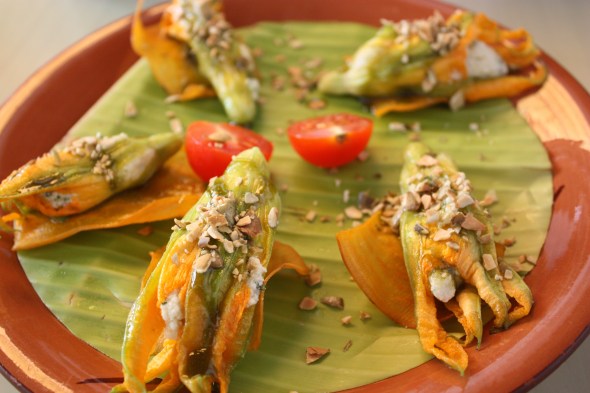
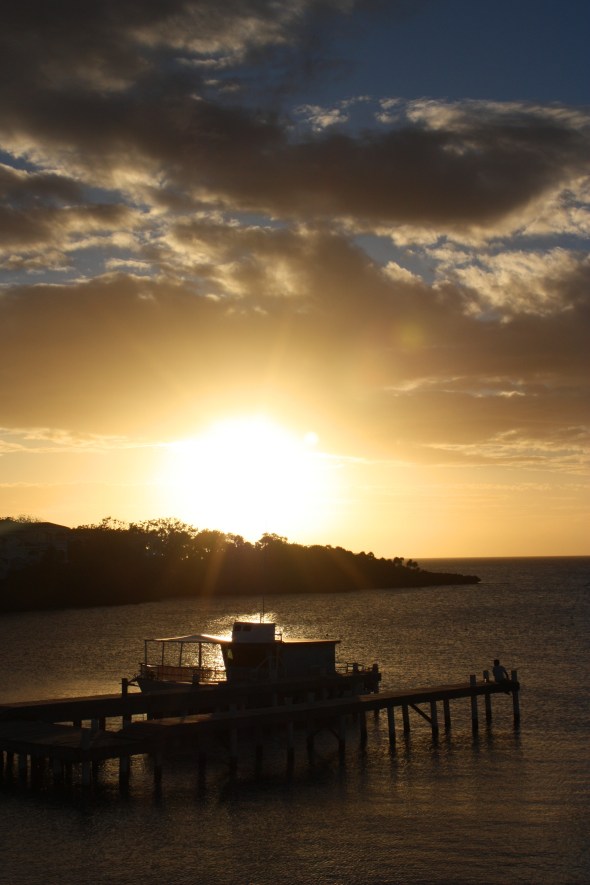
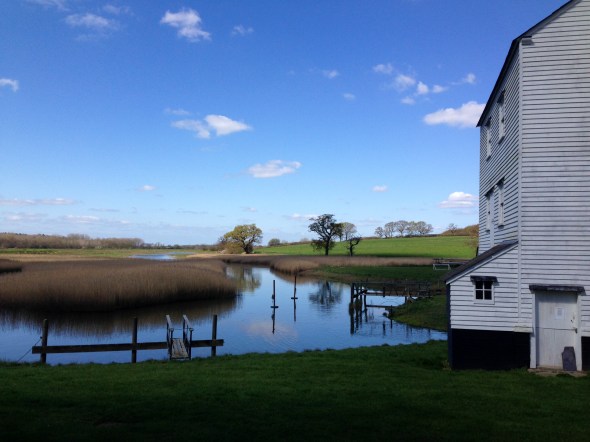
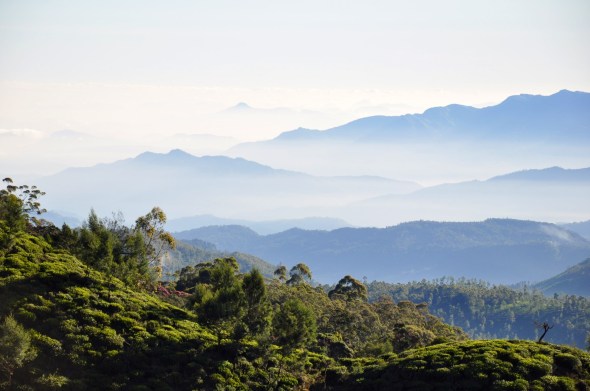
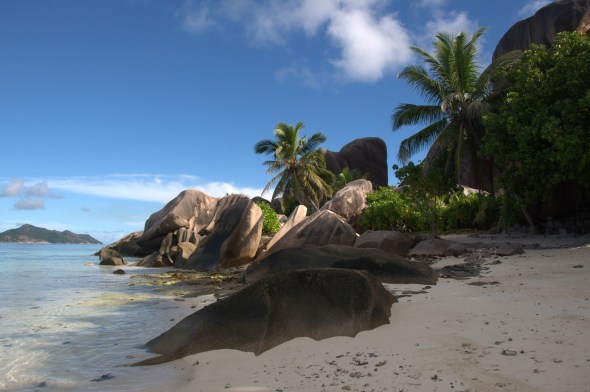

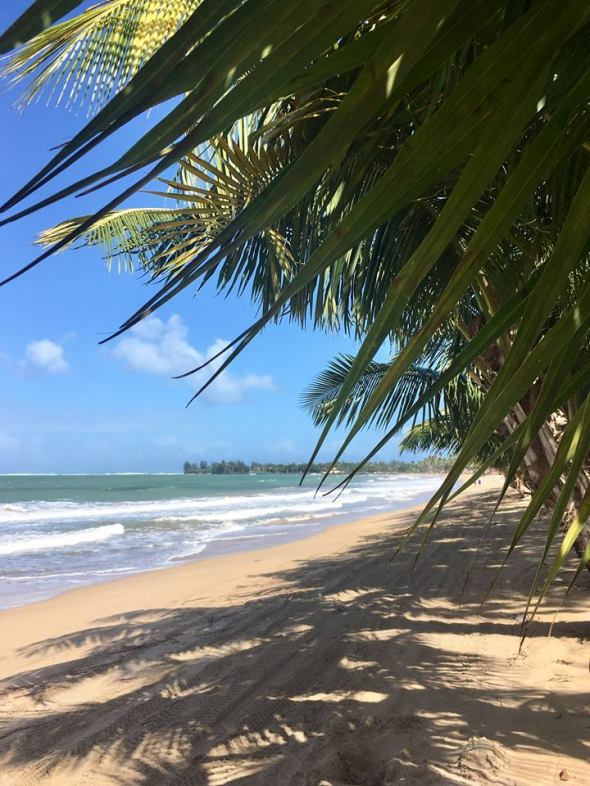
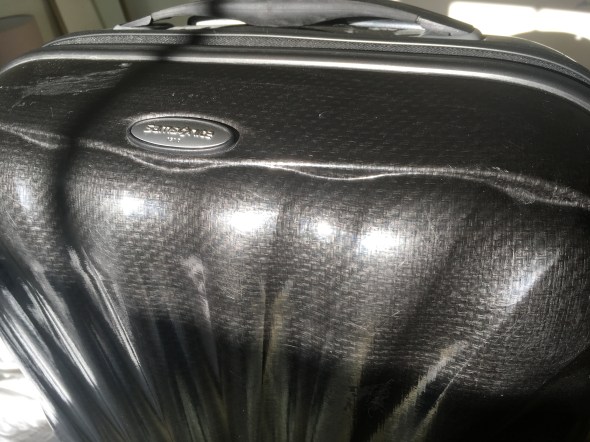

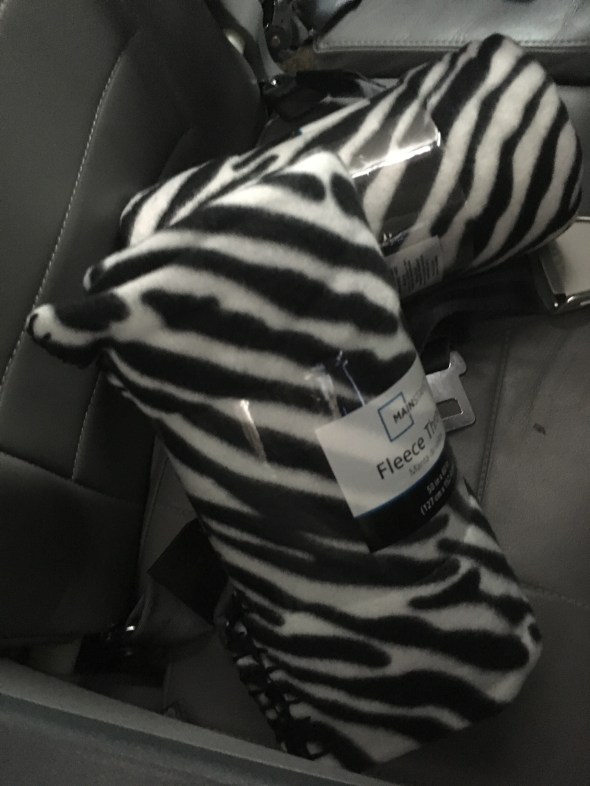
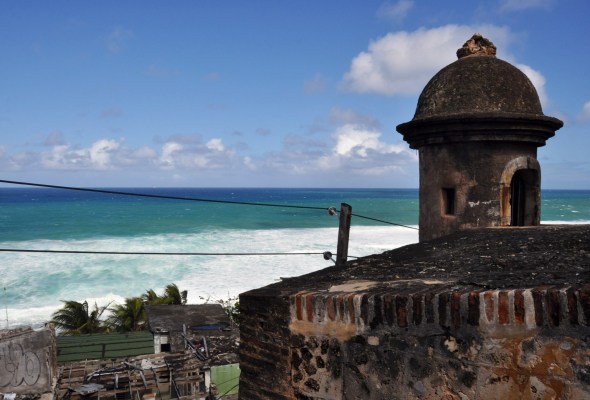


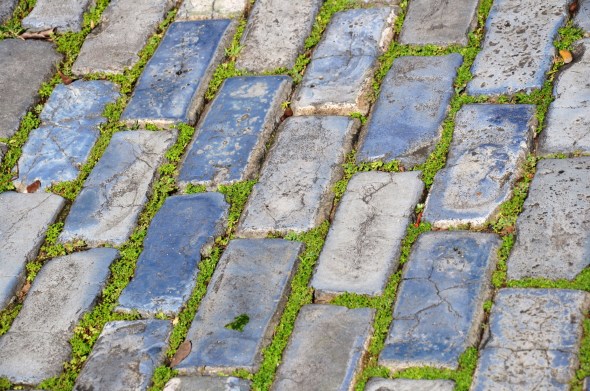
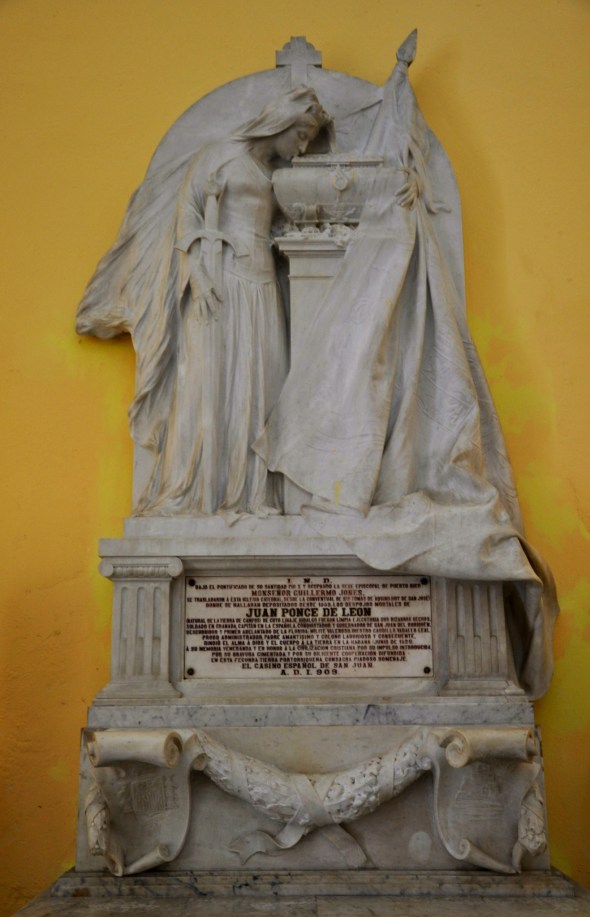
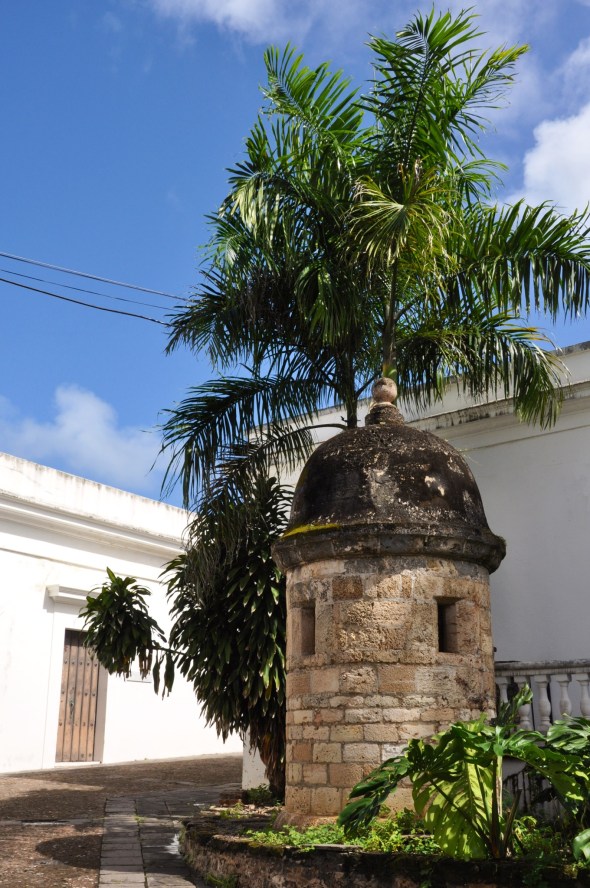


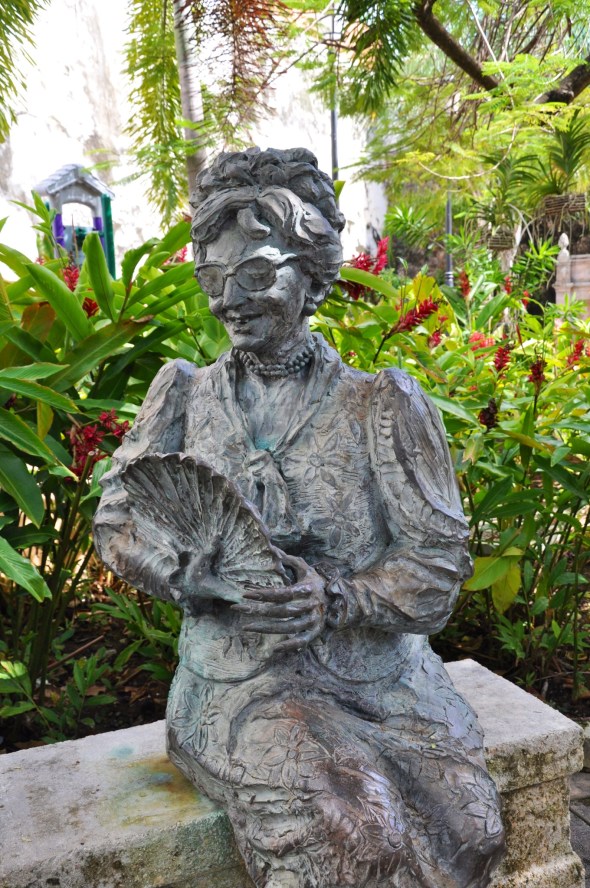
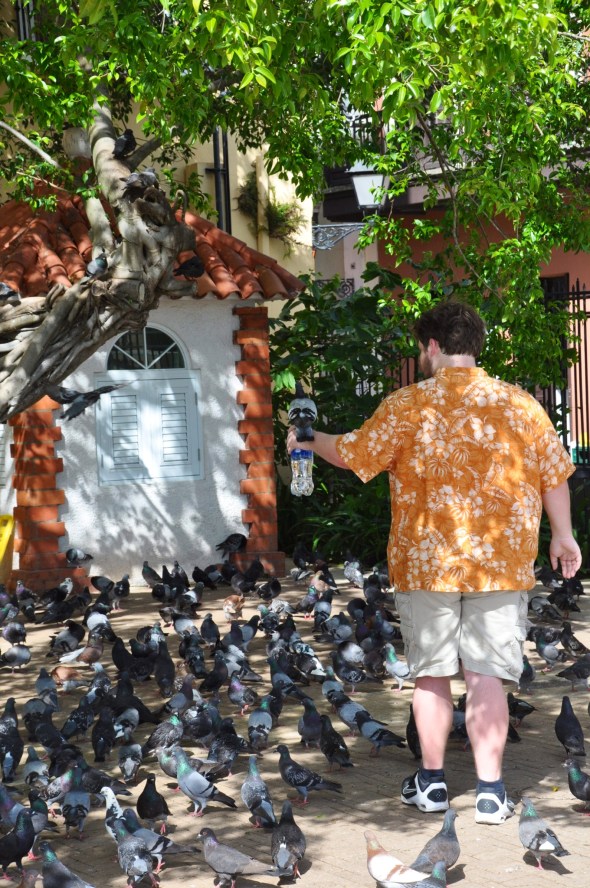
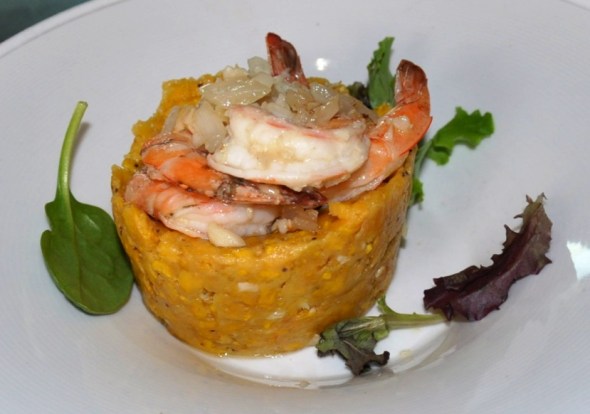
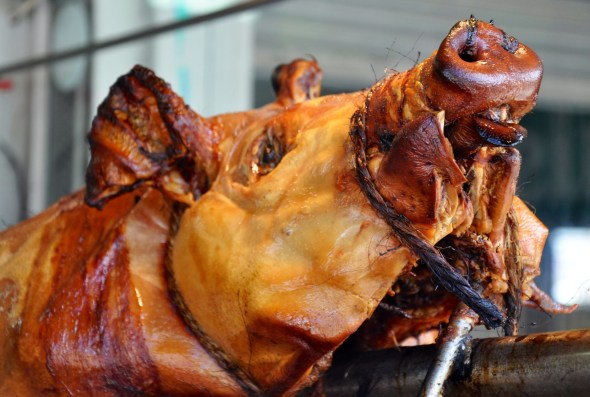


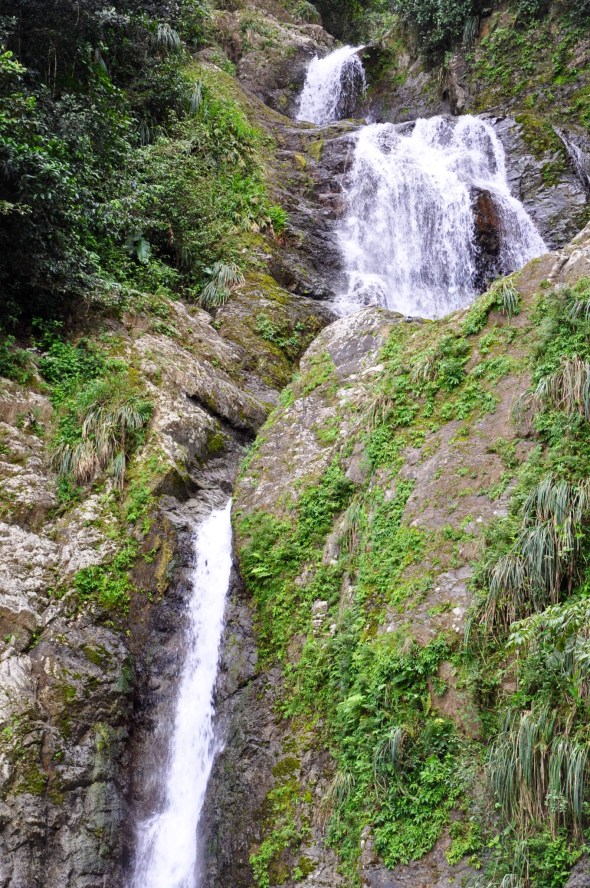
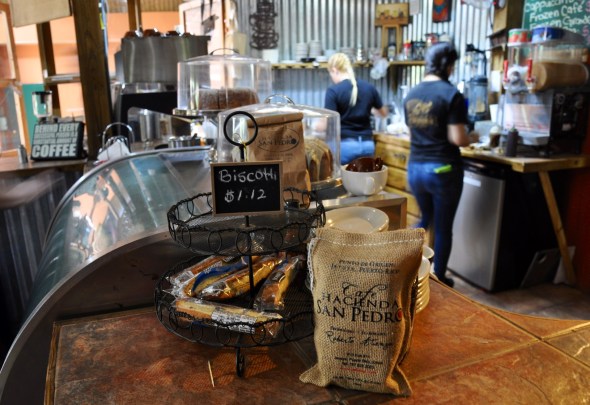
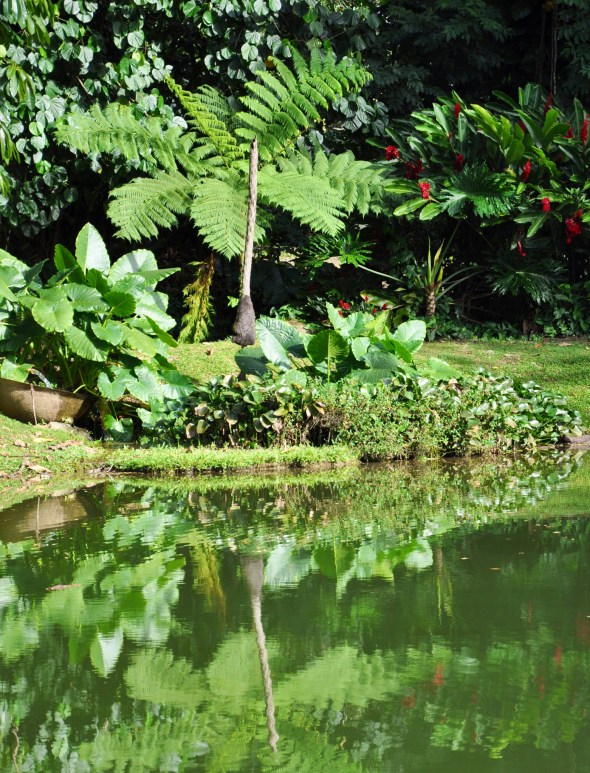
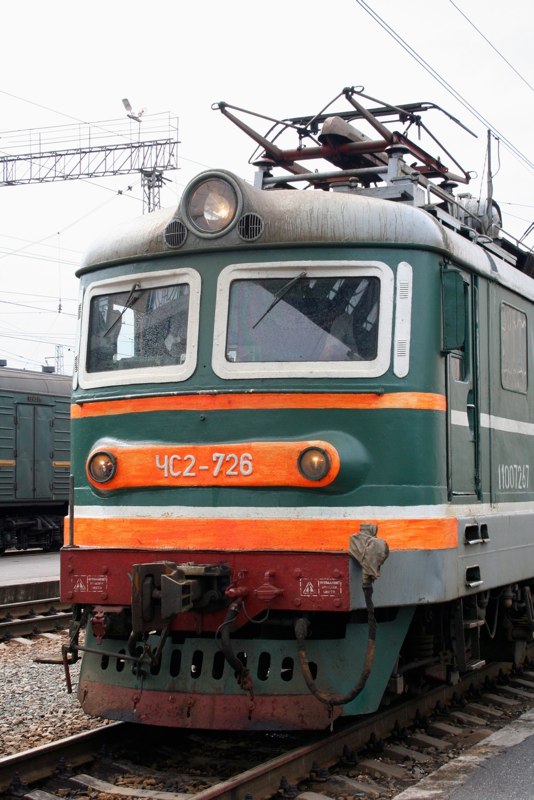

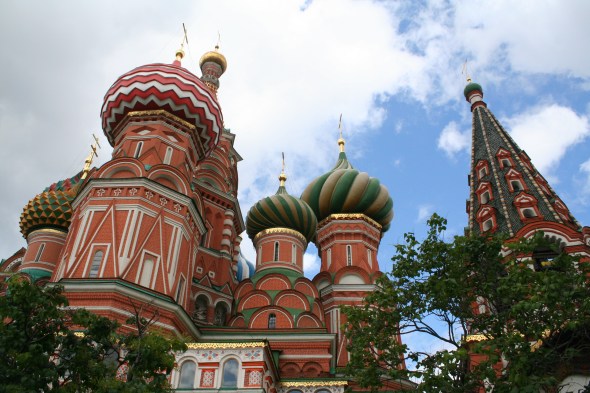
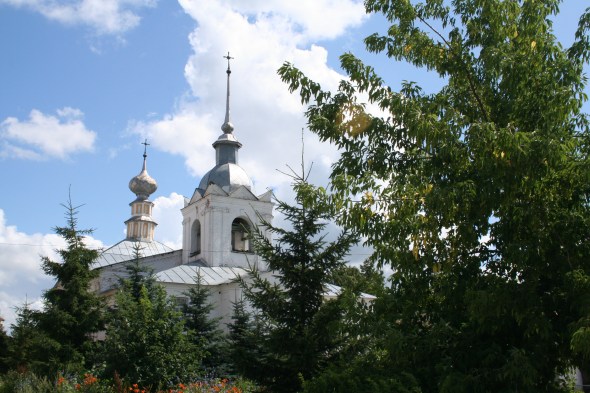
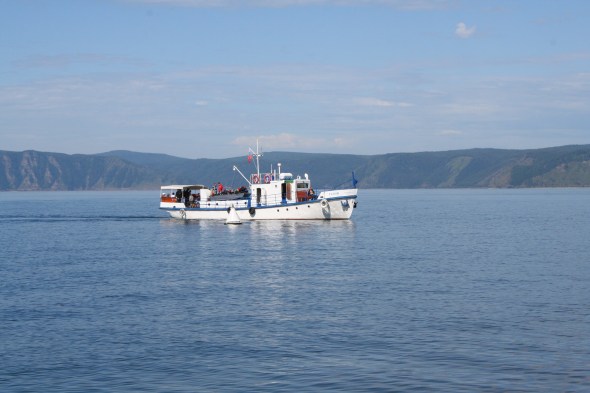
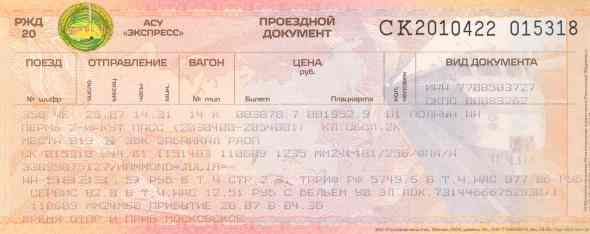
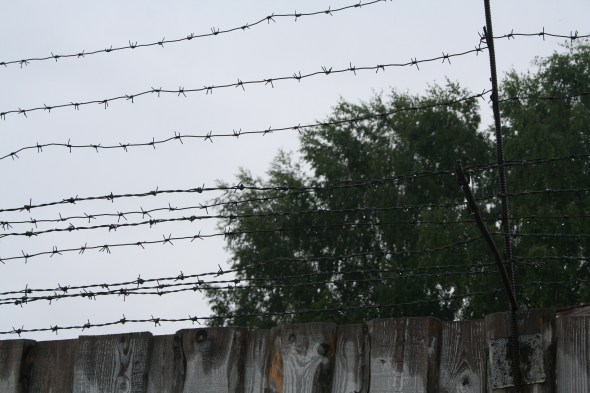
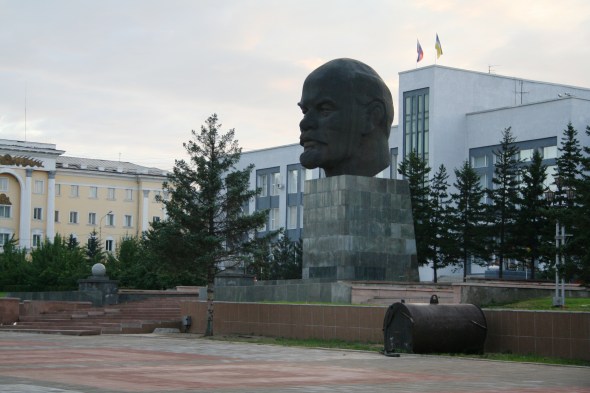
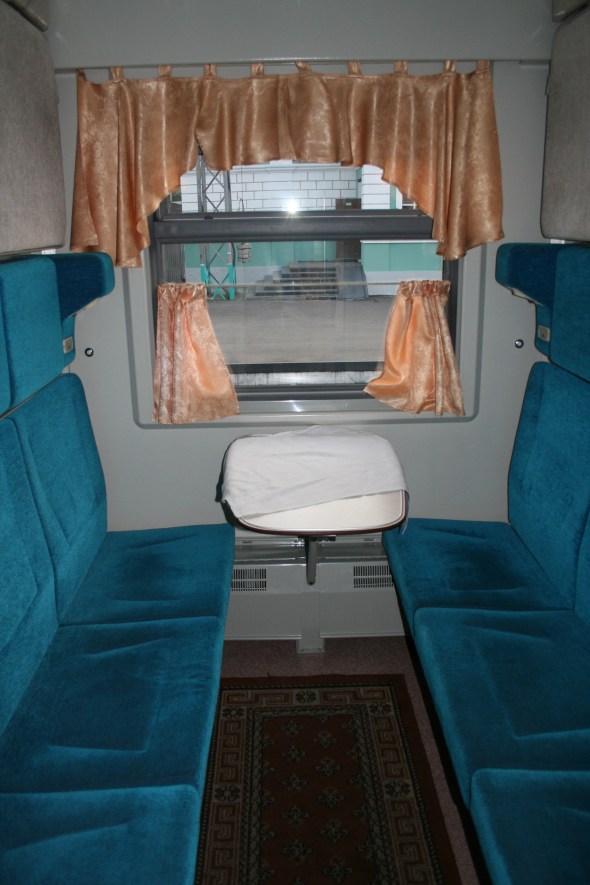
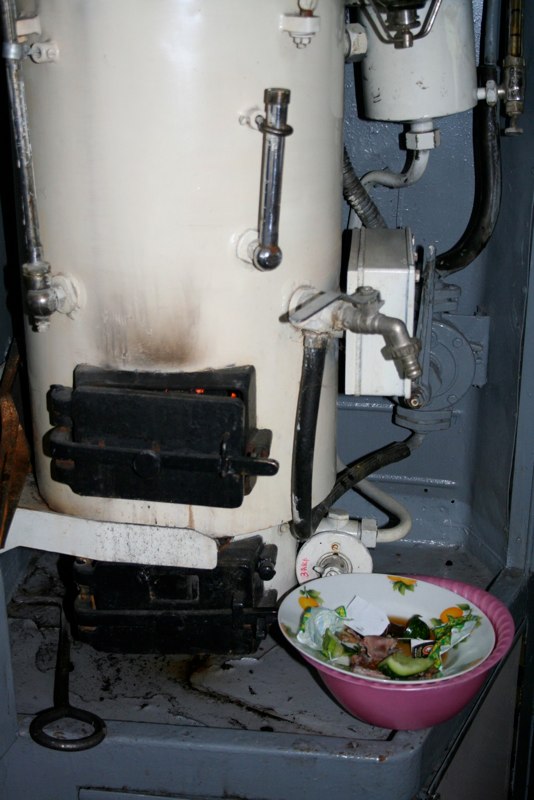

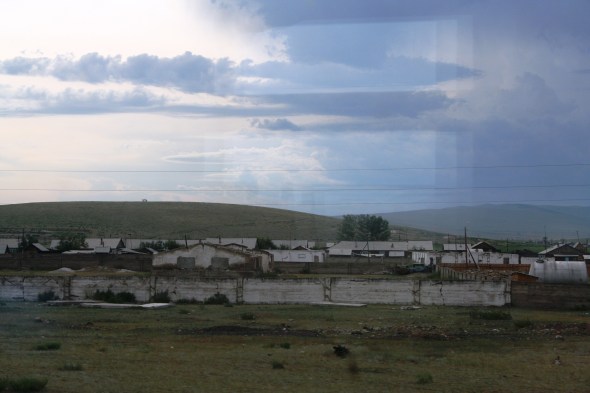

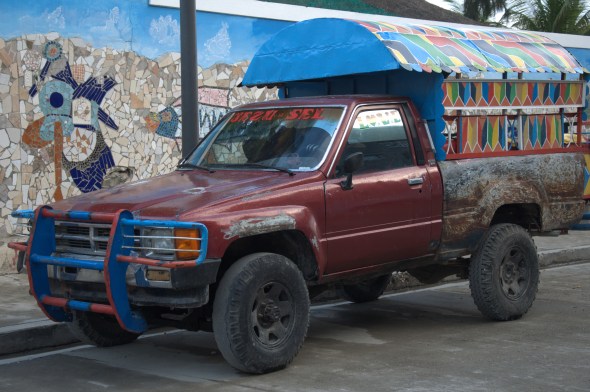

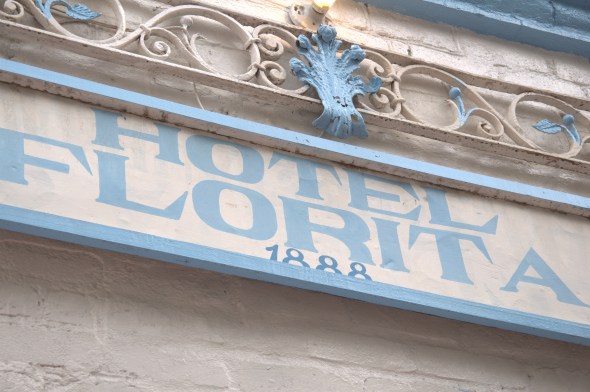


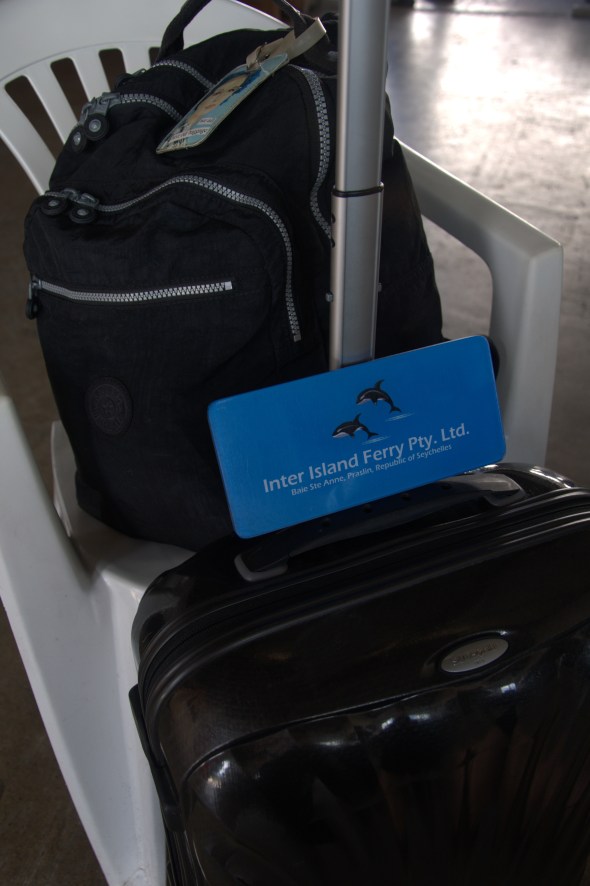

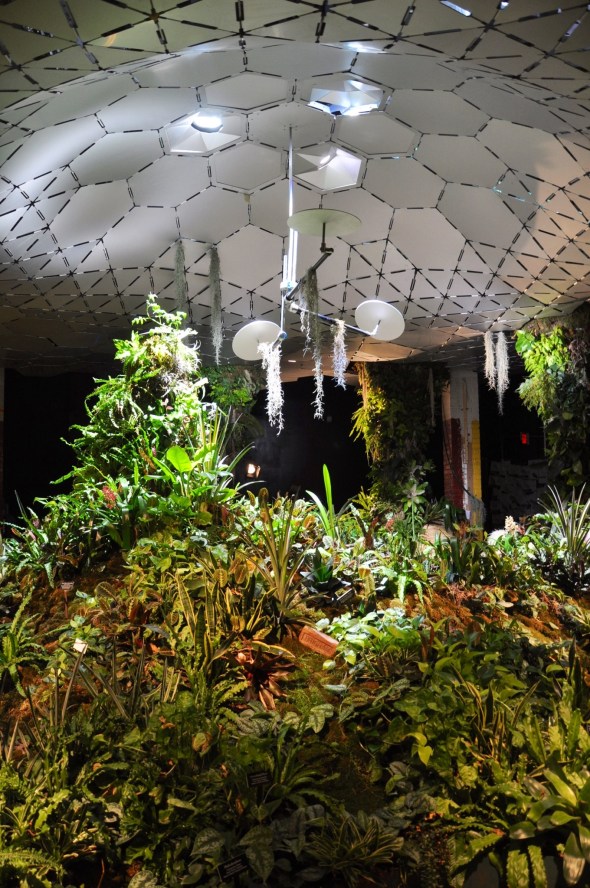


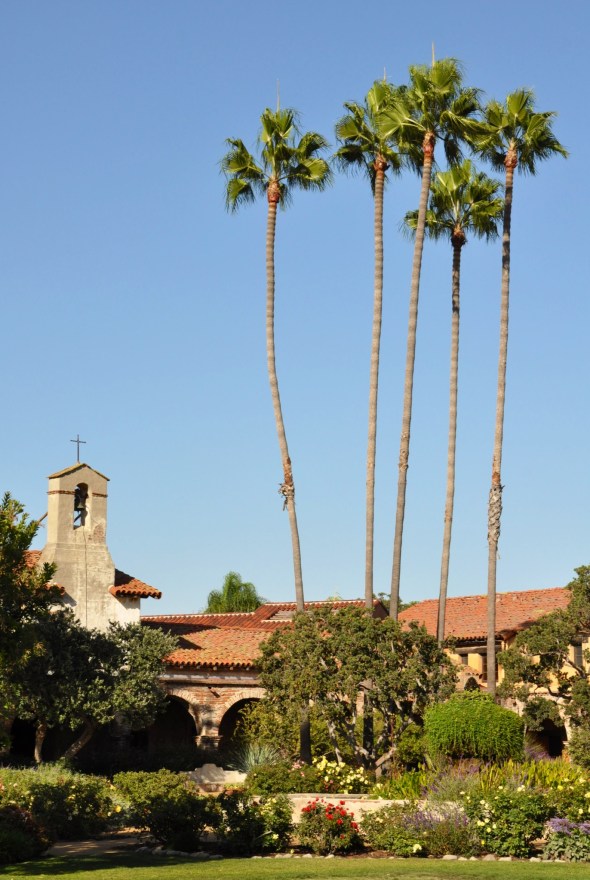
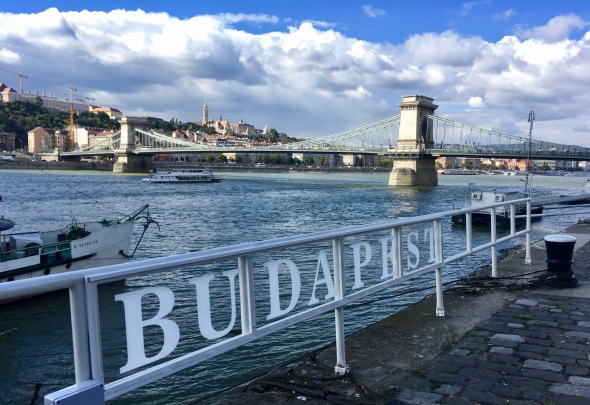


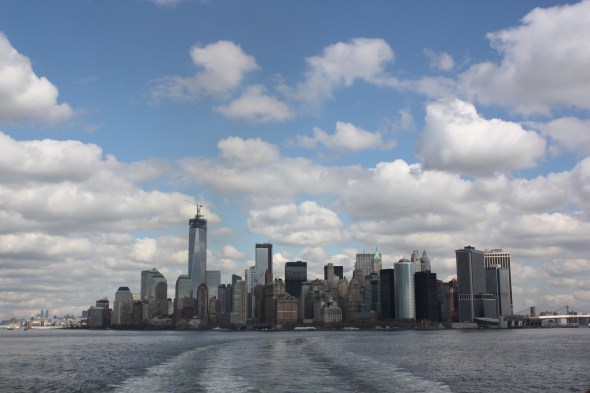


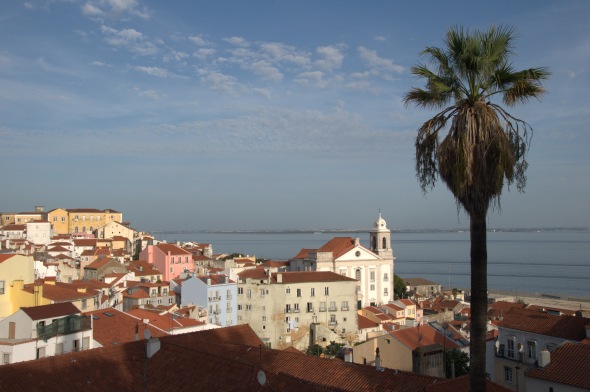

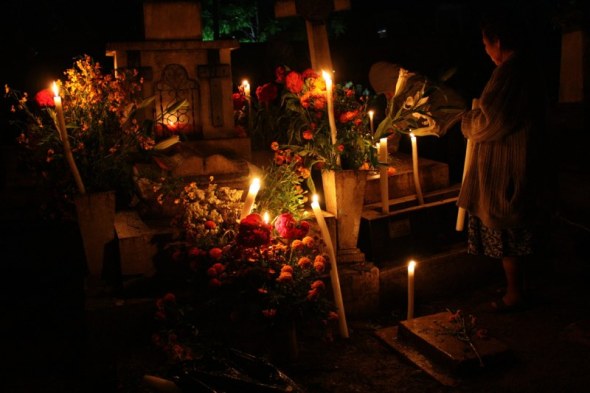
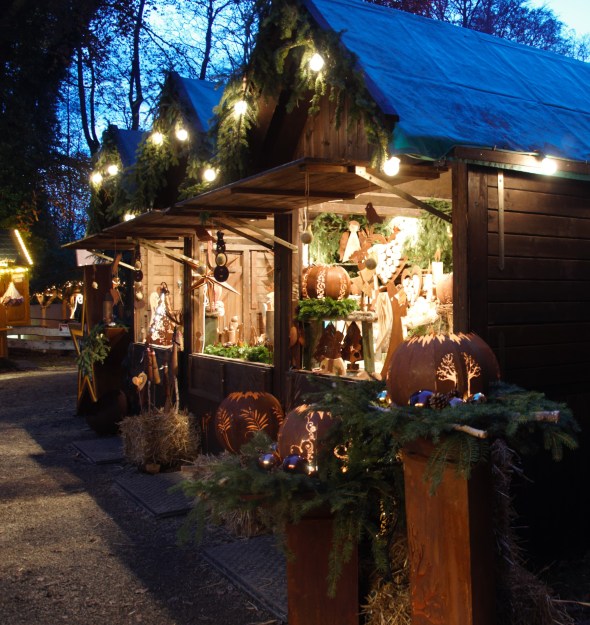
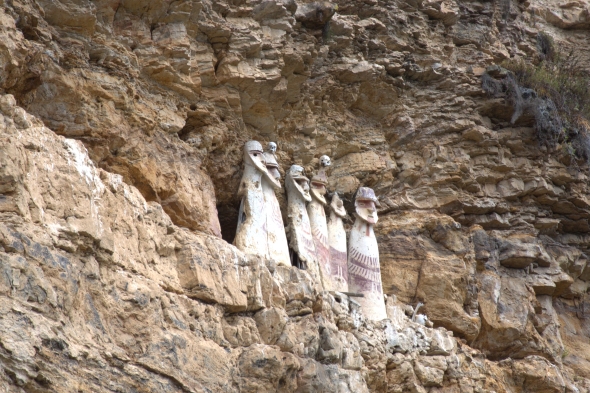
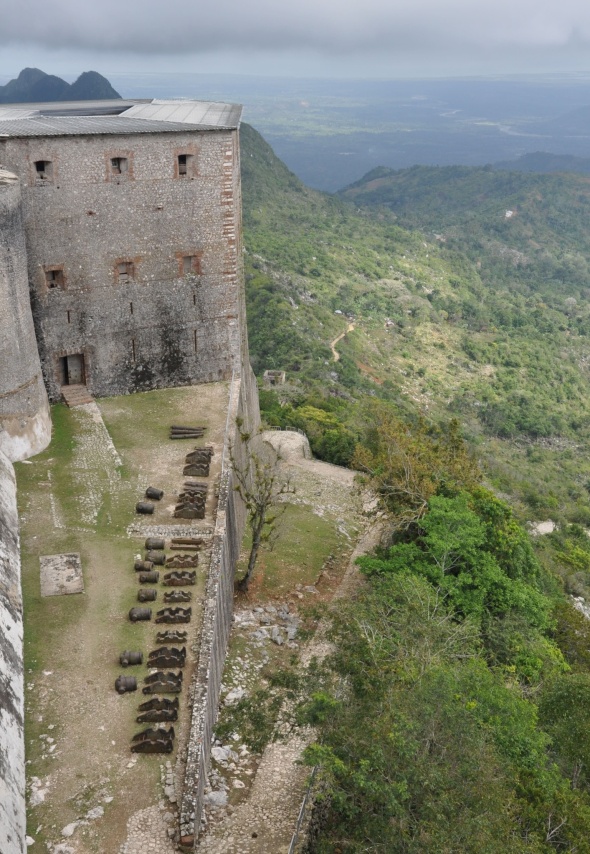
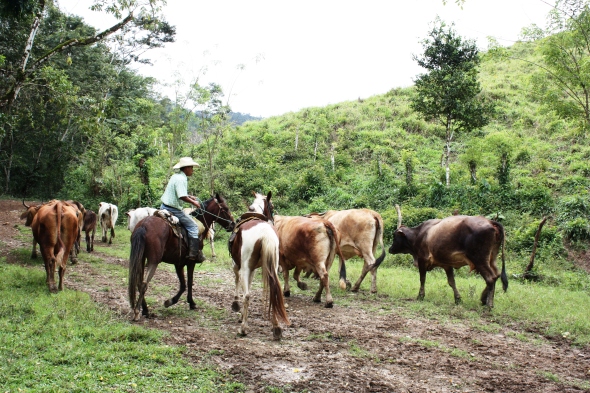
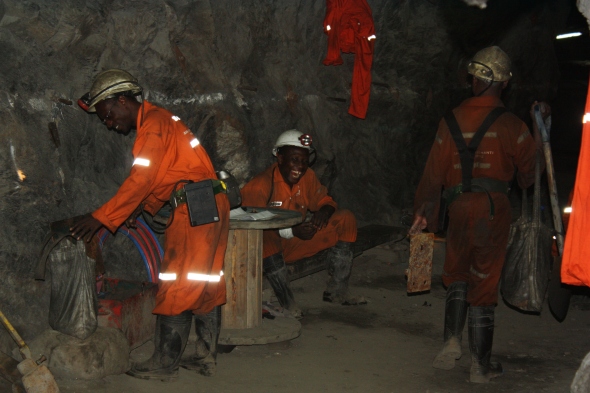

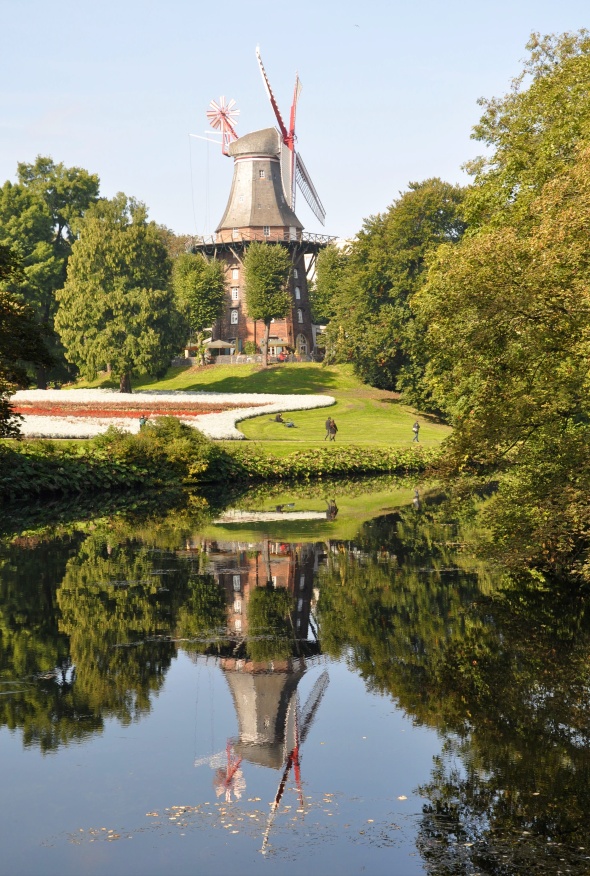
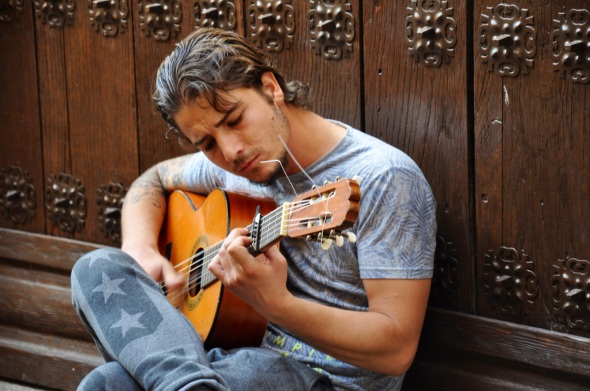


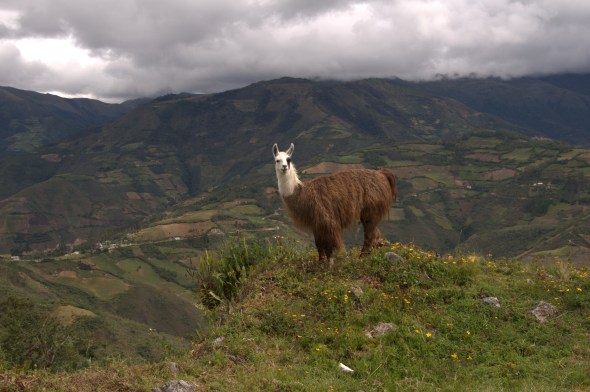
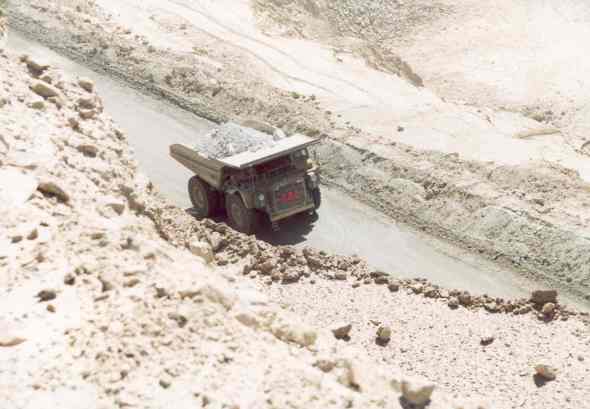
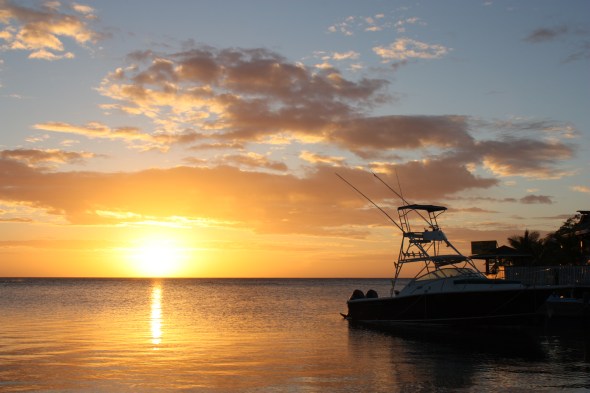
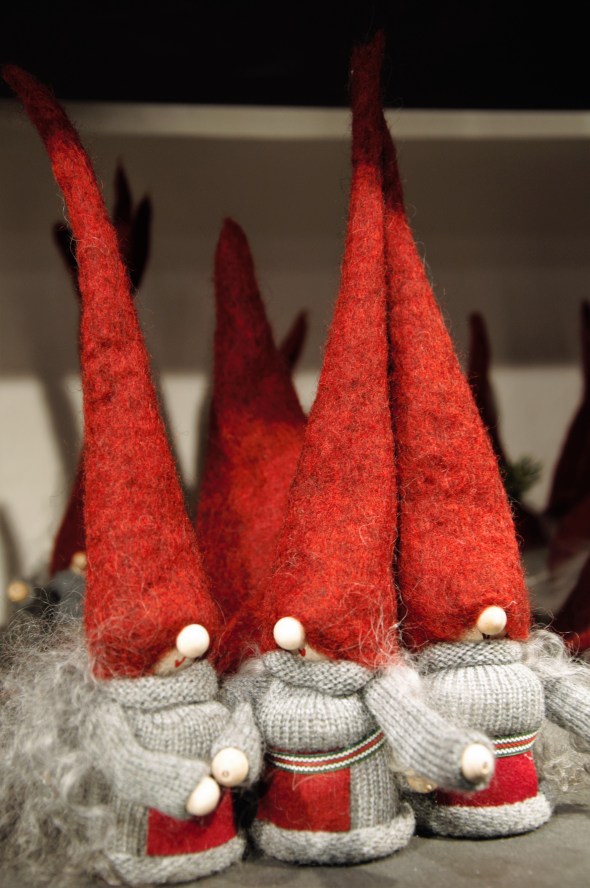


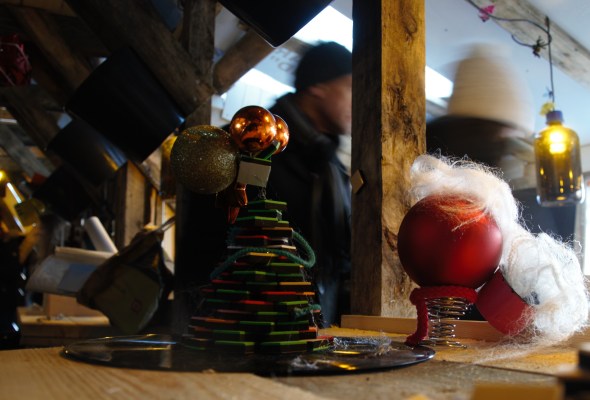

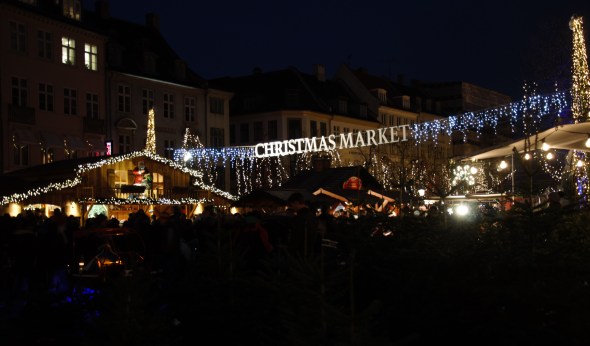
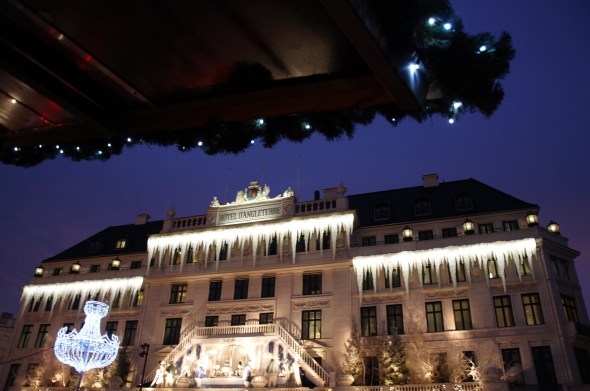
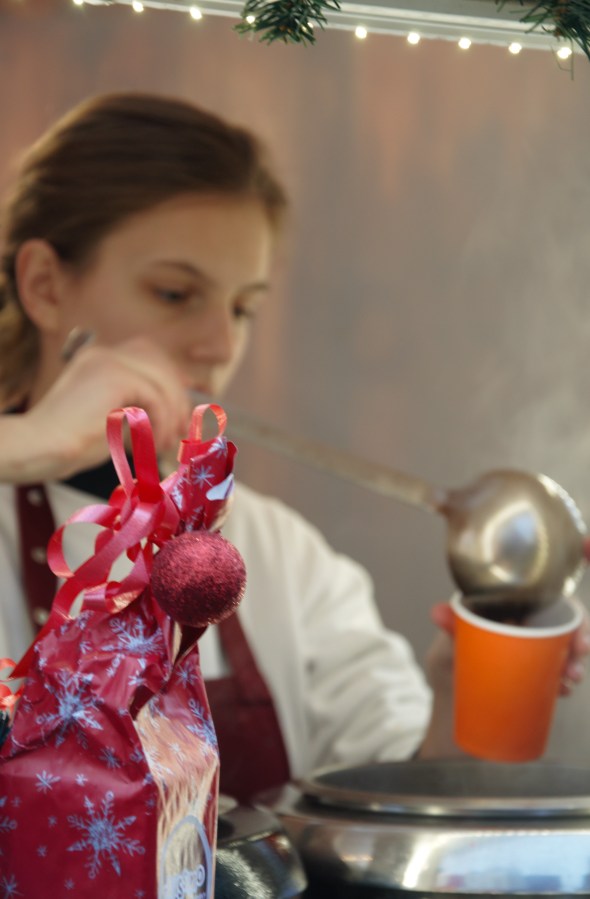
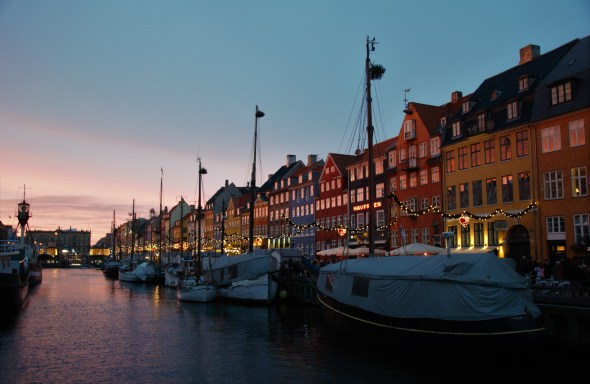


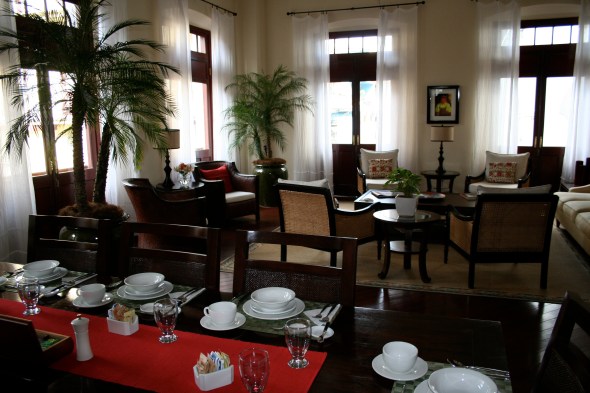
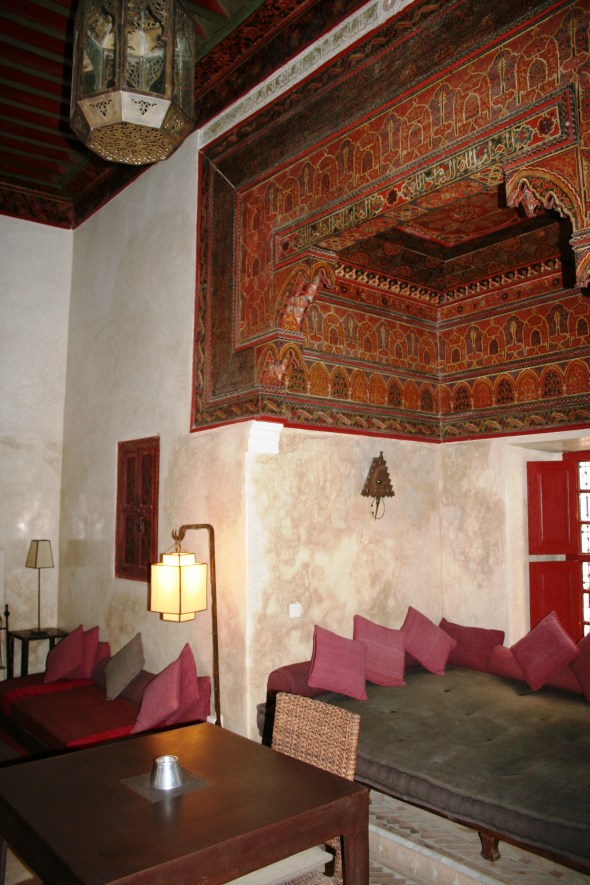
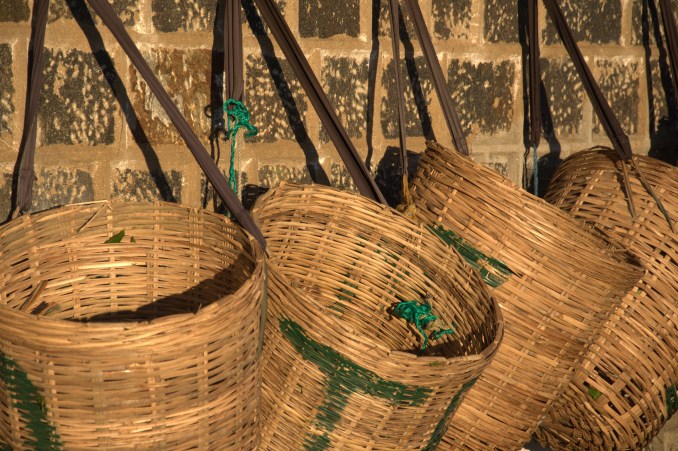

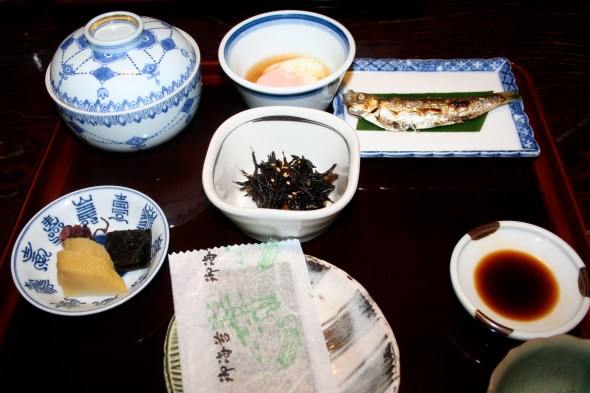
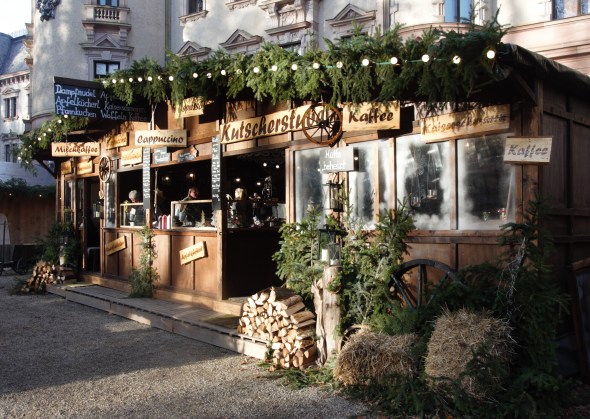


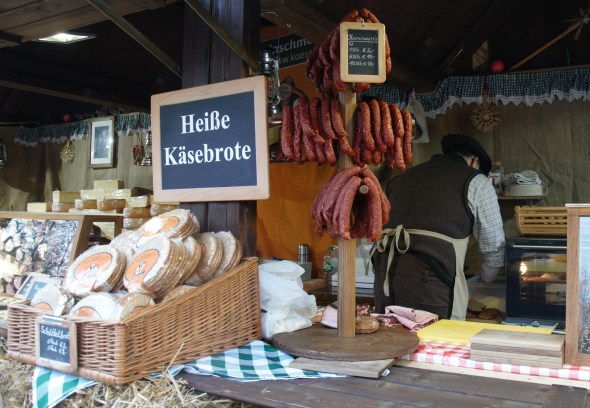


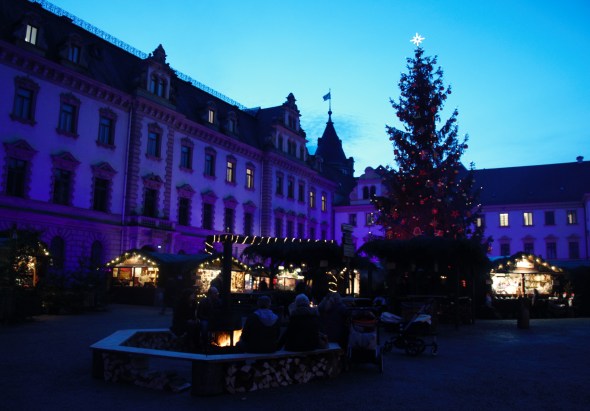

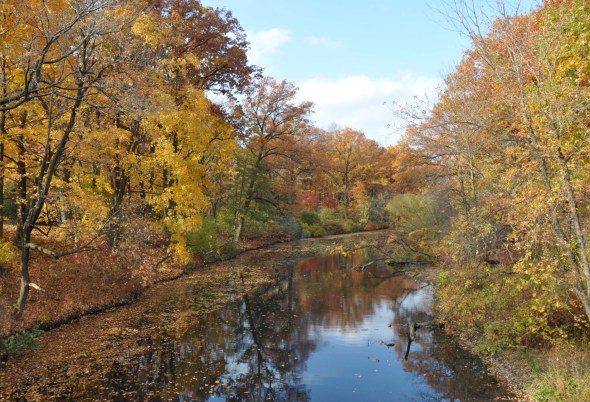

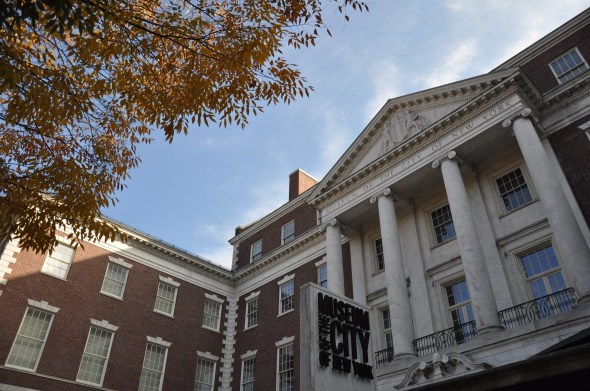


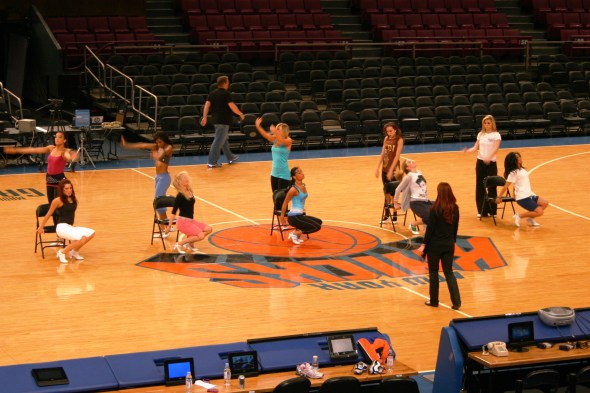
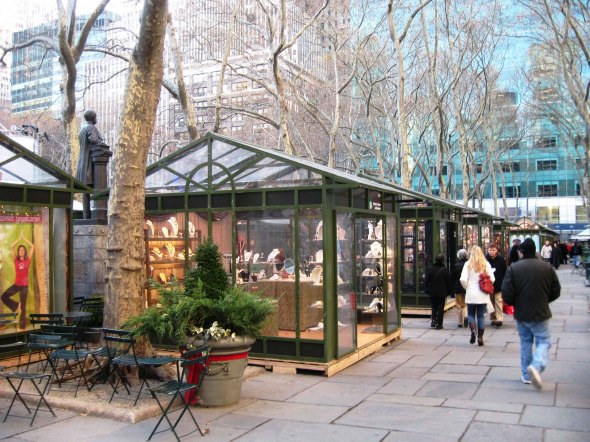


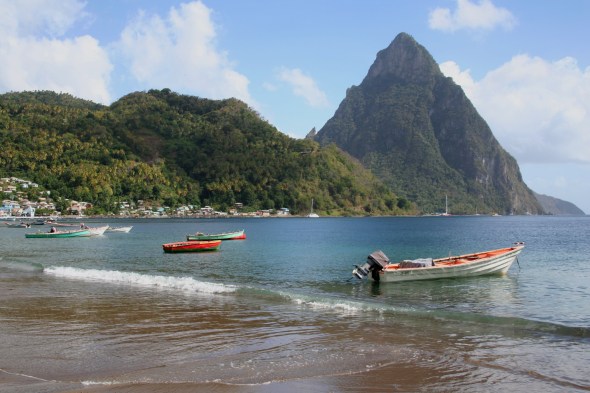


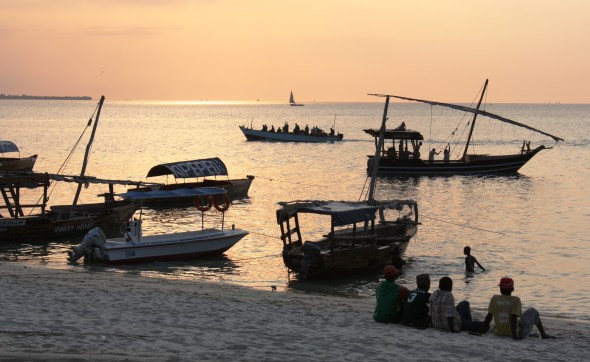
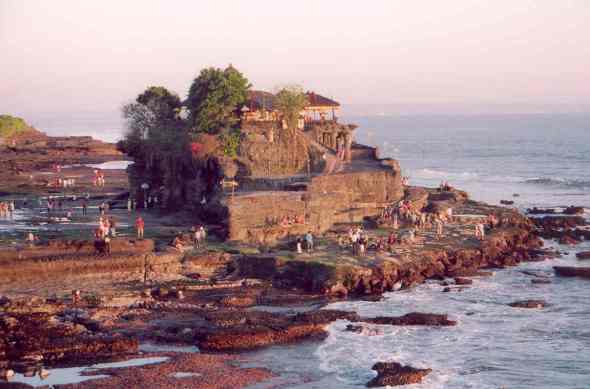

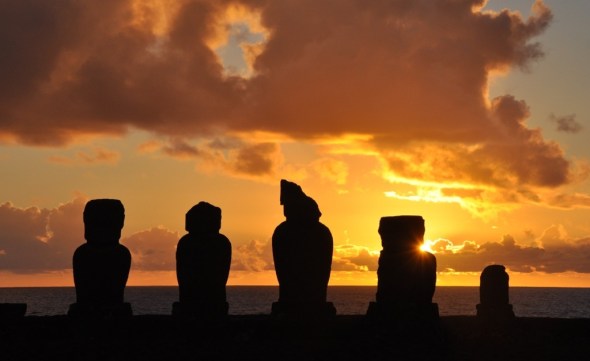
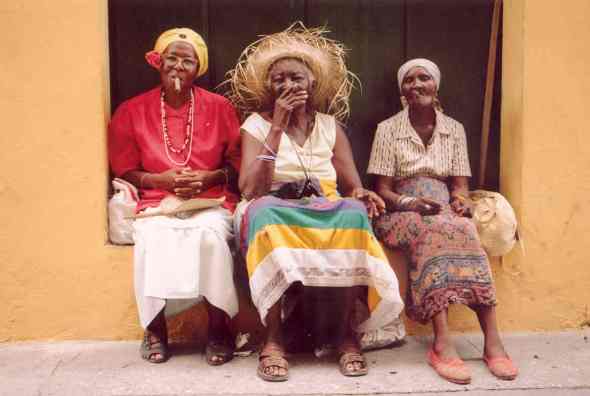




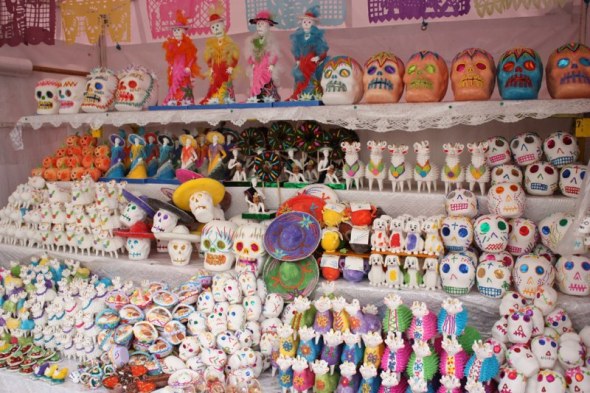
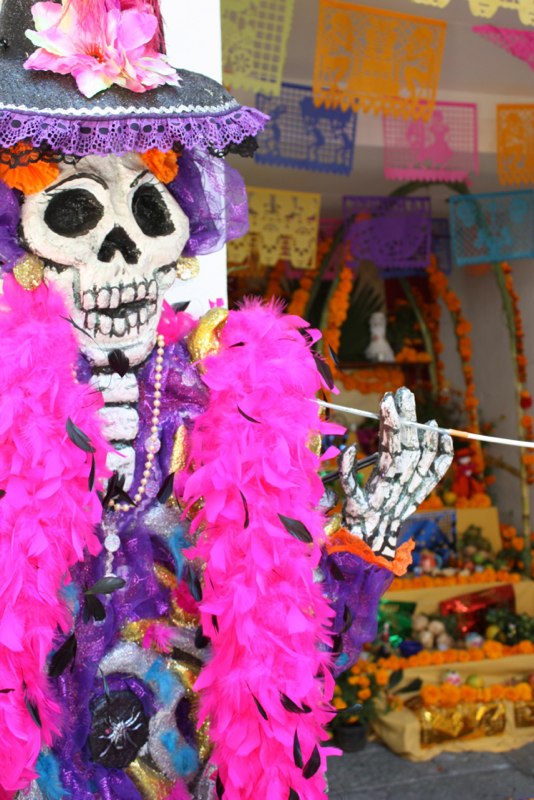






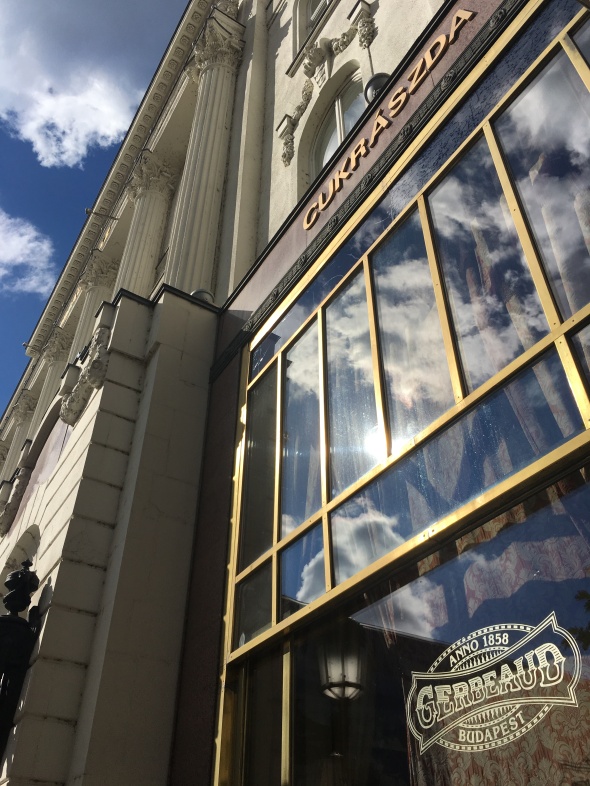
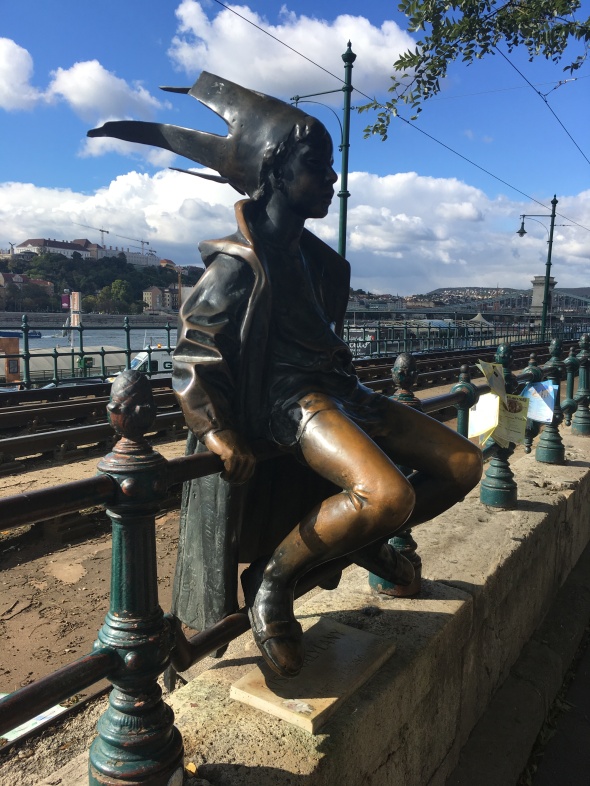
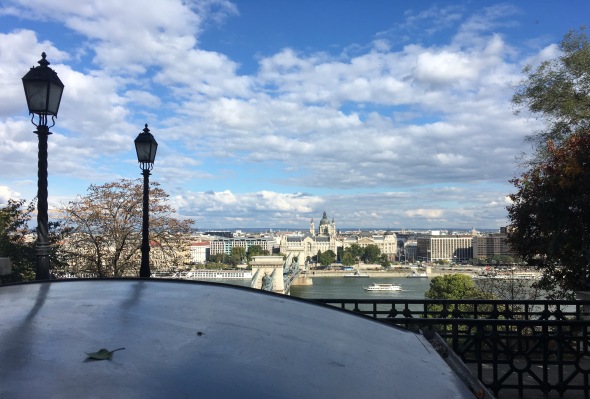
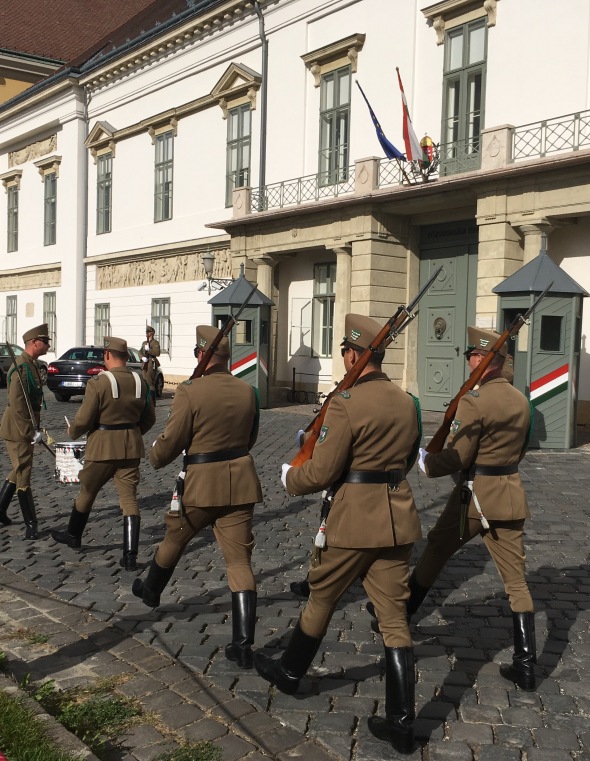
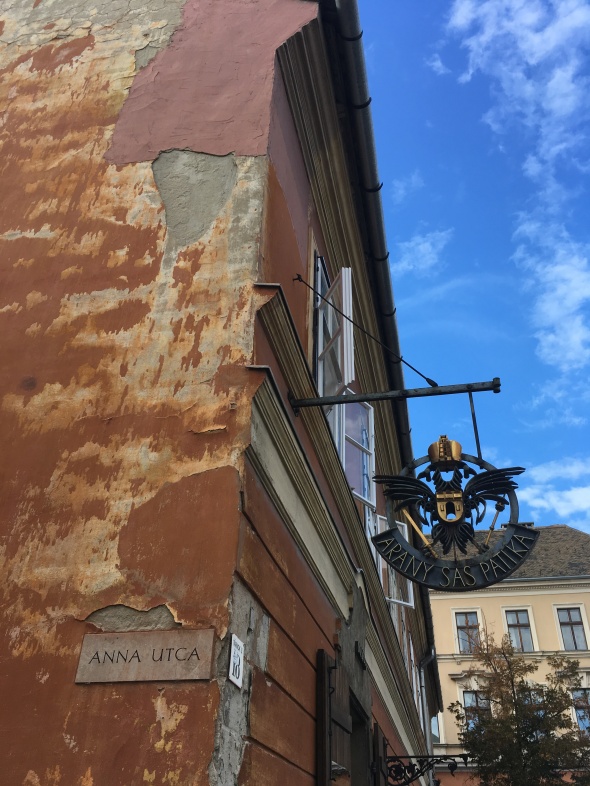


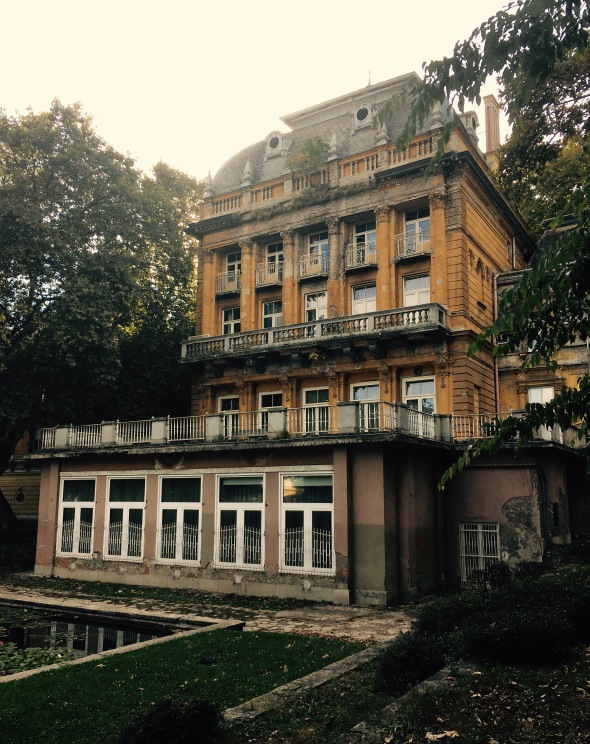
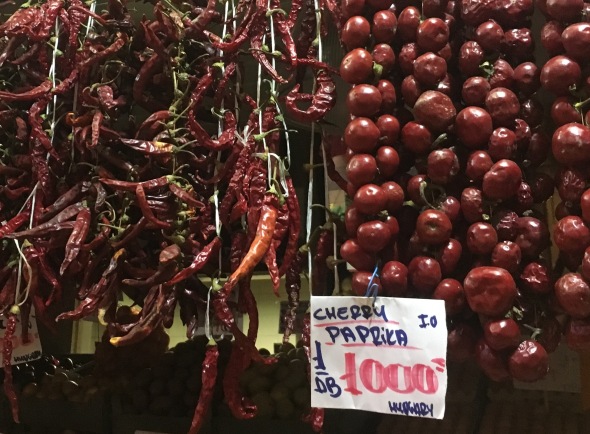
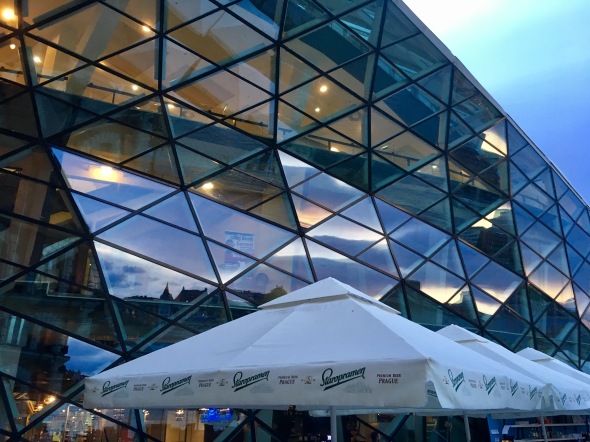
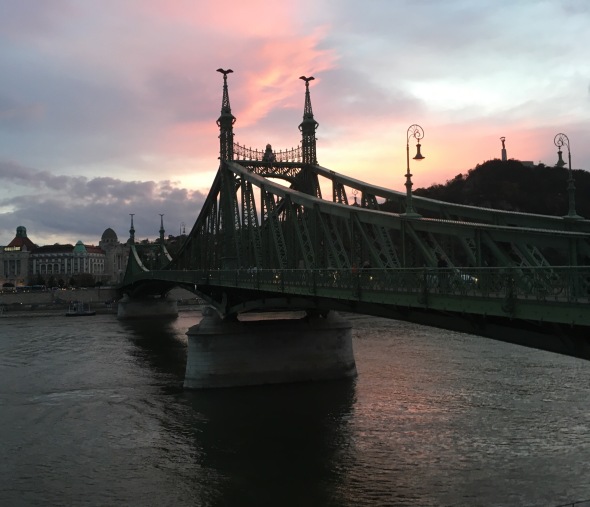
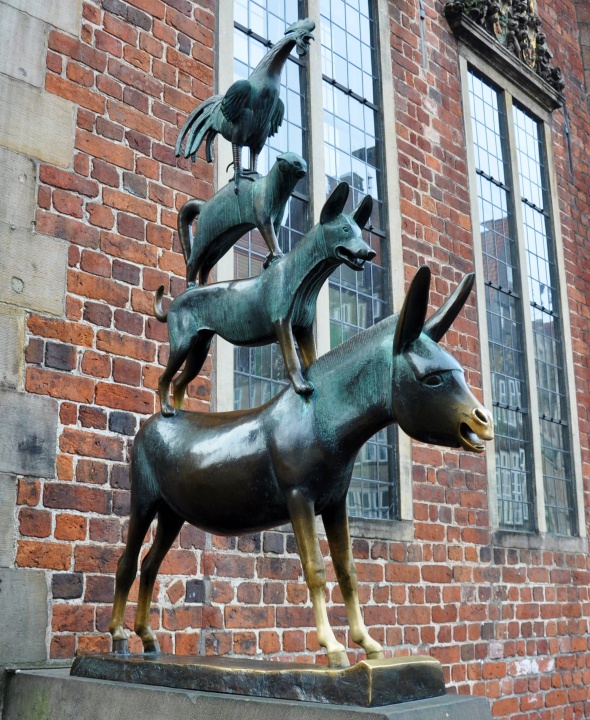
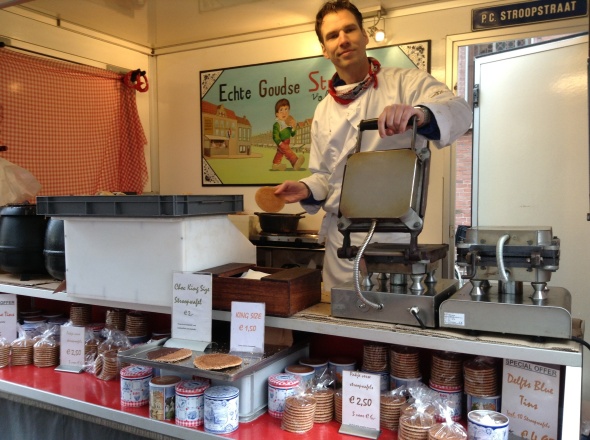
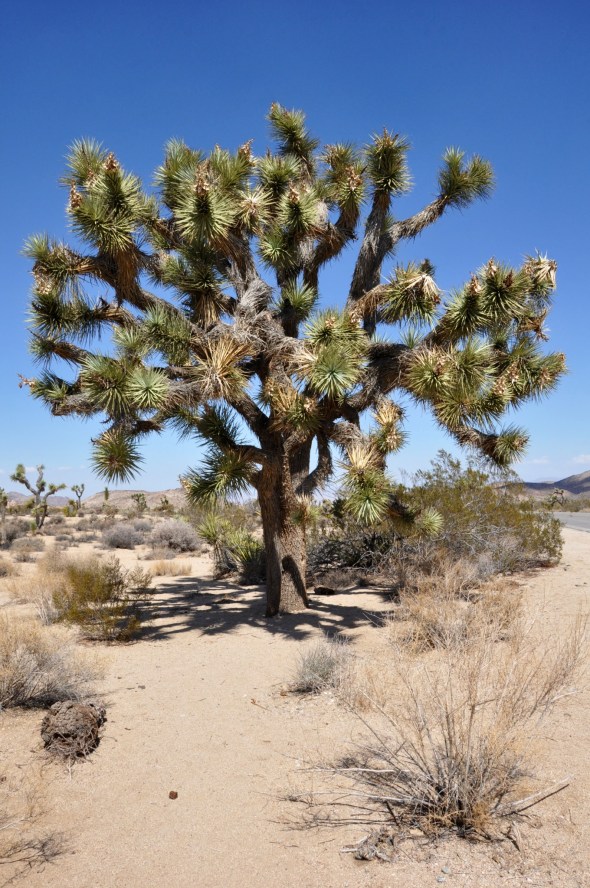


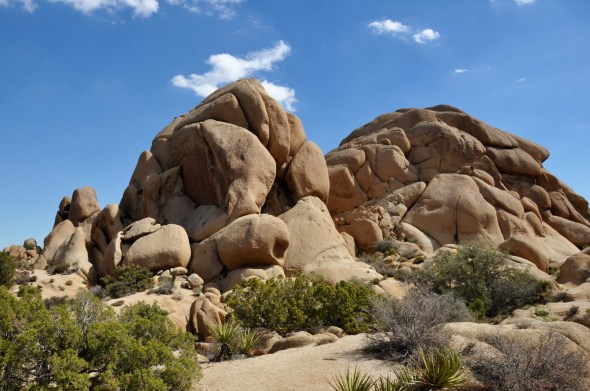
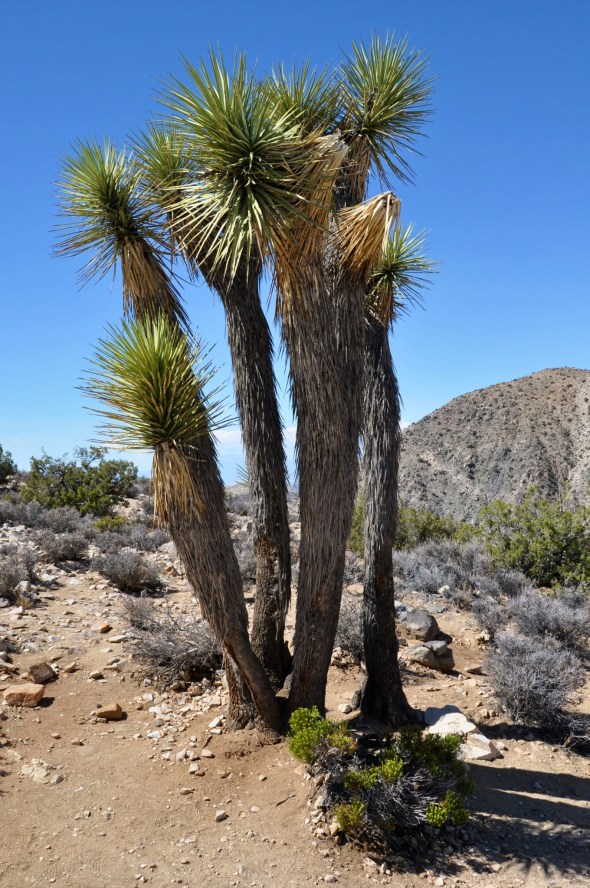

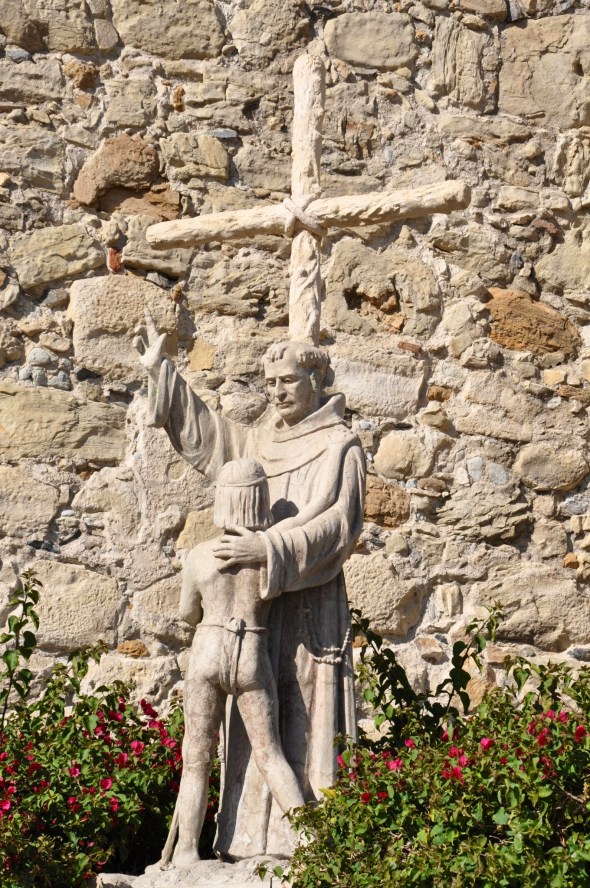


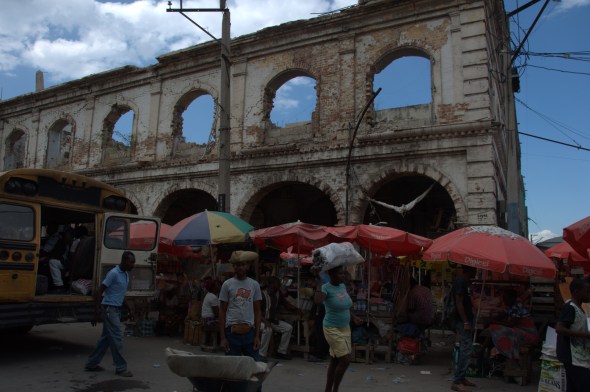
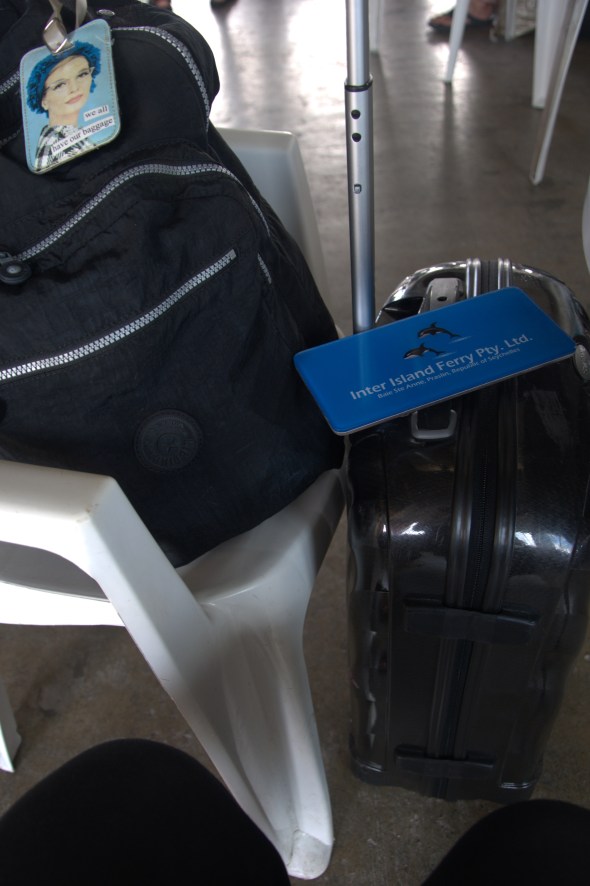


 Julia's Travels