juliamhammond

Latest

How does a country come up with its name?

Have you ever wondered where a country’s name comes from?  Some, like Ecuador – named after the Equator which bisects it – link to their geography.  Others, named by those who rediscovered them, focus on history – Viscount Jean Moreau de Sechelles was France’s Finance Minister at the time and is now immortalised in the Indian Ocean.  For still more, the origin of their name is disputed or unknown.  Here are the stories of how five of the world’s countries got their names.

Pakistan
river-2224130

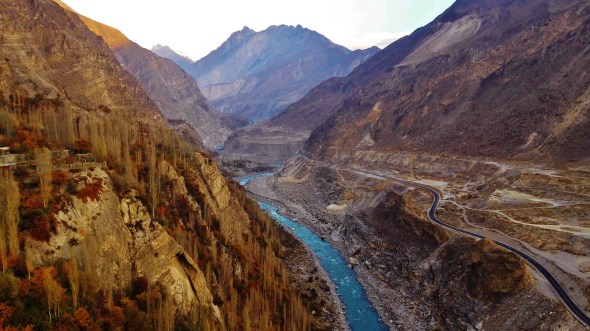
Pakistan is a relatively new nation and its name is an artificial creation.  Yes, Pakistan is actually an acronym, combining some of the most important Muslim regions.  The first to use it was Choudhry Rhamat Ali, long before Pakistan was partitioned from India.  He referred to Pakstan (no i) in a pamphlet, combining letters from the five northernmost regions of the British colony – Punjab, Afghania, Kashmir, Sindh and Baluchistan (the latter providing the -tan suffix).  The extra i was added later to make the name easier to pronounce.

Argentina
waterfront-2635860

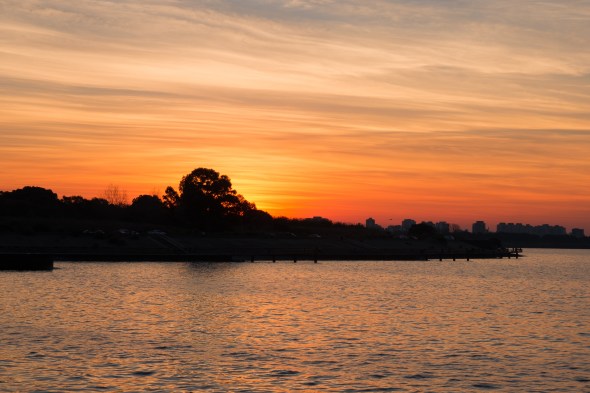
The word “argentine” means “resembling silver” and thus Argentina is the land of the silver.  When the Spanish conquistadors first set eyes on the Río de la Plata in the 16th century, some accounts refer to the silvery colour of the water in the sunshine.  More likely, the name comes from the gifts of silver given to members of Juan Díaz de Solís’ expedition.  They were also told of a mythological mountain, rich in silver.  They named it Sierra de la Plata, but it is more likely to have been Cerro Rico de Potosí, one of the largest silver mines found in modern day Bolivia.

Tuvalu
sea-384055

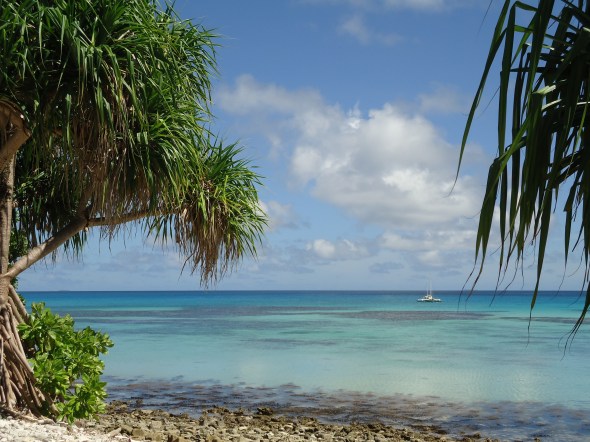
Prior to independence, Tuvalu was called the Ellice Islands and governed by Britain first as a protectorate and later as a colony, in partnership with the Gilbert Islands (now known as Kiribati).  But by the 1970s there was a mood for change and the majority of Ellice Islanders wanted to go it alone.  They got their wish, becoming a separate British dependent territory in 1975 with full independence coming three years later.   The country’s fresh start warranted a new name: Tuvalu.  It means “eight standing together”.  Actually there are nine island groups but one is so close to sea level they probably classed it as sitting down.  Global warming is not going to be good news in these parts.

Burkina Faso
burkina-faso-2245272

Another name change though this time long after independence – the country used to go by the unoriginal moniker of Upper Volta.  In 1984, the then president Thomas Sankara chose Burkina Faso, which translates as the “land of honest men”.  Given that Sankara seized power in a revolutionary coup, not exactly the most honest way of filling those shoes, the name was somewhat aspirational.  Sankara himself was assassinated in a coup three years later.

Moldova
temple-2415955

Fans of the crappy 1980s TV series Dynasty will be familiar with Moldavia but few at the time realised it was a real place, a historic region now split between Romania and Moldova.  Moldova takes its name from the river that actually flows in the Romanian half.  Several theories exist as to how it got its name, the best of which is a legendary tale.  Dragos Voda, a Maramures nobleman was hunting with his pet dog.  The dog, Molda, chased a bison into the river and drowned.  The heartbroken Voda ordered that from that moment on, the waterway was to be called the Moldova River.

Want to add to the list? Why not post the meaning of your country’s name in the comments?

A beginner’s guide to Central America

The seven countries of Central America – Panama, Costa Rica, Nicaragua, Honduras, El Salvador, Guatemala and Belize – fill an ancient land bridge joining the continents of North and South America.  Volcanic, verdant and vibrant, they offer the traveller some of the best tourist experiences in Latin America.  The difficulty is not in deciding to go, it’s working out what to leave out from your itinerary when there’s just so much to see and do.  This guide is designed to get you started.
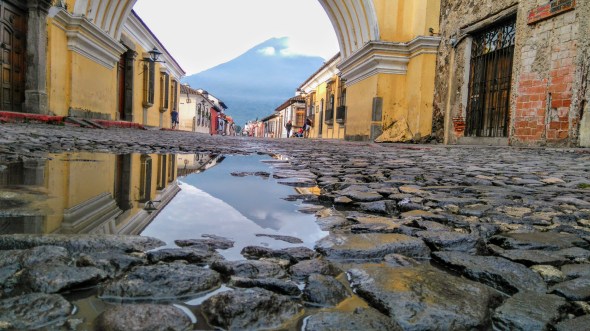
antigua-guatemala-2652478

Antigua’s famous arch frames Volcan de Agua perfectly

Getting there

For many years, getting to Central America from the UK generally meant an indirect flight, and often the cheapest flights are still those which hub through the USA.  Try looking for flights with United via Houston, American via Miami or Delta via Atlanta.  Some tour operators also offer flights without the need to buy one of their packages as well. Thomson (Tui) for example fly direct to Liberia in Costa Rica and they often have deals available last minute for around £300.  Schedules are less flexible, however and the once a week flight might not suit your needs.

If you’re looking for a European-based airline, British Airways can get you to Costa Rica non-stop and recently, Air Europa commenced the first ever direct trans-Atlantic flight to Honduras, departing from Madrid.  Another alternative is to combine Central America with Mexico – you’ll find plenty of deals via Cancun which is easily combined with Belize and Guatemala.  Similarly, you could combine Panama with delightful Colombian city of Cartagena.  Shop around.  You should be able to pick up return flights from Europe for under £400.

sunset-2095225

Shop around for a good deal

Getting around

Depoending on your budget, you’re either going to be seeing a lot of airports or taking a long-distance bus.  Try Avianca El Salvador, formerly branded as Taca, and Copa Airlines, both of which have extensive networks across the region.  if your time is relatively short, this is a good way of freeing up time for sightseeing.  Book well in advance to secure the best deals.

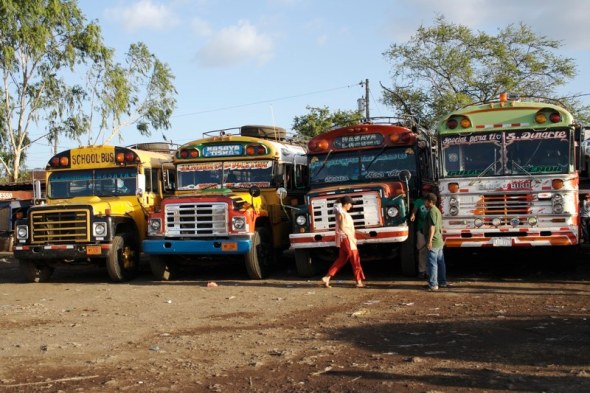
As with elsewhere in Latin America, many companies offer relatively comfortable “luxury” coach services but you’ll also find plenty of chicken buses knocking around on the shorter routes which make up for what they lack in comfort with bucketfuls of character.  The big name in the bus world is Tica, kind of a Central American version of Greyhound.  I’ve also had good experiences with Hedman Alas in Honduras and King Quality.  At peak times you’re best to reserve your ticket a few days in advance.
IMG_1751

Local buses in Nicaragua

Check out point to point transfers too.  For instance, Gray Line offer hotel to hotel transfers at reasonable prices in Costa Rica and similar tourist shuttles are also easy to find between Guatemala’s main hubs.

One thing to note is safety.  In some parts of Central America, buses can be held up by armed gangs.  Opt for a better company who videos passengers on entry and screens luggage and pick a day bus rather than overnight travel on the most notorious routes.  Keep up to date with safety by monitoring the FCO’s travel advice by country.

https://www.gov.uk/foreign-travel-advice

What to see

There’s way to much for me to cover here, so you should consider these itineraries just a start and delve into one of the many online resources or good guide books on the region to help you make your own detailed plans.

A week in Panama

Begin in Panama City and spend at least a day absorbing the atmosphere of the Casco Viejo, the city’s old town.  Some compare it to Old Havana and whether you agree or not, if you like Cuba you’ll like this too.

IMG_0963

Casco Viejo

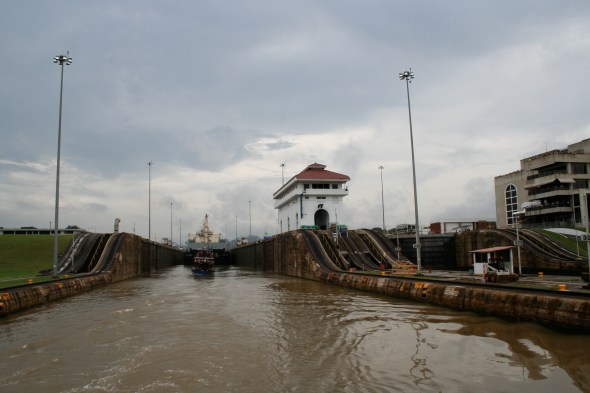
The canal zone is a worthwhile day trip, easily accessed from the capital.  You’ll pass through the Gaillard Cut, where the Chagres River flows into the canal as well as several locks before returning to the city.  I booked this through my accommodation La Estancia B&B, which has since closed, but the company they used is still very much in business and takes direct bookings.
IMG_3585

Panama Canal

Another excellent day trip is to Emberá Puru.  Guide Anne de Barrigon will take you into the rainforest to meet the Emberá tribe and learn a little of their way of life.  She knows her stuff – she married a villager!  Part of the journey involves travelling upriver in a dugout canoe which is sure to prove a memorable experience as well.
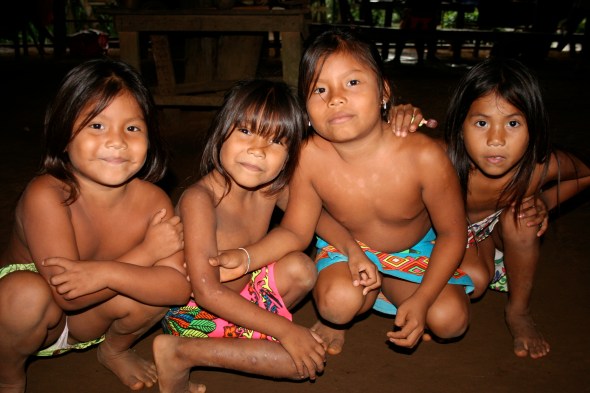
THE VILLAGE KIDS POSE FOR A PICTURE

Embera kids

Extend your trip either by spending more time in Panama City or by kicking back and relaxing on one of Panama’s beautiful islands, in the Bocas del Toro archipelago or in San Blas.

isla-diablo-1994800

Isla Diablo, San Blas

Panama links:

Embera Puru:

http://www.emberavillagetours.com/

Canal transits:

http://www.panoramicpanama.com/en/panamacanaltransit

A week in Costa Rica

With so many national parks to choose from, it’s hard to whittle them down.  If you only have a week, I’d recommend splitting it into two.  Focus on Tortuguero for a two night stay.  I based myself at Laguna Lodge which from July to November can offer turtle watching walks.  The beach and surrounding canals offer a chance to see plenty of birdlife and just unwind.

IMG_4553

Tortuguero

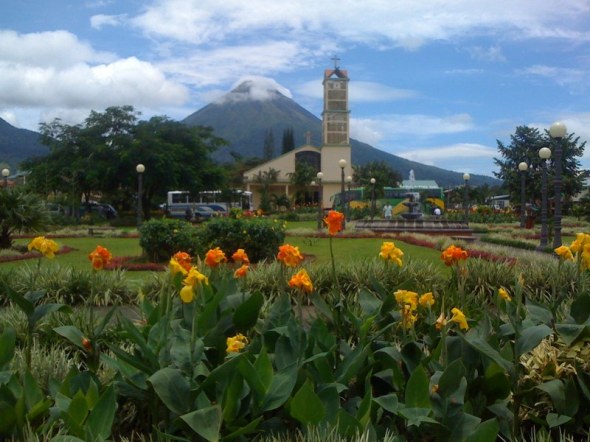
Then move on to La Fortuna, a pleasant little town which is the jumping off point for Volcan Arenal.  There are hot springs, nature walks, horseback rides and of course, the chance to watch for any activity coming from this active volcano.  The Arenal Observatory Lodge makes a great base, especially if you choose one of the rooms directly facing the volcano.  Nearby, they can also offer activities such as ziplining and whitewater rafting if the volcano isn’t making your adrenaline pump enough.
IMG_0258

La Fortuna with Arenal in the background

Costa Rica links:

Tortuguero:

http://www.lagunatortuguero.com/

Arenal:

Home EN

A week in Nicaragua

My suggestion for a week in Nicaragua would be to base yourself in the charming city of Granada.  It sits on the shores of Lake Nicaragua and has a wealth of delightful streets to lose yourself in, crammed with historic buildings including the egg yolk yellow cathedral.  Tourist infrastructure is good and there are plenty of hotels and restaurants to choose from.

IMG_1632

Granada

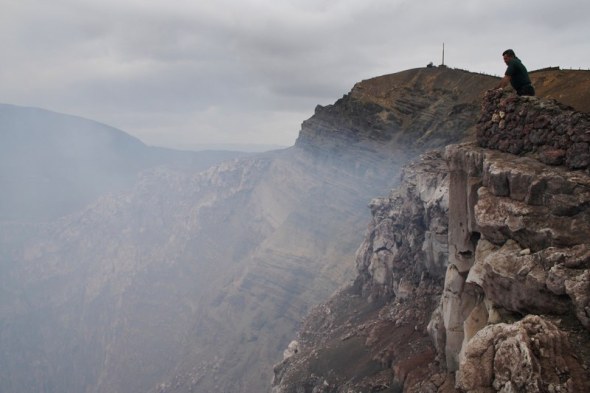
From the city, there are plenty of day trips to keep you absorbed.  Head up Volcan Mombacho where a truck will drive you up into the cloud forest.  Alternatively, stand on the crater rim of the active Volcan Masaya and sniff the sulphur.  It’s currently more active than it was when I visited; take a guide for a night tour and you might be able to see the lava lake that’s filled the crater.  Check conditions locally before you go.
IMG_1718

Masaya volcano

Laguna del Apoyo is another option.  This crater lake is now a nature reserve and there are plenty of activities that can be arranged here such as kayaking, swimming and boating.  Extend your trip by visiting Ometepe Island with its twin volcanic peaks.

Nicaragua links:

Volcan Mombacho:

http://www.mombacho.org/en/

Volcan Masaya activity:

https://www.volcanodiscovery.com/masaya.html

A week in Honduras

Getting around Honduras can be a little worrying as there are serious safety concerns within and between its two largest cities, San Pedro Sula and Tegucigalpa.  Persevere and base yourself in the safe and sleepy town of Copan Ruinas.  The nearby ruins are free of the crowds that plague other Mayan sites in the region and you’ll see plenty of raucous scarlet macaws to boot.

IMG_7802

Scarlet macaw at Copan’s ruins

It’s easy to arrange a trip to the nearby Finca el Cisne, which focuses on Criollo chocolate and coffee growing.  Day trips give you the opportunity to explore the plantation and take a scenic horseback ride in the surrounding countryside; it’s also possible to extend your stay overnight.

IMG_7749

Preparing the horses at Finca el Cisne

If you can drag yourself away, extend your stay with a trip to Roatan.  Honduras boasts a lengthy Caribbean coastline, but it’s the Bay Islands which draw the tourists.  The usual water-based activities are available and the sunsets are a spectacle.  If you’re looking for a guide to help you explore the island, then Cleve Bodden comes highly recommended.  He’s warm, funny and above all, knowledgeable about his island home.

IMG_8330

Roatan sunset

Honduras links:

Finca el Cisne:

http://www.fincaelcisne.com/

Cleve Bodden:

https://www.facebook.com/clevestoursandadventures/

A week in El Salvador

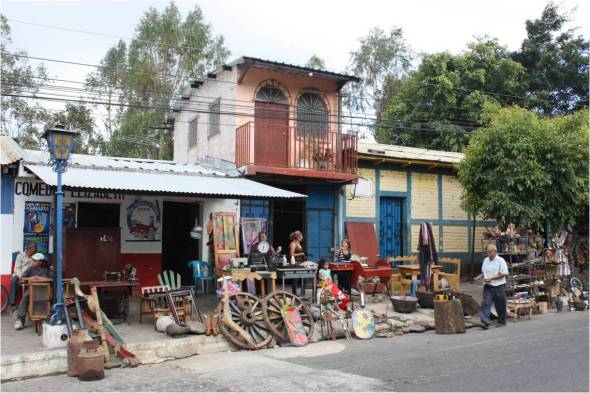
Beginning from San Salvador, the country’s capital, take a drive to Lake Coatapeque, popular on weekends as a family hangout.  Continue towards the picturesque Ruta de las Flores.  This 36km road winds through village after village adorned with flowers, dotted with art galleries and sprinkled with more cafes than you could ask for.  From Juayua to Ataco via Apaneca, there’s much to keep you busy.
Picture1

Ataco

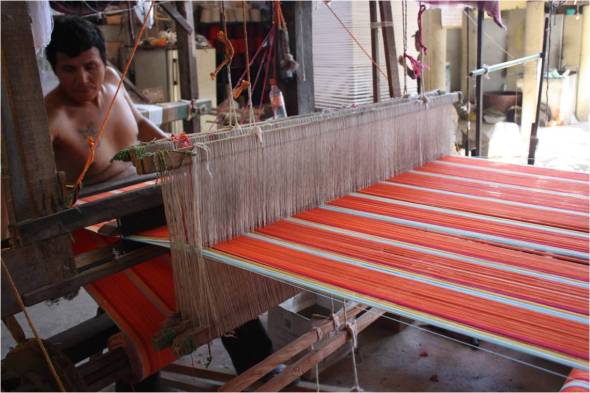
Suchitoto should be your base for the rest of your week.  Team up with El Gringo, who can provide accommodation as well as tour guiding services.  Together, we visited Project Moje, a gang rehabilitation project, as well as the arts and crafts centres of Ilobasco and San Sebastian.
Picture2

Textile weaving in San Sebastian

El Salvador links:

El Gringo:

http://www.elgringosuchitoto.com/

Project Moje:

http://www.mojelsalvador.com/

A week in Guatemala

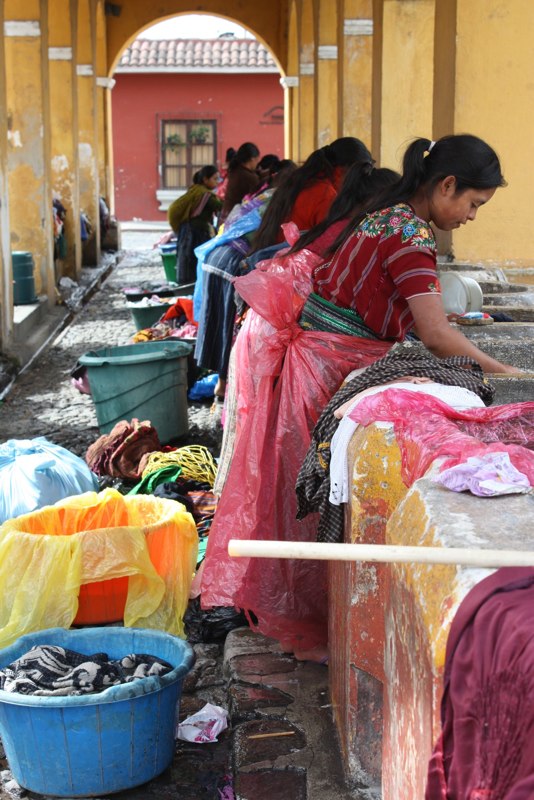
The obvious base to begin your week in Guatemala is the pretty town of Antigua.  There’s a wide choice of hotels, restaurants and cafes and a well-developed tourist infrastructure.  The town has lots of attractions in its own right, including the chance to make your own chocolate, but also makes a convenient base for side trips to the atmospheric market at Chichicastenango and beautiful Lake Atitlan.
IMG_1490

Doing the washing, Antigua-style

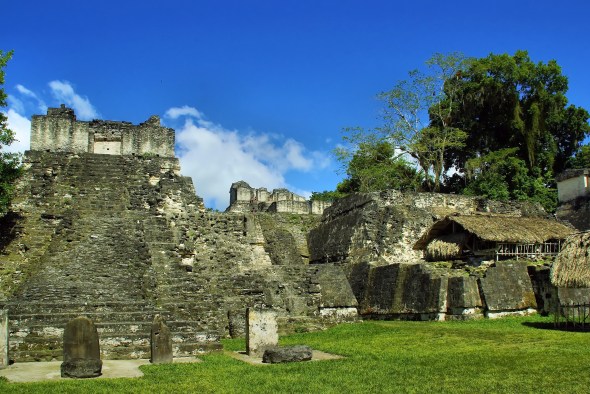
If you’re looking for the other must-see, then it has to be Tikal.  Of all the Mayan sites in the country, this is the stand out attraction. Deep in the jungle, it was abandoned over a thousand years ago, but its iconic ruins make this a UNESCO World Heritage Site.  Don’t miss the Lost World Pyramid and the Temple of the Grand Jaguar.  There have been issues with tourist safety in and on the way to Tikal so as with Honduras, it’s especially important to keep abreast of government advice.
guatemala-1427481

Tikal

Guatemala links:

Chocolate making:

https://www.chocomuseo.com/english/our-locations/antigua-gua/

Tourist shuttle service:

https://www.graylinecostarica.com/costa-rica-shuttle-services-and-tourist-bus

A week in Belize

Belize was known as British Honduras until 1981 and English is its official language.  I think this more Caribbean, less Latino feel is why it was my least favourite of the seven countries.  That’s not to write it off though.  Transferring at the airport onto a little plane to head out to Ambergris Caye was laid back and fun, but the views down to the water were spectacular.  The diving’s great, with access to the famous Blue Hole a possibility.

IMG_5894

Looking down on the islands from the air

It’s worth heading back to the mainland as Belize has some interesting Mayan sites to visit.  I visited Lamanai on a day trip from Ambergris Caye, heading inland on an old American school us and then up the New River by boat.  There’s a Mennonite community living in Shipyard, not far from the ruins, and you might get a glimpse of them going about their business as you pass by.  There are other worthwhile Mayan ruins to see in Belize, among them Caracol and Altun-Ha.

canoe-718270

Head upriver to Lamanai, whose name means “submerged crocodile”

If you want to extend your time in Belize, Placencia gets a good write up as a place to chill out and recharge the batteries.

Belize links:

Lamanai tours:

http://www.lamanaitour.com/lamanai-tour-ambergris-caye/

Ambergris Caye information:

https://ambergriscaye.com/

In summary

You’ll need several months to do justice to all seven countries in the same trip, but it’s easy to combine a couple of neighbouring nations and concentrate on one part of the region.  For me, the countries that are least developed are the ones I’m drawn to revisit – El Salvador, Honduras and Nicaragua.  But each one rewards the traveller, so whichever you choose, I’m sure you’ll have a great trip!

What to do if you’re impacted by Ryanair’s cancellations

If you’re affected by Ryanair’s announcement that they are cancelling many hundreds of flights over the next six weeks, you’re going to need to know your rights.  This is how the news broke:

https://www.theguardian.com/business/2017/sep/16/ryanair-cancels-up-to-50-flights-a-day-to-improve-punctuality

travel-1767532

If your outbound flight has been cancelled at short notice:

First, see if you can rebook. According to Ryanair’s website, this should be possible online. People are reporting on social media that the Ryanair helplines are overwhelmed and they’re not able to complete a rebooking over the phone.  Obviously with so many people chasing so few seats at short notice, many are going to be disappointed.  So what then?

If you cannot find a satisfactory rebooking (e.g. your flight is being rebooked but so late into your holiday to make it as good as useless) then you’ll need to apply for a refund.  You may also be entitled to compensation. These are your rights under EU law if the destination is within the EU or if it’s an EU carrier like Ryanair:

Flight cancellation
Flights under 1500km – 250 euros compensation
Flights over 1500km – 400 euros compensation

Note: this only covers you if your cancellation occurs 14 days or less before your flight.  If you are due to travel in more than 14 days’ time and your flight is cancelled, this will be treated by the airline as a rebooking or rerouting.  You still have the right to cancel with a full refund of what you paid for the flights, but will not be eligible for additional compensation.

Delayed arrival whether with Ryanair or alternative carrier
Flights under 1500km – 2 hours
Flights over 1500km – 3 hours

If you are delayed, you are also entitled to food and accommodation vouchers.  Full details here:

http://eur-lex.europa.eu/legal-content/EN/TXT/?uri=LEGISSUM:l24173

Note that it can take many months to secure this compensation, despite EU regulations stating refunds must be paid within a week.  Remember you will need to keep all receipts and boarding passes. It’s also a good idea to send letters recorded delivery if you are getting nowhere by email.

If you decide not to travel, have a look at what expenses you’ll incur, such as accommodation that cannot be cancelled at short notice.  The airline is not liable for this.  It will need to be claimed back from your travel insurance company.  Making a claim such as this doesn’t affect your right to EU compensation if applicable.

contrails-1210064

If you’re abroad and your inbound flight has been cancelled:

The above applies but you’ll also have to factor in whether you need to be back home as a matter of urgency or can afford the time and money (up front at least) to extend your trip.  You might find it easier to  deal with staff face to face at the airport though this can add to your stress as there will be a lot of other angry passengers there which isn’t going to make you feel better.

You can try to persuade the airline that rebooking you with an alternative carrier e.g. a seat on a rival airline is a better idea.  You’ll have more bargaining power if the airline itself is very tight for space and is struggling to get you somewhere, especially if you’re stranded and they’re having to pay for your overnight accommodation.  Remember if you pay for your own alternative flights, you’re out of pocket.

It can be very hard to get them to pay, as I found out with CityJet a few years ago.  CityJet refunded their own flight (that they cancelled fifteen minutes before departure) but because I didn’t want to wait for an alternative with CityJet or spend another night in Paris even at their expense, I paid for the Eurostar alternative.  I eventually funded it out of the compensation I received eight months later.  Read the full story here:

https://juliamhammond.wordpress.com/2015/03/06/finally-a-win-against-cityjet/

If you can get through on a helpline, that is often better, but you will need to be patient.  Be as calm, polite and flexible as you can, particularly if you need to get back home in a hurry.  Remember the person on the phone isn’t directly to blame and venting your frustration isn’t going to get you anywhere.

sunset-2095225

If you’ve a flight coming up which is currently unaffected:

This currently is where most Ryanair passengers are, fortunately, and the social media furore should calm down for the most part now that people know where they stand.  Nevertheless:

Have a Plan B.  Research alternative airlines or other means of transport on the inbound leg.  Check your email on a regular basis so that if your flight is next to be affected, you’re amongst the first to know – and fight for the seats that might be available on alternative flights.

Print out or save to your phone a copy of the EU regulations (see link above) so that there can be no dispute with airline staff about your rights – it will be in black and white.

Double check your travel insurance, especially the limits and excesses for flight delays and flight cancellations.  Again, keep all receipts and boarding passes as you’ll need them to make a claim.  Keep proof of the cancellation.

the-air-1807486

What now?

Ryanair’s lack of consideration for their customers, though not a surprise, is still a concern.  They won’t be the first and last airline to do this.  I’ve had similar late in the day cancellations from American Airlines (weather related issues leading to a 48 hour delay in New York when I should have been in Nicaragua) and as mentioned, with CityJet (who didn’t even inform us the flight was cancelled, just checked us in as normal and quietly removed our flight from the departures board).  But for the record, Ryanair, you need to remember who keeps your staff in a job and your planes in the air.

Update 17 September from the excellent Simon Calder at The Independent:

http://www.independent.co.uk/travel/news-and-advice/ryanair-rights-400000-passengers-cancelled-flights-compensation-hotels-meals-caa-a7949916.html

Update 18 September of full list of cancellations on the Ryanair website:

https://www.ryanair.com/ie/en/useful-info/help-centre/travel-updates/flight-cancellations7

How to reduce your risk of being caught up in a Caribbean hurricane

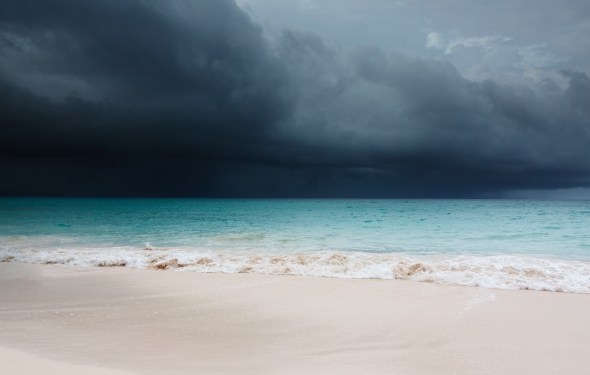
As Irma finally begins to blow herself out, the US and many Caribbean islands have been left reeling from her effects.  Sustained 185mph winds have been recorded during this Category 5 storm, beaten only by Hurricane Allen in 1980 which registered winds of 190mph.  On top of that, of course, are the floods which result from torrential rain and the even more dangerous storm surges caused when winds slam ocean water back onshore with terrifying force.  Even a Category 1 hurricane is not to be taken lightly, as those who live in hurricane-prone regions will testify.  For casual holidaymakers unused to such events, it’s even more frightening.  So has seeing Irma’s devastation marked the end of your Caribbean holiday plans?  Here’s why it shouldn’t and how you can avoid getting caught up in such a disaster.

beach-84531

Choose your island carefully

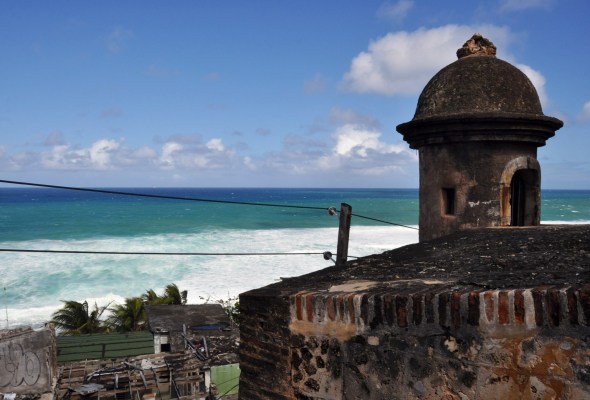
Statistically, some Caribbean islands are hit by hurricanes far more often than others.  According to data compiled by stormcaribe.com for storms between 1944 and 2010, you’re most likely to be affected if you’re in Abaco in the Bahamas, with Grand Bahama, Bimini and New Providence islands hot on its heels.  A couple of islands in the Netherlands Antilles also occur in the top ten, notably Saba and St Eustatius.  Making up the numbers are Nevis, Key West, Tortola in the BVI and the Cuban capital Havana.

ocean-1531390

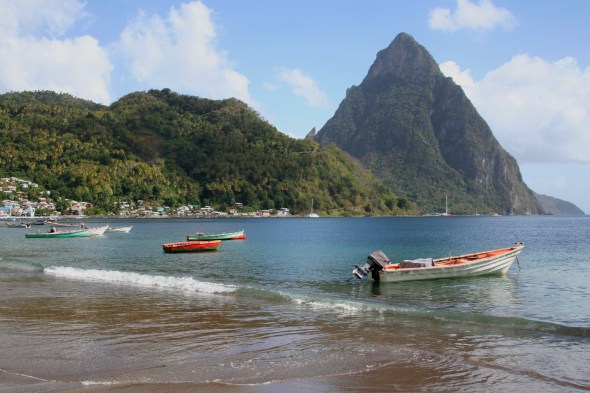
Conversely, the bottom of the list features some well known names.  Barbados, Grenada, St Lucia and St Vincent are much less likely to experience a hurricane.  Such severe storms rarely if ever take a southerly track, making the likes of Trinidad and Tobago, Aruba, Curacao and Bonaire the safest bet in the region.  For the full list check out this link:

http://stormcarib.com/climatology/freq.htm

A broader picture (and more up to date, factoring in storms up to 2016) is offered by Hurricane City.  Their list factors in storms as well as hurricanes, giving a more rounded and perhaps more accurate appraisal of the risk posed for the Caribbean, Bermuda and the USA.  Joining the Bahamas to represent the Caribbean in the top ten are the Cayman Islands.  Because this list encompasses storms as well, there are a few northerly locations there too:

http://www.hurricanecity.com/rank.htm

IMG_1440

Avoid peak hurricane season

If you really want to go to the islands that lie in the path of potential hurricanes then you’ve got to be picky about when you go.  Technically, the Atlantic hurricane season begins in June, but rarely do we see really damaging hurricanes before late August.  2005 was a bumper year for big storms – Katrina among them – and was the year when we saw the earliest Category 4 storm (Dennis on July 8th) and Category 5 storm (Emily on July 17th).  The storm season officially comes to a close at the end of November though on rare occasions they can continue until December or even January.  Yes, you guessed it, that happened in 2005 too.  They’d already run through the named hurricanes by October when Wilma hit and eventually needed to borrow six letters of the Greek alphabet.  Tropical Storm Zeta finally brought the season to a close when it dissipated on January 6th 2006.

earth-1245707

Check the NOAA forecasts

Each year, the National Oceanic and Atmospheric Administration (NOAA) offers a forecast for the upcoming season.  They take in a number of factors such as ocean temperatures and, though it’s not an exact science, have a good track record in identifying busy years.  So far, 2017 is falling in line with predictions.  It kicked off with Tropical Storm Arlene in April – two months ahead of schedule – and with the likes of Harvey and Irma, is set to be another of those unforgettable seasons.  If you want to avoid being caught up in a severe hurricane, then if it’s been quiet, you’re much less likely to find yourself in trouble if you want to make a late booking.  And if the worst happens, this leaflet is packed with useful advice:

Click to access TropicalCyclones11.pdf

photo2

My thoughts are with those who found themselves in the path of recent Atlantic hurricanes.  I hope that those affected get back on their feet and that the impacted economies recover as quickly as possible.  Once they do, they’re going to need your tourist dollars, so don’t write off this beautiful region just yet.

Ten of the best European cities

Recently I posted a blog about my ten favourite American cities; you can read it here if you missed it.

https://juliamhammond.wordpress.com/2017/08/31/ten-of-the-best-american-cities/

Among the comments was a good-natured challenge from Andrew Petcher of Have Bag, Will Travel, suggesting that Europe’s cities have a lot more to offer the visitor.  It got me thinking about which would make my Top Ten and after some deliberation, here are my choices.

Cáceres, Spain

photo5

In the heart of beautiful Extremadura, Cáceres is one of those finds that you agonise over telling others about for fear of drawing the crowds.  This is the kind of place you’ll want to keep for yourself.  The labyrinthine Ciudad Monumental, crammed full of mediaeval mansions and delightful churches, absorbs as much time as you’re prepared to give it.  I’d have still been there were it not for the promise of the tastiest suckling pig in the region and late night drinks in the palm-lined Plaza Mayor.

Lisbon, Portugal

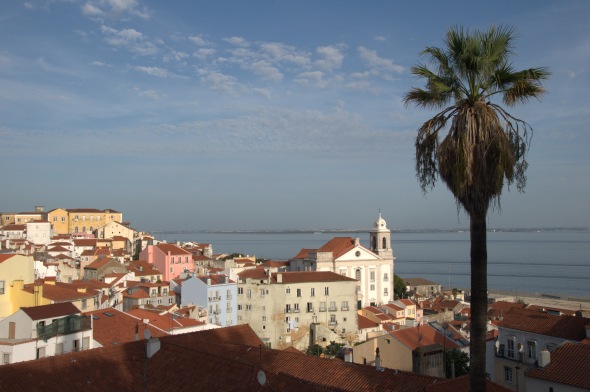
View from Mirador Portas do Sol

Over the border, the Portuguese capital is one of the most absorbing on the continent.  Its rich maritime history is proudly remembered across the city such as in Belém’s Monument to the Discoveries.  The #28 tram ride linking the lower and upper towns might be touristy, but it’s still a must for its heritage wooden cars and the views along the way.  But again, it’s food that is my fondest memory, particularly the delicious Pastéis de Belém warm out of the box – you’ll have to queue, but it’ll be worth it.

Stockholm, Sweden

DSC_0321

The reason I’m so taken with the Swedish capital is that it doesn’t have to be a city break at all, if you don’t want it to be.  The Feather Islands are just a thirty minute boat ride away, but a tranquil spot for lunch and a short stroll if you’re fed up with city traffic and noise.  Skeppsholmen Island reveals a collection of historic boats and Benny from ABBA’s recording studio, while Djurgården Island is where you’ll find the ABBA museum and the astonishingly well-preserved 17th century Vasa ship.

Bremen, Germany

image

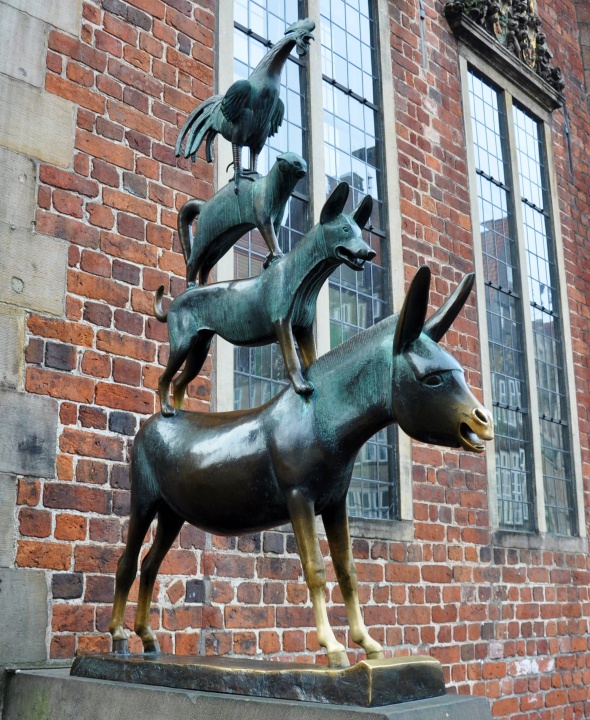
Of Germany’s cities, Bremen stands out.  The Schnoor quarter is packed with timber-framed houses once occupied by fishermen but now home to a plethora of boutique shops selling artisan crafts.  The city’s historic heart is eclectic, its Flemish-style Schütting, a 16th century guild hall, and the windmill in Wallenlagen Park a reminder of how close you are to the Netherlands.  But it’s four small creatures that were the reason for my trip – donkey, dog, cat and rooster from the Grimm’s fairytale.

Krakow, Poland

image

Krakow is one of those cities that no matter how many times you visit, you’ll never tire of it. Nowhere is this more true than in the Old Town’s largest square, Rynek Glowny. It’s dominated by the centuries-old Cloth Hall; duck under its arches to find shops selling amber and other local wares. I enjoy it best at night, when huts selling pierogis and tender ham hocks draw people away from the many souvenir stalls of the market.

Salzburg, Austria

Churches

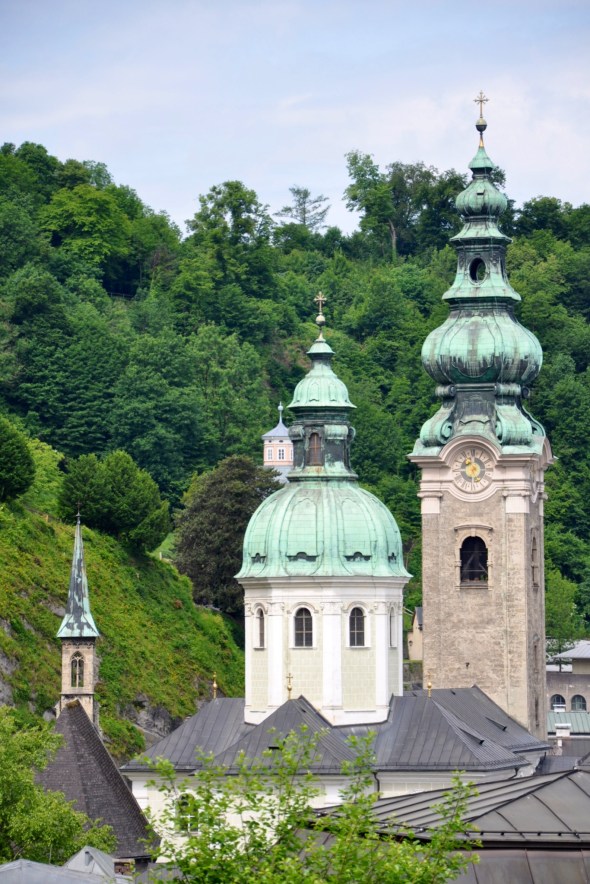
I first squealed with delight at Hellbrunn’s trick fountains as a small child.  Years later, I returned to find I wasn’t too old to have the exact same reaction.  Just as much fun was a bicycle tour of the main sights featured in The Sound of Music – yes I know Mozart was born there but I’d much rather be yodelling with a lonely goatherd.  This December I’m visiting the city’s Christmas markets for the first time.  Can. Not. Wait.

Bologna, Italy

21913_10205783332890287_5974335753497614824_n

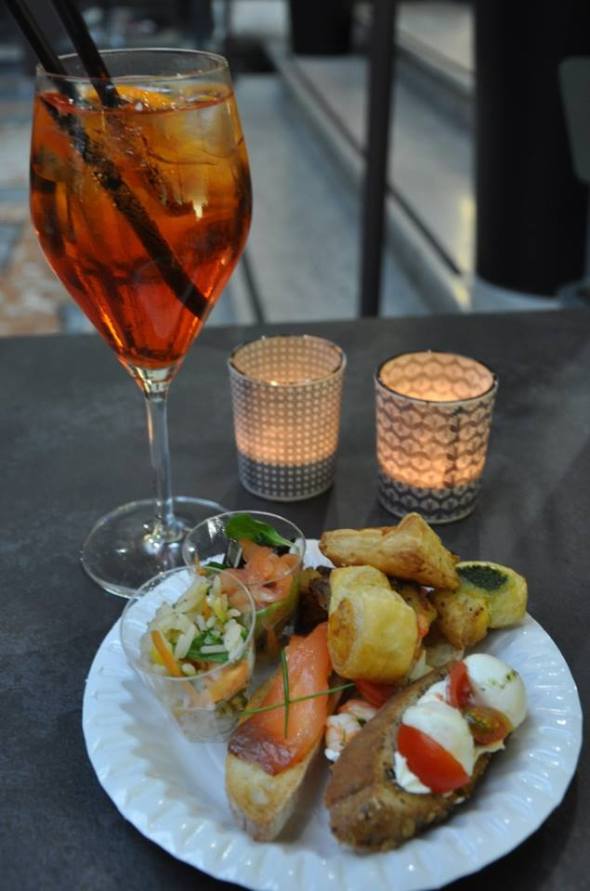
Give me a choice of Italy’s large cities, and this would be my choice, rather than Rome or Florence or Milan or Venice.  Why?  This is a city that is focused on food, from the delis that cram into its narrow alleyways to the platefuls of snacks laid out to soak up the Aperol Spritz at passeggiata hour.  Thoughtfully, they even built a tower to climb so you can work off some of the calories; it’s 498 steps to the top of Torre Asinelli.

Dubrovnik, Croatia

IMG_5305

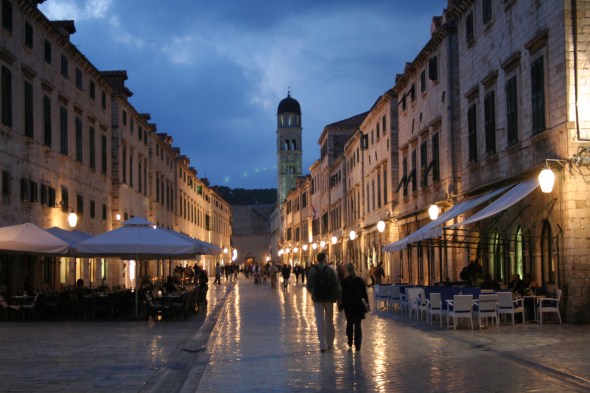
To see Dubrovnik at its best you’ve got to time it so that the cruise ships aren’t in dock, and that takes some planning – or at least an overnight stay.  You’ll be rewarded with empty city walls to walk, piazzas and cobbled streets lined with cafes and restaurants and a host of other sights that are far better without the crush.

Riga

IMG_4365

When it comes to the Baltics, it was a tough decision for me to choose between the Latvian capital Riga and its Estonian counterpart Tallinn.  In the end, I opted for the former.  Don’t miss the Three Brothers, the oldest buildings in the city, and the House of the Blackheads which houses Parliament.  Both are a must for architecture fans.  They also have some innovative ideas to help you avoid putting a dent in your bumper.

Budapest

img_6621

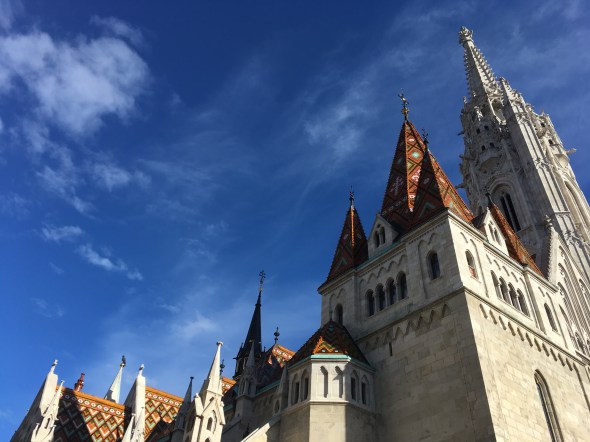
Bisected by the River Danube, this is a city with a split personality, so whatever mood you’re in, you’ll find half the city to suit.  Fishermen’s Bastion in Buda is a good place to get your bearings, and admire the Gothic architecture of Parliament across the water.  After coffee in Cafe Gerbeaud, the market hall in Pest is perfect for stocking up for a riverside picnic.  And don’t forget the city’s many thermal baths for when your muscles begin to ache.

So there you have it.  Apologies if you were looking for Amsterdam or Paris, Berlin or Barcelona.  While I enjoyed the latter pair, the first two still fail to wow me.  And I’ve deliberately stuck to mainland Europe, hence the lack of London, York, Bath or Leeds.  What would you have included on your list of Top Ten European cities?