juliamhammond

Latest

Travel and lockdown: what I’m missing

Tomorrow marks two weeks of lockdown for the UK. On the face of it, COVID-19 hasn’t impacted my daily life as much as some. I finished a large commission for an in-flight magazine. I’m told they will still pay, though I’m less certain they will publish. The editor has been supportive and communicative, which has been a relief. Although some of my regulars have paused contracts, I still have work from some. I’ve even managed to score a couple of new contracts which should prove to be ongoing. I’m one of the lucky ones; many travel writer colleagues have seen a year’s worth of work vanish overnight.

EX2

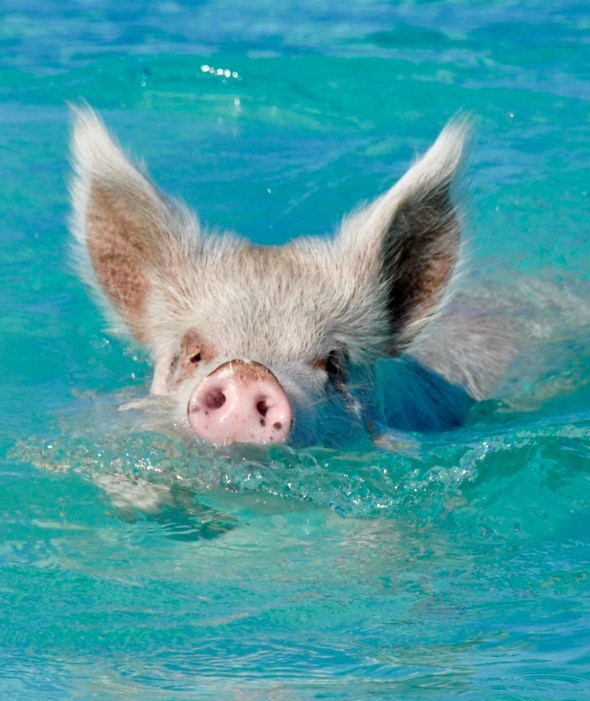
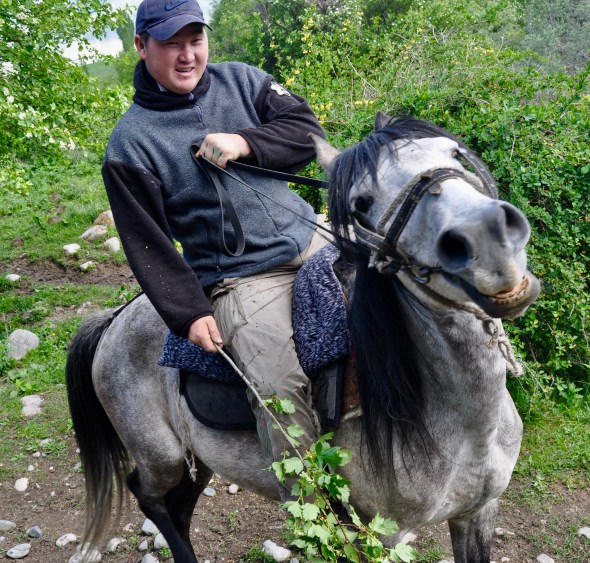
Right now, I’d usually be travelling. In previous years, I’ve jetted off in early spring to places as varied as Chile, the Seychelles, Sri Lanka, Argentina, Bolivia and the Bahamas. Tomorrow is my wedding anniversary – six years ago we were in Iceland luxuriating in the Blue Lagoon in anticipation of the big day. I’d have been preparing for late spring trips to the Faroe Islands, Kyrgyzstan, Georgia, Armenia, New Zealand and Tonga, finalising plans and reserving hotels.

FullSizeRender - 2019-05-31T055311.261

But over the last few years I have also taken a few months off in the summer, so right now though the seasons are a little mixed up, it feels just like that. The village has become a bubble, a place free of anxiety, when the outside world has become a frightening place. We’re looking out for each other; the Facebook group I set up before this all started has twice as many members now and we’re all doing what we can to help each other.

When the virus first started making its presence felt, I experienced a kind of grief. Border after border closed; tour operators and tour guides reported how it was devastating their businesses. Financially, I’m not significantly affected, with just one BA flight to deal with when the airline officially cancels it. But it’s horrible to think of all those who have lost livelihoods and with them, hope for the future. The human impact of this virus is unbearable, but the economic effect is something we’ll live with for many years.

FullSizeRender - 2019-03-06T190330.115

A friend has spoken to me about how hard it has already been in Uganda, where I visited last year. Rising food prices and a lack of affordable healthcare will have terrifying consequences. At present there are only 52 confirmed cases, and no deaths. The population is relatively young, though the impact of HIV/AIDS mean many youngsters are looked after by grandparents who fall into the vulnerable category. No matter how hard it is for us, it’s so much worse for the desperately poor.

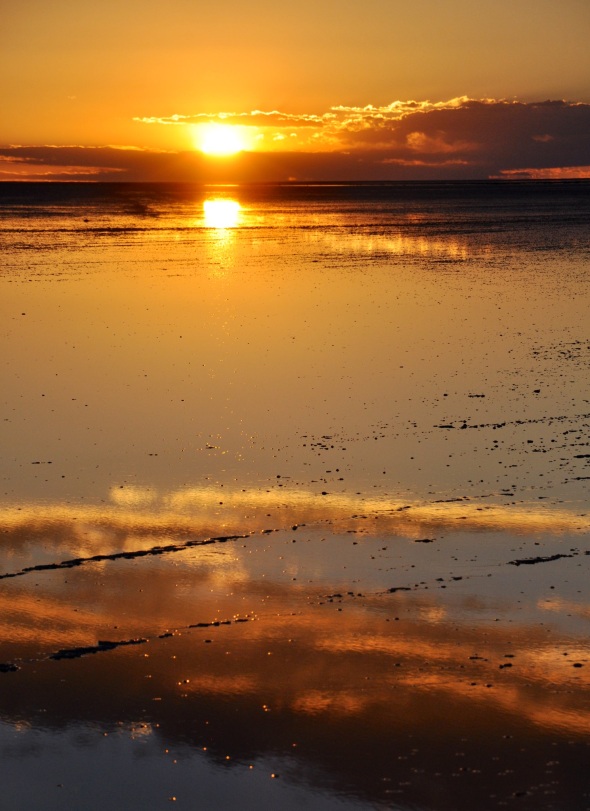
Though I’ve built a career on discovering new places, I’ve found that the places I most want to go and visit when all this is over are those I’ve already visited. On TV right now in the UK is a BBC series called Race Across the World. In last night’s episode, they travelled from Puno in Peru to Cafayate in Argentina. Along the way, they visited the Salar de Uyuni, La Paz, Salta and San Pedro de Atacama, all places I’ve been and fallen in love with. It was great to escape. Like many, I’m trying to limit the amount of news I’m watching.

photo6

It’s impossible to plan when nobody knows exactly when the travel restrictions will be lifted. I’m getting email after email of impossibly cheap flight deals in my inbox, but the FCO have extended the worldwide travel ban indefinitely. How can you plan a trip when you don’t even know what season it will be? I know they’re first world problems. My job doesn’t put me at the front line and I’m immensely grateful to those working in the NHS and in key worker roles to keep us safe and fed.

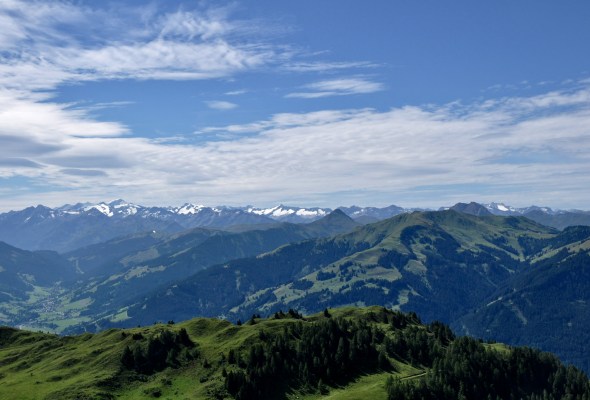
I’ve bought myself some new Bradt guides for bedtime reading, though for now they’re shelved as I pore over old photos. Talk in the household is of a US road trip from Washington DC to the Great Smoky Mountains, or a return visit to Iceland or Peru. I know I want to go back Down Under and hike the mountains of the Austrian Tirol again. It’s been interesting to see the different strategies employed by tourist boards and travel companies, some of whom are marketing their destinations almost as normal so that they can remain in people’s imaginations when they are able to book again.

83FDDDB5-46D8-4D6B-AE7A-8427A0B84F33

I really should be using this time to write the book I never finished. But I can’t seem to find the words just yet. In the face of what’s happening, it just doesn’t seem important.

The last trip for a while: Russia’s St Petersburg

Last week I flew back from St Petersburg in Russia and since then, the travel world has pretty much fallen apart. At times it’s felt like those few seconds when you settle back into a chairlift and wait for it to move slowly to the edge of the platform before accelerating away. My inbox and social media feeds are full of stories: airlines laying off staff and grounding flights, governments closing borders; visitor attractions falling like dominoes. Stranded travellers scramble for places in a global game of musical chairs, wishing they had acted more decisively while they still had the opportunity.

In short, it’s not a great time to be a traveller, or a travel writer. It’s not a great time to be a lot of things.

DSC_0036 (2)

But who knows, this might finally be the time I write the book I started five years ago, or at the very least finish the Roman blinds I’m making for the spare room. At the time of writing, my commission with an in-flight magazine for a story on Russia’s St Petersburg hasn’t been cancelled, though it still might be. As I wrap up the other articles on my to do list, I thought I’d share some of the photos I took last week. I’m not sure when my next trip will be, so pictures and stories about past adventures are just going to have to do for now.

The Hermitage

Peterhof

Catherine Palace

Sts Peter & Paul Cathedral

St Isaac’s Cathedral

Church of the Saviour on the Spilled Blood

Fabergé Museum

Sadko from the Tsar’s box at the Mariinsky Theatre

Museum of the Siege of Leningrad

Vodka tasting at the Museum of Russian Vodka

Museum of Arcade Games

Museum of Street Art

Pyshki (doughnuts)

Nevsky Prospekt and around

Street performers

Cats Republic

How to minimise the impact of coronavirus on your travel plans

The spread of coronavirus continues to dominate the news headlines and my thoughts and sympathies are with those families affected directly. As a writer who makes her living producing articles about tourist destinations, I’m also watching with interest as to how it might impact on travel. The situation is changing so fast it is hard to keep up.

To date, there have been lockdowns and quarantines in locations across the world. Various countries are refusing entry to nationals of a range of countries, and an increasing number are including UK passport holders on that list as the situation worsens here. I was supposed to visit Bergamo in northern Italy in March. Ryanair cancelled my flight with just over two weeks’ notice and I have received a full refund.

So how can you ensure that, as the virus spreads, your upcoming travel plans won’t be affected? In short, you can’t. But you can try to minimise the impact of coronavirus on your travel plans.

Keep abreast of changes and book last minute

Right now, the spread of the virus is hard to predict and as such, booking well ahead isn’t the way to go. Keep a close eye on where cases have been reported and book last minute for a place that seems unaffected. Though even if you do so, as the number of cases increases, you can’t rule out being placed in quarantine unexpectedly, as those held in the Costa Adeje Palace hotel in Tenerife (and many others since) have found:


Choose your accommodation carefully

Putting yourself in crowded places is perhaps a greater risk than if you opt for a smaller hotel or self-catering apartment. However, if you are quarantined, eating in replaces eating out and you would need to ensure you could cater for yourself in the place you’ve chosen as your base if you’re self-catering or opt for room-only. In terms of comfort levels, I couldn’t help comparing those confined to inside cabins on the Diamond Princess while it was quarantined in Japan with those waving at news crews from their balconies in Tenerife. At least the latter had access to fresh air and a view whenever they wanted. Nevertheless, ask yourself, would you be better off staying home than risking being stranded for an indefinite period.

Check your travel insurance

Policies vary, but check the small print of your travel insurance to ensure that it has adequate cover for cancellations and disrupted travel arrangements. Some businesses have stopped selling travel insurance altogether and others have altered the terms of their policies. Read the terms and coverage carefully; ask for advice or clarification if unsure.

Booking a package with a firm that is ATOL-protected might help. Some operators, desperate to drum up business, are offering free date changes if the situation changes before your departure date, which brings peace of mind to some extent. Travelling with a package operator would also mean if you couldn’t fly home as expected, there would be someone to help take care of your arrangements.

If you choose to travel to a place that has been designated by the FCO as a no-go, your insurance will be invalid – that’s if you can find an airline that will take you there, of course. Simply deciding that you don’t fancy taking a risk is, unfortunately, not a reason to get your money back, though some airlines are been more helpful than others when it comes to rearranging or rerouting flight bookings. More on your rights here, in this informative BBC roundup.

Pack smart


If you are dead set on going, it’s sensible to follow the advice of health professionals about hand-washing routines and pack some anti-bacterial wipes or hand sanitiser. Some sources suggest using wipes to clean shared surfaces such as aeroplane or train tray tables. Liquid or foam hand sanitiser would have the advantage of not leaving you with potentially contaminated wipes to get rid of. According to the WHO, plain old soap and water is likely to be just as effective. If you do use wipes or tissues, remember to dispose of them responsibly, such as in a closed bin. Read advice from a trusted medical source and don’t take the word of bloggers and travel writers – we know travel, but we are not medical professionals.

You may also feel calmer wearing a mask though reports of their efficacy are disputed. Wherever you are planning to travel, think about what might happen if you are quarantined. If you are on regular medication, ensure you take additional supplies to cover an extended stay. If that’s not possible, it’s wise to make sure you know the local brand name of the drug you take. Take a look at this useful website which lists brand names of drugs in different countries.

Take the opportunity to enjoy a staycation

If you’re concerned about the likelihood of getting stranded while travelling, perhaps it’s the perfect time to enjoy a staycation. Take the opportunity to explore the area in which you live with fresh eyes. Take a walk somewhere you’ve never been, visit that museum that’s been on your wishlist for ages or book an activity or experience such as a spa treatment, steam train day out or windsurfing lesson. That just might be the most stress-free way to have a holiday at the moment.

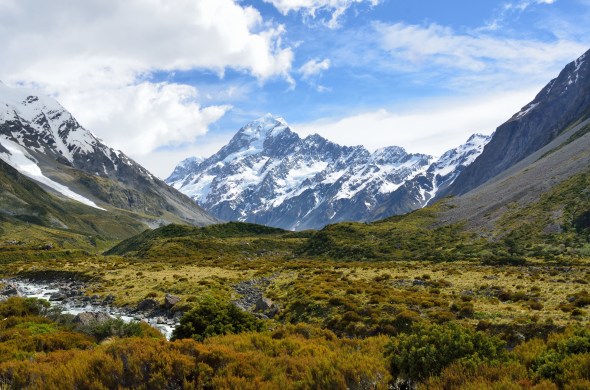
If increasing numbers of people choose not to book an international vacation, then those small-scale independent tourism businesses in your local area might be relying on your support to stay afloat. Reports such as these about France and New Zealand explain why.

aoraki-90388

Remember, do your research and make sure you are comfortable with the risks you are taking. It’s your responsibility to look after yourself, so whatever the type of holiday you’re considering, think it through before you book and make the decision that’s right for you.

Updated 12 March 2020

Thoughts on Hudson Yards, New York

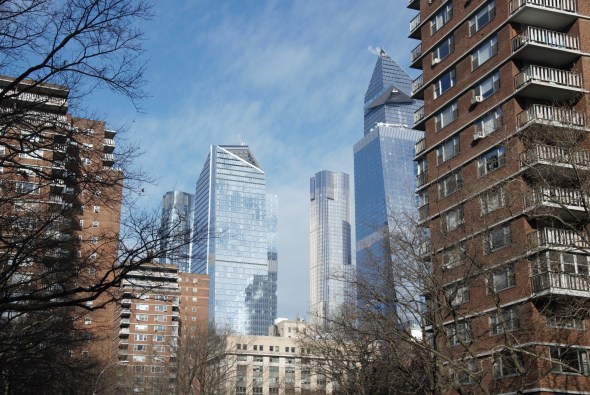
The juxtaposition of the traditional brick apartment buildings of W 28th Street with the futuristic glass and steel structures of Hudson Yards behind is a quintessentially New York kind of view. In the soft light of a clear winter morning, Edge and its neighbours looked almost ethereal. Close up, approached from the last stretch of the High Line, they were an imposing sight. Last time I’d been in the area, this was a building site. Today, this privately funded complex is making its bid to become the latest go-to neighbourhood in the city.

DSC_0081 (2)

Edge won’t open until mid-March 2020; when it does, it will become the highest outdoor observation deck in the western hemisphere. I had been offered a preview visit by the representing PR but it fell through half an hour before I was due to go up, thanks to unexpected construction work. I had to content myself with a view of the outside from below and the video projected inside the mall. Will it find its place in the already saturated market for high rise observation decks in Manhattan? Time will tell.

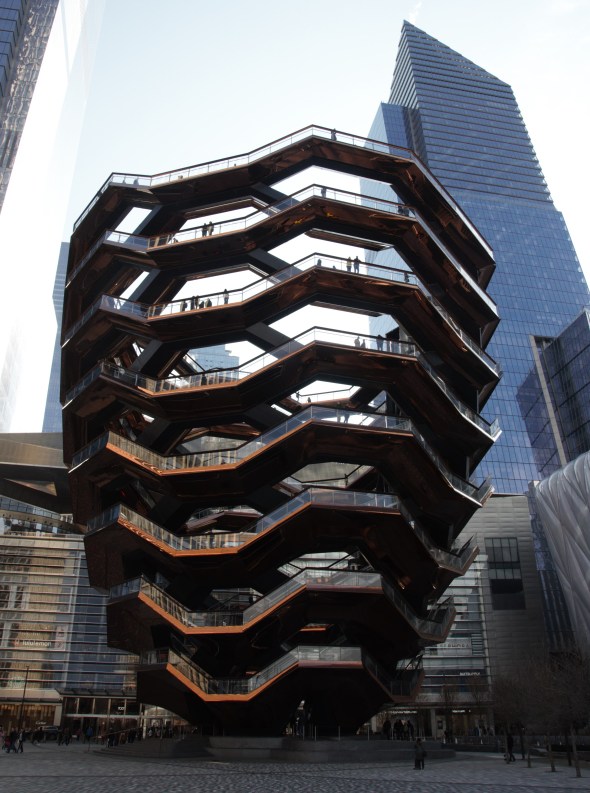
In the meantime, in front of it stands Vessel, which opened in 2019. The structure was dreamed up by British designer Thomas Heatherwick, who had a hand in the new Routemaster and the failed Garden Bridge amongst other things. Entry is free, so long as you are happy to be pinned down to a specific date and time. You can get turn up and go up tickets on the day if they’re available, or reserve them up to two weeks in advance. That’s just as well, for a staircase (well, 154 staircases to be precise) is pretty much all it is.

DSC_0111 (2)

Clad in a coppery metal (it’s actually Italian steel) which is intended to be weather-resistant, the structure cost an eye-watering $150 million to construct – an extra $50 million more if you factor in the land in was standing on. In the right spot, it might have been worth paying for, but surrounded by high rises, the only real view you get is of the shopping centre and the train yard beside the Hudson River.

If you’re unable to climb steps, it’s even more of a disappointment: the elevator runs only every 15 minutes (“to make sure it doesn’t break down”) and accesses just one of the 80 landings. If stairs are a problem, the sole view you’ll have is that facing The Shed, an event space that looks like it’s been clad in a curious kind of giant bubble wrap. As the surrounding platforms require visitors to tackle multiple steps, they’re out of reach. According to the media, this is being addressed, though there was no sign of any remedial work during my visit.

DSC_0119 (2)

Critics have not been kind, dubbing it the “Staircase to Nowhere”. While the architects refer to it as honeycomb, others have taken their foodie inspiration instead from the humble kebab. Still more liken it to a waste paper basket. The name Vessel is temporary. The architects have solicited suggestions from the general public and been inundated with the likes of Staircase McStaircaseface, Meat Tornado, The Rat’s Nest and the Chalice of the Privileged, so it’s likely to call itself Vessel for the foreseeable future.

Even the aim of making this a place where people congregate seems a little fanciful given its less-than-central location.There’s nowhere to sit, and nowhere much that’s under cover, especially at ground level. For a plaza that’s supposedly designed to function as a meeting point, that seems a curious oversight on the part of the developers.

Hudson Yards’ position right up against the Hudson River also makes it an unlikely spot for acting as a meeting point. Though the 7 train is only a short hop from Times Square, if you plan to walk it’s a not especially scenic cross-town stroll. If you planned to meet undercover in the shopping centre instead, that won’t help much: there’s almost no seating there either, save for a few chairs and tables assigned to the cafes inside.

DSC_0096 (2)

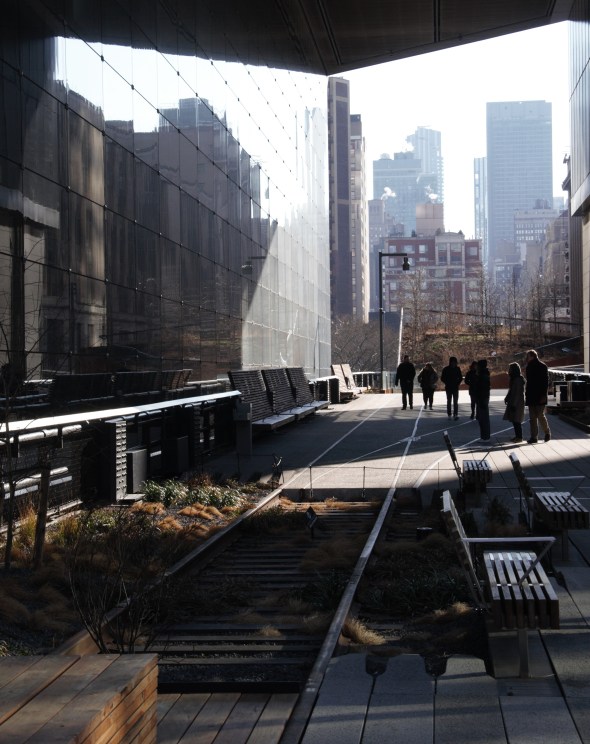
I couldn’t help thinking how starkly that contrasted with the High Line, where hardwood benches and recliners were factored into the design. But then the High Line began as a community project and from its inception, those planning its regeneration worked hard at making it a place that had a soul. Even on the most miserable of winter days, when the plants are a dessicated brown and the wind bites at your cheeks, you’re surrounded by the stories of the past. 

So, like many who have reviewed the space, I’m afraid I too was underwhelmed with Hudson Yards. It didn’t help that my pre-booked slot for Vessel was for a day when grey skies bled first drizzle and then steady rain. The weather matched my glum mood. I expect I’ll return, to visit Edge, when I’m next in the city, but I can’t see a reason why I’d hang around at Hudson Yards beyond that. Instead, excuse me while I potter off along the High Line and find myself a bench.

How do I tackle trip planning?

One of the questions I’m asked most often is how I choose where to go and then once I’ve settled on a destination, how I set about planning the trip. Of course, it would be much simpler to let someone else take care of the details, but that’s where a lot of the fun is, and who wouldn’t want to create a bespoke trip without the bespoke price tag that comes with it. I’ve saved tens of thousands of pounds over the years going it alone, so I plan to continue travelling independently as much as possible.
IMG_4099

Now I’m writing for a living, I am offered press trips on a regular basis. While I have accepted some of these and am very grateful for the generosity of the tourist boards involved, I don’t like to travel like this all the time. I’m fortunate to have worked with some lovely PRs who have gone out of their way to deliver a tailormade experience within the confines of the programme that’s been agreed. But on a group trip, everyone has to compromise. When I travel solo, I can do as I please and it’s extraordinarily liberating.

How I go about choosing my next destination

Now a big trip for me these days, with family commitments, is just two weeks. This blog won’t be relevant if you’re planning a gap year and need to stretch a budget or find annual insurance cover. (However, you can apply some of the same principles and concentrate on the first and last week of a longer period of travel.) Instead, I’m talking about choosing the destination that’s likely to be your main holiday.

Pass

This is often a fluid concept. I do have a loose wish list of places I’d like to visit. Right now, for instance, Sao Tome & Principe, The Azores and Tobago are on that list, together with Tajikistan, Madagascar, Belarus and Algeria. However, I’ve found that being more flexible enables me to take advantage of better flight deals that might present themselves. Often, flight costs form a large part of a trip, particularly if it’s to a long haul destination. Keeping abreast of flight sales and last minute offers is a good idea. But although I have that list, I almost always end up travelling somewhere else – this year it’s Grenada.

Next steps after I’ve found my flights

Finding a well-priced flight is a start, but it doesn’t necessarily mean I’m going to book. But if there’s a chance that the cost of that flight will increase, it’s important to act fast. It is possible with some airlines to pay a small amount to hold the fare. I’ve never needed to do so, but it does quite literally buy you time to get your other arrangements tentatively in place before committing to the full whack.

EX13

A case in point

I recently found a sub £100 return fare from London to Algiers. Algeria is on my travel B list at the moment, a place I expect I would enjoy. The fare was a great deal, far lower than usual, with BA. The dates worked too. A quick scour of accommodation via booking.com indicated that I could find something central and reasonably priced that didn’t look like a dive. Photos from the road from the excellent Simon Urwin via my  Twitter feed only served to fuel my interest.

It all fell apart when it came to the visa. I’ve never been turned down for a visa – and I’ve bought a fair number in my time. Sadly, it would seem the Algerians are hard to please and turn down many applications. As a freelance writer on an unreliable income I might or might not match their criteria – who knows? But to meet the visa criteria I would need to buy the flight and arrange the accommodation in advance. The latter I could achieve with minimal risk on a free cancellation basis, but the former would be an unrefundable outlay. So, I decided not to take the risk and have not applied. Algeria is a destination probably best left for another time.

Back to the drawing board

image

Having shortlisted a destination with affordable transport, it’s time to look at geography. Use a guide book such as Lonely Planet or a comprehensive online guide to identify some of the key places and sights that interest you. Don’t over-plan, but also don’t be the person who realises once they return home that they missed out something they’d love to have seen because they didn’t do any research. The trick is to do just enough planning to make sure it’s possible to fit in all your must-dos. Fine tuning can come later.

I sometimes take a look at the itineraries of tour operators such as Explore or Intrepid, as they tend to be balanced and well thought through. Then I weed out the parts that don’t interest me and mentally replace them with what I’d prefer to do. But don’t assume that because an area doesn’t feature on most tours, it isn’t worth bothering with. If I had relied solely on such sources of information, I’d have missed out wild and wonderful Svaneti in Georgia which was the highlight of my time in the country.

Considering open jaw itineraries
IMG_5348

Is a round trip fare to and from the same airport a smart decision or would an open jaw be more sensible, saving unnecessary backtracking? For instance, I’ve used this for a rail holiday in the US, booking Amtrak services to link the two cities at either end. I also looped through a few countries on a longer journey, beginning in Cape Town and ending in Johannesburg but going the long way round via Namibia, Zambia, Zimbabwe and Botswana. Alternatively, I’ve flown into one capital, for example Panama City, and out of its neighbour, San Jose, using the two cities as bases for point and spoke excursions. (That’s when you stay in one place and head out and back in a different direction each day.)

If you are going to opt for an open jaw flight, try flipping the two destinations around. Sometimes when I’ve looked into following the same itinerary but in reverse I have saved a whole heap of money. It’s also worth thinking about whether to avoid somewhere on a particular day of the week. For example, there’s no use planning to be in a city on, say, a Monday if the main reason you are going there is to visit a museum that’s closed on that day. Kick off dates for seasonal attractions might vary from year to year so always check. Finally, if the place you intend to visit stages a big festival of some sort, such as Day of the Dead in Mexico, make sure you’re booking early enough to make sure transport and accommodation isn’t already sold out.

IMG_7431 (2)

The overland bit

One final thing to look at is overland transport. If I plan to start and finish in two different cities, I always research what the public transport is like between. I look into whether I can take a bus or train and if so, how far in advance I can book my ticket (many companies have online sites). In some cases, demand outstrips supply, so make sure there’s a plan B before committing to expensive flights.

Don’t rule out domestic flights, which in some places can be cost (and certainly time) effective. I always leave a day clear between any inbound transport and my international flight home, even if that means splitting the sightseeing between the early and later part of my trip. Delays do happen, and you don’t want the added stress of worrying about missed connections. Another thing I’ve learnt the hard way is to reconfirm flights with regional airlines or carriers that you’re not sure you can trust. I didn’t, in Argentina, and had to make hasty arrangements to bus it across the country to make Buenos Aires before my next flight left. Look what I would have missed!

IMG_9096

Now factor in the weather

This one’s important. Once I know that my potential trip is a possibility – the flights are available, the accommodation suits my needs and I have a vague plan of the order in which I’ll see places –  I just double check the weather. It helps that I was a geography teacher for years, so I’m unlikely to make the mistake of unwittingly timing it to arrive right in the middle of hurricane season or the monsoon. Do that, and not only will your triup be a washout, but you might find yourself stranded if public transport on the ground is adversely affected.

Consider how you’re likely to spend your time. Is it still going to be OK if the temperature’s on the chilly side? There’s not a lot of point in booking a beach resort if it’s going to be too cold to swim in the sea or snooze beside the pool. But if you’re keen to explore a city, then those same cooler temperatures will make sightseeing a whole lot more pleasant. Shoulder seasons are a gamble with their promise of cheaper flights but a higher chance of inclement weather. Of course, you can’t predict the weather even in peak season, so there’s always going to be that chance of it scuppering your plans.

Rain at start of trip at Saksun - Copy

That’s almost it

By the time you’ve got this far, I expect you’ll probably fall into one of two camps. Some of you will be thinking that it would be so much simpler just to let a tour operator take care of all this time-consuming planning stuff. But if like me, you love that kind of thing, just think of the many happy hours you can spend travelling vicariously through blogs and magazine articles while you craft a trip that’s perfect for you. Book those flights, make sure you have insurance from the get go and start making your dream a reality.