juliamhammond

Latest

Trialling the Caxton FX currency card in New York City

I’m a creature of habit. Packing for a trip to New York, I fall into the same tried and tested routine. When it comes to spending money, that means a wallet of crisp dollar bills which quickly morphs into a pocket full of nickels, dimes and pennies. Spending this ever-growing mountain of coins involves finding a retail assistant (and a queue of other shoppers waiting behind me to pay) with the patience of a saint while I count out the exact change. Of course, if they didn’t add on the tax at the till, I could sort it out beforehand instead of admitting defeat and breaking another twenty. So, at the end of the trip, I tip my leftover coins into the drawer at home and resolve to do things differently next time.

This time I have. For the last two days I have been trying out a Caxton FX currency card. Loaded up with dollars and bearing the Visa logo, I can use this like I would a regular credit card, but without the end of holiday bill that can take the edge off a good vacation.

image

Here’s what I did with it.

Day 1: The Bronx

Tino’s delicatessen in Arthur Avenue looked like the perfect spot for a coffee. Four elderly Italians with accents like Robert de Niro sat at one of the pavement cafes while I took the other. Interrupting their conversations every now and again to apologise for their colourful language, they spoke warmly of this close-knit community that had been their home for decades and puffed cigar smoke into each other’s faces.

image

image  Read the rest of this page »

Feliz Dia de Muertos!

Today is the last day of Dia de Muertos, the Mexican festival that commemorates the ancestors. The festivities stretch across three days, though the preparations begin in earnest in the last week of October.  The Day of the Dead officially begins on October 31st.  On November 1st, the souls of departed children are remembered and on the 2nd, it’s the turn of adult family members.

Here’s my guide to getting the best out of a Day of the Dead trip.

Choose where to go

Dia de Muertos is celebrated everywhere in Mexico, but some places have a wider range of events in which to participate than others. I’d recommend heading for Oaxaca, a day’s bus ride or a one hour flight out of Mexico City.  The city plays host to a packed programme of things to experience and also has a lot of accommodation options.

Plan well ahead

It’s possible to get a room pretty much up to the last minute and of course, wandering down to the parades takes no planning at all. There are a lot of organised packages to experience Day of the Dead but these tend to be very expensive.  Book early to stay somewhere intimate that will offer you the opportunity to participate rather than spectate: I chose Las Bugambilias right in the centre of town.  They can be found online at http://lasbugambilias.com/   This wonderful boutique hotel books up fast but don’t worry if you are too late to get a room – they’ll let you participate in their Day of the Dead activities if you email them in advance.

Catrina

Catrina

Decorate the altar

Preparations for Day of the Dead begin a few days ahead of the main festival. Each family decorates an altar in the hope of attracting their ancestors back to earth for a party.  Garlands of marigolds are strung, crosses of flowers are painstakingly created and decorative bunting is hung.  On the altar, gifts are laid out for the deceased: their favourite fruits, perhaps, and definitely a bottle or toast of Mezcal.

Preparing strings of marigold

Preparing strings of marigolds

Visit the cemetery

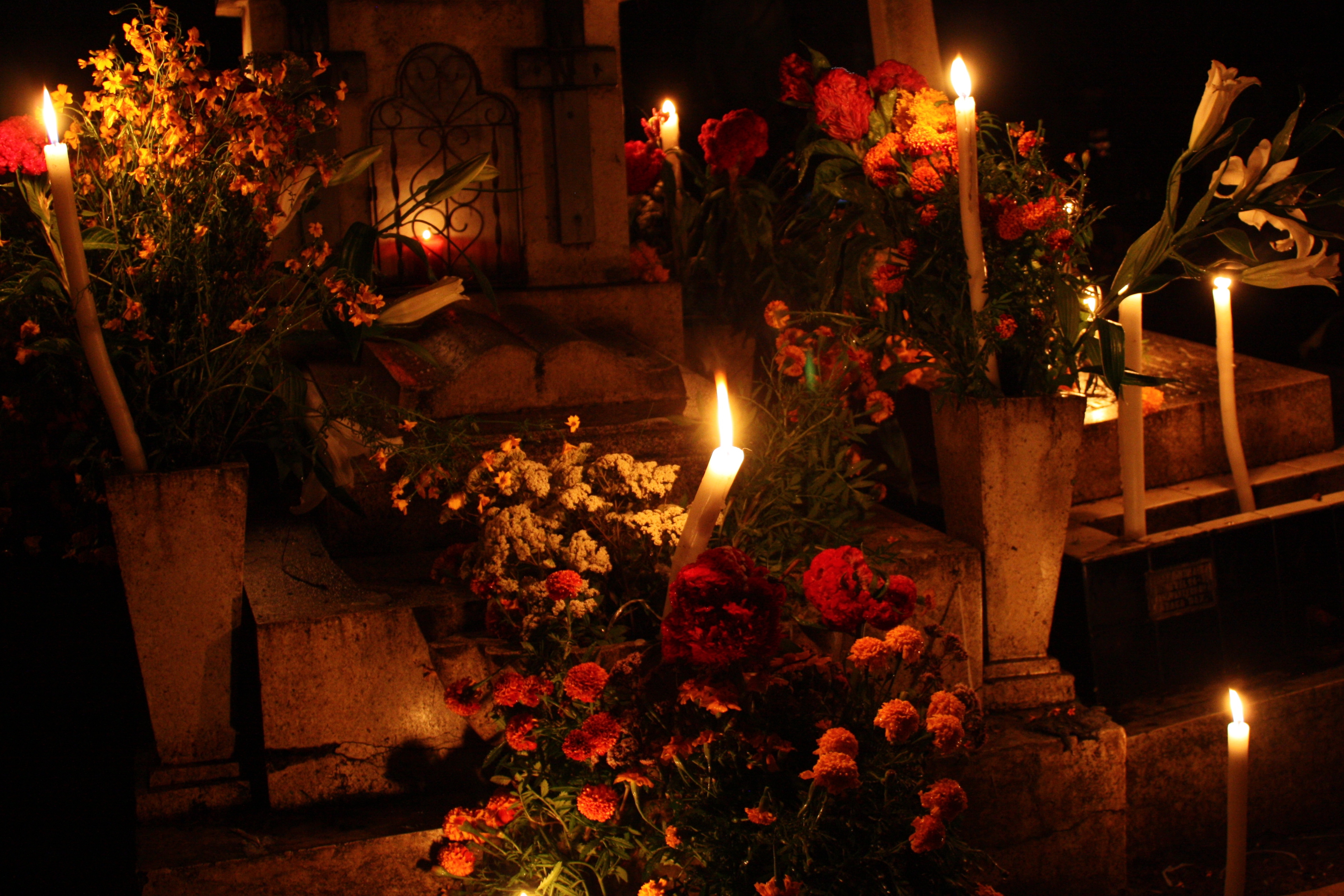
Cemetery visits are an integral part of the Dia de Muertos experience. If that sounds a little morbid, or maudlin, don’t be alarmed.  While some locals will be sat next to the graves of their ancestors in quiet reflection, others will be hosting the mother of all parties, with music, eating and drinking all playing a big part.  Tourists are welcome, so take your cue and join in if you’re asked.  On October 31st, head for Xoxocotlan old cemetery first, where stems of red gladioli and vases of pungent marigolds are lit up by white church candles before heading to the sound stage and buzz of the new cemetery next door where the party will be in full swing.

The old cemetery at Xoxocotlan

The old cemetery at Xoxocotlan

The after party

Comparsas, or parades, are at times raucous and always entertaining. Participants clad themselves in wildly extravagant costumes and parade through the streets of Oaxaca and neighbouring villages such as San Agustin Etla.  Some are dressed as the grim reaper, others panteoneros.  These are the living dead – missing eyes or wearing terrible wounds, they are a scary sight as they mingle with the crowd afterwards.  The parade becomes a party as everyone drinks and dances into the small hours.  It’s worth going on an organised tour if you choose the November 1st San Agustin Etla parade as arranging transport back to Oaxaca can be tricky.

A panteonero

A panteonero

San Agustin Etla parade

San Agustin Etla parade

Don’t rush off

Allow at least another few days to get to know Oaxaca. As well as the many souvenir shops and markets selling Dia de Muertos themed sweets – think candy skulls and lollipops – the city has a beautiful historic core packed with pretty colonial era buildings and interesting museums.  It’s also a foodie’s dream: try exotic dishes like deep fried grasshoppers or delicate courgette flowers or hang out in one of the many cafes watching the world go by.

Just back from – a day trip to Lisbon

I thought I’d experiment. Since launching in March of this year, BA have been pushing Day Tripper fares out of Heathrow to destinations such as Munich, Vienna and Rome.  The initiative has proved so popular that they have rolled out more destinations including Lisbon, Stockholm and Barcelona.  The fares are only available on Saturdays and Sundays but are a reasonably priced way of getting a change of scenery if you’re out of holiday or your budget won’t stretch to a hotel as well.  It got me thinking about where I could go and what I’d have time to do, and then of course, could I beat BA in terms of price and hours spent?  I could, and settled on a return fare with easyJet from Luton to Lisbon.

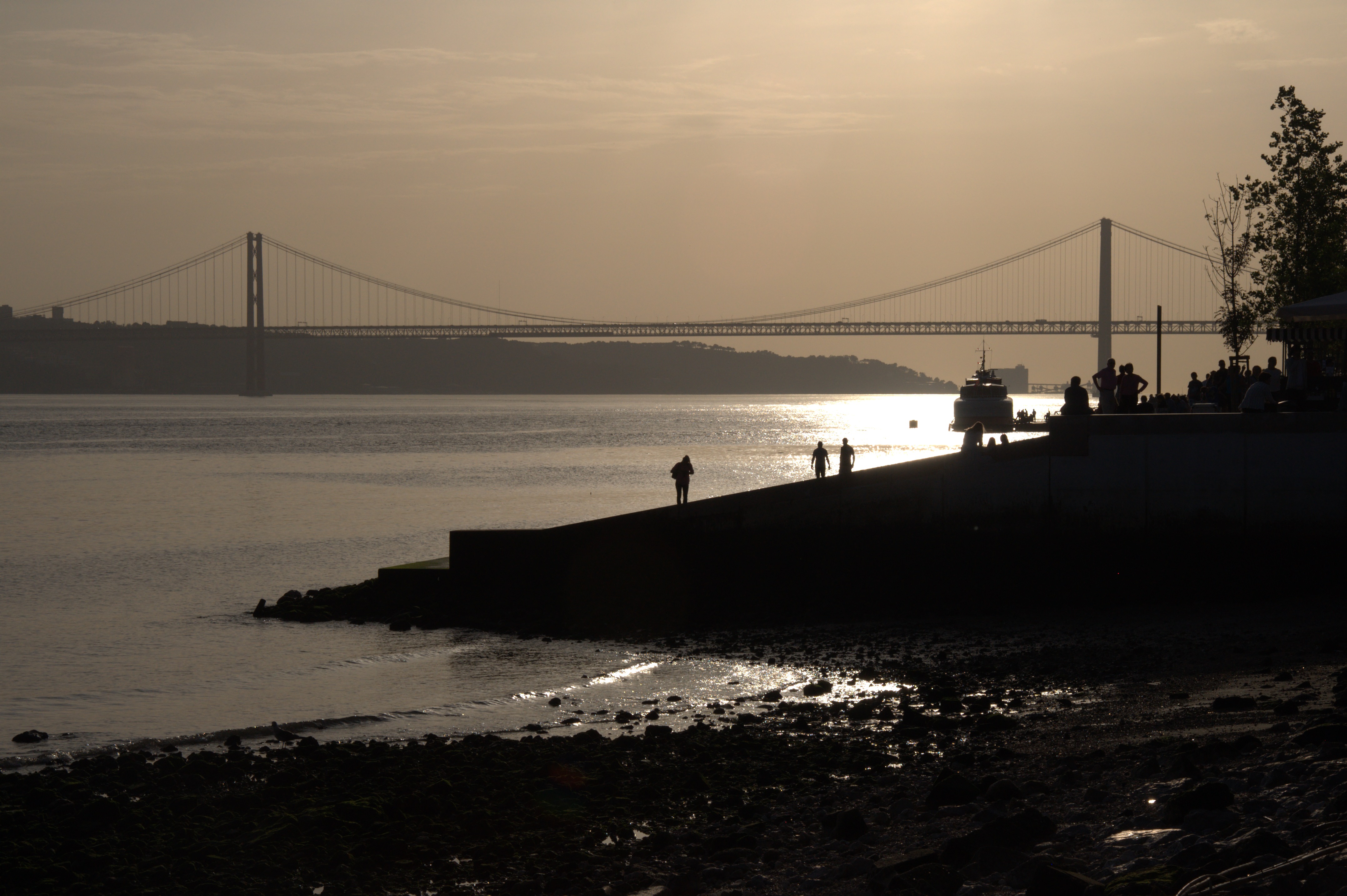
Lisbon's River Tejo shortly before sunset

Lisbon’s River Tejo shortly before sunset

The logistics

I flew from Luton on the 6.40am flight scheduled to arrive in Lisbon at 9.30am. The flight was delayed by about forty minutes due to fog in Lisbon, still beating the 7.40am BA flight which was scheduled for a 10.15am arrival.  No baggage made for a very quick transit through Lisbon’s airport and a direct connection to the city centre by metro meant I was in the city for mid-morning coffee.  My return flight was due to leave at 9.00pm meaning I left the city centre at around 7.30pm.  This again compared favourably to BA’s schedule where the last flight out departs at 6.50pm.  Having said that, a half-hour delay from Lisbon (no reason given) meant that we didn’t touch down at Luton until almost midnight, making it a very long day.

What is there to see?

Having been to Lisbon before, I was able to take in the sights of Sintra instead, a forty minute train journey from Lisbon’s Rossio station. There are plenty of tours available but as the return train fare is just over four euros it seemed a better option.  In Sintra, the sights are spread out up a very steep hill, but the local bus 434 offers a round trip hop-on hop-off fare for five euros.  I enjoyed wandering the streets of Sintra’s historic town centre, in particular looking at the peculiar bulging chimneys of the fifteenth century National Palace and the ornate interior of St Martin’s Church.  There are enough beautiful buildings to forgive it the tourist tat shops and there are plenty of places to eat a tasty lunch.

National Palace Sintra

National Palace Sintra

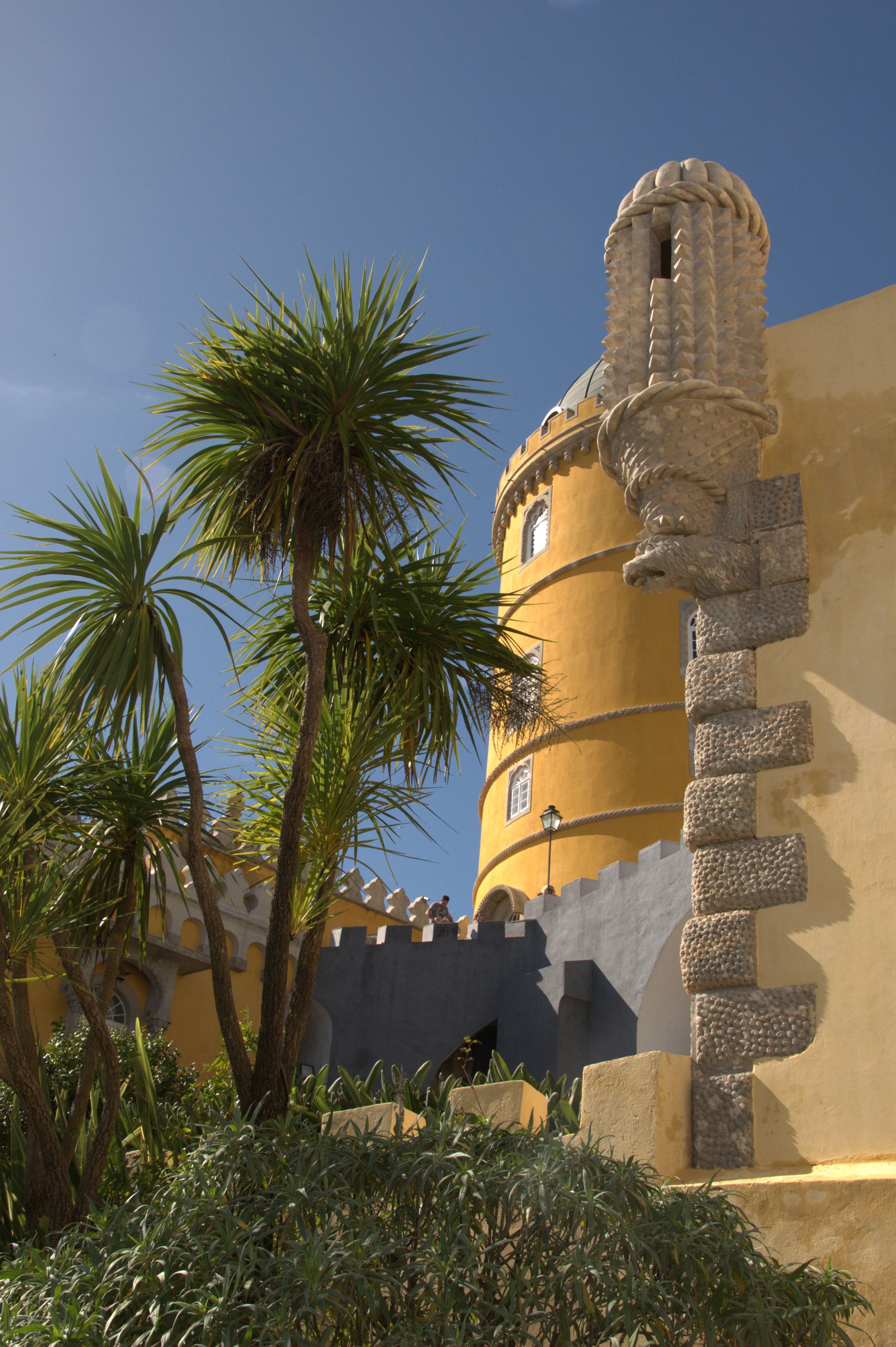
The bus then chugged up to the Moorish Castle, its driver becoming increasingly exasperated by the inconsiderate parking shown by many visitors and local residents. At one point the bus got wedged between a house and the stone wall opposite on a particularly tight turn, but a local dog walker came to the rescue and helped him make the most of every inch of the road.  After the castle, I headed up again (thank goodness for the bus) to the Pena Palace.  With its odd shapes and eclectic colour scheme, it looks for all the world like it has been transplanted from a Disney theme park.  It’s actually a nineteenth century Royal Palace set within the attractive Parque de Pena.

Pena Palace Sintra

Pena Palace Sintra

Returning to Lisbon late afternoon, I still had time to ride the Number 28 tram up to the Portas do Sol viewpoint, one of my favourite spots in the city. From its terrace cafes, you have a fantastic view across the Alfama District of terracotta rooftops and pastel-painted homes dotted with fabulous churches overlooking the River Tejo.  The tram is an attraction in itself, dating from the 1930s with its distinctive yellow livery and its wooden benches and old levers.  Be careful of the pickpockets that ride the tram; warnings are clearly signed on the inside of the trams yet an elderly German man on my tram lost a wallet to them which he’d unwittingly left in his back pocket.

The Alfama district seen from the Mirador at Portas do Sol

The Alfama district seen from the Mirador at Portas do Sol

So what’s the verdict?

Obviously, with time so limited, it’s best to choose either Sintra or Lisbon, and if you’ve never been before, I’d say Lisbon. Take a seven minute train ride along to Belem, where you can photograph the Monument to the Discoveries and visit the Belem Tower.

Monument to the Discoveries

Monument to the Discoveries

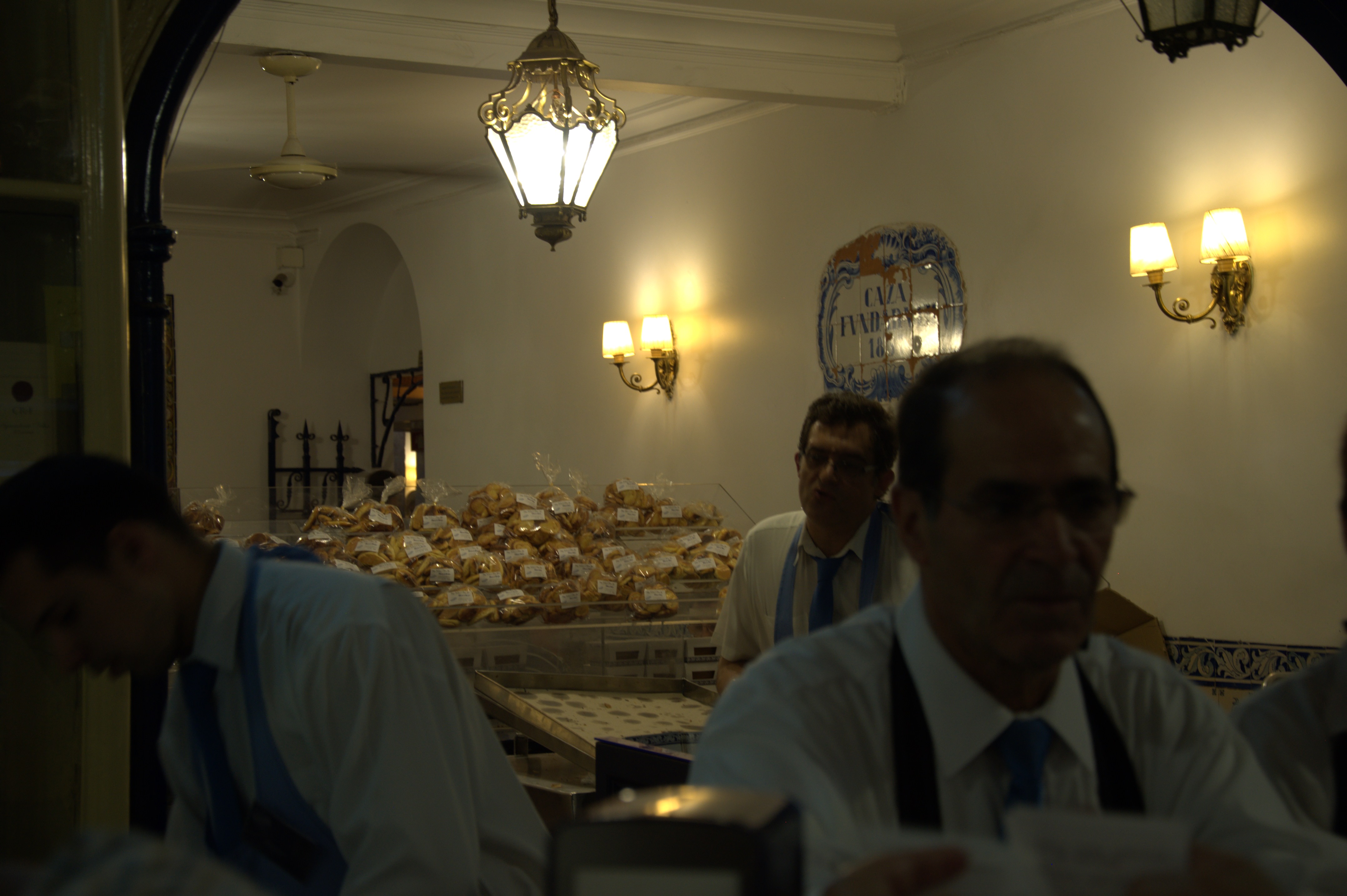
Next to the park, Jeronimos Monastery is the final resting place of Vasco de Gama, the famous Portuguese explorer.  The Pasteis de Belem bakery, dating from 1837, does a roaring trade in the tiny tarts for which Lisbon is well known, but you will have to queue – they sell around 50,000 on a normal day.

Pasteis de Belem

Pasteis de Belem

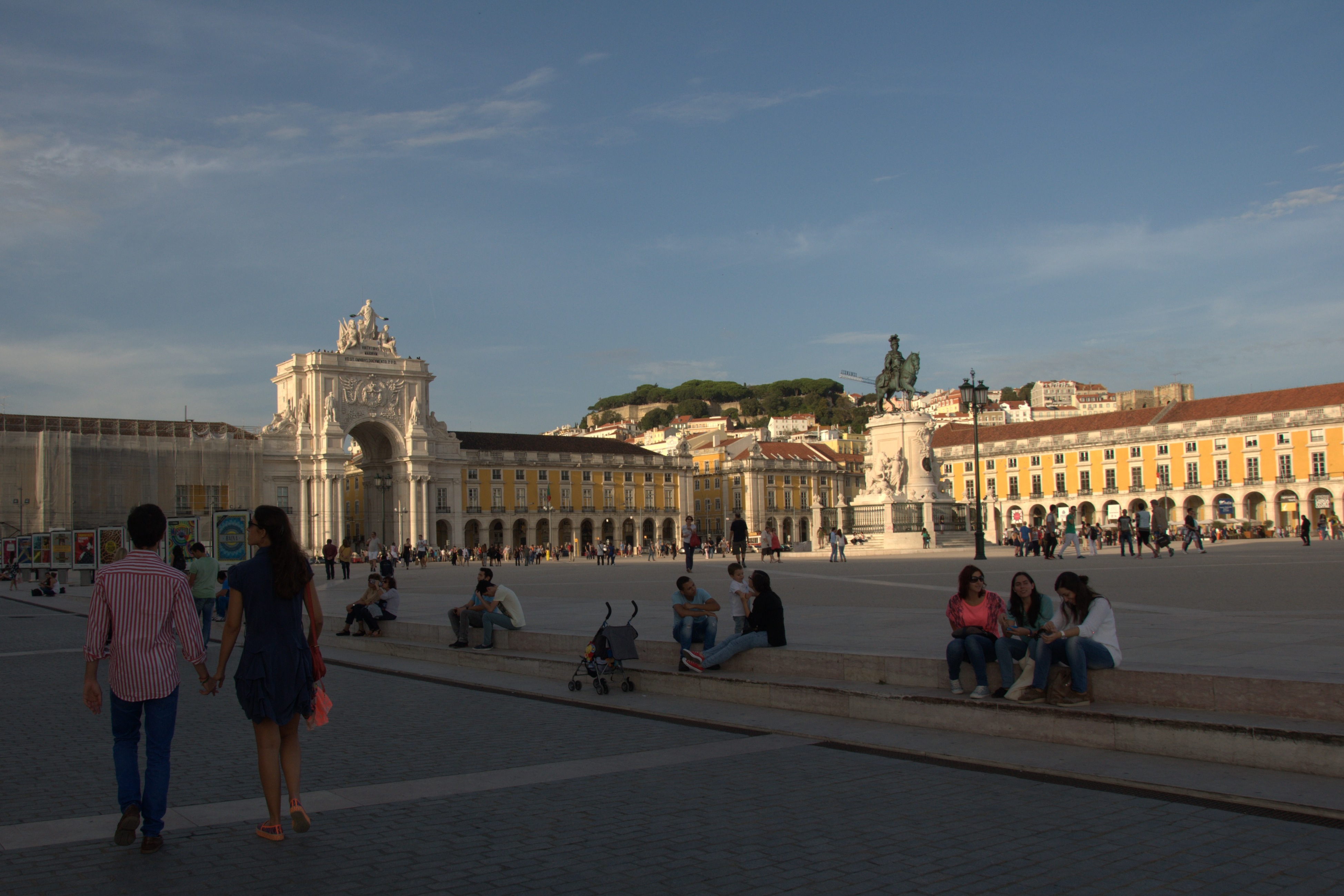
Back in the city, hang out in the many squares, such as the Praça do Comércio, rebuilt after the great earthquake of 1755. Wander the lanes of the Alfama and take in the views of St George Castle.  Enjoy the view of the River Tejo from the many miradors that dot the city.  Built over seven hills, you either need strong leg muscles or a day pass for the trams, elevators and metros which make getting about so much more pleasant under a hot sun.  It was 33°C yesterday.

Praça do Comércio in the Baixa district

Praça do Comércio in the Baixa district

So, I’d say it was definitely worth doing. It was a long day, but Lisbon is a great choice for a Day Tripper city break.

Nine tips to save money on flights – and one to avoid!

Flight costs often represent a big chunk of your holiday budget but there are ways for the savvy traveller to save money.  Here’s how to free up more cash for your holiday.


How to save money when you fly


Book early

Airlines are keen to lock you in to a date and offer enticing early bird fares. Once sold, prices are likely to go up (though this isn’t guaranteed!)  If you are certain about when you will travel – a birthday celebration perhaps or fixed school term dates – then it is worth booking in advance.  It also has the advantage of spreading the cost of the trip over a period of time compared to the shock of a large bill from a tour operator a couple of months before departure.  Scheduled flights become available about 11 months before you fly, while some budget airlines, such as the US carrier Southwest, publish the date flights will be released for the new season on their websites. Make sure you take out travel insurance to be sure you’re covered in the event something doesn’t go according to plan.

Sign up for offers

For UK budget airlines such as easyJet and Ryanair, the easiest way to keep abreast of the schedules is to sign up for their email newsletter. These will regularly send you details of special sales, release dates for particular routes and new destinations.  Follow your preferred carriers on Facebook and other social networking sites to be the first to be notified of their latest promotions.  It’s also worth looking at the news and media sections of airline websites to get wind of what’s coming up.

Fly indirect

It’s not everyone’s idea of fun to spend some of their precious holiday stuck in an airport waiting lounge. That said, the savings to be had from an indirect flight can be too tempting to resist.  Use an online agent like Opodo or Expedia to compare the savings on your chosen route or by mixing airlines.  Be careful of very long layovers as the cost of booking an airport hotel could negate the savings you’ve just made.  Using indirect flights with long daytime layovers can be a good way of seeing a city knowing that your luggage is safely checked ready for the second flight. Some airports such as Singapore Changi even offer free trips for eligible passengers. Make sure you’ve checked the visa requirements if you’re planning to sightsee along the way.

Look for alternative destinations

Horror stories abound in the media of airlines that deposit their unwitting passengers at obscure airports far from their intended destinations. It is possible, however, to make this work for you rather than against you.  Travelling from an alternative airport can not only save you money, but it can also save you time.  Factor in journey times, rail fares, airport parking and the availability of public transport at your destination to get an overall price rather than the basic flight price.  Don’t dismiss a smaller airport until you’ve scrutinised the schedule; you might find an indirect flight is still quicker than travelling to a larger hub such as Heathrow.

Shop around for the best baggage allowance

Depending on how long you are away for and what kind of gear you need to take, the cost of transporting your belongings varies enormously between airlines. Think seriously about hand baggage only fares; some airlines offer generous cabin baggage allowances and some hotels provide many of the products you might be thinking of carrying with you.  Check websites and email hotels in advance to make sure you only take what you need.  If you really can’t leave the suitcase behind, compare airline baggage fees to ensure you choose the cheapest option. Often headline “deals” don’t include baggage fees.

Choose when you fly

Midweek fares tend to be better value than weekend to weekend deals as many people like to take their holiday in complete weeks. If you are going away for a weekend, look for Saturday to Monday flights rather than Friday to Sunday.  Hotel room rates are often lowest on a Sunday night giving you further savings.  Think about whether you can travel on the early or very late flights; if you’re not tied to public transport these may offer considerable savings on the more convenient middle of the day departures.  Even the time of day that you search for flights might be a factor; some people say that booking late at night throws up better deals than if you surf at peak times.  It’s anecdotal rather than based on scientific fact but it can’t hurt to try.

Travel in the shoulder seasons

It’s worth doing your homework on the weather. Missing the peak months doesn’t have to mean missing out on sunshine.  Consider travelling in September for the Med or in winter for a city-break.  Temperatures in Australia are much more conducive to sightseeing in the Antipodean winter – and it’s dry season up in the north too.  Try the Caribbean in November or May; check out historic hurricane data to make an educated guess at which islands are least likely to get a direct hit if you want to visit between August and October.

Travel outside festival times

Depending on how badly you want to celebrate, you might consider flying out or back on a public holiday. Returning on New Year’s Eve rather than after the hangovers have lifted can save you money and you’ll be able to party back home with your friends instead of strangers.

Consider alternative methods of transport

Depending on the journey you wish to make, it might be a realistic alternative to take an overnight sleeper train or take your car on the ferry. Booking well ahead is just as important on popular train routes, such as Eurostar, as it is with flights but you have the added advantage of arriving in the centre of the city rather than a long taxi ride away on its outskirts.  Some long distance bus companies offer one dollar fares if you book sufficiently early – and it is possible to get hold of them.

And one to avoid…

There’s one tip for saving money on flights that could actually cost you a small fortune. Taxes vary from airport to airport, meaning that the long-haul savings travelling from Paris or Amsterdam could be significant compared to, say, Heathrow.  However, don’t be tempted to use a different airline to cover the first leg on a separate ticket.  If that flight is delayed or cancelled and you miss your second leg, the second airline is under no obligation to honour your ticket and you could be left considerably out of pocket.

Five reasons to travel independently

Over the last couple of decades, I’ve lost count of the times people have labelled me ‘brave’ for travelling without the safety net of a group tour or package holiday. For me, travelling independently fits as comfortably as a well-worn slipper.  Throwing my lot in with someone else, for me, is stressful and worrisome.  Here are my top five reasons for travelling alone:

Freedom

Don’t get me wrong, I have a blessed life at home, where I love my role of wife, daughter and general slave to my canine offspring. But for a few weeks each year, I get the precious reward of time with myself when I don’t have to compromise.  I can do what I want, when I want.  The freedom I get from solitude is one of the prizes of travel.  The map becomes my play thing, a border ripe for a crossing, an obscure country my next must-see destination.  I can cram my days with sightseeing or laze in a hammock and do nothing.  I can stay up all night or hit the sack before dinnertime.  I can experiment with new foods or eat at the same cafe for the fifth night running.  No negotiation, no justification – just pure unadulterated selfishness.

Sleepy Copan Ruinas, Honduras

Sleepy Copan Ruinas, Honduras

Meeting people

Travelling as a couple or within a group acts like a cocoon from the outside world. Travel alone, and the level of interaction you’re going to get depends on the effort you make to reach out to people.  It forces you to form relationships and invest in conversations.  Hiring a guide or a driver just for yourself is extravagant but also a window into the soul of the place you’re exploring.  But it’s the everyday encounters that can be the most memorable.  Sometimes, it will begin with the offer of a sweet from a neighbour on a park bench, a helping hand up a rocky path or a casual conversation on the back seat of a local minibus.  Always, it will be rewarding.

Mapunda the guide, Tanzania

Mapunda the guide, Tanzania

No one can talk you out of danger

At home, I’m generally risk averse but that seems to dissolve once I step foot on foreign soil. In some cases, it’s unavoidable.  I wouldn’t dream of backing off my driveway at home without fastening my seatbelt, but necessity has forced me to ride beltless for hour after bumpy hour in vehicles that haven’t seen a mechanic in decades.  Over the years, I’ve developed a fatalistic outlook on life, rationalising that I could just as easily be killed on the roads at home.  Sometimes, the activities I’ve done have involved a calculated risk – walking with lions, hiking to the crater of a very active volcano, overnighting in the murder capital of the world – but the memories I’ve created have been worth it.

Watching Mt Yasur explode, Vanuatu

Watching Mt Yasur explode, Vanuatu

It hones your skills

One of the biggest fears people have of travelling solo is what would happen if things were to go wrong. Without a travelling companion, you are forced to rely on yourself for a solution.  I’ve only ever missed two flights. Once in Posadas, near the Argentina-Paraguay border, the whole airport was shut by the time I arrived as the airline had omitted to tell me they’d moved the flight forward by five hours.  In Bangkok, it was my own fault.  I muddled a midnight flight and turned up three hours early only to find I was almost a day late.  Both problems had a solution, a very comfortable cama-bus in Argentina and an extremely understanding check-in agent in Thailand.  The only time I really thought my problem-solving skills weren’t up to the job was in Ulan Ude in Russia, where they had unhelpfully hidden check-in behind a signless whitewashed wall.  I tried miming and pointing at words in my phrase book – all to no avail.  Eventually someone slipped through the well concealed door and I figured it out in the nick of time.

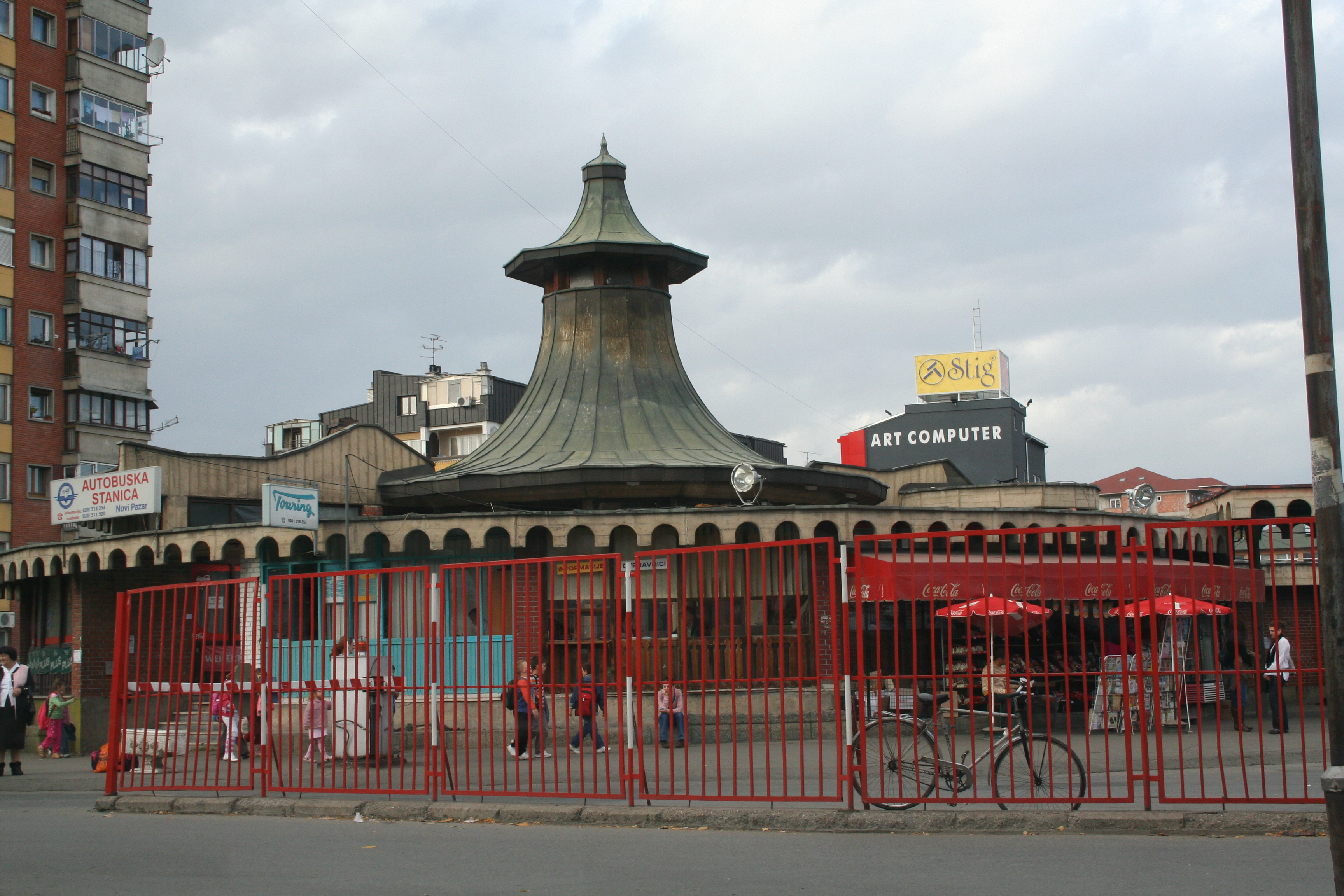
Bus station with no bus, Serbia

Bus station with no bus, Serbia

It’s cheaper

I couldn’t do the amount of travelling I’ve done at the prices charged by most tour operators. I can shop around for the best flight deals, find a hotel room which doesn’t penalise the single traveller with a jaw-dropping supplement and can opt out of the parts of itineraries that just don’t interest me.  Local transport is invariably cheaper than a seat on a tour bus and I don’t pay entrance fees for attractions that I don’t want to visit. It can occasionally go wrong, of course, but that’s what good insurance is for.

Room for one more, Senegal

Room for one more, Senegal

Photos and words: Julia Hammond