juliamhammond

Latest

A beginner’s guide to Iceland

Updated Spring 2022

Iceland’s fortunes are looking up. Years have passed since the volcanic eruption that resulted in flight chaos throughout the northern hemisphere.  Post-economic crash and coping admirably with the fallout from the coronavirus pandemic, Iceland is fully open for business.

Iceland's scenery is dramatic and beautiful

Iceland’s scenery is dramatic and beautiful

How to get there from the UK

Flights with BA and also Icelandair, the national carrier, depart from London Heathrow to Keflavik (KEF), the airport nearest to the Icelandic capital Reykjavik. Budget airlines also serve Keflavik. easyJet offer a good service from London Luton and London Gatwick, while Play operates out of London Stansted. A non-stop flight takes a little over 3 hours from London. There are also flights from Manchester and Edinburgh. Icelandair offers fares to North America with Reykjavik as a stopover destination for the same fare making it possible to combine an Icelandic break of 1 to 7 days with cities such as New York.

Jökulsárlón glacial lagoon

Jökulsárlón glacial lagoon

Getting from Keflavik airport into the city centre

The simplest and cheapest way to get to Reykjavik is to use the FlyBus. This bus will take you from the airport to either the bus station or to some hotels. To find out whether yours is served, there’s a list on the FlyBus website – check Google maps if yours isn’t listed to identify which listed hotel is closest. Single fares to the bus station are 3499 ISK (about £21) and to your hotel 4599 ISK (about £28). The journey takes 45 minutes, there’s free Wi-Fi on board and tickets are flexible, so if your plane is late, you just take the next available bus. There are frequent departures throughout the day and evening.

If you are travelling as a larger group or further afield, you may prefer to hire a car. The easiest way to do this is to book with one of several car hire companies based at the airport. I’ve used Thrifty a couple of times now. They’re not the cheapest but the cars are reasonably new and the rates are competitive. Note that you’ll need special insurance if you plan to drive off road or on some of the interior’s gravel roads (note: the latter are closed during the winter). It’s also advisable to take out an insurance policy that covers you for damage caused by sand (especially if you plan to travel along the south coast) or gravel. You might be a careful driver but there’s nothing you can do to mitigate against those travelling at speed who pass you from the opposite direction.

Icelandic fishing villages are charming

Icelandic fishing villages such as Olafsvik are charming

Getting around

If you’ve chosen not to hire a car, it is possible to use public buses to travel between some parts of the country. Check schedules carefully as it can be a long wait between buses. Consult this useful map of the main long distance routes in Iceland to see at a glance whether the places you plan to visit are connected or not. Alternatively, use a company such as Reykjavik Excursions which can offer day or multi-day tours. They can also sell you a ticket for a summer-only bus up to Landmannalaugar in the highlands.

Seljalandsfoss

Reykjavik

The Icelandic capital is charming and a good base for the first time visitor. Pay a visit to the unusual Hallgrímskirkja church; it’s only 1200 ISK to go up it and take in the views of the city. Also great for the views though a little out of the centre is Perlan; it features an excellent Áróra Northern Lights planetarium show and now also has a double zipline. The area around Tjörnin lake is worth a stroll if the weather’s good; it’s not far from the main drag and is popular with joggers. Down by the harbour there’s a cool structure known as Sun Voyager or ‘Sólfar’ which is worth making the effort to visit; walk past Harpa, the city’s concert hall and along to the Old Harbour for a pleasant walk. In the opposite direction, you’ll come to Höfði House where Reagan and Gorbachev met in 1986 to begin the process of ending the Cold War.
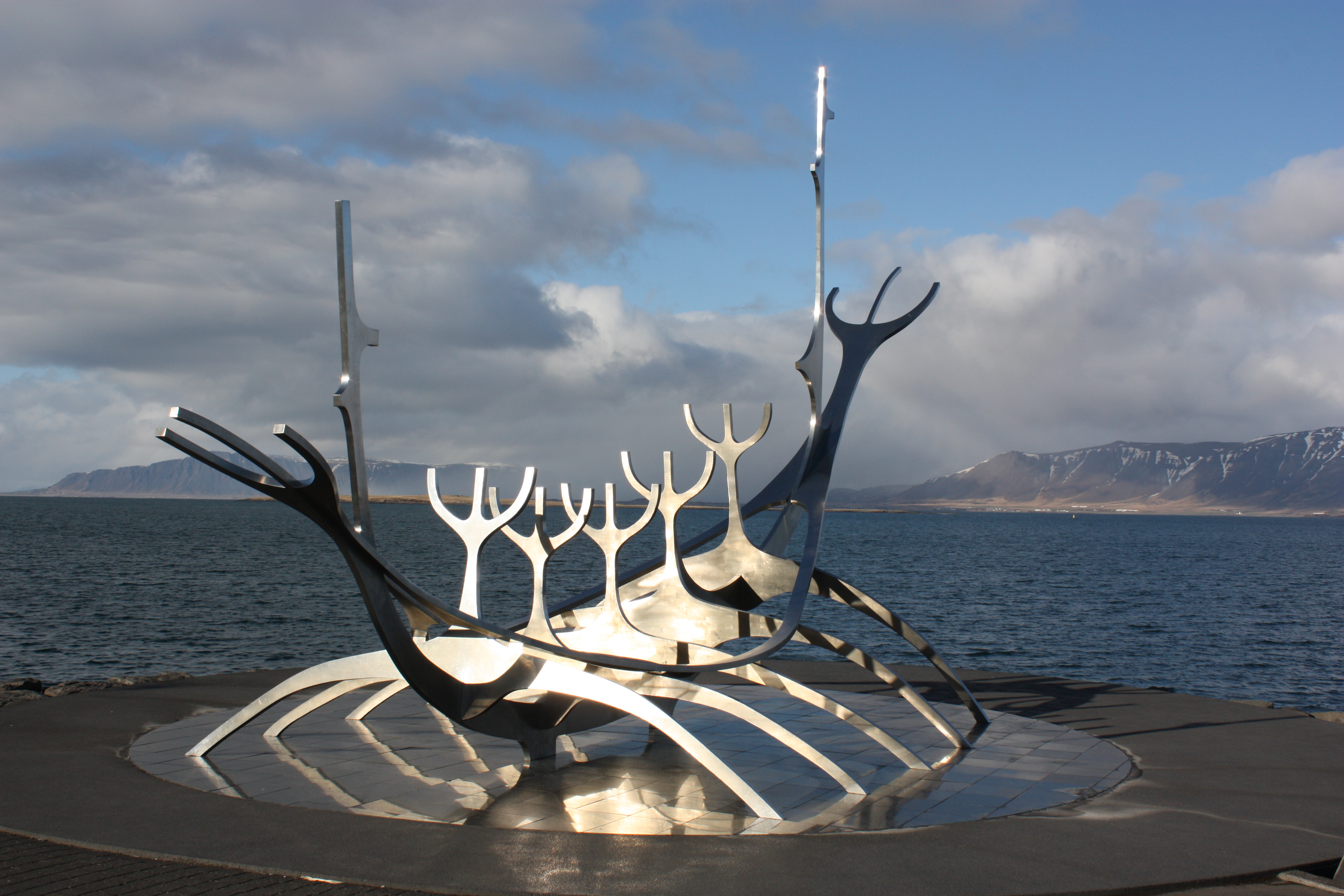
The Sun Voyager statue, Reykjavik

The Sun Voyager statue, Reykjavik

Must-see attractions beyond the capital

Reykjanes

The Blue Lagoon is a world-renowned spa consisting of a large pool fed by geothermally-heated water. It’s possible to book massages and other treatments; even if you just want a dip you’ll need to pre-book (evening slots are cheapest). There’s also a bar if you’d like a drink whilst relaxing in the warm water. Pots of white silica-rich mud are yours to try out – spread it on your face and body for an enriching treatment. Tip: in cold weather, turn left on your way out and enter the pool indoors before swimming out – it’s warmer than making a run for it from the main door. It’s possible to visit the Blue Lagoon on your way to or from Keflavik airport and lockers large enough to take a suitcase are available. The Blue Lagoon is the main attraction on the Reykjanes peninsula where the North American and European plates meet. With your own transport you can stand on Leif the Lucky’s bridge that straddles the two – but be warned, it’s one of the windiest places in the country.

The Blue Lagoon

The Blue Lagoon

The Golden Circle

The Golden Circle comprises three of Iceland’s most awe-inspiring attractions: Gullfoss waterfall, Haukadalur and Þingvellir, the site of the original Icelandic parliament. One of Iceland’s many dramatic waterfalls, Gullfoss is the spot where the Hvítá river rushes south and plunges into a chasm where the water explodes into a maelstrom of white water and eroded rock. At nearby Haukadalur, the original geyser, Geysir, has long since given up erupting, but the plume of water that spurts from nearby Strokkur is impressive and conveniently frequent. The Alþingi, or parliament, met at Þingvellir from 930 to 1798 and thus the site is important culturally and historically in addition to its stunning physical characteristics. The three sites can be combined on a morning or afternoon organised tour departing from Reykjavik, but it is worth spending more time at each than the tour allows. If you do decide to go it alone, consider stopping at the excellent Laugarvatn Fontana spa where they bake rye bread in the hot sand twice a day. Spa admission costs 3950 ISK per person (about £24) and the bread baking, including tasting, is 2300 ISK (about £14).
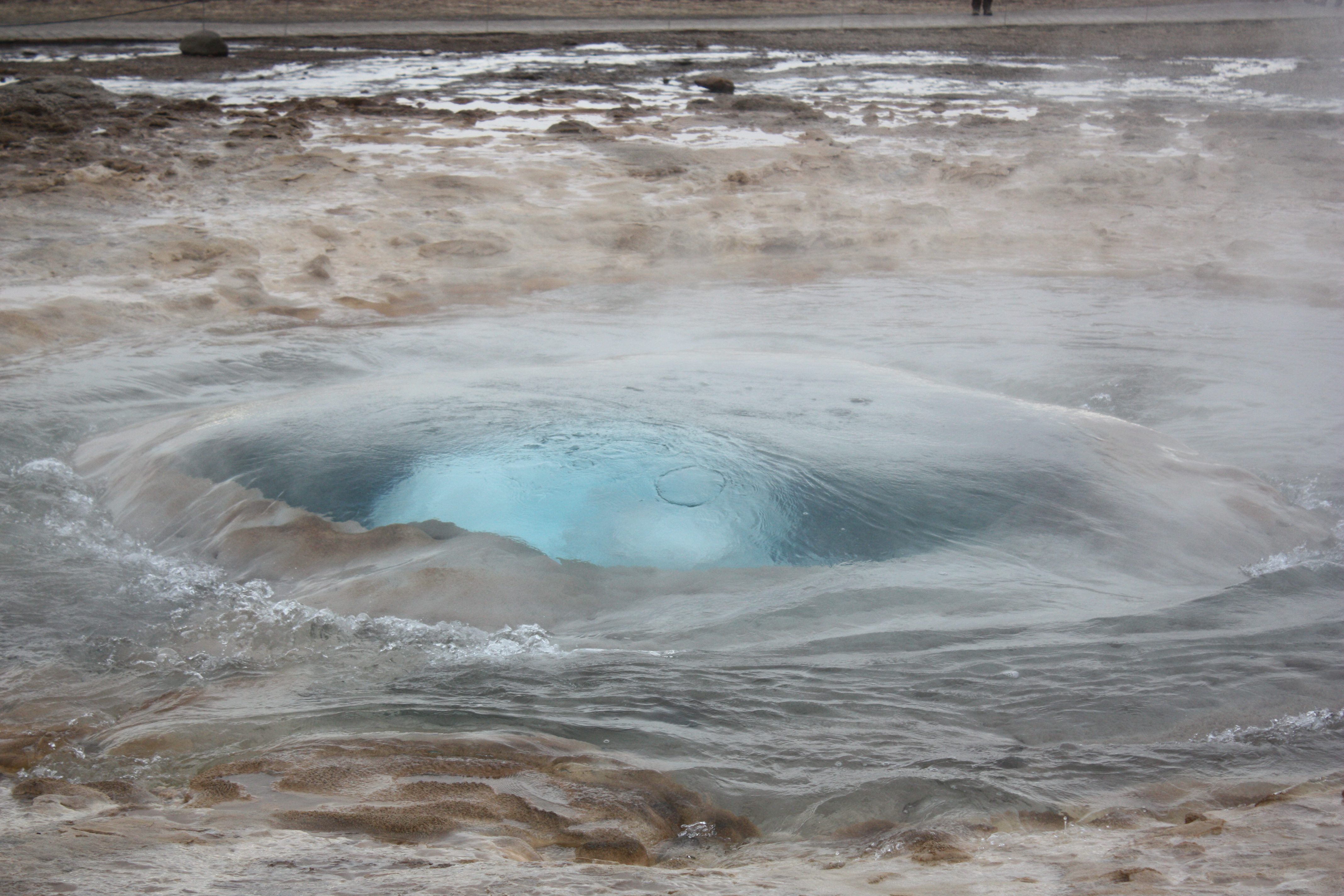
Strokkur on the verge of blowing

Strokkur on the verge of blowing

The Snæfellsnes peninsula

The Snæfellsnes peninsula is ignored by many but is a worthwhile day out. It’s a remote peninsula with a dramatic coastline perfect for a scenic drive. Its expanses of countryside are punctuated by small fishing villages including the charming Olafsvik. The Hollywood film “The Secret Life of Walter Mitty” was filmed here, focusing on the village of Stykkishólmur whose centre is crammed with historic buildings. Another highlight is the Shark Museum at Bjarnarhöfn. There you can find out how the Icelandic delicacy of hákarl is created and, if you’re brave enough, try a cube of this dried rotted shark flesh for yourself.

Trying hákarl, rotted shark meat

Trying hákarl, rotted shark meat

The south coast

Take the southern ring road towards Vik and you will come across two impressive waterfalls. Skógafoss waterfall has an impressive 60 metre drop, but for sheer drama, my choice is the beautiful Seljalandsfoss waterfall. Climb up the wooden staircase to the right of the falls as you face them and the path takes you behind the curtain of water. You will get wet but it’s a lot of fun. In Skaftafell, don’t miss the glorious sight of Svartifoss, an impressive waterfall flanked by basalt columns.  To ride nearby, see my post about Glacier Horses. On a secluded ash-grey beach (once accessible by 4×4 but now accessed only on foot) is the wreck of a plane. Near Vik, the DC3 crashed back in 1973 with no loss of life, and the plane has been there, abandoned, ever since. It’s worth the five mile round trip walk over the volcanic sand to see this curious and fascinating wreck but allow plenty of time to return before sunset. Just before you reach Vik, keep an eye out for the notorious sneaker waves as you visit Reynisfjara beach. In Vik itself, meet up with the guide from Katlatrack and don helmet and crampons for one of their ice cave tours up on Mýrdalsjökull. Their three hour fast track tour costs 19,900 ISK per person (about £121) but although it’s expensive it’s worth every penny.

The crashed DC3 near Vik

The crashed DC3 near Vik

Jökulsárlón

Situated on the edge of Vatnajökull National Park, itself a fun destination if you’d like to try out snowmobiling on Europe’s largest glacier, Jökulsárlón is a large glacial lake in the south west of Iceland. As the Breiðamerkurjökull calves into the lake, icebergs travel the short distance to the Atlantic Ocean where they bob about on the waves, washed on and off the beach until they finally melt. It’s a magical place; though both the beach and the lagoon itself can get crowded. In summer, it’s possible to take a boat trip. The best value tour is on an amphibious vehicle which gets you close to some of the icebergs for 6000 ISK per person (about £36), but you’ll get closer to the glacier if you pay the extra for the Zodiac tour. Just west is the sometimes overlooked Fjallsárlón. It too has icebergs and boat trips though it’s not quite as impressive as its more famous neighbour.
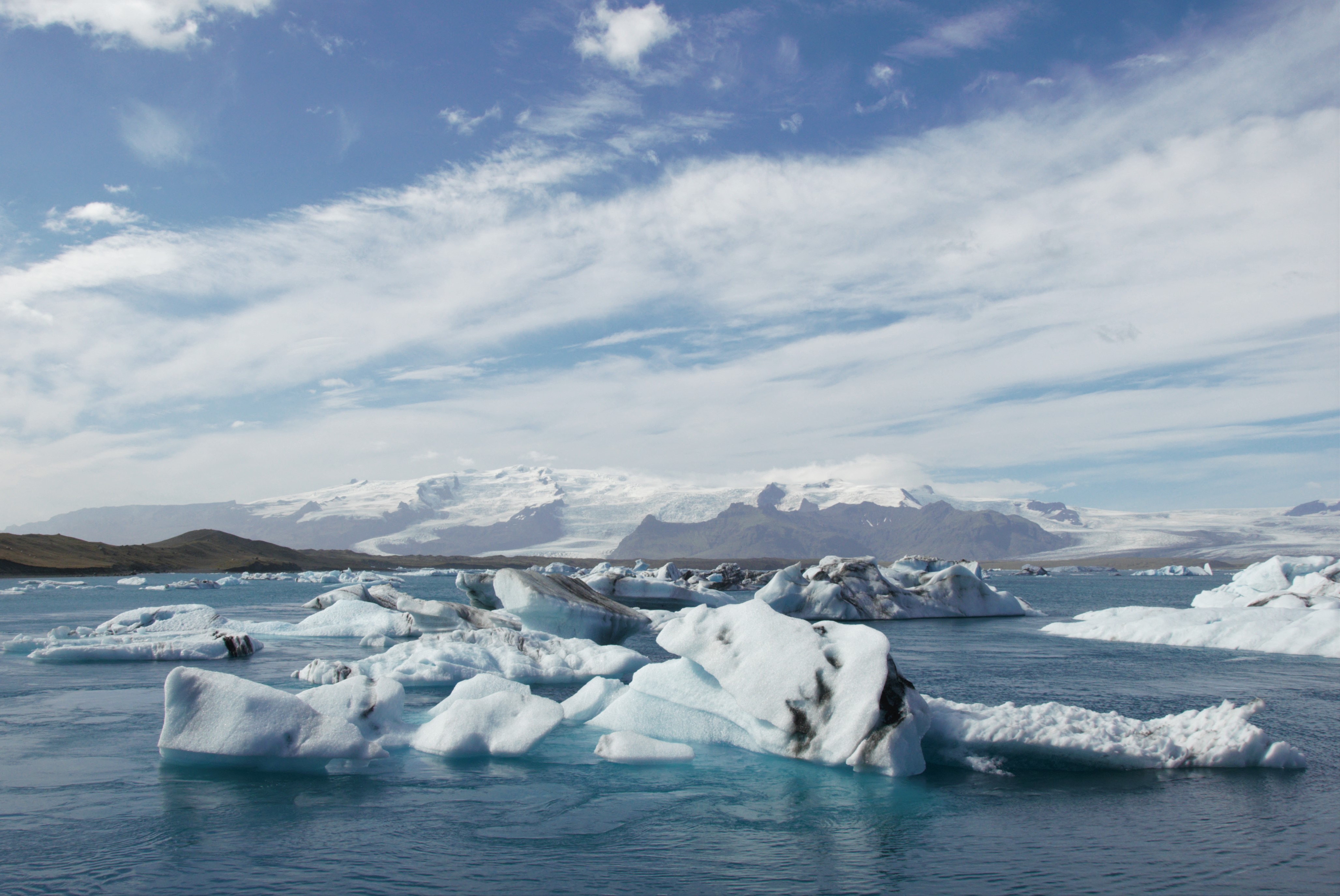
Jökulsárlón Glacier Lagoon

Austurland

East Iceland receives far fewer visitors than the popular south, but there are some breathtaking sights there too. A couple of the coastal villages stand out. You might recognise Seyðisfjörður for the rainbow path leading to its pretty church; it’s accessed by a tarmac road as this is also the place to jump on a ferry to Denmark or the Faroe Islands. In contrast the road to Borgarfjörður eystri, another of the area’s spectacular fjords, winds up and over a mountain pass. For an off the beaten track retreat, the Blabjorg Guesthouse with its open air hot tubs overlooking the water is a great choice. The east’s most unmissable sight is a relative newcomer: until a nearby hydro-electric plant was built which held back the water, the breathtaking Stuðlagil Canyon was hidden to the world.

Stuðlagil Canyon

The Diamond Circle

North Iceland’s answer to the well-established Golden Circle launched officially as a marketing concept in September 2020 but travellers have been drawn to its attractions for much longer. Base yourself in the delightful port town of Húsavík, where you can visit the excellent whale museum and then head out into Skjálfandi bay to see if you can spot them for yourself with a company such as North Sailing. They offer tours for a reasonable 10990 ISK (about £67) with a 98% chance of a sighting. The other four stops on the Diamond Circle are Goðafoss waterfall, Mývatn (Midge Lake – in summer it lives up to its name!), Ásbyrgi canyon and last but not least Dettifoss waterfall, the largest in Europe. This part of Iceland is geothermal; take advantage of that naturally occurring hot water with a dip at GeoSea in Húsavík or the Mývatn Nature Baths. Reservations are advised for both, especially in peak season. Further west, detour off the ring road for a visit to Siglufjörður. This charming town made its money on processing herring; today, the old industrial buildings have been converted into a fascinating museum (2200 ISK per person, about £13).
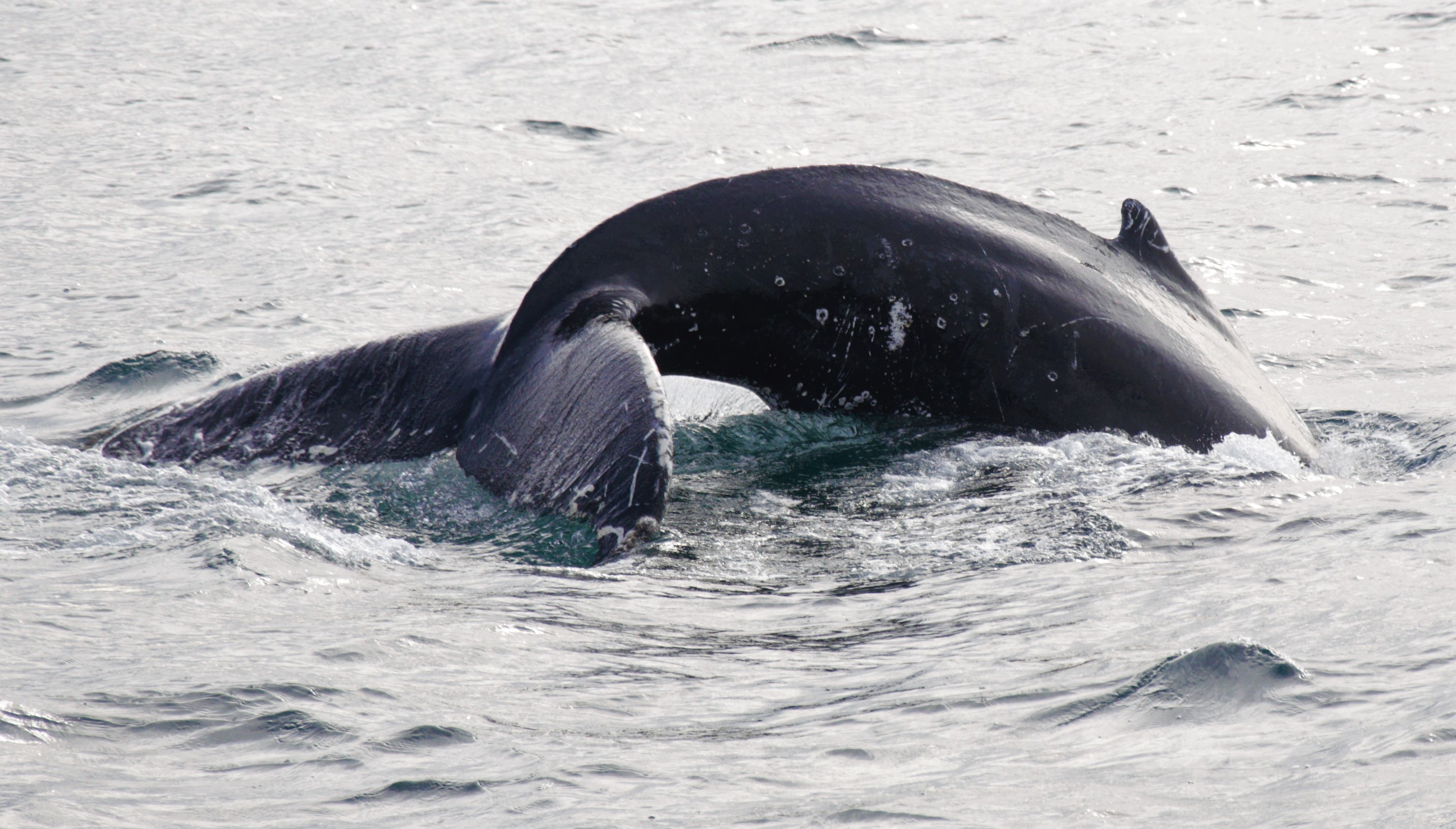
Humpback whale near Húsavík

The north west

The north west of Iceland and in particular the remote Westfjords are often missed by visitors. From Akureyri, Iceland’s second city, the road east is relatively quiet. The old turf buildings at Glaumbær are interesting to explore and well priced at 1700 ISK (about £10). Make a detour to visit the Icelandic Seal Center in Hvammstangi (admission 1200 ISK (abotu £7). Note that it is closed during the winter. Afterwards, head north to see if you can spot seals at Illugastaðir or Hvítserkur – the latter is also worth a stop for its magnificent sea stack. Ísafjörður is the capital of the sparsely populated Westfjords and even has its own brewery. From here you can take a boat trip with Borea Adventures to Hornstrandir in the hope of spotting Arctic foxes (sightings not guaranteed); there’s a few stuffed ones in a museum just outside Ísafjörður itself. Detour to Flateyri to Iceland’s oldest bookstore, or to Holmavik to visit the quirky but creepy Museum of Icelandic Sorcery and Witchcraft. Another excursion is to Simbahöllin in Thingeyri, which does fabulous waffles in summer.  To feel like you’ve reached the end of the world try Patreksfjörður, a fish processing settlement within easy reach of the attractive Rauðasandur – a distinctive red sand beach – and the Látrabjarg bird cliffs. It’s also handy for the ferry to Stykkishólmur in Snæfellsnes.

Glaumbær – The old turf farm

Practical information

It’s possible to loop the ring road in about a week but you’ll be pleased that you allowed more time, at least ten days and two weeks if you can manage. Roads outside the mountainous interior still vary a lot; the ring road is tarmacked and aside from the occasional blind hill and many one-lane bridges, you’ll have no issues at all in fine weather. Keep abreast of local weather conditions online and don’t underestimate the impact of wind speeds. Another invaluable website is that showing road surfaces; gravel roads are generally simple to drive unless they are very steep, though you’ll appreciate the extra grip of a 4×4. The interior shuts in the autumn and doesn’t reopen until late spring; most of its F roads require a high clearance 4×4.

Tips for getting the best out of a trip to New York City

There’s so much to see in the Big Apple so making sense of it all as a first time visitor can be daunting.  Here’s what I’ve learned:

Use the subway

Getting around in New York’s traffic can be hell so why waste your precious time sitting in traffic?  Instead take the subway.  A one week MetroCard costs $30 plus a $1 fee to buy the card.  Tip: save your card and take it with you on your next holiday – the card is reusable.  Standard fare per journey is $2.75 so you don’t have to use it much over a week to get your money’s worth.  Check out the MTA tourist’s guide here: http://web.mta.info/metrocard/tourism/index.html.

Essex Street subway station

Essex Street subway station

Both JFK and Newark airports, serving UK carriers, are located out of Manhattan – JFK is out in Queens and Newark is over in New Jersey.  Both take a similar amount of time to reach.  If you are offered a coach or shuttle connection to the airport as part of a package, think carefully as to whether to take it – journey times are often double that of the subway or Long Island Rail Road, especially at rush hour.  Note that if you take the subway or LIRR to JFK you’ll need to connect to the AirTrain which requires an extra ticket (a $5 fare).  In the city, look to see whether you can take an express train; for longer journeys (e.g. Upper West Side to Battery Park) these can be considerably quicker.  But at busy periods, you might have a better chance of getting a seat (or even getting on!) if you take the local.  Print off a map from http://web.mta.info/maps/submap.html or download a free app so that you can ensure you don’t go whizzing past your stop.

See NYC’s museums and attractions free of charge

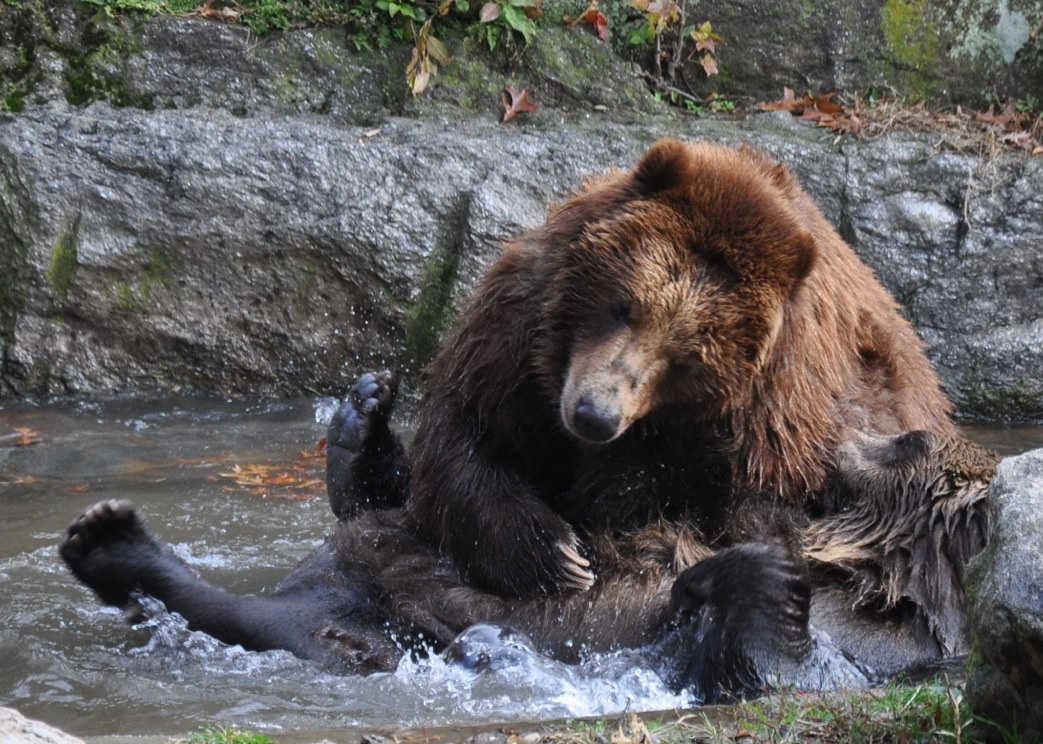
Time your visit right and you could save a ton of money.  Many of New York’s premier attractions offer free entry at particular times of the week, so before you consider buying a tourist pass, work out which attractions you want to visit and when you can see them for nothing.  For example, up in the Bronx, the Zoo offers free entry on a Wednesday, though some exhibits charge an additional fee, such as the excellent Congo Gorilla Forest.

Bears playing in the Bronx Zoo

Bears playing in the Bronx Zoo

The nearby Botanical Gardens offers free entry on the same day, so combining the two makes sense.  The city’s top museums are also free some of the time – try the 9/11 Memorial and Museum on Tuesdays after 5pm (reservations recommended) and the Museum of Modern Art between 4 and 8pm every Friday.  For a fuller list, check out http://www.nycgo.com/articles/free-nyc-museums and double check things haven’t changed just prior to your visit.

Go local and eat at a food cart

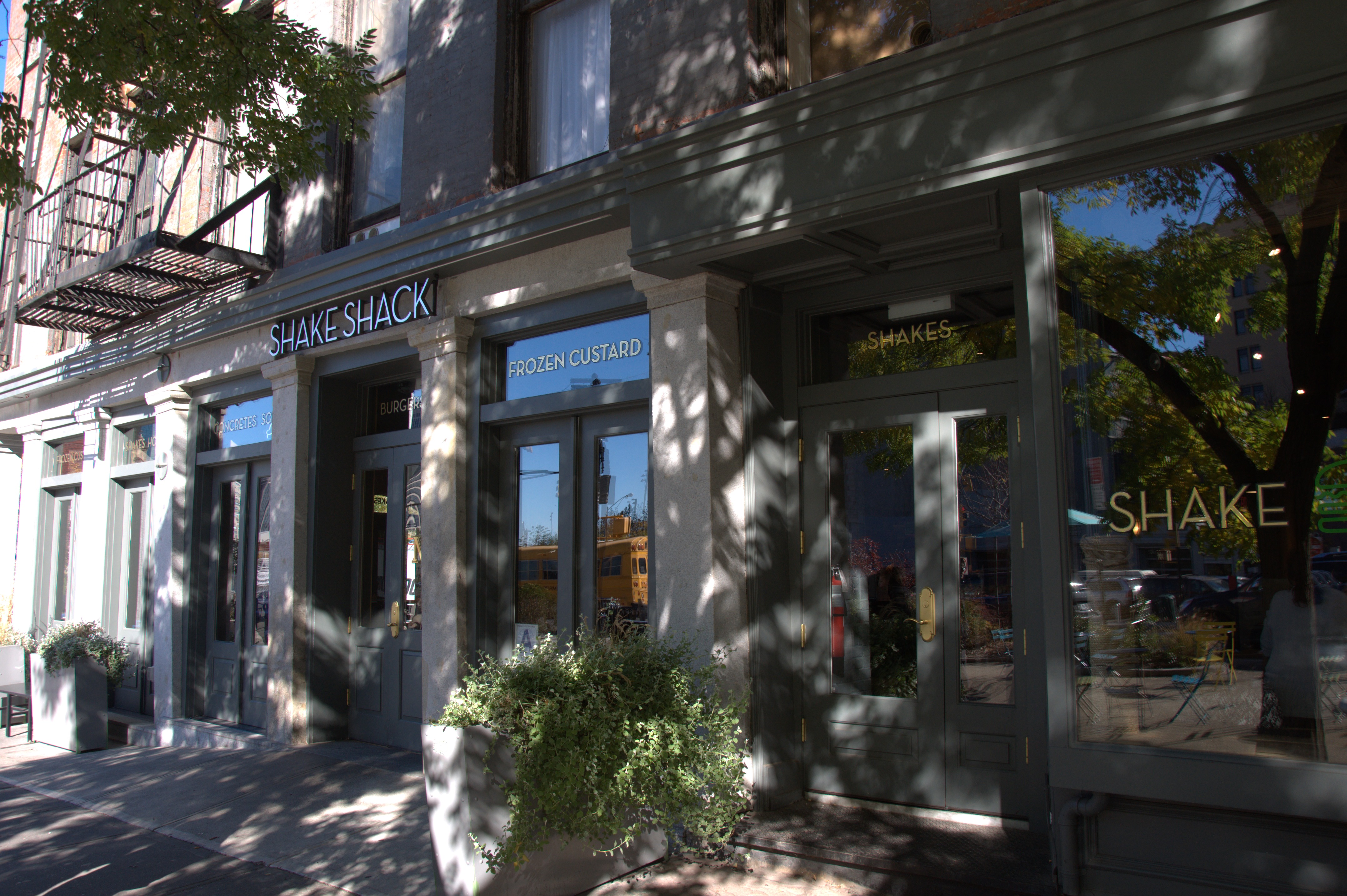
Some of the best food in New York can be found at the city’s food trucks.  Famous burger chain Shake Shack started from a cart in Madison Square Park back in 2000.

Shake Shack, near the Brooklyn Bridge

Shake Shack, near the Brooklyn Bridge

No matter what your favourite type of food, there’s a truck to suit.  Try Calexico, a Cal-Mex eatery with a range of restaurant locations and carts scattered across lower Manhattan and Brooklyn, including the Flat Iron and SoHo.  Schnitzel and Things brings an American twist to German food and again shifts from place to place; follow them at http://www.schnitzelandthings.com/ to find out whether they’ll be near you.  If you’d rather try something from the US, then I have a couple of recommendations.  Shorty’s on Wheels is the mobile offering from Philly cheesesteak provider Shorty’s – check out its website http://www.shortysnyc.com/truck-schedule.php for the week’s locations as the vehicle moves on a daily basis.  Luke’s Lobster have a number of restaurants scattered across the city bringing a taste of New England (think clam chowder, crab and lobster rolls) but they go mobile via the Nauti Mobile.  Find them here: http://lukeslobster.com/nauti and check out their scrumptious menu.

Get off Manhattan

There’s so much to do and see that it is tempting to limit yourself to Manhattan, but that would be a pity.  On a summer’s weekend, there are few places better than Governor’s Island.  Take the ferry from southern Manhattan, rent a bicycle and enjoy fabulous views of the New York skyline from two wheels without having to worry about traffic.  Over in Brooklyn, the neighbourhood of Williamsburg contains a clutch of great shops (and eateries) centred on Bedford Avenue including the Goorin Bros. hat shop, the Bedford Cheese Shop and the delightful Red Pearl, a boutique selling clothes, jewellery and gifts: http://shop.redpearlbrooklyn.com/.  If you have enough time to venture further afield, take a Metro North train out of Grand Central and visit the quaint town of Rye or, a little further on, Old Greenwich, one of Connecticut’s prettiest little towns and home to the Sweet Pea’s Baking Company: http://sweetpeasct.com/.

Sweet Pea's Baking Co, Old Greenwich

Sweet Pea’s Baking Co, Old Greenwich

Down by the Clyde…

A pleasant stroll under a winter sun along the Clyde in Glasgow:

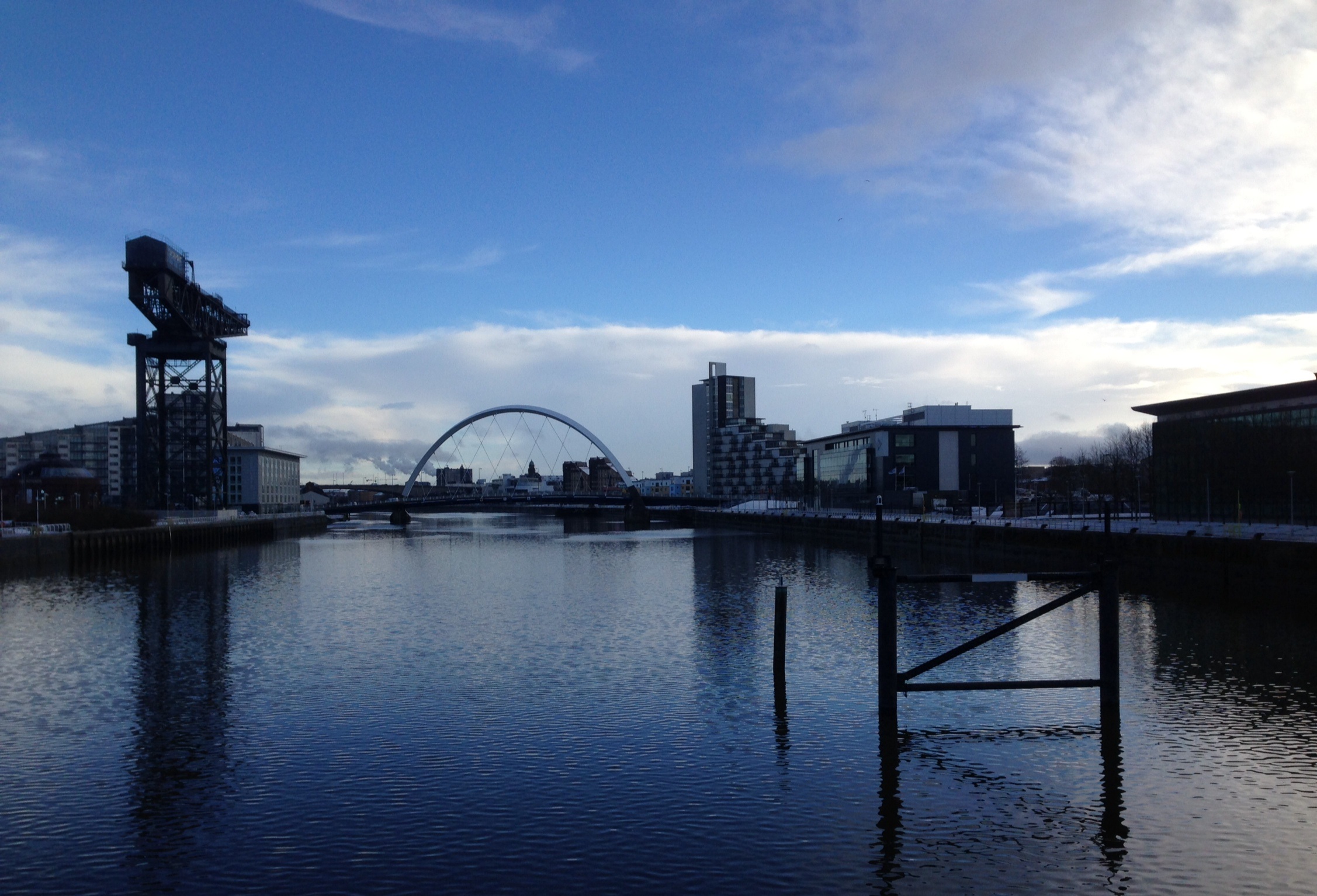
Dock crane and Clyde Arc, known locally as the Squinty Bridge

Dock crane and Clyde Arc, known locally as the Squinty Bridge

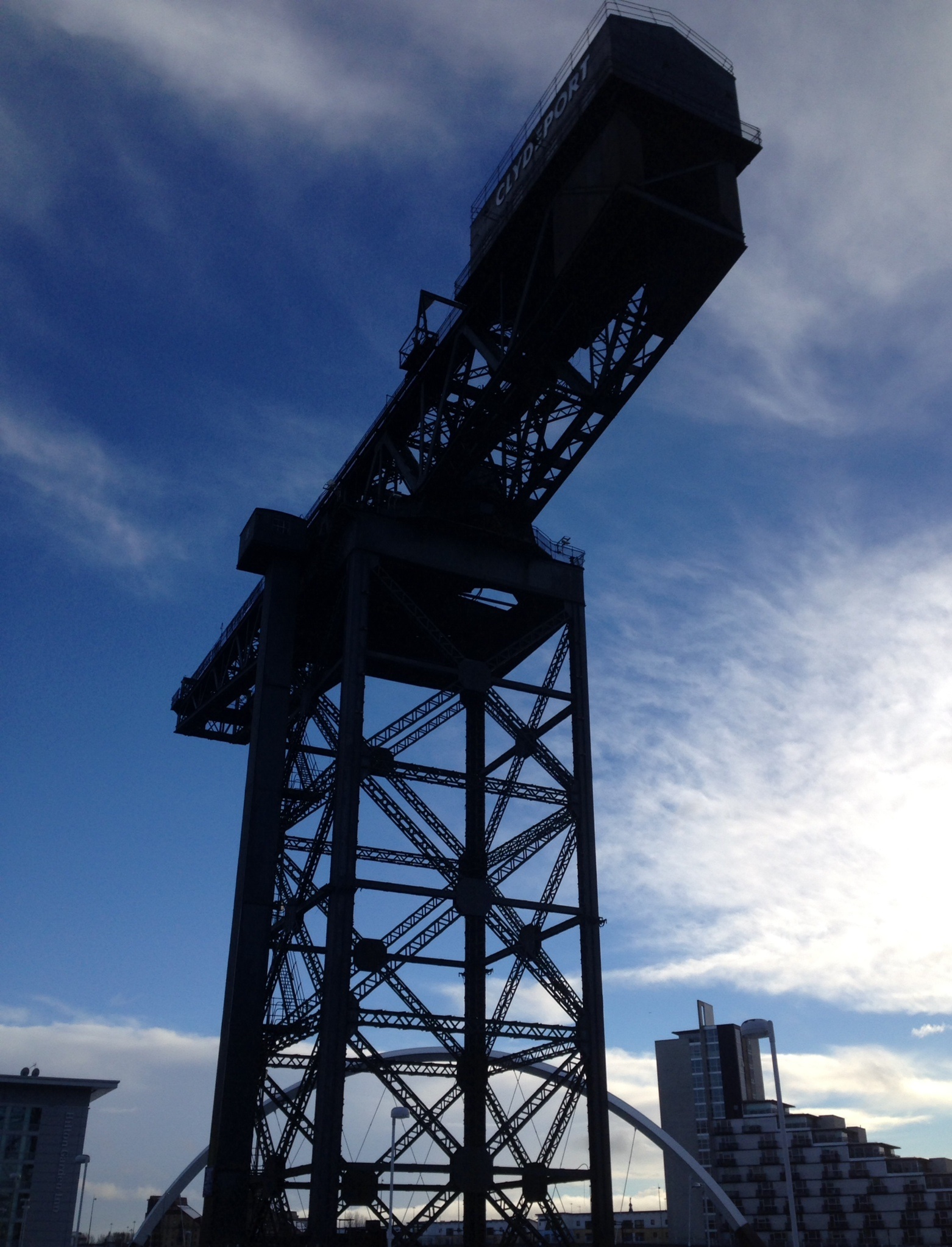
The Finnieston crane

The Finnieston crane

Bell's Bridge

Bell’s Bridge

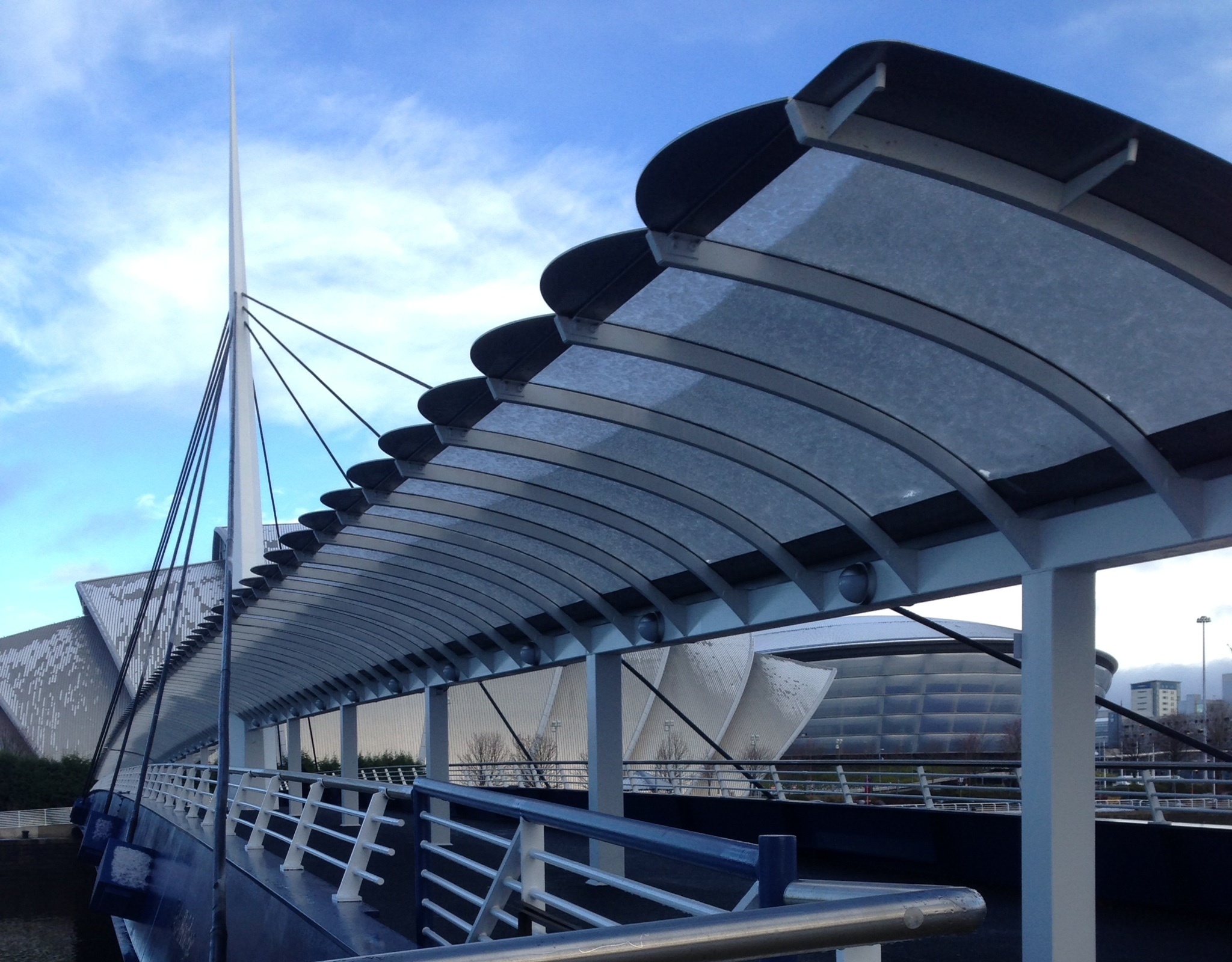
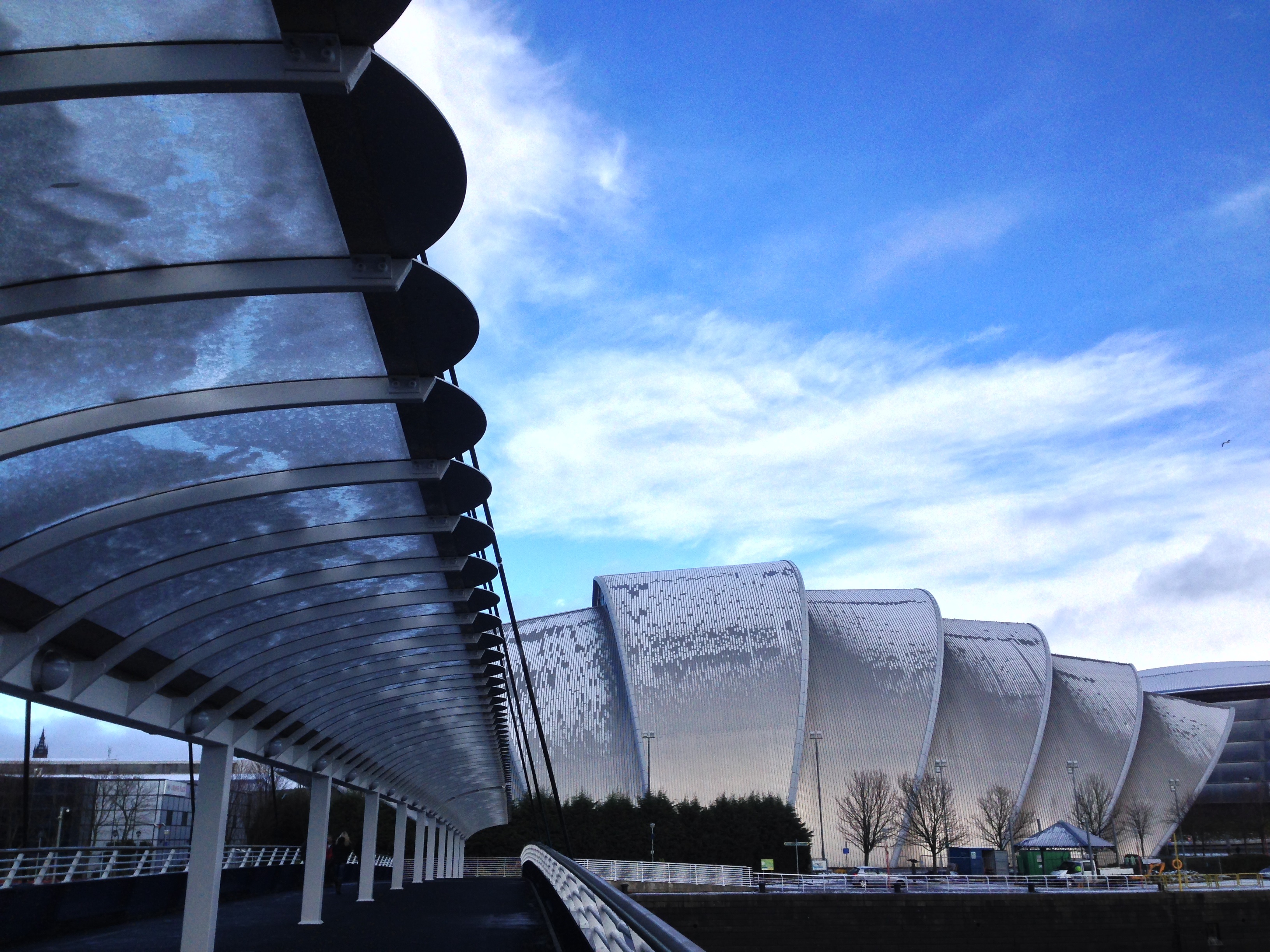
The Armadillo as seen from Bell's Bridge

The Armadillo as seen from Bell’s Bridge

Glasgow Tower reflected in Glasgow Science Centre

Glasgow Tower reflected in Glasgow Science Centre

Julia’s Guide to New York Part 3: Manhattan East

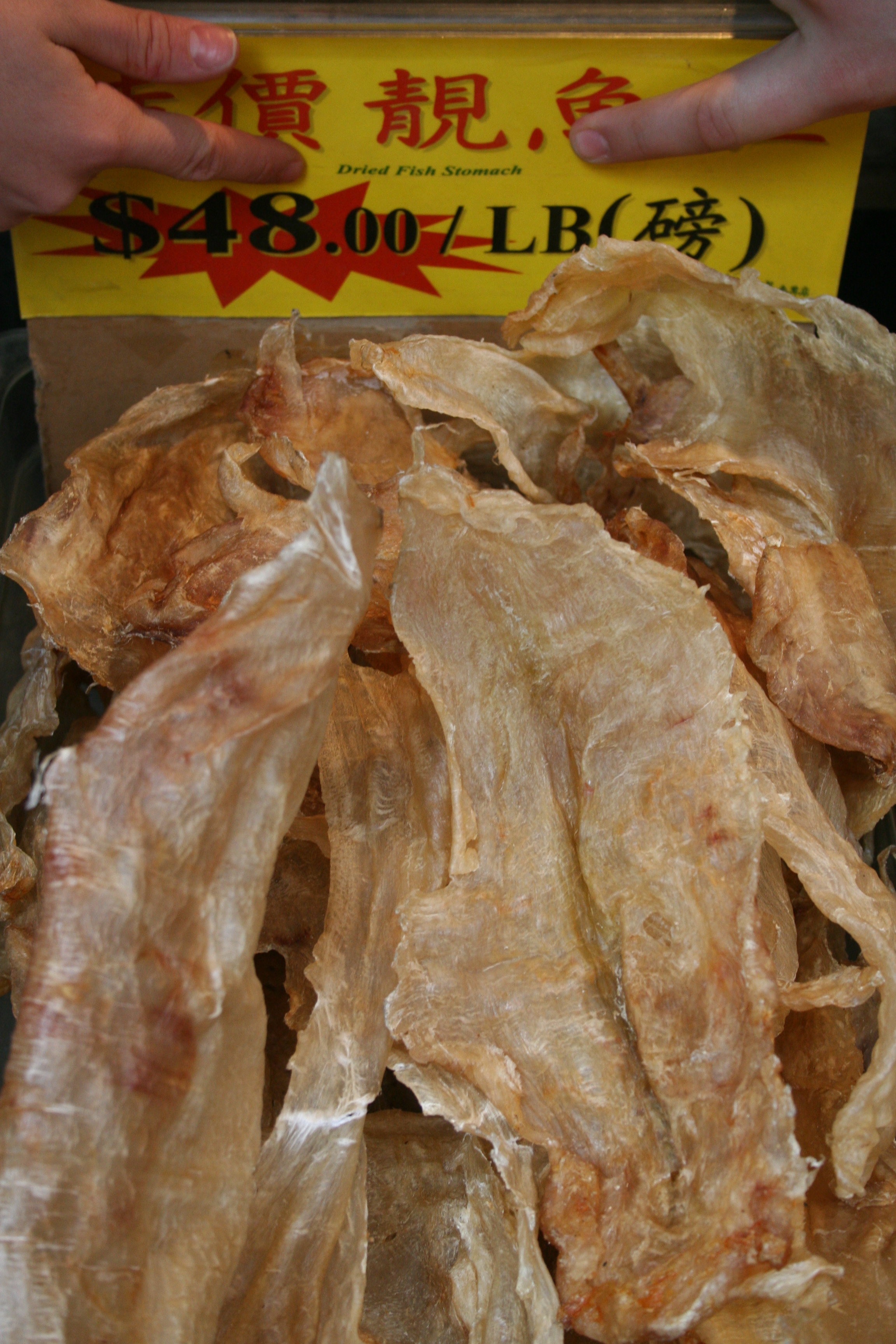
Begin at Canal Street.  Head along Canal and into Chinatown.  My favourite parts are around Mott and Mulberry but the whole area is interesting just to see how different it is from other nearby areas.  I can never suppress a snigger when I pass Mei Dick barbers.  Vietnamese businesses are slowly colonising parts of Chinatown and of course it has Starbucks et al, but it remains a very Chinese neighbourhood.  It’s also a great place to pick up a bargain I ♥ NY T-shirt or Hoodie.  Haggle hard!

Shopping in Chinatown is never dull

Shopping in Chinatown is never dull

Next, take the J or Z subway (brown) to Essex and Delancey.  Head across the street to Orchard Street and visit the Lower East Side Tenement museum.  By European standards this isn’t old, but it is for Manhattan and the room sets give a clear picture of what life would have been like for garment workers in this district back in the 19th Century.  Architecturally it’s very interesting inside too as some of the rooms are in their original condition complete with years of peeling wallpaper.  You can book in advance at www.tenement.org and there are various tours you can book onto which give you a themed talk into an aspect of tenement life that appeals.  It really does bring history to life and helps you understand the context of the buildings.

Cross the street and head for 205 East Houston Street, in particular Katz’s deli.  This old Jewish deli has been there for years; it’s a New York institution.  The food is amazing; the setting is humble.  I can recommend the pastrami on rye and you should also taste the knish.  Wash it down with an egg cream.  This was the setting for the famous fake orgasm scene in When Harry Met Sally but as you’ll see from the many pictures that adorn the walls, this is a favourite of many celebrities and politicians as well as the NYPD and FDNY.

"I'll have what she's having!"

“I’ll have what she’s having!”

Two of my favourite squares are a short walk from each other.  Take the subway to Union Square which has a thriving farmers’ market every Wednesday, Friday and Saturday.  It began in 1976 with a few farmers and the number of stallholders has grown steadily to around 140 today.  North of Union Square at 23rd Street is Madison Square Park, alongside which you’ll find the triangular Flat Iron Building which dates from 1902.

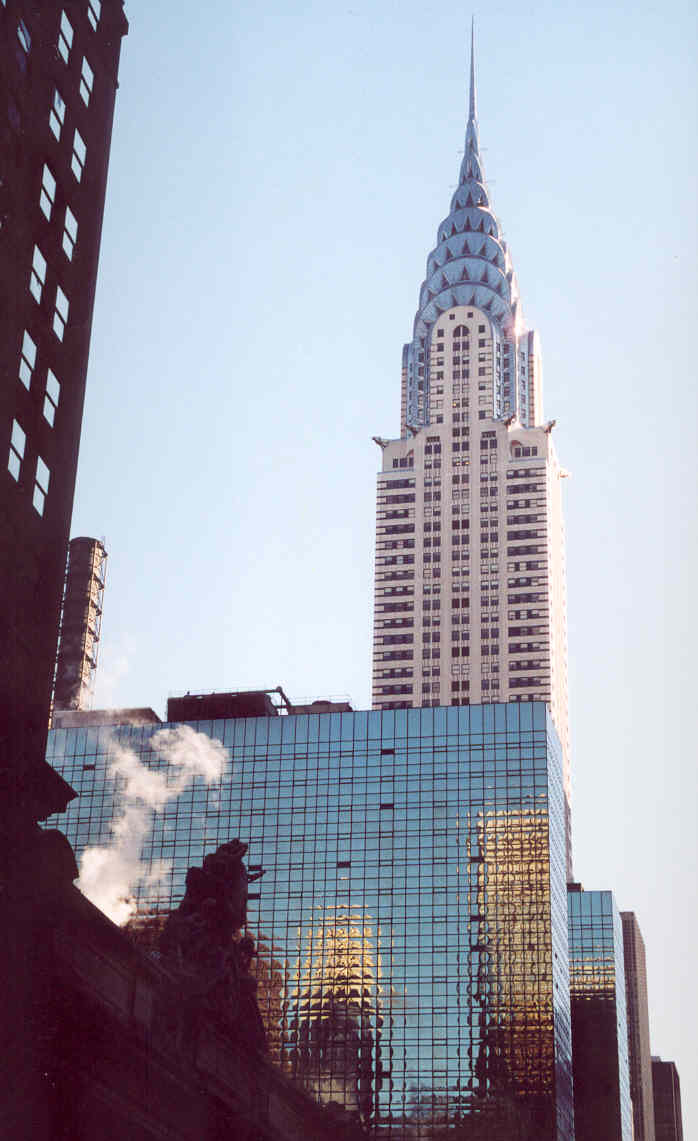
North via the subway again at 42nd Street is what’s been termed the greatest railway terminal in the world: Grand Central station.  It certainly outshines Liverpool Street at rush hour.  This building is spectacular on a sunny day when the light shafts in through the windows, rivalling nature’s crepuscular rays.  Walk across 42nd Street and pass the Chrysler Building.  You can’t go up, but the building is worth a look nevertheless.

The Chrysler Building

The Chrysler Building

Keep heading towards the river for a look at the United Nations Building (44th Street and 1st Avenue).  You can book guided tours which are interesting, with the disarmament exhibits particularly poignant.  It is necessary to pre-book tickets at http://visit.un.org/wcm/content/site/visitors/home/plan and as with the Statue of Liberty and the Empire State you do have security screening for which you need to allow time.

At 59th Street and Lexington, you’ll find Bloomingdales.  Buy a Little Brown Bag and walk a block up to 60th Street.  Serendipity 3 is a cute cafe featuring as its signature drink frozen hot chocolate, located at 225 East 60th Street.  From there, head for the Roosevelt Island tramway.  There isn’t a lot to see on Roosevelt Island itself but this tiny cable car is worth a ride in itself for the view back to Manhattan.  Metro cards are accepted.  Website http://rioc.ny.gov/tramtransportation.htm has the schedule.

Museum Mile is an integral part of the Upper East Side and my two favourites are both alongside Central Park.  The Guggenheim is an amazing building for its architecture, all white curves of loveliness.   Frank Lloyd Wright designed this building; if I’m honest, it fascinates me more than the exhibits inside but this is a must-see on your itinerary.  Find out about the current exhibits at http://www.guggenheim.org/new-york.  Up at 103rd Street is the Museum of the City of New York.  Overlooked by many visitors, it tells the story of New York’s growth over time via a must-see film.  Exhibits change, but will stay in your mind.  A permanent fixture is the Activist New York display, featuring campaigns that range from anti-slavery to the suffragette movement, artefacts such as the Gay Bob doll and changing attitudes to the preservation of historic buildings.  While you’re up here, it’s worth crossing the road into Central Park to see its only formal space, the Conservatory Garden, and Harlem Meer.

Museum of New York City

Museum of New York City

For dinner, head into Spanish Harlem.  A block north of Tito Puente Way, a street named in honour of the outstanding Latino musician though I couldn’t find a plaque, I dined at Amor Cubano.  It’s Cuban, obviously, though much around it is Puerto Rican.  The food is delicious, the welcome familial and the atmosphere enhanced by live music.  Camaradas el Barrio, a couple of blocks away, offers the best Puerto Rican food in the area and again has live music most evenings.  But if you want to follow in the footsteps of Frank Sinatra, Dean Martin and Tony Bennett, then there’s only one place to go.  Patsy’s Pizzeria has been a favourite since it first opened its First Avenue doors back in 1933.


Julia’s Guide to New York Part 2: Manhattan West

Part 2 of my guide to the Big Apple covers Manhattan’s west side from Washington Square to Central Park.

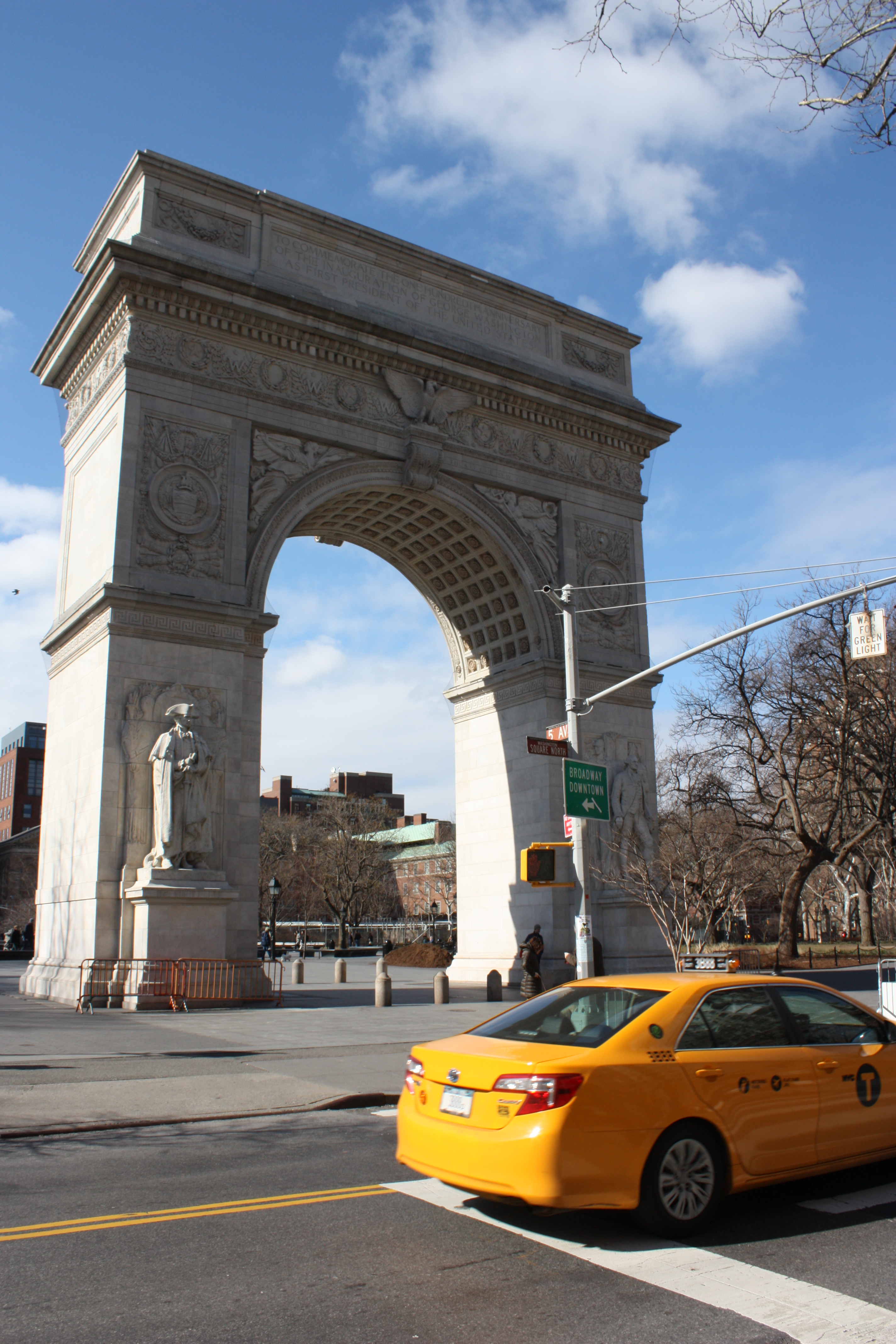
This route begins in Washington Square, where Harry left Sally after their road trip from Chicago.  This landmark square has also featured in the Will Smith film I am Legend and is worth a visit for a picture of the arch.  Head north along West 4th Street, through the attractive residential area of Greenwich Village.  Turn left into Grove Street and a couple of blocks further on you’ll come to the building that featured as the apartment building in the hit TV show Friends.  Backtrack a block and head north along Bleecker Street.  There are plenty of boutiques and cafes, but the one that may well have a queue outside is the original branch of the Magnolia Bakery, whose melt-in-the-mouth cupcakes featured in the HBO show Sex and the City.

Washington Square arch

Washington Square arch

One of my favourite things about New York is its capacity for change so today I’d recommend you then have a wander in what was once the heart of New York’s butchery area.  Today the Meatpackers’ District is home to cute cafes and designer clothes stores, where warehouses have been turned into cutting edge businesses.

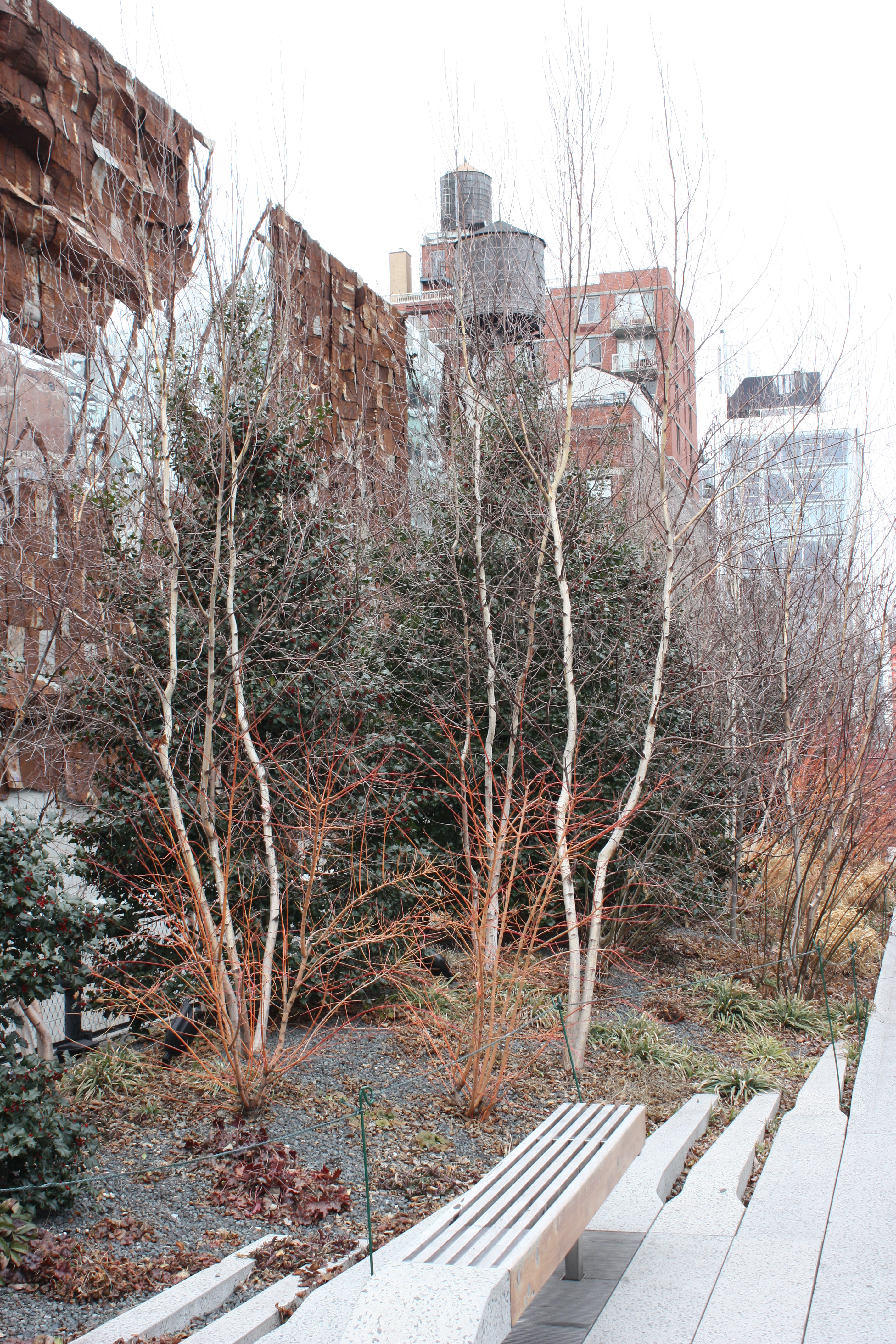
To get to the heart of the Meatpackers District, continue north along Hudson Street and right into Gansevoort Street.   In the area bounded by Gansevoort and West 14th Street, you’ll pass enough boutiques and outlets to get a feel for the area.  Turn down Washington Street and at the corner with West 13th Street is the Hogs and Heifers bar from the film Coyote Ugly.  One block south is the start of the High Line, a fantastic community-driven renovation that showcases the architecture of the area whilst turning an overground railway into a recreational facility for locals and tourists alike.  It’s heaving in the summer but in the winter, pick a clear day and you’ll be able to wander in peace and really appreciate your surroundings.  Wrap up warm against the wind though – when a cold wind blows across the Hudson, it bites into your face like a swarm of angry mosquitoes.  One of the architectural highlights is The Standard Hotel which straddles the High Line.  Nip down for a Fat Witch brownie from the Fat Witch Bakery in Chelsea Market at 9th Avenue.  Go online to www.fatwitch.com to see what might tempt you.

The High Line in winter

The High Line in winter

Back on the High Line, continue north; the park narrows and widens, offering vistas over art installations and views across to skyline landmarks like the Empire State.   There are plenty of cosy nooks and crannies to snuggle up and you’ll have some of these pretty much to yourself in winter.

Follow the High Line right up to 30th Street and then head east past the Post Office (don’t stand too close to the building or you might get an unwelcome souvenir from the pigeons).  It’s a fair walk across so you might wish to hail a yellow cab, but the walk will take you to 6th Avenue.  Make a left and walk three (shorter) blocks to Herald Square at the back of Macys – the largest department store in the world, allegedly.  Plenty of cafes and food outlets are located in this area as this is the heart of Midtown.

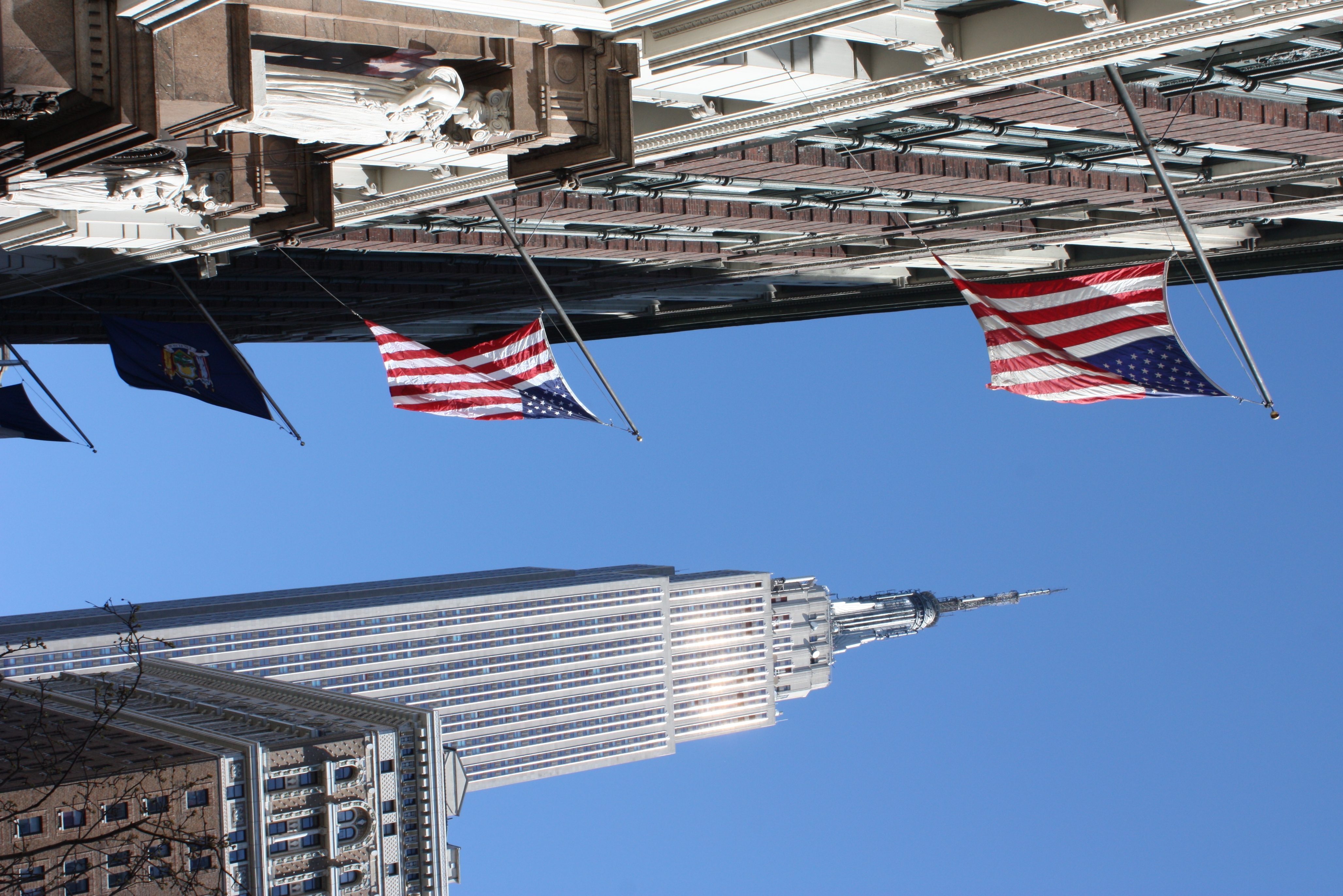
Just a block over, on 5th Avenue, is the Empire State Building.  You may wish to reserve in advance as it can be pretty busy; go online at www.esbnyc.com.  This Art Deco structure is one of the world’s most iconic buildings and definitely worth a visit.  Don’t let them upsell you to the Skyride – it’s not worth the time or the money.  The views from the 86th floor on a clear day are excellent, but the wind can be strong on at least one side of the viewing platform.  Prepare yourself with a photogenic hat or plenty of hairspray.

The Empire State Building

The Empire State Building

North along 5th Avenue takes you to Bryant Park, where there’s a good Christmas market and, when the weather’s warm, al fresco eateries.  Cut back west to Times Square and note the location.  It’s tourist central, of course, emblazoned with neon and awash with comic book characters just dying to pose for a photo.  If you like what you see, come back after dark.  From Times Square, head for the subway and take the red line to 72nd Street (it’s an express stop, so the 1, 2 and 3 are all fine).  If you’re hungry, try a hot dog from Gray’s Papaya and walk a couple of blocks over to the park.

Central Park is a must and from the west, you’ll follow a trail of pampered pooches heading into the park.  If you have your own back home, pick up a canine-friendly gift from the New York Dog Shop on 73rd Street – purple squeaky Empire State toy, anyone?  Enter the park at the 72nd Street Traverse and look for the memorial to John Lennon, the legendary musician shot on December 8th 1980 outside the Dakota Building which stands across the street.  The Imagine mosaic forms part of a tribute area known as Strawberry Fields, funded by a $1 million donation from John’s widow Yoko Ono.  Continue through the park.  In summer, you might rent a boat from the Loeb Boathouse; in winter, perhaps try your luck at ice-skating on the Wollman rink.

Central Park

Central Park

The days of one Central Park attraction might be numbered, however.  Despite Mayor de Blasio’s intention to ban them, at the time of writing it is still possible to take a horse and carriage ride through the park; they congregate along 59th Street at the southern edge of the park.  They’ve been a part of the Park since the day it opened back in 1858 and Hollywood stars such as Liam Neeson and Danny Glover have made no secret of their opposition to the Mayor’s plans, along with an estimated 67% of New Yorkers.  Find out more about the issue at www.savenychorsecarriages.com.

When you’re done, make your way back to see the lights of Times Square.  You may wish to eat at Ellen’s Stardust Diner.  It’s not to everyone’s taste, but those that love it enjoy the singing wait staff and its 1950s retro diner decor.  You’ll find it at Broadway and 51st, or if you can’t see it, listen out for a song.  To round off the evening, pay a visit to the observatory platform at the Top of the Rock.  This offers unrivalled views of Manhattan for one reason – your view will include the Empire State Building.  Depending on the season, this after-dinner slot may coincide with sunset, and it’s certainly an impressive vista after dark, although you may not wish to ascend this and the ESB in the same trip, especially if your time is limited.  Pre-book your ticket at http://www.topoftherocknyc.com to avoid having to wait in line.

Sunset at the Top of the Rock NYC

Sunset at the Top of the Rock NYC