juliamhammond

Latest

The bus drivers of New Zealand

So often, it’s the people that make a place memorable more than the sights themselves. To really engage with a place, there needs to be a connection, and it’s the human interactions that facilitate that. I’ve been thinking about which places have the warmest and most welcoming locals, and I have to say New Zealand comes high up the list. I spent a week in South Island using the reliable bus system to see the main sights, but didn’t realise just how much I’d enjoy the journeys between those places. Here’s a piece I wrote for myWanderlust not long after I returned.

Inside the man there was a scruffy boy itching to get out.

The commentary as we edged down South Island’s west coast may have been aimed at adults, but tales of Australians landing planes upside down in the swamp came right out of Boys Own. With his untamed mop of greasy ginger hair, Dave was one of those people where you could still vividly imagine what he’d have looked like as a lad, scraped knees and all. Heading south from Greymouth into country country, everyone got a cheery wave, but then Dave knew most people. When it came to the drop off, he flicked the rolled up newspaper expertly through the window hatch as he once had from his push bike, slowing only slightly before checking his wing mirror to smugly inform us it had landed accurately.

“Yup, that’ll do ya. That paper’s printed at midday. If I didn’t run it through, they wouldn’t get it until tomorrow. No point in old news, is there?”
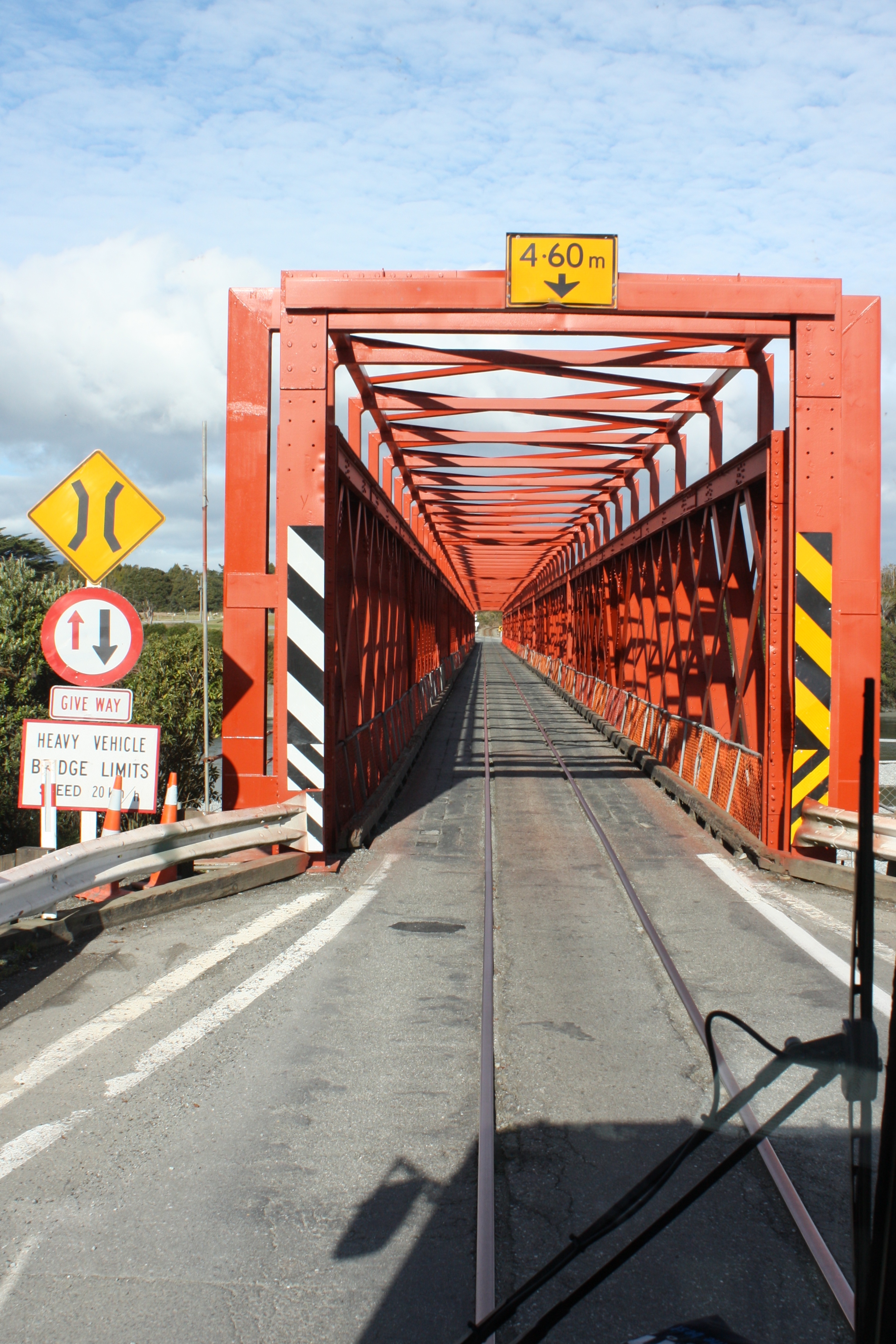
Bridge between Greymouth and Hokitika as navigated by Dave the bus driver

Bridge between Greymouth and Hokitika as navigated by Dave the bus driver

Dave told us he had the best job in the country but salt and pepper haired George disagreed. Picking up the baton from Franz Josef, he made sure everyone had visited the glaciers, threatening to leave us behind if we couldn’t tell him enough about what he insisted we should have seen.
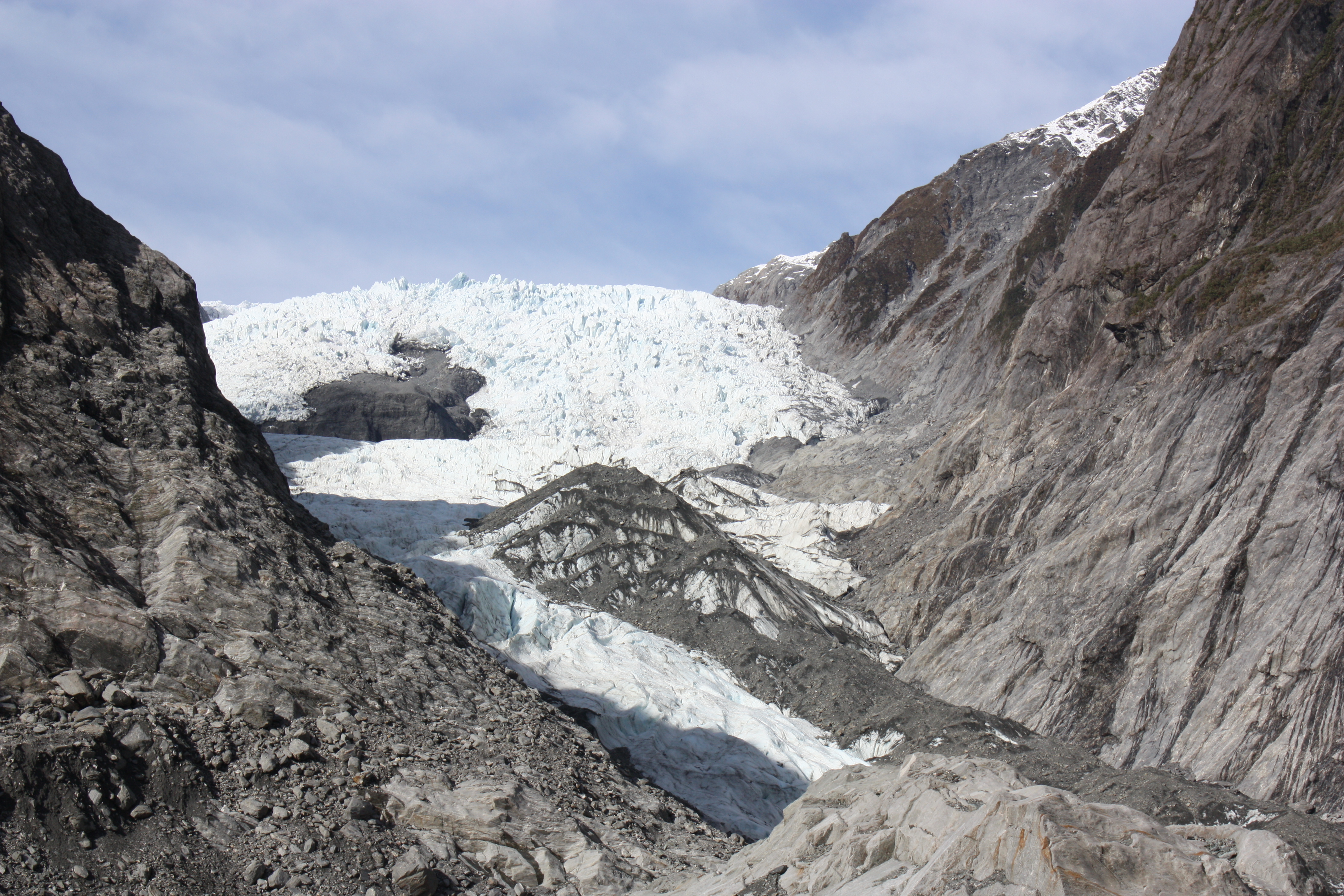
Yes, I passed the test! Proof I visited Franz Josef glacier.

Yes, I passed the test! Proof I visited Franz Josef glacier.

He wound us expertly round impossibly tight turns to deposit us at viewpoints framed with the ubiquitous but elegant tree fern, fronds shimmying like a Twenties flapper. Jovial when on the move, he was quick to chastise anyone who dared hold up the coach. At breakfast, out of serendipitous necessity swapping a motorway service station for a salmon farm deep in the forest, he joined me at my table. The conversation flitted back and forth as George downed his second cup of tea. Gruff George, it turned out, was a gentle man underneath; having lost his wife to cancer, he confided that meeting people on his bus had helped him through the tough times.

Wheezy Pete, with a capacious belly nurtured over many years supping good beer, shook our hands as we returned from a roadside hike to a waterfall. George introduced his replacement and pointed to the bus parked on the opposite side of the road.

Awesome NZ just about sums it up!

Awesome NZ just about sums it up!

“You lot are hard work,” he chuckled, “there are only four on that other bus, I’m off back to Franz for a quiet life.”

And so the thirteen of us headed for Queenstown, encroaching steadily on snow-capped mountains as we edged alongside Lake Wanaka. Pete pointed out the world’s oldest bungee jump, offering a free ride to anyone who took up the challenge.

A few days passed before I met Dione. Dione was different, the first driver under forty, with a baseball cap and an exceptionally good knowledge of sheep. When not talking farming, he spoke incessantly of the weather.

“We have two hundred days of rain down here, bringing seven metres of water every year. For you folks that measure in millimetres, that’s a lot of rain!”

But he had the most spectacular drive, through the mountains down to Milford Sound. Skirt folds of Rimu trees parted to reveal the tiniest slivers of silvery petticoat cascading into puddles that blurred onto the water below. Our day was sunny, the deep azure of the sky framing the sheer cliffs of the fjord and diamonds pricking the water.

“Jeez, you guys are lucky. Even the keas are behaving today – yesterday those bloody parrots flew into the bus and shat all over the dash.”

Kea inspecting the bus for Dione

Kea inspecting the bus for Dione

Wiry Tom knew he had the rough end of the deal, for it was he who would remove us from the crisp air of the mountains and carry us across the Canterbury Plain in all its sheep-strewn monotony. He tried his best with Mount Cook, but our wonder at the beauty of New Zealand’s highest peak was tainted by the knowledge of what was to come. I passed the time trying to figure out which Hollywood movie actor he reminded me of; a cop, no, the President? It was a twelve hour ride and I reached Christchurch none the wiser.

The road to Mount Cook

The road to Mount Cook

Yes, Dione was indeed different. He was the only one who wasn’t a scheduled bus driver, our driver-guide on a coach tour to one of the country’s best known attractions. In New Zealand, buses aren’t just there to take their passengers from point to point. To be a bus driver on South Island you needed a sense of humour and a good head for facts. I’d say a good aim and experience as a paper boy got you a long way too.
Mapunda’s story

As a keen proponent of independent travel, you might be surprised to find I’m also an advocate of hiring a good guide.  While it’s great to wander aimlessly round a city stumbling over its hidden and not so hidden attractions, there are some destinations where a guide will significantly enhance your experience.  Sometimes, as in Cappadocia, hiking for the first time after injuring my back, I was grateful not only for my guide’s navigational ability but for a helping hand over what were at the time quite challenging boulders and slippery gravel paths.  My favourite guide, by a considerable margin, was the inimitable Mapunda, with whom I spent an exhilarating, and at times hysterical, few days amidst some of Tanzania’s most beautiful scenery.  Here’s why we had such a fun time:

“Let me tell you why I am named Mapunda. A long time ago, my ancestors lived in South Africa. They embarked on a long journey, crossing Mozambique before settling in the south of Tanzania. Along the way, they killed zebra to eat. It was the way they survived. Because of the zebra, I am here today. And in my language, the word for zebra is mapunda.”

Mapunda

Mapunda

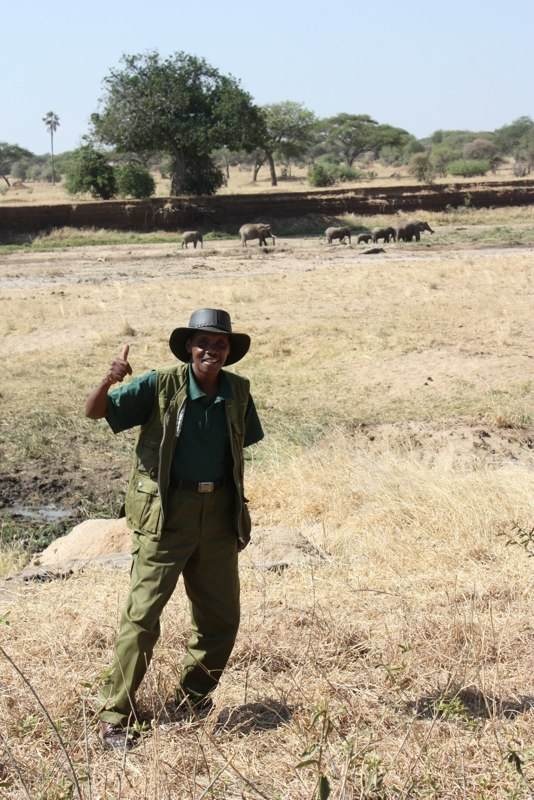
Mapunda went by the nickname Zebraman. He had worked as a driver for a safari company based in Arusha, in the north of Tanzania, for the past eight years. Before that, until the threat from poaching got too dangerous, he was a ranger at Tarangire National Park. But Mapunda had a secret. He dreamt of owning his own safari company and working for himself. This was a huge endeavour. To buy a brand new safari vehicle outright would cost over $60,000, so he planned to rent. On the side, he dreamed, it would have a zebra logo, black and white not only being the colours of the animal after which he was named, but also, he added, for the black and white people that would all be welcome to travel in it. Proudly, he gave me his business card, bearing the logo of two zebras facing in opposite directions watching for lions. As he shared his plans, his eyes lost their customary sad, wistful appearance and shone brightly. It was clear this meant the world to him.

Tarangire, our first stop, is known for its elephants, a childhood favourite of mine. The first thing Mapunda pointed out, however, was not a living creature. Instead, he showed me the house he lived in during his ranger days. He spoke with fondness, apologising unnecessarily for delaying the start of our safari. Later, his ranger experience paid dividends as he always knew the best places to find the animals, even during their midday nap. Without malice, he was dismissive of many of the other drivers, tutting after they asked him where the best spots were, or, worse still, follow him to tailgate on the wildlife he had found. He always helped them, though.

Coming in dry season, the grass was dry and river levels low. We forded the Tarangire River several times during the course of the day, watching zebras and wildebeest linger bravely for a drink whilst keeping a watchful eye out for any hungry lions that might pick off their weakest. Impalas grazed under five hundred year old baobab trees, skittish as Mapunda cut the engine and pulled alongside. Nonchalant giraffes munched on the highest leaves, their long thick tongues gently caressing each stem as they made their choice.

As we ate our sandwiches, Mapunda taught me some Swahili. ‘Tembo’ meant elephant, ‘simba,’ lion; ‘nina taka’ translated as ‘I want’. After lunch, it was time to try it out.

“Nina taka tembo.”

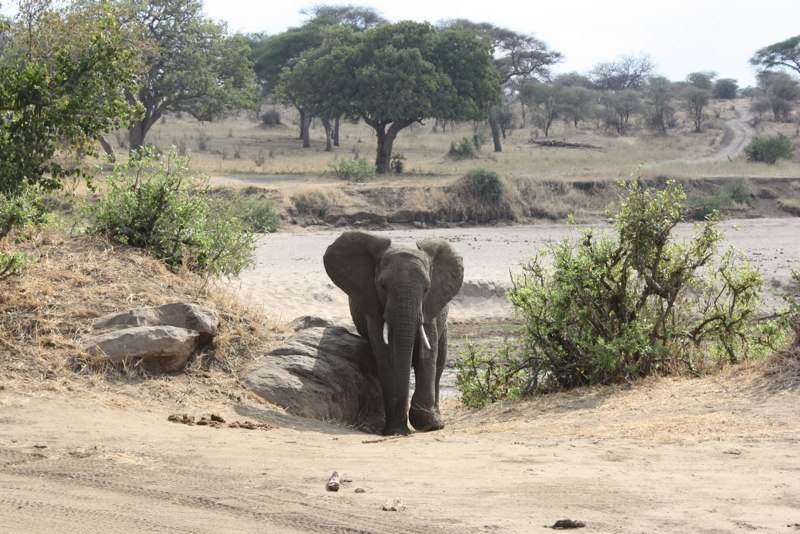
The elephant, grazing a few short metres away from the vehicle, flapped his ears wide and lifted his trunk, warning us off. I was transfixed.

Male elephant scratching on a tree stump

Male elephant scratching on a tree stump

Eventually, Mapunda asked if I was ready to go.

“Sawa sawa,” I answered. “OK.”

We headed down to the river, rewarded by the sight of more of these magnificent creatures blowing water and quenching their thirst. Others, further up the river, wallowed in the mud in the shallows, rolling onto their backs with the bliss that comes from cooling off from the relentless sun. Each encounter left me wanting more.

Mapunda was patient, indulging me. Click, click, click. Mapunda was keen to make sure I was getting good shots, and enthused when I showed him what I’d taken.

“Nina taka simba? Or more elephants, Julia? Or a zebra. Why don’t you like my zebras?” he teased.

It became a regular joke that if I saw elephants, I was happy. Equally, he would laugh when I would fake that the zebras were the highlight of that particular drive. We got each other. Sometimes a look was all it took to have us both hooting with laughter.

Mapunda's beloved zebras

Mapunda’s beloved zebras

Mapunda and I joked that I said “Nina taka” and what I wished for immediately came true. Perhaps I should have said “Nina taka lottery win” or for Mapunda, “Nina taka lots of clients for the new business.”

Each day, Mapunda was punctual, eyes bright, grin wide. His enthusiasm was infectious: I felt lucky to be spending time with someone with such a zest for life. I’d been on safari before, but this time, the memories have endured, more than just the animals I spotted, and I reckon that’s mostly down to Mapunda. Every now and then I get an email from him. The business is slowly getting up and running and his gratitude to each client is a reminder that we should all count our blessings.

Six feet up a mountain

Later this month, I’m off to Italy to review trains on behalf of Trenitalia and Trainline Europe, but I shall also be making a brief detour north of the border into Austria. I first visited at the tender age of nine months and since then it’s remained one of my favourite countries for a summertime visit. One of my most treasured memories is from a trip I took with my golden retriever Einstein a few years ago. The Pet Passport Scheme has made taking a pet abroad a simple and easy process. So long as I pack his favourite soft toy, Einstein happily travels in the boot of the car and loves nothing better than to give customs officials a surprise when they open up the tailgate to check what they expect to be luggage.

Here’s what happened when Einstein and I decided to take to the hills…

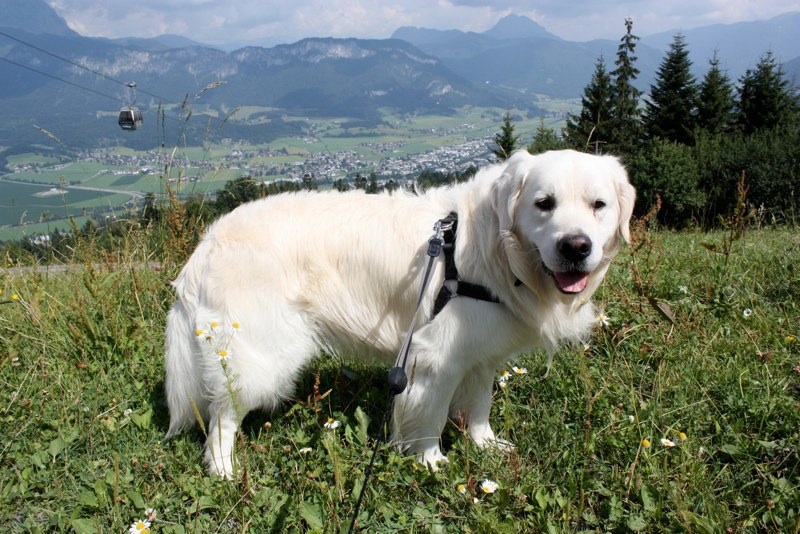
My walking companion, Einstein

My walking companion, Einstein

There was no way either of us was walking up.

Both of us were far too lazy for that, so I’d decided on the gondola. It was located up a gravel track, steep enough to confirm that the decision was a correct one. He looked at me expectantly, checking to make sure I wasn’t going to change my mind and demand that we walk to the top. I looked up the mountain and then at him and then climbed the few steps to the ticket office.

“Ein und ein Hund, bitte.” That was about as far as my German went (grammatically appalling I expect) but taking a dog on a gondola was common practice here and the woman slid me my ticket without comment.

Inside, we hit a snag. The gondola couldn’t stop and the dog wouldn’t move. Einstein was having none of it, digging his back paws firmly into the ground and refusing to go near the terrifying machine with its hum and its swing. Lifting him was not an option; he’s 32kg of solid golden retriever. After several aborted attempts, we managed to board, me first and Einstein preferring to jump into the unknown than remain behind without me.

This walking business was tougher than we thought.

Time for a rest

Time for a rest

At the upper station, we got off with somewhat less drama and took off at a slight run in the direction of down. Unfortunately, the path passed within a couple of feet of a toboggan run and a couple of kids flew past us, screaming and laughing. Slothful Einstein sensed his chance to speed our return to the village cafe where we’d both enjoyed a splendid Austrian breakfast, and dragged me forward in an attempt to slide down the mountain instead of walk. I yanked hard on his lead and disaster was averted.

Once we actually got into a proper routine, the walk down the meadow and along the mountain stream was really rather pleasant. From time to time, we’d pause to admire the view of the Wilder Kaiser in front of us. Stray clouds caught on craggy summit ridges. Geranium-adorned chalets peaked out from behind pine tree plantations down in the valley.

This area, in the Austrian Tirol, is one of my favourite. I’ve been walking in these mountains, off and on, since I was four years old. In the early days, I remember walks with my younger sister, a lot of cows and bellowing thunder – or was that a lot of thunder and bellowing cows? We got wet, she got chased, that I do remember. Later, as a student, I took Wilder walks, (that’s vill-der, not wild-er) and watched the cows being herded down to the village complete with flower-adorned headdresses for the annual Alm Festival. I always feel calm on these pastures, totally relaxed, breathing in the crisp mountain air and letting the freedom envelope the whole of my being.

Relief for hot paws

Relief for hot paws

That day, the sun shone on Einy and I, but the mountain stream was still icy cold and perfect for soaking tired paws as we trundled downhill. I chattered, he listened, ambling beside me obediently unless he saw a squirrel or a bird or a hiker. Aside from the odd cattle grid, always problematic, the walk passed without further incident and, down in the valley, we reached the main road.

Where was the village?

“Oh, bugger, Einstein. The village has moved. Not sure the last part of our walk is going to be as scenic…”

Yes, this walking business was tougher than we thought, I decided, as we finished our walk along hard pavements. But if you have to tough it out, then tough it out with the Wilder Kaiser in front of you, I’d say.

And so would Einstein, if he could talk.

How to save money on your South American trip

Many people might rule out a holiday in South America on the grounds that it is too expensive, but there are ways to save money and make that dream trip an affordable reality. Here’s what you need to know:

Book independently

Tour operator prices to Latin America are often prohibitively expensive. Although some operators offer good value, such as Llama Travel and Journey Latin America’s value range, typical tour prices are high. Unpackage your trip and book it yourself. Get decent insurance and make sure that your Transatlantic flights aren’t going to be affected by a cancelled or delayed short haul connection by purchasing all legs as a through ticket. Don’t be tempted to book airport transfers or tours in advance for the popular destinations as you’ll pay a premium and it’s simple to arrange these on arrival.

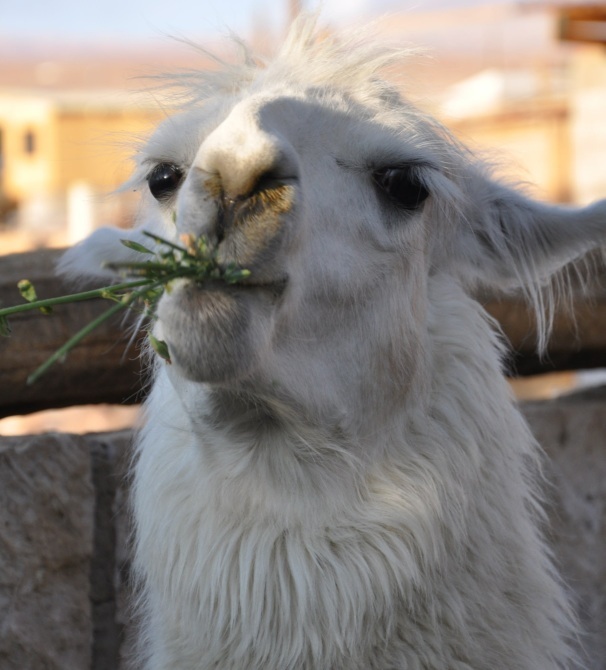
Llama feeding in the village of Toconao

Llama feeding in the village of Toconao

Book your trip for shoulder season

Peak period flights to South America are expensive, there’s no getting round it. But if you can be flexible with your dates, then it is possible to slash the cost of your Transatlantic fare. For example, travelling in the shoulder seasons (spring and autumn) can reduce prices significantly. Don’t rule out the southern hemisphere winter. Air France flights from London to Lima last June were on sale for a little over £500 (compared to over £1000 in August) and if your planned destination is up in the Andes such as Cusco in Peru or San Pedro de Atacama in Chile then it will be dry and sunny during the daytime – just pack a thick fleece and jacket for the evenings.

Don’t assume the European route will be the cheapest

There are few direct flights to Latin America, meaning demand often outstrips supply which pushes the prices up. Use a flight comparison website to see which routes are cheapest for the dates you wish to travel; many people consider the US and European hubs such as Amsterdam, Paris and Madrid, but there are often deals to be had to west coast destinations via Brazil or Argentina with LATAM. At the time of writing, LAN were offering return fares to Rio for £419. If you’re on a really tight budget but have bags of time, you could consider reaching your final destination overland from Rio or Buenos Aires.

Hubbing through Buenos Aires could save you a packet

Hubbing through Buenos Aires could save you a packet

Do your homework on internal flights

Sometimes, overnight buses provide a cheap and surprisingly comfortable alternative to flying. Many large bus companies in Latin America offer cama or semi-cama seating – large spacious seats which recline far enough for you to have a good night’s sleep. Stick to a reputable operator which will use two drivers and ensure they are drug-tested and safe to go behind the wheel. Try Cruz del Sur, for example, between Arequipa and Cusco. If you do need to fly, check the terms and conditions before purchasing. LAN offers sizeable discounts on its internal flights in Chile if you book from a Chilean website (use free software such as Tor) or via a Chilean travel agent – and you don’t have to be Chilean national to take advantage of them. This isn’t the case for all countries; in Argentina, discounted prices are for nationals only.

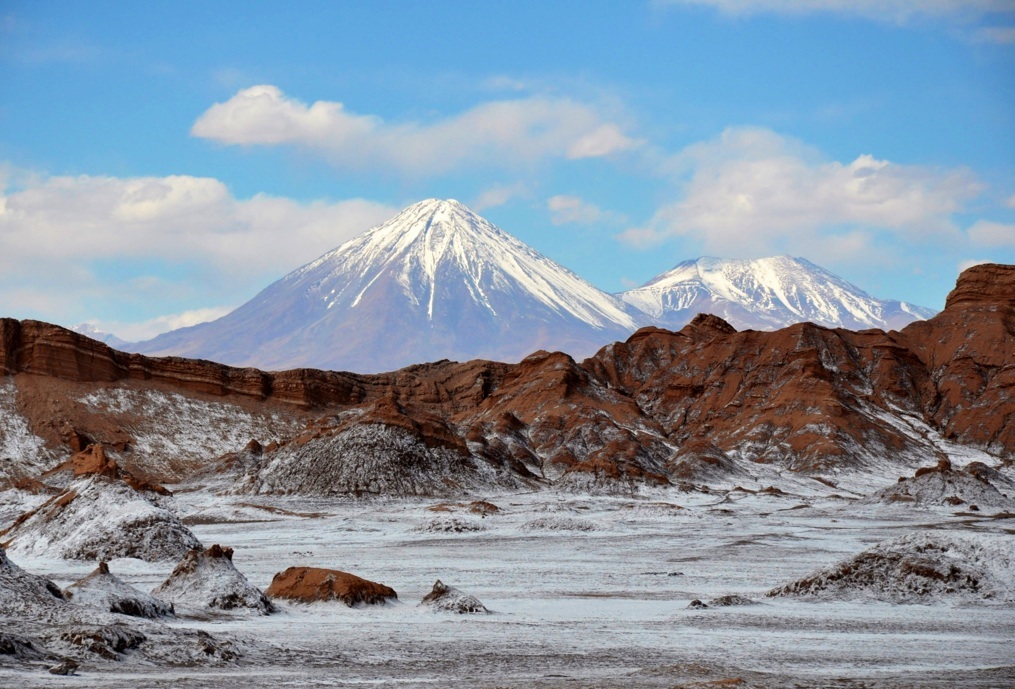
Valle de la Luna, Chile

Valle de la Luna, Chile

Don’t rule out hostels and guest houses

Private rooms in hostels increasingly come with private bathrooms and can be a fraction of the cost of a similar quality hotel room. They’re also a good way to meet other like-minded travellers who might be willing to split the cost of tours with you. Use a reliable website such as Booking.com or Hostelbookers.com to fix up your accommodation in advance – use the free cancellation option, monitoring prices so you can cancel and rebook if prices fall before you leave. Check locations carefully so that you are within walking distance of transport operators or the attractions you want to visit.

Package up tours

If you do decide to book tours, some operators will bundle up different day and half-day excursions offering a discount for cash. If you’re booking for the next few days ahead, they’ll be keen to fill their minibus and will want to make sure you don’t take your business elsewhere. This works well where it’s normal to take tours rather than use public transport to visit sites of interest, such as the Sacred Valley near Cusco and Los Flamencos National Reserve in the Chilean Atacama.

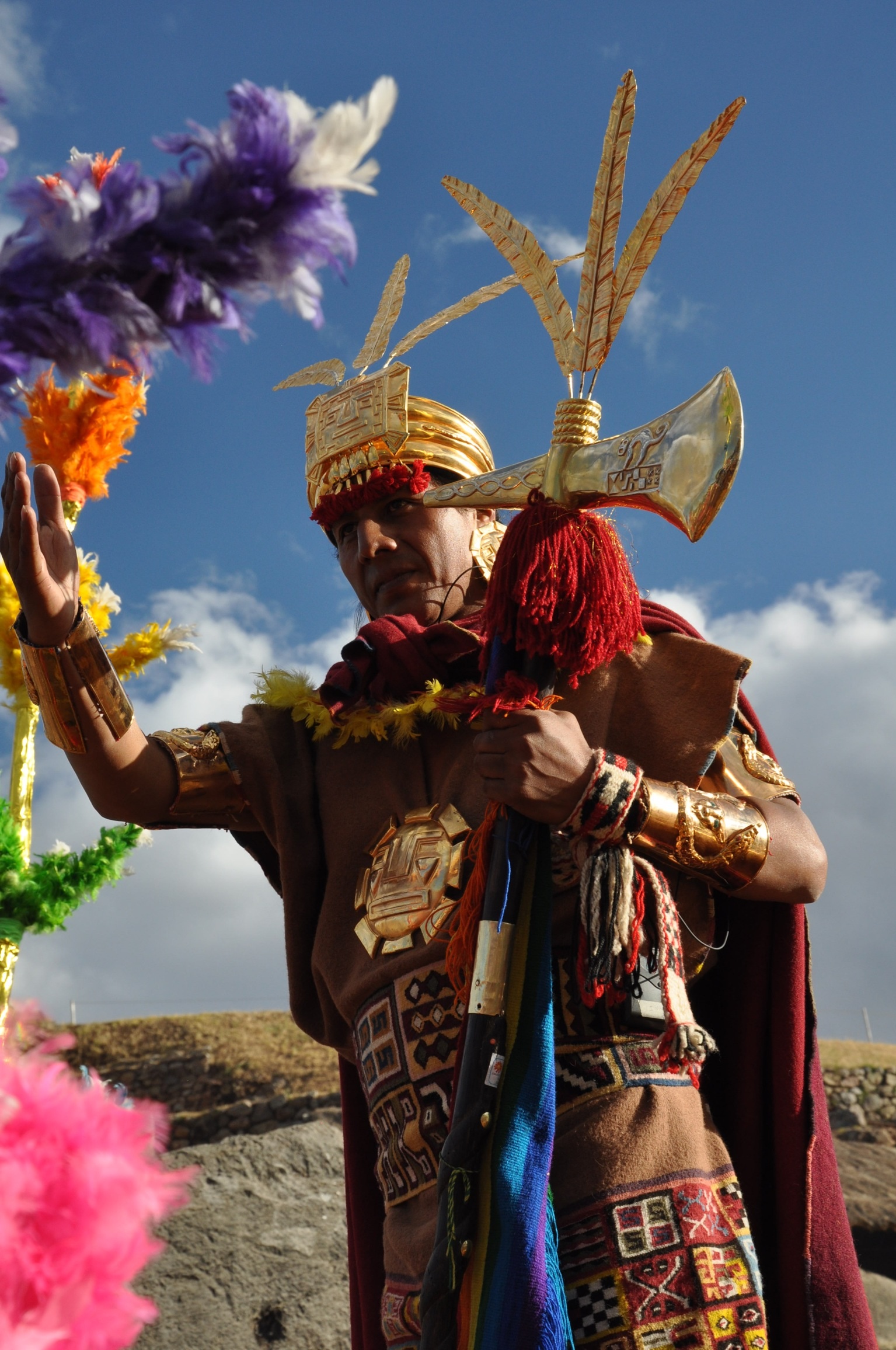
Inti Raymi celebrations take place in Cusco each June

Inti Raymi celebrations take place in Cusco each June

Consider self-drive

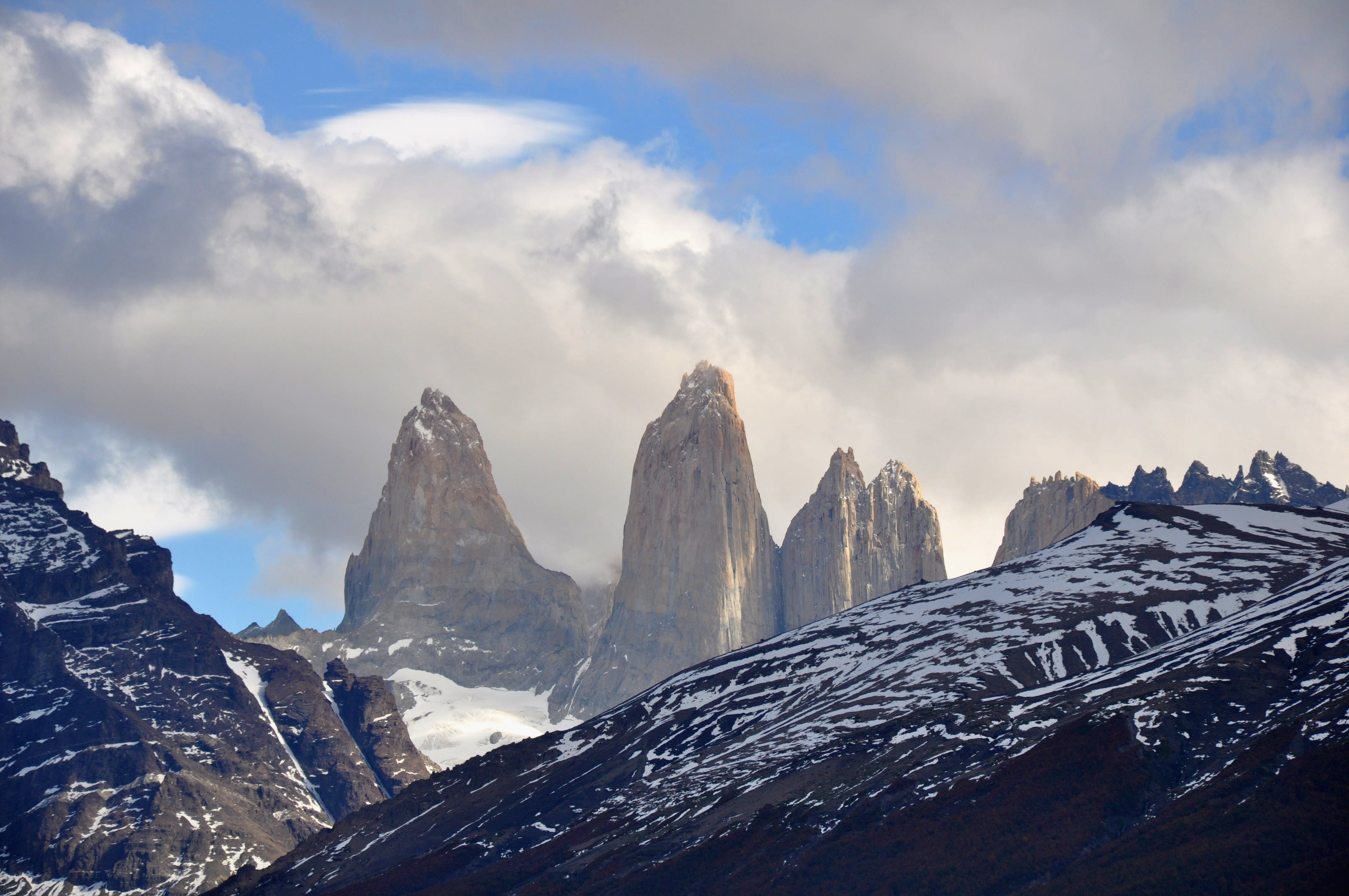
In Chilean Patagonia, accommodation providers in the Torres del Paine National Park offered expensive all-inclusive packages. Self-drive from Punta Arenas (four hours) or Puerto Natales (one hour) and drive yourself round the park. Stock up at the supermarket in Puerto Natales for provisions to save buying expensive box lunches from the hotel (and make sure you have a full tank of petrol). The maps and information provided by the visitor centre are excellent and you won’t have wasted money on a guide.

The Torres del Paine National Park

The Torres del Paine National Park

Around San Pedro de Atacama

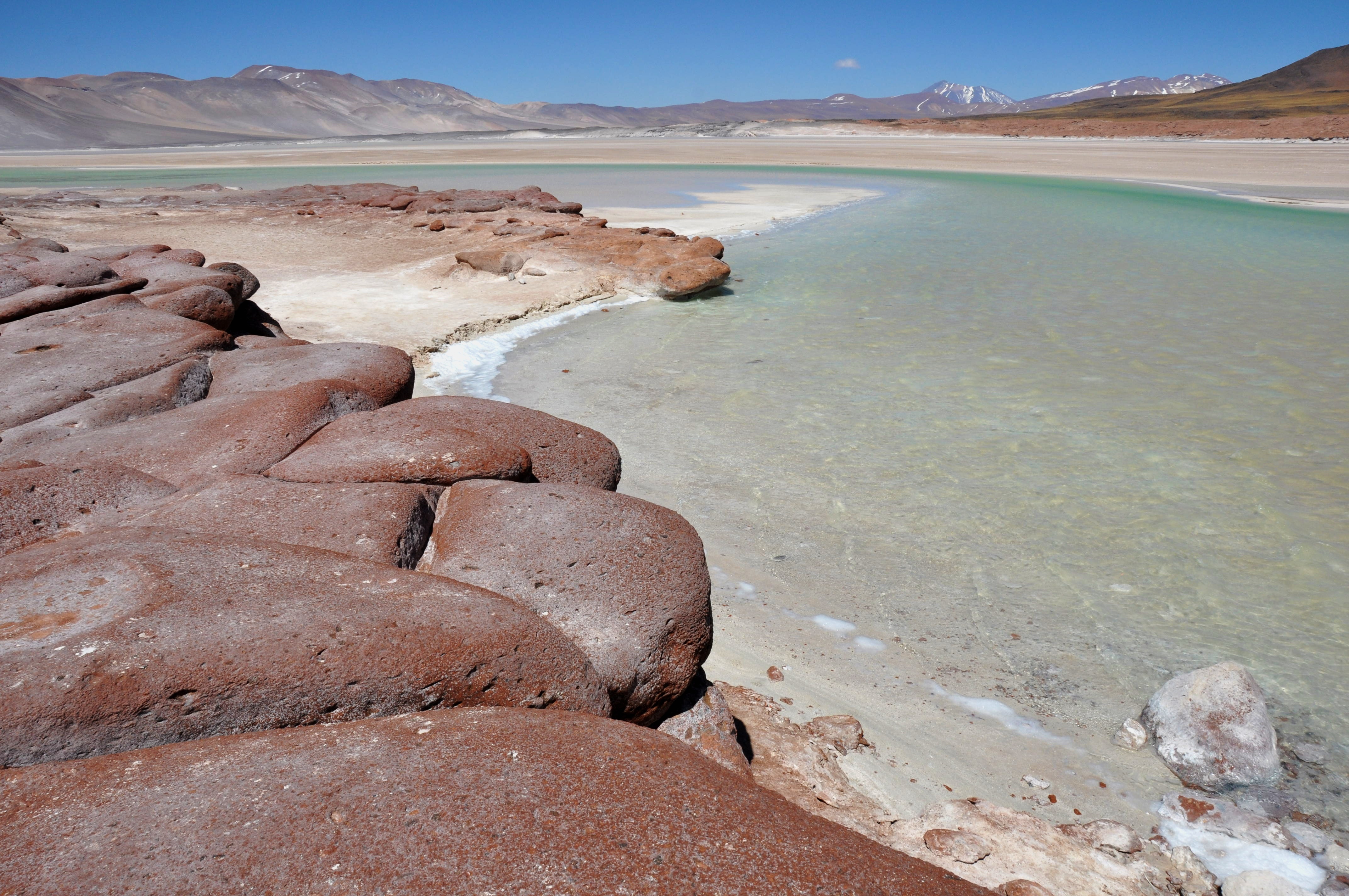
Despite its diminutive size, the village of San Pedro de Atacama, a desert oasis of adobe homes set around an attractive square, features on many people’s itineraries when they head for Chile. Reached by bus from nearby Calama, a two-hour flight from the capital Santiago, San Pedro is perfectly placed as a base from which to explore the picturesque scenery of Los Flamencos National Reserve. Tourists can explore lagoons framed by snow-capped volcanoes high in the altiplano, wander across salt pans or see dawn break at the atmospheric El Tatio geyser field. Despite a growing number of visitors, if choose your operator carefully it’s still possible to have a magical experience. I chose Desert Adventure: the guiding was excellent and the tours unrushed. Here are some of my favourite photos from the trip.

Laguna Miscanti

Laguna Miscanti with Cerro Miscanti in the background

Vicuña graze the altiplano in family groups

Vicuña graze the altiplano in family groups

image

Salar Aguas Calientes – all the colours of the Caribbean but none of the heat!

Salar Aguas Calientes - almost like a watercolour

Salar Aguas Calientes – almost like a watercolour

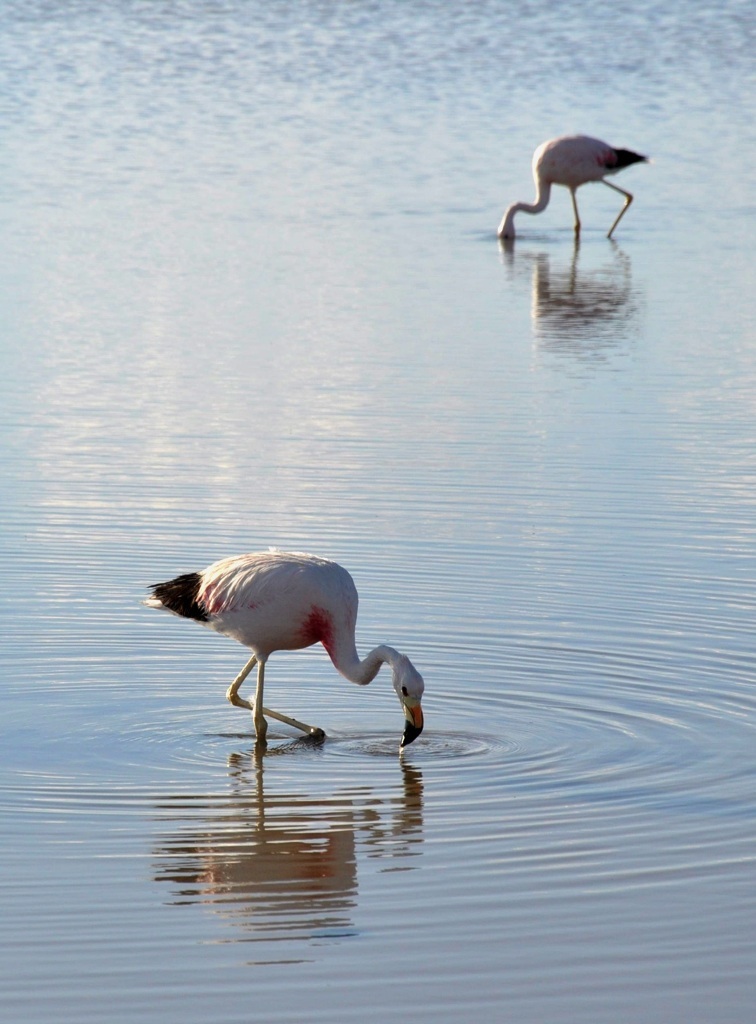
Flamingo spotting at Laguna Chaxa

Flamingo spotting at Laguna Chaxa

Llama feeding in the village of Toconao

Llama feeding in the village of Toconao

Valle de la Luna

Valle de la Luna

Sunset at Valle de la Luna

Sunset at Valle de la Luna

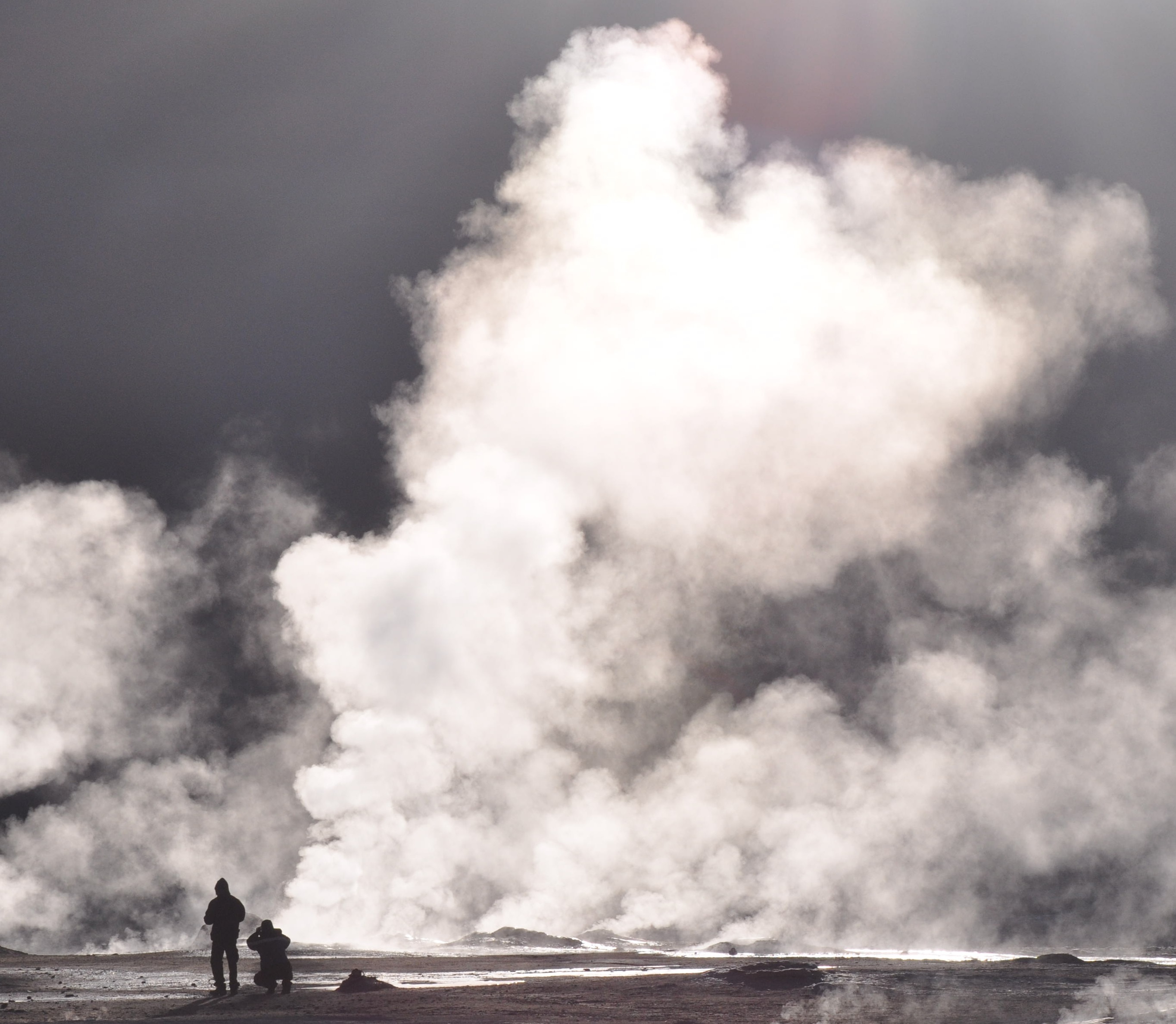
Sunrise at El Tatio geyser field

Sunrise at El Tatio geyser field

Atmospheric El Tatio

Atmospheric El Tatio

The rustic church at the village of Macucha, famed for its delicious anticuchos de llama

The rustic church at the village of Macucha, famed for its delicious anticuchos de llama

One of the dogs that gives the village its nickname - San Perro de Atacama

One of the dogs that gives the village its nickname – San Perro de Atacama