juliamhammond

Latest

An open letter to hotel room designers everywhere

Dear Hotel Room Designer,

I’ve spent a lot of nights in a lot of different hotel rooms, and sometimes that leaves me pondering whether you’ve actually tried to stay in the rooms you’ve designed. I have to say, they look great, but there are a few other considerations I’d ask you to, well, reconsider.

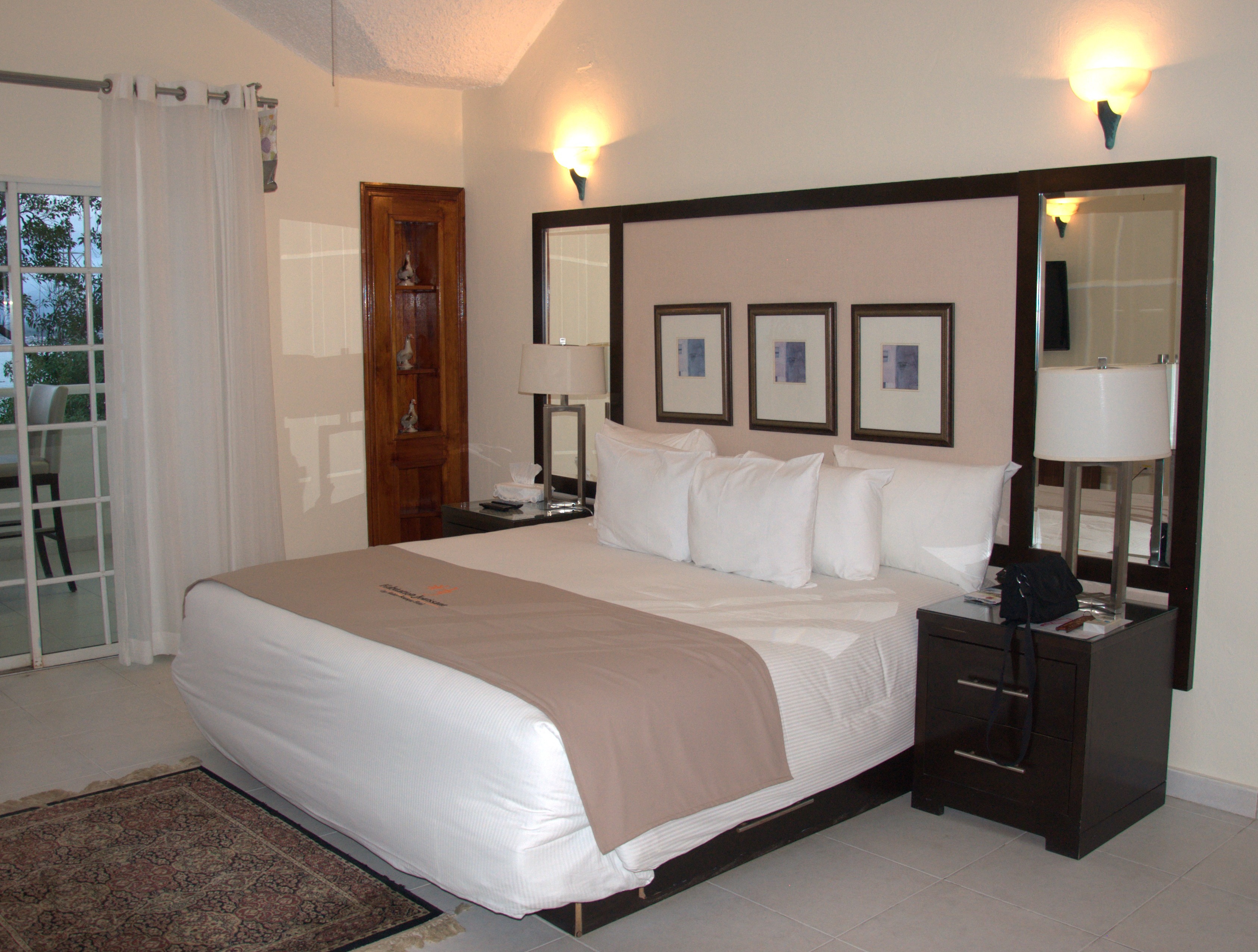
Let’s start with plug sockets. I’m travelling, these days, with a phone that needs charging, camera batteries that won’t last the duration of my trip and a Kindle that needs enough juice to let me finish my holiday read poolside. So, I need plug sockets. I don’t mean plug sockets that are behind the bed, under a desk or tucked into a corner so tight that I have to be an expert yogi to reach them. I don’t want to have to decide whether to unplug the TV or the minibar or the bedside light just to free up a socket. And I definitely don’t want to use that socket you tuck down by the side of the bed where odds are that in the morning when I unplug my phone, mine will join the ever-growing number of chargers that I have donated to hotels across the globe.
Hunt the plug socket...

Hunt the plug socket…

Now, about those hair driers: first, thank you for providing one. It’s not cool to sleep with wet hair and even less attractive to wash it in the morning and slowly drip water into my breakfast eggs. But next time you choose a hair drier for me, can you please find me one that has a bit of power behind it. I defy you to dry anything longer than a pixie crop with one of those gutless wall mounted things where you have to hold the button down for so long your finger goes numb. I’ve only got shoulder length hair. It takes me half an hour with one of those things. Over a fortnight’s stay, that’s almost a full day’s sightseeing time stood in front of the mirror wondering whether I really should just pack my own next time and be done with it.

How about this?

How about this?

While we’re on the subject of luggage, remember that sometimes I’m not staying long enough to unpack. Spare a thought for me when I’m just staying overnight before catching a flight. I’ve lost count of the times I’ve stubbed my toe as I’ve stumbled to the bathroom in the dark because the only place you’ve left me for the suitcase is at the foot of the bed. And don’t even get me started about those folding contraptions you hide in the wardrobe – last time I used one of those, my poorly balanced case tipped up and I ended up with a whole load of dirty washing all over the floor. Oh how I long for the sight of a decent, wide, solid shelf when I throw open the door.

Photo by Lori L. Stalteri  CC BY 2.0 via Wikimedia Commons

Photo by Lori L. Stalteri CC BY 2.0 via Wikimedia Commons

Is it really so much to ask for? I know I’m getting ever-more demanding with my whines about free Wi-Fi, free parking and bottles of water that are labelled so I know I’m getting those for nothing as well. You’ve sorted out my petulant demands to get my pillows just right. You even leave me a note on the headboard to tell me the sheets have been cleaned for my arrival (that’s a weight off my mind!)

So, if you can just deal with the rest, then I’ll be back as often as you’ll have me.

Yours sincerely,
Your fussiest customer
What makes a good souvenir?

Looking back to when I first seriously started travelling over twenty years ago, I was an avid souvenir collector. All manner of things came back with me until my house was overflowing with what then were irresistible purchases: painted bowls, mass-produced watercolours, huge piles of tat in all shapes and sizes. Over the years I like to think I’ve become a little more discerning and certainly more considered. I don’t bring as much back, but everything has a story and triggers a memory, just as souvenirs should do.

What’s the best souvenir you’ve ever brought back from your travels?

Hedgehogs, Austrian Tyrol, 1970s to 1980s

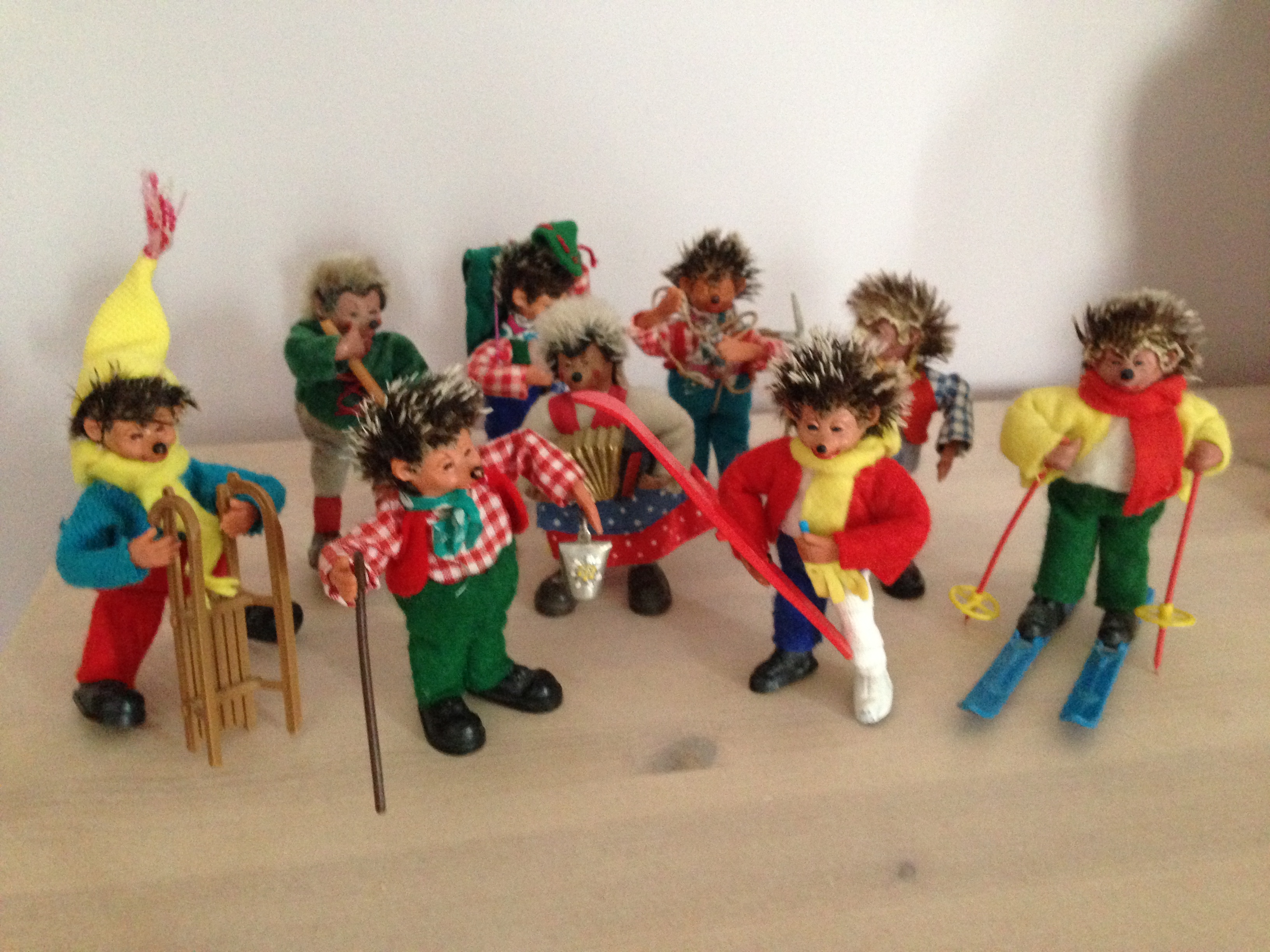
As a child I had many happy holidays in the Austrian Tyrol and over the course of those holidays collected these little hedgehogs. There is a certain irony to my choice of winter sports themed hedgehogs when all our holidays were summer ones, I suppose. At the time, I used to play with them like dolls, but as an adult I appreciate them as a kitsch reminder of the Tyrolean culture that still draws me back to the region to this day.
Hedgehogs

Alpaca bed cover, Arequipa, Peru 2001

I bought this from a store tucked down a side street in Arequipa’s colonial centre. Six weeks after the terrible earthquake, people were trying to get back on their feet. It’s beautifully soft, made from the fur of baby alpacas. I flew back with it wrapped in plastic. It was too big to be able to be taken on board as cabin baggage, but the plane had technical problems and so, for several hours, it sat on the tarmac in a rainstorm. It took a while to properly dry out and lose that distinctive damp animal smell, but I’ve loved it ever since.
Alpaca

Ceramic angel, Playa del Carmen, Mexico 1998

This guardian angel was bought in the then sleepy fishing village of Playa del Carmen on my first visit to Mexico. It looks as though its had way too many tacos but I love its chubby charm. These days, the angels are painted in bright colours and have “Playa del Carmen” emblazoned across them. My Mexican angel is a reminder of how places change too.
Angel

Coca Cola can elephant, Livingstone, Zambia 2012

I’ve been a huge fan of elephants ever since I can remember. My favourite toy growing up was an elephant named Bendo, once kapok-stuffed (until it was washed and had to be refilled) and I now sponsor elephant orphans at the Sheldrick orphanage in Nairobi, Kenya. I have many elephant souvenirs, but this is my favourite. This quirky creature was picked up from a market in Livingstone on the day I rode a huge bull elephant side-saddle just out of town.

Elephant

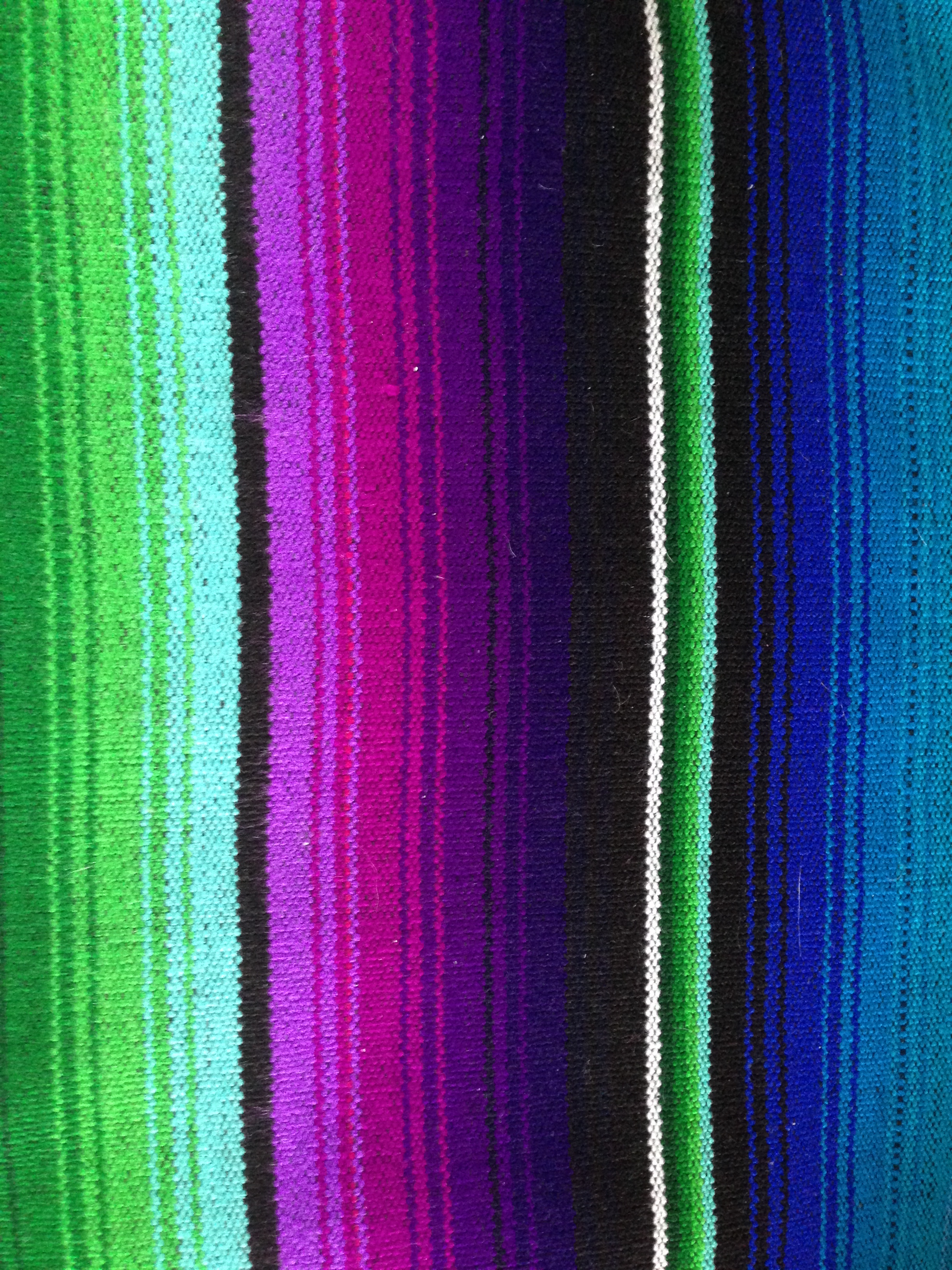
Woven blanket, Chichicastenango, Guatemala 2012

I never tire of Latin America, and part of my love affair with that region has to do with the vibrant colours that characterise the region and its personality. I was in textile heaven at Chichicastenango market and could have quite happily bought the lot. I couldn’t resist the colours of this one. It now covers a bedside chair so this is the first thing I see when I wake up.
Blanket

Golden retriever bag, Chicago, USA 2015

When I travel, I miss my two fluffy golden retrievers more than I used to pine for a decent cup of tea. I’m therefore a sucker for anything with a retriever theme. I’m the proud owner of a Golden-opoly game (golden retriever Monopoly) and golden retriever photo frames, and a box full of toys for them – think squeaky Empire State Building and you’ve got the idea. My latest purchase, from the Chicago branch of Macy’s, is a take on the iconic Bloomingdale’s Little Brown Bag, and in my opinion, a considerable improvement.

Dogs

Looking back on my trip to Haiti

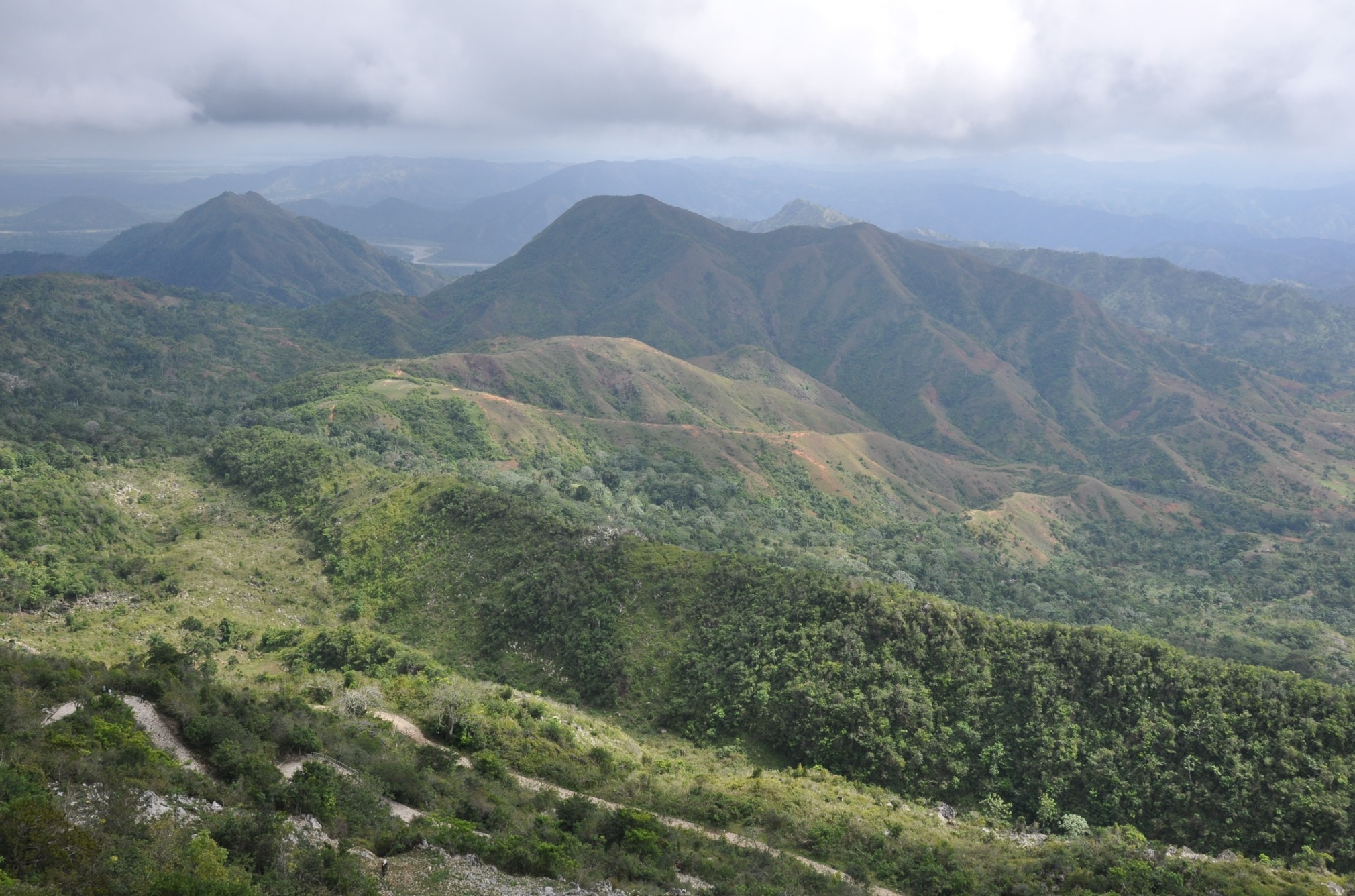
A few days ago I delivered a talk on Haiti to Leigh Travel Club and so my thoughts return this week to the impoverished Caribbean nation that made such an impression on me when I visited in February. The trip was one of extreme highs and lows, the latter making me question whether I’d done the right thing in travelling independently rather than with a tour group. From the sweeping views from the top of Citadelle Laferriere to a rather too interactive vodou blessing ceremony, this was always going to be one holiday that I wasn’t going to forget in a hurry.

The perfect place for doing nothing

The perfect place for doing nothing

Is Haiti ready for tourism?

Much has been written in the travel press of Haiti as an emerging tourism destination for 2015. This charismatic Caribbean nation has featured in as many recent top tens as the latest fashionable boy band and is garnering as much attention. Five years on from the devastating earthquake that claimed as many lives as the 2004 Asian tsunami but in an area a fraction of the size, Haiti is beginning to rebuild. But progress is slow, hampered by political turmoil and the sheer scale of the work to be done.

Views over the surrounding countryside from Citadelle Laferriere

Views over the surrounding countryside from Citadelle Laferriere

Around half a million tourists visit Haiti each year. The destination for the vast majority is Labadee Beach. Privately owned by Royal Caribbean, this pristine beach is reserved for cruise ship passengers only, who in turn are not permitted to leave the resort. Plans are afoot to facilitate day trips to the nearby attractions of Sans Souci Palace and the imposing hilltop Citadelle Laferriere, but for now they remain marooned in their paradisiacal enclave. But by far the greatest number of visitors come from the US and Canada, United Nations personnel, volunteers and NGO workers with an almost evangelical zeal. Transiting through Miami, I wasn’t surprised therefore to be asked by the curious immigration official whether I was a surgeon, though he thought I had taken leave of my senses when I told him that I was heading there on holiday. Alone.

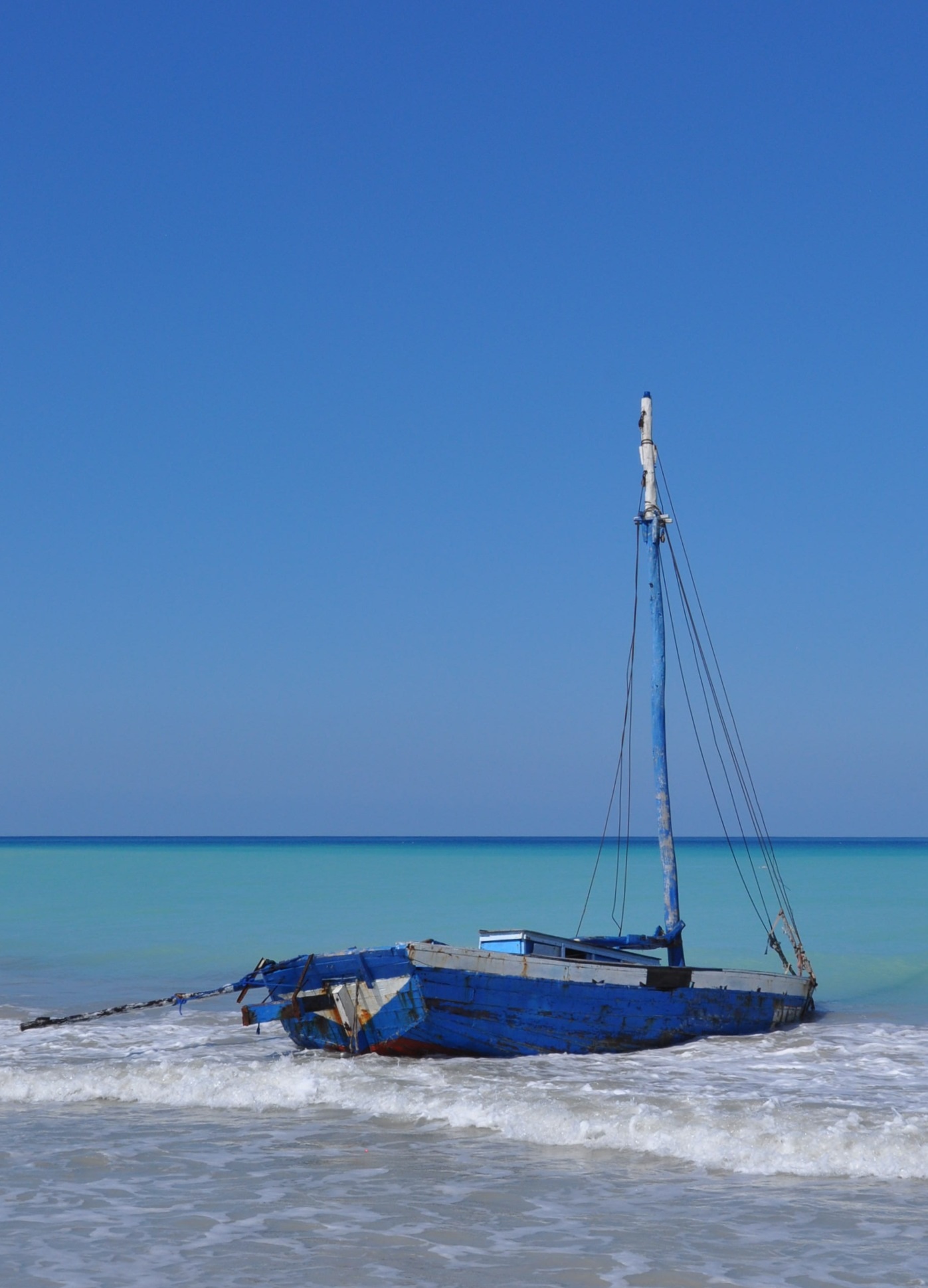
Fishing boat on Pointe Sable

Fishing boat on Pointe Sable, Port Salut – cruise ship not necessary

Nevertheless, inspired by the glowing recommendations, a steadily growing number of independent travellers are exploring Haiti. Many of these are French or Canadian – it helps to understand the language – with a smattering of Americans, Brits and other Europeans. Except perhaps the terrace of the Hotel Oloffson in downtown Port au Prince, nowhere was the concentration of “blans” or foreigners more noticeable than in Jacmel. Once a coffee port and still crammed full of ageing yet utterly charming balconied warehouses, art is now the commodity that supports this laid back town, with galleries and vendors on every street corner.

Carnival queen, Jacmel

Carnival queen, Jacmel

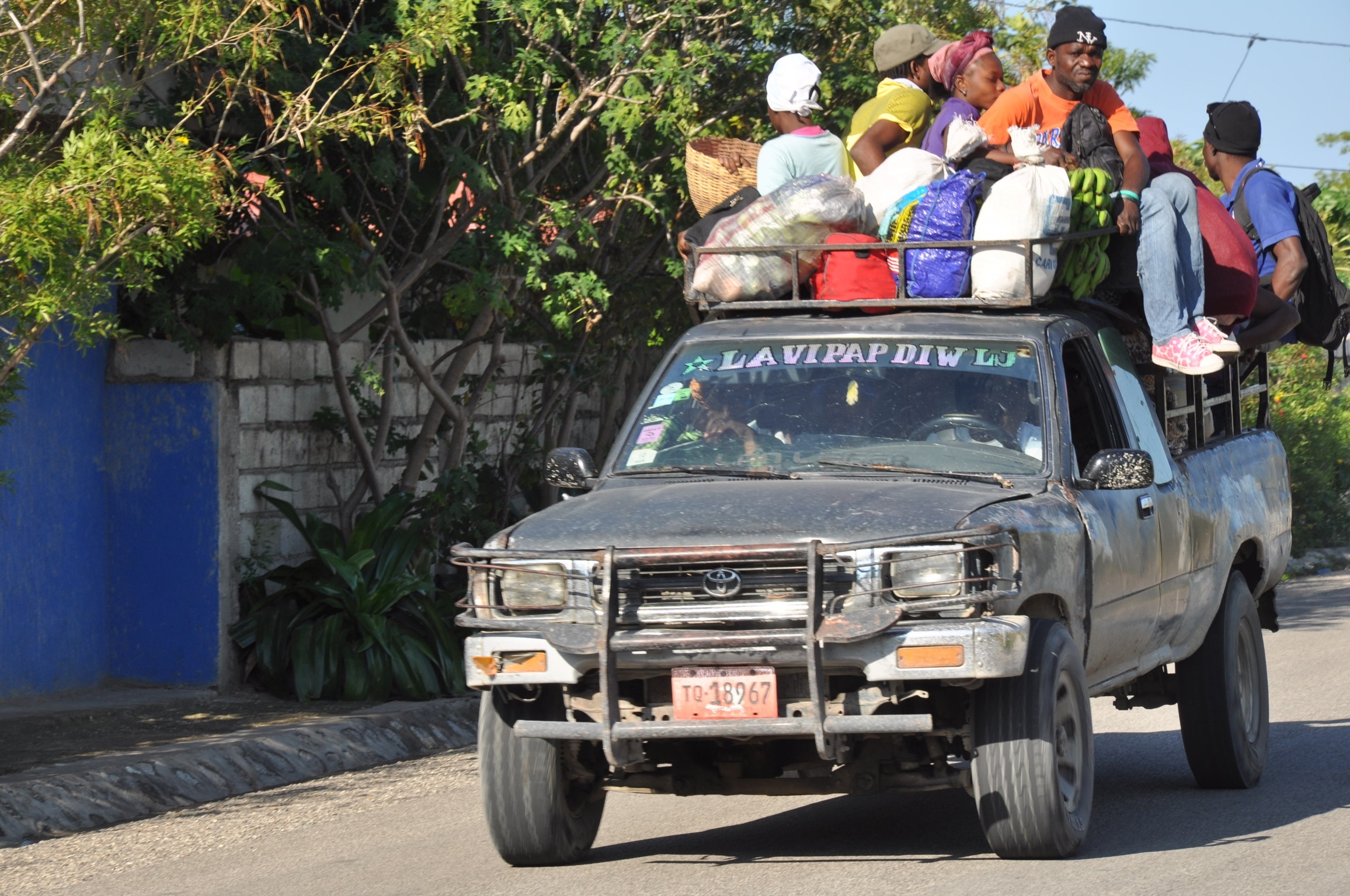
Visiting Haiti is the tourism equivalent of a backbreaking wooden coaster ride. It will push you close to the edge as you reflect on what possessed you to hail a tap tap that threatens to squeeze every last drop of goodwill from your sweaty pores. But just as you swear that you cannot take any more, that same tap tap will deposit you at an idyllic palm-fringed beach, deserted save for the crabs that scuttle out of the blazing midday sun into the tiny holes they bore in the white sand.

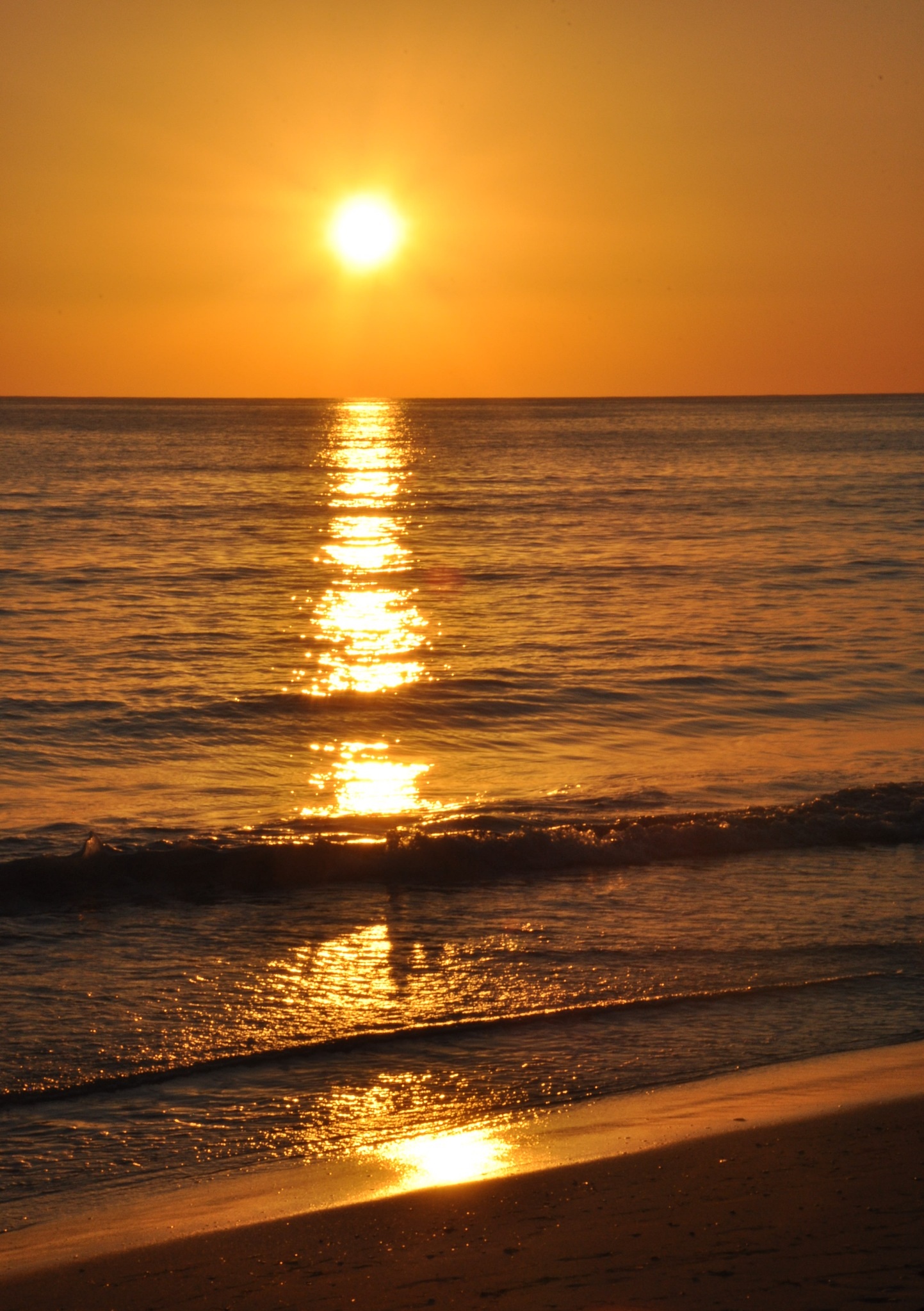
Sunset at Pointe Sable

Sunset at Pointe Sable

But it’s the people that create a lasting impression and ensure that Haiti sticks in your mind long after you return home. I encountered much kindness during my trip from people that had little to give but their time. Missing my stop on the tap tap from Les Cayes to Port Salut, according to my fellow passengers by at least five kilometres, a young lad on a motorbike pulled up alongside me as I stood on the roadside and pondered what to do next. He offered to take me and my suitcase down to my hotel, refusing my offers of payment with the kind of smile reserved for the exceptionally dim. I obviously looked that pathetic. That it turned out to be only a couple of minutes down a pretty beachfront promenade fringed by palm trees wasn’t the point. And he wasn’t the only one that went out of his way, literally, to help.

Overloaded tap taps are the only public transport to Port Salut

Overloaded tap taps are the only public transport to Port Salut

The flip side to this was the undercurrent of danger that was difficult to ignore. During my trip, tempers flared as bus drivers went on strike over government-imposed petrol price hikes, leaving Port au Prince on lockdown and incoming passengers corralled at the airport for want of somewhere safer to take them. I spent two days stranded in Jacmel, thankful that I was fortunate to be far from trouble and in such a characterful spot to boot. A few days later, the capital’s carnival, held a week after the vibrant and fun Carnaval in Jacmel, ended in tragedy when a stray overhead cable fell onto the road, causing panic in the crowd and killing at least sixteen. And shortly after I returned home, an air-conditioned coach travelling from Les Cayes to Port au Prince was attacked and set alight, supposedly a casualty of simmering tensions between Haiti and its more prosperous neighbour, the Dominican Republic.

Vodou ceremony, Jacmel

Vodou ceremony, Jacmel

Is Haiti ready for tourism? That kind of depends on your definition. If you need a smoothly functioning infrastructure along with your rum punch, then this isn’t yet the place for you. Wait a while, but you’ll find the crowds will catch up with this place eventually. The hawkers will lose their sense of humour, buses will run on time, hotels will offer luxury over rustic charm and tours will be packaged and sanitised.

But the magic will be long gone.

How to save money on your N’Awlins vacation

New Orleans, pronounced N’Awlins by the locals, was tagged the Big Easy by gossip columnist Betty Guillaud in the 1970s. As that nickname suggests, it’s a laid back city, easy going and, in my opinion, the best place in the States to let your hair down and enjoy yourself. But to do that, you’ll need money, so rather than waste it on the boring aspects of your holiday spending, here’s how to make some cuts that won’t spoil your fun – and will allow you to divert your cash into things that will make your vacation memorable.

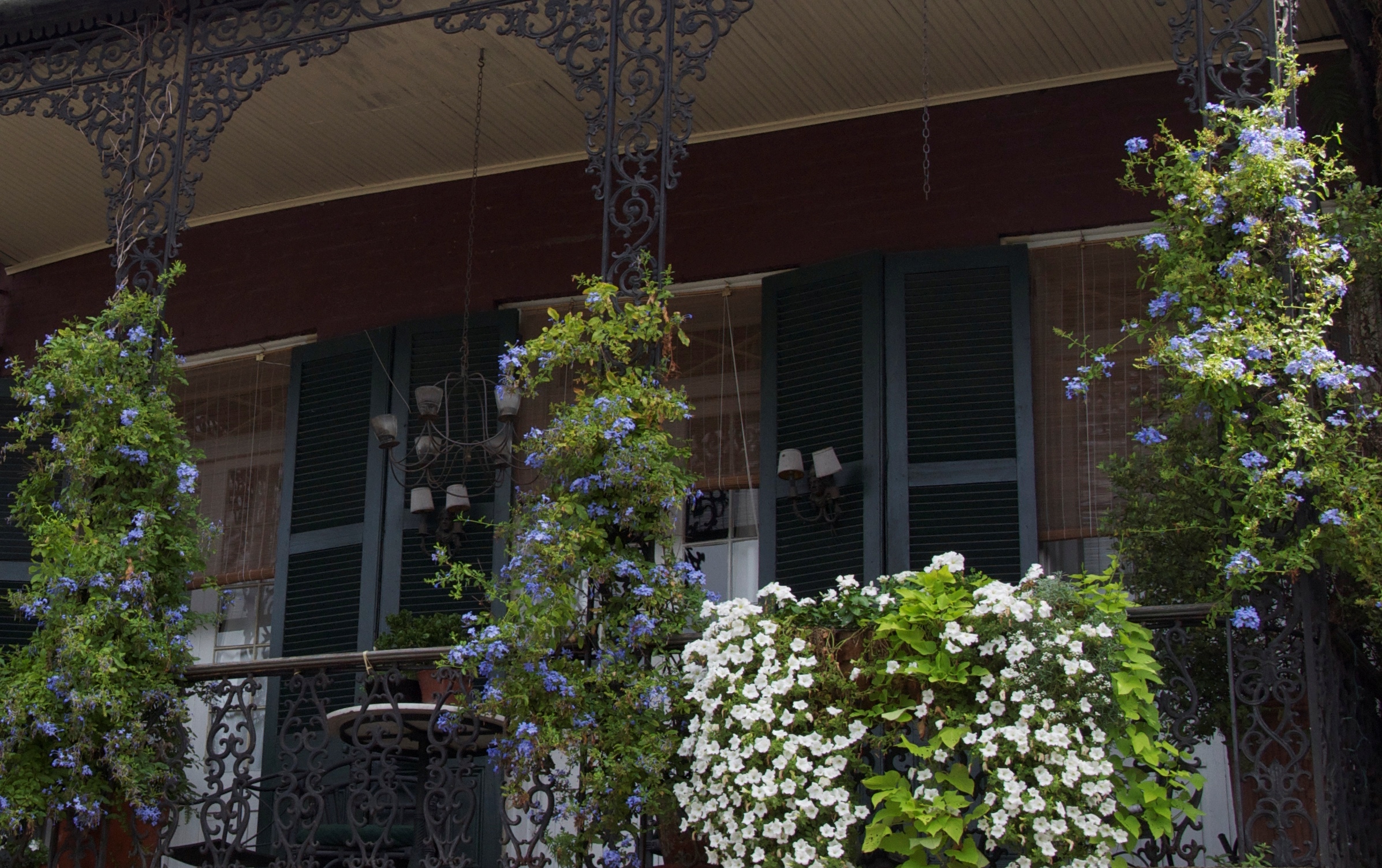
One of the French Quarter's ornate balconies

One of the French Quarter’s ornate balconies

Ditch the car

Forget what you’ve heard about needing a car in the USA, in the Big Easy it’ll just make things more difficult. Parking is hard to find, can be expensive and being towed if you get it wrong will really put a downer on your vacation. If you’re arriving by plane, then from the airport to the heart of the city, you have three options. First, a taxi – it’s a fixed rate of $33 for one or two people, with an additional charge for more than two. It’s convenient, and if you time your visit for hot and sultry summer, then it’s the coolest option too. Second, a shuttle – for $20, you can take a shared shuttle; they go round the houses, but it’s a saving if there’s one of you. Third, and cheapest of all, take the E2 bus for $2 (yes, you read that right, a saving of $31 on the cost of a taxi) to get right to the heart of downtown. From the centrally located Amtrak rail station, tram 49 gets you right into Canal Street for a budget-busting $1.25, with transfer to other trams or city buses for an additional $0.25.

Riverfront tram

Riverfront tram

Getting around

Much of the tourist area of New Orleans – think French Quarter, Faubourg Marigny and Downtown – is easily walkable. To get further afield, buy a $3 day pass for the city’s buses and trams and hop on and off to your heart’s content. Ride the green line to City Park, for the Botanical Gardens and Bayou Saint John, the historic St Charles Avenue tram for the beautiful mansions of the Garden District or the Riverfront tram for the eclectic shopping and ice cream daiquiris of the French Market. Check http://www.norta.com/ for current schedules.

Free self-guided walks around the Garden District are easy to find online

Free self-guided walks around the Garden District are easy to find online

Choose your tours carefully

While much of New Orleans can be visited independently, for some things a tour is compulsory. Since Marie Laveau’s tomb at St Louis Cemetery #1 was spray-painted pink and smashed up with a baseball bat last year, visiting on your own has been impossible. To make sure your tour money does some good, and for a reasonably priced tour, try Save our Cemeteries http://www.saveourcemeteries.org/. The organisation works tirelessly to restore, repair and educate. Other cemeteries can be visited for nothing, including the atmospheric Lafayette cemetery in the Garden District. An excellent self-guided walk can be found at http://www.scsh.com/pdfs/Garden-Dist-tour-2.pdf

Lafayette cemetery

Lafayette cemetery

Taking a carriage ride around the French Quarter is a great way to get your bearings, but can be expensive. Rather than taking a private trip, opt for a place on a larger shared carriage, which costs $18 for a half hour tour compared to the $90 for up to four people if you don’t want to share.

Shared carriage around the French Quarter

Shared carriage around the French Quarter

If you want to get out on the river, the steamboat Natchez makes regular trips on the Mississippi several times a day. Eschew the expensive dinner cruise which costs a whopping $46 even without food ($77 with dinner) and board in the afternoon when cruises are better value at $29.50. You’ll still get all that jazz!

Look for coupons

Most hotel foyers have a stack of leaflets about nearby attractions and many of them include money-off vouchers. The free map given out across the city also has a few – I saved a couple of bucks off the $19.95 entrance fee at the excellent Mardi Gras World by ripping off a corner. The savings will soon add up.

Last year's float being recycled at Mardi Gras World

Last year’s float being recycled at Mardi Gras World

See a band for free

Forget Bourbon Street, the action’s moved to Frenchmen Street where you’ll find a whole lot of great music for the price of a drink. While some clubs apply a nominal cover charge, many offer free entertainment. Try The Maison, where you can listen to a band while chowing down on tasty shrimp and grits. If you’re not too bothered about alcohol, ordering a soda gets you free refills.

Free music is easy to find throughout the French Quarter and Faubourg Marigny

Free music is easy to find throughout the French Quarter and Faubourg Marigny

Save money on drinks

A trip to N’Awlins wouldn’t really be complete without at least one cocktail but the cost of drinks in bars and restaurants will soon mount up. Take advantage of the city’s laid back attitude to drinking and get one to go from the Gazebo Café at French Market. Takeaway ice cream daiquiris, a speciality, cost $7.75, a saving of between two and four dollars off a typical indoor price. Carrying out a “to-go” cup is completely legal, though make sure it has a lid, and don’t get too intoxicated or you’ll fall foul of the authorities.

Got any tips of your own? I’d love it if you posted in my comments section!

The best view in town

New York’s skyline begs to be admired from the top of one of its skyscraper observation decks, but which should you choose? Read my guide to the three main contenders, the Empire State Building, Top of the Rock and the new kid on the block, One World Trade Center, to find out which is best for you. For all three, unless you ascend in the evening, expect long queues so book in advance online.

The glamorous one: Empire State

The Empire State Building

The Empire State Building

The Empire State has been impressing visitors to the Big Apple since it opened back in May 1931. From the minute you swing through its revolving doors into the lobby adorned with gilded Art Deco wall panels you can’t fail to be impressed. It’s featured in more Hollywood films than you could imagine and it’s just about the most iconic site New York has to offer.

Best bit: the view down Fifth Avenue from the windswept 86th Floor observation deck looking towards the World Trade Center and the Statue of Liberty

Worst bit: the wind can be biting at this height, and you’re outside, so wrap up well or switch to the opposite side of the observation deck

Cost: $42 per adult (to visit the main 86th floor observatory and museum)
Opening hours: 8am to 2am daily, last elevator up 1.15am
Where to find it: 338-350 Fifth Avenue

The best view in town: Top of the Rock

Sunset at the Top of the Rock looking south to the Empire State Building

Sunset at the Top of the Rock looking south to the Empire State Building

What the Empire State Building can’t offer is a view of the Empire State itself, which is where Top of the Rock trumps it. Offering split-level viewing platforms behind glass as well as an inside lounge with padded leather benches, this is also the place to get a close up look at the Chrysler Building.

Best bit: the glass panels have gaps big enough to squeeze a camera lens through but not so big to bring on the vertigo

Worst bit: finding your way out at the bottom can be difficult as the Rockefeller Center is a maze of corridors

Cost: $38 per adult for regular access
Opening hours: 8am to midnight daily, last elevator up 11pm
Where to find it: 50th Street, between Fifth and Sixth Avenues

The new contender: One World Trade Center

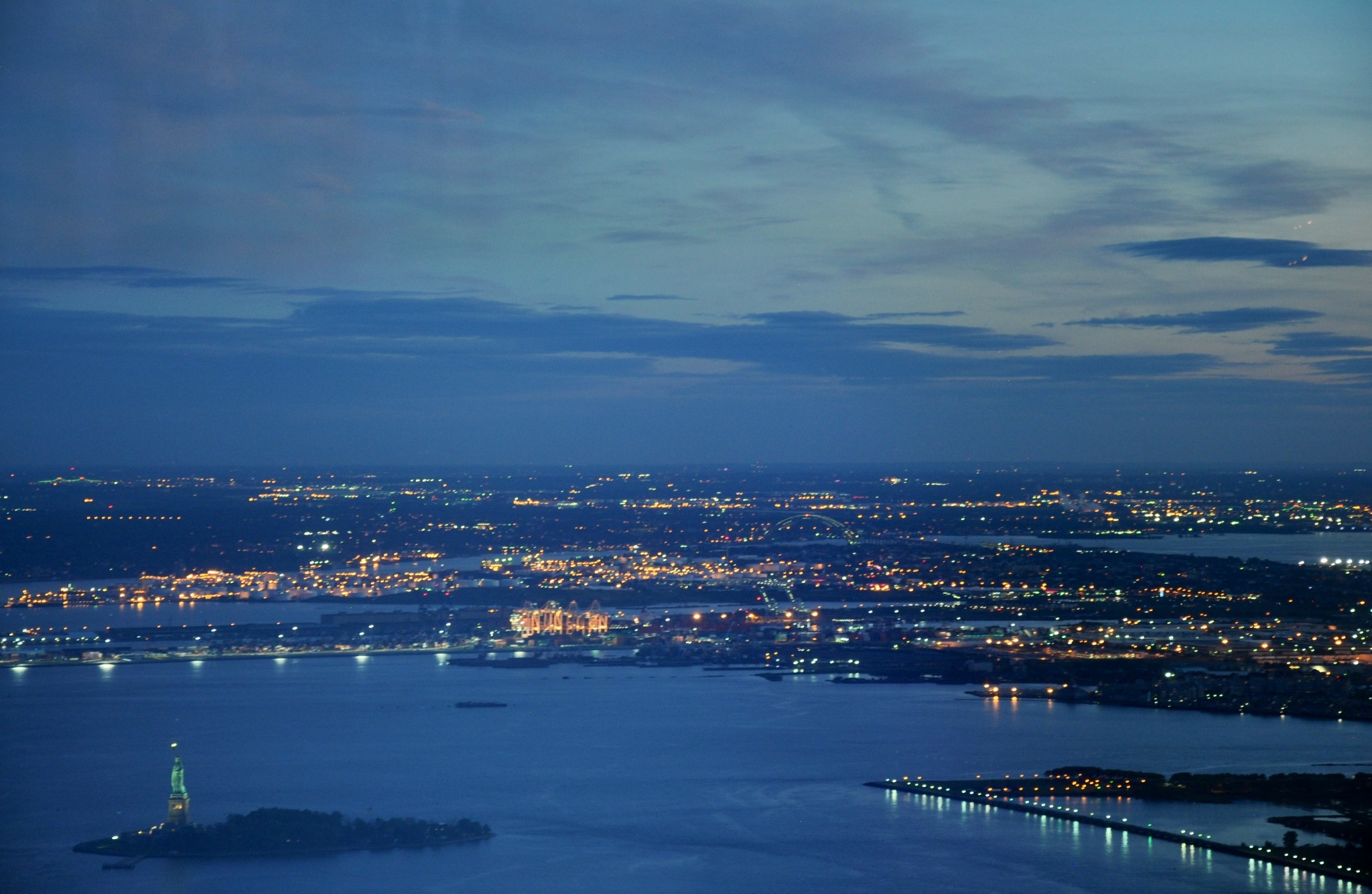
The view south, overlooking the Statue of Liberty

The view south, overlooking the Statue of Liberty

Also known as the Freedom Tower, this, the tallest skyscraper in New York finally opened in May 2015, following the terrible collapse of the Twin Towers on 11 September 2001. It’s a lot more hi-tech than its competition, offering iPad rental for visitors to identify the city’s landmarks and guides that tell New York stories. There’s a surprise waiting as you exit the elevator but I won’t spoil it for you.

Best bit: the elevator ride takes you up 100 floors and whizzes through time as it does so giving you the brief chance to witness New York being built

Worst bit: the observation decks are behind glass, leaving photographers frustrated by reflections and dirty fingerprints

Cost: $40 per adult for general admission
Opening hours: 9am to midnight in summer, 8pm closing from September until Spring, last elevator 45 minutes before closing
Where to find it: West Street, corner of Vesey Street

My verdict

It’s still hard to beat the Empire State if you’re a first-time visitor to the city, but if you have time, plan to ascend the Top of the Rock too. It’s well worth doing one by day and the other at night for two very different experiences. Time at least one of them for sunset. I wasn’t as impressed by the One World Observation Deck because of the issues with getting a decent view of the city, especially once it got dark and the lights were switched on.

In March 2020, Edge opens at the Hudson Yards – watch this space for my review of New York’s fourth observation deck.