juliamhammond

Latest

A beginner’s guide to the Trans-Siberian

I love a good train trip and the ultimate in rail journeys has surely got to be the Trans-Siberian in some form or another.  If you’re thinking of crossing Russia by train, I’d suggest doing some background reading beforehand to get your head around what seems like a complex trip but in reality is more straightforward than it looks.
img_8581

What is the Trans-Siberian?

Some people wrongly believe that the Trans-Siberian is one single luxury train.  It’s not.  It’s one of several long distance routes that stretch across Russia.  Generalising a little, there are three main routes: the Trans-Siberian, the Trans-Manchurian and the Trans-Mongolian.  Following each of these routes, it is possible to travel on a single train, but most people stop off along the way to explore some of Russia’s great sights – and see something of Mongolia and China as well, perhaps.

trans-siberian_railway_map

Trans-Siberian route (Courtesy of Ertmann and Profil CC BY-SA 2.5 via Wikimedia)

How long will I need?

To follow the classic route from Moscow in the west to Vladivostok in the east without stops will take 6 days.  If you plan to do this, you’ll need to book the Rossiya train (number 1 or 2 depending on the direction you take).  Extending your journey , you could begin (or end) in St Petersburg rather than Moscow, which are connected by an overnight train taking about 8-9 hours, or the high speed Sapsan train which covers the distance in about 4 hours.  Personally, I’d allow at least a couple of days to scratch the surface of Moscow or St Petersburg, though it’s easy to spend more time in either.  To cover the whole route with a few meaningful stops, it’s best to allow a couple of weeks, more if you can.  And of course, you can do the whole trip overland with connecting trains via Paris and a route that takes you through Berlin, Warsaw and Minsk.
img_8238

What was my itinerary?

Mine is, of course, by no means the definitive tour.  On these three routes, it’s easy to tailor your journey according to your own personal preferences.  I flew from London City airport to Moscow as at the time I booked, this worked out cheapest.  When I planned my trip, I’d already been to Beijing, so I opted for the Trans-Mongolian from Moscow to Ulan Bator in Mongolia, leaving the Trans-Siberian on the map above at Ulan-Ude and heading south to the border. Read more about Russia here:
The Devil reads Pravda?

img_8416

I stopped at Vladimir (for Suzdal and the Golden Ring) and then Perm (to visit one of Stalin’s notorious gulags).  I skipped the popular stop at Yekaterinburg for reasons of time, though I’d like to visit next time, making the journey from Perm to Irkutsk in one go (a little under three days and over 3000 miles) as I wanted to experience a multi-night trip. I think that was enough: though you can book itineraries which involve staying on board the train for longer, I was definitely ready to sleep in a proper bed after two nights on the train and it was an amazing feeling to luxuriate in a bath and soak away all that train grime and staleness. There’s only so much wet wipes and dry shampoo can achieve!
img_8749

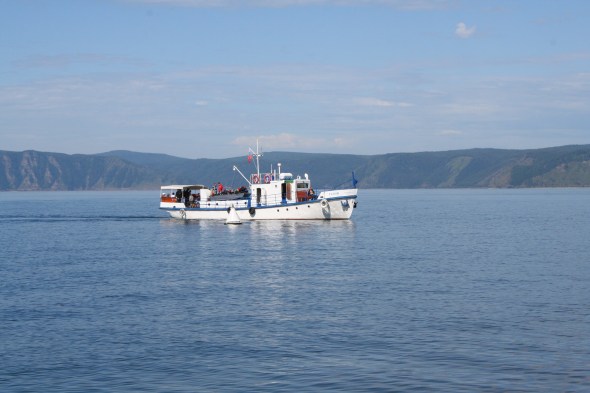
I had a couple of days at Irkutsk so I could visit Listvyanka at Lake Baikal. On a second trip, I’d build in more time here as it was beautiful – and frozen in winter, it must be a special place indeed. Reboarding a train, I crossed over the border to Mongolia.  Having seen a little of the Mongolian capital I set off into the surrounding countryside for an unforgettable stay in a ger with the steppe nomads. Culture shock is an understatement! Read about it here:

A day with the steppe nomads

I then retraced my steps to Ulan-Ude from where I caught a flight back to Moscow with budget airline S7 – a six and a half hour domestic flight which gives you some idea of the country’s vast size.  This worked out considerably cheaper than finding a single leg fare to Moscow and home from UB.  In all, the train tickets cost me about £500, with flights adding about £350 to the total. In all a couple of weeks’ holiday cost me around £1500 including basic hotels, meals and sightseeing.

Is it easy to do as an independent traveller?

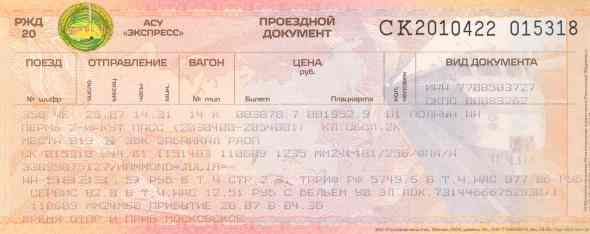
Yes and no.  I’m a big fan of independent travel, not only for the cost savings, but also for the flexibility it gives me to tailor the itinerary to suit my exact requirements.  But I’m also not a Russian speaker and I felt I needed support with the booking process to ensure I ended up with the right tickets for the right trains.  As you can see from the ticket below, it’s not at all easy to understand not only a different language but a different alphabet as well.
russian-train-ticket

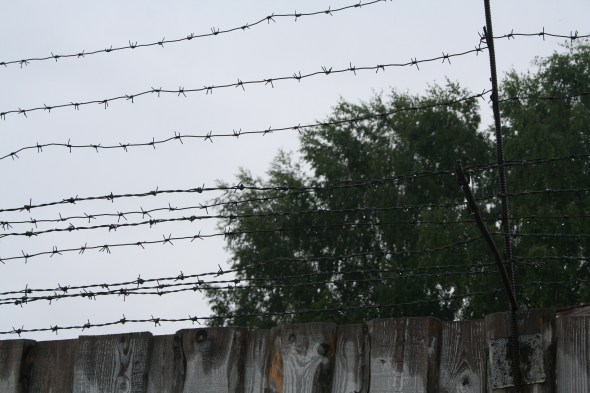
Due to the complexities of the railway ticketing system plus visa considerations, I decided to use a single specialist travel agent for those two aspects of my trip.  As is my usual style, I booked my own flights, accommodation and most of my sightseeing myself; the exception was a private tour to Perm-36 Gulag which I also outsourced. I used a UK-based company called Trans-Siberian Experience (https://www.trans-siberian.co.uk) who were very efficient and helpful. The day trip was a 260km round trip from Perm, customised to my personal requirements and cost £170, the most extravagant part of my trip but more than worth the outlay.
img_8548

The company I used at the time was Real Russia.

http://realrussia.co.uk/Trains/Trans-Siberian

Their website has a dedicated Trans-Siberian section which enables you to check train times, suss out possible routes, check prices and order visas.  It’s clear and in my experience the support offered by the team was excellent.  All my tickets were sent in good time with English translations, the visa process was uncomplicated and every aspect of the trip that they’d arranged went according to plan – which was more than could be said for some of my own bits:

https://juliamhammond.wordpress.com/2016/11/06/lost/
img_9435

Since switching careers, I’ve done a lot of work for Just Go Russia, another London-based agency specialising in Russia, and they are always extremely efficient.  If you’re looking for a tour, they do offer a wide range of options.  You can find them here:

http://www.justgorussia.co.uk/en/transsiberian.html

Even if you don’t end up booking a tour, it’s a good way of getting an overview of the route and whittling down the options about where to stop off.  Another source of information is The Man in Seat 61, my starting point for every train trip I’m planning outside the UK.  There’s a good overview here:

http://www.seat61.com/Trans-Siberian.htm

What’s it like on the train?

Each of the trains I took was a little different.  I “warmed up” on the short leg from Moscow to Vladimir and this was a regular seated train.  That took away some of the nerves about checking I was on the right train, right seat and so on, without the worry of a missed long distance connection. From Vladimir heading east, some of the long distance trains leave in the middle of the night, so I opted for one departing early evening which arrived after lunch the following day.  The overnight trains varied considerably in terms of speed and quality, something that is reflected in the price.

Another thing to factor in if travelling in Russia’s hot summer is that the air-conditioning is turned off when you stop at the border and the windows of such carriages don’t open; more basic trains have windows that can be pulled down to let in a breeze.  (In winter, in case you’re wondering, the trains are heated, so prepare to swelter on the train and freeze on the platform.)

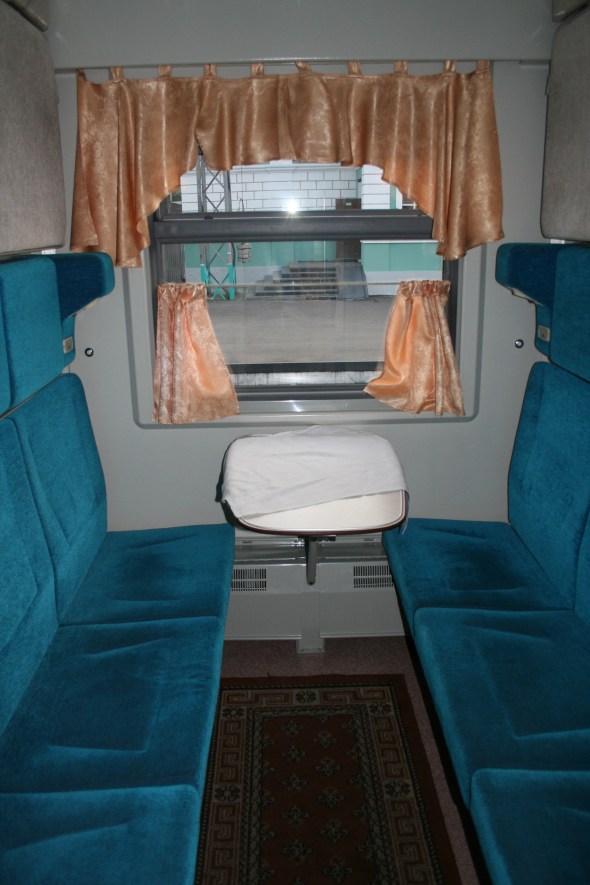
Some compartments featured luxury velour seating, others were more basic, such as the one I travelled on from Perm to Irkutsk.  In my opinion, that didn’t really matter as I followed the lead of my compartment companions (all Russians) and stretched out on a made bed all the way rather than converting it back to a seat.  When I did the Irkutsk-UB leg, the train was more luxurious, those sharing the compartment were all tourists like me and we all sat up during the daytime.  To be honest, I liked the local approach best.
img_8845

In all cases, I opted for second-class tickets which provided comfortable accommodation though no en-suite facilities.  The logic to this was that as a solo female traveller I didn’t want to be alone in a compartment with a single man and the first-class compartments came as two-berth not four-berth kupe.  I shared with three men from Perm to Irkutsk but as everyone sleeps in their clothes nothing untoward happened and actually I was well looked after by one of them in particular, a Russian army officer heading on to Chita.

Border crossings can be daunting, but knowing my visas and documentation were in order was helpful. Formalities vary and the immigration officials will make it clear whether you are to remain on board or not. It is normal for them to take your passports away; that can feel stressful but having a photocopy of your papers is a comfort. Note that the Chinese trains run on a different gauge so the carriages have to be lifted onto new bogeys.

What should I pack?

As you are likely to sleep in your clothes then picking something comfortable like jogging bottoms and a loose T-shirt is a good idea, though clearly you won’t win any fashion awards.  Who cares?  I found it helpful to pack changes of clothes (socks, underwear and T-shirts) in a day pack so I could store my suitcase under the bed and forget about it.

In terms of footwear, most of the locals seemed to favour blue flip-flops with white socks. Slip on shoes of some form are convenient to help keep your bedding free of dust picked up from the floor. The provodnitsa, or carriage attendant, will come round with the vacuum cleaner each day and will chastise anyone who’s made a mess, so keep the compartment clean.

It’s a good idea to book a lower bunk as you are then sleeping on top of your bags, affording grreater security than the open stow holes up top. It’s possible to lock the door from the inside, but not from the outside, so when you visit the bathroom it’s reassuring to know that your belongings are out of sight. Having a small handbag to carry passport, money and other valuables – like train tickets! – was also helpful. When I’m travelling by overnight train I always take a lockable, hard shell wheelie; it’s narrow enough to wheel down train corridors and light enough to lift from the platform, but also more robust than a slashable canvas bag. A determined thief will steal or break into anything, so it’s about making yourself a more difficult target than the next passenger.

When I travelled, the bathroom facilities were pretty basic so I would definitely recommend taking lots of wet wipes and also a can of dry shampoo.  It’s amazing how clean you can get yourself in a small cubicle with just a small sink.  These days, most Russian overnight trains have a special services car with a pay-to-use shower which would have been great.  You do need your own towel, but I use a special travel towel which folds up small and dries fast.  I won mine in a competition but you can get something similar here:

http://www.nomadtravel.co.uk/c/261/Travel-Towels-and-Wash-Bags

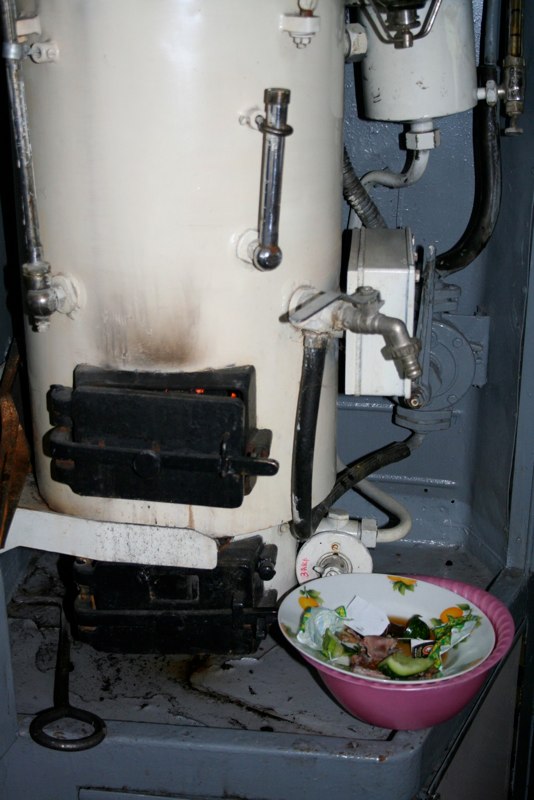
In terms of sustenance, the provodnitsa also keeps a samovar boiling from which you can get hot water to make tea, noodles or soup, so I packed some of these too. Some were more accommodating than others; if you get a grumpy one, she’ll lock her door or disappear for hours at a time. I was lucky to have a smiling provodnitsa on my longest leg, which made a difference. The Russians travelled with plenty of food which they generously shared, most memorably omul, a kipper-like smoked fish common in Siberia.
img_8583

There’s a restaurant car as well and at station stops, despite the queues there was often enough time to nip off to buy food from the platform vendors, so carry enough small change for these kind of purchases.  Finally, it’s a long way.  Although batteries can be charged (though sometimes in the corridor on older trains) I’d pack an old fashioned paperback to read or carry a pack of cards to entertain yourself.  Take family photos – in my experience it’s true that Russians love to share theirs. It’s also true that a bottle of vodka can break the ice though some compartments sounded more raucous late at night than others – the luck of the draw!  I also had a copy of the Trans-Siberian Handbook (as opposed to the Lonely Planet which I would usually take) because the level of detail about what you’ll see out of the train window was much better.

img_8585

Anything else I should know?

One of the things I was most worried about before I set off was missing a train or missing a stop.  In the event, neither of these were an issue.  At the station, huge signboards helped identify where the train might pull in and showing the ticket and smiling a lot got me escorted to many a carriage door.  Pretty much without exception, I found the Russian railway staff very helpful. The trains used to run on Moscow time which could be a little confusing at first, but there are timetables up in the corridors and even on the longer legs I usually knew roughly where I was.  Since summer 2018, they’ve switched to local time and are showing both times to help ease the changeover.

A phrase book helped me decipher the Cyrillic alphabet; my technique was to focus on just the first two or three letters rather than trying to remember the whole name.  Thus Suzdal became CY3 etc.  The train provodnitsas were very good at giving their passengers plenty of warning when their stop was imminent and so I managed to get across Russia without incident.

I never felt unsafe during my trip but I would say that you need to be a bit savvy when it comes to your valuables.  Keep your passport and money with you, don’t flash around expensive cameras or laptops but equally, don’t get too paranoid.

Would I do it again?
img_9383

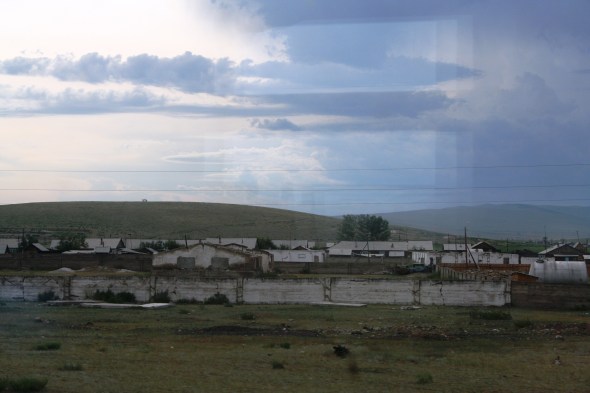
Yes!  The scenery at times was monotonous but that was missing the point.  The adventure was in the interactions with people on the train; the sightseeing came after I alighted at the station.  Next time I think I’ll begin in St Petersburg, detour to Kazan and make that visit to Yekaterinburg before heading east to Vladivostok.  Now where did I put that Trans-Siberian handbook?

Stranded in Jacmel

One of the great joys of travelling alone is the freedom to go where you please, when you please.  Unfortunately, I was going nowhere, stranded by a set of circumstances out of my control and, thanks to a woefully inadequate command of the local lingo, completely at a loss as to why.

image

I’d been in Jacmel for a few days celebrating Kanaval.  Carnival festivities took place each February a week before the rest of the country.  A flamboyant parade of colourful floats, larger than life papier mâché characters and enthusiastic dancing, it was a raucous, deafening and utterly captivating event.  In short, it was anything but a warm-up for the revelry which took place a week later in the Haitian capital, Port au Prince.

I say I’d been in town.  More accurately, I’d been staying just out of town.  Prices at that time of year were hiked by the few desperate hoteliers that managed somehow to stay in business.  Haiti’s tourism industry is precarious at best, battered by a hideous earthquake in 2010 and several devastating hurricanes.  Those extra gourdes would likely mean the difference between staying open until the following year and closing their doors for good.  Today was the day the visitors left and those who remained counted their takings to determine their fate.

DSC_0175 (3).jpg

But things were not going to plan that morning.  A taxi had dropped me off at the petrol station forecourt that served as a bus station, though there was no petrol at the pumps and nothing in the vicinity that you’d call a bus.  Instead, a gaggle of decrepit minibuses were parked in an untidy line as their drivers slouched against the concrete fence drawing on cigarettes and lazily passing the time of day.  Inside one minibus there were a handful of patient passengers.  Assuming that it would leave when full, I approached the driver to ask if he was headed to Port au Prince.  To my surprise he replied in the negative.  My schoolgirl French wasn’t up to the ensuing conversation but the gist of it, as far as I could work out, was that there were no buses leaving for the Haitian capital at all.

“Pas de bus?” I asked, exaggerating a French accent for effect while pointing at the minibus.

He shrugged.

“Pas de transport?” I tried, hanging onto the hope that he’d misunderstood.

“Non.”

That, I understood.

A knot began to tighten in my stomach.  A veteran of many a solo trip, had I bitten off more than I could chew?  With private transport back to the capital well outside my budget, if there was no bus, any chance I had of making my flight home was dwindling fast.  What I still couldn’t understand, however, was why, if all transport was suspended, his bus still had passengers inside.  I decided that as we were so close to the Dominican border, I’d try speaking Spanish.  From what I’d read, there was no love lost between the Haitians and their wealthier neighbours – a few days earlier a cross-border bus had been set alight in a tit for tat incident – but I was running out of options.

coach

Fortunately, the driver spoke a bit of Spanish too.  I managed to ascertain that there was a protest just out of town.  A blockade had been hastily erected on the road which wound through the hills that cocooned sleepy Jacmel from what otherwise might have been the contagious noise and chaos of the capital.  This roadblock of burning tyres and angry protesters had stymied public transport for the foreseeable future.  Something to do with the government increasing the price of fuel, he said vaguely, and out of his hands.  Until the roadblock was lifted, no one was going anywhere.  Those few passengers inside his vehicle were either blindly optimistic of their government’s ability to resolve the situation or had nowhere else to go.

Luckily, I did have somewhere.  As of today, hotels were back to offering post-carnival rates, so I schlepped my wheelie back into town.  The Hotel Florita was a Jacmel landmark, its elegant balconies and huge wooden doors a giveaway to its former life as a coffee warehouse.  Built in 1888, it had been spruced up post-earthquake with a coat of whitewash, its myriad architectural features accentuated in baby blue.  I’d read about the place when I’d been planning the trip and fallen in love with the idea of staying there.

dsc_0055-2

The hotel’s own website proudly boasted that the place was “not in catastrophic condition” and that the main house had “not been hijacked by conditioned air”.  The management’s description of the New Yorker who converted the place into a hotel was just as entertaining, recounting that the man had first seen it when drunk before “thoughtlessly and fecklessly” purchasing it.  The paragraph concluded: “Why he did it remains a mystery and his decision to turn it into a hotel a decade later unfathomable.  It is still there limping along.”  The Florita had seemed like my kind of place and now it seemed I might get to stay there after all.  Happily what had been the old courtyard kitchen now contained a four poster bed that had seen better days.  Its most recent occupants had checked out just this morning, leaving my path clear to snagging the cheapest room in the house.

dsc_0299

Installed on one of the Florita’s sofas, I logged on to what surely had to be the slowest WiFi connection in the western hemisphere and attempted to trawl Twitter for information. News was sparse but universally bad.  The latest fuel hike was one in a long line of unacceptable actions by an unpopular government and people had had enough.  I sympathised up to a point but their timing couldn’t have been worse.

While the townsfolk of Jacmel battled their hangovers to begin the big clean up, I spent the morning researching an alternative route home.  The blocked road over the mountains to Port au Prince was the only one in that direction.  To the west, a torturous mountain track lead to the tiny towns and villages of Haiti’s southern claw – effectively a dead end.  Jacmel had an airport, just outside the town, but it was no longer in use.  There was a coast road which might have taken me east into the Dominican Republic, but I had no wish to be the next victim of a retaliatory arson attack.

dsc_0013

I snapped the lid of the laptop shut and ordered a beer.  I might not be free to go where I pleased, but the whole point of travelling was to embrace your surroundings and anything they threw at you.  There were worse places to be stranded, I decided.  The sun was shining and it was nearly time for lunch.  Solving the problem of how I was going to get home could wait.

Review of the year 2016

Despite a house move – and subsequent endless weekends spent decorating and driving to and from every DIY store in a fifty mile radius – I’ve managed to fit in a few trips this year.  What follows is a review of my favourite travel moments from 2016 and what I’m looking forward to in 2017.

DSC_0679

Sri Lanka

There are a few countries on my “still to visit” list that I really should have ticked off years ago, and Sri Lanka was one of them.  I finally managed to get there in March and had a fabulous week riding trains and exploring the southern half of the country.  Here are some of my posts from that trip; I’ve you’ve never been, I’m sure you’ll want to add it to your wish list.

image

Sigiriya – to the tune of Duran Duran’s Save a Prayer…

https://juliamhammond.wordpress.com/2016/03/12/sigiriya/

Tea time in the hill country – dare you swallow and not spit?

https://juliamhammond.wordpress.com/2016/03/12/tea-time-in-the-hill-country/

Uda Walawe – watching the elephants play!

https://juliamhammond.wordpress.com/2016/03/14/elephant-spotting-in-uda-walawe/

The Seychelles

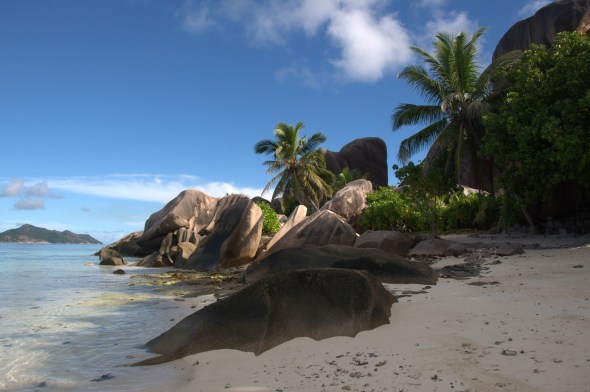
From Sri Lanka, it was a short hop across the Indian Ocean to the beautiful island archipelago of the Seychelles.  This one had been saved as a potential honeymoon destination, but in the end we opted for a US road trip and I visited the Seychelles as a solo traveller.  Anse Source d’Argent was every bit as sublime as the glossy travel magazines would have you believe, and being able to do the trip on a budget without sacrificing style and comfort was an added bonus.  Definitely one to return to one day.

https://juliamhammond.wordpress.com/2016/04/01/how-to-visit-the-seychelles-on-a-budget/

DSC_0939

New York – but this time in business class!

I’ve almost lost count of the number of trips I’ve made to New York and there’s much to read on this blog that will explain to you why it’s a city that has held my interest for so long.  But this year, I travelled in style with British Airways for less than the cost of an economy fare, courtesy of a very attractive error fare.  It’s likely my article on how to blag a business class fare on the cheap is going to be in the Sunday Times Travel Magazine before the spring, but in the meantime, I blogged about error fares here:

https://juliamhammond.wordpress.com/2016/07/18/how-to-fly-business-class-for-the-price-of-economy/

image

Stockholm and Sweden’s High Coast

I took a slight detour on the way back from NYC and visited Stockholm, another place that’s been on my bucket list for a while.  The Swedish capital was fun to visit, its ABBA museum exceeding expectations and the outlying islands providing an alternative to city traffic.  I then drove up to the High Coast area for a few days in the splendid isolation of some of the country’s best beaches and sheltered harbours.  If you’ve never heard of this part of Scandinavia, then I’d urge you to check it out.

https://juliamhammond.wordpress.com/2016/06/03/swedens-high-coast-the-prettiest-place-youve-never-heard-of/

image

Extremadura – hidden Spain

I’m a big fan of Spain and was delighted to have the opportunity to explore a region that has been overlooked by Brits – Extremadura.  With a mix of stunning natural beauty, characterful towns packed with history and outstanding food, it ticked all the boxes and then some.  I only scratched the surface, but my short trip has left me keen to return.  My guide is just an overview; it will get you started but to fully explore the region before you go, then I’ll point you in the direction of native Irene Corchado and her excellent site:

http://www.piggytraveller.com/

https://juliamhammond.wordpress.com/2016/07/12/a-beginners-guide-to-extremadura/

photo8

California

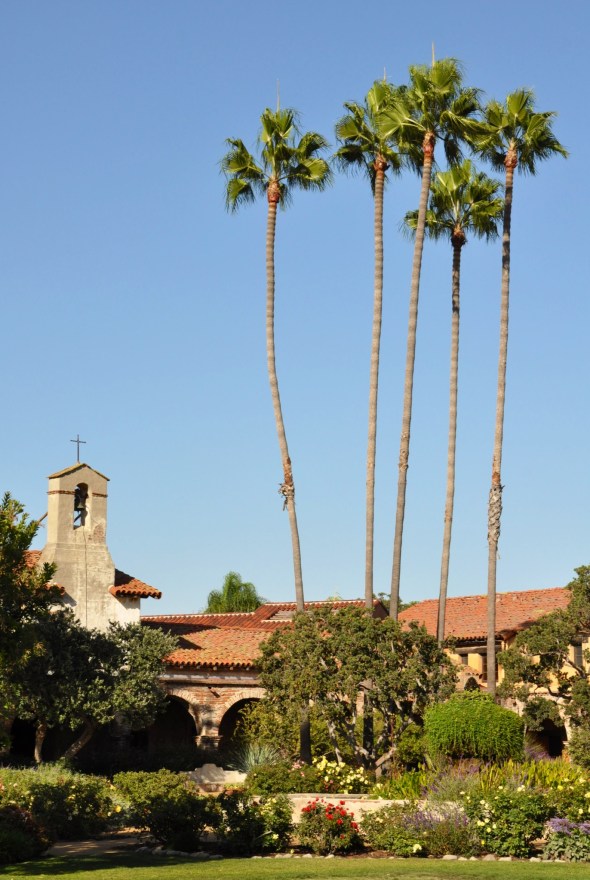
September brought with it the opportunity to spend some of hubby’s air miles and a respite from the muddle that is our half-finished house.  We chose to fly to LA for the weather, but having been there before, headed south down the coast for a few days in San Diego and then inland to the heat of Palm Springs.  Good food, lots of sunshine and a chance to witness the crazy run up to the elections first hand before returning home to even crazier news a month later when the result was announced.  The highlight of the trip, for me at least, was a visit to San Juan Capistrano, one of SoCal’s mission towns:

https://juliamhammond.wordpress.com/2016/09/28/on-a-mission-in-san-juan-cap-california/

img_6387

A few day trips to end the year

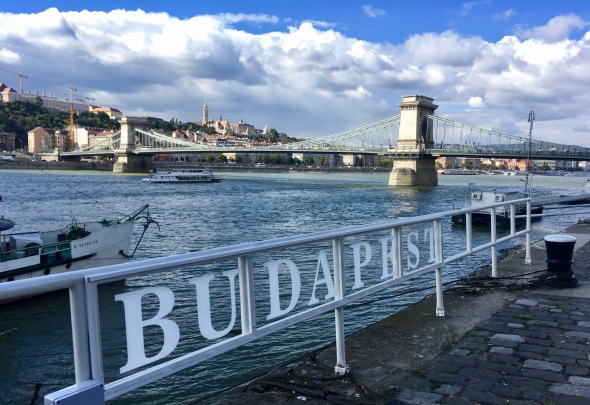
With two dogs to take care of, I need to juggle the trips I make so that they are well looked after.  One of the ways I achieve this is to take shorter trips which means my husband can work from home to keep them company.  So, the last three trips of the year were day trips: to Budapest, Regensburg and Copenhagen.  I’ve done many such trips and it is always a big surprise to realise how much it’s possible to fit in without the day feeling like one big dash from sight to sight.  To see what I mean, check out these three and the previous similar trips I’ve made.  It’s also a great way to get your travel fix on a budget – flights for that day out to Regensburg (flying to nearby Nuremberg) cost less than a fiver.

http://juliahammond.co.uk/Travel/BLOG.html

budapest

And so, that was my travel year; I hope yours was as satisfying.  What’s in store for 2017?

To kick off the New Year, I’m off to Puerto Rico for some winter sunshine and a chance to explore the historic sights of San Juan’s Old Town.  Then a couple of months later I’m off to South America for Uruguay’s gaucho festival and a chance to finally visit Bolivia’s Salar de Uyuni.  After that, who knows?  Writing some background material about the ‘Stans for Kalpak Travel has put Central Asia on my radar, a part of the world that suits my preference for off the beaten track destinations.  Georgia looks like a strong contender right now, along with neighbouring Armenia and some fascinating breakaway republics, but nothing is set in stone.  I’ll be keeping an eye on those error fare notifications just in case…

A city for every month of the year

Following on from my recent post “An island for every month of the year” I thought the planners among you might be thinking ahead to your travels in 2017.  You can read the earlier blog post here, by the way:

https://juliamhammond.wordpress.com/2016/11/09/an-island-for-every-month-of-the-year/

On the basis of my own travels, here are my picks for city breaks.  And don’t forget, if your favourite city doesn’t make the cut, let me know which part of the year you’d recommend for visitors.

January: Cape Town

img_3785

I was lucky when I visited Cape Town in July a few years ago to be blessed with sunshine on all but one of my five days in the city, but for a return visit I’d leave less to chance and time my visit for the new year.  The beaches of Camps Bay – great for brunch – and Bloubergstrand – great for views – would be even better in the higher temperatures of the southern hemisphere summer.

February: Antigua

img_0739

The colourful former capital of Guatemala is just the tonic to break the dull grey of a British winter.  The ochre yellow of Santa Catalina arch perfectly frames the conical shape of Volcan Agua which looms over the city.  An afternoon’s stroll through its streets uncovers a plethora of brightly painted homes and commercial premises: chalky colbalt blues, salmon pinks and tangerines competing to out-brighten each other.

March: New York

IMG_0479

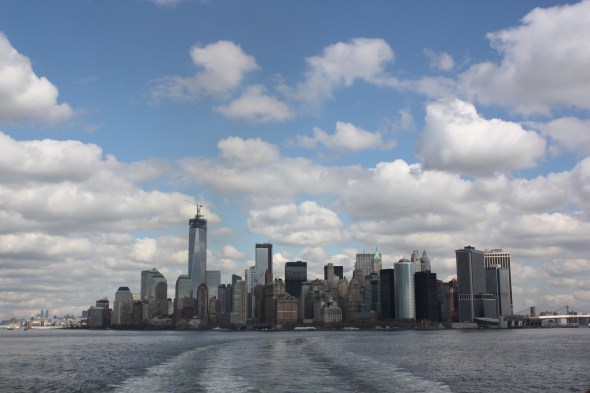
I love the Big Apple but I’m less of a fan of the sultry weather that plagues the city during the summer months.  Instead, I prefer to visit off-season when New York’s tourist attractions are less busy but (with luck) the frigid winters with their heavy dumping of snow and biting winds have eased into the milder days of early spring.  And if you are unlucky with the weather, there are plenty of ways you can escape the cold and stay indoors.

April: Kyoto

img_6847

I’ll admit, I visited Kyoto in July.  In the throes of midsummer, it was hot and humid, but nevertheless the city quickly established itself as one of my favourites on our Japanese tour.  Walking the Philosopher’s Walk from the temples of Ginkaku-ji and Nanzen-ji was a delight.  But April is cherry blossom season in Kyoto, and although this tree-lined canal walk would be rammed, I can’t think of a prettier sight than when those cherry trees are covered in pink blossom.

May: Stockholm

dsc_0304

Winter might add a picturesque dusting of snow to the streets of the Swedish capital but I prefer a touch of Scandi sunshine.  Late spring is the perfect time to board one of the ferries to the outlying islands of the Stockholm archipelago.  The weather is good enough for an al fresco lunch at the Feather Islands and a gentle ramble amongst the spring flowers to walk it off.

June: Cusco

dsc_0012-3

In the southern hemisphere winter, nights in the Peruvian Andes are chilly at best and usually downright cold.  But days are characterised by warm sunshine and cloudless ultramarine skies.  Add to that the celebrations for Inti Raymi, the festival commemorating the Sun God (Inti) just as the Incas would have done.  It seems like the whole city turns out for the parade that makes its way to the Plaza de Armas and the reenactment at Sacsayhuaman is one show I’d happily travel halfway round the world for.

July: Ubud

indonesia-working-in-balis-rice-fields

This attractive city lies at the heart of the Indonesian island of Bali and a visit at this time of year should be characterised by low rainfall totals. Surrounded by verdant rice terraces punctuated by palm trees, the slight increase in altitude makes this a more pleasant place to walk than along the island’s coastline.  There is plenty in the way of cultural attractions such as museums, galleries and temples to fill your days should you tire of the physical landscape, not that it’s likely.

August: Sydney

Australia Sydney Opera House at night

Plagued by heat and flies, summer in Australia’s largest city in my mind is not as pleasant as a bit of winter sun.  With August temperatures regularly topping the averages of 16°C and often reaching the low twenties, that’s perfect sightseeing weather.  Sling a sweater over your shoulders and go have a look at the Opera House, Harbour Bridge and more – in comfort.

September: Lisbon

View from Mirador Portas do Sol

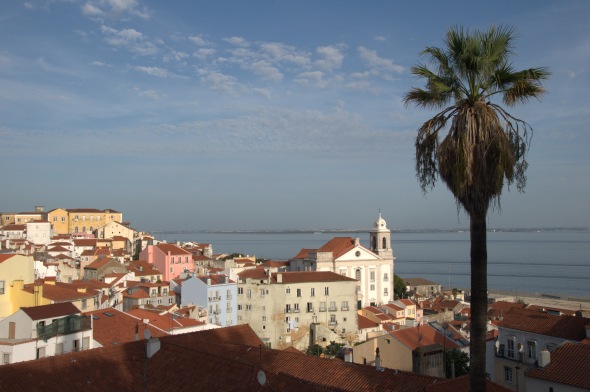
The intense heat of the Portuguese summer is starting to lose its potency by early autumn, yet sunny days are still the norm.  This fascinating maritime city begs to be explored and this is the time to do so.  From the lofty panoramas of the Alfama to the wide open squares of the Baixa, the glittering of the Tagus to the yummy Pastéis of Belem, there are myriad reasons to get yourself over to the most westerly of continental Europe’s capitals.

October: Marrakesh

img_1021

When the soggy UK autumn rears its ugly head but your budget won’t stretch to a long haul trip, then the warmth of the southern Moroccan city of Marrakesh is just too tempting to resist. It’s getting chilly in the nearby Atlas Mountains but warm enough in the city to ditch the coats and wander the souks and palaces of this enchanting place. If you’re lucky, you should still get to sunbathe on the rooftop terrace of your riad.

November: Oaxaca

img_7536

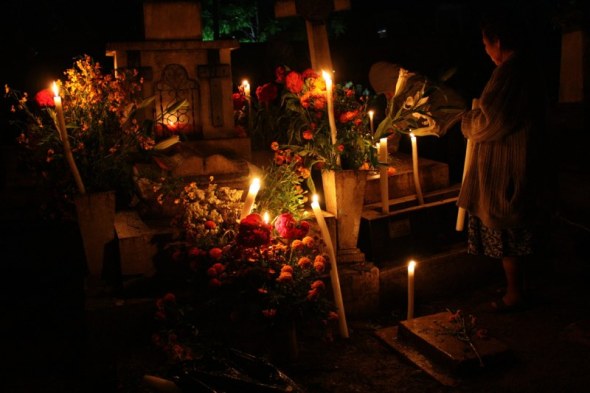
The first few days of November are festive times in Oaxaca, coinciding with the city’s Day of the Dead celebrations.  From family visits to cemeteries festooned with marigolds and candles to fancy dress parades through the streets, there’s a typically Mexican pop of colour and a party atmosphere.  I’d advise arriving several days early to make sure you’re part of the preparations too.

December: Regensburg

dsc_0163-2

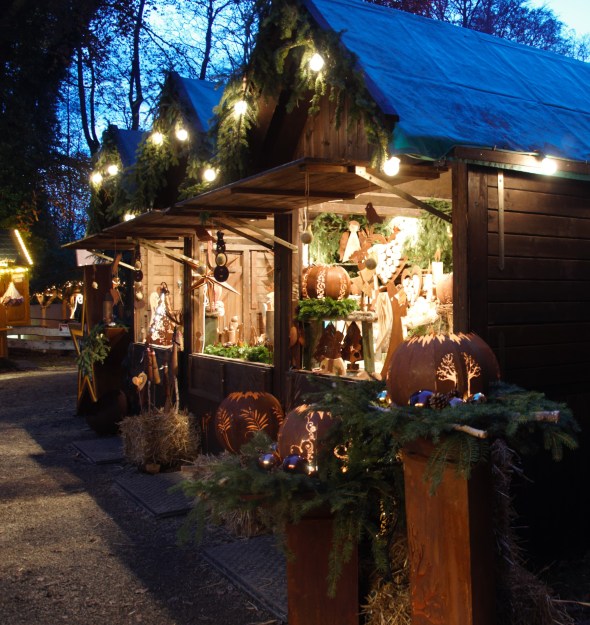
For my pick of the December city breaks, it has to be a German one – I’m a big fan of the Christmas markets and my choice is Regensburg.  During my recent visit I was wowed by the market in the Thurn und Taxis Palace where the courtyard and surrounding gardens provided the perfect setting for this, my favourite of German traditions.  With three other markets scattered throughout the Altstadt there are plenty of stalls to detain you between visits to the historic Sausage Kitchen.

Best kept secrets? I’ll give you a few of mine…

Sometimes there’s a travel listicle that does the rounds that just makes you laugh out loud.  I’ve just read a piece by Tour Radar claiming to have been written in conjunction with Lonely Planet which puts Prague, Sri Lanka and Goa on a compilation of eight “best kept secrets”.  I’m sorry, but walk into any High Street travel agent and it won’t be hard to find a package to any of those.  I’m shocked that this got through the filter, if I’m honest, so here’s my response.  You want best kept secrets?  I’ll reveal a few of mine.

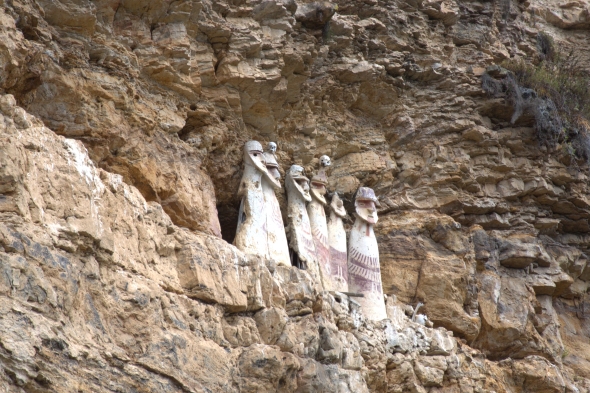
Karajia, Peru

Everyone goes south from Lima, but head north and leave the crowds behind.  The area around Chachapoyas has some superb sights and you’ll often get them to yourself.  Read more in my guide to Northern Peru’s Chacha circuit here:

https://juliamhammond.wordpress.com/2014/11/25/northern-peru-the-chacha-circuit/

DSC_0361 (3)

The sarcophagi at Karajia

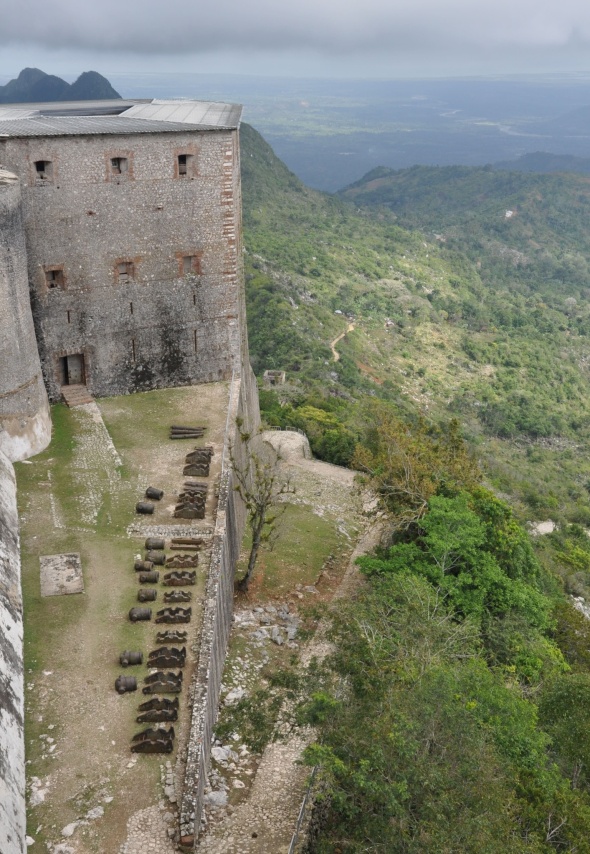
Citadelle Laferriere, Haiti

Haiti’s troubled political history and its penchant for getting right in the way of terrible natural disasters means that tourist infrastructure is severely limited.  Make the effort, though, and there are many wonderful places to be explored.  Aside from Jacmel, I pretty much had everywhere to myself.

https://juliamhammond.wordpress.com/2015/07/05/looking-back-on-my-trip-to-haiti/

image

The view from the Citadelle

Copan Ruinas, Honduras

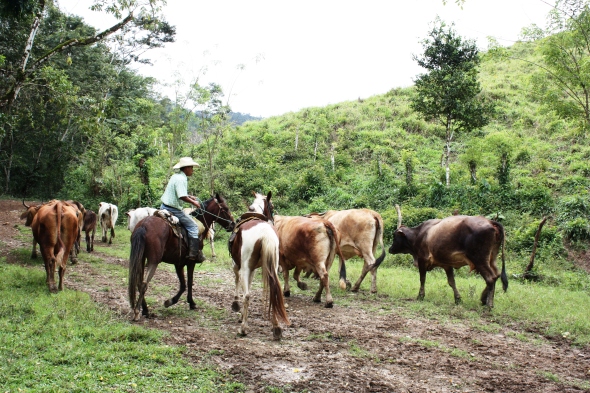
Central America is packed with Mayan ruins but you’ll have a hard time finding space for a bit of quiet reflection if you stick to the beaten track.  Honduras’ reputation as the murder capital of the world keeps the tourists away, but the savvy traveller will know that away from the large cities, the country is as safe as they come.  Saddle up and see for yourself in sleepy Copan Ruinas.

https://juliamhammond.wordpress.com/2015/08/12/the-best-places-to-ride-a-horse-on-holiday/

IMG_7757

Riding with the cowboys up near the border with Guatemala

Obuasi, Ghana

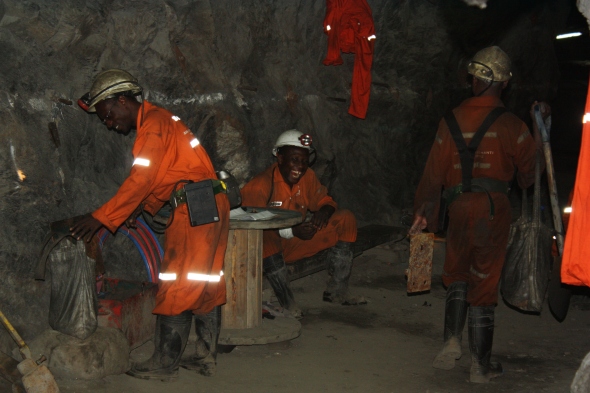
The only other foreigners at the lodge in Obuasi were a bunch of South Africans who partied hard by night and worked the gold mine by day.  Few tourists make it to this part of Ghana but it remains one of my favourite underground experiences.

http://www.gonomad.com/5032-ghana-going-down-a-gold-mine-in-obuasi

6-miners-at-shift-change

Obuasi miners at shift change

Tanna, Vanuatu

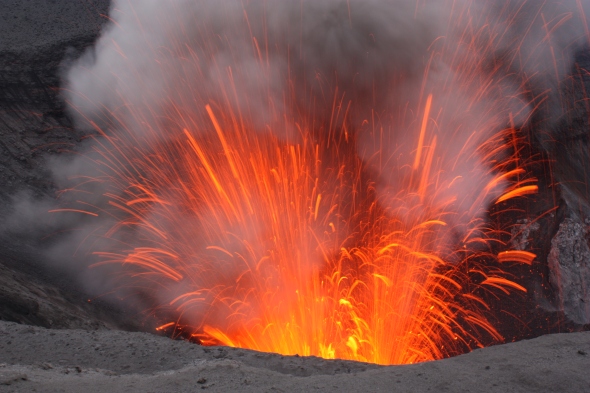
The draw of this South Pacific island is well documented – an active volcano which bred the Prince Philip cult. Its remoteness, however, means that it sees relatively few tourists and those that venture are likely to have little company as they view some of the most spectacular sights on the planet.

https://juliamhammond.wordpress.com/2015/03/23/looking-back-on-my-trip-to-tanna-vanuatu/

img_4782

Mount Yasur erupts

Bremen, Germany

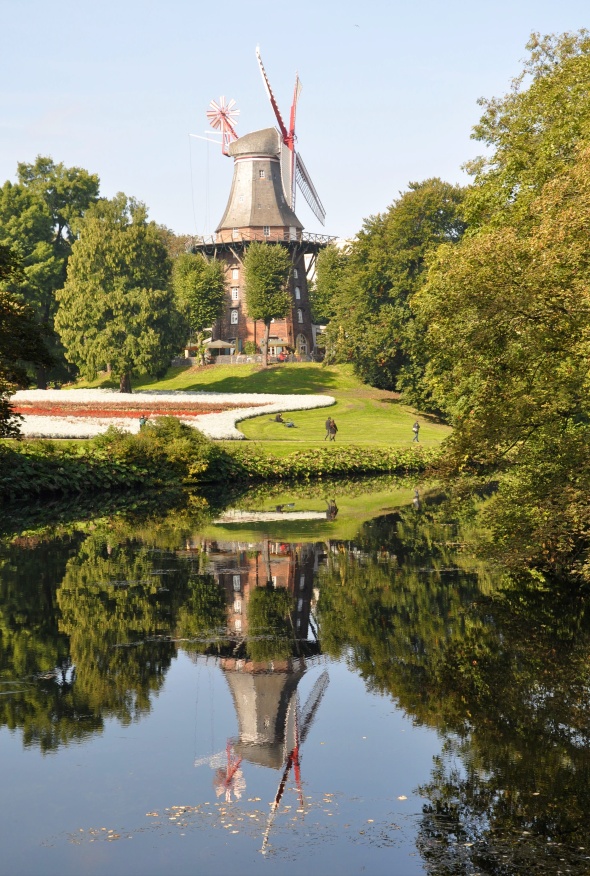
If you’re looking for somewhere off the beaten track in Europe, you’re going to have to search hard.  Bremen’s northerly location in Germany means it sees relatively few visitors and yet there’s lots to do and see.

https://juliamhammond.wordpress.com/2015/10/03/beautiful-bremen/

https://juliamhammond.wordpress.com/2016/06/07/just-back-from-a-day-trip-to-bremen/

image

Windmill in the park

Extremadura, Spain

Also in a country that sees its fair share of international tourists is the delightful region of Extremadura.  Overlooked in favour of its southerly neighbour Andalusia, yet an easy ride from Madrid, this part of Spain is packed with history and extraordinary scenery.  Get there before everyone else.  No, scratch that – leave this one to me!

https://juliamhammond.wordpress.com/2016/07/12/a-beginners-guide-to-extremadura/

photo5

The sound of Spanish guitar carries across Cáceres’ Ciudad Monumental