juliamhammond

Latest

First day on the ranch

At the beginning of this year’s South America trip I spent a few days on Panagea Ranch just outside Tacuarembó, Uruguay.  Tired from the journey, recovering from a sickie bug I’d picked up at home and generally in need of some R and R, I spent the first day stretched out on the veranda doing very little at all.

And it was great!

Here’s a few thoughts on what I saw without moving a muscle (well, almost!)
IMG_7761

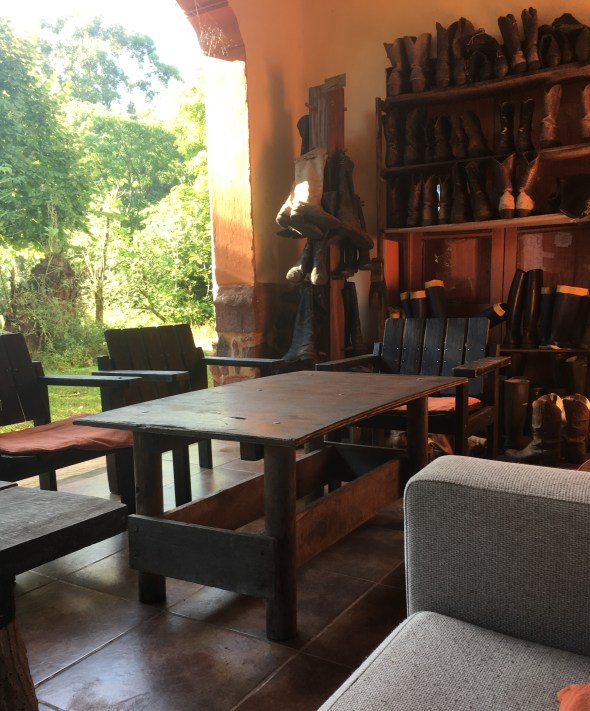
Waves of sleep ebb and flow like the tide.  Coming to on the lumpy leather couch, I try to shake off the fatigue which has enveloped me since breakfast.  The sky is almost free of clouds and it is unseasonably warm for March, but the red and sticky earth is a reminder that rains are frequent at this time of year.  The dappled sun casts a soft light on the worn out boots hanging from the racks beside me on the veranda, illuminating patches of dried mud and scuffed leather.  A languid breeze ripples the wrinkled leaves of a huge shrub in the bed in front of me.  It has just enough energy to nudge at the twisted limbs of an ageing aloe, though even that is more energy than I can summon up.
A pink sow ambles past the veranda, teats swaying gently.  She snuffles and grunts as she pauses, systematically scouting the overgrown garden for scraps.  The pig loops the farmstead, making her way back to the three chattering piglets she left foraging in the paddock.  Soon she’s followed by one of the horses, grazing loose after an early morning hack, who potters around a bit before plumping for a spot outside the shower block.  I follow too and rest my arms on a metal gate.  From there, I can see a small group of merino sheep up on the ridge, specks of creamy white wool punctuating a sweep of emerald pasture.
To my left, a small stand of ghost gums provides cover for a rhea.  It pecks contentedly in the dirt, grey feathers ruffling gently in the wind, until it’s rattled by the sound of a dog barking.  Losing its nerve, the rhea skitters off across the damp leaf litter, disturbing its mate in the process.  They hurry out to the safety of the grass beyond the gate, in case.  The dog can’t reach them there.  But later, they reappear in the same paddock where earlier, the dog had been playing with a stick.  Rich pickings reward the brave.
The pitter patter of assorted hoofs and paws is accompanied by a soundtrack of bird calls.  A rhythmic shooshing like fingers raking an old washboard is laid down as a backing track.  Chirrups and juddering caws provide the percussion.  A tiny yellow bird the size of a sparrow darts in and out of a nearby tree.  Another squeaks with the staccato sound of an old bike brake that needs oiling.  The trees hum, their leaves concealing what sounds like a swarm of bees though in reality to my untrained ear could be any kind of insect.  Something is making the whining sound of a power tool grating on metal, but it can’t be a person; everyone’s quiet, or out riding already.
I wander back to the battered sofa on the porch and let my heavy eyelids close.  The hypnotic sounds work their magic and I doze off again.

There’ll be more about the ranch in another post; find out how I got on as a novice rider herding cattle and rounding them up to go through the tick dip.
An old fashioned bookstore in La Paz

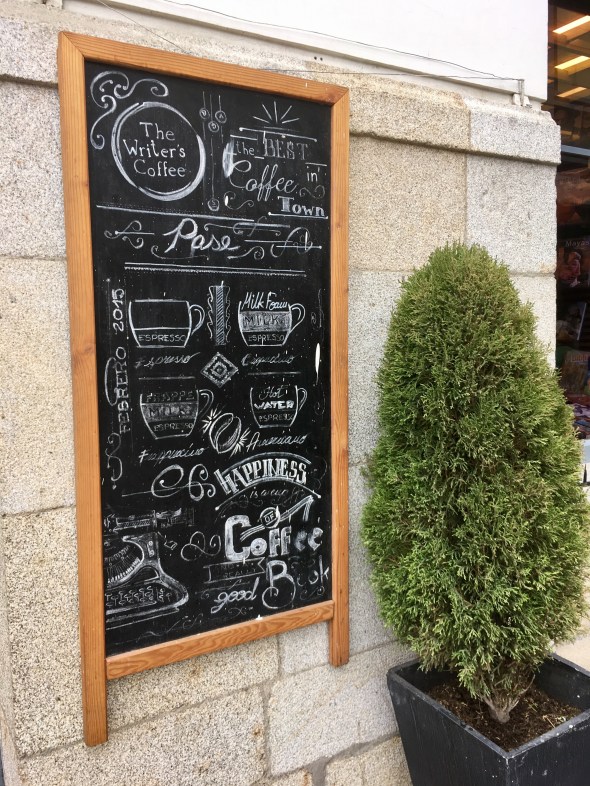
I came across Libreria Gisbert quite by accident.  Wandering along Calle Comercio from Plaza Murillo, a chalkboard advertising a coffee shop caught my eye.  It promised the best coffee in La Paz, though as the Bolivian capital didn’t appear to have embraced coffee culture like other Latin American cities, I didn’t have high expectations.  Stepping inside, up some stone steps and through a grand doorway, I saw that a small corner of a bookstore had been sectioned off.  The Writer’s Coffee, as the cafe was called, exceeded expectations.  A couple of smartly dressed Bolivian businessmen sipped espresso from a couple of armchairs in front of me; they didn’t talk much, killing time.  At a table, a cluster of bookish Japanese tourists came and went.  The rest of the tables were occupied by a mix of well off locals and visitors.  The coffee wasn’t cheap here, though it was rich and smooth.
FullSizeRender (46)
While I sat nursing a latte, I took in my surroundings.  The cafe itself was artfully decorated with vintage typewriters lining alcoves built into the walls.  The baristas, Japanese also, wore pork pie hats and aprons, and spoke impeccable English as well as Spanish.  My eyes drifted beyond the partition walls of the cafe and I realised that this was no ordinary bookstore.  Jose Gisbert learnt his trade at Libreria Arno under the supervision of a couple of Spaniards who ran the business on nearby Calle Murillo.  In 1922, fifteen years later, Gisbert decided to set up on his own and the business was a success.  Jose Gilbert died in 1985, but other family members stepped up to run the business, among them his daughter Carmen.
FullSizeRender (47)
Almost a century later, the shop is still flourishing, run the old-fashioned way.  Predominantly an educational bookstore supporting the local university, two of the walls were lined floor to ceiling – and what high ceilings – with carefully filed books.  A ladder slid up and down via a runner in the floor, the only way to access the highest shelves.  From time to time, a dapper gent, wearing a furrowed brow and a claret and grey jacket, pottered up and down, fetching books from lofty, yet not dusty, spots.  I found a book on Bolivia that interested me, but there was no ticket on it.  In a nod to the 21st century, Gisbert’s had computerised its stock in 2007.  But this was no up to date system; a pre-Windows catalogue listed only the most basic of details.  I got the impression that my gentleman assistant would have preferred a set of well-worn index cards as he looked up the price.
FullSizeRender (45)
Buying the book turned out to be an equally convoluted process.  From the desk, I was directed to a caja where a younger man was sat behind a glass screen.  As if buying a ticket from an art house cinema, I bent down and told the man what I’d selected, passing through two 100 Boliviano bills and receiving a printed receipt in return.  Crossing to the far side of the bookstore, where stationery supplies were displayed, my purchase was bagged, the receipt stamped and I was wished a good day.  Save for the printed till receipt and plastic rather than paper bag, I could have been purchasing my book on opening day.

The Fiesta de la Patria Gaucha

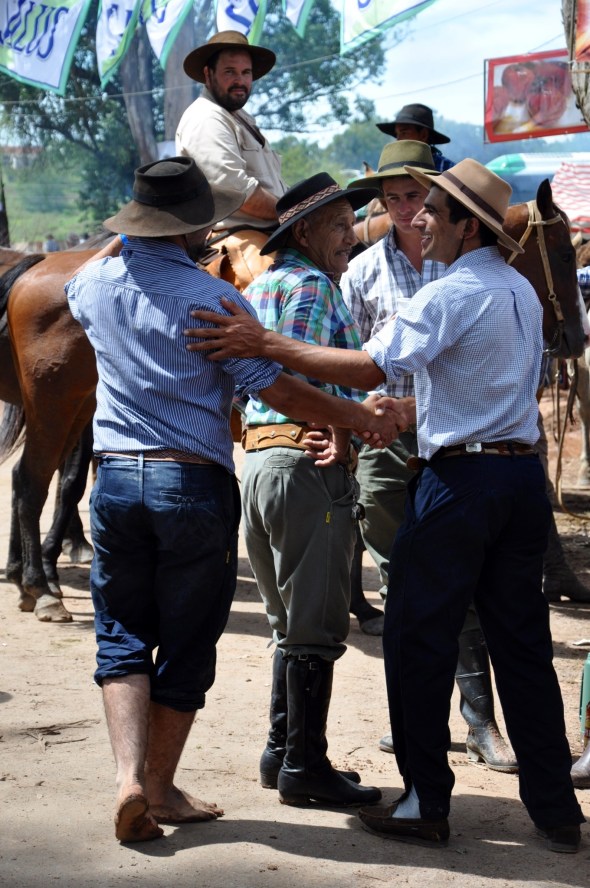
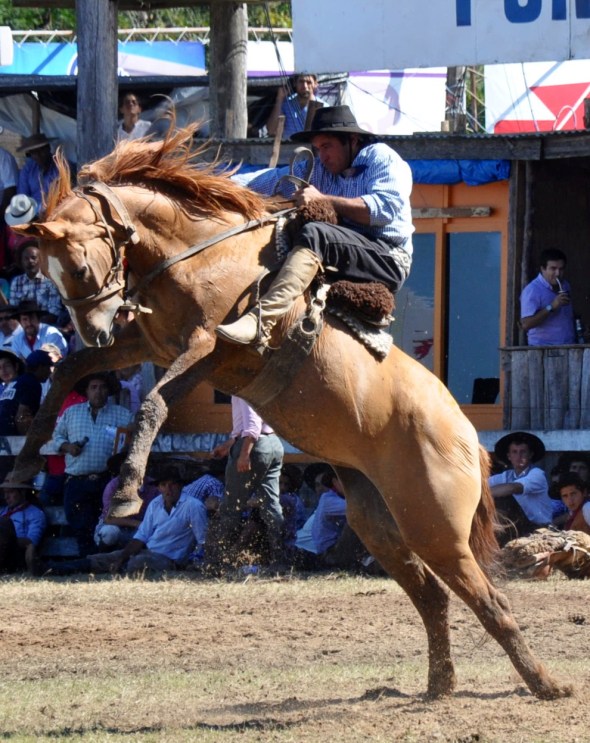
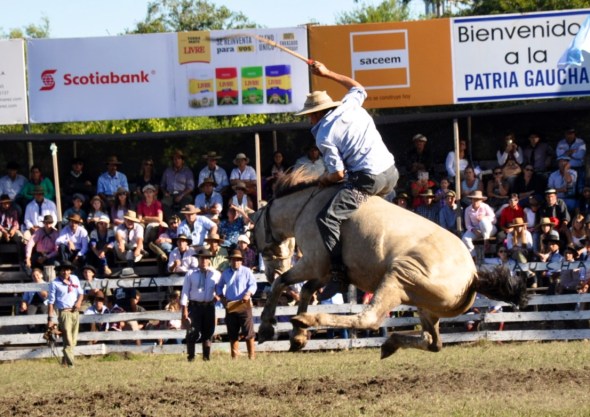
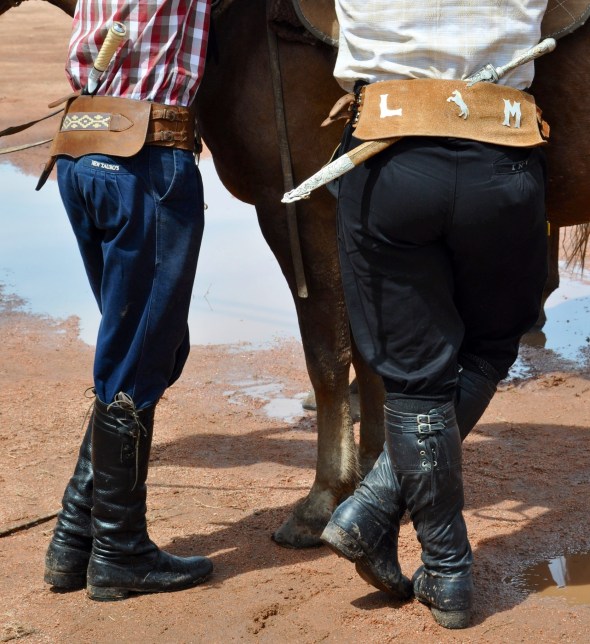
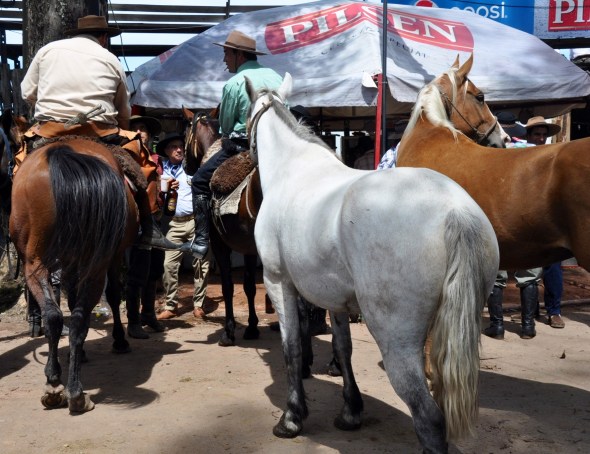
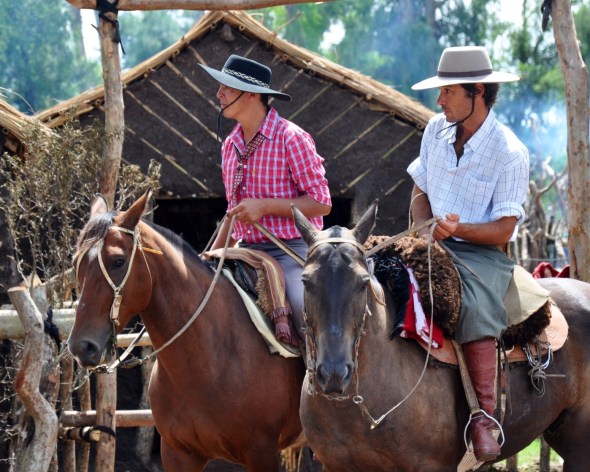
Each year, Tacuarembó hosts the Fiesta de la Patria Gaucha. It’s been held for thirty years, the first event being held in 1987. The festival celebrates the great tradition of the gaucho in Uruguay. At first, to an insider, it can seem like a fancy dress parade, but it soon becomes apparent that this is a chance for those living in and around Tacuarembó to eat, drink and be merry – while in charge of a horse, of course. The parade ground hosts a series of races, skills demonstrations and parades, but to begin with, here are some of the characters that make it a feast for the eyes.

image

image

image

image

image

photo12

photo11

photo6

photo3

photo

photo2

photo6

image

image

photo9

photo4

photo8

image

image

image

image

image

image

Trip preparations: Bolivia

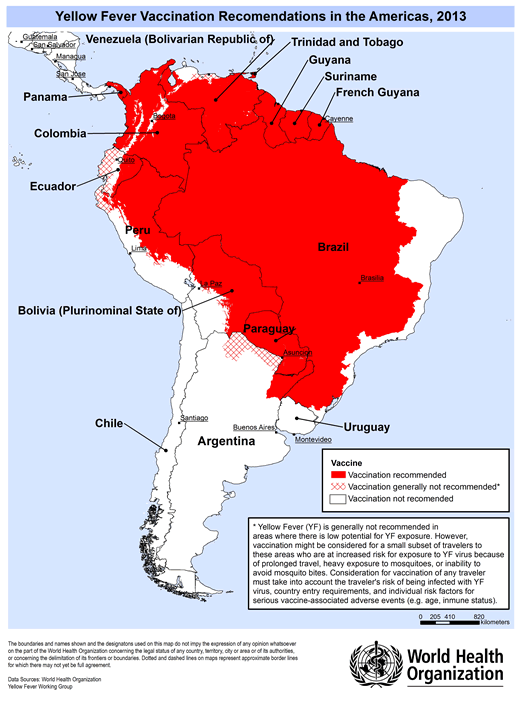
It’s almost time for me to fly off to South America.  My itinerary is pretty much fleshed out now and most of the bookings are made.  One thing that’s easy to overlook, though, is specific vaccination requirements.  For Bolivia, the regulations concerning yellow fever have just changed.

yellow-fever-americas

http://www.fitfortravel.nhs.uk/advice/disease-prevention-advice/yellow-fever/yellow-fever-risk-areas.aspx

As you’ll see from the map above, parts of Bolivia are affected, like much of South America, by yellow fever.  Travelling to Uyuni and then La Paz, however, I’m not going to be venturing into yellow fever territory, so it’s tempting to think I wouldn’t need the vaccine. But early last month, a Danish traveller was found to have the disease.  The National Health Director was quoted as saying: “This person came from another place and was not vaccinated.” There’d been an outbreak of yellow fever across the border in Brazil, but whether the Danish traveller had been there is unclear from the news reports. You can read Reuters’ report here:

http://uk.reuters.com/article/us-bolivia-health-yellow-fever-idUKKBN15P2QW

Biting Sucking Female Mosquito Parasite Disease

What this means in practice is that from yesterday, 2nd March, all travellers entering Bolivia from a country which has a current outbreak of the disease or remains a risk area for it, must hold a valid yellow fever certificate.  I’m travelling across the border from Argentina so that means me – even though I won’t have passed through yellow fever areas within Argentina.  I’ll still need a certificate. That certificate would need to be issued at least 10 days before I’d be due to enter Bolivia.  Potentially, without one, I could be refused entry at the border.

Even some transit passengers are likely to be affected.  If you hub through an airport in a neighbouring country on your way to Bolivia, you could still be refused entry into Bolivia if you have cleared immigration and gone landside.  That’s even if you never left the airport.  Basically,  the Bolivians are playing it safe and you can’t blame them for being cautious.

I’ll update this post in a couple of weeks to tell you if the certificate was requested by border officials or not.  Fortunately, my jabs are up to date and the yellow fever certificate I needed to get into Panama a few years ago is still valid. But make sure you’re not caught out by this change in immigration requirements by seeking health from a medical professional before you embark on your trip.

Update March

At the land border between La Quiaca and Villazon, I was not asked for a yellow fever certificate.

From Heybridge to Jayuya

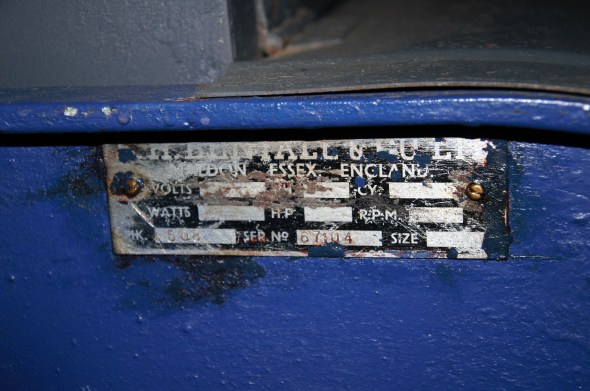
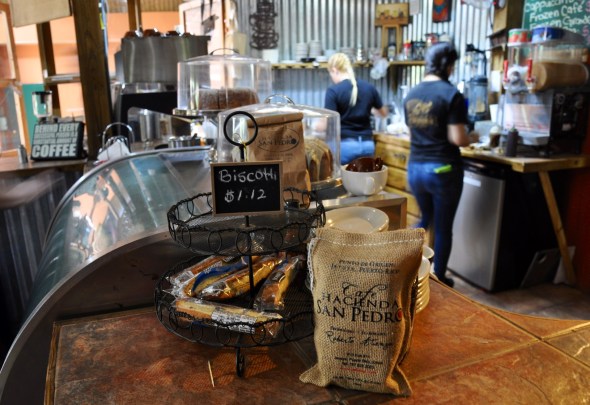
Visiting Hacienda San Pedro in Jayuya, Puerto Rico, last month I came across this machine in the hacienda’s museum.  I presume it was some kind of machine used to grind the coffee, but there was no information on it.  What caught my eye was the place name on the machine: Maldon.  That’s a fifteen minute drive from my house.

dsc_0132

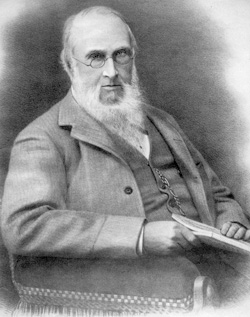
Since getting back, I’ve been finding out a bit about E. H. Bentall and it makes for interesting reading.  Not least, the E. H. stands for Edward Hammond, which is my father’s name.  Edward’s father (the Heybridge Edward, not mine) was a farmer named William.  He designed a plough to use on his land near Goldhanger and got a local smithy to make it up.  Word got around and by 1795, he’d gone into business making them.  Business boomed but raw materials at the time had to be brought in by barge up the Blackwater.  William Bentall upped sticks and moved down the road to Goldhanger where he built a place by the Chelmer and Blackwater Navigation.   Bentall diversified, producing amongst other things the first steam powered threshing machine.

image043

Meanwhile, with his wife Mary Hammond, he’d produced a son.  Edward Hammond Bentall had the same aptitude for engineering as his father.  This particularly makes me smile as my Dad was an engineer throughout his working life.  He took over the business in 1836 aged 22 and three years later, registered as E.H. Bentall & Co, it was thriving.  In 1841, mindful of competition, he took out a patent on an improved Goldhanger plough protecting it from imitators.  Under Edward’s leadership, the company began to export machinery overseas and one of those machines found its way to a coffee hacienda just outside the village of Jayuya.

img_7330

Back at home, Edward Hammond Bentall had been elected as Member of Parliament for Maldon, a post which he held from 1868 to 1874.  In 1873 Edward had an imposing home built, known as The Towers, which was located near Heybridge Cemetery.  It was so well built that when the time came to pull it down in the 1950s, dynamite had to be used to blow it up.  By the time Edward passed the business on to his son Edmund in 1889, he was a wealthy man.  He died in 1898.

e-h-bentall

Mechanisation of the coffee plantations further increased profits, particularly after World War Two while the company operated under the leadership of Edward’s grandson, Charles.  He died in 1955, and just six years later, the company was taken over by Acrow, which eventually went bust in 1984.  That was it for Bentall & Co, but their warehouse still proudly overlooks the canal in Heybridge.

Postscript

And if you remember Bentall’s department store (now Kingston Fenwicks), the founders of that store are related to William too.