juliamhammond

Latest

On the trail of the mob in Havana

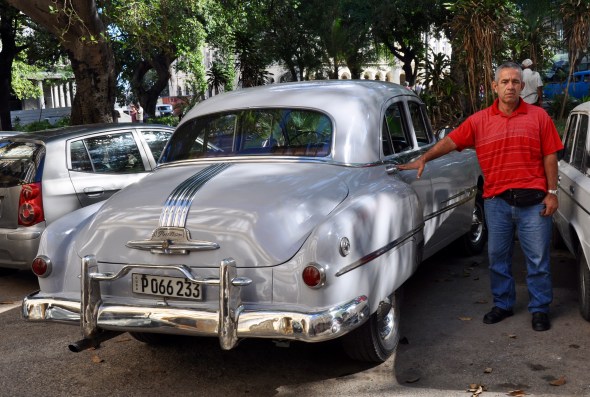
The classic American automobiles that cruise the Malecón ooze the glamour of bygone days, but 1950s Havana had a seedy alter ego. Mob-run casinos drew a decadent crowd. Vices of all kinds took centre stage. Traces of this era of such excess can still be seen today – if you know where to look.  Curious, I contacted Havana Super Tour and asked guide and founder Michael Rodriguez to let me in on a few of Havana’s dark secrets. Waiting to take us back in time was an immaculate silver grey Pontiac driven by owner Ricardo. Michael joked that Cuban men value their cars more highly than anything else in their lives – even their women. I’m not convinced that’s true of only Cuba.

Cuba8

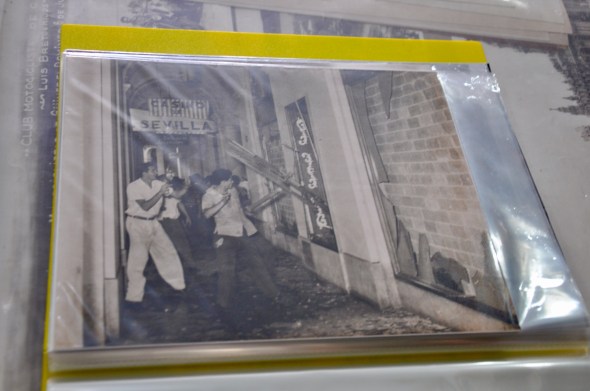
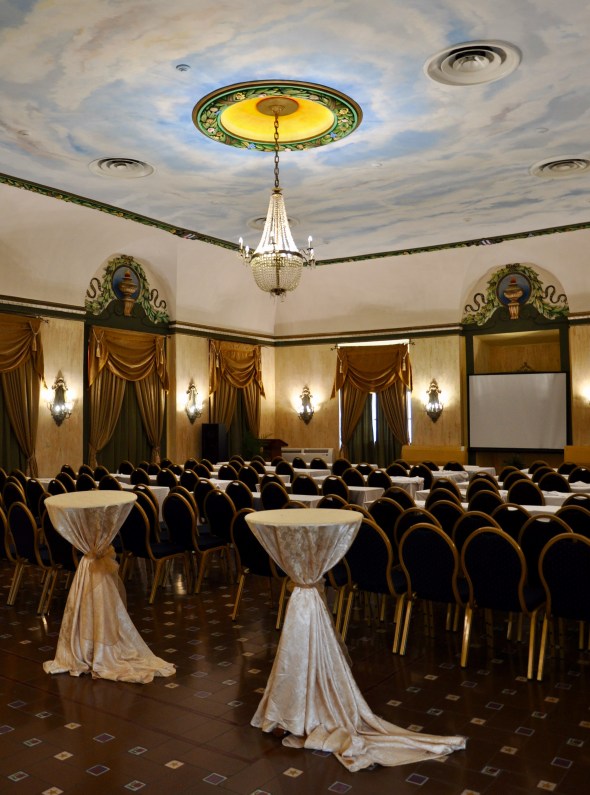
We began where the charmingly decrepit mansions of Habana Vieja give way to the boulevards of Centro. Gambling is banned in today’s Cuba, but the old casinos have been repurposed as conference rooms and elegant salons in many of the capital’s most renowned and once notorious hotels. One of them is the historic Hotel Sevilla. I’d stayed there during my first visit to Cuba fifteen years ago and around the corner from the exquisite Moorish-style lobby where I’d once checked in is a rogue’s gallery of past guests – good and bad. This time my focus was on the latter. Michael steered me towards a photograph of Al Capone, perhaps Chicago’s most notorious gangster, who used to book out the entire sixth floor when he was in town. Privacy comes at a price when you need to make sure no one eavesdrops.
Cuba2

Michael led me across the street to a tiny store selling antiquarian books and other memorabilia from times past. Leafing through a folder of old black and white photos, he showed me how some of the Cuban capital’s hotels would have looked in Batista’s day and in the years immediately following the overthrow of his government. The city was the place to see and be seen. Hollywood’s biggest names came in their droves with Frank Sinatra leading the pack. Scandal was never far away. Michael reckoned that despite rumours that Sinatra’s singing career had initially been financed by the mob, he was clean – in Havana anyway. Some of his associates, however, were not.

Cuba1

The biggest player of all on the Havana mob scene was an East European Jew who’d come to the USA to reinvent himself. Smart as they came, Meyer Lansky grew up in New York with Lucky Luciano. Lansky was the brains to Luciano’s brawn and together, they made a formidable pair. You messed with them at your peril. Having operated out of the Nacional for years, Lansky had his hands in a number of other businesses, including the successful Montmartre Club which was eventually torched by a revolutionary supporter in the early 1960s.

Cuba6

Over a Mafia mojito at the Nacional. Michael told me that it was common for a Hollywood name to provide a respectable front for the money laundering, shady deals and violent altercations that were going on behind the scenes. Actor George Raft got his big break in the 1932 gangster movie Scarface. When New York mobster Santa Trafficante Jnr. opened the Capri, he needed someone to be its respectable public face. But though it was commonly held that Raft owned a sizeable stake in the hotel, Nicholas Di Costanzo, Charlie “The Blade” Tourine and Santino “Sonny the Butcher” Masselli operated it. It doesn’t take a genius to work out that many of the regular clientele were anything but legit themselves.
Cuba5

Lansky himself opened the Riviera Hotel in 1956 as a front for his deals. It was one of many businesses through which he could launder his ill-gotten gains. Though he claimed Cuba ruined him when Castro rolled into Havana, under Batista’s regime he’d lived like a king. Despite decades of ruling the organised crime roost, the only crime the authorities ever managed to pin on him was a charge of illegal gambling.

The Riviera, our last stop, could have been a set from the hit US TV show Mad Men, had US-imposed sanctions not restricted where the studio’s dollars be spent. Mid-century modern might be back in vogue, but you’ll be hard pressed to find somewhere where the fixtures and fittings are as original as the furnishings. Walking through the doors of the Riviera Hotel was like stepping back in time, its 21st century patrons sticking out like a sore thumb in their modern apparel. Its casino was now a meeting room, the showy chandeliers the only clue to its dazzling past.
Cuba9

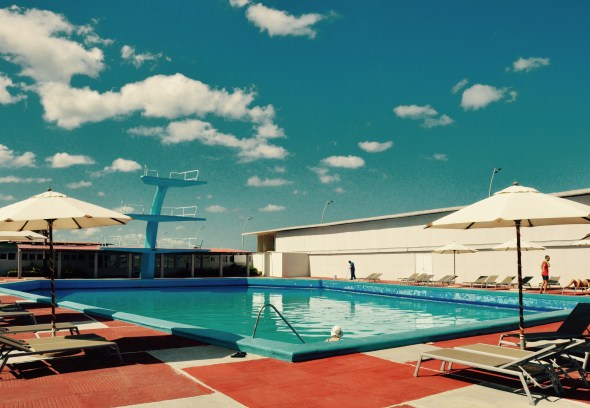
Out back the pool had a turquoise diving board that just needed a girl with an hourglass figure and a red halter neck bathing suit to complete the picture postcard shot. Instead, an elderly lady with a white swimming cap and cellulite for thighs glided at a leisurely pace through the sunlit water. Michael suggested I took a closer look at the shape of the pool which had been constructed, aptly macabre, to take the form of an open coffin.

This is a chapter of Cuba’s history that is overshadowed by Che Guevara and Castro’s revolution, but it’s no less compelling. After Batista was kicked out, Havana under Fidel’s leadership cleaned up its act. But there’s still plenty of tangible evidence to make this a fascinating tour and if you want to see a side to Havana many travellers miss, then this is most certainly it.  It’s one thing reading the story, but nothing compares to standing in the same spot of some of the 20th century’s shadiest characters.
Cuba3

About HST

Havana Super Tour is a rarity in Havana, a privately run enterprise which specialises in subjects as diverse as Art Deco, architecture, African religion, art or Hemingway. Alternatively, work with Michael and the HST team to design a bespoke tour to suit your own interests. Your classic car leaves from Casa 1932 at Campanario 63, a couple of blocks from the Malecón in Centro. The highly recommended Mob tour costs 35 CUCs per person, minimum two people, with transportation in a vintage automobile of course. Contact HST by email at elandarincarvajal@gmail.com or visit their website at:

http://www.campanario63.com/

The views expressed in this piece are my own, though I’m grateful to HST for offering me a private tour for the price of a group outing.
How the cost of attractions compares

I shared a video from BBC Wiltshire this week on my Facebook page. It reported that the cost of visiting Stonehenge is set to increase this April. Individual adult admission will rise from £16.50 to £19.50 while the cost of a family ticket will go up from £42.90 to over £50. Is it worth it, I asked, and the answer was almost universally no. So how does the cost of visiting Stonehenge compare with other world famous attractions?

The Pyramids
egypt-1083248
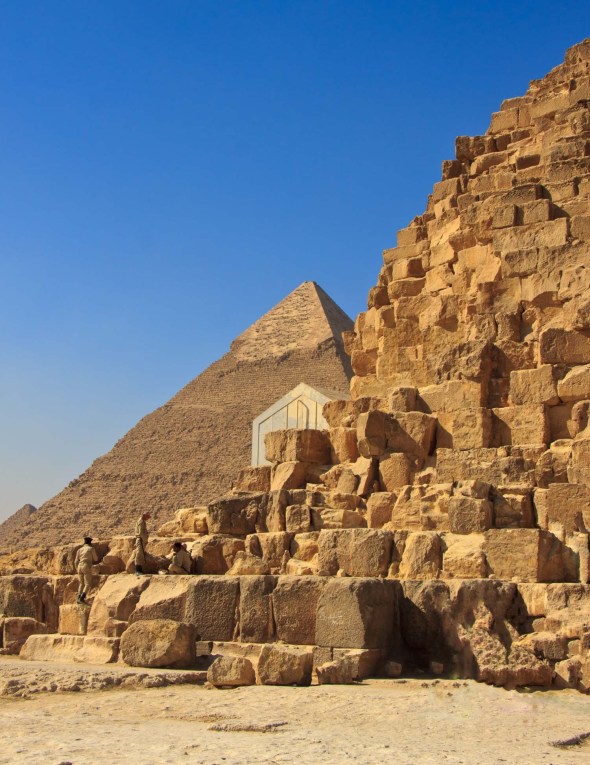
General entrance to the Pyramids complex costs just 120 Egyptian pounds (under £5) but that doesn’t permit you to go inside the pyramids themselves. To get into the Great Pyramid it will cost a further 300 Egyptian pounds – if you’re lucky enough to get one of the 150 permits available each morning or afternoon. Entrance to the smaller pyramids is rotated so only one is open per day; it costs 60 Egyptian pounds on top of the general admission to go in.

Machu Picchu

IMG_3533

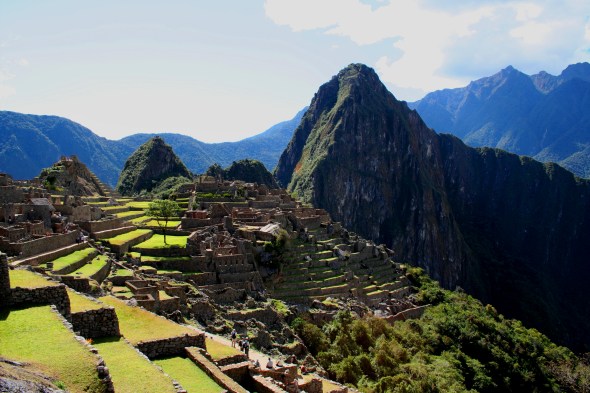
Entrance to Machu Picchu is being more tightly regulated by the Peruvian authorities in an attempt to manage visitor numbers. Tickets are timed and cost a foreigner 152 soles, about £33.80. Peruvians can enter for 64 soles (£14.20), as can nationals of the Comunidad Andina – Bolivia, Ecuador and Colombia. You’ll need to pay extra if you’re aiming to climb Huayna Picchu. Even with the limits now imposed, it’s still a must-see while you’re in Peru.

Petra
IMG_2822 (2)
Tickets cost 50 Jordanian dinars for a one day ticket, though subsequent days are significantly cheaper. Two days will cost you 55JD and three will set you back 60JD. To qualify, you have to be able to prove you are staying overnight in Jordan, or the price becomes 90 JD. £1 will get you around 1 JD, so a visit to Petra makes Stonehenge look cheap. It’s better value, however, as there’s so much more to see, from the iconic Treasury to lesser known sites.

Angkor Wat
reflection-2237981
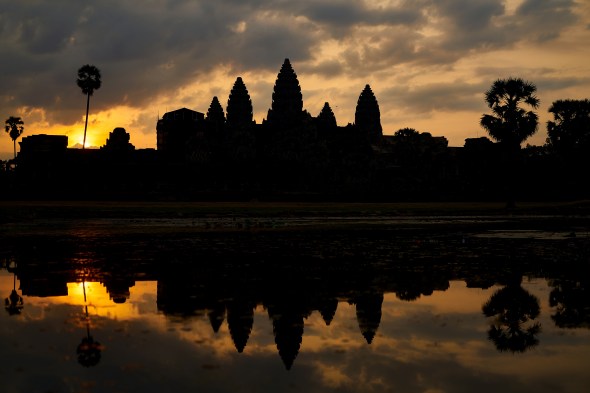
Before you fork out for Cambodia’s premier attraction, you’ll need to decide how many days you’ll need to explore the vast Angkor archaeological complex. Passes are sold in one day ($37/$26.40), three day ($62/£44.30) and seven day ($72/£51.50) blocks that have to be used on consecutive days. You’ll also have to have your photo taken but this is free. Three days is about right to see the main sights.

Empire State Building

IMG_5617

The Empire State Building

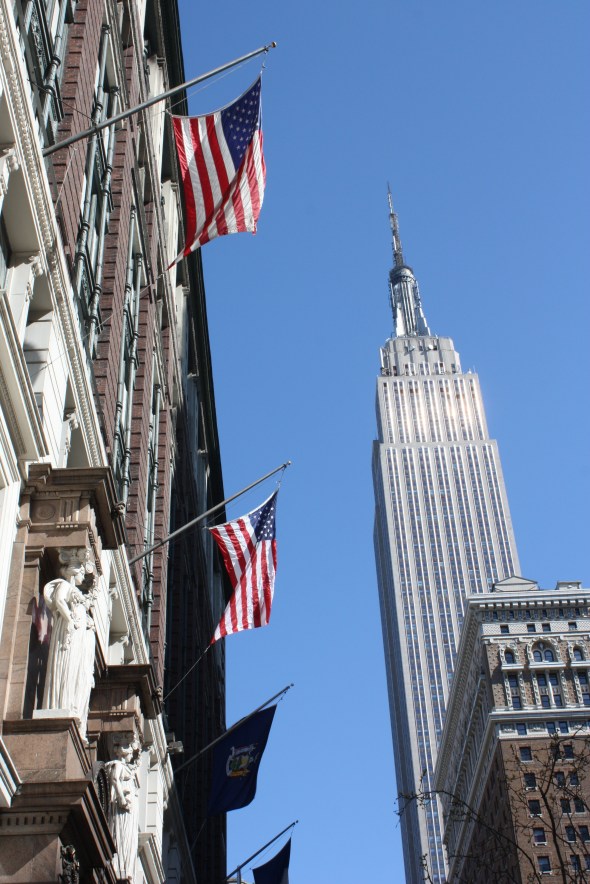
Most visitors to the Empire State Building are content with an ascent to the 86th floor viewing platform. Adult tickets for this currently cost $37 (£26.40). To combine the 86th floor with the top deck on the 102nd floor, the price rises to $57. Seeing the sunrise will set you back $100 though you’ll need to snag one of only 100 tickets. A combo ticket for day and night (reentry after 9pm) is $53, so time your visit for sunset to avoid this surcharge.

Taj Mahal
taj-mahal-368
Getting into India’s most famous visitor attraction, the Taj Mahal, will set back foreign visitors 1000 rupees, the equivalent to about £11.20. Costs are approximately halved for citizens of SAARC countries (Bangladesh, Nepal, Bhutan, Sri Lanka, Pakistan, Maldives and Afghanistan) and BIMSTEC Countries (Bangladesh, Nepal, Bhutan, Sri Lanka, Thailand and Myanmar), while domestic visitors pay 40 rupees (about 45 pence).

Eiffel Tower
architecture-1850643
The cost of reaching the top floor of the Eiffel Tower varies according to your energy levels. Take the elevator and it will set you back 25 euros (about £22). You can save 6 euros off this cost if you are prepared to climb the stairs instead. Satisfying yourself with a partial ascent is another way to keep your costs down – 16 euros and 10 euros for lift or steps respectively gets you to the second floor.

Have you visited any of these attractions? Were they worth the price of the entrance fee?

A beginner’s guide to Marrakesh

Its nicknames include the Red City and Daughter of the Desert, but the origin of the name Marrakesh is thought to come from the pairing of two Berber words, mur and akush, which mean Land of God.  You’ll see it written as Marrakech, also, as this is the French spelling.  This beguiling city is an easy weekend destination from the UK and captivates the visitor with its exotic easygoing charm.  Here’s what you need to know if Morocco’s famously intriguing destination is calling.
IMG_1021

Getting there

Many UK travellers head to Marrakesh on a direct flight with easyJet or Ryanair.  Fares can easily be found for as little as £50.  Don’t be concerned about travelling in the British winter as temperatures in the city are relatively mild – perfect sightseeing weather – though the nearby Atlas Mountains will have snow. During my October 2022 visit temperatures hit around 36°C. Scheduled operators include British Airways and the Moroccan flag carrier Royal Air Maroc.  Flight time from London is about three and a half hours.

Arriving overland can be an adventure in itself – in a good way.  The first time I visited (back in 1997) I caught a ferry from Algeciras in Spain and took the train to Marrakesh. I had a stop in  Fès on the way down and in Rabat to break the journey in the opposite direction.  I caught a train from Tangier Ville station and 9 or so hours later arrived in Marrakesh with a change in Sidi Kacem.  Alternatively, there was a sleeper train overnight which takes about 10 hours.  Things have moved on: the high speed Al Boraq train has slashed journey times between Tangier and Casablanca and there are plans to extend the network. If you opt to travel via Casablanca, you can reach Marrakech from Tangier in not much more than five hours.

Morocco Djemaa food vendors

Getting around

From the airport, most people jump in a taxi or arranging to be met by your hotel.  If you opt for the former, check the rates on the board outside arrivals as a general guide and then agree a price with the driver through the front window.  Only get in when you are happy with how much he’s charging.  If you haven’t much luggage, bus #19 travels between the airport and the Djemaa el Fna and loops back through the Ville Nouvelle (including a stop at the train station).  It costs 50 dirhams and if you return within two weeks, the journey back to the airport is free.

For the purpose of sightseeing, the city can be split into two: the old city or Medina and the Ville Nouvelle, also called Guéliz or the French Quarter.  Pretty much the only way to get around the Medina’s souks is on foot, where you’ll need to watch out for men racing donkeys laden with hides, straw and other goods through the narrow passageways.  Within the rest of the old town, mostly it’s compact enough to walk.  To get to the Ville Nouvelle, the easiest way is to flag down a taxi, but there are buses which depart from the Djemaa el Fna and the Koutoubia minaret – easy to spot.  Another useful bus route to know is the #12 which you can use to get to the Jardin Majorelle (Ben Tbib stop).  Tickets cost 4 dirhams.  Check out Alsa’s website for more information.

IMG_1177.JPG

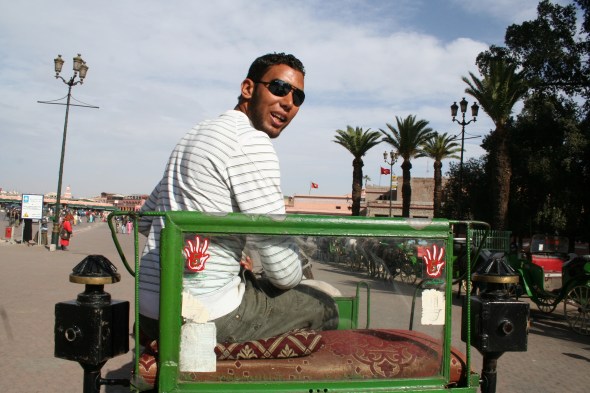
Calèche rides (horse-drawn carriages) are a common sight in the city but you’ll need to bargain with the drivers to take a tour.  Check that the horse looks fit and healthy and then begin negotiations.  Make sure you’re clear on whether that price is for everyone or per person as it’s common for there to be some “confusion” when it comes to the time to pay.  It’s a lovely way to see the city, particularly the ramparts and Ville Nouvelle.

IMG_1153

Where to stay

The first time I visited Marrakesh, I stayed at the railway station hotel, now an Ibis.  It was convenient, but lacked soul.  The second time, I decided I wanted to stay in one of the courtyard mansions known as riads and opted for one deep in the souk.  It had character in spades, but trying to find it without a ball of string in the labyrinthine alleyways was a nightmare.  More than once I had to call the hotel for them to talk me in which was funny at first and then enormously embarrassing. I had more success during 2022’s visit, where I used Google maps and then paid a local 20 dirhams to guide me for the last labyrinthine stretch to the riad’s door. Riad Le J was good value for money at around £70 per night for a double room with the most fabulous painted wooden ceiling.

Perhaps this is the ideal compromise: I found a characterful riad which was a twenty minute stroll from the Djemaa el Fna yet on an easy to find road near the El Badi Palace and Saadian tombs.  Riad Dar Karma was delightful, cosy, chic and quiet – a cocoon from the hustle and bustle of central Marrakesh.  It also has its own hamman.  When I got sick (do not eat salad in Marrakesh no matter how well travelled you are), they brought me chicken soup.  I’d have stayed there during my 2022 trip had they had availability.

What to see

The souks

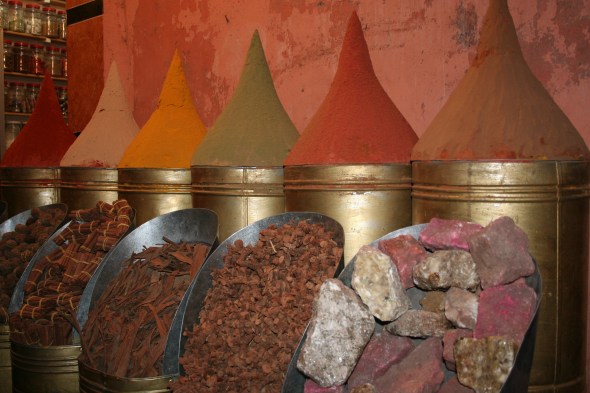
Plunge in and explore the souks  right away.  Getting lost in the smells, sounds and sights of narrow winding alleys lined with tiny shops piled high with anything from spices to scarves is the quintessential Marrakesh experience.  Don’t try to follow a map.  You’ll get lost regardless, so embrace this lack of control and immerse yourself.  When you’re ready to leave, if you’ve lost your bearings, as is likely, just ask someone to point you in the right direction – or the nearest bab (gate).  Try not to miss the dyers’ souk with vibrant skeins of wool hanging from the walls and of course the tanneries on Rue de Bab Debbagh, which you’ll smell long before you see.

Haggling is a must if you wish to purchase anything.  It’s best to make a return visit to the souk when you’re ready to buy; shopping later in the trip, you’ll have a better idea of what things should cost and know what your target should be.  The general principles are that if you make an offer, it’s the honourable thing to pay up if it is accepted, and a final price of 30-40% is usually good going.  Remember, the vendor will need those extra few dirhams more than you so don’t haggle too fiercely.  Read  my tips on how to haggle successfully:

https://juliamhammond.wordpress.com/2015/08/09/five-steps-to-becoming-an-expert-haggler/

IMG_0960

Djemaa el Fna

Though its name loosely translates as the Assembly of the Dead, there is nowhere in Marrakesh that comes alive like its main square, the Djemaa el Fna.  It’s busy by day but really comes into its own at night when it transforms into a night market with row upon row of delicious street food.  You’ll see water sellers posing for photos, snake charmers, acrobats from the Sahara – even street dentists who’ll pull out a molar there and then for a fee.  If it’s your first time out of Europe it’s a veritable assault on the senses but one that you won’t forget. Note though that if you reach for your camera, they’ll expect payment.

Koutoubia Mosque

The minaret of the Koutoubia Mosque looms large behind the Djemaa el Fna and is worthy of closer inspection.  So the story goes, when it was constructed, the alignment was wrong and it was knocked down so the builders could start again.  What you see dates from the 12th century and got its name from the booksellers who once congregated around its base.

IMG_1209.JPG

El Badi Palace

This ruined palace is a good one to explore and lies within walking distance of the Djemaa el Fna.  Its name means Palace of the Incomparable and there’s certainly nothing like it in the city.  It was built in the 16th century by Sultan Ahmed al-Mansur Dhahbi to celebrate a victory over the Portuguese.  It’s possible to walk within its walls and courtyard.  You’ll frequently see storks nesting there.

IMG_1061.JPG

Jardin Majorelle

Yves St Laurent gifted this garden to the city of Marrakesh after lovingly restoring it to its original beauty.  It was designed and created by the French painter Jacques Majorelle; begun in 1924, it was a labour of love and a lifetime’s passion.  The vibrant blues and bold yellows of its walls and pots set off the mature planting to form a breathtaking space that will delight, whether you’re a keen gardener or not.  Be prepared though: it’s a busy place with around 700000 visitors a year so you’re unlikely to have it to yourself.

IMG_1160

Out of town

Captivating though Marrakesh assuredly is, it’s well worth heading out of town if you can.  On the edge of the city you’ll find the Palmeraie, a good place to ride a camel while shaded by around 150000 palm trees.  The Menara Gardens are located close to the airport.  They were laid out in the 12th century and from them you have a tantalising glimpse of the mountains beyond.  A bit further away from Marrakesh and you can visit waterfalls and visit Berber villages and markets.  The surf at Essaouira is a two-hour bus ride away and a visit to the Atlas Mountains is another favourite.  Your hotel or riad can fix you up with an organised tour or a driver/guide.

I took an excursion to Ouarzazate, stopping off along the way at Ait Ben Haddou, a UNESCO-listed, ruined fortified village which has been the setting for many a film, including The Mummy and Gladiator.  At the Atlas Film Studios, just outside Ouarzazate, you can have a lot of fun re-enacting scenes from those movies and more amidst the sets and props which remain.

A final word of advice

Scamming of unsuspecting tourists is a sport in Morocco and although the level of hassle is considerably less than in other cities, it’s wise to be on your guard.  A few key pointers:

Never use a taxi or ride in a calèche without agreeing the price first, the same holds for any services you use e.g. henna tattoos, photos of water sellers and so on

Carry small change to avoid prices being rounded up

Make sure you ask to see your guide’s licence as it is illegal to work without one

Nothing is ever free, even if your new friend says it is

And a scam I’ve never experienced, but is reputedly common: you visit a restuarant and are given a menu with temptingly cheap prices.  When the bill comes, the prices are higher; if queried, a new menu is presented with the more expensive prices clearly shown.  It’s an easy one to prevent: take a photo on your phone of the original menu prices and call their bluff if necessary.

Updated October 2022

Raindrops and red cheeks

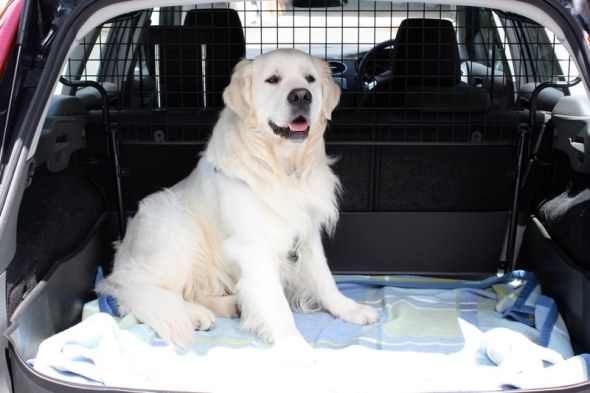
Raindrops splattered the windscreen like sound effects in a kid’s comic.  The summer storm had intensified and visibility was quickly changing from irritatingly poor to downright dangerous.  From the back of the car came a half hearted grumble.  Einstein didn’t much care for rain at the best of times.  This current assault had triggered the rear wipers he detested and he was making his feelings clear.

IMG_3408

We’d done a lot of car trips, Einstein and I.  My parents had a house on the Mosel and we were regular visitors.  We had an understanding.  In silence, Einstein would endure the ferry crossing and the many hours in the car.  As his reward, we took long, companionable walks.  I would order a tub of ice cream at one of the riverside cafes and he would bury his nose into it and lick it clean.  Together, we explored castles and bought wine.  Not once had his wagging tail knocked a bottle over.  He revelled in the fuss he invariably received.  In turn, I delighted in the jovial salutations that followed when the locals learned his name: Ein-schtein!  Back at the house, Mum and Dad spoiled him rotten, indulging his every whim and fussing him on demand.

IMG_3295.JPG

This trip was a little more ambitious.  We’d spent the night at the house, as usual.  But today, instead of snoozing lazily in the sun (me) and flopping across the kitchen doorway in the hope of scraps (him), we’d packed up the car and hit the road again.  Golden retrievers are a stubborn breed.  It had taken some persuasion to prise Einstein from the breakfast dishes and into the boot of the car.  Grumpy didn’t cover it.

So now we were on the autobahn bound for Austria, Einstein’s eyes fixed resolutely on the road behind us.  Somewhere near Munich, I thought, but it was hard to see the car in front, let alone the road signs.  Not that the weather was slowing down the local drivers, who appeared in the rear view mirror out of nowhere and overtook as if we were standing still.  A lone woof nudged above the sound of the engine.  It was time to pull off the road and take a break.  Spotting a motorway service station, I slowed the car and swung into a space in the middle of the car park.

Raising the tailgate, a doleful face greeted me.  In protest, Einstein made no attempt to get out.  I waited.  Ever since he was a puppy, he’d done things at his own pace and there was little point in trying to hurry him.  Finally, he got to his feet and jumped down.  A wince crossed his face as his paws hit the asphalt.  As he moved forward, there was a pronounced limp.  Einstein had been known to fake such a limp for effect, so I wasn’t unduly concerned.  I wondered, though, if it might be a slight touch of cramp and figured a gentle walk might do him good.  Einstein thought otherwise and after a few steps, laid himself down in the middle of the car park, blocking the traffic.  I rummaged in my pocket for a treat but found only crumbs.

IMG_2227

It was still raining heavily.  Droplets of water dampened my hair before percolating slowly and persistently to the nape of my neck and down to the small of my back.  On the surface, Einstein’s thick cream curls were slick, his waterproof overcoat perfectly suited to keeping him dry.  My rain jacket was somewhat less effective and as a result, my patience was wearing thinner than a gossamer stocking.

“Come on, get up doggo.”

No response.  I tried a lighter tone.

“Einy, sweetie, up you get.”

Defiant, Einstein rolled slowly and deliberately onto his side, exhaling deeply.  It wasn’t the first time he’d decided to do this.  At the park, my usual tactic was to walk away and wait for him to follow, which he did, eventually.  Here, I couldn’t risk leaving him, even to grab a treat from the car.

Trying a different tactic, I knelt down and attempted to lever his dead weight upright.  It was hopeless.  When he was this uncooperative, I simply wasn’t strong enough.  I could lift his head and shoulders off the ground, but as soon as I switched to his rear end, he rolled back again.  It was a battle of wills and I was losing.  Defeated, I began to look around for someone who might help.  A couple of passing Dutchmen brushed me off.  I couldn’t blame them.  What sane person wanted to lift thirty-odd kilos of wet dog?  Beneath all that stubbornness he was sweet natured and gentle, but they couldn’t know that.

Time passed at a crawl.  Drivers manoeuvred carefully around us and motorists returning to their vehicles took elaborate detours lest they were called upon to assist.  I was just going to have to wait for Einstein to move, however long that might take.  I allowed myself a wistful daydream of the holiday we could have been enjoying further north and muttered a silent prayer to the Tyrolean gods that the Alps would be worth all this stress – if we ever got there.

After what seemed forever, help arrived in the form of a rotund German with extravagant facial whiskers.  His car was parked next to mine.  Scanning the scene, he understood my predicament.  Without speaking he lifted the boot.  Inside was a cool box.  And inside that was a fat heap of sausages.  My spirits lifted.  At last, something to determine whether Einstein was genuinely in pain.

It didn’t take long to get my answer.  Spying the sausage, Einstein raised his head and leapt to his feet.  He trotted over to the man without a backward glance, miraculously cured.  Stiffly, I got to my feet and smoothed down my wet trousers in a vain attempt to look presentable.  I walked over, relief mixed with exasperation, as the dog wriggled himself into a perfect sit in front of his new best friend and sneezed with excitement.  Gazing up with adoration, Einstein wolfed down the first tasty morsel.  With a cute tilt of the head, he raised a damp paw in anticipation of the next.

IMG_3213 (1)

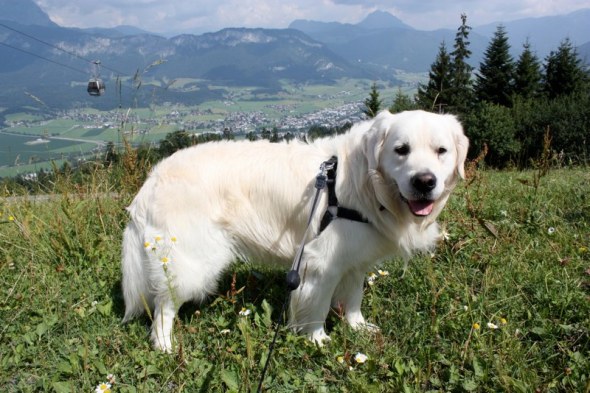
I grinned.  We’d be hiking those Alpine trails after all.  Red cheeked, I enticed him to our car and high-tailed it to the border.

A year of travels: looking back on 2017

2018 is almost here and it’s time to look back at the trips made in 2017.  I’ve been fortunate once again to have the opportunity to make lasting memories in some of the world’s most captivating destinations.  Here’s a round up of my favourite trips from the past year as well as a teaser for what’s to come in 2018.

Puerto Rico

photo2

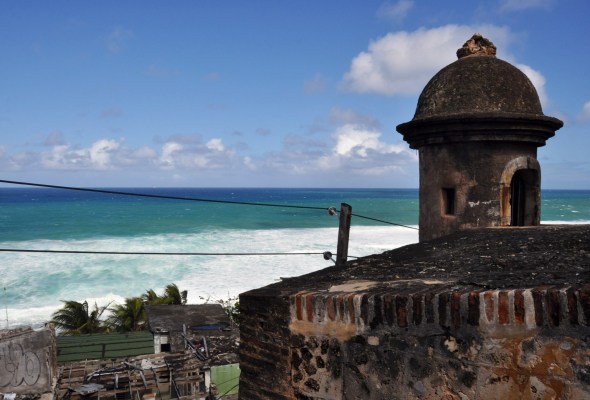
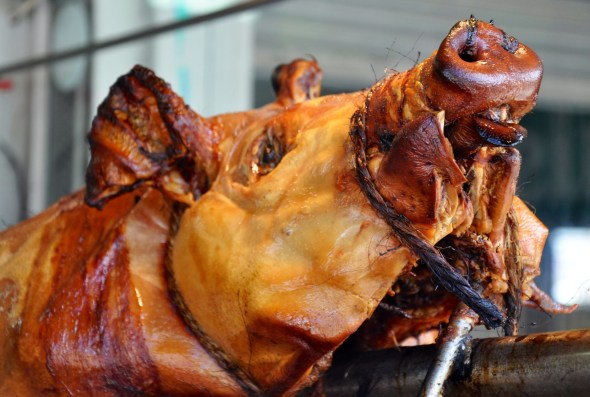
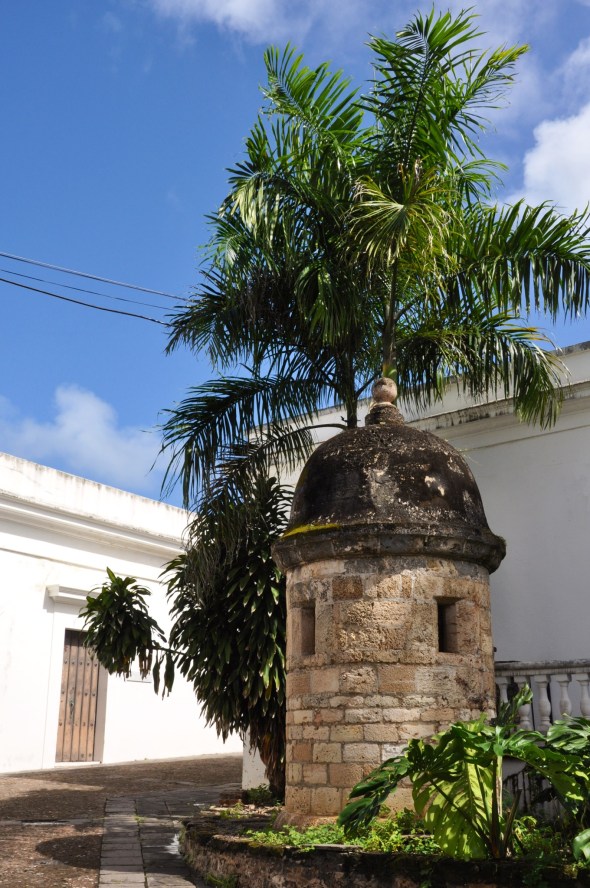
The first trip of the year took me to Puerto Rico, which by autumn would be left reeling from the devastation wrought by Hurricane Maria in September.  The beauty of this Caribbean island and how diverse it was blew me away.  From the historic cobbled streets of Old San Juan to the dramatic views from its mountains via rainforests, windswept beaches and an enormous telescope, this island fast became one of my favourite in the Caribbean.  I love a sandy beach as much as the next person, but it gets boring after a while and it’s good to know there’s a suckling pig roasting for when you’re ready for a feed.

img_7327

Puerto Rico is slowly getting back on its feet again.  There are several posts on this blog which showcase the island’s attractions, but for an insight into recent months, this New York magazine article recounts just how tough it has been:

http://nymag.com/daily/intelligencer/2017/12/hurricane-maria-man-made-disaster.html

photo12

Scotland

In February I flew up to Glasgow to visit friends.  They recommended a drive over to Falkirk to see the Kelpies.  It’s well worth the effort if you’re planning a trip to Scotland in 2018.  The sculptures are as magnificent up close as they are imposing from a distance.  Despite the inclement weather, I found the story behind the project fascinating and I was lucky to get a guide who was so enthusiastic about his topic.

https://juliamhammond.wordpress.com/2017/02/24/the-kelpies/

dsc_0002-2

Uruguay and Argentina

In March I returned to Uruguay and Argentina after a ten year gap spent largely salivating over thoughts of the $4 fillet steak I’d eaten in El Calafate – I’m sure we have all had those holiday meals that we remember forever.  But sometimes these memories are not to be repeated.  I had the most amazing crab dinner in St Lucia years ago but the restaurant has closed down.  And what about Argentina?  In the intervening years, costs had risen, particularly in Buenos Aires.  Salta obliged with a decent steak, but at a price.  Fortunately, there, in the form of the haunting face of the Lightning Girl was something to compensate – though it was a chilling insight into the past.

https://juliamhammond.wordpress.com/2017/03/20/saltas-lightning-girl

photo3

I enjoyed seeing more of my favourite continent.  A challenging but rewarding stay on a working ranch in Uruguay tested my riding ability to the limit, with excursions to the Fiesta de la Patria Gaucha providing a welcome injection of fun.  If you’re nervous about trying out a working ranch rather than the more typical dude ranch, don’t be, but read this first:

https://juliamhammond.wordpress.com/2017/06/05/dude-ranch-vs-working-ranch-how-do-you-know-whats-best-for-you/

Bolivia

photo6

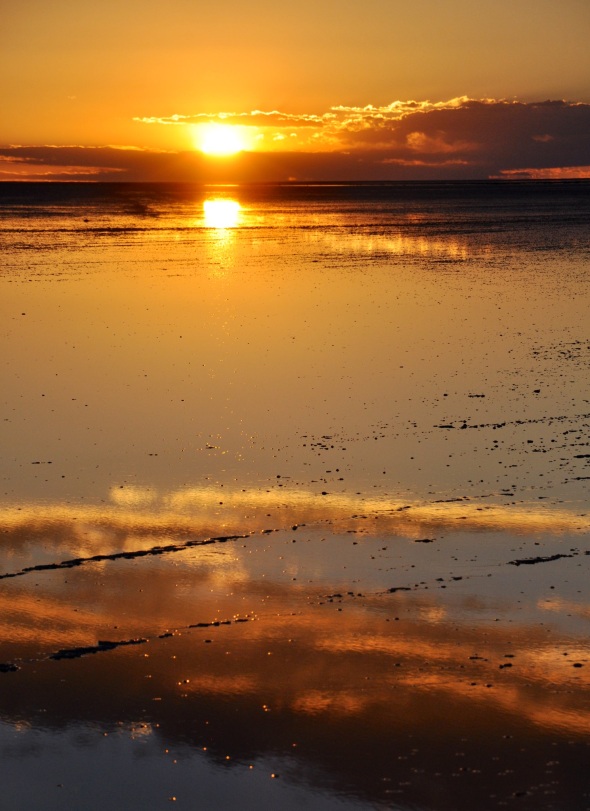
After visiting so many countries, it might come as a surprise to learn I still have a bucket list and for many years, a trip to the salt flats at Uyuni has been top of the list.  Crossing overland from Argentina, I timed my visit for the end of rainy season as I’d heard the sight of a flooded salt lake wouldn’t disappoint.  It was phenomenal, and spending the night in a salt hotel was an unusual if slightly uncomfortable experience.  See how Uyuni stacked up when compared to the salt flats of northern Argentina here:

https://juliamhammond.wordpress.com/2017/04/03/salt-flat-tours-argentina-vs-bolivia/

Ibiza

When a friend asked could I try out some of his company’s Sunwise UVA clothing, I jumped at the chance and picked Ibiza as my destination.  I product tested a floaty, very feminine kaftan which protected me well from the sun but also was versatile enough for me not to look out of place on the beach and at a city cafe.  I’m more of a T-shirt and trousers kind of girl but it wasn’t too frou-frou to be wearable.  Ibiza was surprising too – much more to it than beach clubs and foam parties.

If you burn easily or are keen to protect your skin from sun damage, then I’d recommend you check out Sunwise UVA’s website.  The link’s in my blog post.

https://juliamhammond.wordpress.com/2017/05/10/product-test-sunwise-uva-clothing/

PS I’m not on commission.

Texas

Next up was a return visit to the USA, but one with a difference, as I explored Texas with Traveleyes, a specialist company which focuses on trips for the visually impaired.  Putting my travel plans into the hands of a company definitely took me out of my comfort zone.  Nevertheless, I made some great friends on the trip and especially enjoyed San Antonio.  After a dull art museum (what was it Elton John was supposed to have said?  I don’t like going to museums because I can’t buy it…) I skipped off with my VI, a charmer nicknamed Smithie (to my Essex).  We wound up at Paris Hatters, one of the city’s oldest stores, and bought him a cowboy hat.  Elton John would have approved.

Austin10

As a sighted guide, the experience was a reminder of just how much we take for granted but also made me realise how much my visually impaired companions could access – from horse riding to a lesson in the Texas Two-Step in preparation for Austin’s honky tonks, nothing was off limits.  It was a thought-provoking holiday and I can see why some of the sighted guides go time and time again.  Find out more about Traveleyes here:

Home page

The Caucasus

DSC_0001 (2)

Another bucket list trip became a reality as I spent a few glorious summer weeks in the Caucasus.  My focus was on Georgia and Armenia with a couple of side trips to disputed territories to add a frisson of excitement.  (There’s nothing like a morning spent in police custody to make a trip feel that little bit different!  Sorry for the worrying text Mum, won’t do it again.)  This part of the world is a delight.  My personal highlights were the scenic Svaneti region of Georgia with its charming towers and ever so slightly wild people, and a very emotional visit to the genocide memorial in Yerevan which literally moved me to tears.

https://juliamhammond.wordpress.com/2017/07/09/why-you-should-visit-the-armenia-genocide-museum-and-memorial/

Venice

DSC_0886 (2)

I’ve made many day trips to European cities by air over the last few years, proving you can still satisfy your city break fix even if you’ve run out of holiday.  This autumn I picked Venice and spent the day leisurely exploring its canals and back streets enjoying some of the city’s off the beaten track sights.  I found a gondola in a book store, a heavenly bar hidden in plain sight near the Rialto Bridge and dresses that started life in a women’s prison.  Off season, this is an engaging destination and far better without the crowds of summer.

https://juliamhammond.wordpress.com/2017/10/13/just-back-from-a-day-trip-to-venice/

Cape Verde

DSC_0278 (2)

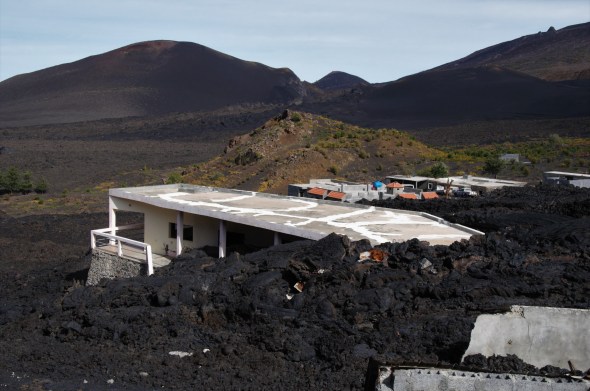
November’s a horrible month.  Dark evenings signal the start of the long winter season and Christmas lights have yet to migrate from shop to front window.  Grumpy Julia was in need of some sun and jetted off to Cape Verde.  While Sal could have had more soul, Fogo Island with its brooding volcano didn’t disappoint.  My guesthouse set me up with a guide to hike inside the caldera walls, a place known as Chã das Caldeiras.  We walked between villages, the path running alongside the raw edges of the 2014-15 lava flow that engulfed the homes of over 1000 people though luckily claimed no lives.

As the guesthouse owner said, “it’s still Africa, but not as you know it”.

https://juliamhammond.wordpress.com/2017/12/19/a-beginners-guide-to-cape-verde/

Salzburg

DSC_0246 (2)

I couldn’t let the year end without a trip to a Christmas market after enjoying those at Copenhagen and Regensburg so much last year.  This year, I chose one of Austria’s most charming cities and flew to Salzburg to get my fix.  Snow covered the ground, but that didn’t deter the crowds or the authorities (take note Lincoln!)  A Krampus run and a train ride to see Silent Night being performed in the village where it was composed rounded off the trip.  If you plan to follow suit in 2018, I’d recommend you take a look at the guide I wrote:

https://juliamhammond.wordpress.com/2017/12/12/tips-for-getting-the-best-out-of-salzburgs-christmas-markets/

DSC_0108 (2)

That rounds off my travels in 2017, a bumper year for making memories.  I’ve only just started thinking about where I’ll go in 2018, but it all kicks off in Cuba this January, booked after I learned of a £140 error fare deal from Secret Flying.  If you haven’t yet signed up for their updates, I’d recommend you get over to their website.  I’m also booked to go to New Zealand in May, having taken advantage of Air New Zealand’s fantastic Black Friday deal.  I’m currently toying with the idea of crossing the dateline and spending some time in the Cook Islands while I’m out there.  Watch this space.

Wherever you’re planning for 2018, I’d love to hear about it.  Happy travels!