juliamhammond

Latest

How I become a travel writer

One of the questions I’m asked a great deal is how I became a travel writer. The answer is almost by accident, but then sometimes the very best things in life happen serendipitously.

Julia red bench - Copy (2)

Austria 1972

I can’t define a moment when I really got hooked on travel. My first trip abroad was at the age of 9 months, a family package holiday to Austria where, I’m told, I charmed everyone. Throughout my childhood, I was fortunate to travel abroad quite a few more times, notching up countries such as Belgium, Germany and the Netherlands instead of the more usual Spain, Italy and Greece (“too hot,” said my parents). I made my first solo trip abroad to northern France at the age of 17, a foreign language exchange organised by the sister of a neighbour. Money put paid to big budget travel ideas while I was a student, but I travelled vicariously to Latin America as a member of various university societies.

Germany Mosel village of Traben

Germany 1990

In 1991, I graduated with a joint honours degree in Geography and History and took a job as a teacher in East London. I spent my days teaching about places and my evenings wielding a red pen in despair over the pitiful knowledge of my charges. When I was promoted to Head of Geography a few years later, I vowed to include as much place-related content as I could alongside National Curriculum staples such as river processes and population dynamics. My line manager once asked why I didn’t share his desire to push the students to ever-higher grades. I told him I judged my success as a Geography teacher on whether my students went travelling after they left school. Many of them did, after they’d got those top grades as well.
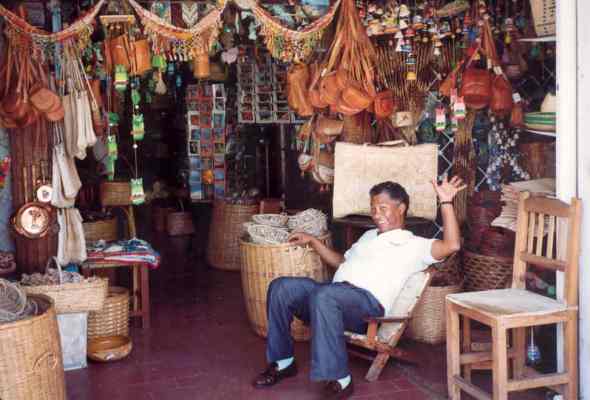
Venezuela Craft shop on Isla Margarita

Venezuela 1992

As soon as I was earning a regular wage, I started to travel. I blew my entire first month’s wages on a package holiday to Venezuela put together by Ilkeston Coop Travel in Derbyshire, many miles from my Essex home but too good a price to resist. Splitting my time between Isla de Margarita and the mainland, I danced, sunbathed and saw the sights, indulging a passion for Latin America that’s never gone away.
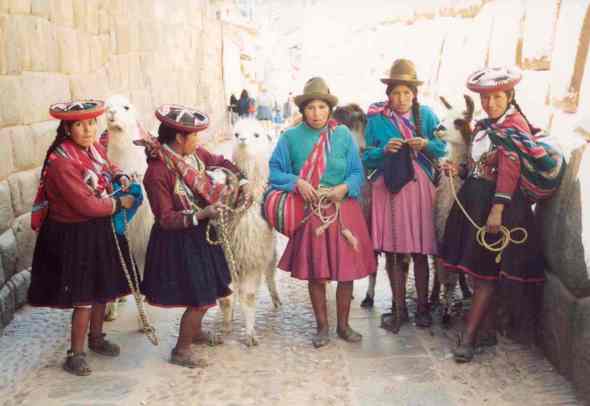
Peru Llama girls and Inca stonework

Peru 1995

And so it continued, during term time I would teach, pulling long hours to ensure I never had to sacrifice precious holidays for work. The late 1990s saw the boom of the low cost airline, which meant that I could travel more often. Sometimes the places were obscure but they were always interesting. Keen to make sure I didn’t forget my experiences, I wrote articles, taking inspiration from the diaries I kept on the road. It was a hobby and likely to stay that way as my enthusiasm for writing far outweighed my talent.

IMG_4196

Latvia 2006

The internet began to take off and with it, traveller forums such as Lonely Planet’s Thorn Tree and Wanderlust magazine’s GoWander. I was a regular on all of them. The latter was a budding travel writer’s dream, as it offered the opportunity to upload experiences. Some of my pieces attracted comment and I was surprised and delighted to see that much of it was positive. Encouraged, I began to send off crude pitches to editors of magazines, though I rarely got an answer and never a commission. Once I actually received a reply, telling me that the quality of what I wrote was sufficiently promising, but the content wasn’t needed at that time.

IMG_8398

Japan 2007

One of my fellow GoWanderers (or maybe by then it was My Wanderlust?) posted that she was setting up an online writing club. Members would complete an assignment each month and upload it to a forum to be critiqued. The comments were honest, sometimes brutally so, but they were also incredibly helpful. I learnt more about how to write from Liz and the gang than I had ever done. The trouble with kind comments from well-meaning friends and family members is that they don’t give you the incentive to improve – though they do a sterling job in boosting confidence, which is probably just as important.
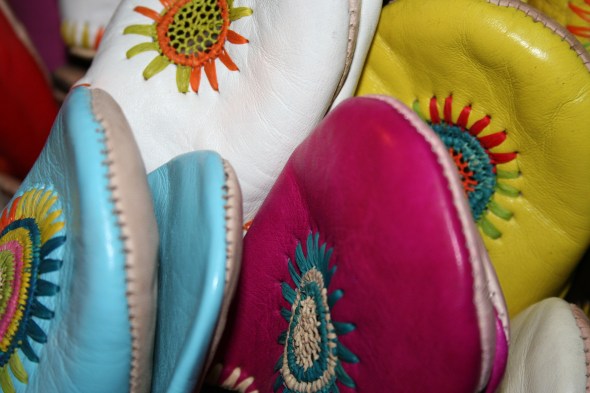
IMG_0976

Morocco 2008

Finally, the turning point came. Or, rather, several turning points. I entered a competition organised by Mail Travel, knocking out 300 words during a late night thunderstorm about my sister shoe-shopping in Morocco. I won, the prize being a trip to America’s Deep South and a piece in the newspaper’s travel supplement. I was still teaching, of course, but my understanding senior team allowed me unpaid leave so I could follow my dream.
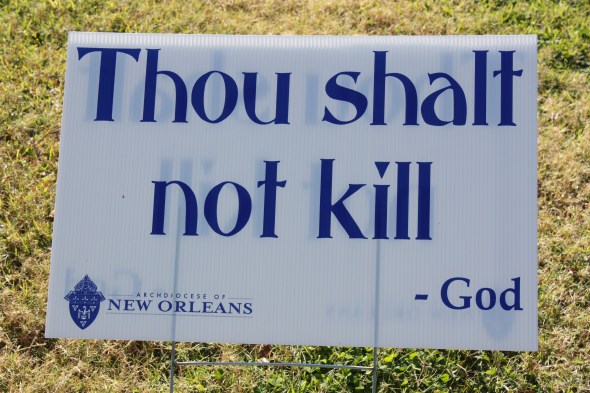
IMG_8635

USA 2012

I entered a travel writing contest organised by an insurance company and won a Kindle. I answered a shout out from Bradt for bus routes suitable for Bus Pass Britain Rides Again and my piece on the Dengie was considered interesting enough for inclusion. Recounting the tale of a Rasta rescue in Zambia won me highly prized column inches in Wanderlust magazine and a goodie bag. It began to dawn on me that I could do this for a living.

img_6172

Zambia 2012

However, the thought of giving up a steady income as a teacher after a career spanning more than 20 years was a scary one. For a while I tried to juggle the two. I set myself up with a profile on a freelance forum called oDesk, now Upwork, and very slowly, jobs trickled into my inbox. I still write for some of those first clients. They took a chance on me and I’m grateful. Work built up and with the support of my husband, who provided a financial safety net in exchange for the promise of hot dinners and ironed clothes whenever I was home, I quit teaching to write full-time.

photo6

Somewhere over the Atlantic 2016

Breaking in to the more well-known publications took some time. I sent off pitch after pitch and received rejection emails in return or, depressingly often, no response at all. Yet to be taken seriously, I needed some big names under my belt. The travel industry’s all about contacts and – most of all – having a killer idea. My break came with a piece I did for Sunday Times Travel Magazine about flying business for economy prices. That was followed by commissions for BBC Travel, The Telegraph, Which?, a few in-flight magazines and more. Now I write for an eclectic mix of travel industry businesses, websites such as The Discoverer and print publications.

KOKS

Faroe Islands 2018

Having finally built up a portfolio I was proud of, I decided to apply for membership of the British Guild of Travel Writers. This prestigious organisation counts among its members some of the best travel writers in the country, so it was an ambitious move to say the least, but one which paid off. I’ve found membership invaluable in cementing my status as a trusted freelancer; BGTW membership affords a kind of quality control which reassures potential editors that they won’t be taking too much of a risk. Membership has its privileges too, in the form of useful professional development opportunities and press trips.

71118932_1391765140979980_7264900360429371392_n

Lithuania 2019

So do I miss teaching? Honestly, no, I’ve never looked back. I loved my job, taught some great kids, but the pressures of targets and paperwork got in the way of enjoyment. Travel writing hasn’t been like that. In fact, it rarely feels like work at all. Right now these are uncertain times for the travel industry, but I don’t regret a thing.

An initiative from Bradt worth supporting

Necessity is the mother of invention.

A sentiment expressed by Plato, but first recorded in the written word by 17th century author Richard Franck, never has it been more true than at this extraordinary time in the world’s existence.

Rain at start of trip at Saksun - Copy

Faroe Islands: Saksun

In these strange and challenging times, life – and businesses – are having to adapt to cope and survive. The travel industry is one of those affected, of course, and the impact on guidebook publishers is one way that manifests itself. Lonely Planet announced last week that it was shutting down some of its offices, though guidebook production would continue. Once, a Lonely Planet guide would have been my go-to, but increasingly, they’ve not been the best fit. Instead, I’ve used independent publisher Bradt Guides on many occasions when my wanderlust led me to some of the world’s most off the beaten track destinations. I even took one to Iceland, packing it alongside my wedding dress. Some  of those guides are well thumbed; others purchased in anticipation of future trips.

photo4

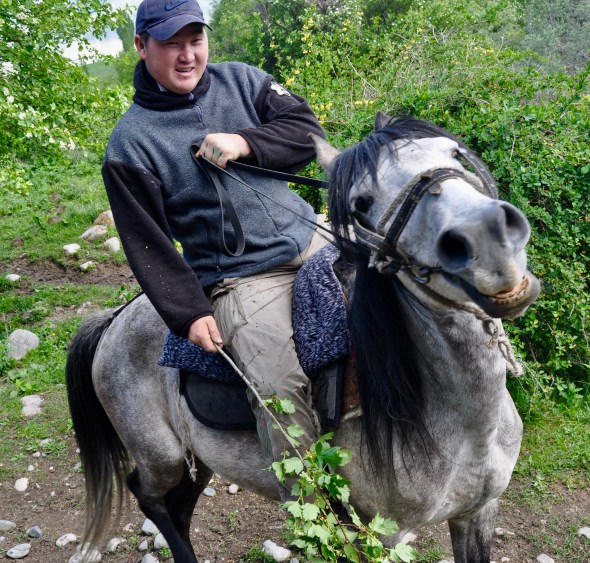
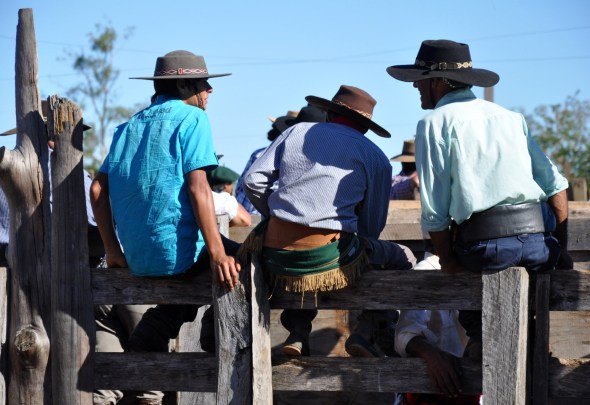
Uruguay: Fiesta de la Patria Gaucha

Bradt has been offering seriously tempting discounts on its back catalogue. I’ve stocked up with guides that I hope to use when we get exploring again. As someone who has seen her writing feature in a small way in two Bradt anthologies, and has had the privilege of meeting both founder Hilary Bradt and MD Adrian Philips, I’m invested in this beyond consumer level. But even if I wasn’t, it would seem a very worthy initiative to support, beyond a travel writer’s loyalty to a favourite brand. This is the company that produces guides to the more obscure corners of the planet, sometimes the only mainstream publisher to do so. My Bradt pile includes guides to Tajikistan, Haiti, Uganda and Belarus. Along side them sit Iceland, the Azores, Ghana and Uzbekistan. On the wishlist, awaiting the publication of new editions, are Sao Tome & Principe, Suriname and Iran. Right now there are 227 special offers at the Bradt online shop, not just for guidebooks but for some of the best travel writing out there on the shelves.

DSC_0020 (2)

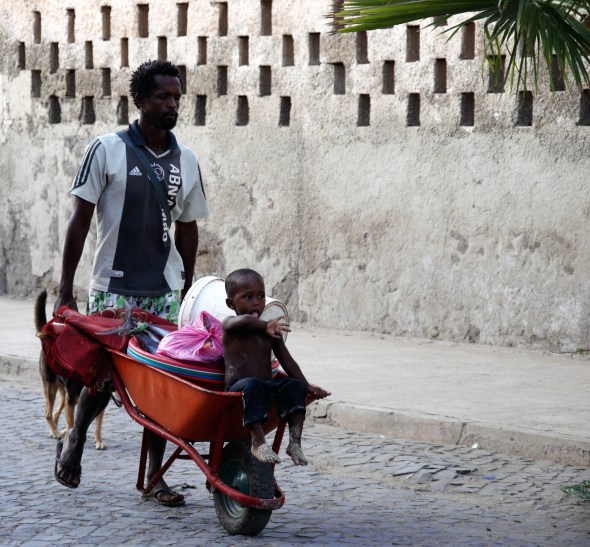
Cape Verde: Santa Maria

But that’s not enough. Yesterday, Bradt announced a different strategy, one which is innovative, brave and – I hope – successful. Using the Patreon platform, Bradt are asking travellers to support them by signing up to their new subscription service. For £5 a month, Bradtpackers receive an e-zine with the latest news and travel inspiration together with exclusive discount offers, competitions and pre-publication deals. Opt for Globetrotter level at a cost of £15 a month and on top of that, you receive a free book each month. Choose First Class Traveller tier and as well as that you will be able to benefit from bespoke travel-planning advice for two trips a year from a Bradt author or other expert at a cost of £35 a month.

We still need our guidebooks. This is still a time to dream.

9E0FFAED-19A0-4347-852F-A44613DA33A0

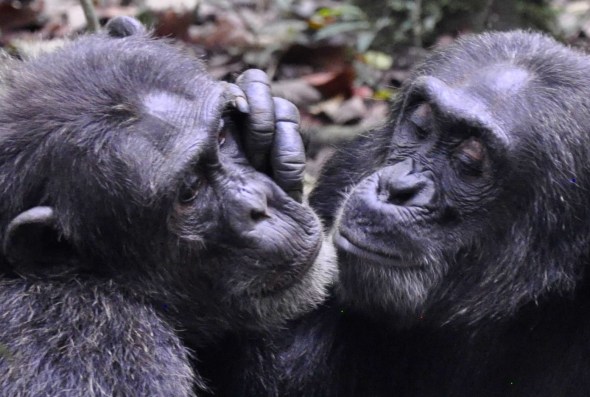
Uganda: Kibale Forest

I hope that Bradt survives the economic fallout from this horrible virus. But in the meantime I’ve subscribed and, if you’re a keen traveller also, I hope you will too. If so, this is the link you’ll need:

https://www.patreon.com/bradtguides

Travel and lockdown: what I’m missing

Tomorrow marks two weeks of lockdown for the UK. On the face of it, COVID-19 hasn’t impacted my daily life as much as some. I finished a large commission for an in-flight magazine. I’m told they will still pay, though I’m less certain they will publish. The editor has been supportive and communicative, which has been a relief. Although some of my regulars have paused contracts, I still have work from some. I’ve even managed to score a couple of new contracts which should prove to be ongoing. I’m one of the lucky ones; many travel writer colleagues have seen a year’s worth of work vanish overnight.

EX2

Right now, I’d usually be travelling. In previous years, I’ve jetted off in early spring to places as varied as Chile, the Seychelles, Sri Lanka, Argentina, Bolivia and the Bahamas. Tomorrow is my wedding anniversary – six years ago we were in Iceland luxuriating in the Blue Lagoon in anticipation of the big day. I’d have been preparing for late spring trips to the Faroe Islands, Kyrgyzstan, Georgia, Armenia, New Zealand and Tonga, finalising plans and reserving hotels.

FullSizeRender - 2019-05-31T055311.261

But over the last few years I have also taken a few months off in the summer, so right now though the seasons are a little mixed up, it feels just like that. The village has become a bubble, a place free of anxiety, when the outside world has become a frightening place. We’re looking out for each other; the Facebook group I set up before this all started has twice as many members now and we’re all doing what we can to help each other.

When the virus first started making its presence felt, I experienced a kind of grief. Border after border closed; tour operators and tour guides reported how it was devastating their businesses. Financially, I’m not significantly affected, with just one BA flight to deal with when the airline officially cancels it. But it’s horrible to think of all those who have lost livelihoods and with them, hope for the future. The human impact of this virus is unbearable, but the economic effect is something we’ll live with for many years.

FullSizeRender - 2019-03-06T190330.115

A friend has spoken to me about how hard it has already been in Uganda, where I visited last year. Rising food prices and a lack of affordable healthcare will have terrifying consequences. At present there are only 52 confirmed cases, and no deaths. The population is relatively young, though the impact of HIV/AIDS mean many youngsters are looked after by grandparents who fall into the vulnerable category. No matter how hard it is for us, it’s so much worse for the desperately poor.

Though I’ve built a career on discovering new places, I’ve found that the places I most want to go and visit when all this is over are those I’ve already visited. On TV right now in the UK is a BBC series called Race Across the World. In last night’s episode, they travelled from Puno in Peru to Cafayate in Argentina. Along the way, they visited the Salar de Uyuni, La Paz, Salta and San Pedro de Atacama, all places I’ve been and fallen in love with. It was great to escape. Like many, I’m trying to limit the amount of news I’m watching.

photo6

It’s impossible to plan when nobody knows exactly when the travel restrictions will be lifted. I’m getting email after email of impossibly cheap flight deals in my inbox, but the FCO have extended the worldwide travel ban indefinitely. How can you plan a trip when you don’t even know what season it will be? I know they’re first world problems. My job doesn’t put me at the front line and I’m immensely grateful to those working in the NHS and in key worker roles to keep us safe and fed.

I’ve bought myself some new Bradt guides for bedtime reading, though for now they’re shelved as I pore over old photos. Talk in the household is of a US road trip from Washington DC to the Great Smoky Mountains, or a return visit to Iceland or Peru. I know I want to go back Down Under and hike the mountains of the Austrian Tirol again. It’s been interesting to see the different strategies employed by tourist boards and travel companies, some of whom are marketing their destinations almost as normal so that they can remain in people’s imaginations when they are able to book again.

83FDDDB5-46D8-4D6B-AE7A-8427A0B84F33

I really should be using this time to write the book I never finished. But I can’t seem to find the words just yet. In the face of what’s happening, it just doesn’t seem important.

The last trip for a while: Russia’s St Petersburg

Last week I flew back from St Petersburg in Russia and since then, the travel world has pretty much fallen apart. At times it’s felt like those few seconds when you settle back into a chairlift and wait for it to move slowly to the edge of the platform before accelerating away. My inbox and social media feeds are full of stories: airlines laying off staff and grounding flights, governments closing borders; visitor attractions falling like dominoes. Stranded travellers scramble for places in a global game of musical chairs, wishing they had acted more decisively while they still had the opportunity.

In short, it’s not a great time to be a traveller, or a travel writer. It’s not a great time to be a lot of things.

DSC_0036 (2)

But who knows, this might finally be the time I write the book I started five years ago, or at the very least finish the Roman blinds I’m making for the spare room. At the time of writing, my commission with an in-flight magazine for a story on Russia’s St Petersburg hasn’t been cancelled, though it still might be. As I wrap up the other articles on my to do list, I thought I’d share some of the photos I took last week. I’m not sure when my next trip will be, so pictures and stories about past adventures are just going to have to do for now.

The Hermitage

Peterhof

Catherine Palace

Sts Peter & Paul Cathedral

St Isaac’s Cathedral

Church of the Saviour on the Spilled Blood

Fabergé Museum

Sadko from the Tsar’s box at the Mariinsky Theatre

Museum of the Siege of Leningrad

Vodka tasting at the Museum of Russian Vodka

Museum of Arcade Games

Museum of Street Art

Pyshki (doughnuts)

Nevsky Prospekt and around

Street performers

Cats Republic

How to minimise the impact of coronavirus on your travel plans

The spread of coronavirus continues to dominate the news headlines and my thoughts and sympathies are with those families affected directly. As a writer who makes her living producing articles about tourist destinations, I’m also watching with interest as to how it might impact on travel. The situation is changing so fast it is hard to keep up.

To date, there have been lockdowns and quarantines in locations across the world. Various countries are refusing entry to nationals of a range of countries, and an increasing number are including UK passport holders on that list as the situation worsens here. I was supposed to visit Bergamo in northern Italy in March. Ryanair cancelled my flight with just over two weeks’ notice and I have received a full refund.

So how can you ensure that, as the virus spreads, your upcoming travel plans won’t be affected? In short, you can’t. But you can try to minimise the impact of coronavirus on your travel plans.

Keep abreast of changes and book last minute

Right now, the spread of the virus is hard to predict and as such, booking well ahead isn’t the way to go. Keep a close eye on where cases have been reported and book last minute for a place that seems unaffected. Though even if you do so, as the number of cases increases, you can’t rule out being placed in quarantine unexpectedly, as those held in the Costa Adeje Palace hotel in Tenerife (and many others since) have found:


Choose your accommodation carefully

Putting yourself in crowded places is perhaps a greater risk than if you opt for a smaller hotel or self-catering apartment. However, if you are quarantined, eating in replaces eating out and you would need to ensure you could cater for yourself in the place you’ve chosen as your base if you’re self-catering or opt for room-only. In terms of comfort levels, I couldn’t help comparing those confined to inside cabins on the Diamond Princess while it was quarantined in Japan with those waving at news crews from their balconies in Tenerife. At least the latter had access to fresh air and a view whenever they wanted. Nevertheless, ask yourself, would you be better off staying home than risking being stranded for an indefinite period.

Check your travel insurance

Policies vary, but check the small print of your travel insurance to ensure that it has adequate cover for cancellations and disrupted travel arrangements. Some businesses have stopped selling travel insurance altogether and others have altered the terms of their policies. Read the terms and coverage carefully; ask for advice or clarification if unsure.

Booking a package with a firm that is ATOL-protected might help. Some operators, desperate to drum up business, are offering free date changes if the situation changes before your departure date, which brings peace of mind to some extent. Travelling with a package operator would also mean if you couldn’t fly home as expected, there would be someone to help take care of your arrangements.

If you choose to travel to a place that has been designated by the FCO as a no-go, your insurance will be invalid – that’s if you can find an airline that will take you there, of course. Simply deciding that you don’t fancy taking a risk is, unfortunately, not a reason to get your money back, though some airlines are been more helpful than others when it comes to rearranging or rerouting flight bookings. More on your rights here, in this informative BBC roundup.

Pack smart


If you are dead set on going, it’s sensible to follow the advice of health professionals about hand-washing routines and pack some anti-bacterial wipes or hand sanitiser. Some sources suggest using wipes to clean shared surfaces such as aeroplane or train tray tables. Liquid or foam hand sanitiser would have the advantage of not leaving you with potentially contaminated wipes to get rid of. According to the WHO, plain old soap and water is likely to be just as effective. If you do use wipes or tissues, remember to dispose of them responsibly, such as in a closed bin. Read advice from a trusted medical source and don’t take the word of bloggers and travel writers – we know travel, but we are not medical professionals.

You may also feel calmer wearing a mask though reports of their efficacy are disputed. Wherever you are planning to travel, think about what might happen if you are quarantined. If you are on regular medication, ensure you take additional supplies to cover an extended stay. If that’s not possible, it’s wise to make sure you know the local brand name of the drug you take. Take a look at this useful website which lists brand names of drugs in different countries.

Take the opportunity to enjoy a staycation

If you’re concerned about the likelihood of getting stranded while travelling, perhaps it’s the perfect time to enjoy a staycation. Take the opportunity to explore the area in which you live with fresh eyes. Take a walk somewhere you’ve never been, visit that museum that’s been on your wishlist for ages or book an activity or experience such as a spa treatment, steam train day out or windsurfing lesson. That just might be the most stress-free way to have a holiday at the moment.

If increasing numbers of people choose not to book an international vacation, then those small-scale independent tourism businesses in your local area might be relying on your support to stay afloat. Reports such as these about France and New Zealand explain why.

aoraki-90388

Remember, do your research and make sure you are comfortable with the risks you are taking. It’s your responsibility to look after yourself, so whatever the type of holiday you’re considering, think it through before you book and make the decision that’s right for you.

Updated 12 March 2020