
Happy Mexican Independence Day!
September 16 is Mexican Independence Day. Outside Mexico, it is overshadowed by the Cinco de Mayo celebrations which many confuse with Independence Day. In fact May 5 is the anniversary of Mexico’s victory over the French at the Battle of Puebla in 1862. Mexican independence instead was won from the Spanish in 1821 after a war which commenced on September 16 1810.
The fight to extricate Mexico from Spanish rule began with what’s known as the Grito de Dolores, translating as the Cry of Dolores, a rallying cry designed to incite revolt. It was uttered in the small town of Dolores, located a short distance from the colourful city of Guanajuato in central Mexico. The exact words that marked a new chapter in Mexico’s history have been forgotten, but the man who spoke them has not, Miguel Hidalgo y Costilla, a Catholic priest whose statue you’ll find in Guanajuato. Hidalgo was executed a year later but his country owes its freedom to his bravery.

Place of Frogs?
I took a bus to Guanajuato a few years back, travelling from the pretty artists’ enclave of San Miguel de Allende. Arriving in the place they call the “place of frogs” because early residents thought the surrounding hills looked like one, I was struck by the city’s colour. Looking like a city that has shares in Dulux, almost every building is painted a vibrant shade. Individually, they’re pretty, but the overall effect is stunning and it’s no surprise to learn that they’ve earned a UNESCO listing. I took the funicular up to the statue of El Pipila and looked down over the Teatro Juarez immediately below. It really is a splendid place.
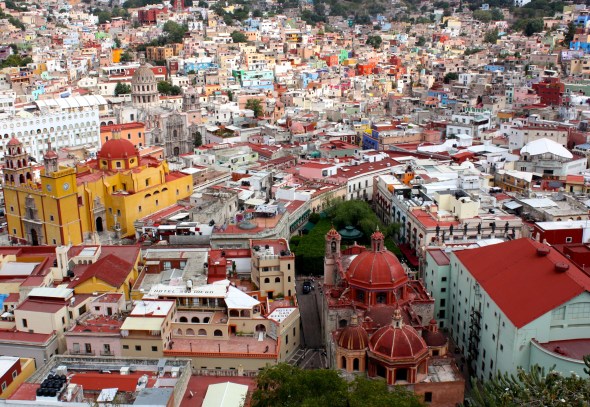
Overlooking Guanajuato from El Pipila
Once, Guanajuato was a mining town, sitting on vast reserves of silver, making it one of the most productive mining areas in the country. The La Valenciana mine, located in the village of the same name, brought huge wealth to the Spanish mine owners and provided many labouring jobs, but it was closed down when the Spanish were given their marching orders. The mine did reopen, but is now permanently shut, though tours are available. Even if you don’t descend underground, it’s worth heading to La Valenciana to see the ornate San Cayetano church.
Back in Guanajuato, one of the best ways to appreciate the city is on foot, wandering along the many alleyways, including the Callejon del Beso (the alleyway of the kiss) where it’s so narrow it’s possible to kiss your lover from balconies on opposite sides of the street. Cafes are another thing that the city does well, scattered in the plazas that are lined with museums, theatres, churches and historic mansions.

Bronze sculpture of a musician outside San Diego church
The day is marked with fiestas, flags, parades and partying. Whether you’re in Mexico or not, I’m sure you’ll join me in raising a glass to that. Viva Mexico!
Visiting a cemetery on holiday? You’re dead right I do!
Thanks to myWanderlust, I recently became aware of a fantastic blog by Rachelle – better known to those on the forum as Moose on the Loose – called http://www.stoneanddust.com. With her blessing, I’ve decided to blog this week about my own favourite cemetery visits. It may seem odd or macabre, but they are fascinating places with more than a single story to tell. And if you’ve been to any on your travels, I’d love to hear about them.
Oaxaca
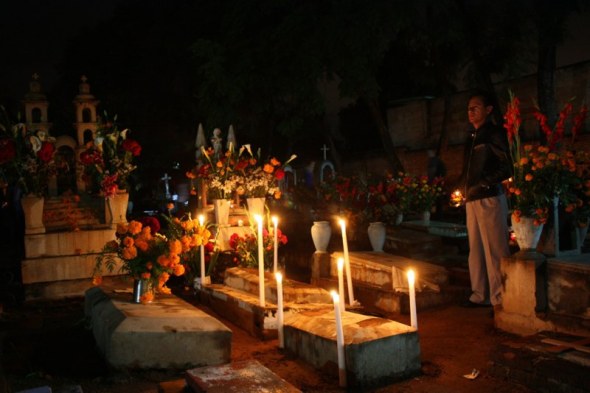
Xoxocotlan old cemetery
I visited Oaxaca’s old and new cemeteries when I visited for the Day of the Dead festivities. Each year, at the end of October, preparations are made to welcome the ancestors back for a celebration. Graves are decorated, food prepared and the Mezcal bottle drained to toast the gone but never forgotten. Lit by candles and adorned with more marigolds than I’ve ever seen in my life, Xoxocotlan’s old cemetery was the more atmospheric. In Xoxocotlan’s new cemetery, glow sticks and candy floss were the order of the day against a soundtrack of Michael Jackson’s Thriller. Read about the festival and find more photos here:
http://juliahammond.co.uk/Travel/DIA_DE_MUERTOS.html
Port au Prince
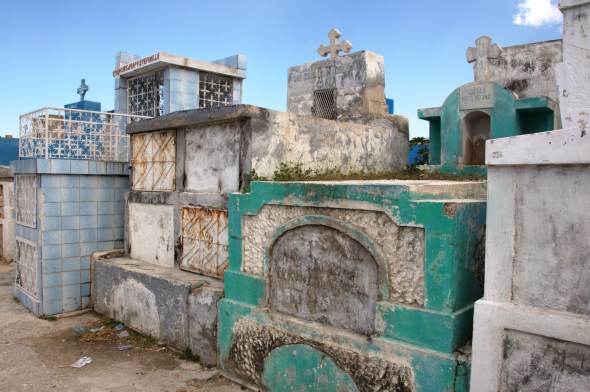
The cemetery, like the city, was damaged in the 2010 quake
My companions in the ageing cemetery in Haiti’s capital weren’t mourners – they weren’t even human. Instead of the expected hustlers, I was tailed by a goat and several chickens. Locally known as the Grand Cimetière, it’s an important focal point for followers of vodou. Parts of the Haitian capital aren’t very safe and this was reputedly one of them, so I lingered only long enough to absorb my surroundings and explore some of the more accessible graves, concerned that if I strayed too far from the main paths I might find myself the victim of a mugging.
New Orleans

If you’re in NOLA and need a guide, Sandy comes highly recommended
During my first visit to the Big Easy, I’d been fascinated to learn about Hurricane Katrina and its aftermath by one of the most interesting guides I’ve ever had the fortune to meet. On my return, I found out that Sandy was guiding a tour of St Louis Cemetery Number One. It’s the site of vodou queen Marie Laveau’s tomb, and after some vandalism, tours are only possible with a guide. Sandy regaled us with tales of the dead and the city that swallowed them up, with her distinctive humour and deadpan delivery. Who knew that temperatures inside those tombs were so high they acted like a mini crematorium?
Buenos Aires

The Duarte family tomb, La Recoleta cemetery
Another cemetery where tombs are largely located above ground rather than the below ground graves I’m used to in the UK is La Recoleta in the Argentinian capital Buenos Aires. Located in an upscale neighbourhood, it’s home to many of the city’s rich or famous former inhabitants, including of course Eva Peron. When I went to pay my respects at her tomb, I was touched by a man holding his own personal vigil to the iconic former first lady, proof that the cult of Evita lives on.
Paris
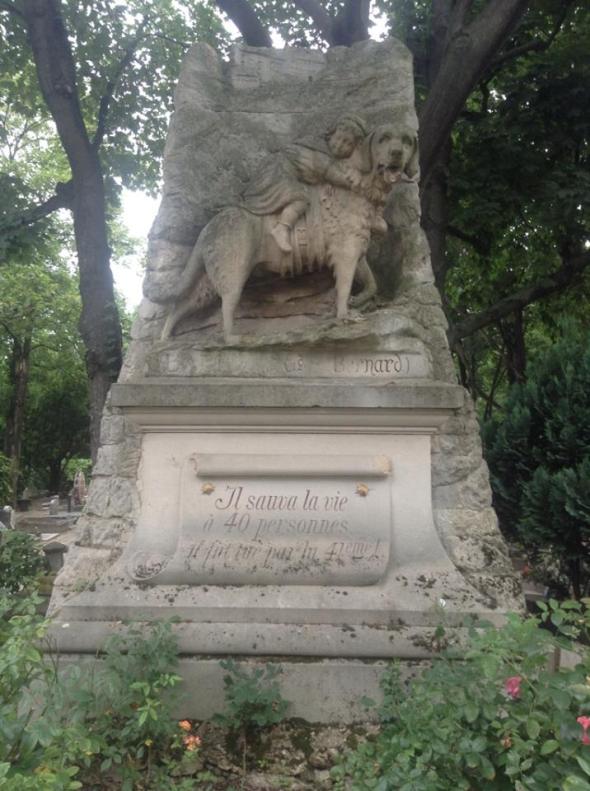
Canine hero Barry the St Bernard
This time, it’s a cemetery for dogs, a short metro ride from the centre of Paris. To give the place its full name, Le Cimetière des Chiens et Autres Animaux Domestiques has an eclectic mix of graves of much loved pets and canine heroes. Rin Tin Tin, the German Shepherd star of many Hollywood movies, was brought here to be buried after his death in 1932. Perhaps the most poignant of the inscriptions relates to a canine hero, a St Bernard called Barry, who saved 40 human lives before dying as he tried to save the 41st.
London
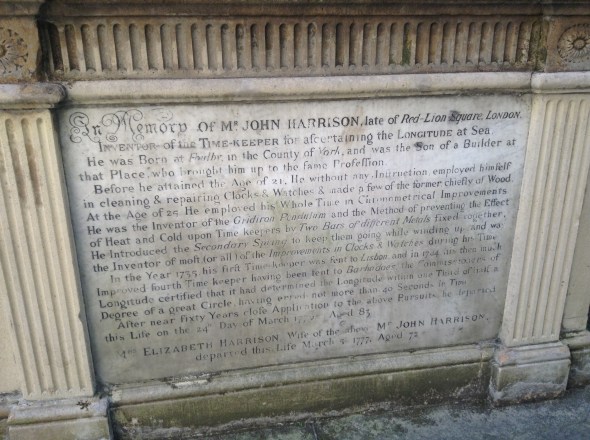
John Harrison’s tomb
Highgate is well known as the place where Karl Marx is interred, but my favourite of the UK capital’s graveyards is that of the church of St John at Hampstead. Inside, you’ll find two tombs of note. The first is of John Harrison, the clock maker credited with inventing a timepiece that could roll with the waves without losing time and thus enabling us to accurately define lines of longitude. The other is that of another John, Constable, whose paintings of the Essex and Suffolk borders sum up the beauty that can still be seen in my home county today. For a walking itinerary in Hampstead, plus others in Notting Hill and Marylebone, why not have a look at my Unanchor guide, available on Amazon here:
Just back from – a day trip to Bremen
Regular readers may recall previous posts about days out I’ve done by air:
- to Amsterdam https://juliamhammond.wordpress.com/2015/01/26/just-back-from-a-day-trip-to-amsterdam/
- to Lisbon https://juliamhammond.wordpress.com/2014/10/20/just-back-from-a-day-trip-to-lisbon/
This time, Ryanair are in the hot seat and it’s off to London Stansted for my flight to the north German city of Bremen.
Flight times, for once, are very convenient. The outbound flight departs at 7.55am and is scheduled to arrive in Bremen at 10.20am. It’s a short flight with a one hour time difference. The only downside is that you hit Stansted at peak rush hour. Don’t be tempted to rock up too late; the queues for security are long and just as tedious as anywhere. Of course, with Ryanair your boarding passes are already printed and as it’s a day trip, there’s no luggage to worry about. If you are tempted to shop before you take off, Stansted offers a buy and collect service and you can pick up your shopping on your way back in. Coming back, the flight’s at 9.20pm, but the ten minute tram ride from the city centre and the diminutive size of Bremen Airport mean that you can get away with leaving as late as 8pm. Touchdown at Stansted is scheduled for 9.45pm though we were a little late.
Arrival
After a take off delay of fifteen minutes or so due to earlier fog at Stansted, I passed swiftly through passport control at Bremen’s tiny airport. Ryanair use a separate terminal. It is as pared down as Ryanair users would expect, but the advantage of being apart are of course that there is no one else to share the passport queue with. In less than ten minutes from the wheels hitting the tarmac, I was through the airport and off to find transport into the city.
Getting to the city
Bremen Airport is obscenely close to the city centre and by far the easiest method of getting there is by tram. Exit the Ryanair terminal and turn right. Walk past the main terminal and ahead of you is the tram stop. You’ll need Tram 6 marked Universität which departs every ten minutes. The fare costs 2,70 euros. You can either buy your ticket at the machine at the stop or hop on board and buy one from the tram’s machine. Small notes and euro coins are accepted – don’t go trying to use a 50 euro note as it won’t let you. It’s only a few minutes to the Domsheide tram stop. Alight there and you’re a minute from the cathedral, town hall and main square. The tram then goes on to the main train station.
Getting around
A network of buses and trams can take you all over the city. The Bremen tourist board have produced a series of very useful PDF guides which include a very clear street plan as well as a map of tram and bus routes. I downloaded these onto my Kindle app before setting out, but you can of course pick up paper copies from the tourist information desk when you get to Bremen if you prefer a hard copy, or they’ll send them to you through the post on request. Here’s the link: https://www.bremen-tourism.de/information-material
Much of the city centre is walkable as it is a compact place, but if laziness or inclement weather strike then it’s handy to know which tram to jump on and the guides also detail opening hours and which buses or trams to use. As with the airport tram ride, fares are 2,70 euros for a single but you can also buy a day pass for 8,90 euros which also gives you discounts off some of those city’s must-see attractions.
How to spend the day
First stop for me was the obligatory pose with donkey, dog, cat and rooster. The famous bronze sculpture resides beside the town hall. You’ll see donkey’s front feet are well worn – it’s considered good luck to give them a rub. The four creatures are Bremen’s mascots if you remember the Brothers Grimm’s fairytale.
Next, I walked through the main square. The Rathaus (town hall) was under wraps which was a pity as it is a splendid building minus its scaffolding. It’s UNESCO listed and it is possible to take tours of the inside. The cafes in the main square are tempting and I can recommend coffee and cake of course. Duck behind the Schütting (Guildhall), which sadly isn’t open to the public, and you’ll come across Böttcherstraße which is the marvellous Art Deco creation of a famous local coffee manufacturer. If you can, time your visit to coincide with the chiming of the hour at the House of the Glockenspiel (look up and you’ll see it).
A short stroll from Böttcherstraße took me to the Schnoor quarter. This is one of the oldest neighbourhoods in Bremen and was once where the sailors hung out. The name Schnoor comes from the low German “Snoor” meaning string, which could have been a reference to the way the old houses line up or perhaps to the making of ropes or nets for the ships that passed through here. The area’s very touristy but worth a visit nevertheless.
Still in Schnoor, I had a schnitzel lunch in Beck’s; if you get there early enough you can bag the table with the window out onto quaint Wuste Statte. Flipping the main meal to lunchtime makes sense; most restaurants offer reasonably priced lunch menus and the local cafe culture lends itself to an early evening coffee or an aperitif with a cake or snack before you leave.
Wandering the streets of the Schnoor to walk off lunch was a delight. There, you’ll find many artists and artisans, but for me the delight was the intricate detailing and artwork that formed part of many of the buildings. It’s very important not to rush and also to look up, or you’ll miss them.
From the Schnoor quarter, it would have been logical to move on to Viertel, but as the sun was shining I decided to take a boat trip up the Weser instead. A 75-minute round trip cost 10,50 euros and was rather pleasant, passing the Docklands area of Uberseestadt. Boats depart from Schlachte. Look out for the Beck’s brewery and also some famous names on some of the factories and warehouses: Kellogg’s and Primark among them. With little wind and a clear sky, there were some lovely reflections on the water.
Back on dry land, I walked up to the park that lines the northern edge of the city centre. There’s an old windmill on a hill overlooking the park which was the perfect stop for a cherry juice: a cooling breeze to take the edge off a humid day. Because of the weather, I opted to catch a number 10 tram to Viertel. It’s one of Bremen’s more Bohemian neighbourhoods: think Notting Hill but not quite as affluent. There’s some fantastic street art to be seen, a few shops selling vintage clothes and furniture as well as plenty of decent cafes. I was glad of one of the latter when a thunderstorm brewed suddenly and equally glad when it was short lived.
Strolling back through the Schnoor, the thunderstorm had an unexpected silver lining. Crowds of tourists typically frequent the narrow streets but even though the sun had reappeared, people were slow to venture out again, so I almost had the district to myself. A meander to the main square for a coffee and it was time to head back to the airport after what had been a very pleasant day. The hot weather had prompted me to take it easy, but there is a lot more to see in this Hanseatic city. I could have taken a tour of Beck’s brewery, seen how Mercedes-Benz make cars or ponder whether modern works of art have as much value as their earlier counterparts. Another time, I think. This place is worth another visit.
For more on Bremen, check out my previous blog on the city here https://juliamhammond.wordpress.com/2015/10/03/beautiful-bremen/.
Röda Stugan, a true home away from home
Let’s be honest, when we book self catering accommodation, most of us are dreaming of a home away from home. We want to ditch the pressures associated with actually being at home – intruding work emails, DIY that won’t do itself, lawns that need mowing, carpets to vacuum, washing that seems to breed in the laundry bin. But when we go away, many of us still want our home comforts and more space to breathe than can be afforded by a hotel.
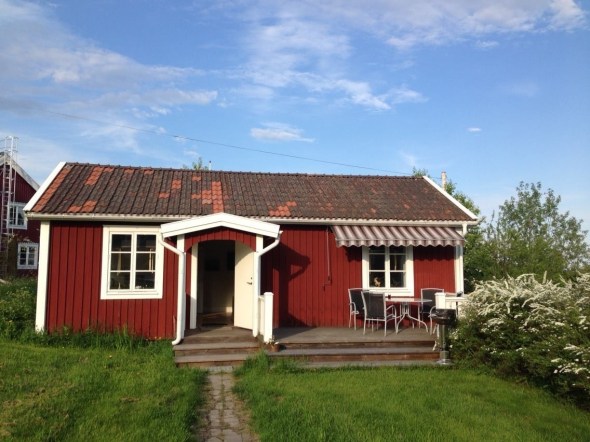
I’ve been up in Sweden’s High Coast region for a few days and my base has been a traditional claret red cottage just off the E4 motorway. It didn’t take any insider knowledge to find – I just used booking.com as is my habit. On paper, it was eminently suitable: Scandi style decor, off road parking for the hire car, WiFi and a bit of space to chill out and put my feet up after a day’s exploration.
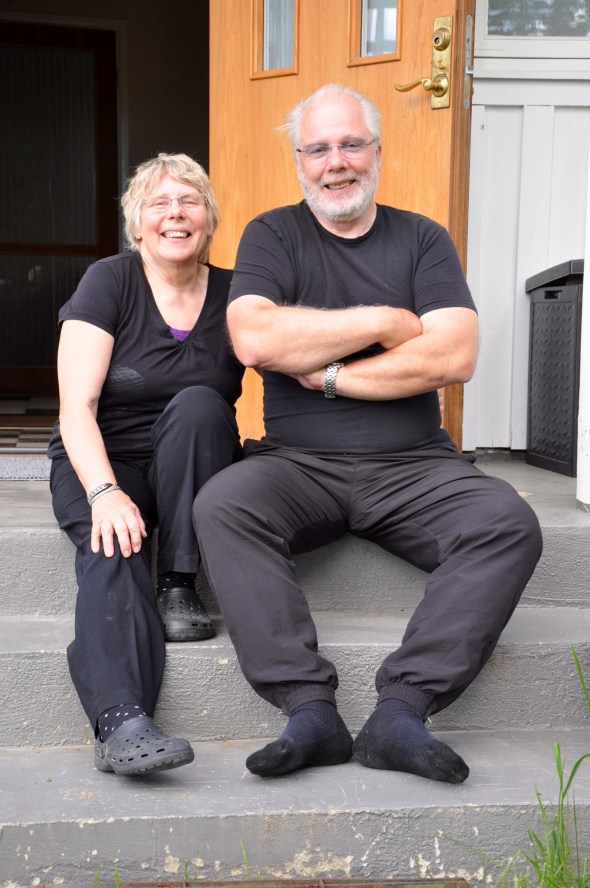
In reality, it’s been way more than that. Owners Karin and Hans, who reside in the farmhouse next door, have been the perfect hosts. And then some. A friendly chat on the sun trap of a verandah with a local map and Hans had pretty much planned my itinerary which, I have to admit, was pitifully vague to begin with. His suggestions have been superb. In particular, I’d have never taken the boat to Ulvohamn without his recommendation and of course, there’s just something so much more tempting about a tip straight from the horse’s mouth than from a tourist board leaflet.
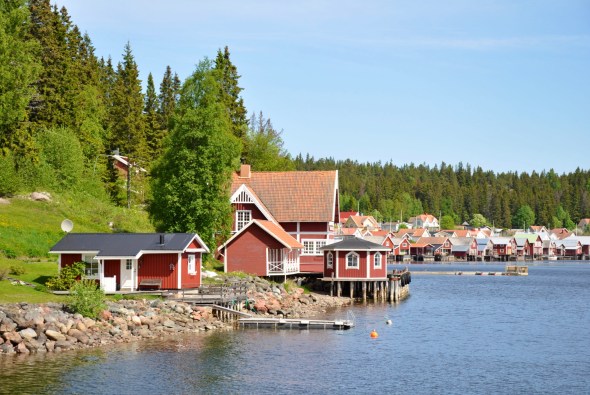
Despite this officially being self-catering, the warm welcome extended to a dinner invite. Over a bottle of wine and delicious homemade quiche, I learnt more about the Swedish psyche and way of life than I could have if I’d had a hotel room for a month. Karin really knows how to cook! I’ve since met the family, checked out the ride-on mower, drank more wine and shared half my family secrets.

It’s true what they say – a place is only really special if the people make it so. And this cottage has felt like home because I’ve had the best neighbours I could have wished for. Thank you – and I promise that’s not just the wine talking.
If you’re tempted to visit the High Coast, you should check out the cottage too.
Röda Stugan, Berg 131, 870 33 Docksta
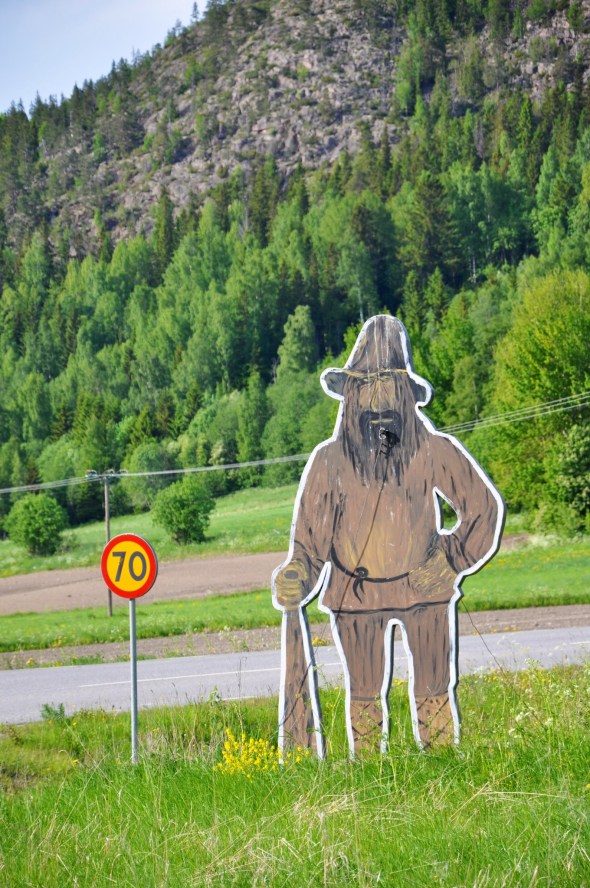
Take the first exit off the E4 north of Docksta. Ignore the sign straight ahead saying Berg and instead make an immediate right turn up a gravel track where you see the cut out of a country yokel. Go up the hill and past a couple of yellow houses. Look for the house numbers or the little red cottage which you should easily spot to your left.
Sweden’s High Coast – the prettiest place you’ve never heard of
It’s the third of June and today’s the day the little cafe on Ulvon Island has reopened for business. The plant pots still await their summer flowers but the sun is out and has enough strength to make an al fresco lunch a pleasure. The owner, like the plants, is taking a while to adjust to the change in season. She’s been to the supermarket, she says, but asks me to wait awhile so she can fetch the groceries in from the car and work out what’s going to be on the menu. I’m happy to hang out. The boat doesn’t leave until after lunch and it’s moored just a short stroll along the gravel path that doubles as a quay.

The High Coast’s not exactly a hive of activity, but even by those languid standards, Ulvon’s a sleepy place. There’s almost no traffic, so the only noise to be heard is the gentle flapping of the flagpoles, of which there are many, and the occasional rustling of leaves. The climate in these parts, and a relatively fertile soil, makes the grass lush and the trees thrive. Rows of conifers stand sentinel on the rocky hills that form a backdrop to the harbour, but down by the water’s edge I spotted maples and robinias dotted amongst people’s gardens.
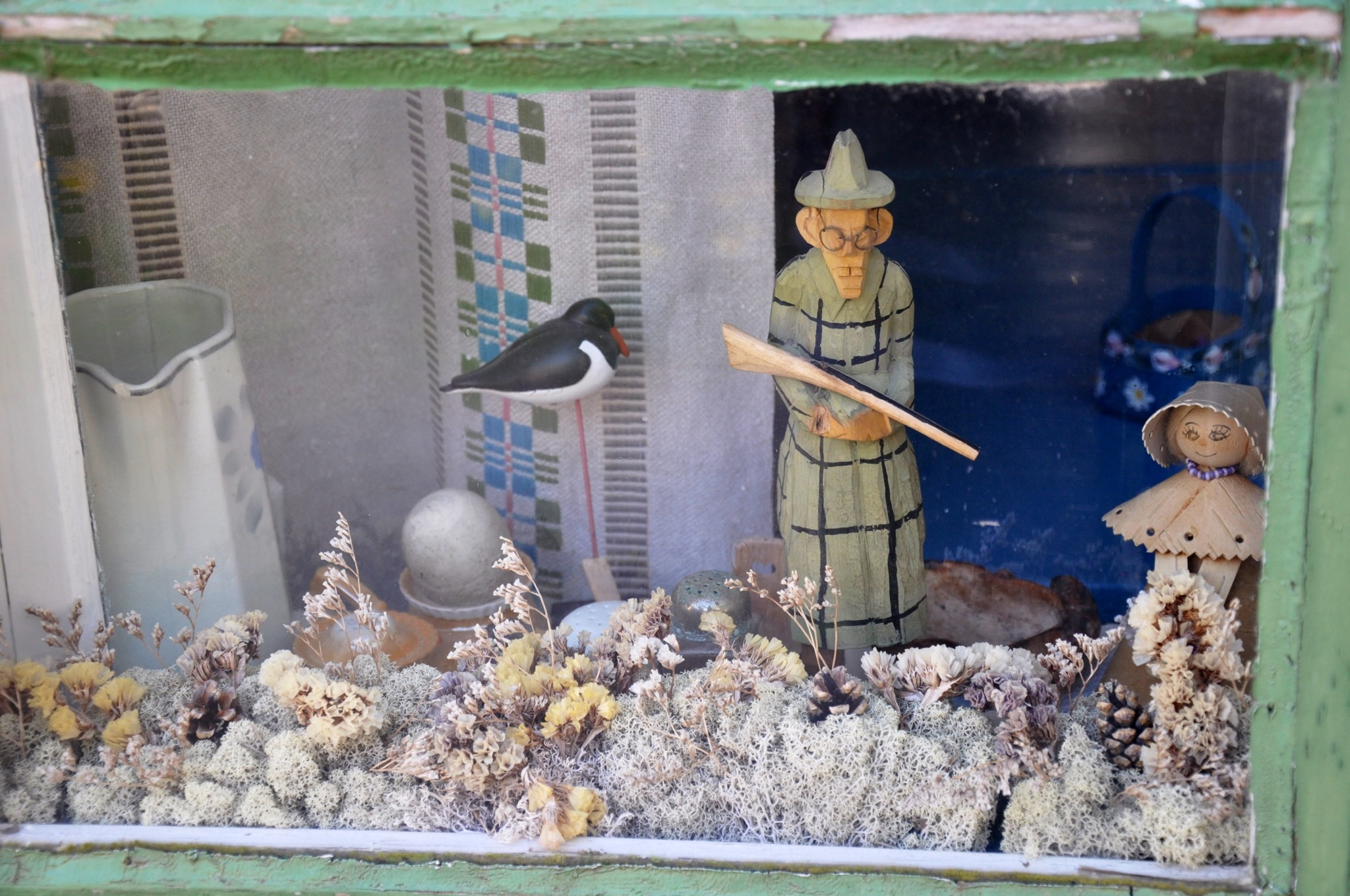
The familiar claret red is prevalent but not ubiquitous here, joined by soft ochres, creams and even a cottage painted sky blue. The houses hug the gentle curve of the bay, lined up in three rows, two by the water and the third set back behind long lawns lined with racks for drying fishing nets. Everything faces out to sea, both physically and metaphorically.

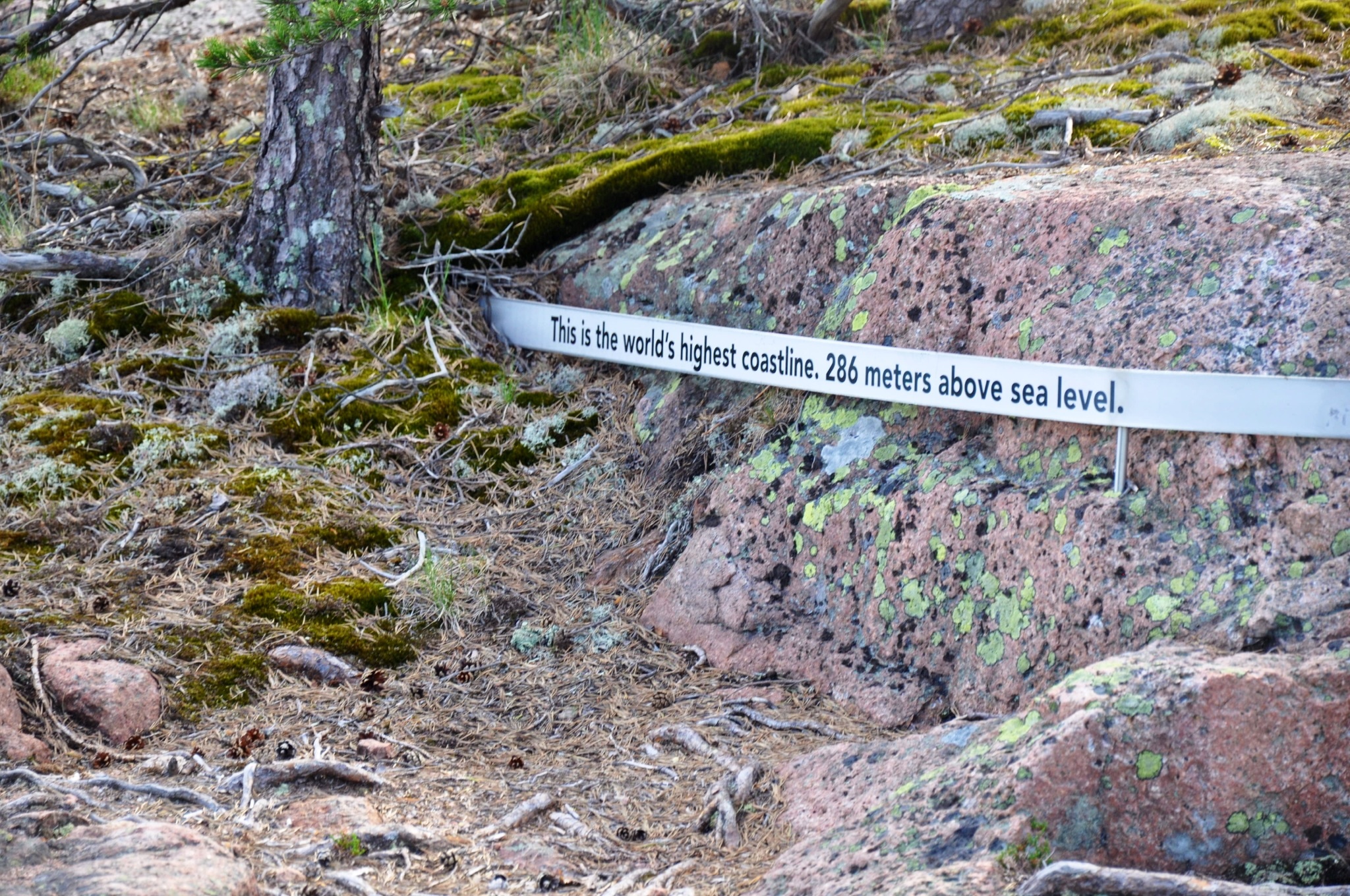
The sea is the reason this area won UNESCO recognition, one of Sweden’s fifteen World Heritage Sites. Once, the High Coast was pinned down under the weight of thick ice sheets. When it melted, the land, free of its burden, sprang upwards. Now, what was once coastline is now an impressive 286 metres above current sea level. At the top of the Skuleberget chair lift, iron rings placed around rocks demonstrate where the waves once lapped, far above today’s glinting sea.
Unsurprisingly, the region’s beauty has been well documented, but the season doesn’t get underway until midsummer. I’m a few weeks early and it shows. The car parks are almost empty, trails bereft of footprints. Ferry schedules are pared down to the bare minimum. There isn’t much of a cafe culture up here, but supermarkets stock ready made rolls and prepared salads, their staff offering plastic cutlery and serviettes without me having to reveal a complete lack of Swedish beyond “Hej” and “Tack”.
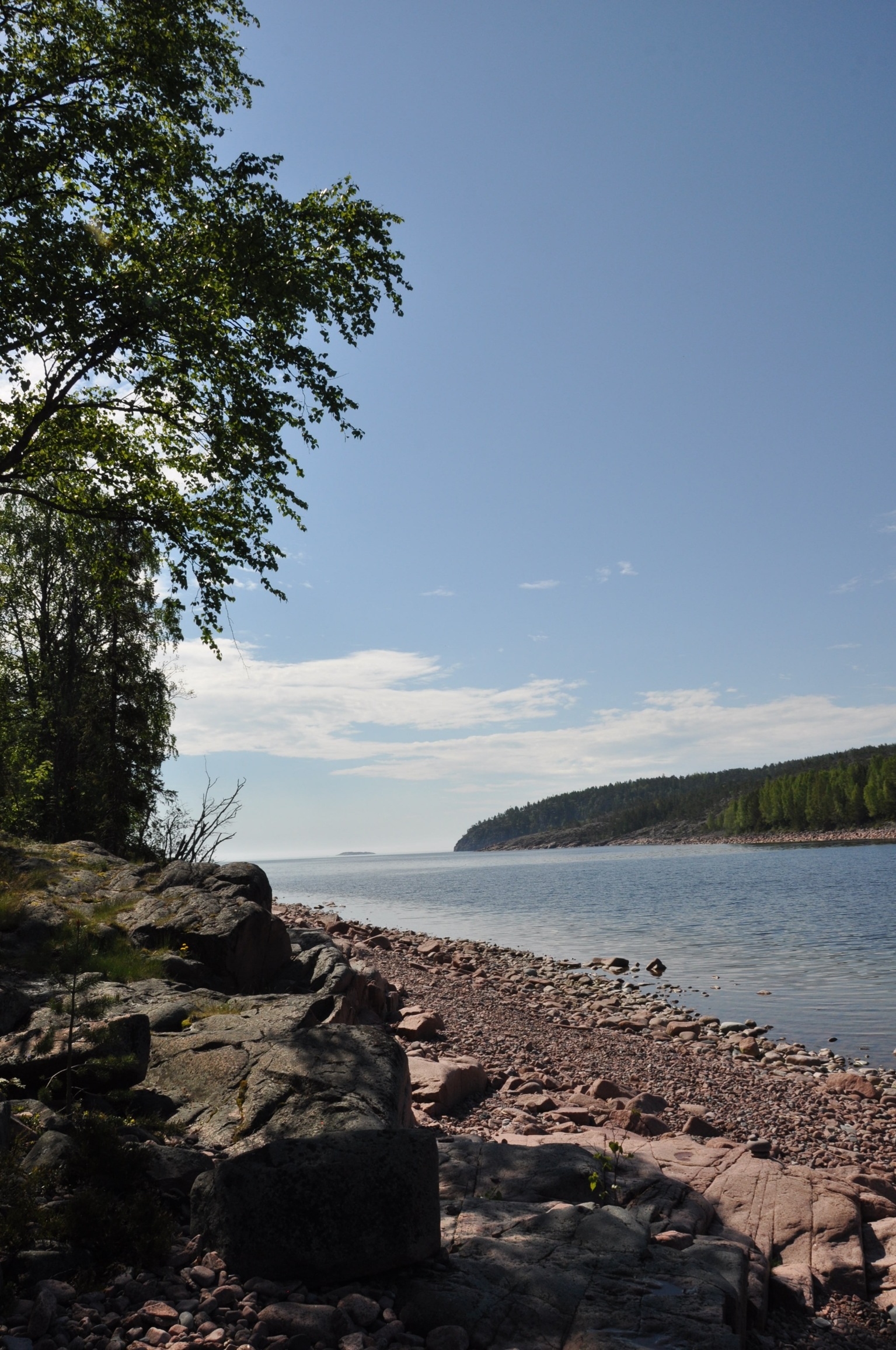
I’m spoilt for choice when it comes to picnic locations. The reflections of Mjallom’s waterside dwellings and the trees that form a picture perfect backdrop are still, not a murmur of a breeze to shimmy the water’s smooth surface. Under a blue sky at Norrfallsviken beach, I clamber over the pink granite cobbles and boulders with not a soul in sight. A lone tree on the headland marks the end of the promontory and something to aim for.
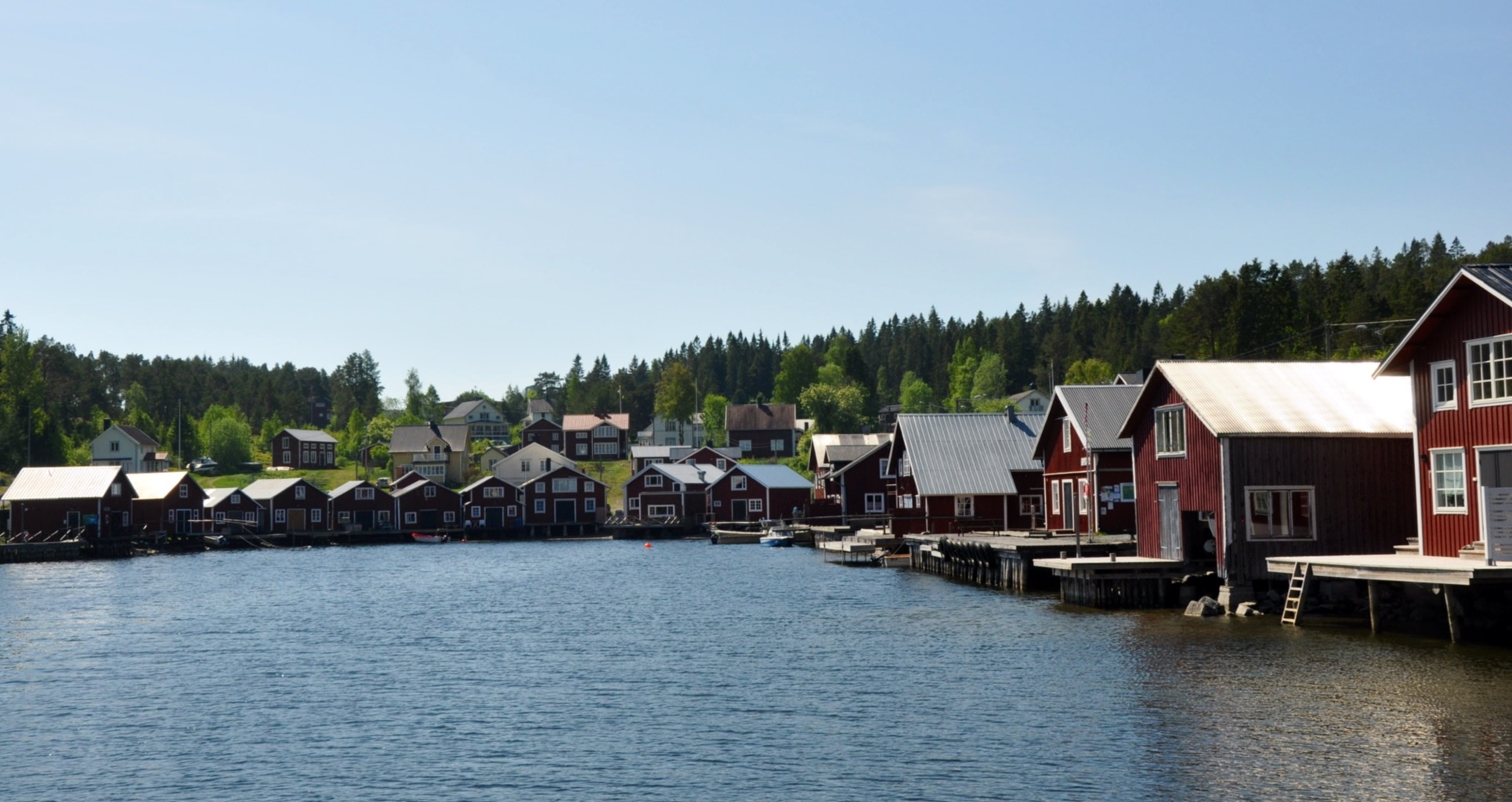
Back in the car, I follow the white flower signs of the scenic drive as far as Bonhamn. There, in a perfect U-shape around the sheltered harbour, every house is the same red shade. The few villagers that can be seen are tending to their gardens, the buzz of lawnmowers the only sound to punctuate the silence.

It’s Rotsidan that tempts me to linger, and I picnic on the flat rocks that line the sea as far as the eye can see. A lone reader is engrossed in her book, propped against a cleft in the rock but there’s plenty of room for us both to feel a sense of solitude. A stroll through the forest to walk off lunch and I’m ready to hit the road again. I’d have thought nothing could top it, but now my Ulvon host’s come up trumps with homemade waffles piled high with prawns, creme fraiche and finely chopped onion, liberally sprinkled with fresh dill. It’s so delicious I might never leave.
Packing tips from someone who learnt the hard way
1995. The end of a six week holiday in Peru, my first big trip. I’d been completely clueless when it came to packing, wondering how I’d fit six weeks’ worth of clothes into my suitcase (did I even have six weeks’ worth of clothes?) and trying to check in at the airport with the entire stock of Arequipa’s souvenir vendors. It took a lot of begging but I somehow managed to avoid excess baggage charges despite the fact that I couldn’t even lift my suitcase onto the weighing scales. I was then the kind of traveller I laugh at now. How easy it is to forget.

Cusco 1995
1997. I’d downsized my suitcase, though not by much, and figured a lightweight trolley would help me drag it around Morocco. The dust, potholes and uneven surfaces took their toll and once again I was heaving half my worldly goods on and off trains in the August heat. It was uncomfortable, ineffective and something had to change. A backpack was out as I could never trust my dodgy back to cope, and a little hard-sided wheelie became my saviour and trusty travelling companion for over a decade, only to be replaced when its lightweight sibling hit the market. I’ve never looked back.

Marrakesh 1997
Fitting my stuff into a tiny wheelie has taken practice, but I reckon now I’ve got it down to a fine art. Here’s my top tips.
Take as few clothes as you can get away with
It’s never very far to a laundry. Look for one that operates by weight rather than by individual item and avoid hotel laundries like the plague. Alternatively, pack a couple of washing capsules in a small plastic tub and do it yourself in a self-service laundrette. You’ll meet local people and who knows where that might lead?
Pack things that work together
Take clothes that don’t need ironing and roll them as you pack them to avoid any creases. Make sure everything goes together and never take something just in case you might need it – you won’t. Don’t forget a swimsuit and flip flops. Forget about a hair drier or straighteners. You’re on holiday, who cares?
Wear the heavy stuff
Hiking boots are bulky and heavy. They’ll take up way too much space in your suitcase so if you need them, travel in them. Ditto a thick fleece or coat; if you don’t need it in your plane/train/automobile you can fold it up and use it as a pillow. Ignore anyone who says you can do that with a sarong. They’re just not thick enough to be any good.
Decant toiletries to travel sized containers
In terms of shampoo and the like, you’re really only taking emergency rations. Reasonable hotels and guest houses will provide toiletries anyway. If they don’t, you’re never far from a supermarket to go and buy some.
Take wipes instead of bottles
When it comes to insect repellent, take plenty. It’s not always possible to buy it and there’s nothing that spoils a good holiday faster than a leg full of itchy bites. Sprays are messy. Take individually-wrapped wipes instead and as your travels progress, you are making space for shopping. Don’t forget some wet wipes too to clean your hands afterwards, but again, choose the flat plastic packs not the rigid tubs.
Consider posting things home
A word of caution needed here, obviously. Don’t post anything you’d be devastated to lose and be prepared for things to take months to get home. I’ve successfully sent books from Cuba, a bulky throw from Turkey and even dirty laundry! No matter what the vendors say, though, breakable stuff will rarely be packed well enough to make the journey back unscathed.
Have you got a tip you’d like to share? I’d love to hear from you!
Blog post live: suggestions for a tour of Ireland
I’ve been blogging for Creative Travel Ltd and this week I offer suggestions for a trip to the Irish Republic. Here are my suggestions – where would you add?
Read the blog here: http://www.creativetravelltd.com/travel-destinations/explore-our-selection-of-ireland-vacation-ideas/
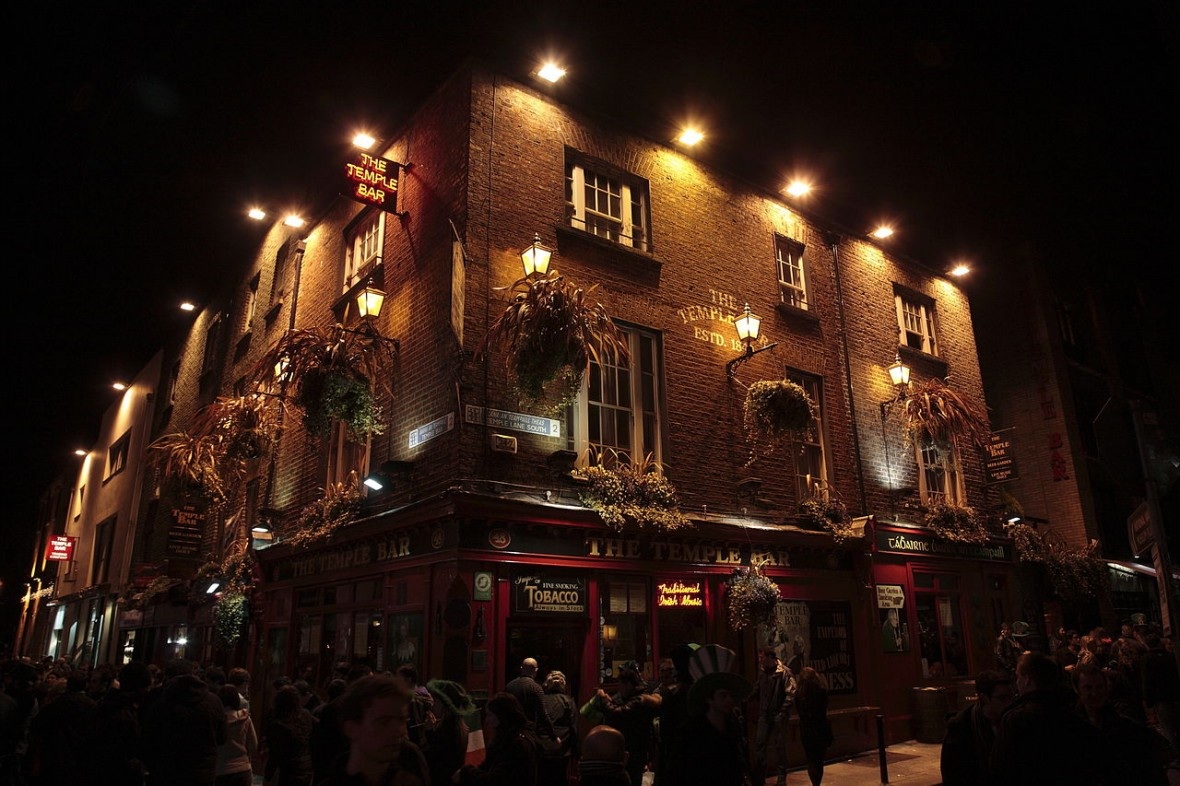
Photo credit: The Temple Bar at night by Wolfgang Sailer CC BY-SA 3.0 via Wikimedia Commons

 Julia's Travels