Funchal’s wicker toboggans might not give you a rollercoaster-level thrill, but their long history makes riding one a must for any visitor to the Madeiran capital.
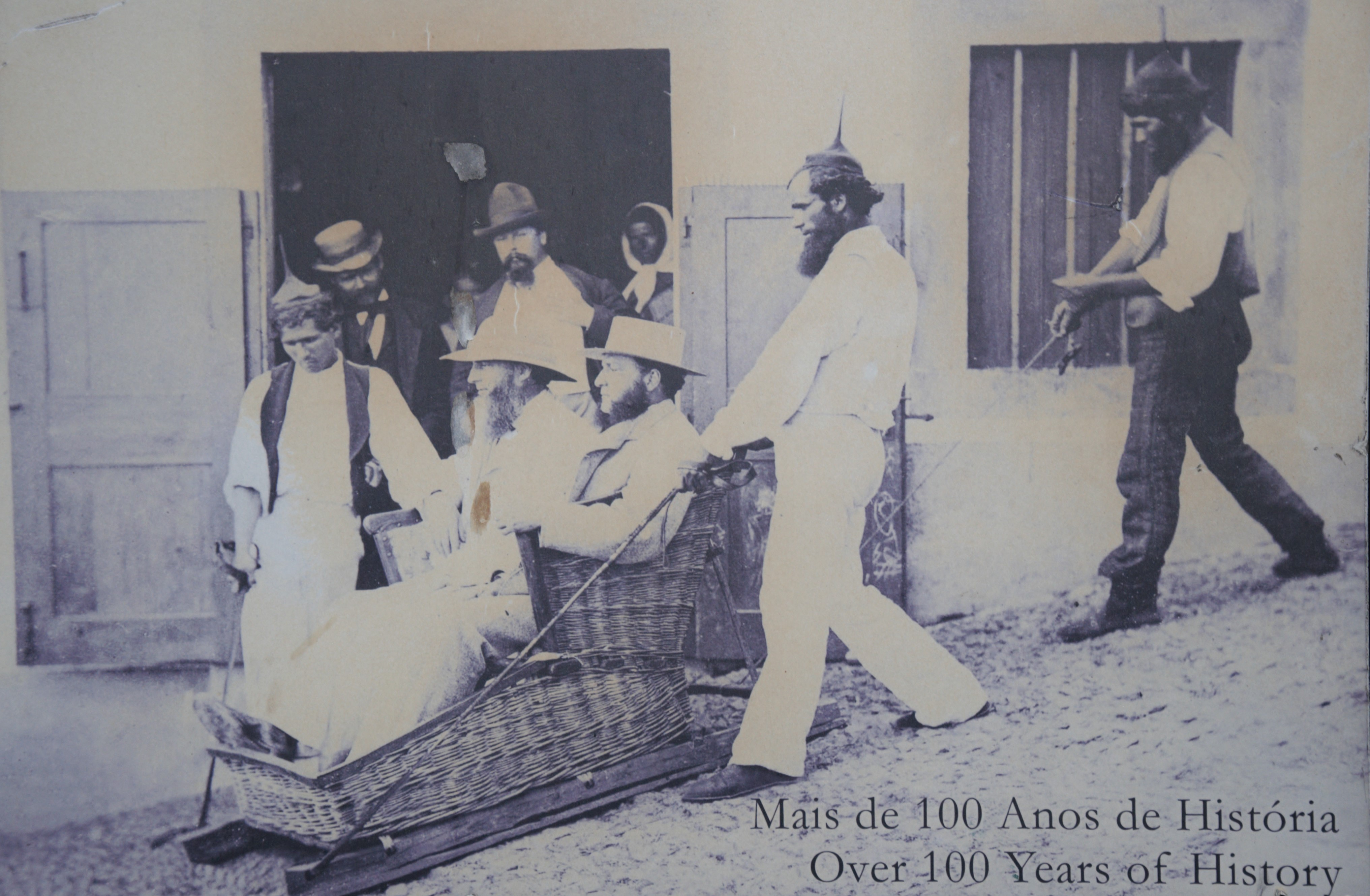
I stopped off at The Madeira Story in downtown Funchal for a little background before catching the cable car up to Monte. I learned that people started to use the wicker toboggans, known as “carros de cesto”, back in the 19th century.
Wicker is a big deal in Madeira; the industry is centred on the village of Camacha. Willow grows abundantly on the island, thanks to its humid climate. Once harvested, the willow sticks are boiled to make them flex more easily, an attribute that’s vital if they’re to be crafted into baskets, furniture – and toboggans.
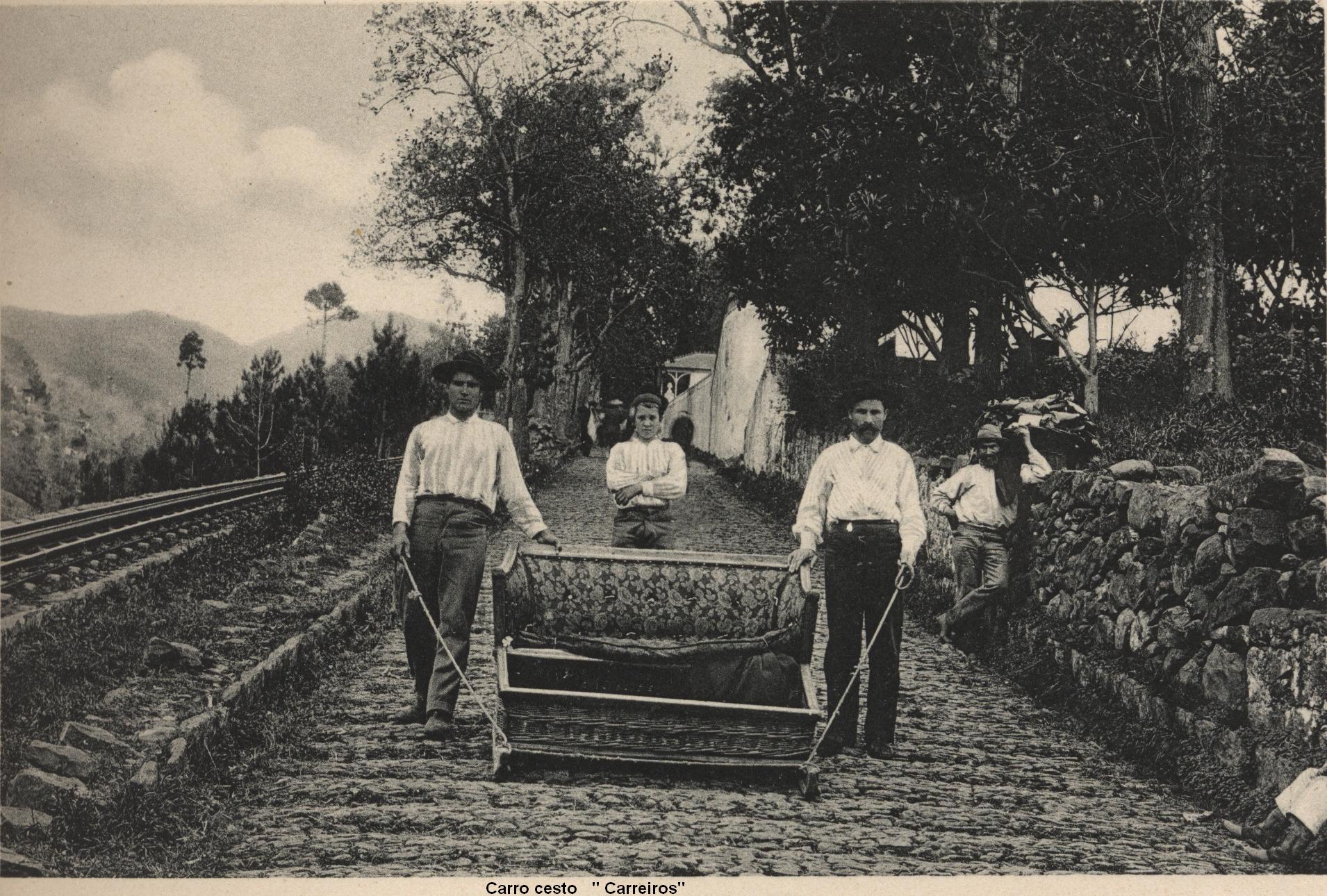
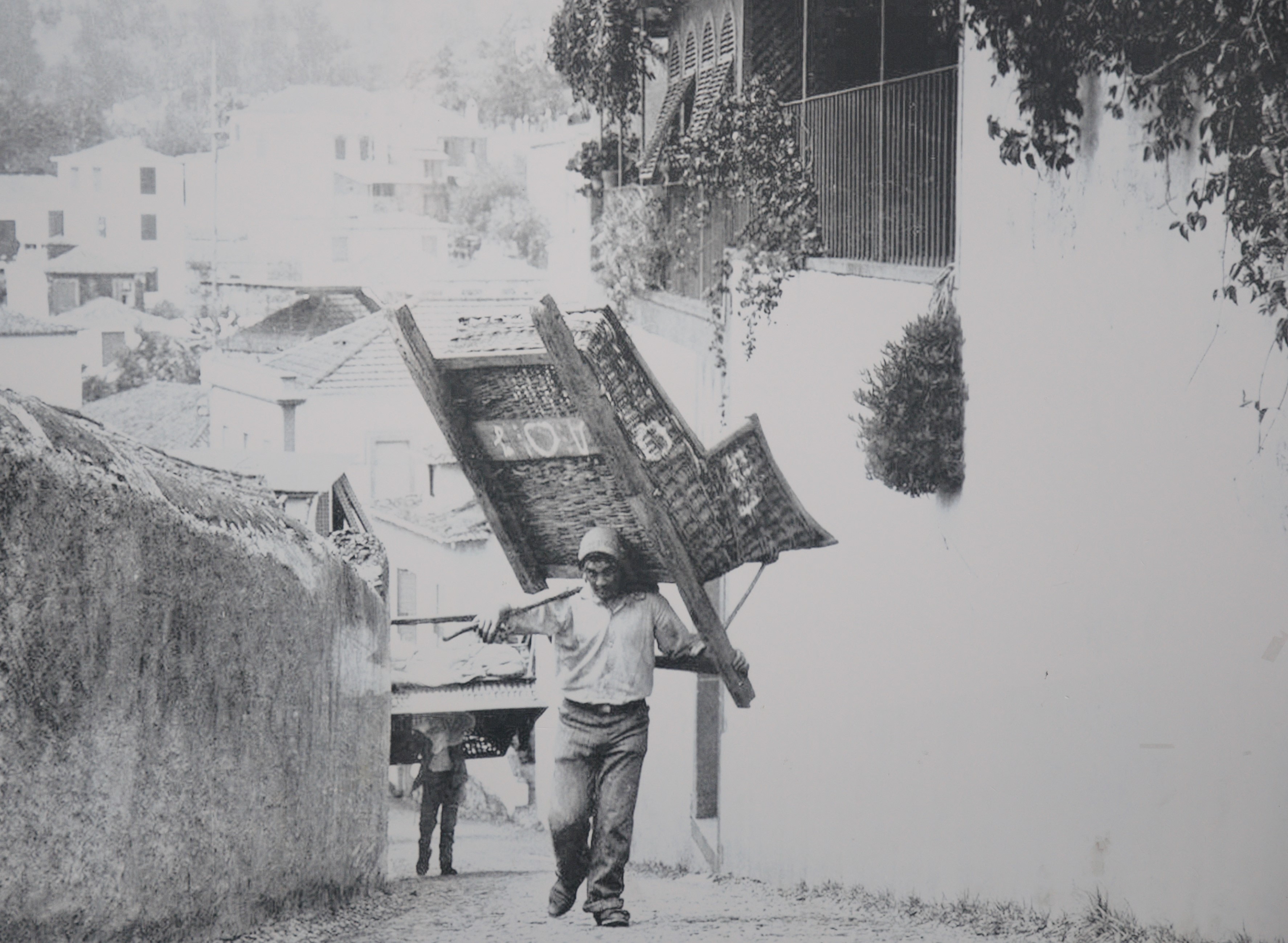
Riding a toboggan provided the means of getting down the very steep hill from Monte to the Livramento neighbourhood in comfort. Having walked down from the end of the toboggan ride I can attest to the painful toll those gradients have on your toes, knees, calves and thigh muscles. But if you look closely at these old photos, you’ll also see the steps in the cobbles, designed to make it easier to walk – but probably resulting in a much bumpier ride than that you’d experience today.
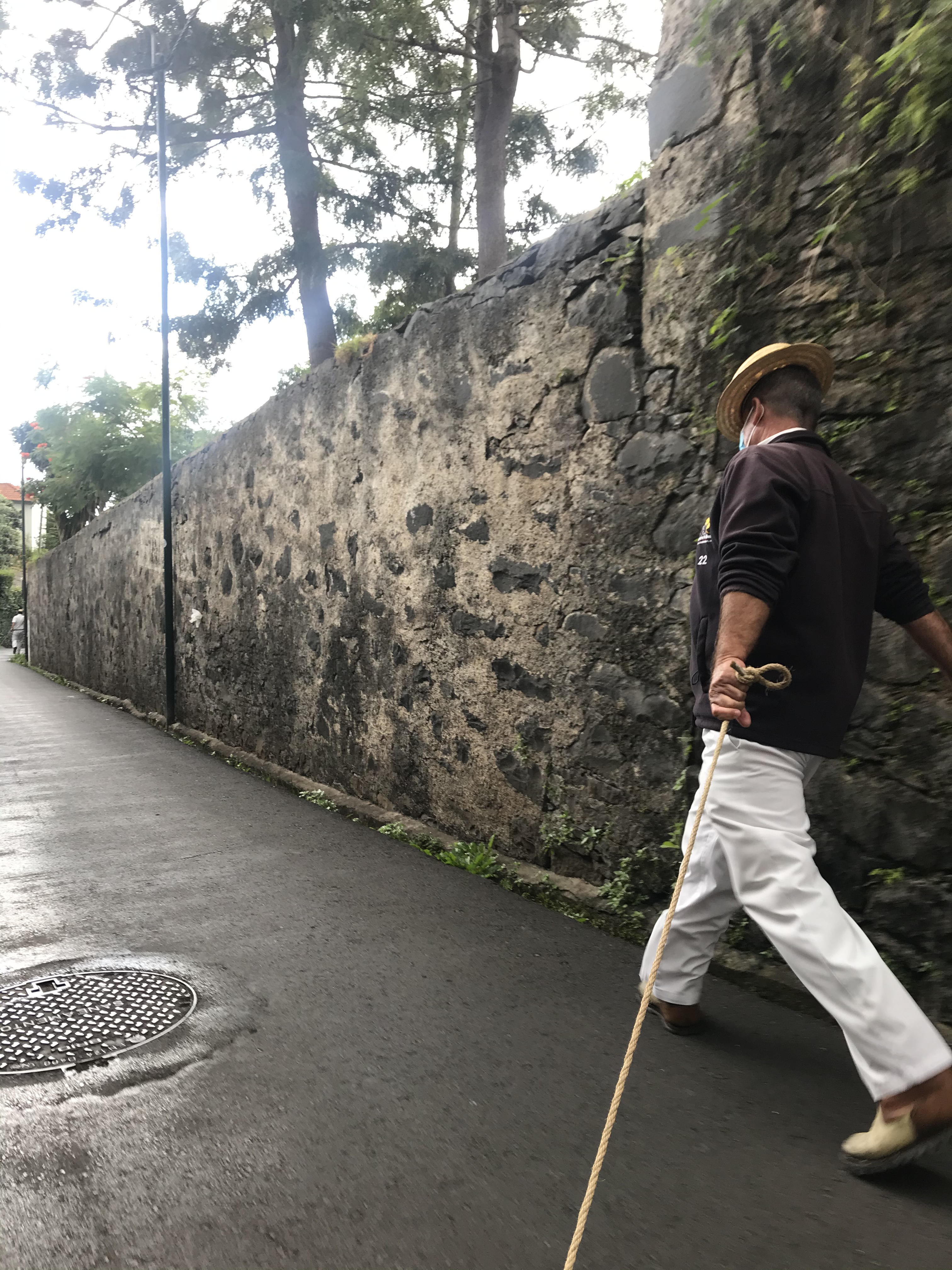
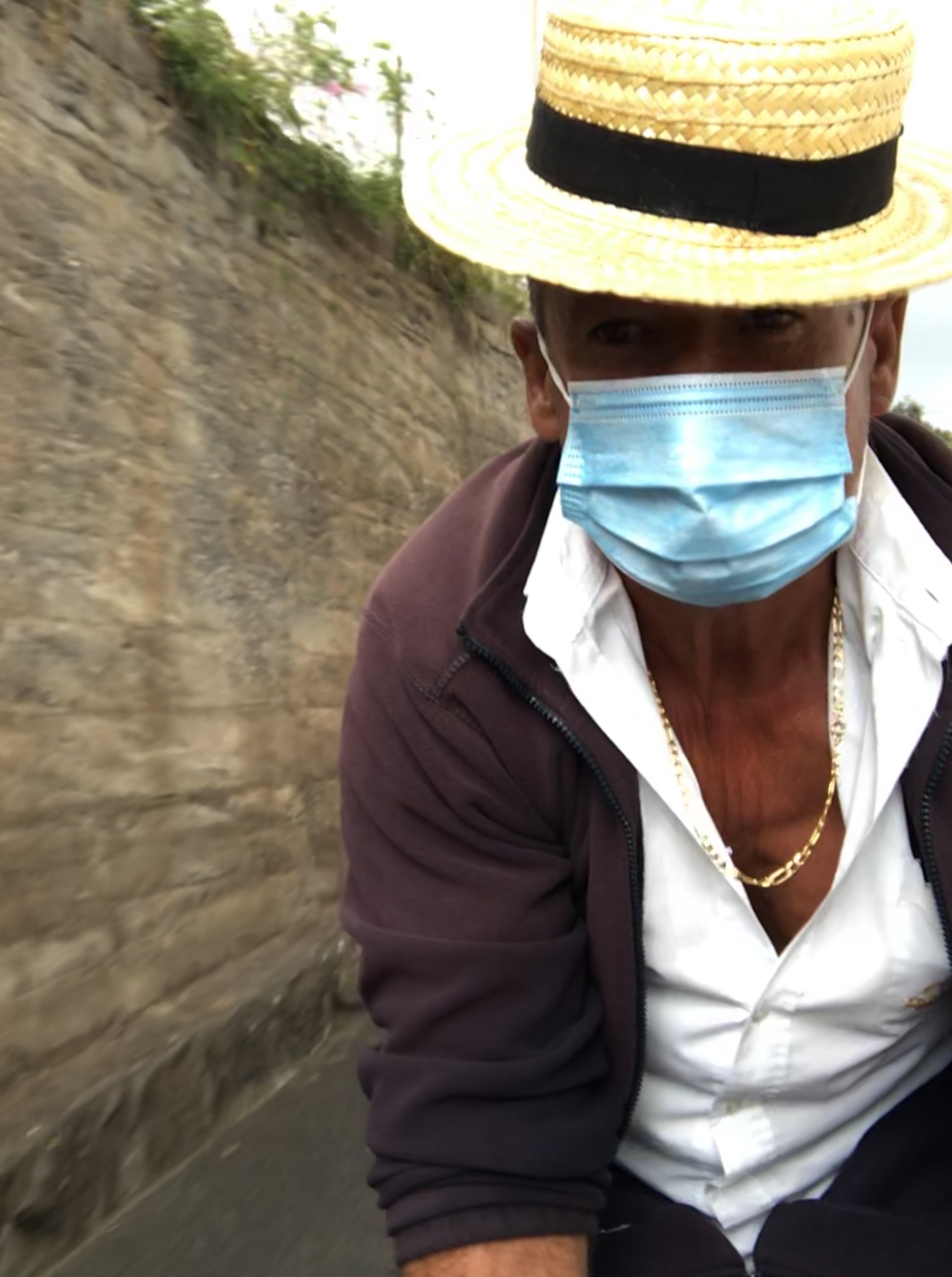
Today’s carreiros wear much the same white uniform and straw boater as their 19th century counterparts. However in some old photos the carreiros wear something akin to a funnel on their head instead. I’d love to know what these peculiar hats were called and when they were phased out.
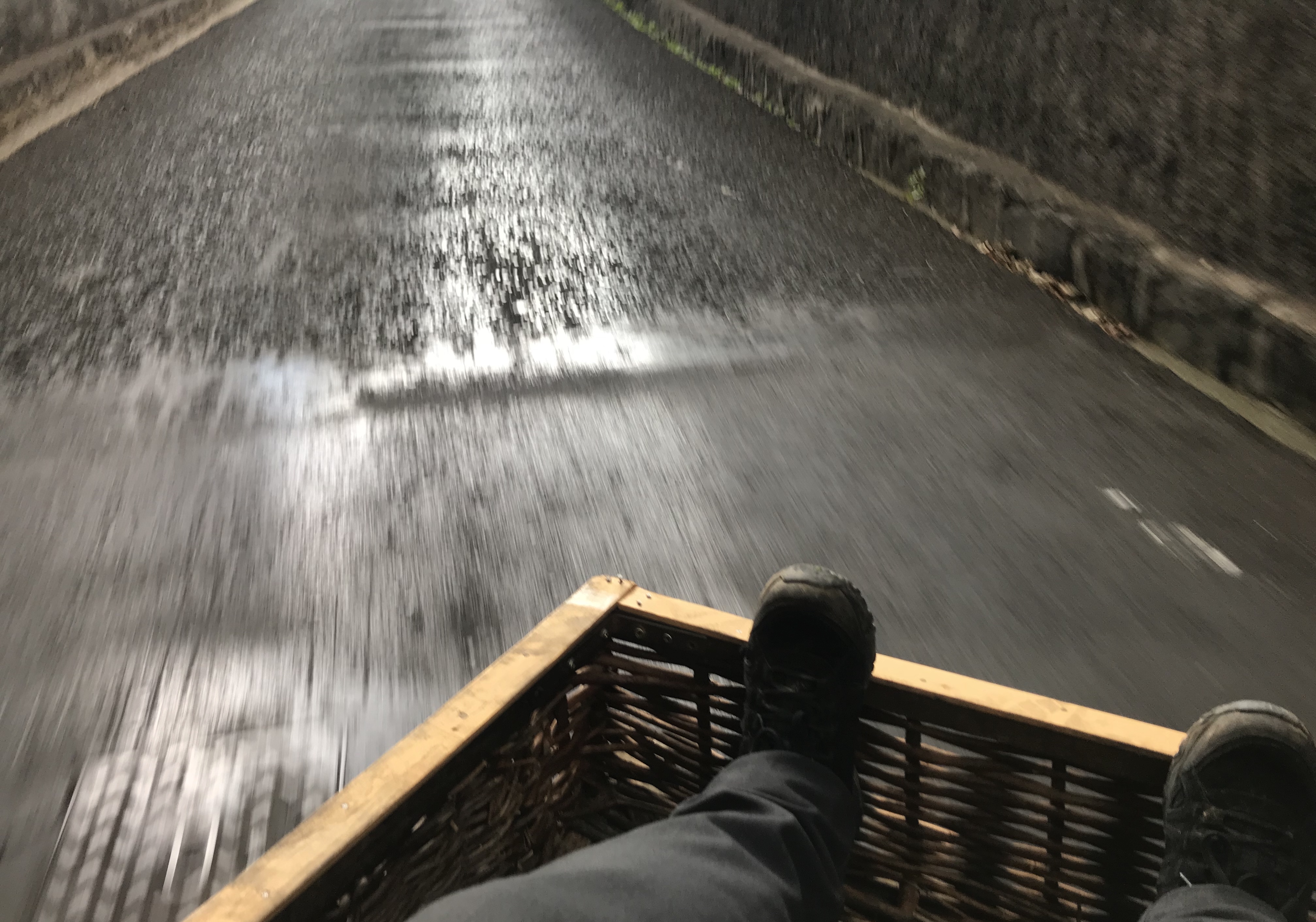
In pairs, the carreiros drag the wicker cart on ropes to get some momentum, before running to the back ready to steer. Gravity pretty much does the rest – the cart’s greased wooden runners glide surprisingly smoothly on the tarmacked streets.
At junctions (these are proper roads used by cars too), spotters keep an eye out for oncoming traffic and ensure someone gives way. If it’s the toboggan, passengers must rely on the braking power of the carreiros’ shoes. Fortunately, despite reaching speeds of up to 30kph – some say even faster – they seem to be pretty adept at stopping. It’s fun rather than terrifying, but an activity I’d definitely recommend.
Some sources claim that Ernest Hemingway pronounced the ride “the most exhilarating” of his life during his 1954 stopover on the island. But there are no written accounts penned by the author; instead, it’s likely that the only Hemingway to have experienced the toboggans during that trip was his wife Mary, who wrote about it herself.
Rain was threatening and so the carreiros were beginning to pack away the wicker toboggans. This involved considerably less effort than a century ago. Back then, if this picture is to be believed, the toboggans were carried downhill on their shoulders.
These days, all that has to be done is to bump the cart down a few steps, using the ropes to guide it. From the bottom, it’s hoisted onto a waiting flatbed truck and piled up neatly for the transfer to the depot.
To ride the toboggans:
The Monte base is a short walk from the top of the Teleférico do Funchal, which departs from the Funchal waterfront near the bus station. A one way adult ticket costs 11 euros. The toboggan ride costs 30 euros for two passengers (solo travellers pay a hefty 25 euros). The ride lasts just a couple of minutes. From the end of the ride at Livramento at the junction between Caminho do Monte and Estrada do Livramento, a taxi will cost you 10 euros back down to the cable car station. Save your money and instead, catch a city bus (#19 departs from across the street and #26 nearby) for a fifth of that cost.
This September we took the dog to Northumberland. It’s a county I’ve long wanted to visit but as it’s a six hour drive from home, one that’s been on the back burner until now. What changed? The desire, in 2020, to holiday in off the beaten track places and, more practically, the sad loss of our beloved Einstein who couldn’t have coped with the long car ride like his nephew Edison.
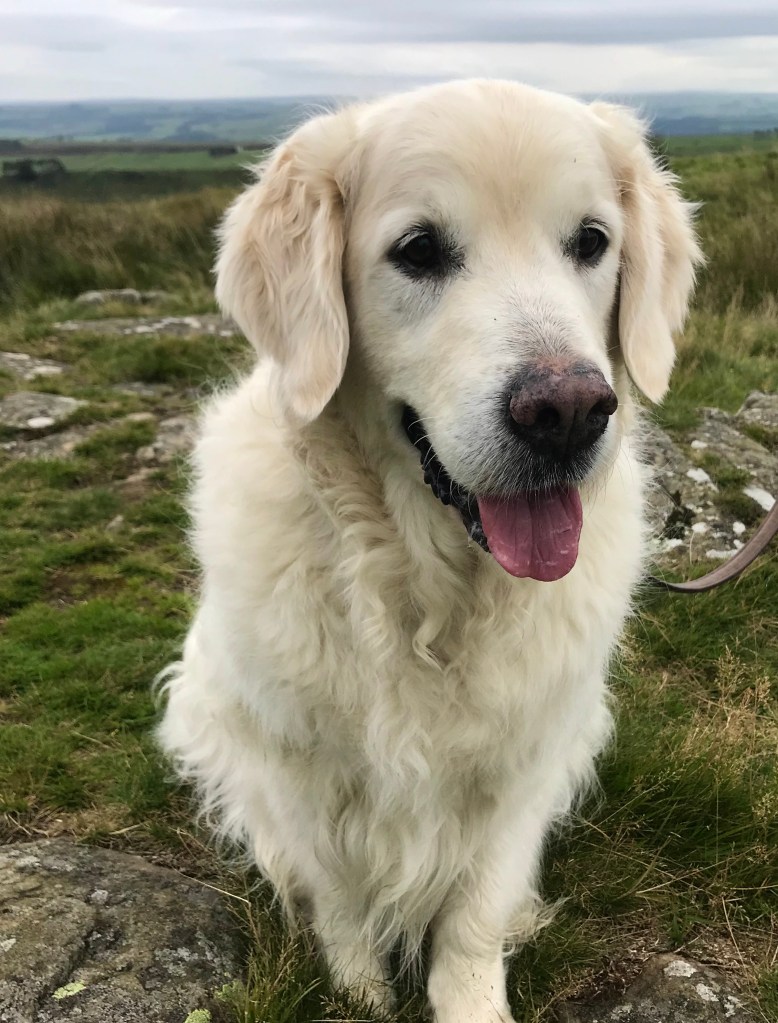
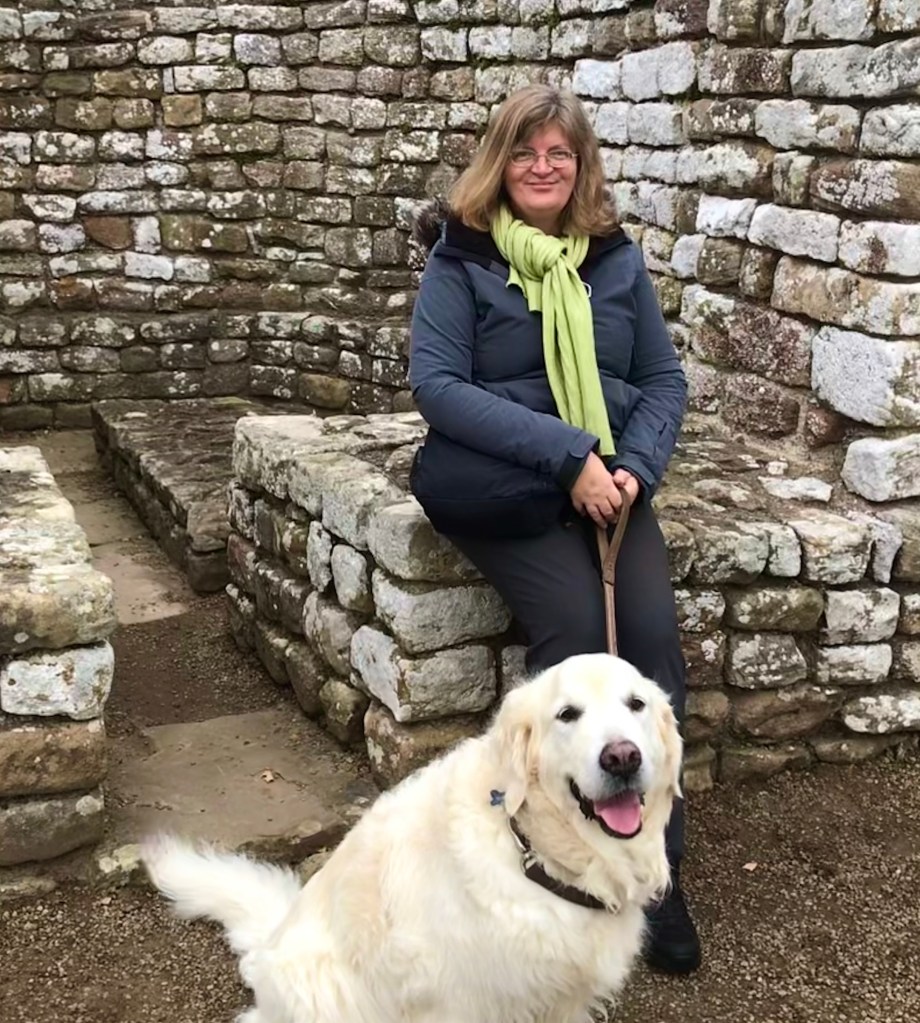
Edison at Hadrian’s Wall
Where we stayed
Home for the week was a beautiful cottage in tiny Harbottle, in Coquetdale. With a pub, a ruined castle and no bus service, the village fitted the bill perfectly. Availability was limited – such holidays have been greatly in demand in the UK this summer – but when Tapestry Cottage cropped up on the Canine Cottages website it seemed to be just what we were looking for, with a secure garden and plenty of room. When we decided to bring the holiday forward a week, both the owner and Canine Cottages were very responsive and bent over backwards to help us rearrange our stay.
Harbottle Castle
First impressions
Clear directions and key safe entry made check in straightforward. On stepping in through the front door, the first things we saw were the welcome folder and a chocolate cake. As first impressions go, that was a pretty good start. In the spotlessly clean kitchen we found a bag of dog treats beside the human welcome pack and a bottle of Prosecco in the fridge. All the basic necessities were there: milk, bread, eggs and so on, taking the pressure off finding some provisions nearby. Another big tick in the box was the reliable WiFi signal. Three roomy bedrooms, a comfortable living room and a well-equipped kitchen would help make this an easy stay. Had we needed it, there was plenty of logs for the wood burner, but the central heating was more than adequate.
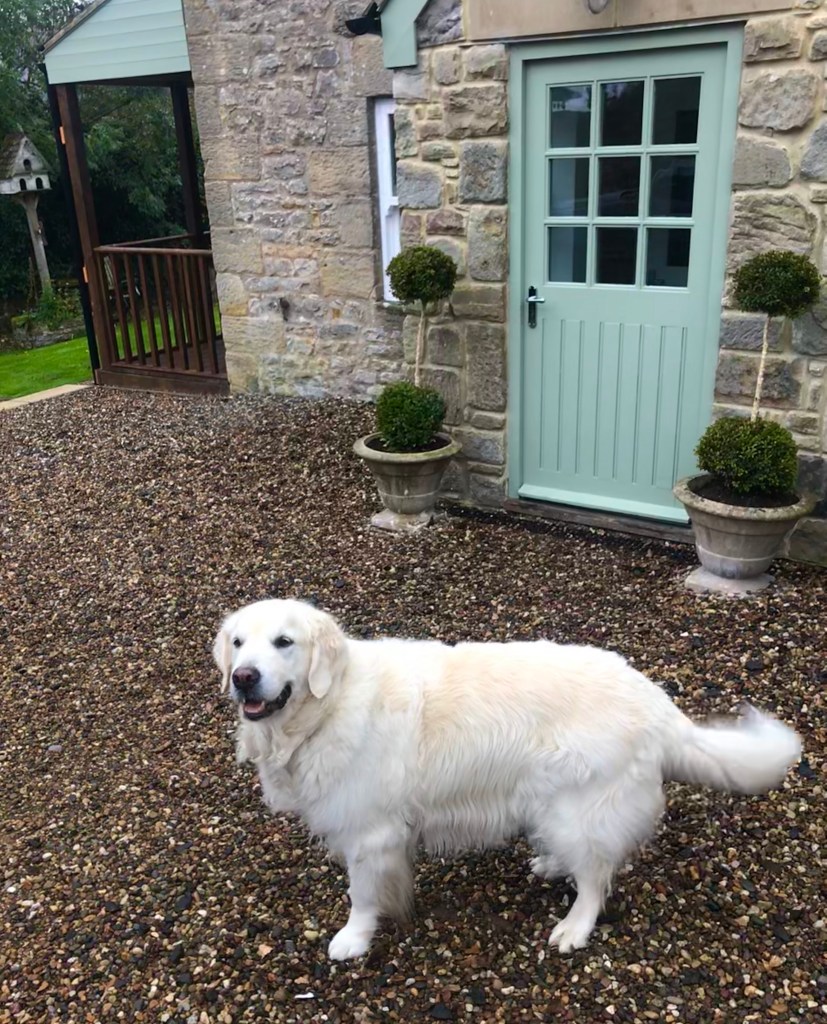
Edi outside the cottage
Plenty to do
Having the dog in tow, I’d researched what we might do well in advance. Despite being just half an hour up the road, both Alnwick Castle and Alnwick Garden were out as they weren’t dog friendly. Bamburgh Castle too was similarly ruled out. Had there been the option to buy a cheaper grounds-only ticket we’d have probably called in.
Hadrian’s Wall
Hadrian’s Wall
We visited two of the four forts along Hadrian’s Wall – Chesters and Housesteads. The former was a delight to explore; a relatively flat site sloping gently towards the river made this an easy dog walk while the presence of a well informed (and socially distanced) volunteer added to our understanding of the place.
Chesters
Without his intervention, we’d have seen the baths but probably would have overlooked the intact strong room and certainly would have had no clue that the Romans paid the soldiers billeted there with fake coins.
Housesteads
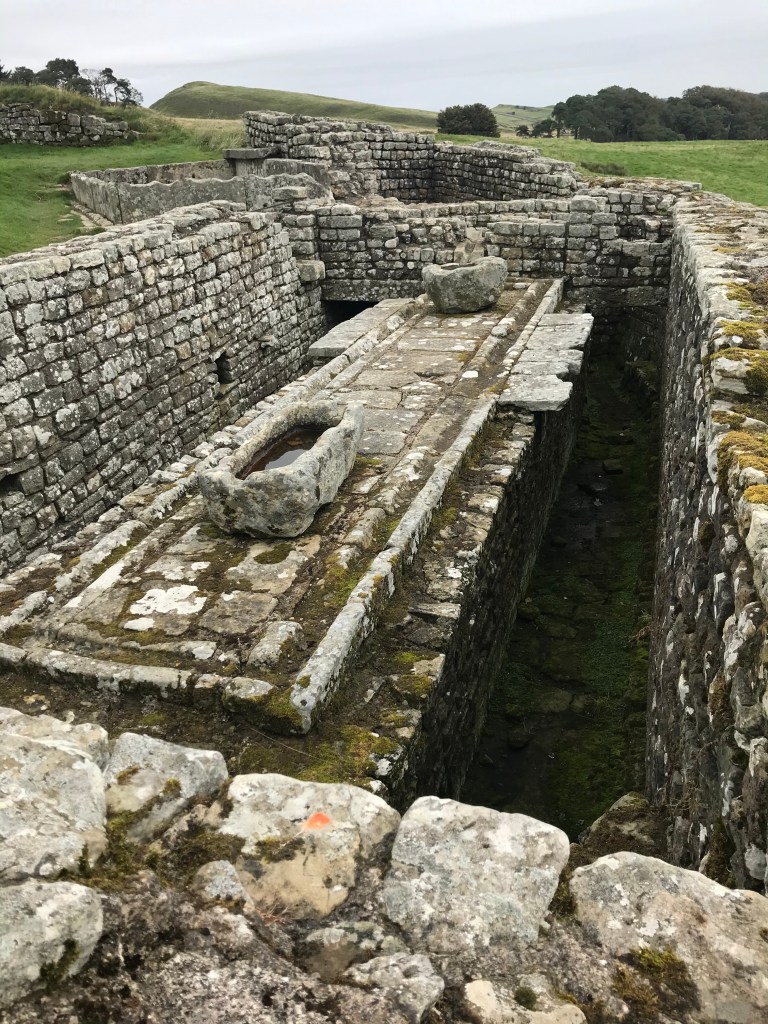
Housesteads, too, didn’t disappoint, not least its famous latrines. A sprawling site scattered on a hillside, it was a bit more of a hike to get up there but the views from the top were worth the effort. It was also just a short walk to venture along part of the wall to Milecastle 38. Had time permitted, we could have continued along to Steel Rigg on foot via Sycamore Gap, an 8 mile circular walk. Instead, we hopped back in the car and viewed Steel Rigg from the other side.
Steel Rigg
Dunstanburgh Castle
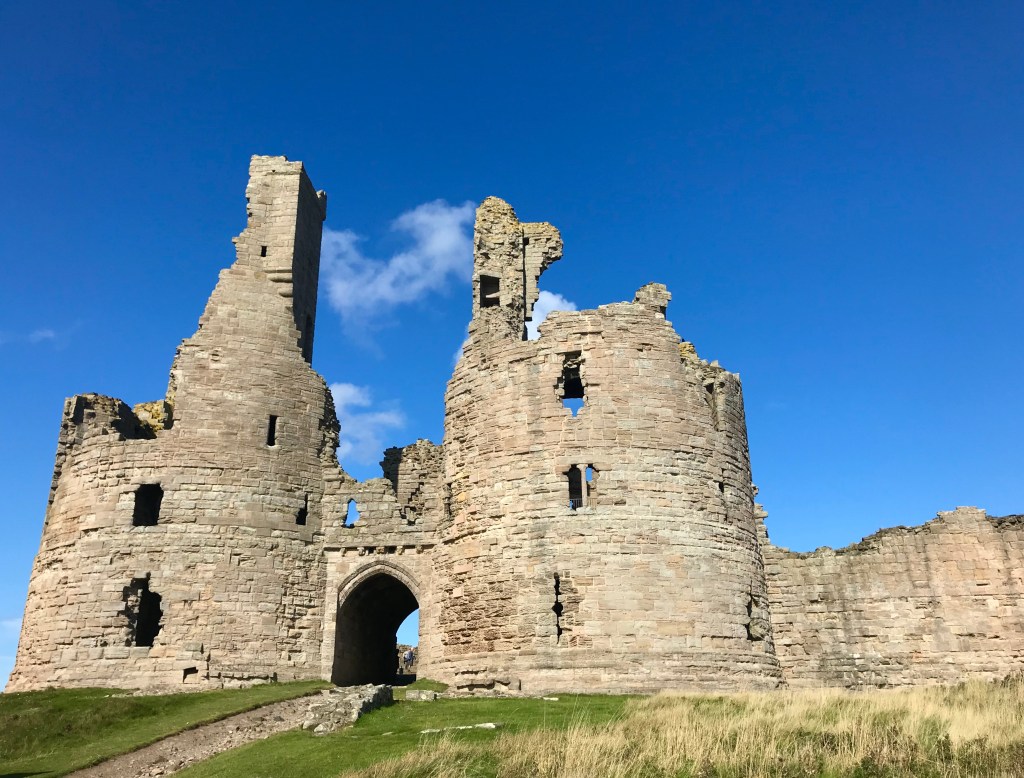
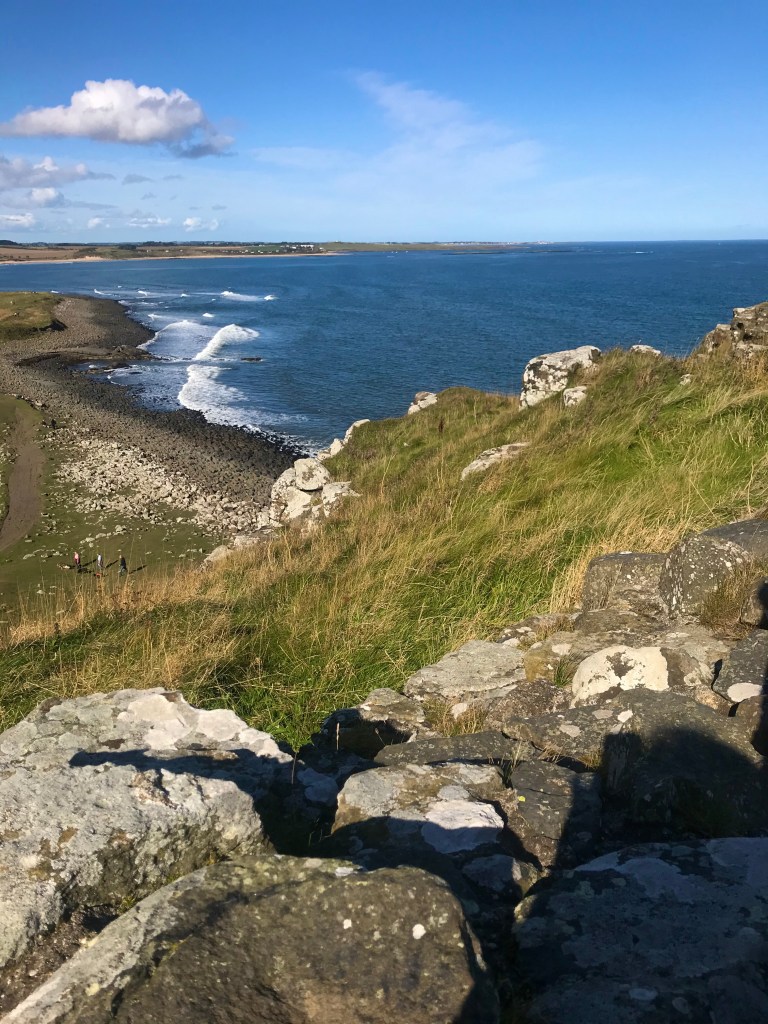
Northumberland contains around 70 castles, in varying states of repair. Dunstanburgh is a ruin, but it occupies a spectacular site overlooking the North Sea. Earl Thomas of Lancaster began construction in 1313, deliberately positioning it within sight of Bamburgh Castle to annoy the King, Edward II, who he’d come to despise.
Dustanburgh Castle
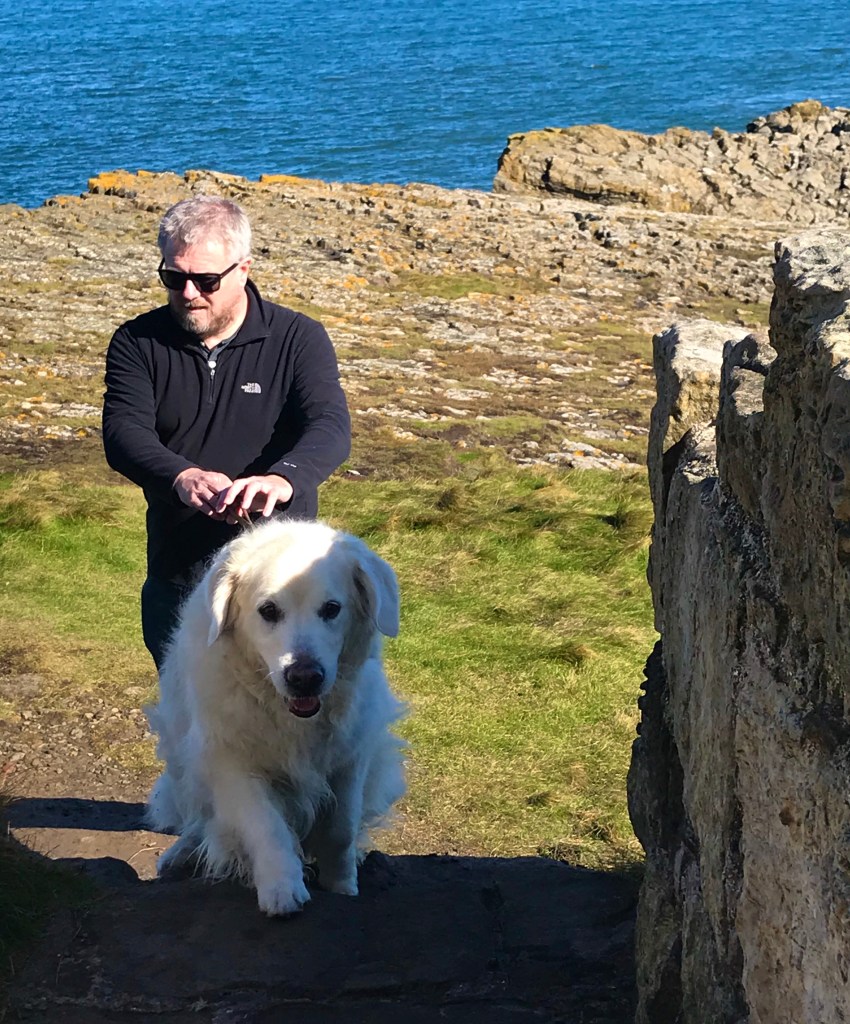
The weather forecast was for sun and we decided to make the best of it. The hike along the clifftop was flat and not at all challenging, though we kept Edison on a short lead because of the many sheep and cows grazing near the footpath. The castle itself, with a twin-towered keep, was breathtaking, with gorgeous views out to sea and inland, though it’s little more than a shell.
Overlooking the North Sea
Back in Craster, there was time for lunch of hot kippers, a local favourite. For well over a century, family firm L. Robson & Sons have been turning freshly caught herring into oak smoked kippers in a smokehouse built by the Craster family in 1856, the only one that survives.
Looking north along the coast
Bamburgh Beach
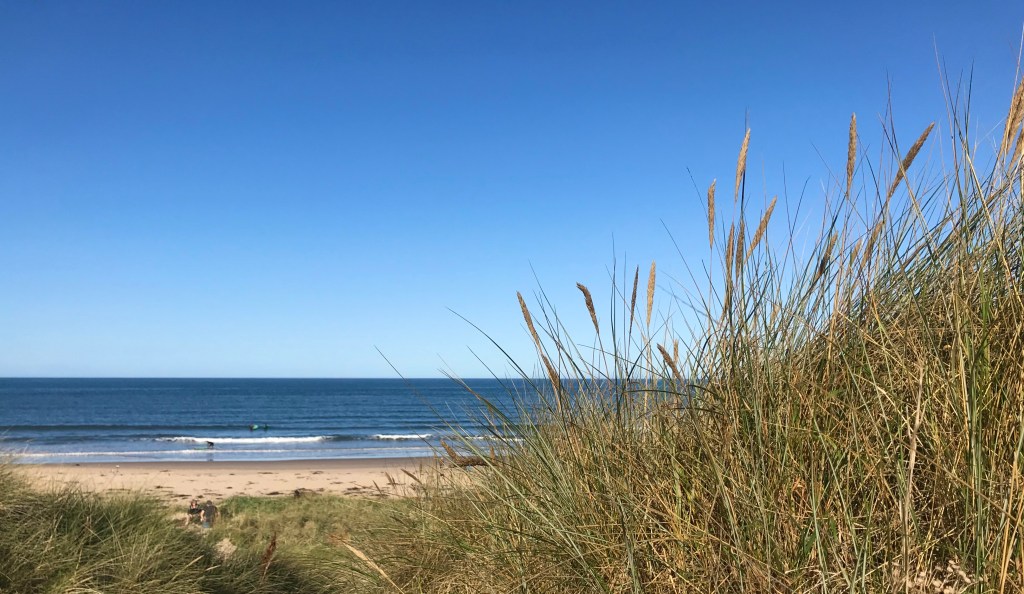
We opted to continue up the coast and make the most of the warm weather, parking up just north of Bamburgh. The wide sandy beach here is backed by low, grassy dunes and the views across to the coastal castle are wonderful.
Bamburgh Beach
It was lovely to see so many dogs, surfers and families sharing the beach, and better still to see how clean it was. I’d read that this was one of the east’s most impressive stretches of coastline (it’s designated an AONB, of course) and it wasn’t hard to justify such a compliment.
View from the dunes
Nearby Seahouses made a convenient stop for fish and chips – eaten overlooking the pretty harbour – though unless you plan to take a seal boat cruise out to the Farne Islands it’s probably not scenic enough to warrant a separate visit. Dogs are permitted on the boats but Edison can get a bit of a bark on when it comes to other mammals so we decided not to inflict him on other passengers. I’d not long been out on a seal watching trip from Harwich in Essex, so wasn’t too bothered about missing this lot.
Cragside
Carriage Drive
Shortly before our visit, there’d been a programme on television presented by George Clarke. Among the properties he visited was a place called Cragside, built by Sir William, later 1st Lord Armstrong. It was the first house to be lit by hydroelectric power and we were keen to learn more about the place.
Spit powered by hydroelectricity
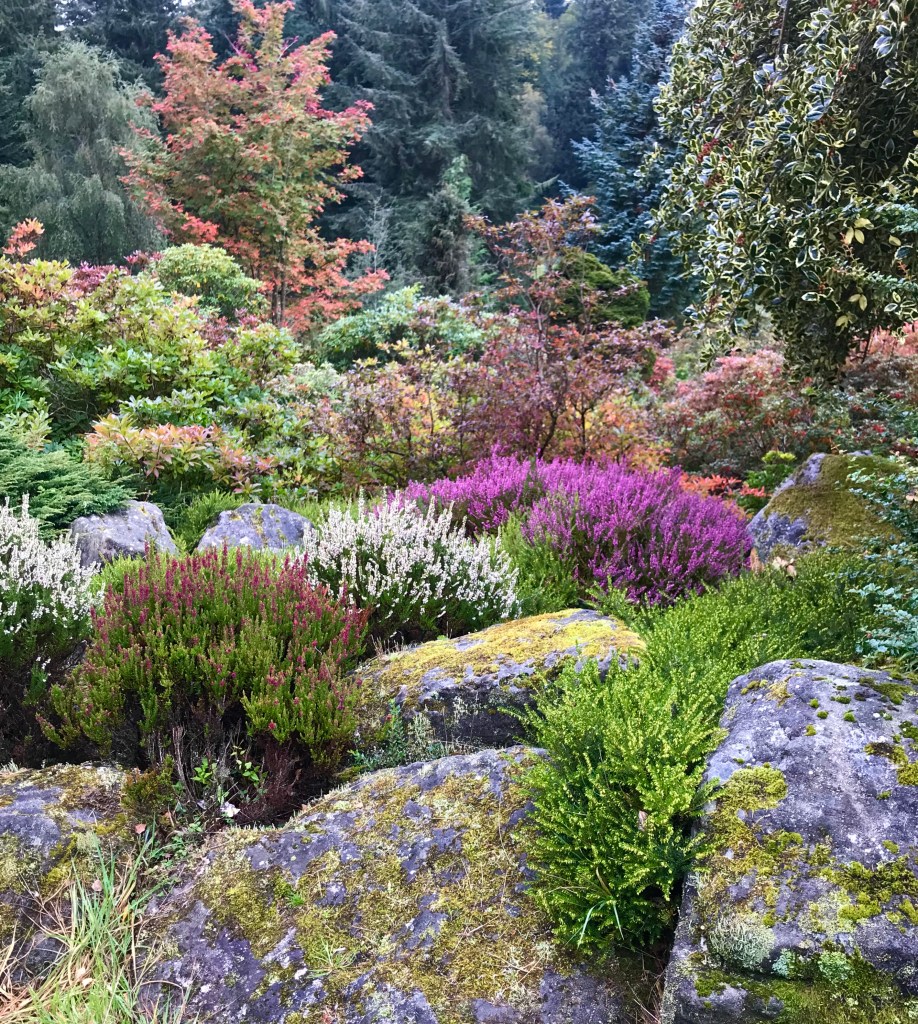
Unsurprisingly, the house itself wasn’t dog friendly, so we began instead with a circuit of the 6 mile Carriage Drive, parking up and taking short strolls with Edison to explore the extensive site. With a mix of lakes, woodland containing seven million trees and plenty of rhododendrons and azaleas to walk in, it was a pleasure to tire out the dog sufficiently for him to nap in the boot. One of us stayed in the car while the other toured the house, but had it not been raining by then we could just as happily have sat in the courtyard and enjoyed a cake from the cafe.
Cragside
The house itself, while not overall a disappointment, wasn’t fully open. Thanks to the need for a one way route because of the risk of coronavirus transmission, parts of the house were off limits. There wasn’t as much information to read about the science behind the house which was a shame. The grounds more than compensated, however, and the sun made a brief appearance to set off the autumnal colours.
The gardens
The Holy Island of Lindisfarne
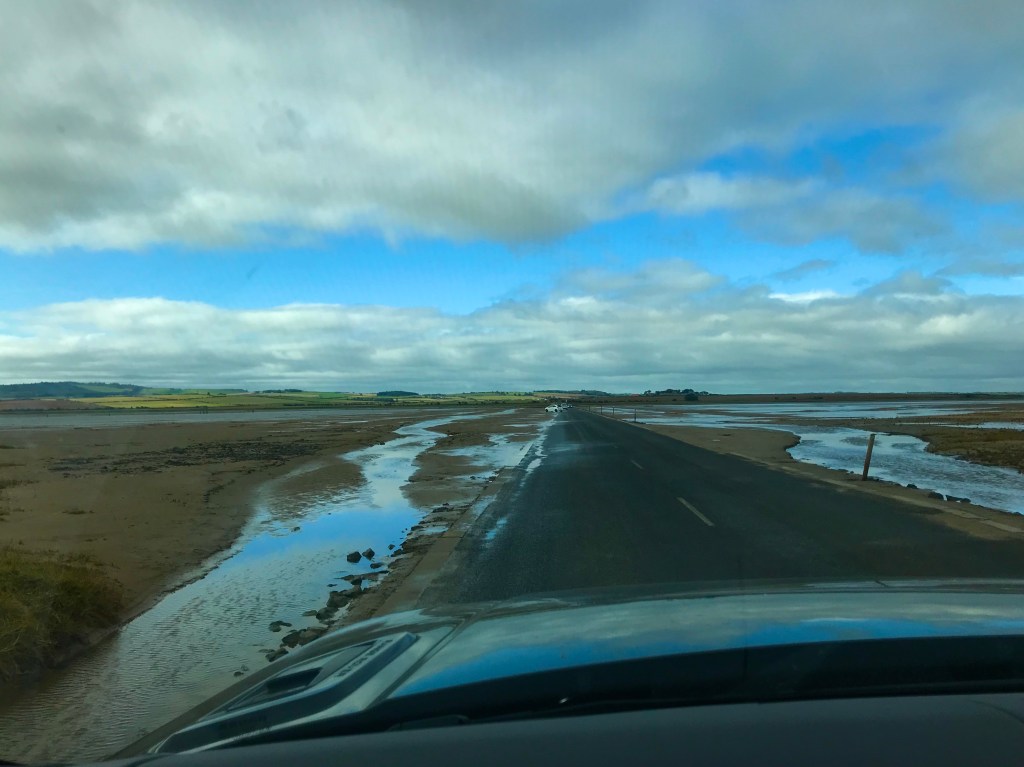
Living close to Mersea Island we are used to checking tide tables before driving across the causeway, but the Holy Island of Lindisfarne took this to a whole other level. Its causeway is far longer than Mersea’s and much flatter to the water. It’s important to check the published safe crossing times as cars do get stranded on a regular basis. There’s a refuge for those stranded to wait for rescue but we were warned cars are abandoned to the tide.
Crossing the causeway
St Aidan established a monastery on the island in 635 AD after being gifted the land by King Oswald. Long a place of pilgrimage, poles mark a safe route known as the Pilgrim’s Way across the sand, so long as you cross on a receding tide. The road was not built until 1954.
From the lookout towards the castle
We needed to be off the island by 1pm to beat the tide, but as Lindisfarne Castle and the Lindisfarne Centre are both currently closed, we figured that we’d have enough time to see the priory and have a stroll around. As dogs are not permitted in the priory museum, we decided it wasn’t worth paying the entrance fee and settled for a walk up to the Lookout Tower. The priory complex can be seen in its entirety from up there. We were blessed with another clear and sunny day and the views of the castle, distant Bamburgh Castle, the priory and the causeway were simply splendid.
Lindisfarne Priory
Warkworth Castle
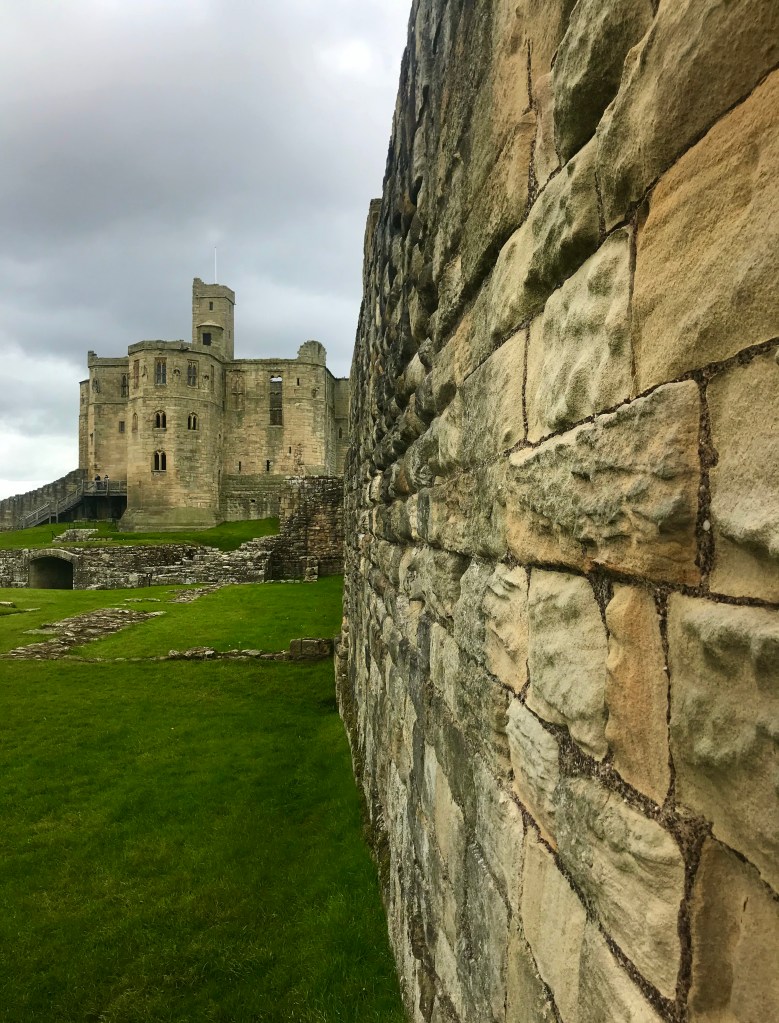
High tide meant that we were off the island by lunchtime, so backtracking down the coast we chose Warkworth Castle as our afternoon visit. A far more intact ruin than Dunstanburgh, its location is equally impressive, contained within the neck of a meander on the River Coquet. I’d taught about it for years as an example of a defensive site for the GCSE Geography course I delivered but it was great to finally see it in real life rather than the crude sketch I’d shown my students.
Warkworth Castle
As with most visitor attractions right now, it was necessary to pre-book a slot. Outside school holidays, I was advised it was usually OK to wait until the day to be sure of good weather; many people simply booked while in the car park, I was told. The first stone building on the site dates from the 12th century, with later additions and repairs made over the centuries by the Percy family who were given Warkworth Castle by King Edward III. At one time, it was the home of Henry Hotspur, who you may remember from your English class as immortalised by Shakespeare.
Inside the castle walls
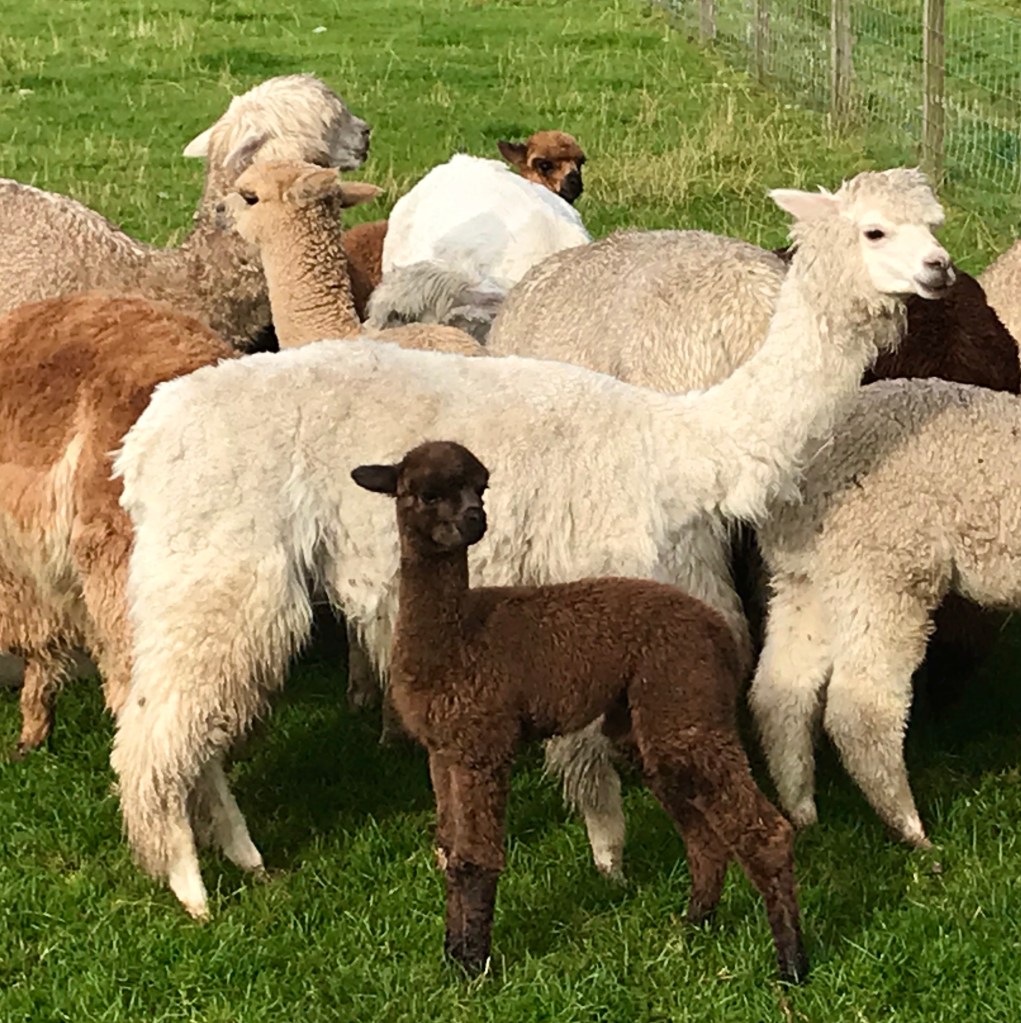
We couldn’t resist one more portion of fish and chips, this time in Amble. It claims to have the largest gnomon of any sundial in Europe (that’s the sundial indicator if like me you’d never heard the term before). Melt in the mouth cod overlooking the independent retailers of Amble Harbour Village was a fine end to the day. Well almost – this cria at the farm in Sharperton was too cute to drive past.
One of the funniest films I’ve seen in a long time is Eurovision Song Contest: the story of Fire Saga. Most of the Icelandic scenes were filmed in October 2019 in Húsavík, in the north of Iceland. While I’m not usually a fan of Will Ferrell, who plays Lars Erickssong in the movie, I do share his love for the insanity of Eurovision. So too, apparently, do Icelanders – according to Visit Húsavík, over 98% of them tune in when the contest is broadcast each May. When I had the opportunity to visit Húsavík this summer, I decided to check out some of the places featured in the movie.
The whales
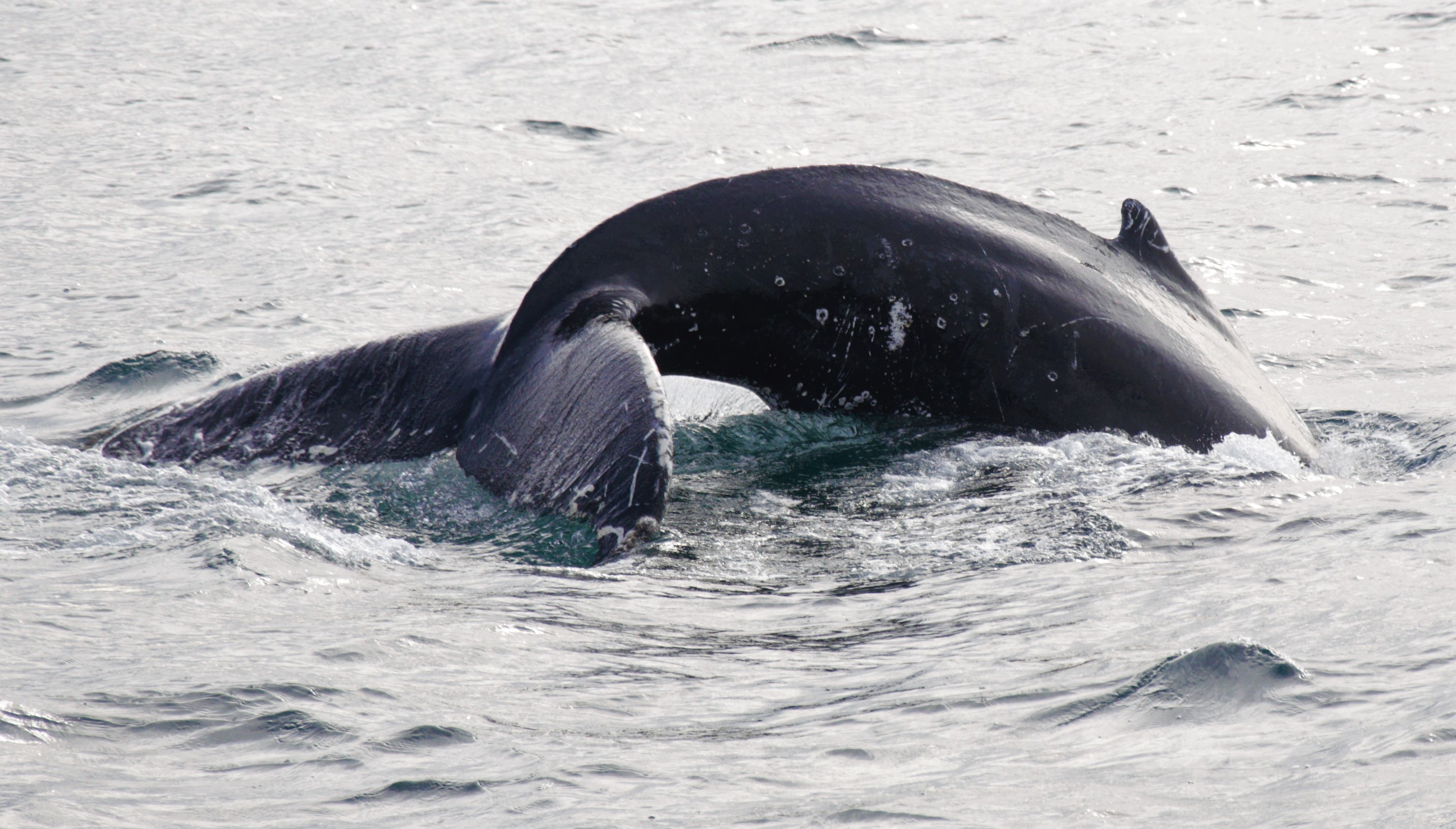
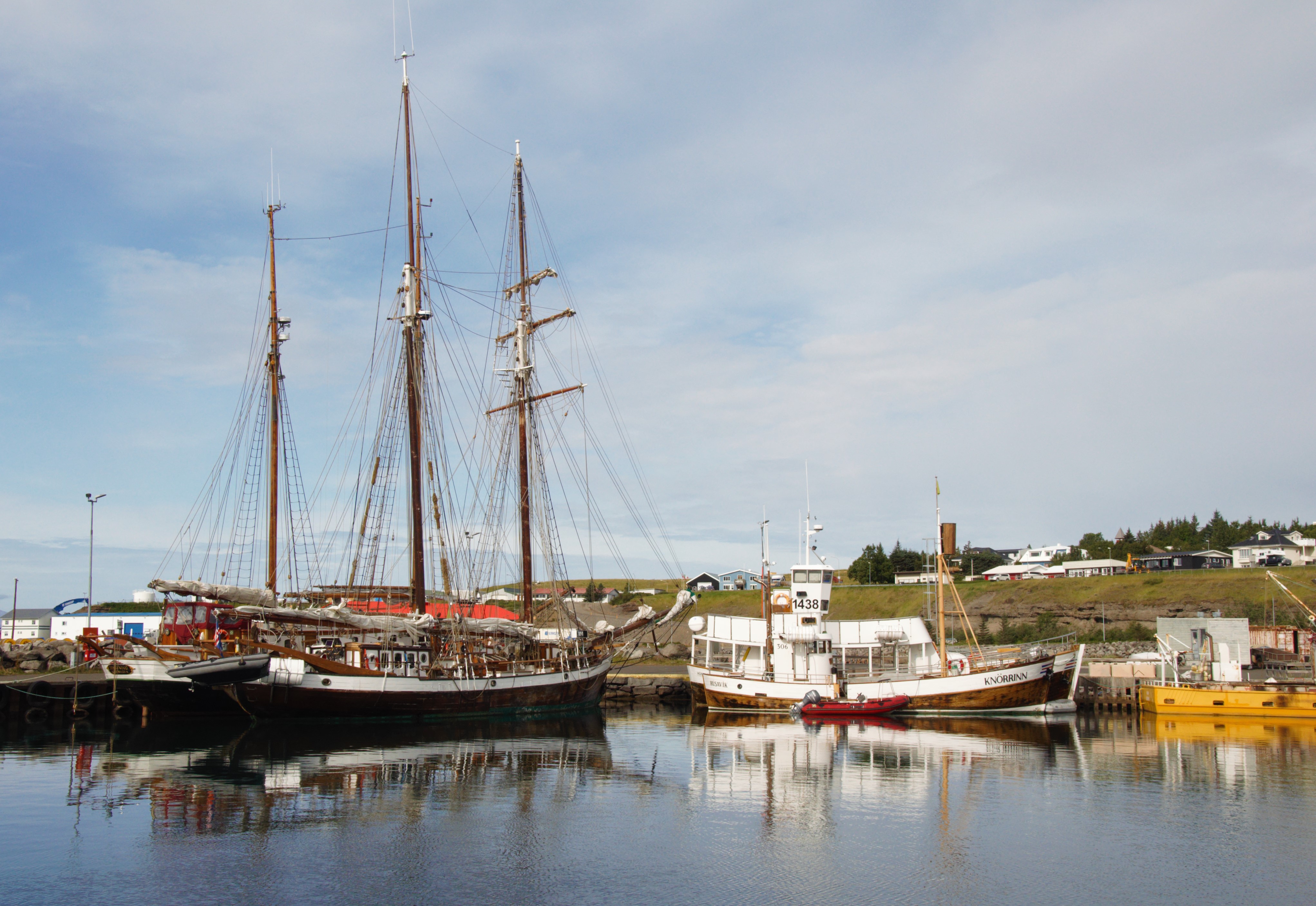
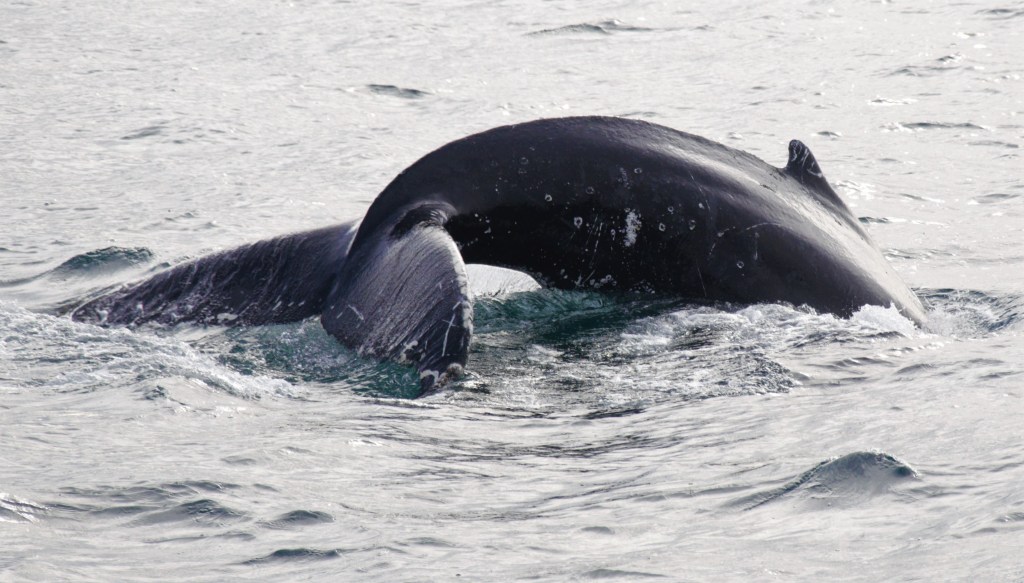
Húsavík is well known in Iceland as a whale watching village and it’s no surprise that the cetaceans feature in scenes from the movie. Tours depart regularly and head out into Skjálfandi Bay where it’s common to see humpback, minke, white-beaked dolphin, harbour porpoise and blue whales. Occasionally it’s possible to see them from land (try GeoSea) but as Erick Erickssong (Lars’ father) is a fisherman, if you’re really going to experience Húsavík as portrayed in the movie you should get out on a boat.
Lars’ family home
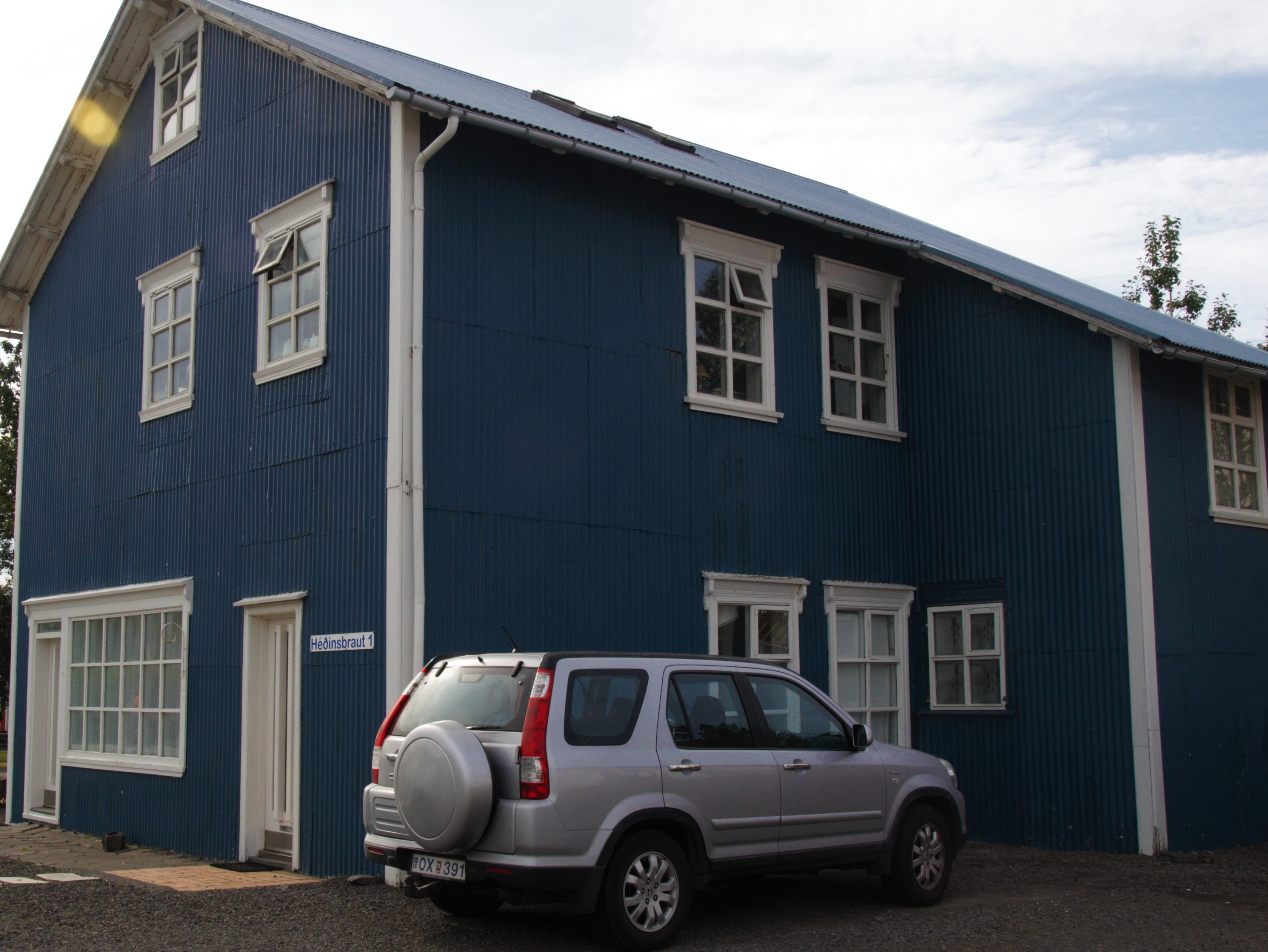
The distinctive two-storey home is easy to find as it sits right near the harbour on the main drag. It’s located on the corner of Héðinsbraut and Hafnarvegur. Built in 1903, it is a wooden structure painted a rather lovely shade of blue. A residential property in real life, the apartment that covers the top two floors of the house was recently put up for sale for 24.5 million ISK, about £140000. Bargain!
Captain’s Galley bar
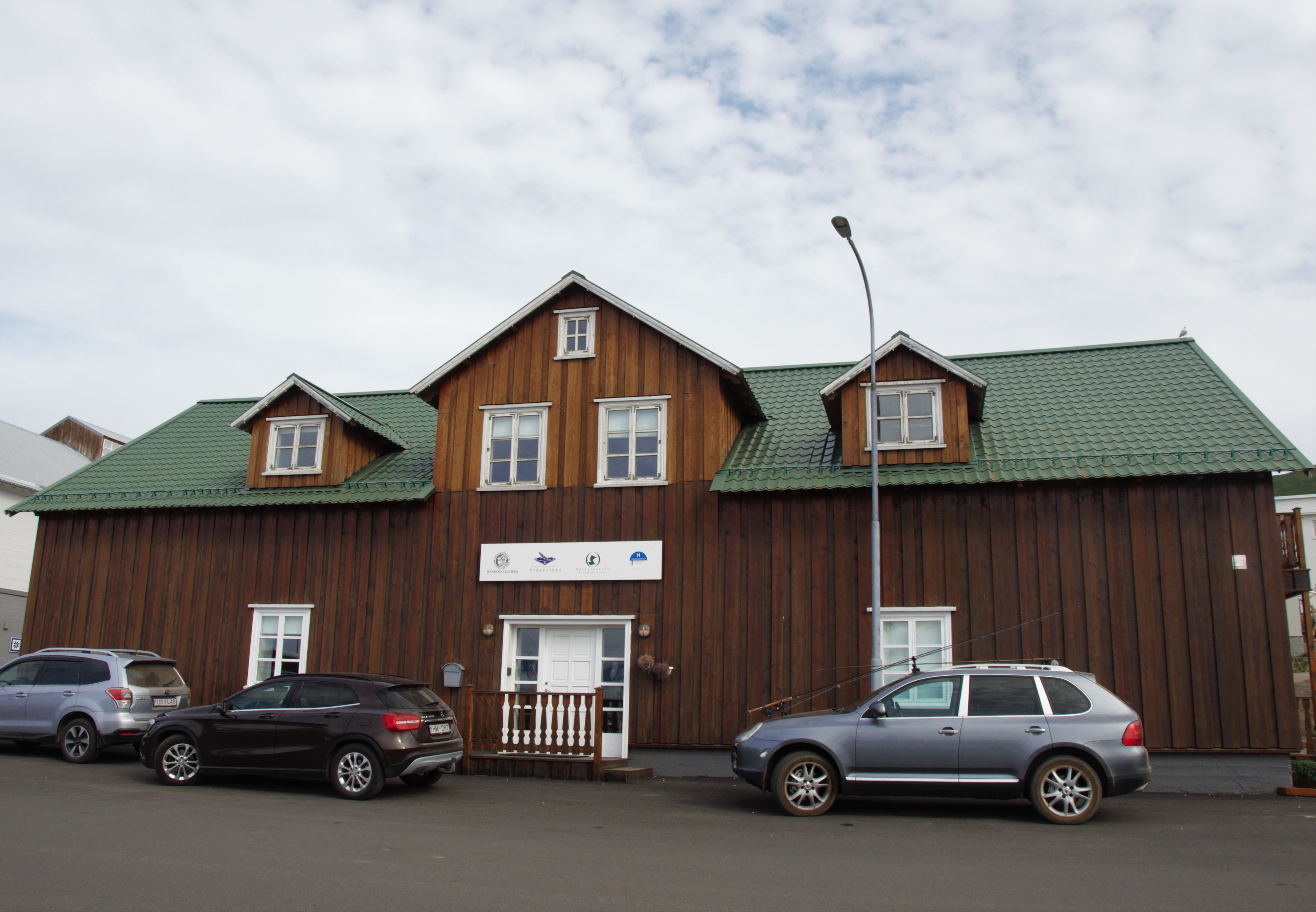
Named “Skipstjórakráin” in Icelandic, disappointingly, this bar isn’t a real pub. Instead, it’s the home of the Húsavík Academic Center (HAC). The signage was removed for the purposes of filming so the building could be used for the exterior shots. It’s another centrally located building, close to the harbour; the shape and recognisable gables make it simple to identify. But like many things on the big screen, things aren’t exactly what they seem – according to IMDB, the interior scenes were filmed back in the UK at Chobham Rugby Club.
Húsavíkurkirkja
This iconic wooden church was built in 1907 and overlooks the harbour in the centre of Húsavík. In the film, Lars rings the church bell to announce that he and singing partner Sigrit have been chosen as the Icelandic entry to the Eurovision Song Contest. It’s a pretty church and well worth a quick nose inside.
The bus stop
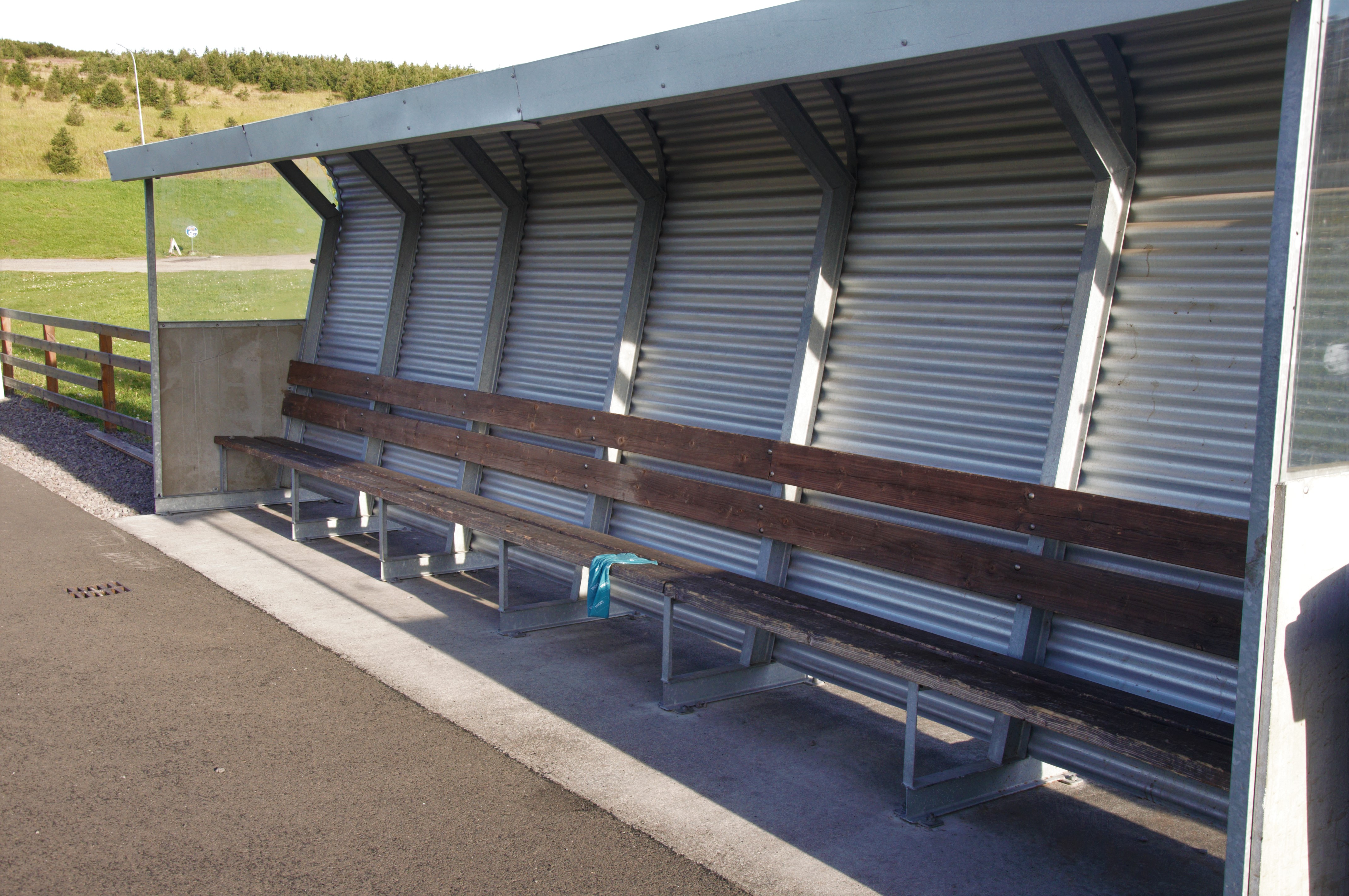
The bus shelter where Lars and Sigrit wait for their ride to Reykjavik isn’t a bus stop at all – it actually sits beside the astro turf pitch belonging to Völsungur’s football team. Hinrik Wöhlers, director of the Húsavík Chamber of Commerce and Tourism was reportedly keen on shifting one of the two shelters to the harbourside location seen in the film. When I visited in August 2020 they were both still at the football ground.
The elf houses
Though it’s common to see elf houses in Iceland, these particular ones were a prop installed specifically for the movie. However, the Cape Hotel were keen to tap into the interest created by the film and faithfully recreated this tiny residential street in the hotel garden. As well they opened a pop-up Ja Ja Ding Dong bar; it’s outside so it’s likely to remain a summer attraction only. I spoke to the manager and asked him whether he was a fan of Eurovision himself. “I am now,” he said with a grin.
The village of Húsavík is one of the prettiest in the country so even if you’re not a Eurovision fan you should really add this to your Iceland itinerary. It’s a great base from which to drive the Diamond Circle route which features Dettifoss waterfall, Ásbyrgi Canyon and Lake Mývatn. But if you do love to watch Eurovision, then find your way to this petition which calls for Swede Molly Sandén aka My Marianne to perform Húsavík (My Hometown) at the contest in 2021:
Despite the country’s capricious weather, a visit to one of Iceland’s thermal baths is a must, whether you’re a first-timer or on a return visit. There are numerous hot springs and thermal baths dotted around the country, some little more than a hollow in a totally natural settting. In this post, I compare three of the biggest. All offer lockers, smart changing rooms, swim up pool bars and something akin to a spa experience. So how do they stack up?
The Blue Lagoon
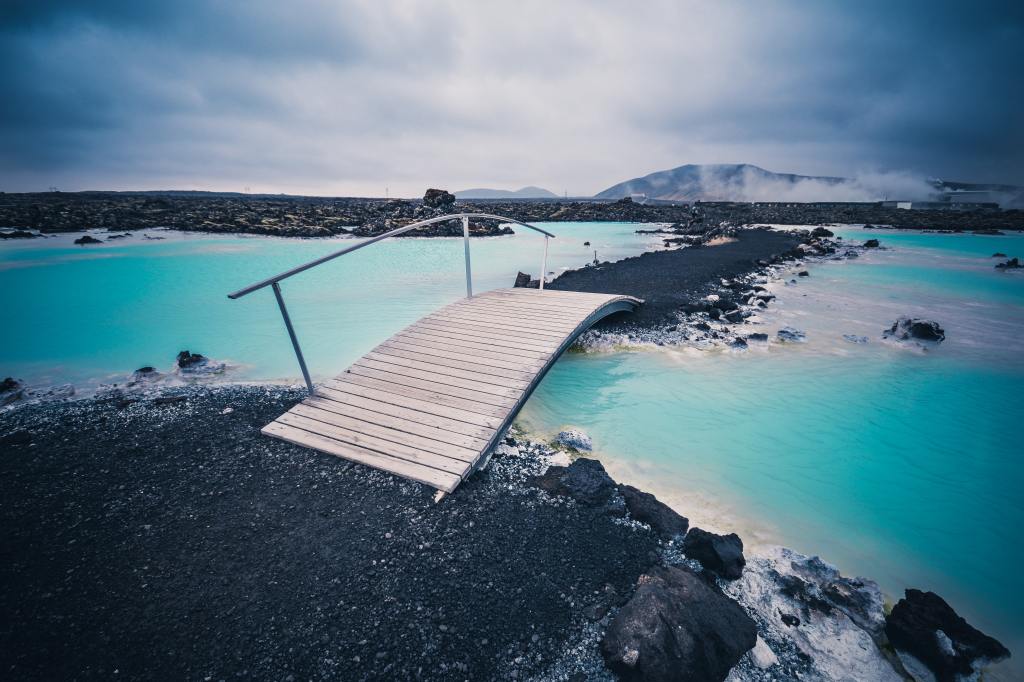
Blue Lagoon by Chris Lawton via Unsplash
First-time visitors, consider this a must. Located close to Keflavik Airport, it offers the chance to tick off a quintessentially Icelandic experience before you’ve even checked in to your hotel. Located in the middle of a lava field on the wild Reykjanes peninsula, nature is raw and rugged here, but dip a toe in and the water is warm and soothing. White silica-rich mud makes an enriching face mask and also reflects light to give the water its beautiful blue colour. It’s gorgeous, with plenty of tucked away spots to create a sense of privacy even when the place is crowded. On site, there’s a fancy spa, restaurant and eye-wateringly expensive accommodation. Book well in advance for your session in the baths, particularly if you want to visit before or after your flight.
The lava field surrounding the Blue Lagoon
Would I go back?
Definitely yes. It’s touristy, of course, but there is something rather special about the place.
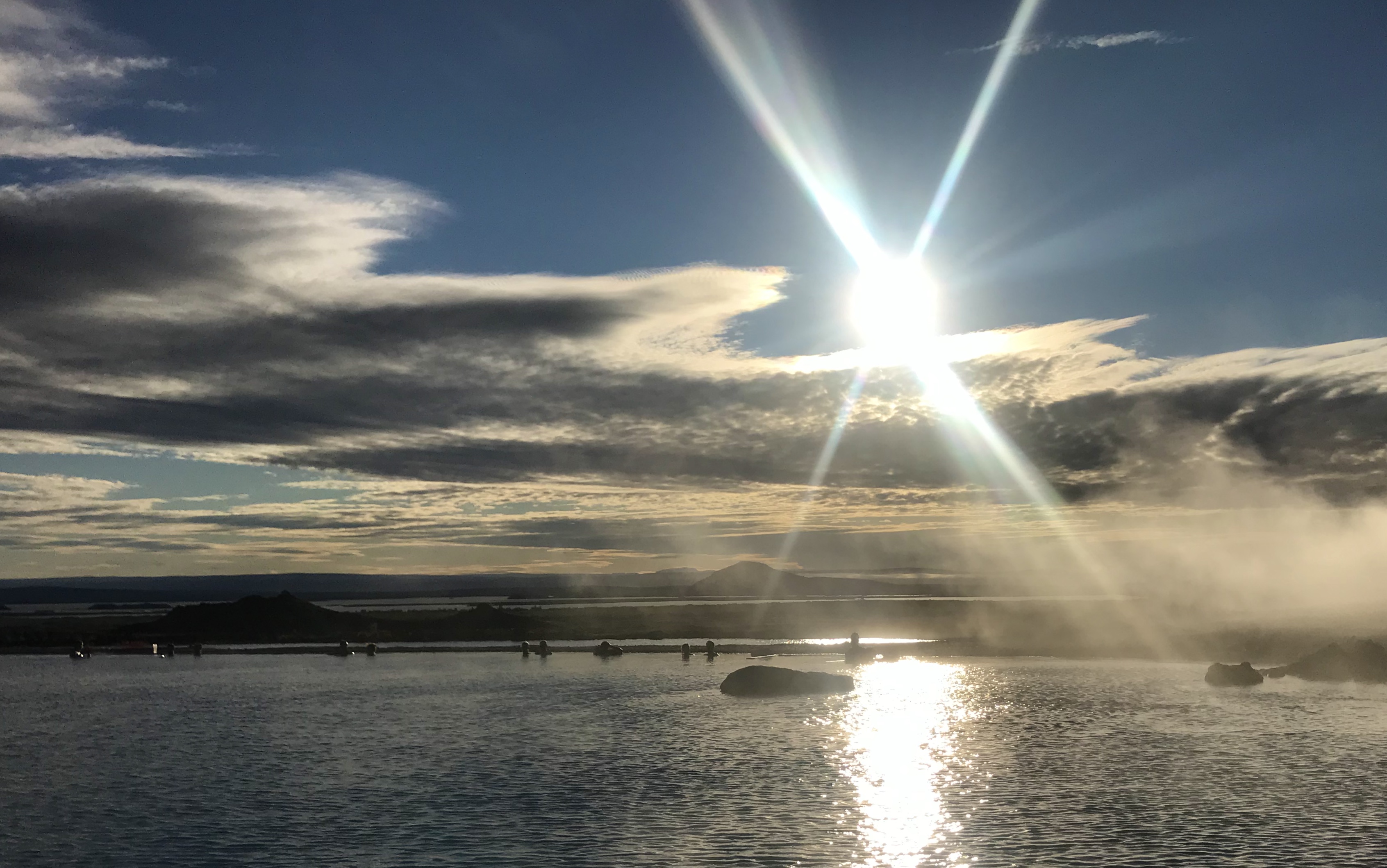
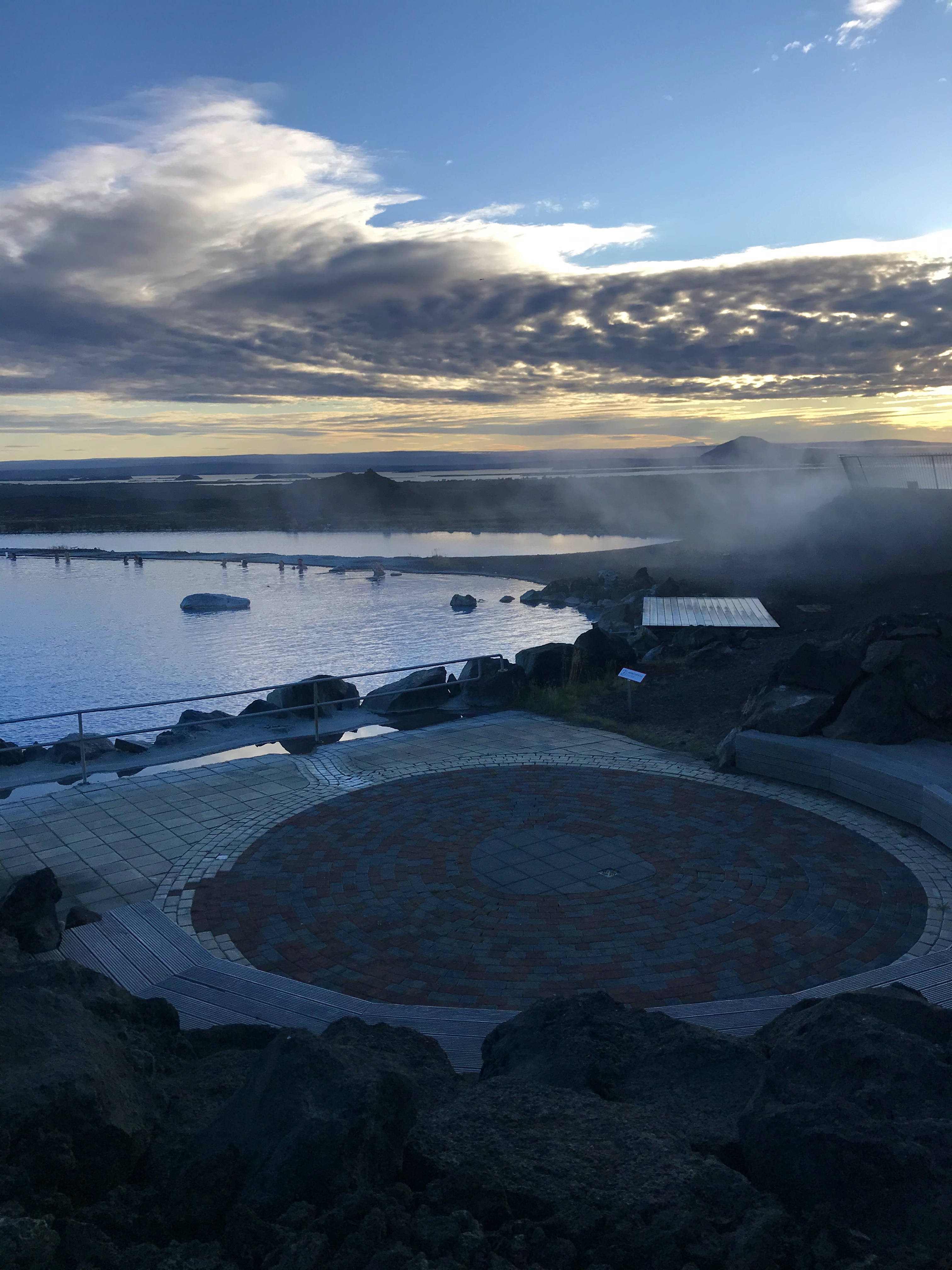
The north of Iceland sees far less traffic than the south. Like the Blue Lagoon, Mývatn Nature Baths water source is linked to a power supplier, this time the National Power Company´s bore hole in Bjarnarflag. The water in the baths has a temperature of between 36 and 40°C and also has a high mineral content. The pool is basically split into two sections, with one slightly cooler than the other – I found the hotter part to be more comfortable. Both overlook the lake itself and the midges which plague the area in summer were absent from the pool itself which was a relief.
Mývatn Nature Baths
Would I go back?
Probably not. It’s pleasant enough but didn’t have the wow factor.
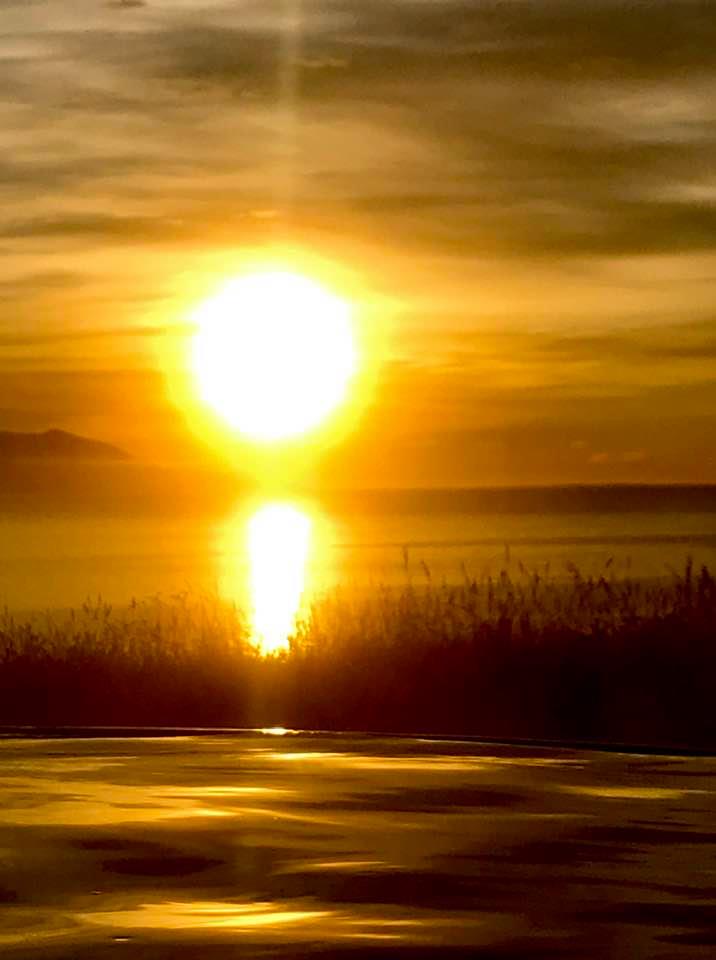
Opened in August 2018, GeoSea uses a mix of geothermal heat and seawater pumped from two nearby drillholes to maintain a temperature of 38 to 39°C. Intimate and architecturally sympathetic to its surroundings, it sits on a cliff right on Skjálfandi Bay, meaning that if you are really lucky you might catch sight of the whales that occasionally come right into the bay. The carefully thought out design means that the pool water and that of the bay itself create the illusion of an infinity pool. As it is west facing, it’s perfect for those rare, clear days when you can watch the Icelandic sun set. In the winter, stay after dark and you might also catch a glimpse of the Aurora Borealis. If your visit coincides with an evening such as those, you are in for a real treat.
GeoSea at sunset
Would I go back?
Absolutely. This is surely one of the best views in the whole country.
The Icelandic government has acted quickly and effectively throughout the coronavirus pandemic. Regulations have changed fast to address changes in the infection rate and if you’re planning a holiday, you need to do so on a flexible basis to adapt your trip to those varying parameters.
When I booked my flights I planned to visit Iceland in September; I’d already had to switch my flights from Gatwick to Luton after easyJet altered their schedules. In June, when I made those arrangements, it was on the understanding that I would need to either quarantine for 14 days or take a single COVID test on arrival and then, so long as my result was negative, continue with my holiday. The test was originally quite expensive but was later reduced to about £50. In the grand scheme of things that wasn’t excessive.
At the end of July, the rules were changed. A second test 4-6 days later would now be required at no extra charge. While testing in the capital was easy to arrange, my itinerary placed me on the other side of the country. The regional health care centres that had been set up had shorter hours and as a consequence, I would need to be a little more flexible. Adding an extra level of inconvenience was the fact that I was due to fly out on a Monday which meant if I couldn’t arrange a test on Day 4, I’d have no way of being tested on day 5 or 6 as weekend appointments weren’t available.
Compulsory quarantine
Then late on Friday August 14th came the announcement that from August 19th, all arriving passengers would be given the choice of either a 14 day quarantine or taking a COVID test, quarantining for 5 days and then taking a second test. At the time it was unclear just what the restrictions on movement for those five days would look like. By the time the government website was likely to be updated, I’d probably be stuck with it, or be forced to cancel.
I decided to bring my trip forward to depart in mid-August instead of September and thus avoid the need to quarantine. A few hours on the computer that weekend and a slightly condensed itinerary (to reduce the amount of time in Reykjavik) left me with a ten day trip during which I could pretty much cover the same ground as before.
What was the testing process like?
Passengers on our early morning easyJet flight were invited to disembark row by row. Instead of the usual jockeying for position, this staggered approach meant that there was no queuing in the terminal building. Each person, continuing to wear the mask they had worn during the flight, was called in turn to one of a bank of cubicles for their test.
I was invited to sit and to remove my mask for the test to be administered. The throat swab was done first and was relatively comfortable. The second, a swab to the top of the nose, was more intrusive and made my eyes water. But like the vaccinations for tropical diseases I’ve had in the past, such medical procedures are just part and parcel of travel.
Awaiting the result
In all I was off the plane and out to the rental car centre in well under an hour. The rental was ready and with paperwork filled in and a socially distanced handover, I was soon on my way. I’d made the decision to avoid Reykjavik this time. Though the number of coronavirus cases in Iceland has been very small, the majority have, not unsurprisingly, been in the capital region. Instead, I headed east. It was within the regulations to stop at a supermarket, though visitors at that time were asked to keep clear of restaurants and other busy places until their test result came through. In most respects my holiday continued as normal and I was free to book tours.
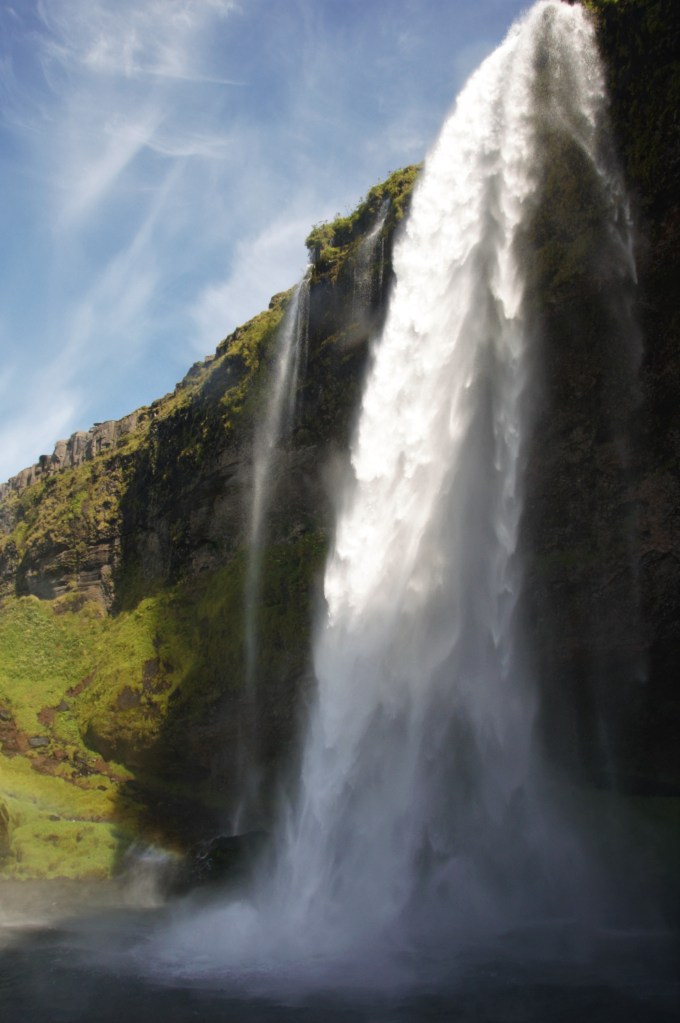
I drove on for a socially distanced hike at Seljalandsfoss waterfall. I’d been there on my wedding day in 2014 but it wasn’t practical to visit the almost concealed falls nearby. This site would usually be busy in August as it is one of the few waterfalls you can walk behind. However, this year numbers have been considerably lower. My negative test result came through by text around 4 hours after I had been tested, which was a relief. Despite having no symptoms and being cautious at home, there was still that tiny chance of being asymptomatic.
The problematic second test
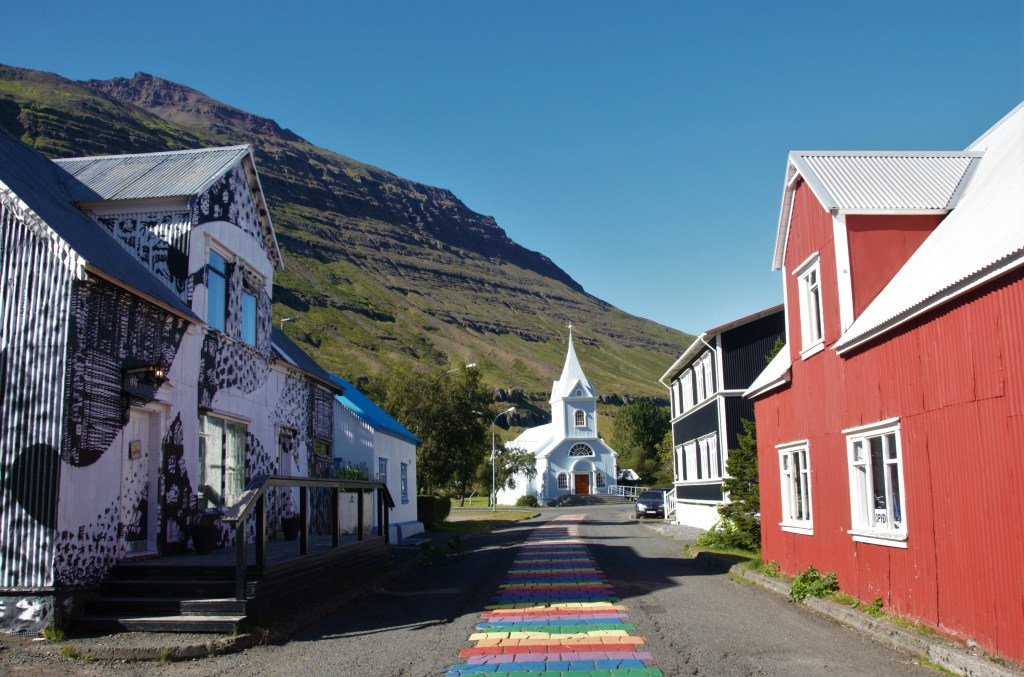
Four days into my trip I’d reached the tiny village of Borgarfjörður Eystri down a gravel road and over a mountain pass in the East Fjords. The nearest test centre was at Egilsstaðir, in a temporary structure beside the main supermarket, but as I’d planned to stay the next night in Seyðisfjörður, another village in the same region, that wasn’t a big deal. The test centre was open mornings only, so I could call in and get tested, spend part of the day hiking in Stuðlagil canyon and then head out to Seyðisfjörður by mid-afternoon.
There was just one small spanner in the works: the Icelandic authorities suggested it wasn’t possible to take the second test until you had received an official barcode. This would come through late afternoon. By that time, the Egilsstaðir centre would be closed and by the time the next closest testing centre opened, it would be Monday afternoon. By then, I would be somewhere on the road beyond the centre in Akureyri and the remote West Fjords region.
A face to face solution
I decided the best thing to do would be to go to Egilsstaðir anyway and discuss it with them face to face. By then, four days and one hour had elapsed since my first test at Keflavik. At first, I was told it wasn’t possible to test without a barcode. When I explained that the following Wednesday (day 9) would be the next time I’d be close enough to a test centre to avoid a 6 hour round trip drive, they had a look on the computer to see if the system would allow a test to be registered. Fortunately, it could and I was identified via my passport number rather than the missing barcode. Incidentally that barcode eventually came through about 5pm.
Holidaying almost as normal
Mostly I’d chosen ensuite hotel rooms for this trip, whereas in normal circumstances I’d have probably opted for guesthouses with shared bathrooms to save money. I decided I would feel more comfortable being the only person to use the shower and toilet facilities and considered the extra cost worth the additional peace of mind.
Different hotels operated slightly different policies for breakfasts; in many cases the breakfast buffet was still put out, but with separate sittings and fewer tables to spread guests as far as possible. Masks were not necessary in public areas, but the use of hand sanitiser and sometimes also gloves was encouraged. I chose to eat picnic lunches most of the time, though the lobster rolls from the van at Jökulsárlón glacier lagoon were too tempting to pass up.
The sunny and surprisingly warm weather meant I could also eat al fresco most evenings on terraces or outdoor patios. I ate in just a couple of times, once in a restaurant that had just two tables. The absence of North American tourists coupled with the presence of Spanish and Italian tourists meant that when eating early (as is my usual preference), places were largely empty. Given that hand sanitiser was absolutely everywhere (even in remote long drop toilets on nature reserves) and staff were enforcing social distancing, I felt safe all the time.
Sightseeing in a pandemic
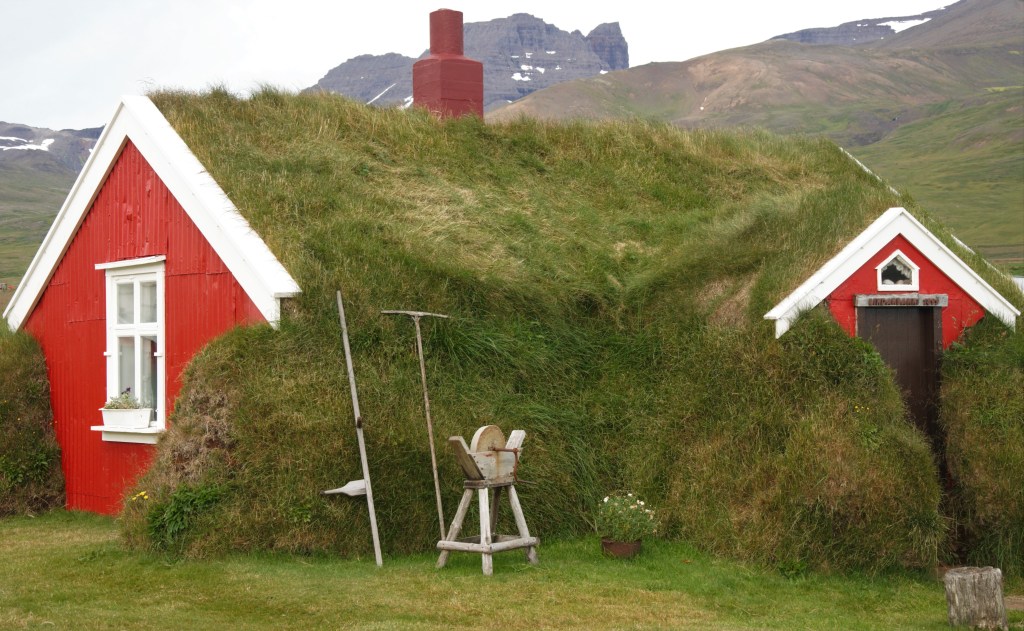
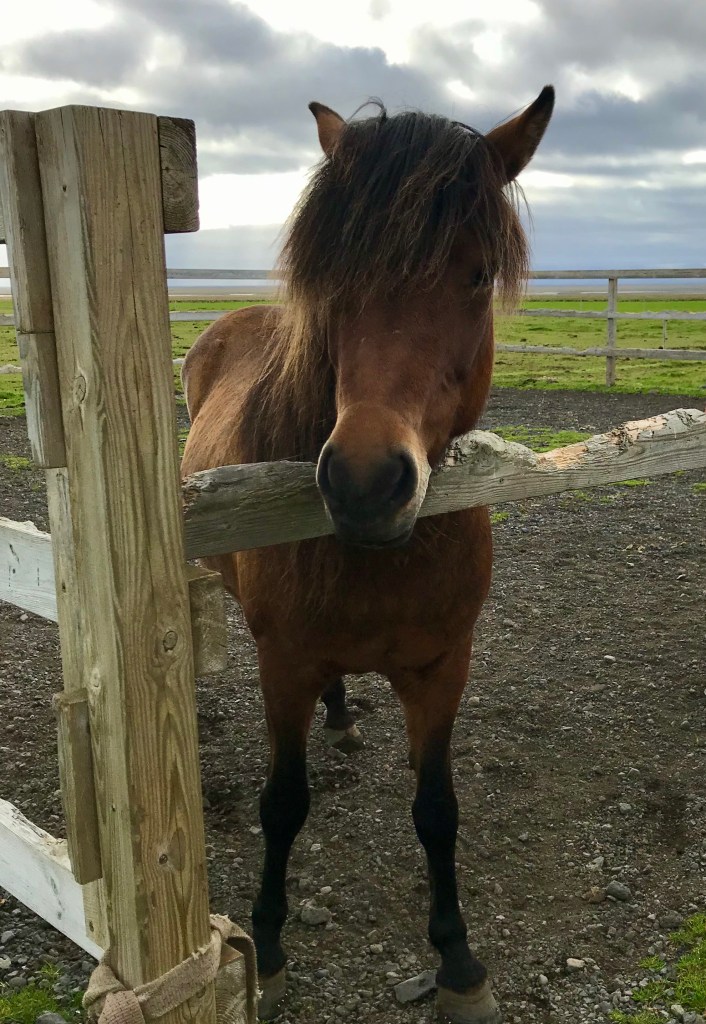
One of the big advantages of choosing Iceland over a city break destination is that most of the visitor attractions are out in the countryside and away from people. I did have a couple of disappointments: the Elf School in Reykjavik has closed for the duration of the pandemic and a Eurovision-themed walking tour I’d planned to do in Húsavík was not operating. I also found that several places had shorter than expected seasons, such as the Keldur turf houses, now part of a farm museum. But the ride I booked with Glacier Horses operated as normal, the horses enabling social distancing with no need for masks.
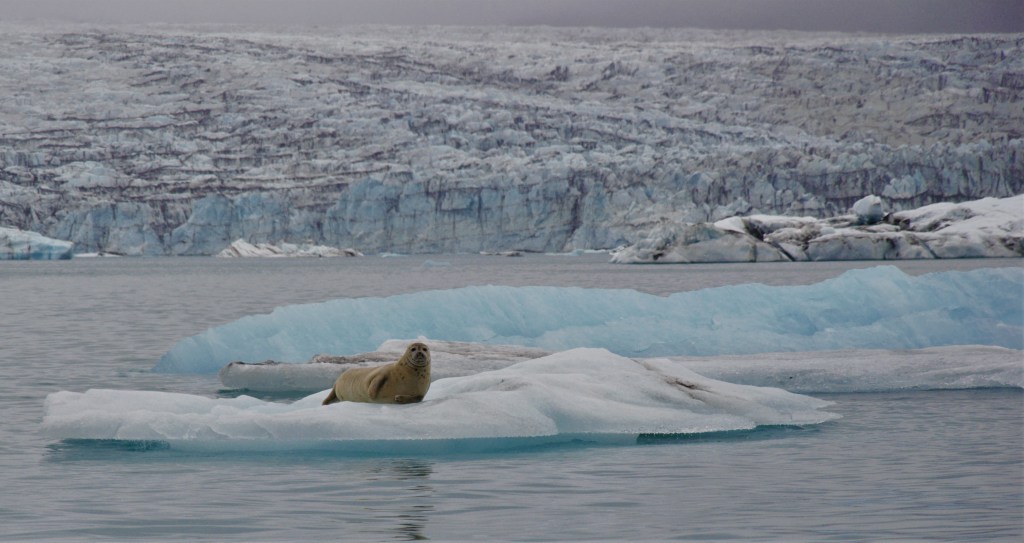
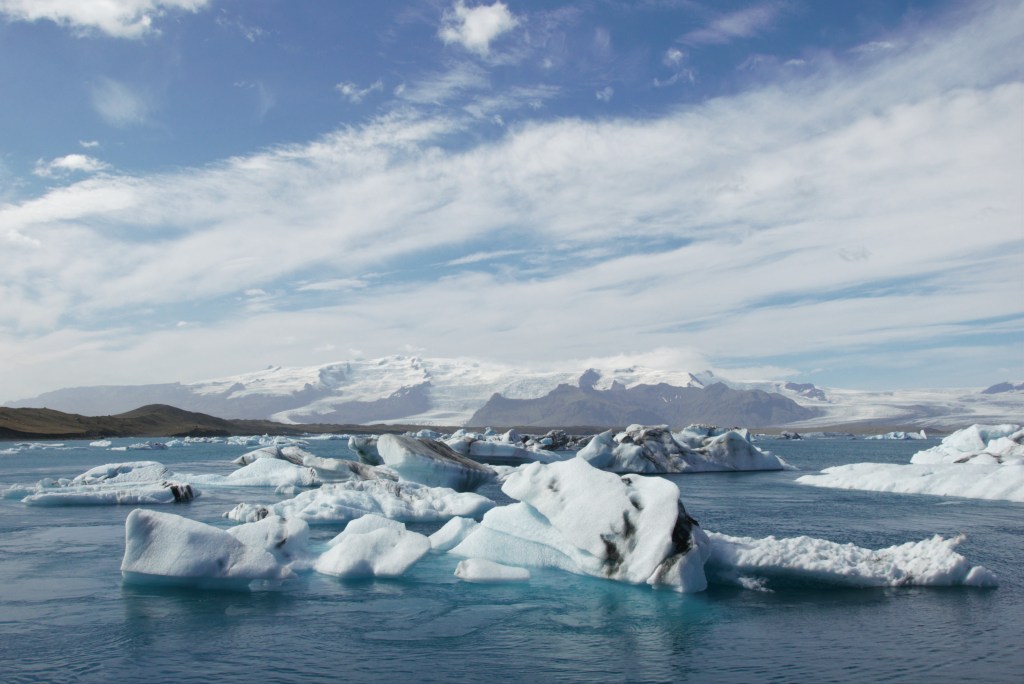
I did take two boat trips. The first, a Zodiac excursion out onto Jökulsárlón, required the use of weatherproof gear and lifejackets to be worn throughout the trip. The latter were disinfected after each boatload of passengers returned but I didn’t see similar measures being taken with the suits. In contrast, on the whale watching trip in Húsavík, the company made it clear before payment was taken that no additional gear would be provided. Lifejackets were stored on board and accessible to passengers but no one wore one. As it was relatively mild and calm weather, I was fine in my own winter jacket and waterproof trousers – in fact, I didn’t even need those out of the wind.
I also couldn’t resist the geothermal baths that Iceland is so famous for. On previous trips I’d visited the Blue Lagoon but this time it didn’t fit in with my plans. Instead, I enjoyed visits to the Mývatn Nature Baths and also GeoSea in Húsavík. The latter in particular blew me away with its breathtaking location overlooking Skjálfandi Bay and a setting sun reflected in both the baths and the sea.
Would I do it again?
As someone who loves to plan trips meticulously – a hang up from travelling as a teacher when trips had to be scheduled in peak season – it was quite a big deal to be so spontaneous. Iceland once again didn’t disappoint, and to be able to travel in such glorious summer weather minus the usual crowds was a huge privilege.
To keep abreast with current visitor regulations and procedures, visit covid.is where you’ll find more details of testing, what you can and cannot do while in quarantine and up to date case numbers by region.