juliamhammond

Latest

Review of Cheeky Panda handy wipes

I was recently gifted a pack of Cheeky Panda handy wipes to trial. This is my review. Though I was given a free sample, the opinions expressed are my own.

For many years, I’ve popped a packet of Boots’ Wet Ones into my travel bag. These anti-bacterial wipes have a lovely citrus smell and have come in handy over the years for all sorts of things. They currently retail at £1.15 for 12 wipes, just under 10p per wipe.
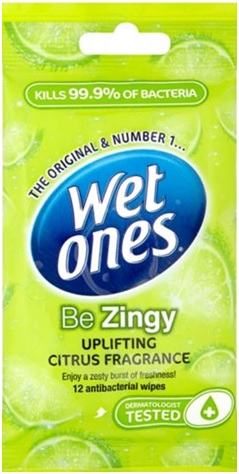
Wet Ones

Recently, however, there’s been a lot in the news about how wet wipes in general aren’t biodegradable. Part of the material used in their manufacture is polyester, a form of plastic. Whether we flush them or bin them, they don’t fall apart like regular tissues might. Instead, they find their way into landfill or to the sea, where they pose a threat to marine life. Some end up in our sewers, combining with grease to form giant fatbergs. This Good Housekeeping article elaborates:

https://www.goodhousekeeping.com/uk/lifestyle/a28096696/bbcs-war-on-plastic-microplastics-wet-wipes/

Would this be the end of wet wipes for me when travelling? I hoped not, but couldn’t justify the impact on the environment if I continued to use Wet Ones. I was keen to find out whether there was an alternative and learned of a company called The Cheeky Panda.

The Cheeky Panda make a range of products that are sustainable and environmentally friendly. If you’re thinking it would be a pain to have to order them for delivery, they’re even sold at Boots. The price at the moment is £1.50 for 12, making them a little bit more expensive per wipe than Wet Ones, but not significantly so.

IMG_3200

So are they worth the extra cash?

I contacted The Cheeky Panda and asked about conducting a trial of their handy wipes on a trip to the Austrian Tirol. It was hot, with temperatures rising above 30°C. Would they cool me down as effectively as my usual brand? I’m pleased to report that’s a yes. I found they also felt smoother on the skin, which was an added bonus. They’re made of bamboo from sustainable sources and contain aloe and an apple extract which I think gives them a hint of a scent even though the packaging says they’re fragrance free.

IMG_3281

Could they cope with dirt too? I did a hike from the top of the Hahnenkamm and found myself scrambling in places, getting my hands dirty in the process. As the hike ended with a piece of Sachertorte on the terrace of the Alpengasthof Melkalm, I was keen to get clean first. The handy wipes did an admirable job and didn’t fall apart when I scrubbed at my hands. They’re a decent size too.

IMG_3289

The packaging they come is what’s called PET1, a recyclable plastic with the proper name polyethylene terephthalate. I’ve opened and closed the packet a few times now and it reseals well, ensuring the wipes haven’t dried out. When I’ve finished my last wipe, I’ve just got to make sure that it ends up in my usual plastic recycling bag.

Would I go out and buy these instead of Wet Ones? Absolutely. And not just to assuage my conscience either, as I really liked how soft they felt.

To find out more about products offered by The Cheeky Panda, please visit:
https://www.thecheekypanda.co.uk/

When to splurge while travelling

Over the years my travel routine has evolved and fits me now like a well worn cardigan. While I’m all for saving money where I can, there are a few things that I never scrimp on – sometimes you just need to splurge when travelling. Here’s where I recommend spending rather than saving.

Insurance

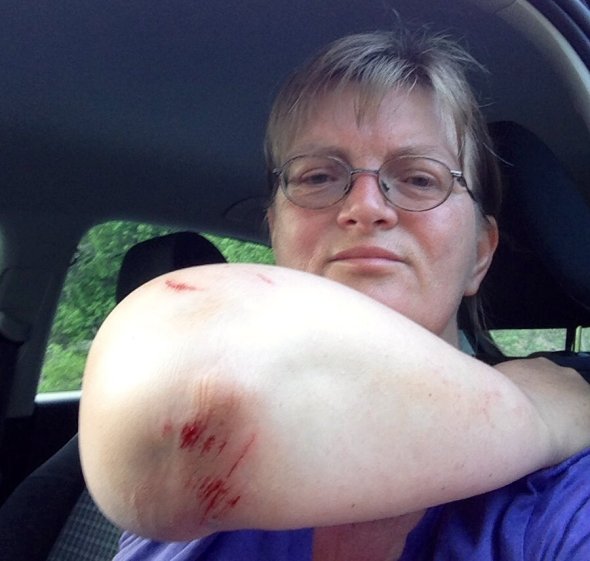
Insurance is vital. Though I’ve been to some pretty adventurous places, I’m actually quite risk averse, and the thought of travelling without insurance makes me very nervous. You can take all the precautions you possibly can, but no one can predict what’s going to happen, as the photo below shows (a tumble on a hike in Sweden a couple of years back though fortunately nothing serious). Generous medical cover is a must no matter what policy you take out. I don’t worry as much about valuables cover, as the high ticket items are covered by our house insurance policy, but it’s worth checking the small print if you plan to do the same. I have an annual policy which costs around £35 for worldwide cover with American Express (you don’t have to have one of their cards to qualify). Remember, you may need to up the budget if you need winter sports cover, or add-ons like scheduled airline failure, for instance. But however tight your budget, don’t be tempted to ditch the policy completely.

Arm

Haggling

Though we all love a bargain, it just doesn’t sit well for me to haggle hard knowing that the person in front of me needs the money so much more than I do. Play the game, but work out what a reasonable price is before driving that figure down to a level where there’s almost no profit in the transaction for the trader. After all, that money might be needed for school books or much needed medical treatment.

Mamadou

Footwear

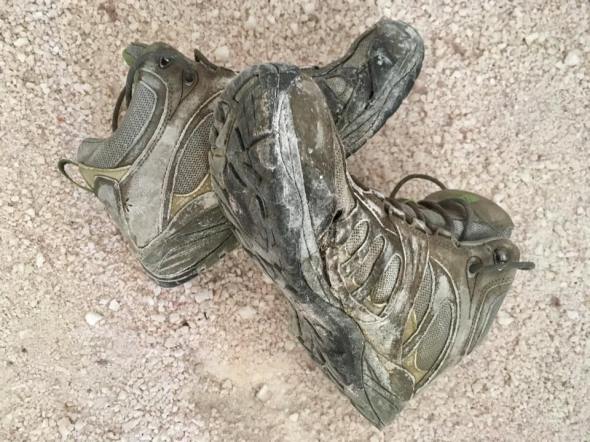
Strictly speaking I guess this isn’t counted as part of the travel budget, but investing in a good pair of shoes or boots before you leave home is so important. There’s surely nothing worse than hobbling along city streets with angry blisters on your heels or trying to focus on the scenery during an amazing hike when all you can think about is the pain around your toes. Pay what it takes to get footwear that is going to be comfortable, supports your feet and isn’t going to fall apart before you come home. Caveat: if I have a pair of boots or shoes that are almost on their last, I don’t bring them home with me. The boots below fell apart on the Bolivian salt flats and ended their days in the salt hotel’s bin.

Boots

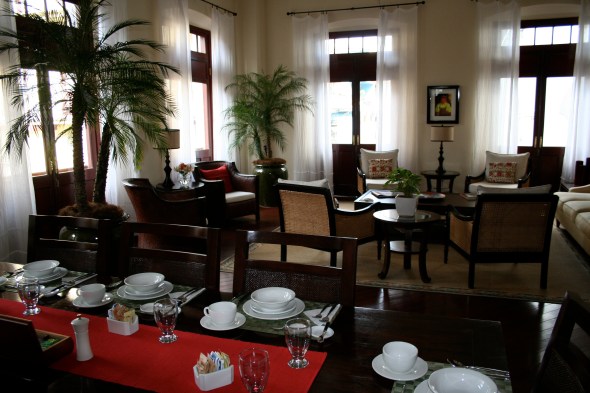
First and last night’s accommodation

My husband likes to say he has a rule when travelling: “Never stay anywhere that’s not as nice as your own home”. Well if that was the case for me I’d miss out on a whole lot of places through lack of funds. Don’t get me wrong, I’ve stayed in fancy places (and not just when someone else is paying) but for the most part, I’d rather save money on my accommodation to free up that part of the budget for something a lot more fun. But then I’ve never been one for confining myself to a hotel. That said, I do try to book somewhere reasonably nice for at least the first and last night of a longer trip. After a long flight, having somewhere decent to get over any jet lag and rest properly can’t be underestimated. And if you stay somewhere lovely for the last night, that trip’s going to end on a high.

IMG_4458.JPG

Experiences

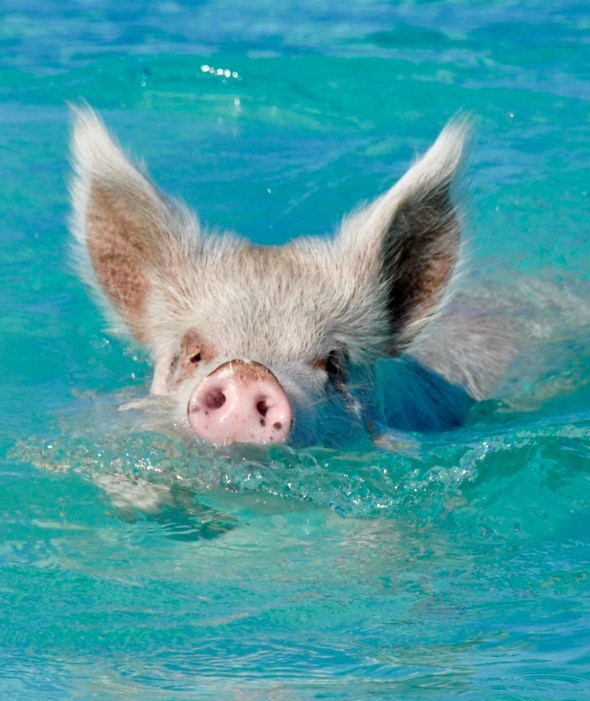
My final suggestion for would-be splurgers is to set aside a healthy chunk of the budget for a once-in-a-lifetime experience. I can’t remember the details of the hotel I stayed in when I went to Margarita Island in Venezuela in 1992 except that it might have been pink? But I remember vividly dismissing an excursion to see the world’s tallest waterfall, Angel Falls, by air. It was ridiculously expensive and the decision was probably a sound one given that it was likely to have been cloudy. But a piece of me has always regretted not going. Since then, I’ve tried if at all possible to sieze such opportunities. Hot air ballooning over the fairy chimneys of Cappadocia, taking a helicopter ride to the top of a New Zealand glacier and sharing a turquoise sea with the cute swimming pigs in the Bahamas are just three of the many experiences I’ve enjoyed. Those memories will last me a lifetime and I don’t regret a penny of the money I spent.

EX2

If you’re now thinking you need to work out where to free up some cash, why not take a look at my last post, When to scrimp while travelling. And don’t forget, I’d love to hear your suggestions for scrimping and saving, as well as when you’ve splashed the cash with good reason.

When to scrimp while travelling

The secret to successful budget travel is about knowing when to scrimp when travelling. Here are six tried and tested ways of cutting costs without ruining your holiday in the process. I’ll be following this with a blog about when it’s better to splurge – together, you’ve pretty much got the guide to how I travel.

Scrimp 1: Choose your destination with care

IMG_9696

The Sun Voyager statue, Reykjavik

Choose a good-value destination – and don’t be sucked in by the promise of a cheap flight if everything else is going to cost you a packet. Some destinations often throw up irresistibly low fares – for example I’ve seen flights ex-London to the Icelandic capital Reykjavik advertised today for under £20pp. But do a quick search online to see how much your accommodation is going to cost and if you have any excursions or must-do experiences in mind, what they’re going to add to the total. That’s not to say you can’t have a holiday in Iceland on a tight budget, but it does mean that you’re going to have to try extra hard to save the pennies and be prepared to skip certain activities on cost grounds. Instead, opt for somewhere much better value (Brits try Turkey, Eastern Europe or North Africa) where you can live like a king on a pauper’s budget.

Scrimp 2: Think carefully about when you want to travel

FullSizeRender

Barbados – beautiful in the November sunshine

Travelling in peak season means peak season prices. I know just how much that can hurt: I used to be a teacher. Travelling to destinations when they’re not quite at their best can cut a lot off the cost of flights and shrink hotel bills. But be careful: extreme weather has a habit of slashing prices but also of ruining holidays. Shoulder season trips (that’s spring and autumn for summer-focused places) often come in at lower prices. That’s how I got such good value for my Barbados trip – switching out peak season December and January for the more affordable late November.

Scrimp 3: Use public transport where you can

taxi-3960176.jpg

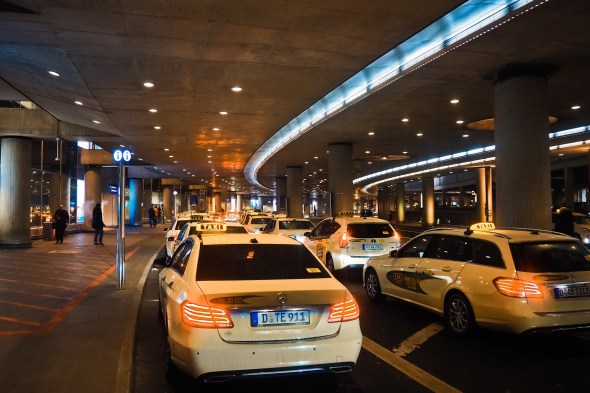
Taxis waiting at Dusseldorf Airport (Pixabay)

Airport taxis can be useful but often they’ll significantly eat into your budget. Aim to travel light (or at least with luggage you can wheel and lift) and in many places you can ditch the costly transfers take public transport instead. In cities where there’s a subway, express bus, train or tram connection direct to the centre, this is really straightforward and often quicker than sitting in traffic. Once you’re in the city centre, you can always grab a taxi for the much shorter distance to your hotel if you need to. Public transport is often very cheap and also provides the opportunity to meet local people. Check out day passes (not the expensive attractions passes) if you’re planning a city break and want to cut out the walking.

Scrimp 4: Download walking tour maps

dsc_0647-1

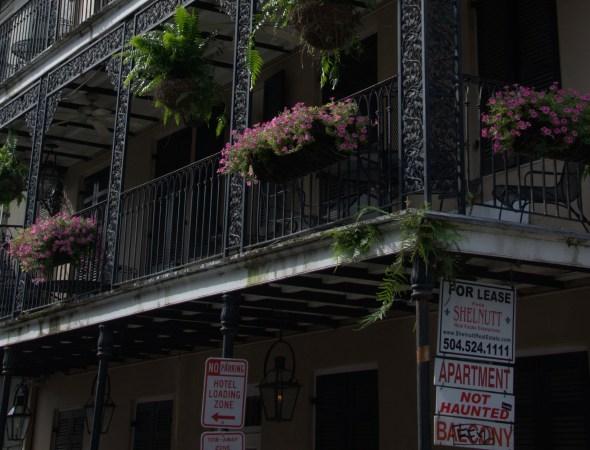
French Quarter architecture

Ditch the transport and walk. It costs nothing and you’ll often see much more than you would from an open top bus or back seat of a taxi. I’ve downloaded walking tour maps and used the suggested route and notes to save on the cost of a guided tour. This one has a good overview of Philadelphia’s historic attractions. GPSmyCity has lots of great maps and themed tours; check out this one on New Orleans architecture for starters. Print off or download before you leave home. Alternatively, borrow a copy of the relevant Lonely Planet from your local library – they often feature self-guided walking routes. I’d also recommend the walking tours offered by Free Tours By Foot; you decide on the tip you wish to give your guide at the end of the tour as I did when I used them in New York’s Lower East Side.

Scrimp 5: Find out what’s free when

image

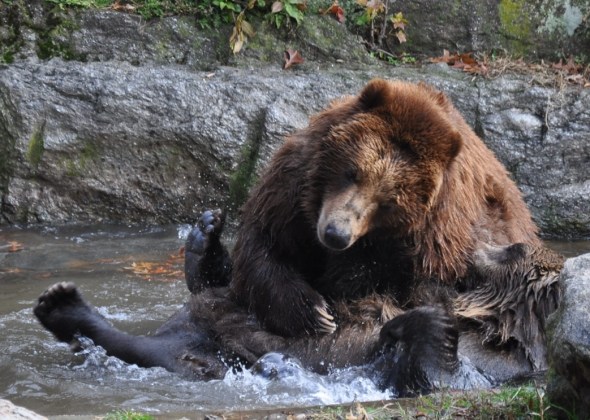
Bears playing in the Bronx Zoo

Check in advance whether the museums and attractions you plan to visit offer free admission at certain times of the day or week. For instance, Rome’s Sistine Chapel is free to enter on the last Sunday of every month. The Louvre in Paris always offers a free ticket to all under 18s and 18-25 year olds from the EU, Norway, Iceland and Liechtenstein; on the evening of the first Saturday in the month their generosity is open to all. In New York, regular tickets to both the Bronx Zoo and Botanical Garden up the road won’t cost you a cent on Wednesdays. Many of London’s top museums don’t charge visitors at all. Google where you want to go before you book your trip and plan accordingly.

Scrimp 6: Cut out the middleman

image

Valle de la Luna, Chile

Booking direct and cutting out the middleman can save you a lot of money. If you book an organised tour, you can end up paying a premium (sometimes a hefty one!) for the luxury of leaving someone else to make your bookings and plan a route for you. Instead, browse tours on the web and get ideas for where you want to visit. Customise it to your own needs. If there are areas you’re keen to see that are hard to visit independently, book a group (or even a bespoke) tour for that part of the trip. Local operators can help with this and often you can wait until you arrive before booking anything. For example, when I visited San Pedro de Atacama in Chile a few years ago, I spent an hour on my first afternoon discussing and booking up tours to El Tatio and the altiplano, but during the same trip, opted to visit Easter Island without a package, saving a fortune in the process.

Travel in an Instagram world

Is travel about wanting to see the world, or wanting the world to see you?

beach-1853939.jpg

A couple of weeks ago, Facebook thought I might be interested in something called Shoot My Travel. Intrigued, I visited their website. Basically, the site connects travellers with a photographer and takes them on a tour of the city they’re visiting. The twist? The tour’s curated around spots that are the most photogenic and the traveller is the focus, with the location merely the supporting act. It’s not for me, but the marketing’s pretty savvy for today’s Instagram-obsessed world. In their “How It Works” section, they say:

Experience the city
Once everything is coordinated, it’s time to meet your photographer and start
the photo tour. Your photographer will guide you through the best spots in
the city while taking candid pictures of you along the way. Our photo tours
are a travel experience where you can learn from the culture, language
and hidden gems of your destination!

I’m a bit dubious. I can’t see how much you’ll be learning about the culture, language and hidden gems of a city when there’s a photographer fussing about getting the perfect shot. And of course, that’s going to be important, because client satisfaction depends on it. If you weren’t bothered about how you looked, you’d have signed up for a regular walking tour instead. It’s not cheap, either, with prices for a one location shoot typically between about $200 and $230. Stretch that to two locations and a “tour” lasting two hours, and the price jumps to over $300. Call me picky, but it’s not much of a city tour if you only visit one or two places, is it?

beach-1846233

A 2017 article in The Independent stated that finding an Instagram-worthy location was the most important factor in choosing a destination among millennials. The poll was carried about by an insurance company and surveyed 1000 18-33 year olds. Of course, questionnaires can be easy to skew, but the result (over 40%) seems high enough to be significant. A bit more digging and it would seem that hotels might be jumping on the Shoot My Travel bandwagon (or is it the other way round?) This Evening Standard article reports on the “social media butlers” provided by the Conrad Maldives Rangali.

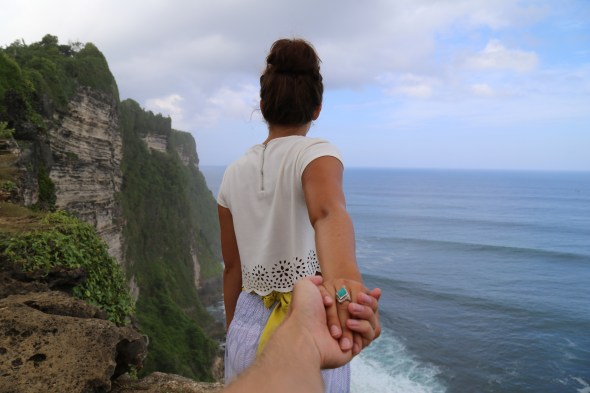
So why does this bug me so much? Surely, a live and live attitude is the way to go? But travel to some of the world’s most famous landmarks has become frustratingly busy, and the queues to get a selfie (or several) a real turn off. Thanks to the internet, the more that post, the more that follow them. I now think twice about even booking somewhere mainstream in peak season – I just don’t have the patience, let alone control over my mouth, for that to be a good idea. It bores me to see numerous copycat versions of the same scene, when all that’s changed is the person in them. Diversity and creativity fall by the wayside in the clamour to be like everyone else. And don’t get me started about those gaze-into-the-distance shots where the person doesn’t even show their face – I can’t see the point of that kind of image at all.

people-2591874

However (and here’s the hypocrisy) it’s a real buzz when I find a spot that I can enjoy by myself, though of course by promoting it in the articles I write and sharing it on my social media feeds I’m part of the problem.

So why take photographs at all? I’ve taken tens of thousands of pictures over the years and looking back through them is a wonderful way of reliving my travels. Memories blur with age and poring over an album from twenty years ago is a reminder of just what we forget. Of course, the really special memories are engraved on your soul, as are those want-to-forget moments, but it’s good to get a refresher of those that fall somewhere in the middle.

So I’ll keep taking snaps while I’m travelling, but the vast majority of them won’t have me in them. And I certainly won’t be paying hundreds of dollars for someone to photograph me while I do. What about you?

man-802120.jpg

Footnote:

All the images in this post were sourced from Pixabay, using the search term “Travel”.


Plastic not so fantastic

I have a confession to make: until now, I’ve not paid much heed to my use of single-use plastic. That’s a very selfish thing to have done – I’ve turned a blind eye to the impact of discarded plastic on wildlife and given little thought to where my waste will end up, beyond sorting plastic bottles for recycling by my local authority. Now I see the words on paper, I’m not proud of that. It’s time for me to change some of my travelling habits and I’ve been thinking hard about what I need to do.

Water in plastic bottles

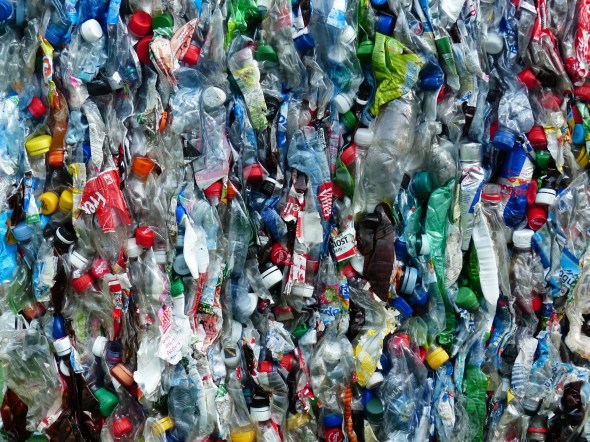
plastic-bottles-115077_1920

It’s easy to justify drinking water out of plastic bottles. Some of the places I’ve travelled in have less than satisfactory water systems and having had several nasty bouts of sickness over the years thanks to my consumption of ice, salad and ice cream, I’m careful not to drink water out of the tap like I do at home  to protect my health. So what to do? I’m not sure yet about the use of iodine tablets and filter bottles, so I’m trying a halfway house. I’ve invested in a 720°DGREE insulated water bottle that I can fill from reliable sources – such as airport water fountains and filtered water – and plan to test it out in Europe very soon.

Straws

straw-229470

I don’t enjoy drinking through a straw, particularly when I’ve ordered a fizzy beverage. But what I haven’t been good at is communicating this to my server, instead waiting until my drink is brought to the table and then discarding the straw. I won’t be buying a stainless steel straw as I’d rather not use a straw at all. But to avoid unnecessary waste I will make a point of asking not to be given a straw when I order a drink.

Travel-sized toiletries

IMG_2834

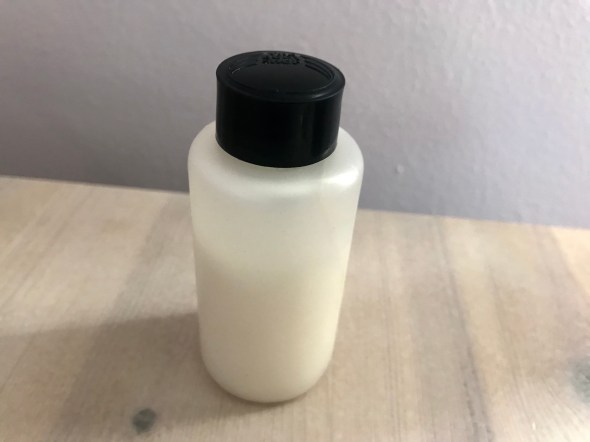
Much criticism has been given to the wastefulness of travel-sized toiletries. In-room amenities and miniatures at airside stores are two cases in point. I’m a big advocate of downsizing toiletries to save on luggage, and will continue to be. However, the bottles I religiously refill before every trip were bought as Body Shop miniatures in the early 1990s and have served me faithfully ever since. Toothpaste is something I need to consider – currently I use up the little tubes that my husband brings back from business trips or save an almost empty full-size tube to finish off while I’m away.

Airline plastic wrappers

img_7392

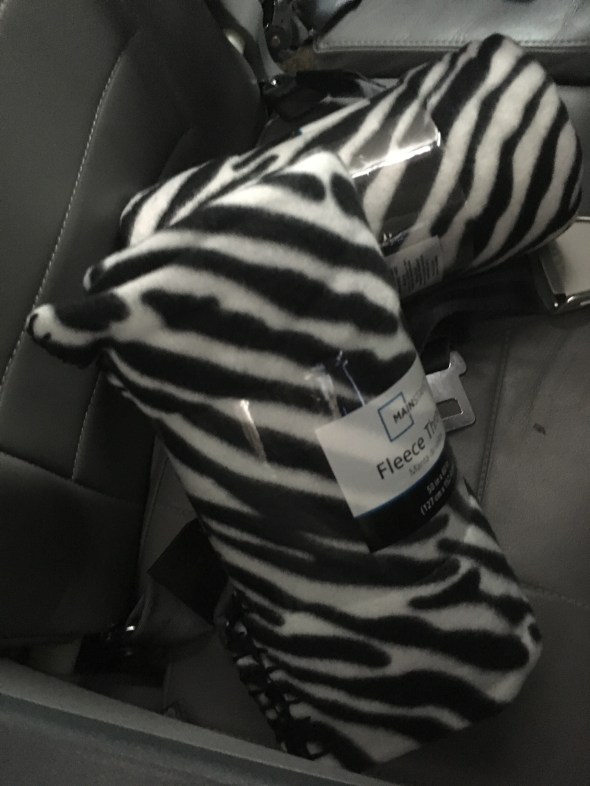
Speaking of on-board amenity kits, I refuse the plastic-wrapped headphones that are handed out. I’m more likely to read or play Scrabble on my Kindle app, but carry my own set of earbuds when I feel like making use of the in-flight entertainment. If I’m organised enough, I have a fleece blanket that packs small enough to fit in hand luggage (bought in response to Norwegian’s policy of charging for blankets but used many times since then).

Street food 

fish-4176085

I’m a huge fan of street food: it’s cheap, tasty and often freshly cooked. But one thing you can’t get around is that many street food vendors serve using plastic plates, cups and cutlery. For once, my husband has led the way on this: he habitually packs what he calls his ice cream spoon so that he can pop into Walgreens when he’s in the States on business and buy himself a large tub instead of the individual serving that comes with a plastic spoon. Yes, greed is good in this instance! I’ve been looking for a set of packable cutlery and have settled on a Joseph Joseph set, which stores in its own silicone case. When I travel with hand luggage only I guess I’ll just have to take the fork and spoon.

Wet wipes

IMG_2836.jpg

Wet wipes have been my go-to travel item for at least a couple of decades. I’ve never flushed them down the toilet, but nevertheless, I wasn’t aware that they contained plastic until I read this article on the BBC website:

https://www.bbc.co.uk/news/44034025

I’ve found what I’m hoping to be a suitable alternative in Cheeky Panda’s 100% bamboo baby wipes, which are packaged using a material called PET1 (Polyethylene Terephthalate). Though plastic, it’s said to be 100% recyclable if disposed of appropriately.

Have you any practical suggestions for reducing single-use plastic while travelling? Please feel free to drop your recommendation in the comments.

Note: though I mention specific products in this post, I have not received complimentary samples. I’ll be reviewing how I got on with my attempts to reduce my single-use plastic consumption on my travels in a future blog.