juliamhammond

Latest

Three ideas for school summer holiday trips

Much has been written in the press about the excessive prices charged by tour operators for the privilege of taking a holiday when school’s out.  Many parents are opting to take their children out of school during term time, some even missing exams and GCSE coursework as a consequence.  By planning ahead, the cost of travelling in school holidays doesn’t have to be prohibitive – but it pays to be a bit creative.  Here’s three ideas for ditching the “fly and flop” vacation for something a little different.

Option 1: Lake Ohrid, FYR Macedonia

Lake Ohrid at Sveti Naum

Lake Ohrid at Sveti Naum

Getting there:

Fly Wizz Air to Skopje from London Luton and catch a bus on to Ohrid.

Where to stay:

The Mal Sveti Kliment House bed and breakfast is conveniently located right in Ohrid’s Old Town, a couple of minutes’ walk from the lake.

Boats tied up at Ohrid's Old Town

Boats tied up at Ohrid’s Old Town

Things to do:

  • Rent a bike and ride along the lake shore
  • Climb to Ohrid’s hilltop fortress
  • Spend the day at the beach
  • Hire a boat and head out on the lake
  • Take a boat trip to Sveti Naum monastery
Christopher the boatman

Christopher the boatman

The lowdown:

Flights departing 16 August and returning 23 August with Wizz Air from London Luton currently £240 per person

Two rooms at the Mal Sveti Kliment House £467 for the week, bed and breakfast

Bus transfers about £6 per person

Cost per person approximately £357


Option 2: Cappadocia, Turkey

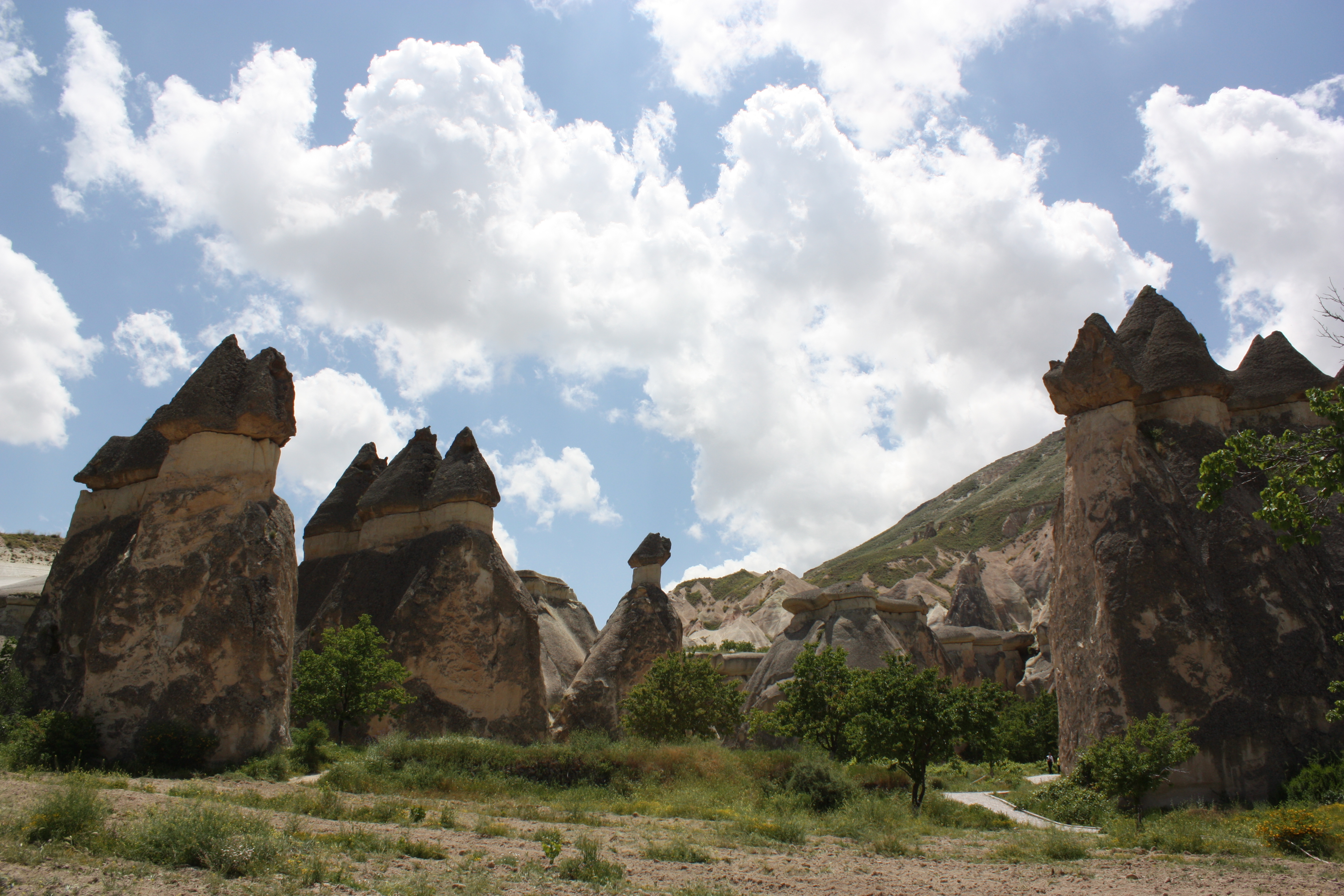
Fairy chimneys near Goreme

Fairy chimneys near Goreme

Getting there:

Fly Pegasus Airlines from London Stansted to Kayseri connecting in Istanbul with onward hotel shuttle to Goreme

Where to stay:

At the Kelebek Cave Hotel in Goreme, you are right in the heart of Cappadocia’s fairy chimney country, a strange but beautiful landscape in central Turkey.

Balloons over the Cappadocian countryside

Balloons over the Cappadocian countryside

Things to do:

  • Hike through countryside dotted with fairy chimneys
  • Take a balloon ride
  • Visit an underground city and head eight floors below ground level
  • Watch Whirling Dervishes
  • Take a Turkish bath
Whirling Dervishes

Whirling Dervishes

The lowdown:

Flights departing 4 August and returning 11 August with Pegasus from London Stansted currently £239 per person

Two rooms at the Kelebek Cave Hotel £610 for the week, bed and breakfast

Bus transfers about £8 per person

Cost per person approximately £399


Option 3: Lanzarote, Canary Islands

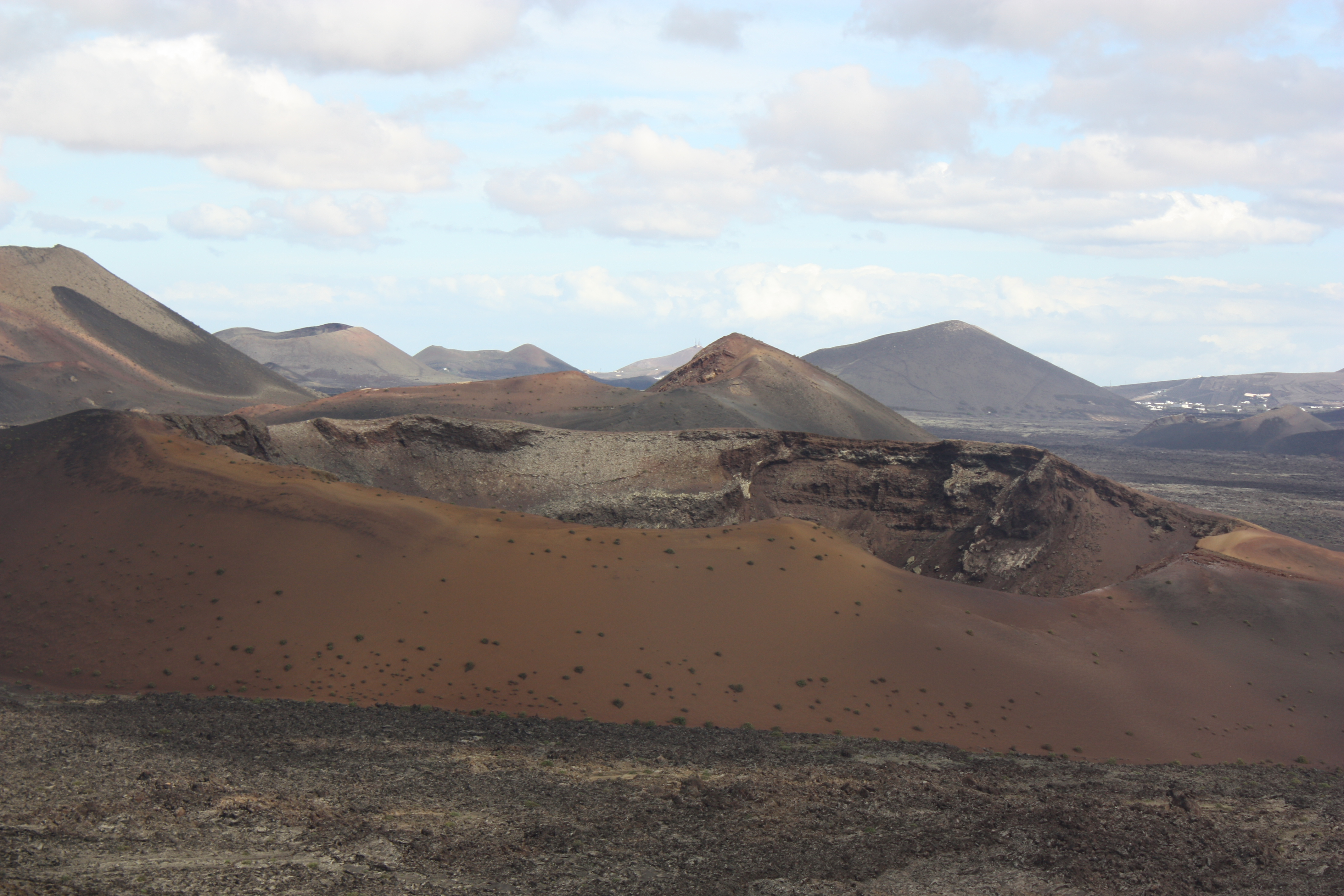
Timanfaya National Park

Timanfaya National Park

Getting there:

Fly Ryanair to Lanzarote from London Stansted and catch a bus to the island’s volcanic centre.

Where to stay:

Casa Tomaren is a collection of villas and apartments nestled in a hollow in the volcanic setting of central Lanzarote.

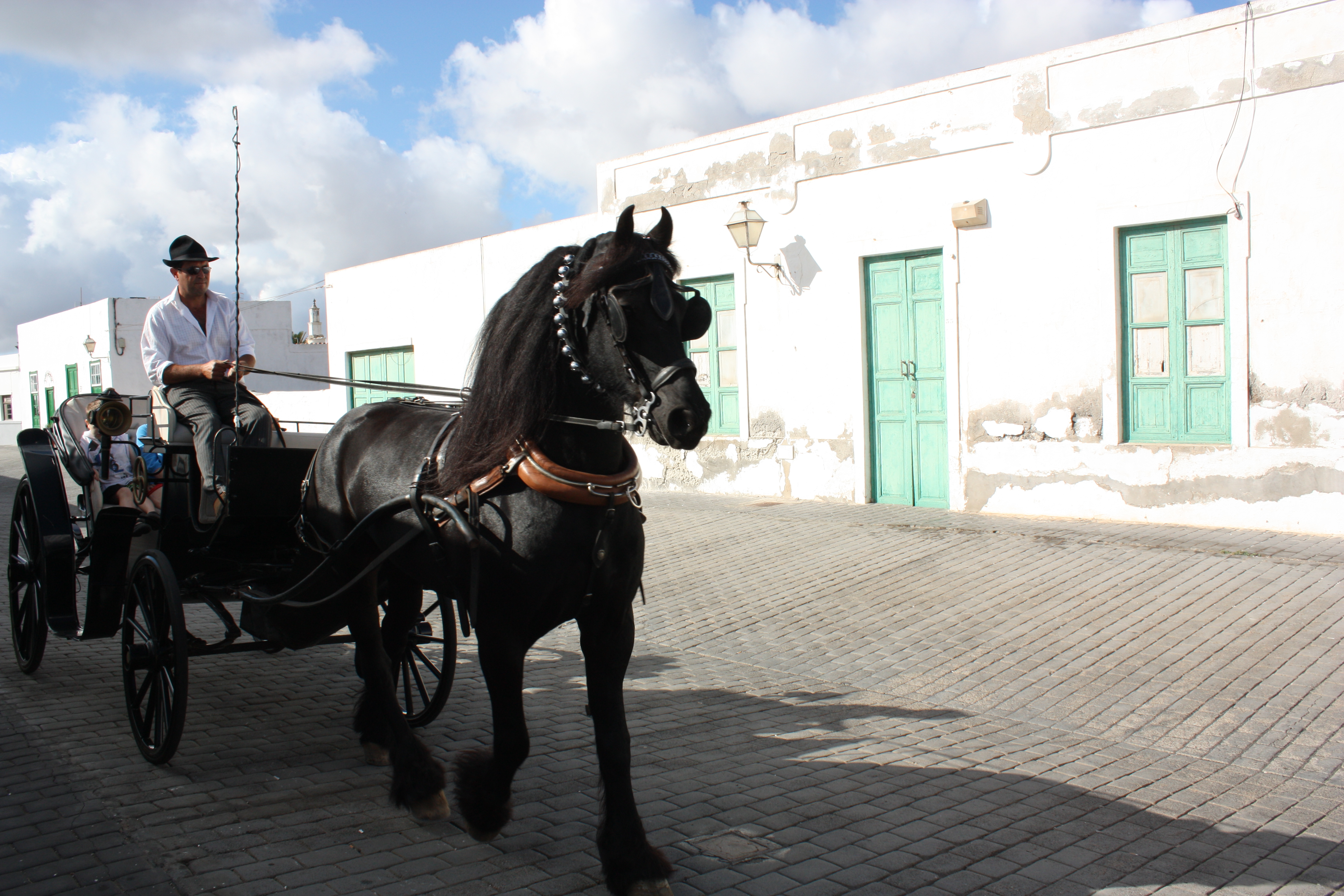
Teguise

Teguise

Things to do:

  • Visit the weekly tourist market at Teguise, the island’s former capital
  • Head to Timanfaya National Park to see volcanic cones
  • Take a trip to a beach with its own green lagoon at El Golfo
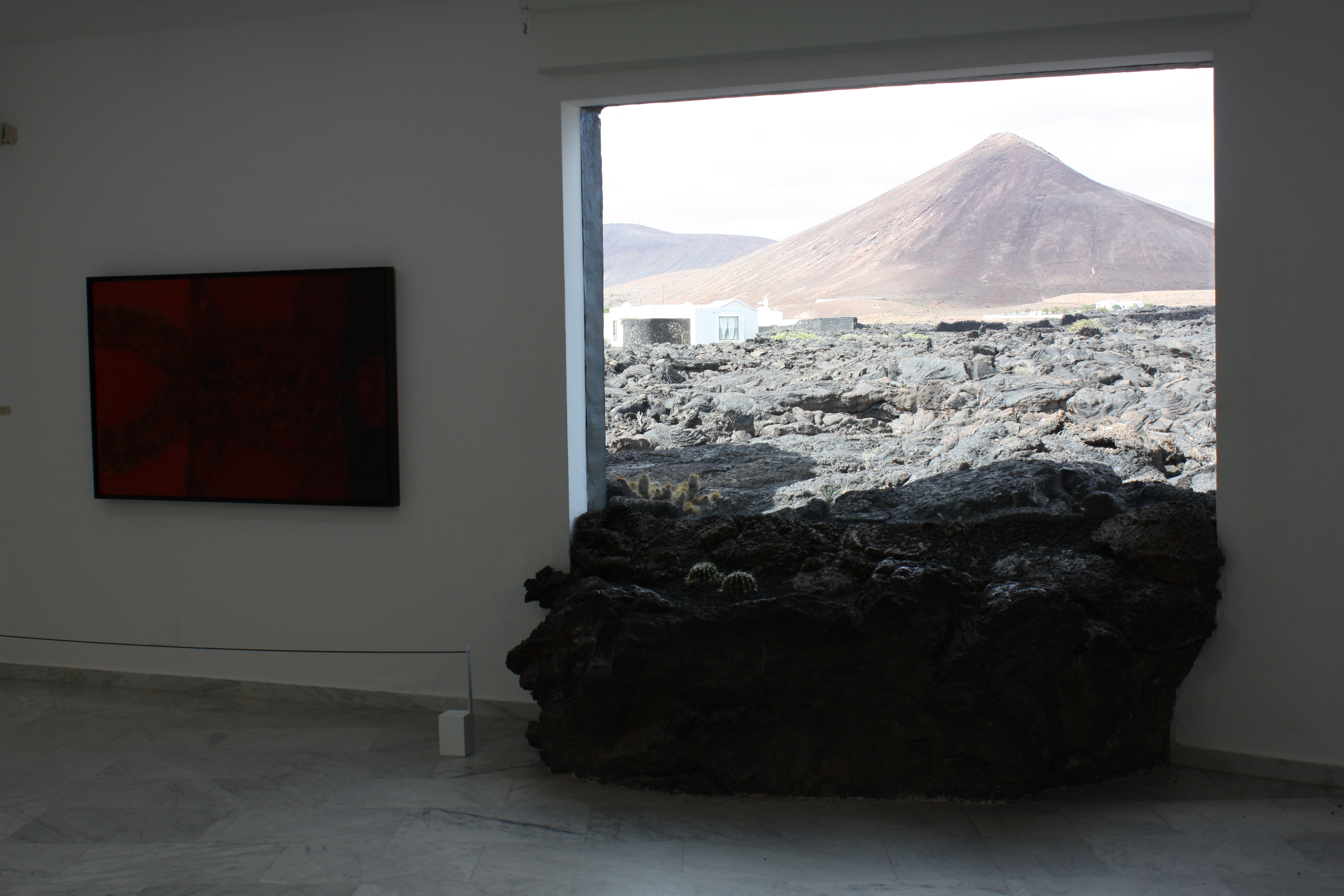
  • Explore the work of artist and architect Cesar Manrique
  • Island hop to the sand dunes of Fuerteventura
Manrique's former home complete with lava

Manrique’s former home complete with lava

The lowdown:

Flights departing 12 August and returning 19 August with Ryanair from London Stansted currently £247 per person

Sari Wanga Villa for four people £1110 for the week, bed and breakfast

Bus transfers via Arrecife about £3 per person (you may wish to consider hiring a car)

Cost per person approximately £527

Note:

I have stayed in all the accommodation featured and followed the means of transport stated, so they all come personally recommended (even Ryanair!)  Whilst all prices and availability were correct at the time of writing, they may not remain that way for long.  The first rule of independent school holiday travel using budget airlines is book early.  Don’t forget to add on the cost of seat reservations and baggage where applicable and read the terms and conditions very carefully.  Make sure you have adequate insurance at the time of booking in case anything goes wrong.  If you have other recommendations for budget-friendly trips for the school holidays, please feel free to share them using the comment box.


A beginner’s guide to the Riviera Maya

Mexico’s Riviera Maya is the name given to the stretch of Quintana Roo coastline that extends from Cancun in the north (or a few kilometres south of it, definitions vary) to the Sian Ka’an Biosphere Reserve to the south. Together with the neighbouring state of Yucatan, it is a deservedly popular package and independent tourism destination. This guide is aimed at the first-time visitor and should help you to make the most of your holiday. Prices are shown in Mexican pesos, which at the time of writing had an exchange rate of about twenty to the pound. The information given was correct at the time of writing, but check locally as things change.

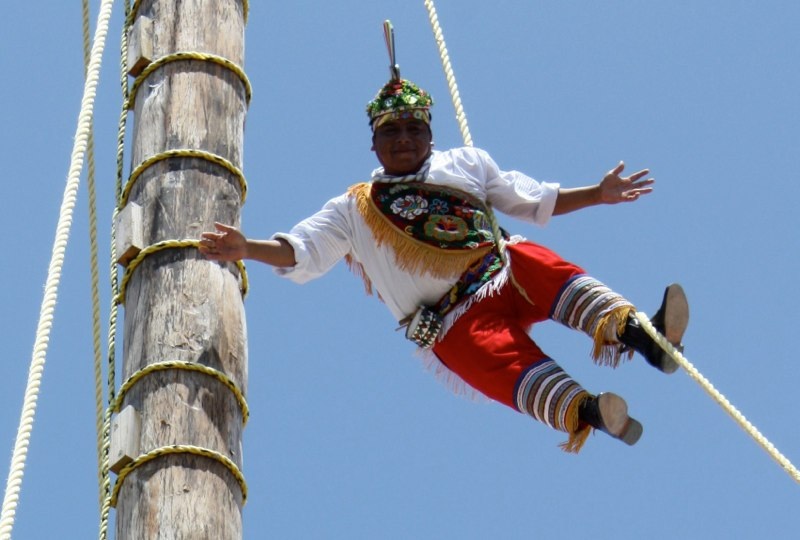
One of the four voladores

One of the four voladores

How to get there

Most visitors arrive at Cancun’s international airport just to the south of town, well served by direct scheduled flights from the UK, for example, with British Airways and Virgin Atlantic. It is possible to fly to Mexico City and catch a connecting flight but this takes longer. A wide range of packages are available with operators such as Thomson, Thomas Cook and First Choice. From the airport, the best way of getting to your hotel depends on your location. ADO buses serve the centres of Cancun and Playa del Carmen on a half-hourly basis, with fares of 148 pesos per person to Playa and 62 pesos to Cancun. Airport shuttles are available to the main resort areas for around four times as much and private hotel transfers considerably more. If you’re on a package, transfers will usually be included but check your booking documents.

Parrot in Xcaret Eco-park

Parrot in Xcaret Eco-park

How to get around

Taxis are cheap but better still are the minibuses called colectivos that ply the main road at regular intervals. To catch one, simply flag it down and tell the conductor your intended destination. Fares are cheap so take loose change and small notes. In Playa, colectivos can be found in town at Calle 2 Norte between 15th and 20th, whereas in Cancun you’ll need to come out of the Zona Hotelera into downtown, where they congregate outside La Comercial Mexicana supermarket on Avenida Tulum.  In Tulum, look for them opposite the ADO bus station in the town. Several bus companies serve a large network across Quintana Roo (the state containing the coastal strip) and neighbouring Yucatan (where you’ll find Chichen Itza). The best quality buses, with fewer stops and therefore slightly dearer fares, are run by ADO, whose website http://www.ado.com.mx is easy to navigate. Local routes are also served by the cheaper Oriente and Mayab buses, which tend to be a little less comfortable and stop more frequently.

Where to stay

Cancun is the largest of the Mayan Riviera resorts. Created from scratch four decades ago, it basically consists of two areas: downtown, where the locals live, and the Zona Hotelera, a narrow strip of land flanked by a lagoon on one side and white sand in the other. Its lively nightlife and many bars attract a young crowd, especially from the USA and Canada. However, Cancun’s too noisy and brash for many, who Instead head an hour down the coast to Playa del Carmen. Playa has grown immensely in the last decade, but its pedestrian street, Quinta, with a good selection of shops, bars and restaurants still attracts many people. Try Sur, which serves Argentine steaks in a swanky setting, or Blue Lobster for seafood and glow in the dark blue margaritas. The central beach, though eroded in places, is busy and lined with popular beach clubs playing music while its water is safe for swimming.
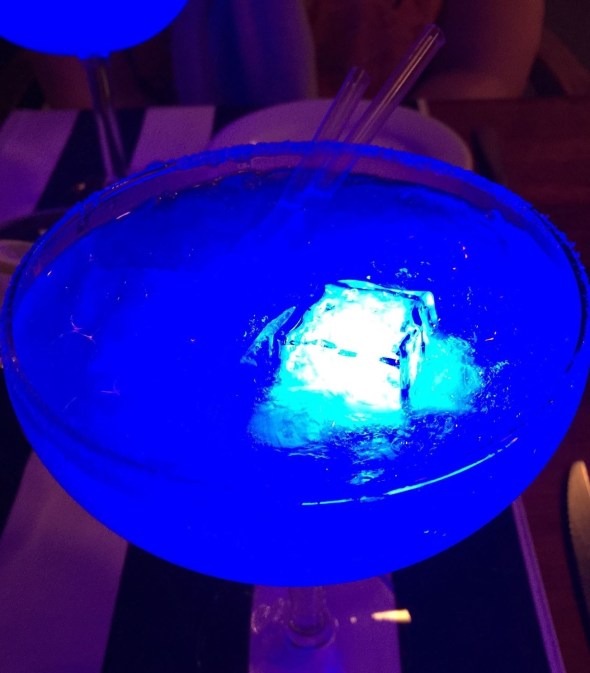
Blue margarita

Blue margarita

Alternatives to Cancun and Playa

Another hour by bus further south, Tulum is rapidly developing with accommodation strung out along the beach. Once home to a few hippy hangouts, it now also hosts beach clubs and luxury hotels alongside the hammocks. Puerto Morelos, midway between Cancun and Playa, is a small town that contains a few hotels, such as Casa Caribe to which the excellent Little Mexican Cooking School is attached. Akumal, a quarter of an hour south of Playa, serves those who like their resort to be local and relatively unspoilt. The easiest way to get to both Puerto Morelos and Akumal is by flagging down a colectivo on the side of the main road, known as the 307. Connecting Cancun to Tulum and beyond is a string of all-inclusive luxury resorts, gated from the main road and fiercely protective of their private patch of beach. These are well suited to families as the all-inclusive option makes budgeting easier and there are plenty of water-based activities for all ages. Whether you’re a backpacker on a budget or a family seeking a fortnight of water sports and lazy days by the pool, there’s something on the Mayan Riviera that will cater for you. If you don’t mind being away from the beach, the town of Valladolid, two hours inland from Cancun, offers an alternative to independent travellers seeking a less touristy experience. ADO buses run frequently, costing 176 pesos each way from both Cancun and Playa del Carmen.

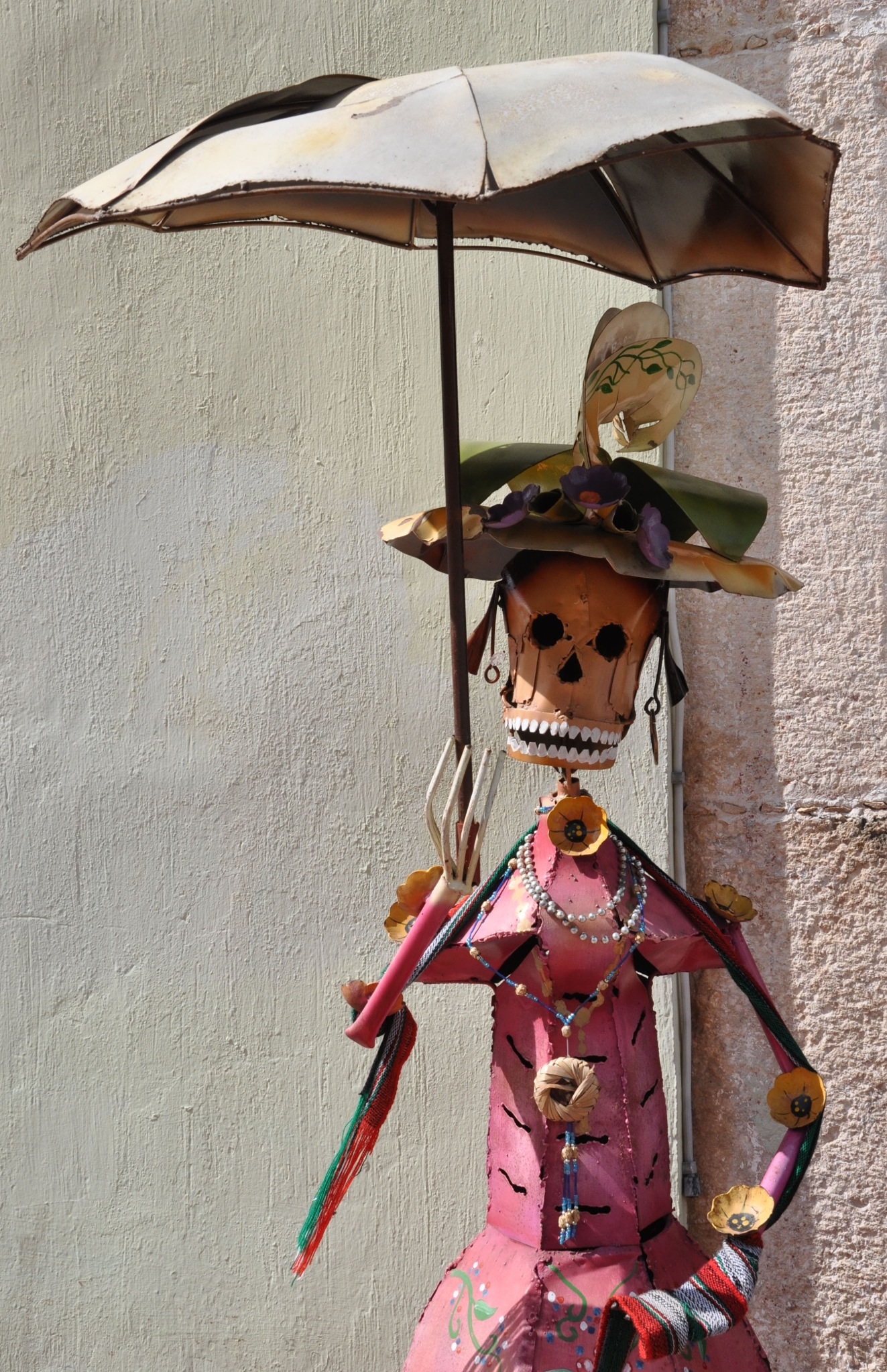
Art gallery in Valladolid selling all things Catrina, the symbol of the Day of the Dead festivities

Art gallery in Valladolid selling all things Catrina, the symbol of the Day of the Dead festivities

Set around a charming plaza, there are a handful of hotels and restaurants, the best being El Meson de Marques right on the main square. From Valladolid, it’s easy to get to the ruins of Chichen Itza and Ek Balam as well as to the pretty town of Merida to the north of the peninsula, itself a good base for visiting the ruins of Uxmal and Sayil. The town is busy and it can feel less comfortable in the heat without a cooling sea breeze, but Valladolid’s a useful stopping off point between the coast and Merida if you wish to tour the peninsula.

Theme parks

As you’d expect from a well-established destination, there’s a number of water and eco-parks to tempt holidaymakers out of their resorts. If you go to only one, make it Xcaret. Pronounced “ish-ca-rett”, the site was once a Mayan port. Its archaeological remains can be visited without having to pay the entrance fee to the main park, and cost 43 pesos, but the park itself is a fun way to spend the day. You can swim in a lazy river and visit the park’s wildlife including turtles and dolphins. The park features a reconstructed Mayan ball court as well as a typical hacienda and folk art museum. At night, stay for the spectacle that condenses a thousand years of history into a couple of hours. It features everything from Mayan sport played with balls of fire to dance and folklore set pieces representing Mexico’s diverse regions. This and other performances such as an equestrian show and the exciting display put on by the Voladores de Papantla are included in the ticket price. It’s simple to find booths selling tickets in Cancun and Playa del Carmen or you can book online. Tickets start from US$89 with some activities such as swimming with dolphins carrying a supplement. For more information visit http://www.xcaret.com or pick up a leaflet when you arrive.

The show at Xcaret

The show at Xcaret

Xplor is the go-to park for thrill seekers. Tickets cover four attractions: a ride in an amphibious vehicle, a lazy river swim, underground rafting and the highest zip lines in Latin America. Full instruction is given and a helmet mounted camera ensures that you have a selection of photos as a memento of your day. Tickets cost from US$119 and can be purchased in much the same way as Xcaret. Xplor’s website http://www.xplor.travel has all the information. As well as Xcaret and Xplor, there are a range of other attractions run by the same company, including Xel-Ha and Rio Secreto. Perhaps even more fun is to do what the locals do to make the best of the landscape. Beneath the peninsula, the limestone rock has slowly been weathered away to create a fascinating underground world of sinkholes and caverns into which water has gradually filtered. These lagoons, known as cenotes, form natural swimming pools popular with families at weekends but often quiet in the week. There are many close to the coast, but one of the best is Cenote Xkeken at Dzitnup. Located a little way out of Valladolid, it is a glistening turquoise lake lit through a hole in the roof of a huge cavern dangling with stalactites. Entrance costs 80 pesos.
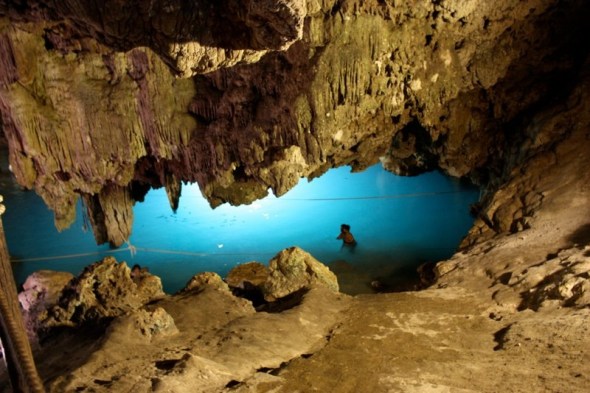
Cenotes can be found throughout the peninsula

Cenotes can be found throughout the peninsula

Mayan ruins

The large number of historical sites in Quintana Roo and the Yucatan can leave the visitor ruined out. It’s best to choose a few and enjoy them, rather than attempt to tick them all off in one trip. The jewel in the crown is without a doubt Chichen Itza. A sprawling site surrounded by jungle, it centres around the restored Kukulkan pyramid and an interesting collection of other structures including an observatory and ball court. Every tour operator offers day trips, but the site is easy to visit independently. ADO buses connect Chichen Itza directly to Cancun and Playa del Carmen via good roads. Guides can be hired at the entrance if you wish. A ticket to get in costs 533 pesos for foreign tourists. (Mexicans enjoy a discounted rate, locals even more so).

The Kukulkan pyramid at Chichen Itza

The Kukulkan pyramid at Chichen Itza

The must-see on the coast is Tulum, not for its scale but for its location. Tulum’s temples sit right on top of the cliff above a small patch of sand and a turquoise sea and unsurprisingly as a result receives the highest number of visitors of any of the peninsula’s archaeological sites. Like Chichen Itza, the volume of tourists necessitates obvious management and many structures are roped off, but the grey of the stone against the blue sky makes this a very atmospheric place despite the crowds. It’s still just possible to find a quiet spot with just a lizard or two for company, especially first thing in the morning. Tickets are priced at 80 pesos.

Tulum's dramatic setting

Tulum’s dramatic setting

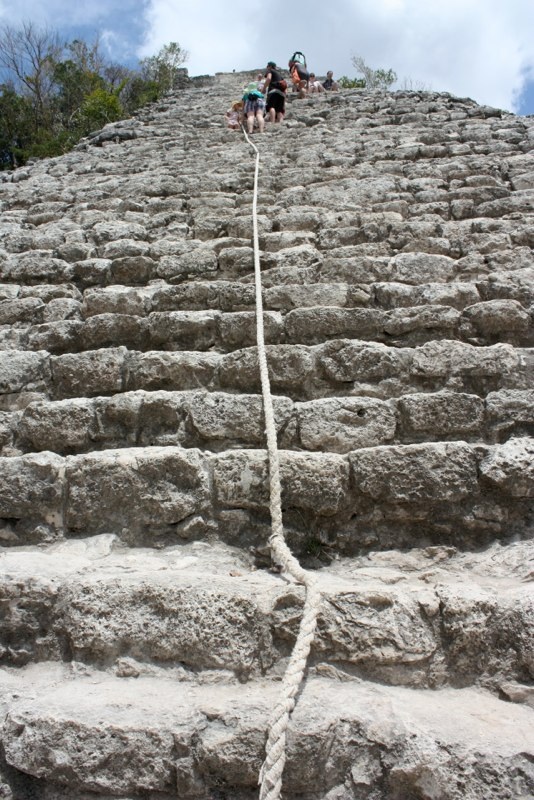
Coba, just a few years ago off the beaten track but now increasingly in the tour operators’ sights, is situated an hour or so from Tulum. Once a thriving Mayan city, the ruins are scattered through an area of jungle crisis-crossed with Mayan roads known as sacbe. The pyramid here is less well preserved than that at Chichen Itza and for now at least can be climbed by anyone untroubled by vertigo – with just a single rope to cling on to, this is not a climb for those with a fear of heights. Entrance costs 80 pesos but due to the size of the site, many people opt to rent bicycles or take a ride to the ruins in a cycle rickshaw at extra cost.

Note that at present Coba is closed to visitors.

Coba's pyramid

Coba’s pyramid

Less well-known and yet only twenty minutes by colectivo from Valladolid are the extensive ruins at Ek Balam. Relatively recently rediscovered, like Coba the site has a pyramid to climb, the Acropolis, its 106 worn steps rising steeply from the ground to offer extraordinary views of the surrounding jungle from the top. Ek Balam means dark jaguar in Mayan and as a result, the observant will spot jaguar motifs carved into the stone throughout the site. The entrance fee is 456 pesos for foreign tourists. Colectivo taxis from Valladolid cost upwards of 150 pesos each way; either pay for a seat and wait for others to join you or pay for the whole car. As they’re taxis rather than minibuses, you’ll find them on Calle 44 between 37 and 35, tucked inside the courtyard of a building rather than on the road outside.

The little-visited Ek' Balam

The little-visited Ek’ Balam

Further afield, the attractive colonial town of Merida makes a convenient base if you wish to visit the Yucatecan sites of Sayil, Labna and Uxmal. It’s also close to Izamal whose ruins boast the largest surviving Mayan structure in the area. Getting to Merida takes around five hours by bus from the coastal resorts of Quintana Roo.

Natural wonders

A coral reef extends from the Riviera Maya down past Belize and on to Honduras. The second longest in the world, after Australia’s Great Barrier Reef, it provides excellent opportunities for both snorkelling and diving. The largest protected reserve in the area is the Sian Ka’an Biosphere Reserve, south of the main tourist strip. Tours showcase its flora and fauna, in particular birds, dolphins and turtles, plus occasionally manatees for those lucky enough to spot them. Akumal’s public beach is a good place for green turtle watching. There’s no need to book a tour, as snorkelling equipment can be rented from the dive shop on the beach, from where it’s a short swim out to the reef. Even in busy spots such as the main beach at Playa del Carmen, you’ll see flamingos diving for fish and bobbing about amidst the breakers.

Playa del Carmen beach

Playa del Carmen beach

Off the coast

Cozumel, an established cruise ship and diving destination, is easily reached by ferry from the terminal at the southern end of Playa del Carmen. It offers the facilities you’d usually expect from a place where the majority of visitors are only in town for a short while. Island tours are expensive as are taxis. Isla Mujeres and Isla Holbox, reached by ferry from Cancun, are better bolt holes if you want a more laid back island stay.

Northern Peru: the Chacha circuit

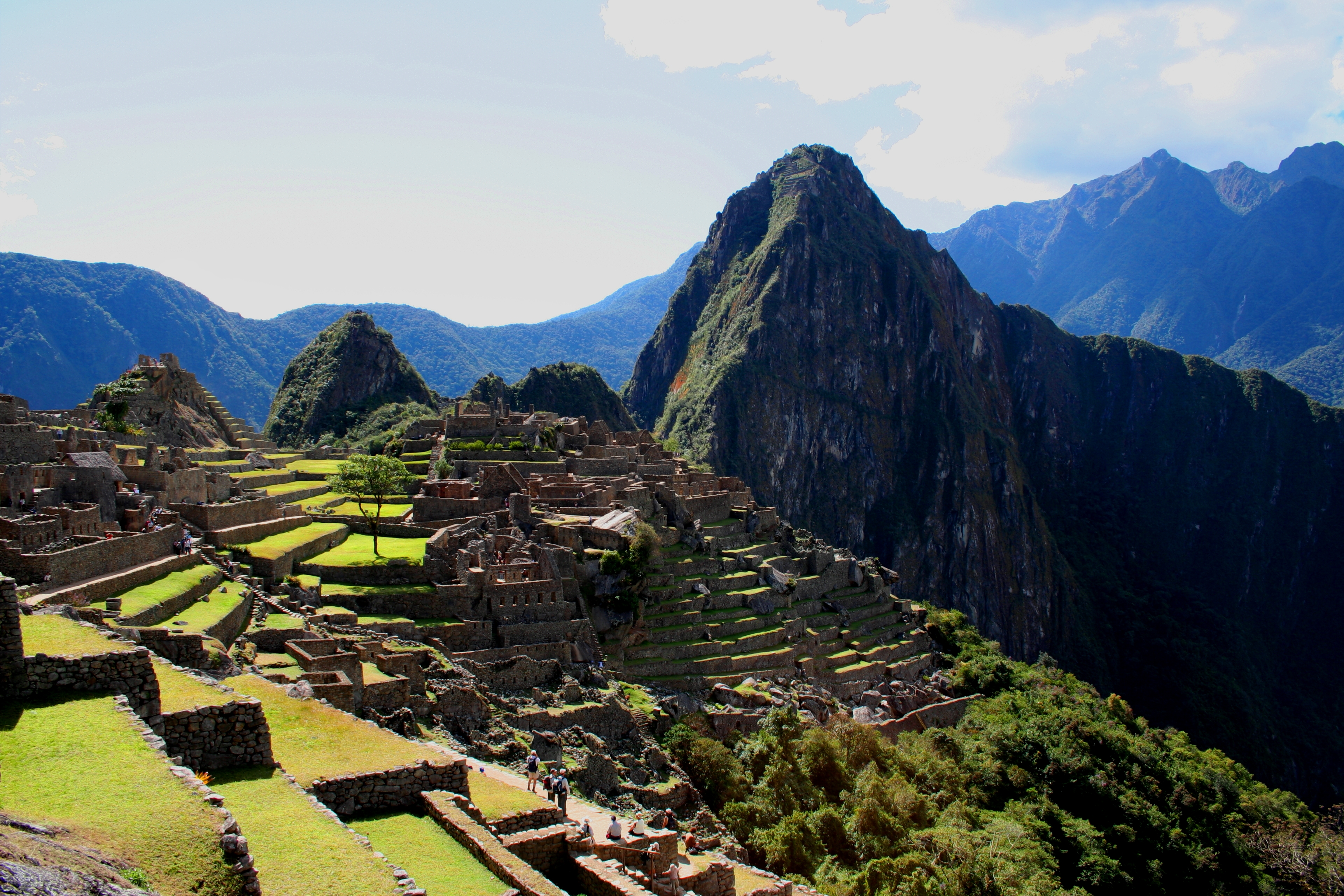
The vast majority of visitors to the increasingly popular nation of Peru follow the southern tourist circuit, taking in the main sites of the Cusco area such as Machu Picchu and the Sacred Valley.  They might extend their trip by heading to Puno, on the shores of Lake Titicaca, or to Arequipa, gateway to the Colca Canyon.  None of these places should be missed; Peru has some of the most beautiful scenery in the world and its kind-hearted population will give you a warm welcome.

Machu Picchu

Machu Picchu

Since I first visited Peru back in 1995, tourist infrastructure and its reliability has improved, along with the food that makes the country one of South America’s most enticing culinary destinations.  But the north remains overlooked, despite having ruins that easily rival those of the south in terms of interest but can be seen minus the crowds.  Visiting Chachapoyas and its surrounding attractions doesn’t have to push the south out of your itinerary completely.

Chachapoyas' cathedral in the Plaza de Armas

Chachapoyas’ cathedral in the Plaza de Armas

Here’s my lowdown on extending your visit; to take in all the places I mentioned you’ll need between five days and a week.

Getting there

Chachapoyas has its own airport.  It just doesn’t have any flights.  There are plans to begin commercial flights (LAN looks like the most likely contender) but in the meantime, getting there involves flying either to Tarapoto on the edge of the Amazon or to the Inca city of Cajamarca.  Both are well served by flights from Lima with airlines like LAN, Star Peru and LC Busre, but both routes entail a long bus ride on to Chachapoyas.  I took a day bus from Tarapoto to Chachapoyas, which was about an eight-hour ride and an overnight bus from Chachapoyas on to Cajamarca, a bone shaking ten hours including a change of bus in the middle of the night.

On the way from Tarapoto

On the way from Tarapoto

Buses are rarely completely full on the Tarapoto to Chachapoyas route and it is usually possible to catch a bus without pre-booking. Usually, it’s necessary to take the bus as far as the town of Pedro Ruiz.  Passengers heading for Chachapoyas are then escorted a few metres up the main street and take a colectivo (shared minibus) for the rest of the journey.  These leave when full but you don’t normally have to wait long.  Some days you can also catch a tourist shuttle direct to Chachapoyas but check locally to see if it is running.  The Virgen Del Carmen overnight bus from Chachapoyas to Cajamarca runs from Calle Salamanca, a couple of blocks north of the Plaza de Armas and it is wise to book a day in advance.  There is plenty of information online about this being a day bus but at the time I travelled only the overnight service was operational.  Again check locally; schedules alter, and if you can get a day bus to Cajamarca the scenery will take your mind off the condition of the road.

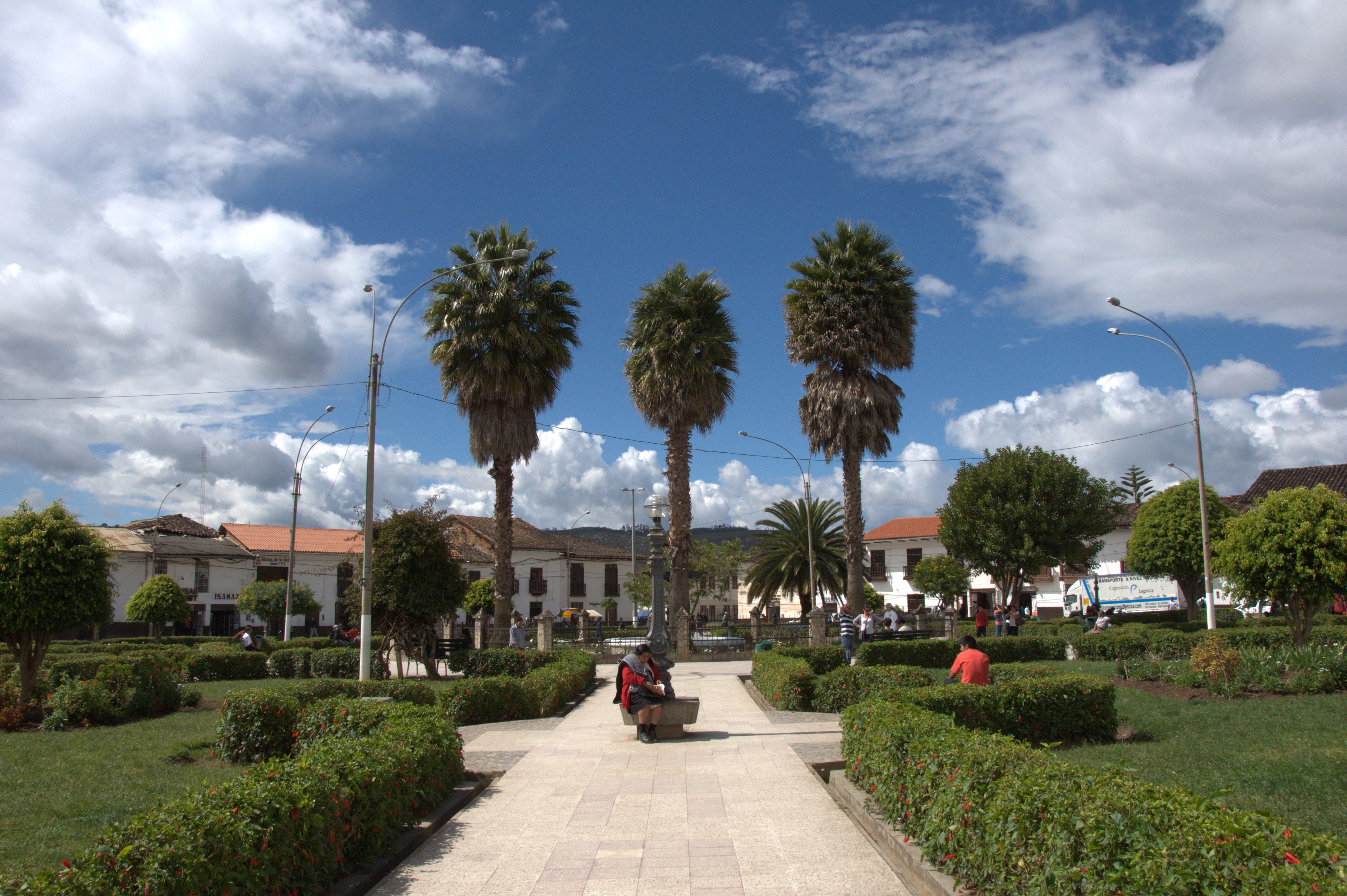
Plaza de Armas, Chachapoyas

Plaza de Armas, Chachapoyas

Chachapoyas

Chacha, as it is commonly known by travellers, is a small and easily manageable town with an attractive main square. The town has a few minor attractions itself, including the pretty Huancas Gorge just outside of town just a little way past the airport turn off.

Huancas Gorge

Huancas Gorge

Any taxi driver will take you there and wait for a reasonable fare.  There’s also a charming adobe church in the sleepy plaza.

The adobe church in Huancas

The adobe church in Huancas

The other unmissable site (for a foodie at least) is the marvellous Tierra Mia Cafe, adjacent to the Hostal Casa Vieja on Calle Chincha Alta, a block from the main square.  The coffee is excellent and the food, especially their pastries and desserts, the best in town.

Get out of town

But the main draw of Chacha is not what’s in town, it’s what’s nearby. There are three unmissable attractions in the Chachapoyas area: Kuelap, Karajia and Gocta Falls.  Surrounding the square are a whole host of tour operators selling day excursions to the region’s most popular sites.  In season, there are just enough visitors to make such tours viable but you might need to be flexible with your schedule in order to visit all the places you wish.

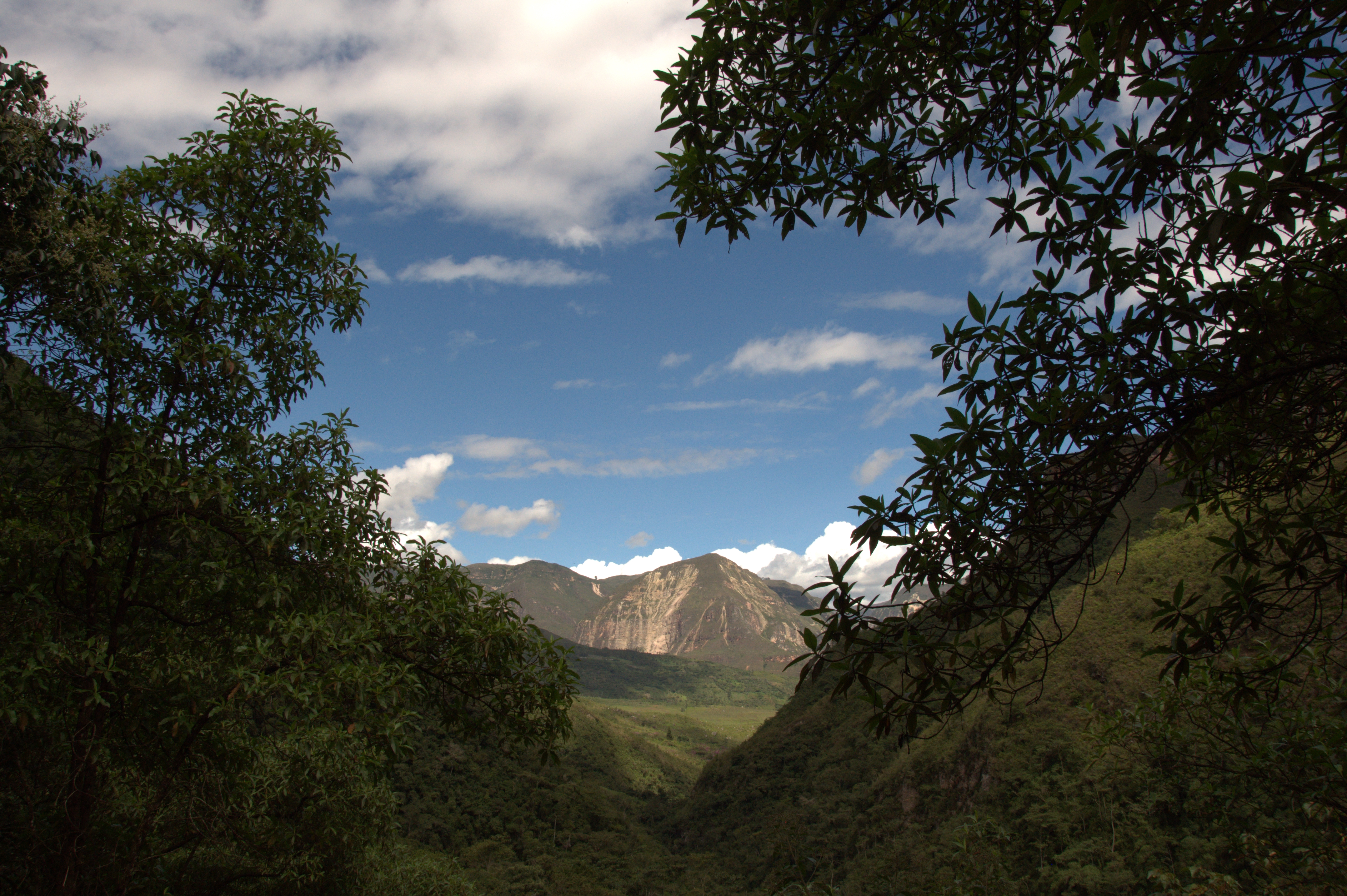
En route to Gocta Falls

En route to Gocta Falls

Gocta Falls

One of the world’s highest waterfalls, Gocta is reached at the end of a strenuous hike which begins at the small village of Cocachimba, a short drive from Chacha.

The trail to Gocta Falls in dry season

The trail to Gocta Falls in dry season

The trek takes walkers up and over a densely forested hill on a path that is slippery and muddy even in dry season.  The incline is so great that even locals puff, but fortunately horses can be rented for the worst part of the trail.

Horse relaxing after its trip to Gocta Falls

Horse relaxing after its trip to Gocta Falls

Along the way, the scenery is lush and from time to time, glimpses of Gocta Falls can be caught across the valley encouraging hikers to keep going.  The Falls are situated in such a secluded location that they remained unknown outside the local area until 2005.

Gocta Falls

Gocta Falls

The ruined fortress of Kuelap

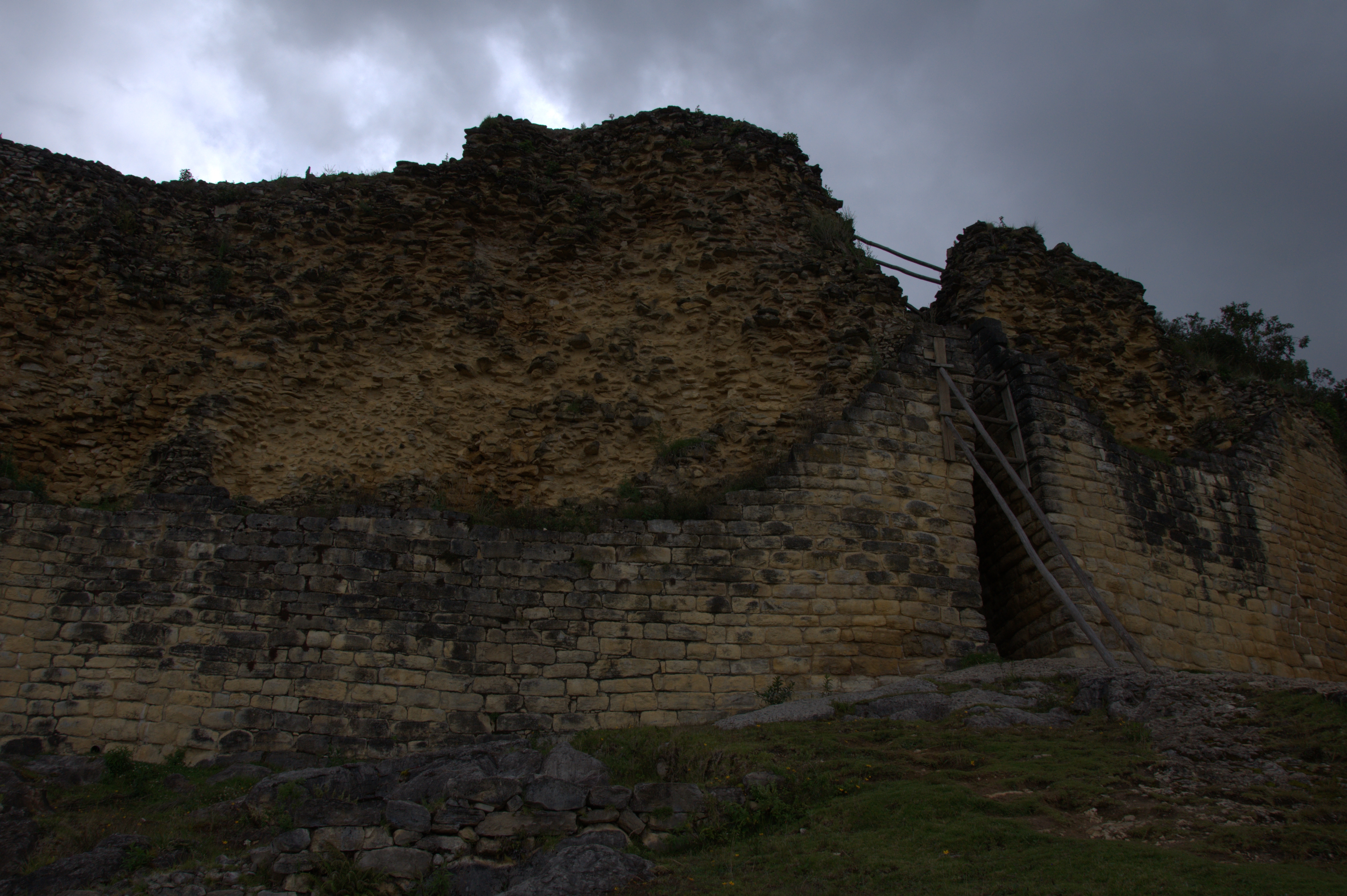
Kuelap is a ruined fortress dating, it’s thought, from around 600AD, its imposing stone walls punctuated by tumbledown staircases whose steps have been worn away over the centuries.

Kuelap Fortress

Kuelap Fortress

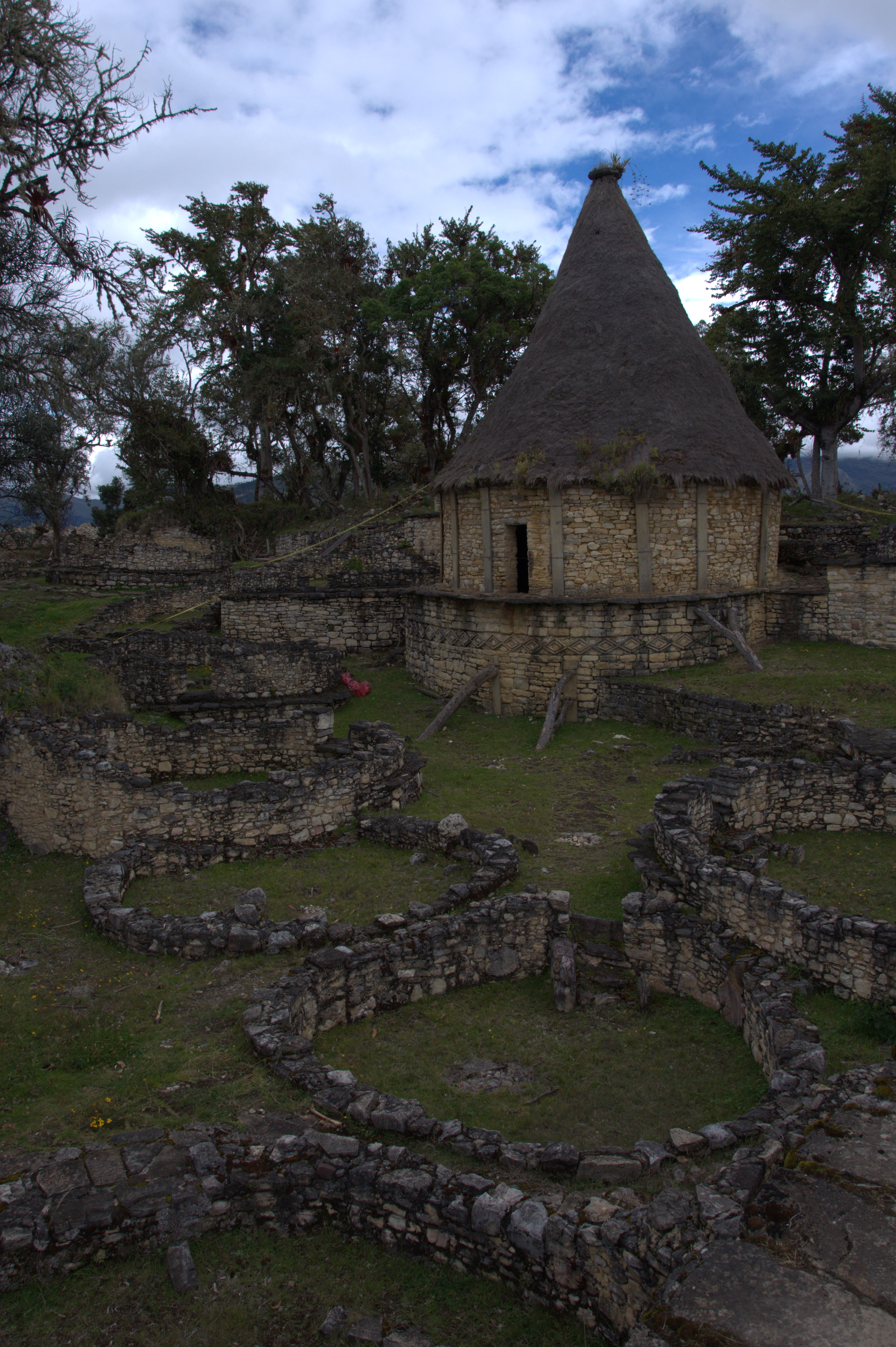
At the top, there are some interesting circular structures, one of which has been reconstructed with controversially more guesswork than historical knowledge, though with its photogenic thatched cone roof no one from the tourist board is really complaining.

Kuelap reconstruction

Kuelap reconstruction

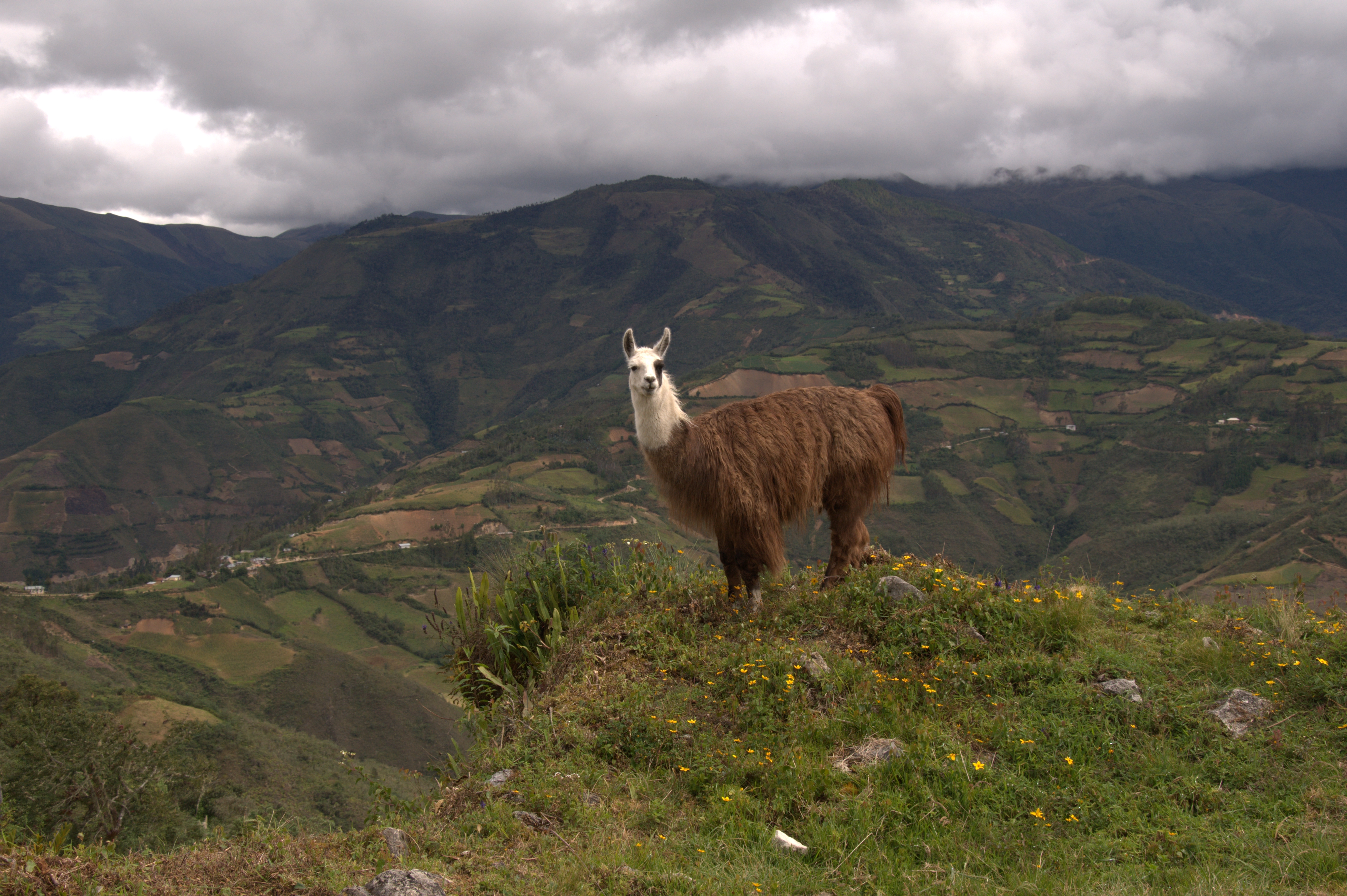
Llamas still wander through the extensive site, which as a result of its hilltop location offers dramatic views over the surrounding valleys.

Llama at Kuelap

Llama at Kuelap

Peru’s tourism ministry is beginning to market Kuelap as the “new” Machu Picchu and a cable car is likely to open in 2016 making it quicker to reach.

Kuelap

Kuelap

The sarcophagi of Karajia

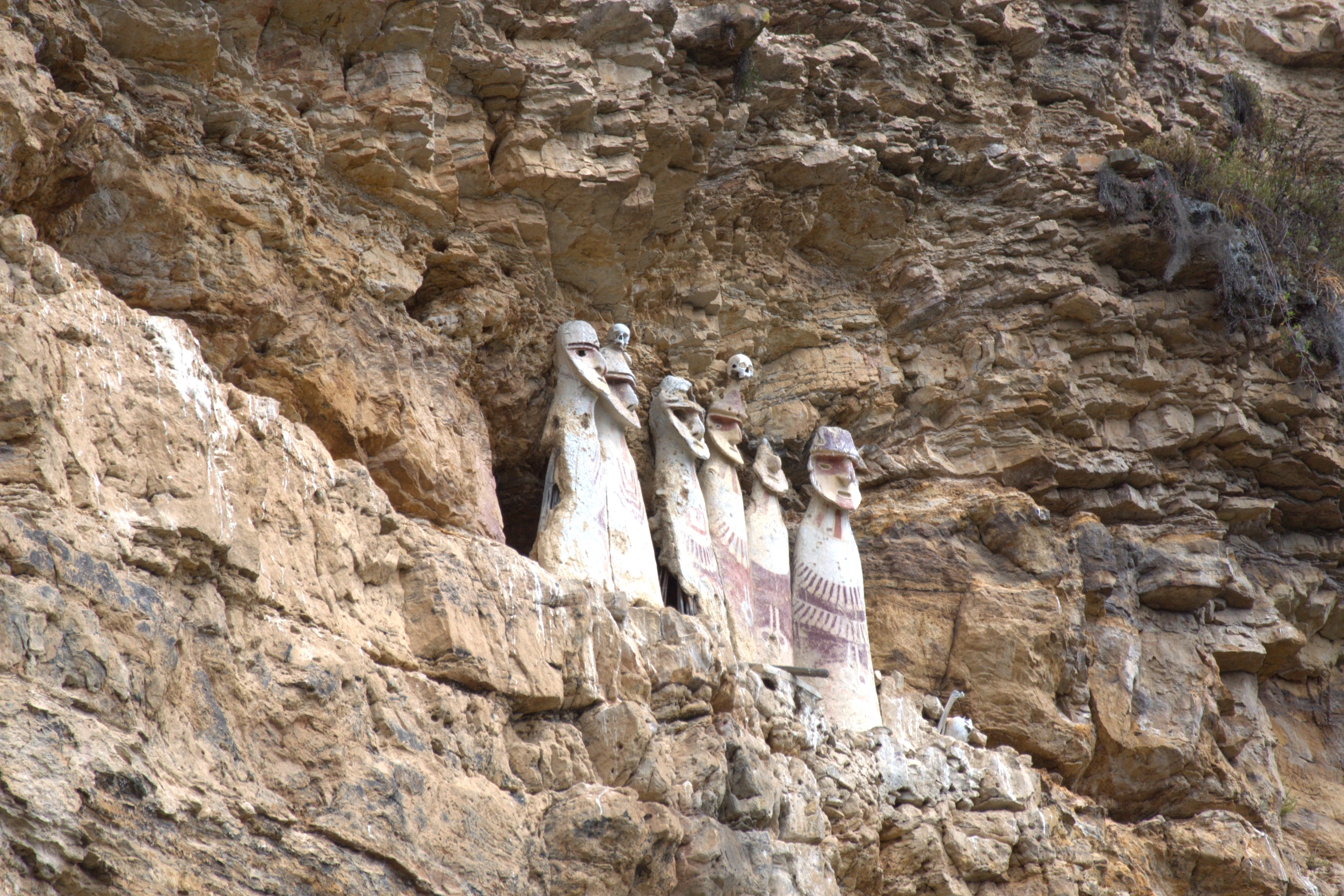
Imagine the Easter Island moai, but shrunk and plonked halfway up a remote cliff. You might be getting close to imagining what Karajia’s sarcophagi are like.

The sarcophagi at Karajia

The sarcophagi at Karajia

Around two feet tall and hollow inside, these clay figures housed mummies of the Chachapoyas tribe who lived in the area between 1000 and 1300AD but were only revealed to the outside world thirty years ago.  Getting to Karajia is an adventure in itself; motorised transport can only get as far as the village of Cruzpata, from where it’s a steep climb down a gravel path to the cliffs where the sarcophagi are found.

Cruzpata village

Cruzpata village

Horses can be rented if you think your lungs won’t cope with the tough climb back to the village.  Tours to Karajia are often combined with a visit to Quiocta Cavern.

The verdict

Despite the relatively small number of foreign tourists, the area around Chachapoyas is definitely worth a visit and the proliferation of tour operators in the town means that getting to the outlying sites is straightforward and cost-effective.  Visitor numbers are slowly but steadily rising, however, so if you want to explore without sharing your experience with coachloads of others, now is the time to go.


Bradt/Travellers’ Tales writing seminar

I spent a very productive day yesterday at the writing seminar organised by Bradt Guides and Travellers’ Tales.  Five exceptional speakers led a series of workshops designed to hone our writing skills and ability to get our work published.

Jonathan Lorie, founder of Travellers’ Tales, made the process of constructing a travel article look deceptively easy, whilst Hilary Bradt and Adrian Phillips of Bradt Guides offered nugget after nugget of perceptive and invaluable tips on how to write.  Drilling down to the power of a single sentence and offering alternatives to the well worn clichés that will destroy any chance of getting into print (everything from wet spaniels to cork trees lifting their crop tops), Hilary and Adrian demonstrated why they are at the top of their game.

Ben Ross, Travel Editor at the Telegraph, no less, had many encouraging words and pithy advice for a room full of print-hungry wannabes; I scribbled as fast as my hand would let me and hopefully will be putting to the test Ben’s promise to respond to as many emails as possible.  Last but definitely not least, Alastair McKenzie provided the voice of the future, advising on blogging and marketing, and leaving me with a ton of homework to do.  I can’t wait to get started.

Alastair McKenzie, a wealth of useful information

Alastair McKenzie, a wealth of useful information

Little Italy in The Bronx

“You walked from the subway? Did you come with a SWAT team?”

Jack was trying to be funny, I think, playing on the reputation of the South Bronx as dangerous. I was in his shop, DeCicco Brothers, on Arthur Avenue, where in true Italian style I had been embraced and welcomed as part of the family within about fifteen minutes of rocking up.  There was no mistaking he was proud of his Italian heritage: the shop was packed with the distinctive blue of the national team’s football kit and piles of T-shirts emblazoned with the slogan “I’m Italian, I can’t keep calm”.  Low rise and lined with trees, this characterful street at the heart of Little Italy had more in common with leafy Greenwich Village than a gang-infested no-go zone.

Leafy Arthur Avenue

Leafy Arthur Avenue

DeCicco's best T-shirt

DeCicco’s best T-shirt

The Bronx has had a hard time shaking off its bad boy reputation. “The Bronx is burning” was a phrase coined in 1977 by the media (rather than sports commentator Howard Cosell to whom the phrased is wrongly credited).  It referred to the many fires that burned that summer when ageing housing stock combined with closures of firehouses had horrific consequences.  The closure in 1973 of the 3rd Avenue El, New York City’s last elevated railway, and the completion of urban planner Robert Moses’ Cross-Bronx Expressway a year earlier, had fractured a community.  The social and economic problems that were to follow resulted in a reputation that’s been difficult to shift.

New York has a long history of Italian immigration. Between the 1870s and the 1920s, around 5 million Italians, the majority from the Mezzogiorno, came to the USA and around a third never made it any further than New York’s five boroughs.  Little Italy in Manhattan, now a shadow of its former self, retains a smattering of restaurants that fool only the most gullible of tourists into thinking they are in a genuine Italian-American neighbourhood.  In truth, the Italians have long since moved away and the area is gradually being assimilated into Chinatown.  According to some reports, the 2010 census doesn’t record a single Italian-born individual living in this part of the city.

Tino's Delicatessen

Elderly Italians outside Tino’s Delicatessen

Little Italy in the Bronx, in contrast, is thriving, a tiny oasis of cor-fee and mozzarella and prosciutto packed into a few streets of the Belmont district. At Tino’s Delicatessen I sipped a cinnamon-scented cappuccino in the company of four elderly gentlemen, their faces lined and puffy from years of pasta and hard living.  Despite the warm November sunshine, they were heavily wrapped up against the elements.  Pausing occasionally to apologise for the profanities which escaped their lips, they put the world to rights as they probably did every morning.  I’m not sure what they made of me, an outsider.

Tino's delicatessen

Tino’s delicatessen

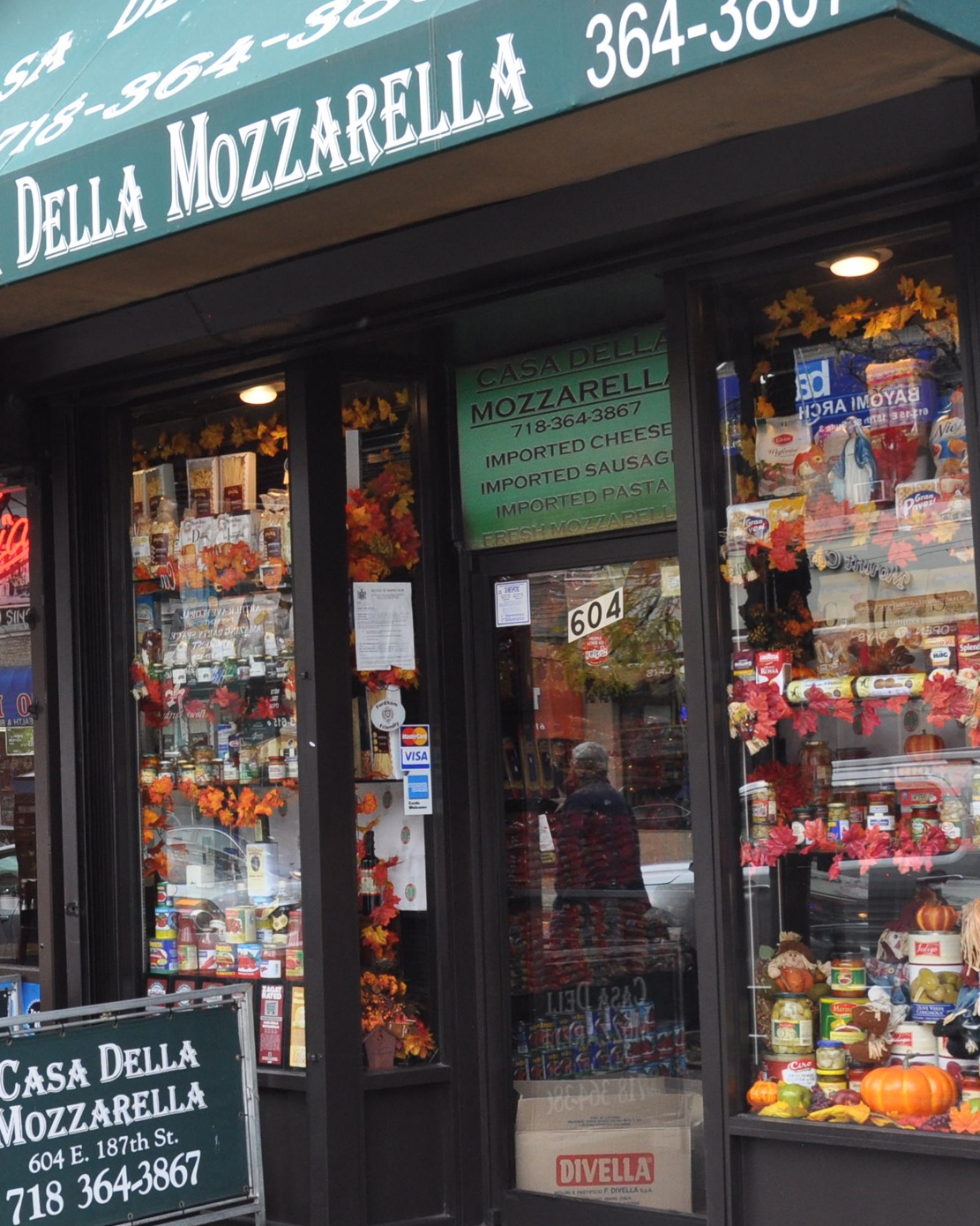
A few doors further down Arthur Avenue, Jack DeCicco’s father Tony wandered in off the street and was keen to share his story. Together with his wife, he had arrived from Napoli in 1969 and had been in Little Italy ever since.  He was immensely proud of his neighbourhood and took me to some of his favourite haunts: the Casa Della Mozzarella around the block on 187th Street, described by one Brooklynite as “oral dairy porn” and Vincent’s Meat Market, where row upon row of sausage and salami hang like chandeliers from the ceiling.  The area is a foodie’s paradise, where everything from salt cod to handmade ravioli can be bought today just as it has been for decades.

The ceiling of sausage

The ceiling of sausage

photo2JPG

Casa Della Mozzarella

In a city that likes to reinvent itself and in a borough where so much was destroyed, there’s something comforting about the number of businesses that were founded at turn of the last century rather than the current one. Go and see for yourself – no SWAT team required.